


PLACE OF WORSHIP · MUNTENIA (WALLACHIA)
Negru Vodă Cave Monastery

Albestii, Argeș County
Add location to your trip planner.
Practical access information

VISITING HOURS
Monday: 12:00 PM – 5:00 PM · Tuesday–Sunday: 9:00 AM – 5:00 PM (in summer until 8:00 PM)

TICKET PRICE
Adults: 45 RON · Students: 11 RON · Seniors: 23 RON · Guided tour included

RECOMMENDED VISIT DURATION
2-3.5 hours
Visitor information and guide
 Navigate with Google Maps

ABOUT NEGRU VODĂ CAVE MONASTERY
A Sanctuary Suspended Between Sky and History
Perched on the sheer peak of a mountain in the heart of the Dâmbovița Valley, between the picturesque villages of Cetățeni and Cotenești, just 22 kilometers southeast of the royal town of Câmpulung, the Negru Vodă Cave Monastery rises majestically at an altitude of 881 meters, standing as a silent witness to the centuries that have swept over the mountainous lands of Argeș. Known in local tradition as the Negru Vodă Cave Hermitage, this monastic settlement for monks distinguishes itself through its exceptional and nearly inaccessible location within a natural cave carved into the limestone mass of the mountain. It offers visitors a spiritual experience of rare intensity, akin to that provided by the rock-hewn monasteries of Meteora in Greece or Cappadocia in Anatolia, yet preserving the profoundly Romanian character of Eastern Orthodoxy. The land on which this holy site stands bears traces of ancient epochs: according to oral tradition and preliminary archaeological research, this peak hosted a Dacian sanctuary as early as the 5th century BCE, a place of worship dedicated to the gods of the Thracian tribes. Later, during the Roman rule over Dacia, it transformed into a fortress of resistance and refuge against Trajan’s legions, similar to other Dacian fortifications in the Orăștie Mountains or the Sarmizegetusa region.
The presence of this pre-Christian archaeological layer places the monastery within a broader European context of hilltop cult sites, a phenomenon encountered from Stonehenge in the British Isles to the Minoan sanctuaries of Crete, passing through the Celtic temples of Gaul or the sacred acropoleis of the Iberian Peninsula. The gradual transformation of this pagan place of worship into a center of Christian spirituality, and later into an Orthodox monastery, illustrates the process of religious syncretism and spiritual continuity that characterized Eastern Europe after the fall of the Western Roman Empire and during the Byzantine period.
Historical Roots and Major European Connections
The documented history of this site begins to take shape in the 14th century, during the tumultuous period of the formation of the medieval state of Wallachia, when Voivode Nicolae Alexandru Basarab (1352–1364), son of Basarab I, consolidated the power of the dynasty and established complex diplomatic alliances with the great powers of the time. His reign marked a period of openness toward Central and Western Europe, directly reflected in the architecture and spiritual organization of the monastery. The European historical context of that era was defined by the Ottoman expansion in the Balkans, the rivalries between the Kingdom of Hungary and the Byzantine Empire, and the growing influence of the Angevin dynasty in Southeastern Europe. Like other Romanian voivodes of the time, Nicolae Alexandru had to navigate between Ottoman pressure from the south, Hungarian ambitions from the northwest, and Byzantine influence from the east, seeking to secure his throne through dynastic marriages and the protection of Christian powers.
The presence of a Catholic altar in the monastery’s church, dedicated to Lady Clara, the wife of Voivode Nicolae Alexandru, who was of Roman Catholic confession, attests to this openness toward the Western world and the confessional diversity at the princely court of Câmpulung. This situation mirrored that of the courts in Kraków, Buda, or Belgrade, where the presence of Catholic communities within predominantly Orthodox states was a political necessity. This mixed confessional reality finds parallels in the history of other medieval Balkan states, such as the Serbia of Stefan Dušan, who also maintained close relations with the Papacy and Venice, or in the Romanian Principalities of Moldavia, where Petru I Mușat fostered ties with the Kingdom of Poland. Western influences are also reflected in the architectural style and interior decorations, suggesting the presence of master builders or painters trained in the artistic schools of Transylvania, under Hungarian and German influence, or in the Banat region, situated at the border between the Orthodox and Catholic worlds.
Later, in the late 14th century, the monastery became linked to the legendary figure of Negru Vodă (Radu I), one of the founding voivodes of Wallachia, who, according to tradition, used the caves in the area as a refuge during battles against the Tatars and Ottomans. This military context places the Cetățuia within a network of fortifications and hideouts similar to those in the Dubrovnik region, the mountains of Bosnia, or the Epirus region of Greece, where monks and fighters retreated into caves to resist sieges.
An Architectural Masterpiece: The Rock-Hewn Church and the Sacred Triangle of Muscel
The monastery’s church, organically incorporated into the mountain’s massive rock, represents a remarkable and rare example of rock-hewn architecture in the Muscel region, unique in the Romanian religious landscape for the way human construction blends with wild nature. This technique of carving into stone has its roots in the Byzantine tradition of rock monasteries, such as those in Meteora (Greece), where, beginning in the 14th century, Orthodox monks built holy sites suspended on stone pillars, or in Cappadocia (Turkey), where early Christian communities carved churches into volcanic tuff. However, the Cetățuia stands out through its autochthonous character, representing an adaptation of the rock-hewn tradition to the Carpathian landscape and Romanian spirituality.
The monastery is part of a so-called "sacred triangle" with sides of twenty kilometers, alongside Corbii de Piatră Monastery and Nămăești Monastery. These three sites form an exceptional concentration of rock-hewn monasticism that finds no equivalent in other parts of the Balkans, except perhaps in certain regions of Serbia or northern Greece. In the church’s altar lies a small spring, a holy well which, according to tradition and the observations of monks over the centuries, drips water only during a short and precise period of the year, between the feasts of The Healing Spring (the Friday after Orthodox Easter) and The Dormition of the Mother of God (August 15). This hydrological phenomenon, considered miraculous and healing, recalls the therapeutic springs of other European pilgrimage centers, such as Lourdes in France or Walsingham in England, and is framed within the Orthodox liturgical calendar as a divine sign of grace’s presence in this place. These two feast days define the monastery’s spiritual rhythm, attracting thousands of pilgrims annually who come to venerate and collect holy water.
A unique architectural curiosity in the Romanian religious landscape is the Catholic altar carved into the northern wall of the narthex, a small liturgical space dedicated to the Roman Catholic rite, intended for Lady Clara, the wife of Voivode Nicolae Alexandru Basarab. This architectural detail physically attests to the presence of Western influences and the religious diversity of medieval Wallachia, reflecting dynastic alliances with Central Europe and the Holy See. Such Catholic chapels incorporated into Orthodox complexes are rare in Eastern Europe, being more common in the context of confessional pluralism in medieval Transylvania or in the Catholic communities of Poland and Hungary, underscoring the cosmopolitan character of the Câmpulung court in the 14th century.
Legends, Personalities, and Turning Points
The rock above the altar preserves, according to tradition, an imprint in the stone considered by the faithful to be the "footprint of Negru Vodă," recalling the physical presence of the great voivode in this holy place. This is similar to the traces left by saints or national heroes in other European traditions, such as the footprints of Saint James in Galicia or those of Saint Columban in the Swiss Alps. Behind the church, a hollow in the rock is called the "Elder’s Cell," linked to the legend that the stone melted or softened due to the fervent piety of Voivode Negru Vodă, who prayed here with such intensity that the rock yielded to his faith—a common theme in European medieval hagiography, where nature submits to sanctity.
On the opposite slope of the mountain, the group of bare rocks known as the "Lady’s Teeth" evokes the tragedy of Lady Marghita, the wife of Negru Vodă, a tale of love and sacrifice worthy of European chivalric epics or Byzantine legends about empresses. According to tradition, when Lady Marghita saw her husband’s white horses returning stained with blood, believing the voivode had fallen in the fierce battle against the Tatars, she threw herself into the abyss from these rocks, preferring death to humiliation and capture. This tragic legend finds parallels in the story of Inês de Castro in medieval Portugal or in the tragedies of Byzantine empresses, representing a European literary motif of the woman who chooses heroic death over dishonor.
The monastery’s name derives from the presumed fortress of refuge used by Negru Vodă during invasions. The voivode also possessed a secret cave, known today as the Cave of Negru Vodă, a subterranean labyrinth reminiscent of the cave systems used by Christian resistance during Roman persecutions or the tunnel networks from World War II in other parts of Europe.
The Eremitic Tradition and Spiritual Legacy
The Cetățuia area is rich in caves, some natural, formed by the erosion of water and wind over millennia, others carved with chisels and hand tools by skilled hermits who retreated here between the 14th and 18th centuries. This eremitic tradition, of withdrawing into nature for prayer and contemplation, has its roots in the early Christian monasticism of the Egyptian and Syrian deserts (Desert Fathers), continued in Byzantium through the hesychast practice of Mount Athos and in Western Europe through the Benedictine and Cistercian traditions. The monks of Cetățuia, living in cells carved into the rock, reproduced on a local scale the model of the Athonite "lavra" or the rock-hewn monasteries of southern Italy (such as those in Matera) and Armenia (Geghard), keeping alive the tradition of asceticism in caves.
In recent decades, in a cave suspended on the mountainside at a dizzying height, a hermit was discovered whose remains were placed in a coffin-shaped hollow carved into the stone. Above it, inscribed in Cyrillic letters, was the text: "Ioanichie the Schemamonk 1638." These relics represent the only complete earthly remains of a Romanian holy man from the 17th century preserved to this day, a rare and precious testimony to the indigenous spirituality of the period of Ottoman occupation and growing religious pressure. The discovery recalls the finding of saints’ relics in medieval European crypts, such as those in Gothic cathedrals in France or Benedictine monasteries in Germany, underscoring the continuity of the tradition of sanctity in Romania.
Today, the monastery publishes the spirituality journal "The Hermits’ Murmur", which includes a section dedicated to natural medicine and phytotherapy, keeping alive the tradition of caring for body and soul—a holistic approach that echoes the tradition of Benedictine monasteries in Austria and Germany, where monks have practiced monastic pharmacy and natural care for centuries.
Practical Visitor’s Guide and Tourist Experience
Visiting this sacred site offers a profound and transformative experience, situated at the intersection of archaeology, rock-hewn architecture, and Orthodox spirituality, within a natural setting of impressive wilderness that has inspired generations of monks and pilgrims alike. To reach Negru Vodă Cave Monastery, travelers must depart from Câmpulung Muscel, heading southeast on the county road that crosses the Dâmbovița Valley, passing through the villages of Albeștii de Muscel, Cetățeni, and Cotenești. Afterward, a forest road or a marked hiking trail leads to the foot of the mountain. The final part of the journey involves a steep ascent along mountain paths that wind through rocks and forests of beech and fir, offering spectacular views of the valley and the Făgăraș Mountains in the distance.
The most suitable period for visiting is between May and October, when the weather is mild and the trails are accessible, though the monastery can also be visited in winter by intrepid pilgrims with appropriate equipment. The peak moments of the liturgical year are the feasts of The Healing Spring and The Dormition of the Mother of God, when the spring in the altar truly flows, attracting crowds of the faithful who participate in services and the blessing of water. Visitors are advised to wear comfortable hiking footwear, bring water and provisions, as the area is isolated and there are no tourist facilities in the immediate vicinity of the monastery, thus preserving the atmosphere of tranquility and contemplation.
During the visit, pilgrims can explore the rock-hewn church, light candles at the Orthodox and Catholic altars, drink from the healing spring (when it flows), search for the "footprint of Negru Vodă," and visit the Cave of Negru Vodă and the Elder’s Cell, combining prayer with the exploration of a fascinating karst landscape. The atmosphere of the place, charged with history and the sacred presence of centuries, offers an authentic spiritual experience, far from urban crowds, in a setting reminiscent of medieval pilgrimages through the mountains of Europe—whether the paths to Santiago de Compostela, the monasteries of Tuscany, or the sanctuaries of the Polish Carpathians.
Media gallery
Discover Negru Vodă Cave Monastery in pictures

9 photos · Architecture, courtyards and captivating details
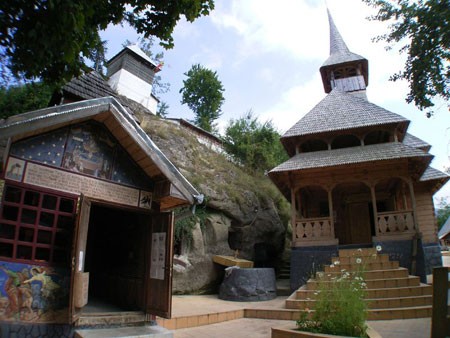

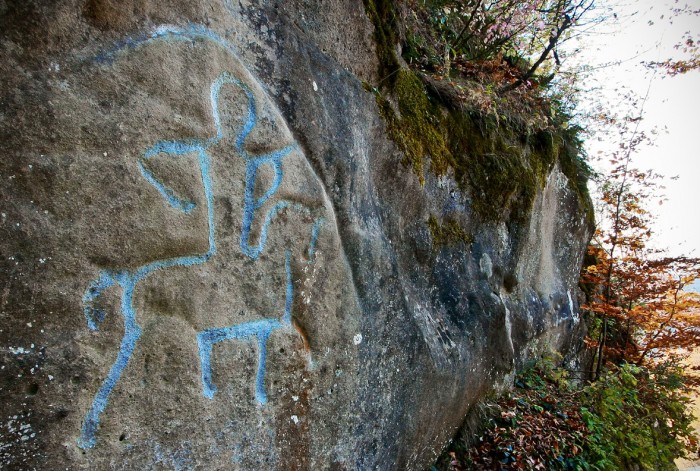


Image source: Wikimedia Commons · Public domain photos · Free license
STAY A FEW DAYS, DISCOVER THE MAGIC
Accommodation in the Negru Vodă Cave Monastery area

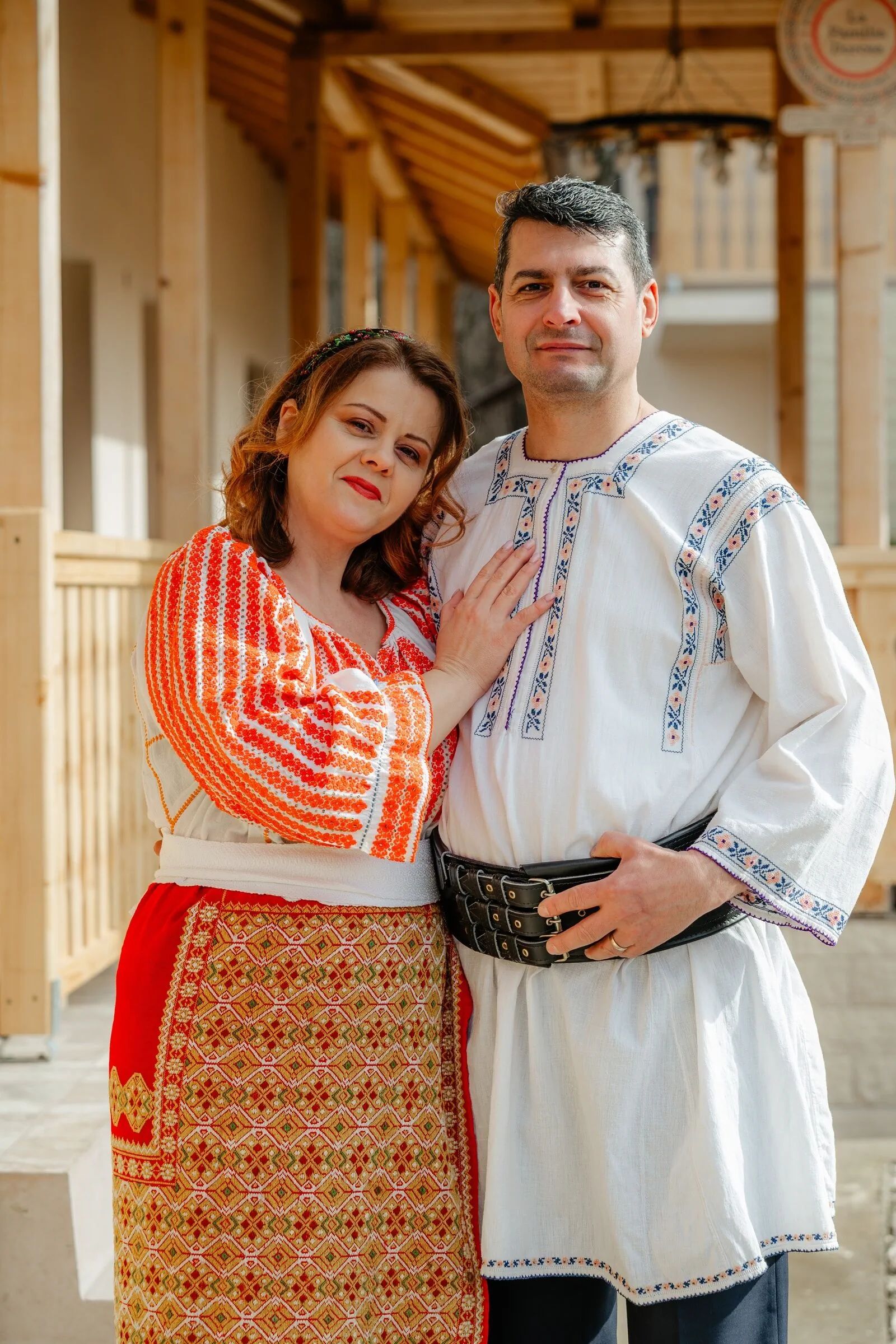
Holiday home · 3 stars

Lăicăi, Argeș County · 3.5 km
Casa La Familia Dorcea Lăicăi
O zi petrecută între grădina amenajată și foișorul din curte se desfășoară într-un ritm lent și liniștit la Casa La Familia Dorcea Lăicăi din Lăicăi, județul Argeș. Spațiul este dedicat exclusiv adulților și grupurilor mici organizate care caută reconectare și reflecție, într-un cadru intim și familial, departe de agitație și zgomot. Beneficiați de Wi-Fi gratuit, parcare privată gratuită și depozit pentru bagaje. Restaurantul din incintă pregătește meniuri pentru diete speciale, gătite simplu și cu grijă, iar închirierea de biciclete vă deschide accesul către drumeții montane și trasee în natură din zonă. În apropiere puteți descoperi Mănăstirea Cetățuia Negru Vodă, Mausoleul de la Măteiaș, Munții Leaota, Castelul Peleș și Mănăstirea Nămaiești. Fiecare dintre aceste obiective adaugă o nouă dimensiune culturală, istorică și spirituală vizitei dumneavoastră în această regiune pitorească a Argeșului. Atmosfera păstrează valorile de familie și cele creștine, într-un spațiu lipsit de muzică tare sau petreceri zgomotoase. Accesul se realizează doar pe bază de recomandare sau discuție prealabilă, fiind rezervat exclusiv grupurilor organizate care împărtășesc aceleași principii și căutări profunde. Seara, după cină la restaurantul din incintă, vă puteți retrage în liniștea curții private pentru a vă bucura de ultimele raze ale soarelui într-un ambient deplin relaxant.
FROM
280 lei per night

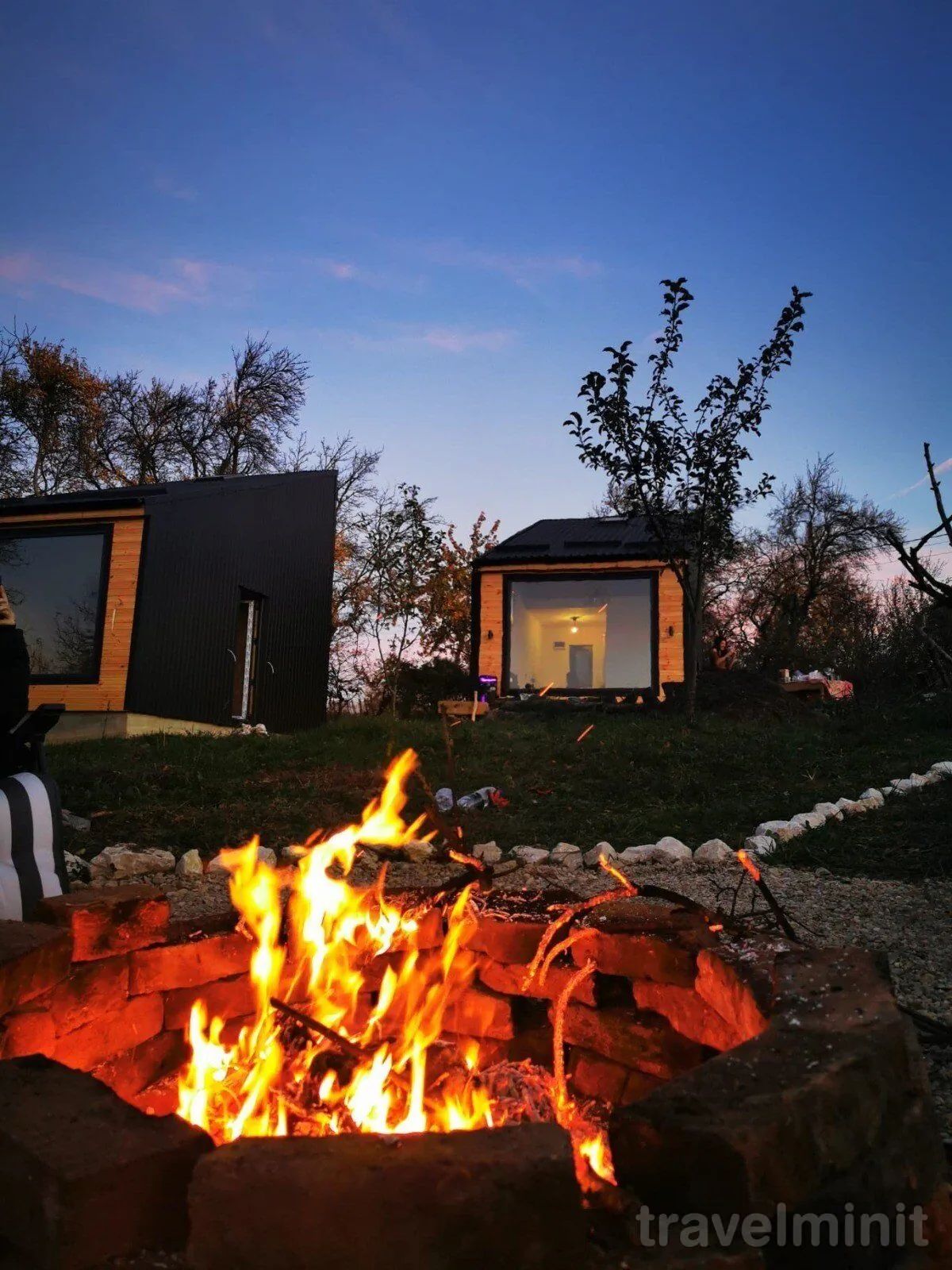
Cabin · 3 stars
Câmpulung, Argeș County · 11.0 km
Campolongo Tiny Chalet Câmpulung
Dacă doriți să vizitați Mausoleul de la Măteiaș, Campolongo Tiny Chalet Câmpulung reprezintă punctul de plecare potrivit pentru o cabană clasică de trei stele situată în orașul Câmpulung din județul Argeș. Această locație oferă un cadru liniștit și primitor pentru explorarea zonei. Unitatea pune la dispoziția dumneavoastră două camere amenajate cu atenție, fiecare dotată cu aer condiționat pentru confort pe tot parcursul zilei. Veți avea acces la Wi-Fi gratuit în întreaga proprietate și la o parcare privată gratuită, astfel încât să vă bucurați de ședere fără nicio grijă. Spațiile exterioare includ o curte mare și o grădină amenajată, ideale pentru momente de relaxare în aer liber. Pentru cine dorește să pregătească masa în natură, sunt disponibile un grătar sau barbeque și un ceaun pentru gătit în aer liber. După o zi activă, vă puteți destinde într-o cadă cu hidromasaj sau jacuzzi. În apropiere puteți descoperi și alte obiective culturale și religioase: Mănăstirea Nămaiești, Mănăstirea Negru Vodă, Muzeul Municipal din Câmpulung și Biserica Sfântul Spiridon-Șubești din Câmpulung. Vă așteptăm la Campolongo Tiny Chalet Câmpulung.
FROM
270 lei per night
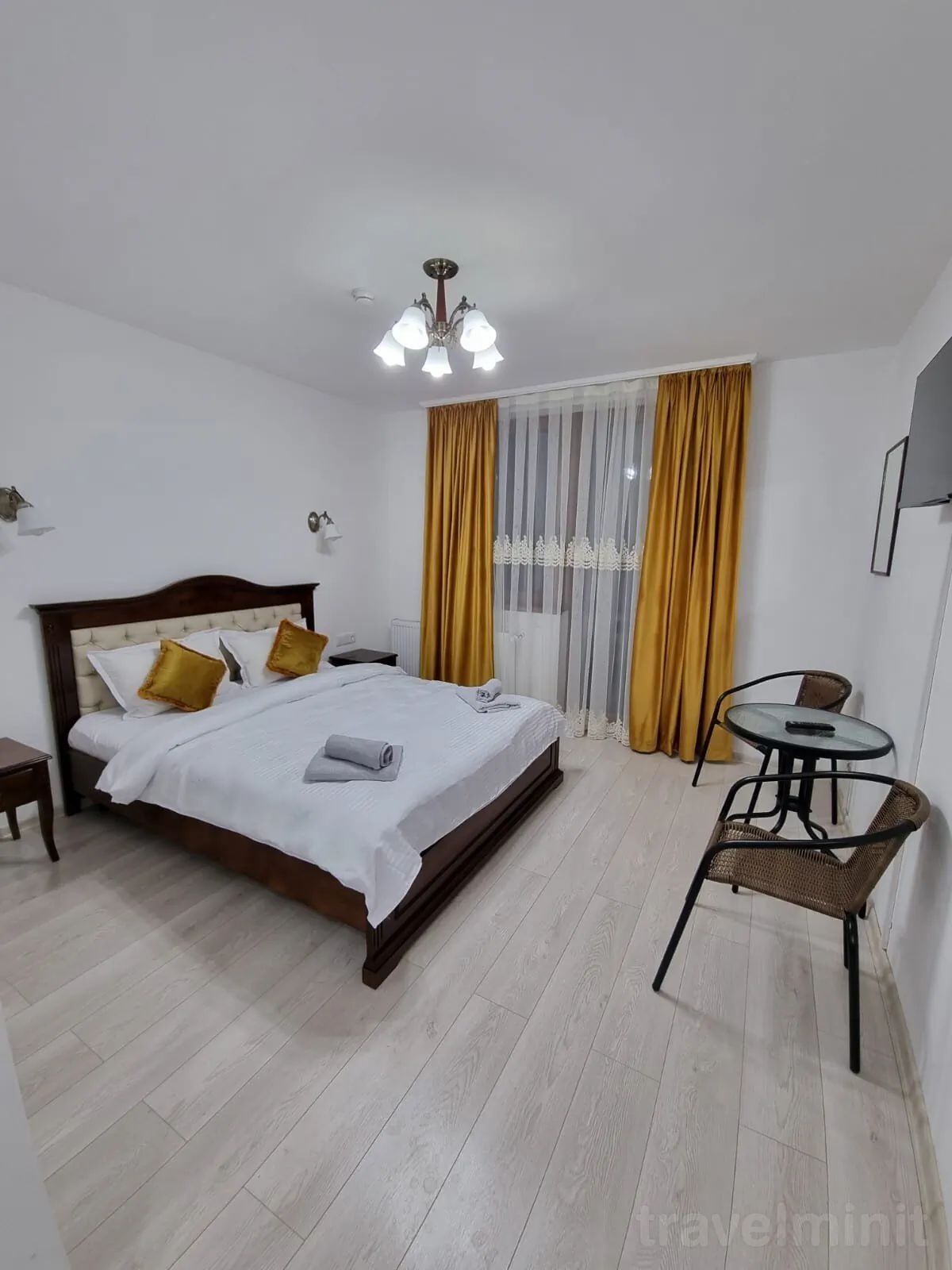
Guesthouse · 3 stars
Oncești, Maramureș County · 11.2 km
Pensiunea Sofia Oncești
De pe terasa largă, privirea se întinde spre culmile munților, iar aerul curat al Maramureșului pătrunde în fiecare cameră. Pensiunea Sofia Oncești vă primește în localitatea Oncești, județul Maramureș, într-un cadru liniștit și primitor. Camerele de familie oferă confort pentru toți membrii, fiind dotate cu televizor cu ecran plat, zonă de luat masa și bucătărie bine utilată. Baia privată include duș, uscător de păr și articole de toaletă. Toate unitățile sunt izolate fonic și beneficiază de lenjerie de pat și prosoape proaspete, iar accesul la balcon vă permite să admirați peisajul. În curtea mare și grădina amenajată vă puteți relaxa la umbră sau puteți organiza un grătar împreună cu cei dragi. Pentru copii există un loc de joacă la exterior, iar pentru adulți există un ciubăr din lemn tradițional și un ceaun pentru gătit în aer liber. Pătuțul pentru bebeluș este disponibil la cerere. În apropiere puteți vizita Mănăstirea Cetățuia Negru Vodă, Mausoleul de la Măteiaș, Castelul Peleș, Munții Leaota și Mănăstirea Dealu, oferind numeroase posibilități de explorare a zonei. Pensiunea dispune de parcare privată gratuită și Wi-Fi gratuit, iar adresa completă este strada Principală 286D, Oncești. Vă așteptăm să vă bucurați de șederea dumneavoastră.
FROM
240 lei per night
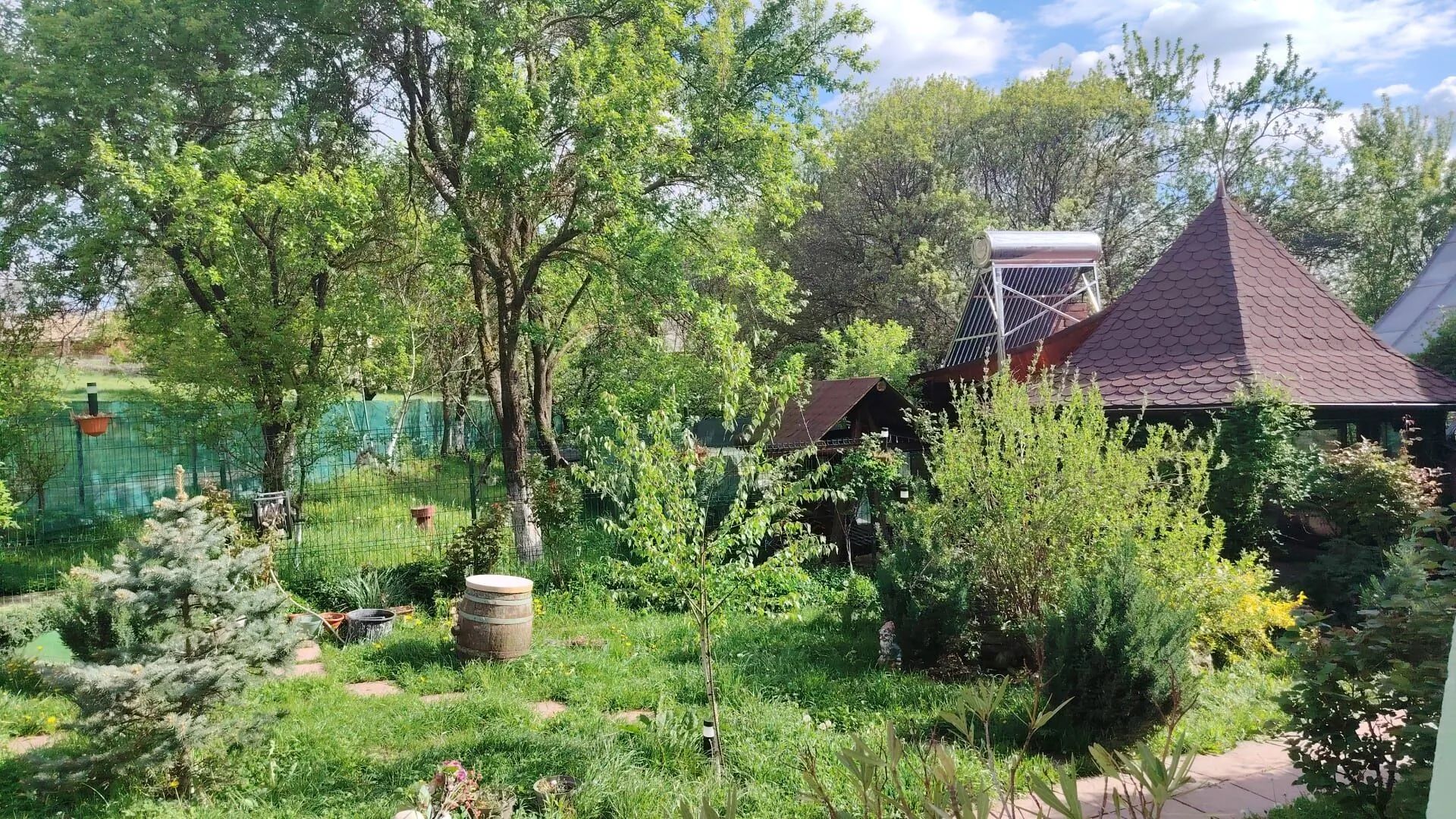
Holiday villa · 3 stars
Șelari, Argeș County · 11.5 km
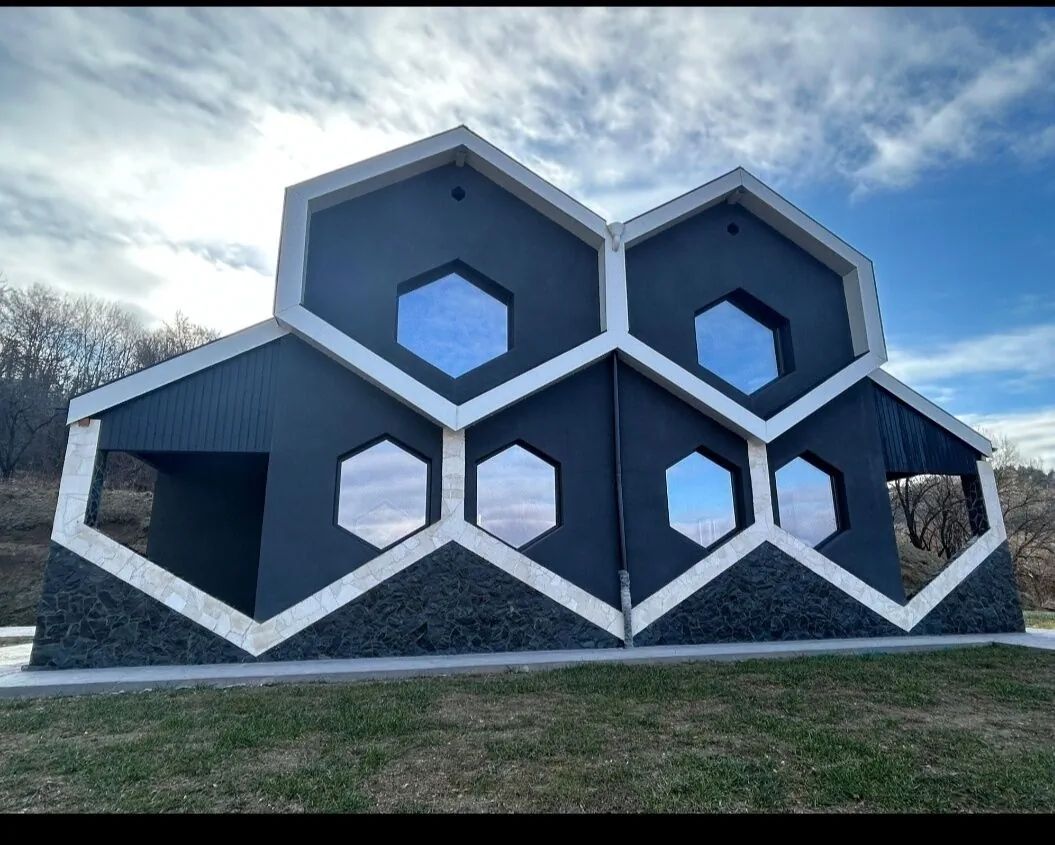
Vila Eden House Șelari
Comfort, relaxation and stunning views, all just steps away from the main attractions.
FROM
280 lei per night
Holiday home · 3 stars
Mățău, Argeș County · 12.0 km
Casa ProPolis Mățău
Ciubărul din lemn tradițional reprezintă punctul forte al Casei ProPolis Mățău, o vilă integrală de închiriat situată pe strada Târgoviștei din localitatea Mățău, județul Argeș. Această facilitate unică vă oferă momente de relaxare autentice într-un cadru tradițional, departe de aglomerația urbană. Proprietatea dispune de o curte mare și o grădină amenajată, potrivite pentru seri liniștite petrecute în aer liber împreună cu familia sau prietenii. Pentru prepararea meselor în natură aveți la dispoziție un grătar și un ceaun pentru gătit în aer liber. Parcare privată gratuită și parcare pentru biciclete sunt disponibile pentru dumneavoastră, iar în interior beneficiați de Wi-Fi gratuit și de un pătuț pentru bebeluș, astfel încât întreaga familie se simte confortabil. În apropiere puteți descoperi Mausoleul de la Măteiaș, Mănăstirea Negru Vodă, Mănăstirea Nămaiești, Muzeul Municipal din Câmpulung și Biserica Sfântul Spiridon-Șubești din Câmpulung. Aceste obiective culturale și religioase completează experiența șederii dumneavoastră în această zonă pitorească a județului Argeș, oferindu-vă ocazia de a explora istoria și spiritualitatea locului. Dimineața, după un somn odihnitor, vă puteți bucura de liniștea grădinii amenajate în timp ce savurați prima cafea a zilei.
FROM
280 lei per night
Cabin · 1 star
Valea Mare Pravăț, Argeș County · 13.3 km
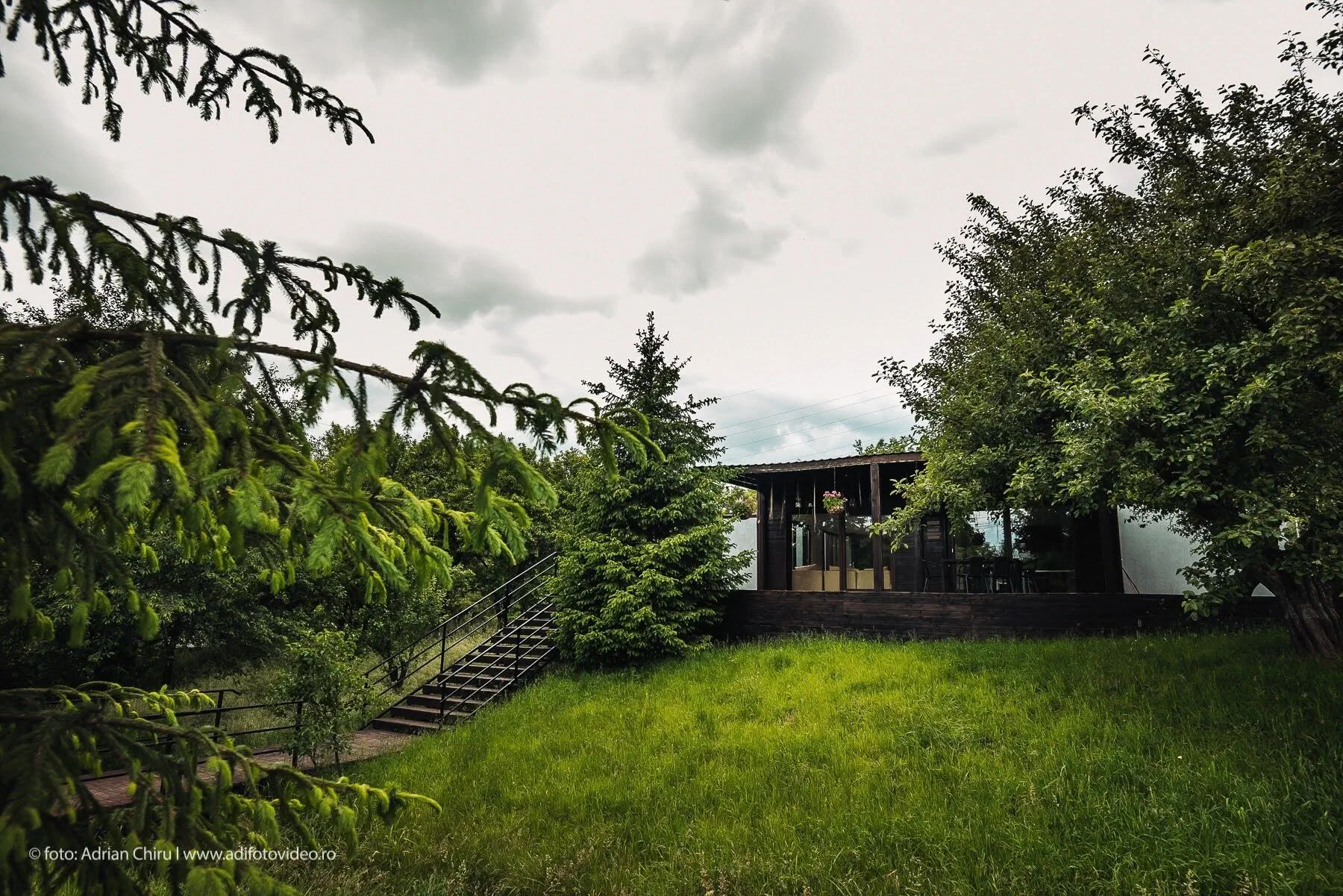
Ethereal Chalet Valea Mare Pravăț
Comfort, relaxation and stunning views, all just steps away from the main attractions.
FROM
270 lei per night
BEFORE YOU HIT THE ROAD
Weather conditions in Albestii
Local forecast for Negru Vodă Cave Monastery, Albestii, Argeș

Real-time updated weather data
Much more to explore in this area
Nearby tourist attractions


Bran, Brașov County
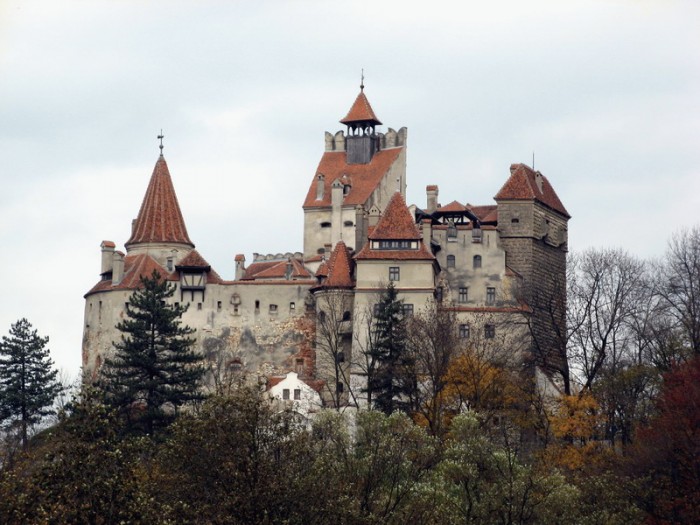
Bran Castle
Situat pe strada General Traian Mosoiu nr. 28 din localitatea Bran, la 30 km de municipiul Brasov; construit in anul 1377 in scop militar; in anul 1395, este...
35.3 km
Sinaia, Prahova County
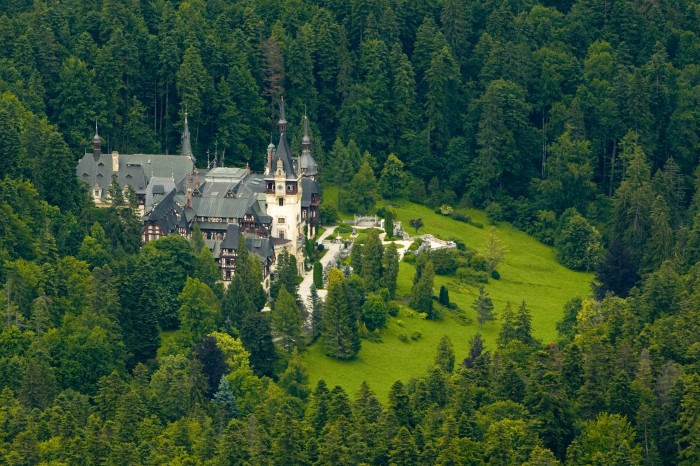
Peleș Castle
Situat pe strada Pelesului din Sinaia; piatra de temelie a castelului se pune in 1873, aici fiind ingropate si cateva zeci de monede de 20 de lei, din aur -...
30.5 km
Prahova, Prahova County
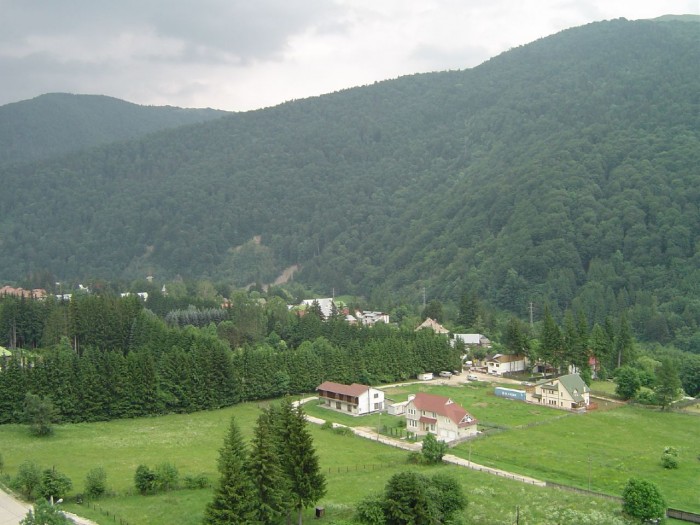
Sinaia Resort
Situata pe valea superioara a Prahovei, la poalele Muntilor Bucegi (Carpatii Meridionali), la o altitudine ce variaza intre 798-971 m; este una din cele mai...
30.6 km
Prahova, Prahova County
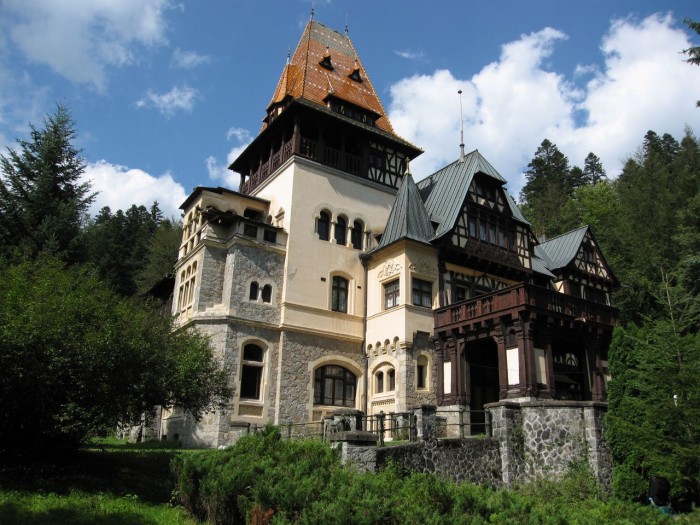
Pelișor Castle
Situat in parcul Castelului Peles, pe Valea Prahovei; ridicat intre anii 1899 si 1902; in 1903 a devenit resedinta de vara a principilor mostenitori;...
30.3 km
Brasov, Brașov County
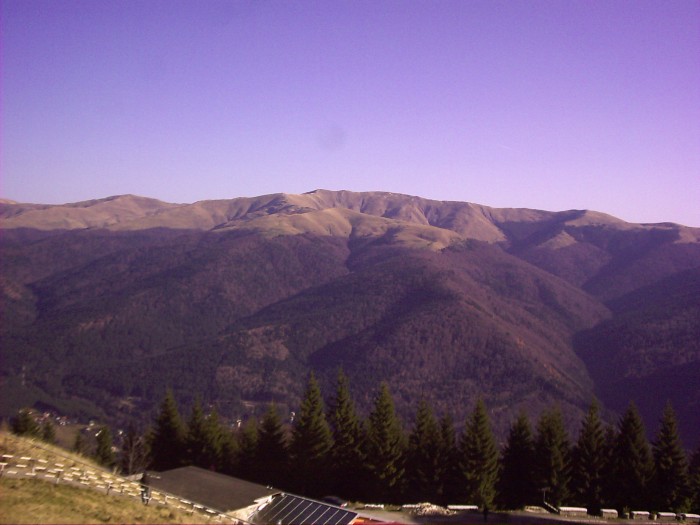
Bucegi Natural Park
Situat in Muntii Bucegi, se intinde pe raza comunelor Rasnov, Bran, Moeciu; zona Muntilor Bucegi a fost propusa pentru protejare in anul 1936, dar initiativa s-...
31.9 km
Râșnov, Brașov County
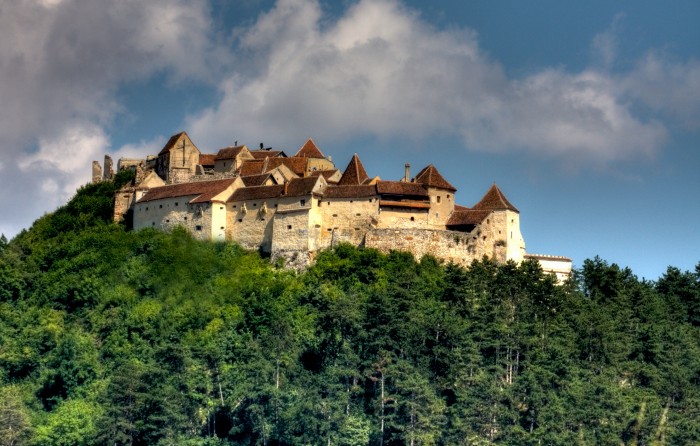
Râșnov Citadel
Situata in orasul Rasnov, la 15 km de municipiul Brasov; construita in secolele XIII - XIV de catre locuitorii zonei, in scopul apararii impotriva atacurilor...
46.2 km

Brasov, Brașov County
Poiana Brașov resort.
Situata la poalele muntelui Postavaru, la 12 km de municipiul Brasov; amplasata la altitudinea de 1.030 m, statiunea turistica Poiana Brasov a fost infiintata...
49.9 km
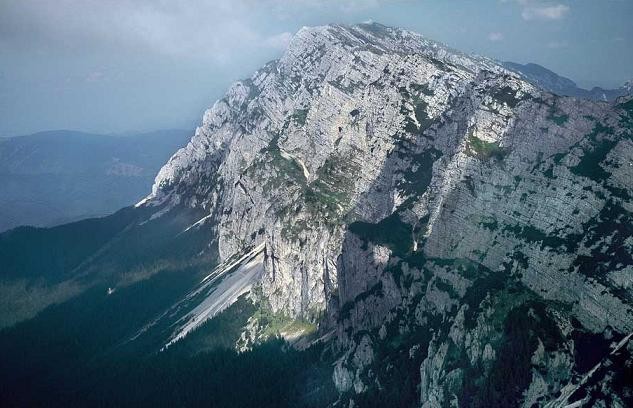
Brasov, Brașov County
Piatra Craiului National Park
Situat in Carpatii Meridionali;include Creasta Pietrei Craiului in totalitate si spatiile din culoarele intramontane limitrofe, Rucar - Bran si Rucar -...
36.7 km
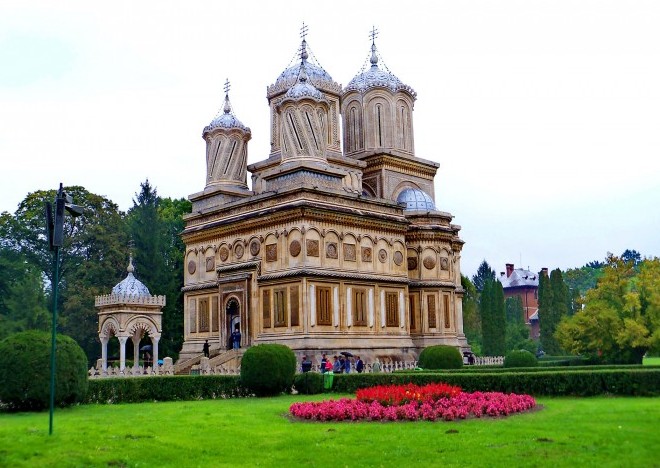
Albestii, Argeș County
Curtea de Argeș Monastery
Situata pe strada Basarabilor nr. 1, in apropierea centrului orasului Curtea de Arges; construita intre 1515-1517, de catre Neagoe Basarab, pe locul vechii...
42.4 km

Curtea de Argeș, Argeș County
The Royal Cathedral in Curtea de Argeș.
Catedrala din Curtea de Argeș, România
42.4 km

Brasov, Brașov County
Predeal: Romania's Highest Town and the Carpathian Balcony
Situata pe Valea Prahovei, intre raurile Prahova si Timis, la 25 km de municipiul Brasov; amplasata la 1.100 m, este cea mai inalta asezare urbana din Romania;...
43.1 km
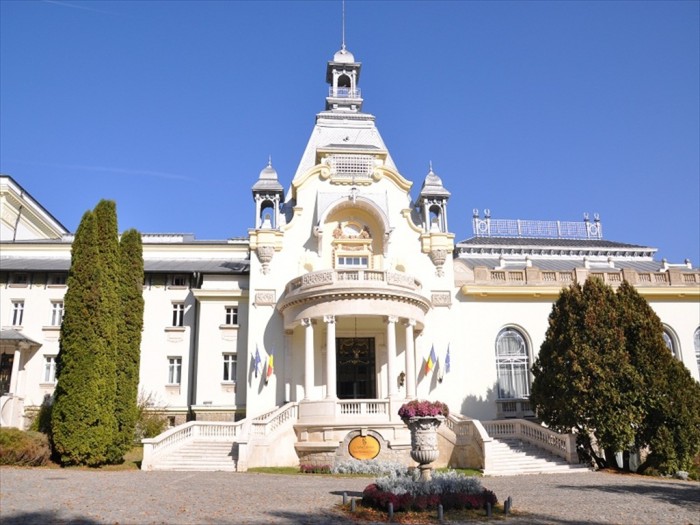
Prahova, Prahova County
Sinaia Casino
Situat in parcul "Dimitrie Ghica" din localitatea Sinaia; reprezinta si astazi unul dintre edificiile - simbol ale statiunii; construit in timp record, intre...
31.0 km
Cultural life and traditions
Events in the Negru Vodă Cave Monastery area
Medieval festivals, traditional fairs, concerts and local activities recommended in Muntenia (Wallachia).

History and Royal Architecture

Albestii, County of Argeș
Days of Royalty and Heritage in the Prahova Valley
Historical conferences open to the public, themed tours of royal architecture, documentary screenings and exhibitions of vintage photographs.
WHEN
May 10-12, 2026


Gastronomy and Oenology
Dealu Mare, County of Argeș
The Prahova Wine Festival on the Wine Route
Guided tastings of Fetească Neagră along the famous Wine Route, visits to historic wineries, and meetings with leading winemakers.
WHEN
Every weekend (September - October)
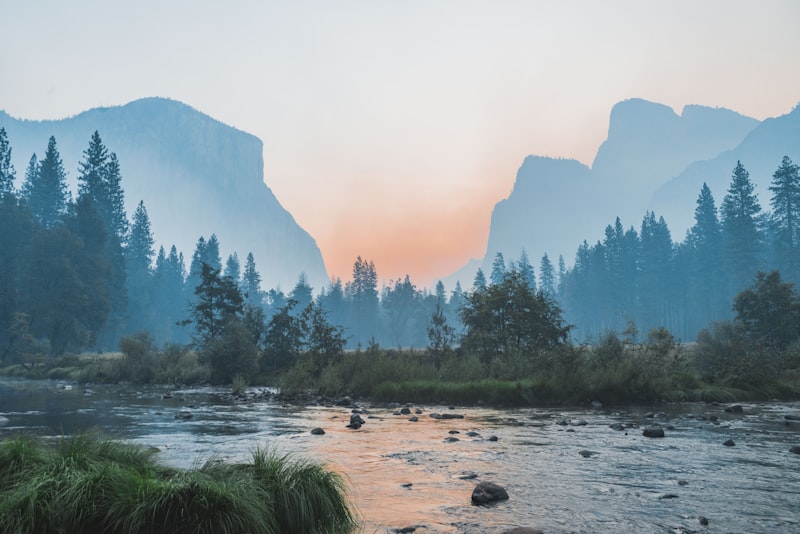
Hiking and Adventure
Bucegi Mountains, Argeș County
Guided Mountain Tour in the Bucegi Mountains
Guided mountain tours led by mountain rescue personnel to iconic panoramic viewpoints and spectacular alpine waterfalls.
WHEN
Daily during the season (June - October)
On foot, exploration gains depth
Discover the surroundings and local geography
Explore the trails, terrain, and natural landmarks around Negru Vodă Cave Monastery.

Guides and practical tips
Useful travel articles
Travel guides, practical recommendations and tourist itineraries for Muntenia (Wallachia).

Tourist guide
Top 5 Atracții Turistice și Trasee Montane în Zona Moieciu - Bran
Descoperă cele mai spectaculoase peisaje carstice, chei adânci și cetăți medievale din imediata apropiere a stațiunii Moieciu.

Tourist guide
Ghid de Drumeție: Traseul Moieciu de Sus spre Platoul Bucegi
Un itinerariu montan de o frumusețe rară ce urcă din Valea Băngăleasa spre Poiana Guțanu și crestele maiestuoase ale Bucegilor.

Tourist guide
Castelul Bran: Istorie, Legende și Secrete Medievale
Află adevărata poveste a fortăreței medievale din Pasul Bran, reședința de suflet a Reginei Maria a României.
THE JOURNEY STARTS WITH AN IDEA
The next story is on the way.
From the first stop to the last stay, make room for a new Romania.
