


NATURE AND WILDLIFE · TRANSYLVANIA
Piatra Craiului National Park

Brasov, Brașov County
Add location to your trip planner.
Practical access information

VISITING HOURS
Monday: 12:00 PM – 5:00 PM · Tuesday–Sunday: 9:00 AM – 5:00 PM (in summer until 8:00 PM)

TICKET PRICE
Adults: 45 RON · Students: 11 RON · Seniors: 23 RON · Guided tour included

RECOMMENDED VISIT DURATION
2-3.5 hours
Visitor information and guide
 Navigate with Google Maps

ABOUT PIATRA CRAIULUI NATIONAL PARK
An Alpine Sanctuary in the Heart of Europe: Introduction and Heritage Significance
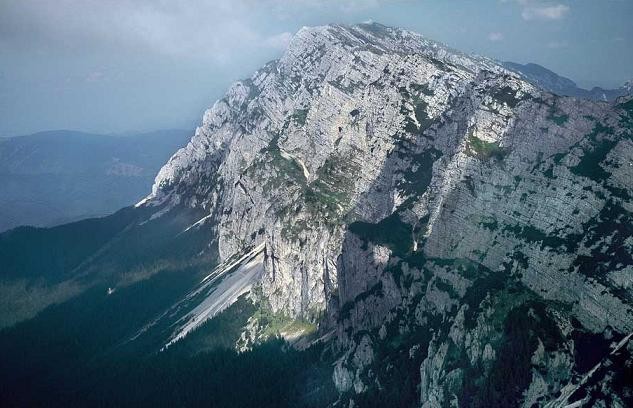
In the European landscape of natural heritage, few places combine geological grandeur with exceptional biodiversity as harmoniously as the Piatra Craiului Massif. Rising like a Jurassic limestone spine between historical Transylvania and Wallachia, this massif represents not only a geographical landmark but also a true sanctuary of continental nature, a place where time seems to have preserved an Europe of yesteryear intact. Located in the heart of the Southern Carpathians, Piatra Craiului stands out with its narrow and jagged silhouette, a crest of approximately 25 kilometers that cuts across the sky like a knife edge, offering views encompassing the entire spectrum of the Romanian mountains, from the snow-capped peaks of the Făgăraș to the rounded dome of Leaota and the massive Bucegi.
The heritage significance of this territory extends far beyond national borders. Declared a natural reserve as early as March 28, 1938, under the auspices of King Carol II, Piatra Craiului is among the first protected areas in Eastern Europe, preceding similar initiatives in the region by decades and placing it among the continental pioneers of biodiversity conservation, alongside Swiss national parks from the 19th century or British ones from the first half of the 20th century. In 1990, its status was consolidated through the establishment of the National Park, and subsequently, through integration into the Natura 2000 network and the Emerald Network, Piatra Craiului became an integral part of the common European natural heritage, respecting the directives of the European Union on habitats and species, as well as the Carpathian Convention signed in Kyiv in 2003. This international recognition reflects the universal value of an ecosystem that hosts approximately 40% of the mammal species present in Romania, representing a biological treasure comparable to the biodiversity of the Bavarian Alps or the Pyrenees.
Geological Origins and Natural History: From the Jurassic Period to European Protection
The formation of Piatra Craiului has its roots in a distant geological era, when, approximately 150 million years ago during the Jurassic period, the bottom of a warm tropical sea was covered by massive layers of limestone and dolomite. Subsequent tectonic processes, particularly the Carpathian orogeny, uplifted these marine sediments to impressive altitudes, shaping through erosion and karst phenomena the dramatic landscape that we admire today. This profound geological history places the massif within a broader European context, as part of the large calcareous belt that extends from the Dinaric Alps through the Carpathians to the Balkans, a geological region recognized for its complexity and its role in forming the continent's unique karst landscapes.
From the perspective of scientific history, the exploration of Piatra Craiului is closely linked to the tradition of Central European mountaineering in the 19th century. During the period when Transylvania was part of the Austro-Hungarian Empire, Austrian and German alpine pioneers were among the first to map and traverse this mysterious ridge. The Transylvanian Carpathian Association (Siebenbürgischer Karpatenverein), founded in Sibiu in 1880, played a crucial role in developing mountain tourism and documenting the scientific aspects of the area, contributing to the detailed topographic map of the massif. These efforts are part of the great European tradition of exploring the Alps and Carpathians, a period when mountains represented the territory of adventure for the Central European bourgeoisie, and the wilderness began to be appreciated as a cultural heritage of universal value, not just as an obstacle to civilization.
An Exceptional Biodiversity: The Flora and Fauna of a Continental Treasure
The biological diversity of Piatra Craiului constitutes one of the most precious assets of Romania's natural heritage, offering a vivid picture of European alpine ecosystems. In addition to the iconic presence of brown bears, wolves, lynx, and chamois, the massif is home to a rich fauna of invertebrates and birds specific to mountainous areas, including rare species such as the golden eagle and the Ural owl, creating a complex ecosystem that reflects the health of a protected habitat. This concentration of mammalian biodiversity is remarkable, placing Piatra Craiului in a category similar to national parks in Slovenia or northern Italy, where large carnivores have been successfully reintroduced and protected.
However, the true treasure of the massif lies in its unique flora, represented by 1,170 species and subspecies of vascular plants. The karst landscape, with its alkaline soils and varied microclimates created by steep slopes and different exposures to sunlight, has allowed for the development of distinct plant communities. The absolute symbol of this floral richness is the Piatra Craiului pink (Dianthus petraeus), a strictly localized endemic species, the only place in the world where this species can be admired in the wild. This botanical uniqueness places the massif in a category similar to the endemic regions of the Balkan Mountains or the Iberian Peninsula, where geographical isolation has led to the evolution of distinct species.
The vegetation includes rare and glacial relic species such as yew, angelica, sanguisorba officinalis, yellow poppy, linaria, edelweiss (Leontopodium alpinum), along with 41 orchid species out of the 58 that exist in Romania. This concentration of orchids represents a botanical treasure of European importance, comparable to the alpine meadows of Austria or the Mediterranean regions known for their floral diversity. The presence of these species, many of which are protected by international conventions, highlights the role of Piatra Craiului as a refuge for European flora in the face of anthropogenic pressures and climate change.
Karst Landscapes and Strict Protection Zones: The Architecture of Rocks and Water
Within the park's perimeter, 2,619 hectares constitute a strict protection zone, an inviolable sanctuary where nature has unfolded its processes unhindered for millennia. Here, one finds the most spectacular forms of karst relief, represented primarily by the Zărnești Gorges (also known as the Zărnești Chasms) and the Dâmbovicioara Gorges. These defiles carved into rock by the swift waters of the Zărnești and Dâmbovicioara rivers offer a dramatic landscape, with vertical limestone walls rising up to 200 meters in height, creating a narrow canyon where sunlight penetrates only during certain hours of the day. This natural architecture of rocks is reminiscent of the spectacular Vardar Gorge in North Macedonia or the canyons in Plitvice National Park in Croatia, representing a classic example of fluvial erosion in calcareous rocks.
The karst relief, with its caves, sinkholes, and dissolution forms, constitutes a unique natural laboratory for the study of alpine geomorphology and a field for exploration by speleologists. The caves in Piatra Craiului, such as Liliecilor Cave or various lesser-known sinkholes, are home to specific communities of cave invertebrates, some of which are endemic to this region. These subterranean formations are part of the tradition of European speleological explorations that flourished in the 19th century, when scientists from the Austro-Hungarian Empire and the Kingdom of Romania collaborated to map the underground world of the Carpathians, discovering the hidden biodiversity of caves and their importance for the hydrological cycle of the area.
Alpine Traditions and Cultural Heritage: Connections with European Civilization
Piatra Craiului lies at the intersection of Romanian cultural heritage and Transylvanian historical influences, surrounded by villages with traditional architecture and fortified churches in the Bran and Rucar areas. For centuries, this region has served as a bridge between Carpathian civilization and Central European civilization, a border zone between Wallachia and the Principality of Transylvania, later part of the Habsburg Empire. The Rucar-Bran corridor, which traverses the park, has always been a strategic trade route, similar to the Alpine passes that connected northern and southern Europe, facilitating cultural and economic exchanges between the Latin world of Wallachia and the German and Hungarian worlds of Transylvania.
The transhumant pastoralism practiced in these mountains reflects sustainable land use patterns found throughout the European Alpine chain, from the Alps and Pyrenees to the Balkans. Traditional sheepfolds, with their distinctive architecture and customs related to the seasonal migration of sheep, represent an intangible cultural heritage rooted in the medieval practices of pastoral communities across Europe. Nearby, the Bran region is home to numerous Saxon fortified churches, part of the UNESCO World Heritage Site, which attest to the presence of German communities in Transylvania since the 12th century, under the protection of the Kingdom of Hungary. These monuments, together with the traditional stone and wood houses in the villages of Zărnești, Rucar, and Bran, create a rich cultural context that enriches the visitor's experience, offering an insight into how human communities have coexisted with the wild nature for centuries.
Stories and Personalities: Pivotal Moments in the History of the Mountain
The history of Piatra Craiului's conservation is marked by moments of vision and commitment to natural heritage. King Carol II's decision in 1938 to declare the massif a nature reserve represents a pioneering act within the European context of the time, when ecological awareness was just beginning to take shape in public policies. This decision was influenced by the Romanian royal tradition of protecting nature, as well as by European conservation movements that were developing in Switzerland and the Nordic countries. Subsequently, the democratic transition of 1989 and Romania's accession to the European Union in 2007 opened up new perspectives for the protection of this territory, integrating it into the most rigorous conservation mechanisms on the continent.
In addition to historical figures, Piatra Craiului is shrouded in legends and oral traditions that enrich the cultural experience of the area. Locals tell stories about mountain spirits, hidden treasures in caves, and mysterious encounters with legendary bears. These narratives are part of the great treasure of Carpathian mythologies, similar to the legends of the Alps or the Balkan Mountains, reflecting the deep respect and sacred fear that people have always felt towards wild nature. Furthermore, the tradition of Austro-Hungarian mountaineers from the 19th century left behind captivating accounts of the first ascents of the ridge, the nights spent in tents on the mountain plateau, and the profound admiration for the untouched landscapes of Eastern Europe.
A Practical Guide for Explorers: Trails, Cabins, and Visiting Experiences
For the contemporary European traveler, Piatra Craiului offers an authentic mountain experience, away from the tourist crowds of the Alps, while maintaining high standards of safety and marking. The network of hiking trails allows exploration of the main ridge, a route of approximately 25 kilometers that offers exceptional panoramic views of the Făgăraș, Bucegi, and Leaota Mountains. This ridge trail, comparable to high-altitude routes in the Pyrenees or Julian Alps, connects the tradition of Central European alpine hiking with the specific characteristics of the Romanian Carpathians, offering views that stretch to the border with Ukraine on clear days.
The main access points are from the towns of Zărnești, Rucar, and Bran, former settlements with a pastoral tradition and architecture typical of the Transylvanian region. Zărnești, an industrial town located at the foot of the mountain, provides access to the Zărnești Gorges and the Curmătura Cabin, a historic refuge located at 1,480 meters altitude, which serves as a starting point for numerous ascents. The trail to the Curmătura Cabin is also accessible to less experienced hikers, offering a gentle introduction to the mountain world. For experienced mountaineers, the "La Lanțuri" (At the Chains) route through the Șaua Funduri Pass offers exposed sections, equipped with chains and metal steps, similar to via ferratas in the Alps, traversing areas with a risk of falling rocks and providing thrilling experiences in a spectacular natural setting.
Mountain cabins allow for multi-day itineraries, offering accommodation and meals in a traditional Romanian style, with local dishes such as polenta with cheese and sour cream or game stew. In the cold season, the area becomes an excellent terrain for ski touring and exploring snow-covered landscapes, complementing the offer for European tourists passionate about winter sports and discovering protected nature. By promoting responsible tourism, environmental education, and respect for biodiversity, Piatra Craiului National Park contributes to preserving a natural and cultural heritage that belongs equally to Romania and all of Europe, offering visitors an authentic experience in a protected landscape of common interest, where geological history, biology, and human culture meet in a rare harmony.
Media gallery
Discover Piatra Craiului National Park in pictures

5 photos · Architecture, courtyards and captivating details
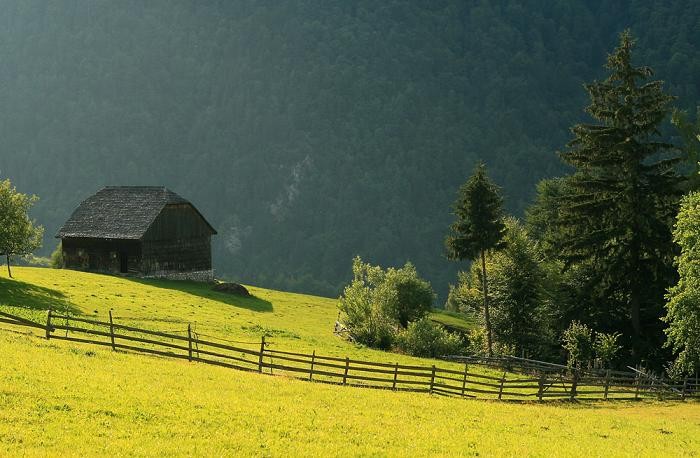


Image source: Wikimedia Commons · Public domain photos · Free license
STAY A FEW DAYS, DISCOVER THE MAGIC
Accommodation in the Piatra Craiului National Park area

Holiday resort · 3 stars

Zărnești, Brașov County · 3.4 km
Resort 7Crai Zărnești
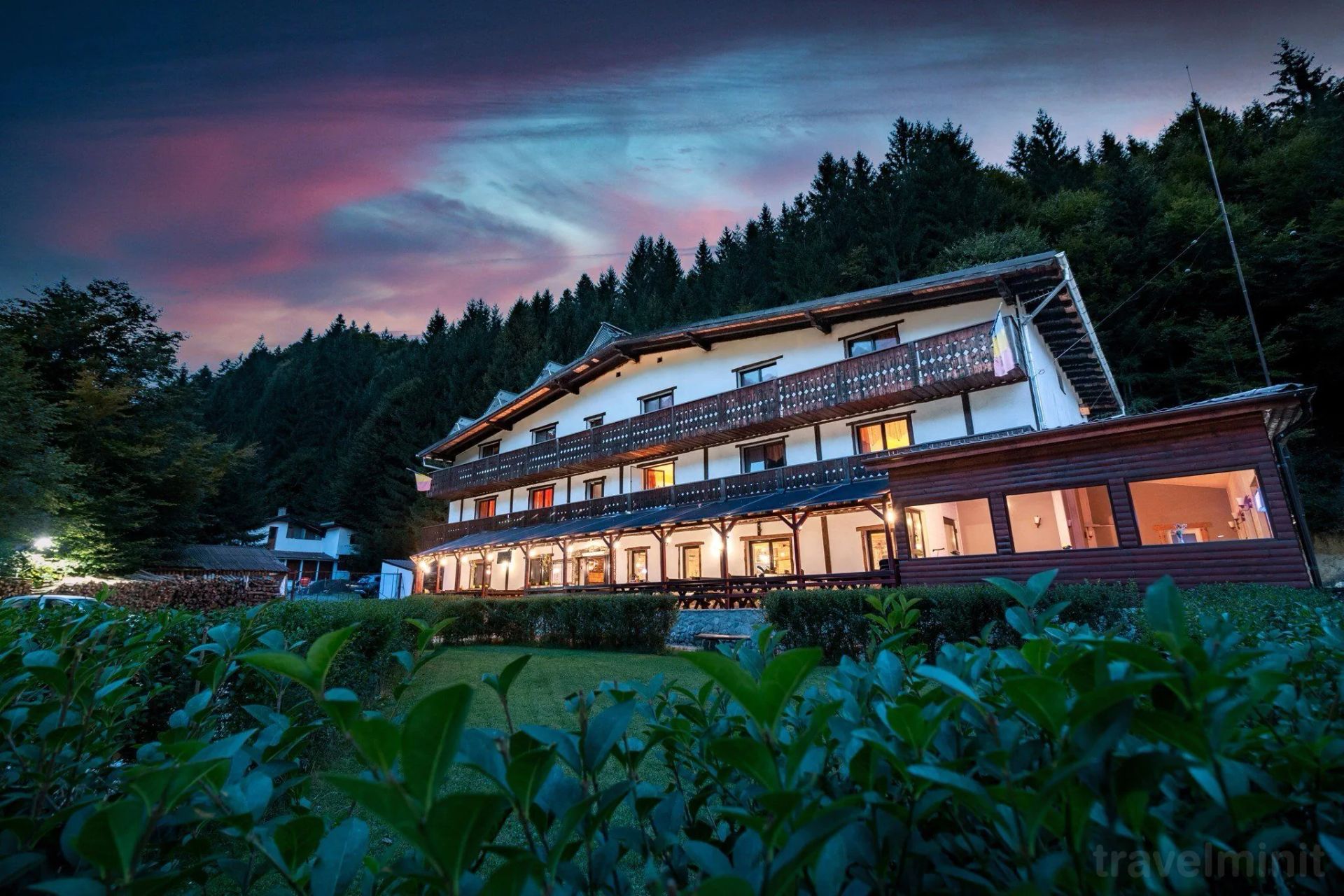
Locul de joacă pentru copii de la exterior este una dintre facilitățile aparte ale Resortului 7Crai Zărnești din Zărnești, județul Brașov. Aici, familiile găsesc un spațiu dedicat celor mici, într-un cadru natural plăcut. Unitatea pune la dispoziție 18 camere cu baie proprie, împărțite în opt duble, șapte triple și trei cvadruple. Oaspeții beneficiază de acces pentru persoane cu dizabilități, pătuț pentru bebeluș, scaun înalt pentru copii și depozit pentru bagaje. Parcare privată gratuită și Wi-Fi gratuit sunt disponibile pentru confortul dumneavoastră. Restaurantul din incintă, cu o capacitate de 150 de locuri, servește preparate din meniu à la carte și oferă variante pentru diete speciale. La etajul doi se află o sală de conferințe cu capacitate pentru 50-60 de persoane, potrivită pentru întâlniri de afaceri sau evenimente private. În apropiere se pot vizita Castelul Bran, Cetatea Râșnov, Parcul Național Piatra Craiului, Munții Piatra Craiului și Parcul natural Munții Bucegi, oferind oportunități variate de explorare a zonei. Seara, după o zi petrecută în aer liber, vă puteți bucura de liniștea unei cine servite în restaurantul din incintă.
FROM
360 lei per night

Guesthouse · 3 stars
Măgura, Brașov County · 4.7 km
Pensiunea Hodăița Măgura
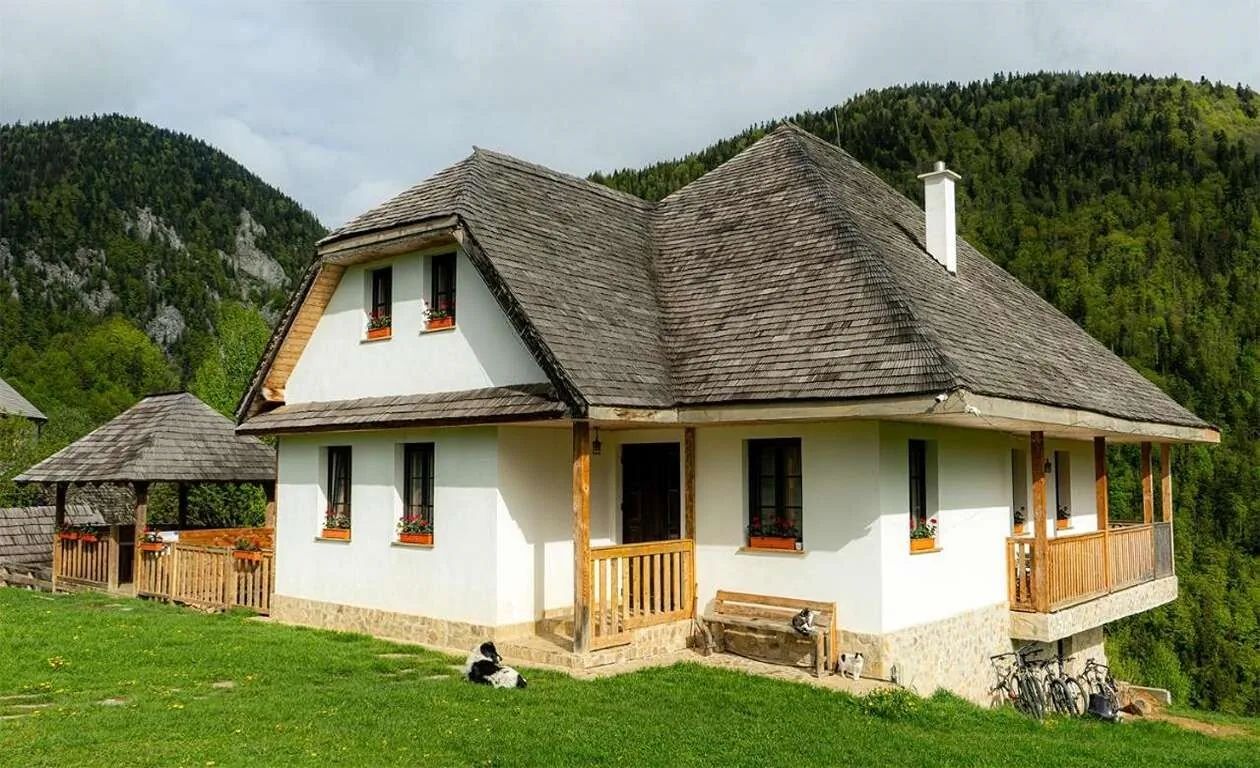
Familiile cu copii, cuplurile și grupurile de prieteni pasionați de natură se vor simți bine la Pensiunea Hodăița Măgura din satul Măgura, județul Brașov. Această pensiune turistică de trei stele oferă un cadru rustic și primitor, cu ferestre care deschid priveliști spre vârfurile și văile înconjurătoare. Unitatea pune la dispoziția dumneavoastră Wi-Fi gratuit și parcare privată gratuită pentru confortul călătoriei. Vă puteți relaxa în curtea mare și în grădina amenajată, puteți folosi foișorul pentru mese în aer liber sau sauna pentru momente de destindere, iar pentru explorarea zonei aveți la dispoziție biciclete de închiriat. În apropiere puteți vizita Castelul Bran, Parcul Național Piatra Craiului, Cetatea Râșnov, Parcul natural Munții Bucegi și Munții Piatra Craiului, fiecare oferind oportunități de drumeții și descoperiri. Camerele sunt amenajate individual, cu baie proprie și paturi queen-size pentru un somn odihnitor, iar interiorul păstrează atmosfera caldă a unei locuințe montane cu grinzi de lemn, șemineu în living și mobilier din lemn masiv. Vă puteți bucura de aer curat pe terasă sau în foișor, citind cărți din biblioteca mică sau jucând jocuri de societate, în timp ce admirați peisajul. Vă așteptăm la Pensiunea Hodăița Măgura pentru un sejur relaxant în Măgura.
FROM
240 lei per night
Holiday home · 3 stars
Măgura, Brașov County · 4.8 km
Casa Muchia lui Gîrniță Măgura
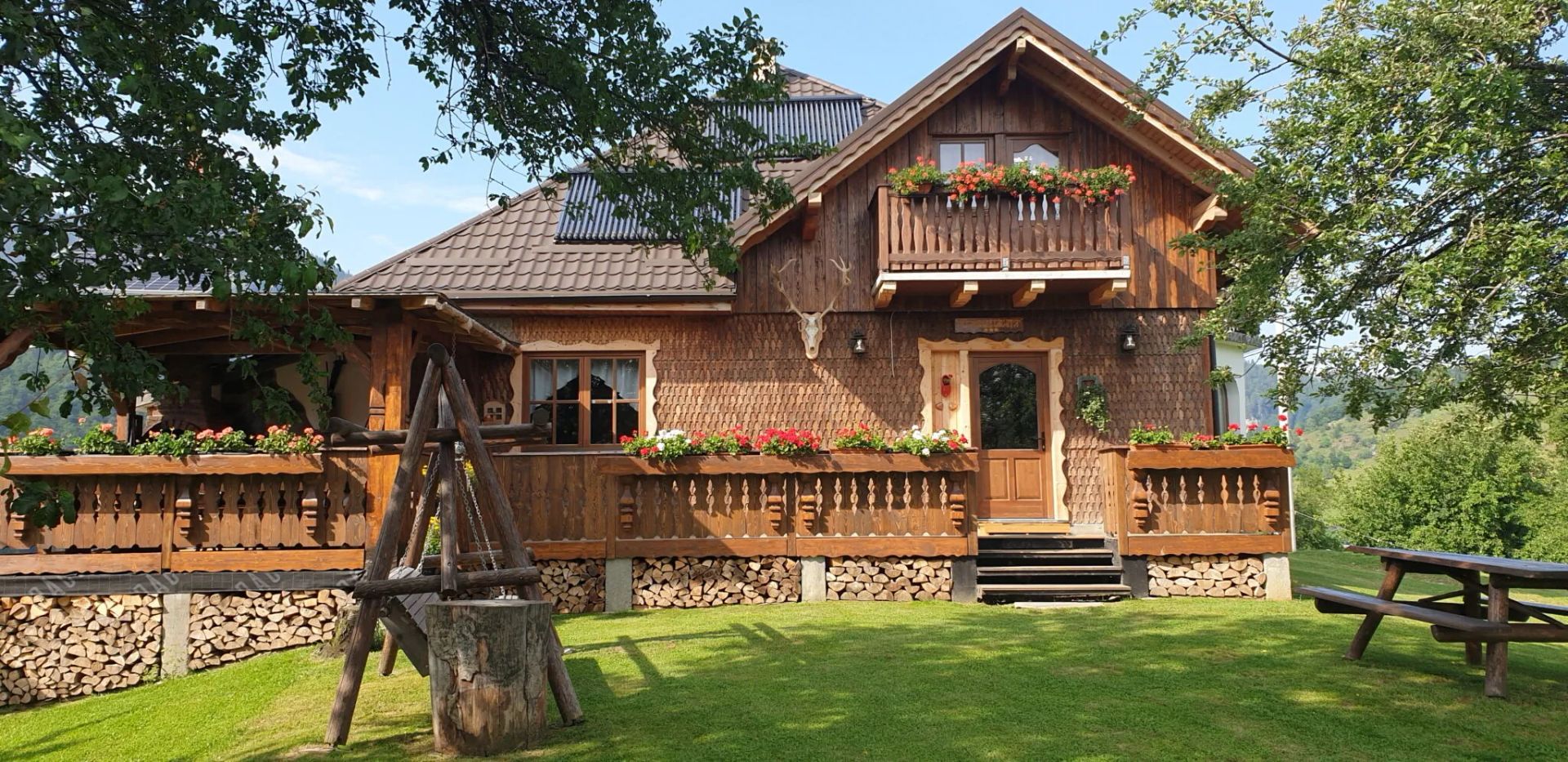
Comfort, relaxation and stunning views, all just steps away from the main attractions.
FROM
280 lei per night
Holiday home · 3 stars
Măgura, Brașov County · 5.3 km
Casa Panorama Măgurii Măgura
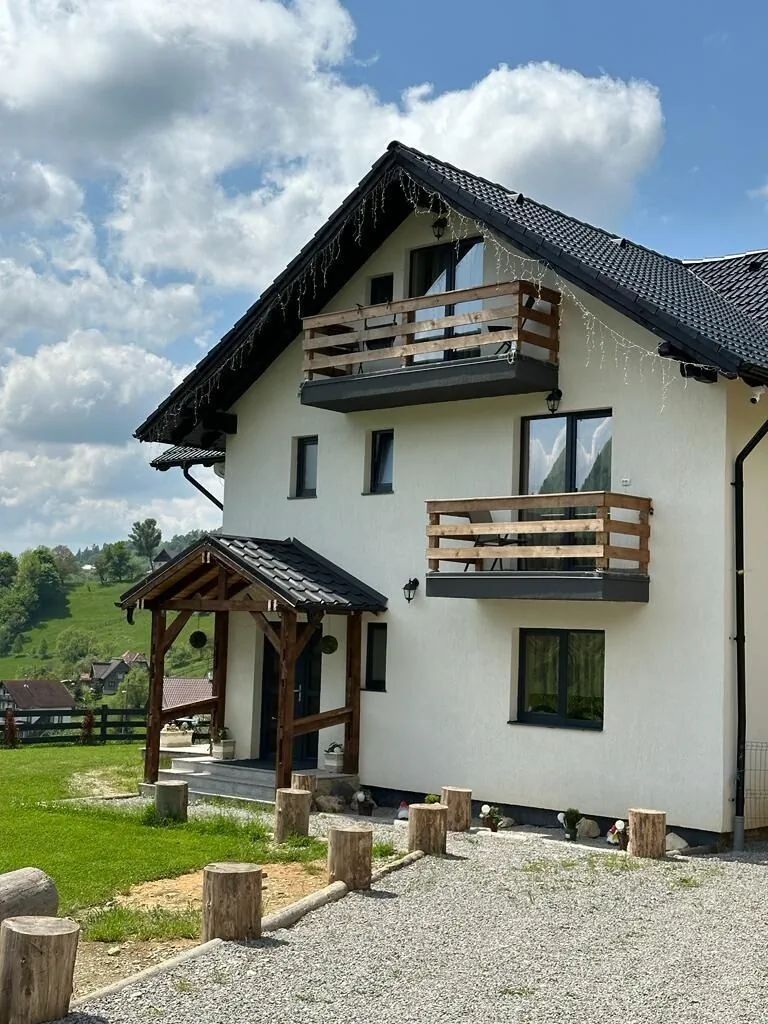
Comfort, relaxation and stunning views, all just steps away from the main attractions.
FROM
280 lei per night
Guesthouse · 3 stars
Măgura, Brașov County · 5.3 km
Pensiunea Casa Dobre Magura
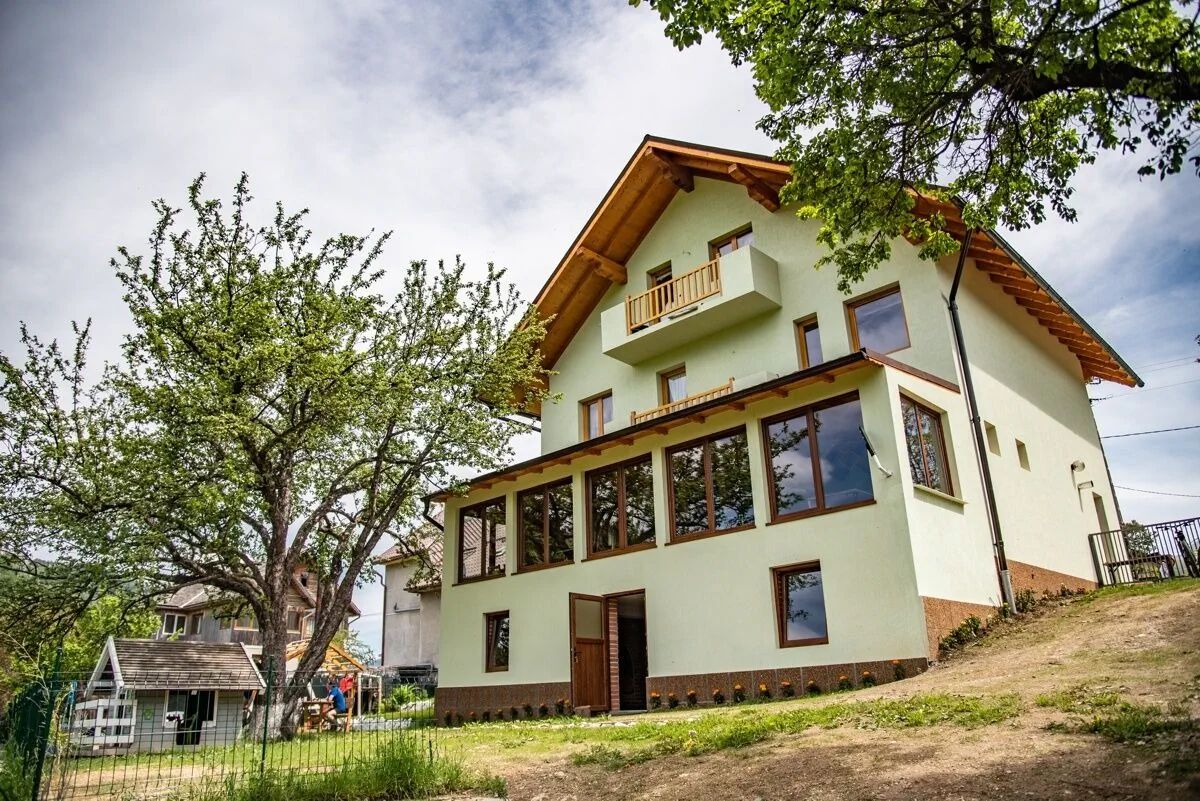
Pe strada Principală din localitatea Măgura, județul Brașov, se află Pensiunea Casa Dobre Magura, o unitate de cazare clasificată cu trei stele care vă invită să descoperiți liniștea zonei montane. Pensiunea oferă 15 camere cu 40 de locuri, organizate în două case cu personalitate distinctă. Casa modernă beneficiază de încălzire prin pardoseală pe tot parcursul anului și camere spațioase cu băi utilate modern, fiecare cameră având tematică proprie, geamuri largi și balcoane de unde puteți admira priveliștile munților. Casa tradițională creează o atmosferă caldă și familiară prin decorul din lemn, obiectele tradiționale și un mini muzeu de familie. Bucătăria tradițională prepară mâncăruri gustoase și sănătoase bazate în proporție de 90% pe produse curate din propria gospodărie. Puteți alege regimul de demipensiune cu două mese pe zi sau pensiunea completă cu trei mese. Pentru momente de relaxare în aer liber, aveți la dispoziție o zonă de grătar sau barbeque. În vecinătate puteți vizita Castelul Bran, Cetatea Râșnov, Parcul Național Piatra Craiului, Parcul natural Munții Bucegi și Munții Piatra Craiului. Vă așteptăm să vă bucurați de șederea dumneavoastră și să porniți apoi să explorați Cetatea Râșnov.
FROM
240 lei per night
Holiday home · 3 stars
Măgura, Brașov County · 5.4 km
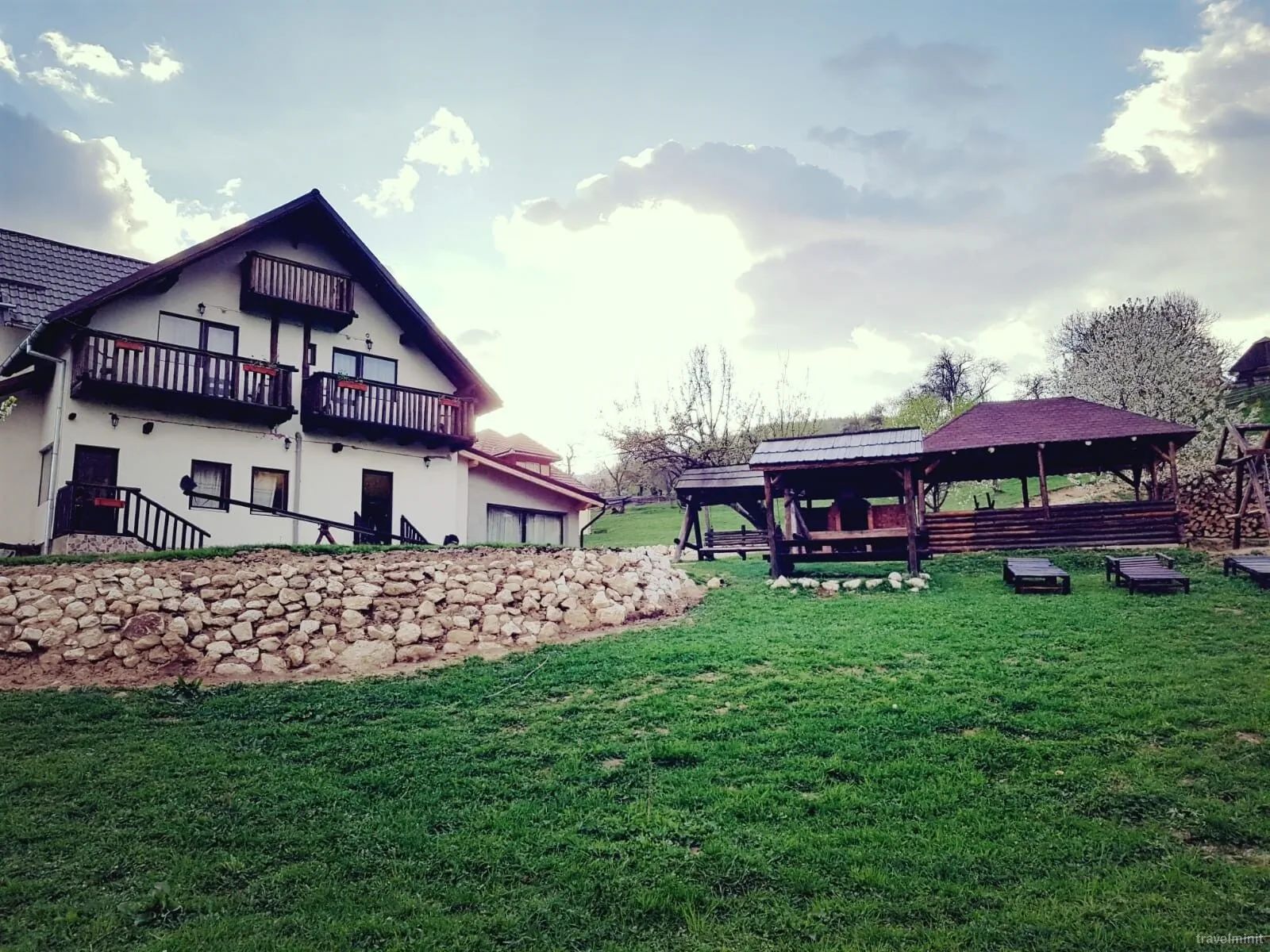
Casa de la Muntele Craiului Măgura
Casa de la Muntele Craiului Măgura este o vilă integrală de 3 stele situată în localitatea Măgura, județul Brașov. Aceasta oferă șase camere confortabile și bine amenajate, fiind potrivită pentru familii sau grupuri de prieteni care doresc să petreacă timp împreună într-un mediu liniștit de munte, departe de aglomerația urbană și de zgomotul orașului. Unitatea dispune de acces pentru persoane cu dizabilități și oferă facilități moderne precum Wi-Fi gratuit și parcare privată gratuită. În exterior, dumneavoastră veți găsi o curte mare și o grădină amenajată, un loc de joacă pentru copii, precum și un grătar și un ceaun pentru gătit în aer liber. De asemenea, aveți la dispoziție un ciubăr din lemn tradițional pentru momente de relaxare după o zi plină de activități în natură, într-un cadru autentic și primitor. În apropiere puteți vizita Castelul Bran, Cetatea Râșnov, Parcul Național Piatra Craiului, Munții Piatra Craiului și Parcul natural Munții Bucegi. Aceste obiective oferă oportunități excelente pentru drumeții, explorare și descoperirea peisajelor montane din zonă, fiind accesibile pentru excursii de o zi pline de aventură. Vă așteptăm la Casa de la Muntele Craiului Măgura.
FROM
280 lei per night
BEFORE YOU HIT THE ROAD
Weather conditions in Brasov
Local forecast for Piatra Craiului National Park, Brasov, Brașov

Real-time updated weather data
Much more to explore in this area
Nearby tourist attractions


Bran, Brașov County
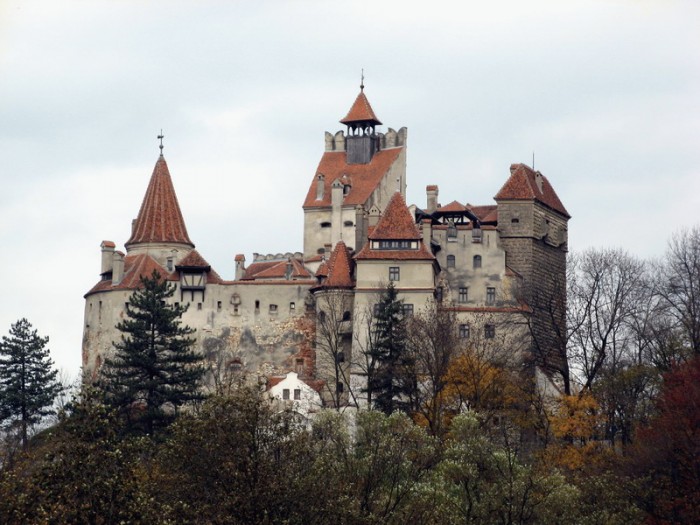
Bran Castle
Situat pe strada General Traian Mosoiu nr. 28 din localitatea Bran, la 30 km de municipiul Brasov; construit in anul 1377 in scop militar; in anul 1395, este...
11.0 km
Sinaia, Prahova County
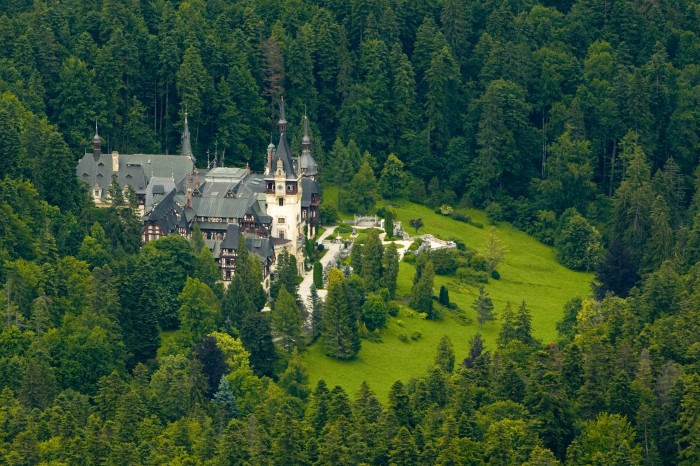
Peleș Castle
Situat pe strada Pelesului din Sinaia; piatra de temelie a castelului se pune in 1873, aici fiind ingropate si cateva zeci de monede de 20 de lei, din aur -...
31.8 km
Sibiu, Sibiu County
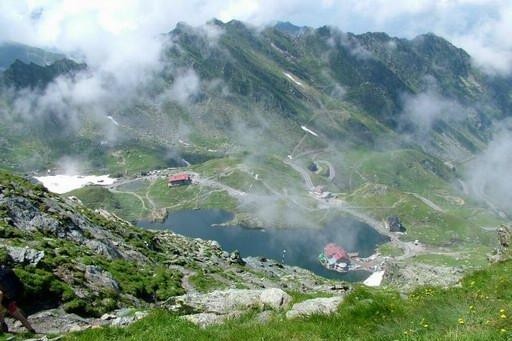
Bâlea Lake
Situat in Muntii Fagaras, la Obarsia Cartisoarei, care se afla la o altitudine de 2.034 metri, langa soseaua Transfagarasan din judetul Sibiu; in perioada...
48.4 km
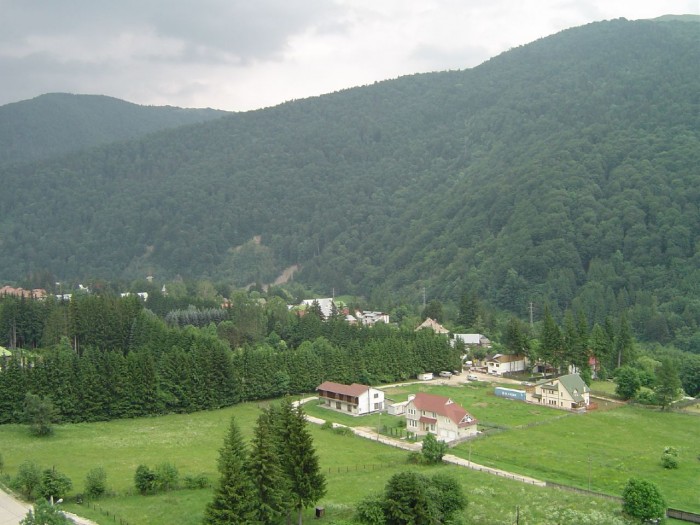
Prahova, Prahova County
Sinaia Resort
Situata pe valea superioara a Prahovei, la poalele Muntilor Bucegi (Carpatii Meridionali), la o altitudine ce variaza intre 798-971 m; este una din cele mai...
32.8 km
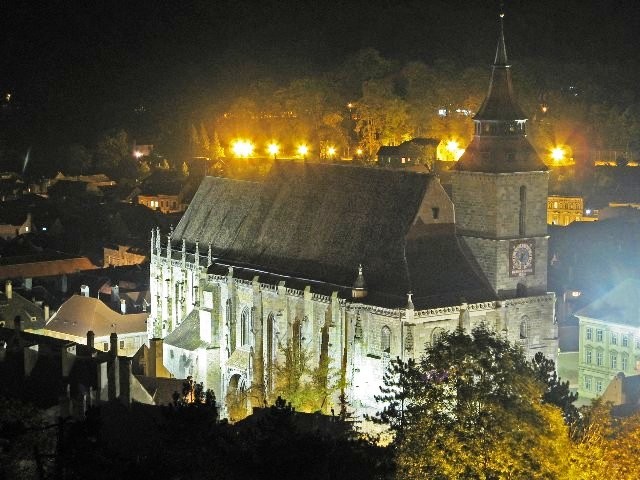
Brasov, Brașov County
Black Church
Situata in curtea Honterus nr. 2 din municipiul Brasov; construita intre secolele XIV - XV; o inscriptie din interior il atesta ca prim ctitor pe Thomas; din...
30.3 km
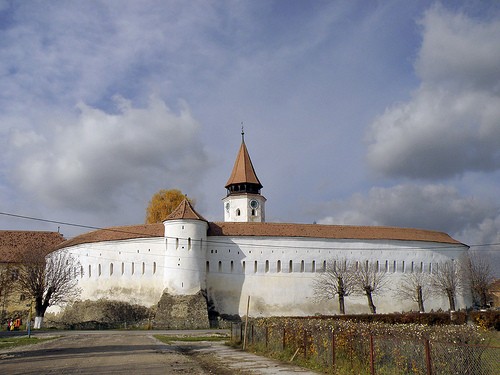
Brasov, Brașov County
Prejmer Fortified Church
Situata in localitatea Prejmer, la 15 km de municipiul Brasov; cea mai mare biserica fortificata din sud-estul Europei; construita in secolul al XIII-lea; are...
46.3 km

49.1 km
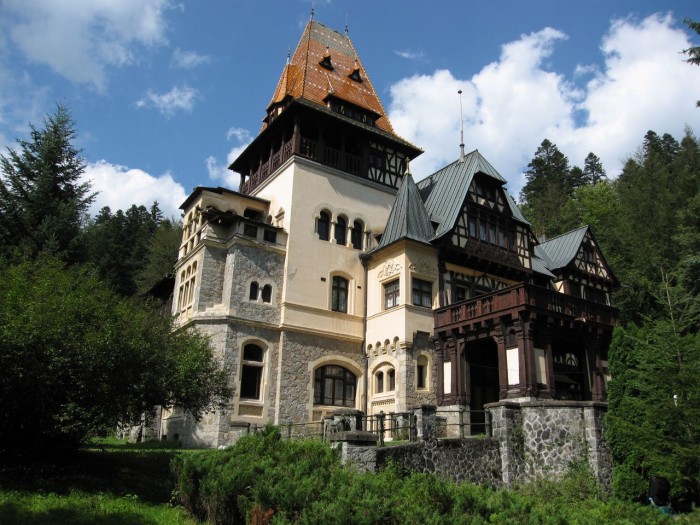
Prahova, Prahova County
Pelișor Castle
Situat in parcul Castelului Peles, pe Valea Prahovei; ridicat intre anii 1899 si 1902; in 1903 a devenit resedinta de vara a principilor mostenitori;...
31.6 km
Brasov, Brașov County
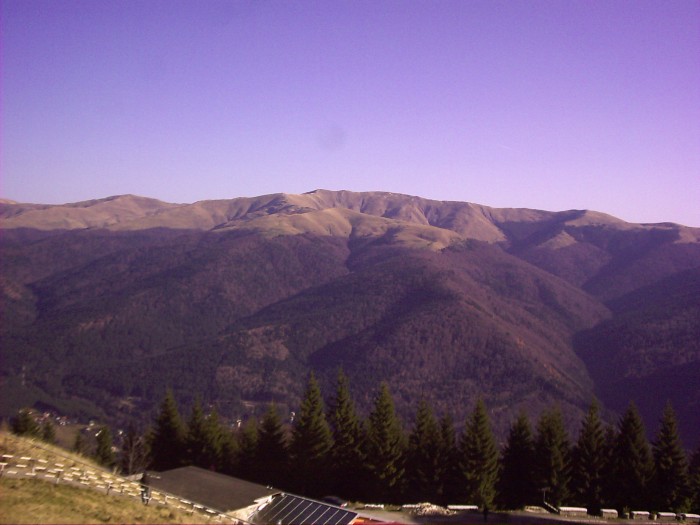
Bucegi Natural Park
Situat in Muntii Bucegi, se intinde pe raza comunelor Rasnov, Bran, Moeciu; zona Muntilor Bucegi a fost propusa pentru protejare in anul 1936, dar initiativa s-...
15.1 km
Râșnov, Brașov County
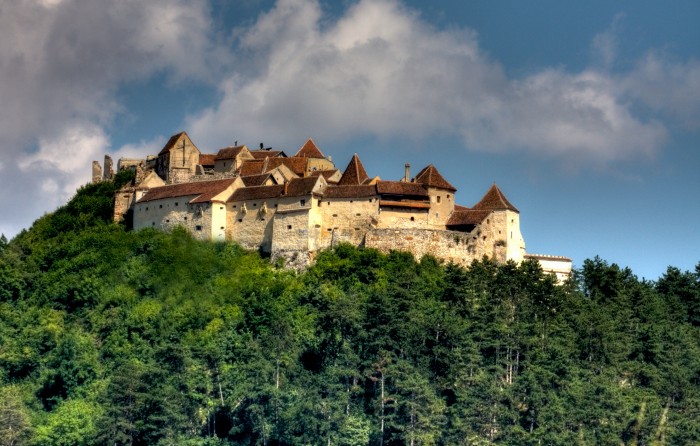
Râșnov Citadel
Situata in orasul Rasnov, la 15 km de municipiul Brasov; construita in secolele XIII - XIV de catre locuitorii zonei, in scopul apararii impotriva atacurilor...
19.0 km

Brasov, Brașov County
Poiana Brașov resort.
Situata la poalele muntelui Postavaru, la 12 km de municipiul Brasov; amplasata la altitudinea de 1.030 m, statiunea turistica Poiana Brasov a fost infiintata...
25.6 km

Brasov, Brașov County
Predeal: Romania's Highest Town and the Carpathian Balcony
Situata pe Valea Prahovei, intre raurile Prahova si Timis, la 25 km de municipiul Brasov; amplasata la 1.100 m, este cea mai inalta asezare urbana din Romania;...
27.3 km
Cultural life and traditions
Events in the Piatra Craiului National Park area
Medieval festivals, traditional fairs, concerts and local activities recommended in Transylvania.

Heritage and History

Brasov, County of Brașov
The Festival of Medieval Fortresses and the Open Doors Days
Guided night tours, traditional crafts workshops and historical re-enactments featuring knights and ladies.
WHEN
May 15-17, 2026


Traditions and Cuisine
Brasov, County of Brașov
The Fair of Saxon Traditions and Local Cuisine
Discover local producers, traditional Saxon pastries baked in a wood-fired oven, artisanal syrups, and rhubarb jam.
WHEN
Every weekend (May - October)

Ecotourism and Nature
The hills of Transylvania, County of Brașov
Guided Hikes on the Transylvanian Hills Trail
Take excursions along unmarked trails through ancient meadows, centuries-old oak trees, and villages with fortified churches that are UNESCO World Heritage sites.
WHEN
Friday – Sunday (Season 2026)
On foot, exploration gains depth
Discover the surroundings and local geography
Explore the trails, terrain, and natural landmarks around Piatra Craiului National Park.

Guides and practical tips
Useful travel articles
Travel guides, practical recommendations and tourist itineraries for Transylvania.

Tourist guide
Parcul Național Piatra Craiului: Trasee, Creste și Floră Rară
Ghid pentru iubitorii de drumeții montane: de la Prăpăstiile Zărneștilor până la creasta ascuțită de calcar și Garofița Pietrei Craiului.

Tourist guide
Top 5 Atracții Turistice și Trasee Montane în Zona Moieciu - Bran
Descoperă cele mai spectaculoase peisaje carstice, chei adânci și cetăți medievale din imediata apropiere a stațiunii Moieciu.

Tourist guide
Ghid de Drumeție: Traseul Moieciu de Sus spre Platoul Bucegi
Un itinerariu montan de o frumusețe rară ce urcă din Valea Băngăleasa spre Poiana Guțanu și crestele maiestuoase ale Bucegilor.
THE JOURNEY STARTS WITH AN IDEA
The next story is on the way.
From the first stop to the last stay, make room for a new Romania.
