


NATURE AND WILDLIFE · MUNTENIA (WALLACHIA)
Bucegi Natural Park

Prahova, Prahova County
Add location to your trip planner.
Practical access information

VISITING HOURS
Check the local visiting schedule

TICKET PRICE
Information available at the cashier's desk

RECOMMENDED VISIT DURATION
1-2 hours
Sources and external references
Wikipedia Encyclopedia (EN)
Visitor information and guide
 Navigate with Google Maps

ABOUT BUCEGI NATURAL PARK
A Nature Sanctuary Between Sky and Stone: The Bucegi Massif Monograph
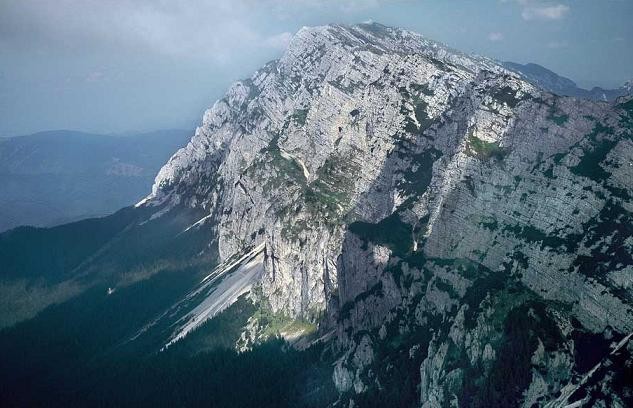
The Bucegi Massif stands imposingly in the heart of the Southern Carpathians, straddling the border between Prahova and Dâmbovița counties. It is one of Romania’s most visited and enigmatic protected areas, a true vertical sanctuary where the earth meets the sky in a symphony of stone and silence. Declared a natural reserve of national interest, this mountainous region spans altitudes from 1,000 to 2,505 meters, offering a landscape of remarkable diversity where deep valleys, spectacular gorges, and interfluvial plateaus intertwine with ancient coniferous forests. The Bucegi is not merely a geographical landmark but also a profound symbol of Romania’s mountainous identity, located near the legendary National Road DN71, which connects Sinaia to the Bucegi Plateau. This area has attracted explorers and tourists since the 19th century, during the development of European alpine tourism. The protected area serves as a gateway between two worlds: the royal history of the Prahova Valley and the cultural heritage of Țara Bârsei, offering visitors an experience that blends scientific rigor with ancestral mystery.
Historical Roots and Major European Connections
The history of these mountains is closely tied to the great civilizational currents that traversed Southeastern Europe. In antiquity, this region was inhabited by Dacian tribes, whose sacred traces can be found in the enigmatic Bucegi Sphinx, a natural monument reminiscent of the megalithic traditions of Western Europe, such as those at Carnac in Brittany or Stonehenge in England. Under Roman rule, the roads crossing the Carpathians, similar to the Via Traiana in Dacia, connected the fortresses along the Danube to those in Transylvania. The Bucegi represented a major natural obstacle that shaped the commercial and military routes of the Empire. During the medieval period, under the influence of the Kingdom of Hungary to the north and the Ottoman Empire to the south, this region witnessed conflicts and alliances that defined the borders of Wallachia.
A turning point in the modern history of the Bucegi came in the 19th century with the arrival of the Hohenzollern-Sigmaringen dynasty on the Romanian throne. King Carol I, fascinated by the alpine landscapes of his adopted homeland, transformed Sinaia into a royal summer residence, drawing inspiration from Swiss and Austrian models of ski resorts and retreats developed under the Habsburg Monarchy. This period marked the beginning of organized tourism in the Carpathians, paralleling the development of resorts in Switzerland, Austria, and Bavaria. The Bucegi became a hunting and recreational ground for Europe’s elite. The architecture of the lodges and tourist infrastructure from that era reflects Neo-Romantic and chalet-style influences, bringing the spirit of the European Alps to Romania. Meanwhile, foreign scholars and naturalists, drawn by its unique biodiversity, began documenting the flora and fauna of the massif, integrating it into the European scientific network of the time.
Geological Heritage and Windows into Ancient Europe
Deep within this massif lies the Domnesc Plateau, a natural area of just 0.50 hectares declared a paleontological reserve by Law No. 5 of March 6, 2000. It represents a unique window into the geological past of Southeastern Europe. In the Tithonian limestone formations of this zone, researchers have discovered exceptional deposits of fossil fauna, including remains of gastropods, bivalves, cephalopods, brachiopods, hydrozoans, and corals. These attest to the existence of a tropical sea that covered the region millions of years ago during the Late Jurassic period. This reserve, located at the northern extremity of Dâmbovița County, near the border with Prahova, offers a rare perspective on the marine biodiversity of the Tithonian age. It is a site of recognized scientific importance at the European level for the study of alpine paleontology. The geological layers of the Bucegi can be compared to those of the Italian Dolomites or the Jura Massif on the border between France and Switzerland, all belonging to the same geological province that once hosted the tropical seas of the Tethys Ocean before the uplift of the Alps and Carpathians transformed them into mountains.
The tectonic processes that formed the Bucegi, with their impressive folds and vertical faults, created unique conditions for the preservation of these fossils, offering European geologists a natural laboratory for studying the transition between the Mesozoic and Cenozoic eras. Research conducted here has contributed to the understanding of marine species migration through the oceanic corridors of Southeastern Europe. The presence of ammonites and other cephalopods indicates paleogeographic links with the Mediterranean basins and the Carpathian region. Thus, the Plaiul Domnesc reserve is not only a Romanian site but an essential piece in the geological puzzle of the European continent, comparable in importance to fossil sites in Bavaria or the Provence region.
Biodiversity and Relics of the Ice Age
The vegetation of the Bucegi reflects a remarkable adaptation to extreme mountainous conditions, presenting distinct bioclimatic zones that range from beech and spruce forests at the foothills to alpine meadows and snow-covered areas above 2,000 meters. Among the emblematic species is the Swiss pine (Pinus cembra), a glacial relict found in the Jepi Valley and on Gutanu Mountain. This silent witness to the Pleistocene ice ages shaped the relief of the entire European continent, from Scandinavia to the Balkans. This pine, with its large cones and edible seeds, survived in these mountainous refuges after the retreat of the glaciers, much like in the Swiss Alps or the Austrian Carpathians, representing a shared phytogeographic heritage of Central Europe. Alongside it, the flora includes rare species such as the Transylvanian lilac (Syringa josikaea), endemic to the Carpathians, and white ivy, which adorns the rocks with a green carpet during the summer months.
The wildlife is equally fascinating and serves as an indicator of the health of Europe’s mountainous ecosystems. The Bucegi provides a habitat for species endangered at the continental level, such as the chamois (Rupicapra rupicapra carpatica), the lynx (Lynx lynx), the bearded vulture (Gypaetus barbatus), and the capercaillie (Tetrao urogallus). These animals, which have populated the Carpathians since prehistoric times and represent a shared natural heritage of Europe’s mountains, find in the Bucegi a protected habitat where they can survive anthropogenic pressures. The presence of these species places the reserve within the context of European biodiversity conservation efforts, as part of the Natura 2000 network, and contributes to maintaining ecological corridors that connect the Carpathians to the Alps and the Balkans.
Geomorphological Phenomena and the Mythology of the Rocks
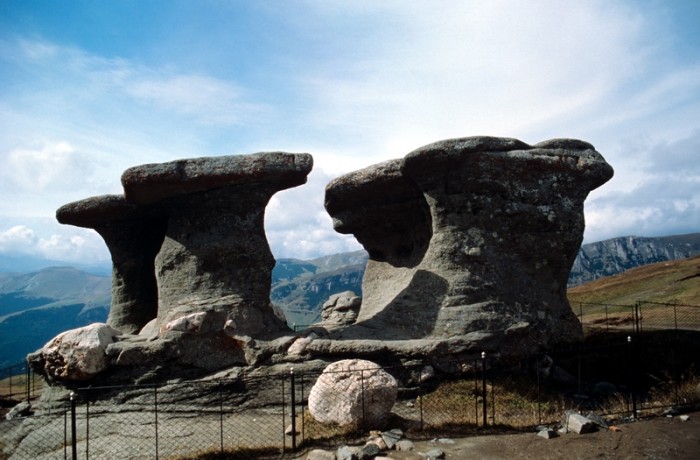
On the Bucegi Plateau, at altitudes exceeding 2,000 meters, the erosion of water, wind, and ice over millennia has sculpted extraordinary landforms. Among these, the mysterious rock formations known as The Old Women (Babele) and The Great Sphinx stand out. These formations, resulting from differential corrosion of conglomerate and limestone rocks, were first photographed around 1900. The name Sphinx dates to 1936, when its anthropomorphic shape, resembling a human face viewed in profile, was observed from a specific angle, with the Witch of the Winds (Baba Vânturilor) as a reference point. Popularly known as the Cyclopean Altars of Caraiman, The Old Women were dedicated in folk tradition to Earth and Sky, the Sun and Moon, and even Mars, the god of war. Over time, they have generated numerous legends and esoteric theories that have attracted the attention of researchers and tourists from across Europe, from amateur archaeologists to art historians.
Although geological science has explained the formation of these natural megaliths through processes of wind and glacial abrasion, they remain shrouded in an aura of mystery that links them to other European megalithic sites such as those in Brittany or the British Isles. Some consider them sacred Dacian sites, open-air temples connected to the sky, spiritually akin to the sanctuaries of Delphi or ancient Olympia. The formation known as The Sphinx, approximately 8 meters tall and 12 meters wide, has become a national symbol of Romania, attracting thousands of visitors annually who seek to capture the magical angle from which the stone takes on human features. This landscape evokes the primordial power of nature and geological time.
Stories, Personalities, and Turning Points
The modern history of Bucegi’s conservation is marked by decisive personalities and moments that transformed this area into a protected natural monument. The first explorers and Transylvanian pharmacists, such as those from the Sibiu school influenced by 18th-century German culture, were among the first to document the unique flora of these mountains. In the 19th century, with the development of royal tourism, figures such as King Carol I and Queen Elisabeth contributed to the popularization of the area by building access roads and lodges that opened the massif to the general public. This was an era when European alpinists were exploring new territories in the Himalayas and the Alps.
A crucial moment in the history of Bucegi’s protection came in 2000 with the adoption of Law No. 5 of March 6, which officially declared the Domnesc Plateau a paleontological reserve of national interest, recognizing the exceptional scientific value of the site. This law was the result of efforts by the Romanian and international scientific communities, who advocated for the protection of these unique fossils against limestone exploitation. Additionally, 1936 remains a landmark year in the cultural history of the site, as the year when The Sphinx acquired its mythical identity, photographed and described by travelers and journalists who transformed a geological formation into a symbol of Romanian spirituality. In the following decades, geographers such as Emmanuel de Martonne, who studied the geomorphology of the Carpathians, and biologists such as Grigore Antipa contributed to the scientific foundation of this ecosystem’s value, placing it within the context of Europe’s natural heritage.
Practical Visitor’s Guide and Contemporary Experience
Today, the Bucegi area offers a diverse network of hiking trails suitable for both amateur and experienced hikers, allowing exploration of varied landscapes from the foothills to the high plateau. The main access is via National Road DN71, near the resort of Sinaia, located approximately ten minutes’ walk from the Babele Lodge, an emblematic starting point for hikes. Visitors can choose between marked trails leading to Omu Peak, the highest point of the massif at 2,505 meters, offering an impressive panorama of the Prahova Valley and, on clear days, views as far as the Romanian Plain. Alternatively, they can explore gentler paths connecting The Old Women to The Sphinx and the Bucegi Plateau.
For visitors, information on fees and visiting hours is available at the local ticket office, and consulting the specific schedule is recommended for an optimal experience, especially during the winter season when weather conditions can be unpredictable. Visiting the Bucegi is an experience of contemplation and transcendence, where the mountain’s silence, interrupted only by the wind whispering through the rocks and the chirping of alpine birds, offers an escape from modern urban bustle. Whether drawn by the study of marine fossils at the Domnesc Plateau, the observation of chamois on the ridges, or simply the mystery of The Sphinx gazing eastward, the Bucegi is not just a hiking destination but a place where Europe’s geological history, continental biodiversity, and local mythology converge in a landscape of overwhelming beauty, inviting reflection on the deep connections between humans and nature.
Media gallery
Discover Bucegi Natural Park in pictures

21 photos · Architecture, courtyards and captivating details

Image source: Wikimedia Commons · Public domain photos · Free license
STAY A FEW DAYS, DISCOVER THE MAGIC
Accommodation in the Bucegi Natural Park area

Apartment · 2 stars

Buşteni, Prahova County · 0.0 km
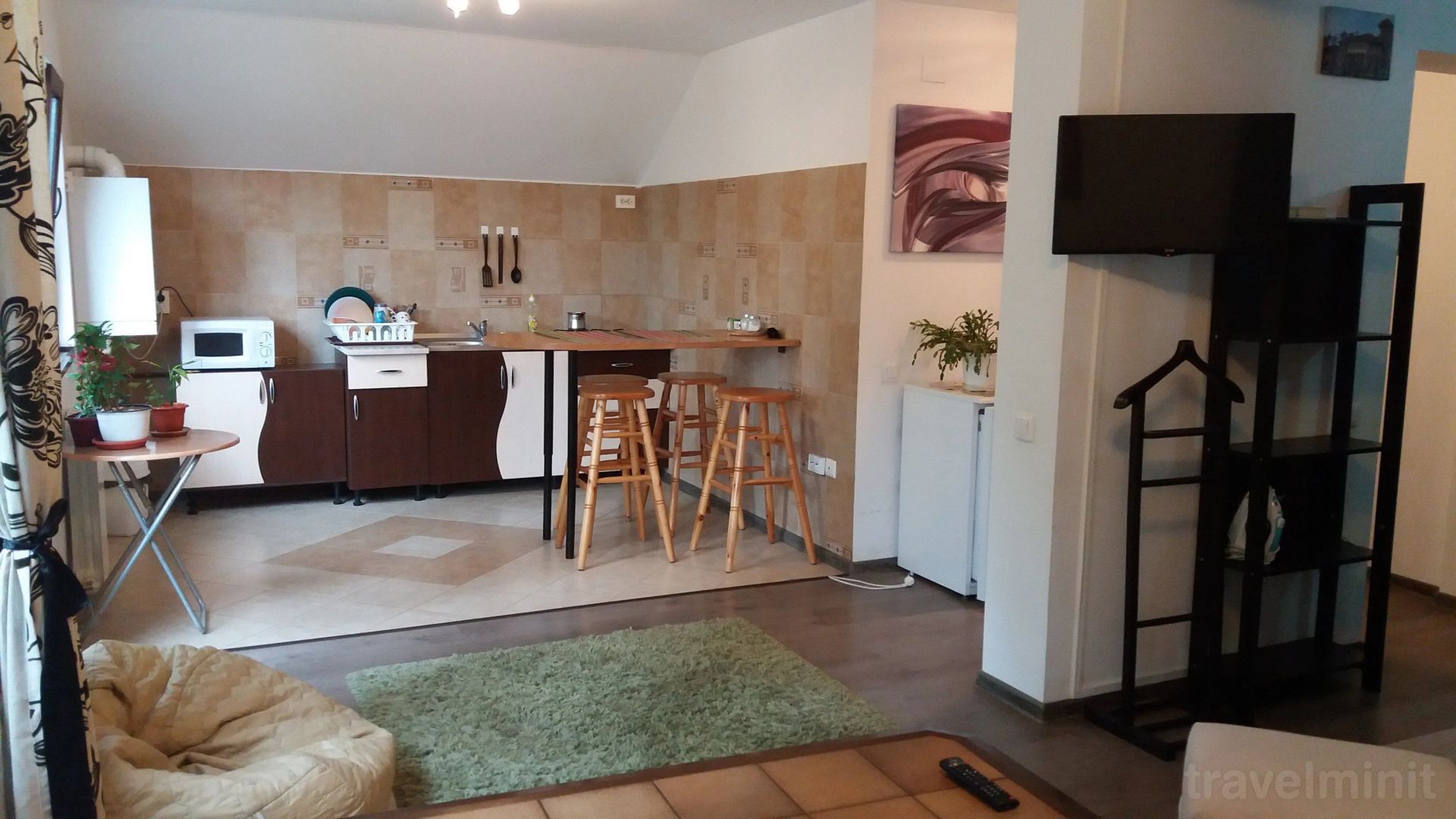
Green Forest Apartments Bușteni
La marginea pădurii, într-o vilă nouă din Bușteni, Green Forest Apartments vă oferă apartamente cu vedere spre munte sau spre stațiunea Bușteni. Situată pe strada Paltinului, într-o zonă liniștită și ultracentrală, la doar câțiva pași de centrul comercial, unitatea îmbină liniștea naturii cu apropierea de magazine. Fiecare apartament dispune de dormitor separat, living, bucătărie și baie, fiind complet mobilat și dotat cu centrală proprie. Terasele de zece metri pătrați oferă perspective spre munți sau spre oraș. În fiecare unitate puteți caza până la patru adulți și un copil. În curtea mare și grădina amenajată aveți la dispoziție un loc de joacă pentru copii la exterior, un grătar și un ceaun pentru prepararea mesei în aer liber. Wi-Fi-ul gratuit și parcarea privată fără cost completează facilitățile disponibile pentru dumneavoastră. În apropiere puteți vizita Castelul Peleș, Castelul Pelișor, Stațiunea Sinaia, Rezervația naturală din Masivul Bucegi sau Castelul Bran, toate fiind destinații accesibile pentru excursii de o zi. Green Forest Apartments Bușteni este potrivit pentru familiile care doresc o vacanță liniștită în mijlocul naturii, aproape de principalele atracții turistice din zonă.
FROM
230 lei per night

Holiday home · 3 stars
Buşteni, Prahova County · 0.1 km
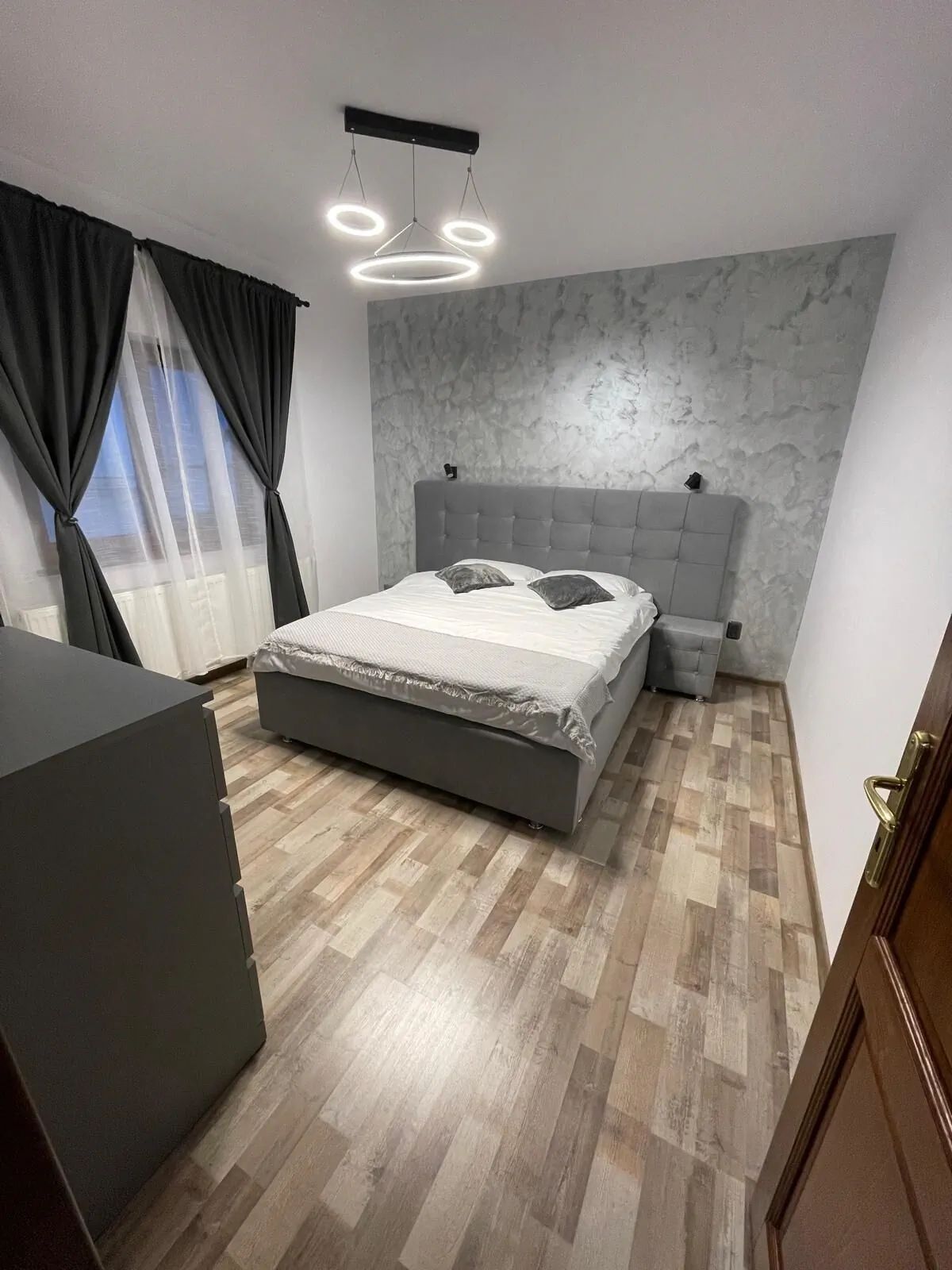
Casa Iancu Bușteni
O zi petrecută la Casa Iancu Bușteni în Bușteni poate începe cu explorarea traseelor montane din natură și se poate încheia cu un grătar preparat în curtea mare și amenajată, sub cerul deschis al munților. Vila integrală pune la dispoziția dumneavoastră camere mobilate cu bun gust, fiecare dotată cu baie proprie, iar conexiunea Wi-Fi gratuită vă însoțește în toate încăperile. În curte veți găsi un foișor primitor, perfect pentru seri liniștite în aer liber, iar pentru bagaje există un spațiu de depozitare dedicat și bine organizat. În apropiere puteți vizita Castelul Peleș, Castelul Pelișor și Castelul Bran, puteți explora atmosfera Stațiunii Sinaia sau puteți pătrunde în Rezervația naturală din Masivul Bucegi pentru drumeții montane spectaculoase. Toate aceste obiective se află la îndemână pentru a completa experiența dumneavoastră în această zonă montană. Preluarea camerelor se poate face începând cu ora 14:00, iar eliberarea acestora până la ora 12:00. La recepție veți putea comunica în limba română sau în limba engleză. Dimineața, cafeaua savurată în foișorul din curte oferă liniștea necesară pentru a porni la drum spre noi aventuri.
FROM
280 lei per night
Hostel · 1 star
Buşteni, Prahova County · 0.1 km
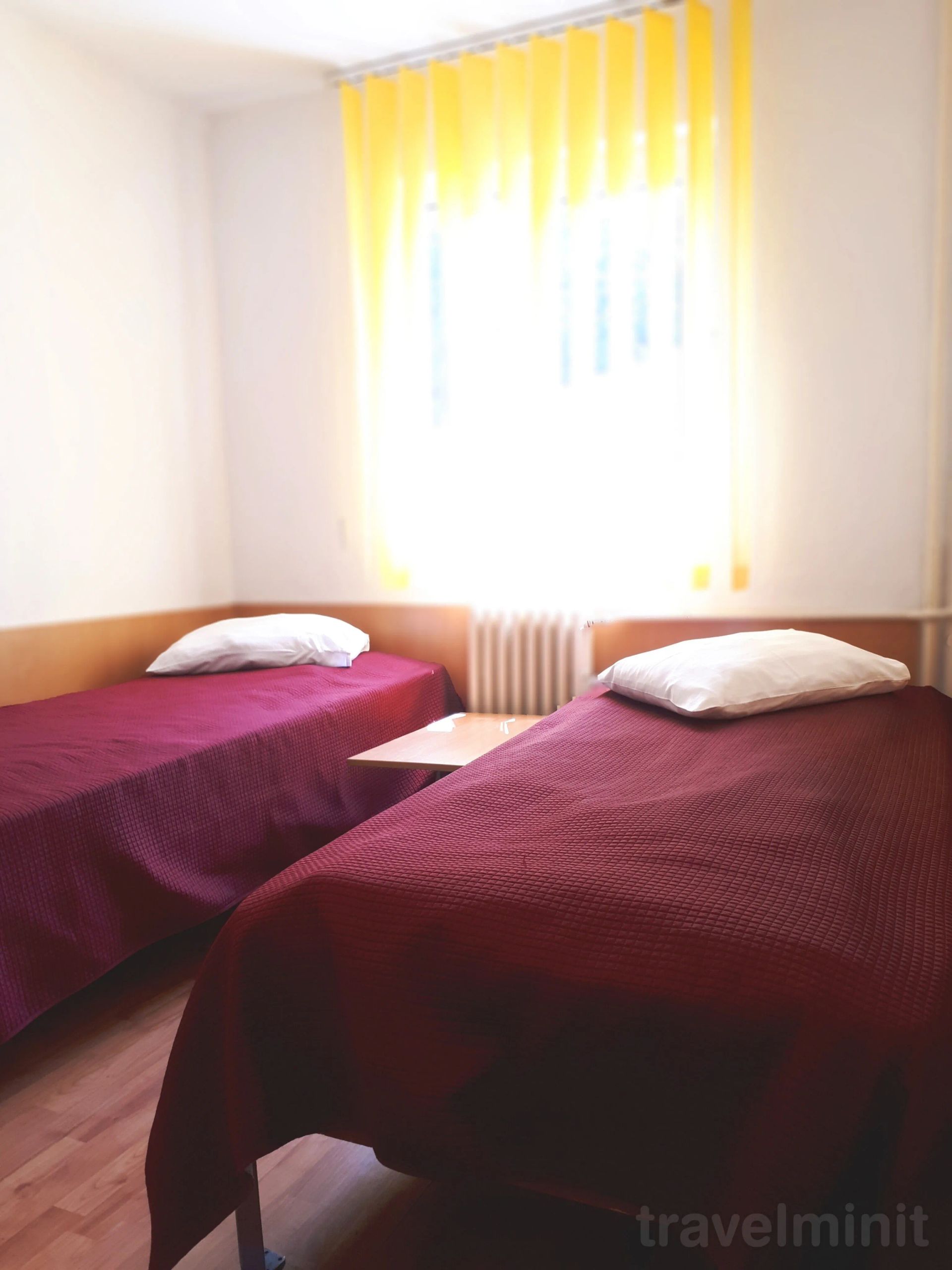
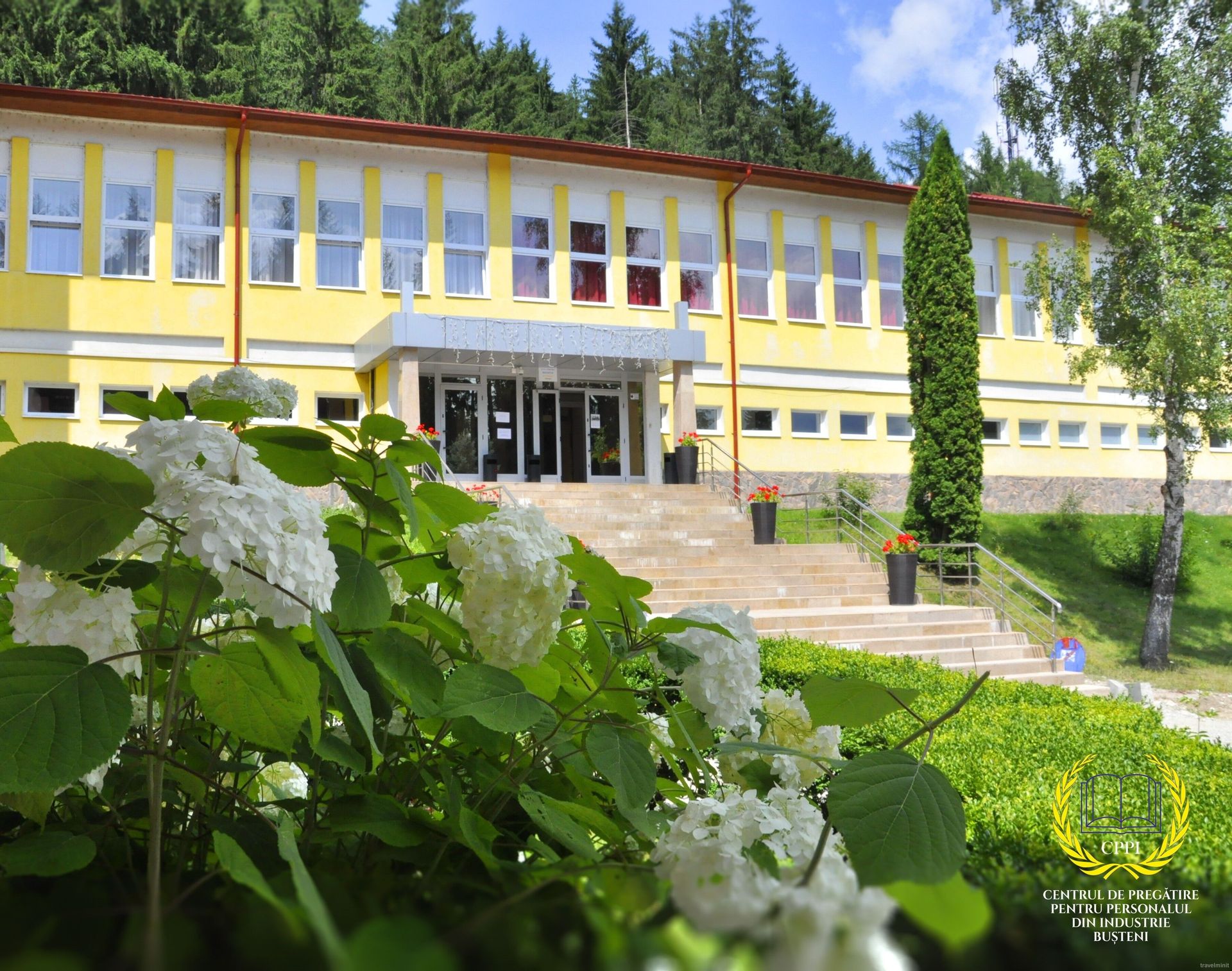
Hostel CPPI Nord Bușteni
Hostel CPPI Nord Bușteni este un hostel situat în Bușteni, județul Prahova. Unitatea oferă cazare în camere confortabile și pune la dispoziția dumneavoastră facilități care contribuie la un sejur plăcut. Aveți la dispoziție o curte mare și o grădină amenajată, un spațiu potrivit pentru relaxare după o zi petrecută în aer liber. De asemenea, beneficiați de saună pentru momente de destindere, parcare privată gratuită pentru autoturism și conexiune Wi-Fi gratuită în întreaga proprietate. Mic dejun este inclus în tariful camerelor, iar recepția vă poate primi începând cu ora 14:00. În apropiere puteți vizita Castelul Peleș, Castelul Pelișor, Castelul Bran, Stațiunea Sinaia și Rezervația naturală din Masivul Bucegi. Aceste obiective reprezintă opțiuni excelente pentru excursii de o zi și pentru a descoperi patrimoniul cultural și natural al zonei montane din Valea Prahovei. Această unitate este potrivită pentru călătorii care doresc o cazare practică, cu facilități esențiale și acces rapid la principalele atracții turistice din Bușteni și împrejurimi.
FROM
170 lei per night
Hostel · 3 stars
Buşteni, Prahova County · 0.3 km
Hostel CPPI Vest Bușteni
Hostel CPPI Vest Bușteni este un hostel clasificat cu 3 stele situat în localitatea Bușteni din județul Prahova. Unitatea oferă cazare în 21 de camere confortabile și bine mobilate, potrivite pentru turiști care doresc un sejur plăcut în această zonă montană. Pentru relaxare, dumneavoastră puteți beneficia de saună și servicii de masaj disponibile la proprietate. Hostelul pune la dispoziție parcare privată gratuită, Wi-Fi gratuit în întreaga unitate și un depozit pentru bagaje. În exterior se află un loc de joacă pentru copii, o curte mare și o grădină amenajată, ideale pentru momente de liniște în aer liber. Cazarea include micul dejun. La recepție personalul comunică în limba română și în limba engleză. Ziua hotelieră începe la ora 14:00 și se încheie la ora 11:00, oferind flexibilitate pentru sosire și plecare. În apropiere puteți vizita Castelul Peleș, Castelul Pelișor, Castelul Bran, Stațiunea Sinaia și Rezervația naturală din Masivul Bucegi. Aceste obiective oferă numeroase posibilități de explorare culturală și relaxare în mijlocul naturii. Vă așteptăm la Hostel CPPI Vest Bușteni.
FROM
170 lei per night
Holiday home · 3 stars
Buşteni, Prahova County · 0.3 km
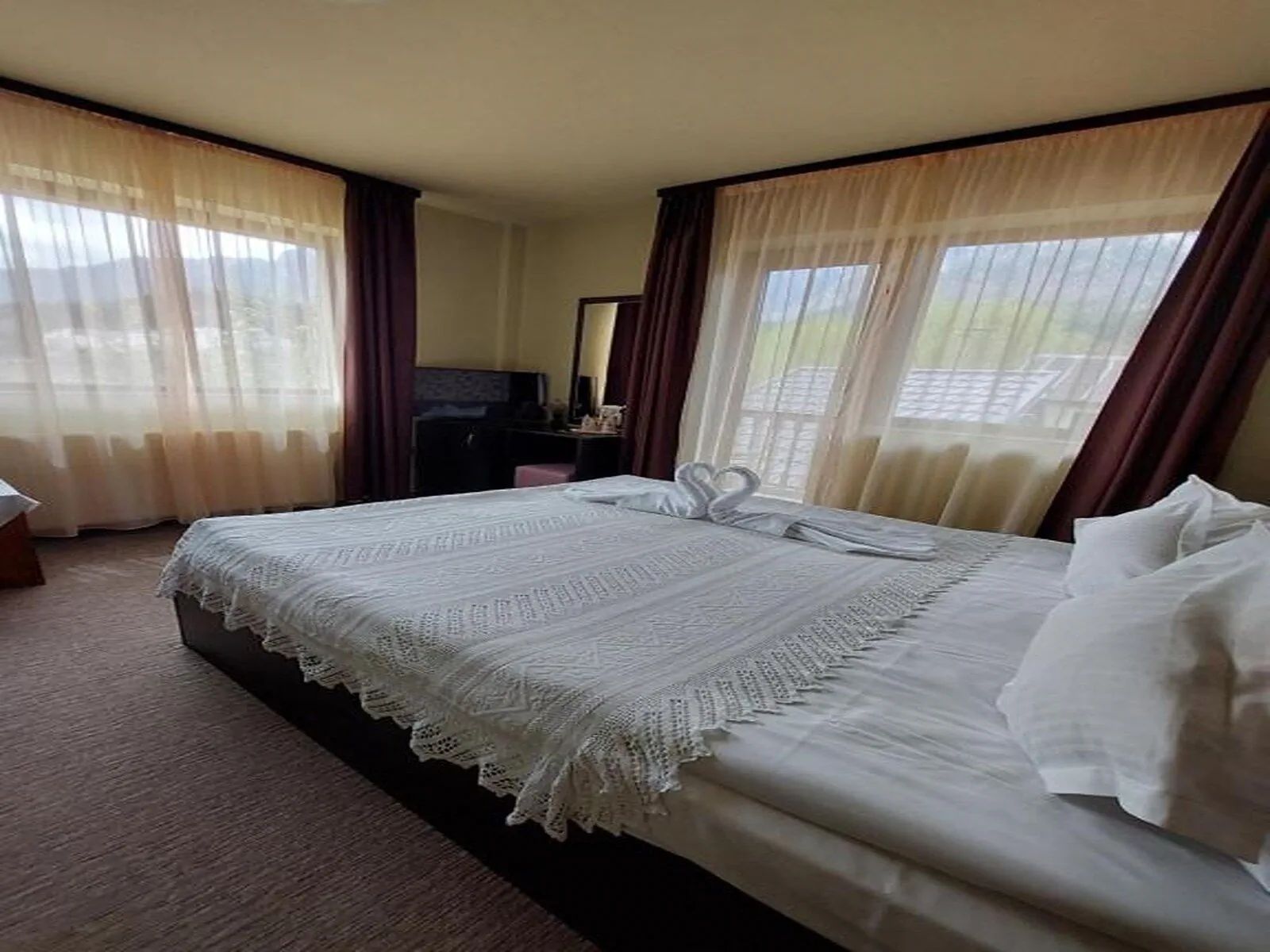
Casa Roșca Bușteni
Într-o curte mare și amenajată, cu grădină verde și un foișor primitor, Casa Roșca Bușteni vă așteaptă pe strada Prahovei 14A în stațiunea Bușteni, județul Prahova. Vila integrală de trei stele reprezintă alegerea potrivită pentru un sejur relaxant la munte împreună cu familia sau prietenii. Spațiul de cazare cuprinde șase camere generoase, fiecare dotată cu grup sanitar propriu, paturi confortabile, frigider și smart TV cu televiziune prin cablu. Livingul de la parter, cu bucătărie open-space complet echipată cu veselă și aparatură necesară, poate găzdui aproximativ cincisprezece persoane. Conexiunea Wi-Fi gratuită este disponibilă în toate încăperile casei. În exterior, grădina amenajată și curtea spațioasă oferă un cadru liniștit pentru relaxare, iar grătarul și foișorul sunt pregătite pentru seri plăcute în aer liber. De asemenea, aveți la dispoziție parcare privată gratuită, depozit pentru bagaje, pătuț pentru bebeluș și acces facilitat pentru persoane cu dizabilități. Din Bușteni puteți explora cu ușurință Castelul Peleș, Castelul Pelișor, Castelul Bran, Stațiunea Sinaia și Rezervația naturală din Masivul Bucegi. Parcare privată gratuită vă așteaptă pentru autoturismul dumneavoastră.
FROM
280 lei per night
Apartment · 3 stars
Buşteni, Prahova County · 0.3 km
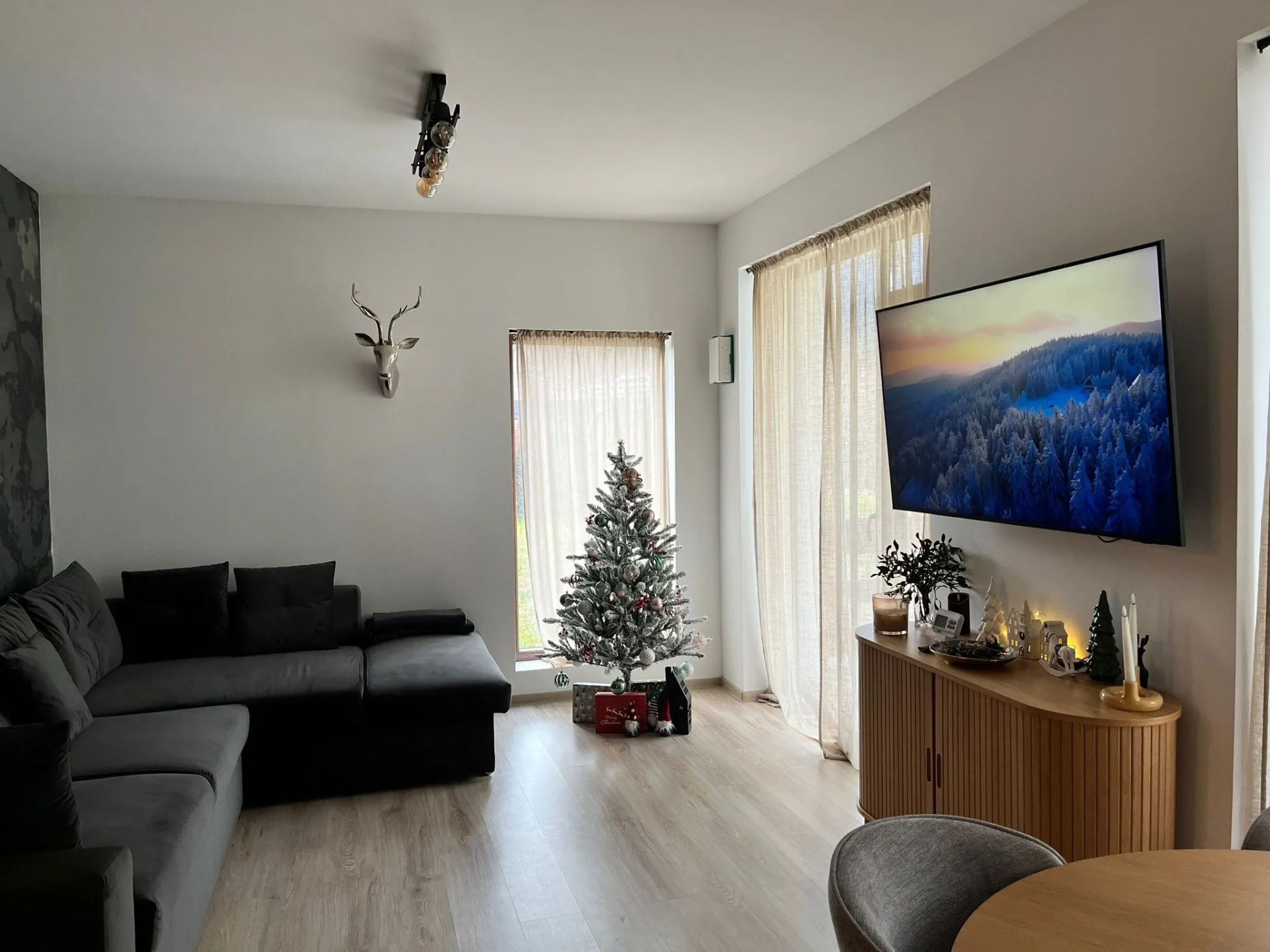
Apartament Mountain Place to Remember Bușteni
Comfort, relaxation and stunning views, all just steps away from the main attractions.
FROM
230 lei per night
BEFORE YOU HIT THE ROAD
Weather conditions in Prahova
Local forecast for Bucegi Natural Park, Prahova, Prahova

Real-time updated weather data
Much more to explore in this area
Nearby tourist attractions


Bran, Brașov County
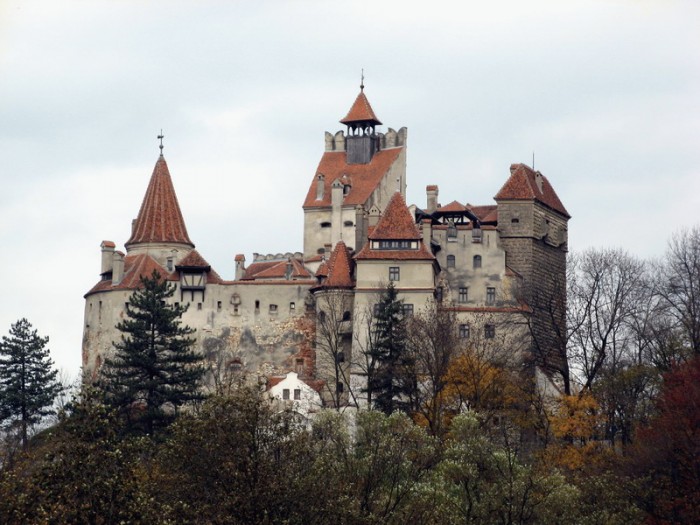
Bran Castle
Situat pe strada General Traian Mosoiu nr. 28 din localitatea Bran, la 30 km de municipiul Brasov; construit in anul 1377 in scop militar; in anul 1395, este...
17.2 km
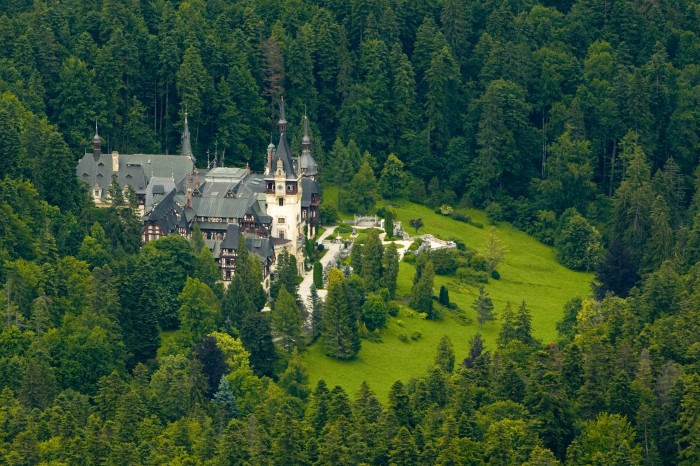
Sinaia, Prahova County
Peleș Castle
Situat pe strada Pelesului din Sinaia; piatra de temelie a castelului se pune in 1873, aici fiind ingropate si cateva zeci de monede de 20 de lei, din aur -...
6.0 km
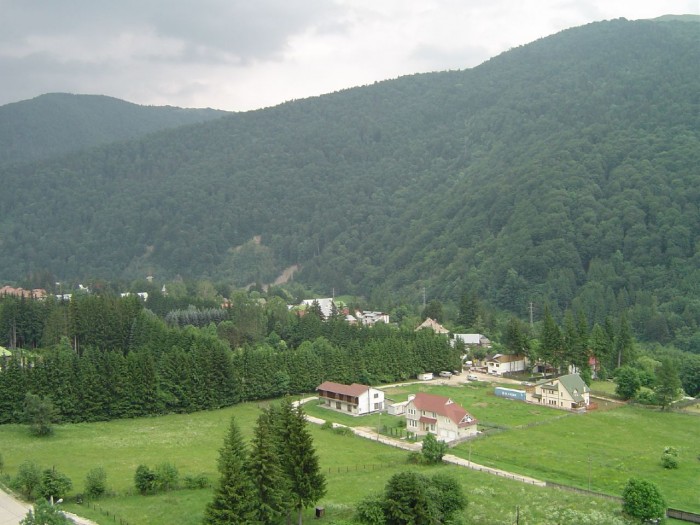
Prahova, Prahova County
Sinaia Resort
Situata pe valea superioara a Prahovei, la poalele Muntilor Bucegi (Carpatii Meridionali), la o altitudine ce variaza intre 798-971 m; este una din cele mai...
6.9 km
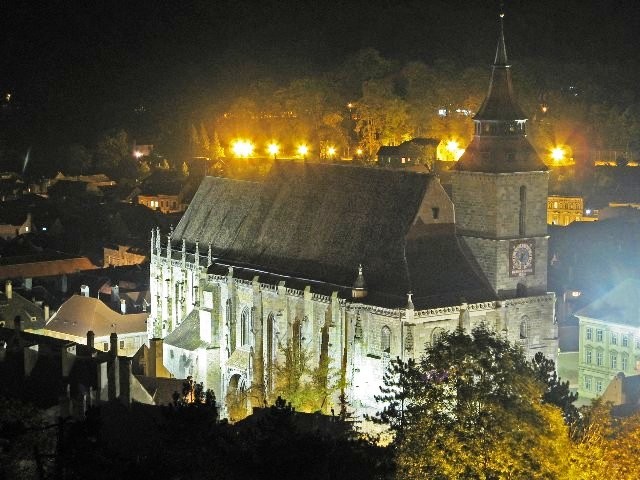
Brasov, Brașov County
Black Church
Situata in curtea Honterus nr. 2 din municipiul Brasov; construita intre secolele XIV - XV; o inscriptie din interior il atesta ca prim ctitor pe Thomas; din...
26.3 km
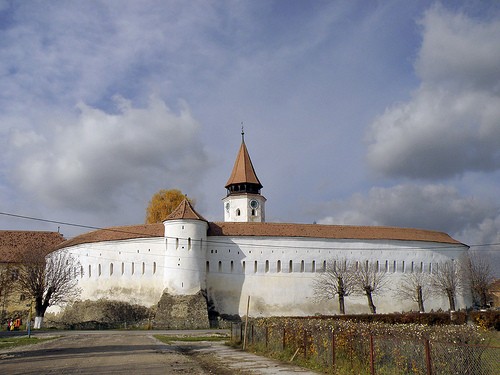
Brasov, Brașov County
Prejmer Fortified Church
Situata in localitatea Prejmer, la 15 km de municipiul Brasov; cea mai mare biserica fortificata din sud-estul Europei; construita in secolul al XIII-lea; are...
39.0 km
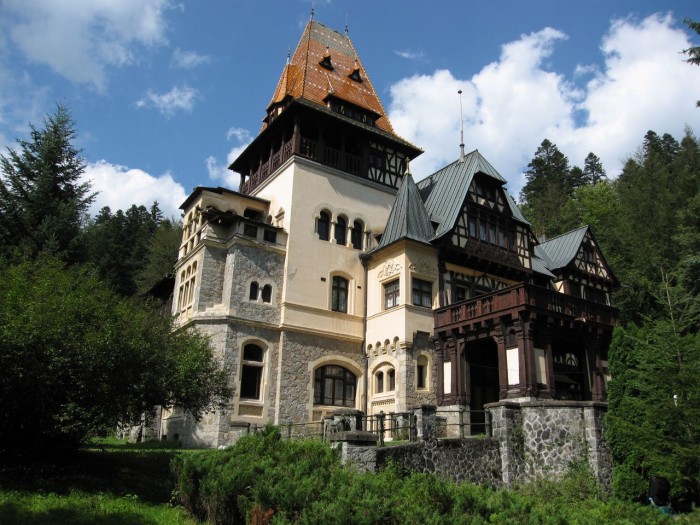
Prahova, Prahova County
Pelișor Castle
Situat in parcul Castelului Peles, pe Valea Prahovei; ridicat intre anii 1899 si 1902; in 1903 a devenit resedinta de vara a principilor mostenitori;...
5.9 km
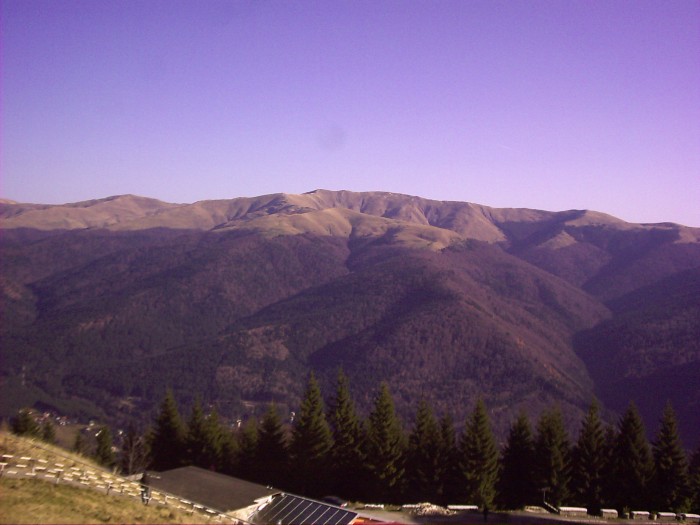
Brasov, Brașov County
Bucegi Natural Park
Situat in Muntii Bucegi, se intinde pe raza comunelor Rasnov, Bran, Moeciu; zona Muntilor Bucegi a fost propusa pentru protejare in anul 1936, dar initiativa s-...
12.7 km
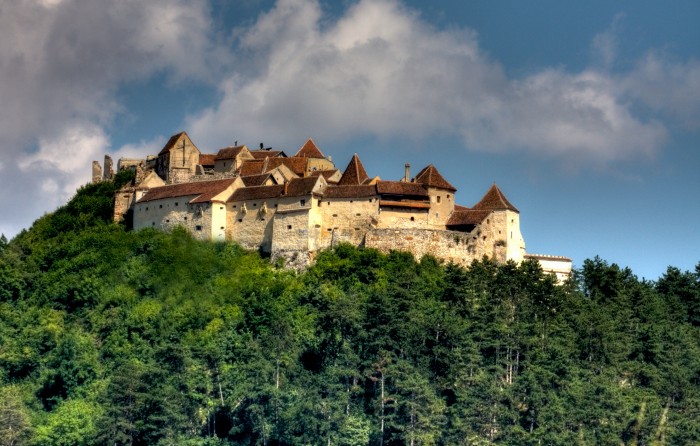
Râșnov, Brașov County
Râșnov Citadel
Situata in orasul Rasnov, la 15 km de municipiul Brasov; construita in secolele XIII - XIV de catre locuitorii zonei, in scopul apararii impotriva atacurilor...
20.3 km
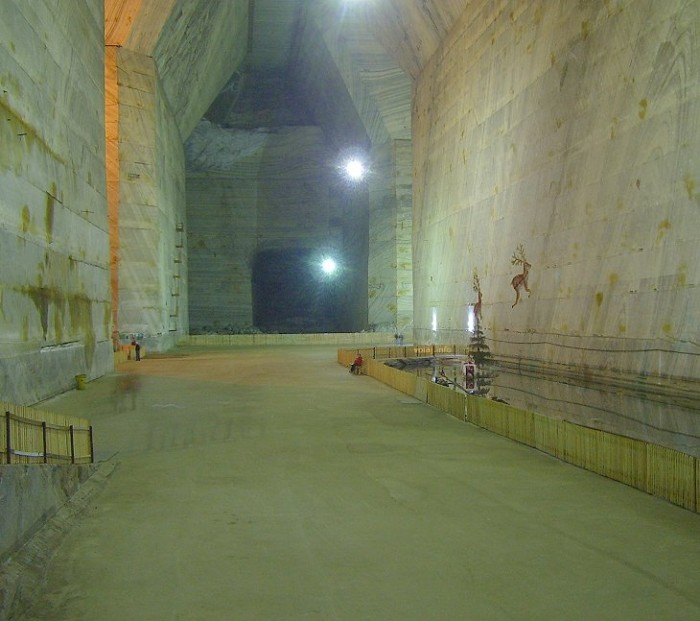
Prahova, Prahova County
Slănic Prahova Salt Mine
Situata in localitatea Slanic Prahova; lucrarile miniere de deschidere a minei "Unirea" au inceput in anul 1938, iar exploatarea sarii din aceasta mina s-a...
37.5 km

Brasov, Brașov County
Poiana Brașov resort.
Situata la poalele muntelui Postavaru, la 12 km de municipiul Brasov; amplasata la altitudinea de 1.030 m, statiunea turistica Poiana Brasov a fost infiintata...
20.2 km
Brasov, Brașov County
Piatra Craiului National Park
Situat in Carpatii Meridionali;include Creasta Pietrei Craiului in totalitate si spatiile din culoarele intramontane limitrofe, Rucar - Bran si Rucar -...
27.7 km

Brasov, Brașov County
Predeal: Romania's Highest Town and the Carpathian Balcony
Situata pe Valea Prahovei, intre raurile Prahova si Timis, la 25 km de municipiul Brasov; amplasata la 1.100 m, este cea mai inalta asezare urbana din Romania;...
10.8 km
Cultural life and traditions
Events in the Bucegi Natural Park area
Medieval festivals, traditional fairs, concerts and local activities recommended in Muntenia (Wallachia).

History and Royal Architecture

Prahova, County of Prahova
Days of Royalty and Heritage in the Prahova Valley
Historical conferences open to the public, themed tours of royal architecture, documentary screenings and exhibitions of vintage photographs.
WHEN
May 10-12, 2026


Gastronomy and Oenology
Dealu Mare, County of Prahova
The Prahova Wine Festival on the Wine Route
Guided tastings of Fetească Neagră along the famous Wine Route, visits to historic wineries, and meetings with leading winemakers.
WHEN
Every weekend (September - October)
Hiking and Adventure
Bucegi Mountains, Prahova County
Guided Mountain Tour in the Bucegi Mountains
Guided mountain tours led by mountain rescue personnel to iconic panoramic viewpoints and spectacular alpine waterfalls.
WHEN
Daily during the season (June - October)
On foot, exploration gains depth
Discover the surroundings and local geography
Explore the trails, terrain, and natural landmarks around Bucegi Natural Park.

Guides and practical tips
Useful travel articles
Travel guides, practical recommendations and tourist itineraries for Muntenia (Wallachia).

Tourist guide
Top 5 Atracții Turistice și Trasee Montane în Zona Moieciu - Bran
Descoperă cele mai spectaculoase peisaje carstice, chei adânci și cetăți medievale din imediata apropiere a stațiunii Moieciu.

Tourist guide
Ghid de Drumeție: Traseul Moieciu de Sus spre Platoul Bucegi
Un itinerariu montan de o frumusețe rară ce urcă din Valea Băngăleasa spre Poiana Guțanu și crestele maiestuoase ale Bucegilor.

Tourist guide
Castelul Bran: Istorie, Legende și Secrete Medievale
Află adevărata poveste a fortăreței medievale din Pasul Bran, reședința de suflet a Reginei Maria a României.
THE JOURNEY STARTS WITH AN IDEA
The next story is on the way.
From the first stop to the last stay, make room for a new Romania.
