


NATURE AND WILDLIFE · BANAT
Rudăria Water Mill Reserve

Caras Severin, Caraș-Severin County
Add location to your trip planner.
Practical access information

VISITING HOURS
Monday: 12:00 PM – 5:00 PM · Tuesday–Sunday: 9:00 AM – 5:00 PM (in summer until 8:00 PM)

TICKET PRICE
Adults: 45 RON · Students: 11 RON · Seniors: 23 RON · Guided tour included

RECOMMENDED VISIT DURATION
2-3.5 hours
Visitor information and guide
 Navigate with Google Maps

ABOUT RUDĂRIA WATER MILL RESERVE
A Symphony of Wood and Water: The Living Treasure of the Banat Mountains
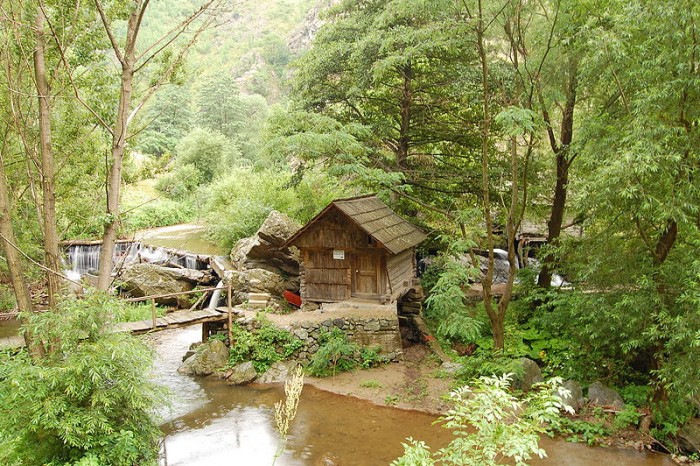
Deep within the Banat Mountains, where the Rudăria Valley carves its path through forested slopes and limestone cliffs, lies one of the most impressive collections of vernacular technical architecture in all of Southeastern Europe. The Rudăria Water Mill Reserve, stretching for three kilometers along a crystalline stream, shelters twenty-two traditional water mills—a unique complex that transforms the murmur of water into an archaic symphony of human craftsmanship. This is not merely an assembly of old buildings but a living cultural landscape, the largest water mill park in Southern Europe, where pre-industrial technology has survived the centuries, offering modern travelers a window into the traditional rural civilization of the region. In an era when Europe’s industrial heritage is increasingly celebrated in open-air museums from Skansen to Bucharest’s Village Museum, Rudăria remains a monument to continuity, a place where wooden wheels still turn, grinding corn with the same patience as the ancestors, in an unbroken dialogue between humanity and the forces of nature.
Roots in European History: From the Habsburg Military Frontier to the Heart of Banat
The history of the Rudăria mill complex is inseparable from the fate of the entire mountainous Banat region, an area that, beginning in the 18th century, underwent profound transformations under Habsburg administration. After the Banat was liberated from Ottoman rule following the Austro-Turkish wars and the Treaty of Passarowitz in 1718, Emperor Charles VI and his successor, Maria Theresa, initiated an extensive colonization policy, bringing German, Czech, and other settlers from Central Europe to the region. The first documented records of the mills along the Rudăria Valley date back to 1772, a period when the Enlightenment reforms of Joseph II encouraged the development of intensive agriculture and rural infrastructure across the empire. By 1874, the number of milling installations had grown to fifty-one, reflecting not only local economic development but also the region’s integration into the broader commercial network of Central Europe, similar to the expansion of water mill complexes in the rural areas of the Austrian Alps, the Tyrol region, or the French Pyrenees. The village of Eftimie Murgu, to which the reserve belongs, is named after a hero of the 1848 Revolution, a symbol of Romanian resistance against Habsburg domination, adding a political and memorial dimension to the technical landscape of the area.
A Masterpiece of Vernacular Engineering: The Anatomy of a Water Mill
The architecture of the Rudăria water mills represents a remarkable expression of folk engineering in the Carpatho-Balkan region, sharing direct parallels with similar installations in the mountainous areas of Austria, Switzerland, France, and the Balkans, while retaining a deeply Romanian ethnic character. Each of the twenty-two structures is built from well-preserved fir and oak wood, as well as river stone, construction techniques reminiscent of Alpine architectural traditions, where resistance to the elements and the use of local materials have always been essential. The key technological feature lies in the bucket-wheel drive system, known as the "ciutură," an invention that harnesses the gravitational force of falling water. Unlike the horizontal-wheel mills of Western Europe’s plains or the wind-driven mills of the Netherlands and Denmark, the Rudăria mills utilize the kinetic energy of the current, a principle known since antiquity, when the Romans used similar mills throughout the Roman Empire, from the Iberian Peninsula to Asia Minor. What distinguishes these installations, however, is their extremely slow grinding speed: the millstones rotate at about twenty revolutions per minute, preserving the nutritional properties of the corn. This technique, developed empirically over centuries, produces a coarsely ground flour with an unmistakable aroma, prized for its superior organoleptic qualities—a true gastronomic luxury in an era when industrial flour, produced by 19th-century roller mills, began to dominate the European market.
The Social Fabric of the Community: The Right to Turn and the Democracy of Heritage
Beyond its technical and architectural dimensions, the Rudăria Reserve is, above all, a monument to traditional social organization—a complex system of rights and obligations that governed rural life for generations. Each family in the village holds a milling right within a predetermined time slot, according to an unwritten agreement passed down orally from generation to generation, an informal legal mechanism reminiscent of common property management systems in medieval Switzerland or the feudal milling rights in France, when local lords controlled access to milling installations. This "turn at the mill" can be sold, mortgaged, or inherited, constituting a true social and economic capital for families. Once a month, an entire day is dedicated to maintaining the installations, with each family holding a milling right sending a representative to participate in necessary repairs; unexcused absence results in the permanent loss of the privilege, a form of communal sanction reflecting solidarity and collective responsibility. The names of the twenty-two mills preserve the memory of this familial and geographical history: from the Tunnel Mill and Rosoanea to the Backward Mill Between Streams or Iloaia Bridge Mill, each name evokes either a local historical event, the name of the founder, or a specific geographical position, creating a toponymic map of collective memory.
The Fury of the Waters and the Resilience of a Civilization: Turning Points
The fate of the mill complex has been marked by several natural disasters that tested the resilience of the community and shaped the current physiognomy of the reserve. The catastrophic floods of 1827, 1910, 1941, and 1955 destroyed more than half of the existing structures at the time, reducing the number of mills from fifty-one to the twenty-two that form the reserve today. These extreme hydrological events are part of the broader context of climate change and meteorological variations in Central and Southeastern Europe, periods when heavy rainfall affected entire regions, from the Rhine basin to the Carpathians. The year 1910, for example, was marked by devastating floods across Central Europe, while the events of 1941 and 1955 coincided with periods of political and social instability in Romania, complicating reconstruction efforts. Nevertheless, the community’s deep attachment to this technical heritage led to the rebuilding and preservation of each remaining mill, transforming disaster into an opportunity to strengthen local identity. In the 20th century, conservation efforts intensified, and today the complex enjoys the status of a national historical monument, Group A, recognized as an integral part of Europe’s cultural heritage.
Rudăria in the Context of Europe’s Premodern Industrial Heritage
As the largest water mill park in Southern Europe, Rudăria fits into the broader context of Europe’s premodern industrial heritage, offering an authentic example of harmonious and sustainable coexistence between human technology and the forces of nature. While in Western Europe many of these installations disappeared with the Industrial Revolution and the advent of steam and electric mills, in the rural and mountainous areas of the Balkans and Carpathians, traditional technology survived as part of a subsistence economy. Similar to the preserved milling systems in the rural areas of France, Italy, Switzerland, or Austria, but retaining a distinctly Romanian ethnic character and the influences specific to the contact zone between Central European, Balkan, and Oriental cultures, the reserve illustrates the cultural diversity of Southeastern Europe. It represents a remarkable example of living industrial archaeology, where not only the buildings are preserved but also the technological processes, traditional knowledge, and associated social structures, offering researchers and visitors a profound understanding of how European rural communities functioned for centuries before the industrial era.
A Traveler’s Guide: A Journey Through Time Along the Rudăria Valley
Visiting the Rudăria Water Mill Reserve offers a unique multisensory experience, inviting travelers to traverse the three kilometers of path along the water, discovering the twenty-two traditional water mills situated both within the village of Eftimie Murgu and in the surrounding rural landscape, among orchards and meadows. Access is from the commune of Eftimie Murgu, located in the southern part of Caraș-Severin County, approximately sixty kilometers from Reșița and one hundred twenty kilometers from Timișoara, in an area characterized by a mountainous microclimate and remarkable biodiversity. The best time to visit is in spring and early summer, when the melting snows from the Almăj Mountains ensure a generous flow of the river, setting all twenty-two wheels in motion and creating an impressive visual and auditory spectacle. Each stop reveals the secrets of a civilization that knew how to wisely utilize local resources, and visitors have the opportunity to interact with local millers, taste polenta made from freshly ground flour at one of the mills, and purchase traditional products. Nearby lies the Rudăria Gorge, a spectacular defile with vertical limestone walls, and hikes can be extended to other attractions in the Banat Mountains, such as Muntele Mic or the Comarnic Cave. For those interested in anthropology and social history, Rudăria offers a living lesson in sustainability, community, and respect for nature, within a setting that resonates deeply with the values of universal European cultural heritage.
Media gallery
Discover Rudăria Water Mill Reserve in pictures

13 photos · Architecture, courtyards and captivating details
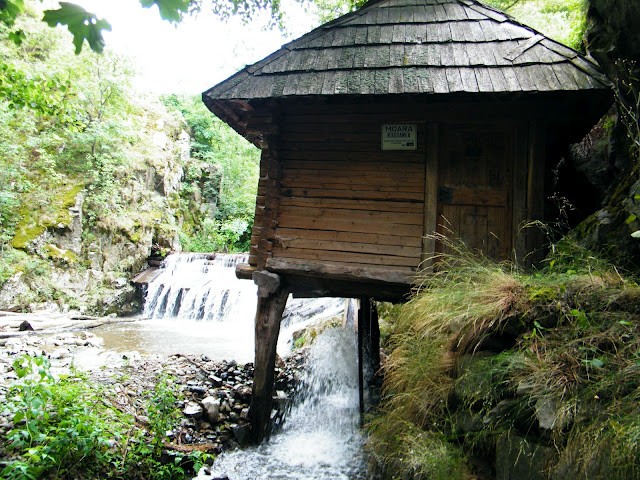
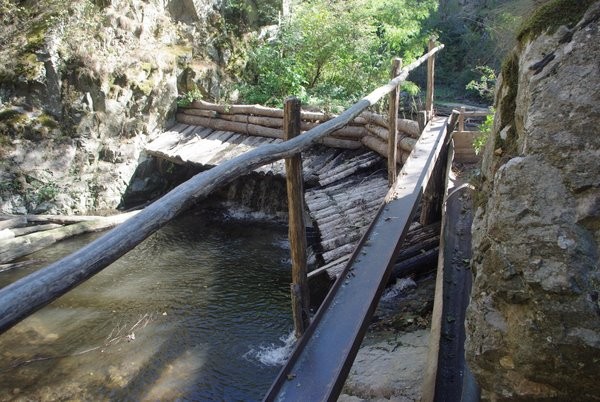
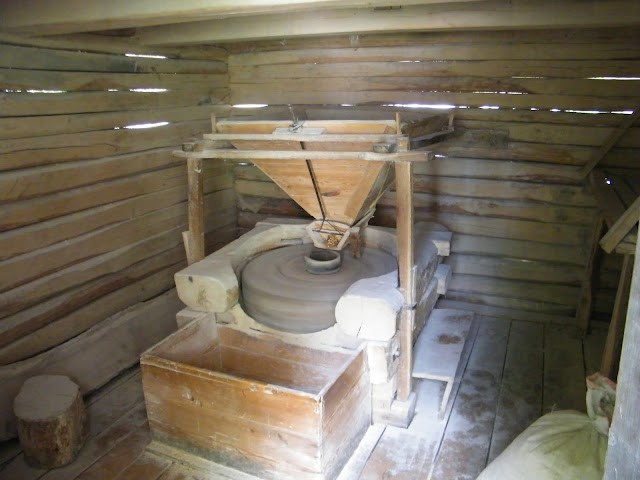
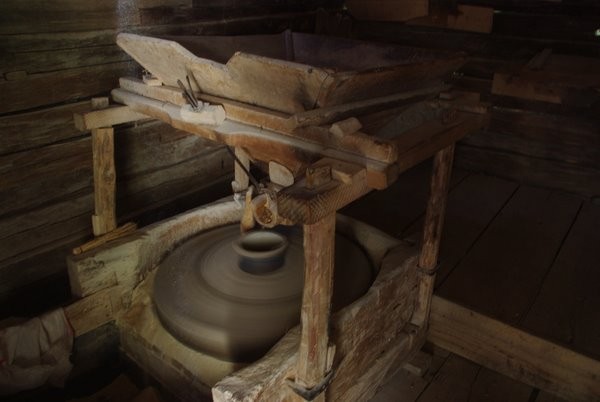
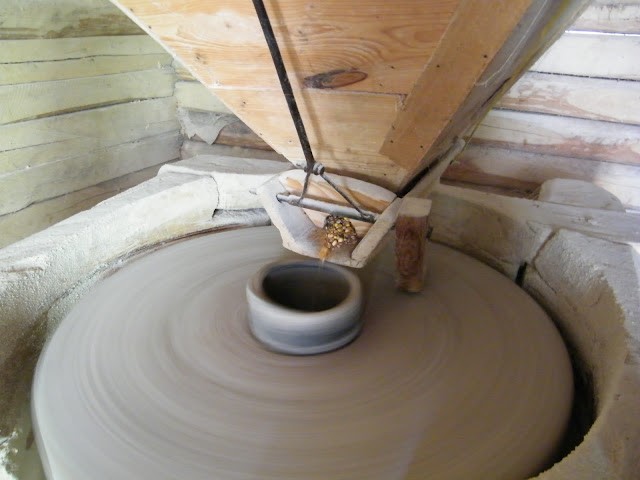


Image source: Wikimedia Commons · Public domain photos · Free license
STAY A FEW DAYS, DISCOVER THE MAGIC
Accommodation in the Rudăria Water Mill Reserve area

Guesthouse · 3 stars

Eftimie Murgu, Caraș-Severin County · 0.9 km
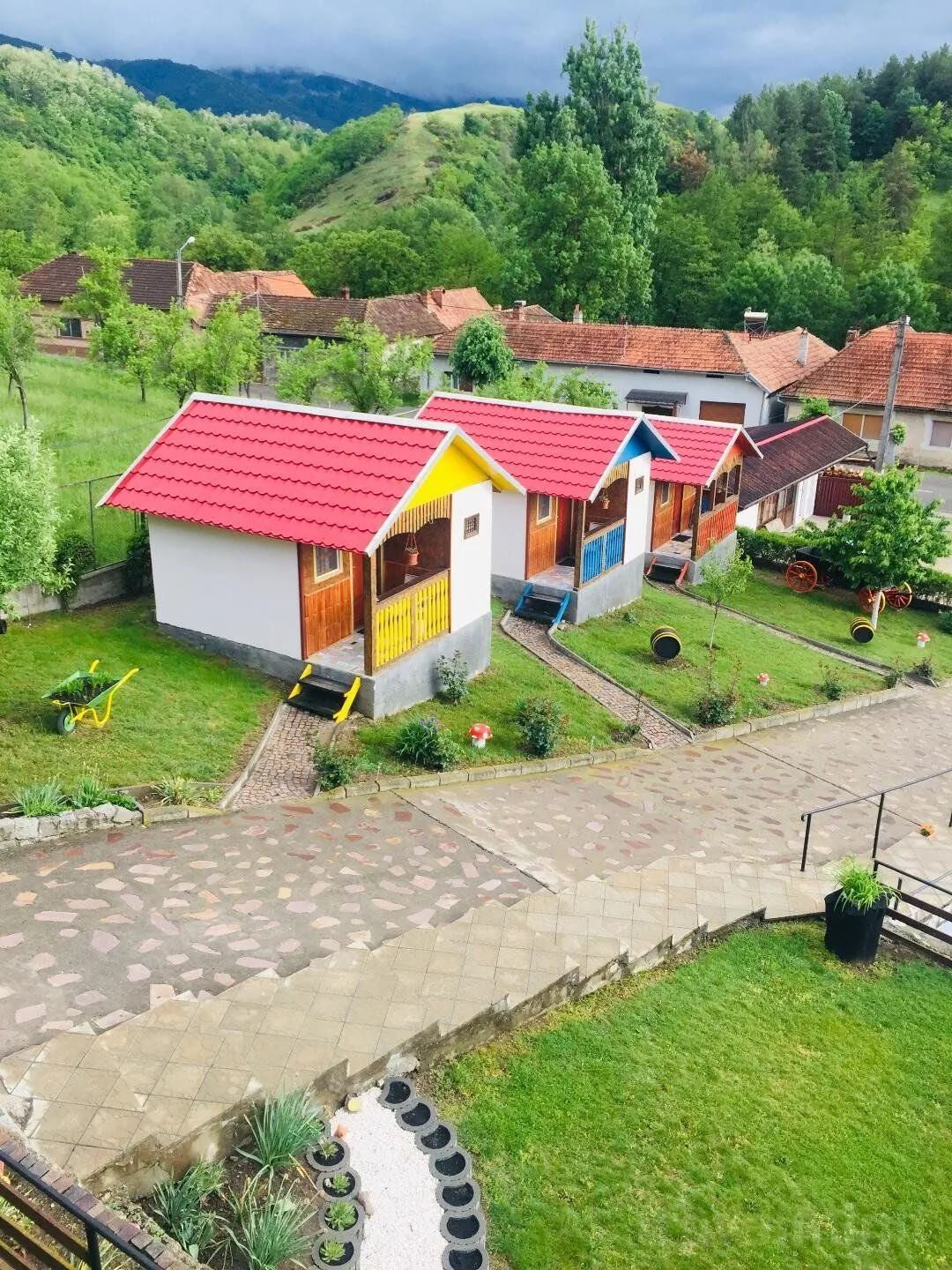
Pensiunea Danieli Eftimie Murgu
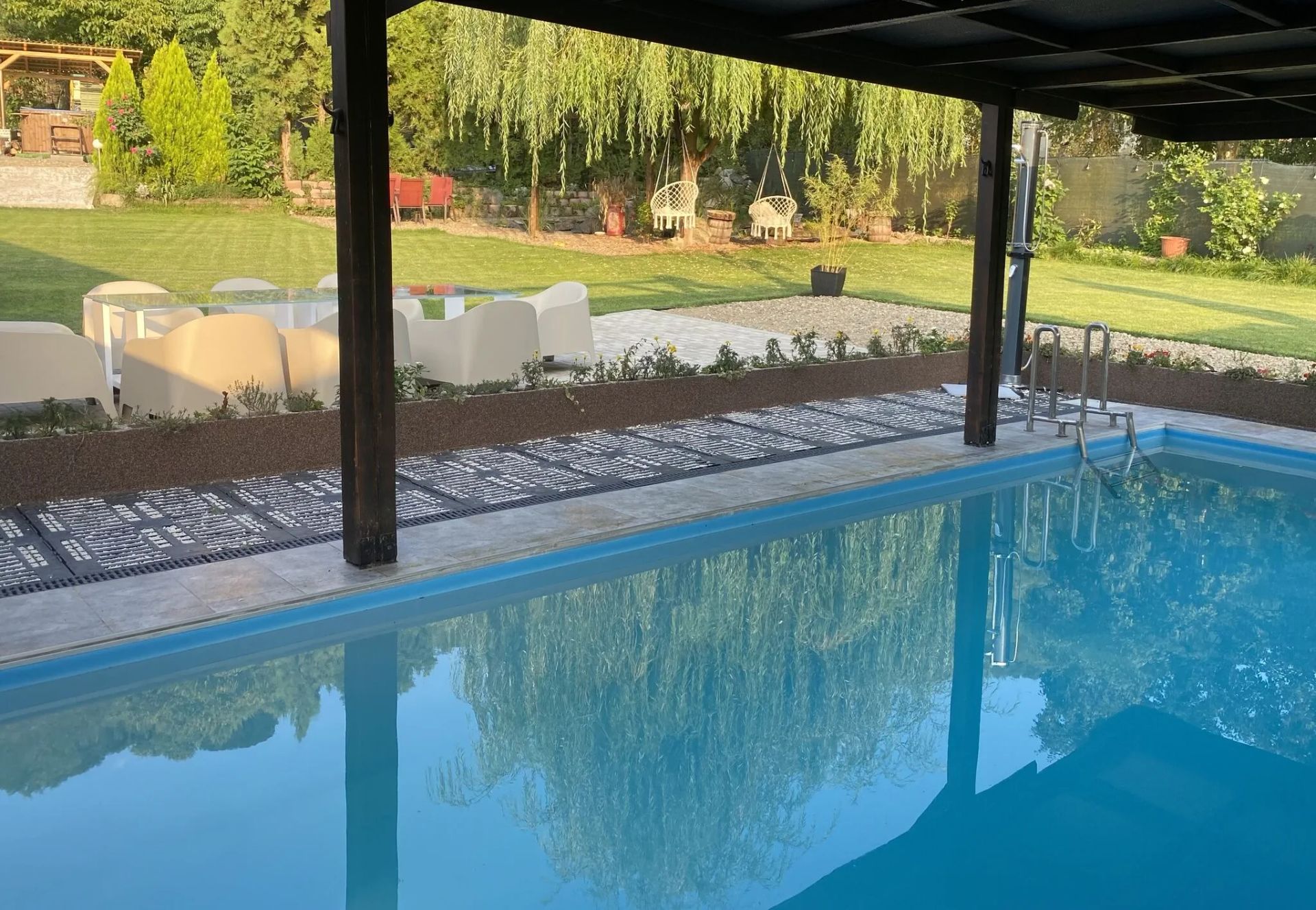
Pe strada Principala din localitatea Eftimie Murgu, județul Caraș-Severin, Pensiunea Danieli Eftimie Murgu reprezintă o alegere potrivită pentru cei care caută liniște și autenticitate într-un cadru rural. Unitatea de cazare, clasificată cu trei stele, se află într-un mediu primitor, departe de aglomerația urbană. Camerele beneficiază de aer condiționat, iar pentru familiile cu copii mici sunt disponibile pătuțuri pentru bebeluși. Accesul persoanelor cu dizabilități este asigurat, iar Wi-Fi-ul și parcarea privată gratuită sunt incluse în ședere. Bucătăria integral dotată și livingul spațios permit pregătirea meselor și momente de relaxare împreună. În exterior, curtea mare și grădina amenajată invită la relaxare, iar locul de joacă pentru copii și masa de tenis de masă asigură distracție pentru întreaga familie. Puteți organiza mese în aer liber folosind grătarul, barbeque-ul sau ceaunul, iar piscina încălzită și ciubărul completează spațiile de relaxare. De asemenea, puteți veni cu animalele de companie, iar în apropiere funcționează restaurantul și terasa La Maya. Zona oferă numeroase posibilități de explorare: Rezervația mulinologică Rudăria, Cheile Rudăriei, Izbucul Bigăr, Cazanele Dunării și Chipul lui Decebal, precum și trasee prin Munții Banatului. Vă așteptăm la Pensiunea Danieli Eftimie Murgu.
FROM
240 lei per night

Guesthouse · 3 stars
Prigor, Prigor · 5.5 km
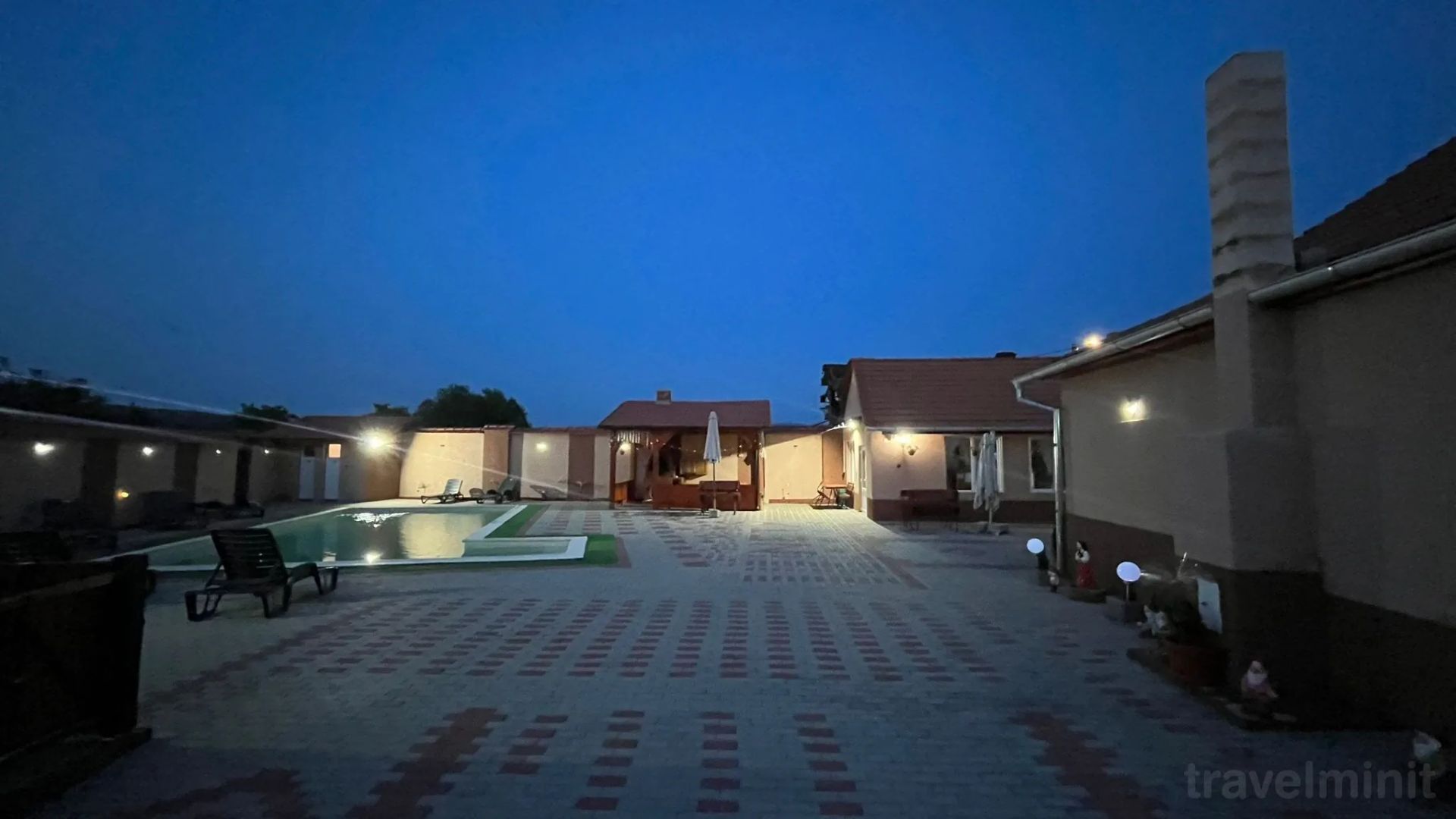
Pensiunea Prigorel Prigor
În apropierea Rezervației mulinologice Rudăria, Pensiunea Prigorel Prigor din localitatea Prigor vă oferă un punct de plecare excelent pentru explorarea zonei. Această pensiune turistică de trei stele vă primește într-un cadru primitor, potrivit atât pentru familii, cât și pentru iubitorii de natură. Curtea mare și grădina amenajată invită la momente de liniște, în timp ce foișorul și terasa la soare sunt locuri perfecte pentru seri plăcute în aer liber. Aveți la dispoziție grătar și ceaun pentru a pregăti preparate tradiționale, iar cei mici se pot distra în siguranță pe locul de joacă amenajat în exterior. Pentru activități în aer liber, puteți închiria biciclete pentru a explora împrejurimile sau puteți urma trasee montane și drumeții în natură. Seara, karaoke-ul aduce atmosferă de sărbătoare în curte. De asemenea, beneficiați de Wi-Fi gratuit și parcare privată gratuită pe toată durata șederii dumneavoastră, iar cele zece camere vă asigură confortul necesar după o zi plină de aventuri. În zonă puteți vizita Izbucul Bigăr, Cheile Rudăriei, Munții Banatului, precum și Cazanele Dunării și Chipul lui Decebal, toate oferind peisaje spectaculoase și oportunități variate de explorare pentru fiecare turist. Vă așteptăm la Pensiunea Prigorel Prigor.
FROM
240 lei per night
Guesthouse · 2 stars
Bozovici, Caraș-Severin County · 9.0 km
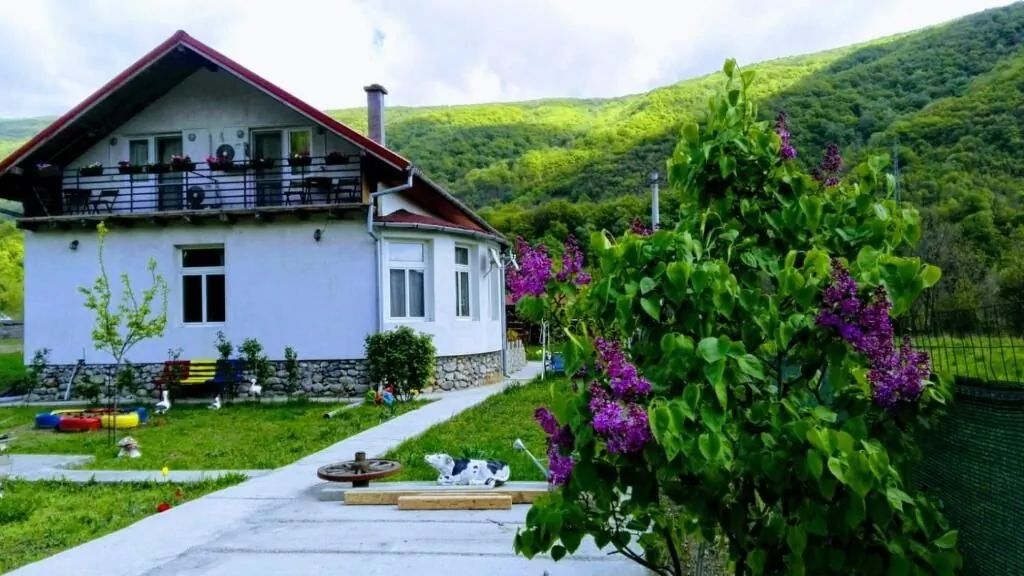
Pensiunea La Nety Bozovici
O zi petrecută aici începe pe terasa la soare, savurând cafeaua dimineața în timp ce priviți spre grădina amenajată, și continuă cu momente relaxante la grătar seara. Pensiunea La Nety Bozovici din Bozovici vă așteaptă cu șase camere pregătite cu atenție pentru dumneavoastră. Beneficiați de Wi-Fi gratuit în întreaga incintă, parcare privată gratuită și acces facilitat pentru persoanele cu dizabilități. Copiii se distrează în siguranță la locul de joacă de la exterior, iar barul din incintă vă oferă băuturi răcoritoare după activități în aer liber. Curtea mare și grădina amenajată creează un cadru plăcut pentru relaxare și socializare. În apropiere puteți descoperi Izbucul Bigăr, Rezervația mulinologică Rudăria, Munții Banatului, Cheile Rudăriei și Lacul Ochiul Beiului. Aceste atracții naturale și culturale transformă fiecare ieșire într-o experiență memorabilă în județul Caraș-Severin, oferindu-vă ocazia de a explora peisaje spectaculoase. Vă așteptăm la Pensiunea La Nety Bozovici, unde parcare privată gratuită și accesul pentru persoane cu dizabilități asigură un sejur confortabil și fără griji pentru toți oaspeții.
FROM
190 lei per night
Holiday villa · 3 stars
Băile Herculane, Caraș-Severin County · 22.7 km
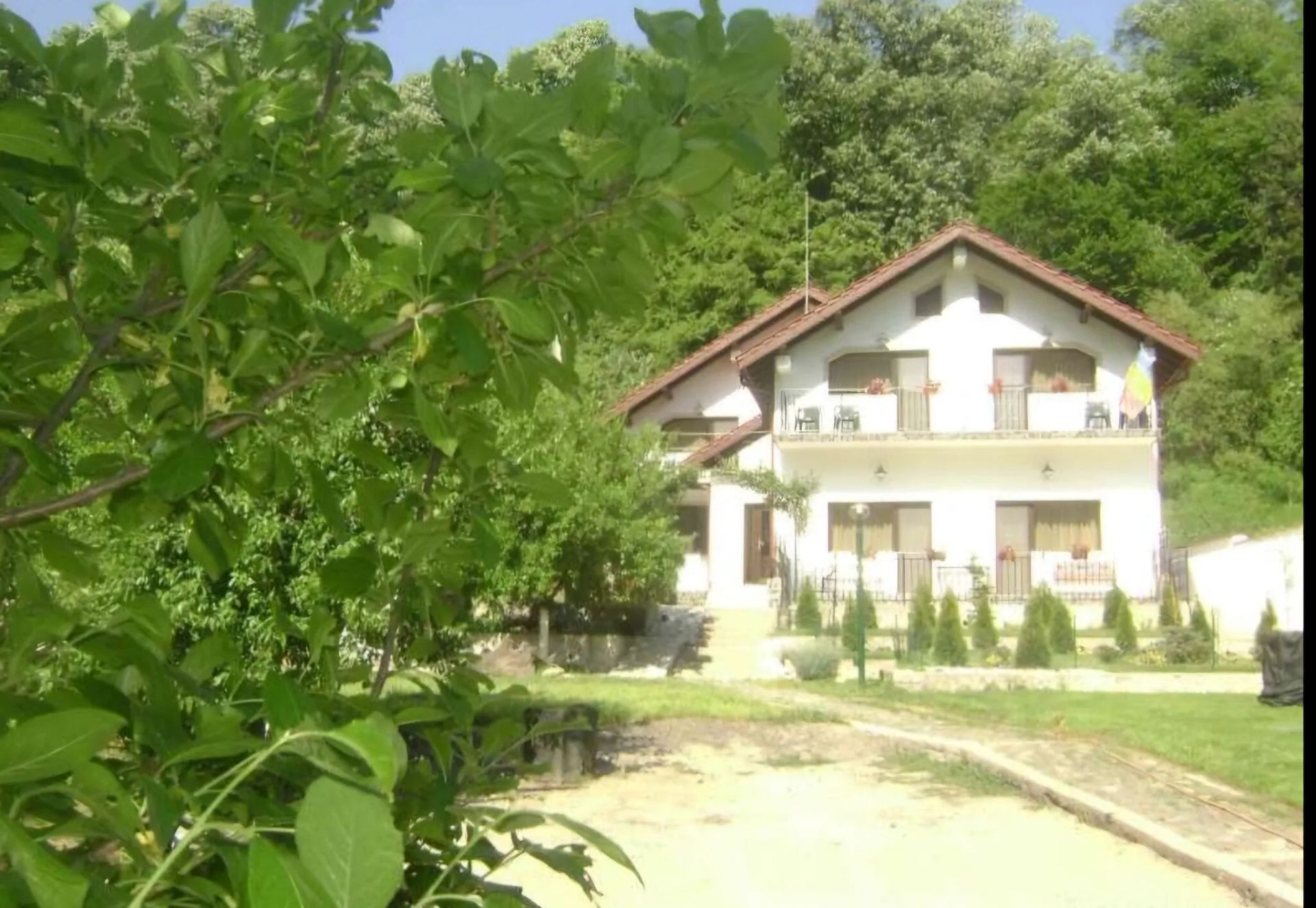
Vila di Pau Băile Herculane
Comfort, relaxation and stunning views, all just steps away from the main attractions.
FROM
280 lei per night
Guesthouse · 3 stars
Băile Herculane, Caraș-Severin County · 23.1 km
Pensiunea Casa Natura Băile Herculane
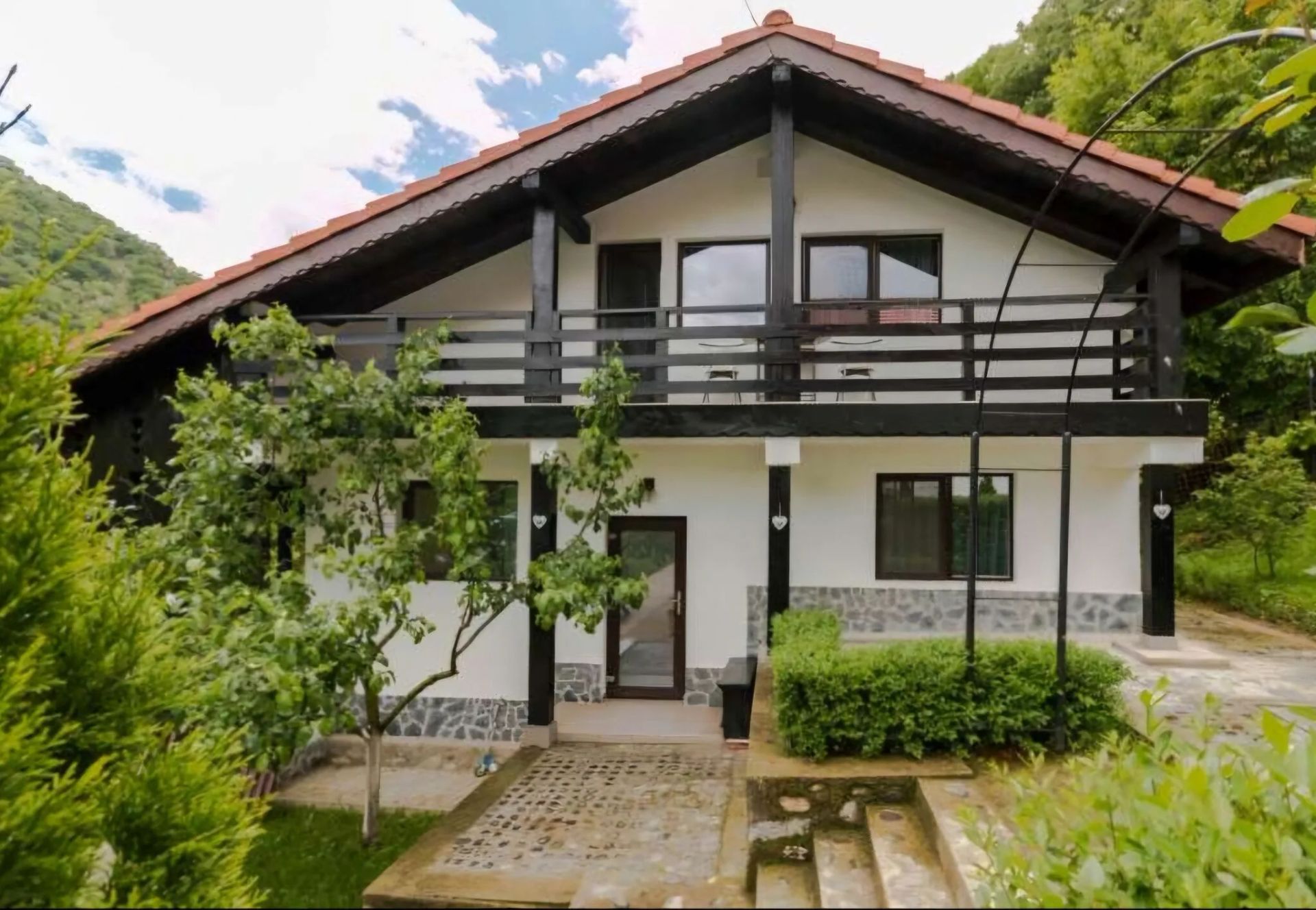
În apropiere puteți vizita Cazanele Dunării și Chipul lui Decebal, iar Pensiunea Casa Natura, o pensiune turistică de 3 stele din Băile Herculane, vă oferă un punct de plecare confortabil pentru a explora stațiunea și împrejurimile sale naturale. Unitatea pune la dispoziția dumneavoastră Wi-Fi gratuit, parcare privată gratuită și parcare pentru biciclete, alături de o curte mare și grădină amenajată cu foișor. Vă puteți bucura de terasă la soare, de servicii de masaj sau de jacuzzi ori cadă cu hidromasaj pentru o relaxare completă după o zi de activități. Pentru iubitorii de mișcare în aer liber sunt disponibile drumeții montane și trasee în natură, pescuit, închiriere de biciclete, iar în incintă aveți la dispoziție și un depozit pentru bagaje și fier de călcat pentru confortul dumneavoastră. De la această locație puteți ajunge ușor și la Ruinele Podului lui Traian, Parcul Național Domogled Valea Cernei și Cheile Rudăriei, completând astfel experiența culturală și naturală în Stațiunea Băile Herculane. Vă așteptăm la Pensiunea Casa Natura pentru a vă bucura de șederea dumneavoastră în Băile Herculane.
FROM
240 lei per night
Holiday villa · 3 stars
Băile Herculane, Caraș-Severin County · 23.1 km
Casa Natura Apartment's Băile Herculane
Comfort, relaxation and stunning views, all just steps away from the main attractions.
FROM
280 lei per night
BEFORE YOU HIT THE ROAD
Weather conditions in Caras Severin
Local forecast for Rudăria Water Mill Reserve, Caras Severin, Caraș-Severin

Real-time updated weather data
Much more to explore in this area
Nearby tourist attractions


Mehedinti, Mehedinți County
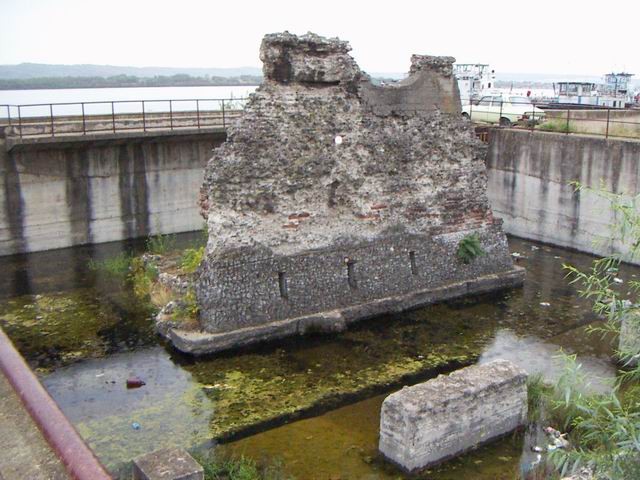
Trajan's Bridge Ruins
Se afla in apropierea orasului Drobeta Turnu Severin, pe Dunarea de jos, la est de Portile de Fier;constructia, capodopera a tehnicii si arhitecturii, a fost...
41.0 km

Caras Severin, Caraș-Severin County
Bigăr Waterfall
Situat pe Valea Minisului, in Muntii Aninei; izvor puternic alimentat de un curs de apa subteran care strabate pestera cu acelasi nume; la aproximativ 200 m...
17.2 km
Dubova, Mehedinți County
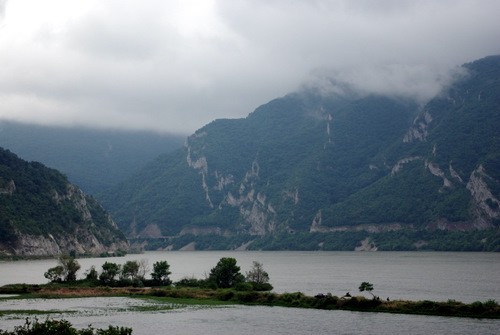
The Iron Gates Gorges and the Face of Decebalus
Se afla intre Valea Ogradena si Paraul Ogasul Turcului, in perimetrul localitatii Dubova, intre versantii abrupti pe care ii desparte Dunarea, formand niste...
31.1 km
Caras Severin, Caraș-Severin County
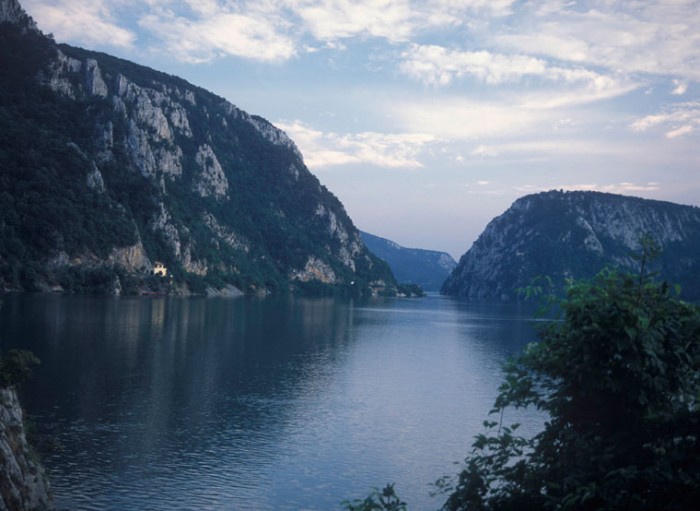
Iron Gates Natural Park
Este situat in judetele Caras-Severin si Mehedinti, ocupand partial teritorii apartinand judetelor Caras-Severin si Mehedinti in partea sudica a Muntilor...
27.7 km
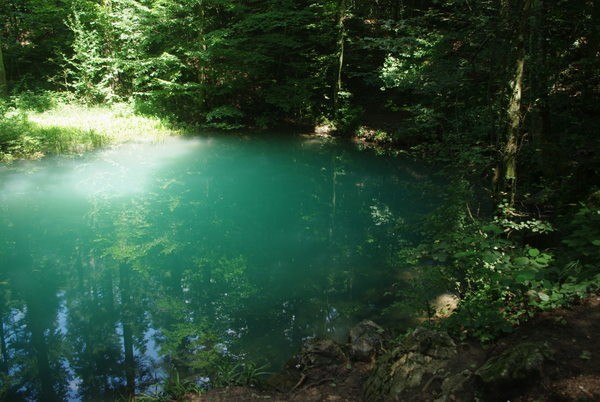
Caras Severin, Caraș-Severin County
Blue Eye Lake
Se afla in Parcul National Cheile Nerei Beusnita, protejat de muntii Aninei si Locvei; se spune ca aceste locuri au fost stapanite de un pasa hain care avea un...
24.7 km
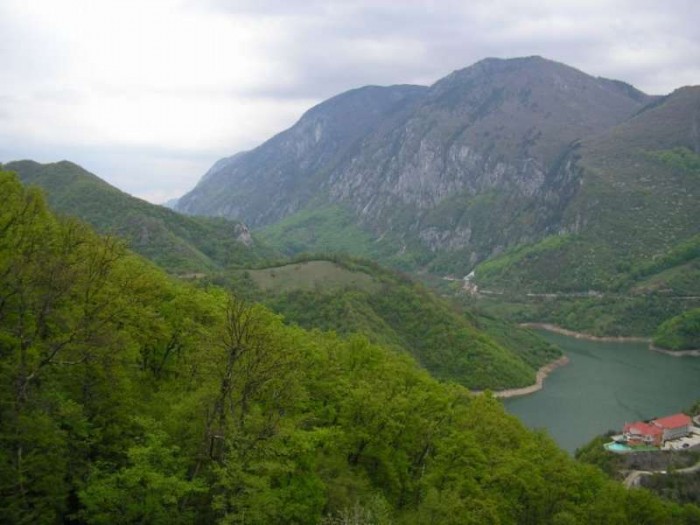
Caras Severin, Caraș-Severin County
Domogled-Valea Cernei National Park
Se intinde pe suprafata a 3 judete - Caras-Severin, Mehedinti si Gorj, peste bazinul raului Cerna, de la obarsie pana la confluenta cu raul Belareca, peste...
34.9 km
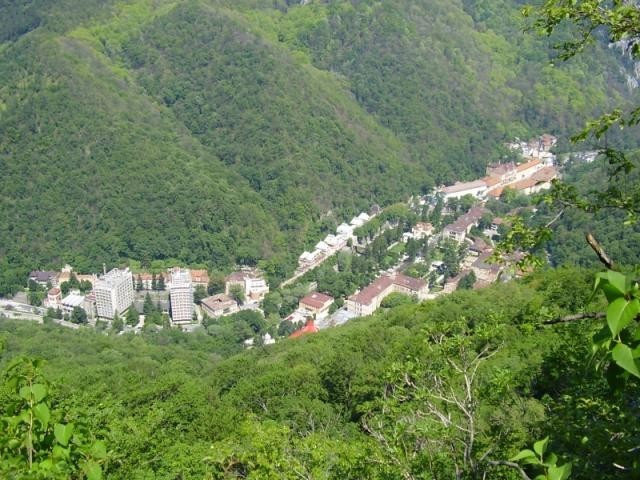
Caras Severin, Caraș-Severin County
Herculane Baths
Situata pe Valea Cernei, la 5 km de principala artera rutiera ce leaga vestul tarii de Bucuresti si calea ferata internationala Bucuresti - Timisoara -...
25.2 km

Mehedinti, Mehedinți County
Iron Gates Natural Park
Se afla pe malul stang al Dunarii, intre localitatile Buzias si Gura Vaii, judetul Mehedinti, intinzandu-se si pe teritoriul judetului Caras-Severin;din...
42.5 km
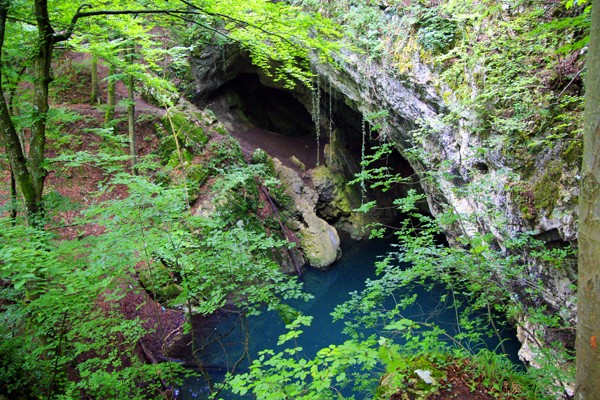
Caras Severin, Caraș-Severin County
Nera Gorge
Cheile Nerei sunt situate de-a lungul raului Nera, intre localitatile Sopotul Nou si Sasca Montana;Cheile Nerei sunt cele mai lungi din tara, intinzandu-se pe...
23.4 km
Caras Severin, Caraș-Severin County
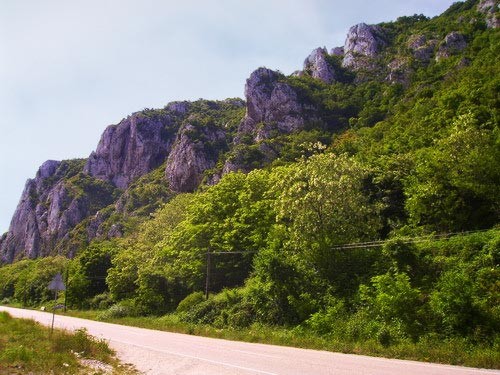
Rudăria Gorge and Water Mills
Situate in zona muntoasa a judetului Caras Severin, pe raza localitatii Eftimie Murgu (fosta Rudaria);accesul se face de pe drumul E70 Caransebes - Oravita, pe...
2.6 km

19.4 km
Caras Severin, Caraș-Severin County
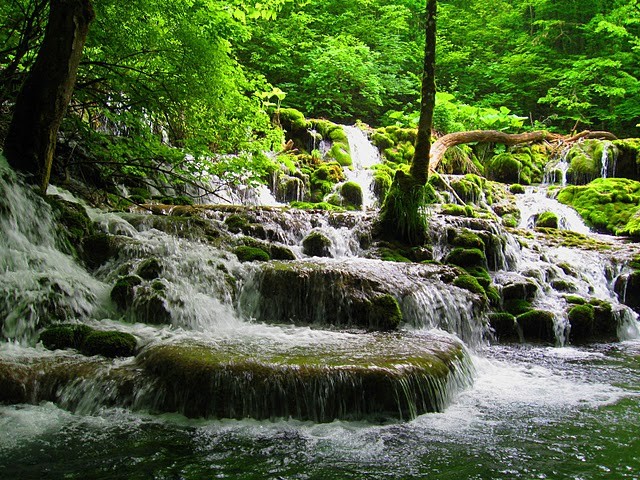
Nera Gorge-Beușnița National Park
Este situat in sud-vestul tarii in judetul Caras-Severin acoperind intreaga zona sudica a Muntilor Aninei si o parte din zona nordica a Muntilor Locvei; in...
23.3 km
Cultural life and traditions
Events in the Rudăria Water Mill Reserve area
Medieval festivals, traditional fairs, concerts and local activities recommended in Banat.

Traditions and Crafts

Caras Severin, County of Caraș-Severin
Days of Local Culture and Traditional Tourism
Open workshops featuring pottery, wood carving, and authentic folklore demonstrations by local artisans.
WHEN
May 15-17, 2026


Traditional Cuisine
Caras Severin, County of Caraș-Severin
The Fair of Traditional Products and Local Cuisine
Traditional products, aged cheeses, mountain honey and local delicacies prepared according to ancient recipes.
WHEN
Every weekend

Culture and Photography
Caras Severin, County of Caraș-Severin
Themed and Photographic Guided Tour of Cultural Heritage
A guided tour designed for history buffs, nature lovers, and photography enthusiasts, showcasing the most spectacular views in the area.
WHEN
Daily schedule available upon request
On foot, exploration gains depth
Discover the surroundings and local geography
Explore the trails, terrain, and natural landmarks around Rudăria Water Mill Reserve.

Guides and practical tips
Useful travel articles
Travel guides, practical recommendations and tourist itineraries for Banat.

Tourist guide
Castelul Bran: Istorie, Legende și Secrete Medievale
Află adevărata poveste a fortăreței medievale din Pasul Bran, reședința de suflet a Reginei Maria a României.

Tourist guide
Top 5 Atracții Turistice și Trasee Montane în Zona Moieciu - Bran
Descoperă cele mai spectaculoase peisaje carstice, chei adânci și cetăți medievale din imediata apropiere a stațiunii Moieciu.

Tourist guide
Ghid de Drumeție: Traseul Moieciu de Sus spre Platoul Bucegi
Un itinerariu montan de o frumusețe rară ce urcă din Valea Băngăleasa spre Poiana Guțanu și crestele maiestuoase ale Bucegilor.
THE JOURNEY STARTS WITH AN IDEA
The next story is on the way.
From the first stop to the last stay, make room for a new Romania.
