


PLACE OF WORSHIP · BUKOVINA
Saint John the New Monastery of Suceava

Suceava, Suceava County
Add location to your trip planner.

Practical access information

VISITING HOURS
Monday: 12:00 PM – 5:00 PM · Tuesday–Sunday: 9:00 AM – 5:00 PM (in summer until 8:00 PM)

TICKET PRICE
Adults: 45 RON · Students: 11 RON · Seniors: 23 RON · Guided tour included

RECOMMENDED VISIT DURATION
2-3.5 hours
Visitor information and guide
 Navigate with Google Maps

ABOUT SAINT JOHN THE NEW MONASTERY OF SUCEAVA
A fortress of faith in the heart of Bukovina: the European dimension of an Orthodox sanctuary
On Ion Vodă Viteazul Street, number 2, in the city of Suceava, the Saint John the New Monastery rises as a sanctuary of Orthodox spirituality, a silent witness to centuries of Moldavian and European history. Founded in 1514 by Voivode Bogdan III, the son of Stephen the Great, its construction was completed in 1522 by his son, Ștefăniță Voivode, during a period of dynastic consolidation and the assertion of Moldavia’s cultural identity within the 16th-century European context. This foundation represents a pivotal moment in Romanian religious architecture, reflecting the ambition of Moldavian rulers to anchor Orthodox spirituality within a monumental framework worthy of the principality’s capital. In a Europe torn by the Reformation and Counter-Reformation, Ottoman expansion, and dynastic rivalries among the Habsburgs, Jagiellons, and the Muscovite family, this monastery became a bastion of Byzantine continuity, a place where Eastern tradition met the cultural openness toward Western humanist currents that permeated through commercial and dynastic ties with the Kingdom of Poland and the great cities of the Italian Renaissance.
Dynastic roots and dialogue with Europe’s great currents
The foundation by Bogdan III, also known as Bogdan the One-Eyed due to a disability, must be understood within the broader context of Moldavia’s cultural policy at the beginning of the 16th century. Following the death of the legendary Stephen the Great in 1504, his son Bogdan sought to consolidate not only political power but also the principality’s spiritual prestige, situated in a fragile geopolitical position between the Kingdom of Hungary, which claimed suzerainty over Moldavia, the Ottoman Empire expanding its influence in the Balkans, and Poland, with which complex relations of alliance and rivalry were maintained. In this context, constructing a monumental monastery in Suceava, then the capital of Moldavia, represented an act of identity affirmation, a declaration that Moldavian Orthodoxy could rival the great religious foundations of Western Europe. Educated likely in the Byzantine tradition yet aware of the prestige of Renaissance courts in Italy, Bogdan III aspired to create a spiritual center that could host a metropolitan see, transforming Suceava into a new Constantinople of the North.
The church’s completion in 1522 by Ștefăniță Voivode, a young prince who reigned for only ten years, marked a period of unprecedented artistic flourishing. At the same time Michelangelo was painting the Sistine Chapel in Rome and Martin Luther was challenging papal authority in Wittenberg, a school of mural painting was developing in Moldavia that would become celebrated throughout Eastern Europe. The reign of Petru Rareș, which followed between 1527 and 1538, brought remarkable cultural openness. Petru Rareș, grandson of Stephen the Great and son of a Byzantine princess, Maria Voichița, was one of the few European rulers who understood the importance of art as a tool for diplomacy and prestige. Under his patronage, between 1532 and 1534, the church’s walls were adorned with frescoes of exceptional quality, created by anonymous artists deeply influenced by the Byzantine iconographic tradition yet also by the new humanist currents entering through commercial contacts with Venice and the Hanseatic cities of Northern Europe.
Architectural masterpiece: the evolution from Renaissance to Baroque in Moldavian space
The monastic complex, listed on the National Register of Historic Monuments in Suceava County, comprises five religious architectural landmarks illustrating a fascinating stylistic evolution from Late Renaissance to Baroque, reflecting the political and cultural transformations Moldavia underwent over three centuries. The main church, built between 1514 and 1522, features a traditional Byzantine plan with three apses and an imposing central tower, yet its proportions and exterior decoration suggest Renaissance influences, possibly introduced by Italian or Greek craftsmen active in the Balkans and the Black Sea region. This synthesis of Orthodox tradition and Western aesthetics places the monument in a fertile dialogue with contemporary architecture in the Kingdom of Hungary, where the late Gothic style was being replaced by Renaissance forms, or with fortified monasteries in Poland, constructed during the same period to counter Ottoman and Tatar threats.
The bell tower, erected in 1589 during the second reign of Petru Șchiopul, represents a remarkable architectural addition reflecting the era’s defensive needs. At a time when the Ottoman Empire and the Crimean Khanate posed constant threats to the eastern borders of Christian Europe, this tower, over forty meters high, served both as a belfry and as an observation and defense point. Its massive architecture, with thick walls and narrow windows, evokes the medieval towers of Transylvania or those of Hanseatic fortresses, while also expressing Moldavian voivodal power. The annex buildings, including the chapel built in 1629 under the reign of Miron Barnovschi and the 19th-century abbot’s quarters and cells, complete the ensemble in a style evolving toward Baroque, reflecting Austrian influences that began to be felt in Bukovina after its incorporation into the Habsburg Empire in 1774, as well as contacts with Polish and Ukrainian architecture from the period of the Polish-Lithuanian Commonwealth.
Mural art and artistic treasure: the synthesis of Byzantium and the West
The interior mural paintings, created between 1532 and 1534, represent the artistic masterpiece of the monastery and one of the most valuable achievements of late Byzantine art in all of Eastern Europe. Produced by the Moldavian school of painters formed under Stephen the Great, these frescoes present a complex iconography blending traditional scenes from the life of Christ and the Virgin Mary with representations of local and universal saints, in a style that manages to preserve the profound spirituality of the Orthodox tradition while borrowing techniques and compositions from Italian Renaissance masters. The vivid colors, the predominance of ochre and Byzantine blue, and the precision of the figures recall the works of Giotto or the Venetian school, demonstrating that Moldavian artists were fully connected to the great artistic currents of their time, despite the principality’s apparent geographical isolation.
The monastery’s artistic treasure extends far beyond the mural paintings. As a monastic community, Saint John the New currently houses the county’s repository of old Romanian books, a true cultural treasure preserving testimonies of Romanian written culture from the beginnings of printing in the Romanian lands. Among the objects of exceptional artistic and documentary value are twelve silver plates engraved by local craftsmen during the time of Alexander the Good, placed on the reliquary of Saint John the New. These plates, created with remarkable engraving techniques, depict scenes from the saint’s life and Renaissance-style vegetal ornaments, comparable to silverwork produced in the workshops of Nuremberg or Kraków during the same period. A cypress wood carved-handled cross from 1550, 17th-century xylographs attesting to the existence of a monastic printing press, and two 19th-century icons complete this treasure, offering visitors a profound perspective on the evolution of religious art and sacred crafts in the Romanian space, in continuous dialogue with the artistic traditions of Central and Eastern Europe.
The relics of Saint John the New: a European pilgrimage through the continent’s history
The spiritual heart of the monastery lies in the relics of Saint John the New, great martyr and protector of Moldavia, martyred in Cetatea Albă (now Bilhorod-Dnistrovskyi, Ukraine) around 1332. This city, founded by the Genoese as a commercial outpost on the Black Sea coast, was part of the network of Italian colonies linking Europe to the East, and the saint’s martyrdom occurred in a multicultural context typical of the medieval Pontic world, where Orthodox, Catholic, and Muslim communities coexisted in a cosmopolitan commercial space. These holy relics were brought to Suceava by Alexander the Good, one of Moldavia’s most illustrious voivodes, in the early decades of the 15th century, marking the beginning of a long pilgrimage through European history that reflects the continent’s geopolitical complexity.
The trajectory of these illustrious relics perfectly illustrates how political borders frequently shifted in Central and Eastern Europe, and how sacred heritage traveled with faithful communities. Between 1686 and 1783, following wars between the Ottoman Empire, Poland, and Russia for control of Moldavia and Bukovina, the relics were moved to Poland, housed in an Orthodox church in Kraków or Lviv, becoming a point of convergence for Orthodox believers within the Polish-Lithuanian Commonwealth, where the Greek Catholic (Uniate) and Orthodox churches vied for the loyalty of the faithful. During World War I, as Russian armies advanced westward and Bukovina was part of the Austro-Hungarian Empire, the relics were evacuated to Vienna, housed in the Romanian Orthodox chapel in the Habsburg capital, a symbolic gesture reflecting the alliance between Transylvanian and Bukovinian Romanians with the Austrian Empire against Russian expansion. Returned to the country in 1918, following Bukovina’s union with Romania and the war’s end, the relics were brought back to Suceava, becoming a symbol of national unity and spiritual continuity in the face of historical vicissitudes. This European odyssey of the relics recalls other famous translations of relics in the continent’s history, such as those of Saint Stephen of Hungary or Saint Wenceslas of Bohemia, demonstrating the fundamental role of sacred heritage in constructing national and religious identities.
Turning points and historical figures
The monastery’s history is marked by personalities who left profound imprints on the destiny of this place. Bogdan III, its founder, was a prince who understood the importance of culture as a tool for political legitimacy, seeking to transform Suceava into a spiritual center comparable to Kyiv or Constantinople. Ștefăniță Voivode, his son, completed the construction during a period of dynastic crisis, demonstrating perseverance and vision. Petru Rareș, with his long and tumultuous reign, was the one who transformed the monastery into a premier artistic center, commissioning the mural paintings that made it famous. Petru Șchiopul, though nicknamed for a physical disability, was an energetic voivode who erected the bell tower in 1589, reinforcing the complex’s fortified character during a period of political instability.
Between 1522 and 1677, the monastery functioned as the seat of the Metropolitanate of Moldavia, a period during which crucial decisions for the spiritual life of the entire principality were made here. The metropolitans who served here had to navigate between Ottoman pressures, Polish influence, and Russian ambitions, maintaining the autonomy of the Orthodox Church in an increasingly complex European context. The 17th and 18th centuries brought new challenges: Cossack invasions, Russo-Turkish wars, and ultimately the partition of Moldavia among the Ottoman Empire, the Russian Empire, and the Habsburg Monarchy. In 1774, Bukovina, including Suceava, came under Austrian rule, and the monastery had to adapt to new political realities, surviving as a bastion of Romanian identity in a multiethnic empire dominated by Germans, Hungarians, and Jews. The communist period, though difficult for religious institutions, did not destroy the monastery, which continued to function as a place of worship and, after 1990, was elevated to the rank of archiepiscopal residence, subordinate to the Archdiocese of Suceava and Rădăuți, maintaining its role as a spiritual and administrative center of Orthodoxy in northern Moldavia.
Practical guide for the European visitor and contemporary experience
The European visitor stepping into the precincts of Saint John the New Monastery today discovers a place where history, art, and faith converge in perfect harmony, offering a profound experience of understanding Orthodox tradition within its broader European context. The church celebrates two feast days: Saint George the Great Martyr on April 23 and Saint John the New on June 24, moments when the monastery becomes the center of a regional pilgrimage attracting thousands of believers from all of Bukovina, the Republic of Moldova, and neighboring regions of Ukraine and Poland. For the cultured tourist, the visit should include careful contemplation of the interior frescoes, study of the reliquaries and treasures displayed in the monastery museum, and a stroll through the inner courtyard, where the cloister’s tranquility offers a moment of reflection on the centuries of history these walls have witnessed.
Visitors are encouraged to combine the spiritual experience with exploring the broader historical context of Suceava. Nearby stands the Seat Fortress of Suceava, the voivodal stronghold that served as the residence of Stephen the Great and his successors, offering a complementary perspective on the era in which the monastery was built. Additionally, Saint John the New Monastery serves as an excellent starting point for the circuit of painted monasteries of Bukovina, a UNESCO World Heritage site that includes Voroneț, Humor, Sucevița, Moldovița, and Arbore, each representing a unique expression of Byzantine art adapted to local specificity. For those interested in European history, the monastery provides an opportunity to understand how a small Orthodox principality, caught between aggressive empires, managed to preserve its cultural identity and contribute to the continent’s universal artistic heritage. Visitors are invited to contemplate the cloister’s tranquility and discover the spiritual richness of a place where the relics of a saint martyred in ancient Akkerman, founders who dreamed of a new center of Christian civilization, and anonymous artists who painted masterpieces comparable to those of the Italian Renaissance meet to tell, across centuries, the story of faith and culture’s resilience in a continually transforming Europe.
Media gallery
Discover Saint John the New Monastery of Suceava in pictures

7 photos · Architecture, courtyards and captivating details
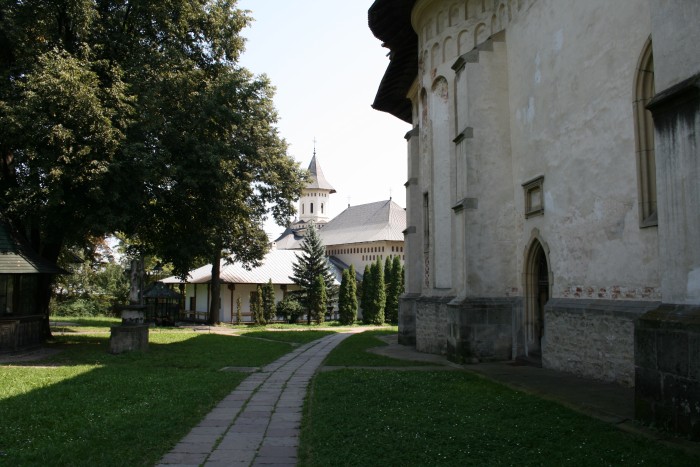

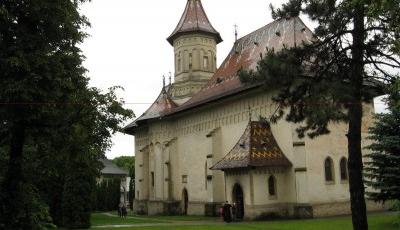


Image source: Wikimedia Commons · Public domain photos · Free license
STAY A FEW DAYS, DISCOVER THE MAGIC
Accommodation in the Saint John the New Monastery of Suceava area

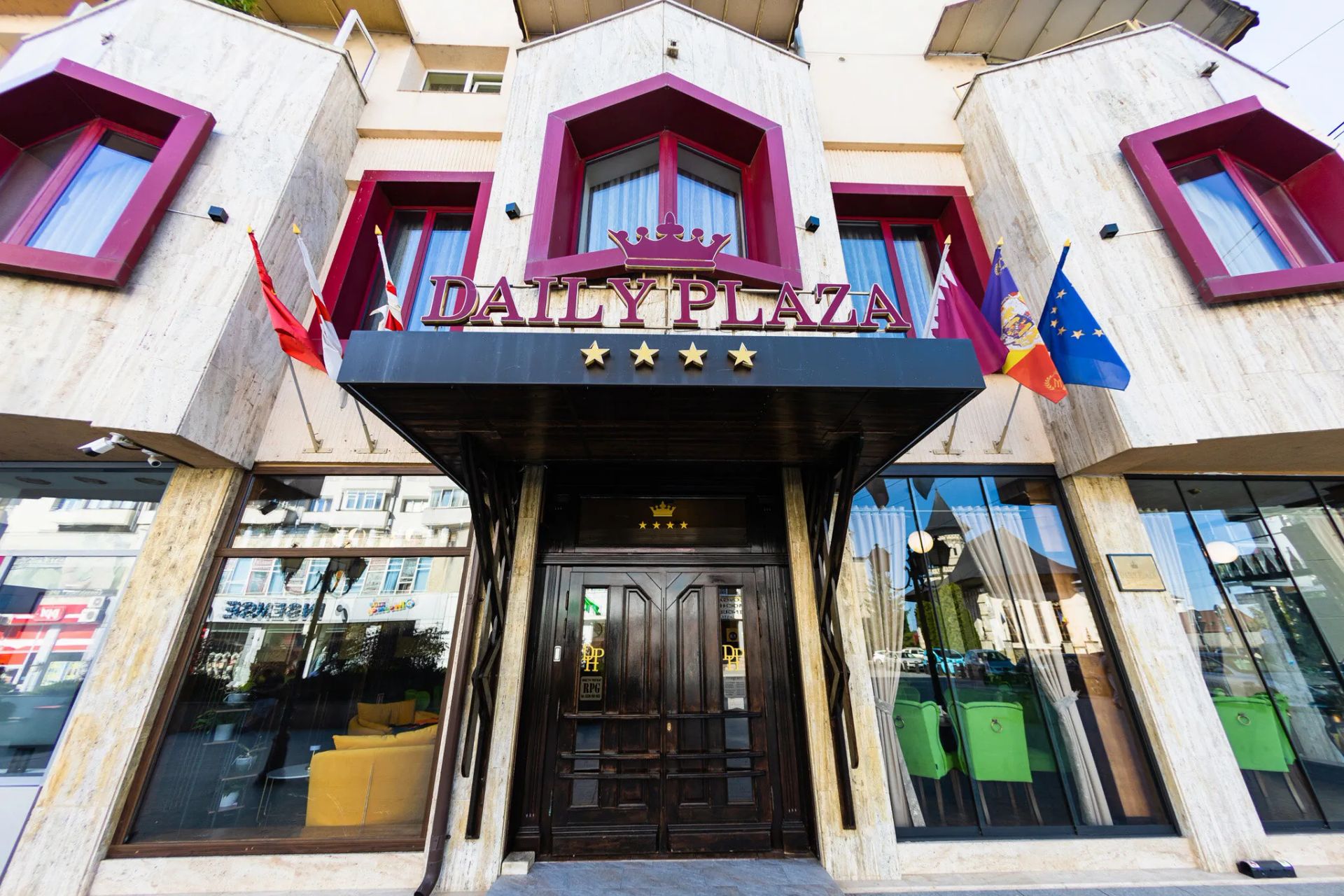
Hotel · 4 stars

Suceava, Suceava County · 0.5 km
Daily Plaza Hotel Suceava
Clădirea în stil boutique din centrul Sucevei îmbină armonios istoria cu modernismul. Daily Plaza Hotel Suceava vă așteaptă într-un spațiu unde eleganța camerelor decorate cu grijă se completează cu ospitalitatea autentică, oferindu-vă un punct de plecare excelent pentru explorarea orașului. Beneficiați de Wi-Fi gratuit în toate spațiile, aer condiționat, minibar și televizoare cu ecran plat în fiecare cameră. De asemenea, aveți la dispoziție și transfer la și de la aeroport, precum și o sală de conferințe pentru întâlniri de afaceri. Restaurantul, cafeneaua și barul din incintă sunt locuri plăcute pentru relaxare, iar serviciul room service vă asigură confortul direct în camera dumneavoastră. Poziționarea în centrul orașului vă permite accesul facil către principalele atracții turistice. În apropiere se află Mănăstirea Sfântul Ioan cel Nou din Suceava, Cetatea de Scaun a Sucevei, Complexul muzeal Bucovina din Suceava, Muzeul Bucovinei din Suceava și Catedrala Nașterea Domnului din Suceava, astfel încât puteți explora cu ușurință toate aceste obiective pornind direct din hotel. Este alegerea potrivită pentru călătorii care doresc să viziteze monumentele istorice ale Sucevei și să se bucure de facilități moderne într-o locație centrală.
FROM
420 lei per night

Holiday villa · 4 stars
Suceava, Suceava County · 0.7 km
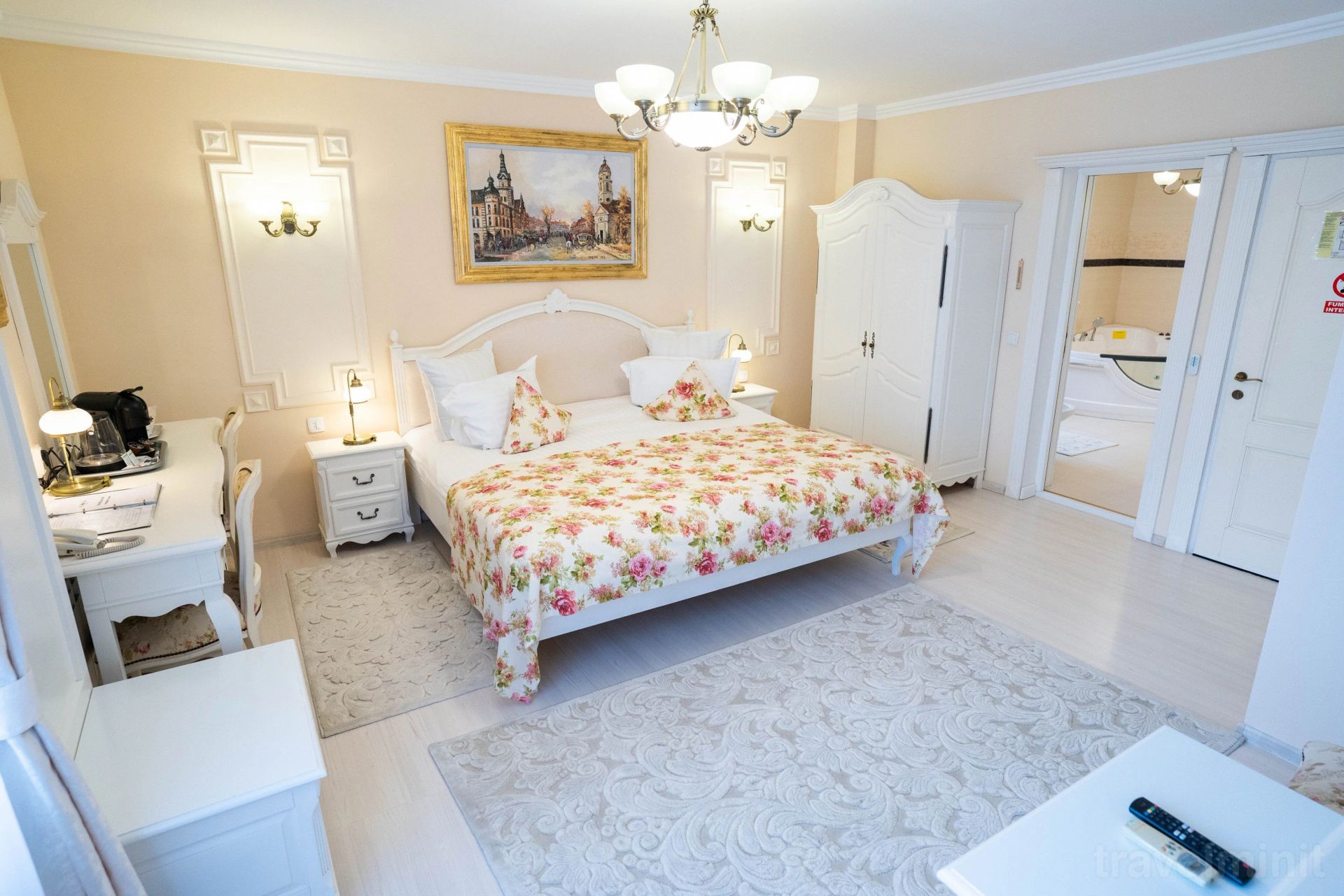
Villa Alice Suceava
Vilă turistică de 4 stele în Suceava, Villa Alice Suceava vă oferă cazare pe strada Simion Florea Marian, într-o zonă liniștită a centrului orașului, într-un ambient plăcut și relaxant, departe de aglomerația urbană, într-un cadru care îmbină confortul modern cu liniștea și natura înconjurătoare. Unitatea pune la dispoziție Wi-Fi gratuit în toate spațiile și room service pentru a vă asigura confortul pe toată durata șederii dumneavoastră. Fiecare cameră este dotată cu seif pentru obiectele dumneavoastră de valoare, iar la recepție aveți la dispoziție un depozit pentru bagaje, astfel încât să vă simțiți în siguranță și liniștit pe toată perioada cazării. De asemenea, beneficiați de parcare privată gratuită, o curte mare și o grădină amenajată unde vă puteți bucura de liniște, aer curat și momente de relaxare în aer liber, într-un spațiu generos și primitor. În apropiere puteți vizita Mănăstirea Sfântul Ioan cel Nou din Suceava, Cetatea de Scaun a Sucevei, Complexul muzeal Bucovina din Suceava, Muzeul Bucovinei din Suceava și Catedrala Nașterea Domnului din Suceava, obiective care oferă o perspectivă amplă asupra patrimoniului cultural și istoric al zonei. Vă așteptăm la Villa Alice Suceava.
FROM
390 lei per night
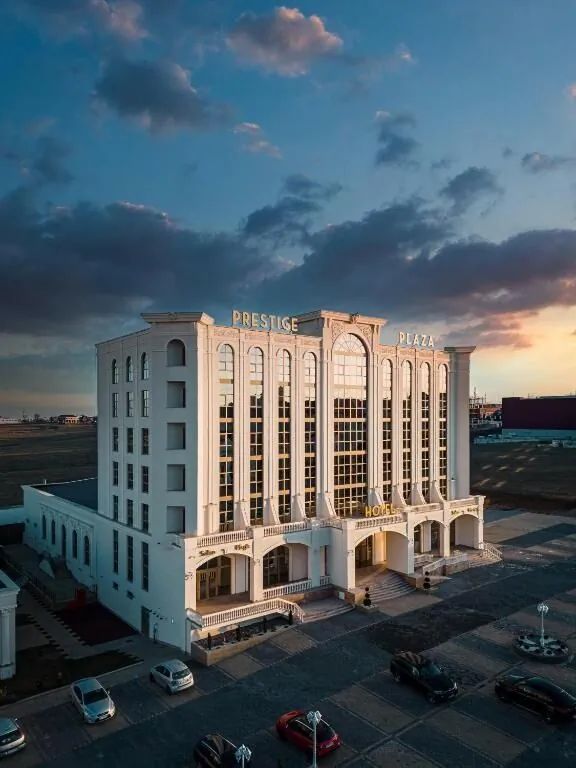
Hotel · 4 stars
Suceava, Suceava County · 2.6 km
Hotel Prestige Plaza Suceava
O zi petrecută aici poate începe cu un mic dejun servit direct în cameră prin room service și se poate încheia cu o băutură relaxantă la barul din incintă. Hotel Prestige Plaza Suceava se află în localitatea Suceava și oferă cazare confortabilă la standarde de patru stele, într-un ambient primitor și bine întreținut. Vă punem la dispoziție Wi-Fi gratuit în toate spațiile și în camere, parcare privată gratuită pentru autoturisme și acces facilitat pentru persoanele cu dizabilități. Liftul vă transportă rapid între etaje, iar seiful din fiecare cameră păstrează în siguranță obiectele dumneavoastră de valoare. Aveți la dispoziție și depozit pentru bagaje, fier de călcat, restaurant și cafenea în incintă. Toate aceste servicii sunt disponibile pentru a vă asigura un sejur plăcut și fără griji. În apropiere puteți vizita Mănăstirea Sfântul Ioan cel Nou din Suceava, Cetatea de Scaun a Sucevei, Complexul muzeal Bucovina din Suceava, Muzeul Bucovinei din Suceava și Catedrala Nașterea Domnului din Suceava. Aceste obiective se află la îndemână și pot fi explorate cu ușurință pornind de la hotel, între vizite putând servi masa la restaurantul din incintă. Seara, după ce vă întoarceți de la obiectivele turistice, vă puteți relaxa la barul din incintă.
FROM
420 lei per night
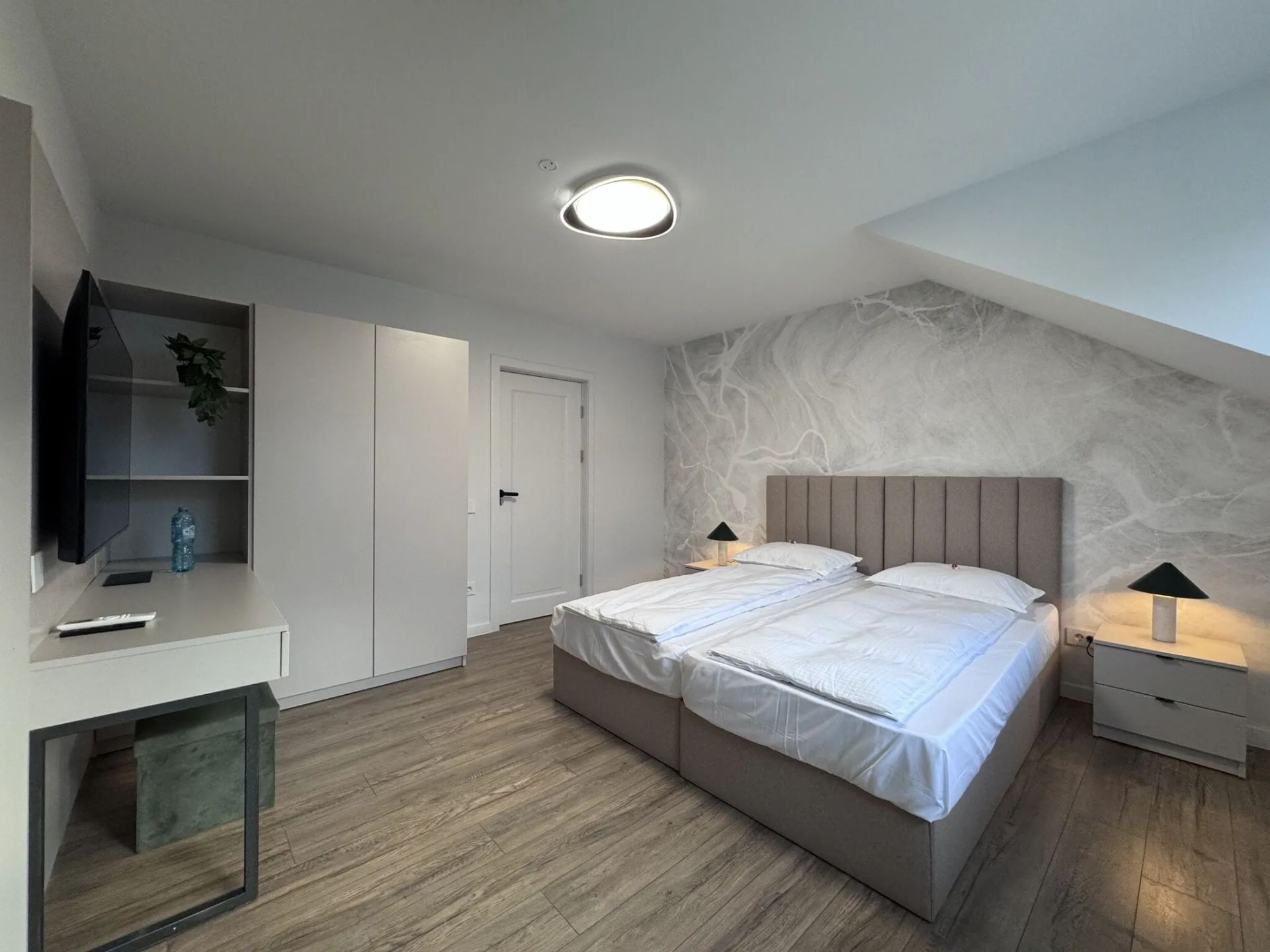
Apartment · 3 stars
Suceava, Suceava County · 2.6 km
Afi Apartments Suceava
Pe bulevardul Pref. Gavril Tudoras din Suceava se află Afi Apartments Suceava, o unitate de cazare clasificată cu trei stele care oferă apartamente moderne pentru închiriat. Fiecare spațiu de cazare este dotat cu facilități practice pentru un sejur confortabil: Wi-Fi gratuit, seif, fier de călcat și pătuț pentru bebeluș. În exterior, curtea mare și grădina amenajată oferă un loc liniștit de relaxare, iar parcarea privată gratuită și parcarea pentru biciclete asigură libertatea de deplasare. De asemenea, aveți la dispoziție sală de fitness sau gimnastică, depozit pentru bagaje și posibilitatea de a practica călărie în zonă. Pentru iubitorii de mișcare în aer liber, zona oferă acces la drumeții montane și trasee în natură, ideale pentru explorarea peisajelor din apropiere. În apropiere puteți vizita Mănăstirea Sfântul Ioan cel Nou din Suceava, Cetatea de Scaun a Sucevei, Complexul muzeal Bucovina din Suceava, Muzeul Bucovinei din Suceava sau Catedrala Nașterea Domnului din Suceava, obiective care îmbogățesc fiecare zi petrecută aici. Vă așteptăm să descoperiți Suceava și să porniți într-o vizită la Mănăstirea Sfântul Ioan cel Nou din Suceava.
FROM
230 lei per night
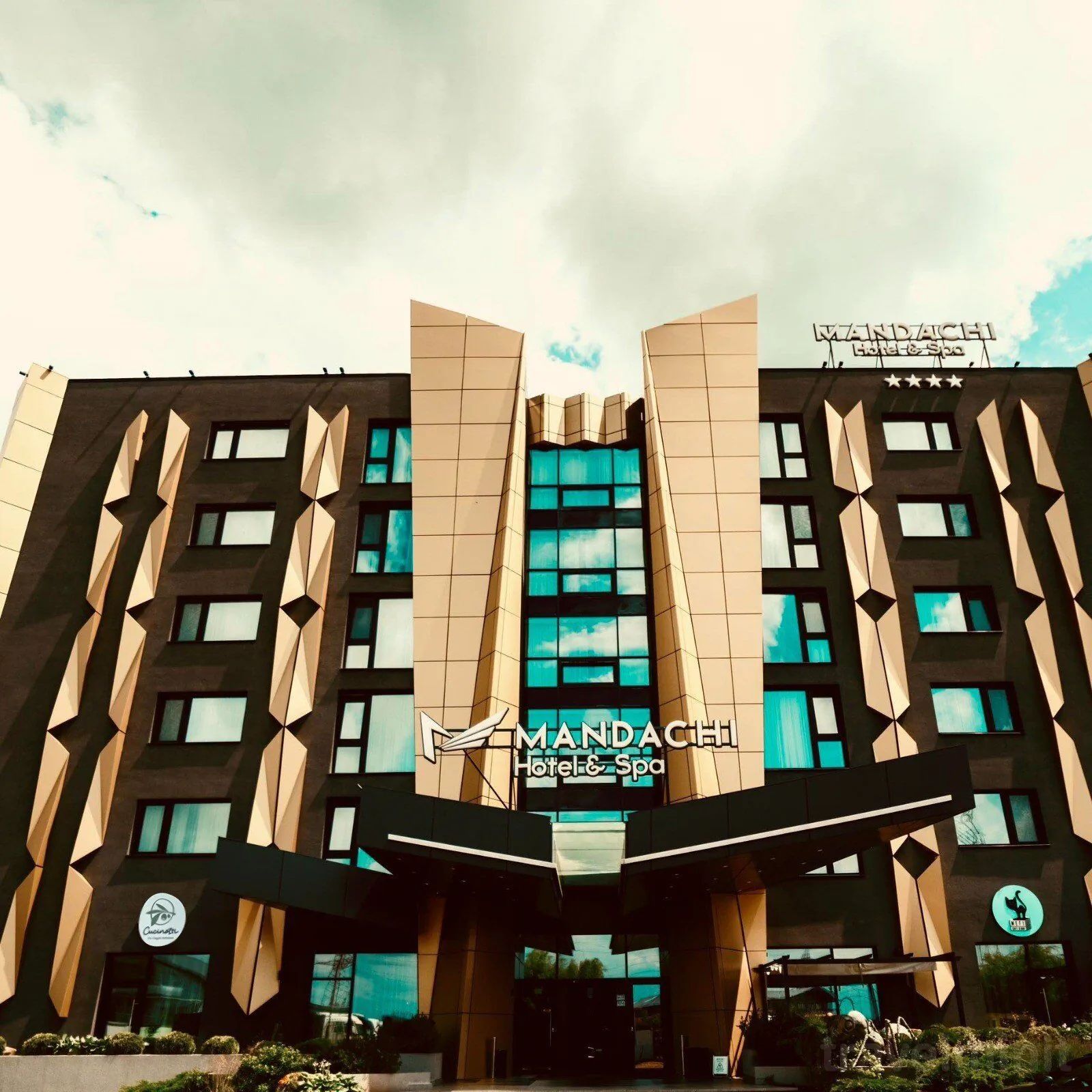
Hotel · 4 stars
Suceava, Suceava County · 2.8 km
Mandachi Hotel&Spa Suceava
În apropiere de Mănăstirea Sfântul Ioan cel Nou din Suceava, Mandachi Hotel și Spa Suceava reprezintă punctul de plecare pentru explorarea orașului. Hotelul de patru stele din localitatea Suceava pune la dispoziția dumneavoastră 81 de camere confortabile și plăcut amenajate, pregătite să vă primească indiferent de anotimp. Pentru momente de relaxare, aveți la dispoziție servicii de masaj, cadă cu hidromasaj sau jacuzzi, alături de o sală de fitness. Aerul condiționat din camere vă asigură confortul necesar pe toată durata șederii, iar Wi-Fi-ul gratuit și parcarea privată fără plată completează facilitățile oferite. Restaurantul din incintă vă așteaptă cu preparate savuroase. Familiile cu copii beneficiază de pătuțuri pentru bebeluși și scaune înalte. Apartamentele Family sunt concepute pentru doi adulți și doi copii. De asemenea, sunteți bineveniți împreună cu animalele de companie, fără costuri suplimentare. Unitatea oferă și acces pentru persoanele cu dizabilități. În vecinătate puteți vizita Cetatea de Scaun a Sucevei, Complexul muzeal Bucovina, Muzeul Bucovinei sau Catedrala Nașterea Domnului din Suceava, descoperind bogăția culturală a zonei. Vă așteptăm la Mandachi Hotel și Spa Suceava pentru un sejur plăcut în Bucovina.
FROM
420 lei per night
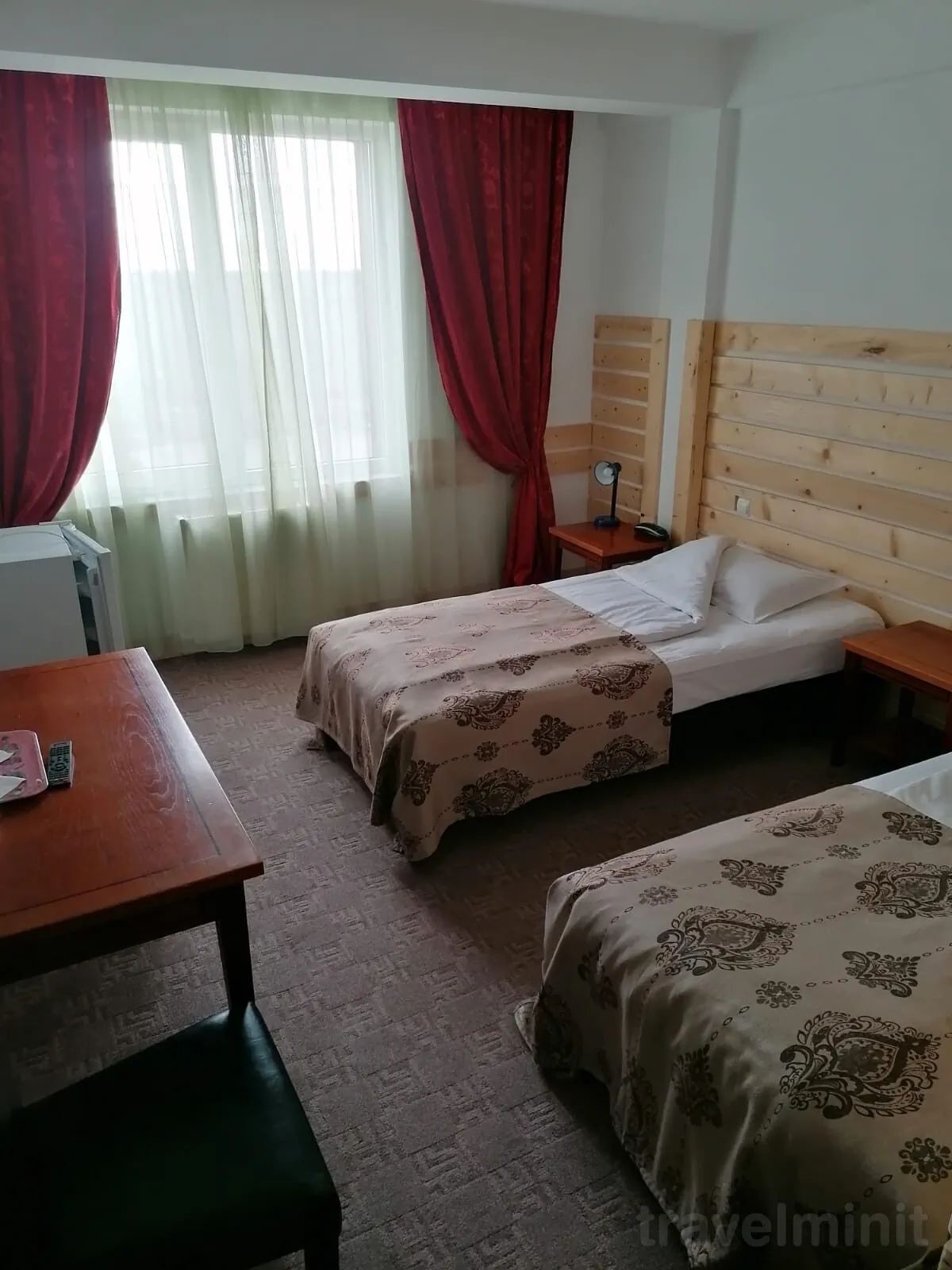
Hotel · 3 stars
Suceava, Suceava County · 2.8 km
Pensiunea Meteora Suceava
Pensiunea Meteora Suceava, situată în orașul Suceava, pune la dispoziția dumneavoastră o cameră de joacă pentru copii la interior, astfel încât cei mici să se distreze în siguranță indiferent de vremea de afară. Unitatea oferă Wi-Fi gratuit în toate spațiile, room service pentru confortul dumneavoastră, precum și un bar și o cafenea în incintă pentru momente de relaxare după o zi plină. Aveți la dispoziție parcare privată gratuită și parcare pentru biciclete, iar pentru siguranța bunurilor personale există seif și depozit pentru bagaje. Curtea mare și grădina amenajată, împreună cu un foișor, creează un spațiu plăcut pentru aer liber și conversații liniștite. În apropiere puteți vizita Mănăstirea Sfântul Ioan cel Nou din Suceava, Cetatea de Scaun a Sucevei, Complexul muzeal Bucovina din Suceava, Muzeul Bucovinei din Suceava și Catedrala Nașterea Domnului din Suceava, obiective culturale care îmbogățesc sejurul dumneavoastră cu experiențe autentice. Pentru familiile cu copii mici sunt disponibile scaun înalt pentru copii și pătuț pentru bebeluș, iar fierul de călcat vă ajută să vă pregătiți rapid hainele pentru întoarcere sau pentru vizitele din oraș. Vă așteptăm la adresa strada Sofia Vicoveanca numărul 24, unde accesul cu mașina este facil datorită parcării private gratuite.
FROM
290 lei per night
BEFORE YOU HIT THE ROAD
Weather conditions in Suceava
Local forecast for Saint John the New Monastery of Suceava, Suceava, Suceava

Real-time updated weather data
Much more to explore in this area
Nearby tourist attractions

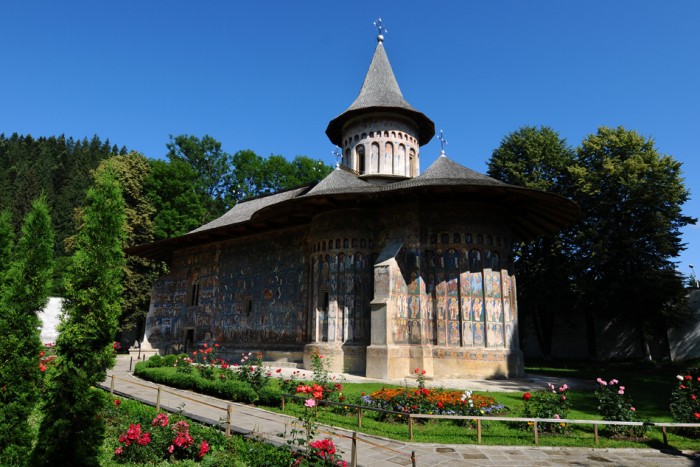

Suceava, Suceava County
Voroneț Monastery
Situata in localitatea Voronet, la cca. 4 km de Gura Humorului si 35 km de Suceava; accesul se face din Gura Humorului, pe DJ177D; ctitorie a lui Stefan cel...
32.9 km
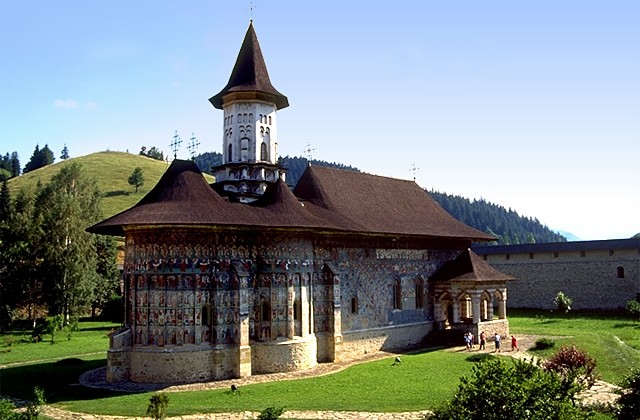
Sucevita, Suceava County
Sucevița Monastery
Situata in comuna Sucevita, la 19 km sud-vest de Radauti si 37 km nord-vest de Suceava; accesul se poate face din Suceava, spre Radauti, pe DN2/E85, 35 km,...
44.0 km
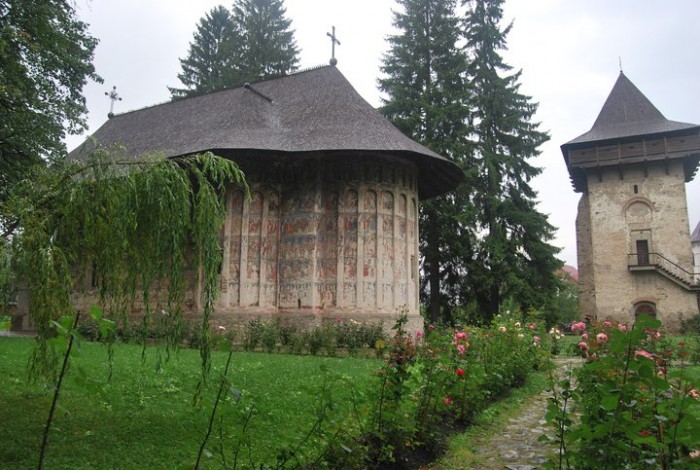
Suceava, Suceava County
Humor Monastery.
Situata in localitatea Manastirea Humorului, la aproximativ 5 km de orasul Gura Humorului, pe DJ177; prima biserica a Manastirii a fost constuita in timpul lui...
31.0 km
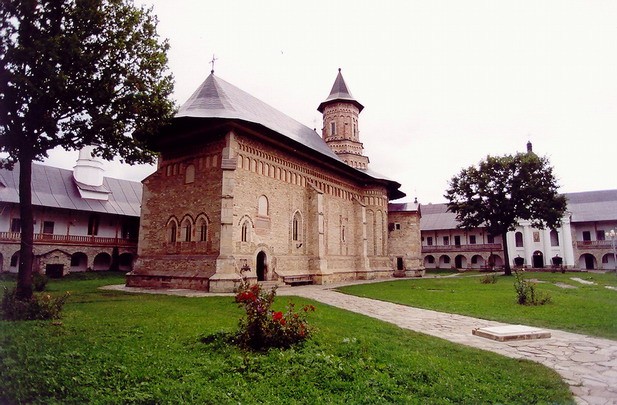
Neamt, Neamț County
Neamț Monastery
Situata pe raza comunei Vanatori-Neamt, la 15 km nord-vest de Targu Neamt; atestata documentar pentru prima data in 1407, pe vremea lui Alexandru cel Bun; in...
41.6 km
Neamt, Neamț County
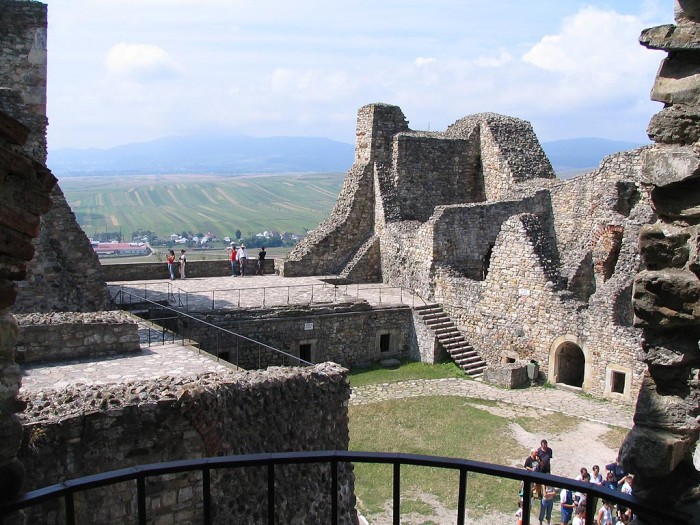
Neamț Fortress
Situata pe strada Arcasului nr. 1, pe un platou al dealului Plesu, la 480 m altitudine, in apropierea orasului Targu Neamt, in partea de nord-est a judetului;...
47.9 km
Probota, Suceava County
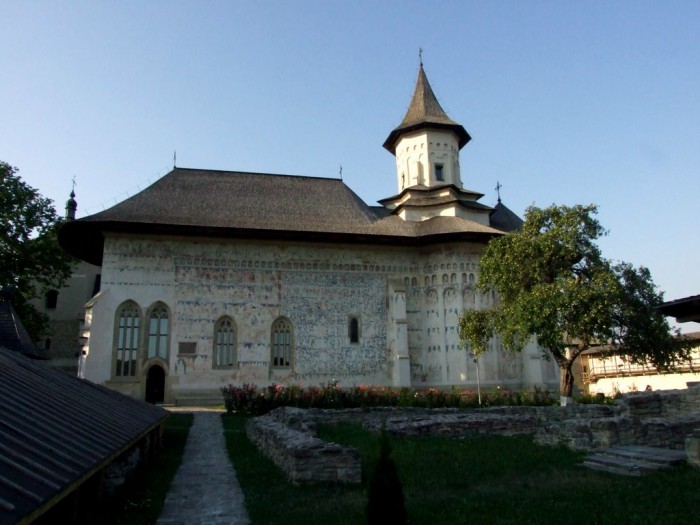
Probota Monastery
Situata in satul Probota, oras Dolhasca, la 27 km sud-est de Falticeni; accesul se face din Falticeni spre Dolhasca, pe DJ208, 25 km, apoi dreapta in Dolhasca...
40.1 km
Suceava, Suceava County
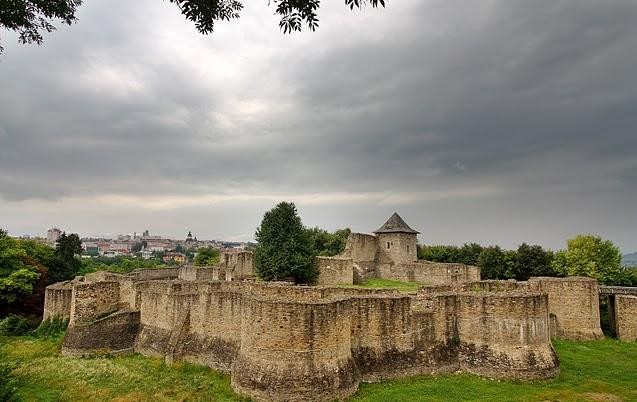
Suceava Princely Fortress
Situata la capatul Aleei Cetatii, municipiul Suceava; mentionata pentru prima data la 10 februarie 1388, intr-un document al voievodului Petru I Musat;...
0.7 km
Botosani, Botoșani County
Eminescu Memorial House - National Study Centre
Situat in Ipotesti;acesta cuprinde: Casa memoriala "Mihai Eminescu", locul unde s-a nascut genialul poet, bisericuta familiei, langa care se afla mormintele...
26.5 km
Arbore, Suceava County
Arbore Church
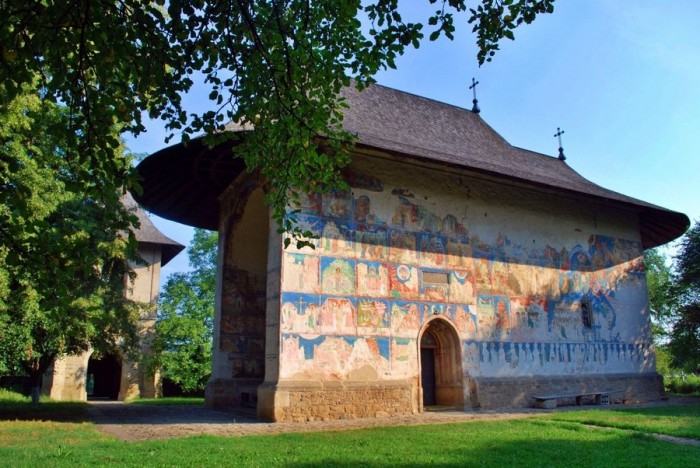
Situata in comuna Arbore; ridicata in anul 1503, de catre Hatmanul Luca Arbore, unul dintre marii boieri ai lui Stefan cel Mare, sfetnicul lui Bogdan al III-lea...
26.8 km

Suceava, Suceava County
Gura Humorului Resort
Situata in partea estica a Obcinilor Bucovinei, in depresiunea cu acelasi nume; amplasata la altitudinea de 470 m; prima mentionare documentara dateaza din 26...
29.6 km
Patrauti, Suceava County
Church of the Former Patrauti Monastery
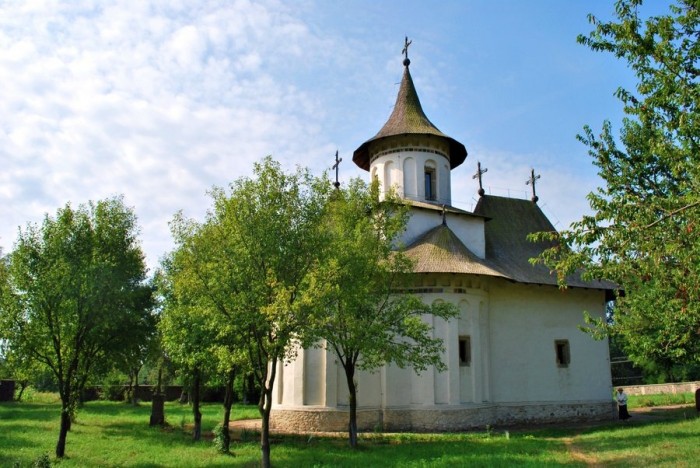
Situata in comuna Patrauti; inaltata in 1487, a fost prima ctitorie a lui Stefan cel Mare; este cea mai redusa ca dimensiune dintre ctitoriile domnitorului si...
10.3 km

Suceava, Suceava County
Bucovina Museum Complex in Suceava
Situat pe strada Stefan cel Mare nr. 33 din municipiul Suceava; a fost infiintat la 7 noiembrie 1899, sub forma unei asociatii numite "Muzeul" si era filiala a...
0.4 km
Cultural life and traditions
Events in the Saint John the New Monastery of Suceava area
Medieval festivals, traditional fairs, concerts and local activities recommended in Bukovina.

History and Voivodeship Heritage

Suceava, County of Suceava
The Medieval Festival of Neamț Fortress
Re-enactments of Ștefan’s battles, archery demonstrations with traditional bows, displays of courtly guards, and performances of old court music.
WHEN
July 3-5, 2026


Prehistoric Crafts and Art
Suceava, County of Suceava
The National Pottery Fair “Cucuteni 5000”
The most skilled ceramic artists recreate the spectacular motifs of Europe’s oldest civilisation.
WHEN
June 26-28, 2026

Gastronomy and Wines
Suceava, County of Suceava
The Traditional Festival of Moldovan Wine
A fair featuring wine tastings from the vineyards of Cotnari, Bucium and Panciu, “poale-n brau” pies, and roasted meats cooked on a spit.
WHEN
October 2-4, 2026
On foot, exploration gains depth
Discover the surroundings and local geography
Explore the trails, terrain, and natural landmarks around Saint John the New Monastery of Suceava.

Guides and practical tips
Useful travel articles
Travel guides, practical recommendations and tourist itineraries for Bukovina.

Tourist guide
Top 5 Atracții Turistice și Trasee Montane în Zona Moieciu - Bran
Descoperă cele mai spectaculoase peisaje carstice, chei adânci și cetăți medievale din imediata apropiere a stațiunii Moieciu.

Tourist guide
Ghid de Drumeție: Traseul Moieciu de Sus spre Platoul Bucegi
Un itinerariu montan de o frumusețe rară ce urcă din Valea Băngăleasa spre Poiana Guțanu și crestele maiestuoase ale Bucegilor.

Tourist guide
Castelul Bran: Istorie, Legende și Secrete Medievale
Află adevărata poveste a fortăreței medievale din Pasul Bran, reședința de suflet a Reginei Maria a României.
THE JOURNEY STARTS WITH AN IDEA
The next story is on the way.
From the first stop to the last stay, make room for a new Romania.
