


CASTLE · TRANSYLVANIA
Saschiz Peasant Citadel

Danes, Mureș County
Add location to your trip planner.
Practical access information

VISITING HOURS
Monday: 12:00 PM – 5:00 PM · Tuesday–Sunday: 9:00 AM – 5:00 PM (in summer until 8:00 PM)

TICKET PRICE
Adults: 45 RON · Students: 11 RON · Seniors: 23 RON · Guided tour included

RECOMMENDED VISIT DURATION
2-3.5 hours
Visitor information and guide
 Navigate with Google Maps

ABOUT SASCHIZ PEASANT CITADEL
Introduction: A Citadel Born of Community Solidarity
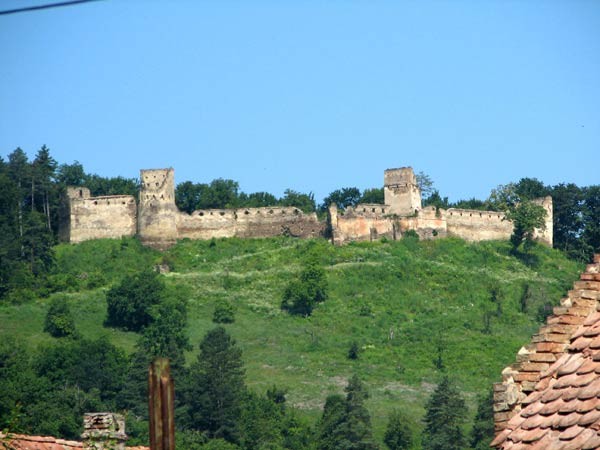
In the heart of Transylvania, on the rolling hills of Mureș County, just two kilometers from the picturesque village of Saschiz, stand the impressive ruins of the Peasant Citadel—a monument that defies the feudal conventions of the Middle Ages. Unlike the majestic castles of Hungarian or German nobility scattered across the Carpathian valleys, this fortress was not erected by a feudal lord seeking prestige and territorial dominance. Instead, it was built by the Saxon community itself, through a collective effort of survival and resilience. Constructed in 1347, during a period of profound political turmoil and military threats on the eastern frontier of the Kingdom of Hungary, the citadel represents one of the most authentic and moving examples of communal military architecture in Central Europe. Here, free peasants, craftsmen, and merchants of the village chose to defend their wealth, families, and faith together, demonstrating that civic solidarity could be as powerful as the might of a noble crown. The view from its walls, embracing the Great Târnava Valley and the surrounding villages, offers today’s visitor a journey through time, to an era when rural communities shaped their own destiny with stone and courage.
Historical Roots and the European Context of the 14th Century
The year 1347 marks a turning point in European history, as the Ottoman Empire consolidated its position in the Balkans, while the Kingdom of Hungary, under the Angevin dynasty, faced internal political instability and the growing pressure of Ottoman expansion to the north. In this turbulent context, the Saxon communities of Transylvania, settled here as early as the 12th–13th centuries under the protection of King Géza II of Hungary, understood that their survival depended on communal organization. The Peasant Citadel of Saschiz is not an isolated case but part of a broader phenomenon found in Central and Eastern Europe, where towns and villages built collective fortifications for mutual defense. Fascinating parallels can be drawn with the defense systems of Italian communes in the 14th century, such as those in Tuscany or Lombardy, where citizens constructed walls and towers to protect themselves from the wars between Guelphs and Ghibellines, or with the Hanseatic fortifications of northern Germany, where member cities of the Hanseatic League fortified their borders against piracy and commercial rivals. Additionally, the concept of the Bauernburg (peasant citadel) has deep roots in German military tradition, found in regions like Silesia, Transylvania, and even the Low Countries, where rural communities built fortified refuges in the face of Mongol, Ottoman, or feudal invasions. In Transylvania, this model reflects the special status of the Saxons, who, though subjects of the King of Hungary, enjoyed significant collective privileges, including the right to organize their own defense—a system akin to that of the Swiss cantons or the Italian maritime republics.
Military Architecture: Innovation and Adaptation in the Transylvanian Landscape
Architecturally, the Saschiz Peasant Citadel is a masterpiece of the transition from late Romanesque to early Gothic styles, reflecting the evolution of military techniques across Europe in the 14th century. The enclosure wall, with an impressive height of seven to nine meters, is flanked by four corner towers and two gate towers, forming a compact and efficient defensive system characteristic of medieval fortifications in Central Europe. These architectural elements mirror German military influences, derived from the traditions of the Teutonic Order and medieval knights, as well as Italian influences inspired by the fortifications of city-states like Florence or Siena, where military engineering was remarkably advanced. A particularly ingenious technical detail is the rotating wooden beam firing system, a sophisticated mechanism that allowed defenders to precisely aim projectiles and arrows from within the towers, providing superior tactical flexibility against besiegers. The single-pitched roof, visible in the chapel and some interior structures, reflects adaptation to local climatic conditions as well as late Gothic influences found in religious and civil architecture of the Carpathian Basin. The materials used—local stone and fired brick—demonstrate the construction expertise of Saxon craftsmen, who created a fortress capable of withstanding the test of time despite gradual abandonment and historical vicissitudes.
Water Engineering and Life Under Siege: The Deep Well and Underground Tunnel
Among the most remarkable achievements of the Peasant Citadel is its 65-meter-deep well, an exceptional engineering feat for the medieval era, far surpassing the depths of typical wells in noble castles of the time. This construction demonstrates long-term strategic planning and a deep understanding of the needs of a prolonged siege, when water supply became crucial for the community’s survival. Through an ingenious underground tunnel, this well connected directly to the center of Saschiz village, ensuring a constant flow of fresh water even when the citadel was completely surrounded by enemies. This system can be compared to those found in citadels of Prague, Vienna, or Renaissance-era Italian fortresses, where military engineers paid special attention to water supply during sieges. The impressive depth of the well and the existence of the connecting tunnel reflect not only the technical skill of the Saxon builders but also the collective fears of a community that knew it could be isolated for extended periods. This underground infrastructure is a rare feature in rural fortifications of this part of Europe, more commonly found in major urban or noble citadels, further underscoring the ambition and resources of the Saschiz community.
Sacred Space Within the Walls: The Chapel and Communal Spirituality
Within the fortified enclosure, the ruins of the chapel stand as a silent witness to the intense spiritual life of the Saxon community, offering a unique perspective on how faith intertwined with physical defense. Though now in ruins, this chapel was the religious center of the citadel, a place where inhabitants prayed before battles and gave thanks for deliverance from danger. The presence of a place of worship within a military fortification reflects a widespread European tradition, seen in the crusader castles of the Holy Land, fortified monasteries of France, or Italian citadels, where spirituality and security went hand in hand. The chapel of the Saschiz Peasant Citadel must be viewed in the broader context of the village’s religious complex, dominated by the famous Fortified Church of Saschiz, a UNESCO World Heritage Site with its unique clock tower in Romania. While the fortified church represented the spiritual and administrative center of the community, with its tall defensive tower and belfry, the peasant citadel and its chapel provided an additional, more secluded and militarized refuge for times of great peril. This duality—the church as a symbol of faith and the citadel as a bastion of physical survival—illustrates how Saxon society integrated the spiritual dimension with the pragmatic need for defense, a synthesis characteristic of medieval Central Europe.
UNESCO Heritage and Its Place in the European Network of Fortified Villages
The Saschiz Peasant Citadel is an integral part of the cultural landscape of the villages with fortified churches in Transylvania, a site inscribed on the UNESCO World Heritage List since 1993, with subsequent extensions in 1999. While most of the seven villages included in this distinction are known for their fortified churches—such as Biertan, Viscri, or Valea Viilor—Saschiz stands out for the existence of this separate peasant citadel, which completes the complex image of the communal defensive system. This inclusion places the monument in a broader European context, alongside similar sites in Poland (such as the fortifications of the Małopolska region), Slovakia (the Zips region, with its Saxon fortified towns and villages), or even Hungary, in the Székely Land, where Hungarian and Saxon communities developed collective defensive systems in the face of Ottoman threats. The outstanding universal value of this site lies precisely in its demonstration of a unique model of social and military organization, in which autonomous rural communities built their own defense systems, reflecting both the cultural resilience of the Transylvanian Saxons and the multiple influences—Germanic, Hungarian, Byzantine, and Ottoman—that shaped the identity of this region over the centuries. For the European visitor, the Peasant Citadel offers a window into a medieval world where the boundaries between civilization and barbarism were drawn not by imperial armies, but by the walls raised by the hands of laborers and free peasants.
Stories and Memory: From Ottoman Invasions to Modern Rediscovery
The history of the Saschiz Peasant Citadel is filled with dramatic moments and oral traditions that have survived to this day. Built in 1347, likely in response to frequent Tatar and Ottoman raids crossing the Carpathians, the citadel withstood numerous sieges and conquest attempts over the centuries. In the 15th–16th centuries, when the Ottoman Empire reached its zenith under Suleiman the Magnificent and sought to penetrate the heart of Europe, these rural fortifications in Transylvania played a crucial role in defending Christian frontiers, providing refuge for the civilian population and bases for military resistance. After centuries of continuous use, the citadel gradually fell into oblivion with the mass emigration of Transylvanian Saxons to Germany in the second half of the 20th century, leaving behind only romantic ruins and memories. The rediscovery and promotion of this monument in recent decades represent an act of recognition of the essential contribution of Saxon communities to European cultural heritage. Local legends speak of secret tunnels connecting the citadel to the church and village houses, of treasures hidden during invasions, or of the ghosts of defenders who still watch over the walls on full-moon nights, adding to the mysterious aura that envelops this place.
Practical Guide: How to Visit the Saschiz Peasant Citadel
To reach the Saschiz Peasant Citadel, travelers should head to the commune of Daneș in Mureș County, located in the heart of Transylvania, approximately 40 kilometers southeast of the city of Târgu Mureș and about 10 kilometers from the UNESCO-listed town of Sighișoara. The citadel is just two kilometers from the center of Saschiz village, accessible via well-maintained local roads followed by a 20–30 minute pedestrian path through pastures and orchards that delight the eye in any season. The site can be visited year-round, though the ideal period is late spring or autumn, when vegetation is not too dense and sunlight offers the most beautiful perspectives on the ruins. It is essential to wear comfortable, sturdy footwear suitable for sloping terrain and uneven surfaces, and on rainy days, the ground can become slippery. While entry to the enclosure is free, caution is advised when climbing the walls, and visitors must strictly adhere to monument conservation rules. A complete visit should also include the Fortified Church of Saschiz, a UNESCO World Heritage Site nearby, with its unique clock tower in Romania and the Saxon museum inside, offering a comprehensive cultural experience in a single day. After exploring the citadel and church, travelers can enjoy the local gastronomy influenced by Saxon culinary traditions, savoring traditional dishes in restaurants and guesthouses in Saschiz or neighboring villages. The view from the citadel’s hill, with its impressive panorama of the Great Târnava Valley and distant mountains, remains an unforgettable moment, a revelation of how the medieval past continues to live in today’s Transylvanian landscape.
Media gallery
Discover Saschiz Peasant Citadel in pictures

7 photos · Architecture, courtyards and captivating details
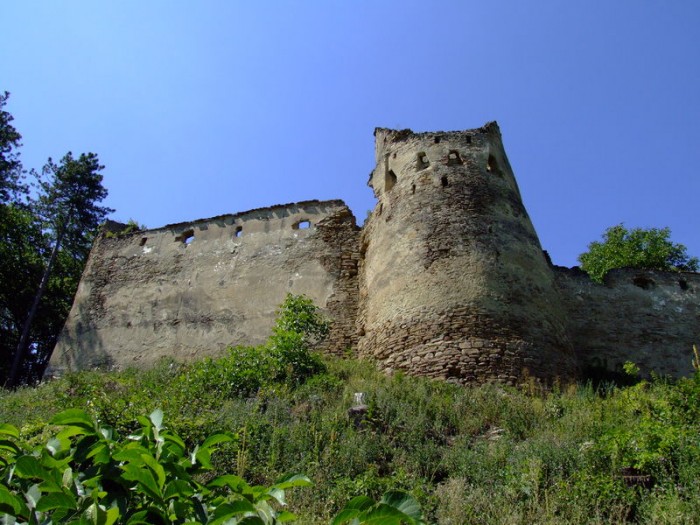
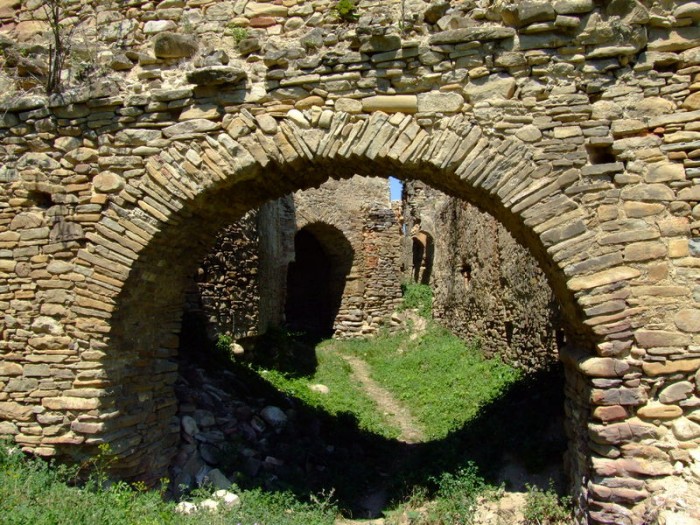


Image source: Wikimedia Commons · Public domain photos · Free license
STAY A FEW DAYS, DISCOVER THE MAGIC
Accommodation in the Saschiz Peasant Citadel area

Guesthouse · 3 stars

Saschiz, Mureș County · 0.6 km
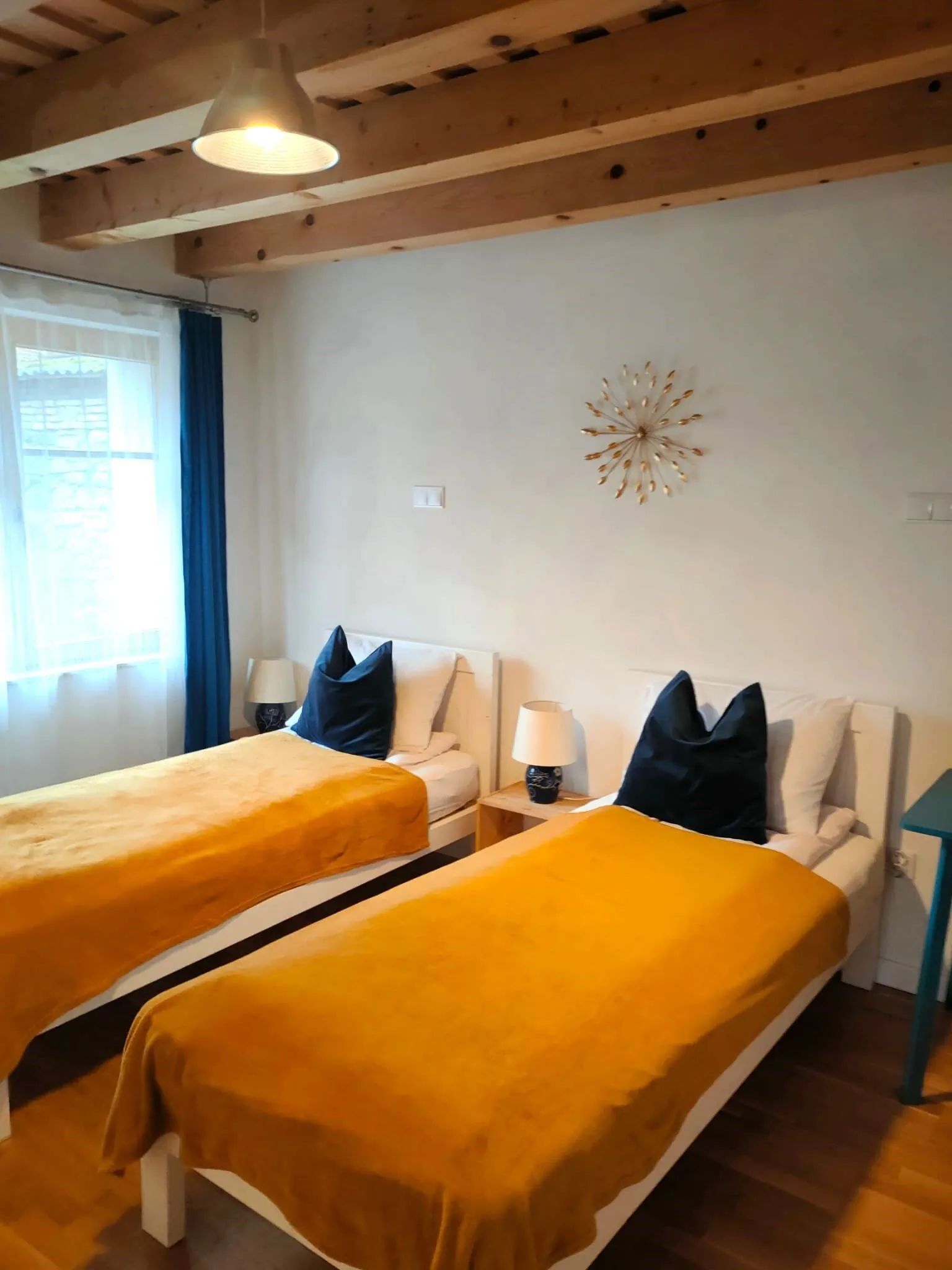
Pensiunea Werk 2 - Saschiz - B&B Ecoturistic
O zi petrecută între relaxarea oferită de saună și plimbările prin curtea mare și grădina amenajată vă așteaptă la Pensiunea Werk 2 din Saschiz, județul Mureș. Unitățile de cazare oferă confort modern prin Wi-Fi gratuit, acces pentru persoane cu dizabilități și fier de călcat disponibil. Pentru cei mici există cameră de joacă la interior, scaun înalt pentru copii și pătuț pentru bebeluși, astfel încât întreaga familie se simte binevenită și are la dispoziție tot ce îi trebuie. Localitatea Saschiz și împrejurimile sale oferă multiple posibilități de explorare. Puteți vizita Biserica fortificată Saschiz, Cetatea Țărănească Saschiz, Cetatea Medievală Sighișoara, Turnul cu ceas Sighișoara și Biserica fortificată din Viscri. Situată pe strada Principala 163, pensiunea se află într-o zonă liniștită, departe de aglomerația drumului european, într-o gospodărie tradițională în care locuiesc și gazdele dumneavoastră. Aici veți găsi un spațiu de întâlnire și relaxare, cu informații despre patrimoniul arhitectural și natural al zonei oferite în limbile engleză și germană, într-un cadru cu certificare ecoturistică. Vă așteptăm la Pensiunea Werk 2, cu acces direct pe strada Principala din centrul localității Saschiz, într-un cadru natural protejat.
FROM
240 lei per night

Holiday home · 3 stars
Saschiz, Mureș County · 0.9 km
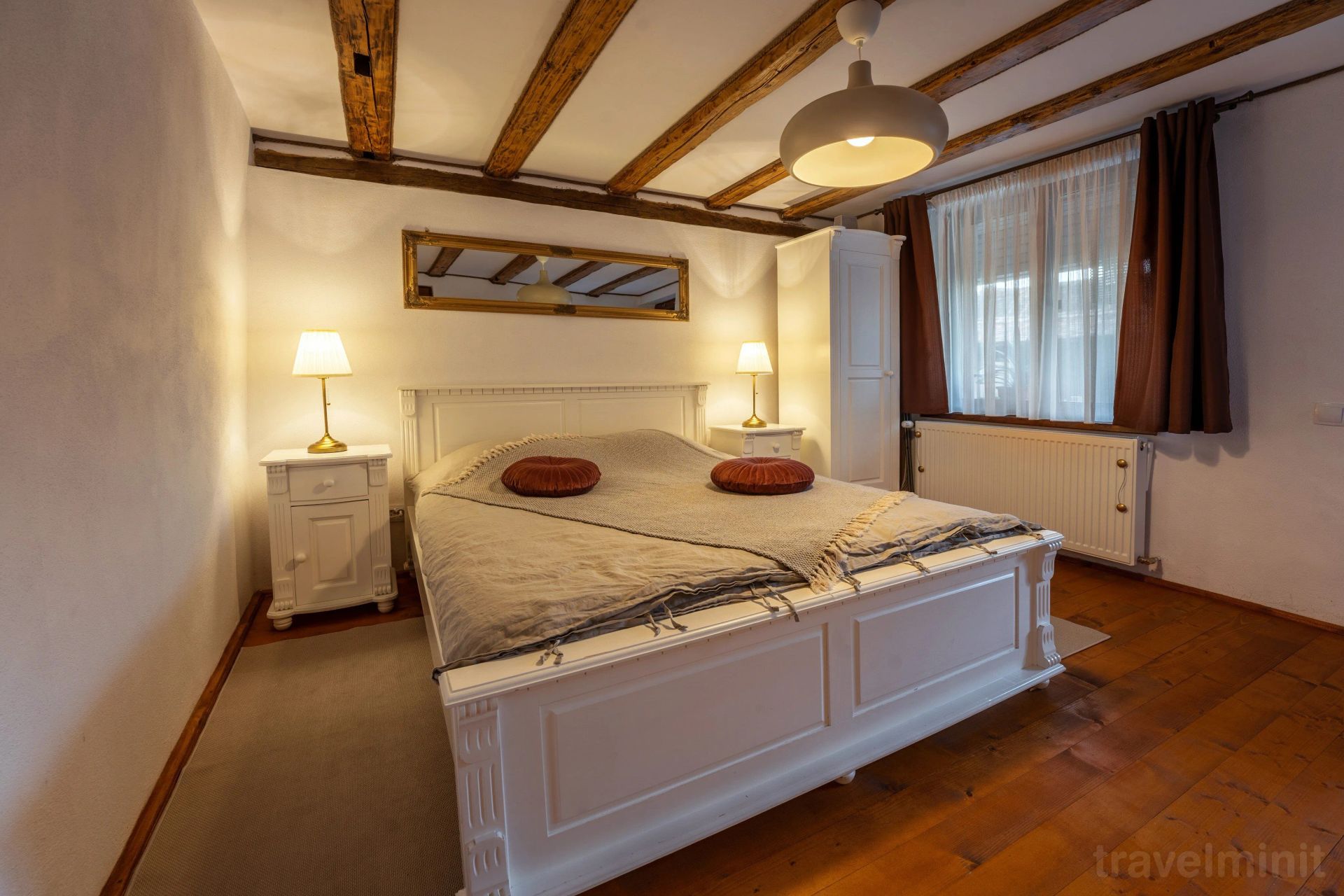
Flory Haus Saschiz
Flory Haus Saschiz din localitatea Saschiz, județul Mureș, vă pune la dispoziție un ciubăr din lemn tradițional, într-un cadru autentic de vilă integrală. Această casă de închiriat de trei stele oferă întreaga proprietate pentru dumneavoastră și cei dragi. În interior beneficiați de aer condiționat, iar în exterior de o curte mare și grădină amenajată, cu loc de joacă pentru copii. Restaurantul și barul din incintă asigură mese pentru dumneavoastră, inclusiv meniuri pentru copii și opțiuni pentru diete speciale. Terasa la soare și sauna completează facilitățile de relaxare disponibile. Pentru deplasări aveți la dispoziție parcare privată gratuită, iar accesul este facilitat și pentru persoane cu dizabilități. Conexiunea Wi-Fi gratuită este disponibilă în întreaga proprietate, astfel încât să rămâneți conectați pe toată durata șederii. În apropiere puteți vizita Biserica fortificată Saschiz, Cetatea Țărănească Saschiz, Cetatea Medievală Sighișoara, Turnul cu ceas Sighișoara și Biserica fortificată din Viscri, descoperind patrimoniul cultural al zonei. Vă așteptăm la Flory Haus Saschiz, cu parcare privată gratuită asigurată și acces facil pentru toți oaspeții, într-o atmosferă primitoare.
FROM
280 lei per night
Glamping · 3 stars
Saschiz, Mureș County · 1.4 km
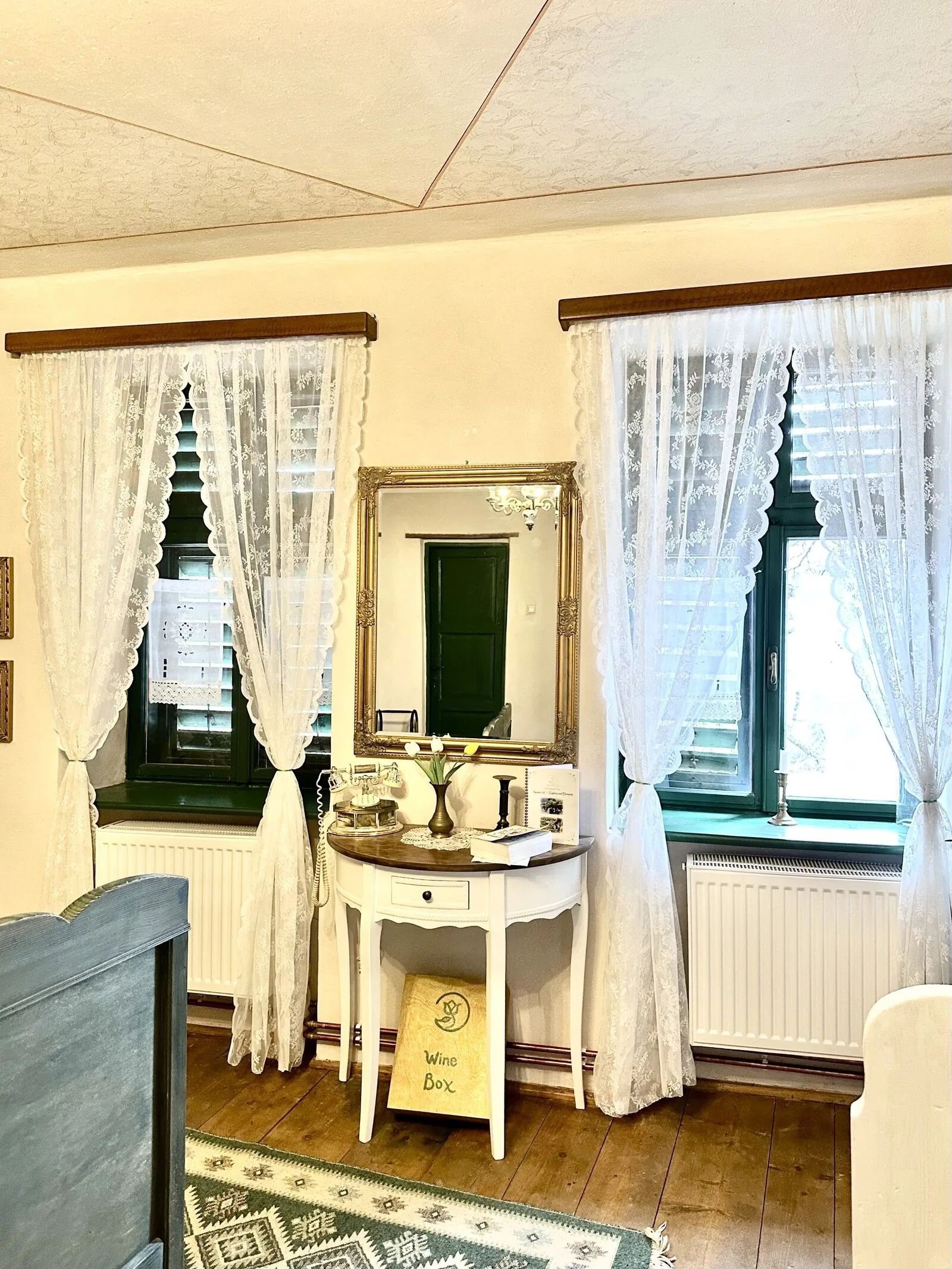
Casa Saschiz 130/Lodging ang Glamping Saschiz
Comfort, relaxation and stunning views, all just steps away from the main attractions.
FROM
450 lei per night
Glamping · 3 stars
Cloașterf, Mureș County · 6.4 km
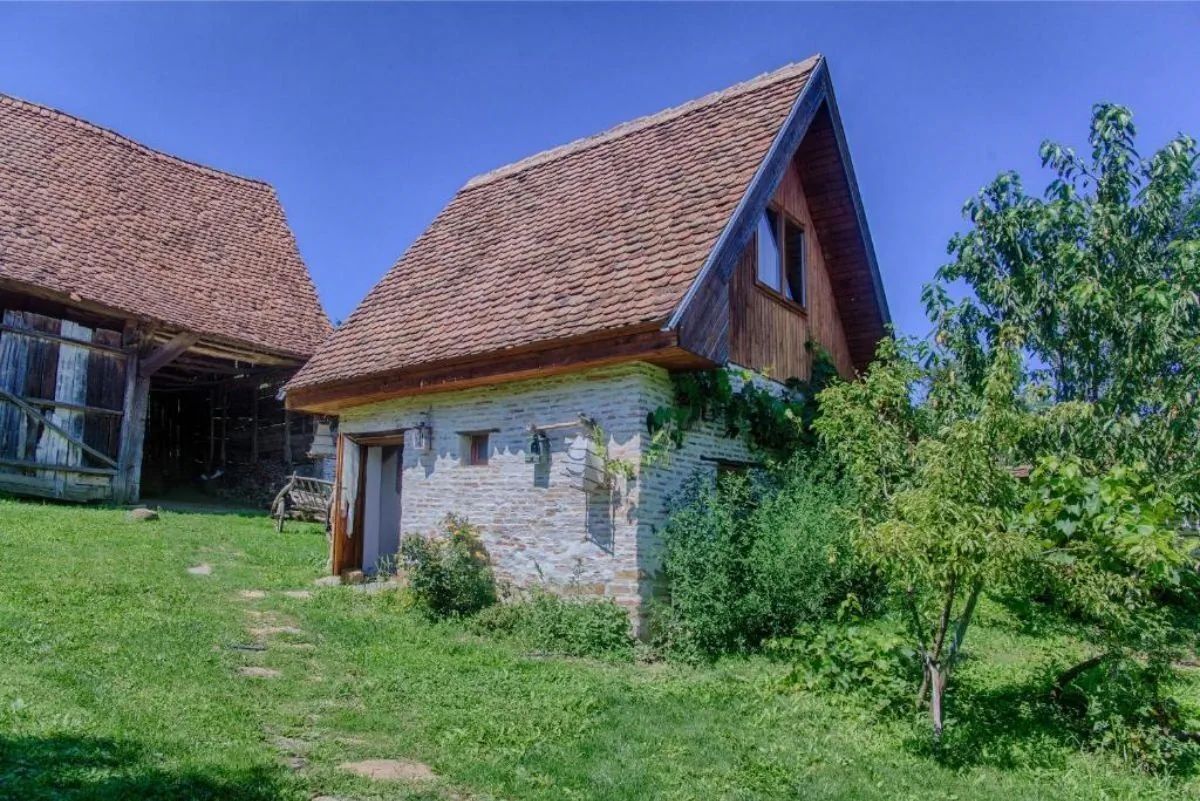
Dominic Boutique Gardener's Cottage Cloașterf
Comfort, relaxation and stunning views, all just steps away from the main attractions.
FROM
450 lei per night
Glamping · 3 stars
Cloașterf, Mureș County · 6.4 km
Dominic Boutique Little Barn Cloașterf
Comfort, relaxation and stunning views, all just steps away from the main attractions.
FROM
450 lei per night
Glamping · 3 stars
Cloașterf, Mureș County · 6.4 km
Dominic Boutique Casa Mare Cloașterf
În curtea mare și grădina amenajată a Dominic Boutique Casa Mare Cloașterf din Cloașterf, județul Mureș, vă așteaptă o experiență de glamping într-un cadru natural. Aici aveți la dispoziție un bar și o cafenea în incintă, alături de Wi-Fi gratuit și parcare pentru biciclete, astfel încât să vă simțiți confortabil pe toată durata șederii. Pentru nevoile dumneavoastră zilnice, unitatea pune la dispoziție un fier de călcat și un depozit pentru bagaje. În plus, un foișor în curte vă oferă un loc potrivit pentru relaxare în aer liber, înconjurat de spațiul verde al grădinii. Această combinație de facilități creează un ambient primitor și funcțional, potrivit pentru a vă bucura de liniștea specifică mediului rural transilvănean pe toată durata șederii dumneavoastră. În apropiere puteți vizita Biserica fortificată Saschiz, Cetatea Medievală Sighișoara, Cetatea Țărănească Saschiz, Biserica fortificată din Viscri și Biserica fortificată Dârjiu. Aceste obiective istorice și monumente de patrimoniu cultural completează experiența unei vizite în această zonă bogată în tradiții. Dimineața, cafeneaua din incintă vă oferă un start plăcut zilei înainte de a porni spre obiectivele din împrejurimi.
FROM
450 lei per night
BEFORE YOU HIT THE ROAD
Weather conditions in Danes
Local forecast for Saschiz Peasant Citadel, Danes, Mureș

Real-time updated weather data
Much more to explore in this area
Nearby tourist attractions


Sighișoara, Mureș County
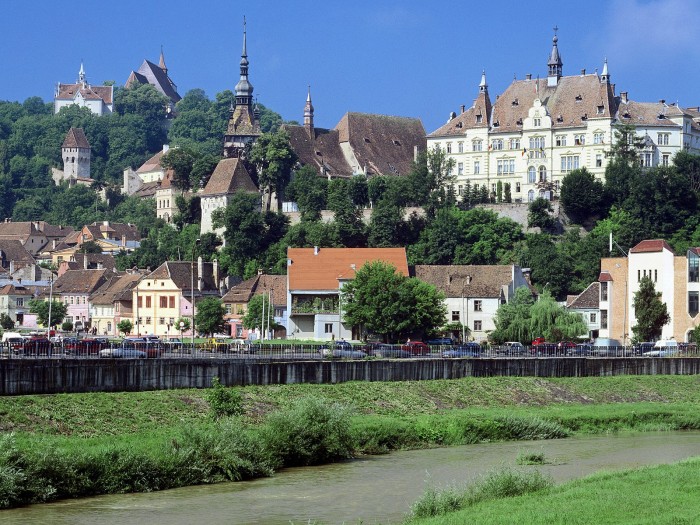
Sighișoara Medieval Citadel
Situata in centrul municipiul Sighisoara; inca din secolul al III-lea i.Hr. a existat pe acest teritoriu o cetate dacica, numita Sandava; romanii au ridicat...
12.6 km
Harghita, Harghita County
Praid Salt Mine
Situata in depresiunea Praid, pe valea raului Tarnava Mica, la 9 km de statiunea Sovata; amplasata la altitudinea de 580 m; prima mentiune referitoare la...
41.8 km
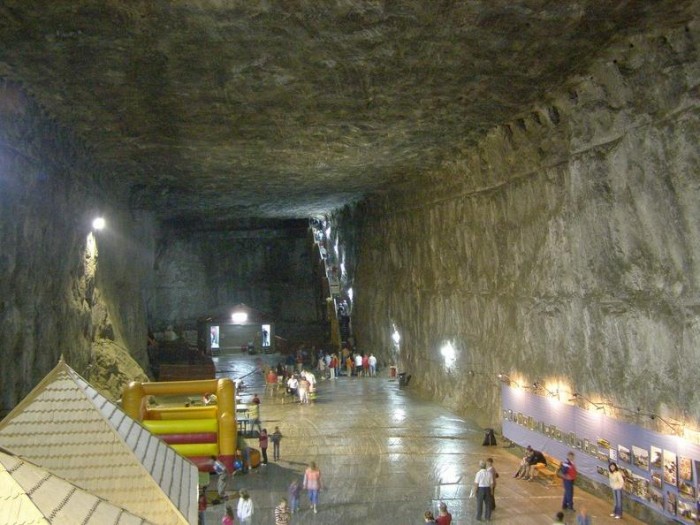
Harghita, Harghita County
Praid Salt Mine
Situata la 10 km de statiunea balneoclimaterica Sovata; accesul in interiorul muntelui se face cu autobuzul, printr-un tunel de 1.500 m lungime, iar in salina...
41.8 km
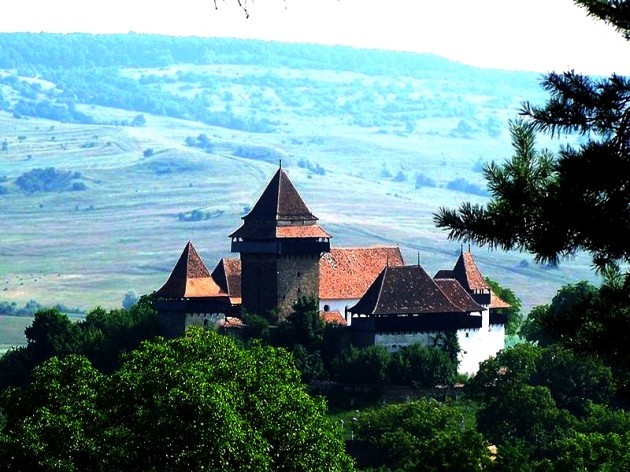
Brasov, Brașov County
Viscri Fortified Church
Situata in localitate Viscri; construita in secolul al XIII-lea; din punct de vedere arhitectural apartine stilului romanic; are un plan de tip sala romanica;...
18.9 km
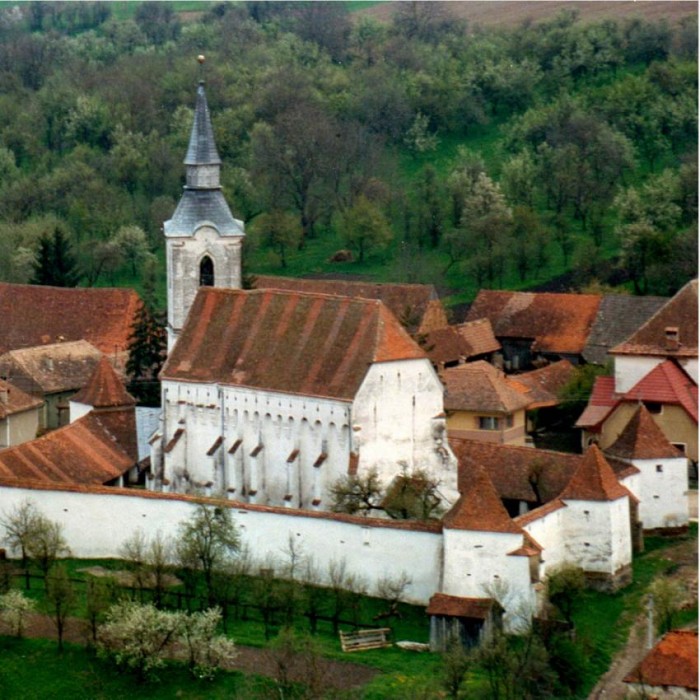
Harghita, Harghita County
Dârjiu Fortified Church
Situata in localitatea Darjiu; construita intre secolele XIV - XV; initial, a fost ridicata in stil romanic, iar apoi a fost transformata in stil gotic; a...
19.0 km

Brașov, Brașov County
Black Church of Brașov (Evangelical Fortified Church Ensemble)
Heritage site in Braşov County, Romania
22.4 km

33.9 km
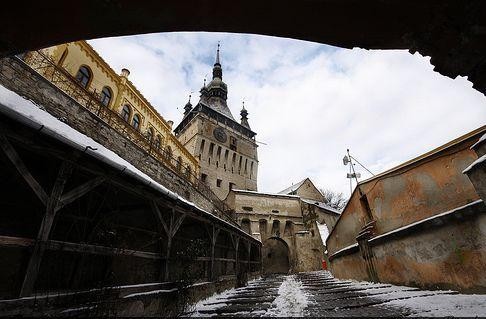
Danes, Mureș County
Sighișoara Clock Tower
Situat in partea de est a platoului inferior al Cetatii Sighisoara; construit in preajma secolului al XIV-lea, pentru a proteja poarta principala a orasului si...
12.5 km

44.4 km
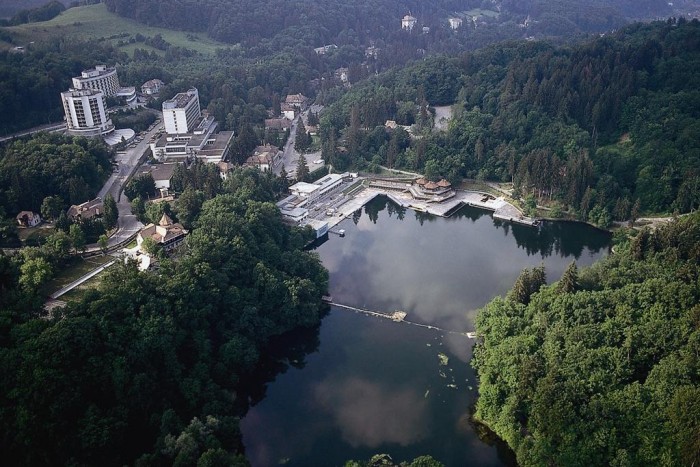
Danes, Mureș County
Sovata spa resort.
Situata la poalele dinspre sud - vest ale Muntilor Gurghiu din Carpatii Orientali, la 60 de km est de municipiul Targu Mures; amplasata la altitudinea de 475 -...
45.4 km

0.7 km
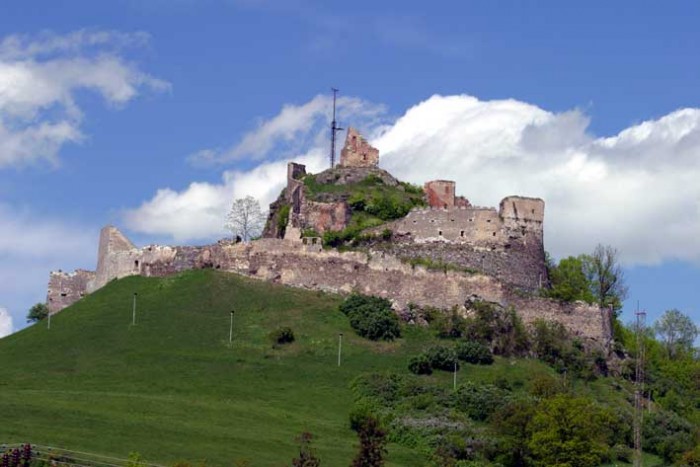
Brasov, Brașov County
Rupea Fortress
Situata in vestul orasului Rupea, in zona rezervatiei geologice Dealul Cohalm, la 50 km de municipiul Brasov; prima atestare documentara dateaza din anul 1324 -...
26.8 km
Cultural life and traditions
Events in the Saschiz Peasant Citadel area
Medieval festivals, traditional fairs, concerts and local activities recommended in Transylvania.

Heritage and History

Danes, County of Mureș
The Festival of Medieval Fortresses and the Open Doors Days
Guided night tours, traditional crafts workshops and historical re-enactments featuring knights and ladies.
WHEN
May 15-17, 2026


Traditions and Cuisine
Danes, County of Mureș
The Fair of Saxon Traditions and Local Cuisine
Discover local producers, traditional Saxon pastries baked in a wood-fired oven, artisanal syrups, and rhubarb jam.
WHEN
Every weekend (May - October)

Ecotourism and Nature
The hills of Transylvania, County of Mureș
Guided Hikes on the Transylvanian Hills Trail
Take excursions along unmarked trails through ancient meadows, centuries-old oak trees, and villages with fortified churches that are UNESCO World Heritage sites.
WHEN
Friday – Sunday (Season 2026)
On foot, exploration gains depth
Discover the surroundings and local geography
Explore the trails, terrain, and natural landmarks around Saschiz Peasant Citadel.

Guides and practical tips
Useful travel articles
Travel guides, practical recommendations and tourist itineraries for Transylvania.

Tourist guide
Top 5 Atracții Turistice și Trasee Montane în Zona Moieciu - Bran
Descoperă cele mai spectaculoase peisaje carstice, chei adânci și cetăți medievale din imediata apropiere a stațiunii Moieciu.

Tourist guide
Ghid de Drumeție: Traseul Moieciu de Sus spre Platoul Bucegi
Un itinerariu montan de o frumusețe rară ce urcă din Valea Băngăleasa spre Poiana Guțanu și crestele maiestuoase ale Bucegilor.

Tourist guide
Castelul Bran: Istorie, Legende și Secrete Medievale
Află adevărata poveste a fortăreței medievale din Pasul Bran, reședința de suflet a Reginei Maria a României.
THE JOURNEY STARTS WITH AN IDEA
The next story is on the way.
From the first stop to the last stay, make room for a new Romania.
