


PLACE OF WORSHIP · BUKOVINA
Sucevița Monastery

Sucevita, Suceava County
Add location to your trip planner.
Practical access information

VISITING HOURS
Daily: 9:00 AM - 7:00 PM

TICKET PRICE
Adults: 10 RON, Students: 5 RON

RECOMMENDED VISIT DURATION
1 - 1.5 hours


Visitor information and guide
 Navigate with Google Maps

ABOUT SUCEVIȚA MONASTERY
Captivating Introduction and Universal Value
In the heart of Bukovina, where the hills embrace the valley of the Sucevița stream in an almost sacred silence, stands one of the most impressive achievements of European Orthodox spirituality: Sucevița Monastery. Built at the end of the 16th century, in an era when Europe was torn apart by religious wars and dynastic rivalries, this monastery represents a true "testament to Moldavian art," as the famous French art scholar Paul Henry called it. Here, Orthodox faith, Byzantine art, Western Gothic, and the ambition of a boyar family with princely aspirations came together in an ensemble that today is part of the UNESCO World Heritage, alongside seven other painted churches in northern Moldavia.
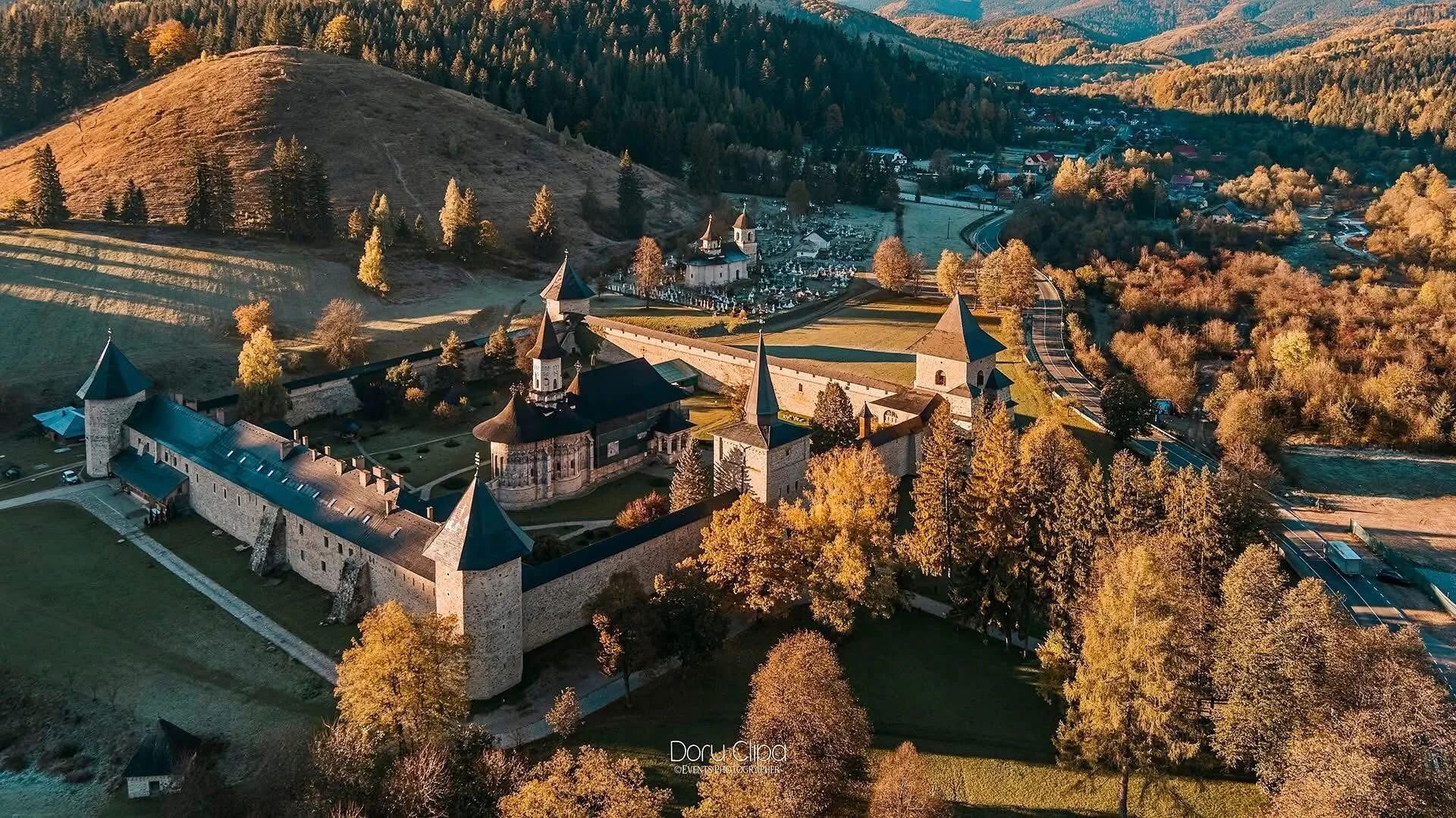
What makes Sucevița unique in all of Europe is not only the beauty of its exterior frescoes — the best preserved of all the painted churches in the world — but also the fact that it is the only monastery in the UNESCO group built as a true fortified citadel. Its massive walls, six meters high and three meters thick, surround an enclosure of 100 by 104 meters, a sacred space defended by five imposing towers, one of which houses a chapel dedicated to the Annunciation above the entrance gate. For the European visitor accustomed to the great Gothic cathedrals of France or the Benedictine monasteries of Italy and Austria, Sucevița offers a revelation: proof that Eastern Orthodoxy knew how to assimilate and transform Western influences into an artistic synthesis of its own, of an originality that has no equal on the continent.
Historical Roots and Major European Connections
The history of Sucevița is inseparable from the destiny of the Movilești dynasty, one of the most fascinating noble families in Eastern Europe, whose representatives ascended the thrones of Moldavia, Wallachia, and even became metropolitans of Kiev. Around 1581, on the site of an old wooden hermitage traditionally attributed to a disciple of Saint Daniel of Voroneț, the Movilă brothers — Gheorghe, Ieremia, and Simion — began the construction of a modest church. Gheorghe, the eldest of them, was to become bishop of Rădăuți and then metropolitan of Moldavia, while Ieremia and Simion were to rule, in turn, the destinies of Wallachia and Moldavia. They were nephews of Prince Petru Rareș, son of Stephen the Great, so their ambition to build a dynastic necropolis and a spiritual center of European stature was rooted in princely legitimacy.
The historical context in which the church was built, between 1582 and 1586, was extremely turbulent on the European stage. Moldavia found itself at the intersection of three great powers disputing influence in this part of the continent: the Ottoman Empire, which exercised nominal suzerainty and collected tribute, the Kingdom of Poland, with which the Movilă dynasty was to develop close ties, and the Habsburg Monarchy, represented in the region through the Principality of Transylvania. The year 1595 marks a crucial turning point: Ieremia Movilă ascends the throne of Moldavia with the support of the Polish chancellor Jan Zamoyski, to the detriment of Ștefan Răzvan, ally of Sigismund Báthory of Transylvania and of Michael the Brave of Wallachia. In the same year, Ieremia concludes a treaty by which Moldavia becomes "united forever with Poland, a faithful and inseparable member of the Crown," a diplomatic act that places Sucevița Monastery at the center of a network of alliances encompassing the courts of Warsaw, Kraków, Vienna, and Constantinople.
The reign of Ieremia Movilă (1595-1600, 1600-1606) is contemporary with the great conflicts of Europe: the Great War (1593-1606) between the Holy League — the alliance between the Holy See, the Habsburg Empire, Spain, Transylvania, and Wallachia — and the Ottoman Empire, as well as with the expansionist ambitions of Sigismund III Vasa's Poland. In this geopolitical context, Ieremia transforms his monastery into a true fortified princely residence, building the enclosure walls, the defensive towers, and a princely house whose ruins can still be seen on the north side. The resulting architecture reflects this duality: a church with a trilobed plan of Byzantine tradition, inspired by the foundations of Stephen the Great, but endowed with Gothic elements — buttresses, broken arches, stone frames — that recall the Western influences present in neighboring Poland and Habsburg Transylvania. At the same time, the two open porches added in 1595, with pillars connected by arcades, constitute an "echo of the architecture of Wallachia," as historians note, highlighting the dynastic and cultural links between Moldavia and Muntenia, then under the common influence of the Ottoman Empire and Habsburg diplomacy.
The mural painting, executed between September 1595 and July 1596 by the painter brothers Ioan and Sofronie, exponents of the Moldavian school, illustrates the artistic maturity of an era in which the Italian Renaissance and European Mannerism influenced creation in the eastern part of the continent. The compositions with architectural perspectives, landscapes inspired by Italian art, and a certain humanization of sacred figures — saints are represented with earthly features, in everyday attitudes — betray contact with Western art, possibly through craftsmen brought from Poland or Venetian and Florentine influences present in the region. Thus, Sucevița inscribes itself in a broad European cultural dialogue, being at the same time a bastion of Eastern Orthodoxy and a bridge to the artistic currents of Central and Southern Europe.
Architectural Masterpiece and Artistic Heritage
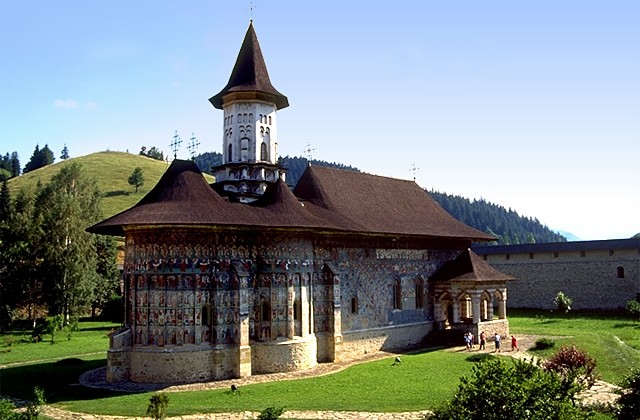
The Church of the "Resurrection of the Lord," the spiritual and artistic nucleus of the ensemble, preserves the trilobed plan consecrated in Moldavia since the time of Stephen the Great, with enclosed porch, narthex, nave, burial chamber (funerary room), and altar. Its impressive dimensions and harmonious proportions place it among the largest monastic foundations of the 16th century in Southeastern Europe. The central tower, with its star-shaped base and decorative niches, dominates the silhouette, while the steeply pitched roof, with shingles and wide eaves, protects the walls and gives the building that specific silhouette of Moldavian architecture.
But the true masterpiece of Sucevița is the mural painting, both interior and exterior, which covers almost entirely the walls of the church and constitutes the best preserved exterior fresco in the entire group of painted churches of northern Moldavia. Executed in the fresco technique, at a time when this process was already abandoned in favor of oil painting in most of Western Europe, the painting at Sucevița impresses with the freshness of its colors after more than four centuries. The chromatic range is dominated by a deep emerald green, obtained from malachite-based pigments, whose exact formula remains a mystery to contemporary restorers — no specialist has managed to reproduce this unique shade, which makes Sucevița "the emerald of Bukovina," in contrast with the famous "blue of Voroneț" (azurite), the "yellow of Moldovița," and the "red of Humor."
On the north side, the most exposed to the elements and, paradoxically, the best preserved at Sucevița, unfolds the most monumental representation of the "Ladder of Virtues" (Ladder of Saint John Climacus) in Christian art. The composition illustrates the soul's ascent to Paradise, with thirty steps symbolizing the virtues, while in the lower part unfolds the chaos of hell, with demons trying to prevent the ascent. The contrast between the order of the angels and the disorder of the demons, between the emerald-green light and the represented darkness, makes this scene a true masterpiece of medieval painting, comparable, through its drama, with the "Last Judgment" of Voroneț — often called the "Sistine Chapel of the East" — or with the frescoes of the Cappella degli Scrovegni by Giotto in Padua.
On the south side, the frescoes present the "Tree of Jesse" — the genealogy of Christ — above a frieze with ancient philosophers (Plato, Aristotle), an iconographic innovation that illustrates the attempt to integrate classical wisdom into Christian thought, specific to the Renaissance period. Also appear the "Akathistos Hymn," the "Burning Bush" (the meeting of Moses with God in the bush that burns without being consumed), and the "Protection of the Mother of God" (Pokrov), themes with deep resonance in Orthodox spirituality, but treated with an artistic sensitivity that reflects the influences of post-Paleologan Byzantine art and the Cretan school. On the three apses, seven registers present the "Prayer of All Saints" (Cinul), a theme unique in Christian-Orthodox art, an original creation of the Moldavian school of painting that has no counterpart in contemporary Western art.
In the interior, the painting covers the vaults, walls, and iconostasis, presenting complete cycles from the lives of saints — Saint Nicholas, Saint George, Saint John the New of Suceava — the "Life of Moses" in the burial chamber, the cycle of the "Passions" in the nave, as well as votive portraits of the founders: Metropolitan Gheorghe Movilă, Prince Ieremia Movilă with his entire family, and other personalities of the era. These portraits constitute first-rate historical documents, offering information about the costumes, jewelry, and fashion of the time, related to the portrait representations in 16th-century Polish and Hungarian art. The current iconostasis, carved in yew wood in Baroque-Rococo style and dating from 1801, represents a later stage in the artistic evolution of the sanctuary, reflecting the influences of Transylvanian and Austrian Baroque on the religious art of 18th-century Moldavia.
Legends, Personalities, and Turning Points
The story of Sucevița is shrouded in legends that have crossed the centuries, enriching the visitor's experience with mythical dimensions. The most famous is the legend of the "Mute Woman of Sucevița" — an anonymous woman, known in popular tradition as "the Romanian woman," who, for the redemption of some sins, offered to carry with her cart drawn by buffalo all the stone necessary for the construction of the monastery. For thirty years, without interruption, the woman transported stone, sand, lime, bricks, and wood, day and night, with only the buffalo's rest as respite. When the monastery was finished, the monks refused to bury her in the church, considering that a common woman was not worthy to stand beside the noble founders, but they promised her that her memory would remain forever. As a result, the woman's image was carved in stone and placed on one of the defensive towers, to the west, where it can be seen today — a silent presence that watches over history.
Another legend, equally mysterious, concerns the west wall of the church, the only one that has remained completely unpainted, a white surface that contrasts sharply with the explosion of color on the other three sides. Tradition says that one of the painter masters fell from the scaffolding and died exactly when he was preparing to begin work on this facade, and the other artists, frightened by what they considered to be a divine sign or a curse, refused to touch the wall with the brush again. Thus, the west wall remained the "white silence" of Sucevița, an unresolved mystery that adds a note of melancholy and sacredness to the ensemble.
The personalities who rest in the church's burial chamber — the princely brothers Ieremia Movilă (died 1606) and Simion Movilă (died 1609), the latter also prince of Wallachia — transform Sucevița into a dynastic necropolis of European importance. Their funerary slabs, carved in Rușchița marble, present the coats of arms of Moldavia (the bull with star between horns) and of the Movilă family (two crossed swords), alongside vegetal decorations of Oriental inspiration, characteristic of Moldavian art during the Movilești period. The tragic destiny of the family continues with the story of Elisabeta Movilă, born Csomortany de Losoncz, a Hungarian noblewoman married to Ieremia in Poland in 1587. After her husband's death, Elisabeta was captured during Ottoman wars, taken to Constantinople, forced to convert to Islam, and died in the harem of a Turkish agha around 1616-1620. In the monastery museum is preserved a silver casket in the shape of an apple, containing a few strands of her hair — an emotional relic of a life destroyed by the political turmoil of Southeastern Europe.
The monastery museum, arranged in the former council chamber on the east side, houses one of the most valuable treasures of medieval art in Romania. Among the exceptional exhibits are the burial coverings of Princes Ieremia (1606) and Simion Movilă (1609) — masterpieces of embroidery in gold and silver thread on a silk background, with pearls, considered among the most successful secular portraits of the era. Alongside these, there is an epitaph from 1597 adorned with approximately 10,000 pearls, donated by Ieremia Movilă, tetraevangelia bound in gilded silver, a reliquary donated by Metropolitan Gheorghe Movilă, illuminated manuscripts, old icons, and pieces of liturgical silverware. These objects illustrate the wealth and artistic refinement of the Movilești dynasty, which was not only a family of princes, but also a great patron of the arts, comparable, through its cultural ambition, with the Medici family of Florence or the Habsburgs of Vienna.
Practical Visitor Guide and Today's Tourist Experience
Sucevița Monastery is located in the village of the same name, Sucevița commune, Suceava county, 18 kilometers southwest of the municipality of Rădăuți and approximately 50 kilometers northwest of the municipality of Suceava. Access is from Suceava, on the European road DN2/E85 towards Rădăuți, then turn left onto DN17A, through Rădăuți and Marginea, on a paved road for another 18 kilometers. For European tourists arriving by plane, the nearest international airport is that of Suceava (Salcea), approximately 40 kilometers away, with regular flights from major European capitals, and from the airport one can rent a car or take a taxi to the monastery.
The visiting schedule for 2026 is daily, between 09:00 and 19:00 for the monastic ensemble, while the museum can be visited between 09:00 and 17:00. The entrance ticket costs 10 RON for adults and 5 RON for pupils and students (with ID), a rate that includes both the visit to the church and the fortified enclosure, as well as the museum. The monastery is currently a nuns' monastery, active, with a community of approximately 70 nuns who lead a communal life, so the visitor must respect an appropriate dress code (women to wear a skirt or long pants and to cover their head, men to avoid shorts), and photography inside the church is allowed only in certain areas and conditions.
The experience of visiting Sucevița is profoundly different from that of other European monuments. While in the Gothic cathedrals of France or Germany the visitor is overwhelmed by verticality and the light filtered through stained glass, and in the Benedictine monasteries of Austria or Bavaria by the silence of the cloister, at Sucevița the impression is one of spiritual fortress, of a citadel of faith. The thick walls, the towers with loopholes and patrol walk, the chapel above the entrance with the coat of arms of Moldavia, all create the image of a community that had to defend not only the body, but also the soul, in a Europe in permanent confrontation. Once stepped into the enclosure, the gaze is drawn by the emerald green of the frescoes, by the "Ladder of Virtues" that seems to ascend to heaven, by the silence of the burial chamber where the Movilă brothers rest, by the gleam of the silverware and embroideries in the museum.
For a complete visit, it is recommended to allocate at least two to three hours. After traversing the enclosure and admiring the exterior frescoes — the best light for photography being early morning or late afternoon, when the sun hits the south or north side — one enters the church, where the semi-darkness and diffused light create an atmosphere of profound recollection. The museum, located on the east side, offers the opportunity to see up close the gold-thread embroideries, the epitaph with pearls, and the casket with Elisabeta Movilă's hair, bringing art and history face to face in an emotional way.
Sucevița integrates perfectly into a European heritage circuit, being located only a few kilometers from Humor Monastery (with its famous "yellow" and vault reminiscent of the Sistine Chapel), from Moldovița Monastery (with the scene of the "Siege of Constantinople"), from Voroneț (with its unique "blue" and "Last Judgment"), and from Putna, the necropolis of Stephen the Great. For the European visitor interested in Byzantine art, in the history of the Renaissance in Eastern Europe, or in the geopolitical complexity of the 16th century, Sucevița represents an essential destination, a place where Orthodox spirituality, universal art, and the history of the great empires — Ottoman, Polish, Habsburg — meet in an unforgettable synthesis. Here, beneath the walls of a sacred citadel, in the emerald green of a fresco that has withstood four centuries, Europe rediscovers one of the most authentic and profound expressions of faith and human creation.
Media gallery
Discover Sucevița Monastery in pictures

44 photos · Architecture, courtyards and captivating details


Image source: Wikimedia Commons · Public domain photos · Free license
STAY A FEW DAYS, DISCOVER THE MAGIC
Accommodation in the Sucevița Monastery area

Holiday home · 3 stars

Suceviţa, Suceava County · 0.1 km
Casa Adi Sucevița
Comfort, relaxation and stunning views, all just steps away from the main attractions.
FROM
280 lei per night

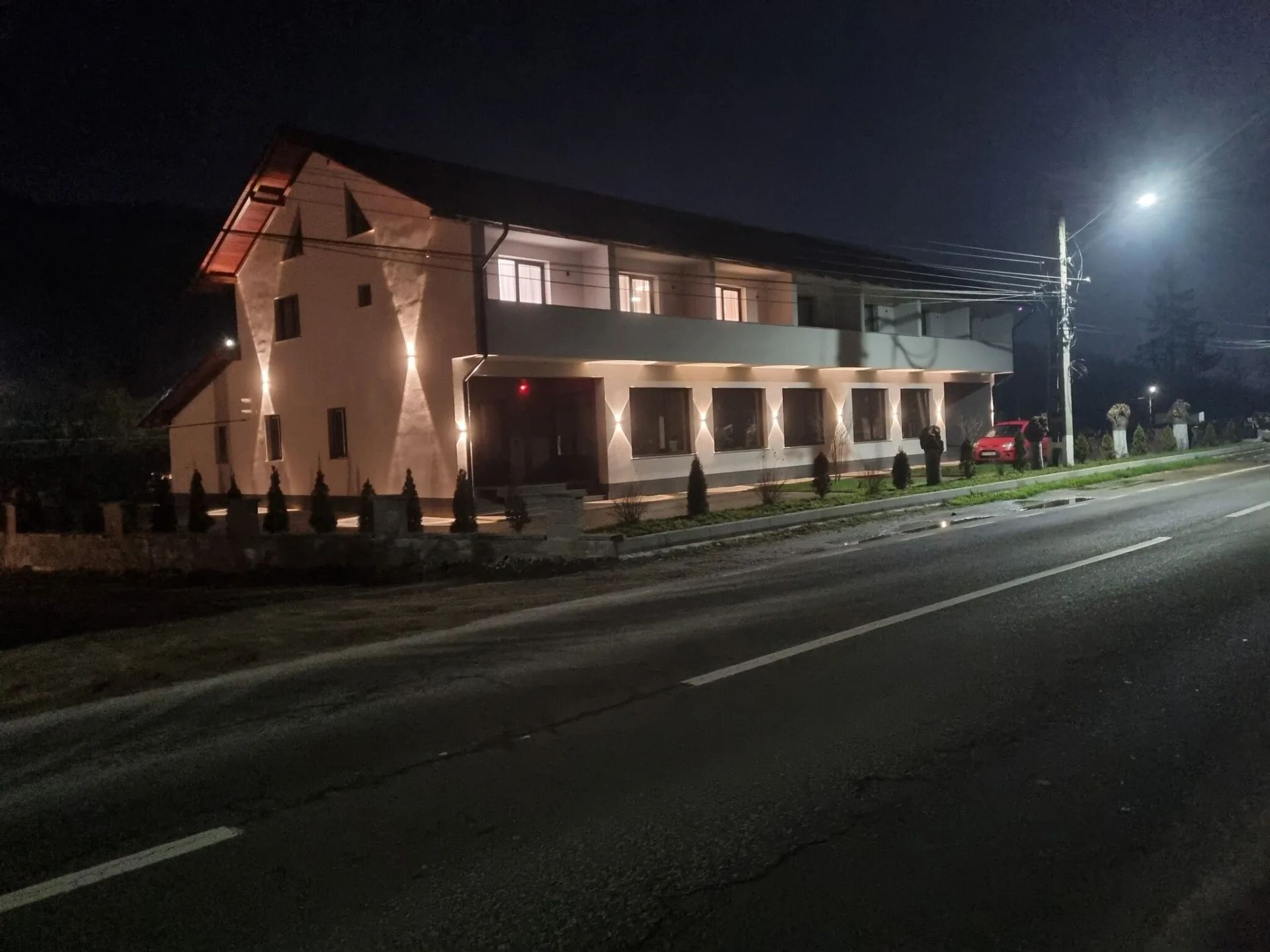
Guesthouse · 3 stars
Suceviţa, Suceava County · 1.0 km
Pensiunea Alda Suceviţa
Pensiunea Alda din Sucevița pune la dispoziția dumneavoastră o stație de încărcare pentru vehicule electrice, un detaliu modern într-o zonă de munte. Unitatea de cazare cu trei stele se află în localitatea Sucevița, județul Suceava, într-o așezare nouă, pe principala 158. Familiile cu copii vor aprecia locul de joacă de la exterior, scaunul înalt și pătuțul pentru bebeluș puse la dispoziție. În curtea mare și grădina amenajată puteți savura aerul proaspăt, iar foișorul oferă un spațiu plăcut pentru relaxare. Drumețiile montane și traseele în natură pornesc chiar din apropiere. În incintă găsiți cafenea și bar, iar pentru deplasări aveți la dispoziție parcare privată gratuită și parcare pentru biciclete. Wi-Fi gratuit, fier de călcat și depozit pentru bagaje completează confortul șederii dumneavoastră. În vecinătate se află cinci dintre cele mai importante mănăstiri din Bucovina: Mănăstirea Sucevița, Mănăstirea Putna, Mănăstirea Moldovița, Biserica fostei Mănăstiri Arbore și Mănăstirea Humor. Acestea pot fi vizitate ușor din această locație. Pensiunea Alda este potrivită pentru familiile cu copii mici, pentru turiștii care călătoresc cu mașina electrică și pentru cei care doresc să exploreze mănăstirile Bucovinei pe jos sau cu bicicleta.
FROM
240 lei per night
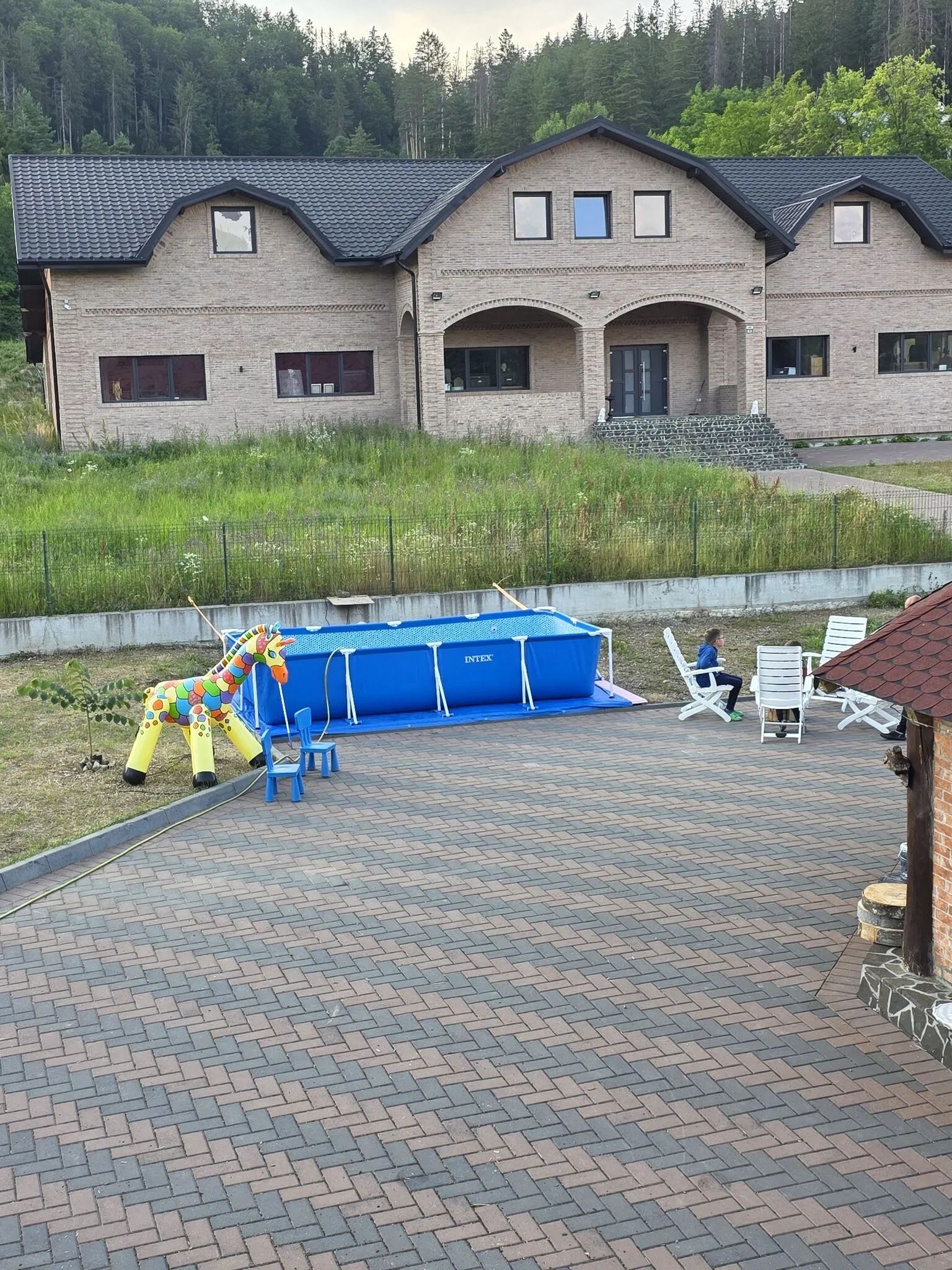
Guesthouse · 4 stars
Suceviţa, Suceava County · 1.0 km
Happy Family Suceviţa
Comfort, relaxation and stunning views, all just steps away from the main attractions.
FROM
310 lei per night
Guesthouse · 3 stars
Suceviţa, Suceava County · 1.6 km
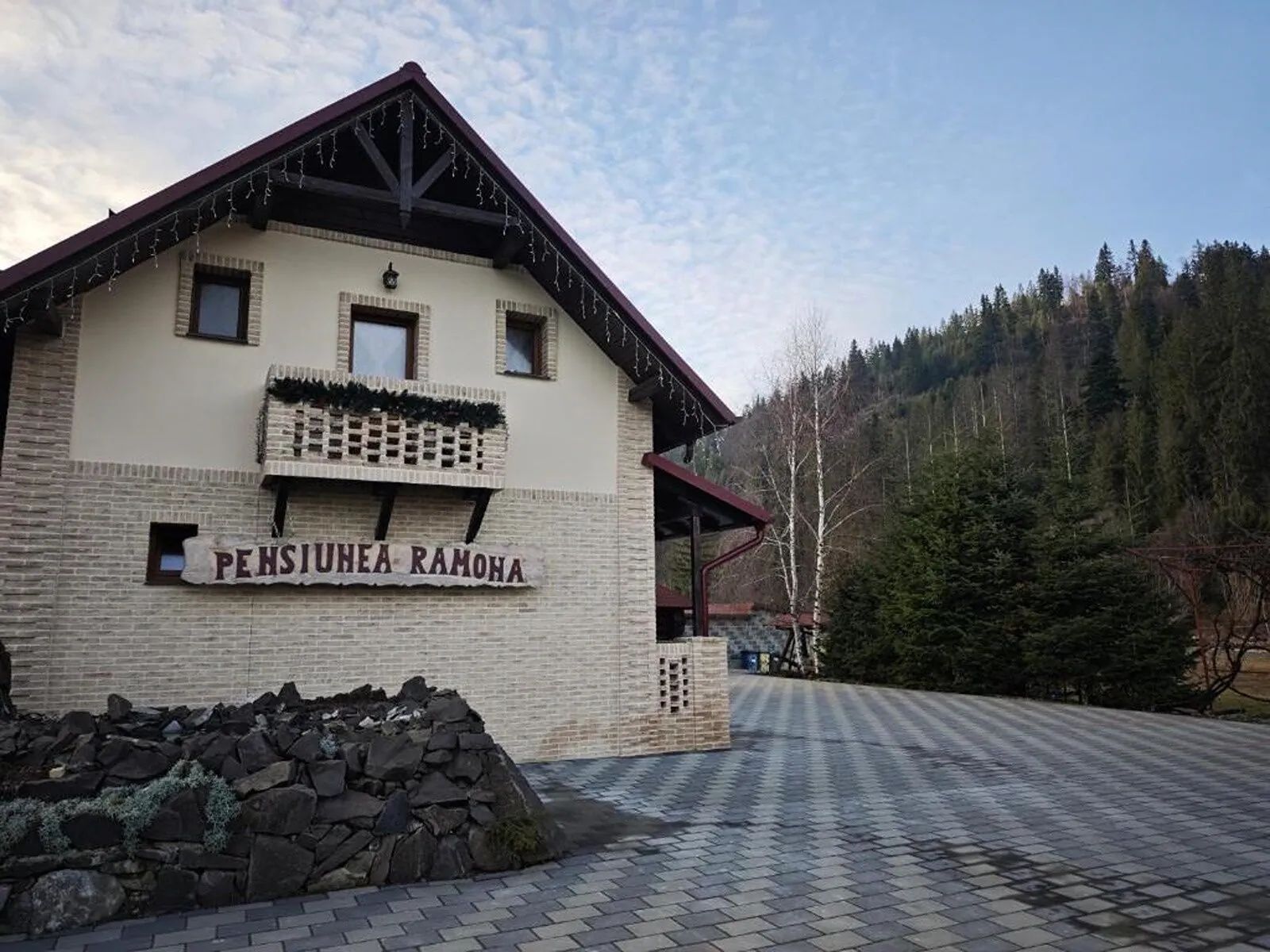
Pensiunea Ramona Sucevița
La Pensiunea Ramona din Sucevița, vă așteaptă o cadă cu hidromasaj care vă va relaxa după o zi plină de activități. Această facilitate se adaugă unei saune și unor servicii de masaj disponibile, oferindu-vă momente de răsfăț într-un ambient plăcut și liniștit. Pentru cei activi, aveți la dispoziție teren de fotbal, teren de tenis, tenis de masă și masă de biliard. Accesul persoanelor cu dizabilități este asigurat, iar terasa la soare și barul din incintă completează experiența dumneavoastră de vacanță. În curtea mare și grădina amenajată puteți organiza un grătar sau un ceaun pentru gătit în aer liber, puteți aprinde o vatră de foc sau șemineu în aer liber ori vă puteți relaxa în foișor. Locul de joacă pentru copii la exterior le oferă celor mici distracție, iar fierul de călcat este disponibil pentru confortul dumneavoastră. În apropiere puteți vizita Mănăstirea Sucevița, Mănăstirea Putna, Mănăstirea Moldovița, Biserica fostei Mănăstiri Arbore și Mănăstirea Humor, descoperind astfel obiective importante din zonă. Pensiunea oferă parcare privată gratuită și parcare pentru biciclete, fiind situată pe drumul Calea Movilestilor 160, cu Wi-Fi gratuit disponibil în întreaga incintă.
FROM
240 lei per night
Guesthouse · 3 stars
Suceviţa, Suceava County · 2.2 km
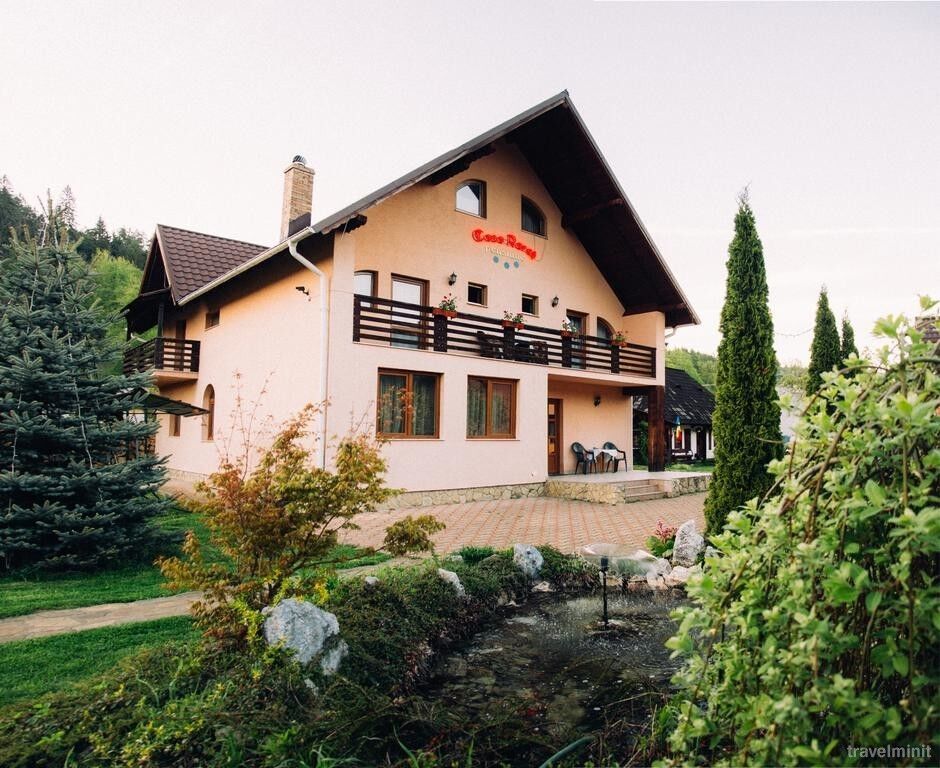
Pensiunea Casa Rares Sucevița
Înconjurată de o curte generoasă și de o grădină bine îngrijită, cu priveliște spre munți, Pensiunea Casa Rares Sucevița din Sucevița vă primește într-un cadru natural liniștit, potrivit pentru relaxare departe de aglomerație. Proprietatea pune la dispoziția dumneavoastră șapte camere confortabile, acces pentru persoane cu dizabilități și conexiune Wi-Fi gratuită în toate spațiile. În exterior, vă puteți bucura de un teren de sport pentru fotbal, un foișor, un loc de joacă pentru copii, un grătar și un ceaun pentru prepararea mesei în aer liber. Parcare privată gratuită și parcare pentru biciclete sunt disponibile, iar depozitul pentru bagaje vă permite să călătoriți fără griji pe toată durata șederii. Fierul de călcat și celelalte facilități practice asigură un sejur comod și bine organizat pentru dumneavoastră. În vecinătate puteți descoperi Mănăstirea Sucevița, Mănăstirea Putna, Mănăstirea Moldovița, Biserica fostei Mănăstiri Arbore și Mănăstirea Humor, monumente care ilustrează bogata moștenire culturală a zonei. Vă așteptăm la Pensiunea Casa Rares Sucevița, unde parcare privată gratuită este disponibilă direct la unitate.
FROM
240 lei per night
Holiday villa · 3 stars
Suceviţa, Suceava County · 3.2 km
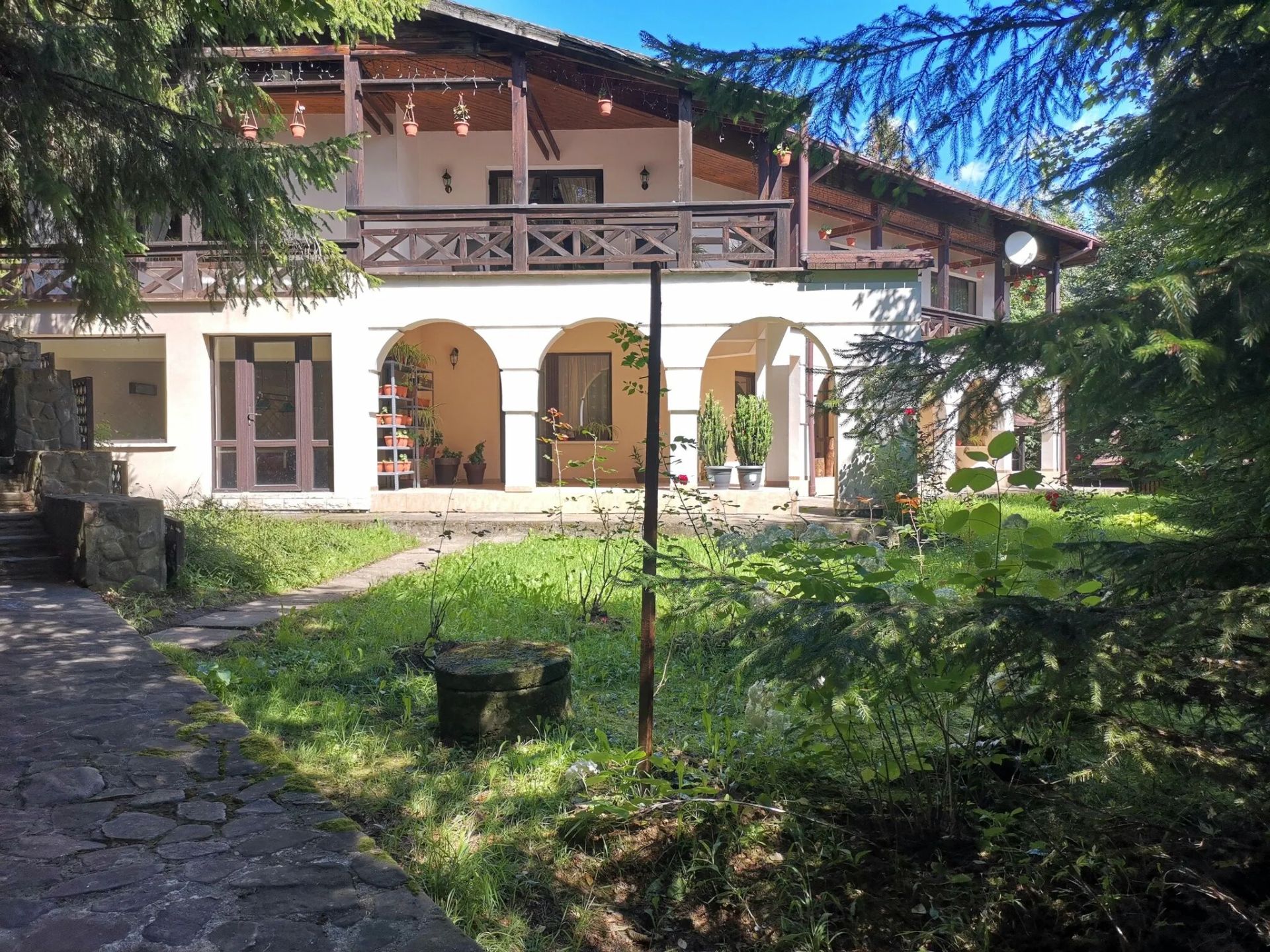
Vila Arcadia Suceviţa
Comfort, relaxation and stunning views, all just steps away from the main attractions.
FROM
280 lei per night
BEFORE YOU HIT THE ROAD
Weather conditions in Sucevita
Local forecast for Sucevița Monastery, Sucevita, Suceava

Real-time updated weather data
Much more to explore in this area
Nearby tourist attractions


Suceava, Suceava County
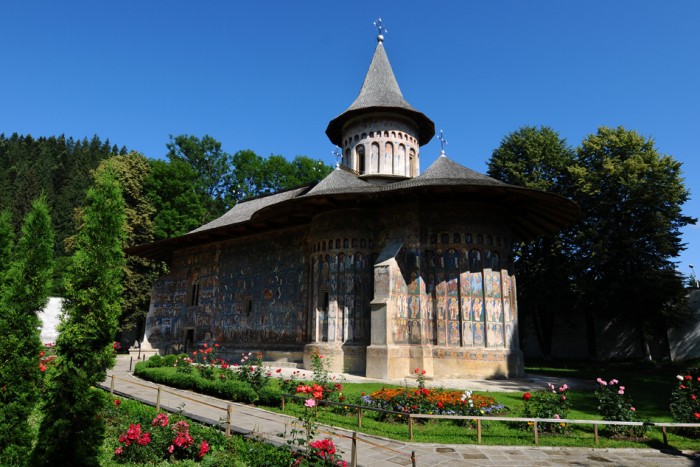
Voroneț Monastery
Situata in localitatea Voronet, la cca. 4 km de Gura Humorului si 35 km de Suceava; accesul se face din Gura Humorului, pe DJ177D; ctitorie a lui Stefan cel...
31.1 km
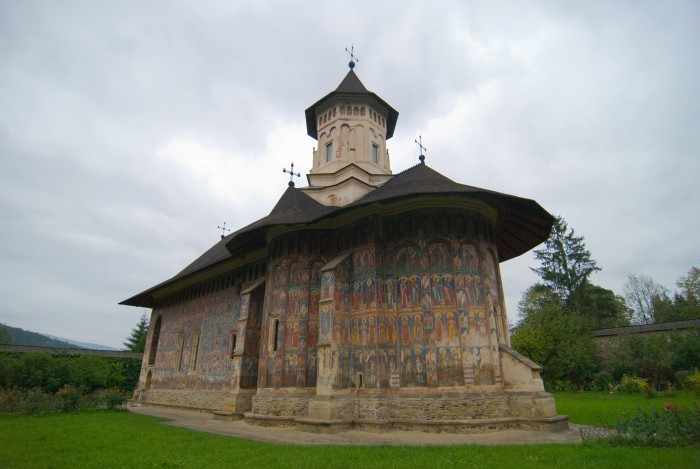
Suceava, Suceava County
Moldovița Monastery
Situata in localitatea Vatra Moldovitei, la 27 km nord de Campulung Moldovenesc; accesul se poate face din Campulung Moldovenesc, pe DN17A, 23km, sau din...
17.0 km
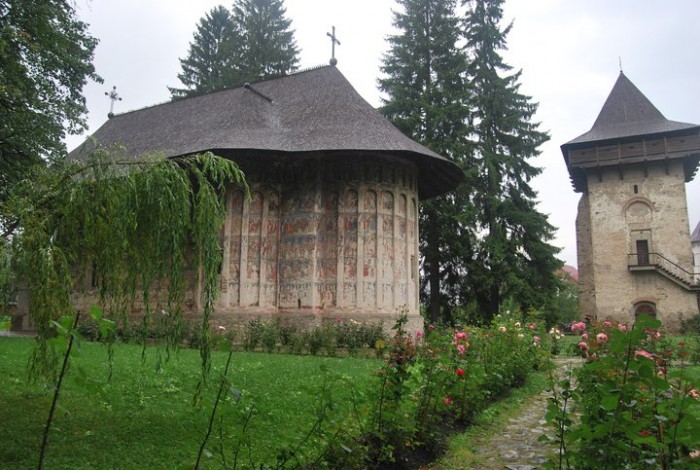
Suceava, Suceava County
Humor Monastery.
Situata in localitatea Manastirea Humorului, la aproximativ 5 km de orasul Gura Humorului, pe DJ177; prima biserica a Manastirii a fost constuita in timpul lui...
23.1 km

Suceava, Suceava County
Saint John the New Monastery of Suceava
Situata pe strada Ion Voda Viteazul nr. 2, Suceava; inceputa de voievodul Bogdan al III-lea, fiul lui Stefan cel Mare, in 1514, constructia a fost terminata in...
44.0 km

Putna, Suceava County
Putna Monastery
Situata in comuna Putna, la 72 km de Suceava; accesul se face din Radauti, pe DJ178C, spre nord, 24 km, stanga in Vicovul de Sus, pe DN2H, 12 km, pana in Putna;...
13.0 km
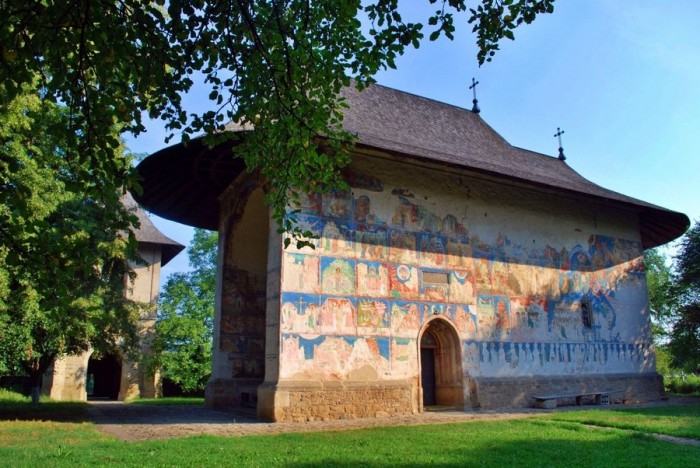
Arbore, Suceava County
Arbore Church
Situata in comuna Arbore; ridicata in anul 1503, de catre Hatmanul Luca Arbore, unul dintre marii boieri ai lui Stefan cel Mare, sfetnicul lui Bogdan al III-lea...
17.2 km

Suceava, Suceava County
Gura Humorului Resort
Situata in partea estica a Obcinilor Bucovinei, in depresiunea cu acelasi nume; amplasata la altitudinea de 470 m; prima mentionare documentara dateaza din 26...
28.3 km
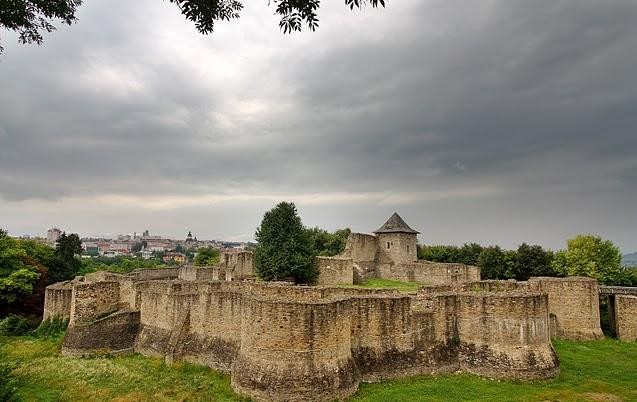
Suceava, Suceava County
Suceava Princely Fortress
Situata la capatul Aleei Cetatii, municipiul Suceava; mentionata pentru prima data la 10 februarie 1388, intr-un document al voievodului Petru I Musat;...
44.4 km
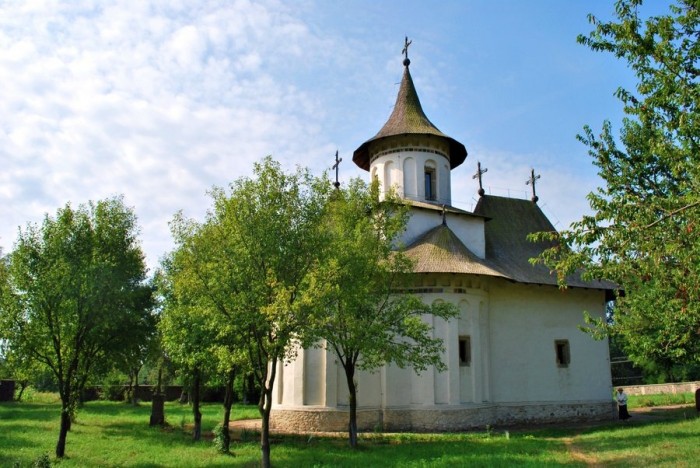
Patrauti, Suceava County
Church of the Former Patrauti Monastery
Situata in comuna Patrauti; inaltata in 1487, a fost prima ctitorie a lui Stefan cel Mare; este cea mai redusa ca dimensiune dintre ctitoriile domnitorului si...
36.2 km

35.6 km

Suceava, Suceava County
Bucovina Museum Complex in Suceava
Situat pe strada Stefan cel Mare nr. 33 din municipiul Suceava; a fost infiintat la 7 noiembrie 1899, sub forma unei asociatii numite "Muzeul" si era filiala a...
43.6 km

Suceava, Suceava County
Bukovina Museum in Suceava
Situat pe strada Stefan cel Mare, nr. 33, municipiul Suceava; construita intre anii 1902 -1903; planurile au fost realizate de catre arhitecul J. Bochner; din...
43.6 km
Cultural life and traditions
Events in the Sucevița Monastery area
Medieval festivals, traditional fairs, concerts and local activities recommended in Bukovina.

History and Voivodeship Heritage

Sucevita, County of Suceava
The Medieval Festival of Neamț Fortress
Re-enactments of Ștefan’s battles, archery demonstrations with traditional bows, displays of courtly guards, and performances of old court music.
WHEN
July 3-5, 2026


Prehistoric Crafts and Art
Sucevita, County of Suceava
The National Pottery Fair “Cucuteni 5000”
The most skilled ceramic artists recreate the spectacular motifs of Europe’s oldest civilisation.
WHEN
June 26-28, 2026

Gastronomy and Wines
Sucevita, County of Suceava
The Traditional Festival of Moldovan Wine
A fair featuring wine tastings from the vineyards of Cotnari, Bucium and Panciu, “poale-n brau” pies, and roasted meats cooked on a spit.
WHEN
October 2-4, 2026
On foot, exploration gains depth
Discover the surroundings and local geography
Explore the trails, terrain, and natural landmarks around Sucevița Monastery.

Guides and practical tips
Useful travel articles
Travel guides, practical recommendations and tourist itineraries for Bukovina.

Tourist guide
Top 5 Atracții Turistice și Trasee Montane în Zona Moieciu - Bran
Descoperă cele mai spectaculoase peisaje carstice, chei adânci și cetăți medievale din imediata apropiere a stațiunii Moieciu.

Tourist guide
Ghid de Drumeție: Traseul Moieciu de Sus spre Platoul Bucegi
Un itinerariu montan de o frumusețe rară ce urcă din Valea Băngăleasa spre Poiana Guțanu și crestele maiestuoase ale Bucegilor.

Tourist guide
Castelul Bran: Istorie, Legende și Secrete Medievale
Află adevărata poveste a fortăreței medievale din Pasul Bran, reședința de suflet a Reginei Maria a României.
THE JOURNEY STARTS WITH AN IDEA
The next story is on the way.
From the first stop to the last stay, make room for a new Romania.
