


CASTLE · TRANSYLVANIA
Târgu Mureș Medieval Citadel

Danes, Mureș County
Add location to your trip planner.
Practical access information

VISITING HOURS
Monday: 12:00 PM – 5:00 PM · Tuesday–Sunday: 9:00 AM – 5:00 PM (in summer until 8:00 PM)

TICKET PRICE
Adults: 45 RON · Students: 11 RON · Seniors: 23 RON · Guided tour included

RECOMMENDED VISIT DURATION
2-3.5 hours
Visitor information and guide
 Navigate with Google Maps

ABOUT TÂRGU MUREȘ MEDIEVAL CITADEL
A citadel at the crossroads of empires
In the heart of Transylvania, where the Mureș River gently carves its path toward the Pannonian Plain, stands the proud Târgu Mureș Medieval Citadel, a monument that precisely embodies the metamorphosis of Southeastern Europe between the 16th and 17th centuries. It is not merely a military fortification but a true palimpsest of continental history, where the influences of the Italian Renaissance intertwine with Ottoman military tradition, where the ambitions of Transylvanian princes meet the sophisticated diplomacy of the Habsburg courts in Vienna and the Polish-Lithuanian Union in Warsaw. Built upon the ruins of an earlier fortification and developed into an impressive bastion complex between 1602 and 1652, the citadel represents one of the best-preserved and most extensive examples of Renaissance military architecture in the entire Carpathian Basin. Covering an area of 4.3 hectares, it ranks among the largest urban fortifications in the region, alongside the citadels of Alba Iulia, Brașov, and Bistrița. Its strategic position at the intersection of trade routes connecting Transylvania to Poland and the Low Countries, on the border between the Latin and Byzantine-Orthodox worlds, transforms this monument into a silent witness to the centuries of confrontations and alliances that shaped the destiny of Central Europe.
Historical roots and the legacy of the Báthory dynasty
The history of this site begins long before the current walls, in 1492, when Voivode Ștefan Báthory—a remarkable figure who would later become King of Poland in 1576 and Grand Duke of Lithuania—erected the first fortification on this territory. This early foundation gained profound European significance through the dynasty’s close ties with the most powerful royal courts of the time, from Kraków to Vilnius, placing the future citadel within a vast geopolitical context at the intersection of Western Catholic influence under the Jagiellonian dynasty and Eastern Byzantine-Orthodox traditions. Ștefan Báthory, the uncle of Sigismund Báthory, was one of the most capable rulers of his era, briefly uniting the Polish crown with the Transylvanian throne to create an alliance that threatened Habsburg dominance in Central Europe. When, in the 17th century, the Principality of Transylvania faced increasing pressure from the Ottoman Empire and the Habsburg dynasty’s rivalry for control over Hungary, Prince Gabriel Bethlen understood that the survival of his state depended on the radical modernization of its fortifications. He decided to transform the ruins of the Báthory castle—destroyed by devastating invasions—into a modern fortress capable of withstanding Ottoman sieges and ensuring the survival of a buffer state between two expansionist empires meeting at Europe’s gates.
The era of construction: Gabriel Bethlen and the European defense system
The period between 1602 and 1652 marks the peak of the citadel’s construction, set against a turbulent historical backdrop in which Europe was torn apart by the Thirty Years' War, and the eastern frontier of Christendom was constantly threatened by the Ottoman armies led by Sultans Osman II and Murad IV. Gabriel Bethlen, one of Transylvania’s most enlightened and diplomatic princes, managed to maintain his country’s independence through a policy of balance between the Ottoman Empire and the Habsburg Monarchy. He temporarily allied with the Protestant powers of Northern Europe—England, the Dutch Republic, and Sweden under Gustavus Adolphus—in a coalition against Habsburg Catholic dominance. In this complex geopolitical context, Bethlen adopted the principles of Italian military architecture, known as trace italienne or the bastion system, which had revolutionized fortress defense across Europe, from Florence and Milan to Antwerp and Amsterdam. The Târgu Mureș Citadel thus became a strategic bastion in Southeastern Europe’s defense network, seamlessly integrating into the chain of fortifications stretching from the Baltic Sea to the Adriatic. It secured control over the Mureș Valley and protected the salt road linking Transylvania’s salt mines to the commercial markets of Central Europe.
Bastion architecture: A masterpiece of Renaissance military engineering
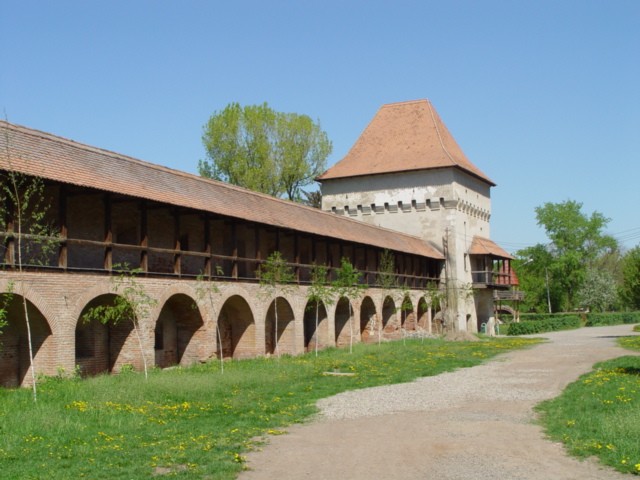
Spanning an impressive 4.3 hectares in the heart of the municipality, the citadel captivates with its architectural complexity and construction mastery, representing a remarkable example of adapting trace italienne principles to the Carpathian-Balkan context. The fortified enclosure initially featured seven massive bastions connected by ten-meter-high walls built from river stone and fired brick, techniques and materials reminiscent of fortifications in northern Italy or the Spanish Netherlands. Five of these bastions remain in a remarkably well-preserved state today, each assigned to a specific craft guild—cobblers, furriers, locksmiths, coopers, and butchers—in a unique system of community financing and execution that reflects the solidarity and urban organization characteristic of Central European cities, such as those in the Holy Roman Empire, the Kingdom of Hungary, or the Principality of Moldavia. Each bastion unfolds across three or four levels, connected by sturdy wooden interior staircases, offering visitors a unique perspective on the construction techniques of the era and how defenders could control every angle of the enclosure. The complex was once surrounded by an impressive defensive moat, ten meters wide and eight meters deep, a characteristic element of bastion fortification systems developed in France and Italy during the 16th century. Designed to prevent siege artillery from approaching and to facilitate flanking fire by defenders, this system rendered the citadel virtually impregnable to the military technology of the time.
The Reformed Church and Transylvania’s confessional dialogue
A unique and profound aspect of the citadel is the presence of the Reformed Church within its walls, a living symbol of the religious, ethnic, and cultural diversity that has characterized Transylvania for centuries. This places the monument within a broader European context of religious tolerance. Built during a period when the Protestant Reformation was sweeping across Central Europe, the church reflects the influence of Calvinist theology from Switzerland and the Low Countries, offering a fascinating contrast between its sober, word-based spirituality and the imposing military presence of the surrounding walls. This dialogue between faith and defense recalls similar situations in German, Dutch, or Scottish cities, where fortified churches served as centers of civic resistance and community identity against external threats, whether Ottoman or Habsburg. The Reformed Church, with its austere architecture and contemplative atmosphere, represents a meeting point between Central European Protestant tradition and the region’s local religious specificity. For centuries, it has hosted the Hungarian Reformed community in an ongoing dialogue with the Saxon and Romanian heritage of the area. Transylvania’s religious context, marked by the 1568 Edict of Torda—one of Europe’s first laws on religious freedom, officially recognizing the coexistence of Catholics, Calvinists, Lutherans, Unitarians, and Orthodox—transforms this church into a monument of tolerance unique in the European landscape of the 16th century, a time when religious wars devastated France, the Low Countries, and the Holy Roman Empire.
Historical transformations and turning points
Over the centuries, the citadel has undergone numerous transformations that reflect the profound political changes in Europe and the Carpathian Basin. At the beginning of the 19th century, in the context of Habsburg administrative reorganization and the accelerated modernization of cities within the Austrian Empire, the defensive moat was filled in, radically altering the monument’s perception and integrating it into the modern urban landscape. However, the most dramatic and tragic moment in the citadel’s recent history occurred in 1962, during the communist era, when local authorities decided to demolish part of the historic interior buildings to make way for an amusement park. This decision marked a painful rupture with the past and serves as a stark example of heritage destruction in the name of forced and indiscriminate modernization. Fortunately, the last three decades have seen a renaissance of interest in this monument, with sustained efforts in restoration, conservation, and cultural revitalization that have restored the citadel’s former glory. It now stands once again at the center of the city’s artistic life and the broader region, demonstrating that a historic monument can be reborn and become a living space of the present without losing its soul.
Visitor’s guide and contemporary experience
Located in the heart of Târgu Mureș, just steps away from the Rose Square—one of Romania’s most beautiful and well-preserved Baroque squares, surrounded by buildings with ornate eclectic and Secession facades—the citadel can be explored on foot. Visitors can stroll along the paths between the bastions and admire the magnificent panorama of the old town, the Palace of Culture—a masterpiece of Secession architecture designed by Komor and Dezső Jakab between 1911 and 1913—and the majestic Călimani Mountains looming on the horizon. Access to the fortified enclosure is free, allowing tourists to discover an authentic fragment of Transylvanian history, where military heritage meets spirituality, art, and European culture in a complete sensory experience. Visitors can climb the ten-meter-high walls and enter the bastions to contemplate the city from above, attend sacred music and organ concerts in the Reformed Church, which regularly hosts high-caliber cultural events, or simply wander along the paved paths, feeling the stones and bricks beneath their feet that have witnessed over four centuries of history. We recommend visiting at sunset, when the light fades over the stone walls, offering exceptional photographic opportunities, and combining the visit with a walk through Rose Square and the Palace of Culture to fully grasp the exceptional urban context in which this citadel is situated—a true treasure of European heritage in the heart of Romania.
Media gallery
Discover Târgu Mureș Medieval Citadel in pictures

7 photos · Architecture, courtyards and captivating details
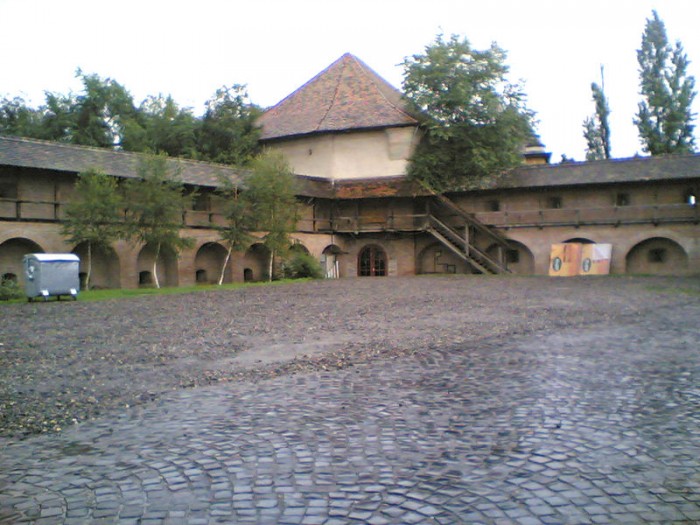
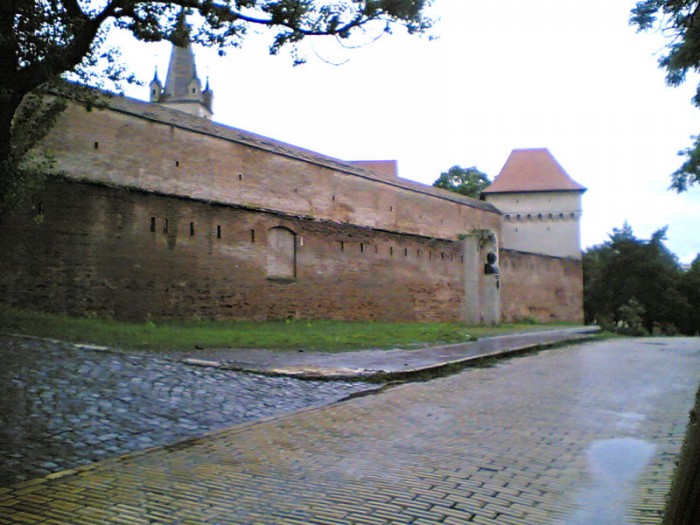


Image source: Wikimedia Commons · Public domain photos · Free license
STAY A FEW DAYS, DISCOVER THE MAGIC
Accommodation in the Târgu Mureș Medieval Citadel area

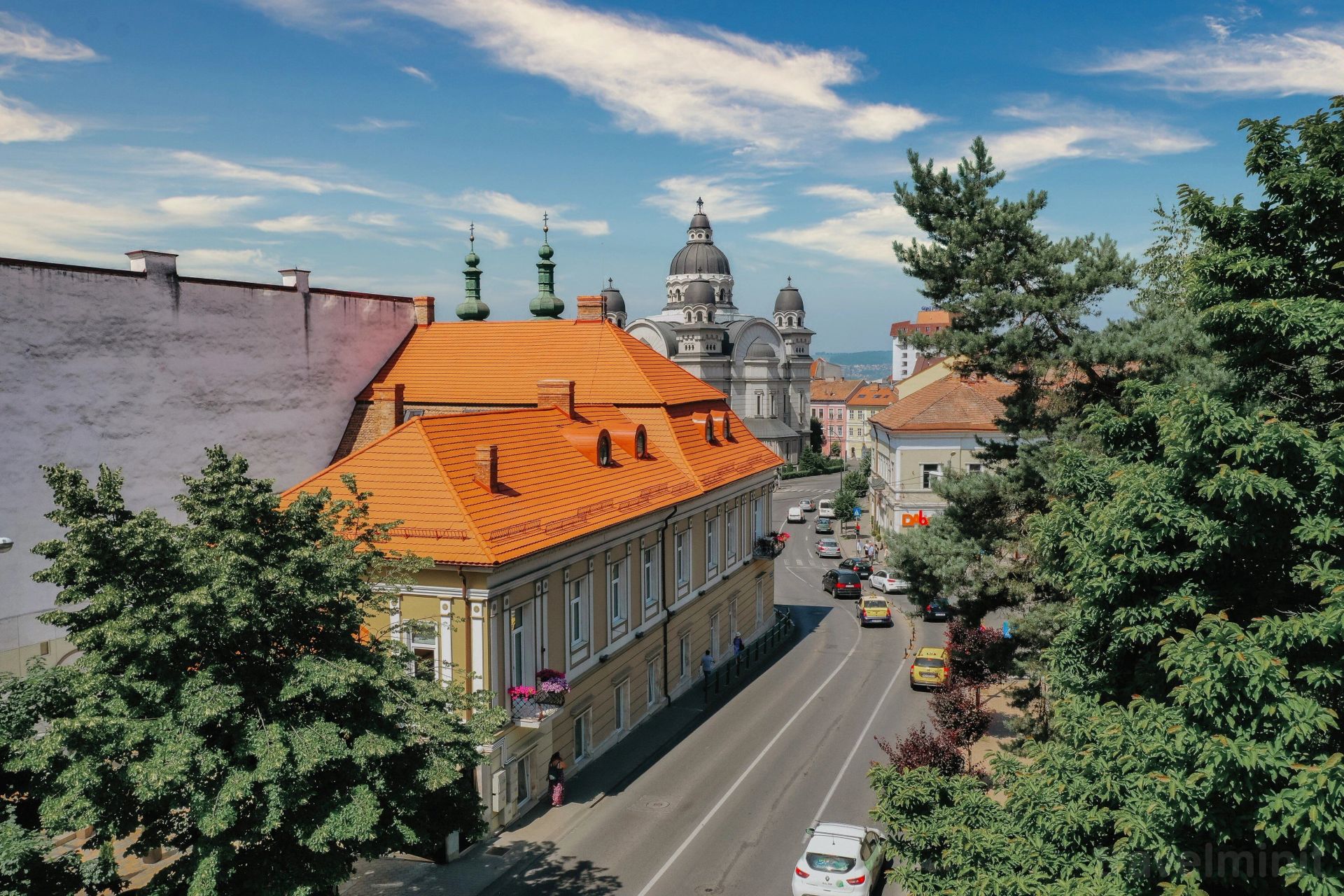
Guesthouse · 3 stars

Târgu Mureș, Mureș County · 0.1 km
Pensiunea Haller Boutique Târgu Mureș
Pensiunea Haller Boutique este o pensiune turistică de 3 stele situată în Târgu Mureș, județul Mureș. Unitatea este certificată de Ministerul Turismului și oferă cazare confortabilă într-o zonă centrală a orașului, la adresa piața Bernady Gyorgy 2, într-un cadru liniștit și ușor accesibil pentru toți oaspeții. Pentru confortul dumneavoastră, pensiunea pune la dispoziție parcare privată gratuită și conexiune Wi-Fi gratuită în toate spațiile. Sistemul de aer condiționat din camere asigură temperatura optimă pe tot parcursul anului, iar curtea mare împreună cu grădina amenajată oferă un spațiu plăcut pentru momente de relaxare după o zi activă în oraș. În apropierea unității se află numeroase obiective culturale și istorice. Puteți vizita Cetatea Medievală Târgu Mureș, Muzeul de Arheologie și Istorie Târgu Mureș, Biblioteca Teleki-Bolyai Târgu Mureș sau Muzeul de științe ale naturii Târgu Mureș, toate reprezentând puncte de interes pentru explorarea orașului. De asemenea, Castelul Teleki Dumbrăvioara constituie o opțiune valoroasă pentru completarea programului dumneavoastră de vizitare a zonei. Vă așteptăm cu drag la Pensiunea Haller Boutique, iar la momentul plecării puteți porni să descoperiți Cetatea Medievală Târgu Mureș.
FROM
240 lei per night

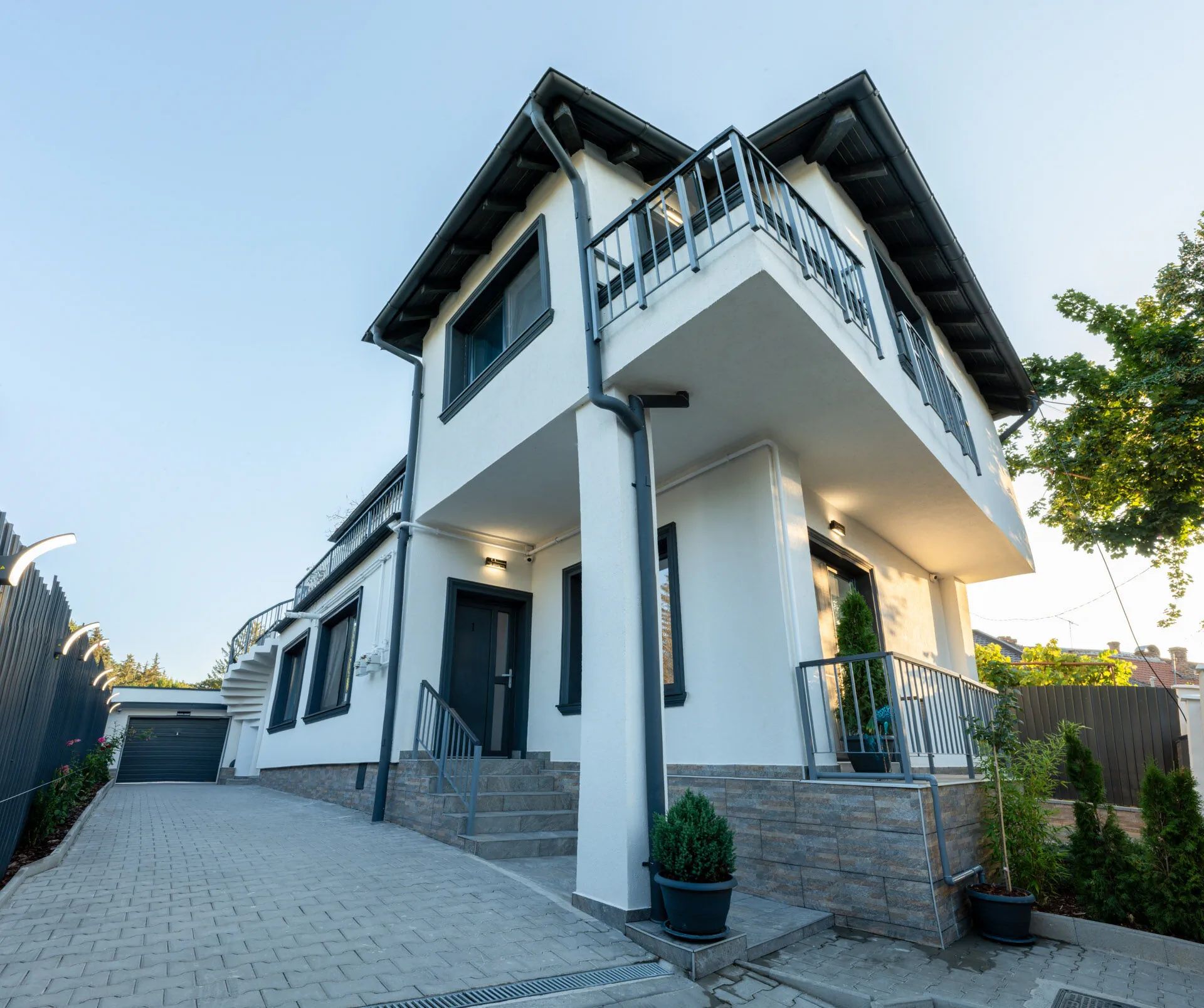
Apartment · 3 stars
Târgu Mureș, Mureș County · 0.2 km
Cris Apartments Târgu Mureș
Cris Apartments Târgu Mureș este un apartament de închiriat clasificat cu trei stele, situat în orașul Târgu Mureș, județul Mureș. Spațiile sunt noi, mobilate și utilate corespunzător, oferind confort pentru două persoane, iar unul dintre apartamente poate găzdui până la patru persoane, fiind o opțiune potrivită pentru familiile cu copii. Fiecare unitate dispune de Wi-Fi gratuit și de fier de călcat, facilități care vă asigură un sejur practic și comod. Poziția centrală vă permite să ajungeți rapid la instituții universitare și unități medicale din oraș. În apropiere se află Cetatea Medievală Târgu Mureș, Muzeul de Arheologie și Istorie Târgu Mureș, Biblioteca Teleki-Bolyai Târgu Mureș, Muzeul de științe ale naturii Târgu Mureș și Castelul Teleki Dumbrăvioara, obiective pe care le puteți vizita cu ușurință pornind de la această adresă. Accesul în incintă se face prin poarta principală cu un cod comunicat prin SMS, iar cheile apartamentului se preiau din cutia cu cifru montată pe stâlpul de lângă ușa de intrare, la adresa strada Crizantemelor 2A, 540073 Târgu Mureș.
FROM
230 lei per night
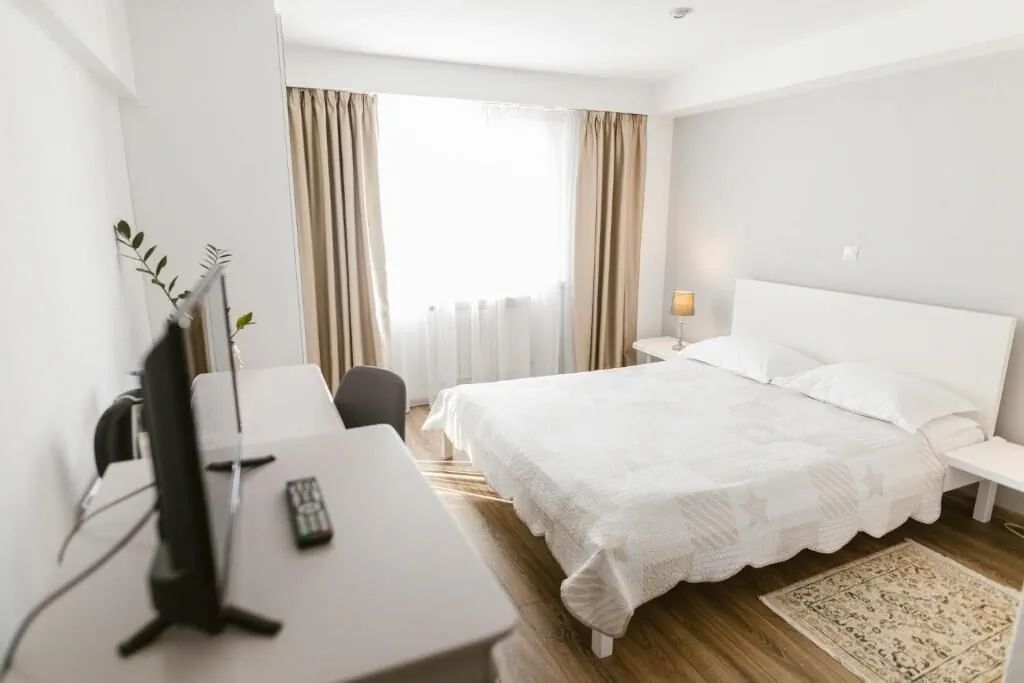
Guesthouse · 3 stars
Târgu Mureș, Mureș County · 0.3 km
Villa Helvetia Târgu Mureș
La Cetatea Medievală Târgu Mureș puteți descoperi istoria bogată și atmosfera autentică a acestui oraș. Villa Helvetia Târgu Mureș, o pensiune turistică de 3 stele situată în Târgu Mureș, reprezintă punctul dumneavoastră de plecare pentru a explora și celelalte atracții turistice din zonă, oferindu-vă acces rapid la cele mai importante obiective culturale din oraș. Unitatea pune la dispoziție Wi-Fi gratuit, fier de călcat, depozit pentru bagaje și scaun înalt pentru copii, facilități care contribuie semnificativ la confortul dumneavoastră pe toată durata șederii. Aceste servicii fac ca fiecare moment petrecut în cadrul pensiunii să fie relaxant și practic, atât pentru adulți, cât și pentru cei mici, indiferent de sezon. În apropiere aveți posibilitatea de a vizita Muzeul de Arheologie și Istorie Târgu Mureș, Biblioteca Teleki-Bolyai Târgu Mureș, Muzeul de științe ale naturii Târgu Mureș și Castelul Teleki Dumbrăvioara. Fiecare dintre aceste obiective reprezintă o oportunitate de a cunoaște mai bine cultura și istoria zonei, iar poziționarea centrală a pensiunii face ca toate aceste locuri să poată fi descoperite cu ușurință pornind direct de aici. Vă așteptăm la Villa Helvetia Târgu Mureș.
FROM
240 lei per night
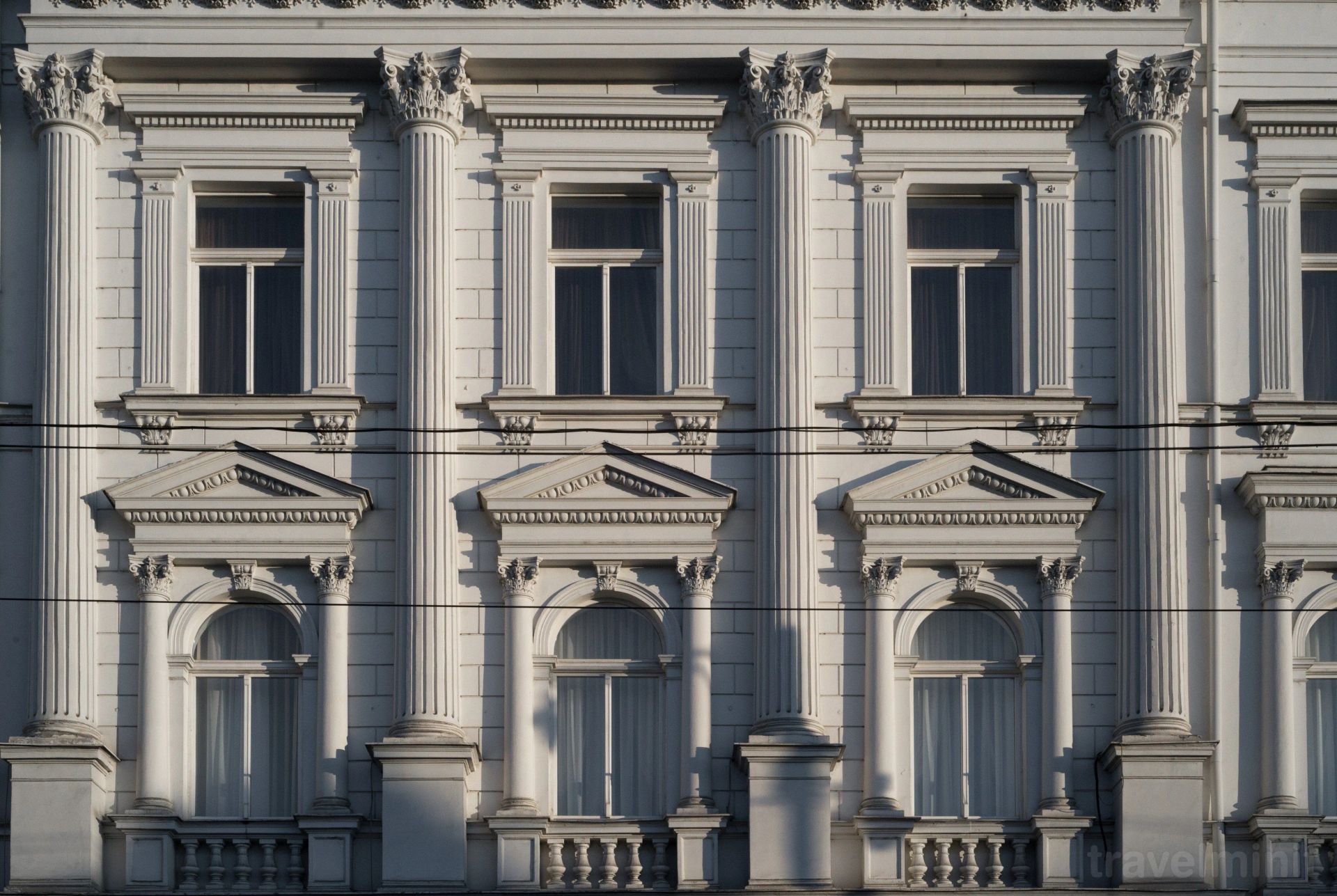
Hotel · 4 stars
Târgu Mureș, Mureș County · 0.5 km
Hotel Concordia Târgu Mureș
Familiile cu copii, cuplurile și călătorii de afaceri se vor simți bine la Hotel Concordia din Târgu Mureș. Situat în Piața Trandafirilor 45, acest hotel de patru stele îmbină confortul modern cu o atmosferă primitoare pentru fiecare oaspete care trece pe aici. Unitatea pune la dispoziție numeroase facilități pentru a asigura o ședere plăcută. Beneficiați de Wi-Fi gratuit în întreaga proprietate, aer condiționat în toate camerele și parcare privată gratuită. Pentru relaxare, aveți la dispoziție sauna, iar serviciul în cameră și depozitul pentru bagaje adaugă un plus de comoditate vizitei dumneavoastră. Printre dotările suplimentare se numără accesul pentru persoane cu dizabilități, pătuțul pentru bebeluș, fierul de călcat și seiful din cameră. De asemenea, aveți la dispoziție liftul. Curtea mare și grădina amenajată oferă un spațiu liniștit în aer liber unde vă puteți odihni după o zi plină de activități în oraș. Târgu Mureș oferă numeroase obiective culturale în imediata apropiere a hotelului. Puteți explora Cetatea Medievală Târgu Mureș, puteți vizita Muzeul de Arheologie și Istorie, Biblioteca Teleki-Bolyai, Muzeul de Științe ale Naturii sau Muzeul de Artă. Vă așteptăm cu drag la Hotel Concordia Târgu Mureș.
FROM
420 lei per night
Apartment · 3 stars
Târgu Mureș, Mureș County · 0.5 km
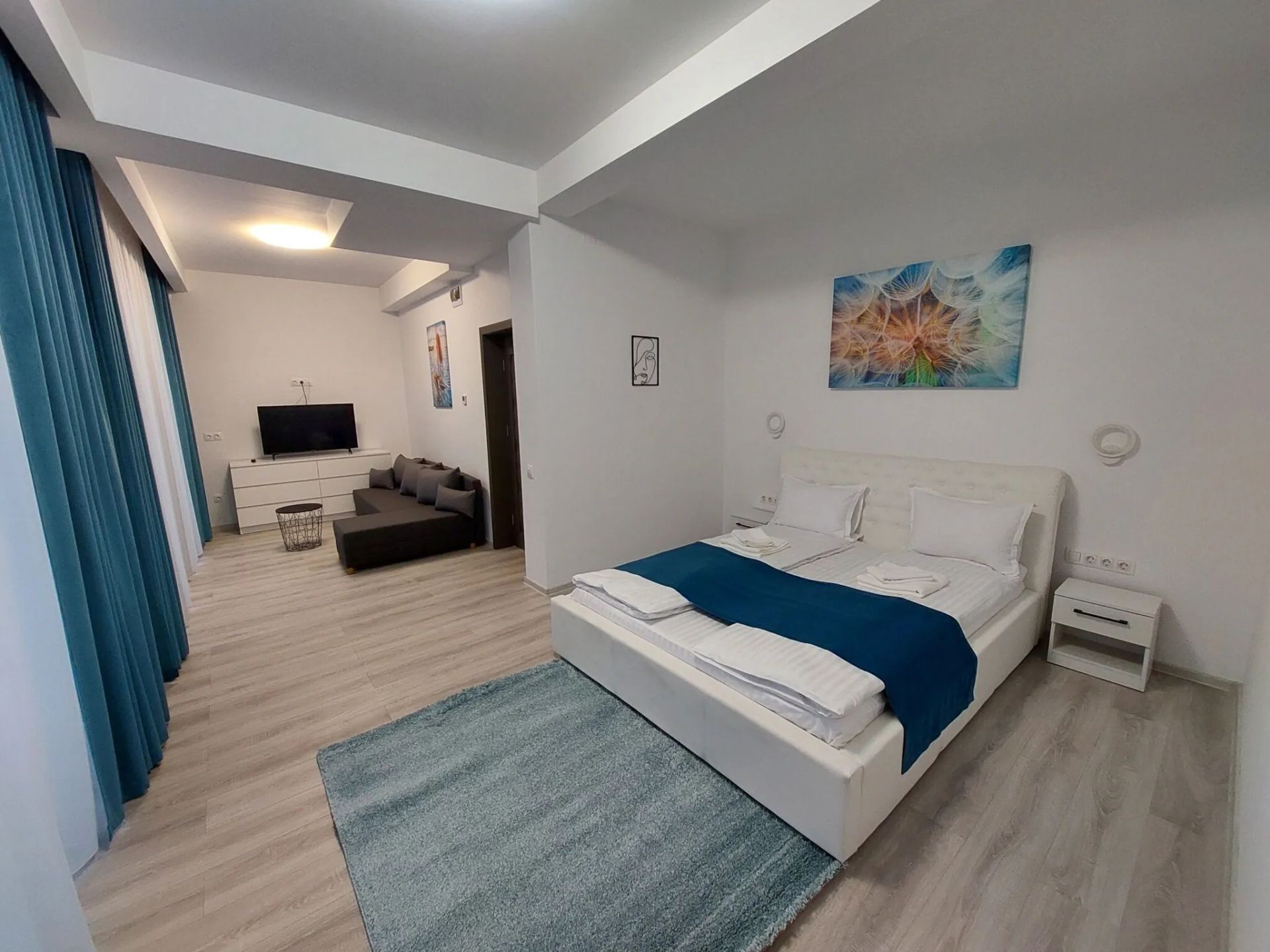
NoMi Ultracentral Apartments Târgu Mureș
Camerele apartamentelor sunt amenajate cu gust și atenție la detalii, oferind un spațiu primitor în care vă puteți simți binevenit după o zi plină de explorare în oraș. NoMi Ultracentral Apartments Târgu Mureș vă așteaptă în centrul orașului Târgu Mureș, pe strada Piața Trandafirilor, într-o zonă cu acces facil către principalele puncte de interes cultural. Fiecare unitate de cazare dispune de baie proprie și beneficiază de acces gratuit la internet Wi-Fi, astfel încât să aveți la îndemână toate facilitățile necesare pentru un sejur confortabil și practic. Apartamentele sunt clasificate cu trei stele și oferă condiții moderne pentru dumneavoastră și persoanele care vă însoțesc în această călătorie prin Mureș. În apropiere puteți descoperi Cetatea Medievală Târgu Mureș, Muzeul de Arheologie și Istorie Târgu Mureș, Biblioteca Teleki-Bolyai Târgu Mureș, Muzeul de științe ale naturii Târgu Mureș și Muzeul de artă Târgu Mureș, toate fiind obiective culturale și istorice pe care le puteți vizita cu ușurință pornind direct de la cazare. Seara, după ce vă întoarceți de la plimbările prin oraș, puteți verifica știrile sau planifica următoarea zi de vizitare folosind conexiunea Wi-Fi disponibilă gratuit în apartament.
FROM
230 lei per night
Apartment · 1 star
Târgu Mureș, Mureș County · 0.5 km
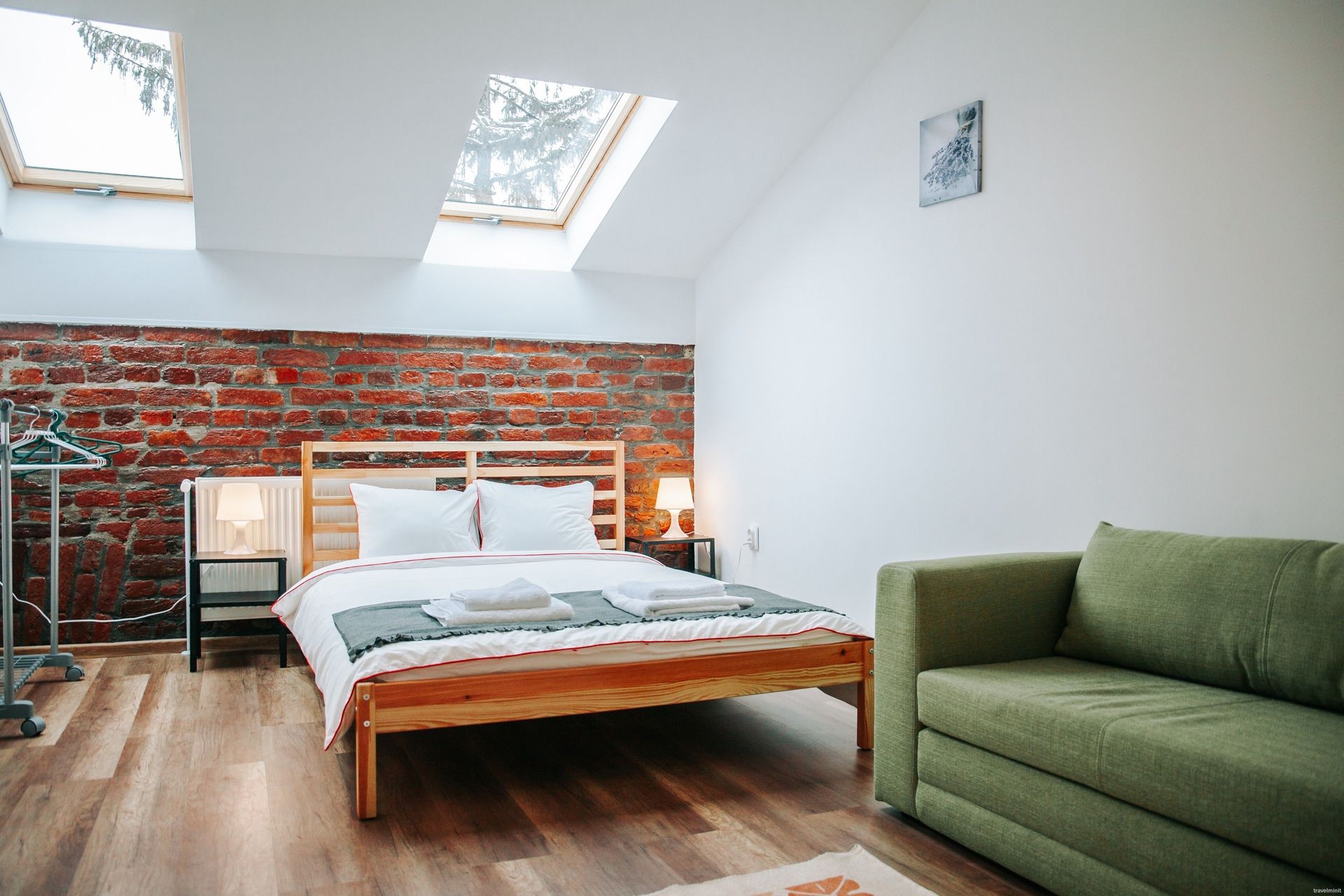
Apartamente Kali Host - Home Away From Home Târgu Mureș
În apropierea Cetății Medievale Târgu Mureș, Apartamentele Kali Host - Home Away From Home din Târgu Mureș reprezintă un punct de plecare practic pentru descoperirea orașului. Situate într-un apartament de închiriat la etajele 1-2, acestea vă oferă confortul unei locuințe complete, cu acces facil către centrul istoric. Unitatea dispune de o curte mare și o grădină amenajată, un spațiu plăcut pentru momente de relaxare în aer liber. Aveți la dispoziție Wi-Fi gratuit și parcare privată gratuită, iar pentru deplasări prin oraș puteți închiria biciclete. Familiile cu copii mici beneficiază de un pătuț pentru bebeluș, iar cada cu hidromasaj sau jacuzzi constituie un mod excelent de a vă destinde după o zi de explorare. În împrejurimi puteți vizita Muzeul de Arheologie și Istorie Târgu Mureș, Biblioteca Teleki-Bolyai Târgu Mureș, Muzeul de științe ale naturii Târgu Mureș și Muzeul de artă Târgu Mureș. Aceste obiective culturale se află la îndemână și vă permit să descoperiți bogata istorie și patrimoniul artistic al orașului. Vă așteptăm la Apartamentele Kali Host pentru un sejur plăcut în Târgu Mureș.
FROM
230 lei per night
BEFORE YOU HIT THE ROAD
Weather conditions in Danes
Local forecast for Târgu Mureș Medieval Citadel, Danes, Mureș

Real-time updated weather data
Much more to explore in this area
Nearby tourist attractions


Sighișoara, Mureș County
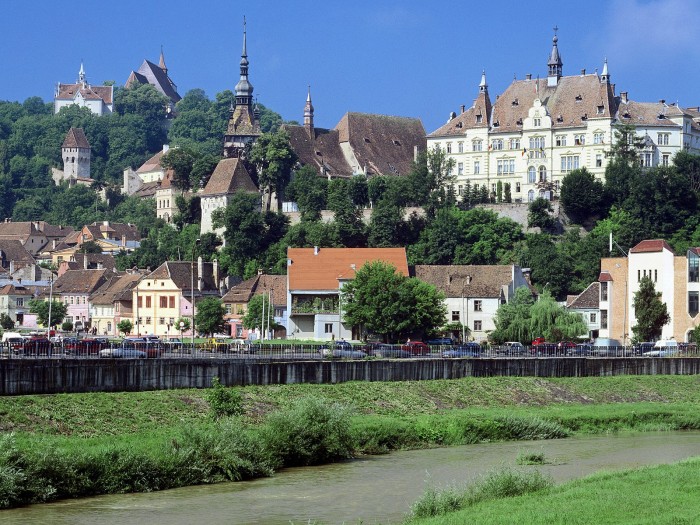
Sighișoara Medieval Citadel
Situata in centrul municipiul Sighisoara; inca din secolul al III-lea i.Hr. a existat pe acest teritoriu o cetate dacica, numita Sandava; romanii au ridicat...
40.3 km
Harghita, Harghita County
Praid Salt Mine
Situata in depresiunea Praid, pe valea raului Tarnava Mica, la 9 km de statiunea Sovata; amplasata la altitudinea de 580 m; prima mentiune referitoare la...
43.3 km
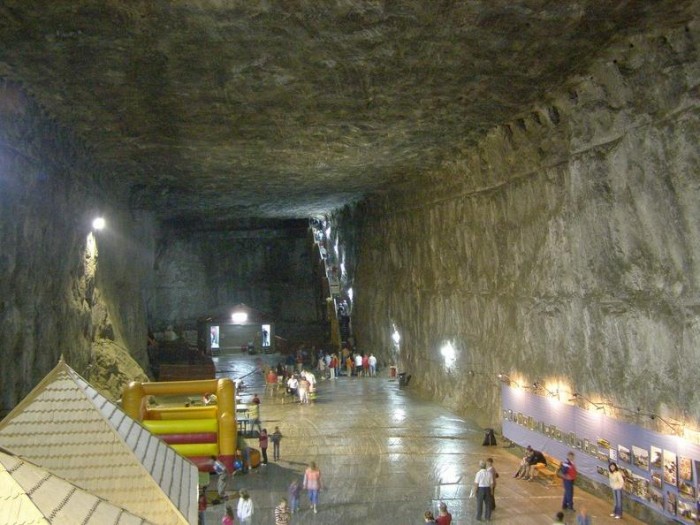
Harghita, Harghita County
Praid Salt Mine
Situata la 10 km de statiunea balneoclimaterica Sovata; accesul in interiorul muntelui se face cu autobuzul, printr-un tunel de 1.500 m lungime, iar in salina...
43.5 km

45.9 km
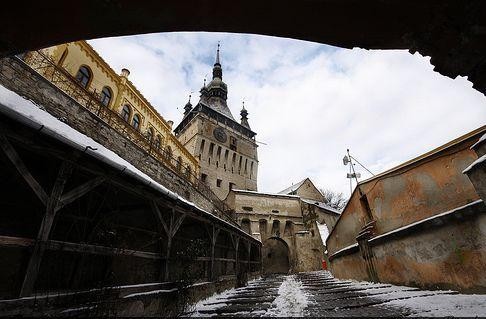
Danes, Mureș County
Sighișoara Clock Tower
Situat in partea de est a platoului inferior al Cetatii Sighisoara; construit in preajma secolului al XIV-lea, pentru a proteja poarta principala a orasului si...
40.3 km
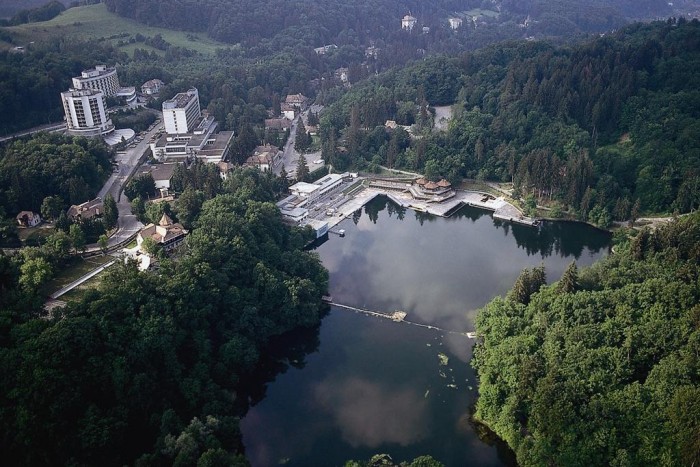
Danes, Mureș County
Sovata spa resort.
Situata la poalele dinspre sud - vest ale Muntilor Gurghiu din Carpatii Orientali, la 60 de km est de municipiul Targu Mures; amplasata la altitudinea de 475 -...
39.2 km
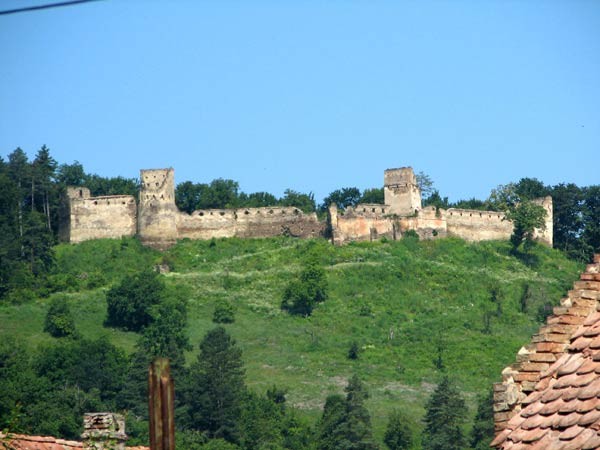
Danes, Mureș County
Saschiz Peasant Citadel
Situata pe aria localitatii Saschiz, la 2 km de vatra satului; lucrarile au inceput in 1347, fiind construita de comunitatea germana din zona; fortificatia a...
48.9 km

49.5 km

Sibiu, Sibiu County
Apafi Castle in Dumbrăveni
Situat in localitatea Dumbraveni, la aproximativ 14 km de Medias; a fost ridicat in secolul al XVI-lea, in stil renascentist, de catre familia Apafi; de-a...
35.2 km
Sibiu, Sibiu County
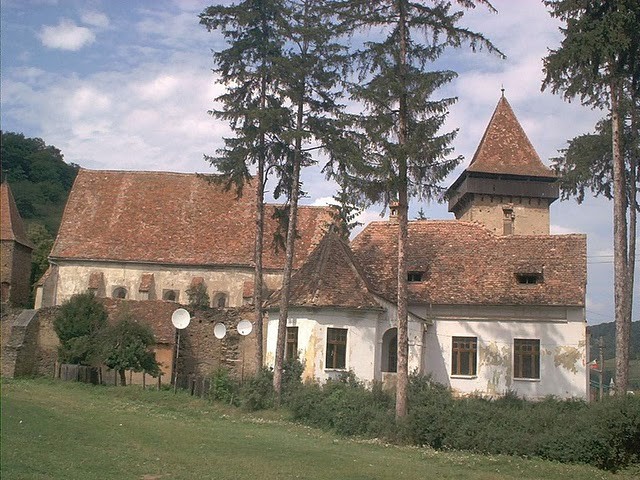
Vâlchid Fortified Evangelical Church
Situata in localitatea Valchid; se presupune ca a fost ridicata in anul 1390; este construita in stil gotic si nu are turn; anul 1507, inscriptionat pe...
41.7 km

42.1 km
Alba, Alba County
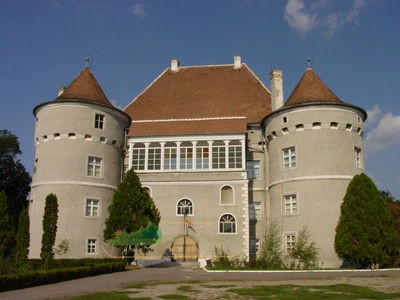
Bethlen-Haller Castle
Situat la 66 km de Alba Iulia, pe malul Tarnavei Mici, in comuna Cetatea de Balta;infatisarea de astazi o are din anii 1615 - 1624 cand a fost refacut radical...
44.3 km
Cultural life and traditions
Events in the Târgu Mureș Medieval Citadel area
Medieval festivals, traditional fairs, concerts and local activities recommended in Transylvania.

Heritage and History

Danes, County of Mureș
The Festival of Medieval Fortresses and the Open Doors Days
Guided night tours, traditional crafts workshops and historical re-enactments featuring knights and ladies.
WHEN
May 15-17, 2026


Traditions and Cuisine
Danes, County of Mureș
The Fair of Saxon Traditions and Local Cuisine
Discover local producers, traditional Saxon pastries baked in a wood-fired oven, artisanal syrups, and rhubarb jam.
WHEN
Every weekend (May - October)

Ecotourism and Nature
The hills of Transylvania, County of Mureș
Guided Hikes on the Transylvanian Hills Trail
Take excursions along unmarked trails through ancient meadows, centuries-old oak trees, and villages with fortified churches that are UNESCO World Heritage sites.
WHEN
Friday – Sunday (Season 2026)
On foot, exploration gains depth
Discover the surroundings and local geography
Explore the trails, terrain, and natural landmarks around Târgu Mureș Medieval Citadel.

Guides and practical tips
Useful travel articles
Travel guides, practical recommendations and tourist itineraries for Transylvania.

Tourist guide
Top 5 Atracții Turistice și Trasee Montane în Zona Moieciu - Bran
Descoperă cele mai spectaculoase peisaje carstice, chei adânci și cetăți medievale din imediata apropiere a stațiunii Moieciu.

Tourist guide
Ghid de Drumeție: Traseul Moieciu de Sus spre Platoul Bucegi
Un itinerariu montan de o frumusețe rară ce urcă din Valea Băngăleasa spre Poiana Guțanu și crestele maiestuoase ale Bucegilor.

Tourist guide
Castelul Bran: Istorie, Legende și Secrete Medievale
Află adevărata poveste a fortăreței medievale din Pasul Bran, reședința de suflet a Reginei Maria a României.
THE JOURNEY STARTS WITH AN IDEA
The next story is on the way.
From the first stop to the last stay, make room for a new Romania.
