


PLACE OF WORSHIP · TRANSYLVANIA
Vâlchid Fortified Evangelical Church

Sibiu, Sibiu County
Add location to your trip planner.
Practical access information

VISITING HOURS
Monday: 12:00 PM – 5:00 PM · Tuesday–Sunday: 9:00 AM – 5:00 PM (in summer until 8:00 PM)

TICKET PRICE
Adults: 45 RON · Students: 11 RON · Seniors: 23 RON · Guided tour included

RECOMMENDED VISIT DURATION
2-3.5 hours
Visitor information and guide
 Navigate with Google Maps

ABOUT VÂLCHID FORTIFIED EVANGELICAL CHURCH
A Gothic jewel hidden in the heart of Transylvania
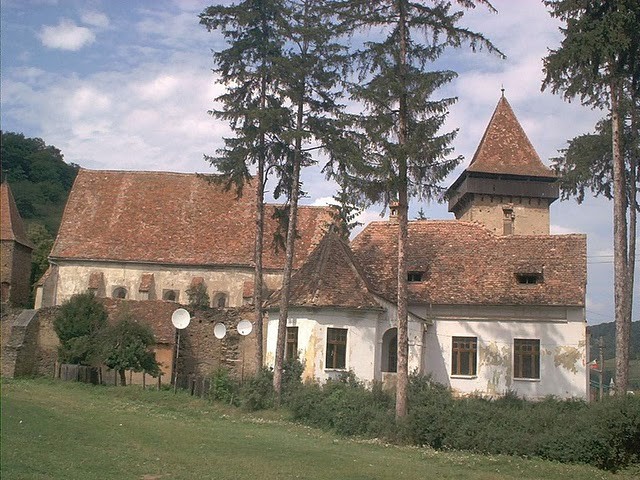
In a secluded corner of Sibiu County, far from the urban bustle of imperial cities like Sibiu or the global fame of medieval citadels such as Sighișoara, lies the village of Vâlchid, a settlement that preserves the authentic embodiment of a bygone era. Here, in the commune of Hoghiz, at the foothills of the Carpathians, stands the Fortified Evangelical Church, a monument whose stone walls and massive buttresses encapsulate nearly six centuries of European history. Dating back to around 1390, this place of worship is not merely a rural church but a true masterpiece of late Gothic sacred architecture, unique in its unusual defensive design and the story of the Transylvanian Saxon community that built it. As an integral part of the "Fortified Churches of Transylvania" ensemble, recognized by UNESCO as a World Heritage Site, the Vâlchid Church offers European travelers a profound experience, far from crowded tourist routes, in a landscape that evokes the tranquil atmosphere of villages in Saxony or Thuringia from the 15th and 16th centuries, before modernity irrevocably transformed Central Europe.
The significance of this monument extends far beyond local boundaries. It represents a living fragment of medieval migration history, the westward expansion of the Byzantine Empire through trade and diplomacy, and the resilience of an ethnic minority that, for centuries, guarded the Christian frontiers of Europe against Ottoman expansion. While other fortified churches in Transylvania, such as those in Biertan or Prejmer, attract tens of thousands of visitors annually due to their imposing towers and complex outer fortifications, the Evangelical Church in Vâlchid remains a hidden treasure, offering rare authenticity and a spiritual intimacy reminiscent of small Protestant places of worship in northern Germany or the Netherlands.
Historical roots and the legacy of a frontier community
The story of the Vâlchid Church begins in the 13th century, a period when the kings of Hungary, particularly Géza II and later Béla IV, invited German settlers from the Rhineland, Saxony, and Flanders to populate and defend the kingdom’s border regions. These settlers, known as Transylvanian Saxons, brought with them not only expertise in mining and agriculture but also a sophisticated urban culture influenced by the great Hanseatic cities and the artistic currents of the Holy Roman Empire. The village of Vâlchid (known in German as Weilchendorf and in Hungarian as Vulkányfalva) was founded during this period of colonization, and its church was built around 1390, at a time when late Gothic architecture had reached its peak across Central Europe, from the cathedrals of Cologne and Prague to those in Vienna and Kraków.
The following centuries brought major challenges. Beginning in the 15th century, the Ottoman threat became increasingly present at the eastern borders of Christendom. Unlike other regions of Europe that benefited from royal fortifications or city walls, the Saxon communities of Transylvania had to defend themselves. Thus, between the 13th and 16th centuries, a unique network of fortified churches developed, an architectural phenomenon without parallel on the continent. The Vâlchid Church was built without a tower, a distinctive architectural choice compared to other examples in the region, opting instead to reinforce its nave with ten massive buttresses that encircle the structure like protective arms. This technical solution reflects both the need for defense against Ottoman and Tatar raids and the architectural influences from the German regions of origin of the settlers, where hall churches with external buttresses were common in rural areas.
A pivotal moment in the history of this place of worship was the Protestant Reformation. In the first half of the 16th century, the ideas of Martin Luther spread rapidly in Transylvania, influenced by commercial and cultural ties with cities in Saxony and Silesia. The Vâlchid community, like most Saxon communities, converted to Lutheranism around 1550, transforming the church into an Evangelical place of worship. This religious shift brought changes to the interior organization of the sacred space, later reflected in the construction of the 19th-century galleries, and placed the church within a broader European context, alongside major Protestant churches in Leipzig, Wittenberg, or Nuremberg. The Habsburg period, which began in 1691, and especially the Austro-Hungarian era after 1867, brought new challenges and opportunities, with the church remaining a spiritual and communal center in a region subject to the administrative transformations of a multinational empire.
The 20th century marked dramatic moments for this monument. The devastating earthquake of November 26, 1916, with its epicenter in the Vrancea region and a magnitude of approximately 7.4 on the Richter scale, collapsed the stone vault of the choir, an event that deeply affected the community. During the interwar period, in 1922, a significant restoration of the Boys’ Gallery took place, and after 1989, with the mass emigration of Transylvanian Saxons to Germany, Austria, and other Western countries, the church became a silent witness to a vanished world, still preserving the memory of a civilization that played an essential role in shaping Transylvania’s cultural identity.
An architectural masterpiece between late Gothic and the spirit of fortification
The architecture of the Vâlchid Fortified Evangelical Church represents a remarkable synthesis between late Gothic spirituality and the defensive pragmatism of a community constantly under threat. The building impresses with its elongated and narrow proportions, characteristic of hall churches in Central Europe, where the nave was designed to accommodate the entire community in an open space, fostering collective participation in worship, in the spirit of the Protestant Reformation that was to come. The massive walls, built from local stone, are reinforced by ten massive external buttresses, symmetrically arranged along the nave, providing both structural stability against seismic forces and the appearance of an impregnable fortress. This architectural solution, though different from the bell towers of churches in Biertan or Cisnădioara, shares close parallels with certain rural churches in Saxony and Thuringia, where external buttresses were used both to support vaults and for defense.
The Gothic style is evident in the tall, narrow windows with pointed arches, which allow light to enter in a distinctive manner, creating an atmosphere of reflection and contemplation. Initially, both the nave and the choir were covered with ribbed stone vaults, characteristic elements of late Gothic architecture from the 14th and 15th centuries, with visible influences from construction workshops in Nuremberg or the imperial cities of the Holy Roman Empire. The inscription on the southern wall of the choir, dated 1507, likely marks the construction or renovation of the Gothic vault of the sanctuary, a testament to a period of architectural flourishing at the beginning of the 16th century. During this time, Renaissance influences began to penetrate Transylvania alongside late Gothic traditions, creating a unique artistic hybrid where Renaissance decorative elements intertwined with the existing Gothic structure, similar to what was happening simultaneously in cities in Poland, Bohemia, or Habsburg Hungary.
The 1916 earthquake represented a turning point in the physical history of the monument. The stone vault of the choir collapsed, and in its place, a wooden ceiling was installed, a pragmatic modification that saved the integrity of the structure but permanently altered the spatial perception of the interior. This wooden ceiling, though less impressive than a Gothic stone vault, preserves the memory of the tragic seismic event and offers an intimate, almost domestic atmosphere that contrasts with the vertical grandeur of the nave. In the 19th century, the church entered a new phase of development with the construction of the Boys’ Gallery, a wooden structure intended for the community’s young men, carefully restored in 1922. Another gallery was added along the northern wall, reflecting the hierarchical and segregated organization of the sacred space typical of Central European Lutheran Protestant communities. These galleries, with their carved balustrades and separate access, recall the strict organization of Saxon society, where age, gender, and social status determined one’s position in the church, a practice common in Protestant churches in Germany, Switzerland, or the Netherlands.
Stories, personalities, and turning points
Behind the thick walls of the Vâlchid Church lie untold stories of generations who found refuge here in times of hardship. The anonymous builders from around 1390, likely stonemasons from the urban workshops of Sibiu or Brașov, erected this edifice with a precision that defies centuries. They worked with local stone, carved the Gothic windows, and built the buttresses that would withstand both time and sieges. The 1507 inscription on the southern wall of the choir is the only written testament to a flourishing era, possibly left by a stonemason or a local donor, similar to funerary or votive inscriptions in Gothic cathedrals in Strasbourg or Freiburg.
The 16th and 17th centuries brought periods of terror for the Vâlchid community. Ottoman raids and Tatar invasions forced the inhabitants to take refuge within the church, transforming the place of worship into a true spiritual fortress. The thick walls and massive buttresses offered protection, while the absence of a tower meant the community relied on the outer enclosure walls and the vigilance of the villagers. It is said that during nights of alert, the elderly and children took shelter in the choir, while the men kept watch from the walls, an image reminiscent of the resistance of Christian communities in the Balkans or southern Italy against Ottoman expansion.
The Protestant Reformation ushered in a new era, marked by figures such as Johannes Honterus, the reformer of Transylvania, who, though not directly linked to Vâlchid, profoundly influenced the religious life of the Saxons. The conversion to Lutheranism radically changed the interior of the church, removing sacred images and shifting the focus to the Word. The 1916 earthquake remains a traumatic moment in collective memory, the collapse of the vault seen as a divine sign, and the wooden reconstruction as a necessary adaptation to the seismic realities of the Vrancea region, one of the most active seismic zones in Europe, comparable to areas in Italy or Greece.
After 1989, the church became a witness to an exodus. Saxon families, seeking economic opportunities in reunified Germany, gradually left the village, leaving behind an aging community and, eventually, an almost empty settlement. The keys to the church were often handed over to Romanian neighbors or local authorities, and the church remained to watch over a village slowly losing its inhabitants, much like many villages in former East Germany or other regions of Eastern Europe affected by post-communist migrations. Today, the church is cared for by volunteers and heritage organizations, open to visitors who wish to discover this forgotten page of European history.
Visitor’s guide and the contemporary traveler’s experience
Visiting the Vâlchid Fortified Evangelical Church offers an experience profoundly different from conventional tourism, appealing to the curious traveler who wishes to delve into the intimacy of an authentic historical era. To reach this monument, visitors must leave the main roads and follow signs to the commune of Hoghiz, located approximately 60 kilometers northeast of Sibiu. The journey traverses a rural landscape typical of Transylvania, with rolling hills, deciduous forests, and villages featuring traditional Saxon houses, providing an immersion into an atmosphere that has remained nearly unchanged for centuries. Upon arriving in the village of Vâlchid, the church gradually reveals itself, emerging from behind modest houses and dominating the landscape with its slender silhouette and massive buttresses that seem to grow from the earth.
The exterior of the church deserves special attention. The ten symmetrically arranged buttresses create a fascinating interplay of light and shadow, while the tall Gothic windows gleam in the sunlight like medieval eyes. The 1507 inscription on the southern wall of the choir can be observed up close, offering a direct connection to history. Without a tower, the gaze is drawn to the sloping roof and the elongated proportions of the structure, reminiscent of the silhouettes of rural churches in Bavaria or Franconia. The enclosure walls, though less impressive than those in Biertan, complete the image of a complete fortification, transforming the entire ensemble into a spiritual citadel.
Inside, the atmosphere is one of profound tranquility and reflection. The wooden ceiling of the choir, replacing the Gothic vault that collapsed in 1916, offers a unique warmth, while the light filtering through the tall windows creates a subtle interplay of shadows on the walls. The 19th-century wooden galleries, with their carved balustrades, provide unusual perspectives on the nave and recall the strict social organization of the Saxon community. Visitors can observe the traces of time on the stone walls, listen to the echo of footsteps on the stone floor, and sense the invisible presence of generations who prayed here for six centuries.
For a complete visit, it is recommended to combine a stop in Vâlchid with the exploration of other nearby monuments, such as the fortified churches in Viscri, Biertan, or Malâncrav, forming a cultural itinerary that reveals the diversity of Saxon heritage in southern Transylvania. The area also offers opportunities for nature hikes, with Vâlchid situated in a landscape of hills and valleys that invite contemplation. The best time to visit is in the warm light of late afternoon, when the setting sun casts copper and gold hues on the church’s stone walls, offering an unforgettable visual experience.
It is essential for visitors to respect the sacred character of the place, maintain silence, and treat the monument with the reverence due to an exceptional European heritage. The Vâlchid Church is not merely a historical monument but a living witness to a civilization that decisively contributed to the formation of modern Central Europe, and each visit represents an act of reclaiming memory and celebrating the cultural diversity that has defined our continent over the centuries.
Media gallery
Discover Vâlchid Fortified Evangelical Church in pictures

2 photos · Architecture, courtyards and captivating details

Image source: Wikimedia Commons · Public domain photos · Free license
STAY A FEW DAYS, DISCOVER THE MAGIC
Accommodation in the Vâlchid Fortified Evangelical Church area

Guesthouse · 4 stars

Dumbrăveni, Sibiu County · 5.8 km
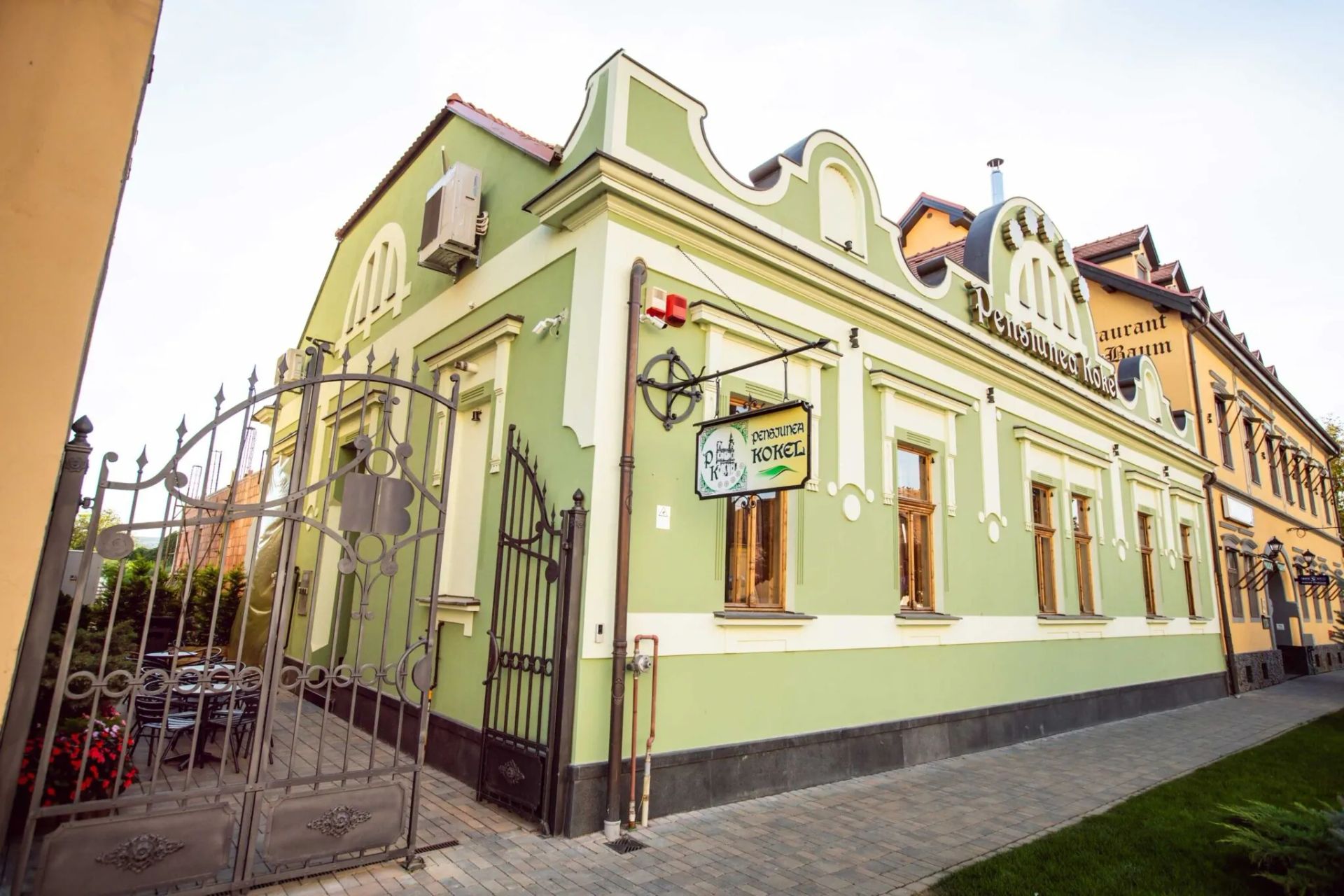
Pensiunea Kokel Dumbrăveni
În curtea largă și amenajată a Pensiunii Kokel din Dumbrăveni, foișorul și zona de grătar oferă un spațiu plăcut pentru relaxare în aer liber. Unitatea, clasificată cu patru stele, se află pe strada Tudor Vladimirescu și pune la dispoziția dumneavoastră camere confortabile dotate cu televizor cu ecran plat, frigider, minibar și seif. Pentru un sejur comod, aveți la dispoziție Wi-Fi gratuit în întreaga proprietate, parcare privată gratuită și parcare pentru biciclete. Accesul persoanelor cu dizabilități este asigurat prin lift, iar fierul de călcat vă ajută să vă pregătiți bagajele cu ușurință. Restaurantul și barul din incintă servesc preparate pentru toate gusturile, inclusiv meniuri pentru diete speciale și pentru copii. Zona de wellness include saună și cadă cu hidromasaj, iar cei mici se pot juca în siguranță în locul de joacă amenajat în aer liber. De aici puteți vizita Biserica fortificată de la Biertan, Castelul Apafi din Dumbrăveni, Cetatea Medievală Sighișoara, Biserica Fortificată Evanghelică Vâlchid și Turnul cu ceas Sighișoara. Această pensiune este potrivită pentru familii cu copii, grupuri de prieteni și turiști care doresc să descopere patrimoniul cultural al zonei Transilvaniei într-un cadru liniștit și primitor.
FROM
310 lei per night

Cabin · 3 stars
Prod, Sibiu County · 10.8 km
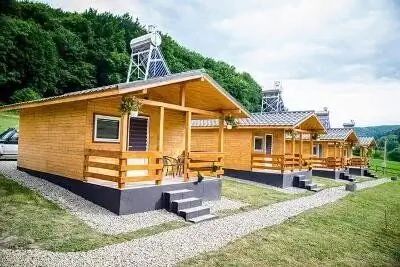
Dara's Camping Prod
O zi petrecută la Dara's Camping Prod începe cu preparate gătite la ceaun în aer liber și se încheie cu o cină savurată la grătar, în localitatea Prod din județul Sibiu. Atmosfera naturală, liniștea dealului Gheorghe Marinescu și aerul curat completează experiența unei șederi relaxante. Dara's Camping Prod este o cabană clasificată cu trei stele care pune la dispoziția dumneavoastră patru camere modern mobilate, unele dintre acestea fiind dotate cu aer condiționat pentru un confort sporit în zilele călduroase de vară. Animalele de companie sunt binevenite gratuit, iar restaurantul din incintă servește specialități gastronomice delicioase. La recepție se vorbește atât în română, cât și în engleză. Primirea camerei se face începând cu ora 15:00, iar eliberarea până la ora 11:00. În apropiere puteți vizita Cetatea Medievală Sighișoara, Turnul cu ceas Sighișoara, Castelul Apafi din Dumbrăveni, Biserica fortificată de la Biertan și Biserica Fortificată Evanghelică Vâlchid, fiecare dintre aceste obiective oferind o perspectivă unică asupra istoriei și arhitecturii specifice zonei. Este alegerea potrivită pentru călătorii care caută o cazare confortabilă și liniștită, cu facilități pentru prepararea mesei în aer liber și acces rapid la importante monumente istorice din centrul Transilvaniei.
FROM
270 lei per night
Guesthouse · 3 stars
Sighișoara, Mureș County · 11.5 km
Șura din Seleuș Daneș
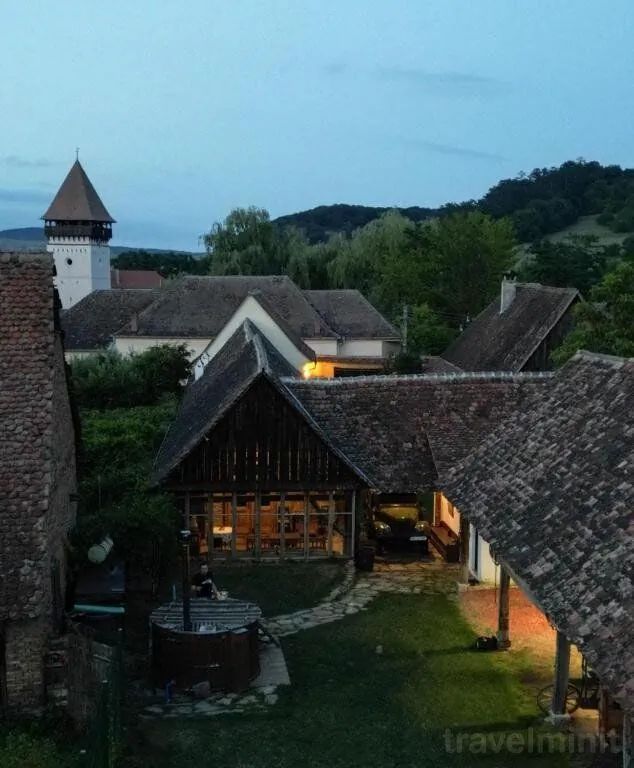
Într-o curte largă și îngrijită din centrul satului Seleuș, Șura din Seleuș Daneș din Sighișoara vă primește cu liniștea specifică zonei rurale transilvănene, într-o construcție tradițională care păstrează atmosfera autentică a locului. Pensiunea de trei stele pune la dispoziția dumneavoastră cinci camere mobilate confortabil și plăcut, unele dintre ele fiind dotate cu aer condiționat pentru zilele călduroase de vară. Vă puteți bucura de acces gratuit la internet wireless în întreaga unitate și de o parcare privată gratuită, astfel încât șederea dumneavoastră să fie cât mai comodă. Grădina amenajată vă oferă un spațiu verde în care să vă relaxați, iar ciubărul din lemn tradițional reprezintă un punct de atracție pentru momente de destindere după o zi plină de activități. Poziția unității vă permite să explorați cu ușurință cele mai importante obiective din zonă: Cetatea Medievală Sighișoara, Turnul cu ceas Sighișoara, Biserica fortificată de la Biertan, Castelul Apafi din Dumbrăveni și Biserica Fortificată Evanghelică Vâlchid. Vă așteptăm să vă bucurați de ospitalitate într-un loc liniștit, cu acces facilitat de parcarea gratuită disponibilă în incintă.
FROM
240 lei per night
Hotel · 3 stars
Cund, Mureș County · 12.2 km
Valea Verde Retreat Cund
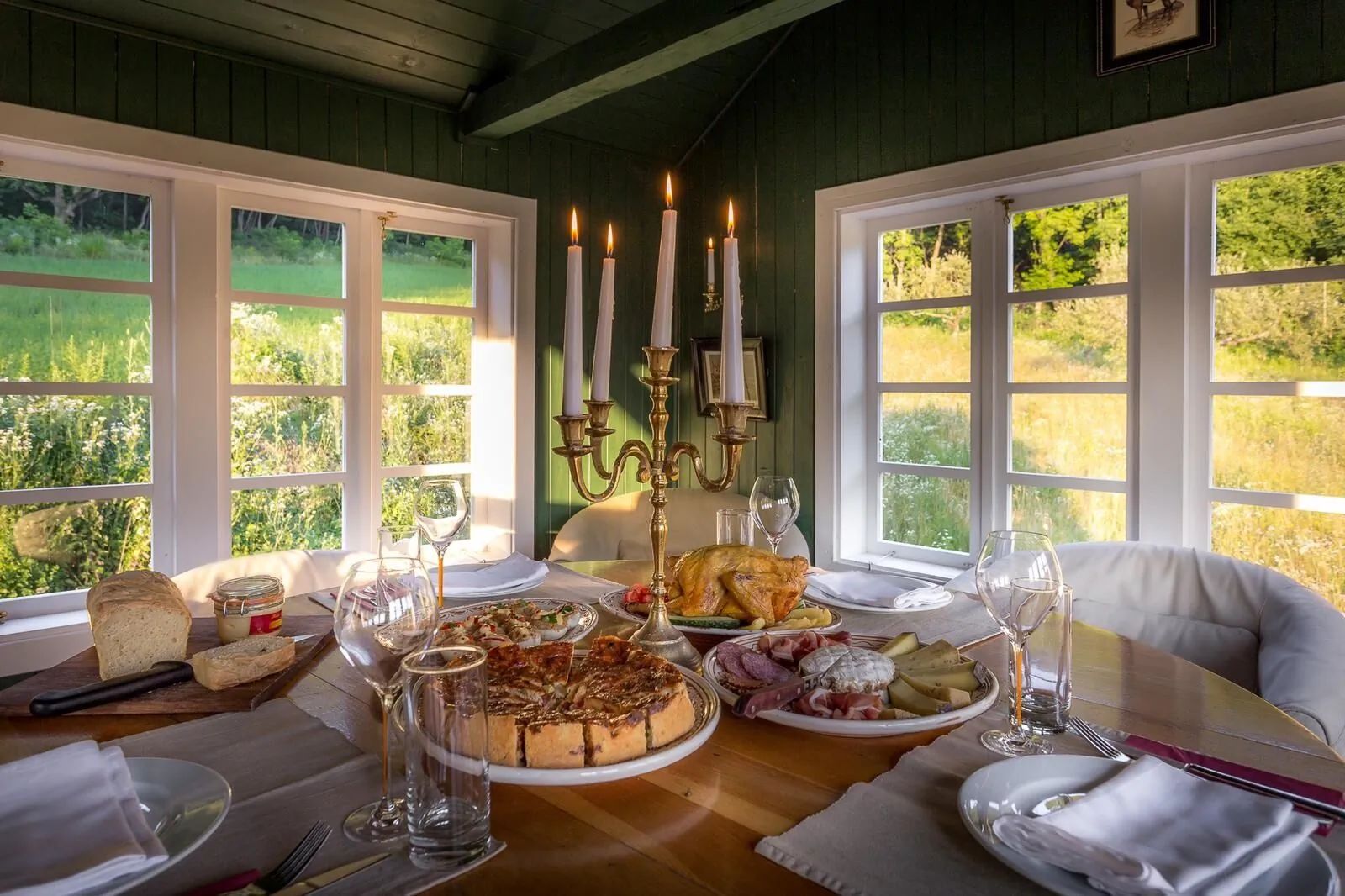
Hotelul cu trei stele Valea Verde Retreat Cund se află în localitatea Cund din județul Mureș, pe strada Principală. Oferă cazare într-un mediu rural autentic, cu facilități gândite pentru confortul dumneavoastră și al familiei. Unitatea dispune de Wi-Fi gratuit, servicii de masaj și fier de călcat, iar în incintă găsiți restaurant, bar și cafenea. Pentru momente de relaxare aveți la dispoziție ciubăr din lemn tradițional, grătar sau barbeque și ceaun pentru gătit în aer liber. Copiii se pot juca în aer liber sau în camera de joacă interioară, iar pătuțul pentru bebeluș este disponibil la cerere. Puteți închiria biciclete pentru plimbări și beneficiați de meniuri pentru copii și diete speciale. Curtea mare și grădina amenajată creează un spațiu plăcut pentru relaxare, iar în zonă puteți parcurge drumeții montane și trasee în natură. În apropiere se află Biserica fortificată de la Biertan, Castelul Apafi din Dumbrăveni, Cetatea Medievală Sighișoara, Biserica Fortificată Evanghelică Vâlchid și Turnul cu ceas Sighișoara, oferind oportunități variate de vizitare. Vă așteptăm la Valea Verde Retreat Cund.
FROM
290 lei per night
Guesthouse · 3 stars
Nemșa, Sibiu County · 14.5 km
Pensiunea Liana Nemșa
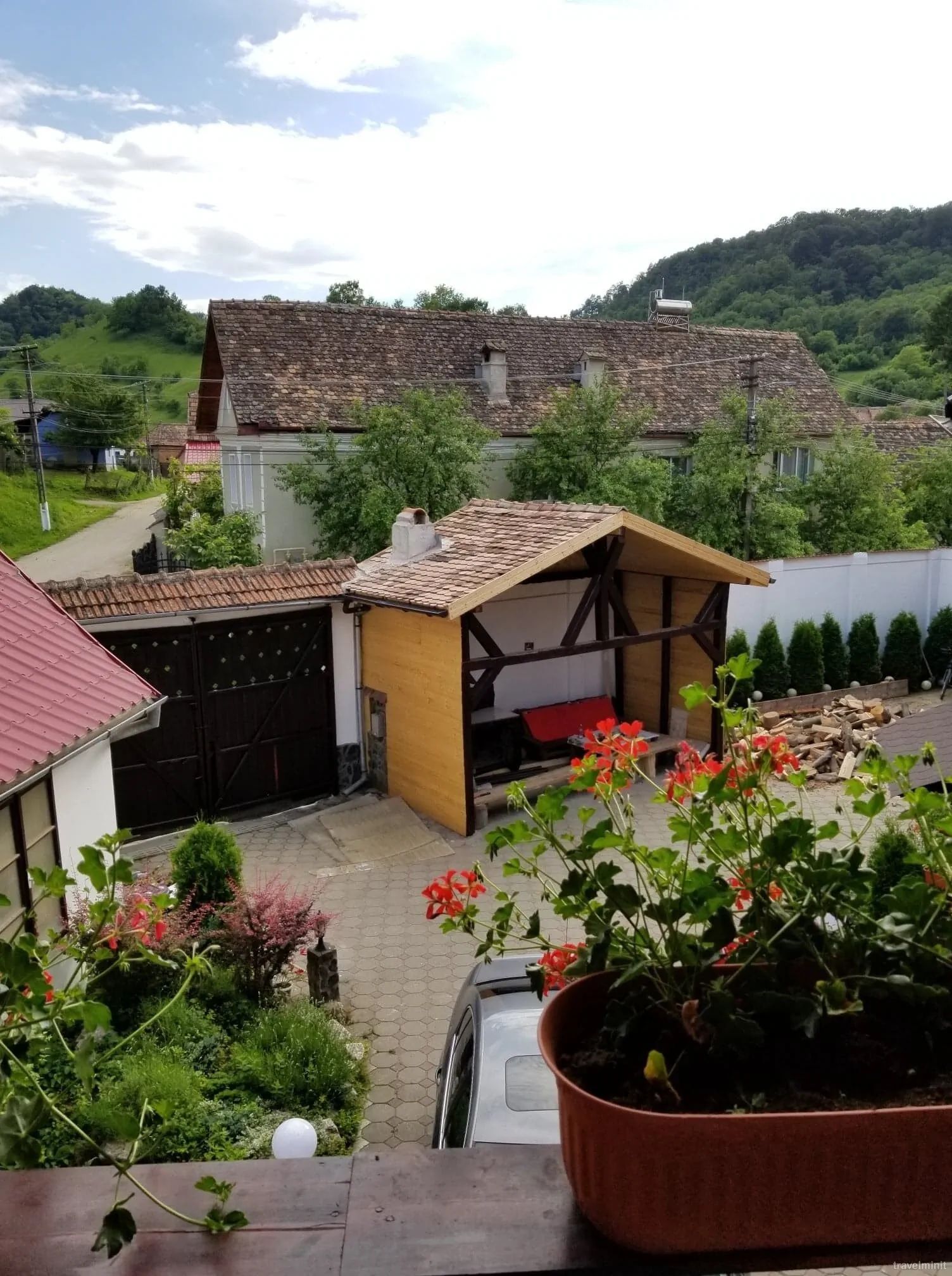
Pensiune turistică de trei stele situată în localitatea Nemșa, județul Sibiu, vă oferă cinci camere mobilate confortabil, pregătite pentru un sejur plăcut în mijlocul naturii. Curtea mare și grădina amenajată reprezintă un spațiu generos pentru relaxare, unde puteți folosi grătarul sau barbeque-ul ori ceaunul pentru a găti în aer liber. Un foișor vă oferă umbră, iar copiii se pot juca în siguranță la locul de joacă amenajat în exterior. Pentru deplasările cu mașina beneficiați de parcare privată gratuită, iar conexiunea Wi-Fi gratuit asigură acces la internet în întreaga unitate. La cerere, puteți solicita și serviciul de mic dejun. În apropiere se află cinci biserici fortificate impresionante: Biserica fortificată de la Biertan, Biserica evanghelică fortificată din Moșna, Biserica evanghelică fortificată din Alma Vii, Biserica Fortificată din Valea Viilor și Biserica fortificată din Richiș. Vă așteptăm să vă bucurați de liniștea acestui loc și să porniți într-o excursie spre Biserica fortificată din Richiș.
FROM
240 lei per night
A-frame cabin · 3 stars
Sighișoara, Mureș County · 14.9 km
Ungefug A Frame Sighișoara
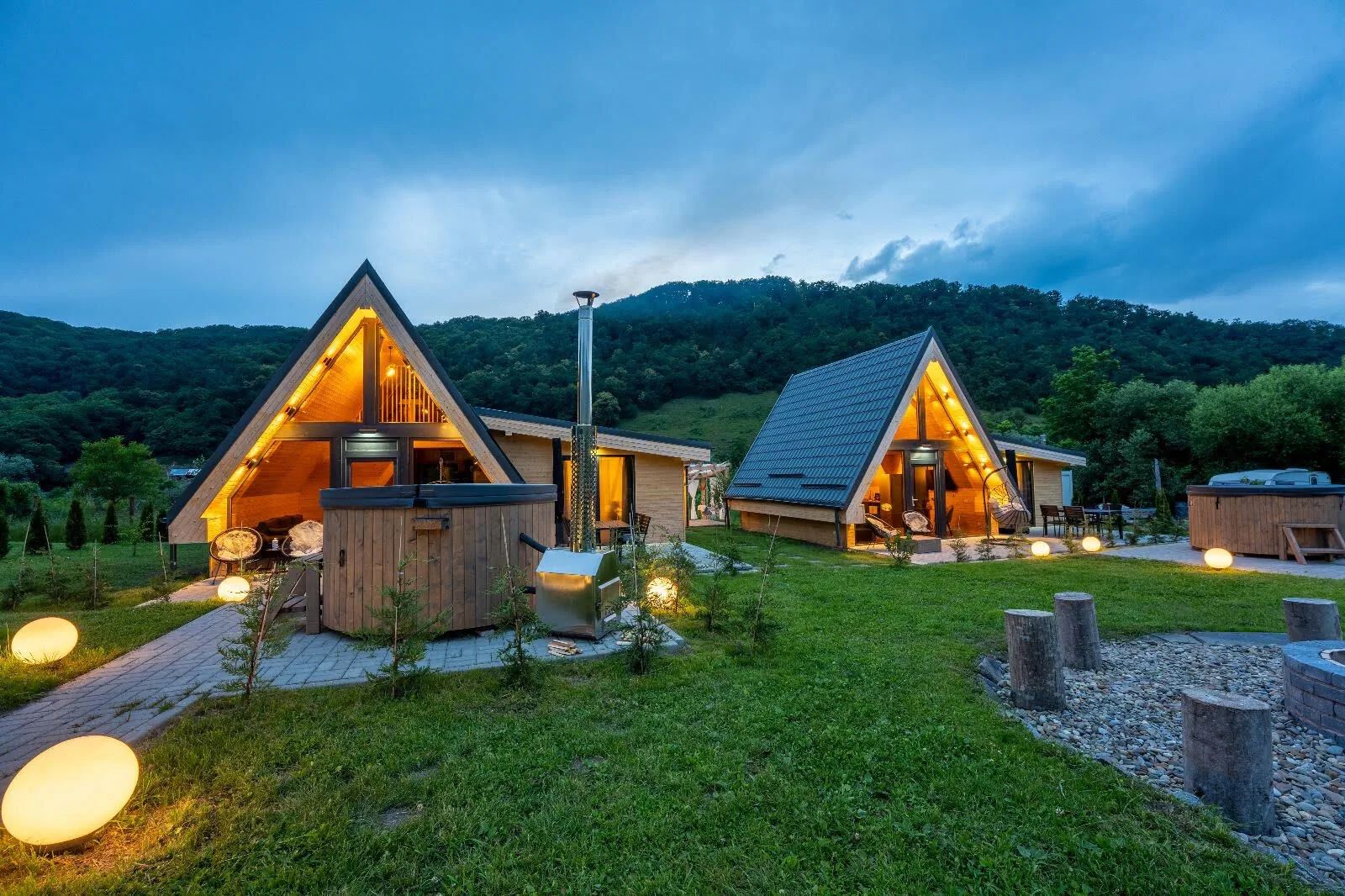
Pe strada Română din Sighișoara, la numărul 109, se află Ungefug A Frame Sighișoara, o cabană tip A Frame care îmbină arhitectura specifică cu liniștea unei zone rezidențiale situate în apropierea centrului istoric al orașului, într-un cadru natural plăcut și aerisit. Proprietatea oferă o curte mare și o grădină amenajată, unde puteți beneficia de un foișor, grătar, vatră de foc în aer liber și ceaun pentru preparate gătite direct în natură. Terasa la soare și ciubărul din lemn tradițional completează atmosfera de relaxare, iar pătuțul pentru bebeluș vine în sprijinul familiilor cu copii mici. Unitatea pune la dispoziție Wi-Fi gratuit, parcare privată gratuită și parcare pentru biciclete, fiind accesibilă și persoanelor cu dizabilități. Toate aceste facilități asigură un sejur confortabil și practic pentru toți oaspeții. Vă așteptăm să vă bucurați de șederea dumneavoastră aici și să porniți apoi în explorarea Cetății Medievale Sighișoara, a Turnului cu ceas sau a Bisericii fortificate de la Biertan.
FROM
450 lei per night
BEFORE YOU HIT THE ROAD
Weather conditions in Sibiu
Local forecast for Vâlchid Fortified Evangelical Church, Sibiu, Sibiu

Real-time updated weather data
Much more to explore in this area
Nearby tourist attractions

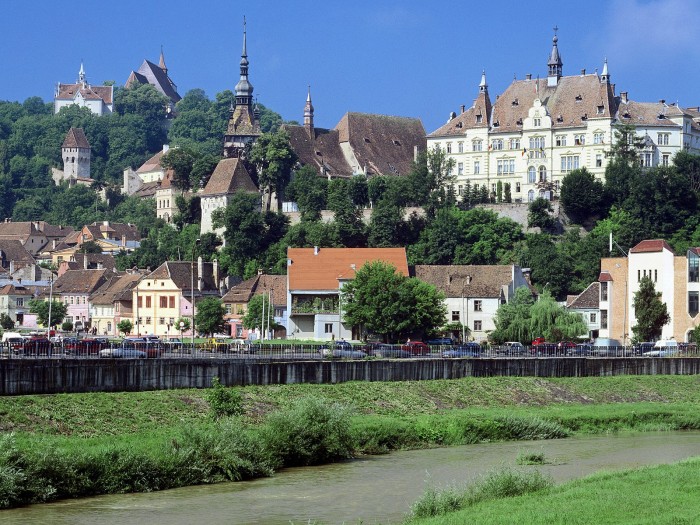

Sighișoara, Mureș County
Sighișoara Medieval Citadel
Situata in centrul municipiul Sighisoara; inca din secolul al III-lea i.Hr. a existat pe acest teritoriu o cetate dacica, numita Sandava; romanii au ridicat...
16.8 km
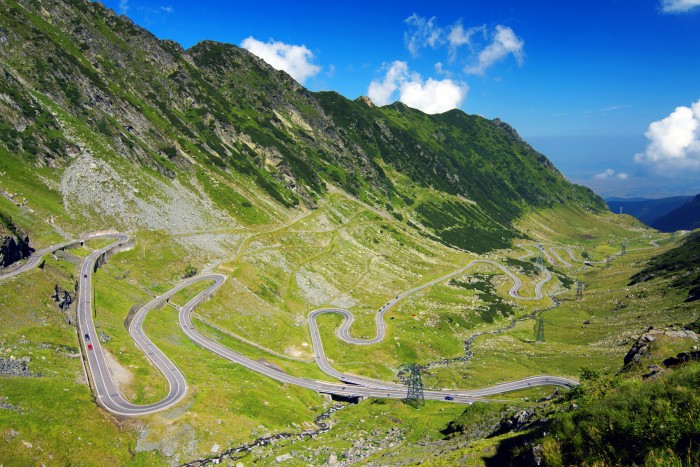
Cârțișoara, Sibiu County
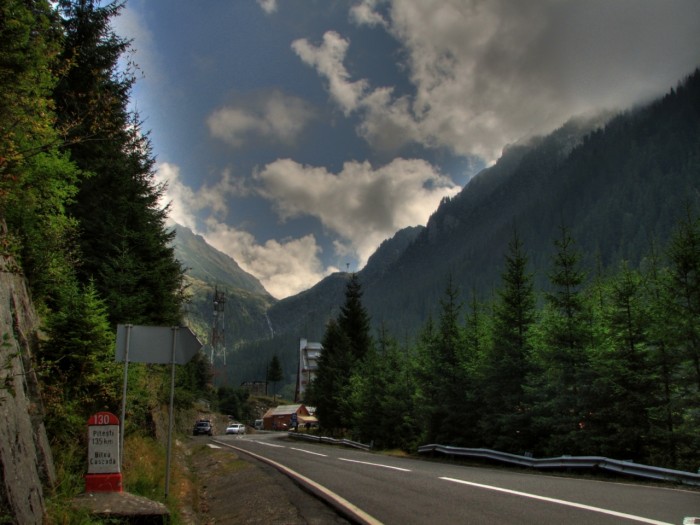
Transfăgărășan Highway and Bâlea Lake
Incepe in comuna Bascov din judetul Arges de langa orasul Pitesti, in directia orasului Curtea de Arges si se termina la intersectia cu drumul DN1 intre Sibiu...
49.4 km
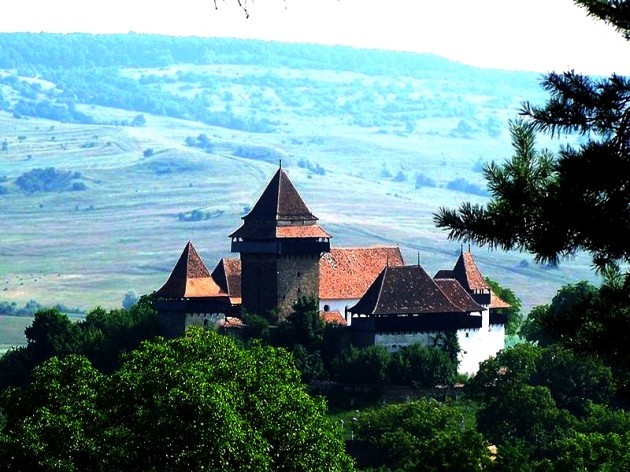
Brasov, Brașov County
Viscri Fortified Church
Situata in localitate Viscri; construita in secolul al XIII-lea; din punct de vedere arhitectural apartine stilului romanic; are un plan de tip sala romanica;...
41.0 km
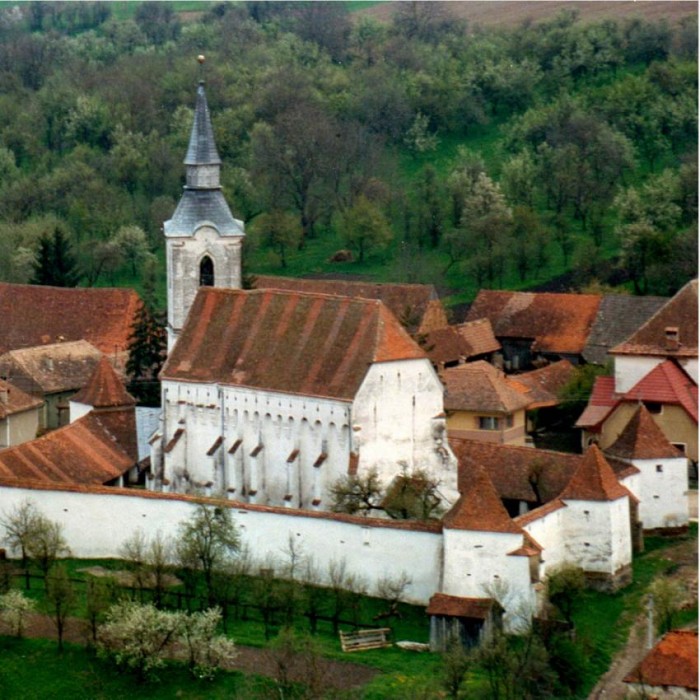
Harghita, Harghita County
Dârjiu Fortified Church
Situata in localitatea Darjiu; construita intre secolele XIV - XV; initial, a fost ridicata in stil romanic, iar apoi a fost transformata in stil gotic; a...
47.4 km
Sibiu, Sibiu County
Bâlea Lake Resort
Situata in aria comunei Cartisoara din masivul Fagaras; se intinde pana la altitudinea de 2.500 m; include relieful alpin, lacul, flora si fauna din circul...
49.2 km

6.4 km

Brașov, Brașov County
Black Church of Brașov (Evangelical Fortified Church Ensemble)
Heritage site in Braşov County, Romania
32.3 km
Danes, Mureș County
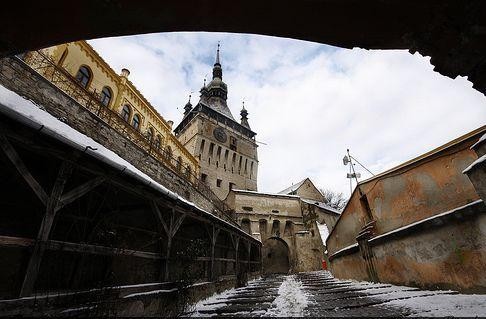
Sighișoara Clock Tower
Situat in partea de est a platoului inferior al Cetatii Sighisoara; construit in preajma secolului al XIV-lea, pentru a proteja poarta principala a orasului si...
16.8 km

17.1 km
Sibiu, Sibiu County
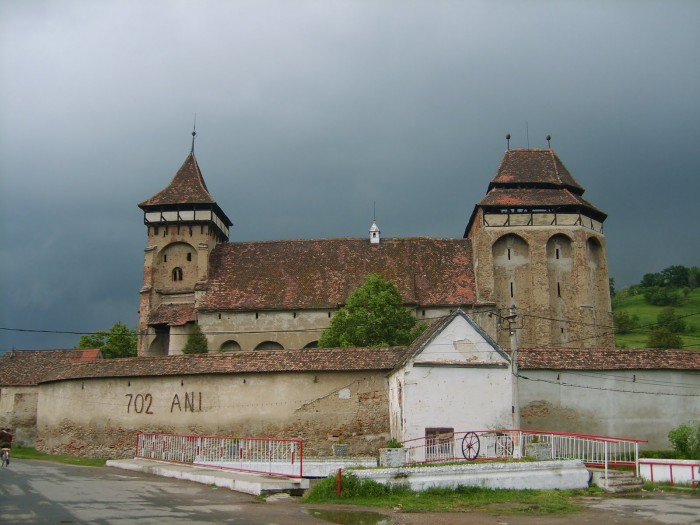
Valea Viilor Fortified Church
Situata in localitatea Valea Viilor; a fost construita in secolul al XII-lea, urmand sa fie fortificata in secolul al XV-lea si al XVI-lea; inconjurata de o...
25.5 km
Danes, Mureș County
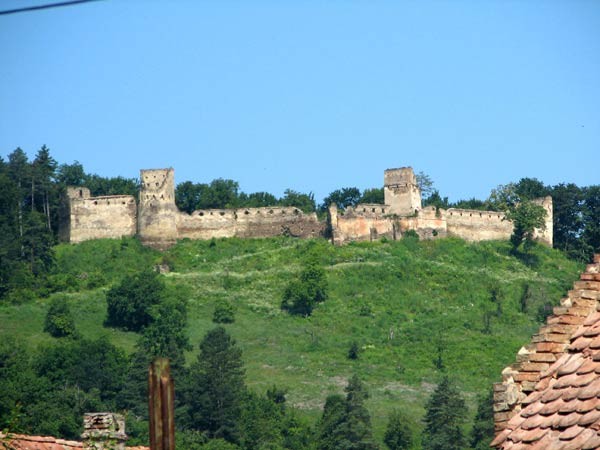
Saschiz Peasant Citadel
Situata pe aria localitatii Saschiz, la 2 km de vatra satului; lucrarile au inceput in 1347, fiind construita de comunitatea germana din zona; fortificatia a...
28.4 km

29.0 km
Cultural life and traditions
Events in the Vâlchid Fortified Evangelical Church area
Medieval festivals, traditional fairs, concerts and local activities recommended in Transylvania.

Heritage and History

Sibiu, County of Sibiu
The Festival of Medieval Fortresses and the Open Doors Days
Guided night tours, traditional crafts workshops and historical re-enactments featuring knights and ladies.
WHEN
May 15-17, 2026


Traditions and Cuisine
Sibiu, County of Sibiu
The Fair of Saxon Traditions and Local Cuisine
Discover local producers, traditional Saxon pastries baked in a wood-fired oven, artisanal syrups, and rhubarb jam.
WHEN
Every weekend (May - October)

Ecotourism and Nature
The hills of Transylvania, County of Sibiu
Guided Hikes on the Transylvanian Hills Trail
Take excursions along unmarked trails through ancient meadows, centuries-old oak trees, and villages with fortified churches that are UNESCO World Heritage sites.
WHEN
Friday – Sunday (Season 2026)
On foot, exploration gains depth
Discover the surroundings and local geography
Explore the trails, terrain, and natural landmarks around Vâlchid Fortified Evangelical Church.

Guides and practical tips
Useful travel articles
Travel guides, practical recommendations and tourist itineraries for Transylvania.

Tourist guide
Top 5 Atracții Turistice și Trasee Montane în Zona Moieciu - Bran
Descoperă cele mai spectaculoase peisaje carstice, chei adânci și cetăți medievale din imediata apropiere a stațiunii Moieciu.

Tourist guide
Ghid de Drumeție: Traseul Moieciu de Sus spre Platoul Bucegi
Un itinerariu montan de o frumusețe rară ce urcă din Valea Băngăleasa spre Poiana Guțanu și crestele maiestuoase ale Bucegilor.

Tourist guide
Castelul Bran: Istorie, Legende și Secrete Medievale
Află adevărata poveste a fortăreței medievale din Pasul Bran, reședința de suflet a Reginei Maria a României.
THE JOURNEY STARTS WITH AN IDEA
The next story is on the way.
From the first stop to the last stay, make room for a new Romania.
