


MONUMENT · OLTENIA (LESSER WALLACHIA)
Trajan's Bridge Ruins

Mehedinti, Mehedinți County
Add location to your trip planner.
Practical access information

VISITING HOURS
Monday: 12:00 PM – 5:00 PM · Tuesday–Sunday: 9:00 AM – 5:00 PM (in summer until 8:00 PM)

TICKET PRICE
Adults: 45 RON · Students: 11 RON · Seniors: 23 RON · Guided tour included

RECOMMENDED VISIT DURATION
2-3.5 hours
Visitor information and guide
 Navigate with Google Maps

ABOUT TRAJAN'S BRIDGE RUINS
Captivating Introduction and Universal Value
On the left bank of the Danube, where the river emerges from the Iron Gates gorge and its waters widen toward the plain, stands—like a silent memory of boundless ambition—one of the most impressive monuments of ancient European engineering: the ruins of Trajan's Bridge at Drobeta. Here, in the heart of Drobeta-Turnu Severin, Mehedinți County, a mass of Roman stone and brick, nearly twenty meters high and enveloped by the river's waters for fifteen centuries, preserves the memory of a construction that was, at the moment of its inauguration, the longest arch bridge in the world—over 1,135 meters of stone and wood that connected two continents and two worlds. Trajan's Bridge is not merely a historic monument of national interest, inscribed in Romanian cultural heritage under code MH-I-m-A-10047.04; it is a veritable bridge between civilizations, a symbol of the Roman Empire's expansion north of the Danube, and at the same time, a place where the history of Europe—from Late Antiquity to the Renaissance, from medieval imperial rivalries to modern diplomacy—meets and reflects itself in water-soaked stone.
For today's European traveler, the ruins of this bridge represent a special experience: they are part of a cross-border cultural landscape, accompanied by Roman forts on both banks, by one of Europe's oldest Mesolithic sites—the Schela Cladovei-Lepenski Vir culture—and by the impressive rock sculpture of Decebal in the Iron Gates gorge. Moreover, the area belongs to the broader concept of the Danube Limes, part of the UNESCO World Heritage serial property "Frontiers of the Roman Empire," partially inscribed in 2021 for the western segment and on the tentative list for the eastern segment which also includes sites in Romania, Serbia, Croatia, and Bulgaria. Thus, Trajan's Bridge at Drobeta naturally fits into the great story of the imperial frontier which, for centuries, separated and at the same time united the Roman world from the barbarian world, from the Rhine to the Black Sea.
Historical Roots and Major European Connections
The construction of Trajan's Bridge must be understood in the context of the ambitious imperial policy of Emperor Marcus Ulpius Nerva Traianus, the first Roman emperor born in the provinces (in Hispania Baetica) and at the same time the last great conqueror of Rome. At the beginning of the 2nd century, the Roman Empire had reached the apogee of its territorial expansion, stretching from Britain to Mesopotamia, and the Danube represented the main artery of communication and natural border of Central Europe. Beyond the river lay the Dacian kingdom of King Decebal, a military power capable of threatening the Danubian provinces of the empire—Moesia and Pannonia—and whose gold and silver resources fascinated the chancelleries of Rome. After the First Daco-Roman War (101-102 AD), concluded by a peace considered shameful by Trajan, Decebal repeatedly violated the treaty, refusing to surrender weapons and engineers, to destroy fortifications, and to accept Roman garrisons on his territory. Under these conditions, Trajan decided to resume the offensive, and to rapidly transport the approximately 150,000 men—the largest army assembled since the time of Augustus—and the supplies necessary for the sieges, a crossing over the Danube was needed that could withstand intense traffic and the passage of heavy artillery.
The works began in the spring of 103 AD, immediately after the conclusion of the temporary peace, and were completed in the spring of 105 AD, shortly before Trajan crossed the river with his legions to launch the Second Dacian War. The bridge connected the fort of Pontes, on the southern bank (near the village of Kostol, Kladovo municipality in present-day Serbia), with the fort of Drobeta, on the northern bank (the present-day municipality of Drobeta-Turnu Severin). Both forts were built simultaneously with the bridge, forming a unified strategic complex that ensured the connection between the province of Moesia (south of the Danube) and the conquered territories in the north—the future province of Dacia. This pair of bridgehead fortifications is a characteristic element of Roman frontier military architecture, also found in other sectors of the Danube Limes—from the fortifications at Carnuntum and Vindobona in Austria, to those at Singidunum (Belgrade) or Viminacium (Kostolac)—yet no other ensemble reached the scale and importance of that at Drobeta.
The Greek historian Cassius Dio, who wrote almost a century after the events, records with admiration: "Trajan built a stone bridge over the Danube, for which I do not know how to admire it enough." This construction was not merely a simple crossing bridge, but a symbol of imperial power, proof of Rome's capacity to master nature and to impose its will upon a river considered until then an impassable barrier. The bridge appears represented, in a stylized form, on Trajan's Column in Rome—inaugurated on May 12, 113 AD—alongside the emperor himself, who sacrifices on the bank of the Danube at the inauguration of the construction. The Column, the work of the same architect, Apollodorus of Damascus, thus constitutes an artistic "birth certificate" of the bridge, preserving for posterity the image of a technical marvel that was to almost completely disappear in the course of the following centuries.
The fate of the bridge was tied to the frontier policy of Trajan's successors. Emperor Hadrian (117-138 AD), confronted with the growing threat of the Sarmatian tribes—the Iazyges and Roxolani—who crossed the frozen Danube or on rafts, decided to eliminate the logistical advantage that the bridge offered to a potential invader. According to Cassius Dio (Roman History, LXVIII, 13), Hadrian ordered the demolition of the wooden superstructure of the bridge, keeping only the stone piers—a decision that reflects the empire's new defensive policy, oriented toward withdrawal and consolidation rather than expansion. This measure fit into a broader context: Hadrian also withdrew part of the territories conquered by Trajan in Dacia, reorganized the province, and moved the Legio IV Flavia Felix from its base. The total abandonment of the bridge is linked to Aurelian's definitive withdrawal from Dacia (270-275 AD), when Emperor Aurelian withdrew the Roman administration and army south of the Danube, creating the new province of Dacia Aureliana in Moesia. The stone piers, however, remained standing, silent witnesses of an era, and in 1856, when the water level of the Danube fell to a historic minimum due to a prolonged drought, all 20 piers were once again visible, offering the opportunity for measurements and studies that confirmed the scale of the construction.
Beyond ancient history, the Drobeta-Turnu Severin area remained a strategic point on the map of Europe for many centuries. In the Middle Ages, the fortress was the center of the Banat of Severin (Szörényi bánság in Hungarian), a province of the Kingdom of Hungary established in the 13th century, which included Oltenia and parts of Banat. Here, fierce battles took place between Hungarians, Vlachs, and Ottomans: the voivodes Litovoi and Basarab I died defending the fortress, and Mircea the Elder concluded in 1406, right at Severin, an alliance treaty with Sigismund of Luxembourg, King of Hungary. In 1524, the armies of Suleiman the Magnificent conquered and destroyed the fortress, leaving standing only one tower—hence the name "Turnu Severin" (Severin's Tower). The city remained under Ottoman rule until 1829, with the exception of a brief Vlach occupation (1594-1599) and the Austrian one (1718-1739), a period when Banat was part of the Habsburg Monarchy after the Treaty of Passarowitz. Definitive liberation came with the Treaty of Adrianople (1829), concluded after the Russo-Turkish war, and from 1836 the systematic reconstruction of the modern city began, which received in 1972 the official name of Drobeta-Turnu Severin, honoring the ancient Roman settlement.
Architectural Masterpiece and Artistic Heritage
Trajan's Bridge is considered one of the most daring achievements of Roman architecture and engineering, a monument that surpassed by more than a millennium the length record for arch bridges. Designed and built by Apollodorus of Damascus—a Hellenized Greek or Nabataean architect, favorite of Trajan and author of Trajan's Forum, Markets, and Column in Rome, but also of the bridge at Alcántara over the Tagus in Spain and the triumphal arches at Benevento and Ancona—the bridge represents the synthesis of Hellenistic engineering tradition, technical innovations from the eastern empire (possibly influenced by Nabataean culture, as modern research suggests), and the immense logistical resources of an empire at its apogee.
The dimensions of the construction were impressive: 1,135 meters total length, a height of approximately 18-19 meters above water level, and a width of 12-15 meters, sufficient for, as Cassius Dio wrote, an entire legion to cross "as if on dry land." The structure consisted of 20 massive stone piers, of parallelepiped form, arranged at intervals of approximately 50 meters, on which rested a superstructure of oak wood made up of segmental arches—flatter than classic semicircular arches—each having a span of approximately 38 meters. At the two ends of the bridge rose monumental gates, triumphal arches that marked the entrance to the fortified complex, and the bridge was flanked by the forts of Pontes and Drobeta, so that crossing was possible only through the interior of the fortifications.
The construction technique was revolutionary for the era and remained a mystery for centuries. In order to raise the piers in the riverbed, Apollodorus's engineers partially diverted the course of the Danube, digging a canal 3.2 kilometers long that redirected the water onto a southern branch, in the Ključ area, east of Kladovo. Thus, the first 10-12 piers could be built on dry land, after the riverbed had been drained. For the remaining piers, located in deep water up to 30 meters, oak timber cofferdams cemented together were used, wooden piles (caissons) driven into the riverbed, and an ingenious pumping system for pouring concrete underwater. The piers had a hollow core, waterproofed with clay, filled with stones set in mortar, and clad on the outside with Roman bricks—lateres—bound with lime mortar and pozzolana, the volcanic ash from the Pozzuoli area (Italy) that gave Roman concrete remarkable hydraulic properties, allowing it to harden even underwater.
The mystery of the composition of Roman cement—the so-called opus caementicium—preoccupied scholars until modern centuries. Legend has it that, during the Renaissance, when interest in the works of genius of Antiquity had become a true passion at European courts, King Francis I of France allegedly asked Sultan Suleiman the Magnificent—who only a few years earlier had destroyed the fortress of Severin—for permission to demolish a pier of the bridge to discover the secret of the cement's composition. Although the authenticity of this anecdote is questioned by historians, it illustrates the fascination that the extraordinary durability of Roman constructions exerted on Western Europe. Recent research—including a 2014 study led by researchers from Princeton University and newer analyses conducted by teams from MIT and the University of Utah—has shown that the secret of Roman concrete's resistance lies in a "hot mixing" process: quicklime was mixed directly with pozzolana and water at high temperatures, leaving "lime clasts" in the concrete mass which, when water later penetrated cracks, dissolved and recrystallized, "self-healing" the material. This mechanism explains why Roman dams, bridges, and aqueducts have withstood two millennia in extreme conditions, while modern concrete, although more resistant to compression, is more fragile over time.
An essential contribution to the knowledge of the bridge is represented by the bricks with military stamps: the legionaries and auxiliaries who worked on the construction engraved their units' names on the bricks, so that today we know that the Legio IV Flavia Felix, Legio VII Claudia, Legio V Macedonica, and Legio XIII Gemina participated at the bridge, as well as the cohorts I Cretum, II Hispanorum, III Brittonum, and I Antiochensium. These inscriptions, together with the representation on Trajan's Column and the descriptions of Cassius Dio, Tzetzes, Ioannes Chiliades, and Procopius of Caesarea (in De aedificis, IV, 6), have allowed historians and archaeologists to reconstruct the bridge's structure with precision. In 1907, the Swiss engineer E. Duperrex produced a first detailed graphic reconstruction of the bridge, and today the Iron Gates Region Museum in Drobeta houses a faithful model of the construction—restored and modernized in 2018—which allows visitors to cross, on a reduced scale, the river on the footsteps of Trajan's legions.
In the immediate vicinity of the bridge are also other monuments of the Roman city of Drobeta, which complete the image of a first-rank settlement of the empire: the Roman fort (the first stone fort raised in Dacia, beginning in 101 AD, and the only one used continuously from the 2nd century until the beginning of the 7th century), the Roman baths (public baths), the military amphitheater discovered in 2010—the fourth construction of this kind identified in Roman Dacia, alongside those at Ulpia Traiana Sarmizegetusa, Porolissum, and Micia—and the ruins of a medieval church with buttresses. The Drobeta fort went through five phases of construction and consolidation, from the opus caementicium walls with opus vittatum facade of the Trajanic phase, to the restructurings of the time of Gallienus, Constantine the Great, and Justinian I, when the fortification was temporarily renamed "Theodora," after his wife. The city was raised to the rank of municipium by Hadrian in 121 AD and to the rank of colonia by Septimius Severus in 193 AD, becoming the third urban center of Dacia after Sarmizegetusa and Apulum, with a population of nearly 40,000 inhabitants at the middle of the 3rd century.
Legends, Personalities, and Turning Points
The story of Trajan's Bridge is inseparable from the personalities that marked it and from the legends that were woven around it over the centuries. The central figure remains Emperor Trajan, "the Dacian"—the one who brought the gold of Dacia to Rome (165,500 kg of gold and 330,000 kg of silver, according to Cassius Dio's estimates) and financed with these resources his ambitious construction programs in the capital, including the Forum and Column that bear his name. Trajan spent the winter of 104-105 in the praetorium of the Drobeta fort, personally supervising the finalization of the bridge and organizing the decisive offensive against Decebal, which ended with the fall of Sarmizegetusa in 106 AD and the suicide of the Dacian king. The victory was celebrated in Rome for 123 days, with games in which 10,000 gladiators fought and 11,000 wild animals were killed—a triumph that marked the consciousness of Europe and whose echo we find in the representations on Trajan's Column, a true "comic strip" of the Dacian wars.
The architect Apollodorus of Damascus remains one of the most fascinating figures of Antiquity—a Hellenized Greek or Nabataean, born in Roman Syria, who became Trajan's chief architect and who, according to Cassius Dio's accounts, once confronted the future emperor Hadrian with the words: "Go and paint your pumpkins, for you know nothing about this"—a remark that, in the historian's version, would have brought him exile and death. Regardless of the authenticity of this anecdote, Apollodorus embodies the engineering genius that made the bridge's construction possible, and his presence is honored today through a bust placed in front of the Iron Gates Region Museum. The legend of King Francis I of France and his request addressed to Suleiman the Magnificent for the demolition of a pier, although probably apocryphal, speaks of the admiration that the European Renaissance nurtured for the Roman heritage and of the desire to unravel the technical mysteries of Antiquity—a desire that was to be satisfied only in the 19th-21st centuries, with the development of scientific archaeology and materials chemistry.
The turning points in the history of the place follow one another vertiginously. After the demolition of the superstructure by Hadrian and the definitive abandonment from the time of Aurelian, the piers remained in the waters of the Danube, and in 1906 the International Danube Commission decided to destroy two pillars that hindered navigation—a decision that illustrates the tension between heritage and modern technical progress. In 1932, 16 piers could still be counted underwater; in 1982, archaeologists found only 12; today, only two are still visible above water—one on the Romanian bank, in the museum's archaeological park, and one on the Serbian bank, near the village of Kostol. In medieval and modern centuries, the place witnessed dramatic episodes: the Ottoman siege of 1524, the conquest by Mircea the Elder and the alliance with Sigismund of Luxembourg, the Austrian occupation of the 18th century, and, finally, the rebirth of the modern city after 1829. Each of these eras left traces in the cultural landscape of the place, transforming the bridge's ruins into a palimpsest of European history, where ancient, medieval, and modern layers overlap in a unique way.
Practical Visiting Guide and Today's Tourist Experience
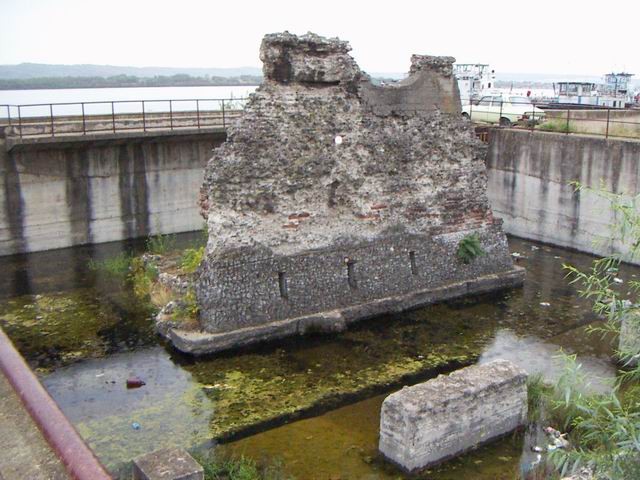
Visiting the ruins of Trajan's Bridge takes place within the "Roman City Drobeta" Archaeological Park, administered by the Iron Gates Region Museum, located at 2 Independenței Street, in the municipality of Drobeta-Turnu Severin, Mehedinți County. The visiting hours are from Tuesday to Sunday, between 8:00-16:00 (some sources indicate 9:00-16:00, with last entry at 15:00), and the fees—which may vary slightly depending on the season—are around 8 lei for access only to the archaeological park (fort, baths, amphitheater, bridge pier, ruins of the medieval church) and approximately 24-28 lei for the full ticket, which also includes the museum, aquarium, planetarium, and permanent exhibitions. An important aspect for the traveler of 2026 is the fact that the bridge pier is in the process of rehabilitation and restoration—the local authorities and the Mehedinți County Council announced in 2026 a rehabilitation project for both the Art Museum and the Trajan's Bridge pier area, with consolidation works, improvement of an access route, and possibly a footbridge over the railway to facilitate access. Until the completion of these works, visitors can see the pier from the adjacent area, accessible through the museum grounds, and the connecting road between the pier area and the tourist port—a stretch of approximately 1,300 meters, of which only 300 meters belong to the municipality—is still unpaved and in poor condition, the city hall negotiating its takeover and rehabilitation.
The visiting experience ideally begins with the bridge model inside the museum—a faithful reconstruction, inspired by the representations on Trajan's Column and by Cassius Dio's descriptions—which allows understanding of the monumental proportions of the construction. Then, the walk through the archaeological park reveals, in the open air, the ruins of the Roman fort with its four gates flanked by towers, the traces of the baths, the foundations of the military amphitheater discovered in 2010, and, finally, the massive pier of the bridge, tall and austere, which rises above the waters of the Danube like a true "giant's foot" of history. The bust of Apollodorus of Damascus, placed in front of the museum, invites reflection on creative genius. For tourists arriving on the Danube—numerous cruise ships make a stop at the pontoon near the bridge, especially in the summer season—the visit can be complemented with a 10-15 minute walk along the waterfront to the Medieval Fortress of Severin, with the panorama of the city from the Water Tower (the water tower, 27 meters high, built between 1910-1913 and renovated in 2012), and with an incursion into the historic center of the city, with heritage buildings from the late 19th and early 20th centuries.
Beyond the city limits, the region offers an exceptional cultural circuit. At approximately 15 kilometers, in the Iron Gates gorge, is the impressive rock sculpture of Decebal's face, carved into the rock between 1994 and 2004, and the archaeological site of Lepenski Vir, on the Serbian bank—the Serbian counterpart of the Schela Cladovei site, the oldest stable settlement in Europe (about 9,000 years old), whose artifacts are exhibited in the Drobeta museum. The Schela Cladovei-Lepenski Vir culture represents a unique moment in European prehistory: the transition from Mesolithic hunter-gatherer communities to the first forms of sedentarization and direct contact with Neolithic farmers coming from Anatolia via the Balkans. Crossing the Romanian-Serbian border can be done at the Iron Gates, the border being open for EU citizens on the basis of an identity card. Also nearby is the Iron Gates Natural Park, with hiking trails, caves, and viewpoints over the most spectacular gorge of the Danube in Europe.
For the European traveler, the ruins of Trajan's Bridge at Drobeta-Turnu Severin offer a profound experience: direct contact with the stone and concrete of a construction that has withstood two millennia, understanding of the Roman imperial context that shaped the destiny of these lands, and awareness of the fact that here, on the banks of the Danube, the greatest empires of Europe met and confronted each other—Rome, Byzantium, the Kingdom of Hungary, the Ottoman Empire, and the Habsburg Monarchy—each leaving an imprint on the memory of the place. Trajan's Bridge remains, even today, a symbol of European unity across waters and across time, a bridge between past and present, between civilizations and continents, in a corner of Romania where the history of Europe can be read, literally, in stone.
Media gallery
Discover Trajan's Bridge Ruins in pictures

5 photos · Architecture, courtyards and captivating details
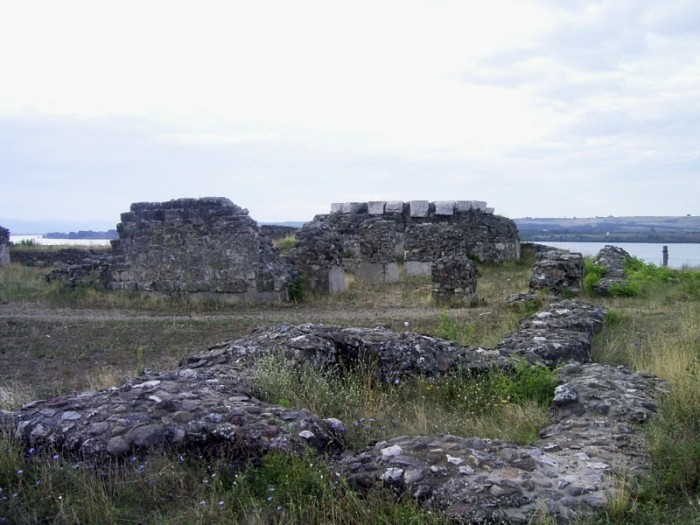


Image source: Wikimedia Commons · Public domain photos · Free license
STAY A FEW DAYS, DISCOVER THE MAGIC
Accommodation in the Trajan's Bridge Ruins area

Guesthouse · 3 stars

Drobeta-Turnu Severin, Mehedinți County · 9.6 km
Pensiunea Grey Residence Drobeta-Turnu Severin
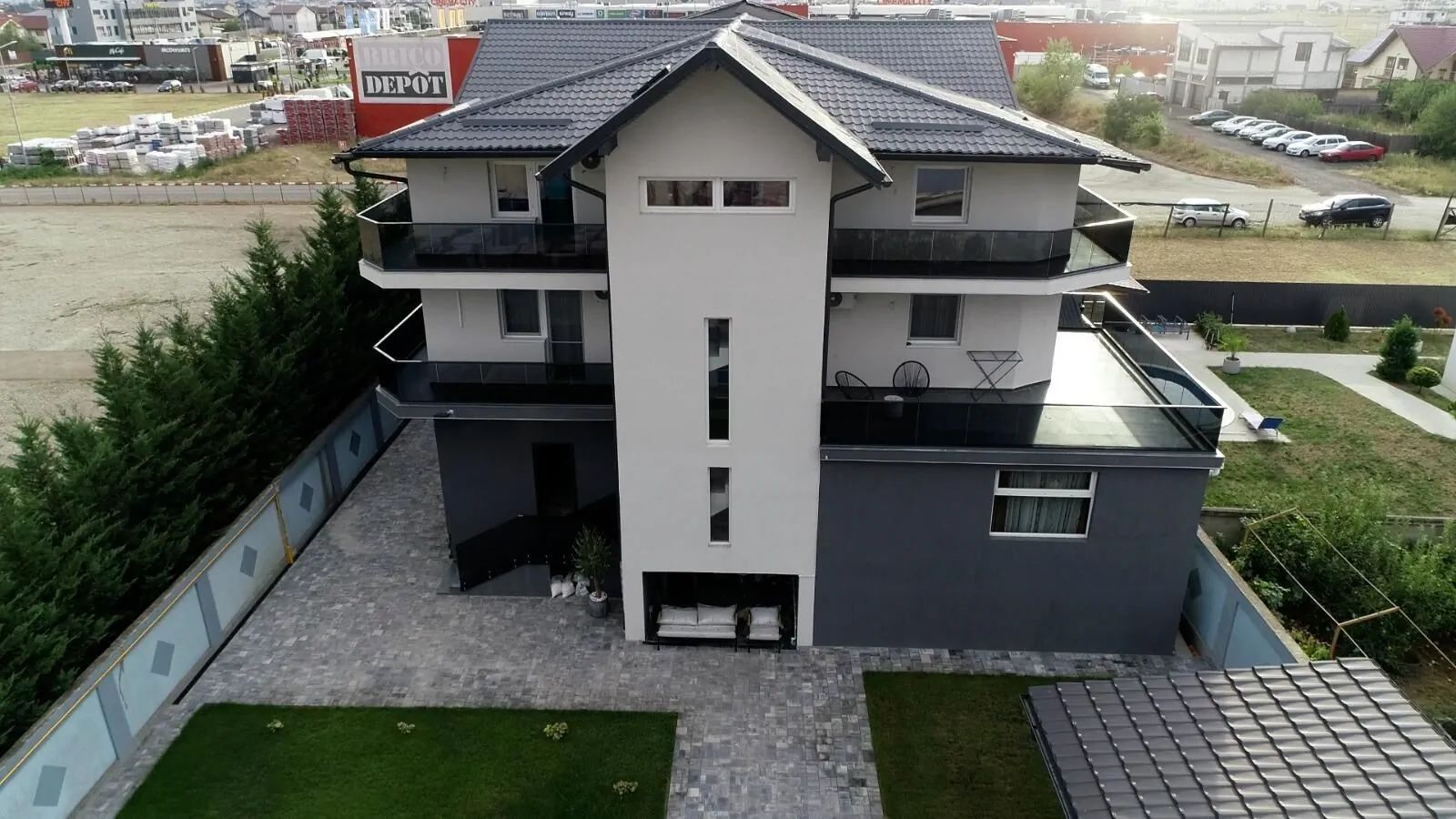
Familiile și grupurile de prieteni care caută un sejur confortabil în Drobeta-Turnu Severin vor găsi la Pensiunea Grey Residence un spațiu modern și primitor. Interiorul cu linii simple și materiale de calitate oferă un ambient intim, iar apartamentele spațioase și bine iluminate sunt dotate cu bucătărie complet echipată, potrivite pentru șederi prelungite sau pentru cei care preferă să își pregătească propriile mese. Pentru confortul dumneavoastră, fiecare cameră permite reglarea temperaturii individual și are televizor LED cu canale prin cablu. Veți avea acces la Wi-Fi gratuit în întreaga proprietate și la parcare privată gratuită, astfel încât șederea să fie lipsită de griji. Baia proprie este amenajată modern și include articole de toaletă gratuite și uscător de păr, iar mobilierul confortabil și lenjeriile moi contribuie la relaxare. În apropiere puteți descoperi cele mai importante obiective turistice ale zonei: Ruinele Podului lui Traian, Cetatea Medievală a Severinului, Parcul Natural Porțile de Fier, Castrul Roman Drobeta și Catedrala Episcopală din Drobeta-Turnu Severin. Toate aceste locuri vă așteaptă să le explorați în timpul șederii dumneavoastră, oferindu-vă ocazia de a descoperi istoria și natura zonei. Vă așteptăm la Pensiunea Grey Residence Drobeta-Turnu Severin.
FROM
240 lei per night

Hotel · 3 stars
Drobeta-Turnu Severin, Mehedinți County · 9.7 km
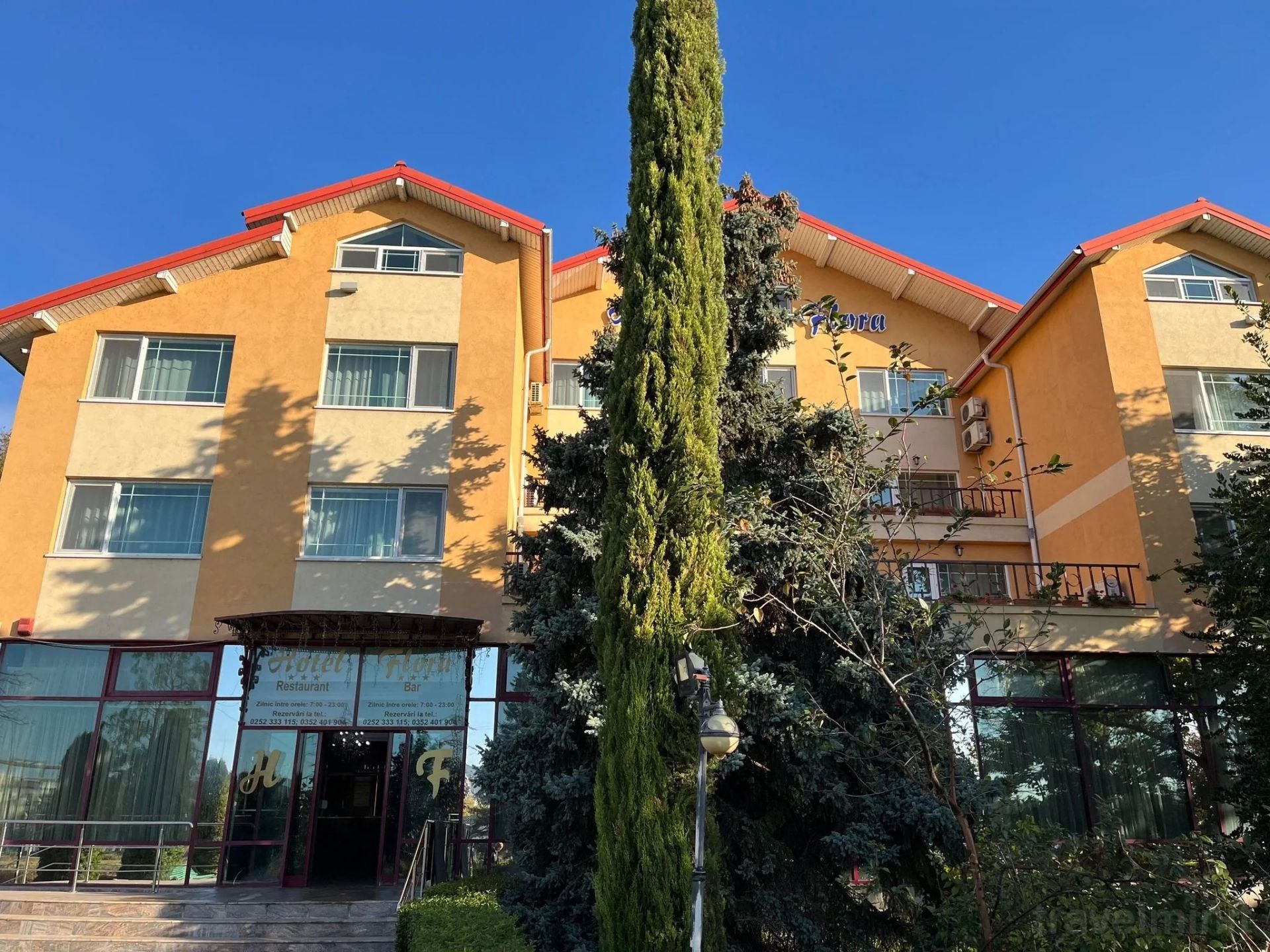
Hotel Flora Drobeta-Turnu Severin
Familiile cu copii, grupurile de prieteni și iubitorii de natură se vor simți bine la Hotel Flora din Drobeta-Turnu Severin. Unitatea oferă 16 camere confortabile și plăcut amenajate, iar unele dintre acestea sunt dotate cu aer condiționat pentru un plus de confort. Internetul wireless este disponibil gratuit în toate spațiile, iar parcarea privată gratuită vă permite să lăsați mașina în siguranță. La recepție se vorbesc limba română și limba engleză, iar serviciul de depozit pentru bagaje face călătoria mai ușoară. Curtea mare și grădina amenajată oferă un cadru plăcut pentru relaxare după o zi plină, în timp ce terenul de sport, terenul de tenis și locul de joacă pentru copii la exterior asigură oportunități de mișcare și distracție pentru toate vârstele. Pentru momente de socializare în aer liber, grătarul sau barbeque-ul sunt puse la dispoziția dumneavoastră. În apropiere se află Ruinele Podului lui Traian, Cetatea Medievală a Severinului, Parcul Natural Porțile de Fier, Castrul Roman Drobeta și Catedrala Episcopală din Drobeta-Turnu Severin, obiective pe care le puteți explora cu ușurință. Vă așteptăm cu drag la Hotel Flora, iar când decideți să plecați în explorare, puteți porni direct spre Ruinele Podului lui Traian pentru a descoperi mărturiile istorice ale zonei.
FROM
290 lei per night
Holiday home · 3 stars
Orşova, Mehedinți County · 9.7 km
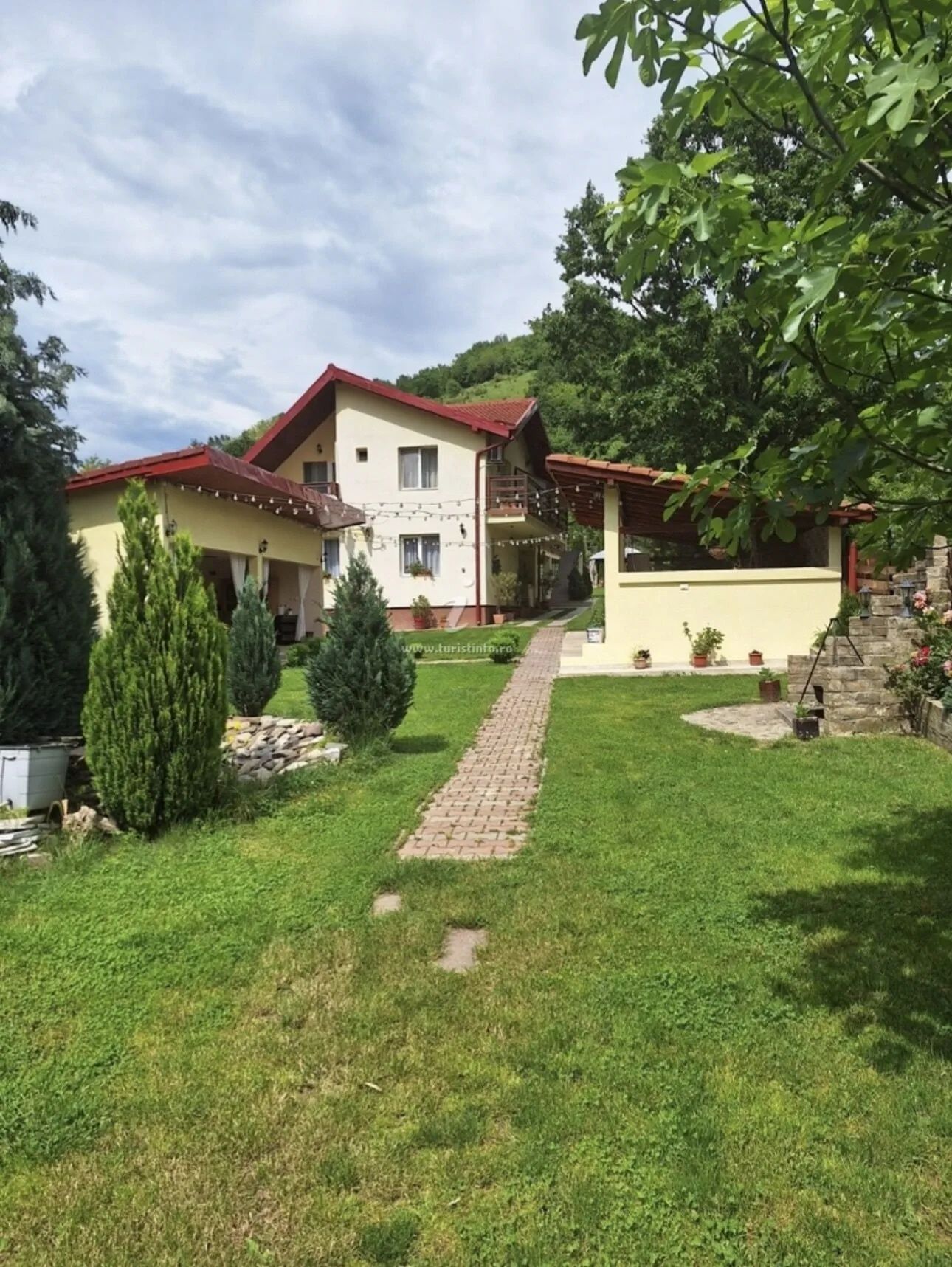
Casa de vacanță Tata și Fiul Orșova
Comfort, relaxation and stunning views, all just steps away from the main attractions.
FROM
280 lei per night
Hotel · 3 stars
Drobeta-Turnu Severin, Mehedinți County · 9.9 km
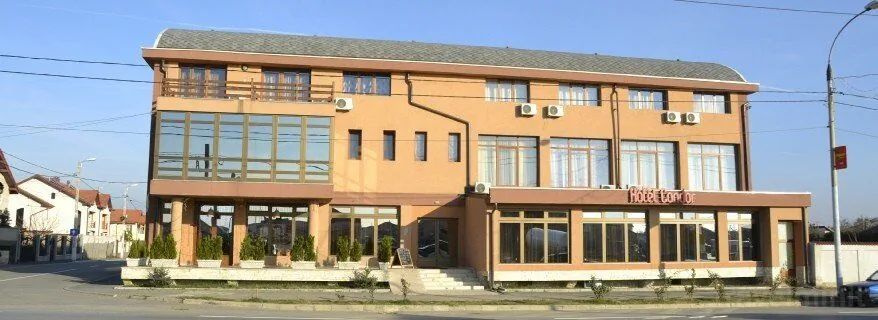
Hotel Condor Drobeta-Turnu Severin
Hotel cu trei stele situat în Drobeta-Turnu Severin, pe bulevardul Aluniș. Unității îi stau la dispoziție dumneavoastră 22 de locuri de cazare, în camere single, duble sau apartamente, dotate cu aer condiționat, televiziune prin cablu, televizor cu plasmă, minibar, uscător de păr, halate și Wi-Fi gratuit. La parter se află un restaurant cu 110 de locuri și un bar unde puteți lua micul dejun. În subsol este amenajat un centru SPA cu saună, cadă de hidromasaj, zonă de odihnă și cabinet de masaj. Parcare privată gratuită este disponibilă pentru dumneavoastră. În apropiere puteți vizita Ruinele Podului lui Traian, Cetatea Medievală a Severinului, Parcul Natural Porțile de Fier, Castrul Roman Drobeta și Catedrala Episcopală din Drobeta-Turnu Severin. Aceste obiective vă oferă ocazia să descoperiți istoria antică și medievală a zonei, alături de peisaje naturale. Vă așteptăm să vă bucurați de ședere și să porniți în explorarea zonei, începând cu Ruinele Podului lui Traian.
FROM
290 lei per night
Guesthouse · 3 stars
Orşova, Mehedinți County · 10.3 km
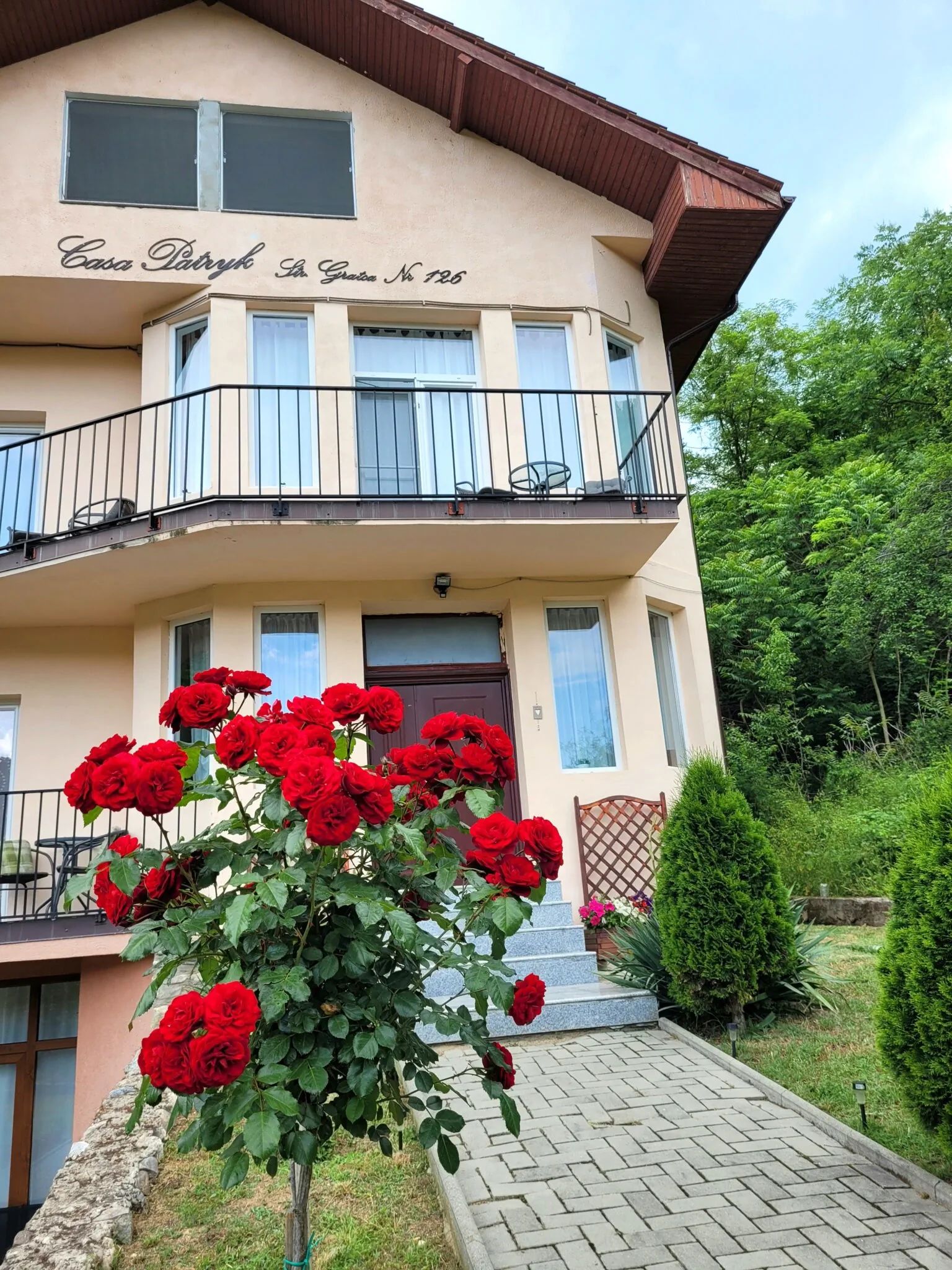
Casa Patryk Orșova
Într-o curte mare și într-o grădină amenajată se află Casa Patryk, o pensiune turistică de 3 stele situată în Orșova, județul Mehedinți. Pe lângă acest spațiu verde generos, beneficiați de Wi-Fi gratuit în întreaga unitate și de posibilitatea de a organiza mese la grătar sau barbeque, într-un cadru intim și relaxant. Casa Patryk Orșova oferă cazare pentru 14 persoane, fiind organizată pe mai multe niveluri pentru a asigura confortul fiecărui oaspete. La parter se află un apartament cu două dormitoare, living, bucătărie complet utilată, terasă și baie. La primul etaj găsiți două camere matrimoniale, fiecare cu baie privată, balcon, aer condiționat, frigider și televizor, alături de o bucătărie comună. Mansarda adăpostește încă două camere matrimoniale dotate cu aceleași facilități. În vecinătate puteți descoperi Cazanele Dunării și Chipul lui Decebal, Ruinele Podului lui Traian, Parcul Natural Porțile de Fier, Mănăstirea Sfânta Ana Orșova și Castrul roman Dierna. Aceste obiective turistice transformă șederea dumneavoastră într-o oportunitate de a explora cele mai spectaculoase zone din defileul Dunării. Vă așteptăm la strada Grațca 126 din Orșova, adresă care oferă acces facil către toate obiectivele menționate.
FROM
240 lei per night
Holiday home · 3 stars
Orşova, Mehedinți County · 10.3 km
Casa Vetuța Orşova
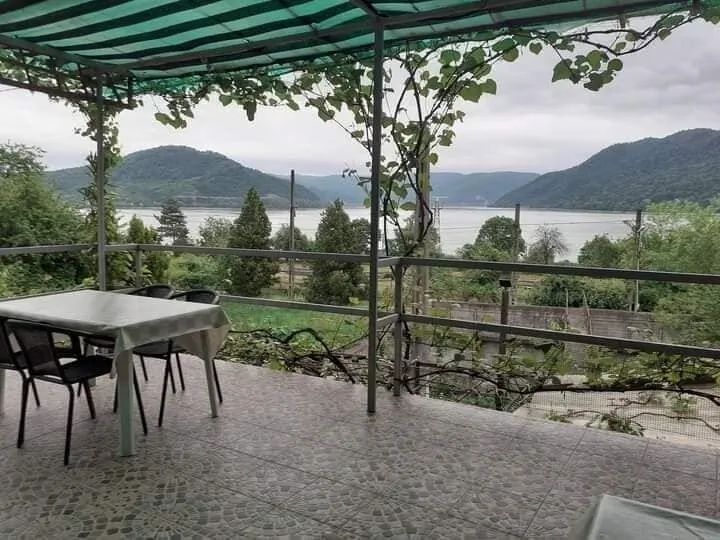
Familiile cu copii se vor simți bine la Casa Vetuța din Orșova, o casă întreagă de închiriat clasificată cu trei stele, situată pe strada Gratca. Spațiul este generos și bine organizat pentru un sejur confortabil alături de toți membrii familiei, oferind trei dormitoare dintre care două duble și unul cu pat matrimonial și canapea extensibilă. Unitatea pune la dispoziție Wi-Fi gratuit și parcare privată gratuită, astfel încât dumneavoastră să aveți parte de liniște și confort deplin. Curtea mare și grădina amenajată, împreună cu foișorul din curte, creează un loc plăcut pentru relaxare în aer liber. De pe terasă aveți vedere spre Dunăre, iar bucătăria comună este complet utilată cu toate ustensilele necesare. Casa acceptă și animale de companie, fiind o alegere potrivită pentru cei care călătoresc cu prietenii patrupezi. Interiorul include două băi și o bucătărie echipată cu cuptor, astfel încât să vă simțiți ca acasă. În apropiere puteți vizita Cazanele Dunării și Chipul lui Decebal, Ruinele Podului lui Traian, Parcul Natural Porțile de Fier, Mănăstirea Sfânta Ana Orșova și Castrul roman Dierna. Vă așteptăm la Casa Vetuța Orșova.
FROM
280 lei per night
BEFORE YOU HIT THE ROAD
Weather conditions in Mehedinti
Local forecast for Trajan's Bridge Ruins, Mehedinti, Mehedinți

Real-time updated weather data
Much more to explore in this area
Nearby tourist attractions


Dubova, Mehedinți County
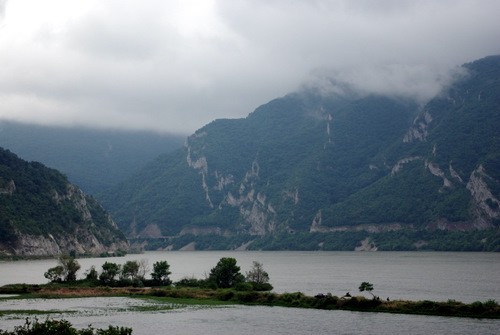
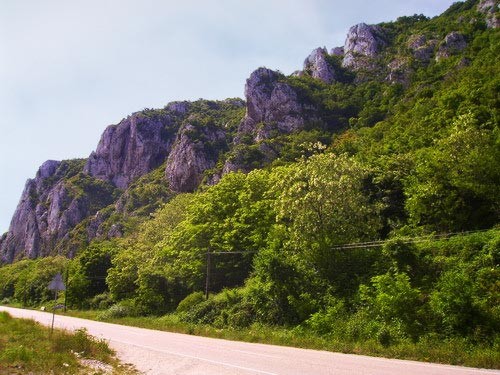
The Iron Gates Gorges and the Face of Decebalus
Se afla intre Valea Ogradena si Paraul Ogasul Turcului, in perimetrul localitatii Dubova, intre versantii abrupti pe care ii desparte Dunarea, formand niste...
22.2 km
Caras Severin, Caraș-Severin County
Domogled-Valea Cernei National Park
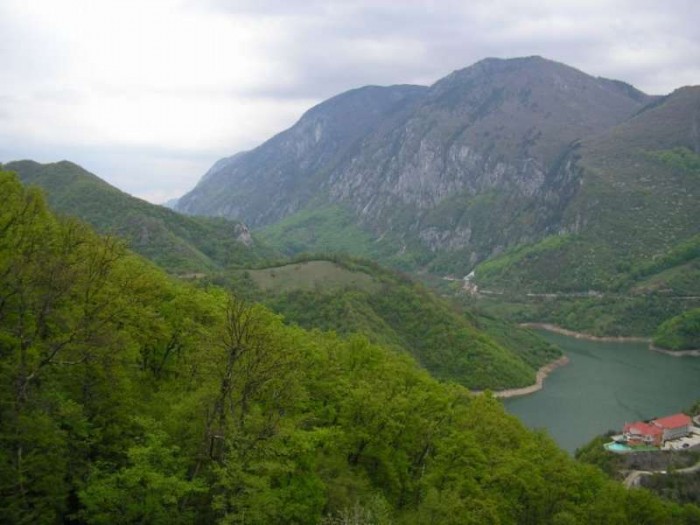
Se intinde pe suprafata a 3 judete - Caras-Severin, Mehedinti si Gorj, peste bazinul raului Cerna, de la obarsie pana la confluenta cu raul Belareca, peste...
36.0 km

Mehedinti, Mehedinți County
Iron Gates Natural Park
Se afla pe malul stang al Dunarii, intre localitatile Buzias si Gura Vaii, judetul Mehedinti, intinzandu-se si pe teritoriul judetului Caras-Severin;din...
1.5 km
Caras Severin, Caraș-Severin County
Herculane Baths
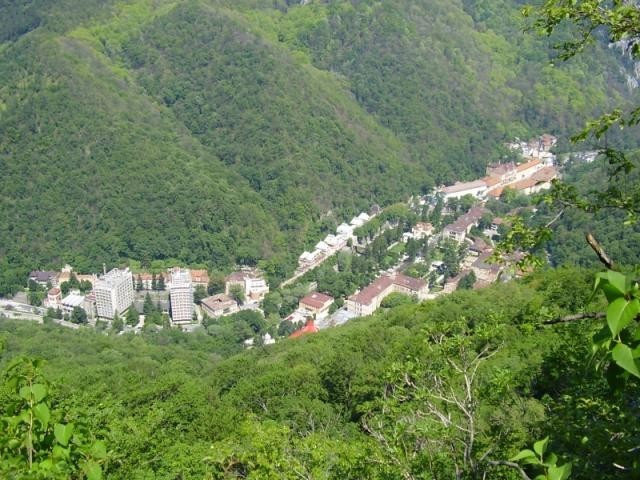
Situata pe Valea Cernei, la 5 km de principala artera rutiera ce leaga vestul tarii de Bucuresti si calea ferata internationala Bucuresti - Timisoara -...
24.2 km
Mehedinti, Mehedinți County
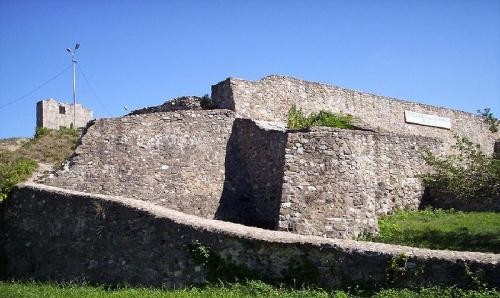
Severin Medieval Fortress
Situata in Parcul Dragalina, Bulevardul Carol I, orasul Drobeta Turnu-Severin;in anul 1233 s-a inceput constructia noii Cetatii a Severinului, peste ruinele...
11.7 km
Caras Severin, Caraș-Severin County
Rudăria Gorge and Water Mills
Situate in zona muntoasa a judetului Caras Severin, pe raza localitatii Eftimie Murgu (fosta Rudaria);accesul se face de pe drumul E70 Caransebes - Oravita, pe...
38.5 km

36.1 km
Caras Severin, Caraș-Severin County
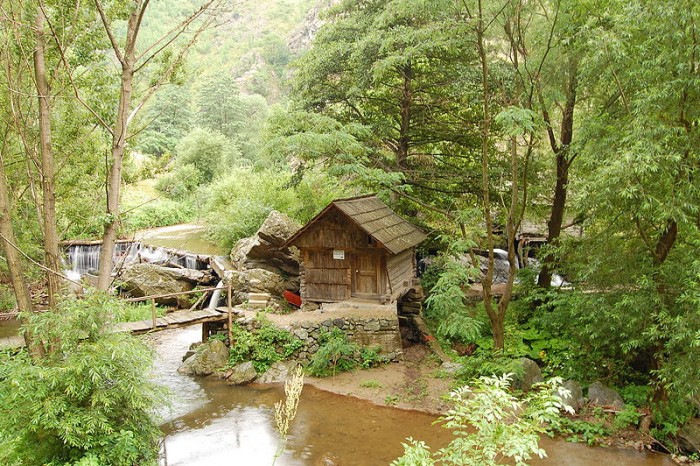
Rudăria Water Mill Reserve
Situata pe Valea Rudariei, din satul Eftimie Murgu; cuprinde un numar de 22 de mori cu ciutura, asezate de-a lungul cursului apei, pe o lungime de 3 km, o...
41.0 km

Mehedinti, Mehedinți County
God's Bridge Natural Landmark
Se afla la 5 km de localitatea Baia de Arama, in perimetrul comunei Ponoare;face parte din Rezervatia geomorfologica Complexul carstic Ponoare, ce se intinde...
38.0 km
Mehedinti, Mehedinți County
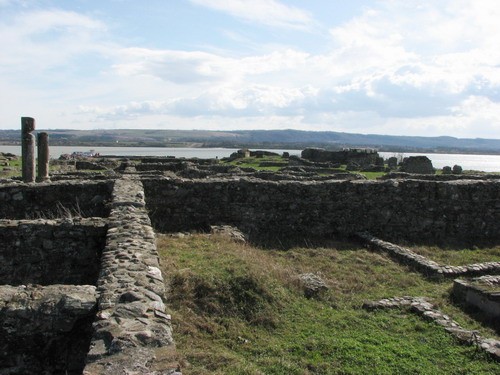
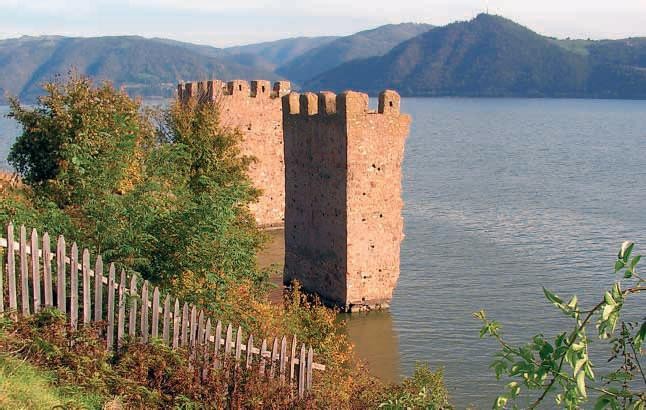
Drobeta Roman Fortress
Situat pe strada Independentei nr.2 din Drobeta Turnu Severin;este prima cetate de piatra ridicata in Dacia de imparatul Traian, intre anii 103 si 105;...
11.9 km
Mehedinti, Mehedinți County
Tricule Fortress
Se afla pe malul stang al Dunarii, la 4 km in aval de localitatea Svinita;dateaza din secolul al XV-lea;a fost ridicata in scop de aparare contra Imperiului...
36.1 km

Drobeta-Turnu Severin, Mehedinți County
Catedrala Episcopală din Drobeta-Turnu Severin
Orthodox cathedral in Drobeta-Turnu Severin
11.3 km
Cultural life and traditions
Events in the Trajan's Bridge Ruins area
Medieval festivals, traditional fairs, concerts and local activities recommended in Oltenia (Lesser Wallachia).

Traditions and Crafts

Mehedinti, County of Mehedinți
Days of Local Culture and Traditional Tourism
Open workshops featuring pottery, wood carving, and authentic folklore demonstrations by local artisans.
WHEN
May 15-17, 2026


Traditional Cuisine
Mehedinti, County of Mehedinți
The Fair of Traditional Products and Local Cuisine
Traditional products, aged cheeses, mountain honey and local delicacies prepared according to ancient recipes.
WHEN
Every weekend

Culture and Photography
Mehedinti, County of Mehedinți
Themed and Photographic Guided Tour of Cultural Heritage
A guided tour designed for history buffs, nature lovers, and photography enthusiasts, showcasing the most spectacular views in the area.
WHEN
Daily schedule available upon request
On foot, exploration gains depth
Discover the surroundings and local geography
Explore the trails, terrain, and natural landmarks around Trajan's Bridge Ruins.

Guides and practical tips
Useful travel articles
Travel guides, practical recommendations and tourist itineraries for Oltenia (Lesser Wallachia).

Tourist guide
Top 5 Atracții Turistice și Trasee Montane în Zona Moieciu - Bran
Descoperă cele mai spectaculoase peisaje carstice, chei adânci și cetăți medievale din imediata apropiere a stațiunii Moieciu.

Tourist guide
Ghid de Drumeție: Traseul Moieciu de Sus spre Platoul Bucegi
Un itinerariu montan de o frumusețe rară ce urcă din Valea Băngăleasa spre Poiana Guțanu și crestele maiestuoase ale Bucegilor.

Tourist guide
Castelul Bran: Istorie, Legende și Secrete Medievale
Află adevărata poveste a fortăreței medievale din Pasul Bran, reședința de suflet a Reginei Maria a României.
THE JOURNEY STARTS WITH AN IDEA
The next story is on the way.
From the first stop to the last stay, make room for a new Romania.
