


NATURE AND WILDLIFE · TRANSYLVANIA
Hațeg Country Dinosaur Geopark

Hunedoara, Hunedoara County
Add location to your trip planner.

Practical access information

VISITING HOURS
Mon: 12:00–17:00 · Tue–Sun: 09:00–17:00 (summer until 20:00)

TICKET PRICE
Adults: 45 RON · Students: 11 RON · Seniors: 23 RON · Guided tour included

RECOMMENDED VISIT DURATION
2–3.5 hours
Visitor information and guide
 Navigate with Google Maps

ABOUT HAȚEG COUNTRY DINOSAUR GEOPARK
A Journey Through Time: When Europe Was a Tropical Archipelago and Transylvania Hosted Dwarf Dinosaurs
There are places on Earth where the planet's own history lies in visible layers, where every stone, every fossil, and every hill speaks of geological eras from tens or hundreds of millions of years ago. The UNESCO International Geopark Hațeg Country is such a place – a territory of 102,392 hectares in southwestern Transylvania, in Hunedoara County, where time seems to have stopped to preserve one of the most extraordinary stories of prehistoric Europe. Here, approximately 70 million years ago, in the Late Cretaceous, when sea levels were much higher than today and when almost all of Europe was fragmented into a tropical archipelago bathed by the waters of the Tethys Ocean, there existed a subtropical island the size of present-day Hispaniola – approximately 80,000 square kilometers – where dwarf dinosaurs lived, unique in the world for their extraordinary evolutionary adaptations. This island, known today as Hațeg Island, represents the key to understanding a fundamental biological phenomenon – insular dwarfism – and has offered Europe and the world some of the most fascinating paleontological discoveries of the last two centuries.
The universal value of this territory was officially recognized in 2005, when the Hațeg Country Dinosaur Geopark became the first geopark in Romania and in all of Southeast Europe accepted into the European Geoparks Network and the Global Network under the UNESCO umbrella. Ten years later, in 2015, with the launch of the International Geoscience and Geoparks Programme by UNESCO member states, the territory received the status of UNESCO International Geopark, being periodically revalidated – the most recent evaluation mission taking place in 2026. Today, the geopark is administered by the University of Bucharest and represents a European model of sustainable development, education, and scientific research, integrating exceptional geological heritage with the cultural, historical, and natural heritage of a region that hosts probably the richest cultural heritage in Romania.
Historical Roots and Major European Connections
The European Archipelago of the Cretaceous: A Drowned Europe
To understand why dwarf dinosaurs lived in Hațeg Country, we must go back approximately 70 million years, to the Maastrichtian period of the Late Cretaceous. In that era, the global sea level was hundreds of meters higher than today, and what we now call the European continent was actually a vast tropical archipelago, similar to Indonesia or the Caribbean today. The African Plate was advancing northward, colliding with the Eurasian Plate and causing the uplift of the Alpine chain – a process that gave rise, among other things, to the volcanic islands in central and eastern Europe. In this insular landscape, Hațeg was just one of many islands of the European Archipelago: to the west stretched the great Ibero-Armorican Island (corresponding to the Iberian Peninsula and southern France today), to the north the Rheno-Bohemian Island, to the southeast the Adriatico-Dinaric Island (where, in present-day Italy, the dwarf dinosaur Tethyshadros insularis was discovered), and to the east the Transylvanian Island – Hațeg Island. These islands were separated by deep waters, but fluctuations in sea level and tectonic processes periodically created temporary land bridges, allowing faunal migrations between them. The climate was subtropical, with average temperatures of 20-25 degrees Celsius, with well-marked rainy and dry seasons, and the vegetation was predominantly tropical, dominated by braided rivers, swamps, and dense angiosperm forests.
The isolation of Hațeg Island – located at least 200 kilometers from the nearest continental landmass – created unique conditions for evolution. Here, the phenomenon known as "insular dwarfism" or the "island rule," first described by Baron Franz Nopcsa, caused dinosaurs that on the continent reached colossal sizes to evolve into miniature versions. A sauropod such as Magyarosaurus dacus, which on the continent could reach 30 meters in length, on Hațeg Island measured only 6-7 meters and weighed approximately one ton. This reduction in size was an adaptation to the limited food resources available on an isolated island – an evolutionary principle that still applies today, being observed in species such as the Sicilian dwarf elephant or the Cyprus dwarf hippopotamus. At the same time, in the absence of large theropod dinosaur predators, a giant pterosaur, Hatzegopteryx thambema, evolved to enormous sizes – a case of insular gigantism – becoming the absolute super-predator of the island.
Baron Franz Nopcsa: An Austro-Hungarian Scholar Between Science, Adventure, and Balkan Intrigues
The story of the discovery of the Hațeg dwarf dinosaurs begins on a summer day in 1895, on the Nopcsa family estate in the village of Sânpetru (in Hungarian Szentpéterfalva), when Ilona, the younger sister of Baron Franz Nopcsa von Felső-Szilvás, a girl of only 12 years old, found some "giant bones" on the nearby hills. Her brother Franz was then 18 years old and was already passionate about natural sciences. Born on May 3, 1877, in Deva, in the heart of Transylvania, into an aristocratic Hungarian family with Romanian roots, Nopcsa was the product of a cosmopolitan Central Europe, under the rule of the Austro-Hungarian Empire. His father, Elek Nopcsa, was a member of the Parliament in Budapest, and the family owned vast properties in Hațeg Country, including the castle at Săcel, at the foot of the Retezat Mountains.
Ilona's discovery changed Franz's destiny. Encouraged by the eminent Austrian geologist Eduard Suess, professor at the University of Vienna, the young Nopcsa began to study the fossils, completing his doctorate in geology in 1903 with a thesis dedicated to the area around the family estate. In 1899, at only 22 years old, he presented his first academic conference, and in the following years he published numerous works on the Transylvanian dinosaurs. Initially, Nopcsa attributed the fossils to the genus Titanosaurus, naming them Titanosaurus dacus; later, in the 1930s, the German paleontologist Friedrich von Huene renamed the species Magyarosaurus dacus, as a tribute to his friend, the "good Hungarian-Romanian friend." Nopcsa was one of the founders of paleobiology – the science that studies the biology of extinct organisms – and formulated revolutionary theories for his time: he proposed that birds evolved from theropod dinosaurs, that many Mesozoic reptiles were warm-blooded, and, most famously, the theory of insular dwarfism, today universally accepted.
But Nopcsa was not just a man of science. His life was an adventure novel that could have been written by Kafka or inspired the character of Indiana Jones. Besides paleontology, he became one of the founders of Albanology, publishing over 40 works on Albania, then a province of the Ottoman Empire. He roamed the mountains of Northern Albania, learned the local dialects, befriended the leaders of the Albanian national resistance against the Turks, and was even taken hostage by the bandit Mustafa Lita in 1907. During World War I, he worked as a spy for the Austro-Hungarian army in the Balkans, and after the war, when Transylvania passed to Romania, he lost his properties and withdrew to Vienna, where he sold his fossil collection to the Natural History Museum in London. He even came to run for the throne of Albania in a political intrigue with vaudeville accents, receiving the support of the Austro-Hungarian foreign minister Leopold Berchtold, but the plan failed. In 1933, in Vienna, in a tragic gesture, he killed his secretary and lifelong partner, Bajazid Elmas Doda, then committed suicide. He was director of the Royal Geological Institute in Budapest and a member of several European academies, and his contributions to science remain fundamental to understanding island evolution.
From Roman Dacia to the Kingdom of Hungary: Layers of Civilization
The human history of Hațeg Country is as rich as its prehistoric one. After the conquest of Dacia by Emperor Trajan in 106 AD, nearby – only 15 kilometers from Hațeg – the Colonia Ulpia Traiana Sarmizegetusa was founded, the capital of the Roman province of Dacia, between 108-110 AD. The ruins of this ancient city, with its forum, amphitheater, and baths, are located in the commune of Sarmizegetusa, at the foot of the Șureanu Mountains, only a few kilometers from the former Dacian capital Sarmizegetusa Regia, inscribed in the UNESCO World Heritage. The construction materials from the Roman ruins were reused centuries later by the builders of medieval churches – an extraordinary example being the Church of Densuș, built in the 13th century from stones, columns, and sculptural fragments brought from Ulpia Traiana Sarmizegetusa, including capitals, marble lions, and Latin inscriptions.
In the Middle Ages, Hațeg Country was part of the Kingdom of Hungary, being organized as a district (Hátszeg) within the county of Hunedoara (Hunyad). Here, powerful families of Romanian nobles – Cândea, Kendeffy – developed, who received noble privileges from the kings of Hungary for deeds of arms. The Kendeffy family, one of the oldest and most influential in Transylvania, built the castle at Sântămăria-Orlea (today in partial ruin, with its current appearance dating from 1782) and had close ties with the voivode John of Hunedoara (Iancu de Hunedoara), father of King Matthias Corvinus. The latter, the greatest king of medieval Hungary, built only 30 kilometers from Hațeg the impressive Corvin Castle in Hunedoara – a late Gothic fortress that has fascinated generations of European travelers.
Hațeg Country stands out for having the highest concentration of medieval stone churches in Romania, some of the oldest north of the Danube. The Church of Sântămăria-Orlea, the largest medieval church in the region, preserves frescoes of rare beauty, considered among the most successful Romanian medieval paintings. The Church of Ostrov is unique for its enclosure with over 200 inscribed Roman stones. These monuments, along with the fortresses of Colț, Mălăiești, and Răchitova, testify to a flourishing rural civilization, capable of assimilating Byzantine, Romanesque, and Gothic influences into a specific architectural syncretism.
Jules Verne and The Castle in the Carpathians: France Meets Transylvania
A special cultural dimension of Hațeg Country is its connection with world literature, especially with France. Colț Fortress, a medieval fortification built in the 14th century by the Cândea family on a cliff that dominates the Râușorului Valley at the entrance to the Retezat Mountains, is considered by researchers to be the source of inspiration for the famous novel "The Castle in the Carpathians" (Le Château des Carpathes), published by Jules Verne in 1892. It is said that the French author, invited by an acquaintance, spent a few weeks in the region in the summer of 1889, roaming Transylvania and visiting the Hațeg area. In his novel, Jules Verne describes "a strange fragment of the Austrian Empire, this Transylvania, that is, the land of forests," presenting it as a mysterious realm, shrouded in legends of vampires and spirits. Colț Fortress, perched on sharp cliffs, with its solitary keep and its atmosphere of mystery, fits perfectly Verne's description of Baron de Gortz's castle. This connection with the great French writer places Hațeg Country in a first-rank European cultural circuit, alongside other literary places such as Bram Stoker's Transylvania or Jules Verne's Carpathians.
The region has attracted other European personalities over time. In 1882, Prince Rudolf, heir to the throne of the Austro-Hungarian Empire and son of Emperor Franz Joseph, came to Hațeg Country for an expedition in the Retezat Mountains, seeking to escape the label of "rebel prince" and the pressures of Viennese court life. Foreign visitors – from 19th-century British and German travelers to today's tourists – have always been fascinated by the unique combination of Carpathian landscape, medieval churches, authentic rural traditions, and, more recently, paleontological discoveries.
Architectural Masterpiece and Artistic Heritage: An Island of Dwarf Dinosaurs
The Unique Fauna of Hațeg Island: Herbivores, Predators, and Giants of the Air
The Hațeg Basin is recognized worldwide as one of the most important fossiliferous areas in Europe for Late Cretaceous vertebrates. To date, more than ten dinosaur species have been identified here, along with numerous other vertebrates – crocodiles, turtles, snakes, primitive mammals, and flying reptiles. All these species present endemic characteristics, being adapted to the conditions of the island.
Among the herbivorous dinosaurs is Magyarosaurus dacus, a dwarf sauropod only 6-7 meters long, with a massive body and relatively short neck, which moved through the forests and swamps of the island seeking vegetation. Telmatosaurus transsylvanicus, a dwarf hadrosauroid (also known as the "duck-billed dinosaur"), was adapted to a mixed diet and represents a member of an endemic Southeast European clade, Telmatosauridae, which also includes its relatives from Italy (Tethyshadros) and North America (Kryptohadros kallaiae, discovered in 2026 in the same basin). Struthiosaurus transsylvanicus was a small-sized dinosaur covered with bony armor, adapted to defense against predators. Rhabdodon priscus, initially described by Nopcsa, is related to species found in southern France, suggesting faunal connections between Hațeg Island and the Ibero-Armorican Island. Zalmoxes robustus and Zalmoxes shqiperorum (named after the Albanian word for "eagle," the snake-eagle, an allusion to the Albanian origin of the discoverer) were small-sized ornithopods, with robust skulls adapted for chewing. In 2022, an international team led by paleontologist Felix Augustin from the University of Tübingen, which included researchers from the University of Bucharest, the University of Zurich, and an independent researcher from Dorset, Great Britain, described a new species, Transylvanosaurus platycephalus – "the flat-headed reptile from Transylvania" – an herbivore only 2 meters long, with an extremely flattened skull, unique among European rhabdodontids.
The most spectacular discovery in recent years is, however, Balaur bondoc, described in August 2010 in the prestigious journal Proceedings of the National Academy of Sciences by a team led by Romanian paleontologist Zoltán Csiki from the University of Bucharest. Balaur bondoc – the name coming from the balaur of Romanian folklore, a winged dragon, and from the word "bondoc," meaning "stocky, robust" – was a predatory dinosaur only 1.8-2.1 meters long, but with an anatomy unique in the world: unlike the related velociraptors, which had one large claw on each foot, Balaur had two retractable, sickle-shaped claws on each hind limb. Its body was short and muscular, with long forelimbs covered in feathers. Initially classified as a dromaeosaurid, subsequent phylogenetic analyses placed it among the avialans – the group that includes modern birds – suggesting that Balaur could have been a secondarily flightless bird, a rare case of secondary loss of flight capability. The skeleton discovered in 2009 near Sebeș, in the Sebeș Formation, represents the most complete Late Cretaceous carnivorous dinosaur known in Europe to date.
Other predators of the island include Megalosaurus hungaricus, Bradycneme draculae (named after "Dracula," an allusion to Transylvanian mythology), Heptasteronis andrewsi, and Elopteryx nopcsai (named in honor of Baron Nopcsa). All of these were reduced in size compared to their continental relatives – another effect of insular dwarfism.
But the true king of the skies of Hațeg Island was Hatzegopteryx thambema, a giant azhdarchid pterosaur discovered at Vălioara, in the northwest of the basin, and described in 2002 by French paleontologist Eric Buffetaut together with Romanians Dan Grigorescu and Zoltán Csiki. With a wingspan estimated at 10-12 meters – comparable to that of the famous Quetzalcoatlus from North America – and a robust skull that could measure up to 2.5-3 meters, Hatzegopteryx was one of the largest flying reptiles that ever existed. Unlike other azhdarchids, it had a short and extremely muscular neck, a spongy bone structure instead of hollow bones, and was probably the absolute super-predator of the island, hunting even larger dwarf dinosaurs. Its name, thambema, comes from the Greek "thambema," meaning "terror" or "monster," a reference to its staggering dimensions.
Besides dinosaurs, the island hosted a diversified fauna: the crocodile Allodaposuchus precedens, the turtle Kallokibotion bajazidi (named after Bajazid Doda, Nopcsa's secretary), snakes, lizards, amphibians, primitive mammals, and birds. Original nests with dinosaur eggs have also been discovered, including fossilized embryos, offering precious information about the reproduction and parental behavior of these animals.
Nature Reserves and Geosites: A Mosaic of Biodiversity
Within the geopark there are eight nature reserves of national interest, each protecting a different aspect of the natural heritage. The Tuștea Reptilian Paleofauna Reserve protects one of the most important fossiliferous sites, where numerous remains of Mesozoic reptiles have been discovered. The Sânpetru Dinosaur Fossil Site marks exactly the place where Nopcsa's sister Ilona made the first discovery in 1895. The Peșteana Swamp is an active peat bog, a relic of the glacial periods, with remarkable biodiversity – here one finds carnivorous plants such as round-leaved sundew (Drosera rotundifolia) and hare's-tail cottongrass (Eriophorum vaginatum), species listed in Annex I of European Directive 92/43/EEC on the conservation of natural habitats. The Fața Fetii Limestones are impressive karst formations, and Poienii Peak offers panoramic views over the Hațeg Depression.
Slivuț Forest is a special forest reserve, known especially as one of the oldest European bison (Bison bonasus) reserves in Romania – these gentle giants, symbol of the wild Carpathians, can be observed here in their natural habitat. The Narcissus Meadows of Nucșoara and Pui Hayfields are steppe grasslands with extraordinary floristic biodiversity, blooming in spring with wild daffodils and hundreds of butterfly species. The entire territory partially overlaps with the Site of Community Importance "Strei-Hațeg" (23,940 hectares), part of the European ecological network Natura 2000, designated for the protection of natural habitats and wild plant and animal species of community interest – bear, wolf, otter, and numerous bird species.
Intangible Cultural Heritage: Traditions, Crafts, and Community
The geopark is not just a natural territory – it is a living space, where local communities preserve and perpetuate traditions centuries old. Traditional rural architecture, with wooden houses and shingle roofs, crafts (weaving, pottery, wool processing), customs and calendar festivals, folk music and dance represent an intangible heritage that harmoniously complements the natural values. The communities of Hațeg Country are keepers of traditions enriched throughout history with elements from the cultures that interacted with the region – Hungarian, Saxon (German), Romanian, and even Ottoman influences from the period of Turkish rule over the neighboring Banat.
Legends, Personalities, and Turning Points
Ilona Nopcsa: The Girl Who Discovered a Lost World
Behind great scientific discoveries there is often a banal occurrence, a moment of childish curiosity. In the summer of 1895, Ilona Nopcsa, a 12-year-old girl, daughter of the noble Nopcsa family from Săcel, was walking on the hills near the village of Sânpetru, on the family estate, when she noticed some "giant bones" emerging from the ground. She brought them to her brother Franz, who was 18 years old and already fascinated by natural sciences. What followed revolutionized paleontology: Franz collected the fossils, studied them self-taught, sent them to Professor Eduard Suess in Vienna, and later dedicated himself fully to their study. Thus, a chance discovery by a child opened a window to the lost world of the Cretaceous and laid the foundations for understanding insular dwarfism. Ilona's contribution, although often forgotten in favor of her famous brother, has been recognized by modern researchers, who emphasize the importance of feminine observation in an era when women had limited access to science.
The Balaur of Folklore and the Balaur of Rock: Myth Meets Science
One of the most fascinating aspects of the discovery of Balaur bondoc is the profound connection between Romanian mythology and modern science. The balaur is a creature from Romanian folklore – a dragon or winged serpent, often depicted with bat wings, scales, and fiery breath. In popular beliefs, balaurs were ambivalent beings, sometimes protective, sometimes destructive, associated with hidden treasures in caves and with incomprehensible forces of nature. When paleontologists discovered this predatory dinosaur with two claws on each foot, they intentionally chose the name Balaur, creating a symbolic bridge between the mythical world of the ancestors and the scientific world of modern discoveries. The epithet "bondoc" – which means "stocky, robust" – refers to the massive constitution of the animal, but also to the fact that the name derives from the Turkish "bunduk," "small ball," an allusion to the probable Asian origin of its ancestors. This naming choice reflects an increasingly present trend in paleontology – to anchor scientific discoveries in local culture and identity, transforming fossils into living ambassadors of cultural heritage.
Jules Verne and the Mystery of the Carpathians
The connection with Jules Verne adds a literary and romantic dimension to Hațeg Country. In the novel "The Castle in the Carpathians" (1892), Verne describes a mysterious castle, situated "on a solitary ridge," from where its master, Baron Rodolphe de Gortz, exercises his occult powers over the surrounding villages. The atmosphere of mystery, of advanced technology for the time, and of conflict between modernity and tradition, is still alive in the Hațeg landscape. Colț Fortress, with its ruins shrouded in mist, with its solitary keep and its dizzying panorama over the Retezat Mountains, seems torn from the pages of the novel. Even if Verne did not physically reach the area (although legend says otherwise), his spirit – that of exploration, adventure, and fascination with the unknown – is present in every corner of the geopark, where the visitor can walk in the footsteps of creatures that disappeared 70 million years ago, can admire churches built from Roman ruins, and can dream of the still unsolved mysteries of the past.
Recent Discoveries: Science Continues
The story did not end with Nopcsa. After an interruption of over 60 years, systematic research was resumed in the 1970s by Dan Grigorescu, and starting in the 2000s, a new generation of Romanian paleontologists – Zoltán Csiki-Sava, Mátyás Vremir, Felix Augustin – together with international collaborators from France, Germany, Switzerland, Great Britain, and Canada, have revealed new species and new perspectives on the island ecosystem. The discovery of Balaur bondoc in 2010 shook the scientific world, being considered one of the most important European paleontological discoveries of recent decades. In 2022, the description of Transylvanosaurus platycephalus added a new piece to the puzzle of European rhabdodontid evolution. And in 2026, the announcement of the discovery of Kryptohadros kallaiae – a new dwarf hadrosauroid – demonstrates that Hațeg Country still keeps its secrets, offering new and new perspectives on the biodiversity of Europe at the end of the age of dinosaurs. The artistic reconstructions made by Canadian paleoartists Brian Cooley and Mary Ann Wilson, who gave form and color to Balaur bondoc and Zalmoxes robustus, have brought these extinct creatures back into the attention of the general public, transforming them into true ambassadors of European natural heritage.
Practical Visitor Guide and Today's Tourist Experience
Visitor Infrastructure: The Geopark Houses
The UNESCO International Geopark Hațeg Country has a modern visitor infrastructure, designed to offer a high-quality educational and emotional experience. The central point is the Geopark House in the town of Hațeg, located on Libertății Street, number 9A, in the University of Bucharest building. Here is the administrative headquarters of the geopark and the permanent exhibition "Balaurs, Dragons, Dinosaurs" – an innovative concept that valorizes the connections between balaur mythology, the dragon myth, and scientific fascination with dinosaurs. The star of the exhibition is the life-size reconstruction of Balaur bondoc, made by Canadian paleoartists Brian Cooley and Mary Ann Wilson, alongside Zalmoxes robustus. The exhibition presents authentic fossils, including skull fragments and bones, and offers an interactive journey through the geological history of the area, from the formation of rocks 600 million years old to the disappearance of dinosaurs 66 million years ago.
In Sânpetru, in the commune of Sântămăria-Orlea, is the House of Dwarf Dinosaurs – the first museum in Hațeg Country dedicated to Late Cretaceous reptiles – built right on one of the places where dinosaur traces were discovered. Here visitors can learn about the paleontological site, about excavation and fossil preparation techniques, and about the story of Franz Nopcsa's discoveries. In the same locality, the House of Traditions presents local crafts and traditions, from weaving and pottery to customs and calendar festivals, offering a perspective on the way of life of the Hațeg communities.
In the commune of Densuș, approximately 3 kilometers from the famous Church of Densuș, is the House of Volcanoes – an ecological cob construction (yellow earth, straw, and water), realized through volunteering within educational projects started in 2014. This space presents the story of the volcanoes that dominated Hațeg Island 70 million years ago, explaining the geological formation of the basin and offering practical activities for visitors.
In the village of General Berthelot is the Science and Art Center, where original nests with dinosaur eggs discovered in Hațeg Country can be admired – rare discoveries that offer precious information about the reproduction of these animals. Also, in the village of Ohaba Sibișel (Râu de Mori commune) is the House of Stones, an interpretation center for local geological heritage.
Thematic Trails and Tourist Experiences
The geopark recommends four one-day thematic trails, which can be traveled by bicycle or car: "History and Legends" – which connects Sarmizegetusa Regia, the Church of Densuș, Ulpia Traiana Sarmizegetusa, and Colț Fortress; "Nature and Tradition" – which explores the nature reserves and traditional villages; "Valley of the Dinosaurs" – an 18-kilometer trail that connects Hațeg to Sântămăria-Orlea, Sânpetru, and Ohaba-Sibișel, passing by all the Geopark Houses; and "Volcano Road" – which presents traces of prehistoric volcanic activity in the area. All trails combine nature with tradition, geology with history and local legends, offering a holistic experience.
Besides these trails, visitors can explore the Retezat National Park, neighboring to the south, declared a UNESCO Biosphere Reserve, with alpine glaciers, glacial lakes, and remarkable biodiversity. The European Bison Reserve in Slivuț Forest offers the chance to observe the largest terrestrial mammal in Europe in its natural habitat. Tăul fără Fund, a high-altitude glacial lake with no visible bottom, and the Narcissus Meadows of Nucșoara are other special natural attractions. History lovers can also visit Corvin Castle in Hunedoara, only 30 kilometers away, or the ruins of the medieval Mălăiești fortress.
Visiting Schedule, Reservations, and Practical Information for 2026
Visiting the points of interest within the geopark is done exclusively by appointment, at least three days before arrival, to allow the organization of guided tours and to ensure the protection of sensitive sites. Reservations can be made by telephone at +40 767 186 133 or +40 743 072 930, or through the official website www.hateggeoparc.ro. For organized groups, reservations can be made for any day of the week and in any period of the year.
The visiting schedule of the Geopark House in Hațeg and the House of Dwarf Dinosaurs in Sânpetru is as follows: in the period May 15 – September 15, the exhibitions are open Wednesday, Friday, and Saturday, between 10:00 and 16:00 or 18:00 (the exact schedule may vary, advance verification being recommended). In the period September 15 – May 15, visiting is done only by telephone appointment. The House of Volcanoes can be visited with reservation directly on the dedicated website.
The geopark is administered by the University of Bucharest, through the Faculty of Geology and Geophysics, which ensures integrated management of education, protection, and sustainable development. The status of UNESCO International Geopark was revalidated in 2022 and is currently in full revalidation process for the next period, with the evaluation mission scheduled for 2026. The sale or destruction of fossils and minerals are strictly prohibited in the geopark, and visitors are asked to respect the rules for the protection of natural and cultural heritage.
Every year, in July, the Dinosaur Festival takes place – an event that brings together scientists, artists, musicians, and tourists from all over the world, celebrating the unique heritage of Hațeg Country through exhibitions, workshops, conferences, and performances. It is a moment when the prehistoric past comes alive in the present, and the local community proudly shares its story with the world.
How to Get There and What to Know
Hațeg Country Geopark is located in southwestern Transylvania, approximately 45 kilometers south of Deva and 60 kilometers east of Petroșani. It can be reached by car on DN66 (European route E79) on the Petroșani – Hațeg route, or on DN68 from Caransebeș. From Bucharest, the distance is approximately 400 kilometers (about 5 hours by car), and from Cluj-Napoca approximately 200 kilometers. The town of Hațeg is the administrative center and starting point for most trails. Accommodation can be done in agritourism guesthouses and hotels in Hațeg and neighboring villages, with numerous options for all budgets. Local gastronomy – with traditional dishes such as tripe soup, sarmale, polenta with cheese and sour cream, pumpkin pies, and pork or beef products – completes the cultural experience.
The journey to Hațeg Country is an invitation to discover a different Europe – one in which continents were still forming, in which islands hosted unique faunas, in which Austro-Hungarian barons discovered the secrets of evolution, in which medieval churches rose from the ruins of ancient Rome, and in which, today, scientists and tourists alike can walk in the footsteps of dwarf dinosaurs. It is a place where the boundaries between science and myth, between past and present, between nature and culture blur, offering every visitor a profound human and profoundly European experience.
Media gallery
Discover Hațeg Country Dinosaur Geopark in pictures

5 photos · Architecture, courtyards and captivating details


Image source: Wikimedia Commons · Public domain photos · Free license
STAY A FEW DAYS, DISCOVER THE MAGIC
Stays near Hațeg Country Dinosaur Geopark

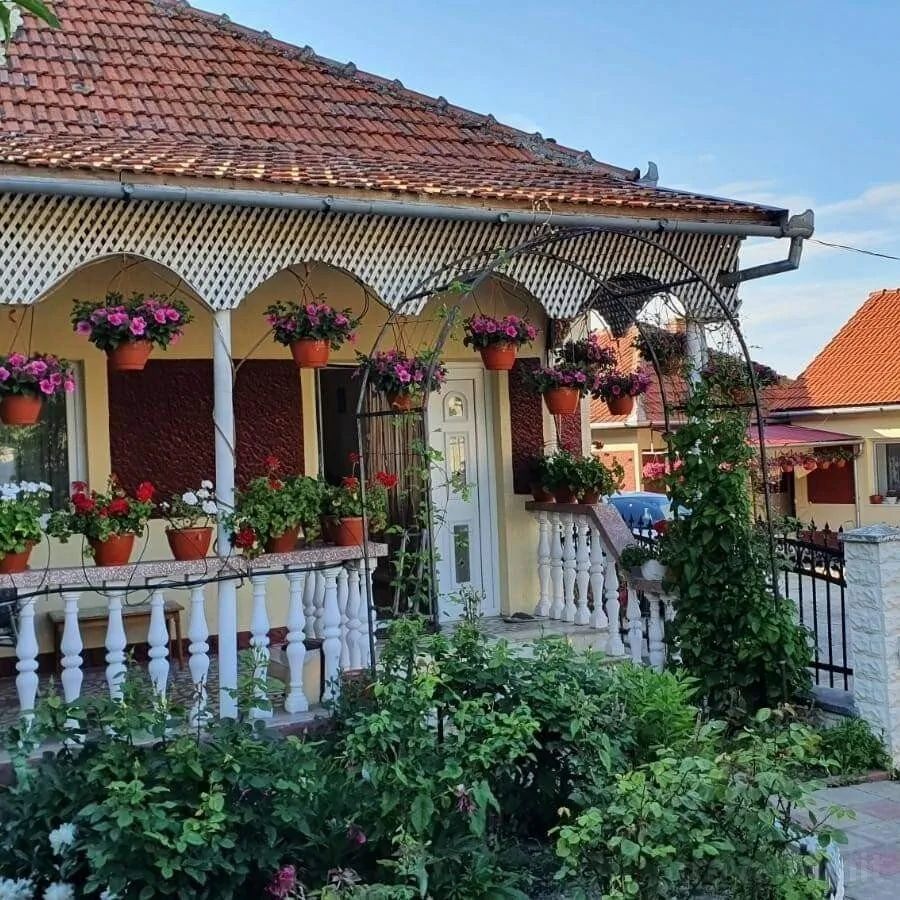
Casă de Vacanță · 3 stars

Nucșoara, Nucșoara County · 0.4 km
La Moșu-n Retezat Nucșoara
Camere, serviciiLa Moșu-n Retezat Nucșoara Nucșoara ofera 5 camere dotate cu bun gust. Se ofera parcare gratuita. Accesul la internetul wireless este disponibil la unitatea de cazare. Fiecare camera ofera baie proprie. O lista detaliata despre facilitatile unitatii de cazare (inclusiv cele contra cost), cat si despre amenajarea camerelor gasiti in fisa de mai jos. Servicii de masăPreturile includ doar cazare. PlatăPuteti face plata cazarii cu/prin: numerar, card bancar. Sosire, programCamera poate fi ocupata de la ora 13:00 iar predarea ei se face pana la ora 10:00. Personalul de la receptie vorbeste limba: engleză, română.
FROM
280 RON / night

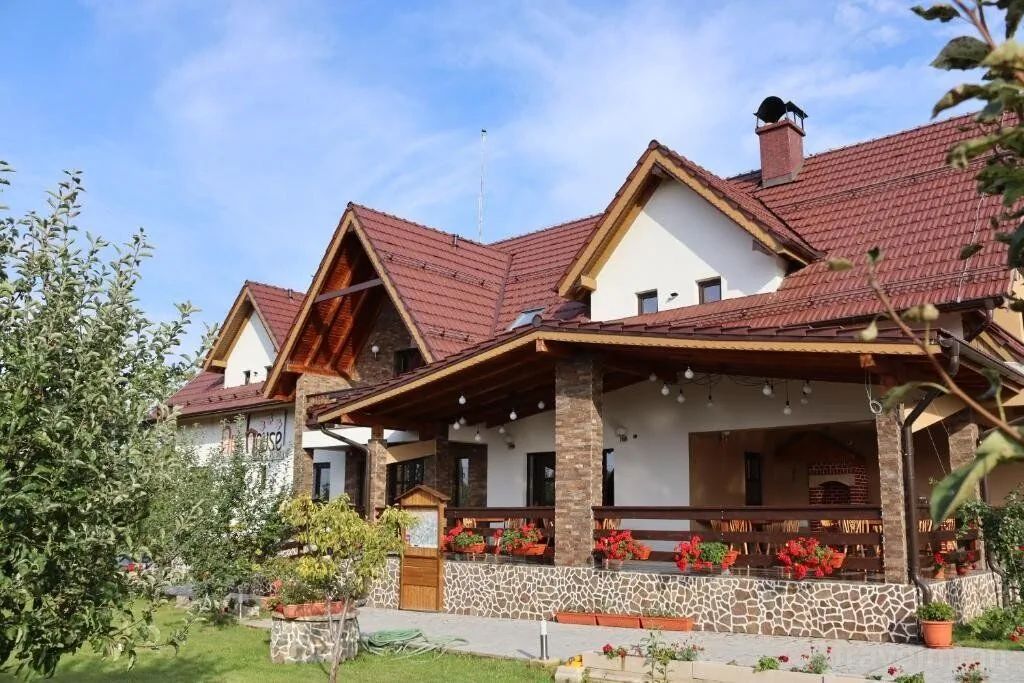
Pensiune · 3 stars
Nucșoara, Nucșoara County · 0.5 km
Pensiunea Nut House Nucșoara
Pensiune deschisa in vara anului 2022, Pensiune localizata in satul Nucsoara Hunedoara ,la poalele muntilor Retezat,acces drum modernizat,utilitati apa,canal,energie electrica,internet,televiziune.Distanta fat de accesul in parcul national 6 km,fata de Sarmisegetusa Ulpia Traiana 15 km,fata de Hateg 18 km,fata de Parcul de agrement Transilvania Dinosaur park 5 km,cetatea Malaesti 2 km,Cascada Lolaia 7 km.Cetatea Colt 15 km.Pensiune cu 8 camere.Fiecare camera are baia proprie.Bucatarie comuna dotata cu tot ce este nevoie,bucataria dispune de 6 frigidere pentru oaspeti.Camerele au pat confortabil matrimonial,unele dintre camere au si canapea extensibila,balcon.Gradina cu foisor cu mai multe locuri de gratar,ceaun.Loc de joaca copii,terasa deschisa acoperita,masa de tenis masa,fileu badminton.Parcare gratuita pe terenul pensiunii
FROM
240 RON / night
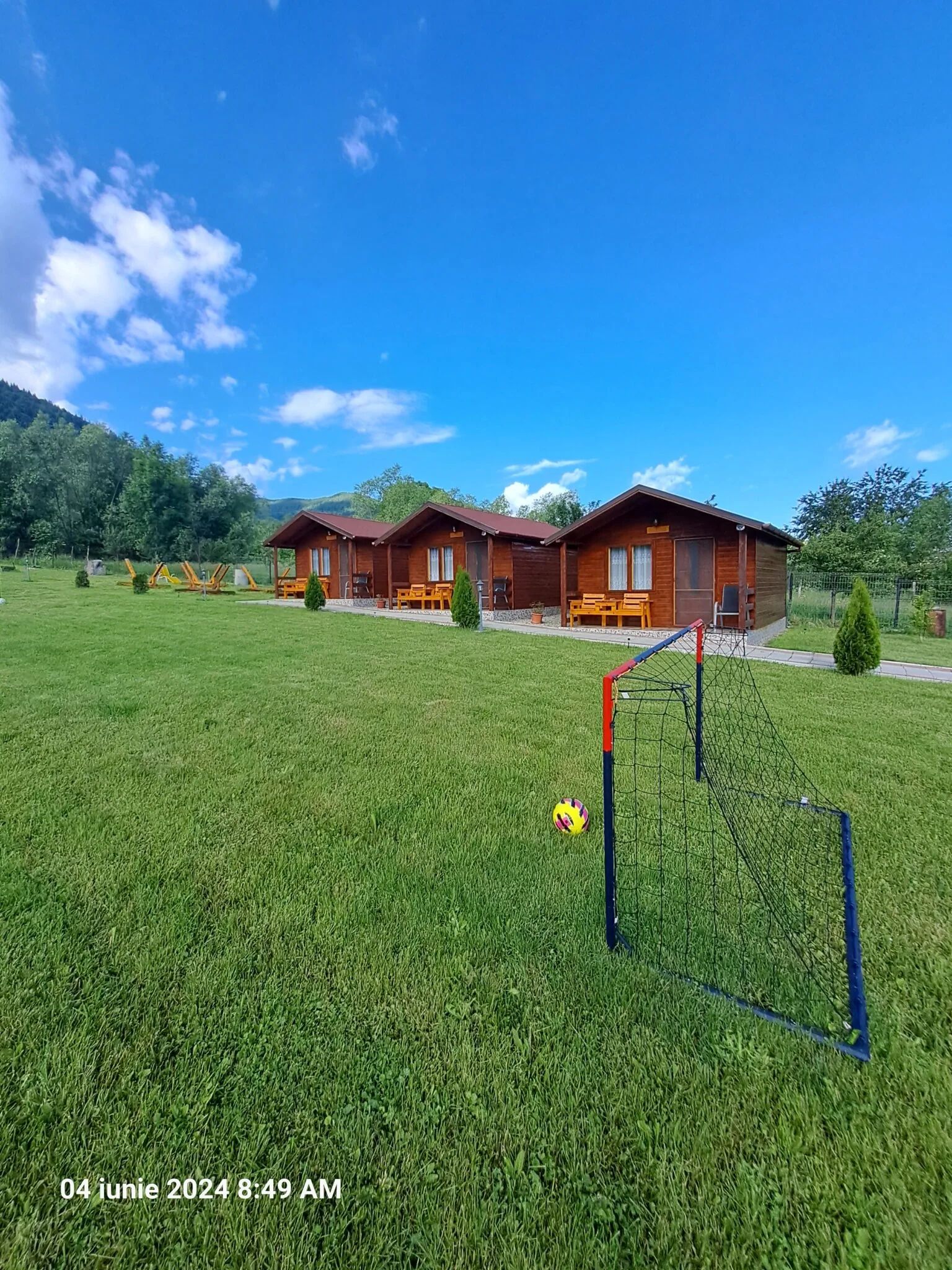
Pensiune · 3 stars
Nucșoara, Nucșoara County · 0.6 km
Pensiunea Căsuțele din Retezat Nucşoara
Camere, serviciiPensiunea Căsuțele din Retezat Nucşoara Nucșoara va pune la dispozitie doua camere amenajate placut si cu rafinament. Se ofera parcare gratuita. O parte din camere sunt dotate cu aer conditionat pentru a satisface nevoile si celor mai exigenti clienti. (Pentru mai multe informatii consultati la fiecare tip de camera rubrica "detalii"). Oaspetii pot beneficia de accesul la internet wireless disponibil la pensiune. Daca doriti sa aflati mai multe detalii despre facilitatile disponibile la Pensiunea Căsuțele din Retezat Nucşoara, respectiv despre amenajarea camerelor, va rugam consultati informatiile de mai jos. Servicii de masăTarifele camerelor nu includ nici o masa. PlatăPlata o puteti efectua cu/prin: numerar, card de vacanță, avans travelminit, voucher travelminit. Pentru garantarea rezervarii se percepe un avans de 25%. Sosire, programPreluarea camerei se face de la ora 15:00 si iesirea pana la ora 11:00. Personalul de la pensiune vorbeste limba română.
FROM
240 RON / night
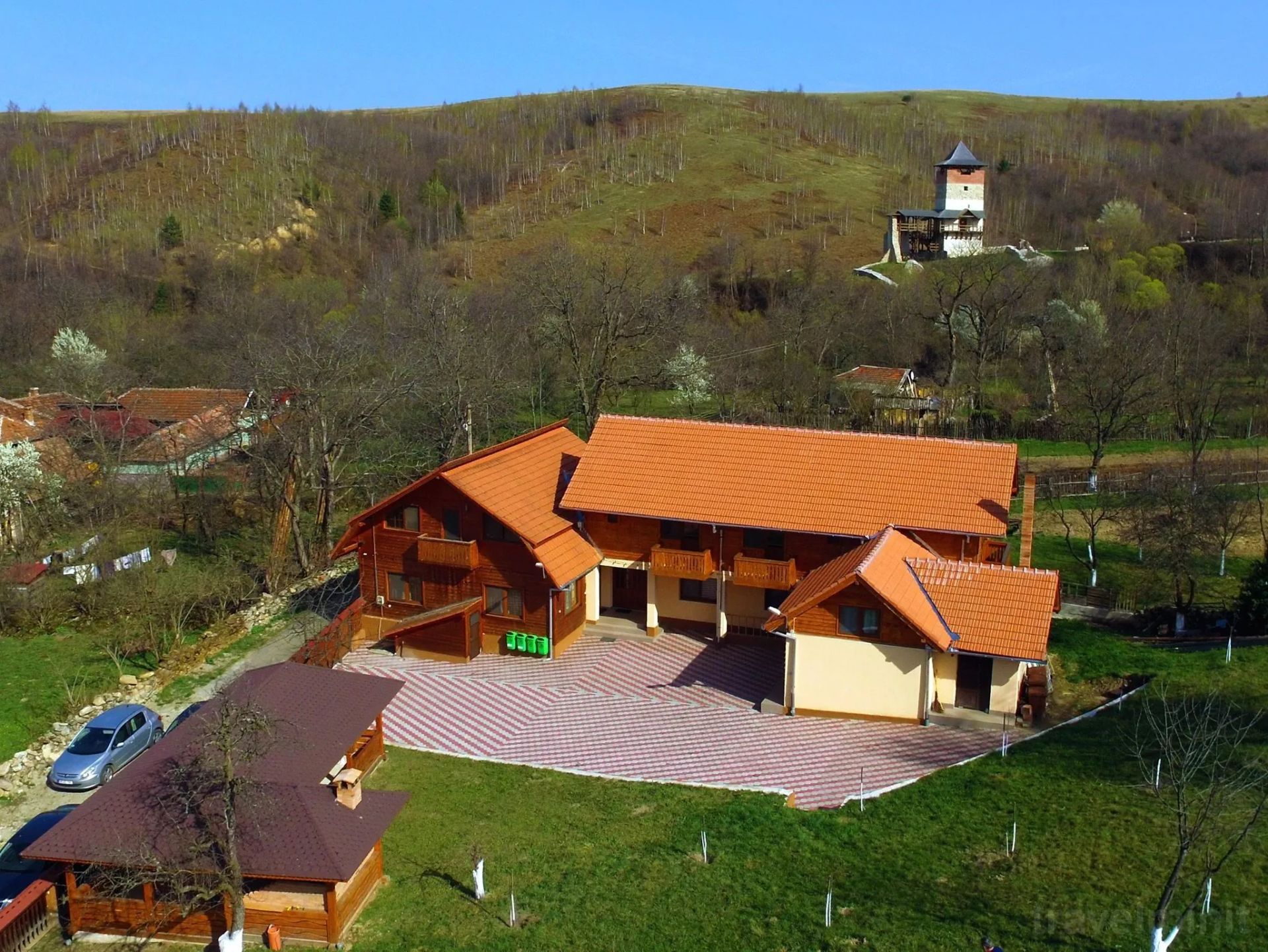
Pensiune · 3 stars
Mălăiești, Mălăiești County · 1.8 km
Pensiunea Iancu Mălăiești
Camere, serviciiPensiunea Iancu Mălăiești Mălăiești ofera 9 camere dotate cu bun gust. Proprietatea ofera parcare gratuita. La unitate aveti posibilitatea de a accesa internetul wireless. Daca doriti sa obtineti mai multe informatii despre facilitatile oferite la aceasta unitate de cazare (inclusiv cele contra cost) si despre echiparea camerelor, consultati fisa de mai jos. Servicii de masăTarifele camerelor nu includ nici o masa. PlatăModalitati de plata acceptate: transfer bancar, card bancar, numerar, card de vacanță, avans travelminit, voucher travelminit. Sosire, programIntrarea se face incepand cu ora 14:00 si iesirea pana la ora 12:00. Personalul de la receptie este cunoscator a mai multor limbi: franceză, română.
FROM
240 RON / night
Pensiune · 3 stars
Mălăiești, Mălăiești County · 1.8 km
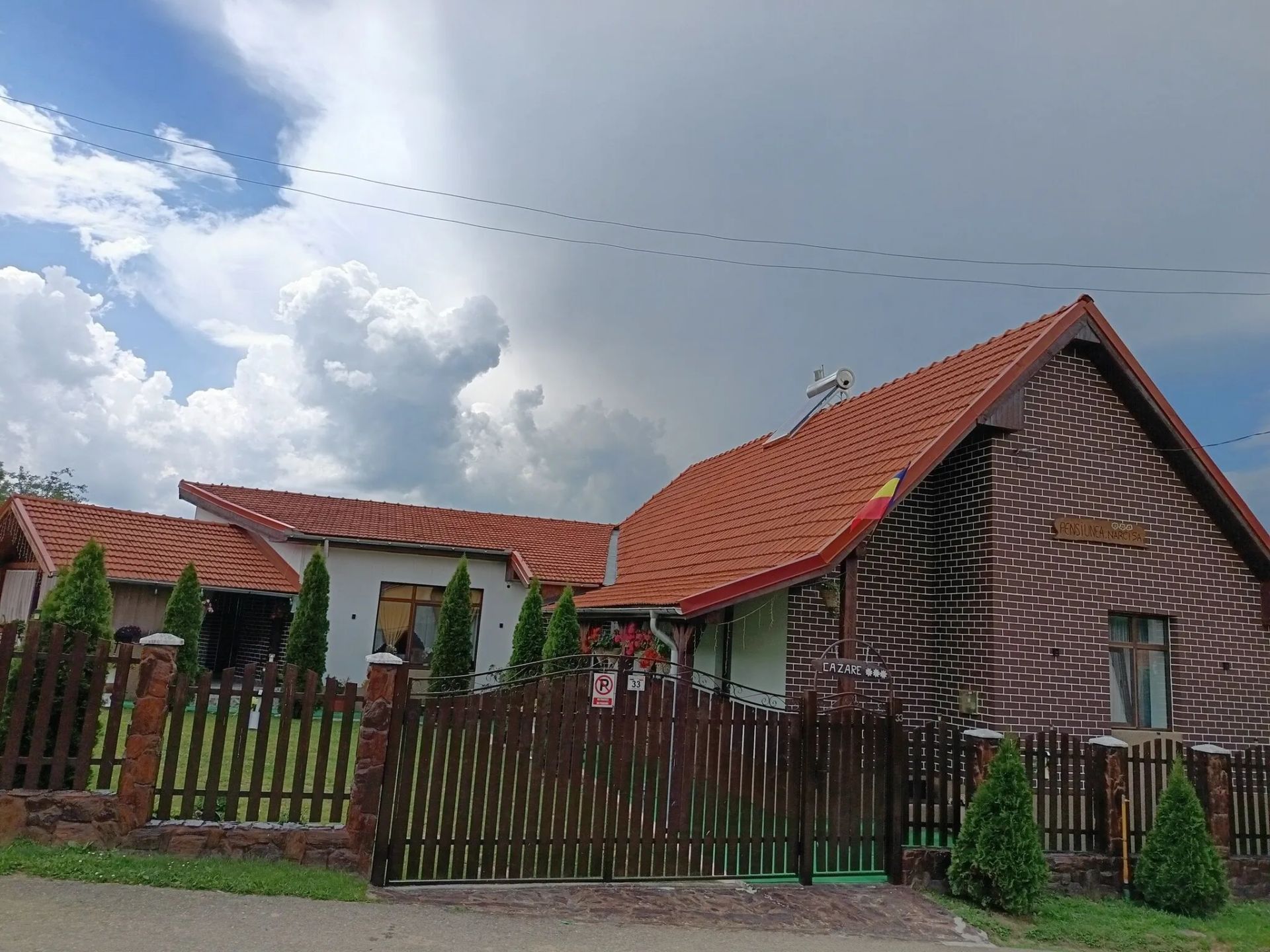
Pensiunea Narcisa Mălăiești
Camere, serviciiPensiunea Narcisa Mălăiești Mălăiești va pune la dispozitie trei camere amenajate placut si cu rafinament. Este permis accesul cu animale de companie (contra cost). Unitatea va ofera parcare gratuita. Clientii pot beneficia de servicii wellness. Pentru detalii va rugam consultati pagina de date. Accesul la internetul wireless este disponibil la unitatea de cazare. Camerele sunt echipate cu bai proprii. Daca doriti sa obtineti mai multe informatii despre serviciile disponibile (inclusiv cele contra cost) in cadrul unitatii de cazare si despre echiparea camerelor, consultati fisa de mai jos. Servicii de masăPreturile includ doar cazare. PlatăPlata se face prin urmatoarele metode: numerar, transfer bancar, card de vacanță, avans travelminit, voucher travelminit. Pentru garantarea rezervarii se percepe un avans de 30%. Sosire, programIntrarea se face incepand cu ora 13:00 si iesirea pana la ora 11:00. Limba vorbita la receptie română.
FROM
240 RON / night
Casă de Vacanță · 3 stars
Ohaba-Sibișel, Ohaba-Sibișel County · 2.1 km
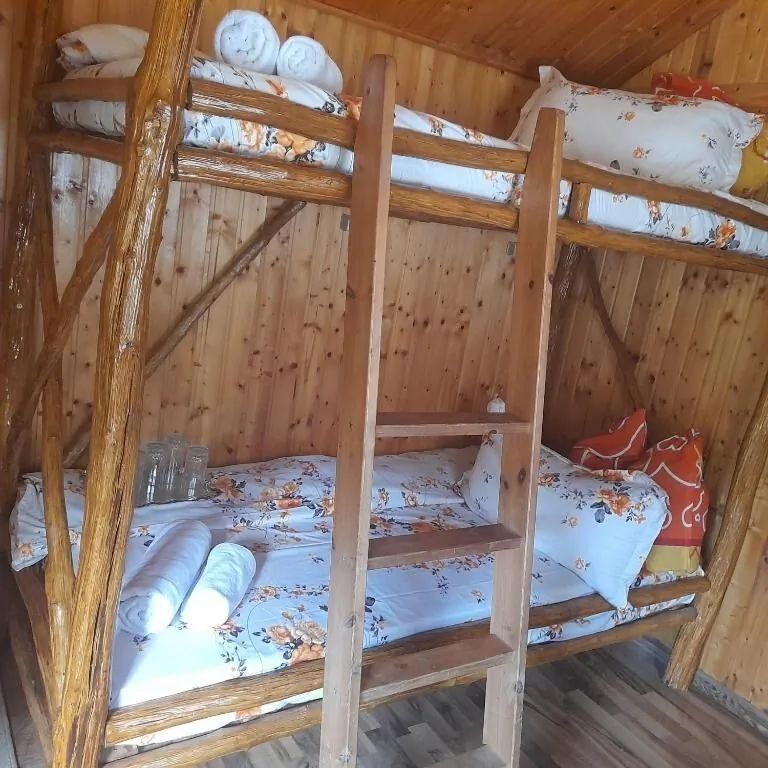
Casa la Pescăria lui Nelu Ohaba-Sibişel
Camere, serviciiCasa la Pescăria lui Nelu Ohaba-Sibişel Ohaba-Sibișel ofera 4 camere confortabile si placut amenajate. O lista detaliata despre facilitatile unitatii de cazare (inclusiv cele contra cost), cat si despre amenajarea camerelor gasiti in fisa de mai jos. Servicii de masăPreturile afisate se refera doar la cazare. PlatăModalitati de plata acceptate: transfer bancar, card de vacanță, avans travelminit, voucher travelminit. Pentru garantarea ferma a rezervarii se solicita un avans de 100%. Sosire, programCamera poate fi ocupata de la ora 15:00 iar predarea ei se face pana la ora 11:00 . Limba vorbita la receptie română.
FROM
280 RON / night
BEFORE YOU HIT THE ROAD
Weather conditions in Hunedoara
Local forecast for Hațeg Country Dinosaur Geopark, Hunedoara, Hunedoara

Real-time updated weather data
Much more to explore in this area
Nearby tourist attractions


Hunedoara, Hunedoara County
Corvin Castle
Situat pe strada Castelului nr. 1 - 3 din municipiul Hunedoara; ridicat in secolul al XV-lea, de Ioan de Hunedoara, pe locul unei vechi intarituri; din punct...
30.0 km

Hunedoara, Hunedoara County
Sarmizegetusa Regia Fortress
Situata pe raza localitatii Gradistea Muncelului; amplasata la altitudinea de 1.200 m; inclusa pe lista patrimoniului cultural mondial UNESCO; a fost capitala...
34.1 km

Hunedoara, Hunedoara County
Retezat National Park
Situat in masivul Retezat - Godeanu, in partea de vest a Carpatilor Meridionali; ocupa o suprafata totala de 38.138 ha; altitudinea e cuprinsa intre 800 si 2.50...
18.2 km

11.2 km

Hunedoara, Hunedoara County
Sarmizegetusa Regia Fortress
Situat pe teritoriul administrativ al satului Gradistea de Munte, comuna Orastioara de Sus; punctul sitului se numeste "Dealul Gradistii"; se intinde pe o...
34.1 km

Hunedoara, Hunedoara County
Lacul Bucura
Situat in caldarea Bucura, sub Varful Peleaga si Saua Bucurei; orientat pe directia nord - sud; face parte din Parcul National Retezat si este situat la o...
14.1 km

Hunedoara, Hunedoara County
Cetatea Orăștiei
Situata pe strada N. Balcescu, municipiul Orastie, judetul Hunedoara; construita in preajma anului 1300; atestata documentar in 1544 de catre Sebastian Munster,...
45.0 km

44.5 km

Gorj, Gorj County
Sfânta Mănăstire Tismana
Situata la 36 de km de orasul Targu Jiu; pornind din Targu Jiu pe DN67, la km 82 se face ramifica?ia spre Tismana si Baia de Arama; monument de arhitectura...
44.5 km

Hunedoara, Hunedoara County
Cetatea Devei
Situata pe Dealul Cetatii, municipiul Deva; construita in secolul al XIII-lea, pe locul unei locuinte dacice de tip oppidium; a fost mentionata documentar sub...
45.4 km
48.7 km
Hunedoara, Hunedoara County
Munții Retezat
Lanț de munți din Carpații Meridionali, grupa muntoasă Retezat-Godeanu
13.4 km
Cultural life and traditions
Events near Hațeg Country Dinosaur Geopark
Medieval festivals, traditional fairs, concerts and recommended local activities in Transylvania.

Patrimoniu și Istorie

Hunedoara, Jud. Hunedoara
Festivalul Cetăților Medievale și Zilele Porților Deschise
Tururi ghidate nocturne, ateliere de meșteșuguri tradiționale și reconstituiri istorice cu cavaleri și domnițe.
WHEN
15 - 17 Mai 2026

Tradiții și Gastronomie
Hunedoara, Jud. Hunedoara
Târgul Tradițiilor Săsești și Gastronomie Locală
Descoperă producătorii locali, plăcintele săsești coapte pe vatră, siropurile artizanale și dulceața de rubarbă.
WHEN
În fiecare weekend (Mai - Octombrie)

Ecoturism și Natură
Colinele Transilvaniei, Jud. Hunedoara
Drumeții Ghidate pe Traseul Colinele Transilvaniei
Excursii pe poteci nemarcate printre fânețe seculare, stejari multiseculari și sate cu biserici fortificate UNESCO.
WHEN
Vineri - Duminică (Sezon 2026)
On foot, exploration gains depth
Discover the surroundings and local geography
Explore trails, terrain and natural landmarks around Hațeg Country Dinosaur Geopark.

Guides and practical tips
Useful travel articles
Travel guides, practical tips and itineraries for Transylvania.

Travel guide
Castelul Bran: Istorie, Legende și Secrete Medievale
Află adevărata poveste a fortăreței medievale din Pasul Bran, reședința de suflet a Reginei Maria a României.

Travel guide
Top 5 Atracții Turistice și Trasee Montane în Zona Moieciu - Bran
Descoperă cele mai spectaculoase peisaje carstice, chei adânci și cetăți medievale din imediata apropiere a stațiunii Moieciu.

Travel guide
Ghid de Drumeție: Traseul Moieciu de Sus spre Platoul Bucegi
Un itinerariu montan de o frumusețe rară ce urcă din Valea Băngăleasa spre Poiana Guțanu și crestele maiestuoase ale Bucegilor.
THE JOURNEY STARTS WITH AN IDEA
The next story is on the way.
From the first stop to the last stay, make room for a new Romania.
