


PLACE OF WORSHIP · TRANSYLVANIA
Fortified Church of Homorod

Brasov, Brașov County
Add location to your trip planner.
Practical access information

VISITING HOURS
Monday: 12:00 PM – 5:00 PM · Tuesday–Sunday: 9:00 AM – 5:00 PM (in summer until 8:00 PM)

TICKET PRICE
Adults: 45 RON · Students: 11 RON · Seniors: 23 RON · Guided tour included

RECOMMENDED VISIT DURATION
2-3.5 hours
Visitor information and guide
 Navigate with Google Maps

ABOUT FORTIFIED CHURCH OF HOMOROD
A Romanesque Treasure in the Heart of Țara Bârsei
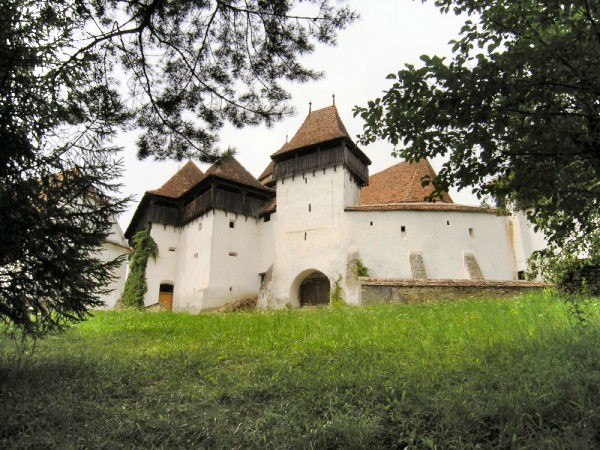
Tucked away in the rural landscape of Homorod, a village nestled in the heart of Țara Bârsei just a few kilometers from the city of Brașov, the Fortified Church of Homorod stands as one of the most authentic and least explored examples of medieval sacred architecture in Transylvania. Built in the 13th century by the Transylvanian Saxon community, this church is distinguished by its Romanesque hall plan—a rare architectural configuration in the Romanian religious landscape but familiar in Central European tradition. This design lends the church a unique spiritual intimacy and exceptional value for the entire continent. While Europe’s grand Gothic cathedrals dominate tourist itineraries, Homorod offers a contemplative experience, inviting travelers to discover the essence of an era when faith intertwined with survival in a borderland, and stone spoke the language of a community’s resilience, shaping the cultural destiny of Southeastern Europe for seven centuries.
Historical Roots and Major European Connections
The construction of the Homorod church is part of the great adventure of German colonization in Eastern Europe, known as Ostsiedlung, a large-scale demographic and cultural process that transformed the central and eastern landscapes of the continent between the 12th and 14th centuries. Invited by the kings of Hungary, particularly during the reigns of Géza II and later Béla IV after the great Mongol invasion of 1241–1242, the Saxon community settled in the Carpathian Basin as guardians of the eastern borders of the Kingdom of Hungary. They brought with them architectural and organizational traditions from the Rhineland, Swabia, and Bavaria. This migration was part of a broader European phenomenon, similar to the establishment of the Teutonic Knights in Prussia or German settlers in Bohemia and Moravia, all of whom introduced advanced construction techniques, agricultural systems, and community-based social organization.
The original core of the monument, built in the 13th century, deeply reflects this Central European heritage. The Romanesque hall plan, with modest dimensions of just 10.4 meters in length and 9 meters in width, belongs to the Hallenkirche type, an architectural form developed particularly in the Rhineland and Westphalia. Here, the liturgical space unfolds in a single, expansive nave, devoid of transepts or side chapels, creating a distinct acoustic and spiritual intimacy. This architectural choice places Homorod in a prestigious family of monuments, such as the Romanesque churches of Hildesheim, Mainz, or those in the Alsace region, demonstrating how artistic influences traveled along medieval trade routes and pilgrimage paths.
A particularly fascinating detail is found on one of the interior galleries, where the sunflower—a Cistercian symbol—is carved. This links the church to the major monastic currents of the era. The Cistercian Order, founded in 1098 at the Abbey of Cîteaux in Burgundy by Saint Robert of Molesme and Saint Bernard of Clairvaux, represented a spiritual and architectural revolution in medieval Europe. It promoted simplicity, manual labor, and an austere aesthetic that rejected excessive ornamentation. The spread of this order to Transylvania, where it founded the Cârța Monastery near Făgăraș in the 13th century, demonstrates the dense network of cultural connections that linked the Carpathian Basin to the great spiritual centers of Western Europe. The presence of this symbol at Homorod suggests either a direct affiliation with Cistercian influence or a profound admiration for the spirituality of this reformist order, placing the small Transylvanian church in dialogue with abbeys in France, Germany, and Italy.
An Architectural Masterpiece: Style and Constructive Details
The architecture of the Homorod church unfolds like a story in several chapters, each representing a distinct era and an adaptation to the historical challenges of its time. On the western side stands the bell tower, harmoniously integrated into a portico that served as a ceremonial entrance. This architectural element recalls the traditions of Carolingian and Ottonian westworks, spread throughout medieval Europe, from the Abbey of Corvey to the cathedrals of Speyer and Worms. This tower-porch was not merely an access point but a transitional space between the profane and the sacred, between the threatened exterior and the protected interior, reflecting the fundamental duality of medieval existence.
The late 15th century marked a radical transformation of the church, a period when Ottoman threats compelled Saxon communities across the region to fortify their places of worship—a phenomenon common in Southeastern Europe. Following the fall of Constantinople in 1453 and the Ottoman advance toward the heart of Europe, culminating in the Battle of Mohács in 1526, Transylvania found itself in a vulnerable outpost position. Thus, the complex was surrounded by an impressive defensive wall, 7 to 8 meters high, built from local stone. The inner courtyard was further protected by a second, smaller wall, creating a double defensive system that reflected European military strategies of the transition to modernity. This defensive architecture is reminiscent of fortified churches in Hungary, such as those in Szekler towns or the Szekler region, as well as similar fortification systems developed in Poland or the Baltic states in response to eastern threats.
The tower on the northwest side underwent a major reconstruction in 1657, rebuilt with a pentagonal plan, four levels, and a height of 10 meters, covered with shingles. These elements introduced late Baroque influences into an ensemble with deep Romanesque roots. This architectural intervention aligns with the cultural renaissance of the Principality of Transylvania under the rule of Gabriel Bethlen and his successors, when Italian and Austrian Baroque architecture entered the region through Italian and German craftsmen brought to the courts of Transylvanian princes. The pentagonal tower represents an innovation in the context of Saxon fortified churches, most of which had square or round towers, suggesting Ottoman or Habsburg military influences at a time when Transylvania stood at the crossroads between Ottoman and Habsburg rule.
The interior retains the austere atmosphere typical of Lutheran Protestant churches, following the conversion of the Saxon community to the Protestant Reformation in the 16th century under the influence of Johannes Honterus, the reformer of Brașov. Wooden galleries, side balconies, and the semicircular apse create a liturgical space adapted to the needs of a community that emphasized the word and preaching over Catholic splendor. Light filters through narrow, rounded windows, typical of late Romanesque architecture, casting shifting patterns of shadow and light on the walls throughout the day, in a continuous sacred spectacle.
Stories, Legends, and Turning Points
The history of the Homorod church is woven from the threads of a community’s destiny, one that had to continuously adapt to the vicissitudes of history. The anonymous craftsmen who built the first church in the 13th century were likely stonemasons and carpenters brought from the German lands, bringing with them construction techniques in stone and mortar that would endure for centuries. Local legend speaks of a treasure hidden in the tower during Ottoman invasions—a story common to many fortified churches in the region, symbolizing spiritual resistance in the face of material danger.
The pivotal year of 1657, when the northwest tower was rebuilt, likely corresponds to a period of relative calm after the Ottoman retreat from certain areas of Transylvania or perhaps after a devastating fire that damaged the previous structure. This Baroque reconstruction is evidence of the Saxon community’s vitality and its ability to reinvent itself architecturally while preserving the Romanesque essence of the original core.
The 16th century brought the Reformation, a profound turning point when the church transitioned from Catholic to Lutheran worship. The interior was adapted to new liturgical requirements: the altar was replaced, and Catholic iconographic elements were removed or covered. This transformation places Homorod within the broader context of the Protestant Reformation that shook Europe, from Wittenberg and Geneva to Transylvania, where Saxon towns like Brașov, Sibiu, and Bistrița became bastions of the new faith.
In the 19th century, under the influence of Romanticism and the rediscovery of medieval heritage, the church underwent restorations aimed at highlighting its historical character—a period when all of Europe sought its roots in the medieval past. The 20th century, with its political upheavals, from the end of the Austro-Hungarian Empire to the communist era and the emigration of Saxons to Germany, left its mark on the monument. Yet the church remained a symbol of continuity and cultural resilience.
Cultural Legacy and European Context
The Fortified Church of Homorod is part of the extraordinary network of Saxon fortified churches in Transylvania, a unique architectural phenomenon in Europe. This network resulted from German colonization in the 12th–13th centuries and the need for defense in a borderland region. Alongside the seven fortified churches inscribed on the UNESCO World Heritage List, this monument illustrates the spiritual and military duality characteristic of the late Middle Ages, when places of worship became citadels of faith and community. The Cistercian roots of its interior symbolism and its Romanesque hall plan place the monument in continuous dialogue with the great architectural currents of Europe, from the abbeys of France and Germany to the fortifications of the Carpathian Basin. This demonstrates how Europe’s cultural boundaries met and enriched one another in this region.
The European context of this monument is all the more fascinating as it illustrates how the peripheries of empires and kingdoms became laboratories of architectural innovation. While major imperial centers like Vienna, Paris, or Constantinople built monuments of prestige, borderland communities in Transylvania developed hybrid solutions, adapting Western traditions to local realities and eastern threats. The Homorod church is thus a compelling example of how medieval and early modern Europe was a network of cultural, technical, and spiritual exchanges, where ideas and artistic forms traveled from the Abbey of Cîteaux to the Carpathians, from the workshops of the Rhineland to the construction sites of Țara Bârsei.
Practical Visitor’s Guide and Today’s Experience
Located in the village of Homorod, Brașov County, approximately 20 kilometers from the historic center of Brașov, the church is open to visitors year-round, offering a tranquil experience far from the crowds of major tourist centers. Access is easy via county road DJ 112A, which connects Brașov to Râșnov, through a rural landscape typical of Țara Bârsei, with rolling hills, pastures, and villages featuring traditional Saxon architecture. For those traveling by car, the route offers stunning views of the Perșani Mountains, while those preferring public transport can take buses between Brașov and Homorod, though service is limited, and schedules should be checked in advance.
Visitors are invited to admire not only the imposing fortified structure, with its massive stone walls and pentagonal tower dominating the rural landscape, but also the subtle sculptural details inside, particularly the Cistercian sunflower symbol on the galleries. The gaze can wander toward the mountainous landscapes of the Perșani Mountains. The atmosphere is one of profound tranquility, broken only by the sound of bells and birdsong, offering a moment of reflection on the history and spirituality of this corner of the world. It is recommended to allow ample time to explore the entire complex, from the entrance through the western portico to the northwest tower, observing how light plays on the stone surfaces and the shingles of the tower.
The visit can be complemented by stops in Brașov, with its medieval historic center and the Black Church, at Râșnov Fortress, one of Romania’s best-preserved medieval citadels, or at Peleș Castle in Sinaia, about an hour’s drive away. For those interested in the heritage of Saxon fortified churches, it is worth extending the itinerary to other nearby monuments, such as the fortified churches of Mercheașa, Viscri, or Biertan, each offering a different perspective on this unique architectural phenomenon.
In Homorod itself, traditional Saxon houses with their tall gates and distinctive architecture provide a vivid glimpse into the way of life of the community that built and preserved this monument over the centuries. Though few in number after the emigration of the Saxons, the locals still maintain traditions and customs that connect the present to the medieval past of the region. A visit to Homorod is thus not only an exploration of Europe’s architectural history but also an encounter with the living memory of a civilization that decisively contributed to shaping the cultural identity of Transylvania and, by extension, Southeastern Europe.
Media gallery
Discover Fortified Church of Homorod in pictures

5 photos · Architecture, courtyards and captivating details
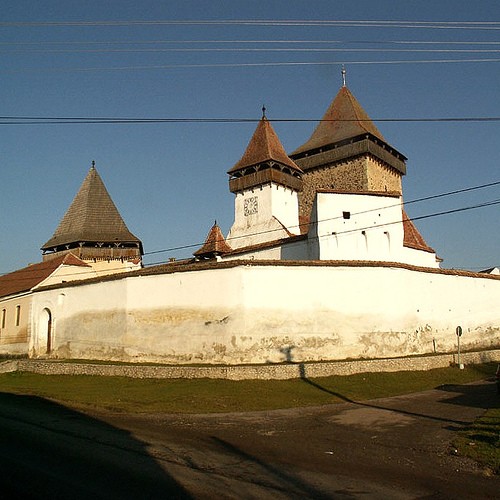


Image source: Wikimedia Commons · Public domain photos · Free license
STAY A FEW DAYS, DISCOVER THE MAGIC
Accommodation in the Fortified Church of Homorod area

Guesthouse · 3 stars

Mercheașa, Brașov County · 4.7 km
Casa Meburger 279 Mercheașa
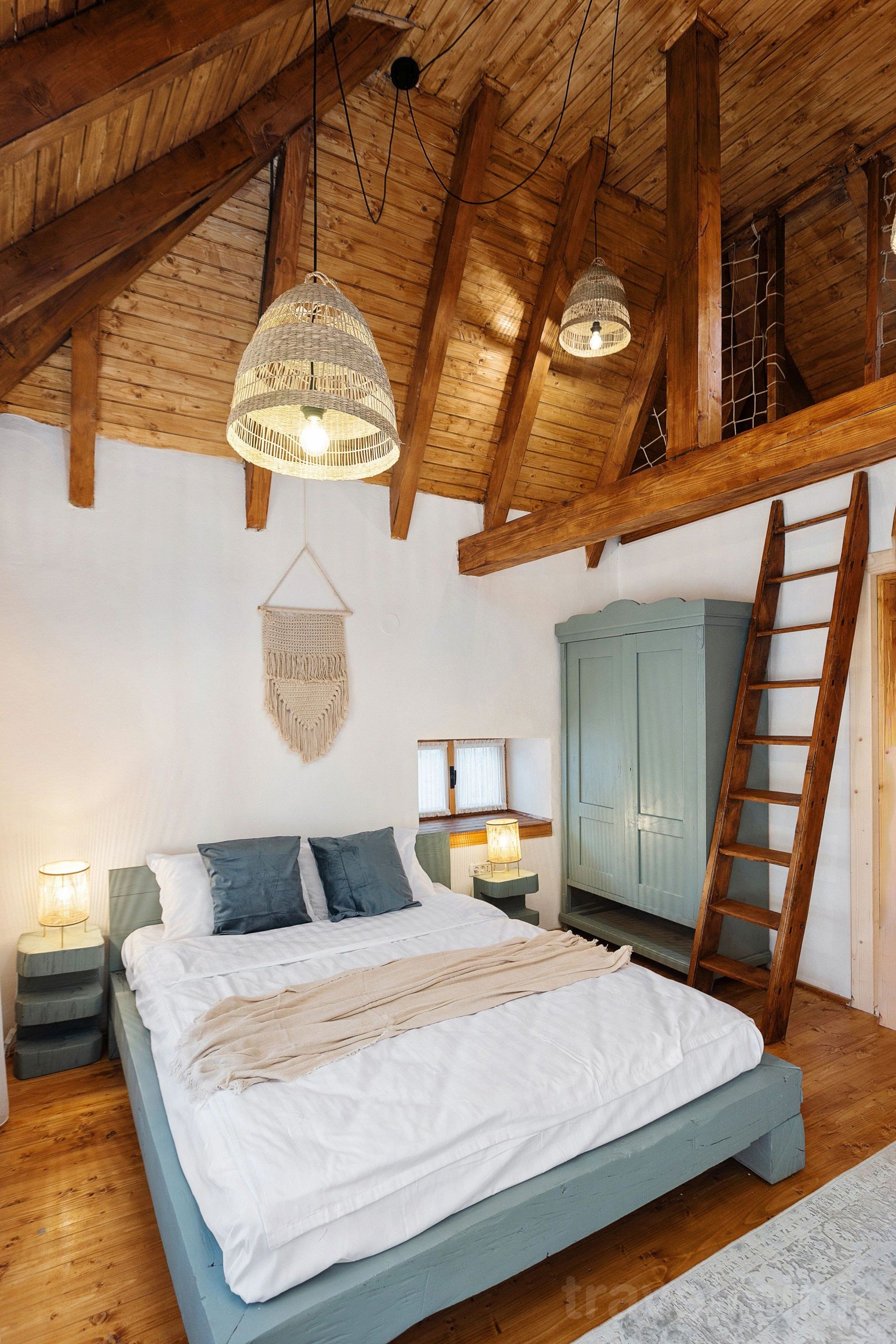
Sauna de la Casa Meburger 279 din Mercheașa, județul Brașov, vă oferă momente de relaxare după zile pline de explorare în zonă. Această pensiune turistică de trei stele pune la dispoziția dumneavoastră cinci camere mobilate cu grijă, fiecare dotată cu grup sanitar propriu și acces la internet wireless gratuit în toate spațiile. În curtea mare și grădina amenajată puteți organiza mese la grătar sau barbecue, iar cei mici se pot distra în siguranță pe locul de joacă din exterior. Pentru activități în aer liber, aveți la dispoziție biciclete de închiriat și tenis de masă, toate facilitățile fiind disponibile gratuit pentru oaspeți. Familiile cu copii mici vor aprecia pătuțul pentru bebeluș și scaunul înalt pus la dispoziție. Animalele de companie sunt acceptate contra unei taxe, iar pentru servicii wellness suplimentare vă rugăm să consultați detaliile complete ale unității. În apropiere puteți vizita Biserica fortificată din Homorod, Cetatea Rupea, Biserica fortificată din Viscri, Biserica fortificată Dârjiu și Rezervația Naturală Vulcanii Noroioși de la Băile Homorod, toate fiind destinații accesibile pentru excursii de o zi. Beneficiați de parcare privată gratuită, camera se ocupă de la ora 15:00 și se predă până la ora 12:00, personalul vorbește română, engleză, germană și spaniolă, iar plata se poate efectua în numerar, cu card bancar, prin transfer bancar sau cu card de vacanță.
FROM
240 lei per night

Hotel · 3 stars
Рупя, Brașov County · 8.0 km
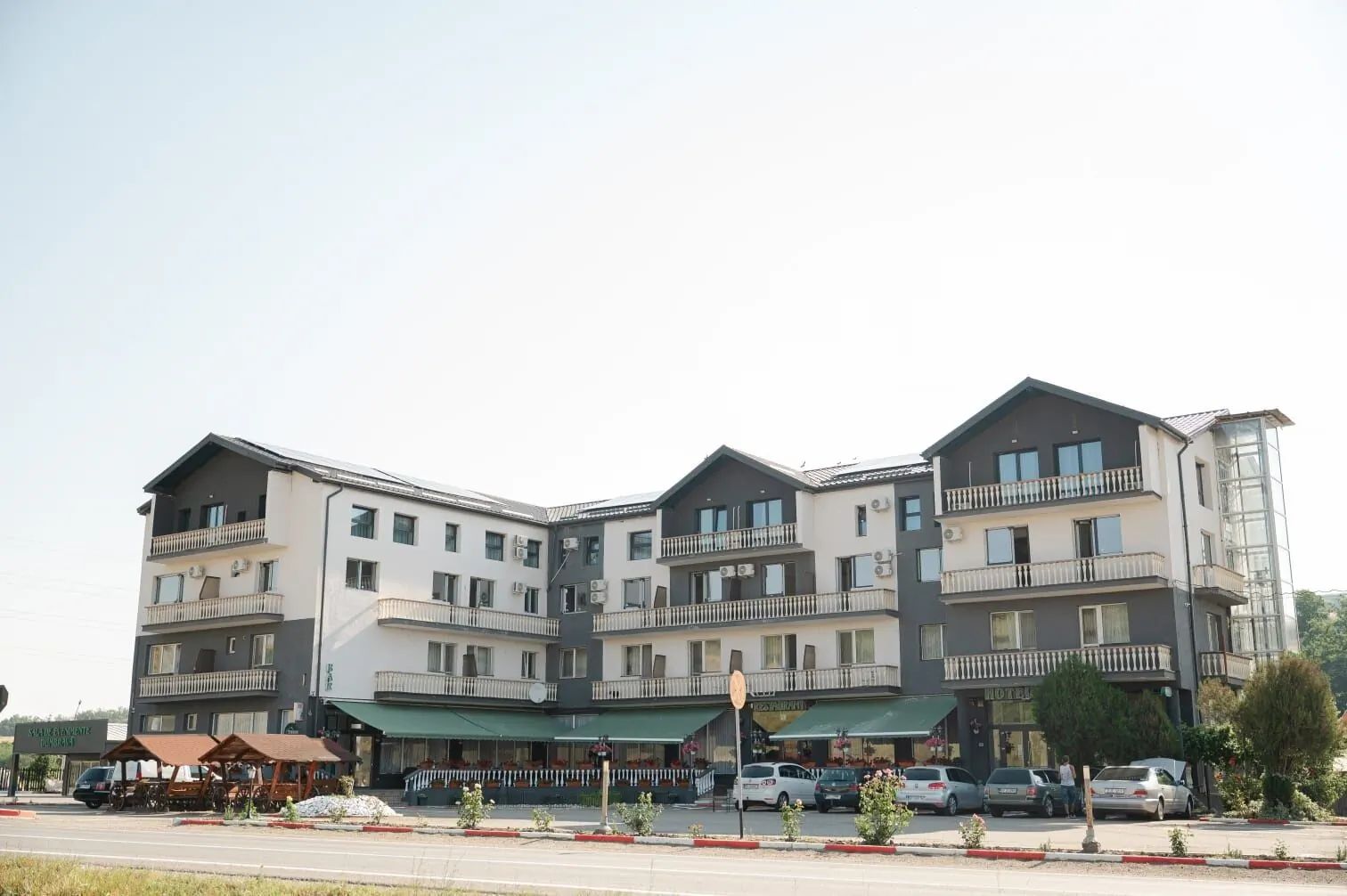
Hotel Dumbrava Rupea
Pe DN13, în localitatea Rupea din județul Brașov, se află Hotel Dumbrava Rupea. Unitatea oferă cazare confortabilă într-un cadru liniștit, cu facilități moderne și servicii complete pentru dumneavoastră, într-un loc accesibil de pe drumul european. Hotelul pune la dispoziție Wi-Fi gratuit în toate spațiile, parcare privată gratuită și acces facilitat pentru persoane cu dizabilități. Aveți la dispoziție lift pentru deplasare între etaje, bar în incintă pentru momente de relaxare, restaurant în incintă cu preparate diverse, room service și depozit pentru bagaje, astfel încât șederea să fie cât mai comodă. În aer liber, vă puteți bucura de o curte mare și o grădină amenajată unde puteți petrece timp plăcut alături de cei dragi. Puteți organiza un grătar sau barbeque, puteți găti preparate la ceaun în aer liber sau puteți practica pescuitul. Există și parcare pentru biciclete dacă doriți să explorați împrejurimile pe două roți. În apropiere puteți vizita Biserica fortificată din Viscri, Cetatea Rupea, Biserica fortificată din Homorod, Biserica fortificată Dârjiu și Ansamblul bisericii evanghelice fortificate, obiective care completează perfect sejurul dumneavoastră în zonă. Vă așteptăm să porniți în explorarea zonei, de exemplu spre Biserica fortificată din Viscri.
FROM
290 lei per night
Guesthouse · 3 stars
Racoș, Brașov County · 10.0 km
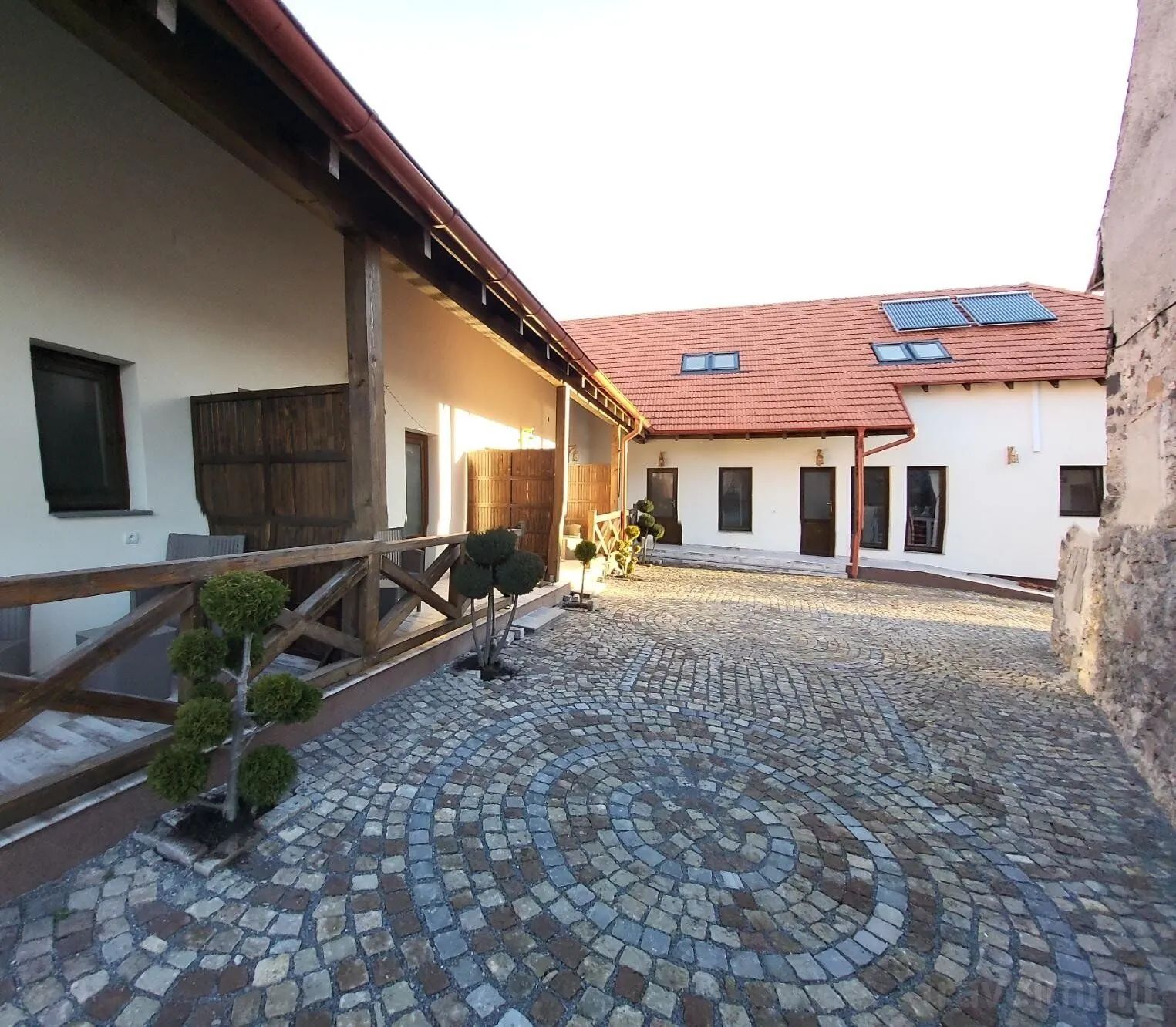
Pensiunea Castelana Racoș
În apropierea localității Racoș puteți vizita Cetatea Rupea, un obiectiv care merită explorat. Pensiunea Castelana Racoș, o unitate de cazare turistică clasificată cu trei stele situată în Racoș, județul Brașov, reprezintă punctul dumneavoastră de plecare pentru descoperirea acestor locuri. Pensiunea dispune de șapte camere mobilate cu gust, într-un ambient primitor. Beneficiați de conexiune Wi-Fi gratuită în întreaga unitate și de parcare privată gratuită pentru autoturismul dumneavoastră. Curtea mare și grădina amenajată oferă un spațiu generos pentru relaxare în aer liber. Pentru momente de liniște și destindere, aveți la dispoziție un jacuzzi sau o cadă cu hidromasaj. De asemenea, puteți organiza mese în aer liber folosind facilitățile de grătar sau barbeque puse la dispoziție. În apropiere se află și alte obiective turistice de neratat: Biserica fortificată din Homorod, Castelul Sukosd Bethlen din Racoș, Biserica fortificată din Maieruș și Biserica fortificată din Viscri. Toate aceste locuri pot fi vizitate cu ușurință pornind de la pensiune. Vă așteptăm la Pensiunea Castelana Racoș.
FROM
240 lei per night
Holiday home · 3 stars
Viscri, Brașov County · 14.4 km
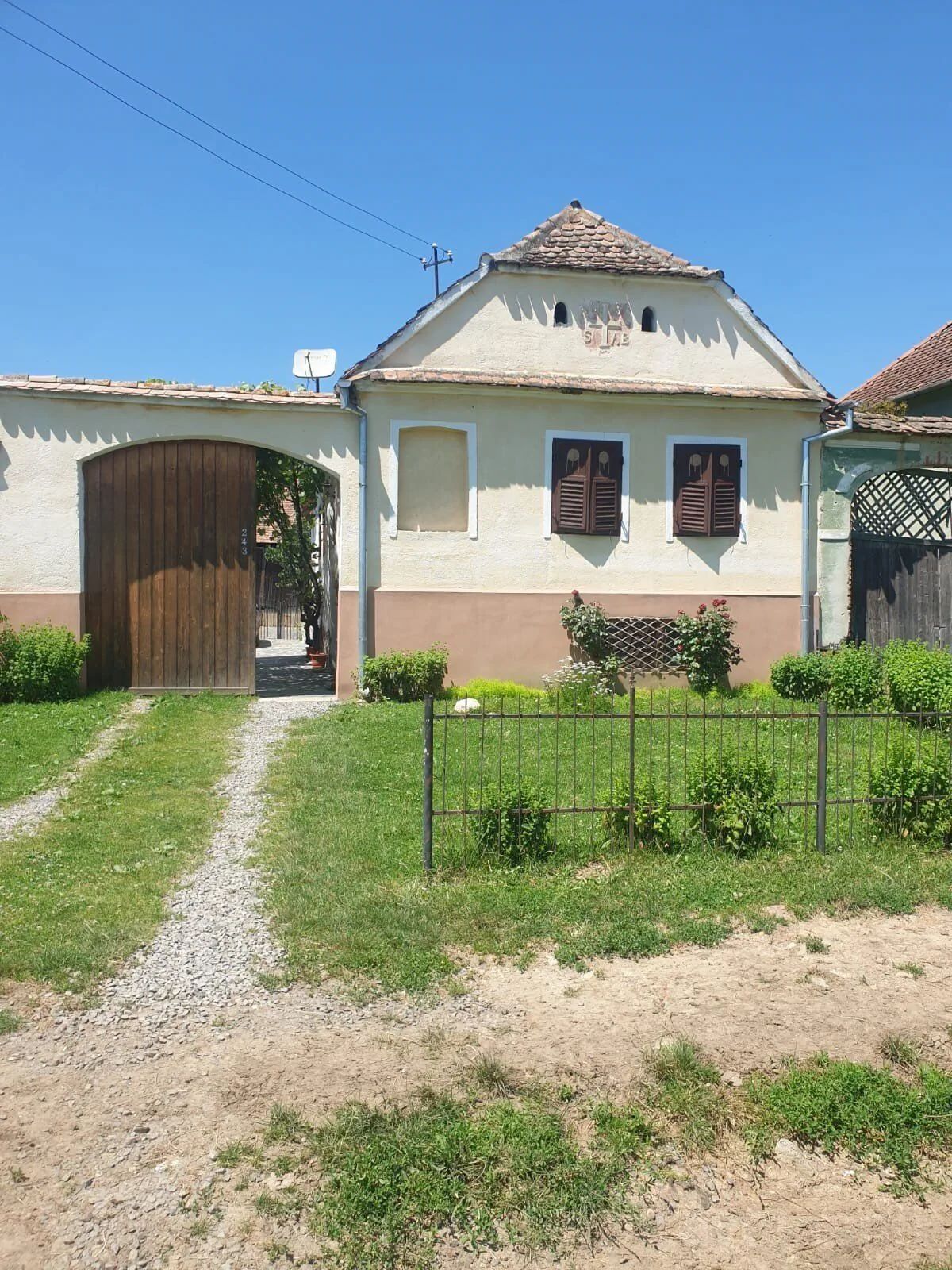
Casa Viscri
Comfort, relaxation and stunning views, all just steps away from the main attractions.
FROM
280 lei per night
Guesthouse · 3 stars
Ocland, Harghita County · 17.1 km
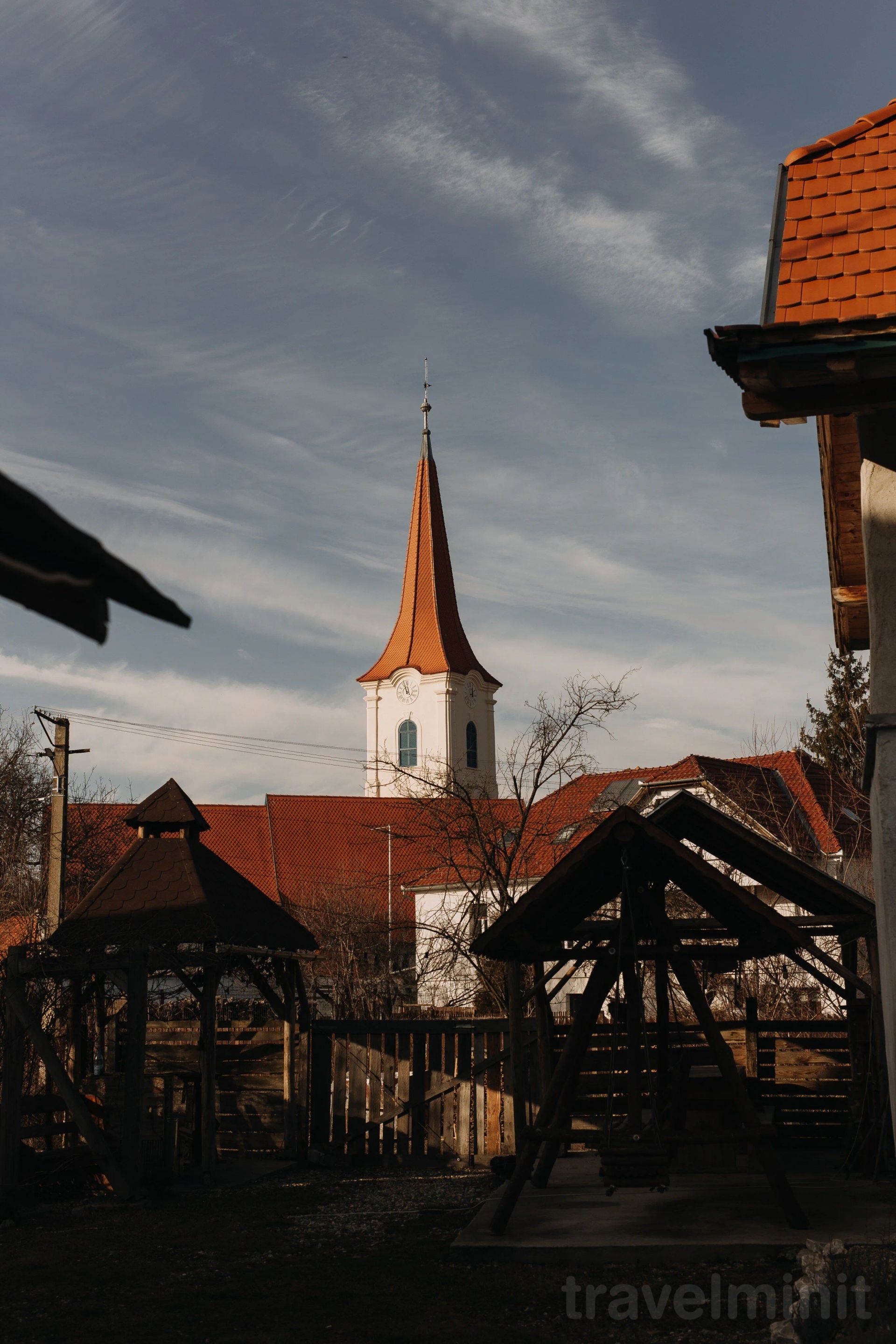
Pensiunea Hanna Ocland
Pensiunea Hanna Ocland din comuna Ocland, județul Harghita, este o alegere potrivită pentru familiile cu copii și pentru iubitorii de natură care doresc să se deconecteze într-un cadru liniștit. Situată într-o zonă înconjurată de dealuri acoperite cu păduri de fag și stejar, unitatea oferă un refugiu departe de aglomerația urbană, într-un peisaj autentic. Camerele sunt dotate cu televizor și beneficiază de acces la Wi-Fi gratuit, fiecare având baie proprie sau pe hol, în funcție de configurație. Pentru familiile cu bebeluși este disponibil un pătuț special, iar în exterior copiii se pot juca în siguranță pe locul de joacă amenajat. Parcare privată gratuită este asigurată în incintă, iar bucătăria utilată complet împreună cu sala de mese și livingul vă permit să vă simțiți ca acasă. Curtea mare și grădina amenajată creează un spațiu generos pentru relaxare în aer liber. Aveți la dispoziție grătar sau barbeque pentru mese în aer liber, iar ceaunul vă invită să gătiți preparate tradiționale direct în curte, într-o atmosferă de vacanță. În apropiere puteți vizita Biserica fortificată Dârjiu, Biserica fortificată din Homorod, Cetatea Rupea, Biserica fortificată din Viscri și Rezervația Naturală Vulcanii Noroioși de la Băile Homorod. Vă așteptăm la Pensiunea Hanna Ocland pentru un sejur liniștit în mijlocul naturii.
FROM
240 lei per night
Guesthouse · 3 stars
Buneşti, Brașov County · 18.4 km
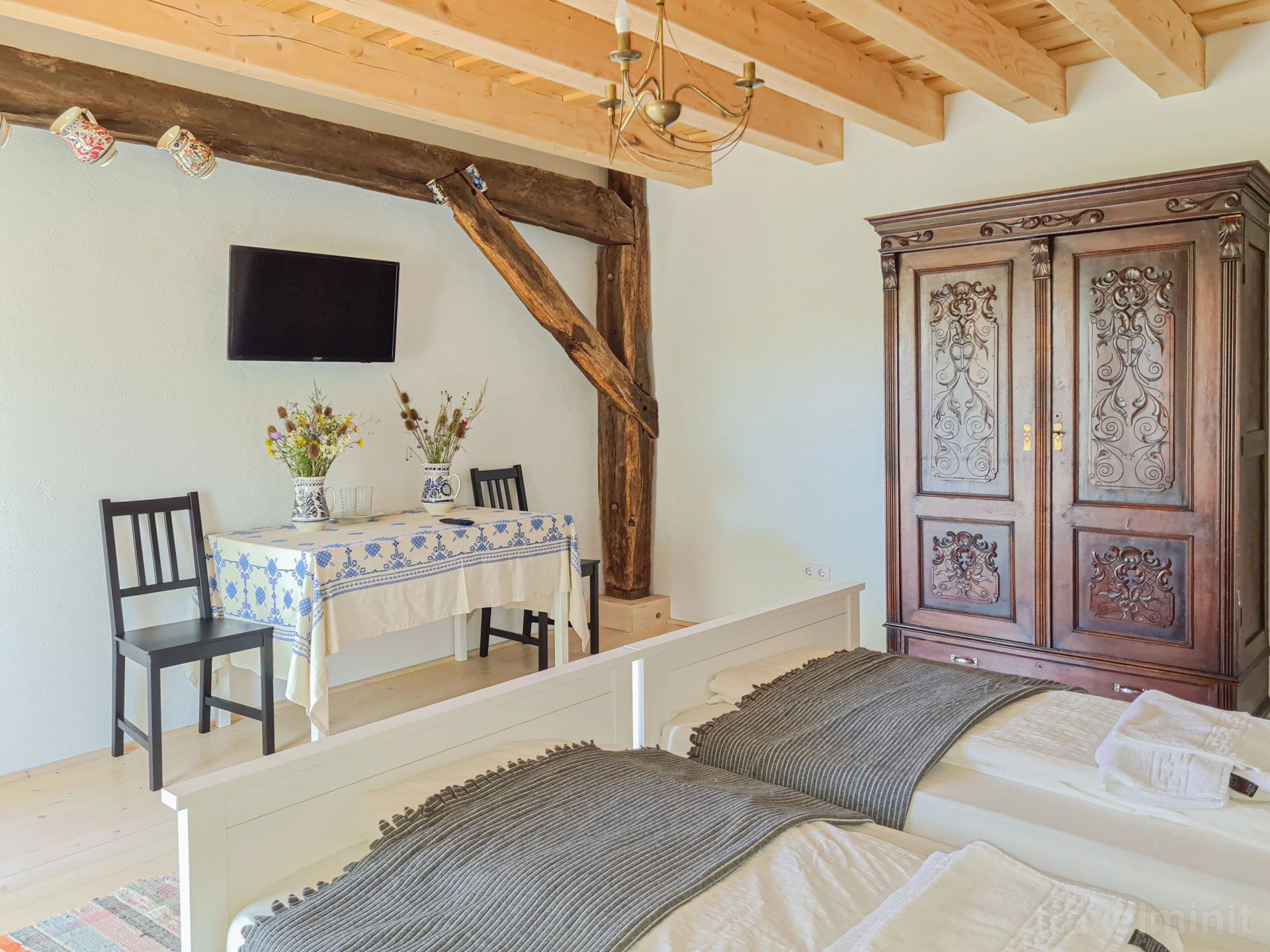
Pensiune Haus Rether Bunești
O zi petrecută la Pensiunea Haus Rether din Bunești începe în curtea mare și grădina amenajată, unde cei mici se pot distra pe locul de joacă exterior, iar seara puteți organiza un grătar la barbeque pentru întreaga familie. Pensiunea pune la dispoziție patru camere confortabile și plăcut amenajate, fiecare dotată cu baie proprie. Pentru cei care călătoresc cu bebeluși este disponibil un pătuț special. Parcare privată gratuită este asigurată în incinta proprietății, astfel încât mașina dumneavoastră să fie în siguranță pe toată durata șederii. La momentul rezervării puteți solicita și mic dejun contra cost, iar personalul vorbește fluent română, engleză și germană, fiind pregătit să vă ajute cu orice informație despre serviciile disponibile în cadrul unității. În imediata apropiere se află Biserica fortificată din Bunești, Biserica fortificată din Viscri, Biserica fortificată Saschiz, Biserica fortificată Dârjiu și Cetatea Medievală Sighișoara, obiective culturale care oferă numeroase posibilități de explorare în fiecare zi. Check-in-ul se efectuează începând cu ora 13:00, iar eliberarea camerei se face până la ora 11:00, vă așteptăm să descoperiți liniștea și frumusețea satului Bunești.
FROM
240 lei per night
BEFORE YOU HIT THE ROAD
Weather conditions in Brasov
Local forecast for Fortified Church of Homorod, Brasov, Brașov

Real-time updated weather data
Much more to explore in this area
Nearby tourist attractions


Sighișoara, Mureș County
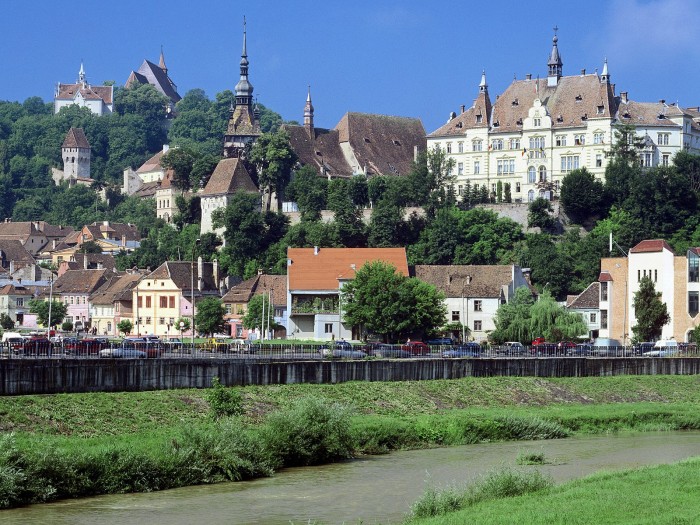
Sighișoara Medieval Citadel
Situata in centrul municipiul Sighisoara; inca din secolul al III-lea i.Hr. a existat pe acest teritoriu o cetate dacica, numita Sandava; romanii au ridicat...
42.6 km
Brasov, Brașov County
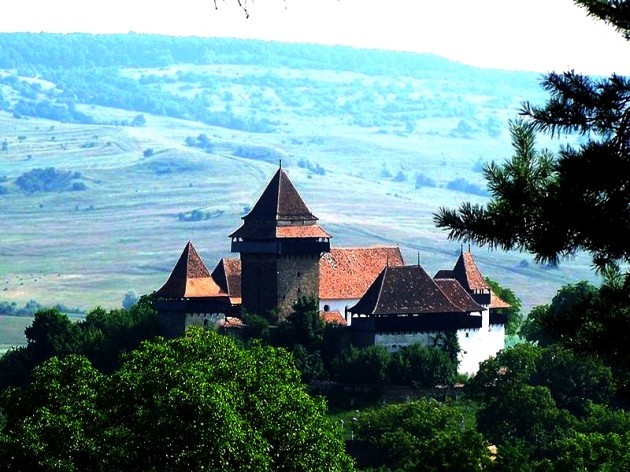
Viscri Fortified Church
Situata in localitate Viscri; construita in secolul al XIII-lea; din punct de vedere arhitectural apartine stilului romanic; are un plan de tip sala romanica;...
14.9 km

Harghita, Harghita County
Saint Anne Lake (Lacul Sfânta Ana)
Situat pe teritoriul administrativ al comunei Cozmeni, la 28 km de Baile Tusnad, in zona centrala a masivului vulcanic Ciomatu; rezervatie complexa - naturala,...
47.7 km
Harghita, Harghita County
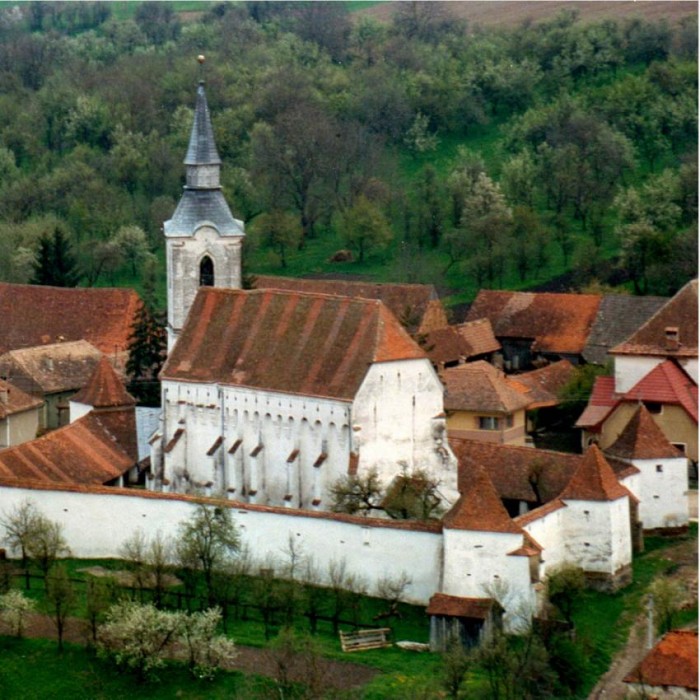
Dârjiu Fortified Church
Situata in localitatea Darjiu; construita intre secolele XIV - XV; initial, a fost ridicata in stil romanic, iar apoi a fost transformata in stil gotic; a...
19.0 km

Brașov, Brașov County
Black Church of Brașov (Evangelical Fortified Church Ensemble)
Heritage site in Braşov County, Romania
28.4 km
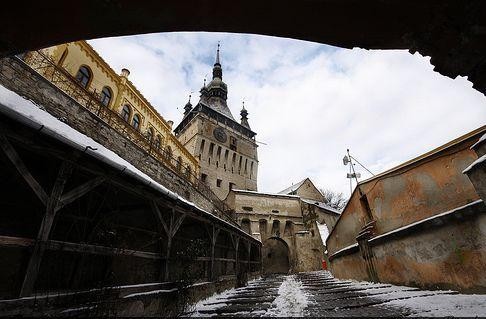
Danes, Mureș County
Sighișoara Clock Tower
Situat in partea de est a platoului inferior al Cetatii Sighisoara; construit in preajma secolului al XIV-lea, pentru a proteja poarta principala a orasului si...
42.5 km
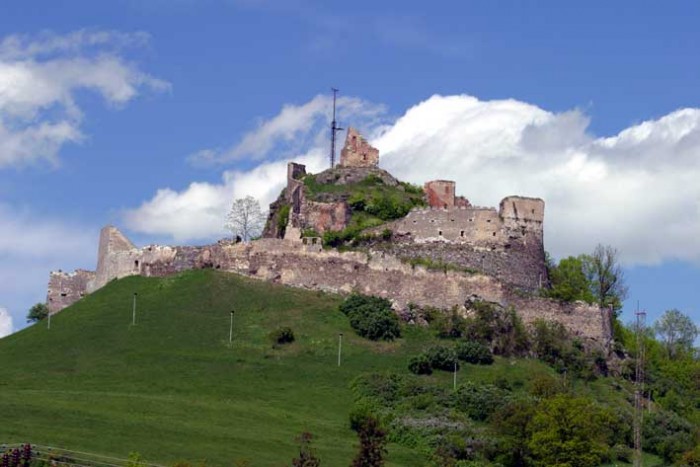
Brasov, Brașov County
Rupea Fortress
Situata in vestul orasului Rupea, in zona rezervatiei geologice Dealul Cohalm, la 50 km de municipiul Brasov; prima atestare documentara dateaza din anul 1324 -...
5.3 km

30.0 km
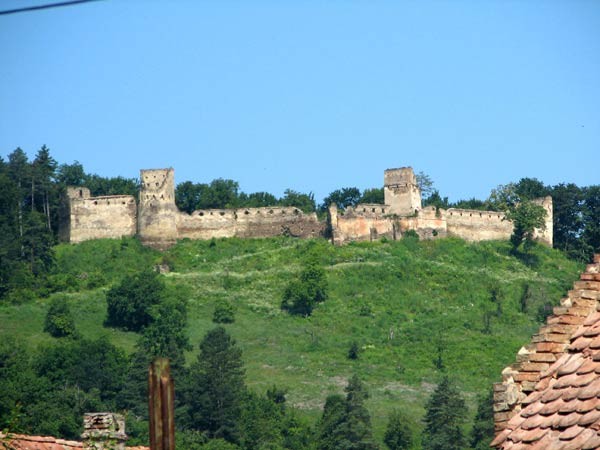
Danes, Mureș County
Saschiz Peasant Citadel
Situata pe aria localitatii Saschiz, la 2 km de vatra satului; lucrarile au inceput in 1347, fiind construita de comunitatea germana din zona; fortificatia a...
30.7 km
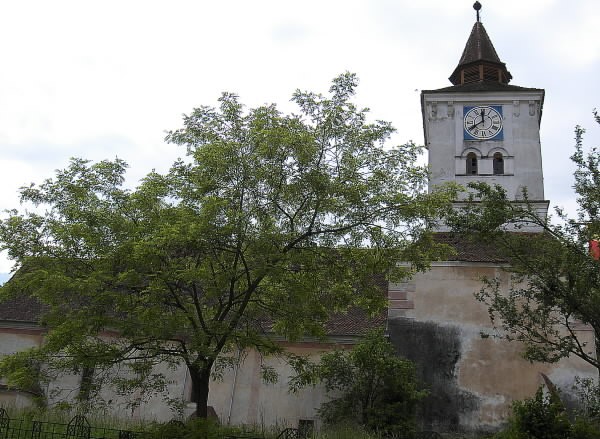
Brasov, Brașov County
Fortified Church of Maieruș
Situata pe strada Morii, localitatea Maierus, judetul Brasov; construita intre secolele XIV - XV; a fost modificata si marita in secolele XVII - XVIII; din...
25.4 km
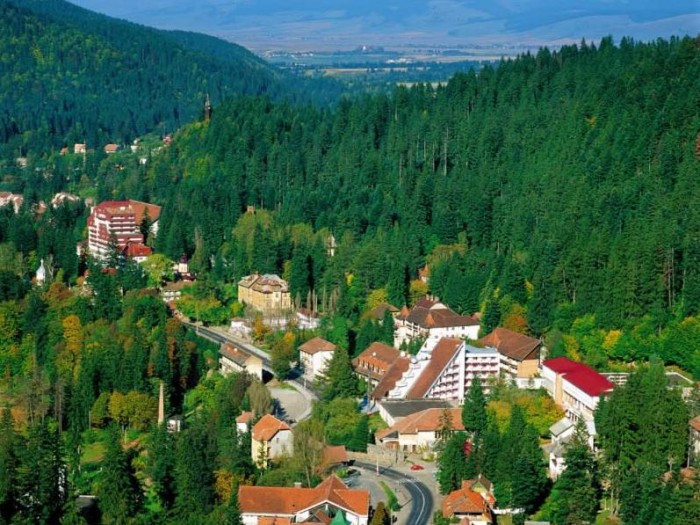
Harghita, Harghita County
Tușnad Baths (Băile Tușnad)
Situata in partea sudica a Depresiunii Ciucului, intre muntii Harghita si Bodoc; amplasata la altitudinea de 650 m; este cea mai mica statiune...
46.2 km
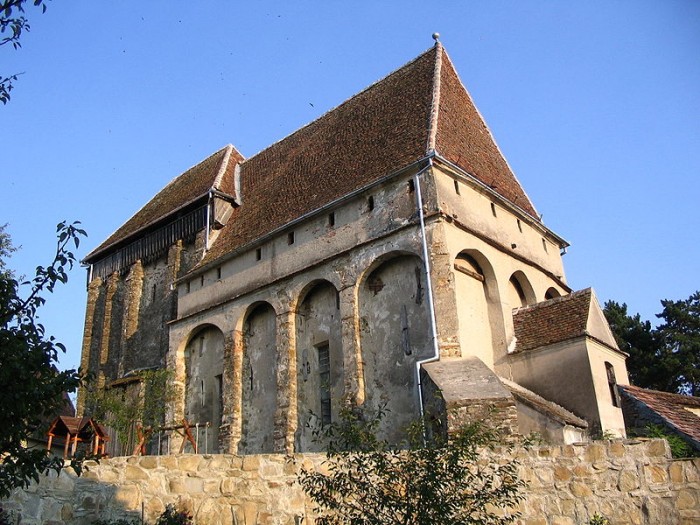
Selistat, Brașov County
Fortified Church of Seliștat
Situata in satul Selistat, comuna Soars, la 80 km de municipiul Brasov, judetul Brasov; prima atestare documentara a satului, dateaza din anul 1206; purta...
32.9 km
Cultural life and traditions
Events in the Fortified Church of Homorod area
Medieval festivals, traditional fairs, concerts and local activities recommended in Transylvania.

Heritage and History

Brasov, County of Brașov
The Festival of Medieval Fortresses and the Open Doors Days
Guided night tours, traditional crafts workshops and historical re-enactments featuring knights and ladies.
WHEN
May 15-17, 2026


Traditions and Cuisine
Brasov, County of Brașov
The Fair of Saxon Traditions and Local Cuisine
Discover local producers, traditional Saxon pastries baked in a wood-fired oven, artisanal syrups, and rhubarb jam.
WHEN
Every weekend (May - October)

Ecotourism and Nature
The hills of Transylvania, County of Brașov
Guided Hikes on the Transylvanian Hills Trail
Take excursions along unmarked trails through ancient meadows, centuries-old oak trees, and villages with fortified churches that are UNESCO World Heritage sites.
WHEN
Friday – Sunday (Season 2026)
On foot, exploration gains depth
Discover the surroundings and local geography
Explore the trails, terrain, and natural landmarks around Fortified Church of Homorod.

Guides and practical tips
Useful travel articles
Travel guides, practical recommendations and tourist itineraries for Transylvania.

Tourist guide
Top 5 Atracții Turistice și Trasee Montane în Zona Moieciu - Bran
Descoperă cele mai spectaculoase peisaje carstice, chei adânci și cetăți medievale din imediata apropiere a stațiunii Moieciu.

Tourist guide
Ghid de Drumeție: Traseul Moieciu de Sus spre Platoul Bucegi
Un itinerariu montan de o frumusețe rară ce urcă din Valea Băngăleasa spre Poiana Guțanu și crestele maiestuoase ale Bucegilor.

Tourist guide
Castelul Bran: Istorie, Legende și Secrete Medievale
Află adevărata poveste a fortăreței medievale din Pasul Bran, reședința de suflet a Reginei Maria a României.
THE JOURNEY STARTS WITH AN IDEA
The next story is on the way.
From the first stop to the last stay, make room for a new Romania.
