


MONUMENT · TRANSYLVANIA
Tușnad Baths (Băile Tușnad)

Harghita, Harghita County
Add location to your trip planner.
Practical access information

VISITING HOURS
Monday: 12:00 PM – 5:00 PM · Tuesday–Sunday: 9:00 AM – 5:00 PM (in summer until 8:00 PM)

TICKET PRICE
Adults: 45 RON · Students: 11 RON · Seniors: 23 RON · Guided tour included

RECOMMENDED VISIT DURATION
2-3.5 hours
Visitor information and guide
 Navigate with Google Maps

ABOUT TUȘNAD BATHS (BĂILE TUȘNAD)
A Balneary Oasis in the Heart of the Székely Land
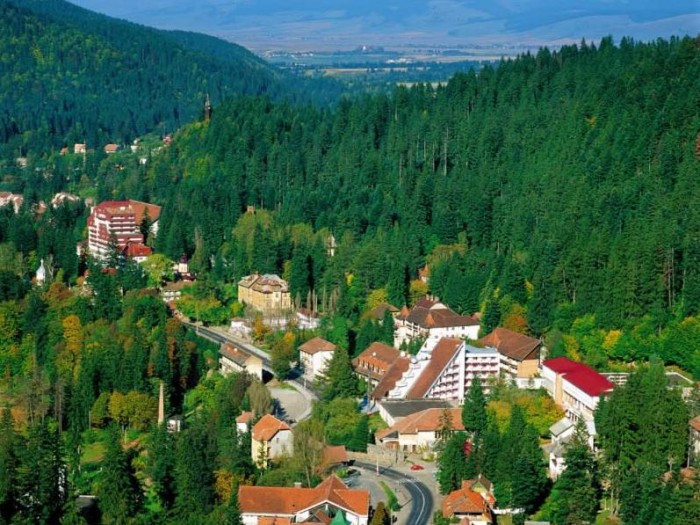
Perched at an altitude of 650 meters in the southern part of the Ciuc Depression, between the Harghita and Bodoc mountain ranges, Tușnad Baths (Băile Tușnad) stands as Romania’s smallest balneoclimatic resort, proudly bearing the title of the "Little Switzerland of the Carpathians." Founded in 1842 and elevated to town status in 1968, this destination has built its reputation on a therapeutic tradition rooted in the Belle Époque era, when Carpathian resorts attracted the Austro-Hungarian elite in a manner akin to renowned Alpine destinations such as Baden-Baden, Karlovy Vary, Vichy, or Băile Herculane, forming part of Europe’s 19th-century health tourism network. Historically known by its Hungarian name, Tusnádfürdő, this settlement represents a fascinating convergence of Western balneary culture and the distinct identity of the Székely Land—a region deeply embedded in Central European history, situated at the crossroads of Romanian, Hungarian, and Habsburg influences.
The cultural significance of Tușnad Baths extends far beyond its role as a therapeutic center, embodying an open-air museum of architecture and lifestyle characteristic of Central Europe’s luxury resorts from the late 19th and early 20th centuries. Here, the age-old tradition of therapeutic bathing, inherited from antiquity through the Roman Empire and continued through the Renaissance and Baroque periods, meets the technical modernity of the industrial age, creating a unique ecosystem where the volcanic nature of the Eastern Carpathians reveals its curative virtues. The resort thus represents an essential chapter in the history of European health tourism, a place where Vienna and Budapest aristocrats, intellectuals, and artists of the era sought refuge and healing in an atmosphere reminiscent of Swiss resorts or those in the Tyrol region.
Historical Roots and European Heritage
The history of Tușnad Baths as a therapeutic destination officially began in 1842, when the first chemical analyses of its mineral waters revealed their extraordinary potential. However, the tradition of using these springs dates back much further, known to local Székely and Romanian communities for centuries. The resort’s urban development intensified in the second half of the 19th century, when Tusnádfürdő became a privileged meeting point for Transylvanian aristocracy and tourists from Vienna, Budapest, Prague, and other centers of the Austro-Hungarian Empire. This period, known as the golden age of European balneology, saw Carpathian resorts enter the international luxury tourism circuit, paralleling the development of resorts in the Alps, the Sudetenland, or the Metaliferi Mountains.
The historical context of the resort’s development is inseparably linked to the expansion of railways in the Austro-Hungarian Empire, which facilitated access for tourists from the empire’s major capitals to this remote yet picturesque region. The railway line connecting Bucharest to Deda, built during the Austro-Hungarian dualist period, was initially designed to link Transylvania with the rest of the empire, thus opening the gates to this area of exceptional balneary potential. The interwar period marked the resort’s heyday, when villas built in Art Nouveau and eclectic styles attracted tourists from across Central Europe, and the resort was considered one of the most modern and well-equipped in Greater Romania, rivaling Sinaia, Băile Herculane, or Sovata in terms of facilities.
The union of Transylvania with Romania in 1918 marked a significant transition, yet the resort retained its cosmopolitan character, continuing to welcome visitors from across Europe. During the communist era, it experienced a democratization of access, visited by workers and tourists from socialist countries as well as the West, while maintaining its status as a recognized medical destination. Its elevation to town status in 1968 was an official recognition of its economic and touristic importance, but its true value lies in the continuity of its balneary tradition, linking the present to centuries past when the first tourists arrived by carriage on the forest roads of the Harghita Mountains.
Architecture and Urban Landscape
The distinctive architecture of Tușnad Baths reflects the eclectic and Art Nouveau influences of the era, with historic villas built between 1890 and 1910 that blend traditional Székely elements with Western decorative accents, creating a unique urban landscape within the balneary heritage of Central and Eastern Europe. These buildings, constructed by architects and craftsmen brought from Vienna, Budapest, or even Switzerland, feature façades adorned with elaborate stucco, arched windows, wrought-iron balconies, and varied roof slopes, all interwoven with elements specific to Székely folk architecture, such as carved wooden gates and traditional geometric decorations. This cultural fusion mirrors the geographical and historical position of the location, situated at the intersection of Romanian and Hungarian influences, in a region that belonged to the Habsburg crown until 1918.
The architectural style of the villas can be compared to that of resorts in the Salzkammergut region of Austria, Bohemia, or Switzerland, where chalet and Art Nouveau architecture created similar urban landscapes. The historic buildings preserve the atmosphere of early 20th-century spa resorts, with generous salons, covered terraces, and gardens landscaped in the English style, now offering tourists accommodation in settings that evoke the era when European aristocracy spent weeks here for the "water cure." Many of these villas have been carefully restored, retaining original details such as ceramic fireplaces, solid parquet flooring, and stained-glass windows, transforming them into luxury accommodations that blend modern comfort with historic charm.
The urban landscape is complemented by the resort’s park, designed in the style of public gardens from the Belle Époque, with promenade alleys, artesian fountains, and exotic vegetation brought from other regions of the empire. This green space, surrounded by historic buildings, represents the social heart of the resort, a place where the tradition of elegant gatherings in Central European tea salons continues in a contemporary form, adapted to modern wellness tourism.
Therapeutic Resources and the European Balneary Tradition
The resort benefits from an exceptional subalpine microclimate, characterized by highly ozonated air rich in aerosols and negative ions, with proven restorative effects on the psychic, respiratory, and cardiovascular systems. This type of climatotherapy, scientifically developed in the 19th century by Austrian and German physicians, is also found in resorts in the Alps, the Black Forest, or the Tyrolean mountains, considered an essential element of Central European health cures. Tușnad Baths boasts 44 natural springs and boreholes, of which six natural mineral springs are currently utilized therapeutically, each with distinct chemical compositions allowing for personalized treatments, similar to resorts in Karlovy Vary—where each spring has a specific name and therapeutic indication—or those in Vichy, renowned for their diverse mineral waters.
The mineral waters, with varying temperatures and carbonated compositions, are recommended for treating cardiovascular, urinary, and peripheral and central nervous system conditions, digestive disorders, hypoacidic gastritis, chronic cholecystitis, as well as metabolic and neuroendocrine disorders. These therapeutic indications place Tușnad Baths among Europe’s specialized balneotherapy resorts, alongside those in Baden bei Wien, Bad Kissingen, or Marienbad, where the tradition of bathing in carbonated and sulfurous mineral waters dates back to the 18th century. The modern treatment base, equipped with state-of-the-art medical equipment, can accommodate 800 patients per day, offering complex procedures such as warm carbonated baths, paraffin applications, various hydrotherapies, physiotherapy, supervised medical gymnastics, and electrotherapy.
The resort’s therapeutic tradition is part of the grand history of European balneary medicine, which originated in ancient Roman baths, was developed in the Middle Ages by Benedictine and Cistercian monks, reached its peak during the Renaissance and Baroque periods when royal court physicians prescribed "water cures," and was scientifically rationalized in the 19th century by Austro-Hungarian positivist medicine. Today, Tușnad Baths continues this tradition, combining the natural virtues of its springs with contemporary medical techniques, offering patients and tourists a therapeutic experience that blends the ancient wisdom of balneology with modern medical innovations, all within an exceptional natural setting.
Personalities, Legends, and Turning Points
Throughout its history, Tușnad Baths has hosted numerous figures from European culture and politics, contributing to its aura as an exclusive destination. During the Belle Époque, the resort was frequented by members of the Austro-Hungarian aristocracy, diplomats, artists, and intellectuals who sought both healing and inspiration in its magnificent natural setting. Legends tell of celebrated musicians, Hungarian writers, and Romanian poets who stayed in the resort’s historic villas, finding in the tranquility of the mountains and the cosmopolitan atmosphere a creative refuge. Local lore speaks of discreet meetings between imperial diplomats and representatives of various nationalities from Transylvania, a period when the region was a complex cultural mosaic, and the resort functioned as an "open-air European salon."
A turning point in the resort’s history was the construction of Lake Ciucaș in the interwar period, an artificial lake created specifically for resort tourists, which transformed the landscape and added a new recreational dimension to the tourist offering. This project, similar to the lake developments in Swiss resorts or the Italian Lakes region, helped consolidate the "Little Switzerland" image and provided an idyllic setting for boating and relaxation. During the communist era, the resort underwent a transformation, shifting from elite tourism to mass tourism, though its balneary infrastructure was expanded and modernized while preserving the historic core of the villas and the resort park.
The year 1989 and the transition to a market economy brought new challenges but also opportunities, with the resort successfully repositioning itself as a wellness and medical tourism destination, once again attracting foreign tourists interested in authentic balneary treatments. Today, Tușnad Baths represents an example of cultural resilience, preserving the memory of the Austro-Hungarian and interwar eras while adapting to the demands of contemporary European tourism, offering high-quality medical services within an architectural and natural setting reminiscent of Europe’s great resorts.
Natural Landscape and Surrounding Cultural Heritage
Surrounded by the forested slopes of the Harghita and Bodoc mountains, the resort offers access to a landscape of remarkable biodiversity, characteristic of the extinct volcanic zone of the Eastern Carpathians. This geological region, formed by volcanic activity during the Tertiary era, shares similarities with other volcanic areas in Europe, such as the Auvergne region in France, the Eifel mountains in Germany, or volcanic zones in Italy, and is unique for its Lake Sfânta Ana, Romania’s only volcanic lake, situated in the crater of an extinct volcano. This lake, located just a few kilometers from the resort, is a natural monument of European importance, offering a unique experience of contemplating the primordial forces of nature, akin to that provided by lakes in volcanic craters in Iceland or the Eifel region.
Lake Ciucaș, an artificial lake created for resort tourists in the interwar period, complements the recreational offering alongside numerous hiking opportunities to emblematic natural and cultural sites such as the Șoimilor Rock, the Olt Gorge with its impressive geological formations, or the medieval ruins of the Balvanyos fortress. These attractions are part of a cultural circuit highlighting the rich heritage of the Székely Land and the Harghita Mountains, a region with deep roots in European history and a distinct cultural identity recognized at the continental level. Székely culture, with its specific traditions, Hungarian language, Székely gate architecture, and folk customs, represents a unique element in the European cultural landscape, offering visitors the opportunity to discover a civilization with medieval roots that has preserved and developed a distinct identity within the modern states of Central and Eastern Europe.
The Olt Gorge, with its impressive rocky formations and vegetation specific to the Carpathian zone, offers dramatic perspectives on the geological forces that shaped this region, while Șoimilor Rock serves as a natural belvedere from which the entire Ciuc Depression can be admired. These natural elements, combined with the material and immaterial cultural heritage of the area, create a complex tourist ecosystem that attracts both nature lovers and those interested in history, architecture, and folk traditions.
Practical Guide and the Contemporary Visitor Experience
Road access is via National Road DN 12, a major artery crossing the Eastern Carpathians between Brașov and Miercurea Ciuc, offering a picturesque journey through spectacular mountain landscapes, while the railway connection on the CFR Bucharest–Deda line facilitates access from the capital and other major cities. The train journey on this route is an experience in itself, traversing areas with remarkable scenery, passing through towns with traditional architecture, and offering views of the Carpathian Mountains reminiscent of train travel through the Alps or other mountainous regions of Europe.
Accommodation is provided by a variety of guesthouses and hotels, many housed in carefully restored historic buildings that preserve the atmosphere of early 20th-century spa resorts. Visitors can choose between staying in historic villas with character, modern hotels with spa and wellness facilities, or traditional guesthouses offering an authentic experience of Székely hospitality. To fully benefit from the therapeutic treatments, a stay of at least one week is recommended, allowing the body to assimilate the beneficial effects of the mineral waters and the subalpine climate.
The contemporary visitor experience includes, in addition to balneary treatments, walks through the resort park, visits to Lake Ciucaș for boating or fishing, hikes to Lake Sfânta Ana and Șoimilor Rock, and exploration of the area’s cultural heritage, including historic churches and Székely gates in neighboring villages. Local gastronomy, influenced by Hungarian and Romanian cuisine, offers traditional dishes based on regional ingredients, complementing the therapeutic experience with authentic culinary delights. Thus, Tușnad Baths presents itself as a complete destination where bodily healing blends with spiritual relaxation and the discovery of a complex European culture, all within a natural setting that retains its aura as the "Little Switzerland" of the Carpathians, open to visitors from across Europe eager to discover the therapeutic virtues of mineral waters in an exceptional historical and cultural context.
Media gallery
Discover Tușnad Baths (Băile Tușnad) in pictures

7 photos · Architecture, courtyards and captivating details
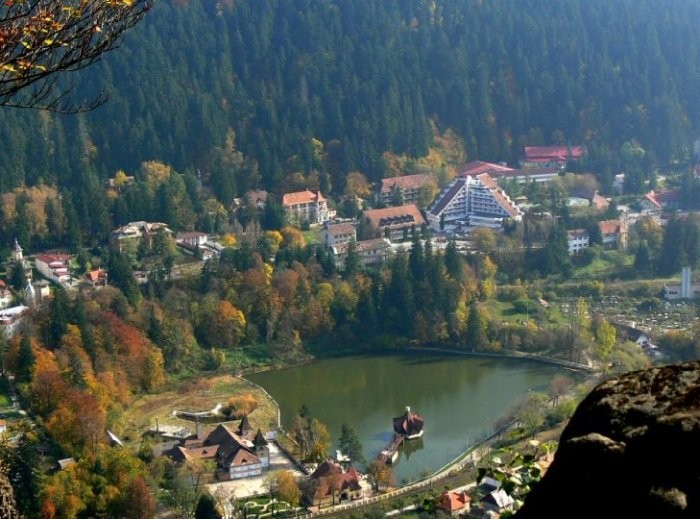
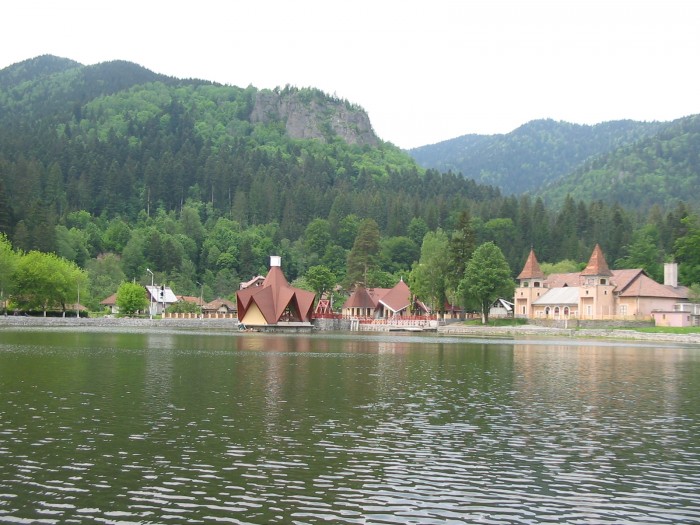


Image source: Wikimedia Commons · Public domain photos · Free license
STAY A FEW DAYS, DISCOVER THE MAGIC
Accommodation in the Tușnad Baths (Băile Tușnad) area

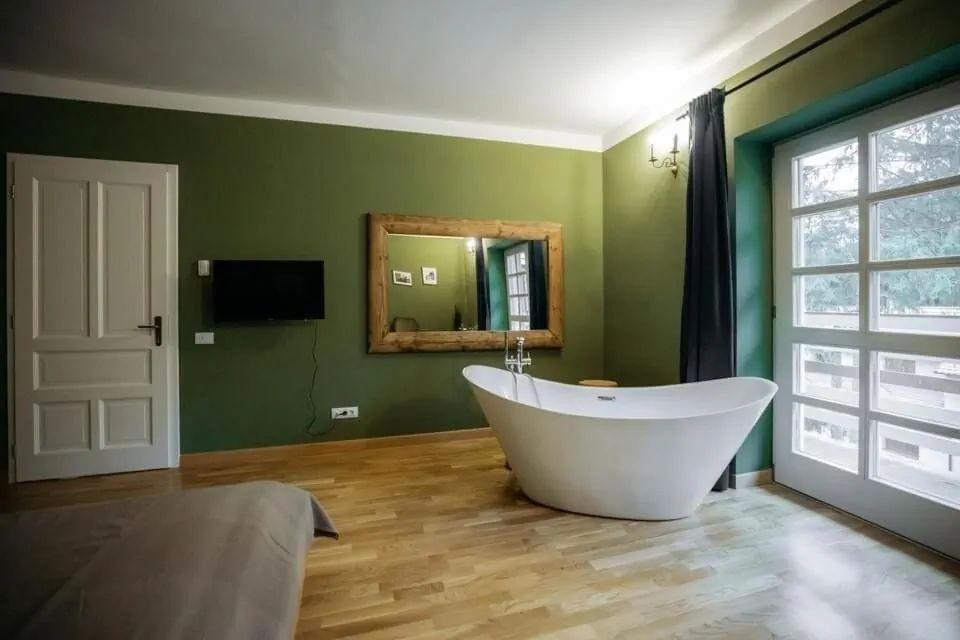
Apartment · 3 stars

Băile Tușnad, Harghita County · 0.1 km
Miniszteri House Băile Tușnad
Comfort, relaxation and stunning views, all just steps away from the main attractions.
FROM
230 lei per night

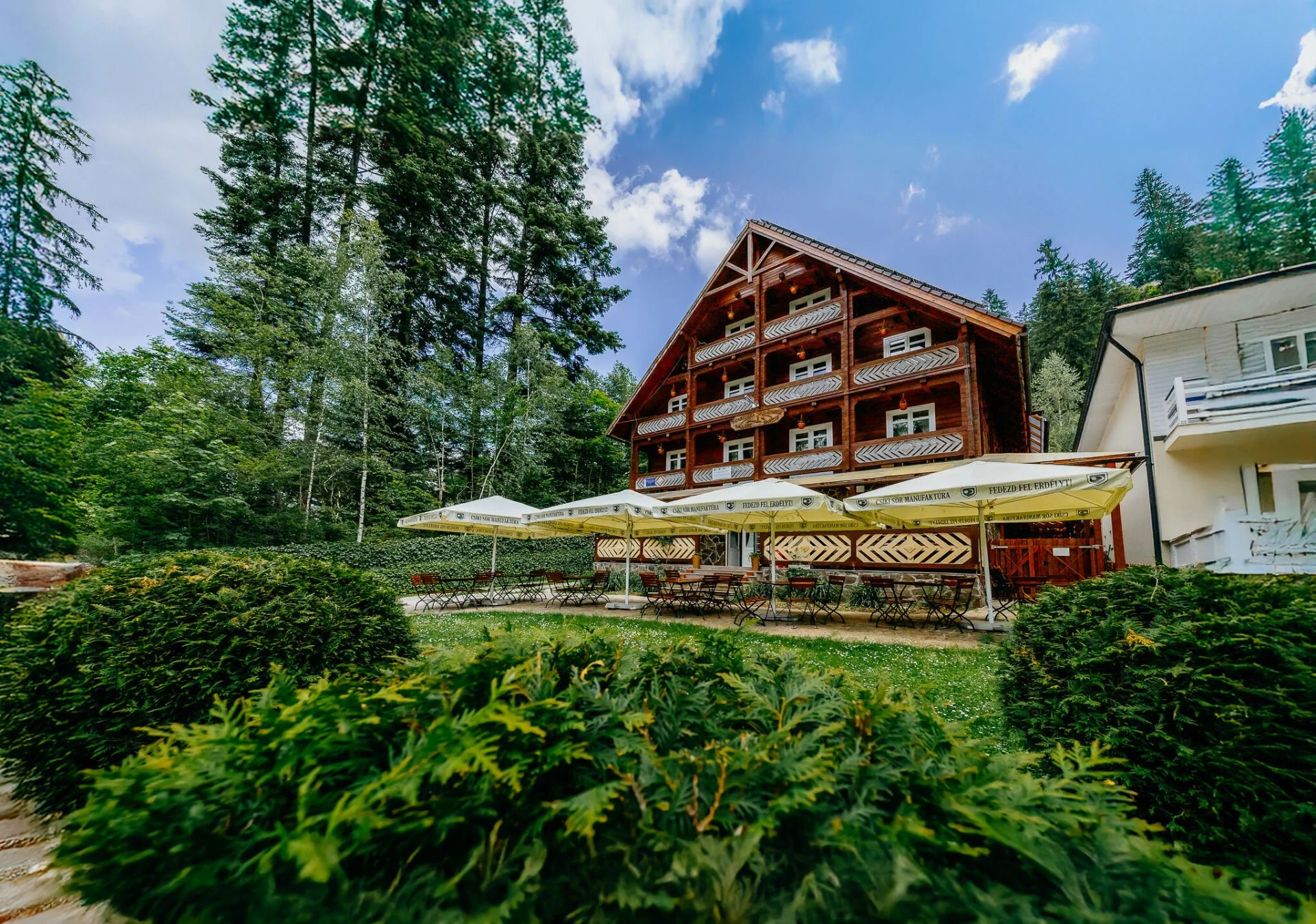
Guesthouse · 3 stars
Băile Tușnad, Harghita County · 0.1 km
Pensiunea Vânătorul Băile Tușnad
Pensiunea turistică de trei stele Vânătorul se află în Băile Tușnad, județul Harghita, pe aleea Szent Anna sétány. Aceasta reprezintă o opțiune de cazare într-un cadru natural aparte, departe de aglomerația urbană, într-o zonă cu aer curat și peisaje pitorești, aproape de pădurea de brad. Unitatea pune la dispoziția dumneavoastră o curte mare și o grădină amenajată, ideale pentru momente de liniște în aer liber. Beneficiați de Wi-Fi gratuit și parcare privată gratuită pe tot parcursul șederii. În incintă funcționează un restaurant, iar pentru activități recreative aveți la dispoziție bowling, pescuit, tenis de masă și masă de biliard. De asemenea, sunt disponibile drumeții montane și trasee în natură pentru iubitorii de mișcare și explorare în zonă. În vecinătate puteți vizita Lacul Sfânta Ana, Stațiunea Băile Tușnad, Rezervația Tinovul Mohoș, Stațiunea balneoclimaterică Bălvaneos și Râul Murgul Mare, fiecare dintre aceste obiective oferind experiențe diferite într-un mediu natural bine conservat, potrivite atât pentru relaxare, cât și pentru activități în aer liber. Vă așteptăm la Pensiunea Vânătorul Băile Tușnad.
FROM
240 lei per night
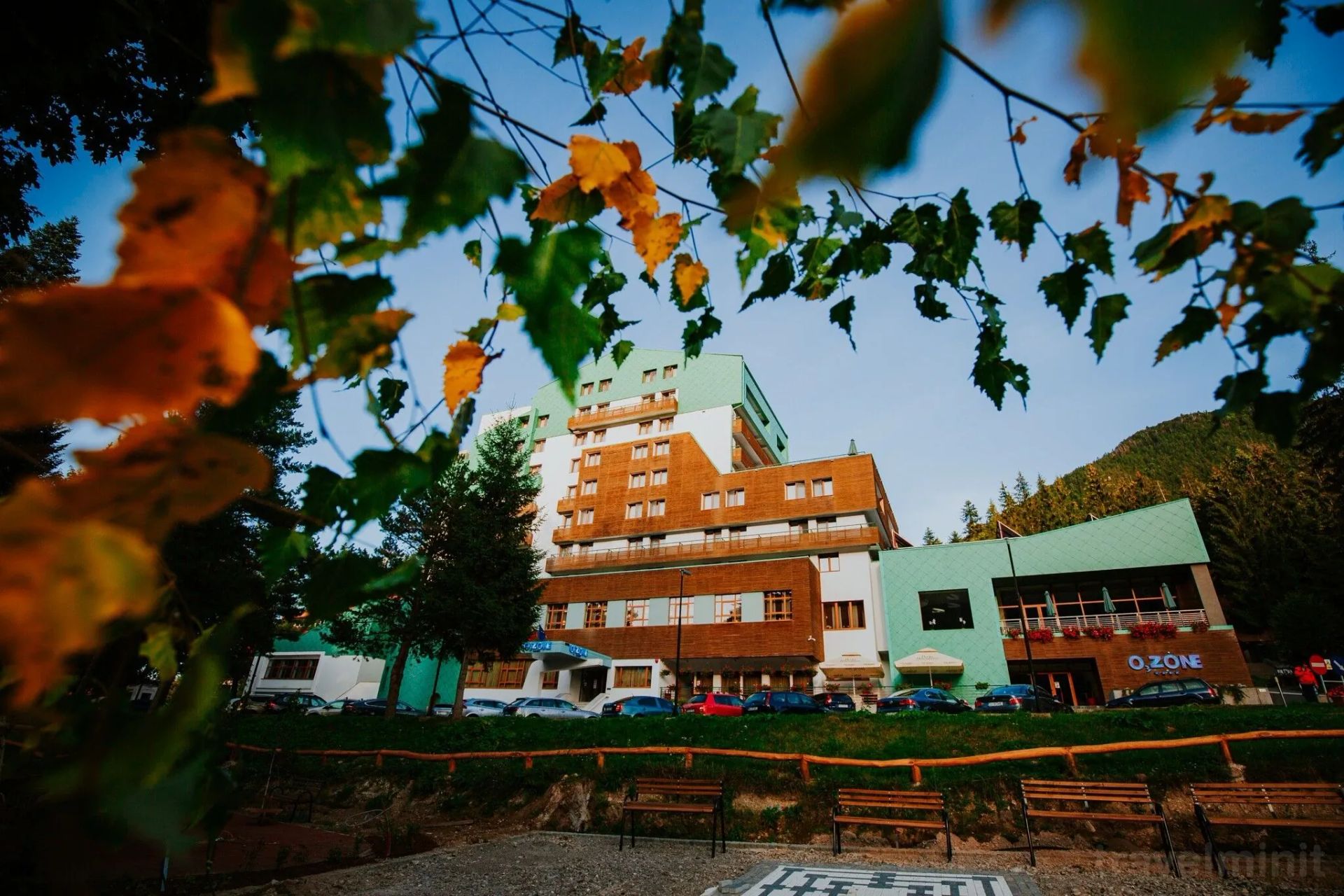
Hotel · 4 stars
Băile Tușnad, Harghita County · 0.1 km
Hotel O3zone Băile Tușnad
Familiile cu copii, cuplurile în căutare de relaxare și grupurile de prieteni se vor simți binevenite la Hotel O3zone din Băile Tușnad, o unitate de patru stele situată într-un cadru natural deosebit din județul Harghita. Aici vă puteți bucura de servicii de wellness precum sauna, baia de aburi, jacuzzi și diverse tipuri de masaj. Pentru timpul liber activ, aveți la dispoziție bowling, masă de biliard, tenis de masă și sală de fitness. Restaurantul din incintă servește preparate care îmbină bucătăria clasică cu cea regională, iar meniurile pentru diete speciale sunt disponibile la cerere. De asemenea, aveți acces la Wi-Fi gratuit, parcare privată și depozit pentru bagaje. Copiii se vor distra în siguranță în locul de joacă de la exterior, iar părinții pot solicita pătuț pentru bebeluș și scaun înalt. În zonă puteți închiria biciclete, puteți practica echitația sau puteți parcurge drumeții montane și trasee în natură. În apropiere puteți vizita Lacul Sfânta Ana, Rezervația Tinovul Mohoș, Stațiunea Băile Tușnad, Stațiunea balneoclimaterică Bălvaneos sau Râul Murgul Mare. Vă așteptăm să descoperiți frumusețile zonei pornind de la Lacul Sfânta Ana.
FROM
420 lei per night

Guesthouse · 3 stars
Băile Tușnad, Harghita County · 0.2 km
Pensiunea Flora Băile Tușnad
La Pensiunea Flora din Băile Tușnad se simt bine familiile, cuplurile și grupurile de prieteni care caută o atmosferă caldă și primitoare, departe de aglomerația marilor unități hoteliere. Situată pe aleea Sfânta Ana, această pensiune de trei stele din județul Harghita oferă un refugiu confortabil într-un cadru natural autentic, în centrul stațiunii. Pentru relaxare aveți la dispoziție un bar în incintă, masă de biliard și bowling pentru seri distractive, alături de Wi-Fi gratuit și parcare privată gratuită. Curtea mare și grădina amenajată sunt ideale pentru momente liniștite în aer liber, iar fierul de călcat asigură confortul necesar pe toată durata șederii. În apropiere puteți vizita Lacul Sfânta Ana, Rezervația Tinovul Mohoș, Râul Murgul Mare, Stațiunea Băile Tușnad și Stațiunea balneoclimaterică Bălvaneos. De asemenea, aveți posibilitatea de a parcurge drumeții montane, trasee în natură sau de a practica echitația în zonă. La pensiune puteți savura preparate tradiționale secuiești și specialități locale pregătite din ingrediente proaspete, într-o atmosferă în care vă simțiți binevenit ca un prieten. Vă așteptăm la Pensiunea Flora Băile Tușnad.
FROM
240 lei per night
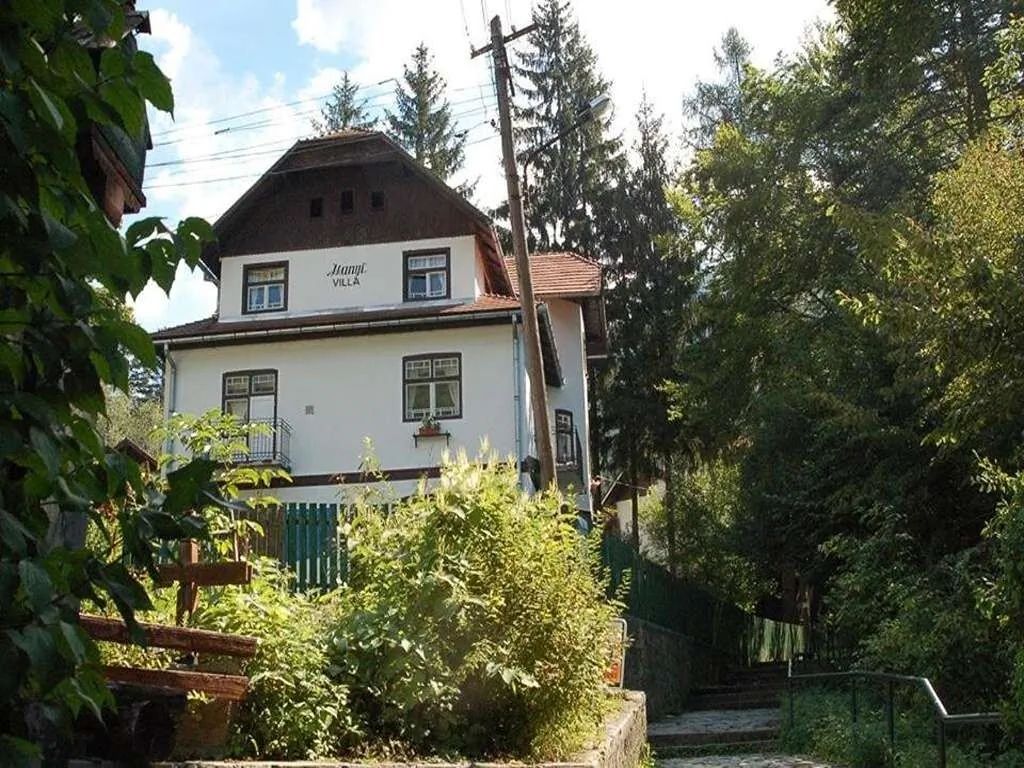
Guesthouse · 2 stars
Băile Tușnad, Harghita County · 0.2 km
Manyi Villa Băile Tuşnad
Înconjurată de o curte mare și o grădină îngrijită, Manyi Villa din Băile Tușnad, județul Harghita, oferă un cadru liniștit și primitor pentru o ședere relaxantă în stațiune, departe de aglomerația urbană, într-o zonă cu aer curat de munte. Unitatea pune la dispoziția dumneavoastră 11 camere confortabile și plăcut amenajate, într-o pensiune clasificată cu 2 stele, toate echipate cu acces la internet wireless gratuit. Pentru familiile cu copii mici este disponibil un scaun înalt, iar pentru bagaje există un spațiu special de depozitare. Personalul de la recepție comunică în română, maghiară și engleză. În aer liber, curtea largă și grădina amenajată vă invită să organizați mese la grătar sau barbeque, să vă încălziți la șemineul în aer liber într-o seară răcoroasă sau să porniți în drumeții montane pe traseele din natură care pornesc chiar din apropierea vilei. În împrejurimi puteți descoperi Lacul Sfânta Ana, Rezervația Tinovul Mohoș, Râul Murgul Mare, Stațiunea Băile Tușnad și Stațiunea balneoclimaterică Bălvaneos, toate oferind numeroase posibilități de relaxare și explorare în zonă. Manyi Villa se adresează celor care doresc o cazare practică și liniștită în mijlocul naturii, potrivită atât familiilor cu copii, cât și pasionaților de drumeții montane.
FROM
190 lei per night
Hotel · 3 stars
Băile Tușnad, Harghita County · 0.3 km
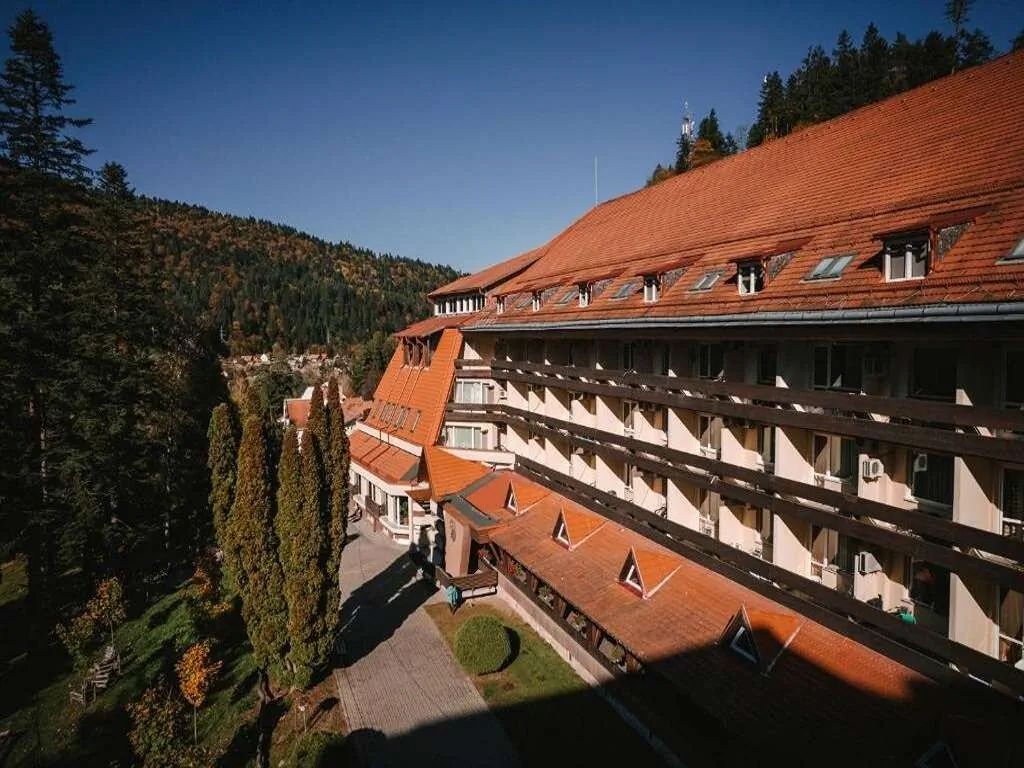
Hotel Ciucaș Băile Tușnad
Hotel Ciucaș din Băile Tușnad vă pune la dispoziție o cadă cu hidromasaj și o saună, facilități de relaxare într-un cadru natural specific stațiunii balneare din județul Harghita, într-un mediu liniștit și primitor pentru toți oaspeții care doresc să se deconecteze. Pe lângă aceste opțiuni de wellness, unitatea dispune de un bar în incintă, parcare privată gratuită pentru autoturisme, Wi-Fi gratuit în toate zonele și acces facilitat pentru persoanele cu dizabilități. O curte mare și o grădină amenajată completează spațiile exterioare, oferind un mediu plăcut pentru plimbări, odihnă și momente de liniște departe de aglomerația urbană. În imediata vecinătate se află Lacul Sfânta Ana, Rezervația Tinovul Mohoș, Stațiunea balneoclimaterică Bălvaneos și Stațiunea Băile Tușnad, iar Râul Murgul Mare adaugă un element natural deosebit peisajului montan al zonei, fiind ideal pentru iubitorii de natură. Această unitate de cazare este potrivită pentru turiști care caută un sejur relaxant, cu facilități de wellness și acces rapid la principalele atracții naturale din zonă, într-o destinație cu aer curat de munte.
FROM
290 lei per night
BEFORE YOU HIT THE ROAD
Weather conditions in Harghita
Local forecast for Tușnad Baths (Băile Tușnad), Harghita, Harghita

Real-time updated weather data
Much more to explore in this area
Nearby tourist attractions


Brasov, Brașov County
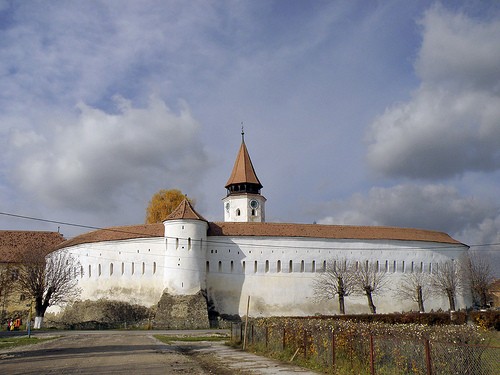
Prejmer Fortified Church
Situata in localitatea Prejmer, la 15 km de municipiul Brasov; cea mai mare biserica fortificata din sud-estul Europei; construita in secolul al XIII-lea; are...
47.8 km

Harghita, Harghita County
Saint Anne Lake (Lacul Sfânta Ana)
Situat pe teritoriul administrativ al comunei Cozmeni, la 28 km de Baile Tusnad, in zona centrala a masivului vulcanic Ciomatu; rezervatie complexa - naturala,...
3.1 km

Harghita, Harghita County
Șumuleu Ciuc Franciscan Monastery
Situata pe strada Szek, municipiul Miercurea Ciuc; construita in cea de a doua jumatate a secolului al XVIII - lea; la inceout avea o singura aripa, cu coridor...
25.9 km

Harghita, Harghita County
The church within the Baroque complex of Şumuleu Ciuc.
Situata in nord - estul municipiului Miercurea Ciuc, la poalele dealului Sumuleul Mic; construita intre anii 1804 - 1834, este cel mai imprtant loc de...
25.9 km
Brasov, Brașov County
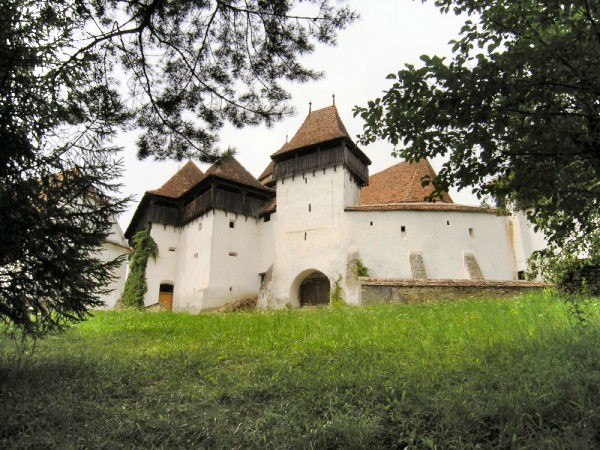
Fortified Church of Homorod
Situata in localitatea Homorod, judetul Brasov; ridicata in secolul al XIII - lea; este printre rarele biserici ce au planul in forma de sala romanica; sala...
46.2 km
Brasov, Brașov County
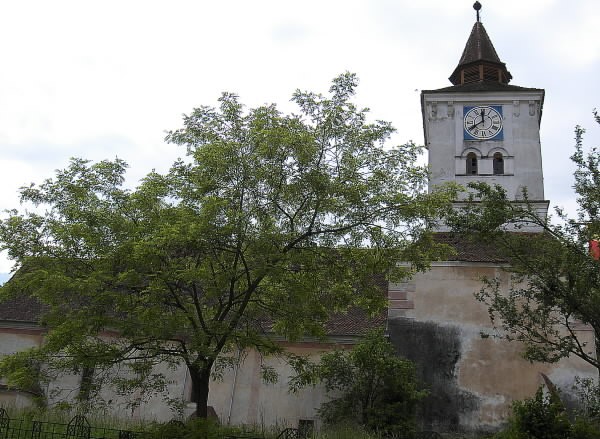
Fortified Church of Maieruș
Situata pe strada Morii, localitatea Maierus, judetul Brasov; construita intre secolele XIV - XV; a fost modificata si marita in secolele XVII - XVIII; din...
37.3 km
Harghita, Harghita County
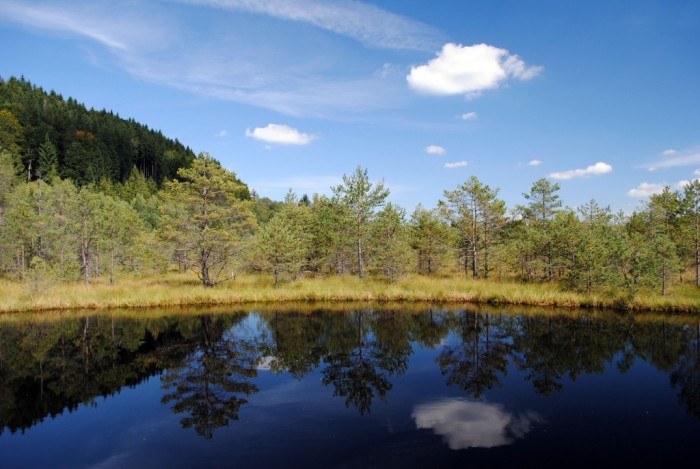
Mohoș Peat Bog Natural Reserve
Situata in craterul vechi al masivului Ciomatul Mare, in apropierea lacului Sfanta Ana; amplasata la altitudinea de 1.050 m; rezervatie naturala de tip...
3.4 km
Brasov, Brașov County
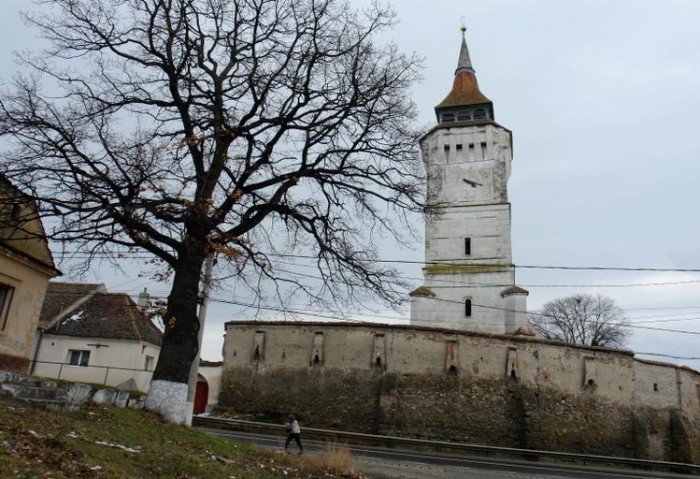
Rotbav Fortified Church
Situata in localitatea Rotbav, la 20 km de municipiul Brasov, judetul Brasov; construita incepand cu anul 1250; la inceput a avut forma de basilica romanica,...
41.7 km

49.9 km
Covasna, Covasna County
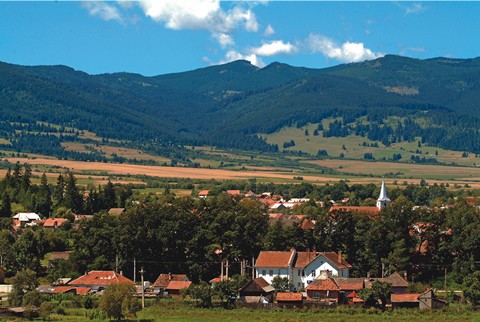
Băile Bălvănești (Bălvănești Spa)
Situata la o altitudine de 840-950m in masivul Puciosu, la 67 km de Sfantul Gheorghe si 31 km fata de Targu Secuiesc; Baile Blavanyos s-au format prin...
8.6 km

15.9 km
18.5 km
Cultural life and traditions
Events in the Tușnad Baths (Băile Tușnad) area
Medieval festivals, traditional fairs, concerts and local activities recommended in Transylvania.

Heritage and History

Harghita, County of Harghita
The Festival of Medieval Fortresses and the Open Doors Days
Guided night tours, traditional crafts workshops and historical re-enactments featuring knights and ladies.
WHEN
May 15-17, 2026


Traditions and Cuisine
Harghita, County of Harghita
The Fair of Saxon Traditions and Local Cuisine
Discover local producers, traditional Saxon pastries baked in a wood-fired oven, artisanal syrups, and rhubarb jam.
WHEN
Every weekend (May - October)

Ecotourism and Nature
The hills of Transylvania, County of Harghita
Guided Hikes on the Transylvanian Hills Trail
Take excursions along unmarked trails through ancient meadows, centuries-old oak trees, and villages with fortified churches that are UNESCO World Heritage sites.
WHEN
Friday – Sunday (Season 2026)
On foot, exploration gains depth
Discover the surroundings and local geography
Explore the trails, terrain, and natural landmarks around Tușnad Baths (Băile Tușnad).

Guides and practical tips
Useful travel articles
Travel guides, practical recommendations and tourist itineraries for Transylvania.

Tourist guide
Top 5 Atracții Turistice și Trasee Montane în Zona Moieciu - Bran
Descoperă cele mai spectaculoase peisaje carstice, chei adânci și cetăți medievale din imediata apropiere a stațiunii Moieciu.

Tourist guide
Ghid de Drumeție: Traseul Moieciu de Sus spre Platoul Bucegi
Un itinerariu montan de o frumusețe rară ce urcă din Valea Băngăleasa spre Poiana Guțanu și crestele maiestuoase ale Bucegilor.

Tourist guide
Castelul Bran: Istorie, Legende și Secrete Medievale
Află adevărata poveste a fortăreței medievale din Pasul Bran, reședința de suflet a Reginei Maria a României.
THE JOURNEY STARTS WITH AN IDEA
The next story is on the way.
From the first stop to the last stay, make room for a new Romania.
