


PLACE OF WORSHIP · TRANSYLVANIA
Fortified Church of Seliștat

Selistat, Brașov County
Add location to your trip planner.
Practical access information

VISITING HOURS
Monday: 12:00 PM – 5:00 PM · Tuesday–Sunday: 9:00 AM – 5:00 PM (in summer until 8:00 PM)

TICKET PRICE
Adults: 45 RON · Students: 11 RON · Seniors: 23 RON · Guided tour included

RECOMMENDED VISIT DURATION
30-60 minutes
Sources and external references
Wikipedia Encyclopedia (EN)
Visitor information and guide
 Navigate with Google Maps

ABOUT FORTIFIED CHURCH OF SELIȘTAT
Fortified Church of Seliștat: A Gothic Bastion of European Memory in the Heart of Transylvania
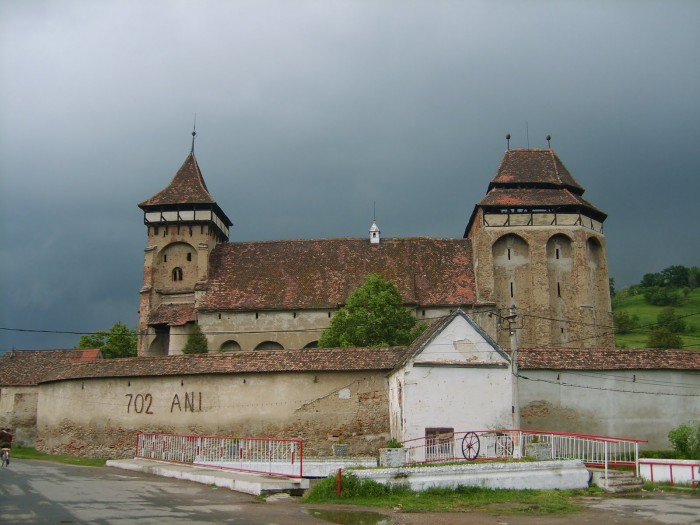
In the undulating landscape of southeastern Transylvania, where the gentle hills of the Făgăraș Land stretch toward the snow-capped peaks of the Eastern Carpathians and the Olt River carves its path through orchards and meadows, the tower of the Fortified Church of Seliștat rises in solitary majesty. This monument, a silent witness to over eight centuries of history, is far more than a simple place of worship—it is a true fortress of the spirit and communal resilience, a symbol of how medieval Europe defended its borders, faith, and identity in an era marked by invasions, plagues, and political upheavals. Located in the commune of Șoarș, Brașov County, approximately eighty kilometers from the city of Brașov and in close proximity to the historic town of Făgăraș, the church of Seliștat represents an essential chapter in Romania’s Saxon heritage. It is spiritually and architecturally akin to the famous fortified churches of Viscri, Biertan, Valea Viilor, and Malâncrav, which together form the UNESCO World Heritage Site "Fortified Churches of Transylvania." Though it is not part of the original seven villages inscribed on the World Heritage List in 1993, the church of Seliștat is classified as a historic monument of national interest and stands as a veritable masterpiece of late Gothic architecture with military functions. It is unique in its impressive proportions, the complexity of its fortifications, and the richness of its preserved artistic details.
Historical Roots and Connections to Europe’s Great Empires
The first documented mention of the settlement dates back to 1206, when the village of Seliștat—known in German as Seligstadt, or "Blessed City"—appears in a charter issued by King Andrew II of Hungary. This document, issued within the context of the Hungarian crown’s expansionist and defensive policies of the 12th and 13th centuries, confirms the existence of a distinct rural community in this border region of the Kingdom of Hungary, situated at the eastern edge of Christian Europe, in a strategic zone between mountains and steppe. The 1206 mention, which associates the locality with the Latin expression "Felix locus" (happy place), places the foundation of the settlement squarely within the process of German colonization known as Ostsiedlung. During this period, settlers from the imperial territories of the Rhine, Saxony, Thuringia, and Swabia—invited by Hungarian monarchs Géza II and Béla III—populated the frontier zones of the Eastern Carpathians to defend the kingdom against external threats, whether Cuman, Mongol, or later, Ottoman.
This colonization policy was deeply influenced by the feudal structures of the Holy Roman Empire and the ambitions of the Hohenstaufen dynasty, forming part of a broader European movement of eastward expansion that transformed the cultural landscape of Central and Southeastern Europe. The Saxon community of Seliștat, like those across the Făgăraș, Sibiu, and Burzenland regions, benefited from special privileges granted by the Hungarian crown—the so-called "Diploma Andreanum" of 1224, which enshrined the collective rights of the Saxons. Exempt from certain taxes and enjoying administrative and jurisdictional autonomy, the community developed a flourishing rural civilization, complete with massive churches, schools, towered houses, and a robust communal organization akin to that of their German homelands. The construction of the church likely began in the 13th century, a time when Romanesque architecture gradually gave way to Gothic, and the traumatic experience of the Mongol invasion of 1241–1242—which devastated Transylvania and burned cities like Sibiu and Brașov—prompted the transformation of places of worship into true communal fortresses capable of withstanding sieges.
The phenomenon of the fortified church, or Kirchenburg, is specific to Southeastern Europe and reflects a brilliant adaptation of sacred architecture to the geopolitical realities of the time. It is comparable to defensive systems in northern German lands, the fortified churches of Silesia—such as the Churches of Peace in Świdnica and Jawor, also inscribed on the UNESCO World Heritage List—or the fortress-cities of Brandenburg, Pomerania, and Mecklenburg. In the 15th and 16th centuries, as the Ottoman Empire expanded its dominance in the Balkans and threatened the southern borders of Hungary—and later, the Habsburg Monarchy after 1526—these churches were reinforced, becoming the last refuges for civilian populations in the face of Ottoman, Tatar, or Cossack raids. Thus, the church of Seliștat became a symbol of European resilience, a point of resistance in a region at the crossroads of Western, Byzantine, and Eastern influences, a bridge between the Latin and Orthodox worlds, between the urban civilization of the Rhine and the rural life of the Carpathians. It embodied the medieval ideal of an armed community prepared to defend its faith and freedom.
An Architectural Masterpiece: Style and Constructive Details
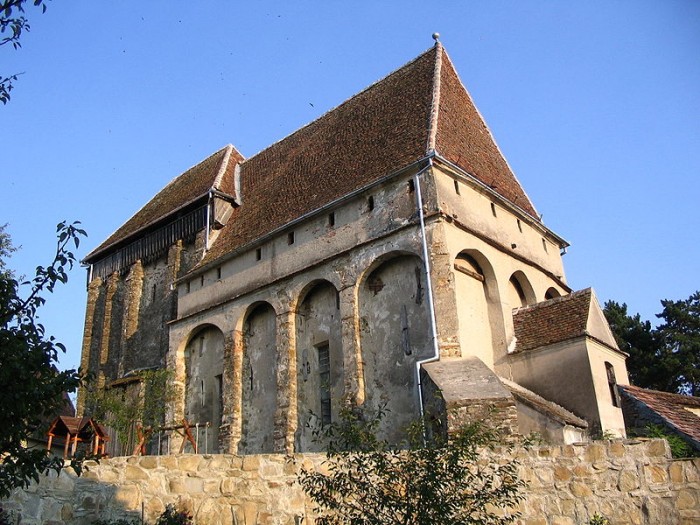
The architecture of the church of Seliștat is a remarkable example of late Gothic (Spätgotik) adapted for military functions, reflecting the artistic currents that swept through Central Europe in the 14th and 15th centuries—from the cathedrals of Cologne and Prague to those of Transylvania—demonstrating the community’s connection to the continent’s great artistic traditions. The structure presents itself as a hall church (Hallenkirche) with a massive tower on its western side, which dominates the entire ensemble and serves as both a bell tower and a defensive stronghold, offering a final refuge for the entire village population. The tower, with its impressive height of over twenty meters, features narrow windows equipped with arrow slits for firing and a defensive corridor at the upper level—a true Wehrgang (battlement walkway). It is surrounded by a massive fortified enclosure with stone walls over a meter thick, flanked by corner towers—one round and one square—which guard the main entrance, providing a 360-degree view of the surrounding area.
The defensive system is further enhanced by a moat surrounding the enclosure, a feature typical of medieval European fortresses, which isolated the church from the rest of the village and enabled resistance against prolonged sieges, similar to systems found in the fortresses of Tyrol, Salzburg, or Franconia. Inside, the church’s nave, with its generous dimensions, is covered by Gothic ribbed vaults in the shape of crosses or networks, supported by massive stone columns, creating a sacred space of solemn grandeur. At the upper level, wooden galleries (Emporen) sheltered women, children, and the elderly during times of danger, while men defended the walls at ground level and from the tower’s battlements. The mural paintings, partially preserved on the interior walls and in lateral niches, date from the 14th and 15th centuries and depict biblical scenes, figures of protective saints, and vegetal motifs. Executed in the fresco technique, they show the influence of Italian Trecento art and the Nuremberg school of painting, demonstrating the close cultural ties with Western European artistic centers. The altar, reconfigured in the Baroque period but retaining original Gothic elements, the limewood pulpit, the 18th-century pipe organ, and the choir stalls represent other valuable pieces of movable heritage, completing the image of a sanctuary that evolved organically over the centuries, reflecting the confessional changes and aesthetic tastes of each era.
Stories, Personalities, and Turning Points
Throughout its long history, the church of Seliștat has witnessed pivotal moments that shaped the destiny of Southeastern Europe and the German communities of the region. In the 15th century, as Ottoman armies frequently penetrated Transylvania, burning villages and taking prisoners, the community of Seliștat repeatedly sought refuge within the fortified enclosure, resisting sieges and preserving their faith and traditions during a time of great trials. Local legends recall courageous priests—Lutheran pastors who, from the heights of the tower, monitored enemy movements and urged villagers to resist, transforming the place of worship into a bastion of hope and communal solidarity, while the bells sounded the alarm.
A major turning point came with the Protestant Reformation in the 16th century, when the Saxon community, influenced by the ideas of Martin Luther and the reformist movement that swept across Central Europe—from Wittenberg to Kraków, Zürich to Königsberg—adopted the Lutheran confession beginning in 1543. This transition marked a profound change in the village’s spiritual life, as the church was adapted to new rites, and Catholic iconographic elements were gradually replaced with Protestant ones. This process mirrored developments in imperial German cities and the Low Countries, reflecting the spiritual unity of Christian Europe despite confessional differences. In the following centuries, under Habsburg and later Austro-Hungarian rule, the church remained the spiritual and social center of the community, and Lutheran pastors played a crucial role in preserving the German language, Saxon traditions, and a high standard of education. During this period, Transylvania was part of the vast Habsburg Monarchy, alongside Austria, Bohemia, and Hungary, benefiting from Joseph II’s Edict of Tolerance in 1781, which consolidated religious freedom.
The 20th century brought the most dramatic changes. After World War II, with the establishment of the communist regime, confiscations, and deportations to the Soviet Union, the majority of the Saxon population emigrated to West Germany, leaving behind a numerically diminished but deeply attached community. Today, the church of Seliștat stands as a monument to a vanished civilization, a stone memorial to a community that fundamentally contributed to the economic, cultural, and architectural development of Transylvania. It preserves the memory of a multicultural Europe, where Germans, Hungarians, Romanians, and other ethnic groups coexisted and built together for centuries. The periodic return of Saxon emigrants, reunited in homeland associations (Heimatortsgemeinschaften) in Germany, to revisit their birthplaces and participate in special services, represents an emotional moment of reconnection with their roots, demonstrating the resilience and spiritual continuity of this community across borders and decades.
Practical Visitor’s Guide and the Contemporary Traveler’s Experience
For the contemporary traveler seeking to discover this jewel of European heritage, the Fortified Church of Seliștat offers a profoundly moving experience, far from the crowds of major tourist centers, in a setting of serene natural beauty. Situated in an idyllic rural landscape on the outskirts of the village of Seliștat, in the commune of Șoarș, the monument is accessible via the county road connecting the town of Făgăraș to the villages of southern Brașov County. It is easily recognizable by its imposing tower, which stands out against the Transylvanian sky, dominating the silhouette of the entire village. Visitors are advised to contact the parish priest of the Lutheran community in Șoarș or representatives of the local town hall in advance, as they hold the keys to the church and can provide an authentic guided tour, sharing local stories, oral traditions, and historical details not found in standard guidebooks. This offers an intimate perspective on life in these medieval rural fortresses.
The ideal time to visit is at sunset, when the golden light of the Transylvanian autumn sun filters through the narrow windows of the tower and the massive wooden doors, casting a magical glow over the stones that have stood for over seven hundred years. It evokes distant eras when Europe sought balance between spirituality and survival. In the immediate vicinity of the monument, travelers can explore traditional Saxon farmsteads with massive wooden gates, inner courtyards paved with cobblestones, and deep wells. They can admire agricultural landscapes that have remained unchanged for centuries, with apple and pear orchards and wheat fields stretching to the foothills of the mountains. For a complete experience, it is recommended to combine a visit to Seliștat with explorations of other fortified churches in the region, such as the one in Șoarș—itself an impressive monument—or with a visit to Făgăraș Citadel, located just a few kilometers away. This medieval fortress, once belonging to Romanian rulers, completes the historical picture of the area. Additionally, the Olt Valley offers opportunities for hiking and cycling, while the local cuisine—blending Saxon and Romanian traditions—serves authentic dishes such as cabbage soup, smoked sausages, or apple pies, which can be enjoyed in agro-tourism guesthouses or restaurants in Făgăraș and Brașov. These towns serve as gateways to this fascinating region of Romania.
Media gallery
Discover Fortified Church of Seliștat in pictures

6 photos · Architecture, courtyards and captivating details
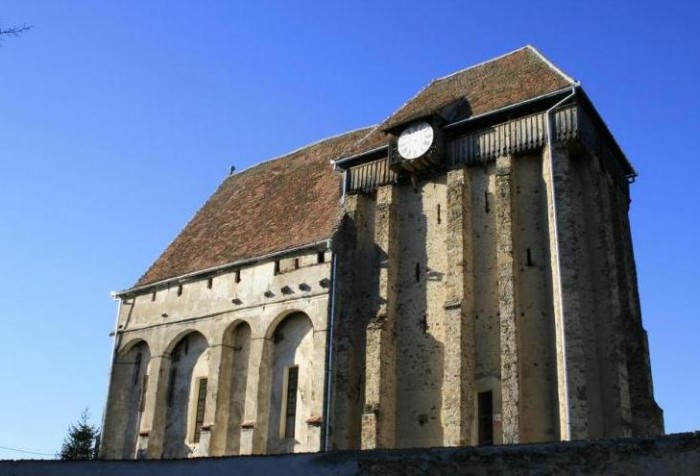


Image source: Wikimedia Commons · Public domain photos · Free license
STAY A FEW DAYS, DISCOVER THE MAGIC
Accommodation in the Fortified Church of Seliștat area

Holiday home · 3 stars

Bărcut, Bărcut · 4.2 km
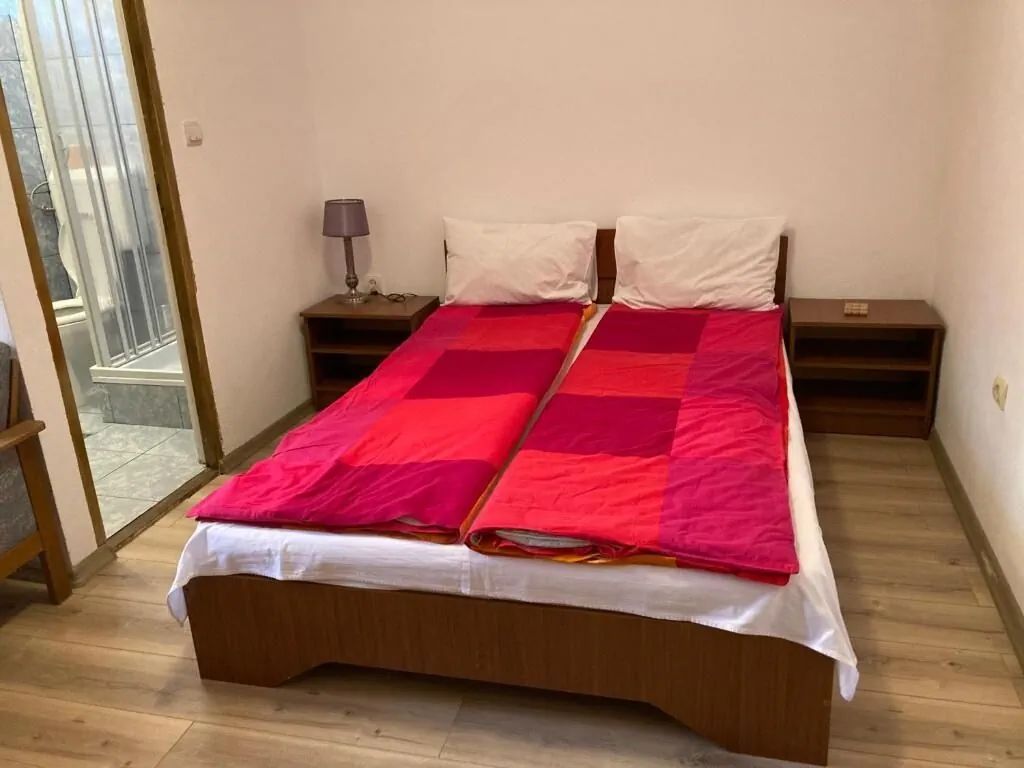
Casa din Bărcuț
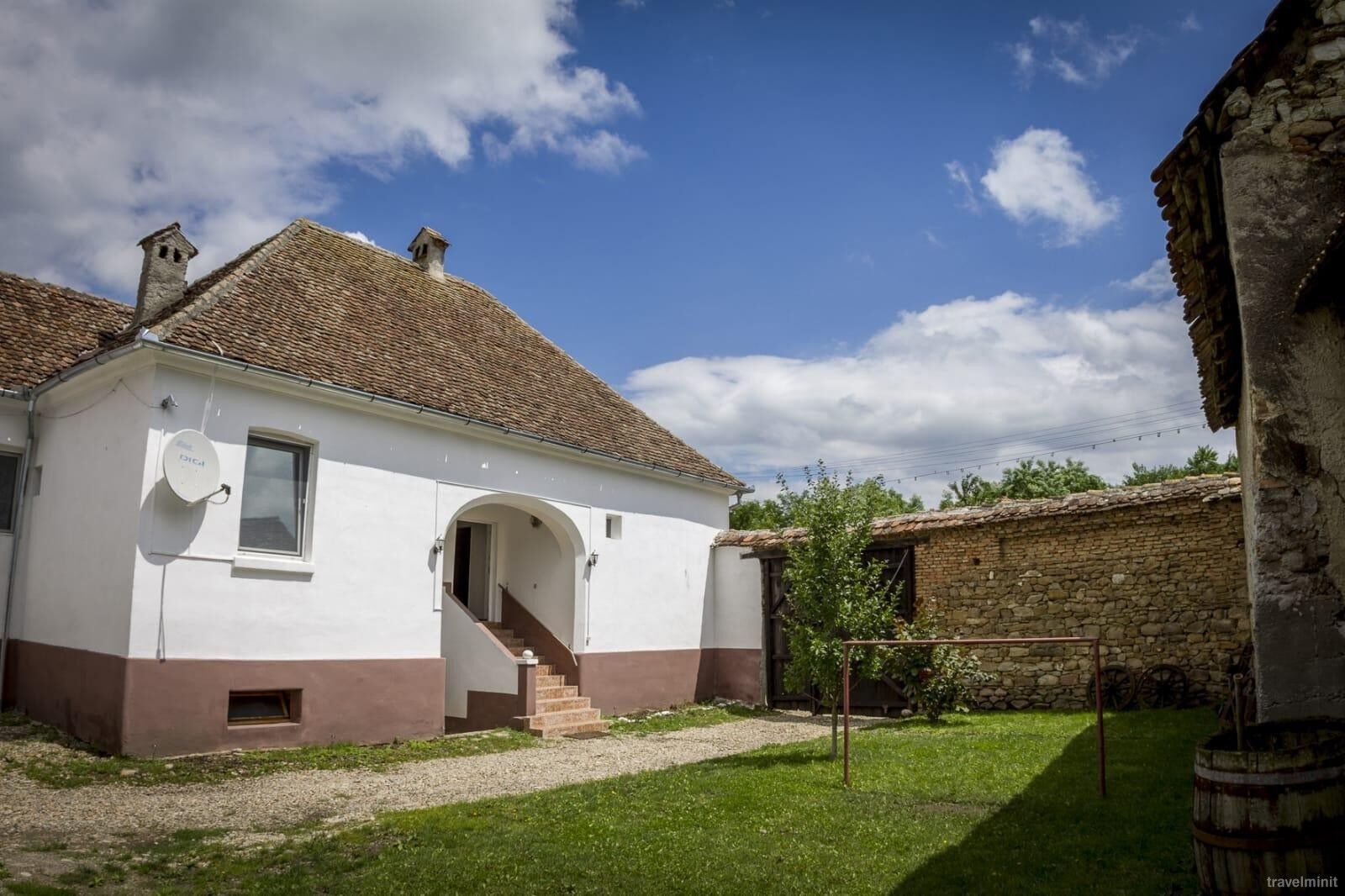
Pe strada Principală din Bărcuț, la numărul 70, se află Casa din Bărcuț, o vilă integrală clasificată cu trei stele, pusă la dispoziția dumneavoastră în întregime pentru un sejur relaxant. Proprietatea oferă șase camere confortabile și bine amenajate, potrivite pentru familii sau grupuri de prieteni. Aveți la dispoziție parcare privată gratuită, acces Wi-Fi gratuit și un pătuț pentru bebeluși. Animalele de companie sunt acceptate contra cost, iar personalul vorbește limba română și engleză. Check-in-ul se face de la ora 14:00, iar check-out-ul până la ora 12:00. În curtea mare și grădina amenajată vă puteți bucura de aer liber, iar pentru relaxare aveți la dispoziție un ciubăr din lemn tradițional. Pentru activități, puteți închiria biciclete, juca tenis de masă sau pe terenul de tenis, iar copiii au la dispoziție un loc de joacă în aer liber. De asemenea, puteți găti în aer liber la grătar, barbeque sau în ceaun, iar zona oferă numeroase trasee pentru drumeții montane și plimbări în natură. În apropiere puteți vizita Ansamblul bisericii evanghelice fortificate, Biserica fortificată din Seliștat, Biserica fortificată din Viscri, Cetatea Medievală Sighișoara și Biserica fortificată din Merghindeal. Vă așteptăm la Casa din Bărcuț.
FROM
280 lei per night

Guesthouse · 3 stars
Cincu, Brașov County · 9.2 km
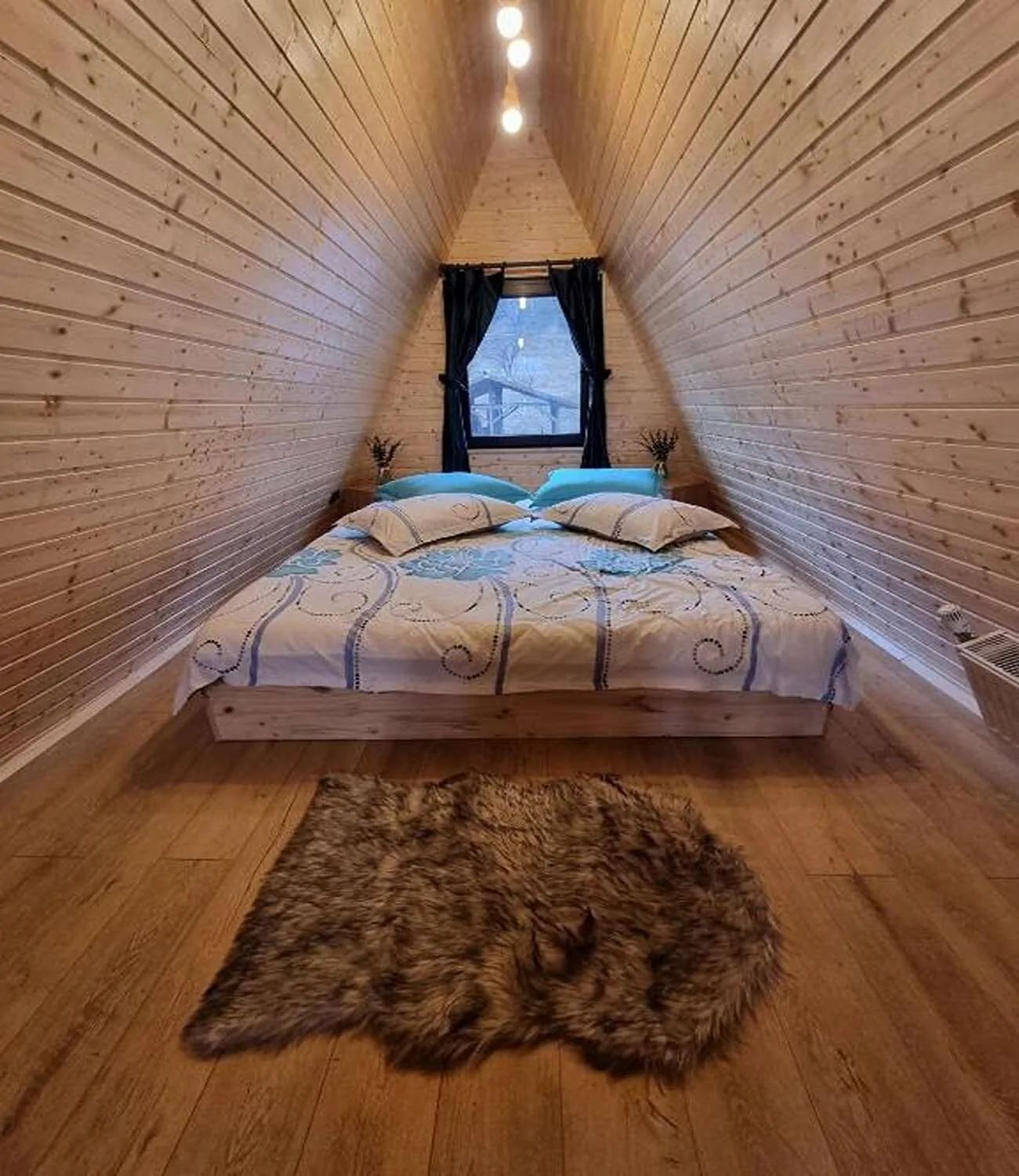
Pensiunea La Maison Concordia Cincu
Comfort, relaxation and stunning views, all just steps away from the main attractions.
FROM
240 lei per night
Cabin · 3 stars
Chirlești, Buzău County · 13.7 km
Căsuțele EliMar Chirlești
Două căsuțe din Chirlești își deschid ușile într-un cadru liniștit și îngrijit. Vă așteptăm la Căsuțele EliMar Chirlești, o cabană clasificată cu trei stele din județul Buzău, care oferă două camere amenajate cu grijă și dotate cu bun gust. Fiecare cameră beneficiază de aer condiționat pentru un confort sporit în orice sezon și oferă conexiune Wi-Fi gratuită. În exterior, curtea mare cu grădină amenajată și foișorul creează un ambient plăcut pentru momente de relaxare în aer liber, iar parcarea privată gratuită asigură un loc sigur pentru mașina dumneavoastră pe toată durata șederii. În apropiere puteți vizita bisericile fortificate din Merghindeal, Dealu Frumos, Biertan și Agnita, alături de Ansamblul bisericii evanghelice fortificate, monumente deosebite care păstrează istoria și arhitectura specifică acestor locuri. Personalul de la recepție comunică fluent în română și engleză și vă poate oferi informații complete despre toate facilitățile și serviciile disponibile în unitate. Sosirea se realizează de la ora 14:00, iar predarea camerei se face până la ora 11:00. Pentru garantarea rezervării se percepe un avans de 15%, plata se poate efectua în numerar sau prin transfer bancar, iar accesul se face pe Calea Ardealului numărul 18.
FROM
270 lei per night
Guesthouse · 3 stars
Costești, Hunedoara County · 13.7 km
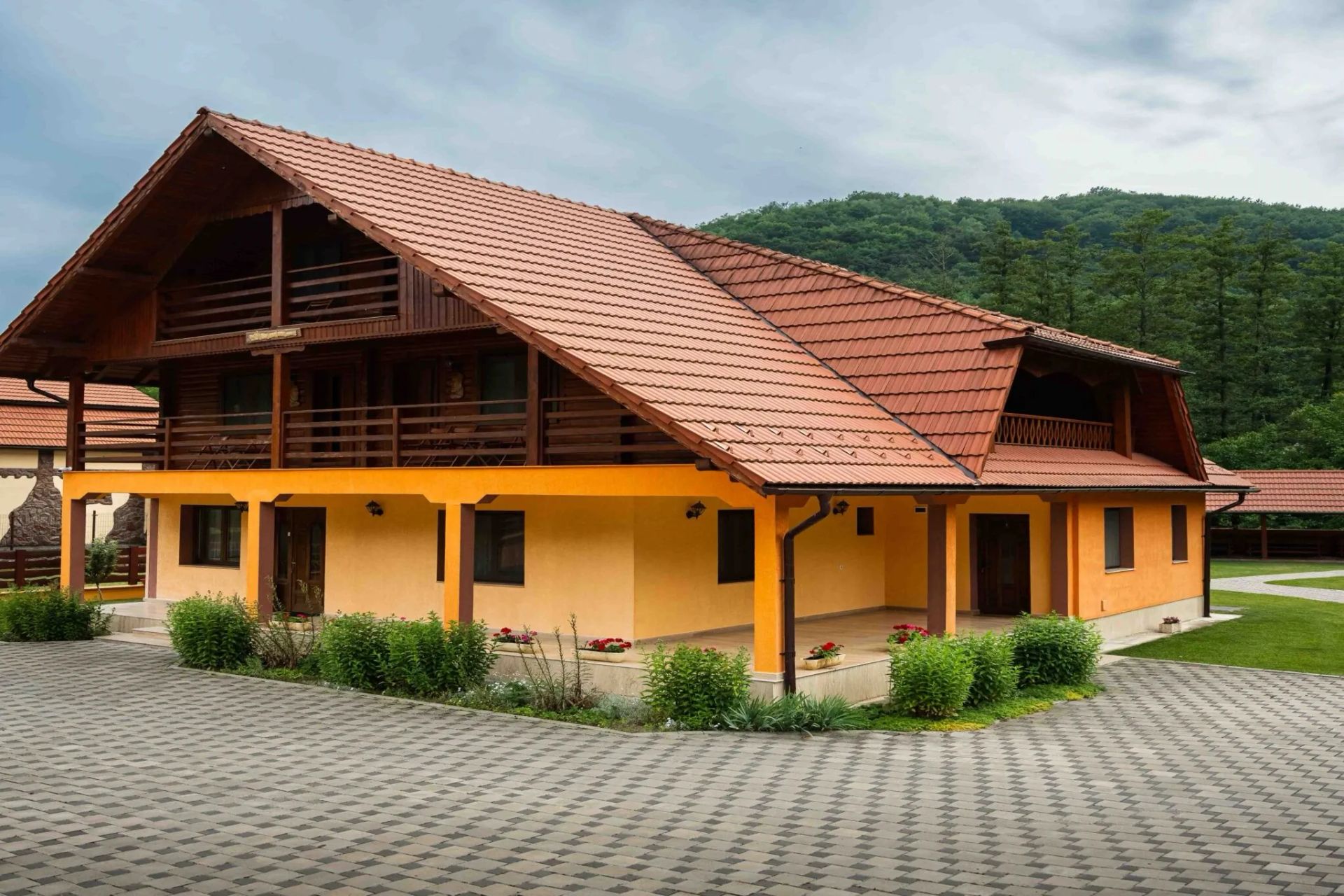
Cabana Sargeția Costești
Accesul facilitat pentru persoane cu dizabilități reprezintă un atu important al Cabanei Sargeția Costești din Costești, județul Hunedoara. Pensiunea de trei stele, situată pe strada Orăștioara de Sus, vă așteaptă într-un spațiu adaptat nevoilor tuturor oaspeților. Unitatea dispune de parcare privată gratuită și oferă Wi-Fi gratuit în toate zonele. Copiii se pot distra în siguranță la locul de joacă amenajat în exterior, iar curtea mare și grădina invită la relaxare în aer liber. Pentru preparate tradiționale, aveți la dispoziție grătar, barbeque și ceaun pentru gătit în aer liber. În vecinătate puteți descoperi Biserica fortificată din Merghindeal, Biserica fortificată din Dealu Frumos, Biserica fortificată de la Biertan, Biserica fortificată Agnita și Ansamblul bisericii evanghelice fortificate. Camera este modernă și confortabilă, dotată cu baie proprie. De asemenea, pensiunea oferă servicii de wellness. Tarifele nu includ masa, iar plata se poate efectua cu cardul bancar sau în numerar. Cazarea începe la ora 14:00, iar plecarea se face până la ora 11:00. La recepție se vorbește limba română. Cabana Sargeția Costești este alegerea potrivită pentru cei care doresc să viziteze monumentele istorice din zonă într-un mediu accesibil și liniștit.
FROM
240 lei per night
Guesthouse · 2 stars
Agăş, Agăş · 13.7 km
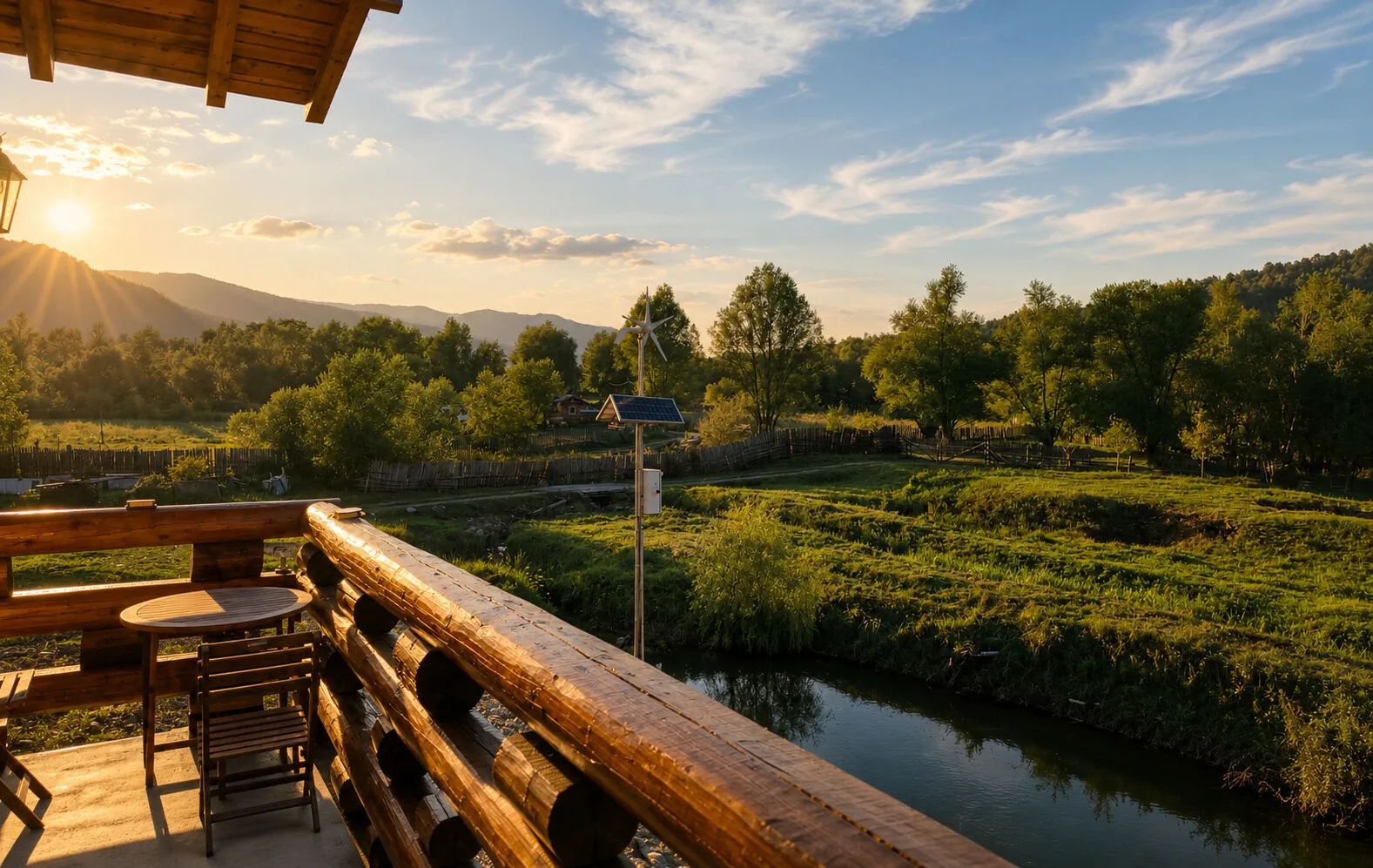
Cabana Moșia Trotuș Agăş
Comfort, relaxation and stunning views, all just steps away from the main attractions.
FROM
190 lei per night
Hostel · 1 star
Bucureştii Noi, Bucharest · 13.7 km
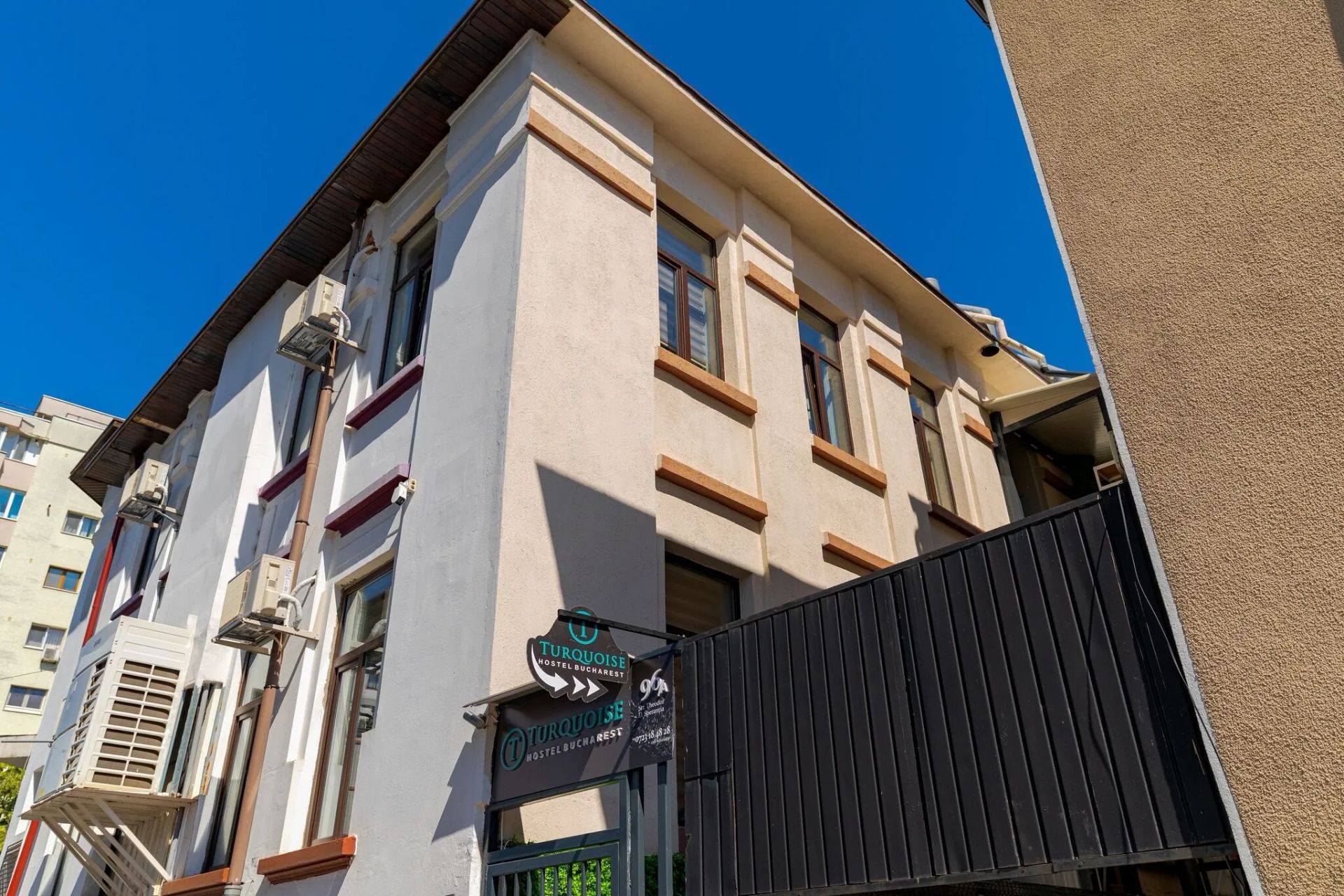
Turquoise Hostel Bucureştii Noi
Familiile cu copii și grupurile de prieteni se vor simți bine la Turquoise Hostel Bucureştii Noi, situat pe aleea Theodor D.Sperantia din cartierul Bucureştii Noi. Unitatea de cazare, clasificată cu o stea, oferă un mediu prietenos și practic pentru călătorii care doresc să exploreze capitala într-un mod accesibil și relaxat. Pentru confortul dumneavoastră, hostelul pune la dispoziție Wi-Fi gratuit în toate spațiile, parcare privată gratuită și parcare pentru biciclete. În incintă funcționează un restaurant și o cafenea, iar facilitățile includ fier de călcat, seif și depozit pentru bagaje. Meniurile disponibile cuprind opțiuni pentru copii și pentru diete speciale, astfel încât fiecare oaspete să găsească preparate potrivite preferințelor sale. Toate aceste servicii contribuie la o ședere confortabilă. De aici puteți organiza excursii către obiective culturale remarcabile, vizitând Biserica fortificată din Merghindeal, Biserica fortificată din Dealu Frumos, Biserica fortificată de la Biertan, Biserica fortificată Agnita și Ansamblul bisericii evanghelice fortificate. Vă așteptăm cu drag la Turquoise Hostel Bucureştii Noi pentru un sejur plăcut.
FROM
170 lei per night
BEFORE YOU HIT THE ROAD
Weather conditions in Selistat
Local forecast for Fortified Church of Seliștat, Selistat, Brașov

Real-time updated weather data
Much more to explore in this area
Nearby tourist attractions

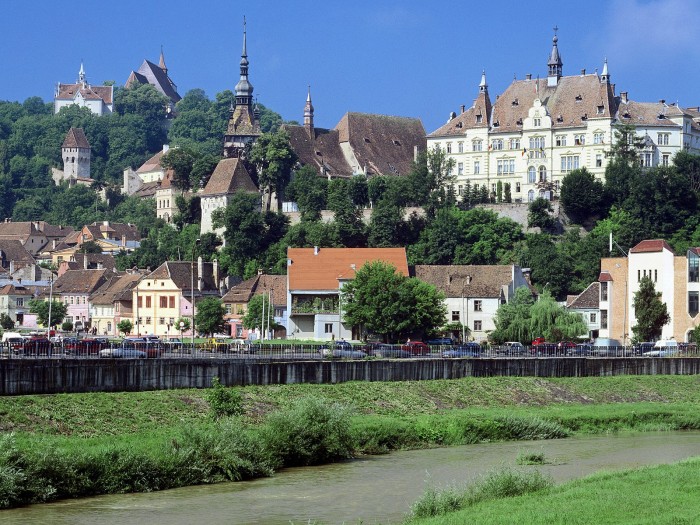

Sighișoara, Mureș County
Sighișoara Medieval Citadel
Situata in centrul municipiul Sighisoara; inca din secolul al III-lea i.Hr. a existat pe acest teritoriu o cetate dacica, numita Sandava; romanii au ridicat...
26.4 km
Cârțișoara, Sibiu County
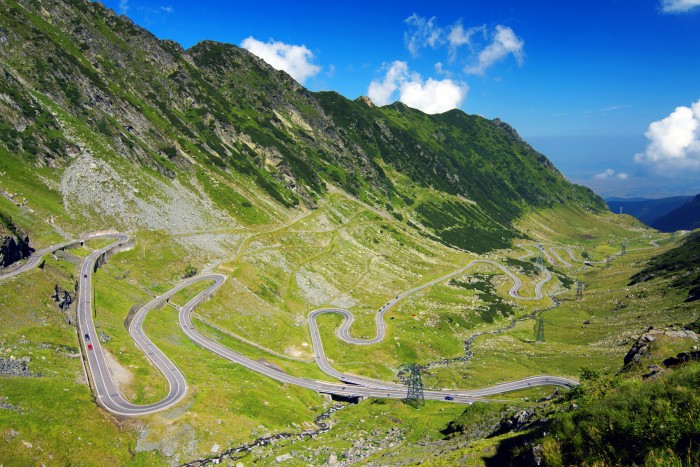
Transfăgărășan Highway and Bâlea Lake
Incepe in comuna Bascov din judetul Arges de langa orasul Pitesti, in directia orasului Curtea de Arges si se termina la intersectia cu drumul DN1 intre Sibiu...
36.5 km
Sibiu, Sibiu County
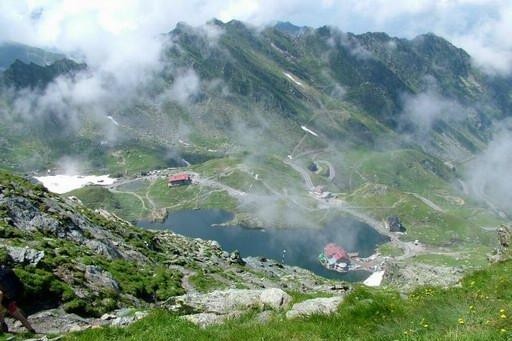
Bâlea Lake
Situat in Muntii Fagaras, la Obarsia Cartisoarei, care se afla la o altitudine de 2.034 metri, langa soseaua Transfagarasan din judetul Sibiu; in perioada...
46.7 km
Brasov, Brașov County
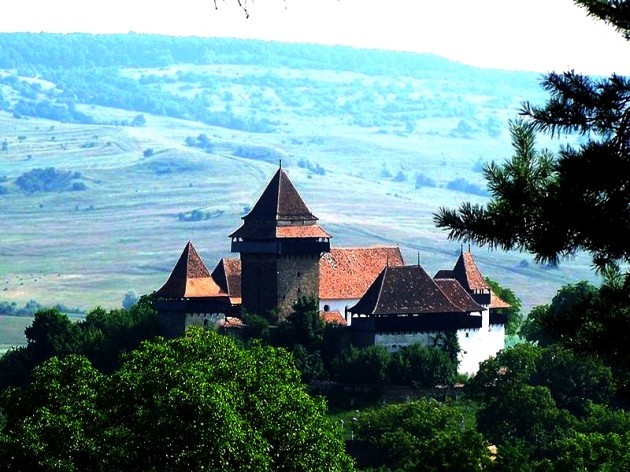
Viscri Fortified Church
Situata in localitate Viscri; construita in secolul al XIII-lea; din punct de vedere arhitectural apartine stilului romanic; are un plan de tip sala romanica;...
19.0 km

44.7 km
Harghita, Harghita County
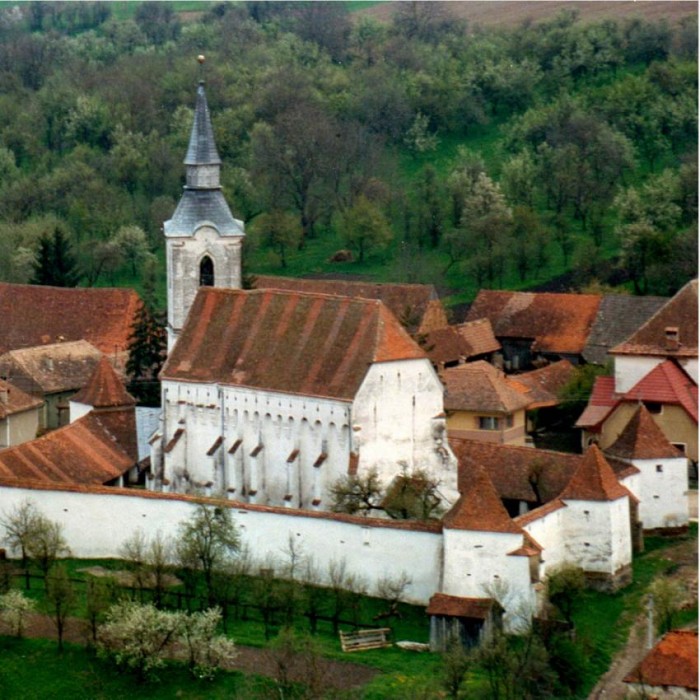
Dârjiu Fortified Church
Situata in localitatea Darjiu; construita intre secolele XIV - XV; initial, a fost ridicata in stil romanic, iar apoi a fost transformata in stil gotic; a...
35.3 km
Sibiu, Sibiu County
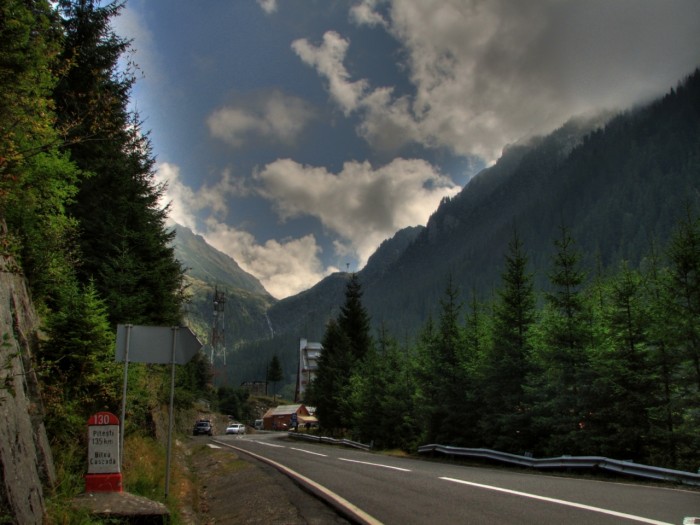
Bâlea Lake Resort
Situata in aria comunei Cartisoara din masivul Fagaras; se intinde pana la altitudinea de 2.500 m; include relieful alpin, lacul, flora si fauna din circul...
36.3 km

Brașov, Brașov County
Black Church of Brașov (Evangelical Fortified Church Ensemble)
Heritage site in Braşov County, Romania
4.5 km

31.1 km
Danes, Mureș County
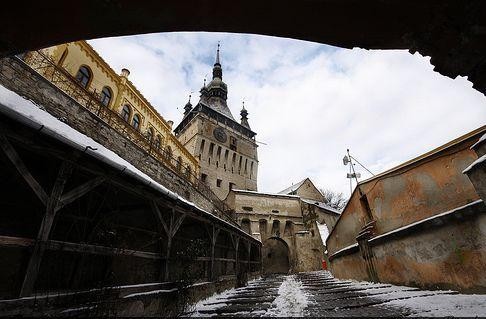
Sighișoara Clock Tower
Situat in partea de est a platoului inferior al Cetatii Sighisoara; construit in preajma secolului al XIV-lea, pentru a proteja poarta principala a orasului si...
26.4 km

37.9 km
Sibiu, Sibiu County
Valea Viilor Fortified Church
Situata in localitatea Valea Viilor; a fost construita in secolul al XII-lea, urmand sa fie fortificata in secolul al XV-lea si al XVI-lea; inconjurata de o...
46.4 km
Cultural life and traditions
Events in the Fortified Church of Seliștat area
Medieval festivals, traditional fairs, concerts and local activities recommended in Transylvania.

Heritage and History

Selistat, County of Brașov
The Festival of Medieval Fortresses and the Open Doors Days
Guided night tours, traditional crafts workshops and historical re-enactments featuring knights and ladies.
WHEN
May 15-17, 2026


Traditions and Cuisine
Selistat, County of Brașov
The Fair of Saxon Traditions and Local Cuisine
Discover local producers, traditional Saxon pastries baked in a wood-fired oven, artisanal syrups, and rhubarb jam.
WHEN
Every weekend (May - October)

Ecotourism and Nature
The hills of Transylvania, County of Brașov
Guided Hikes on the Transylvanian Hills Trail
Take excursions along unmarked trails through ancient meadows, centuries-old oak trees, and villages with fortified churches that are UNESCO World Heritage sites.
WHEN
Friday – Sunday (Season 2026)
On foot, exploration gains depth
Discover the surroundings and local geography
Explore the trails, terrain, and natural landmarks around Fortified Church of Seliștat.

Guides and practical tips
Useful travel articles
Travel guides, practical recommendations and tourist itineraries for Transylvania.

Tourist guide
Top 5 Atracții Turistice și Trasee Montane în Zona Moieciu - Bran
Descoperă cele mai spectaculoase peisaje carstice, chei adânci și cetăți medievale din imediata apropiere a stațiunii Moieciu.

Tourist guide
Ghid de Drumeție: Traseul Moieciu de Sus spre Platoul Bucegi
Un itinerariu montan de o frumusețe rară ce urcă din Valea Băngăleasa spre Poiana Guțanu și crestele maiestuoase ale Bucegilor.

Tourist guide
Castelul Bran: Istorie, Legende și Secrete Medievale
Află adevărata poveste a fortăreței medievale din Pasul Bran, reședința de suflet a Reginei Maria a României.
THE JOURNEY STARTS WITH AN IDEA
The next story is on the way.
From the first stop to the last stay, make room for a new Romania.
