


PLACE OF WORSHIP · TRANSYLVANIA
Valea Viilor Fortified Church

Sibiu, Sibiu County
Add location to your trip planner.
Practical access information

VISITING HOURS
Monday: 12:00 PM – 5:00 PM · Tuesday–Sunday: 9:00 AM – 5:00 PM (in summer until 8:00 PM)

TICKET PRICE
Adults: 45 RON · Students: 11 RON · Seniors: 23 RON · Guided tour included

RECOMMENDED VISIT DURATION
30-60 minutes
Sources and external references
Wikipedia Encyclopedia (EN)
Visitor information and guide
 Navigate with Google Maps

ABOUT VALEA VIILOR FORTIFIED CHURCH
A fortress of faith in the heart of Transylvania
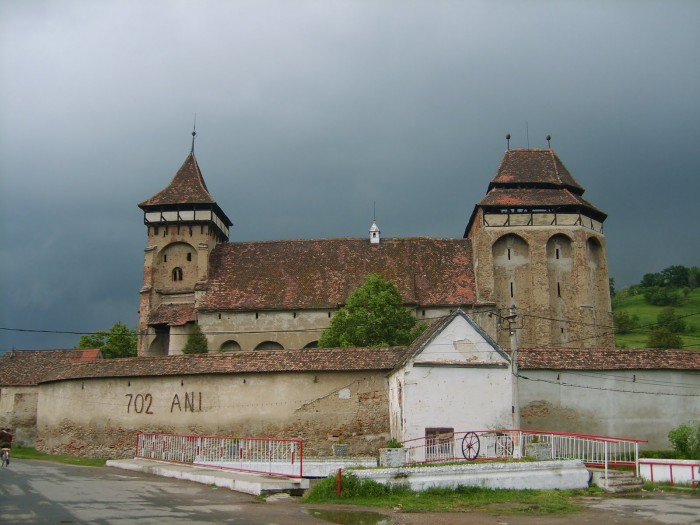
In the picturesque village of Valea Viilor, located in the heart of Transylvania, in Sibiu County, stands one of the most impressive fortified churches in South-Eastern Europe, a monument that combines medieval spirituality with the defensive ingenuity of a turbulent era. Surrounded by rolling hills covered with vineyards and orchards, this church represents a remarkable example of early Romanesque architecture, later transformed into a fortress capable of withstanding Ottoman invasions that threatened the eastern borders of Christendom. Built in the 12th century by Saxon colonists brought to the region as part of the German colonization process in Central Europe, known as Ostsiedlung, this construction marks a crucial moment in the history of European migrations, reflecting how Western architectural traditions were transplanted and adapted in the Carpathian space.
Initially erected as a three-aisled Romanesque basilica, the building underwent a profound architectural metamorphosis in the 15th and 16th centuries, when the Saxon community decided to surround it with a strong belt of walls and towers. This transformation reflects the European historical context of the era, when numerous rural communities had to fortify their places of worship against Ottoman expansion, a situation similar to that encountered in the Iberian Peninsula during the Reconquista or in certain regions of the Balkans. Today, the church is surrounded by a single enclosure wall from which four towers have been preserved, of which the eastern one, dating from 1501, represents a silent witness to the passage of centuries and the evolution of medieval military techniques, comparable to the defense towers of the castles in the Rhineland or Bavaria.
Historical roots and major European connections
The history of the church in Valea Viilor is inseparable from the great story of German colonization in Eastern Europe, a process initiated in the 12th century under the aegis of the Kings of Hungary, Géza II and Stephen III, who invited colonists from the regions of the Rhine, Moselle and Flanders to populate the Transylvanian territories. These Saxons, known in medieval documents as hospites, brought with them not only advanced agricultural customs but also a specific architectural vision of the Holy Roman Empire, influenced by the architecture of the imperial cathedrals of Speyer, Worms or Mainz. The Romanesque church of Valea Viilor, with its three aisles and its initial bell tower, faithfully mirrors the Romanesque models of the Rhine valley, being probably built according to the plans of craftsmen brought directly from the imperial territories or trained in their schools.
The context of the transformation of this church into a fortified citadel must be understood in light of the Ottoman expansion in Central Europe, a phenomenon that reached its apogee in the 15th and 16th centuries. After the fall of Constantinople in 1453 and the conquest of Belgrade in 1521, waves of Ottoman armies reached the gates of Vienna in 1529 and 1683, endangering the entire Carpathian region. During this period, the Saxon communities in Transylvania, located on the eastern frontier of the Kingdom of Hungary and later of the Habsburg Monarchy, were forced to transform their churches into true fortresses, known as Kirchenburgen. This unique architectural solution, developed in parallel with similar defensive systems in southern Germany or northern Italy, represented a practical response to the military threat, offering refuge to the entire community in case of attack.
Architectural masterpiece: from Romanesque to fortification
The architecture of the church in Valea Viilor presents a fascinating evolution from the solemn simplicity of the Romanesque style to the defensive complexity of the early modern era. The original church, dating from the 12th century, was built as a three-aisled basilica, with a rectangular choir and probably with two initial towers, following the model of the great imperial cathedrals of the Holy Roman Empire. The massive walls, built of local limestone, and the semicircular arches of the side aisles reflect Rhenish and Swabian architectural influences, being comparable to rural churches in the southern German lands.
The transformation into a fortification began in the 15th century and intensified in the 16th century, when the outer enclosure with defense towers was erected. Today, the visitor can admire four towers rising above the enclosure wall, each having distinct characteristics. The eastern tower, precisely dated to 1501 by an inscription, represents a remarkable example of late Gothic military architecture, with narrow windows for arquebuses and a multi-level defense system. This tower, together with the other three preserved, forms a defensive system reminiscent of the urban fortresses of Nuremberg or Regensburg, adapted however to the scale and resources of a rural community. The height of the walls, their impressive thickness and the system of wooden galleries for defenders demonstrate the ingenuity of local craftsmen, who managed to combine military functionality with the spiritual continuity of the place of worship.
Interior treasure: Baroque art and Central European artistic tradition
The interior of the church houses a valuable artistic heritage that illustrates the evolution of styles from the Renaissance to the Baroque, reflecting Central European cultural influences and, above all, those of the German and Austrian space. Among the most precious pieces is the old baptismal font, unique in its antiquity and probably dating from the Romanesque or early Gothic period, a rare liturgical object that testifies to the continuity of Christian traditions in this isolated community. The priest's stall, dated 1526, represents a special piece of church furniture, made in the transition period between late Gothic and Renaissance, with decorative elements reminiscent of the workshops of Nuremberg or Augsburg.
The main altar, made in 1779, constitutes a masterpiece of Transylvanian Baroque, with remarkable sculptures illustrating biblical scenes in a dynamic and expressive style, characteristic of religious art from the Counter-Reformation period. This altar can be compared with works from Viennese or Bavarian workshops of the same period, reflecting the close ties of the Saxon community with the German world and with the artistic currents of the Habsburg Monarchy. The crown from 1746, probably a chandelier or a suspended liturgical furnishing, and the tabernacle located in the northern part of the choir, dating from 1504, complete this remarkable artistic ensemble. The tabernacle, in particular, represents a rare example of late Gothic furniture preserved in Transylvania, with carved doors and metal details demonstrating the mastery of local craftsmen influenced by Gothic art from Central Europe.
Stories, earthquakes and turning points
Over time, the monument has suffered significant climatic and seismic vicissitudes that have marked the history of the community. In 1738, a powerful earthquake, with its epicenter near Sibiu, caused serious damage to the church structure, cracking the walls and affecting the towers, requiring extensive repairs completed in 1742. This seismic event, part of the series of earthquakes that affected the Carpathian region in the 18th century, demonstrated the vulnerability of medieval constructions to the forces of nature, but also the resilience of the Saxon community, which managed to restore the monument while preserving its architectural integrity.
Subsequently, in 1781 and 1826, new renovation campaigns were carried out that contributed to the conservation and enrichment of the interior heritage, adapting the liturgical space to the new artistic sensibilities of the era. These interventions reflect the Enlightenment period and, respectively, the European Romantic period, when interest in medieval heritage and the restoration of historical monuments experienced a revival throughout Europe, from Viollet-le-Duc's restorations in France to conservation movements in the German world. Every stone of the church bears the imprint of these eras, telling about the continuity of spiritual life in a place steeped in history.
UNESCO heritage and European cultural dialogue
The Fortified Church of Valea Viilor is part of the UNESCO World Heritage, being included in the series "Fortified Churches with Towers in Transylvania", recognized for the exceptional universal value of this type of defensive architecture specific to South-Eastern Europe in the medieval and early modern period. This distinction places the monument in a cultural dialogue with other similar sites in Europe, such as the fortified churches of Portugal, the fortified monasteries of Spain or the castle-monuments of the Balkans, all representing different architectural responses to the military-religious challenges of the era. The monument represents an essential reference point for understanding migrations and cultural coexistence in medieval Europe, being the expression of a German community that preserved and developed Western architectural traditions in a different geographical and historical context, adapting them to the specific challenges of the Carpathian-Balkan area.
Visitors who step into this church discover not just a place of worship, but a living museum of European history, where every stone and every decorative element tells about the resilience of a civilization in the face of the challenges of time. Its presence in a landscape of vineyards and hills, surrounded by well-preserved Saxon villages, offers a unique perspective on the common heritage of the continent, demonstrating that European cultural diversity has always been a source of wealth and innovation.
Practical guide: how to discover Valea Viilor
To fully experience the magic of the fortified church of Valea Viilor, we recommend a visit in the summer or late autumn season, when the golden light of sunset colors the old stones of the walls in a special glow, and the surrounding vineyards take on shades of copper and violet. The village is located approximately 10 kilometers southeast of the city of Mediaș and about 60 kilometers north of Sibiu, being easily accessible by car on well-maintained paved roads, offering a quieter but equally impressive alternative to the crowded routes to Sighișoara or Biertan.
Upon arrival in the village, the visitor will be immediately captivated by the massive silhouette of the church dominating the rural landscape, its towers rising above the traditional Saxon houses with carved gates. It is recommended to enter the fortified enclosure through the main gate and explore the inner courtyard, where one can admire the architectural details of the walls and towers. Visiting the interior of the church offers the opportunity to contemplate in silence the Baroque altar, the Renaissance stall and the other heritage pieces, feeling the centuries-old atmosphere of this sanctuary. For photography enthusiasts, the early morning or evening hours offer the best lighting conditions to capture the texture of the stone and the play of shadows on the fortification walls.
After visiting the church, it is worth exploring the village of Valea Viilor itself, one of the most authentic Saxon villages in Transylvania, with narrow streets and traditional houses with sloping roofs. Walks through the vineyards around the locality, especially during the harvest period, offer a complete sensory experience, combining built heritage with the wine traditions of the area. For a complete cultural experience, a visit to Valea Viilor can be combined with a trip to neighboring villages such as Biertan, with its famous UNESCO fortified church, or Viscri, both offering complementary perspectives on the life of the Saxon communities in Transylvania.
Media gallery
Discover Valea Viilor Fortified Church in pictures

3 photos · Architecture, courtyards and captivating details


Image source: Wikimedia Commons · Public domain photos · Free license
STAY A FEW DAYS, DISCOVER THE MAGIC
Accommodation in the Valea Viilor Fortified Church area

Apartment · 3 stars

Mediaș, Sibiu County · 9.8 km
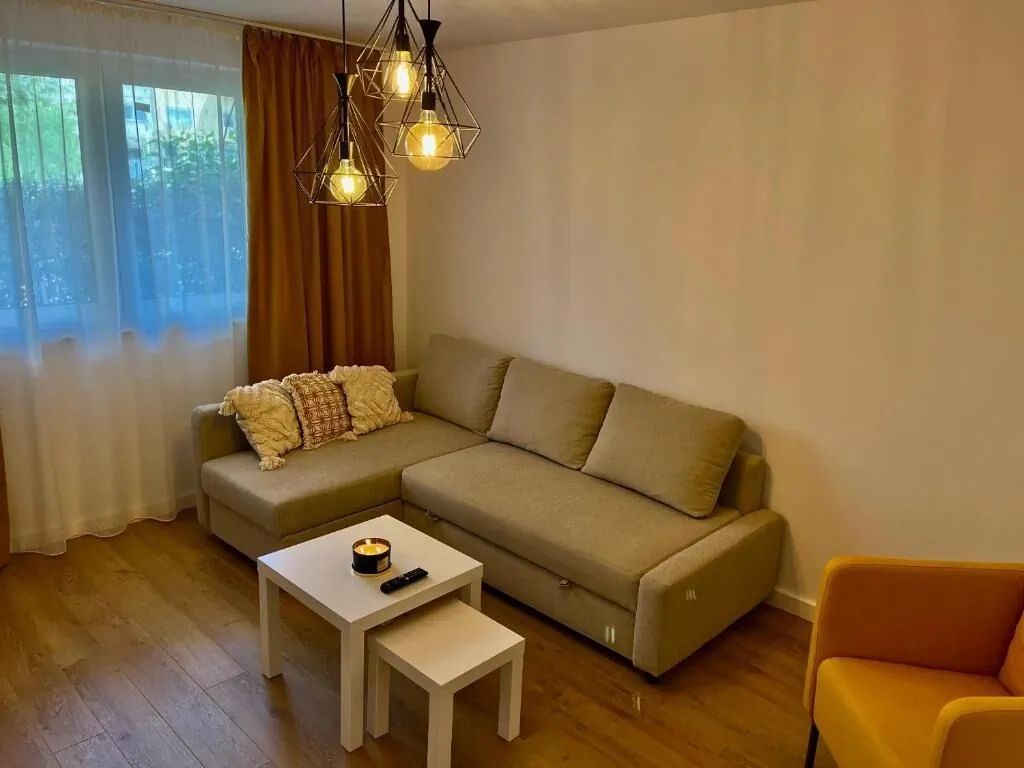
Alexander Cozy Apartment Mediaș
Comfort, relaxation and stunning views, all just steps away from the main attractions.
FROM
230 lei per night

Apartment · 3 stars
Mediaș, Sibiu County · 9.8 km
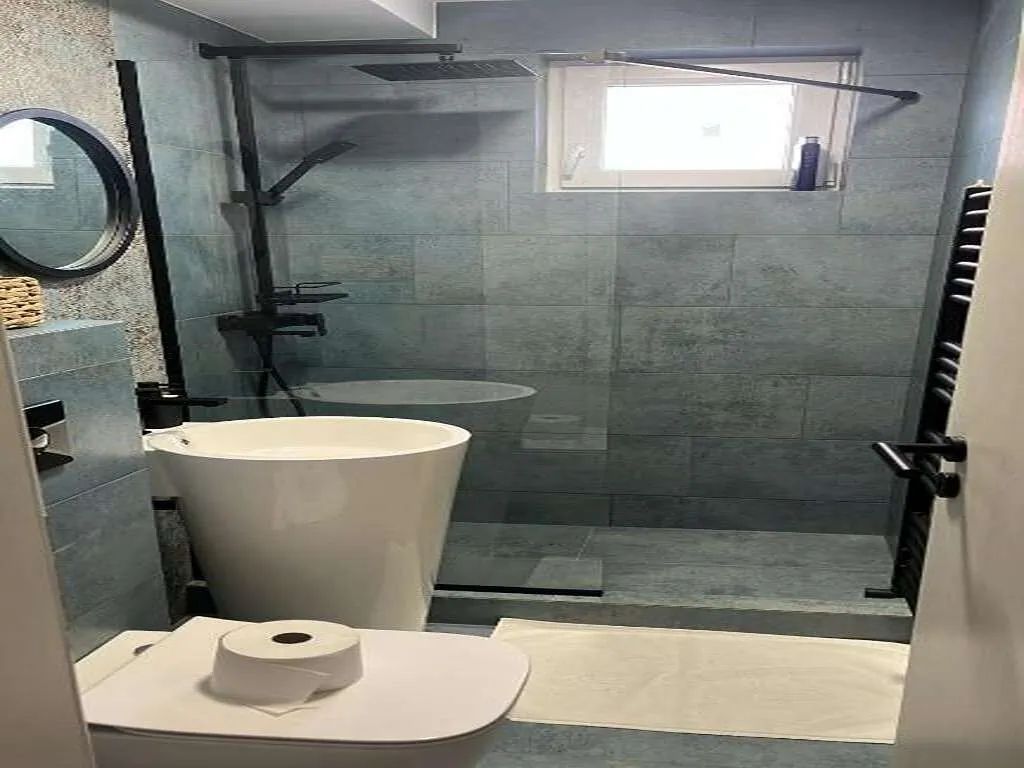
Central Studio Mediaș
Comfort, relaxation and stunning views, all just steps away from the main attractions.
FROM
230 lei per night
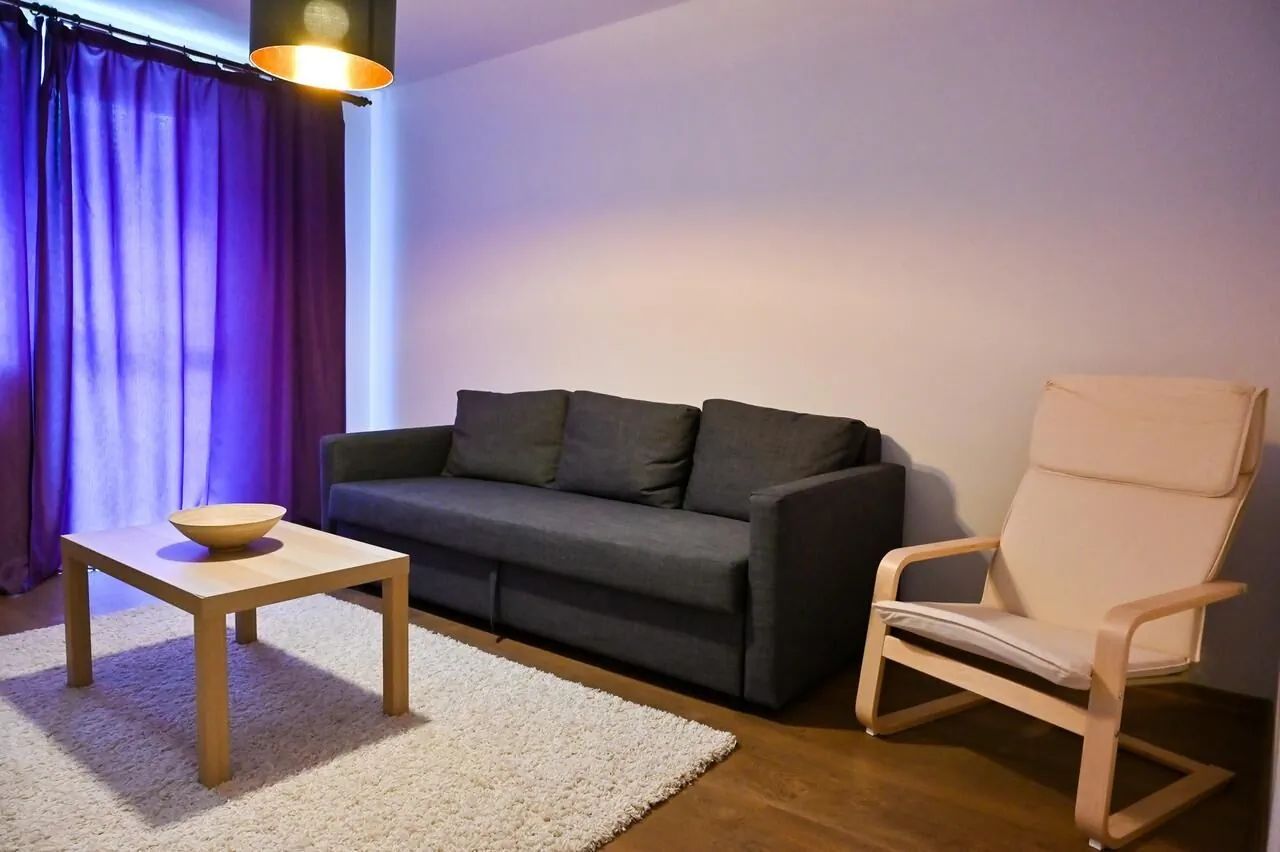
Apartment · 1 star
Mediaș, Sibiu County · 10.0 km
Sophia's Cozy Apartment
Comfort, relaxation and stunning views, all just steps away from the main attractions.
FROM
230 lei per night
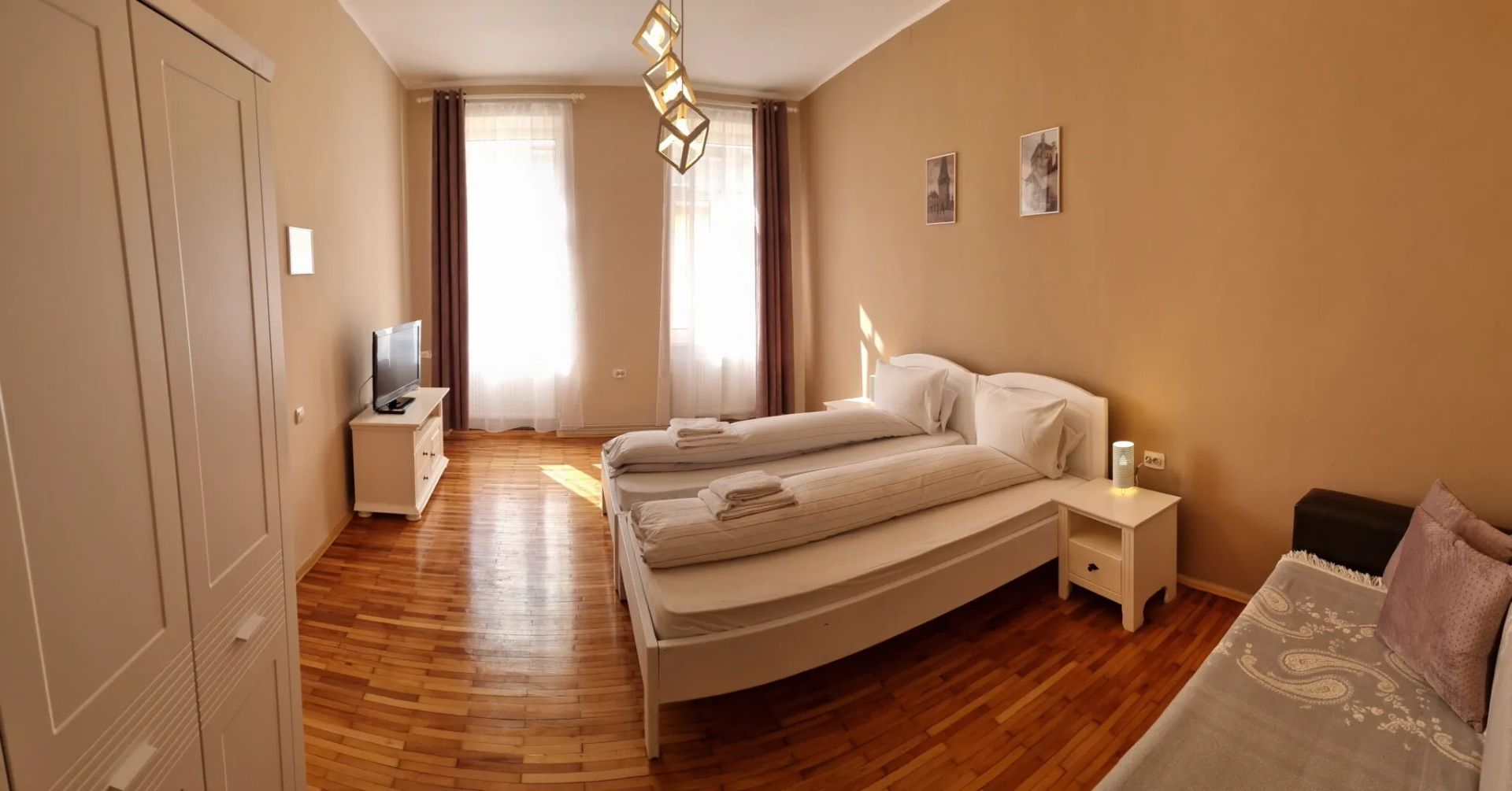
Apartment · 3 stars
Mediaș, Sibiu County · 10.4 km
Fabini Apartments Mediaș
În centrul istoric al Mediașului, chiar pe piața Regele Ferdinand I, se află Fabini Apartments Mediaș, un apartament de închiriat clasificat cu trei stele. Această proprietate păstrează memoria unei familii cu tradiție în zonă, fiind restaurată cu atenție pentru a îmbina istoria locului cu confortul modern pe care îl căutați într-o vacanță reușită. Pentru confortul dumneavoastră, unitatea oferă Wi-Fi gratuit și parcare privată gratuită, astfel încât să vă deplasați liniștit prin oraș. De asemenea, în incintă funcționează un restaurant, unde puteți lua masa fără să vă îndepărtați de locul de cazare. Poziția centrală vă permite să descoperiți rapid cele mai importante obiective turistice din Mediaș. Puteți vizita Biserica Evanghelică Sfânta Margareta din Mediaș și Cetățuia Mediașului, ambele fiind situate în apropiere. Dacă doriți să explorați și împrejurimile orașului, veți găsi în zonă și alte monumente impresionante de patrimoniu: Biserica fortificată de la Biertan, Biserica evanghelică fortificată din Moșna și Biserica Fortificată din Valea Viilor. Vă așteptăm să vă bucurați de un sejur plăcut în Mediaș.
FROM
230 lei per night
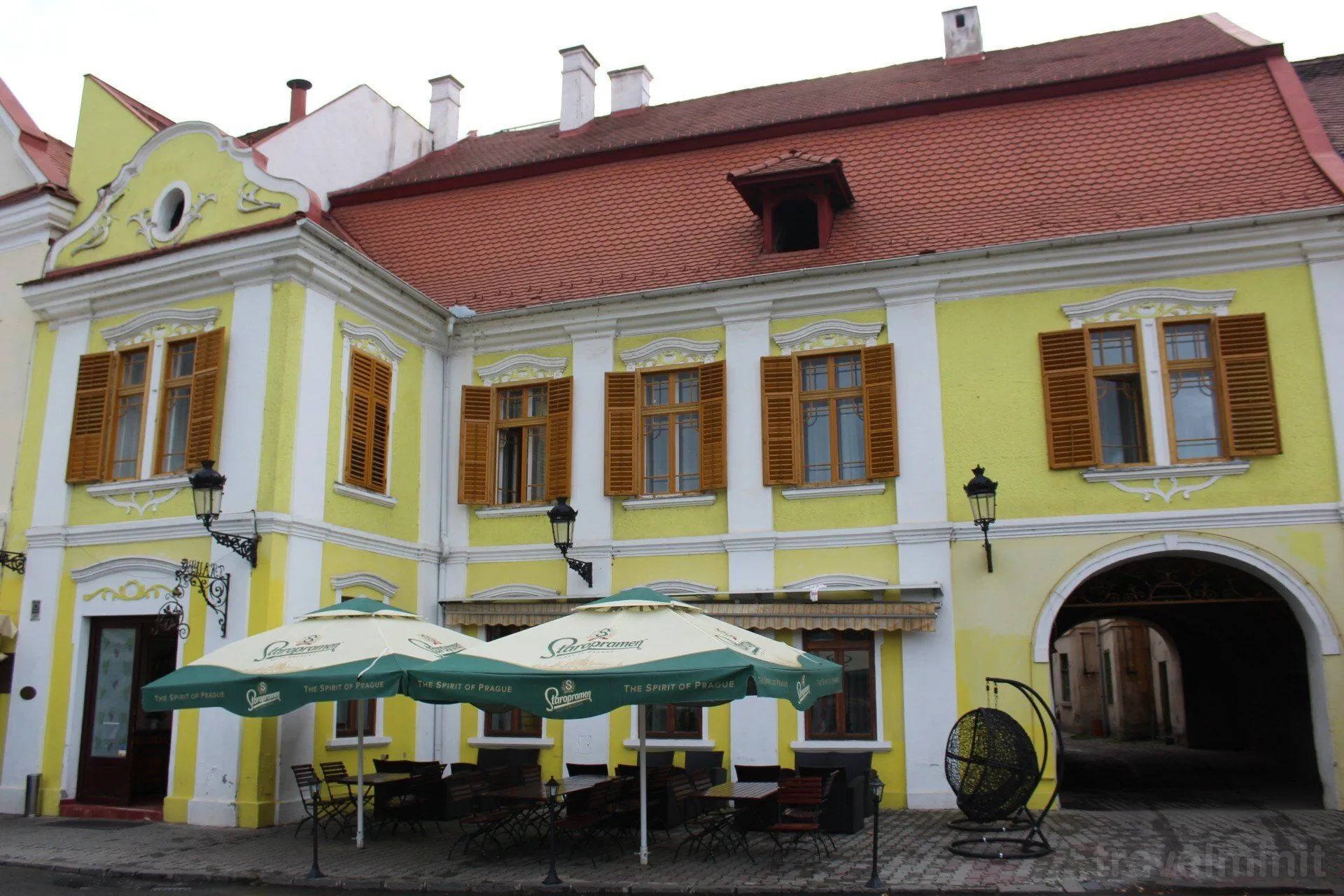
Apartment · 3 stars
Mediaș, Sibiu County · 10.4 km
Ferdinand Apartments Mediaș
Ferdinand Apartments Mediaș este un apartament de închiriat clasificat cu trei stele, situat în orașul Mediaș din județul Sibiu, la adresa Piata Regele Ferdinand 16. Unitatea pune la dispoziția dumneavoastră șase camere amenajate cu atenție și dotate cu baie proprie. Pentru confortul dumneavoastră pe parcursul șederii, aveți la dispoziție Wi-Fi gratuit în întreaga unitate. Personalul de la recepție comunică în limba română, maghiară, engleză și germană, fiind pregătit să răspundă nevoilor dumneavoastră. Accesul în cameră este posibil începând cu ora 16:00, iar eliberarea se face până la ora 11:00. Vă invităm să vă bucurați de liniștea și confortul oferit de această unitate. În apropiere puteți vizita Biserica Evanghelică Sfânta Margareta din Mediaș și Cetățuia Mediașului, ambele situate în oraș. De asemenea, în zonă se află Biserica fortificată din Valea Viilor, Biserica fortificată de la Biertan și Biserica evanghelică fortificată din Moșna, oferindu-vă ocazia de a descoperi patrimoniul istoric și cultural al zonei. Vă așteptăm la Ferdinand Apartments Mediaș.
FROM
230 lei per night
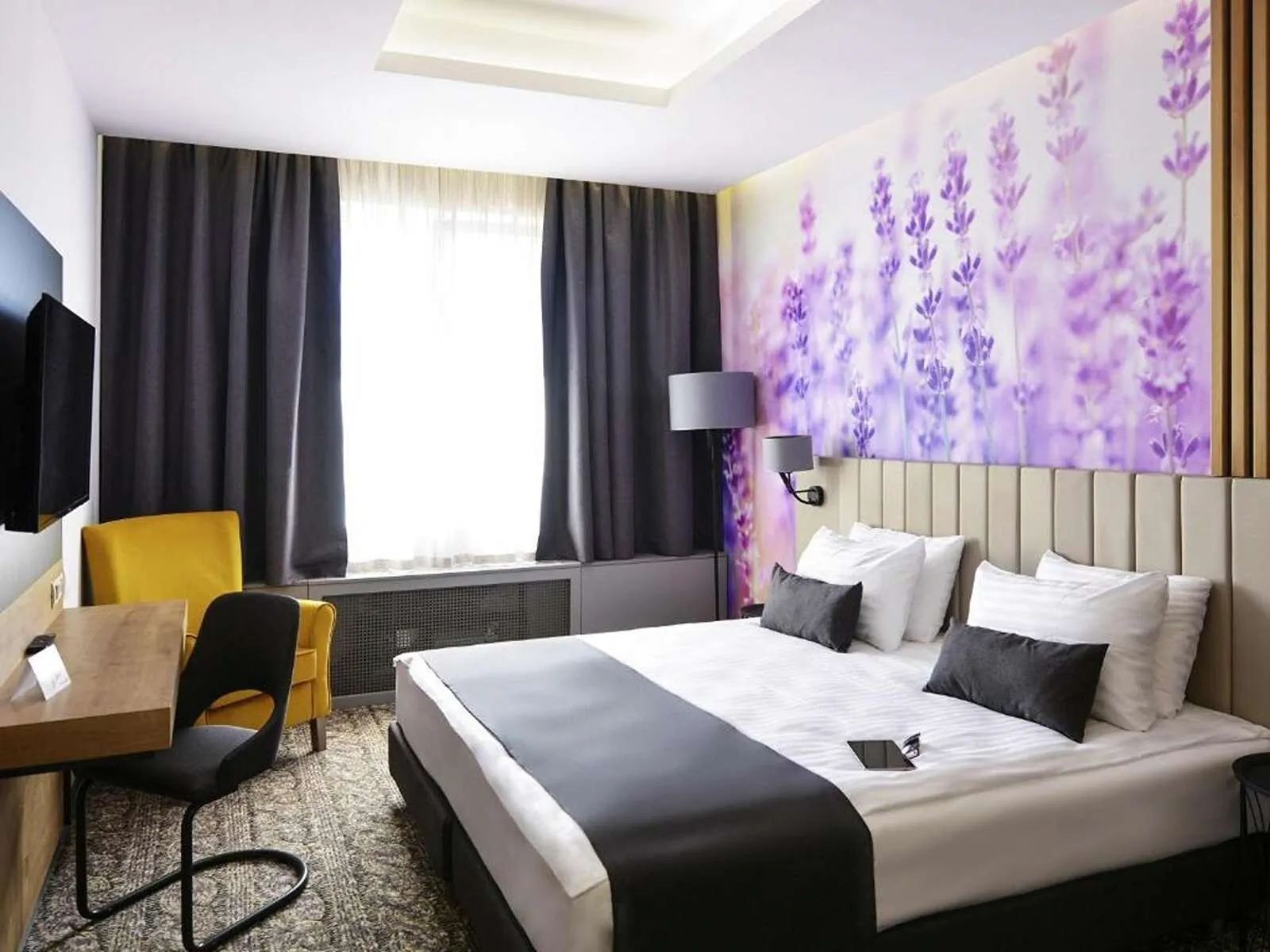
Hotel · 4 stars
Mediaș, Sibiu County · 10.9 km
Mercure Binderbubi Hotel&Spa Mediaș
Hotelul de patru stele Mercure Binderbubi Hotel Spa Mediaș se află în Mediaș, județul Sibiu, pe strada Plopului. Unitatea pune la dispoziția dumneavoastră 46 de camere amenajate cu grijă, dotate cu fier de călcat și seif pentru siguranța bunurilor dumneavoastră. Beneficiați de Wi-Fi gratuit în întreaga proprietate, acces facilitat pentru persoane cu dizabilități și ascensor. Restaurantul și barul din incintă servesc preparate pentru diete speciale și oferă un meniu dedicat copiilor, iar serviciile de masaj contribuie la starea dumneavoastră de bine după o zi plină de explorări. Curtea mare și grădina amenajată includ un foișor unde puteți petrece momente liniștite în aer liber, departe de aglomerație. Parcare privată gratuită și parcare pentru biciclete sunt disponibile, împreună cu o stație de încărcare pentru vehicule electrice. Cafeneaua din incintă este locul potrivit pentru o cafea de dimineață, iar pătuțul pentru bebeluș asigură confortul celor mai mici oaspeți. În zona învecinată puteți descoperi Biserica fortificată de la Biertan, Biserica evanghelică fortificată din Moșna, Biserica Evanghelică Sfânta Margareta din Mediaș, Biserica Fortificată din Valea Viilor și Complexul franciscan Mediaș, obiective care completează perfect sejurul dumneavoastră. Vă așteptăm la Mercure Binderbubi Hotel Spa Mediaș.
FROM
420 lei per night
BEFORE YOU HIT THE ROAD
Weather conditions in Sibiu
Local forecast for Valea Viilor Fortified Church, Sibiu, Sibiu

Real-time updated weather data
Much more to explore in this area
Nearby tourist attractions

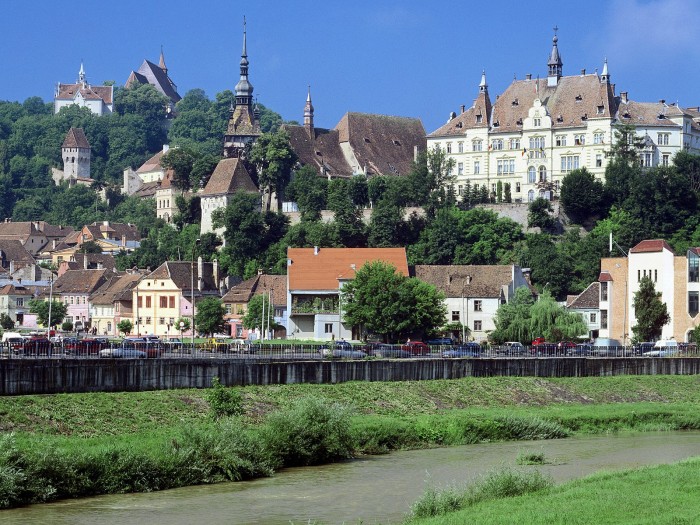

Sighișoara, Mureș County
Sighișoara Medieval Citadel
Situata in centrul municipiul Sighisoara; inca din secolul al III-lea i.Hr. a existat pe acest teritoriu o cetate dacica, numita Sandava; romanii au ridicat...
42.3 km
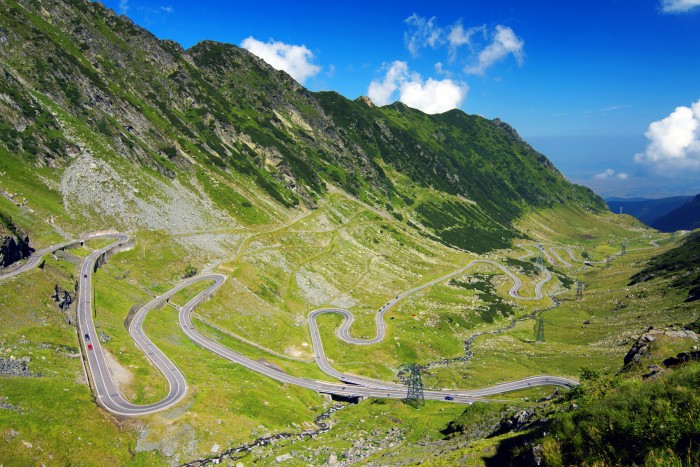
Cârțișoara, Sibiu County
Transfăgărășan Highway and Bâlea Lake
Incepe in comuna Bascov din judetul Arges de langa orasul Pitesti, in directia orasului Curtea de Arges si se termina la intersectia cu drumul DN1 intre Sibiu...
45.8 km
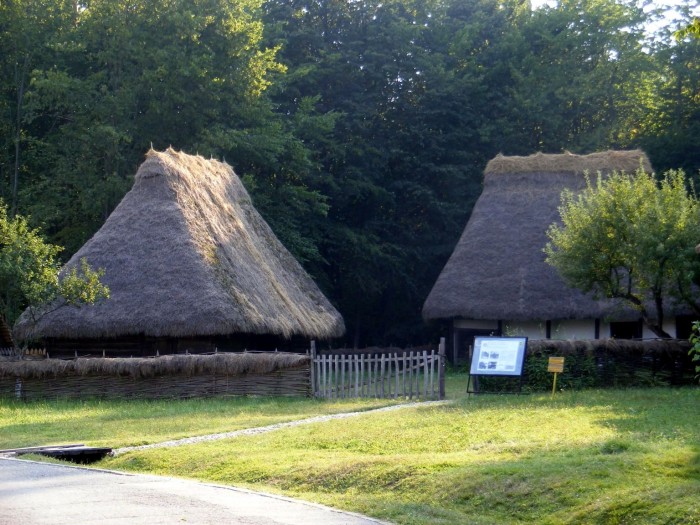
Sibiu, Sibiu County
ASTRA Museum of Traditional Folk Civilization
Situat pe Calea Rasinari din localitatea Sibiu; este un muzeu in aer liber; a fost organizat cu incepere din anul 1963, sub denumirea de Muzeul Tehnicii...
38.8 km
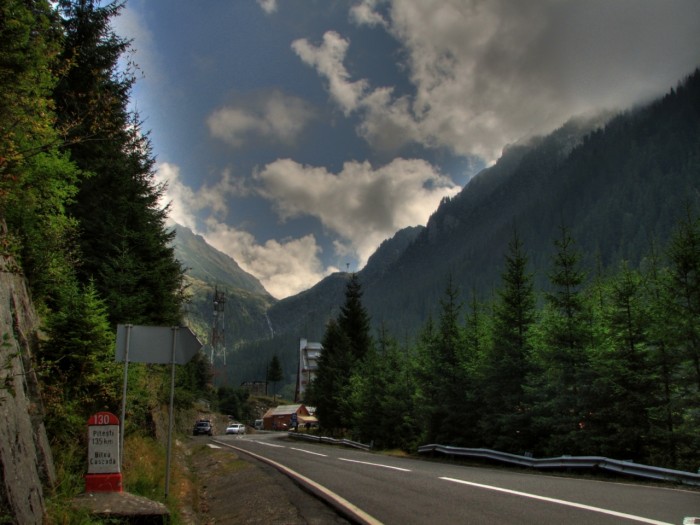
Sibiu, Sibiu County
Bâlea Lake Resort
Situata in aria comunei Cartisoara din masivul Fagaras; se intinde pana la altitudinea de 2.500 m; include relieful alpin, lacul, flora si fauna din circul...
45.7 km

19.5 km
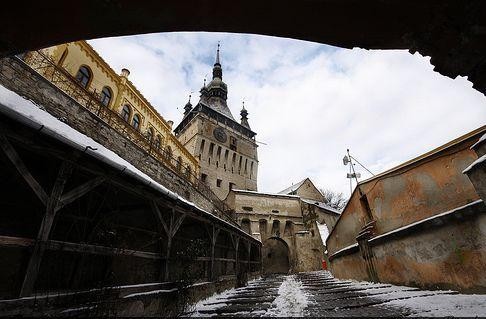
Danes, Mureș County
Sighișoara Clock Tower
Situat in partea de est a platoului inferior al Cetatii Sighisoara; construit in preajma secolului al XIV-lea, pentru a proteja poarta principala a orasului si...
42.3 km
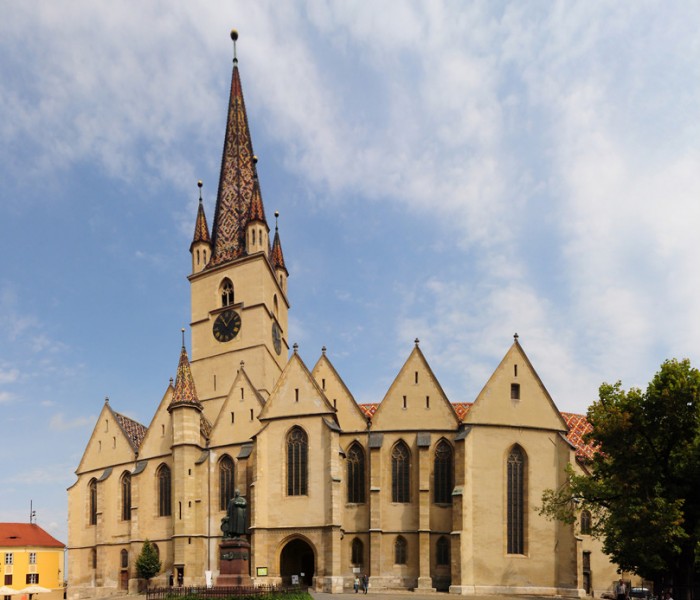
Sibiu, Sibiu County
St. Mary's Evangelical Church
Situata in Piata Huet, localitatea Sibiu; a fost ridicata in secolul al-XIV-lea, pe locul unde exista o veche biserica inca din secolul al-XII-lea; cladirea...
33.4 km

Sibiu, Sibiu County
Brukenthal National Museum
Situat in Piata Mare nr.4-5; colectiile baronului von Brukenthal au luat nastere in principal intre anii 1759-1774, perioada pe care acesta a petrecut-o la...
33.5 km

9.0 km
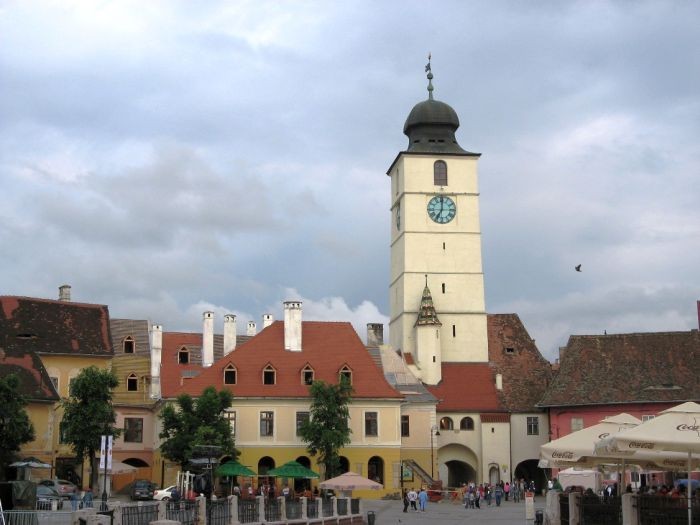
Sibiu, Sibiu County
The Council Tower
Situat in Piata Mica nr.1, localitatea Sibiu; construit deodata cu cea de-a doua incinta fortificata, intre anii 1224 si 1241; este considerat simbol al...
33.3 km
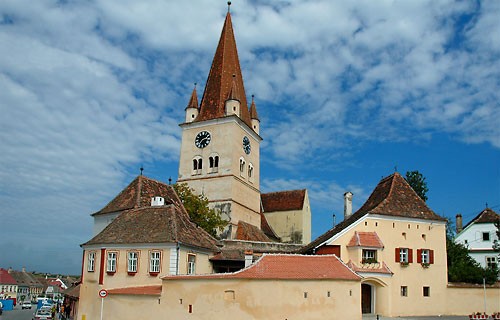
Sibiu, Sibiu County
The Fortified Evangelical Church of Cisnădie.
Situata pe strada Cetatii nr.1-3, localitatea Cisnadie; construita in secolul al XIII-lea; fortificata dupa atacul turcesc din 1493: turnul central a fost...
42.5 km
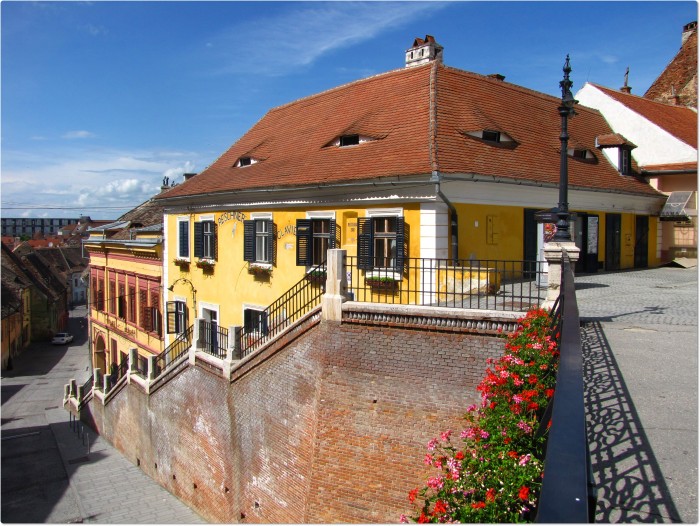
Sibiu, Sibiu County
The Bridge of Lies
Face legatura dintre Piata Mica si Piata Huet din Sibiu; a fost turnat in Laubach si montat in Sibiu in anul 1859; este primul pod din fonta din Romania;...
33.4 km
Cultural life and traditions
Events in the Valea Viilor Fortified Church area
Medieval festivals, traditional fairs, concerts and local activities recommended in Transylvania.

Heritage and History

Sibiu, County of Sibiu
The Festival of Medieval Fortresses and the Open Doors Days
Guided night tours, traditional crafts workshops and historical re-enactments featuring knights and ladies.
WHEN
May 15-17, 2026


Traditions and Cuisine
Sibiu, County of Sibiu
The Fair of Saxon Traditions and Local Cuisine
Discover local producers, traditional Saxon pastries baked in a wood-fired oven, artisanal syrups, and rhubarb jam.
WHEN
Every weekend (May - October)

Ecotourism and Nature
The hills of Transylvania, County of Sibiu
Guided Hikes on the Transylvanian Hills Trail
Take excursions along unmarked trails through ancient meadows, centuries-old oak trees, and villages with fortified churches that are UNESCO World Heritage sites.
WHEN
Friday – Sunday (Season 2026)
On foot, exploration gains depth
Discover the surroundings and local geography
Explore the trails, terrain, and natural landmarks around Valea Viilor Fortified Church.

Guides and practical tips
Useful travel articles
Travel guides, practical recommendations and tourist itineraries for Transylvania.

Tourist guide
Top 5 Atracții Turistice și Trasee Montane în Zona Moieciu - Bran
Descoperă cele mai spectaculoase peisaje carstice, chei adânci și cetăți medievale din imediata apropiere a stațiunii Moieciu.

Tourist guide
Ghid de Drumeție: Traseul Moieciu de Sus spre Platoul Bucegi
Un itinerariu montan de o frumusețe rară ce urcă din Valea Băngăleasa spre Poiana Guțanu și crestele maiestuoase ale Bucegilor.

Tourist guide
Castelul Bran: Istorie, Legende și Secrete Medievale
Află adevărata poveste a fortăreței medievale din Pasul Bran, reședința de suflet a Reginei Maria a României.
THE JOURNEY STARTS WITH AN IDEA
The next story is on the way.
From the first stop to the last stay, make room for a new Romania.
