


CASTLE · TRANSYLVANIA
Brasov Citadel

Brasov, Brașov County
Add location to your trip planner.

Practical access information

VISITING HOURS
Monday: 12:00 PM – 5:00 PM · Tuesday–Sunday: 9:00 AM – 5:00 PM (in summer until 8:00 PM)

TICKET PRICE
Adults: 45 RON · Students: 11 RON · Seniors: 23 RON · Guided tour included

RECOMMENDED VISIT DURATION
2-3.5 hours
Visitor information and guide
 Navigate with Google Maps

ABOUT BRASOV CITADEL
Captivating Introduction and Heritage Significance
Rising majestically above the Brașov depression, Brasov Citadel represents one of the most impressive achievements of medieval military engineering in all of Southeastern Europe—a unique monument that fuses the pragmatic resilience of German tradition with the artistic brilliance of the Italian Renaissance. More than a mere fortification, this complex is the backbone of Brașov’s urban identity, a silent witness to centuries of civic autonomy and the resilience of its Saxon community against the historical storms that shook Central Europe. Surrounded by the Carpathian Mountains, which seem to stand guard like stone sentinels, the fortified ensemble stands out as one of the best-preserved examples of late Gothic military architecture in the region. It is also an integral part of Brașov’s Historic Center, inscribed on the UNESCO World Heritage list. For the modern European traveler, stepping onto its stone pathways is a journey into a world where civilizations met—where Hanseatic merchants traded goods with Levantine traders, and German craftsmen left their mark on an urban landscape that remains unique in Romania’s cultural tapestry.
Historical Roots and Major European Connections
The foundational moment of the citadel, the year 1383, places its construction in an extremely complex and tense European context. King Sigismund of Luxembourg—monarch of Hungary, king of Bohemia, and future Holy Roman Emperor—initiated one of the most ambitious fortification projects in the entire Carpathian region. The royal decision was no coincidence but reflected the long-term strategy of a dynasty that fully understood the vulnerability of Christianity’s eastern frontier in the face of Ottoman expansion, particularly after the disaster at Nicopolis in 1396. Brașov, strategically located on the trade route linking Central Europe with the Hanseatic League and the Balkans, was an essential node in the European commercial network. Its fortification mirrored the ambitious defensive projects of Kraków, Prague, and Italian cities like Siena and Lucca, all under similar military pressures. Initially conceived as an earth-and-wood enclosure, the citadel underwent a radical transformation in the late 14th century, when its walls were entirely rebuilt in stone, marking the city’s entry into the era of Central European Gothic military architecture. This evolution reflected broader European trends, where Hanseatic cities and those in northern Italy developed similar defensive systems, influenced by increasingly sophisticated siege techniques. In the following centuries, under Habsburg rule, the fortification continued to be modernized, adapting to innovations in Renaissance military architecture developed in Italy and spread across Europe by engineers such as Francesco di Giorgio Martini and, later, Michelangelo. Their star-shaped bastion principles revolutionized the art of fortifications.
Architectural Masterpiece, Style, and Constructive Details
The fortified system of Brașov impresses with its advanced engineering complexity for its time, representing a remarkable synthesis between German military tradition and Italian Renaissance influences. The walls stretched for approximately three kilometers, reaching a height of twelve meters and a thickness varying between one meter and seventy-two meters. They were constructed as a double—and in certain critical sectors, triple—system, with inner enclosures known as "Tărcuri" (intermediate spaces) between the walls. These spaces were managed by craft guilds, each responsible for defending and maintaining a specific segment of the enclosure—a unique socio-military organization reflecting the deep civic solidarity of the Saxon community. Every one hundred and ten meters, powerful bastions rose, flanked by twenty-eight observation and firing towers, transforming the city into an almost impregnable stronghold comparable to the fortifications of Hanseatic cities in northern Germany or Italian Renaissance citadels. The architecture of these elements shows clear influences from the Italian school of bastion design, adapted to the geographical and military specifics of the Carpathians and the Brașov depression, where rugged terrain demanded innovative engineering solutions. The White and Black Towers, along with the Shoemakers’ Tower and the Cutlers’ Tower, are remarkable examples of medieval military construction, featuring narrow firing windows and upper platforms for observation, offering strategic views over the entire city. Catherine’s Gate, the only one of the five historic gates mentioned in chronicles that retains its original form and function, is an architectural jewel in the late Gothic style, dating from the 16th century. Its sculpted decorations and imposing portal evoke the triumphal gates of imperial cities. On Citadel Hill, the ruins of an additional fortification that once controlled access from the mountains complete a layered defensive system that withstood sieges for centuries.
Stories, Legends, Personalities, and Turning Points
Over the centuries, the walls of Brasov Citadel have witnessed pivotal moments that shaped the destiny of all Southeastern Europe. Johannes Honterus, the great humanist and Protestant reformer born in Brașov, contributed to the city’s spiritual transformation in the 16th century. Having studied at the University of Vienna and Wittenberg alongside Philipp Melanchthon, he brought Renaissance ideas to the citadel, profoundly influencing local culture. In 1600, Michael the Brave, the ruler who first united the three Romanian Principalities, entered Brașov under the protection of these walls—a moment that marked the beginning of a new era in relations between the Romanian Lands and the Saxon community. In the 17th century, Transylvanian princes such as Gabriel Bethlen and George I Rákóczi used the citadel as a residence and strategic stronghold in their struggles for Transylvania’s independence from Habsburg rule, continuously modernizing the defensive system. The year 1849 marked a tragic chapter in the citadel’s history, when the siege by Hungarian revolutionaries led by General Bem caused significant destruction, necessitating extensive reconstruction that lasted until the mid-19th century. The entry of the Romanian army in 1916 and the end of Austro-Hungarian rule transformed the citadel from an active military fortification into a historic monument. Though the communist period brought neglect, extensive restoration work followed after 1989. Local legends speak of secret passages connecting the citadel to the Black Church, of underground tunnels used by merchants to hide their goods during invasions, and of the ghost of a master builder who still watches over his bastions. Each bastion bears the memory of a specific guild—from weavers and blacksmiths to furriers and shoemakers—each contributing their labor to maintain this civic fortress, turning the defense of the city into a collective effort that defined the spirit of Brașov for centuries.
Practical Visitor’s Guide and Today’s Tourist Experience
For contemporary visitors, exploring Brasov Citadel is a journey through centuries of European history, offering a profound cultural experience that blends architecture, history, and urban landscape. The historic promenade along the walls allows visitors to traverse six surviving bastions: the Weavers’ Bastion, which houses a museum dedicated to the history of guilds and medieval trade; the Blacksmiths’ Bastion, where traditional metalworking techniques can be admired; the Graft Bastion, impressive for its moat carved into the rock surrounding the city; the Ropemakers’ Bastion, with views of the old water supply system; the Furriers’ Bastion, linked to the tradition of fur trade; and the Coopers’ Bastion, the last to be restored and opened to the public. The White and Black Towers, along with the Shoemakers’ Tower and the Cutlers’ Tower, offer unique perspectives over the old town, the Black Church with its seven towers, and the UNESCO-protected urban landscape. Catherine’s Gate, an architectural jewel in the late Gothic style, serves as the main access point and provides an opportunity to admire its stone carvings and imposing portal, which has stood for five centuries. From Citadel Hill, accessible by cable car or hiking trails, the panoramic view of the Carpathian Mountains, the Black Church, and Brașov’s historic center completes the experience, offering a deep understanding of how military architecture shaped the destiny of a European civilization at the crossroads of worlds. Visitors are advised to allocate at least two to three hours for exploration, wear comfortable footwear for walking along the walls, and visit both at sunrise, when golden light embraces the stones, and at sunset, when the city is bathed in violet shadows beneath the gaze of the mountains. Nearby, Council Square with its historic Town Hall and the Black Church complete the cultural circuit, while Mureșenilor Street offers a stroll through the medieval atmosphere of the city, among houses with sloping roofs and traditional cafés that preserve the Hanseatic spirit of old Brașov.
Media gallery
Discover Brasov Citadel in pictures

5 photos · Architecture, courtyards and captivating details


Image source: Wikimedia Commons · Public domain photos · Free license
STAY A FEW DAYS, DISCOVER THE MAGIC
Accommodation in the Brasov Citadel area

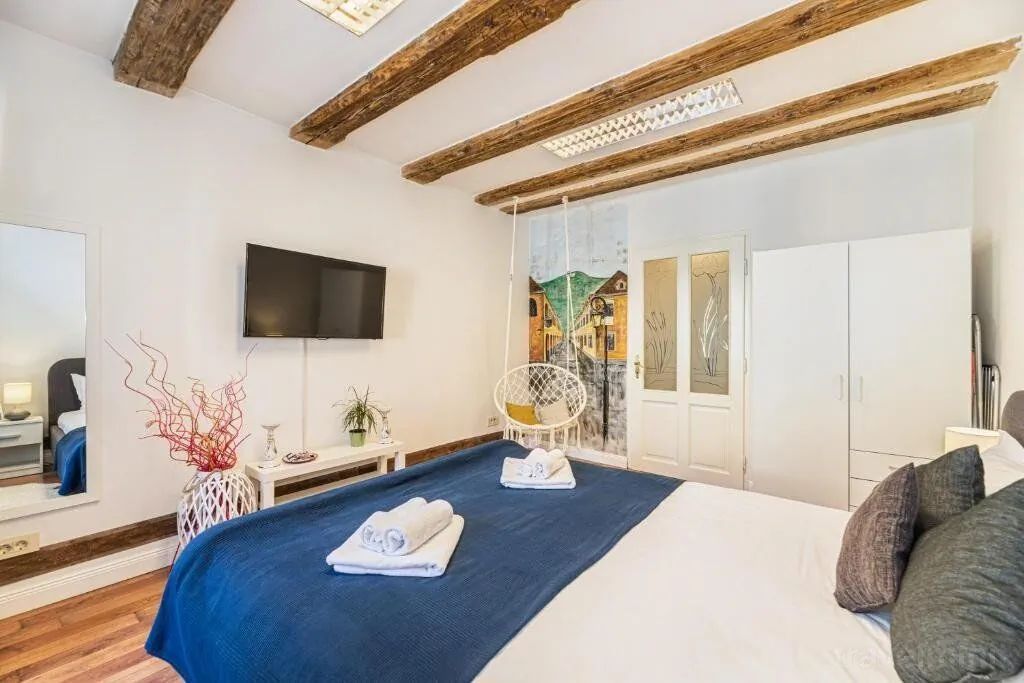
Apartment · 3 stars

Brașov, Brașov County · 0.2 km
Lamp House Brașov
Pe strada Castelului, într-un apartament mobilat cu grijă și eleganță, Lamp House Brașov din Brașov vă așteaptă într-un spațiu primitor și funcțional. Locuința oferă o atmosferă liniștită și confortabilă, potrivită pentru odihnă după o zi plină de explorare a orașului și a împrejurimilor sale. Pentru un sejur cât mai comod, aveți la dispoziție Wi-Fi gratuit și un pătuț pentru bebeluș. Animalele de companie sunt binevenite fără taxe suplimentare, iar parcarea privată este disponibilă gratuit. Fiecare cameră dispune de baie proprie, iar personalul comunică atât în limba română, cât și în engleză. În apropiere puteți vizita Biserica Neagră, Cetatea Brașovului și Muzeul Județean de Istorie din Brașov, iar excursiile de o zi vă pot purta până la Cetatea Râșnov și Stațiunea Poiana Brașov. Aceste obiective turistice vă permit să descoperiți atât patrimoniul istoric al orașului, cât și frumusețea naturii din Carpați. Lamp House Brașov este potrivit pentru familiile cu copii mici, pentru proprietarii de animale de companie și pentru toți cei care doresc o bază practică pentru a explora Brașovul și atracțiile din împrejurimi.
FROM
230 lei per night

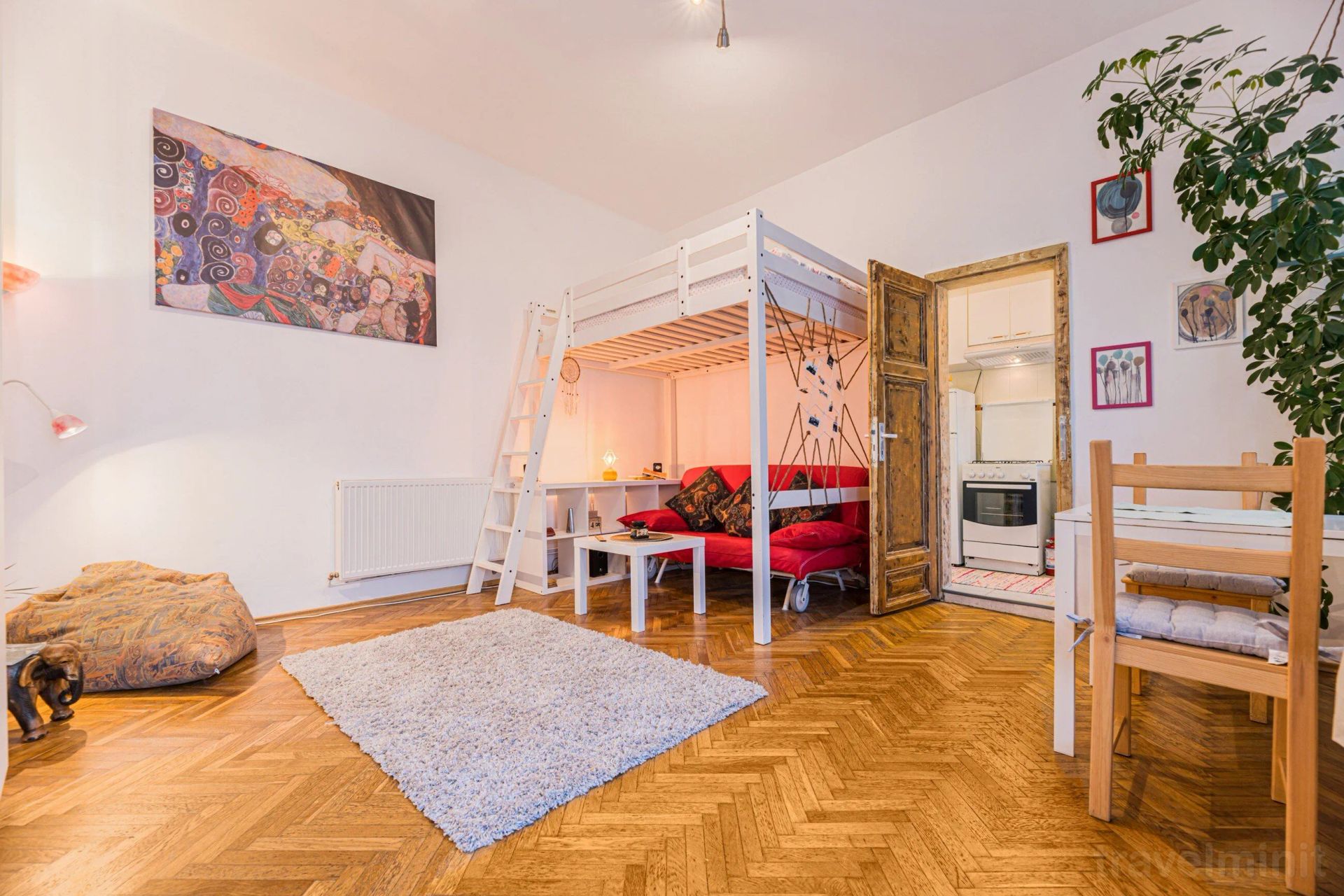
Apartment · 3 stars
Brașov, Brașov County · 0.2 km
Zen Studio Brașov
Comfort, relaxation and stunning views, all just steps away from the main attractions.
FROM
230 lei per night
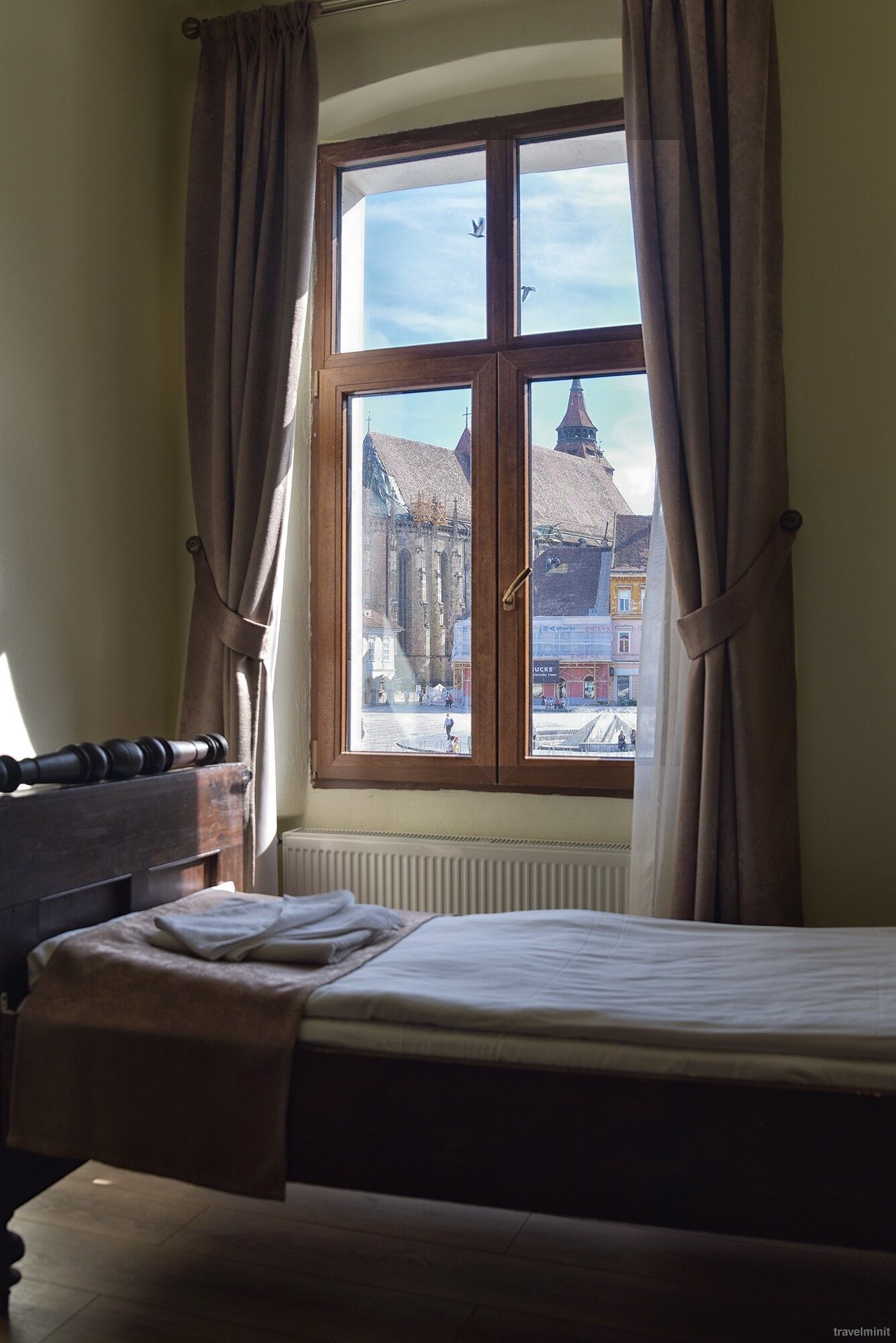
Hotel · 3 stars
Brașov, Brașov County · 0.2 km
La Maisonnette Brașov
O zi începe confortabil când lăsați bagajele în siguranță în depozit și vă bucurați de pătuțul pentru bebeluș pregătit pentru odihna celui mic, într-un ambient liniștit care vă permite să vă treziți odihniți. La Maisonnette Brașov, amplasată în Piața Sfatului din Brașov, fiecare moment al șederii dumneavoastră este gândit pentru confortul familiei. Unitatea oferă acces facilitat pentru persoane cu dizabilități, astfel încât fiecare oaspete să se poată deplasa liber și să se bucure de toate serviciile disponibile într-un mediu primitor. Poziția centrală în Piața Sfatului vă permite să porniți direct spre cele mai importante puncte de interes ale orașului. În vecinătate puteți descoperi Biserica Neagră, Cetatea Brașovului și Muzeul Județean de Istorie din Brașov, iar pentru excursii mai lungi în zonă aveți la dispoziție Cetatea Râșnov și Stațiunea Poiana Brașov. Toate aceste obiective se află în apropiere și pot fi vizitate cu ușurință pornind direct din centrul istoric. Această unitate de cazare este potrivită pentru familiile cu bebeluși, călătorii cu nevoi speciale de accesibilitate și toți cei care doresc să exploreze Brașovul pornind chiar din Piața Sfatului.
FROM
290 lei per night
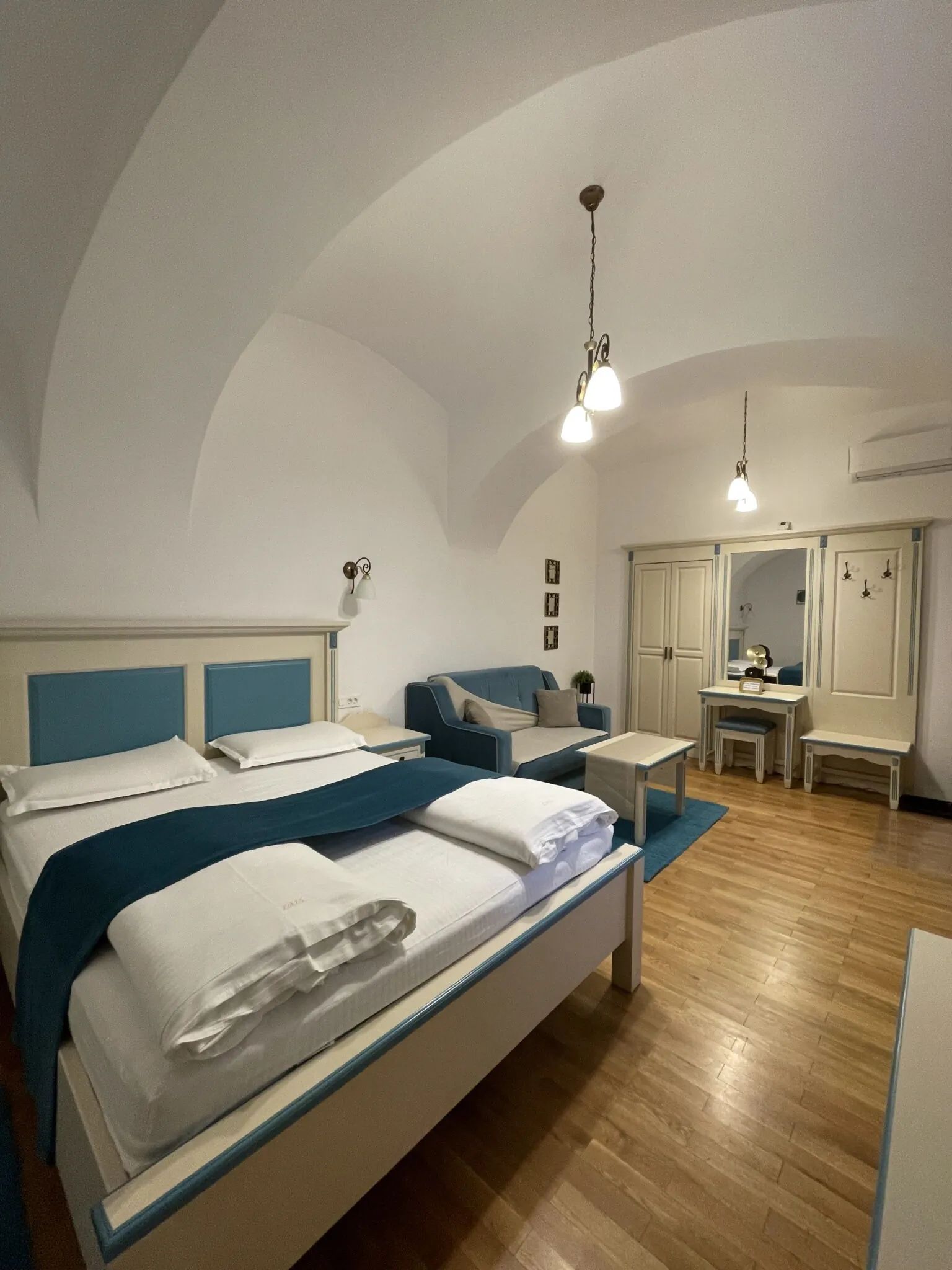
Apartment · 3 stars
Brașov, Brașov County · 0.2 km
Casa Lais Brașov
În Piața Sfatului, la numărul 1, Casa Lais Brașov oferă cazare într-un apartament de trei stele amplasat în centrul istoric al Brașovului, la un pas de strada Republicii și de numeroasele restaurante și cafenele de calitate din zonă. Unitățile de cazare includ camere duble, o suită și un apartament, oferind în total până la doisprezece locuri de cazare. Toate sunt decorate elegant, dispun de baie privată, iar unele beneficiază de aer condiționat. Camerele au TV cu ecran plat cu canale private, iar dumneavoastră aveți acces la Wi-Fi gratuit în întreaga proprietate. Proprietatea asigură și acces pentru persoane cu dizabilități. Restaurantul din incintă prepară pentru dumneavoastră meniuri pentru diete speciale și oferă un meniu dedicat copiilor. În apropiere puteți porni în drumeții montane pe trasee în natură, explorând peisajele din jurul orașului. În imediata vecinătate se află Biserica Neagră, Cetatea Brașovului și Muzeul Județean de Istorie din Brașov, iar mai departe puteți vizita Cetatea Râșnov și Stațiunea Poiana Brașov. Această unitate este potrivită pentru familii, grupuri de prieteni sau cupluri care doresc să exploreze centrul vechi al Brașovului și să aibă acces rapid la atracțiile montane din zonă.
FROM
230 lei per night
Apartment · 3 stars
Brașov, Brașov County · 0.2 km
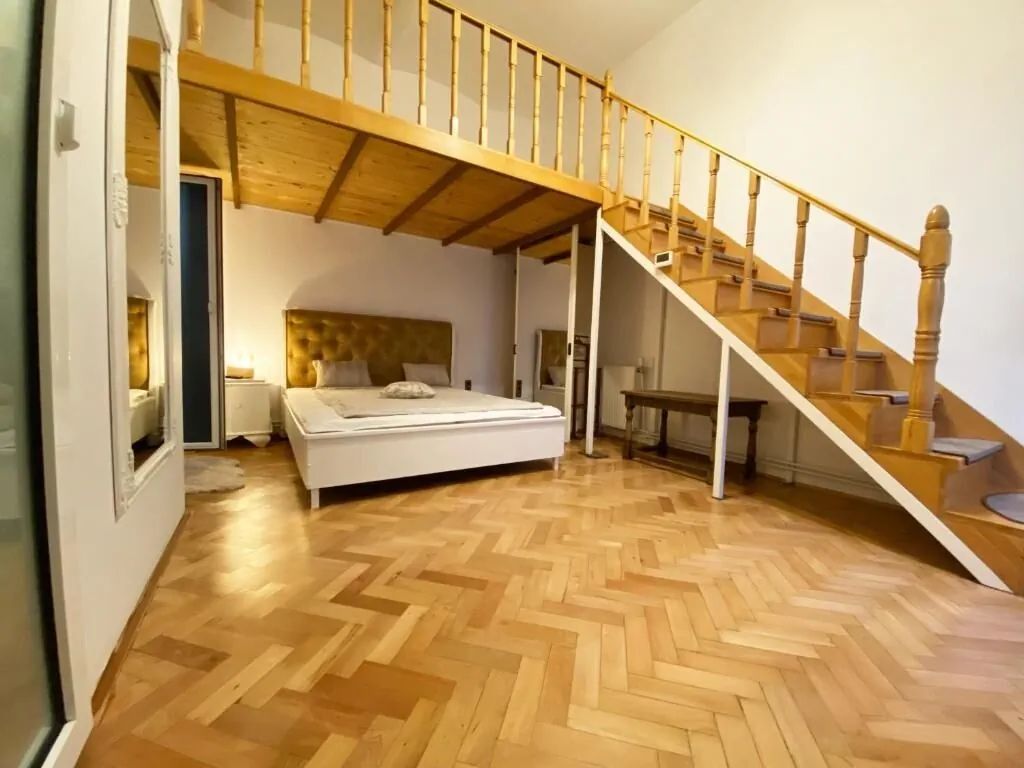
Piața Sfatului KM 0 Brașov
Comfort, relaxation and stunning views, all just steps away from the main attractions.
FROM
230 lei per night
Apartment · 3 stars
Brașov, Brașov County · 0.2 km
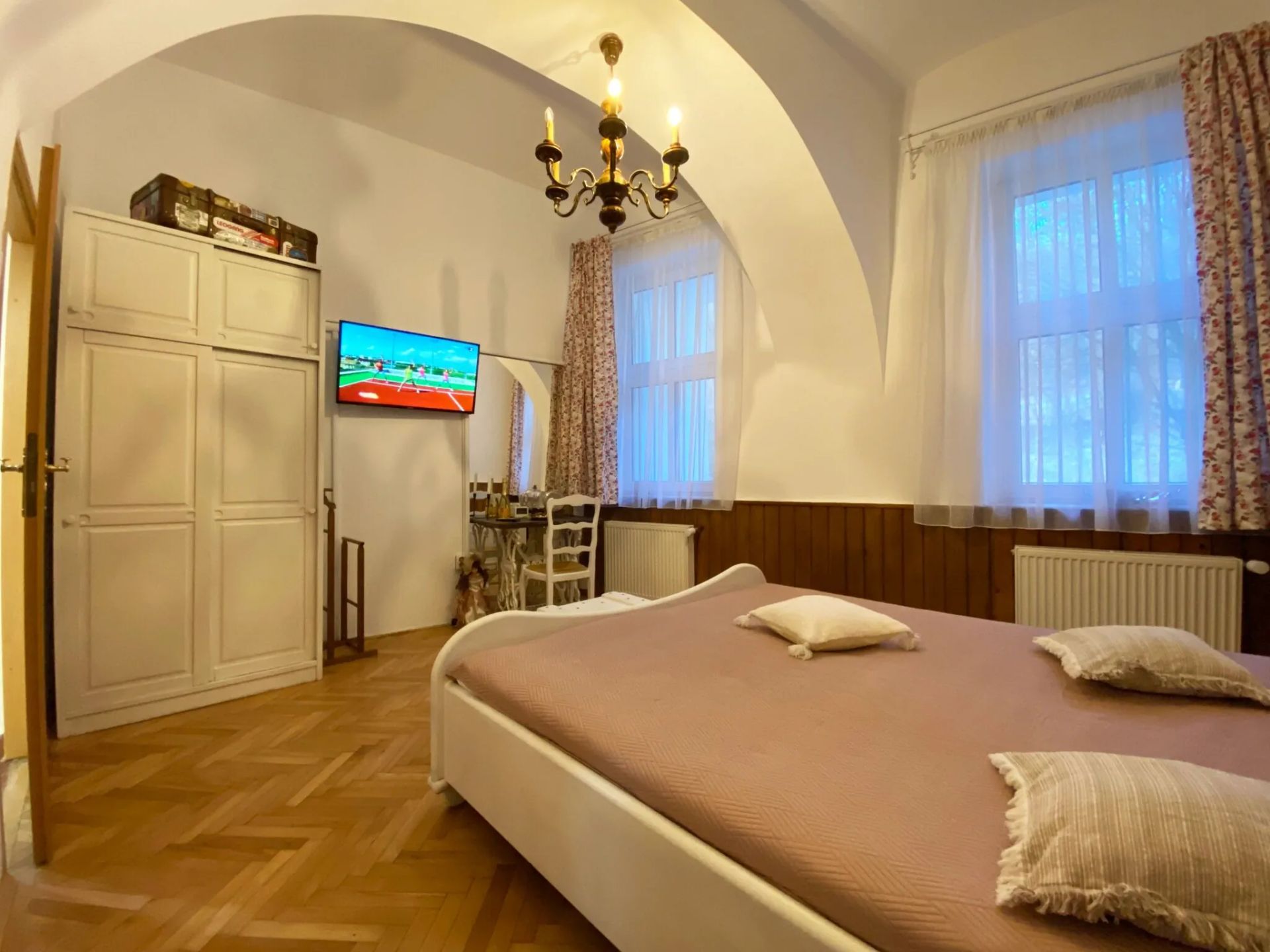
Piața Brassai KM 0 Brașov
Comfort, relaxation and stunning views, all just steps away from the main attractions.
FROM
230 lei per night
BEFORE YOU HIT THE ROAD
Weather conditions in Brasov
Local forecast for Brasov Citadel, Brasov, Brașov

Real-time updated weather data
Much more to explore in this area
Nearby tourist attractions


Bran, Brașov County
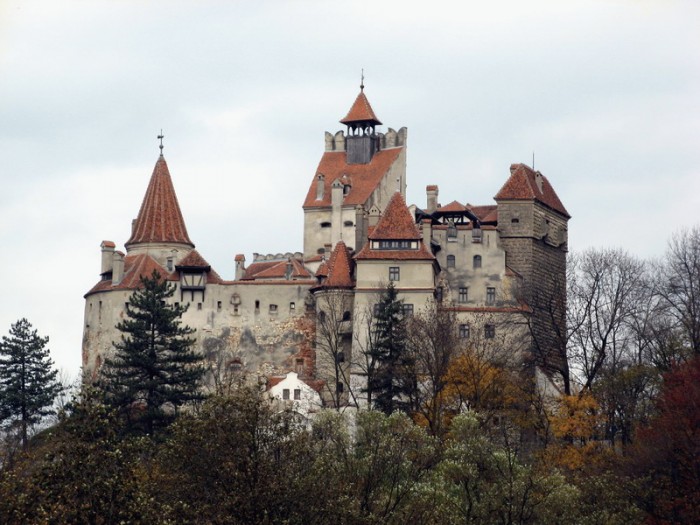
Bran Castle
Situat pe strada General Traian Mosoiu nr. 28 din localitatea Bran, la 30 km de municipiul Brasov; construit in anul 1377 in scop militar; in anul 1395, este...
22.5 km
Sinaia, Prahova County
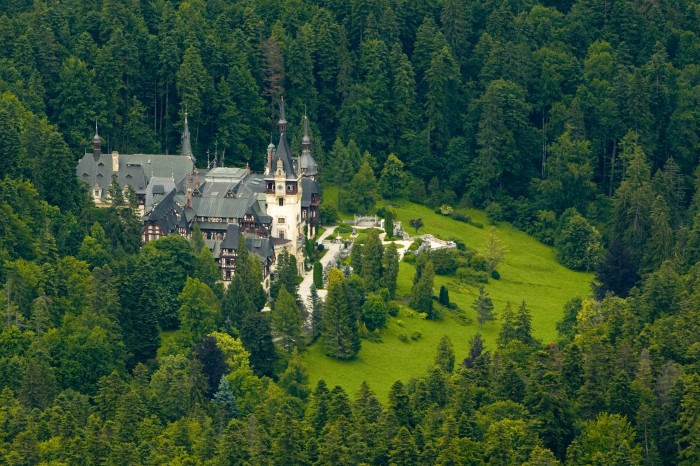
Peleș Castle
Situat pe strada Pelesului din Sinaia; piatra de temelie a castelului se pune in 1873, aici fiind ingropate si cateva zeci de monede de 20 de lei, din aur -...
31.9 km
Prahova, Prahova County
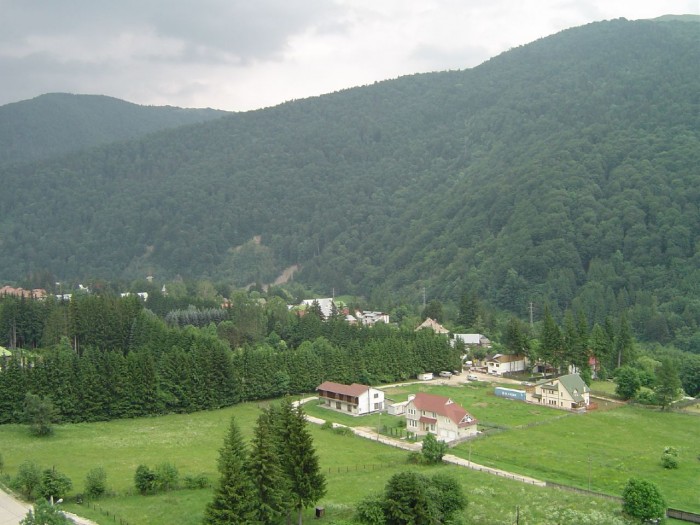
Sinaia Resort
Situata pe valea superioara a Prahovei, la poalele Muntilor Bucegi (Carpatii Meridionali), la o altitudine ce variaza intre 798-971 m; este una din cele mai...
32.6 km
Brasov, Brașov County
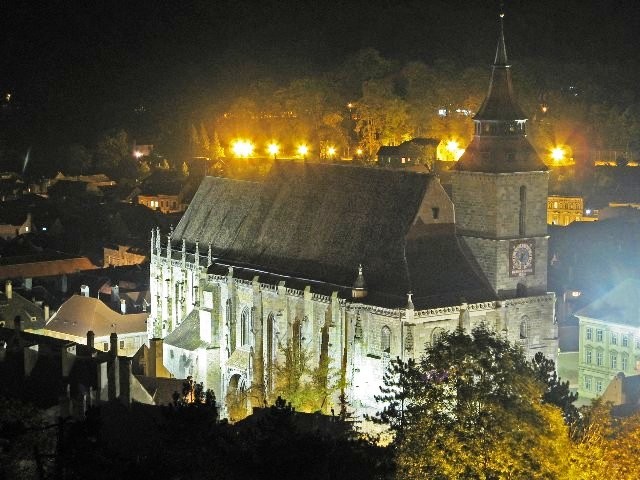
Black Church
Situata in curtea Honterus nr. 2 din municipiul Brasov; construita intre secolele XIV - XV; o inscriptie din interior il atesta ca prim ctitor pe Thomas; din...
0.7 km
Brasov, Brașov County
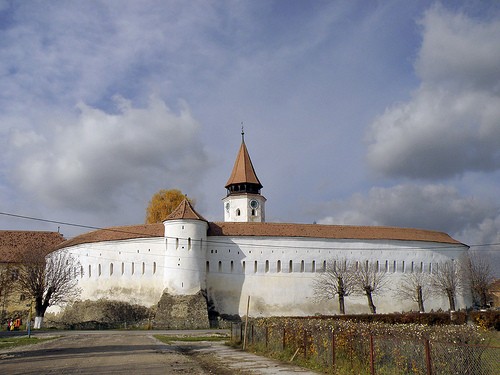
Prejmer Fortified Church
Situata in localitatea Prejmer, la 15 km de municipiul Brasov; cea mai mare biserica fortificata din sud-estul Europei; construita in secolul al XIII-lea; are...
16.8 km
Prahova, Prahova County
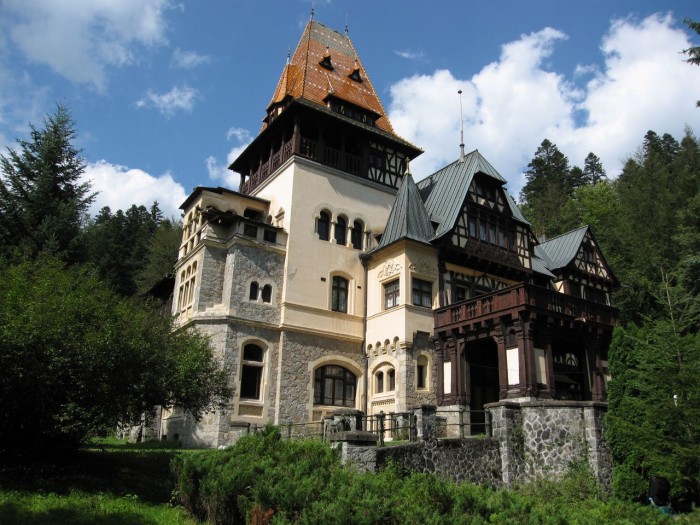
Pelișor Castle
Situat in parcul Castelului Peles, pe Valea Prahovei; ridicat intre anii 1899 si 1902; in 1903 a devenit resedinta de vara a principilor mostenitori;...
31.8 km
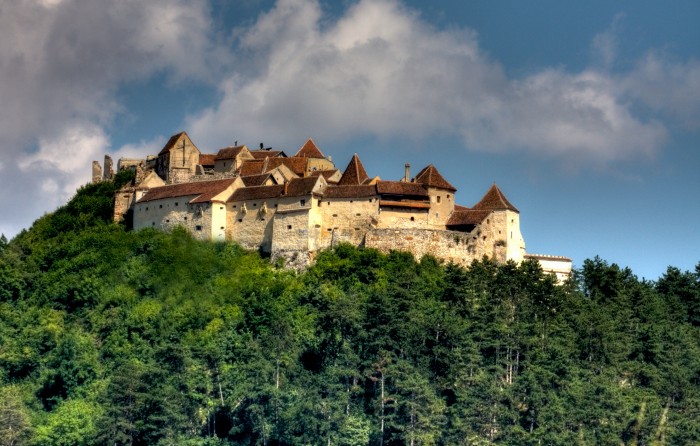
Râșnov, Brașov County
Râșnov Citadel
Situata in orasul Rasnov, la 15 km de municipiul Brasov; construita in secolele XIII - XIV de catre locuitorii zonei, in scopul apararii impotriva atacurilor...
11.1 km
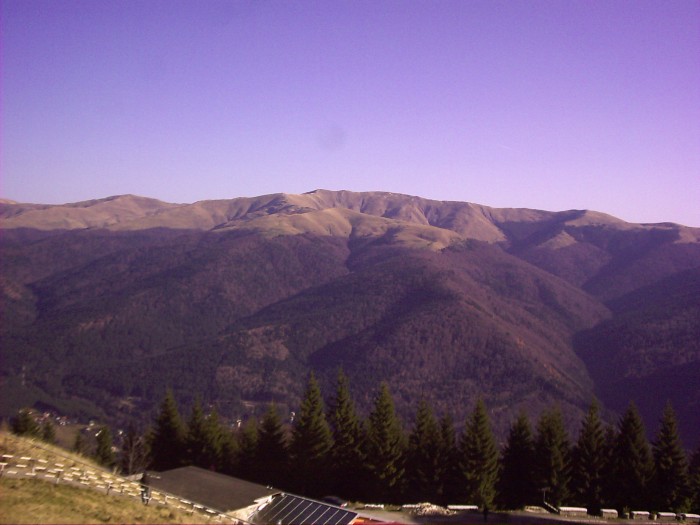
Brasov, Brașov County
Bucegi Natural Park
Situat in Muntii Bucegi, se intinde pe raza comunelor Rasnov, Bran, Moeciu; zona Muntilor Bucegi a fost propusa pentru protejare in anul 1936, dar initiativa s-...
24.3 km

Brasov, Brașov County
Poiana Brașov resort.
Situata la poalele muntelui Postavaru, la 12 km de municipiul Brasov; amplasata la altitudinea de 1.030 m, statiunea turistica Poiana Brasov a fost infiintata...
6.1 km
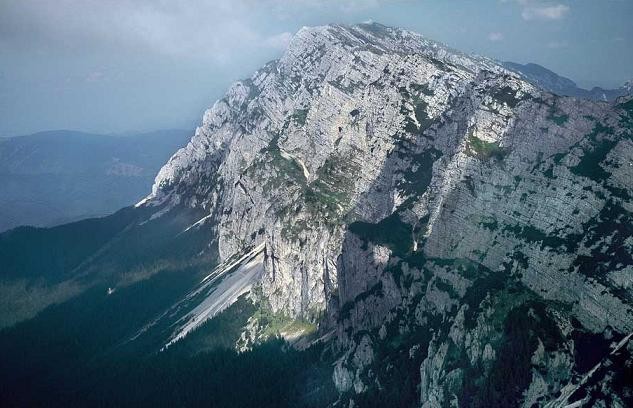
Brasov, Brașov County
Piatra Craiului National Park
Situat in Carpatii Meridionali;include Creasta Pietrei Craiului in totalitate si spatiile din culoarele intramontane limitrofe, Rucar - Bran si Rucar -...
29.7 km

Brasov, Brașov County
Predeal: Romania's Highest Town and the Carpathian Balcony
Situata pe Valea Prahovei, intre raurile Prahova si Timis, la 25 km de municipiul Brasov; amplasata la 1.100 m, este cea mai inalta asezare urbana din Romania;...
15.5 km
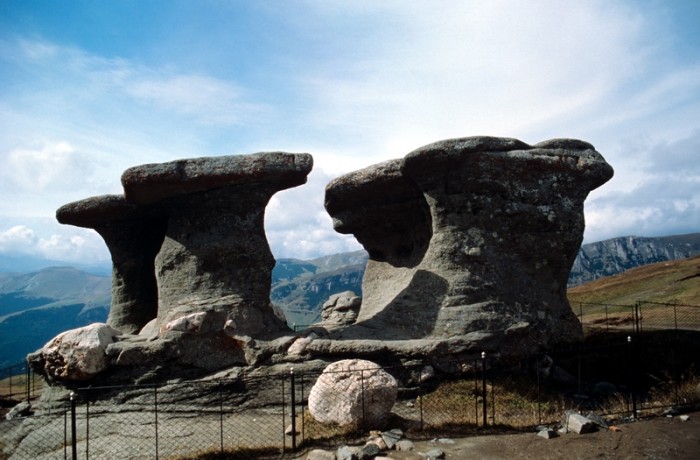
Prahova, Prahova County
Bucegi Natural Park
Situata intre 1.000 - 2.505 m altitudine, in Masivul Bucegi; in cadrul ei se pot intalni vai si rape spectaculoase, chei intre stanci, poduri interfluviale si...
26.0 km
Cultural life and traditions
Events in the Brasov Citadel area
Medieval festivals, traditional fairs, concerts and local activities recommended in Transylvania.

Heritage and History

Brasov, County of Brașov
The Festival of Medieval Fortresses and the Open Doors Days
Guided night tours, traditional crafts workshops and historical re-enactments featuring knights and ladies.
WHEN
May 15-17, 2026


Traditions and Cuisine
Brasov, County of Brașov
The Fair of Saxon Traditions and Local Cuisine
Discover local producers, traditional Saxon pastries baked in a wood-fired oven, artisanal syrups, and rhubarb jam.
WHEN
Every weekend (May - October)

Ecotourism and Nature
The hills of Transylvania, County of Brașov
Guided Hikes on the Transylvanian Hills Trail
Take excursions along unmarked trails through ancient meadows, centuries-old oak trees, and villages with fortified churches that are UNESCO World Heritage sites.
WHEN
Friday – Sunday (Season 2026)
On foot, exploration gains depth
Discover the surroundings and local geography
Explore the trails, terrain, and natural landmarks around Brasov Citadel.

Guides and practical tips
Useful travel articles
Travel guides, practical recommendations and tourist itineraries for Transylvania.

Tourist guide
Top 5 Atracții Turistice și Trasee Montane în Zona Moieciu - Bran
Descoperă cele mai spectaculoase peisaje carstice, chei adânci și cetăți medievale din imediata apropiere a stațiunii Moieciu.

Tourist guide
Ghid de Drumeție: Traseul Moieciu de Sus spre Platoul Bucegi
Un itinerariu montan de o frumusețe rară ce urcă din Valea Băngăleasa spre Poiana Guțanu și crestele maiestuoase ale Bucegilor.

Tourist guide
Castelul Bran: Istorie, Legende și Secrete Medievale
Află adevărata poveste a fortăreței medievale din Pasul Bran, reședința de suflet a Reginei Maria a României.
THE JOURNEY STARTS WITH AN IDEA
The next story is on the way.
From the first stop to the last stay, make room for a new Romania.
