


NATURE AND WILDLIFE · TRANSYLVANIA
Bucegi Natural Park

Brasov, Brașov County
Add location to your trip planner.
Practical access information

VISITING HOURS
Monday: 12:00 PM – 5:00 PM · Tuesday–Sunday: 9:00 AM – 5:00 PM (in summer until 8:00 PM)

TICKET PRICE
Adults: 45 RON · Students: 11 RON · Seniors: 23 RON · Guided tour included

RECOMMENDED VISIT DURATION
2-3.5 hours
Visitor information and guide
 Navigate with Google Maps

ABOUT BUCEGI NATURAL PARK
A sanctuary of nature in the heart of Europe: Bucegi, the mountain with three souls
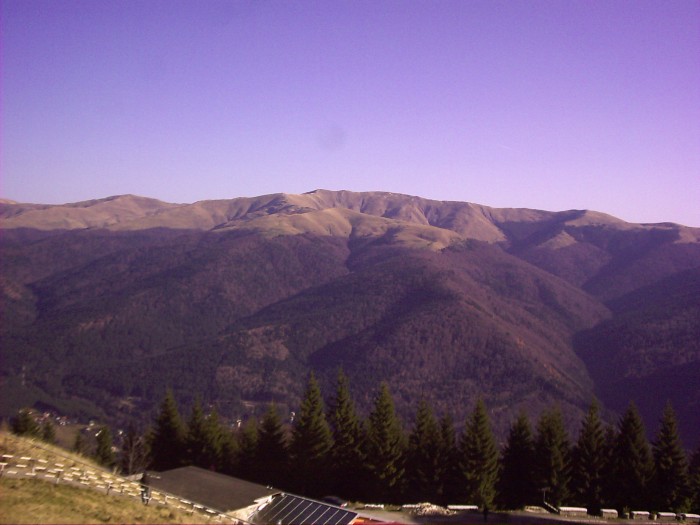
In the monumental landscape of the Southern Carpathians, where the mountain range hurls its ridges toward the sky like stone fingers pointed toward infinity, rises the Bucegi massif, a territory of 35,700 hectares that represents far more than a simple accumulation of rock and forest. Bucegi Natural Park constitutes a true axis mundi of Romania, a meeting point between three distinct worlds – the Saxon world of Râșnov, the Romanian world of Bran, and the archaic world of Moieciu – each with its own cultural and architectural memory. Strategically located on the border between Wallachia and Transylvania, this massif is not merely a protected area within the European Natura 2000 network, but a living cultural landscape where wild nature has withstood centuries of tumultuous history, offering today's European visitor an experience of mountain authenticity rarely encountered in the crowded continent. Viewed from its multiple perspectives – from the high plateau dominated by the Sphinx and the Old Women, to the deep valleys of Mălăiești and Găura – Bucegi reveals itself as an open-air museum where geology, biology, and human history intertwine in a symphony of overwhelming beauty, comparable to the great natural parks of the Alps or the natural sanctuaries of the Pyrenees.
From Dacians to Europeans: the historical roots of a legendary massif
The history of the Bucegi Mountains begins long before the formation of modern states, in a period when these mountains were considered sacred by Thracian populations. Archaeological research suggests that the high plateau hosted, possibly as early as the 1st century BC, religious sanctuaries dedicated to Dacian deities, strategically placed on ridges to communicate with the sky, in a tradition reminiscent of the temples on Mount Olympus in ancient Greece or the Celtic sanctuaries in the mountains of Central Europe. This spiritual dimension persisted over the centuries, transforming Bucegi into a place of informal pilgrimage, while Roman civilization established its borders south of the Carpathians, and the Byzantine Empire indirectly influenced the spirituality of the area through early Christian missions. In the Middle Ages, the massif became a living border between the Kingdom of Hungary and Wallachia, a space of encounter and conflict between two worlds, similar to other mountain border zones in Europe, such as the Pyrenees between France and Spain or the Alps between the various states of the Holy Roman Empire.
The colonization of the Saxons in the 12th-13th centuries, brought by the kings of Hungary to defend the eastern border of the crown, brought a new cultural dimension to the vicinity of the Bucegi Mountains. The fortified cities of Brașov and Râșnov, with their Gothic and Renaissance architecture influenced by German and Italian models, developed a sophisticated urban civilization at the foot of the mountain, while the Romanians of Bran and Moieciu preserved ancestral pastoral traditions, creating a unique cultural mosaic in South-Eastern Europe. In the modern period, when Transylvania was part of the Habsburg Empire and then Austria-Hungary, Bucegi came to the attention of imperial cartographers and Viennese scientists, who produced the first detailed maps of the massif, drawing inspiration from exploration methods applied in the Alps or the Silesian Carpathians. The crucial moment of conservation came in 1936, when, in the context of the European nature protection movement – which saw the birth of the first national parks in Poland, Czechoslovakia, and Yugoslavia – the Bucegi area was proposed for the first time for legislative protection. After a five-decade pause, marked by the communist period and the industrial priorities of the regime, the year 1990 brought official recognition as a natural park, in a wave of ecological renaissance that swept across all of Eastern Europe after the fall of the Iron Curtain, similar to the establishment of national parks in the Czech Republic, Slovakia, or Bulgaria.
Geology and landscape: the natural architecture of the Carpathians
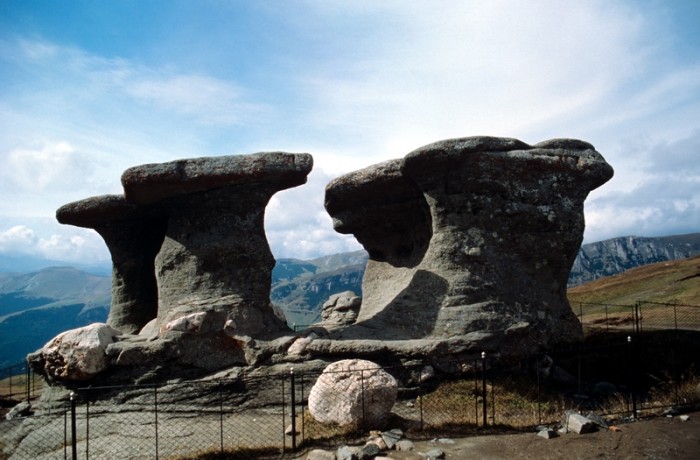
From a geological perspective, Bucegi represents a masterpiece of nature sculpted by millennia of erosion, a landscape that rivals the spectacular formations of the Italian Dolomites or the classic karst region of Slovenia. The massif consists predominantly of Jurassic and Cretaceous conglomerates and limestones, rocks that were subjected to intense glacial erosion processes during the last ice ages, as well as the action of karst waters that shaped a complex relief of plateaus, precipices, and deep valleys. The emblematic formation of the Sphinx, together with the group of the Old Women, represents the result of aeolian erosion and extreme thermal variations, a process similar to that which created the pillars of Meteora in Greece or the formations of Cappadocia in Turkey, but in a geological context specific to South-Eastern Europe. These natural megaliths, up to 12 meters high, seem to watch over the plateau like stone sentinels, inspiring centuries of myths and legends in Romanian popular culture.
The Buceș Precipice, one of the three major natural reserves of the park, presents itself as an impressive limestone wall, with heights of up to 1,000 meters, offering habitats for rare endemic plant species and for wildlife. Karst processes have created caves, dolines, and underground watercourses, forming a complex hydrogeological system that feeds the springs of the three riverside communes. The Mălăiești and Găura valleys, the other two natural reserves, preserve the character of primordial worlds, with secular beech and spruce forests, crystalline waterfalls, and the pure air of the heights. Omu Peak, with its 2,505 meters, represents the highest point of the massif and offers a 360-degree panorama that encompasses the entire Carpathian chain, from Făgăraș to Leaota, a view that rivals the most spectacular viewpoints in the Alps or the mountains of Scotland.
Biodiversity and reserves: the sanctuary of wildlife
The Bucegi ecosystem harbors remarkable biodiversity, being an essential refuge for the emblematic species of the Carpathians, in a European context where many wild animal populations have been decimated by centuries of hunting and habitat fragmentation. The Carpathian chamois, symbol of resilience in the face of climate change and habitat loss, has found in the Buceș Precipice an invaluable sanctuary, its population being protected through specific conservation programs financed within the Natura 2000 network, an initiative similar to the efforts to save the Alpine ibex in Italy's Gran Paradiso National Park or in the Swiss Alps. The Carpathian lynx, the largest wild feline in Europe after the bear, has its hunting territory in the deep forests of the park, as do the brown bear, the capercaillie, and the grey wolf, all species protected by European directives on habitats and birds.
The flora of Bucegi is equally impressive, comprising over 1,000 species of vascular plants, many of which are endemic to the Southern Carpathians or to the entire Carpathian chain. The alpine meadows of the Bucegi plateau, with their rare flowers such as Dianthus tenuifolius, Gentiana frigida, and various orchid species, represent fragile ecosystems that require strict protection, being comparable to the alpine meadows of the Pyrenees or the Rhodope Mountains of Bulgaria. The inclusion of the park in the Natura 2000 network, alongside other protected sites in Romania, places Bucegi in a European context of biodiversity conservation, contributing to the European Union's objectives of halting biodiversity loss, in a manner similar to protected areas in France, Germany, or the Nordic countries.
Traditions and cultural heritage: life at the foot of the mountain
At the foot of the Bucegi Mountains, in the three riverside communes, a living cultural heritage is preserved that reflects centuries of coexistence between different communities. Râșnov, with its medieval citadel raised by the Teutonic knights and the Saxons, presents a remarkable example of Gothic fortified architecture, with defensive walls and towers reminiscent of the Hanseatic cities of northern Germany or the citadels of medieval Transylvania. Bran, known worldwide through Bran Castle, associated with the Dracula myth, however also offers well-preserved traditional Romanian architecture, with wooden houses with porches, carved gates, and Orthodox churches with exterior mural painting, representing a fascinating contrast between the Western myth and authentic rural reality. Moieciu, with its villages scattered in the northern valleys, best preserves the Romanian pastoral tradition, with sheepfolds, transhumant sheep, and ancient agricultural customs, in a manner similar to the Alpine communities of Austria, Switzerland, or France, where transhumant pastoralism has been recognized as intangible cultural heritage.
The vernacular architecture of the area, with its houses with sloping roofs to withstand abundant snow, high chimneys, and small windows decorated with traditional motifs, reflects the adaptation of human communities to the harsh mountain conditions, similar to the architecture of Tyrol, Savoy, or the Balkans. The wooden churches of the area, many of them historical monuments, house icons painted in the Byzantine style, influenced by the school of Mount Athos or the iconographic tradition of Wallachia, creating an artistic dialogue between East and West that characterizes the entire Carpathian region.
Personalities and turning points: the people who saved the mountain
The conservation of Bucegi would not have been possible without the vision of dedicated personalities, scientists and administrators who understood the unique value of this massif. In the interwar period, when Romania was modernizing and seeking to align with European nature protection standards, a group of geographers, botanists, and geographers from the University of Bucharest and Cluj elaborated the fundamental studies that formed the basis of the 1936 proposal, drawing inspiration from conservation models in Switzerland, France, and the United States, where the national park movement was already mature. After 1990, a new generation of ecologists, biologists, and geographers, trained in European and American universities, resumed conservation efforts, ultimately succeeding in obtaining natural park status and integrating the area into the Natura 2000 network, a complex process that required negotiations with local authorities, rural communities, and international bodies. These pioneers of conservation in Romania, like historical figures such as John Muir in America or the founders of Swiss parks in Europe, transformed Bucegi from a simple mountain territory into a symbol of nature's resilience and human responsibility toward the environment.
Exploration guide: how to discover Bucegi
For the European visitor wishing to explore Bucegi, the park offers multiple access routes and experiences, adapted to different levels of physical preparation and cultural interests. From Râșnov, the eastern gateway to the park, marked trails lead to the Bucegi plateau, passing through Izvoare Meadow and offering spectacular views of Râșnov Citadel and the neighboring Piatra Craiului mountains. From here, the path to the Sphinx and the Old Women, located at approximately 2,200 meters altitude, offers an experience of approximately 4-5 hours of walking, with an elevation difference of approximately 800 meters, the landscape changing from beech and spruce forests to alpine meadows and limestone cliffs. From Bran, access on the southern slope allows visiting the Bucegi Plateau area and Omu Cabin, located just below Omu Peak at 2,505 meters, a mountain refuge that offers accommodation and services, being an ideal starting point for the final ascent to the summit, an experience of approximately 6-7 hours round trip from Bran.
From Moieciu, the northern access is wilder and less crowded, offering trails through the Mălăiești Valley, with Mălăiești Cabin as a stopping point, and through the Găura Valley, an impressive glacial valley that preserves the air of an untouched world. These trails are longer and require good physical condition, but reward the visitor with landscapes of rare wilderness, with possible encounters with chamois, capercaillies, and rare alpine flora. For ski enthusiasts, winter transforms Bucegi into a natural ski area, with ungroomed slopes descending from the high plateau to the populated valleys, offering an authentic ski touring experience, similar to that in protected mountain areas of Austria or Slovenia.
Visitors are encouraged to respect the principles of sustainable tourism, to stay on marked trails to protect fragile vegetation, to keep their distance from wild animals, and to leave no waste behind, in a conservation effort that places individual experience in the context of collective European responsibility. Whether coming for a day hike, a multi-day expedition, or to contemplate the silence of the high plateau at sunset, the visitor to Bucegi discovers a place where nature and European culture meet in rare harmony, offering an unforgettable experience in the heart of the Carpathians.
Media gallery
Discover Bucegi Natural Park in pictures

2 photos · Architecture, courtyards and captivating details

Image source: Wikimedia Commons · Public domain photos · Free license
STAY A FEW DAYS, DISCOVER THE MAGIC
Accommodation in the Bucegi Natural Park area

Guesthouse · 3 stars

Bran, Brașov County · 1.9 km
Bransilvania Chalet - Adults Only Bran
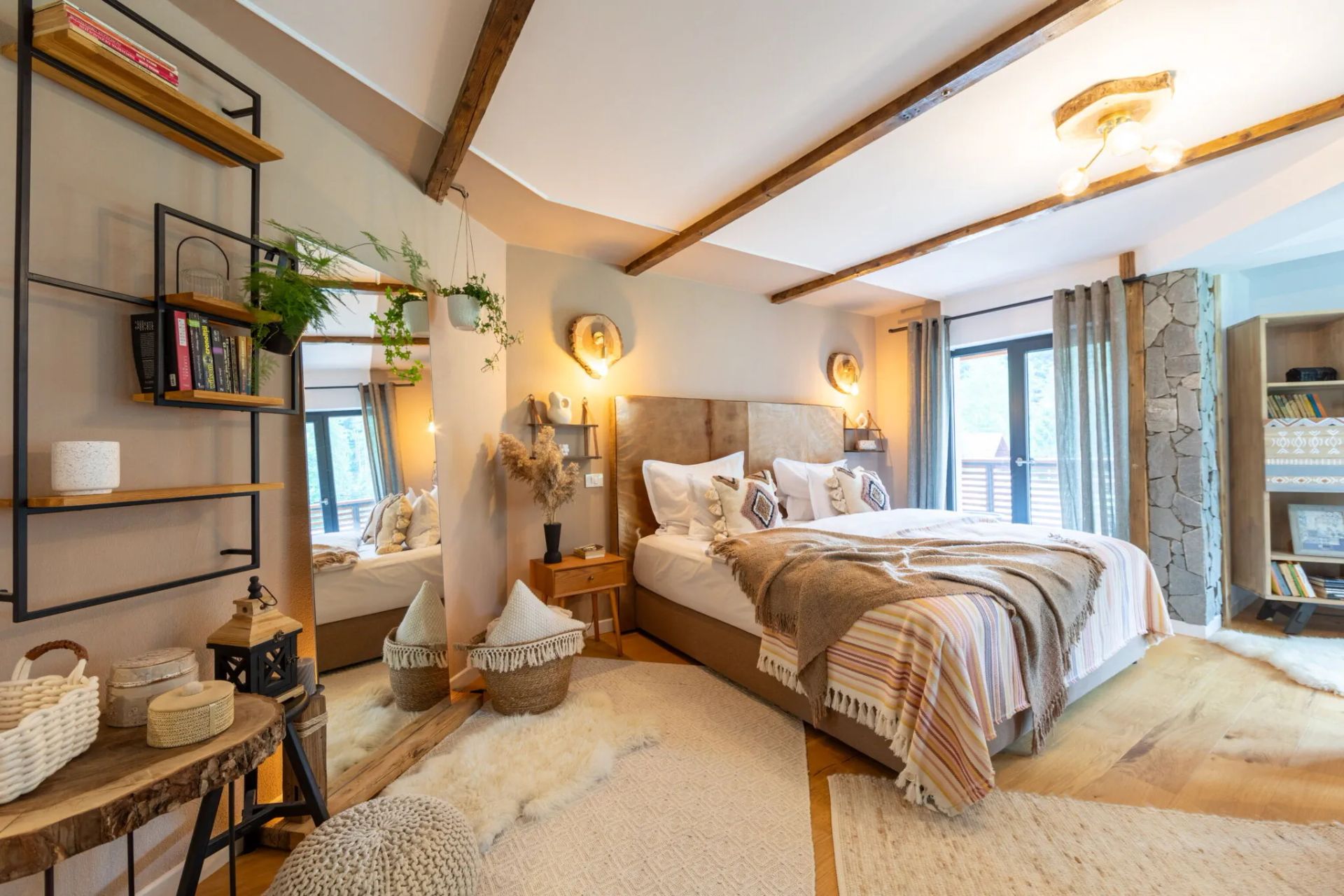
Adulții în căutare de liniște, intimitate și deconectare de la agitația cotidiană vor găsi aici cadrul potrivit pentru o vacanță relaxantă. Bransilvania Chalet - Adults Only Bran, situat în localitatea Bran din județul Brașov, oferă o atmosferă rafinată și caldă, destinată exclusiv persoanelor mature care doresc să se bucure de momente de relaxare. Unitatea pune la dispoziție facilități moderne precum Wi-Fi gratuit, parcare privată gratuită și parcare pentru biciclete. Vă puteți destinde în curtea mare și grădina amenajată, juca tenis de masă, închiria biciclete pentru plimbări sau explora trasee montane și drumeții în natură. Restaurantul din incintă prepară meniuri pentru diete speciale, iar iubitorii sporturilor de iarnă au la dispoziție o pârtie de schi în zonă. În vecinătate puteți vizita Castelul Bran, Cetatea Râșnov, Castelul Peleș, Parcul natural Munții Bucegi și Rezervația Naturală Bucegi. Chaletul este așezat într-un peisaj natural deosebit, la poalele munților Bucegi, alături de râul Poarta. Vă așteptăm la Bransilvania Chalet - Adults Only Bran.
FROM
240 lei per night

Guesthouse · 3 stars
Bran, Brașov County · 2.2 km
Căsuța Bunicii Bran
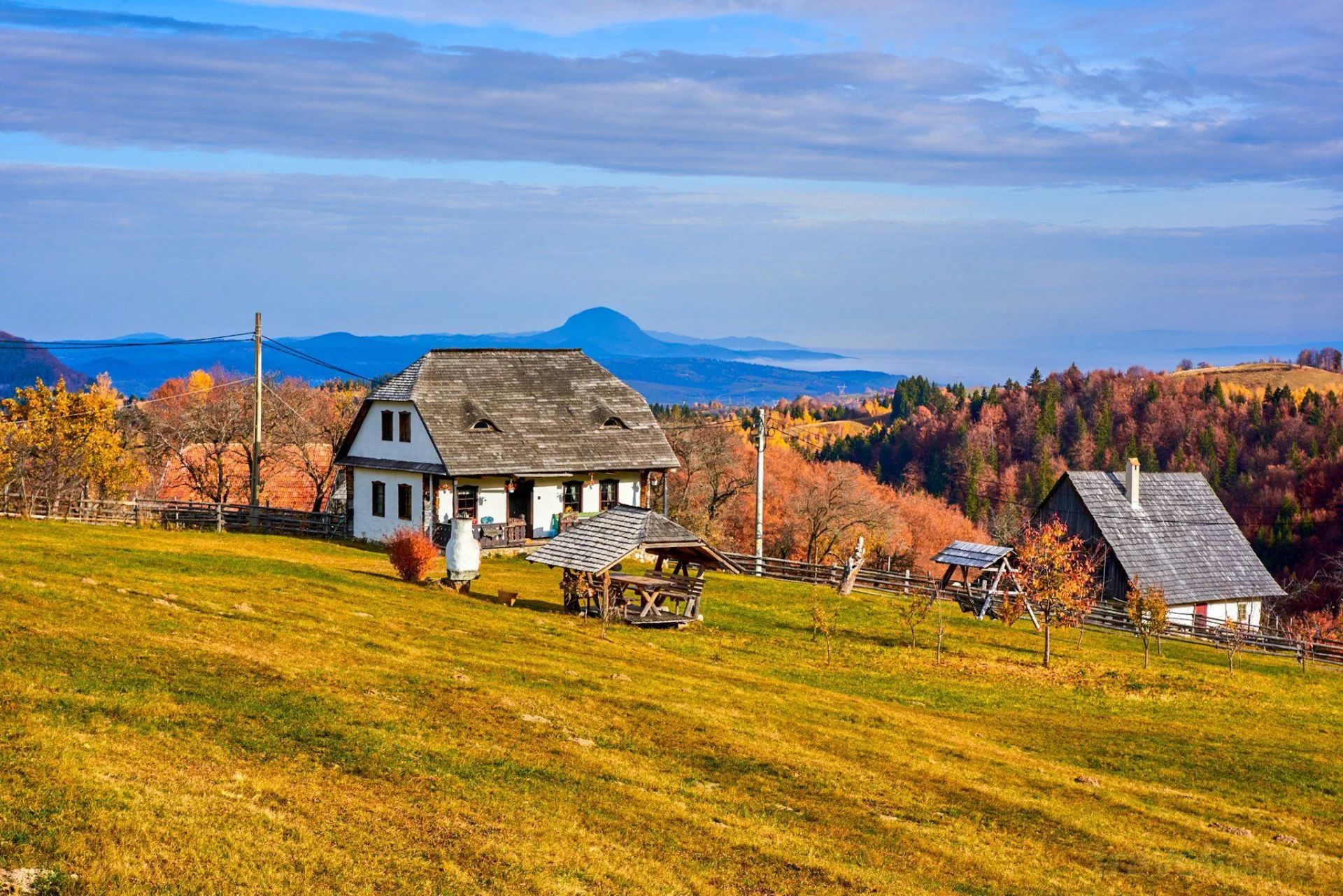
În curtea largă și grădina îngrijită a unei case tradiționale din Bran, Căsuța Bunicii Bran vă primește într-un cadru liniștit, departe de aglomerația urbană. Pensiunea de trei stele, situată pe strada Bălăban, oferă cazare confortabilă pentru familii, cupluri sau grupuri de prieteni care doresc să descopere zona. Beneficiați de Wi-Fi gratuit în întreaga proprietate și de parcare privată fără costuri suplimentare. Pentru relaxare, aveți acces la o saună, iar copiii se pot juca în siguranță în locul de joacă de la exterior. Pătuțul pentru bebeluș este disponibil la cerere. Pentru seri plăcute în aer liber, puteți folosi grătarul din curte sau terenul de tenis. De la Căsuța Bunicii Bran porniți direct în drumeții montane și pe trasee în natură, explorând peisajele spectaculoase din jur. Atmosfera autentică a zonei rurale completează experiența unei șederi liniștite. În apropiere puteți vizita Castelul Bran, Cetatea Râșnov, Castelul Peleș, Parcul natural Munții Bucegi și Rezervația Naturală Bucegi, toate fiind accesibile pentru excursii de o zi. Seara, după ce ați explorat obiectivele din zonă, vă puteți relaxa în saună sau puteți organiza un grătar în grădina amenajată.
FROM
240 lei per night
Cabin · 3 stars
Bran, Brașov County · 2.5 km
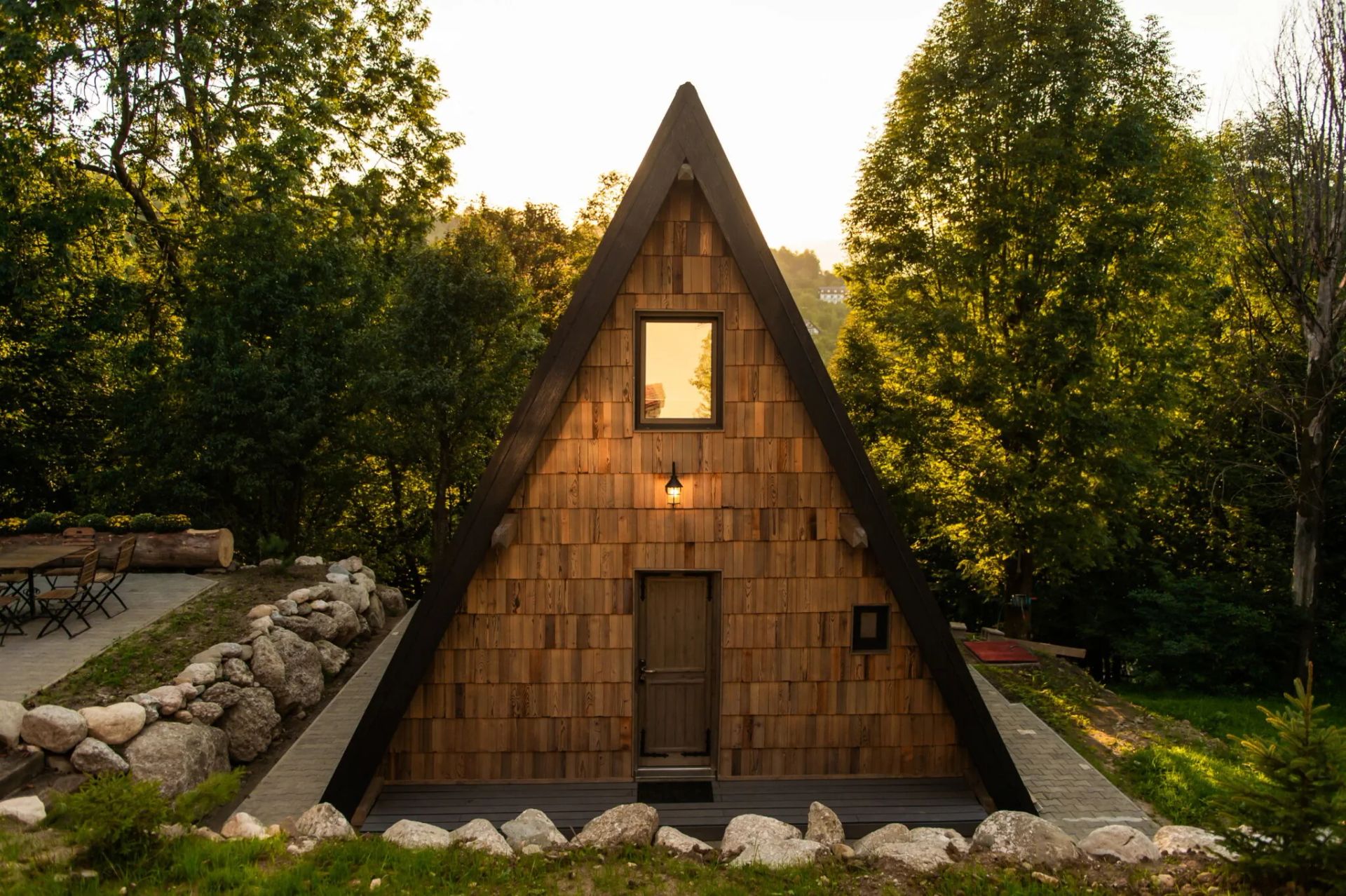
Cabana Hai la munte Bran
Ciubărul din lemn tradițional este locul perfect pentru relaxare după o zi activă la Cabana Hai la munte Bran din localitatea Bran. Această cabană clasică cu trei stele, situată pe strada Calea Zanoaga, vă oferă un refugiu autentic în mijlocul naturii, într-un cadru montan specific zonei. Unitatea pune la dispoziție Wi-Fi gratuit, parcare privată gratuită și o curte mare cu grădină amenajată, ideală pentru grătar sau barbeque. Pentru timpul liber, aveți la dispoziție bowling, tir cu arcul și închiriere de biciclete, iar în zonă există pârtie de schi și trasee pentru drumeții montane. Familiile cu copii se vor bucura de scaunul înalt și de pătuțul pentru bebeluș, iar șoferii de mașini electrice pot folosi stația de încărcare disponibilă. În apropiere puteți vizita Castelul Bran, Parcul natural Munții Bucegi, Cetatea Râșnov, Castelul Peleș și Rezervația Naturală Bucegi, descoperind astfel cele mai reprezentative obiective turistice din zonă. Această cazare se adresează familiilor cu copii, grupurilor de prieteni și turiștilor care doresc să exploreze zona Brașovului într-un ambient tradițional și relaxant.
FROM
270 lei per night
Holiday home · 3 stars
Bran, Brașov County · 2.9 km
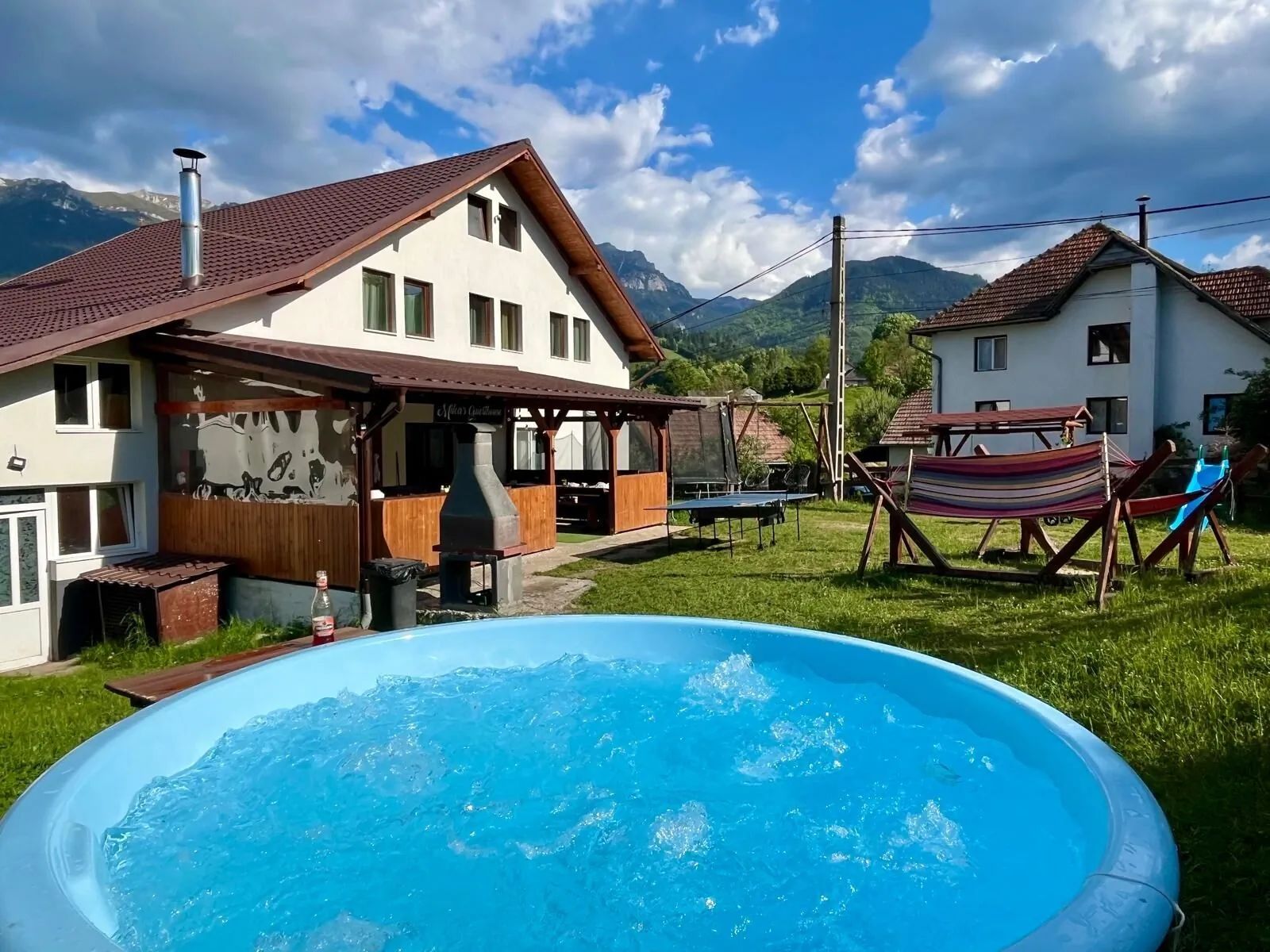
Milea Guesthouse Bran
Milea Guesthouse Bran este o casă de închiriat integrală, clasificată cu trei stele, situată în localitatea Bran din județul Brașov. Proprietatea pune la dispoziția dumneavoastră o curte mare și o grădină amenajată, un foișor, grătar și barbeque, vatră de foc sau șemineu în aer liber, precum și un ceaun pentru gătit în aer liber. Pentru relaxare, aveți la dispoziție un ciubăr din lemn tradițional. Pentru activități sportive și de agrement aveți bowling, tenis de masă, închiriere biciclete, călărie sau echitație în zonă, alături de drumeții montane și trasee în natură. Familiile cu copii se vor bucura de locul de joacă la exterior, pătuțul pentru bebeluș și scaunul înalt pentru cei mici. Proprietatea dispune și de acces pentru persoane cu dizabilități, parcare privată gratuită și parcare pentru biciclete. Conexiunea Wi-Fi este gratuită, iar fierul de călcat este disponibil pentru confortul dumneavoastră. În apropiere puteți vizita Castelul Bran, Cetatea Râșnov, Castelul Peleș, Parcul natural Munții Bucegi și Rezervația Naturală Bucegi. Vă așteptăm să porniți în explorarea zonei spre Castelul Bran.
FROM
280 lei per night
Holiday villa · 3 stars
Bran, Brașov County · 3.1 km
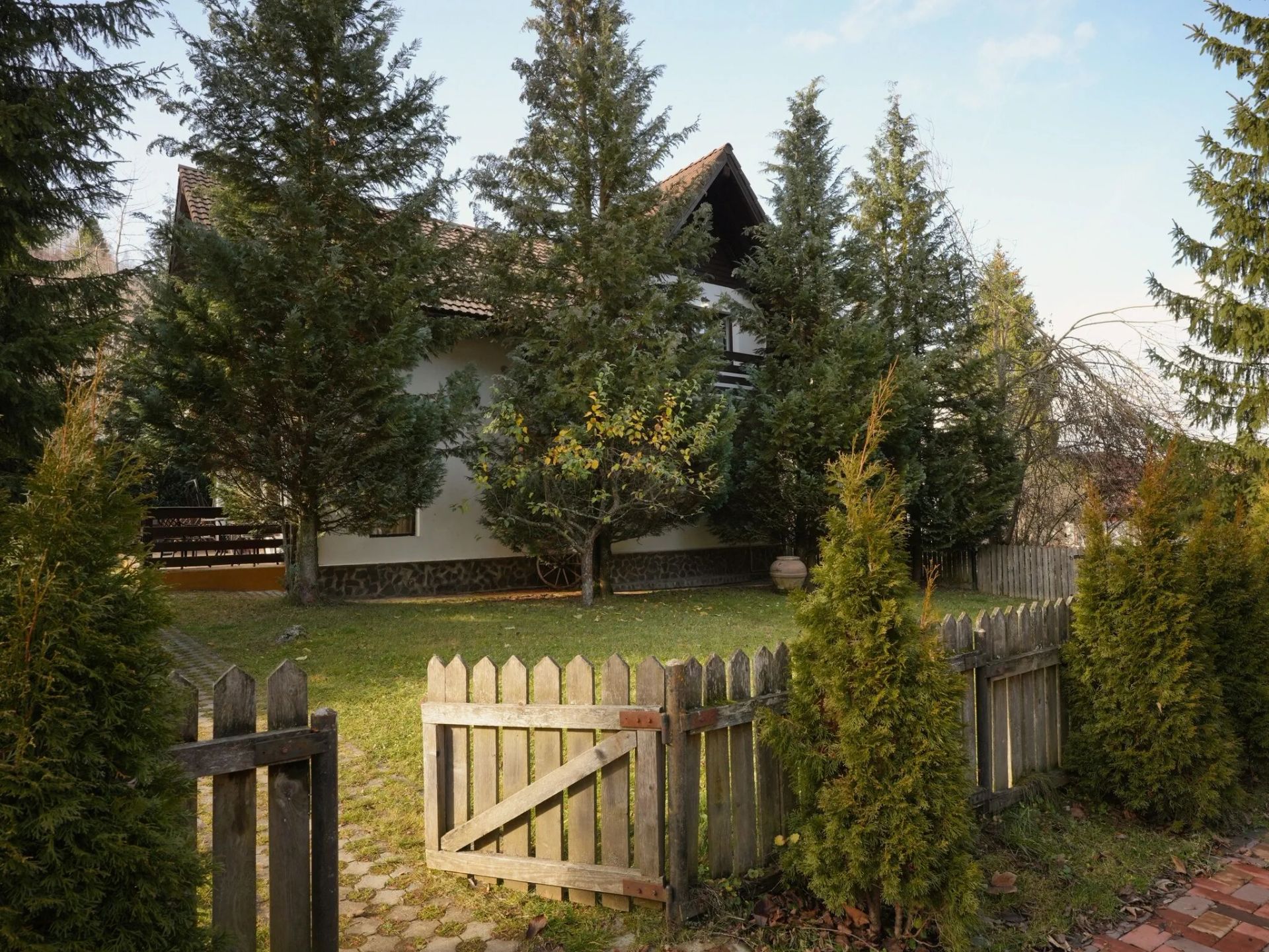
Vila Discret House Bran
Comfort, relaxation and stunning views, all just steps away from the main attractions.
FROM
280 lei per night
Guesthouse · 3 stars
Șimon, Brașov County · 3.2 km
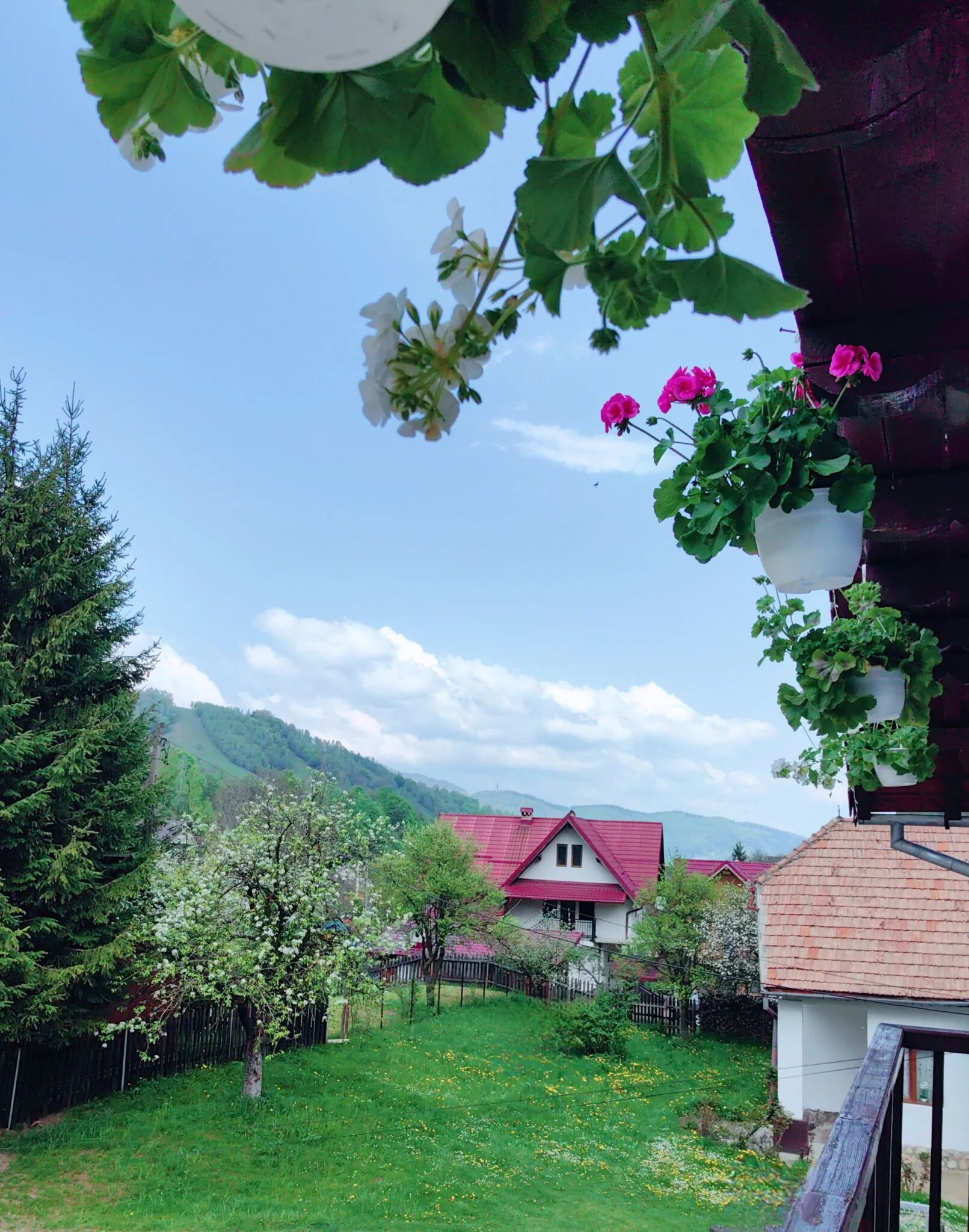
Casa Voinescu Șimon
Casa Voinescu Șimon este o pensiune turistică de trei stele situată în localitatea Șimon, județul Brașov. Pensiunea pune la dispoziția dumneavoastră o curte mare și o grădină amenajată, cu foișor, loc de joacă pentru copii la exterior și parcare privată gratuită. Vă puteți bucura de Wi-Fi gratuit, acces pentru persoane cu dizabilități și un restaurant în incintă unde sunt servite preparate din ingrediente locale și proaspete. Pentru relaxare aveți la dispoziție un ciubăr din lemn tradițional, vatră de foc sau șemineu în aer liber, grătar și ceaun pentru gătit în aer liber. Familiile cu copii vor aprecia meniul pentru copii, scaunul înalt, pătuțul pentru bebeluș și meniurile pentru diete speciale. Pentru confortul dumneavoastră aveți la dispoziție și fier de călcat. În apropiere puteți vizita Castelul Bran, Cetatea Râșnov, Castelul Peleș, Parcul Natural Munții Bucegi și Rezervația Naturală Bucegi. La pensiune puteți practica drumeții montane și trasee în natură, iar aerul curat al zonei vă va revigora pe tot parcursul șederii. Casa Voinescu Șimon este potrivită pentru cei care caută liniște, natură și un mediu prietenos pentru copii, într-o zonă montană autentică.
FROM
240 lei per night
BEFORE YOU HIT THE ROAD
Weather conditions in Brasov
Local forecast for Bucegi Natural Park, Brasov, Brașov

Real-time updated weather data
Much more to explore in this area
Nearby tourist attractions

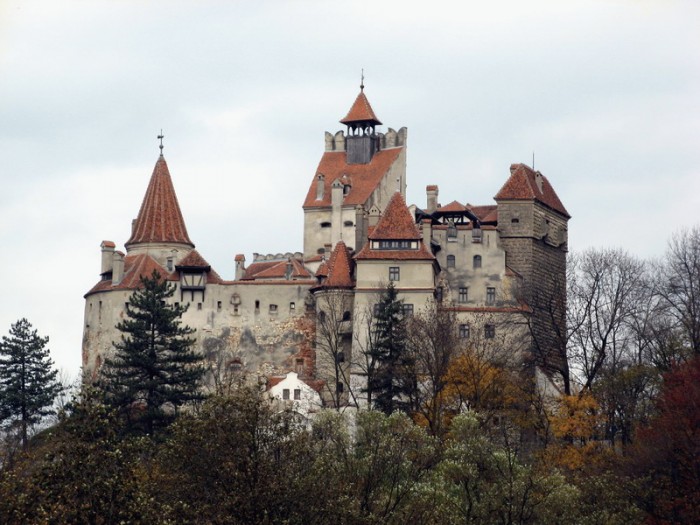

Bran, Brașov County
Bran Castle
Situat pe strada General Traian Mosoiu nr. 28 din localitatea Bran, la 30 km de municipiul Brasov; construit in anul 1377 in scop militar; in anul 1395, este...
5.2 km
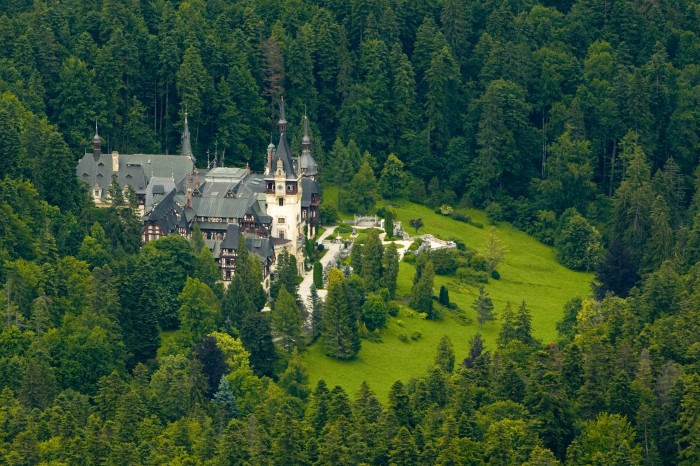
Sinaia, Prahova County
Peleș Castle
Situat pe strada Pelesului din Sinaia; piatra de temelie a castelului se pune in 1873, aici fiind ingropate si cateva zeci de monede de 20 de lei, din aur -...
17.0 km
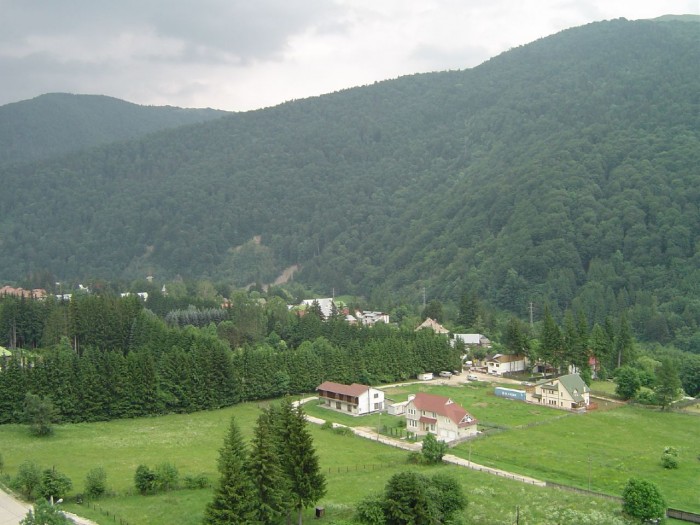
Prahova, Prahova County
Sinaia Resort
Situata pe valea superioara a Prahovei, la poalele Muntilor Bucegi (Carpatii Meridionali), la o altitudine ce variaza intre 798-971 m; este una din cele mai...
18.0 km
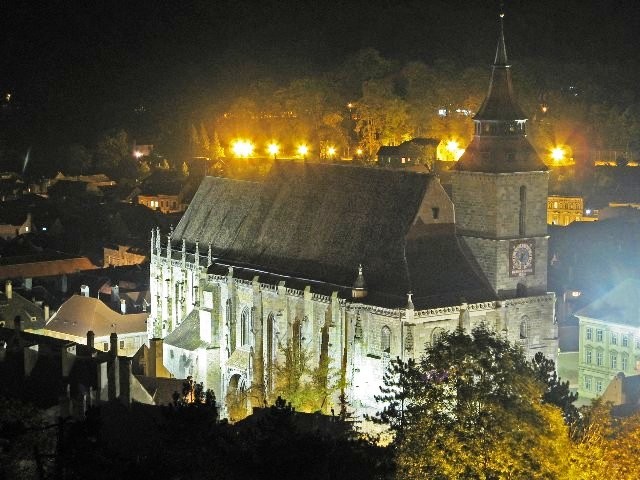
Brasov, Brașov County
Black Church
Situata in curtea Honterus nr. 2 din municipiul Brasov; construita intre secolele XIV - XV; o inscriptie din interior il atesta ca prim ctitor pe Thomas; din...
24.9 km
Brasov, Brașov County
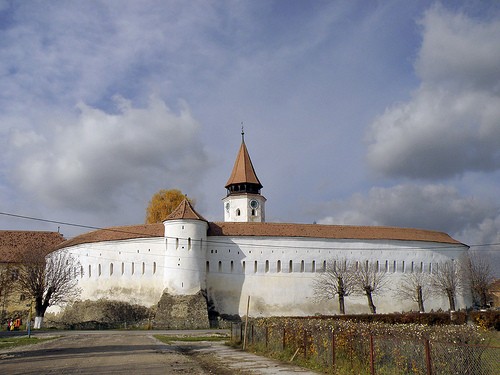
Prejmer Fortified Church
Situata in localitatea Prejmer, la 15 km de municipiul Brasov; cea mai mare biserica fortificata din sud-estul Europei; construita in secolul al XIII-lea; are...
40.5 km
Prahova, Prahova County
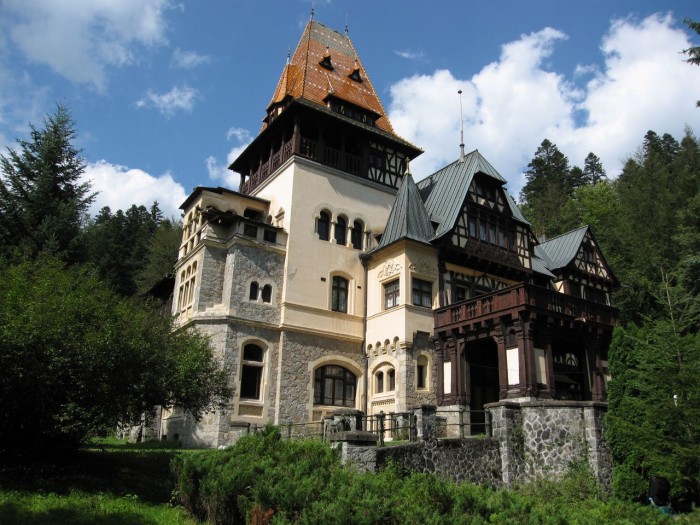
Pelișor Castle
Situat in parcul Castelului Peles, pe Valea Prahovei; ridicat intre anii 1899 si 1902; in 1903 a devenit resedinta de vara a principilor mostenitori;...
16.8 km
Râșnov, Brașov County
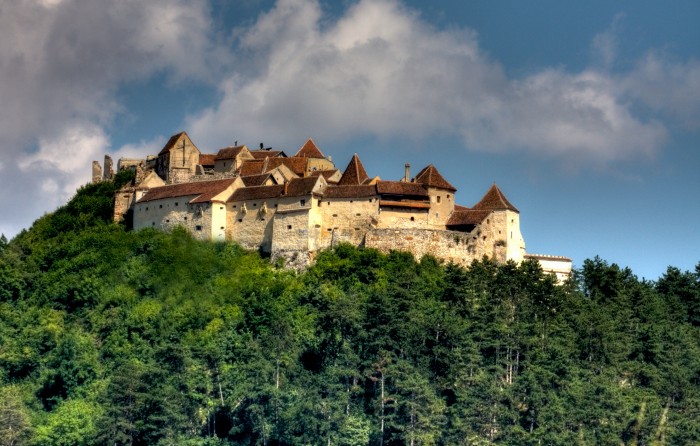
Râșnov Citadel
Situata in orasul Rasnov, la 15 km de municipiul Brasov; construita in secolele XIII - XIV de catre locuitorii zonei, in scopul apararii impotriva atacurilor...
14.3 km

Brasov, Brașov County
Poiana Brașov resort.
Situata la poalele muntelui Postavaru, la 12 km de municipiul Brasov; amplasata la altitudinea de 1.030 m, statiunea turistica Poiana Brasov a fost infiintata...
18.4 km
Brasov, Brașov County
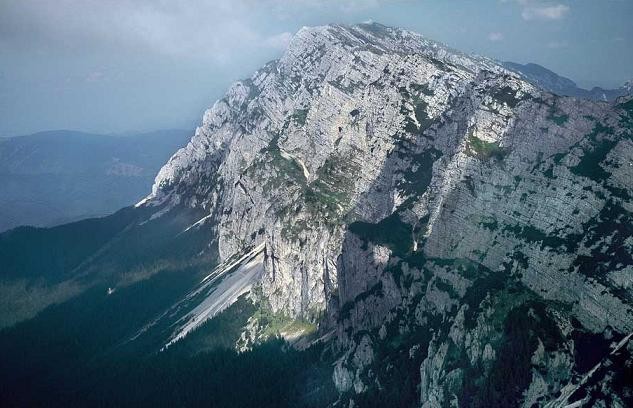
Piatra Craiului National Park
Situat in Carpatii Meridionali;include Creasta Pietrei Craiului in totalitate si spatiile din culoarele intramontane limitrofe, Rucar - Bran si Rucar -...
15.1 km

Brasov, Brașov County
Predeal: Romania's Highest Town and the Carpathian Balcony
Situata pe Valea Prahovei, intre raurile Prahova si Timis, la 25 km de municipiul Brasov; amplasata la 1.100 m, este cea mai inalta asezare urbana din Romania;...
14.8 km
Prahova, Prahova County
Bucegi Natural Park
Situata intre 1.000 - 2.505 m altitudine, in Masivul Bucegi; in cadrul ei se pot intalni vai si rape spectaculoase, chei intre stanci, poduri interfluviale si...
12.7 km
Prahova, Prahova County
Sinaia Casino
Situat in parcul "Dimitrie Ghica" din localitatea Sinaia; reprezinta si astazi unul dintre edificiile - simbol ale statiunii; construit in timp record, intre...
18.0 km
Cultural life and traditions
Events in the Bucegi Natural Park area
Medieval festivals, traditional fairs, concerts and local activities recommended in Transylvania.

Heritage and History

Brasov, County of Brașov
The Festival of Medieval Fortresses and the Open Doors Days
Guided night tours, traditional crafts workshops and historical re-enactments featuring knights and ladies.
WHEN
May 15-17, 2026


Traditions and Cuisine
Brasov, County of Brașov
The Fair of Saxon Traditions and Local Cuisine
Discover local producers, traditional Saxon pastries baked in a wood-fired oven, artisanal syrups, and rhubarb jam.
WHEN
Every weekend (May - October)

Ecotourism and Nature
The hills of Transylvania, County of Brașov
Guided Hikes on the Transylvanian Hills Trail
Take excursions along unmarked trails through ancient meadows, centuries-old oak trees, and villages with fortified churches that are UNESCO World Heritage sites.
WHEN
Friday – Sunday (Season 2026)
On foot, exploration gains depth
Discover the surroundings and local geography
Explore the trails, terrain, and natural landmarks around Bucegi Natural Park.

Guides and practical tips
Useful travel articles
Travel guides, practical recommendations and tourist itineraries for Transylvania.

Tourist guide
Top 5 Atracții Turistice și Trasee Montane în Zona Moieciu - Bran
Descoperă cele mai spectaculoase peisaje carstice, chei adânci și cetăți medievale din imediata apropiere a stațiunii Moieciu.

Tourist guide
Ghid de Drumeție: Traseul Moieciu de Sus spre Platoul Bucegi
Un itinerariu montan de o frumusețe rară ce urcă din Valea Băngăleasa spre Poiana Guțanu și crestele maiestuoase ale Bucegilor.

Tourist guide
Castelul Bran: Istorie, Legende și Secrete Medievale
Află adevărata poveste a fortăreței medievale din Pasul Bran, reședința de suflet a Reginei Maria a României.
THE JOURNEY STARTS WITH AN IDEA
The next story is on the way.
From the first stop to the last stay, make room for a new Romania.
