


PLACE OF WORSHIP · MOLDAVIA
Metropolitan Cathedral of Iași

Iasi, Iași County
Add location to your trip planner.

Practical access information

VISITING HOURS
Monday: 12:00 PM – 5:00 PM · Tuesday–Sunday: 9:00 AM – 5:00 PM (in summer until 8:00 PM)

TICKET PRICE
Adults: 45 RON · Students: 11 RON · Seniors: 23 RON · Guided tour included

RECOMMENDED VISIT DURATION
2-3.5 hours
Visitor information and guide
 Navigate with Google Maps

ABOUT METROPOLITAN CATHEDRAL OF IAȘI
A Renaissance Cathedral in the Heart of Moldavia
Rising along Ștefan cel Mare și Sfânt Boulevard in the historic center of Iași, the former capital of Moldavia, the Metropolitan Cathedral of Iași stands as the most impressive achievement of Romanian religious architecture from the 19th century. This monumental edifice harmoniously fuses spiritual grandeur with the artistic elegance of the late Italian Renaissance and the refined sophistication of European Baroque. Positioned on the city’s main thoroughfare, this emblematic sanctuary serves as a true axis mundi of Orthodox spirituality in Eastern Europe—a convergence point between the millennia-old Byzantine tradition and the modernizing aspirations of a nation asserting its place on the continental stage. Its colossal dimensions and silhouette, dominated by three majestic domes, make it an unavoidable visual landmark in Iași’s urban landscape, comparable in presence and significance to the great Western cathedrals of Florence, Rome, or Vienna, yet retaining the liturgical specificity and profound identity of Eastern Orthodoxy.
The cathedral’s origins trace back to August 8, 1826, when Prince Ioan Sandu Sturdza, recognizing the need for a cathedral that would reflect Moldavia’s status as a cultural and spiritual capital, issued the decree for its establishment. However, the path to its physical realization was arduous, marked by financial difficulties, design changes, and interruptions caused by the political instability of the era. Construction finally began in 1833 under the guidance of architects Gustav Freywald and Bucher, later continuing under Mihail Singurov, and was ultimately completed by Alexandru Orăscu—a prominent figure in Iași’s urban landscape, trained at the Viennese school and known for other major projects, such as the University Palace. The solemn consecration took place on April 23, 1887, in a lavish ceremony that marked Romania’s entry into the ranks of modern European nations capable of erecting monuments of such artistic and spiritual magnitude.
The Spiritual Heart of Orthodoxy and a Pilgrimage of European Significance
Regarded as the largest Orthodox place of worship in Romania, the Metropolitan Cathedral houses the relics of Saint Parascheva the New, the patron saint of Moldavia and Bukovina. Her popularity in Romania surpasses that of any other saint whose relics are preserved within the country’s borders. This sacred presence places Iași on the map of major pilgrimage centers in Eastern Europe, alongside Kyiv, Moscow, Sofia, and Thessaloniki, transforming the city into a sanctuary of continental dimensions. Originating from the Balkan hagiographic tradition, Saint Parascheva—born in the 10th century in Epivat, on the Balkan Peninsula—was celebrated throughout the Byzantine Empire for her life and virtues. She became the focal point of a popular devotion that transcends national borders, drawing the faithful from Romania, the Republic of Moldova, Bulgaria, Serbia, and Greece.
The history of how her relics arrived in Iași is closely tied to the figure of Prince Vasile Lupu, who, in 1641, secured them through skillful diplomacy with the Sublime Porte and the Ecumenical Patriarchate of Constantinople. This acquisition was an act of asserting Moldavia’s prestige within the Orthodox world, placing the principality on the spiritual map of Eastern Europe at a time when the Ottoman Empire dominated the Balkans and the Byzantine tradition sought new centers of influence. The presence of the relics transformed Iași into a pilgrimage site of European significance, comparable to the great sanctuaries of the continent’s East. Every year on October 14, the feast day of the saint, hundreds of thousands of believers from across the country, the diaspora, and neighboring nations gather in the streets of Moldavia’s capital to participate in the impressive procession carrying the shrine of the holy relics.
This collective act of faith, known as the Path of the Saint, evokes the great pilgrimage traditions of Eastern Europe, such as those at Częstochowa in Poland or Lourdes in France, yet retains the Orthodox specificity of saint veneration and relic worship. In addition to the feast of Saint Parascheva, the cathedral also celebrates the Presentation of the Lord and Saint George, marking a rich liturgical calendar that attracts visitors throughout the year. Following the feast day service, the tradition continues with a communal meal for pilgrims, where traditional Moldavian dishes are served, keeping alive the connection between spirituality and local cultural identity—a ritual that blends hospitality with piety, reflecting how the Romanian people have preserved their Christian tradition in the face of historical challenges.
Historical Roots and Major European Connections
The construction of the Metropolitan Cathedral unfolded within a complex historical context, marked by the transition from the old regime to European modernity. In the 19th century, the Romanian Principalities, united in 1859 and proclaimed a kingdom in 1881, sought to assert themselves on Europe’s cultural stage as modern entities capable of rivaling the continent’s great empires. In this sense, erecting a cathedral of such impressive dimensions in Iași—the former capital of Moldavia and the country’s undisputed cultural center—represented an act of national maturity and a declaration of intent to Europe. The project benefited from an openness to Western artistic currents, particularly the Italian Renaissance and French Neoclassicism, which profoundly influenced the architecture and visual arts of the period.
The cathedral’s predecessor, the White Church, built in the 17th century in the traditional Moldavian architectural style, was demolished to make way for this modern monument. The decision to construct a new cathedral was also influenced by the experience of other European capitals, such as Vienna, where St. Stephen’s Cathedral dominates the urban landscape, or Prague, with its imposing Gothic cathedral. Architect Alexandru Orăscu, trained in the Viennese academic environment and influenced by the Italian school, brought to Iași the principles of symmetry, harmonious proportions, and rational classicism, adapting them to the specific liturgical needs of Orthodoxy and Romanian artistic sensibilities. This fusion of Eastern tradition and Western innovation reflects Moldavia’s geographical and cultural position—at the crossroads of the Slavic, Latin, and Byzantine worlds, between the influences of the Habsburg Empire to the northwest and the Ottoman Empire to the southeast.
The connection to Saint Parascheva also establishes profound ties with Balkan and Byzantine history. The saint’s relics traveled from Epivat, a territory under Ottoman rule, through the diplomacy of Vasile Lupu—a prince who navigated the interests of the Ottoman Empire, Poland, and Russia—bringing to Moldavia not only spiritual relics but also an awareness of belonging to the great Eastern Christian civilization. This European dimension of the Iași pilgrimage is complemented by the Neorenaissance architecture, which evokes the great basilicas of Italy, such as Santa Maria Maggiore in Rome or the Cathedral of Florence, creating a continuous dialogue between Iași and the cultural centers of Western Europe.
An Architectural Masterpiece and the Dialogue of European Styles
From the perspective of European art history, the Metropolitan Cathedral represents a remarkable example of how Western artistic currents were adapted to the Romanian context of the 19th century. The chosen style reflects Neoclassical and Renaissance influences, evident in the harmonious proportions, the rigorous symmetry of the façade, and the use of semicircular arches and Corinthian columns. These classical elements intertwine with Baroque decorative details, creating a fascinating dialogue between the two artistic epochs and reflecting the eclecticism characteristic of the transition to modernity. The three domes that dominate the building’s silhouette are not merely decorative but symbolize the Holy Trinity, arranged along the longitudinal axis of the structure, with the central dome taller and flanked by two smaller towers—a composition reminiscent of the great Italian cathedrals of the late Renaissance.
Architect Alexandru Orăscu succeeded in creating a space that resonates with the great places of worship in Central Europe, whether in Florence, Rome, or Vienna, while preserving the liturgical specificity of Orthodoxy and a profound national identity. The main façade, with its imposing portico and massive columns, evokes the temples of ancient Rome and Greece, while the sculptural decorations—both exterior and interior, executed in the Baroque style—add a dimension of splendor and theatricality characteristic of the era. The cathedral’s interior is a true gallery of sacred art, with mural paintings by master Gheorghe Tattarescu, an artist trained in Paris and Rome who brought to Romania the influences of French Academicism and Italian Romanticism. His frescoes, covering the vaults and interior walls, transform the space into an impressive visual universe through color and expressiveness, while the iconostasis—carved from linden wood and gilded—represents a masterpiece of traditional Romanian art, blending Byzantine iconographic techniques with Baroque ornamentation.
The materials used in construction—stone and brick—were sourced from various regions of the country, and the interior finishes include polychrome marble and elaborate stucco, reflecting the ambition to create a temple worthy of the capital of a European nation. The spatial composition, with its vast central nave, transept, and altar, follows the Byzantine tradition of Orthodox churches but is presented through a Western perspective, with straight lines and rigorous symmetry, creating a space that is both familiar to the Orthodox faithful and impressive to European visitors accustomed to Gothic or Baroque Western architecture.
Stories, Personalities, and Turning Points
The history of the Metropolitan Cathedral’s construction is an impressive saga spanning over five decades, from 1833 to 1887, marked by interruptions, financial difficulties, and shifts in architectural vision. Prince Ioan Sandu Sturdza, the project’s initiator, did not live to see its completion, dying in 1842, and his successor, Mihail Sturdza, continued the effort, though construction was halted multiple times due to lack of funds and the political upheavals of the 1848 Revolution and the Union of the Principalities. Only in the second half of the century, under the reign of King Carol I and with the support of the newly proclaimed Romanian state, were the works resumed and completed by Alexandru Orăscu, bringing to light this monument, which would become a symbol of the spiritual unity of the Romanian people.
The consecration on April 23, 1887, was an event of European significance, attended by members of the royal family, hierarchs of the Romanian Orthodox Church, and representatives of the diplomatic corps accredited in Bucharest. The presence of King Carol I and Queen Elisabeth at the ceremony underscored the importance of this monument for Romania’s national identity, recently proclaimed a kingdom, and for its position among the concert of European nations. Over time, the cathedral has witnessed crucial moments in Romanian history, surviving the bombings of the First and Second World Wars, the Communist period when pilgrimages were restricted and the church faced ideological pressures, and the 1989 Revolution, after which it reemerged as the living spiritual center of a free nation.
The personality of Saint Parascheva remains at the heart of the cathedral’s spiritual narrative. Her relics, preserved in a sumptuous silver shrine, are displayed for veneration inside the cathedral, attracting hundreds of thousands of pilgrims annually. Legend holds that the saint was the daughter of wealthy parents from Epivat, dedicating her life to the poor and prayer. She is considered the protector of the afflicted, travelers, and the sick. The tradition of the Iași pilgrimage, with its impressive procession winding through the city’s streets on October 14, represents one of the largest religious gatherings in Eastern Europe, comparable to the pilgrimages of Częstochowa or Fatima, and demonstrates the vitality of Orthodox faith in the modern era.
Practical Visitor’s Guide and the Contemporary Tourist Experience
Visiting the Metropolitan Cathedral of Iași is an essential experience for anyone seeking to understand the depth of Romanian spirituality and culture, as well as its connections to Europe’s great traditions. The cathedral is located at 16 Ștefan cel Mare și Sfânt Boulevard, in the heart of the city’s historic center, just a few minutes’ walk from the Palace of Culture, the Three Hierarchs Church, and other emblematic monuments of Iași. Access is free, though visitors are asked to respect the dress code appropriate for a place of worship, covering shoulders and knees. Photography is permitted in certain areas of the interior, with due regard for the quiet necessary for prayer.
For a complete visit, it is recommended to allocate at least an hour and a half to admire in detail the frescoes by Tattarescu, the carved iconostasis, the shrine of Saint Parascheva’s relics, and the impressive interior architecture. Those wishing to attend services can check the liturgical schedule in advance, as services are held daily, with Sundays and feast days offering an especially solemn atmosphere. The most spectacular—and crowded—period is around October 14, when the pilgrimage of Saint Parascheva the New takes place. During this time, the city becomes a true European spiritual center, and the procession carrying the shrine of the holy relics through the historic center offers a unique experience of participation in a living, millennia-old tradition.
Nearby, visitors can explore other jewels of Iași’s heritage, such as the Golia Monastery, with its impressive tower and Brâncovenesc-style inner courtyard, the Armenian Church, unique in Romania for its specific architecture, or the Roznovanu Palace, the former residence of the princes. The old center of Iași, with its narrow streets and historic cafés, provides the perfect setting to savor the bohemian atmosphere of the former cultural capital of Romania, complementing the cathedral visit with an immersion into the history and civilization of Moldavia. Whether you are a pilgrim, a cultural tourist, or a researcher of European history, the Metropolitan Cathedral of Iași offers the opportunity to touch the essence of a spiritual tradition that has endured through the centuries and to understand Romania’s place in the continent’s grand narrative.
Media gallery
Discover Metropolitan Cathedral of Iași in pictures

5 photos · Architecture, courtyards and captivating details


Image source: Wikimedia Commons · Public domain photos · Free license
STAY A FEW DAYS, DISCOVER THE MAGIC
Accommodation in the Metropolitan Cathedral of Iași area

Hotel · 3 stars

Iași, Iași County · 0.2 km
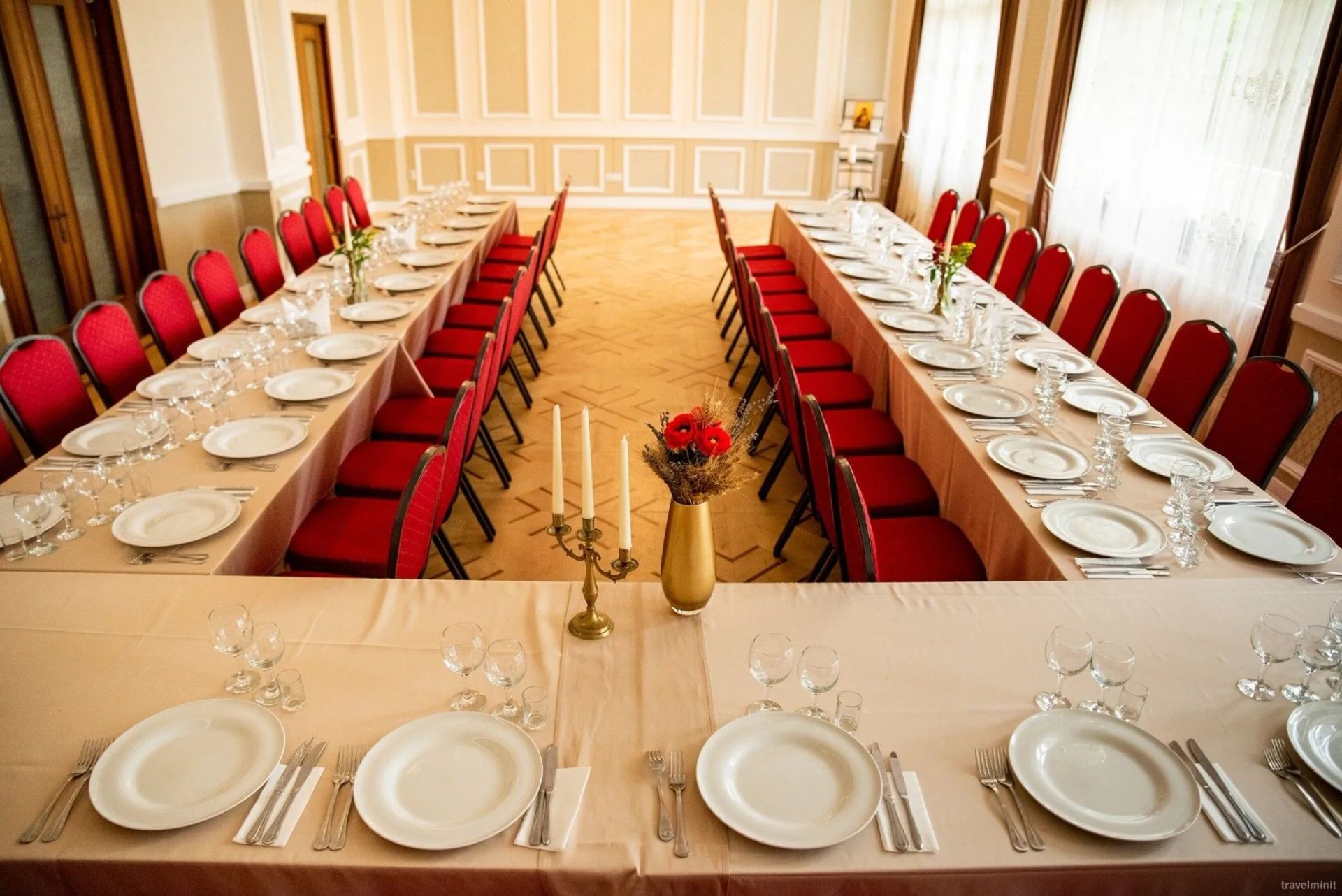
Casa de Oaspeți Sfântul Nicolae Iași
Hotel de trei stele situat în Iași, Casa de Oaspeți Sfântul Nicolae oferă cazare pe strada Aghata Barsescu într-un mediu liniștit și primitor, potrivit atât pentru călătorii de afaceri, cât și pentru turiștii care doresc să descopere orașul. Unitatea pune la dispoziția dumneavoastră cinci camere dotate cu grijă, beneficiind de aer condiționat. Veți găsi aici Wi-Fi gratuit, parcare privată gratuită, room service, depozit pentru bagaje și fier de călcat. Restaurantul din incintă vă permite să serviți masa fără a părăsi proprietatea, iar curtea mare și grădina amenajată oferă un spațiu verde plăcut pentru momente de relaxare în aer liber după o zi de plimbări prin oraș. În apropiere se află Palatul Culturii, Mănăstirea Sfinții Trei Ierarhi, Complexul Muzeal Național Moldova, Curtea Domnească și Teatrul Național Vasile Alecsandri, astfel încât dumneavoastră puteți explora cu ușurință cele mai reprezentative puncte de interes cultural și istoric ale municipiului Iași. Vă așteptăm la Casa de Oaspeți Sfântul Nicolae Iași.
FROM
290 lei per night

Hotel · 3 stars
Iași, Iași County · 0.4 km
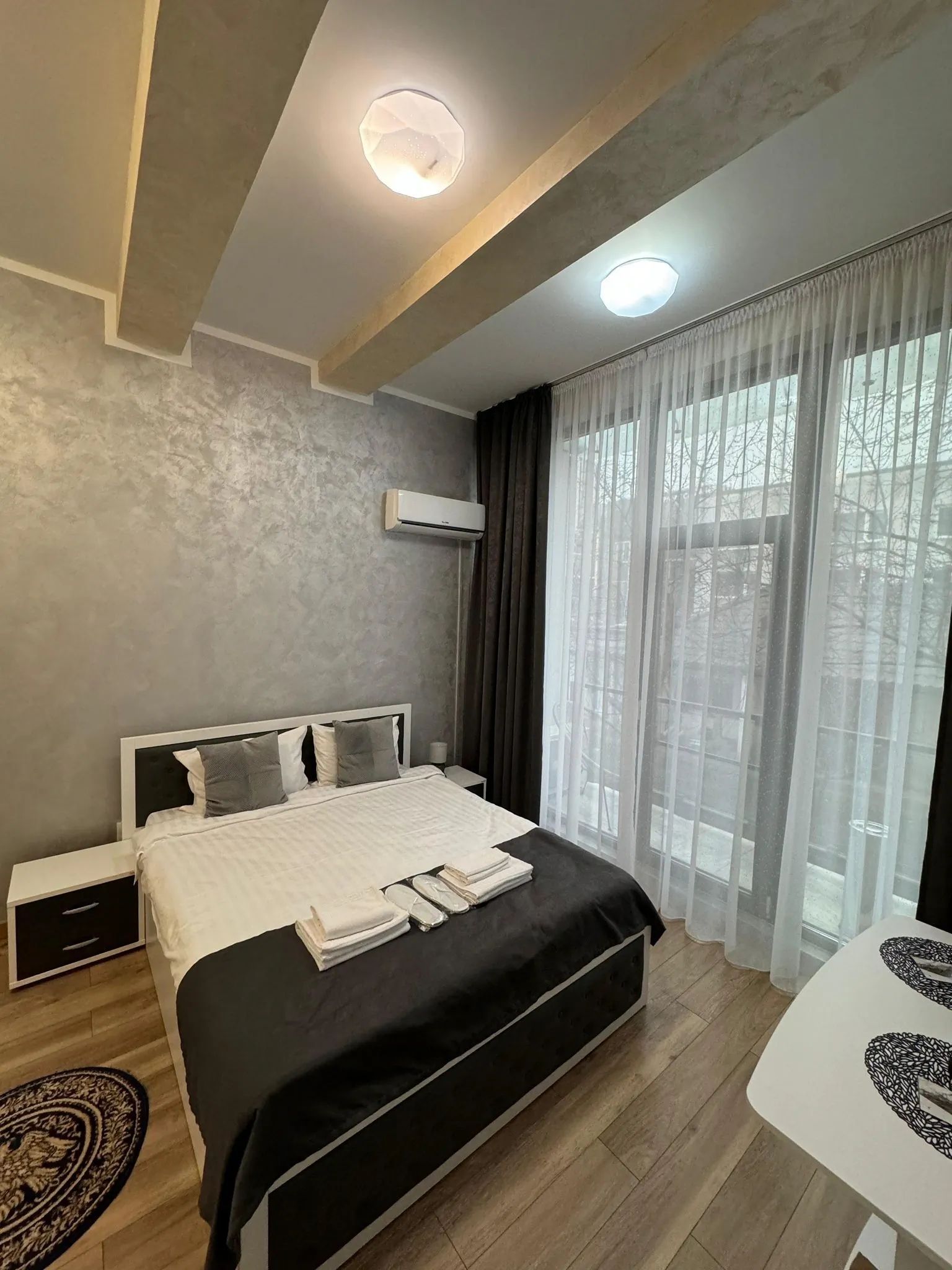
Hotel Palas Grand View Iași
O zi petrecută la Hotel Palas Grand View din Iași poate începe cu un mic dejun savurat în restaurantul din incintă, după care vă puteți conecta la Wi-Fi gratuit pentru a verifica programul zilei și a comunica cu cei dragi. Unitatea oferă 14 camere dotate cu aer condiționat, astfel încât să vă bucurați de un sejur confortabil indiferent de anotimp. Pentru cei care călătoresc cu mașina, hotelul pune la dispoziție parcare privată gratuită, eliminând grija găsirii unui loc de parcare în oraș. În fiecare cameră aveți la dispoziție și fier de călcat, astfel încât să vă puteți aranja hainele înainte de ieșirile la plimbare sau la întâlniri. Personalul de la recepție vorbește atât română, cât și engleză, fiind pregătit să răspundă întrebărilor dumneavoastră și să vă ajute cu orice informație necesară pe durata șederii. În apropiere puteți vizita Palatul Culturii, Mănăstirea Sfinții Trei Ierarhi, Complexul Muzeal Național Moldova, Curtea Domnească Iași și Teatrul Național Vasile Alecsandri, toate aceste obiective fiind situate la îndemână din această locație. Seara, după ce vă întoarceți de la o reprezentație la teatru sau de la o plimbare prin oraș, vă puteți relaxa în camera dumneavoastră, știind că restaurantul din incintă rămâne disponibil pentru cină.
FROM
290 lei per night
Apartment · 3 stars
Iași, Iași County · 0.4 km
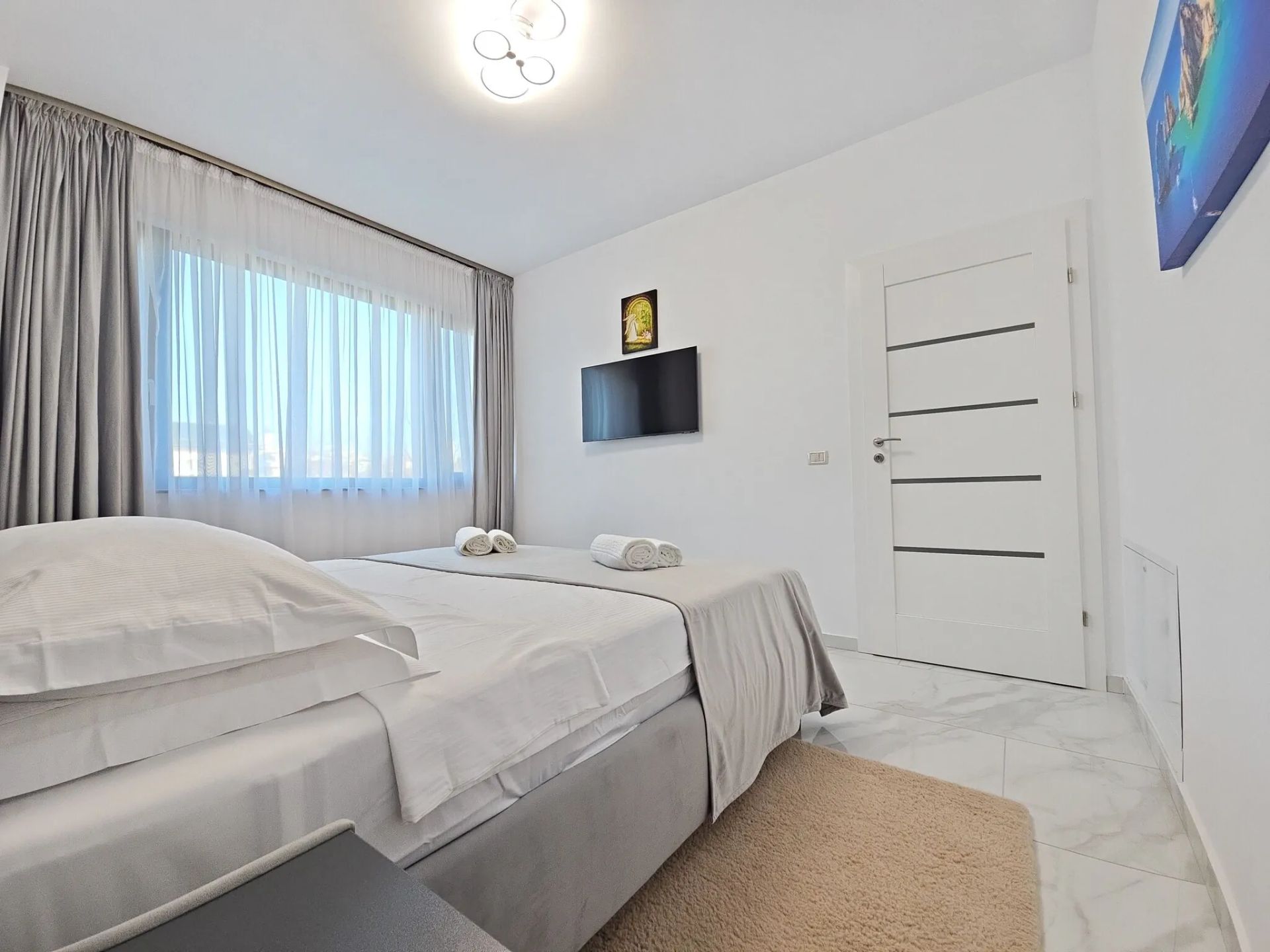
Apartamente G&G Residence Iași
Comfort, relaxation and stunning views, all just steps away from the main attractions.
FROM
230 lei per night
Apartment · 3 stars
Iași, Iași County · 0.4 km
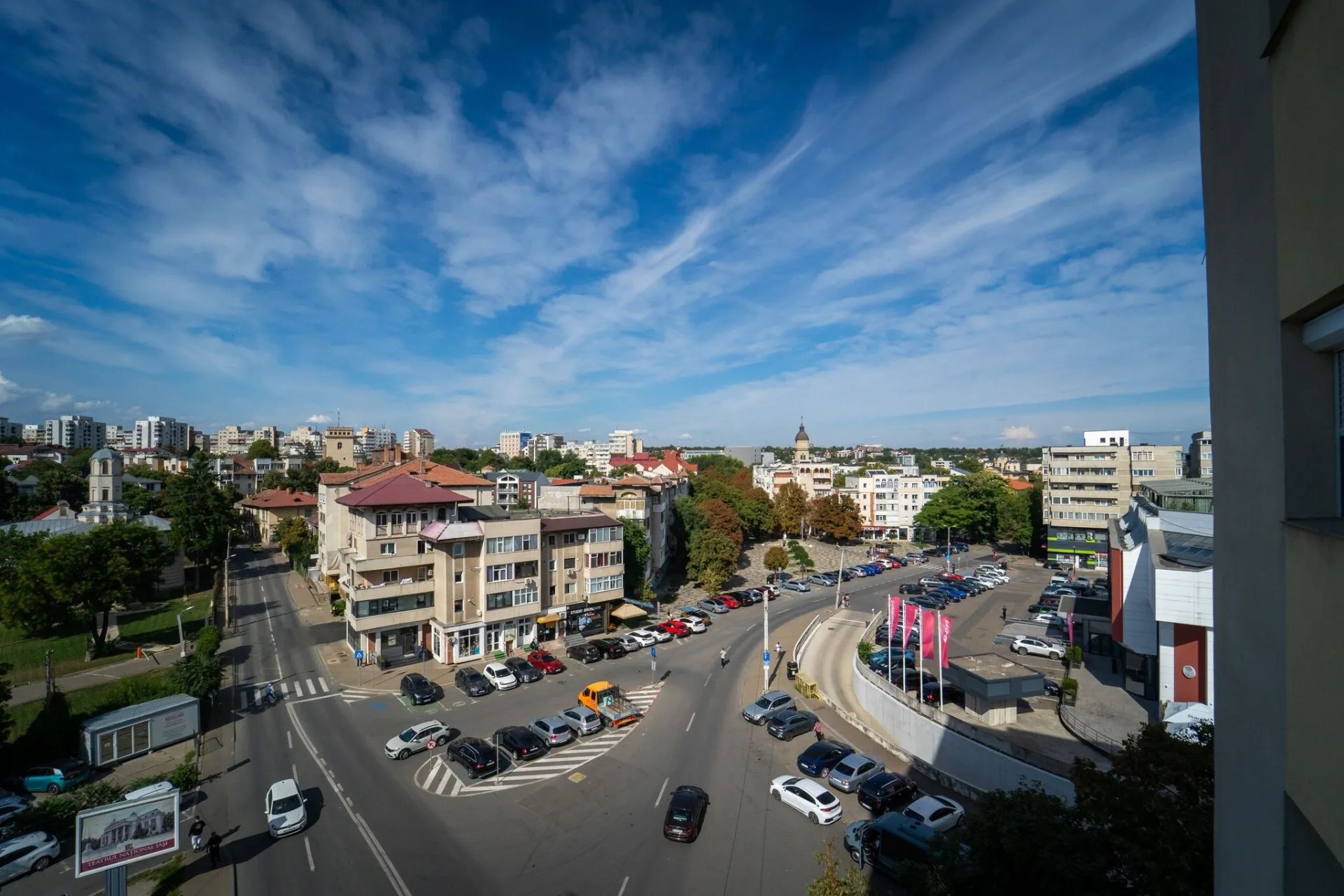
Apartament HC Residence Iași
La Palatul Culturii puteți admira arhitectura impresionantă a uneia dintre cele mai importante clădiri istorice din România, iar de aici porniți cu ușurință spre celelalte monumente ale orașului. Apartamentul de închiriat HC Residence din Iași vă oferă un punct de plecare confortabil pentru a explora aceste locuri încărcate de istorie. Spațiul de cazare este organizat în două camere, o cameră de zi și un dormitor, potrivit pentru relaxare după o zi de vizitare. Bucătăria este dotată integral cu electrocasnice noi, inclusiv frigider, cuptor electric, plită electrică și mașină de spălat vase. De asemenea, aveți la dispoziție o baie complet utilată, mașină de spălat rufe și un balcon unde puteți savura cafeaua dimineața. Pentru confortul dumneavoastră, unitatea oferă Wi-Fi gratuit, fier de călcat și acces facilitat de lift. Intrarea se face independent, cu ajutorul unei cutii cu cifru, iar prezentarea actului de identitate este necesară la sosire. În vecinătate puteți vizita Mănăstirea Sfinții Trei Ierarhi, Complexul Muzeal Național Moldova, Curtea Domnească și Teatrul Național Vasile Alecsandri. Vă așteptăm cu drag să vă cazați la HC Residence Iași.
FROM
230 lei per night
Hotel · 2 stars
Iași, Iași County · 0.4 km
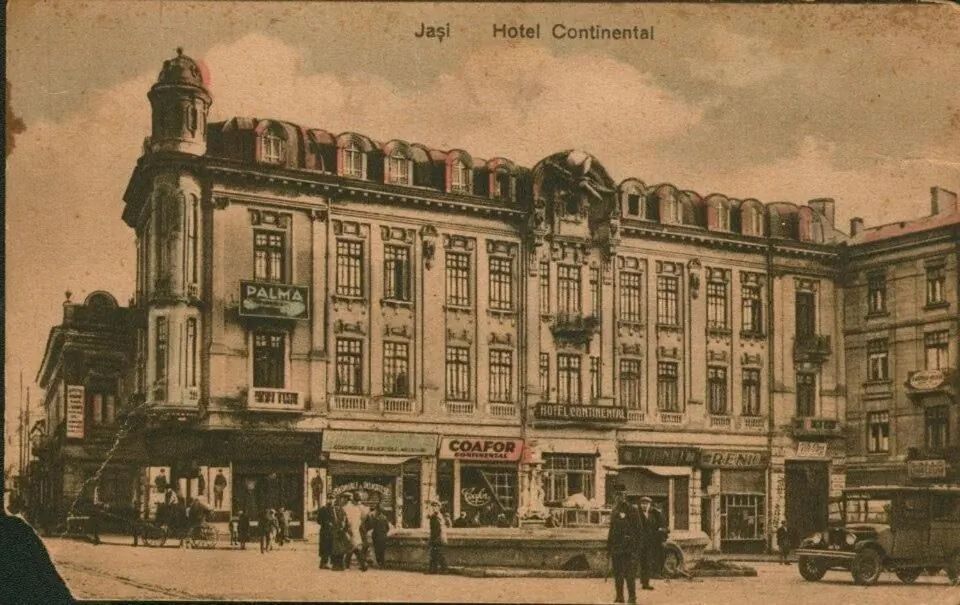
Hotel Continental Iași
Hotelul Continental din Iași pune la dispoziția dumneavoastră acces pentru persoane cu dizabilități, într-o unitate de două stele situată pe strada Cuza Vodă numărul 4. Clădirea găzduiește douăzeci de camere amenajate cu grijă, oferind un punct de plecare comod pentru explorarea orașului și a împrejurimilor sale culturale. În incintă veți găsi restaurant, bar și cafenea, alături de o sală de fitness pentru menținerea tonusului fizic. Beneficiați de Wi-Fi gratuit în întreaga proprietate, parcare privată gratuită și parcare pentru biciclete. Liftul și accesul adaptat facilitează deplasarea, iar seiful și fierul de călcat adaugă confort suplimentar șederii dumneavoastră. Recepția vă întâmpină în limba română, iar depozitul pentru bagaje vă permite să lăsați lucrurile în siguranță pe durata vizitelor. Camera poate fi ocupată de la ora 13:00, iar predarea se face până la ora 11:00. În apropiere se află Palatul Culturii, Mănăstirea Sfinții Trei Ierarhi, Complexul Muzeal Național Moldova, Curtea Domnească Iași și Teatrul Național Vasile Alecsandri, oferind numeroase opțiuni de vizitare la doar câțiva pași de hotel. Această unitate se adresează călătorilor care caută cazare accesibilă și bine echipată în centrul Iașului, aproape de principalele monumente istorice și instituții culturale.
FROM
210 lei per night
Hotel · 3 stars
Iași, Iași County · 0.6 km
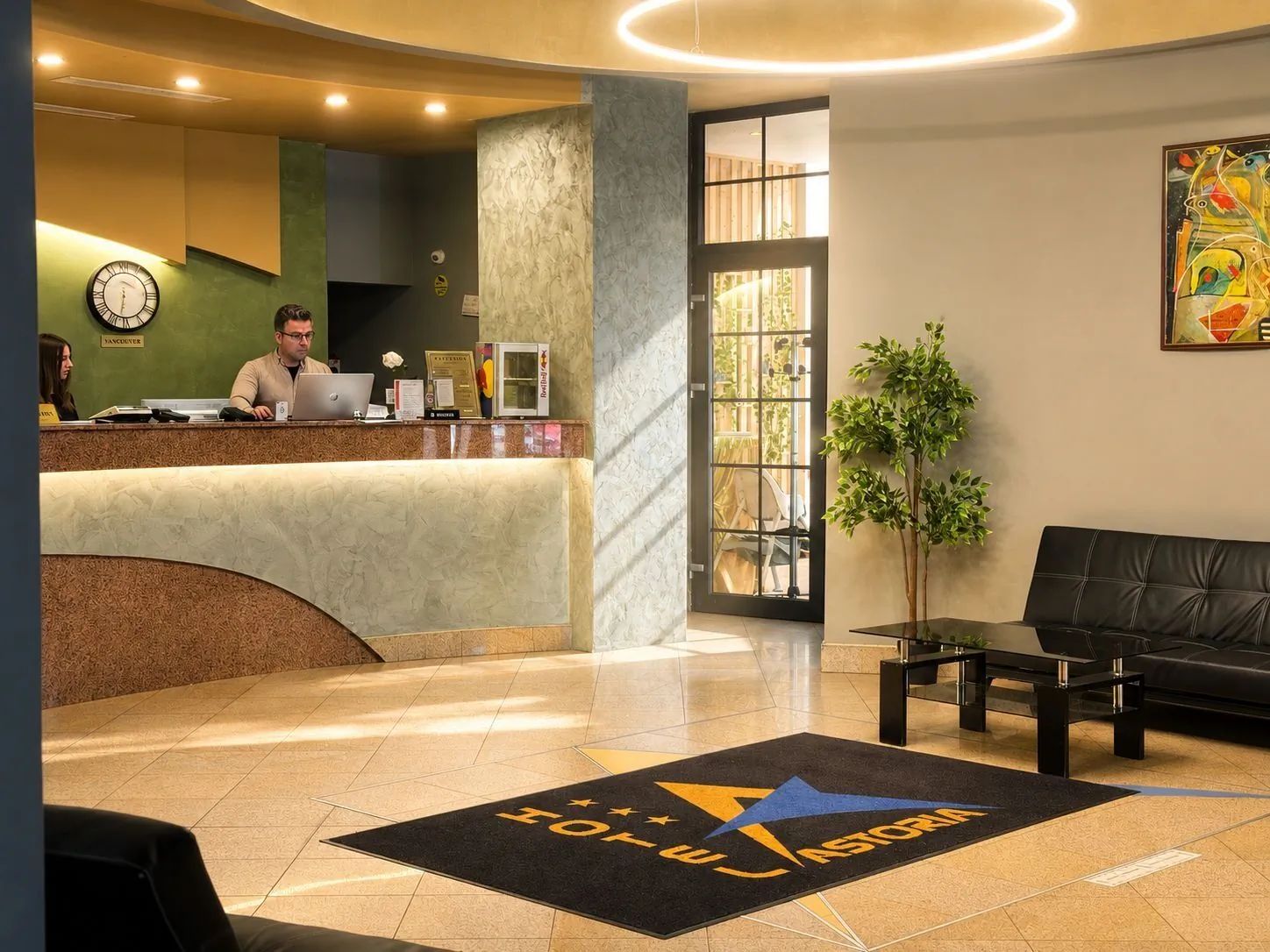
Hotel Astoria City Center Iași
Hotelul Astoria City Center, clasificat cu trei stele, se află în Iași, pe strada Lăpușneanu numărul 1. Vă așteaptă cu o atmosferă primitoare în centrul orașului, într-o locație accesibilă pentru toți oaspeții. Pentru confortul dumneavoastră, unitatea oferă acces persoanelor cu dizabilități, lift, aer condiționat în anumite camere și Wi-Fi gratuit în întreaga incintă. De asemenea, dispune de cafenea, seif în cameră, fier de călcat și depozit pentru bagaje, astfel încât fiecare detaliu să contribuie la o ședere plăcută. Hotelul pune la dispoziție 24 de camere amenajate confortabil și primitoare, iar animalele de companie sunt acceptate contra cost. La cerere, puteți beneficia de mic dejun înainte de a porni în explorare. Personalul vorbește română, engleză și italiană, iar plata se poate efectua cu numerar, card bancar, transfer bancar, card de vacanță sau voucher. Preluarea camerelor se face de la ora 14:00, iar eliberarea până la ora 12:00. În apropiere puteți descoperi Palatul Culturii, Mănăstirea Sfinții Trei Ierarhi, Complexul Muzeal Național Moldova, Curtea Domnească și Teatrul Național Vasile Alecsandri. Vă așteptăm să porniți de aici într-o explorare a Iașului, începând cu Palatul Culturii.
FROM
290 lei per night
BEFORE YOU HIT THE ROAD
Weather conditions in Iasi
Local forecast for Metropolitan Cathedral of Iași, Iasi, Iași

Real-time updated weather data
Much more to explore in this area
Nearby tourist attractions


Iasi, Iași County
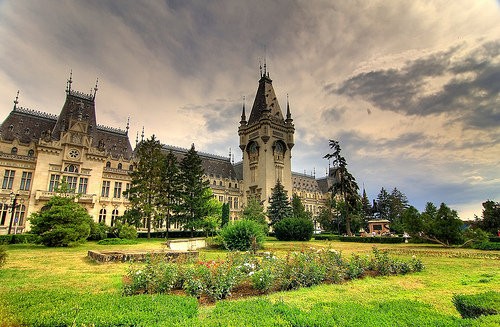
The Palace of Culture
Situat in Piata Stefan cel Mare si Sfant, nr. 1, judetul Iasi; inaugurat, in 1926, de catre regele Ferdinand al Romaniei; apartine stilului neogotic flamboyant...
0.6 km
Iasi, Iași County
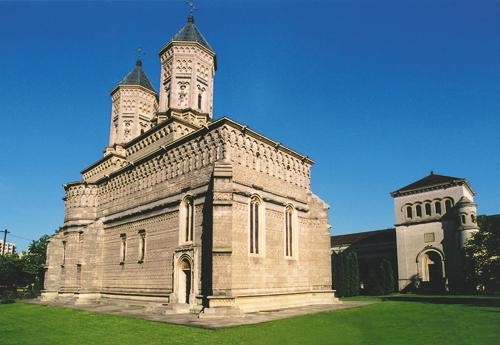
Three Hierarchs Monastery
Situata pe bulevardul Stefan cel Mare si Sfant nr. 28 din municipiul Iasi; construita intre anii 1637 - 1639; ctitorie a voievodului Vasile Lupu, a fost...
0.3 km
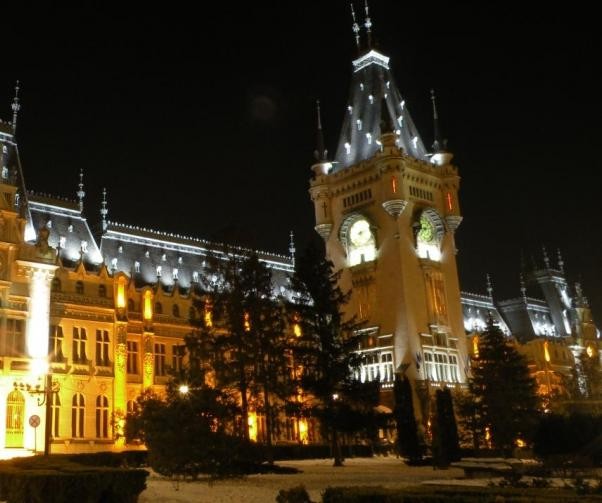
Iasi, Iași County
National Museum Complex of Moldavia
Situat in Piata Stefan cel Mare si Sfant nr. 1 din municipiul Iasi; functioneaza in Palatul Culturii, emblema a orasului, inaltat partial pe ruinele curtilor...
0.6 km

Iasi, Iași County
Princely Court of Iași
Situata intre Piata Podu Ros, strada Sfantu Lazar, strada Smardan, piata Bucsineanu, bulevardul Tudor Vladimirescu, bulevardul C. A. Rosetti, soseaua Albinet,...
0.7 km
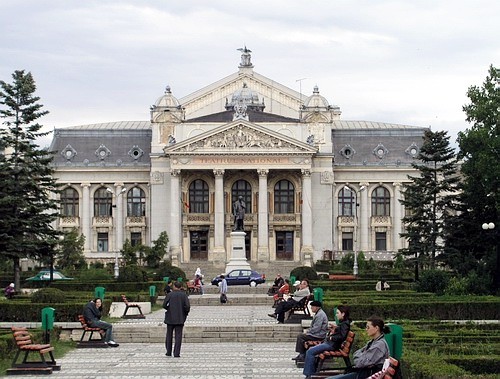
Iasi, Iași County
Vasile Alecsandri National Theatre
Situat pe strada Agatha Barsescu, nr. 18, municipiul Iasi, judetul Iasi; construit intre anii 1894 - 1896; considerat cea mai veche institutie de acest gen din...
0.3 km

0.2 km
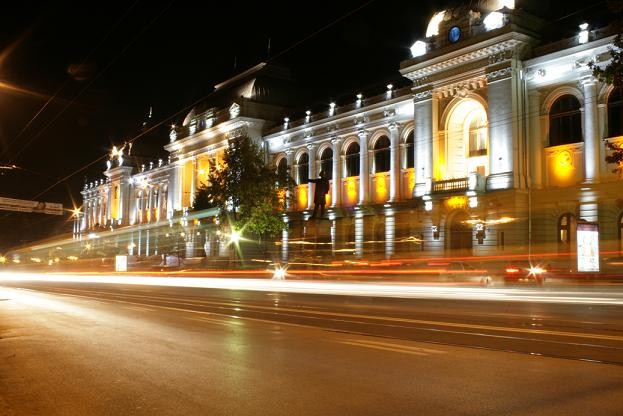
Iasi, Iași County
Alexandru Ioan Cuza University
Situata pe bulevardul Carol I, municipiul Iasi, judetul Iasi; construita intre anii 1893 - 1897; planurile au fost realizate de catre arhitectul Louis Blanc;...
1.6 km

Iasi, Iași County
Golia Monastery Church
Situata pe strada Cuza - Voda, nr. 51, zona Cucu, municipiul Iasi, judetul Iasi; ridicata in secolul al XVI - lea; actuala biserica a fost ridicata de Vasile...
0.6 km
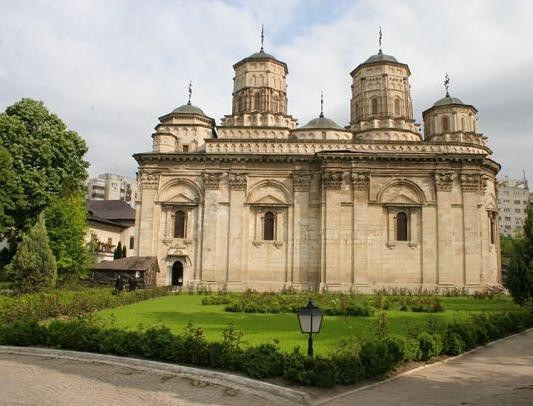
Iasi, Iași County
Golia Monastery
Situata pe strada Cuza Voda nr. 51 din municipiul Iasi; construita de catre Ioan Golia in secolul al XVI - lea, cu hramul "Inaltarea Domnului"; refacuta de...
0.6 km
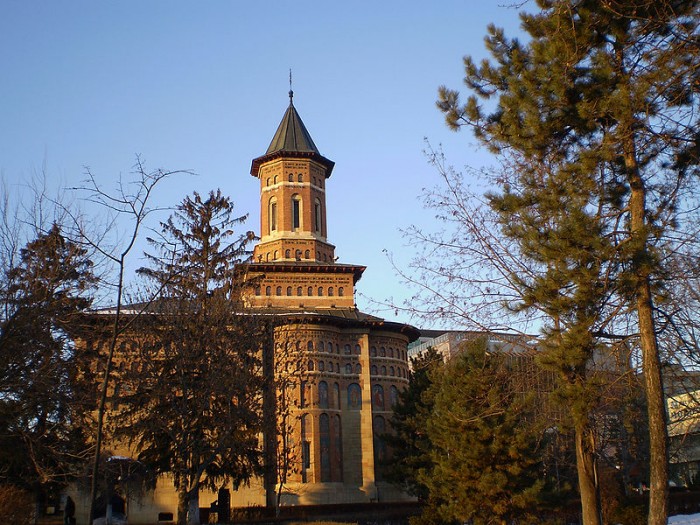
Iasi, Iași County
St. Nicholas Princely Church
Situata pe strada Anastasie Panu, nr. 28, municipiul Iasi, judetul Iasi; construita intre 1491 - 1492, sub ctitoria lui Stefan cel Mare; reconstruita in...
0.5 km

0.6 km

Iasi, Iași County
Eminescu's Linden Tree
Situat in Parcul Copou, municipiul Iasi; se mai numeste si "Copacul indragostitilor"; este un tei argintiu, avand varsta de peste 250 de ani, cel mai vechi...
2.2 km
Cultural life and traditions
Events in the Metropolitan Cathedral of Iași area
Medieval festivals, traditional fairs, concerts and local activities recommended in Moldavia.

History and Voivodeship Heritage

Iasi, County of Iași
The Medieval Festival of Neamț Fortress
Re-enactments of Ștefan’s battles, archery demonstrations with traditional bows, displays of courtly guards, and performances of old court music.
WHEN
July 3-5, 2026


Prehistoric Crafts and Art
Iasi, County of Iași
The National Pottery Fair “Cucuteni 5000”
The most skilled ceramic artists recreate the spectacular motifs of Europe’s oldest civilisation.
WHEN
June 26-28, 2026

Gastronomy and Wines
Iasi, County of Iași
The Traditional Festival of Moldovan Wine
A fair featuring wine tastings from the vineyards of Cotnari, Bucium and Panciu, “poale-n brau” pies, and roasted meats cooked on a spit.
WHEN
October 2-4, 2026
On foot, exploration gains depth
Discover the surroundings and local geography
Explore the trails, terrain, and natural landmarks around Metropolitan Cathedral of Iași.

Guides and practical tips
Useful travel articles
Travel guides, practical recommendations and tourist itineraries for Moldavia.

Tourist guide
Top 5 Atracții Turistice și Trasee Montane în Zona Moieciu - Bran
Descoperă cele mai spectaculoase peisaje carstice, chei adânci și cetăți medievale din imediata apropiere a stațiunii Moieciu.

Tourist guide
Ghid de Drumeție: Traseul Moieciu de Sus spre Platoul Bucegi
Un itinerariu montan de o frumusețe rară ce urcă din Valea Băngăleasa spre Poiana Guțanu și crestele maiestuoase ale Bucegilor.

Tourist guide
Castelul Bran: Istorie, Legende și Secrete Medievale
Află adevărata poveste a fortăreței medievale din Pasul Bran, reședința de suflet a Reginei Maria a României.
THE JOURNEY STARTS WITH AN IDEA
The next story is on the way.
From the first stop to the last stay, make room for a new Romania.
