


CASTLE · MOLDAVIA
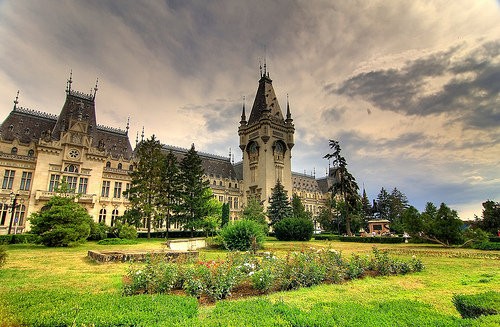
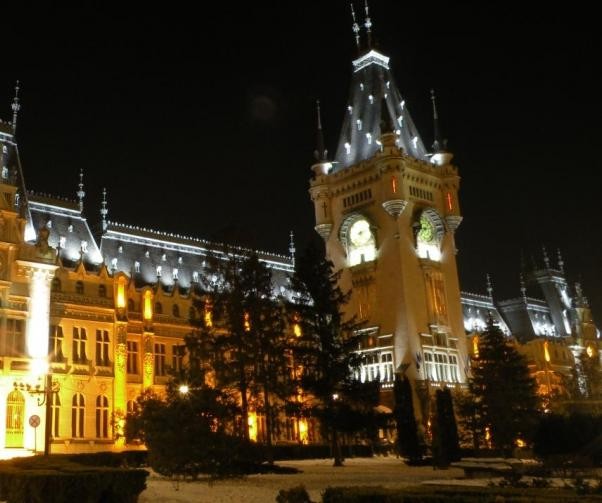
The Palace of Culture

Iasi, Iași County
Add location to your trip planner.
Practical access information

VISITING HOURS
Check the local visiting schedule

TICKET PRICE
Information available at the cashier's desk

RECOMMENDED VISIT DURATION
1-2 hours


Visitor information and guide
 Navigate with Google Maps

ABOUT THE PALACE OF CULTURE
A Majestic Presence in the Historic Heart of Iași
Erected in Ștefan cel Mare și Sfânt Square, at number 1, the Palace of Culture dominates the urban landscape of the historical capital of Moldavia as a true symbol of continuity and cultural rebirth in a space steeped in centuries of memory. The building, inaugurated in 1926 by King Ferdinand I of Romania, represents the apotheosis of flamboyant neo-Gothic architecture in the country, having been built between 1906 and 1925 on the site of the former medieval princely court, documented as early as 1434 during the reign of Alexander the Good or his first successors to Stephen the Great. With an impressive area of 36,000 square meters and 298 rooms, the palace incorporates the foundations and ground floor of the old administrative palace, thus preserving the memory of centuries of Moldavian history in a structure that embodies the spirit of European romanticism. Located in a square named after the greatest voivode of Moldavia, the monument is part of an urban ensemble that evokes the great historical squares of Europe, from Piazza del Campo in Siena to Staroměstské náměstí in Prague, offering visitors a cultural catharsis experience in the heart of a former princely capital that, for centuries, has been the meeting point between Western and Eastern civilizations.
Deep Historical Roots and Echoes of European Empires
The history of this site is one of the most complex in all of Eastern Europe, reflecting Moldova's geostrategic position between the great powers of the continent. As early as the 15th century, this location housed the royal court, the administrative and political center of a principality that, although a vassal of the Ottoman Empire, maintained its autonomy and developed sophisticated diplomatic relations with Poland, the Kingdom of Hungary, and later, with the Habsburg Monarchy. This intermediate position between East and West made Iași a unique cultural laboratory, where Byzantine influences met those of the Italian Renaissance and the Austrian Baroque, in a civilizational dialogue that is reminiscent of cities such as Lviv or Krakow, former centers of multi-ethnic kingdoms. In 1804-1806, a neoclassical palace was built on this site for Prince Alexander Moruzi, designed by the Viennese architect Johan Freywald, illustrating the fascination of the Moldavian elite with the French Empire style, the same trend that transformed the palaces of Fontainebleau and Compiègne into imperial residences. Rebuilt by Michael Sturdza between 1841 and 1843 by the architect Nicolae Singurov, in the midst of the era of European political romanticism and competition between Russian and Western influence, the building became the seat of administration and justice after the Union of the Principalities in 1859, when the capital moved to Bucharest, a moment of relative decline similar to that experienced by Krakow after the capital was moved to Warsaw or by Bruges after the rise of Antwerp in the 15th century.
After the devastating fire of 1880, which consumed much of the structure in a tragic episode reminiscent of the great urban fires in Europe, such as those of London in 1666 or Vienna in the 19th century, the building was rebuilt, and during World War II it housed barracks for German and Soviet troops, being a silent witness to the successive occupations that marked Eastern Europe, from Nazi occupation to Soviet occupation, like many monuments in Poland, Czechoslovakia, or Hungary. Surviving the earthquakes of 1940 and 1977, the structure also withstood the profound political transformations that shook the continent. The turning point came in 1955, when, in the midst of the post-war cultural reconstruction era, its purpose changed radically, becoming the seat of the National Museum Complex "Moldova." This metamorphosis is reminiscent of similar transformations in other European capitals, such as the conversion of the Hofburg Palace in Vienna or the Royal Palace in Stockholm into museum spaces dedicated to national heritage, demonstrating the resilience and adaptability of historical monuments in the face of the vicissitudes of the 20th century.
An Architectural Masterpiece of Flamboyant Neogothic
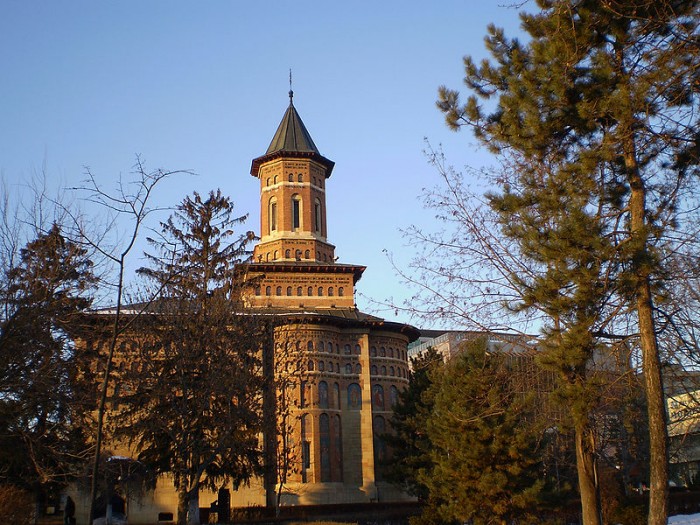
Designed by the architect Ion D. Berindey, who trained at the École des Beaux-Arts in Paris, with assistance from Filip Xenopol and Grigore Cerchez, the palace illustrates the era's fascination with the medieval revival, an artistic movement that spanned across Europe, from King Ludwig II of Bavaria's Neuschwanstein Castle to Imre Steindl's masterpiece, the Parliament Building in Budapest, and from the Palace of Westminster in London, created by Pugin and Barry, to Cologne Cathedral, whose construction was completed during the same period. The flamboyant neogothic style is manifested through the central donjon tower with crenellations and niches dominated by an eagle with outstretched wings, a symbol that evokes both the Roman and Byzantine imperial tradition, as well as the national aspirations of Greater Romania after 1918, through the two side entrances in the form of vaulted towers, and through the statues of archers standing guard at the fronton, reminiscent of the civic guards of medieval Hanseatic cities such as Bruges, Ghent, or Lübeck.
The interior reveals rooms of rare beauty, with a dialogue between local tradition and European art present in every detail. The Gothic Hall houses a mosaic depicting a medieval bestiary with griffins, double-headed eagles, and lions, an iconographic theme deeply rooted in medieval illuminated manuscripts and the Romanesque portals of cathedrals such as those in Moissac, Vézelay, or Chartres, where the bestiary symbolized the struggle between good and evil, a tradition that originated in the Greek Physiologus and spread throughout Christian Europe. In the Hall of Voivodes, medallions painted in the style of Moldavian frescoes depict portraits of Romanian rulers and kings, creating a subtle dialogue between the Byzantine tradition of votive portraiture, as found in churches on Mount Athos or in monasteries in northern Greece, and European monumental art of dynastic portrait galleries, such as those at Versailles or Hampton Court. The coffered ceiling and sculpted paneling are reminiscent of the salons of Italian Renaissance palaces, while the stained-glass windows depicting the twelve zodiac signs in the clock tower evoke the tradition of rose windows and zodiac cycles in French and German Gothic cathedrals, from Notre-Dame in Paris to Strasbourg Cathedral, symbolizing the medieval cosmos and divine harmony.
From Royal Court to Temple of Knowledge
The transformation in 1955 marked the palace’s entry into a new era, that of the democratization of culture, a European phenomenon that saw national museums being established in former royal and princely residences, from the Louvre Museum in Paris to the Hermitage Museum in St. Petersburg. Today, the palace houses four major cultural institutions that reflect the diversity of Moldovan heritage within a European context: the National History Museum of Moldova, which displays archaeological treasures ranging from the Cucuteni culture, contemporary with early Mesopotamian and Egyptian civilizations, to the Dacian-Roman and medieval periods, offering a perspective on the continuity of civilization in the Carpathian-Danubian region; the Ethnographic Museum of Moldova, which preserves folk traditions in a manner similar to Scandinavian open-air museums such as Skansen in Stockholm or those in Central Europe, presenting vernacular architecture and traditional crafts; the Art Museum, with collections that illustrate the evolution of Romanian painting in dialogue with European Baroque, Neoclassical, and Romantic schools, from Italian influence to French influence; and the “Ștefan Procopiu” Science and Technology Museum, a tribute to the scientific contribution of the region, especially through the “Henri Coandă” Hall, where panels made according to the design of the great Romanian scientist, the inventor of the Coandă effect and precursor of the jet engine, bring to the forefront the connections between local innovation and universal scientific heritage, from Leonardo da Vinci’s flying machines to European aviation pioneers such as Otto Lilienthal or Clément Ader.
Stories, Personalities, and Pivotal Moments
The inauguration in 1926 by King Ferdinand I, the unifier of Greater Romania after World War I, was a moment of national apotheosis, symbolizing Iași's return to the cultural map of Europe after decades of political marginalization. The presence of the sovereign, a descendant of the House of Hohenzollern-Sigmaringen and cousin to Tsar Nicholas II of Russia and King George V of Great Britain, underscored Romania's dynastic ties with the great European royal houses and positioned the country within the family of civilized nations. One of the most moving elements of the palace is the monumental clock in the central tower, with its three dials, each 3.25 meters in diameter, decorated with stained glass depicting the twelve zodiac signs – a tradition that evokes the astronomical clocks found in Prague, Strasbourg, or Ulm, centers of medieval and Renaissance technical innovation. The carillon, a modern replica of Western medieval mechanisms, reproduces exactly at each hour the "Hora Unirii," composed in 1856 by Alexandru Flechtenmacher in Iași, which became the unofficial anthem of the union of the principalities, recalling historical moments of national unity in a sonic ritual that evokes the tradition of bell towers in major European cities, from the Ghirlandina tower in Modena to the San Marco bell tower in Venice, symbolizing the passage of time and the continuity of the community.
A Practical Guide and the Experience of Today's Visitor
The Palace of Culture is located in Ștefan cel Mare și Sfânt Square, number 1, Iași, within an architectural complex that includes the Church of the Three Hierarchs, the Metropolitan Cathedral, and the ruins of the Royal Court, forming one of the most impressive heritage complexes in Southeastern Europe, comparable to the complex in the historic center of Krakow, the citadel of Sighișoara, or the royal complex in Budapest. Visitors are invited to discover not only the exterior grandeur, with its façade of 92 windows and attic with 36 pointed-arch windows, but also the intimacy of the interiors, from the Gothic Hall with its medieval mosaic to the Hall of Princes with its dynastic frescoes and the "Henri Coandă" Hall with its technical panels. The building is listed on the List of Historical Monuments under code LMI IS-II-m-A-03957.01, together with the ruins of the royal court, being recognized as a monument of national and European importance. Visiting hours and prices can be found at the ticket office or on the official website https://palatulculturii.ro. Every corner of this building breathes history, offering a journey through centuries of Moldavian civilization within an architectural setting that combines local tradition with the European spirit, in an unforgettable cultural experience that places Iași on the map of the continent's great cultural destinations, alongside Prague, Budapest, or Krakow.
Media gallery
Discover The Palace of Culture in pictures

27 photos · Architecture, courtyards and captivating details


Image source: Wikimedia Commons · Public domain photos · Free license
STAY A FEW DAYS, DISCOVER THE MAGIC
Accommodation in the The Palace of Culture area

Hotel · 3 stars

Iași, Iași County · 0.4 km
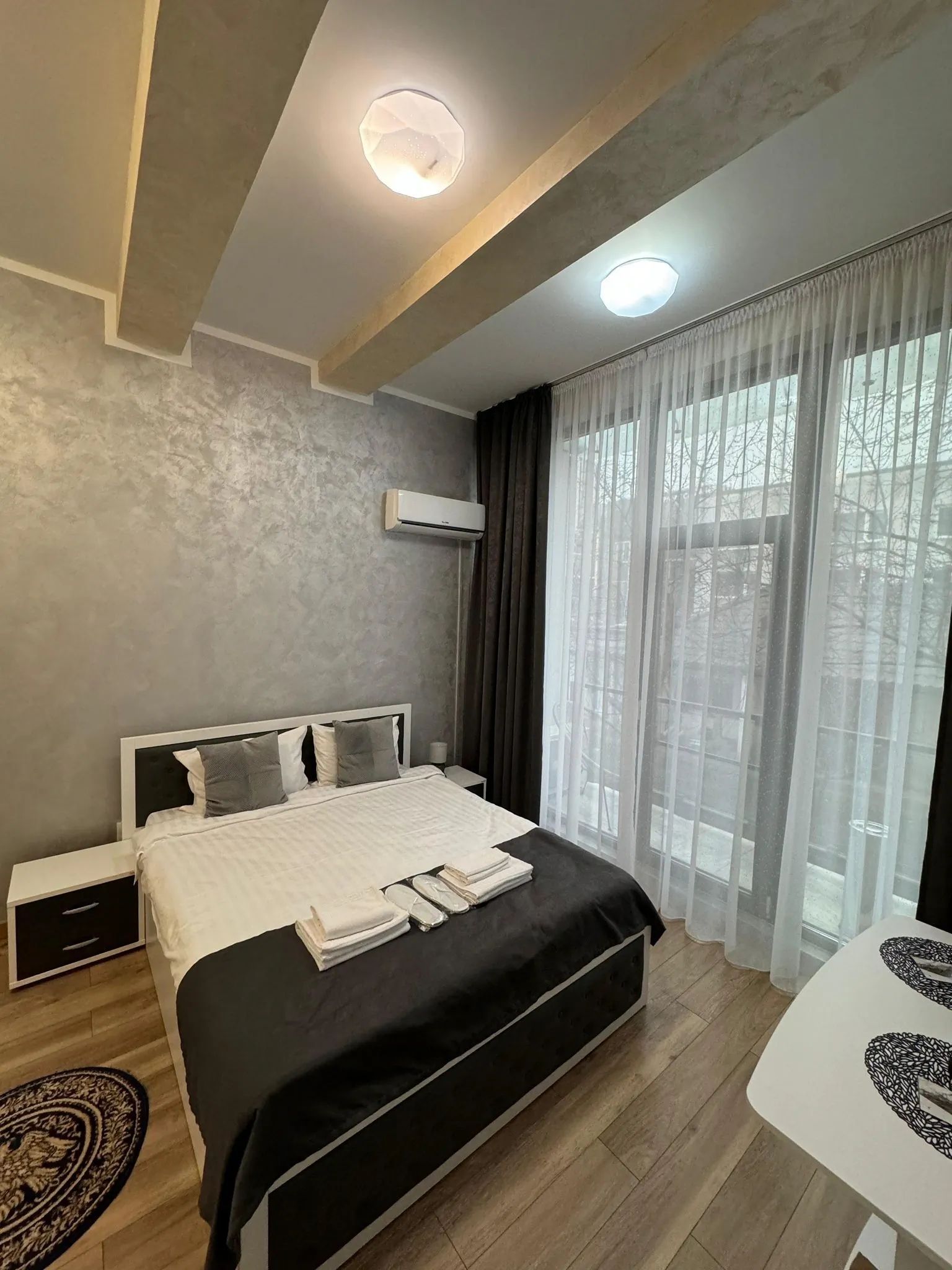
Hotel Palas Grand View Iași
O zi petrecută la Hotel Palas Grand View din Iași poate începe cu un mic dejun savurat în restaurantul din incintă, după care vă puteți conecta la Wi-Fi gratuit pentru a verifica programul zilei și a comunica cu cei dragi. Unitatea oferă 14 camere dotate cu aer condiționat, astfel încât să vă bucurați de un sejur confortabil indiferent de anotimp. Pentru cei care călătoresc cu mașina, hotelul pune la dispoziție parcare privată gratuită, eliminând grija găsirii unui loc de parcare în oraș. În fiecare cameră aveți la dispoziție și fier de călcat, astfel încât să vă puteți aranja hainele înainte de ieșirile la plimbare sau la întâlniri. Personalul de la recepție vorbește atât română, cât și engleză, fiind pregătit să răspundă întrebărilor dumneavoastră și să vă ajute cu orice informație necesară pe durata șederii. În apropiere puteți vizita Palatul Culturii, Mănăstirea Sfinții Trei Ierarhi, Complexul Muzeal Național Moldova, Curtea Domnească Iași și Teatrul Național Vasile Alecsandri, toate aceste obiective fiind situate la îndemână din această locație. Seara, după ce vă întoarceți de la o reprezentație la teatru sau de la o plimbare prin oraș, vă puteți relaxa în camera dumneavoastră, știind că restaurantul din incintă rămâne disponibil pentru cină.
FROM
290 lei per night

Apartment · 3 stars
Iași, Iași County · 0.4 km
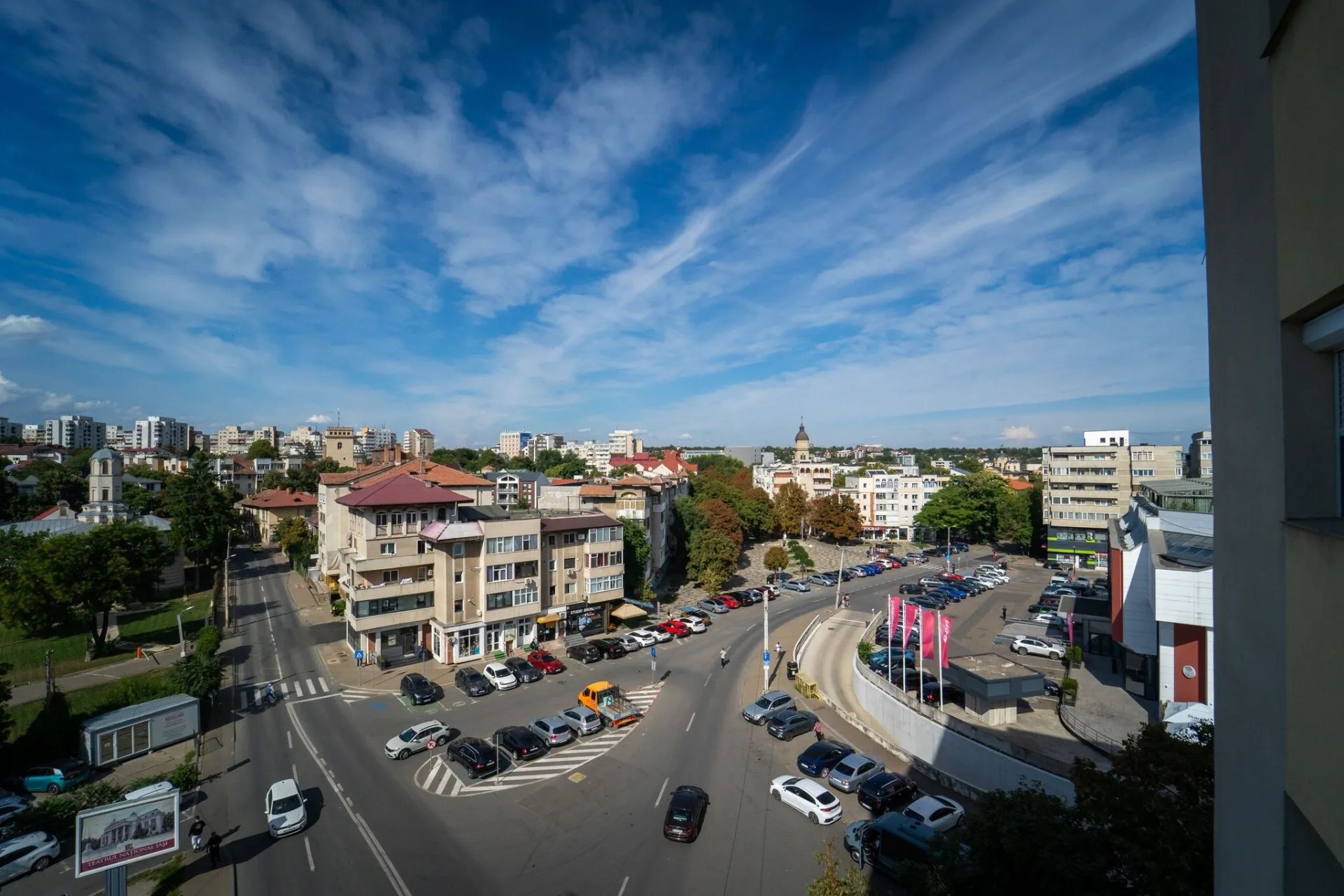
Apartament HC Residence Iași
La Palatul Culturii puteți admira arhitectura impresionantă a uneia dintre cele mai importante clădiri istorice din România, iar de aici porniți cu ușurință spre celelalte monumente ale orașului. Apartamentul de închiriat HC Residence din Iași vă oferă un punct de plecare confortabil pentru a explora aceste locuri încărcate de istorie. Spațiul de cazare este organizat în două camere, o cameră de zi și un dormitor, potrivit pentru relaxare după o zi de vizitare. Bucătăria este dotată integral cu electrocasnice noi, inclusiv frigider, cuptor electric, plită electrică și mașină de spălat vase. De asemenea, aveți la dispoziție o baie complet utilată, mașină de spălat rufe și un balcon unde puteți savura cafeaua dimineața. Pentru confortul dumneavoastră, unitatea oferă Wi-Fi gratuit, fier de călcat și acces facilitat de lift. Intrarea se face independent, cu ajutorul unei cutii cu cifru, iar prezentarea actului de identitate este necesară la sosire. În vecinătate puteți vizita Mănăstirea Sfinții Trei Ierarhi, Complexul Muzeal Național Moldova, Curtea Domnească și Teatrul Național Vasile Alecsandri. Vă așteptăm cu drag să vă cazați la HC Residence Iași.
FROM
230 lei per night
Apartment · 3 stars
Iași, Iași County · 0.6 km
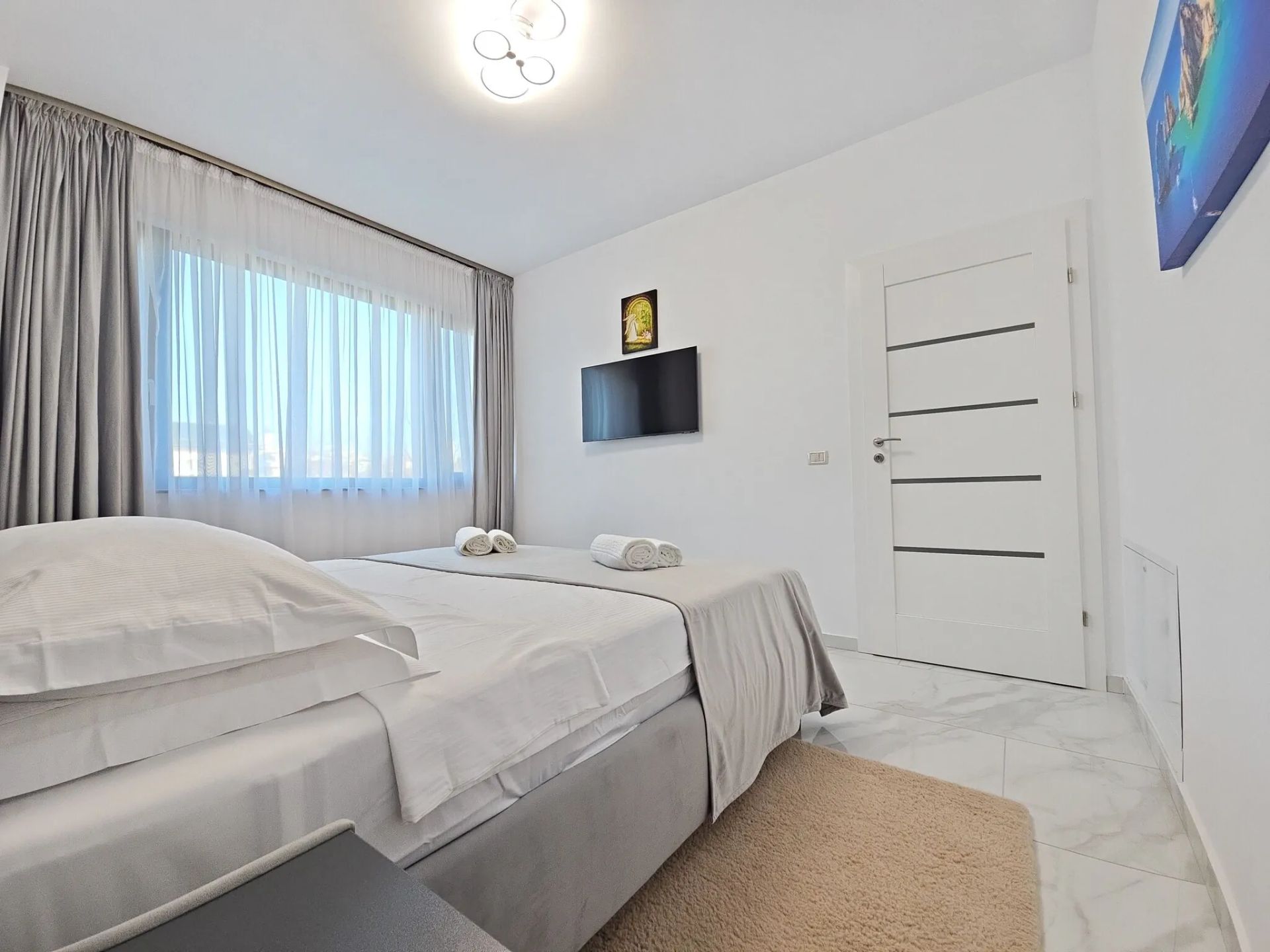
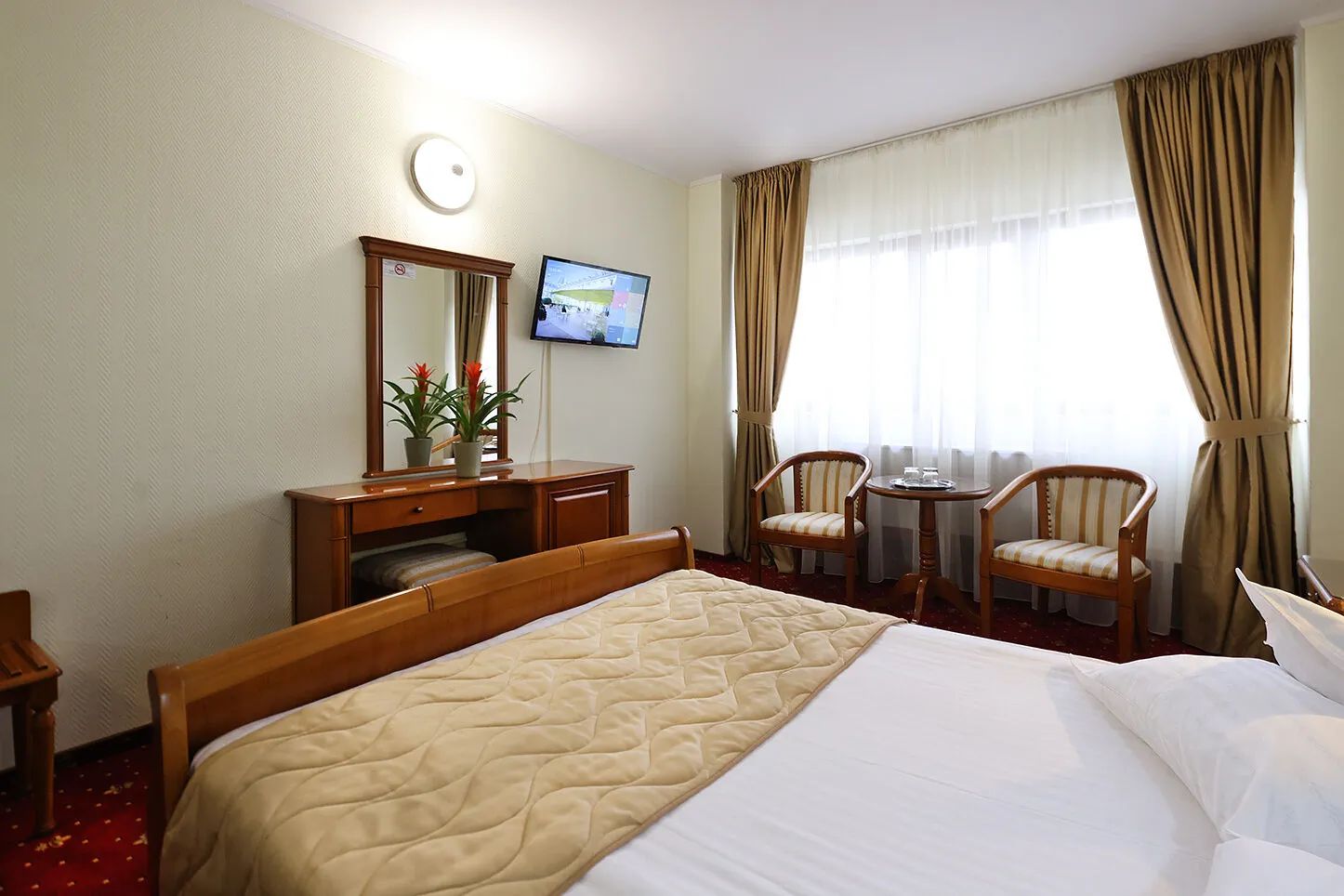
Apartamente G&G Residence Iași
Comfort, relaxation and stunning views, all just steps away from the main attractions.
FROM
230 lei per night
Hotel · 3 stars
Iași, Iași County · 0.6 km
Hotel Moldova Iași
Hotel Moldova Iași este un hotel de trei stele situat în centrul orașului Iași, pe strada Anastasie Panu. Camerele spațioase oferă confort modern prin sistem de climatizare individual, televizor cu cablu, minibar și telefon cu acces direct național și internațional. Oaspeții beneficiază de Wi-Fi gratuit în întreaga unitate, parcare privată gratuită, seif în cameră și acces facilitat pentru persoane cu dizabilități. Liftul asigură deplasarea comodă între etaje, iar depozitul pentru bagaje vă permite să vă bucurați de sejur fără griji. De asemenea, fierul de călcat este disponibil pentru dumneavoastră. Restaurantul din incintă prepară bucate tradiționale românești și preparate din bucătăria internațională, oferind și meniuri speciale pentru diete sau pentru copii. Pentru momentele de relaxare, aveți la dispoziție sauna și sala de fitness, iar pătuțul pentru bebeluș și scaunul înalt vin în sprijinul familiilor cu copii mici. În imediata apropiere se află Palatul Culturii, Complexul Muzeal Național Moldova, Mănăstirea Sfinții Trei Ierarhi, Curtea Domnească Iași și Teatrul Național Vasile Alecsandri, oferind multiple opțiuni de vizitare în oraș. Această unitate este potrivită atât pentru călătorii în interes de afaceri, cât și pentru turiștii care doresc să descopere patrimoniul cultural al Iașului.
FROM
290 lei per night
Hotel · 3 stars
Iași, Iași County · 0.6 km
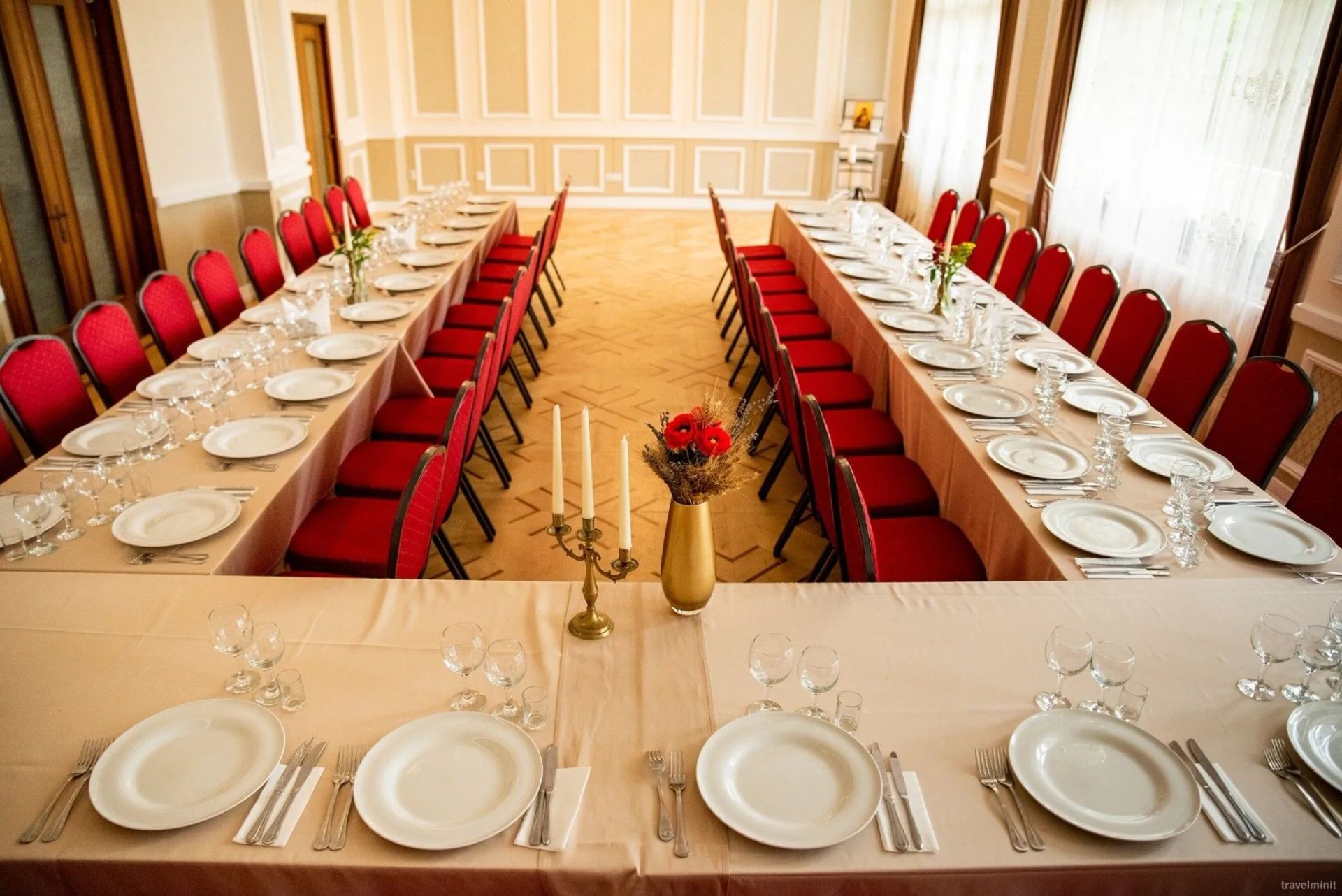
Casa de Oaspeți Sfântul Nicolae Iași
Hotel de trei stele situat în Iași, Casa de Oaspeți Sfântul Nicolae oferă cazare pe strada Aghata Barsescu într-un mediu liniștit și primitor, potrivit atât pentru călătorii de afaceri, cât și pentru turiștii care doresc să descopere orașul. Unitatea pune la dispoziția dumneavoastră cinci camere dotate cu grijă, beneficiind de aer condiționat. Veți găsi aici Wi-Fi gratuit, parcare privată gratuită, room service, depozit pentru bagaje și fier de călcat. Restaurantul din incintă vă permite să serviți masa fără a părăsi proprietatea, iar curtea mare și grădina amenajată oferă un spațiu verde plăcut pentru momente de relaxare în aer liber după o zi de plimbări prin oraș. În apropiere se află Palatul Culturii, Mănăstirea Sfinții Trei Ierarhi, Complexul Muzeal Național Moldova, Curtea Domnească și Teatrul Național Vasile Alecsandri, astfel încât dumneavoastră puteți explora cu ușurință cele mai reprezentative puncte de interes cultural și istoric ale municipiului Iași. Vă așteptăm la Casa de Oaspeți Sfântul Nicolae Iași.
FROM
290 lei per night
Holiday villa · 4 stars
Iași, Iași County · 0.8 km
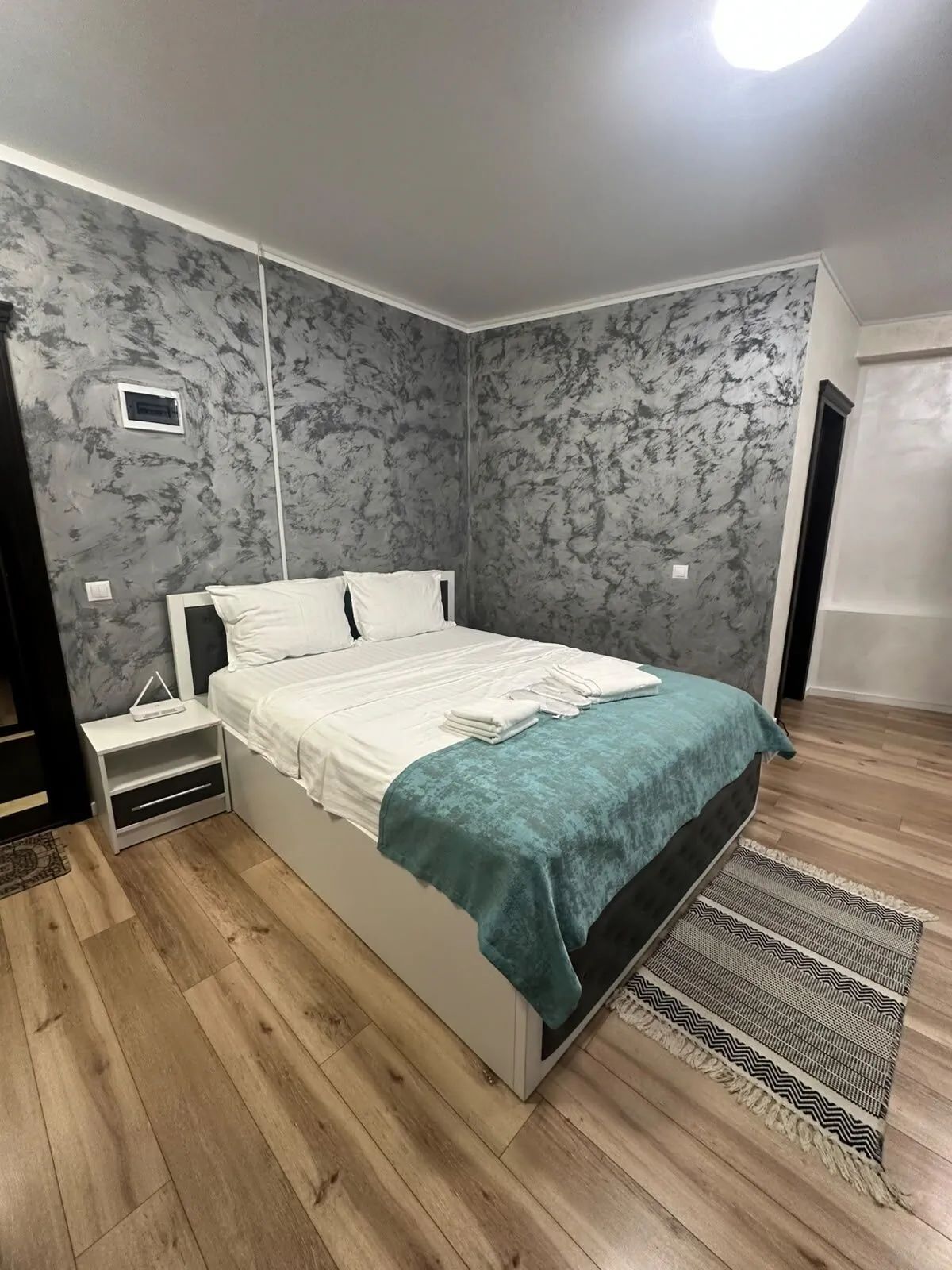
Vilă Turistică Grey Palas Iaşi
La doar câțiva pași de Palatul Culturii, puteți porni într-o călătorie fascinantă prin istoria bogată a Iașului, iar Vilă Turistică Grey Palas, o vilă turistică de 4 stele situată chiar în acest oraș, reprezintă punctul dumneavoastră de plecare confortabil pentru explorarea zonei. Vila dispune de o curte mare și o grădină amenajată, spații ideale pentru momente de relaxare în aer liber, alături de o cafenea în incintă unde vă puteți bucura de cafea dimineața. Pentru cei care călătoresc cu mașina, parcare privată gratuită este pusă la dispoziție. În interior, aveți la dispoziție Wi-Fi gratuit pentru a rămâne conectați, seif pentru păstrarea obiectelor de valoare, fier de călcat pentru haine impecabile, depozit pentru bagaje și parcare pentru biciclete, astfel încât fiecare detaliu al șederii dumneavoastră să fie practic și confortabil. În vecinătate puteți vizita Complexul Muzeal Național Moldova, Mănăstirea Sfinții Trei Ierarhi, Curtea Domnească Iași și Teatrul Național Vasile Alecsandri, obiective care vă oferă numeroase oportunități de a descoperi cultura și tradițiile locale în fiecare zi petrecută aici. Vă așteptăm să plecați de la Vilă Turistică Grey Palas spre Teatrul Național Vasile Alecsandri și să vă bucurați de toate experiențele pe care acest oraș unic le oferă.
FROM
390 lei per night
BEFORE YOU HIT THE ROAD
Weather conditions in Iasi
Local forecast for The Palace of Culture, Iasi, Iași

Real-time updated weather data
Much more to explore in this area
Nearby tourist attractions


Iasi, Iași County
National Museum Complex of Moldavia
Situat in Piata Stefan cel Mare si Sfant nr. 1 din municipiul Iasi; functioneaza in Palatul Culturii, emblema a orasului, inaltat partial pe ruinele curtilor...
0.0 km
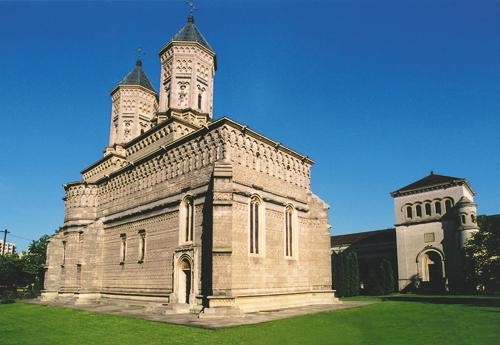
Iasi, Iași County
Three Hierarchs Monastery
Situata pe bulevardul Stefan cel Mare si Sfant nr. 28 din municipiul Iasi; construita intre anii 1637 - 1639; ctitorie a voievodului Vasile Lupu, a fost...
0.3 km

Iasi, Iași County
Princely Court of Iași
Situata intre Piata Podu Ros, strada Sfantu Lazar, strada Smardan, piata Bucsineanu, bulevardul Tudor Vladimirescu, bulevardul C. A. Rosetti, soseaua Albinet,...
0.1 km
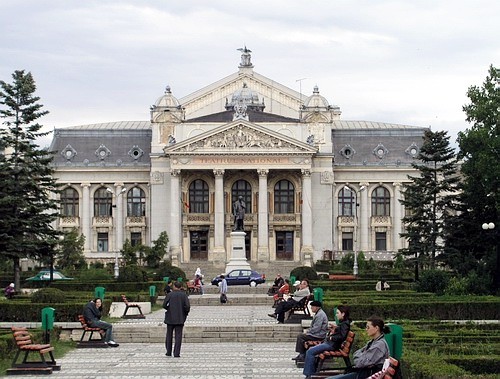
Iasi, Iași County
Vasile Alecsandri National Theatre
Situat pe strada Agatha Barsescu, nr. 18, municipiul Iasi, judetul Iasi; construit intre anii 1894 - 1896; considerat cea mai veche institutie de acest gen din...
0.7 km

0.5 km

Iasi, Iași County
Metropolitan Cathedral of Iași
Situata pe bulevardul Stefan cel Mare si Sfant nr. 16 din municipiul Iasi; actul de nastere al lacasului este decretul dat de Ioan Sandu Sturdza la 8 august...
0.6 km
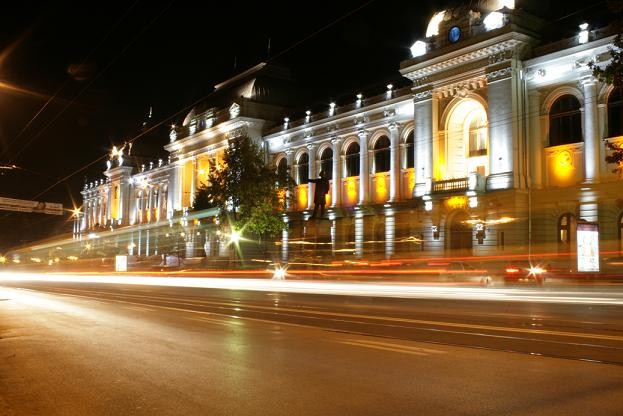
Iasi, Iași County
Alexandru Ioan Cuza University
Situata pe bulevardul Carol I, municipiul Iasi, judetul Iasi; construita intre anii 1893 - 1897; planurile au fost realizate de catre arhitectul Louis Blanc;...
2.2 km

Iasi, Iași County
Golia Monastery Church
Situata pe strada Cuza - Voda, nr. 51, zona Cucu, municipiul Iasi, judetul Iasi; ridicata in secolul al XVI - lea; actuala biserica a fost ridicata de Vasile...
0.9 km
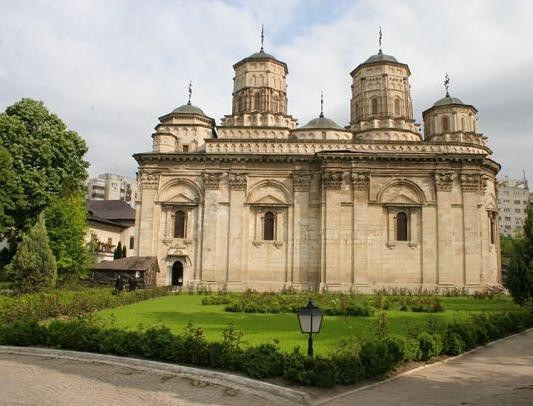
Iasi, Iași County
Golia Monastery
Situata pe strada Cuza Voda nr. 51 din municipiul Iasi; construita de catre Ioan Golia in secolul al XVI - lea, cu hramul "Inaltarea Domnului"; refacuta de...
0.9 km

0.1 km
Iasi, Iași County
St. Nicholas Princely Church
Situata pe strada Anastasie Panu, nr. 28, municipiul Iasi, judetul Iasi; construita intre 1491 - 1492, sub ctitoria lui Stefan cel Mare; reconstruita in...
0.2 km

Iasi, Iași County
Eminescu's Linden Tree
Situat in Parcul Copou, municipiul Iasi; se mai numeste si "Copacul indragostitilor"; este un tei argintiu, avand varsta de peste 250 de ani, cel mai vechi...
2.8 km
Cultural life and traditions
Events in the The Palace of Culture area
Medieval festivals, traditional fairs, concerts and local activities recommended in Moldavia.

History and Voivodeship Heritage

Iasi, County of Iași
The Medieval Festival of Neamț Fortress
Re-enactments of Ștefan’s battles, archery demonstrations with traditional bows, displays of courtly guards, and performances of old court music.
WHEN
July 3-5, 2026


Prehistoric Crafts and Art
Iasi, County of Iași
The National Pottery Fair “Cucuteni 5000”
The most skilled ceramic artists recreate the spectacular motifs of Europe’s oldest civilisation.
WHEN
June 26-28, 2026

Gastronomy and Wines
Iasi, County of Iași
The Traditional Festival of Moldovan Wine
A fair featuring wine tastings from the vineyards of Cotnari, Bucium and Panciu, “poale-n brau” pies, and roasted meats cooked on a spit.
WHEN
October 2-4, 2026
On foot, exploration gains depth
Discover the surroundings and local geography
Explore the trails, terrain, and natural landmarks around The Palace of Culture.

Guides and practical tips
Useful travel articles
Travel guides, practical recommendations and tourist itineraries for Moldavia.

Tourist guide
Top 5 Atracții Turistice și Trasee Montane în Zona Moieciu - Bran
Descoperă cele mai spectaculoase peisaje carstice, chei adânci și cetăți medievale din imediata apropiere a stațiunii Moieciu.

Tourist guide
Ghid de Drumeție: Traseul Moieciu de Sus spre Platoul Bucegi
Un itinerariu montan de o frumusețe rară ce urcă din Valea Băngăleasa spre Poiana Guțanu și crestele maiestuoase ale Bucegilor.

Tourist guide
Castelul Bran: Istorie, Legende și Secrete Medievale
Află adevărata poveste a fortăreței medievale din Pasul Bran, reședința de suflet a Reginei Maria a României.
THE JOURNEY STARTS WITH AN IDEA
The next story is on the way.
From the first stop to the last stay, make room for a new Romania.
