


MUSEUM · MOLDAVIA
National Museum Complex of Moldavia

Iasi, Iași County
Add location to your trip planner.
Practical access information

VISITING HOURS
Monday: 12:00 PM – 5:00 PM · Tuesday–Sunday: 9:00 AM – 5:00 PM (in summer until 8:00 PM)

TICKET PRICE
Adults: 45 RON · Students: 11 RON · Seniors: 23 RON · Guided tour included

RECOMMENDED VISIT DURATION
2-3.5 hours
Visitor information and guide
 Navigate with Google Maps

ABOUT NATIONAL MUSEUM COMPLEX OF MOLDAVIA
A citadel of knowledge in the heart of Iași: The Palace of Culture and the complex redefining Southeastern Europe’s memory
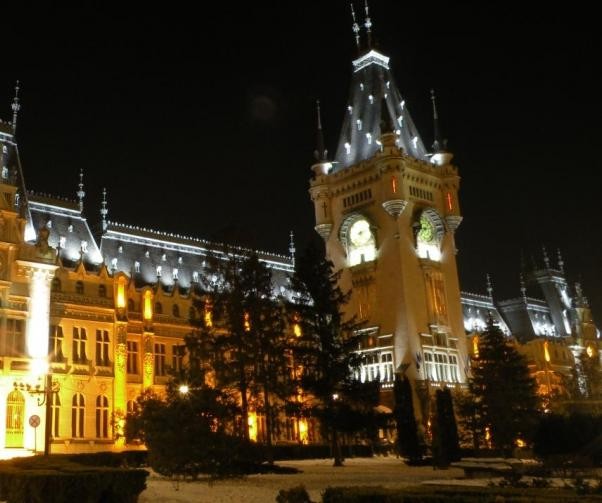
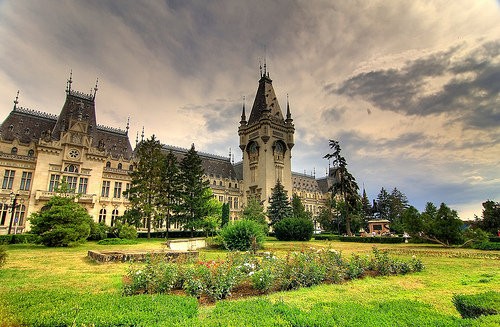
In Stephen the Great and Holy Square, where old Iași meets modernity, stands the Palace of Culture, a monument that transcends its administrative origins to become a true sanctuary of collective memory. Built between 1906 and 1925 to the design of architect I. D. Berindei, a graduate of the prestigious Parisian École des Beaux-Arts, this Neo-Gothic edifice houses the National Museum Complex of Moldavia, an institution preserving and presenting one of the most impressive heritage collections in Southeastern Europe. The building rises majestically upon the ruins of medieval princely courts, first documented in 1434, and the foundations of the old palace constructed during the reign of Prince Alexandru Moruzi between 1806 and 1812, creating a unique architectural palimpsest where distinct historical eras overlap—from medieval princely rule to the European modernity of the early 20th century. In this fusion of temporal layers, the Palace of Culture affirms Iași’s status as the former capital of Moldavia and a premier cultural center of Central and Eastern Europe, a city that, during the interwar period, rivaled Vienna, Budapest, and Prague in its ambition to become a metropolis of the spirit.
Deep historical roots and European reverberations: From princely courts to cultural capital
The history of the site where the Palace of Culture now stands is inseparable from the destiny of the Principality of Moldavia, a medieval state situated at the frontier between the Christian-Orthodox world and the Ottoman Empire, as well as at the crossroads of trade routes linking Constantinople to the great cities of Central Europe. The princely courts, documented as early as 1434 during the reign of Alexander the Good or his successors, served as the administrative and ceremonial heart of the principality—a space where investiture rituals, boyar councils, and diplomatic receptions unfolded, connecting Moldavia to Europe’s political network. These structures, influenced by Byzantine architecture and local traditions, were destroyed and rebuilt over the centuries, reflecting the region’s political instability and the pressures exerted by neighboring powers.
A new chapter in the evolution of this site began with the construction of Alexandru Moruzi’s palace between 1806 and 1812, a period known as the Phanariot era, when the Moldavian throne was occupied by Greek rulers appointed by the Sublime Porte. Alexandru Moruzi, a member of an influential dynasty from Constantinople, erected a Neoclassical palace that reflected the Hellenistic aspirations of the time and the desire to align with the values of the European Enlightenment. Though later demolished, this edifice left solid foundations upon which the Palace of Culture was subsequently built, preserving the memory of a period of cultural openness when Iași was a center of Greek and Latin translations, printing presses, and modern education. Thus, the site became a symbol of historical continuity, a point where Byzantine, Ottoman, and Western influences converge, mirroring the complex identity of a frontier region.
Neo-Gothic architecture and the spirit of the Belle Époque: I. D. Berindei and the dialogue with Europe’s great capitals
The construction of the Palace of Culture between 1906 and 1925 marked the pinnacle of Iași’s ambition to assert itself as a European cultural metropolis. Architect I. D. Berindei, trained at the École des Beaux-Arts in Paris, designed a building that blends Neo-Gothic style with elements of the Late Renaissance and Art Nouveau, creating an architectural masterpiece that resonates with Europe’s grand cultural palaces. The slender towers, ogival windows with stained glass, elaborate sculptural decorations, and facades inlaid with carved stone evoke the revivalist spirit of the late 19th century, when cities like Vienna, Budapest, and Munich built their own temples of culture to celebrate national identity and the progress of civilization.
Berindei’s choice of Neo-Gothic style was no accident; it references the medieval tradition of Central Europe, the Gothic cathedrals, and the palaces of the Hanseatic cities, placing Iași in direct dialogue with the continent’s architectural history. At the same time, the building reflects the influences of the Austro-Hungarian Monarchy, whose cities in Transylvania and Bukovina were already adorned with Neo-Gothic edifices, suggesting a shared belonging to the Mitteleuropean cultural space. The construction details are remarkable: the steeply pitched roof, clock towers, sculpted portals, and spacious halls with ogival vaults create an interior that impresses with its monumentality and light, offering visitors the sensation of stepping into a temple of knowledge inspired by the great European museums of the era.
Four temples of heritage: A journey through history, science, art, and ethnography
Beneath the stone vaults of the Palace of Culture, four museum institutions share the treasures of civilization, offering a comprehensive panorama of human evolution in the Eastern Carpathian region. The National Museum Complex of Moldavia functions as a living organism, where each museum represents a distinct facet of cultural identity, in continuous dialogue between past and present.
Museum of Moldavian History: The chronological thread of a frontier civilization
The Museum of Moldavian History unfolds the chronological thread of human existence in this region from the Paleolithic to the Second World War, grouping its collections into thematic sections that illustrate the major transitions of society. The prehistoric and ancient history section presents artifacts from the Stone and Bronze Ages, highlighting the trade links of the Thracian and Dacian populations with the Mediterranean world and the Roman Empire. The medieval history collection is particularly valuable, preserving documents, seals, and luxury objects that attest to Moldavia’s relations with Byzantium, the Kingdom of Hungary, Poland, and the Ottoman Empire, illustrating the principality’s strategic position as a vassal and ally in the power games of Southeastern Europe. The modern and contemporary history sections present Iași’s evolution as a university and cultural center, from the founding of the Mihăileană Academy in 1835 to the great social transformations of the 20th century, offering visitors a profound understanding of how this region was shaped by Western, Russian, and Ottoman influences.
Science and innovation: The "Ștefan Procopiu" Museum and the ambition of European progress
Established in 1955, the Ștefan Procopiu Museum of Science and Technology represents Iași’s ambition to remain at the forefront of European technological progress. The institution presents the evolution of energy, from the first steam engines to renewable energies, the development of telecommunications, from the Morse telegraph to mobile telephony, and the history of sound recording and playback, featuring phonographs, gramophones, and early radio sets. A remarkable section is dedicated to the history of computers, showcasing mechanical calculating machines to the first generations of electronic computers, reflecting the pioneering role of Alexandru Ioan Cuza University in the development of Romanian informatics. The mineralogy and crystallography collections are among the most valuable in the country, displaying rare crystals and geological formations that illustrate the richness of Moldavia’s subsoil. The museum honors the memory of scientist Ștefan Procopiu, a pioneer of Romanian physics and discoverer of the effect that bears his name, a figure who collaborated with Europe’s great physicists and contributed to placing Romania on the map of international scientific research.
From the first picture gallery to the European artistic dialogue: The Art Museum
The Art Museum preserves the memory of the country’s oldest picture gallery, founded in 1860, a crucial moment in the development of Romanian culture under the influence of French and Italian models. The initial inventory included donations from illustrious intellectuals such as Gheorghe Asachi, founder of modern higher education in Moldavia and a central figure of the Romanian Enlightenment; Scarlat Varnav, an erudite boyar and collector; Costache Dasiade, the first Minister of Cults and Public Instruction, poet, and philanthropist; A. Donici, fabulist and statesman; and V. A. Urechia, historian and statesman. The collection was substantially enriched by the bequest of Costache Negri, a diplomat and patriot who contributed to the Union of the Principalities, which became the museum’s property through testamentary donations. Today, the museum features galleries dedicated to European art, with works from the Italian, Flemish, Dutch, and French schools, illustrating the artistic dialogue between Moldavia and Europe’s great cultural centers from the Renaissance to Impressionism, alongside galleries of Romanian art showcasing the works of masters such as Nicolae Grigorescu, Ștefan Luchian, and Theodor Pallady—artists who studied in Paris, Munich, and Vienna and brought back the influences of the European avant-garde.
The memory of the village: The Ethnographic Museum and rural civilization
The culmination of this cultural journey is the Moldavian Ethnographic Museum, established in 1943, which conserves objects over a century old and presents the traditional occupations of the Moldavian peasant: cereal agriculture and viticulture, animal husbandry, fishing in the region’s rivers and marshes, hunting, and beekeeping. The exhibition includes authentic rural installations, reconstructed traditional interiors with specific furniture, collections of ceremonial masks used in New Year’s rituals and festivals, woven rugs with geometric and vegetal motifs characteristic of the region, and folk costumes that reflect the sartorial diversity of Moldavia’s various ethnocultural zones. These collections illustrate a rural civilization deeply rooted in the land between the Carpathians and the Prut, with traditions that have survived centuries of political and economic transformations, maintaining links with the folk art of Transylvania, Bukovina, and Bessarabia, as well as similar traditions in Hungary, Poland, and Ukraine, demonstrating a shared belonging to the great family of Central and Eastern European folk culture.
Personalities, turning points, and urban legends
Over the years, the Palace of Culture has hosted numerous personalities who have marked the history of Romania and Europe. Among them are King Carol I, who visited the city on several occasions; Queen Marie, a constant presence in Iași’s cultural life; and the great intellectuals of the Land of Moldavia. The construction itself was marked by controversies and financial difficulties, interrupted by the First World War and later resumed, reflecting the historical turbulence of the era. Local legend claims that the palace’s foundations conceal treasures of the old princes, and some halls are said to preserve traces of secret meetings of Iași’s Freemasons, lending the monument an aura of mystery. It is also said that I. D. Berindei drew inspiration from Venetian palaces and the Gothic cathedrals of France to create a building that would express the dignity of a nation in formation, with every sculptural detail hiding symbols of Romanian history and culture.
Practical guide and visitor experience: How to explore the complex
Visiting the National Museum Complex of Moldavia is a profound cultural experience that requires several hours to fully appreciate. The building is open to the public from Tuesday to Sunday, with special hours on holidays, and entry is through the imposing central portal on Stephen the Great and Holy Square. It is recommended to begin with the Museum of History to understand the historical context, continue with the Art Museum to admire masterpieces of European and Romanian painting, then visit the Science and Technology Museum for a foray into innovation, and conclude with the Ethnographic Museum to feel the pulse of living tradition. The palace’s halls, with their monumental staircases and rooms decorated with frescoes and stucco, provide a remarkable setting for temporary exhibitions and concerts, transforming the visit into a multisensory experience. Nearby, Stephen the Great and Holy Square invites visitors to stroll among statues of Romania’s great historical figures and admire the eclectic architecture of the historic center, completing the portrait of a cultural capital that keeps its memory alive in continuous dialogue with today’s Europe.
Media gallery
Discover National Museum Complex of Moldavia in pictures

2 photos · Architecture, courtyards and captivating details

Image source: Wikimedia Commons · Public domain photos · Free license
STAY A FEW DAYS, DISCOVER THE MAGIC
Accommodation in the National Museum Complex of Moldavia area

Hotel · 3 stars

Iași, Iași County · 0.4 km
Hotel Palas Grand View Iași
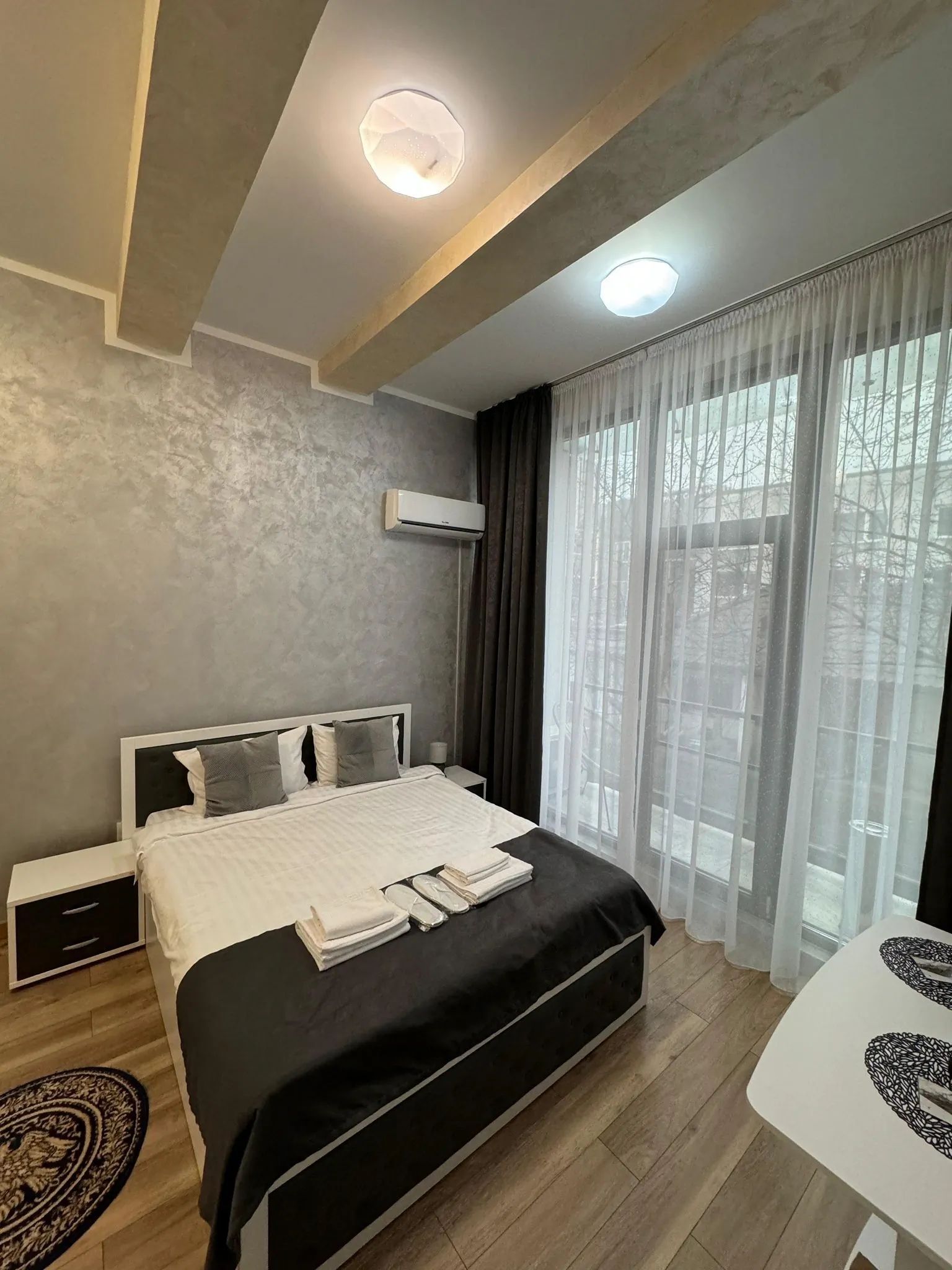
O zi petrecută la Hotel Palas Grand View din Iași poate începe cu un mic dejun savurat în restaurantul din incintă, după care vă puteți conecta la Wi-Fi gratuit pentru a verifica programul zilei și a comunica cu cei dragi. Unitatea oferă 14 camere dotate cu aer condiționat, astfel încât să vă bucurați de un sejur confortabil indiferent de anotimp. Pentru cei care călătoresc cu mașina, hotelul pune la dispoziție parcare privată gratuită, eliminând grija găsirii unui loc de parcare în oraș. În fiecare cameră aveți la dispoziție și fier de călcat, astfel încât să vă puteți aranja hainele înainte de ieșirile la plimbare sau la întâlniri. Personalul de la recepție vorbește atât română, cât și engleză, fiind pregătit să răspundă întrebărilor dumneavoastră și să vă ajute cu orice informație necesară pe durata șederii. În apropiere puteți vizita Palatul Culturii, Mănăstirea Sfinții Trei Ierarhi, Complexul Muzeal Național Moldova, Curtea Domnească Iași și Teatrul Național Vasile Alecsandri, toate aceste obiective fiind situate la îndemână din această locație. Seara, după ce vă întoarceți de la o reprezentație la teatru sau de la o plimbare prin oraș, vă puteți relaxa în camera dumneavoastră, știind că restaurantul din incintă rămâne disponibil pentru cină.
FROM
290 lei per night

Apartment · 3 stars
Iași, Iași County · 0.4 km
Apartament HC Residence Iași
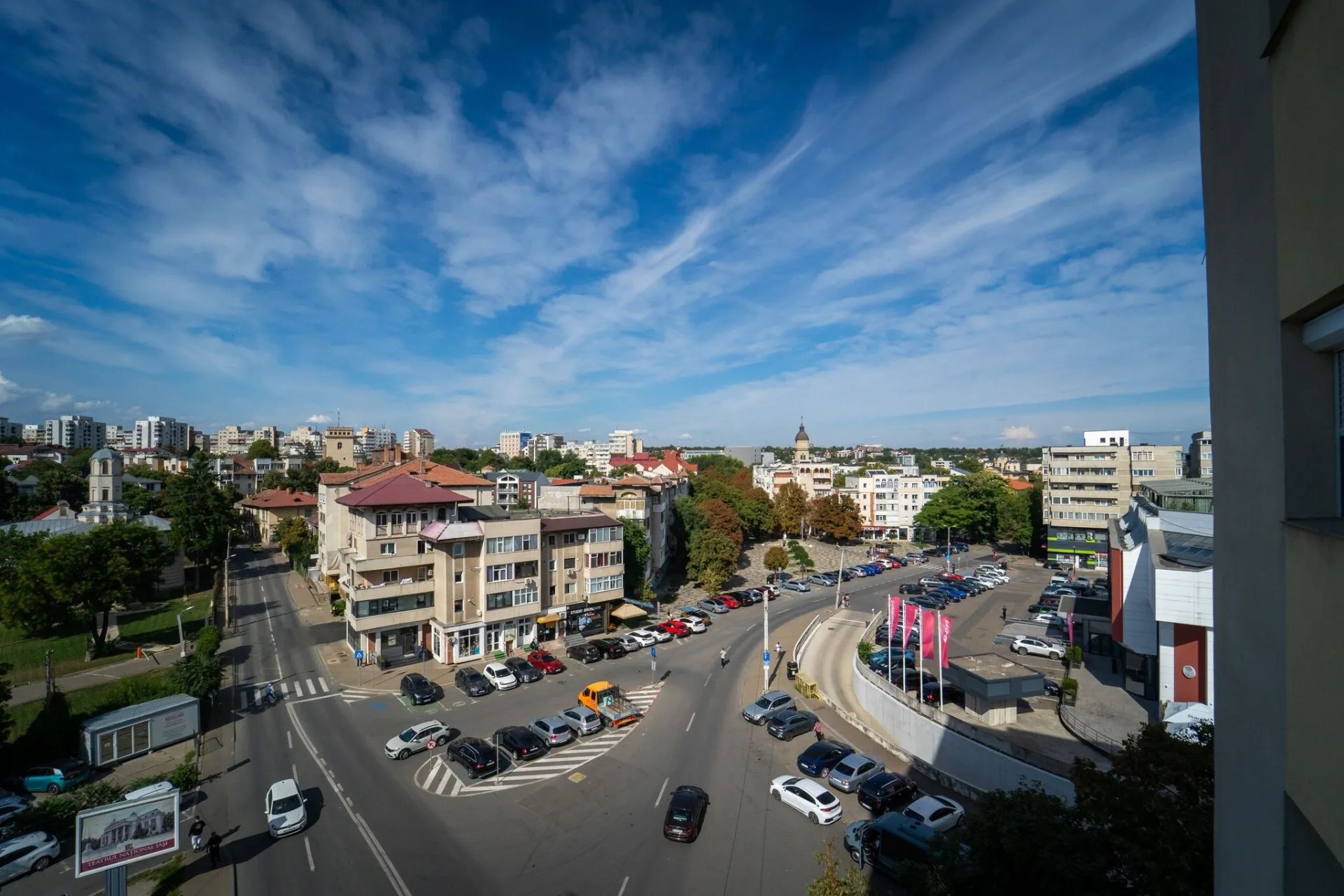
La Palatul Culturii puteți admira arhitectura impresionantă a uneia dintre cele mai importante clădiri istorice din România, iar de aici porniți cu ușurință spre celelalte monumente ale orașului. Apartamentul de închiriat HC Residence din Iași vă oferă un punct de plecare confortabil pentru a explora aceste locuri încărcate de istorie. Spațiul de cazare este organizat în două camere, o cameră de zi și un dormitor, potrivit pentru relaxare după o zi de vizitare. Bucătăria este dotată integral cu electrocasnice noi, inclusiv frigider, cuptor electric, plită electrică și mașină de spălat vase. De asemenea, aveți la dispoziție o baie complet utilată, mașină de spălat rufe și un balcon unde puteți savura cafeaua dimineața. Pentru confortul dumneavoastră, unitatea oferă Wi-Fi gratuit, fier de călcat și acces facilitat de lift. Intrarea se face independent, cu ajutorul unei cutii cu cifru, iar prezentarea actului de identitate este necesară la sosire. În vecinătate puteți vizita Mănăstirea Sfinții Trei Ierarhi, Complexul Muzeal Național Moldova, Curtea Domnească și Teatrul Național Vasile Alecsandri. Vă așteptăm cu drag să vă cazați la HC Residence Iași.
FROM
230 lei per night
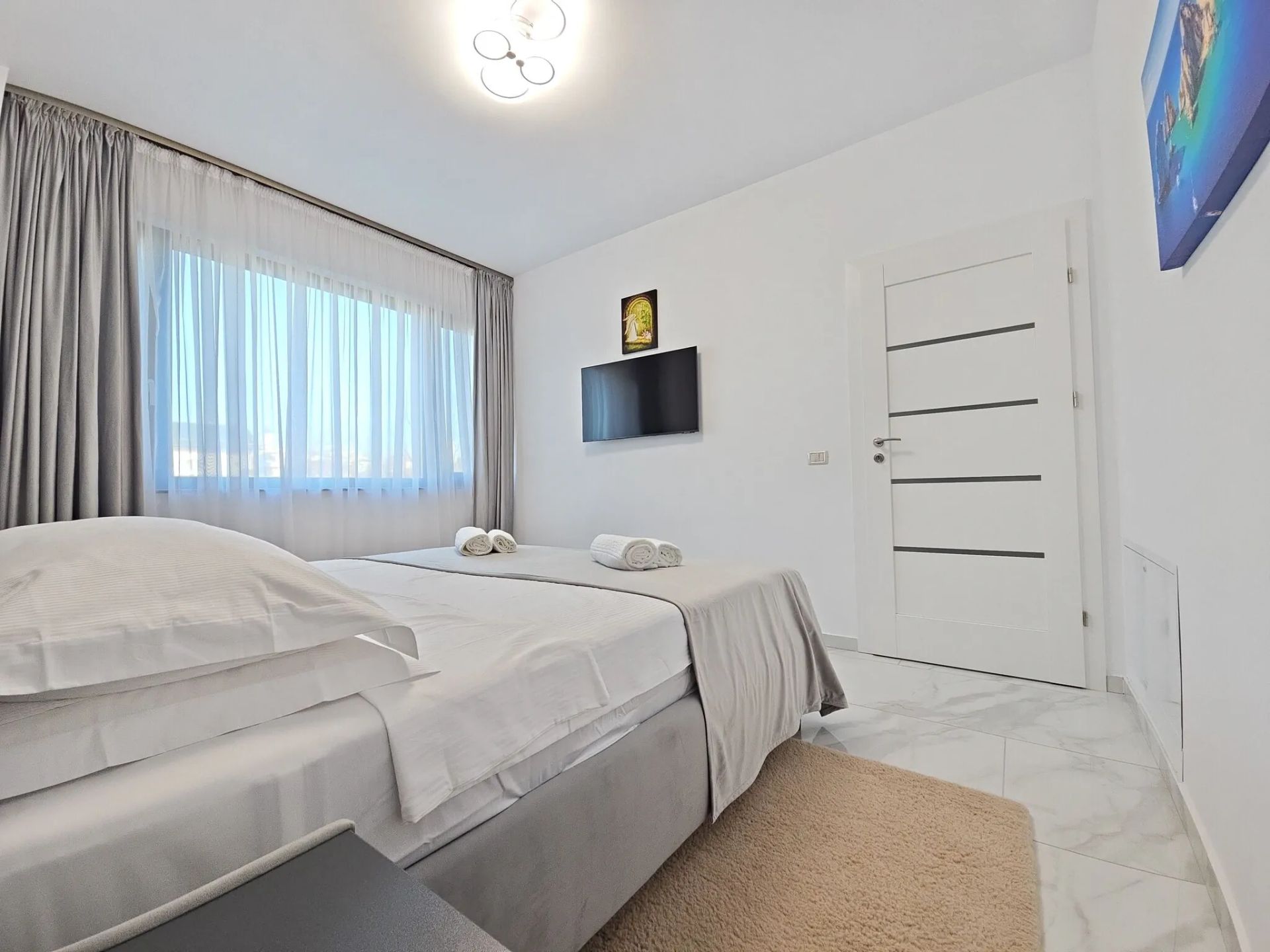
Apartment · 3 stars
Iași, Iași County · 0.6 km
Apartamente G&G Residence Iași
Comfort, relaxation and stunning views, all just steps away from the main attractions.
FROM
230 lei per night
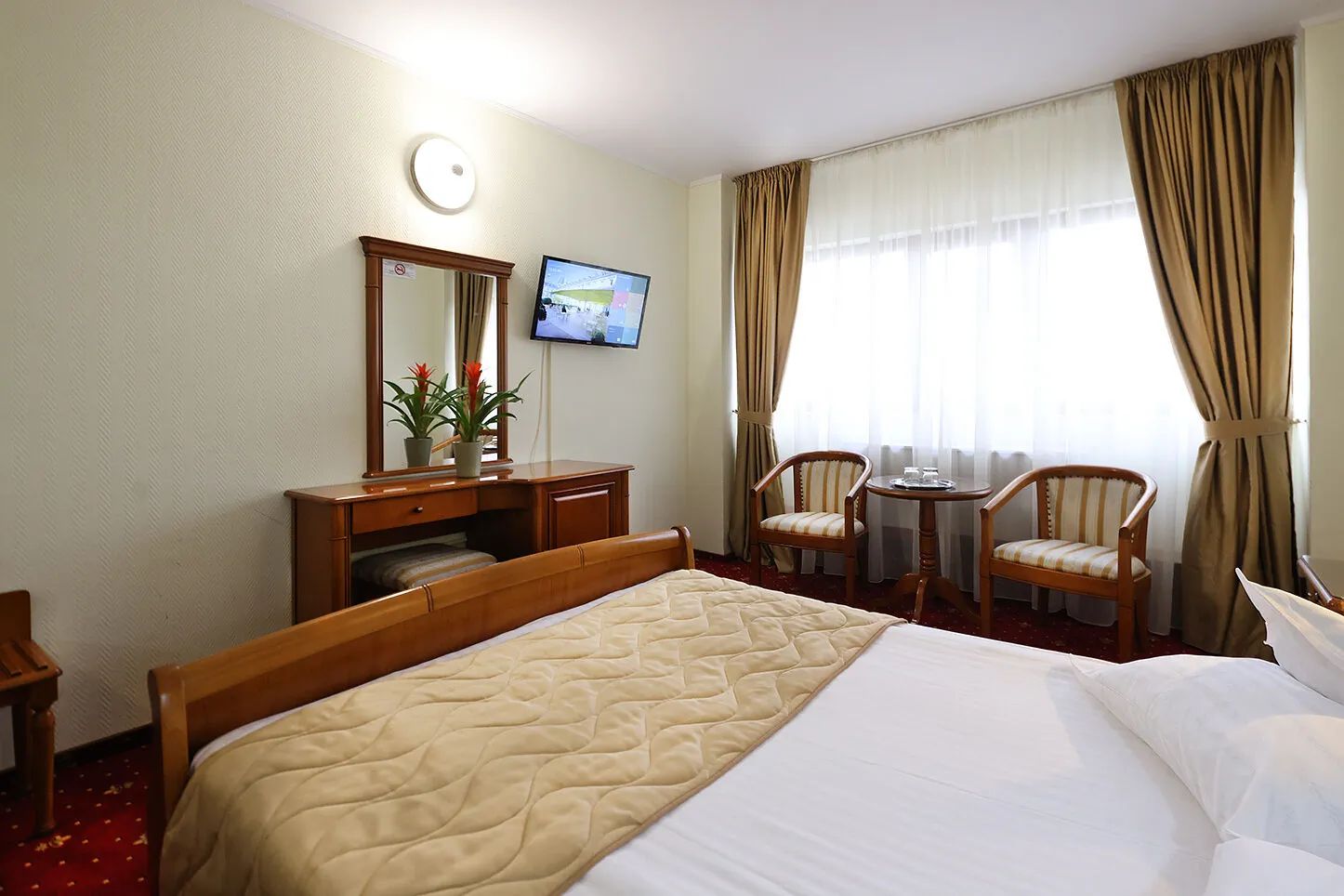
Hotel · 3 stars
Iași, Iași County · 0.6 km
Hotel Moldova Iași
Hotel Moldova Iași este un hotel de trei stele situat în centrul orașului Iași, pe strada Anastasie Panu. Camerele spațioase oferă confort modern prin sistem de climatizare individual, televizor cu cablu, minibar și telefon cu acces direct național și internațional. Oaspeții beneficiază de Wi-Fi gratuit în întreaga unitate, parcare privată gratuită, seif în cameră și acces facilitat pentru persoane cu dizabilități. Liftul asigură deplasarea comodă între etaje, iar depozitul pentru bagaje vă permite să vă bucurați de sejur fără griji. De asemenea, fierul de călcat este disponibil pentru dumneavoastră. Restaurantul din incintă prepară bucate tradiționale românești și preparate din bucătăria internațională, oferind și meniuri speciale pentru diete sau pentru copii. Pentru momentele de relaxare, aveți la dispoziție sauna și sala de fitness, iar pătuțul pentru bebeluș și scaunul înalt vin în sprijinul familiilor cu copii mici. În imediata apropiere se află Palatul Culturii, Complexul Muzeal Național Moldova, Mănăstirea Sfinții Trei Ierarhi, Curtea Domnească Iași și Teatrul Național Vasile Alecsandri, oferind multiple opțiuni de vizitare în oraș. Această unitate este potrivită atât pentru călătorii în interes de afaceri, cât și pentru turiștii care doresc să descopere patrimoniul cultural al Iașului.
FROM
290 lei per night
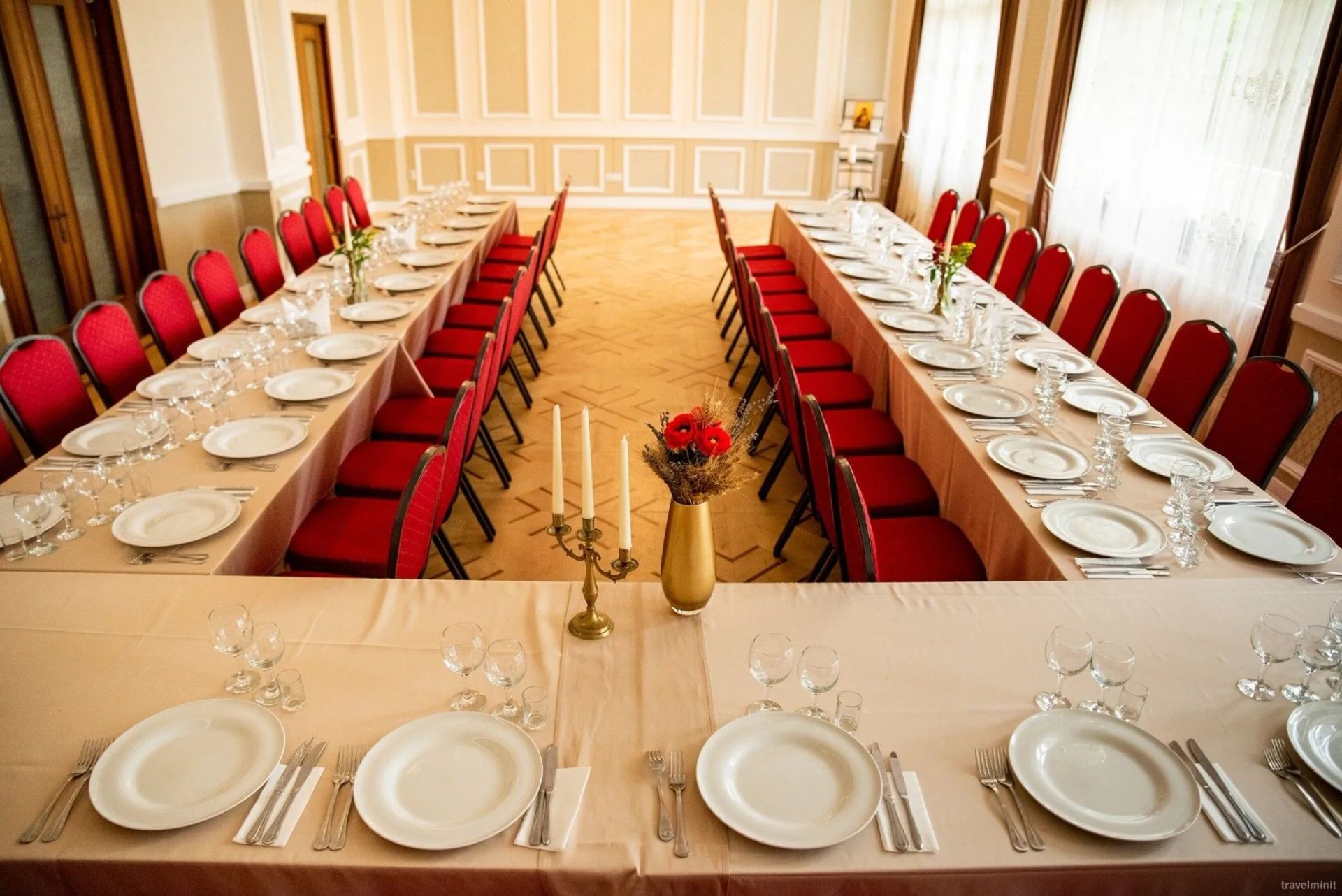
Hotel · 3 stars
Iași, Iași County · 0.6 km
Casa de Oaspeți Sfântul Nicolae Iași
Hotel de trei stele situat în Iași, Casa de Oaspeți Sfântul Nicolae oferă cazare pe strada Aghata Barsescu într-un mediu liniștit și primitor, potrivit atât pentru călătorii de afaceri, cât și pentru turiștii care doresc să descopere orașul. Unitatea pune la dispoziția dumneavoastră cinci camere dotate cu grijă, beneficiind de aer condiționat. Veți găsi aici Wi-Fi gratuit, parcare privată gratuită, room service, depozit pentru bagaje și fier de călcat. Restaurantul din incintă vă permite să serviți masa fără a părăsi proprietatea, iar curtea mare și grădina amenajată oferă un spațiu verde plăcut pentru momente de relaxare în aer liber după o zi de plimbări prin oraș. În apropiere se află Palatul Culturii, Mănăstirea Sfinții Trei Ierarhi, Complexul Muzeal Național Moldova, Curtea Domnească și Teatrul Național Vasile Alecsandri, astfel încât dumneavoastră puteți explora cu ușurință cele mai reprezentative puncte de interes cultural și istoric ale municipiului Iași. Vă așteptăm la Casa de Oaspeți Sfântul Nicolae Iași.
FROM
290 lei per night
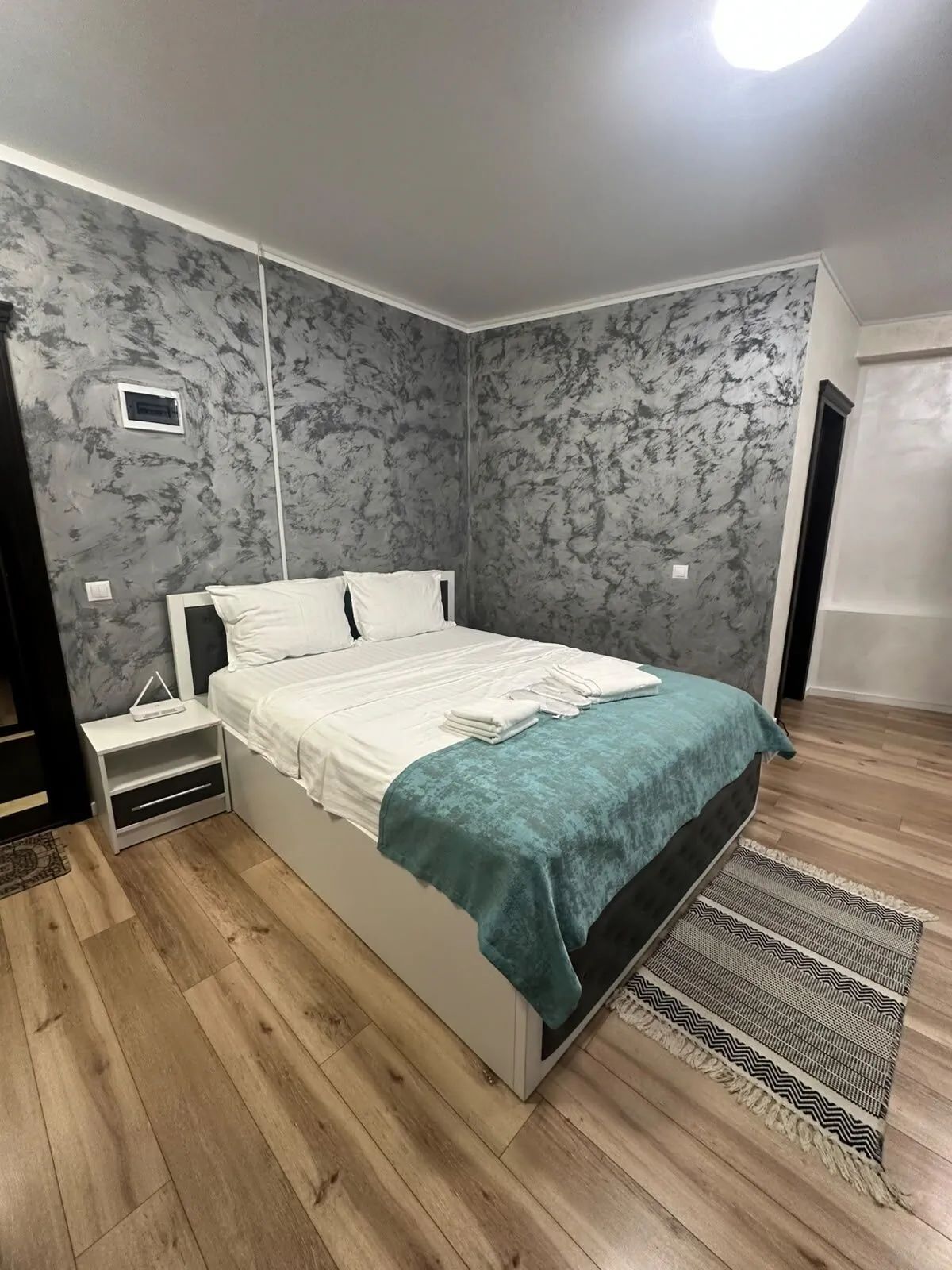
Holiday villa · 4 stars
Iași, Iași County · 0.8 km
Vilă Turistică Grey Palas Iaşi
La doar câțiva pași de Palatul Culturii, puteți porni într-o călătorie fascinantă prin istoria bogată a Iașului, iar Vilă Turistică Grey Palas, o vilă turistică de 4 stele situată chiar în acest oraș, reprezintă punctul dumneavoastră de plecare confortabil pentru explorarea zonei. Vila dispune de o curte mare și o grădină amenajată, spații ideale pentru momente de relaxare în aer liber, alături de o cafenea în incintă unde vă puteți bucura de cafea dimineața. Pentru cei care călătoresc cu mașina, parcare privată gratuită este pusă la dispoziție. În interior, aveți la dispoziție Wi-Fi gratuit pentru a rămâne conectați, seif pentru păstrarea obiectelor de valoare, fier de călcat pentru haine impecabile, depozit pentru bagaje și parcare pentru biciclete, astfel încât fiecare detaliu al șederii dumneavoastră să fie practic și confortabil. În vecinătate puteți vizita Complexul Muzeal Național Moldova, Mănăstirea Sfinții Trei Ierarhi, Curtea Domnească Iași și Teatrul Național Vasile Alecsandri, obiective care vă oferă numeroase oportunități de a descoperi cultura și tradițiile locale în fiecare zi petrecută aici. Vă așteptăm să plecați de la Vilă Turistică Grey Palas spre Teatrul Național Vasile Alecsandri și să vă bucurați de toate experiențele pe care acest oraș unic le oferă.
FROM
390 lei per night
BEFORE YOU HIT THE ROAD
Weather conditions in Iasi
Local forecast for National Museum Complex of Moldavia, Iasi, Iași

Real-time updated weather data
Much more to explore in this area
Nearby tourist attractions


Iasi, Iași County
The Palace of Culture
Situat in Piata Stefan cel Mare si Sfant, nr. 1, judetul Iasi; inaugurat, in 1926, de catre regele Ferdinand al Romaniei; apartine stilului neogotic flamboyant...
0.0 km
Iasi, Iași County
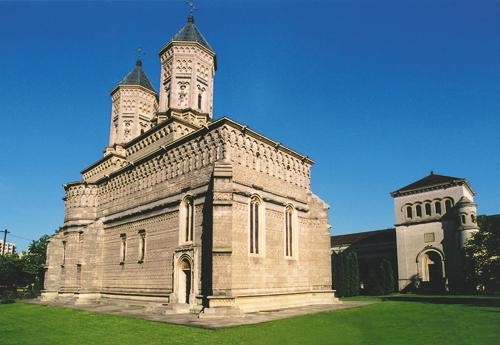
Three Hierarchs Monastery
Situata pe bulevardul Stefan cel Mare si Sfant nr. 28 din municipiul Iasi; construita intre anii 1637 - 1639; ctitorie a voievodului Vasile Lupu, a fost...
0.3 km

Iasi, Iași County
Princely Court of Iași
Situata intre Piata Podu Ros, strada Sfantu Lazar, strada Smardan, piata Bucsineanu, bulevardul Tudor Vladimirescu, bulevardul C. A. Rosetti, soseaua Albinet,...
0.1 km
Iasi, Iași County
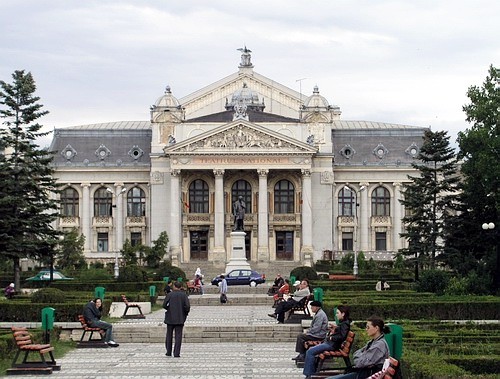
Vasile Alecsandri National Theatre
Situat pe strada Agatha Barsescu, nr. 18, municipiul Iasi, judetul Iasi; construit intre anii 1894 - 1896; considerat cea mai veche institutie de acest gen din...
0.7 km

0.5 km

Iasi, Iași County
Metropolitan Cathedral of Iași
Situata pe bulevardul Stefan cel Mare si Sfant nr. 16 din municipiul Iasi; actul de nastere al lacasului este decretul dat de Ioan Sandu Sturdza la 8 august...
0.6 km
Iasi, Iași County
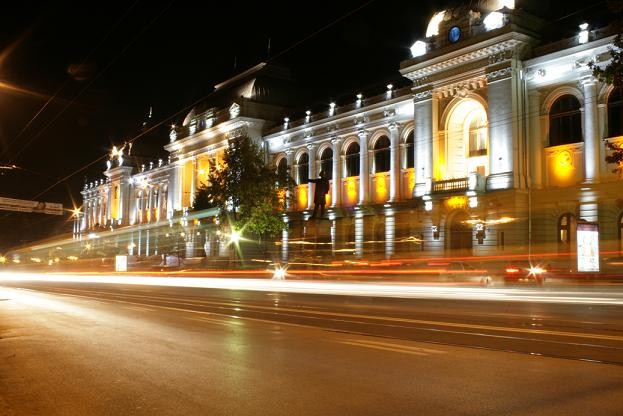
Alexandru Ioan Cuza University
Situata pe bulevardul Carol I, municipiul Iasi, judetul Iasi; construita intre anii 1893 - 1897; planurile au fost realizate de catre arhitectul Louis Blanc;...
2.2 km

Iasi, Iași County
Golia Monastery Church
Situata pe strada Cuza - Voda, nr. 51, zona Cucu, municipiul Iasi, judetul Iasi; ridicata in secolul al XVI - lea; actuala biserica a fost ridicata de Vasile...
0.9 km
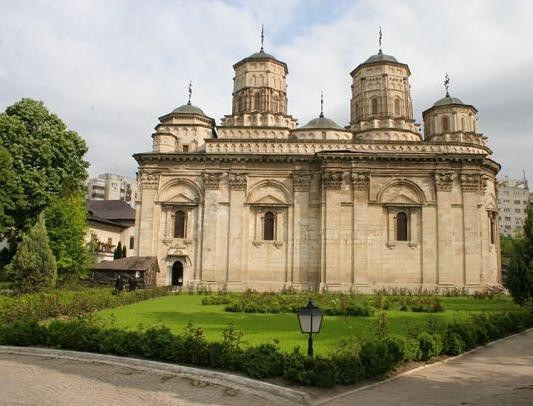
Iasi, Iași County
Golia Monastery
Situata pe strada Cuza Voda nr. 51 din municipiul Iasi; construita de catre Ioan Golia in secolul al XVI - lea, cu hramul "Inaltarea Domnului"; refacuta de...
0.9 km

0.1 km
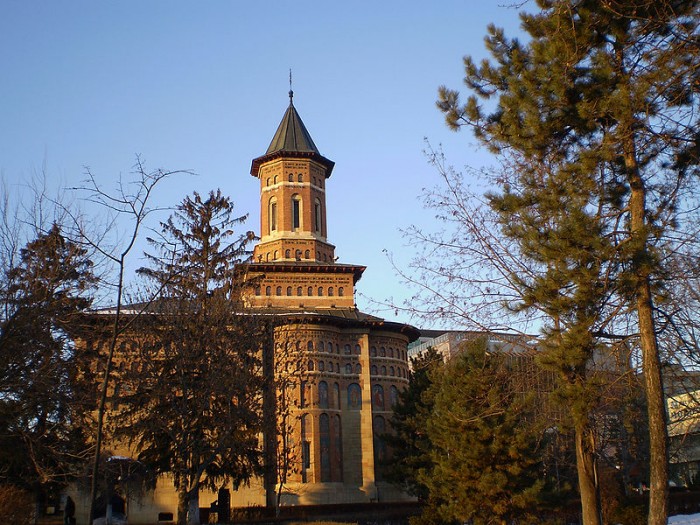
Iasi, Iași County
St. Nicholas Princely Church
Situata pe strada Anastasie Panu, nr. 28, municipiul Iasi, judetul Iasi; construita intre 1491 - 1492, sub ctitoria lui Stefan cel Mare; reconstruita in...
0.2 km

Iasi, Iași County
Eminescu's Linden Tree
Situat in Parcul Copou, municipiul Iasi; se mai numeste si "Copacul indragostitilor"; este un tei argintiu, avand varsta de peste 250 de ani, cel mai vechi...
2.8 km
Cultural life and traditions
Events in the National Museum Complex of Moldavia area
Medieval festivals, traditional fairs, concerts and local activities recommended in Moldavia.

History and Voivodeship Heritage

Iasi, County of Iași
The Medieval Festival of Neamț Fortress
Re-enactments of Ștefan’s battles, archery demonstrations with traditional bows, displays of courtly guards, and performances of old court music.
WHEN
July 3-5, 2026


Prehistoric Crafts and Art
Iasi, County of Iași
The National Pottery Fair “Cucuteni 5000”
The most skilled ceramic artists recreate the spectacular motifs of Europe’s oldest civilisation.
WHEN
June 26-28, 2026

Gastronomy and Wines
Iasi, County of Iași
The Traditional Festival of Moldovan Wine
A fair featuring wine tastings from the vineyards of Cotnari, Bucium and Panciu, “poale-n brau” pies, and roasted meats cooked on a spit.
WHEN
October 2-4, 2026
On foot, exploration gains depth
Discover the surroundings and local geography
Explore the trails, terrain, and natural landmarks around National Museum Complex of Moldavia.

Guides and practical tips
Useful travel articles
Travel guides, practical recommendations and tourist itineraries for Moldavia.

Tourist guide
Top 5 Atracții Turistice și Trasee Montane în Zona Moieciu - Bran
Descoperă cele mai spectaculoase peisaje carstice, chei adânci și cetăți medievale din imediata apropiere a stațiunii Moieciu.

Tourist guide
Ghid de Drumeție: Traseul Moieciu de Sus spre Platoul Bucegi
Un itinerariu montan de o frumusețe rară ce urcă din Valea Băngăleasa spre Poiana Guțanu și crestele maiestuoase ale Bucegilor.

Tourist guide
Castelul Bran: Istorie, Legende și Secrete Medievale
Află adevărata poveste a fortăreței medievale din Pasul Bran, reședința de suflet a Reginei Maria a României.
THE JOURNEY STARTS WITH AN IDEA
The next story is on the way.
From the first stop to the last stay, make room for a new Romania.
