


MONUMENT · MOLDAVIA
Alexandru Ioan Cuza University

Iasi, Iași County
Add location to your trip planner.
Practical access information

VISITING HOURS
Monday: 12:00 PM – 5:00 PM · Tuesday–Sunday: 9:00 AM – 5:00 PM (in summer until 8:00 PM)

TICKET PRICE
Adults: 45 RON · Students: 11 RON · Seniors: 23 RON · Guided tour included

RECOMMENDED VISIT DURATION
2-3.5 hours
Visitor information and guide
 Navigate with Google Maps

ABOUT ALEXANDRU IOAN CUZA UNIVERSITY
A Cathedral of the Mind in the Heart of Moldavia
Rising along Carol I Boulevard in Iași, Alexandru Ioan Cuza University is not merely Romania’s oldest institution of higher learning but also a symbol of Europe’s intellectual continuity within the Romanian landscape. Founded by princely decree on October 26, 1860—just one year after the unification of the Romanian Principalities under Alexandru Ioan Cuza—the university witnessed the fundamental transformations of a nation in the making. The prince’s presence at the inauguration ceremony, held in a solemn atmosphere reminiscent of academic traditions at the Sorbonne or the University of Vienna, underscored the strategic importance placed on education in modernizing the Romanian state. At a time when major European powers had already established their university systems as cornerstones of modern civilization and national identity, Romania was building its own temple of knowledge, designed to anchor the young state within the continent’s cultural elite. While the Habsburg Empire strengthened its universities in Vienna, Prague, and Cluj, and France reorganized its grandes écoles under the Napoleonic model after the fall of the Second Empire, Romania constructed its own sanctuary of learning. Today, the university’s central building, with its imposing façade and aura of sanctity, stands as a living testament to a nation’s ambition to assert its identity through education. It dominates Carol I Boulevard, a thoroughfare steeped in history, named after the king who succeeded Cuza’s reign.
Historical Roots and Continental Echoes
The genesis of Alexandru Ioan Cuza University coincides with a pivotal moment in European history. Following the revolutions of 1848 and amid the consolidation of nation-states inspired by French and German models, higher education emerged as the essential tool for emancipation and progress. Alexandru Ioan Cuza’s decision to establish a university in the former capital of Moldavia, rather than Bucharest, reflected a profoundly European vision of regional development and cultural balance. Iași, with its historical prestige as a princely residence and spiritual center of Upper Moldavia, was the natural choice. While the University of Bucharest would not be founded until 1864, Iași laid the groundwork for an institution intended to rival the oldest universities in Central Europe, such as those in Kraków, Prague, and Budapest. The Humboldtian model, which integrated scientific research with teaching and was inspired by reforms at Prussian universities like Berlin, was adapted to the Romanian context. This created an intellectual hub capable of shaping an elite equipped to govern a modern state. During the interwar period, when Iași was internationally recognized as Romania’s cultural capital, the university played a central role in intellectual dialogue with major academic centers in Paris, Vienna, Heidelberg, and Berlin. Professors—historians and philosophers trained in Europe’s great capitals—brought Enlightenment, positivist, and later modernist currents of thought into lecture halls, transforming the campus into a veritable laboratory of continental ideas. Here, theories that had circulated through Viennese literary salons and Parisian amphitheaters were debated with fervor.
The University Palace: An Architectural Symphony of Baroque and Classicism
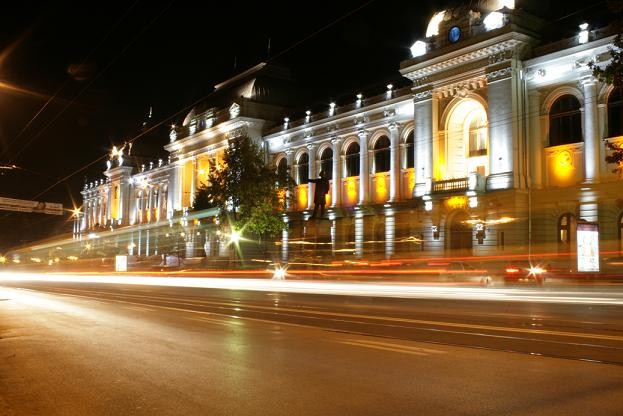
The University Palace, constructed between 1893 and 1897 according to the designs of architect Louis Blanc, stands out for its impressive harmony between Baroque and neoclassical styles. It reflects the ambitions of a cultural capital on the rise during the Belle Époque. The imposing façade, dominated by monumental Corinthian columns, sculpted pediments, and refined stucco decorations, announces the visitor’s entry into a sanctuary of knowledge. The building belongs to the tradition of grand European university edifices from the late 19th century, when academic institutions in Paris, Vienna, and Berlin erected temples of science to glorify reason, progress, and national prestige. It bears resemblance to the Hauptgebäude of the University of Vienna or the renovated buildings of the Sorbonne from the same period. Architect Louis Blanc conceived a structure that blends Baroque grandeur—with its undulating forms, towers, and decorative plasticity—with the rigor and order of classicism, suggesting a balance between passion and reason, tradition and modernity. The columns support a richly ornamented central pediment adorned with medallions and vegetal motifs, while tall, symmetrical windows framed by sculpted surrounds allow light to flood the lecture halls, creating an atmosphere of solemnity worthy of Europe’s great academic spaces. The materials used—Iași stone, brick, and decorative plaster—lend the building a noble texture, while the sloping roof, with its elegant dormer windows and artistic metalwork, completes the image of a palace befitting the most illustrious university dynasties of Europe.
The Hall of Lost Steps: A Temple of National Memory
The monumental entrance, marked by a grand staircase and massive carved wooden doors, leads to the Hall of Lost Steps, a masterpiece of Romanian art created by painter Sabin Bălașa between 1933 and 1937. The monumental frescoes covering the walls and vault of this unique vestibule depict pivotal moments in Romanian history, from Dacian-Roman antiquity and the wars with Trajan, through the medieval era with rulers like Stephen the Great, to the cultural Renaissance, the revolutions of 1848, the Union of the Principalities, and the interwar modernity. The visual narrative transcends geographical boundaries, connecting local heritage with the great European artistic currents of the 20th century. This hall represents an exceptional convergence of architecture, painting, and national identity, offering visitors a profound and moving cultural experience akin to that of the Sistine Chapel in the Vatican or the historical halls of the Palace of Versailles. The fresco technique, in which mineral pigments bond with wet plaster, evokes the Italian Renaissance mural tradition as well as the more recent experiments of Mexican muralism under Diego Rivera or Soviet monumental painting. All sought to transform civic space into a lesson in history and citizenship. The poetic name "Hall of Lost Steps" suggests the traces left by generations of students and professors who have walked these halls over the decades, as well as the inexorable passage of time—history as a river in which each wave leaves fleeting marks. Bălașa’s compositions feature mythological scenes, heroic moments from the national past, and allegorical figures of science, art, and progress, rendered in a rich chromatic palette dominated by ochre, ultramarine blue, and gold. This lends the space a nearly metaphysical dimension, evoking the infinite and the eternity of knowledge.
A Living Legacy of Academic Excellence and Notable Personalities
Over more than 160 years of existence, Alexandru Ioan Cuza University has educated generations of intellectuals, diplomats, scientists, and artists who have decisively contributed to connecting Romania with the values of Europe. From ministers and prime ministers to internationally renowned poets, historians, and scientists, the university’s alumni have left an indelible mark. During the interwar period, when Iași was a vibrant center of intellectual life, the institution’s halls hosted debates reminiscent of Parisian literary salons or Viennese academic circles. Professors, often trained in Germany, France, or Austria-Hungary, brought back the latest scientific and philosophical theories, enriching the academic environment. Even during the communist era, when academic freedom was restricted, the university maintained a nucleus of intellectual resistance and continued to produce valuable researchers, adapting to new political realities without losing its essence. Alongside its faculties, the university houses the Central University Library "Mihai Eminescu," one of the oldest and richest libraries in the country, founded in 1835. It preserves rare manuscripts, incunabula, and collections of old Romanian and European books, constituting a bibliographic treasure of continental importance. After 1989, the institution quickly reintegrated into the European and international academic community, participating in Erasmus exchange programs and collaborating with prestigious universities worldwide. Today, Alexandru Ioan Cuza University remains a pole of academic excellence recognized across Europe, preserving its historic building as a living monument to the continental university heritage—a witness to an era when education was viewed as the foundation of civilization and the key to human progress.
Practical Guide for Visitors and Today’s Tourist Experience
The university complex can be admired at any time from the outside, with its monumental façade on Carol I Boulevard offering an impressive perspective on its Secessionist and neoclassical architecture. Carol I Boulevard, a central artery of Iași, serves as a historic promenade linking the old city center to Copou Park, with the university building majestically lining this axis, inviting contemplation and photography. For interior visits, particularly to the Hall of Lost Steps, it is recommended to contact the university administration or the Rectorate, as access is granted through guided tours organized periodically or upon request for groups. This allows visitors to explore this exceptional cultural heritage space with a specialized guide who can reveal the symbolism of each pictorial detail. Visitors are advised to book in advance, especially during busy periods or the academic year, when halls may be occupied by teaching activities or exams. Photographically, the morning or evening light offers the most spectacular perspectives on the façade, with long shadows highlighting the sculptural relief of the columns and ornamental details of the pediments. The building integrates seamlessly into a broader cultural route of Iași, located near Copou Park with its alley of ancient linden trees, the Orthodox Metropolitan Cathedral, Golia Monastery, and the Palace of Culture. Together, these landmarks form a monumental ensemble illustrating the historical layers of Moldavia’s capital, from the medieval era to the present. For a complete experience, visiting the university on special occasions such as University Day or the opening of the academic year, or during public cultural events, is recommended. On these days, the academic atmosphere takes on a festive and communal dimension, opening the doors of this temple of knowledge to all those eager to discover the connection between its glorious past and dynamic present in Romanian and European higher education.
Media gallery
Discover Alexandru Ioan Cuza University in pictures

5 photos · Architecture, courtyards and captivating details
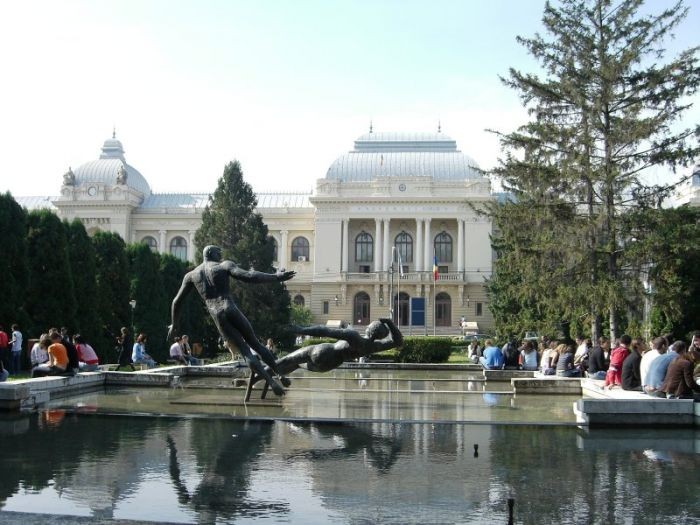


Image source: Wikimedia Commons · Public domain photos · Free license
STAY A FEW DAYS, DISCOVER THE MAGIC
Accommodation in the Alexandru Ioan Cuza University area

Hotel · 3 stars

Iași, Iași County · 0.2 km
Hotel Prestige Iași
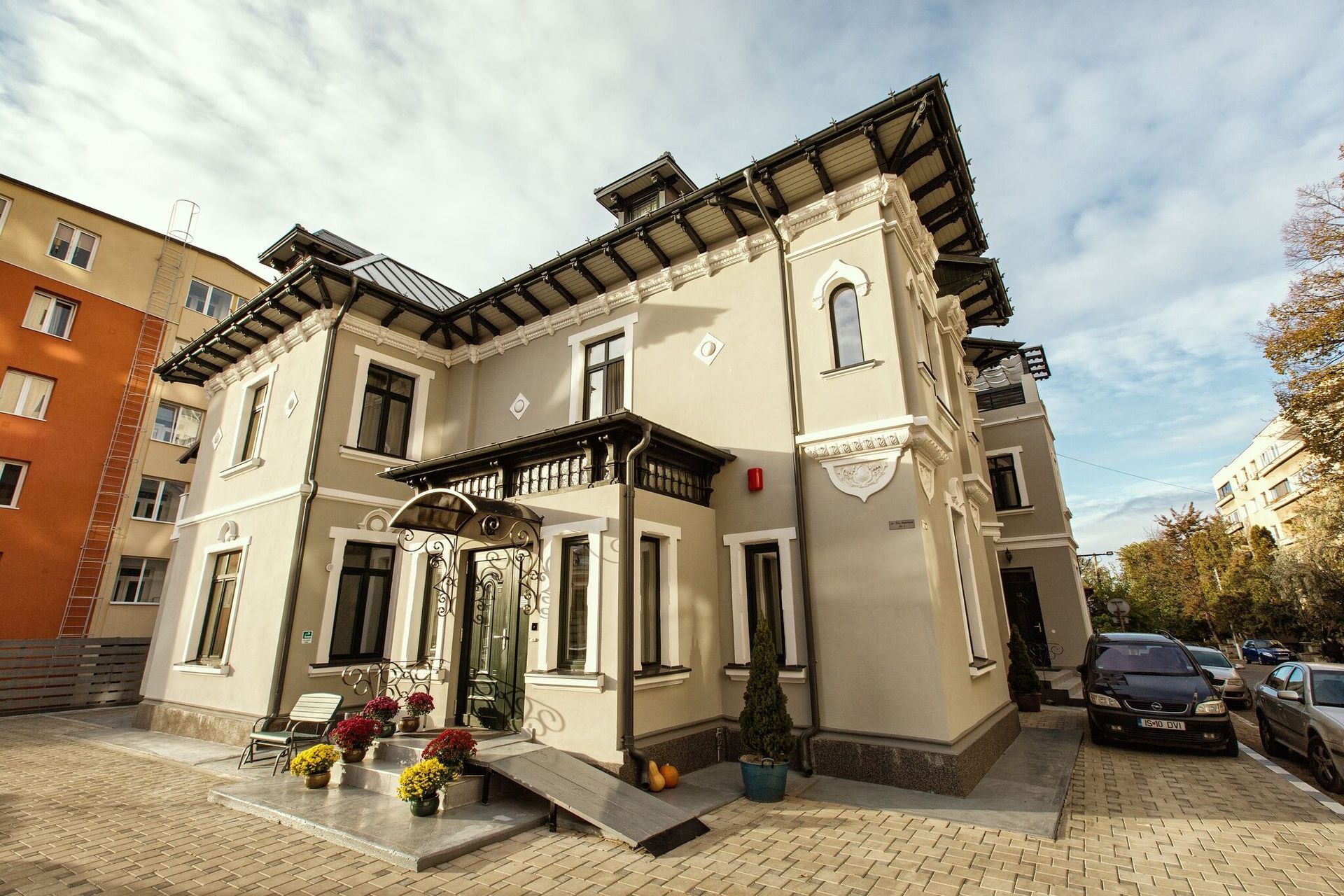
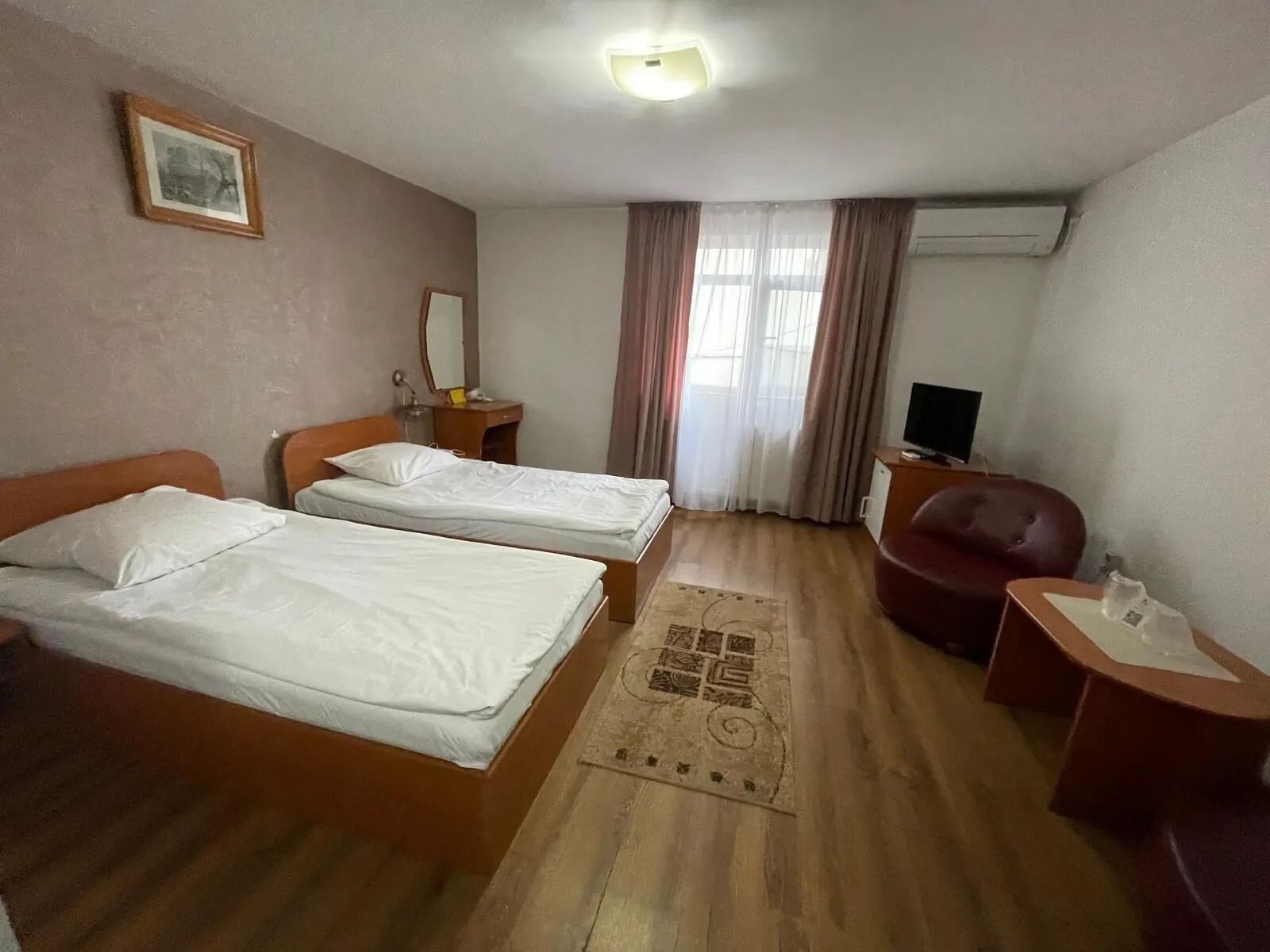
În curtea Hotelului Prestige din Iași, un foișor oferă un spațiu liniștit pentru relaxare în aer liber, departe de agitația străzii. Unitatea de cazare, clasificată cu trei stele, se află pe strada Titu Maiorescu și pune la dispoziția dumneavoastră camere moderne dotate cu aer condiționat și televizor cu ecran plat. Pentru confortul dumneavoastră, hotelul asigură Wi-Fi gratuit în întreaga proprietate, parcare privată gratuită și parcare pentru biciclete. De asemenea, sunt disponibile seif, fier de călcat, depozit pentru bagaje, acces facilitat pentru persoane cu dizabilități, scaun înalt pentru copii și pătuț pentru bebeluși. Zilnic, în zona de lounge, vă este oferit un mic dejun tip bufet. Din această locație puteți explora cu ușurință Palatul Culturii, Mănăstirea Sfinții Trei Ierarhi, Complexul Muzeal Național Moldova, Curtea Domnească Iași și Teatrul Național Vasile Alecsandri, toate situate în apropiere. Hotelul Prestige este potrivit pentru călătorii în căutare de cazare practică și confortabilă în Iași, pentru familii cu copii mici sau pentru cei care doresc să viziteze principalele obiective culturale ale orașului într-un cadru accesibil.
FROM
290 lei per night

Guesthouse · 3 stars
Iași, Iași County · 0.5 km
Pensiunea Moldotour Iași
O zi la Pensiunea Moldotour din Iași poate începe cu aer condiționat în cameră și cu Wi-Fi gratuit pentru a verifica programul cultural al orașului, într-un cadru liniștit și primitor, unde fiecare detaliu contribuie la relaxarea dumneavoastră completă. În incintă vă așteaptă o curte mare și o grădină amenajată unde puteți să vă bucurați de aer liber după plimbările prin oraș. Aveți la dispoziție și parcare pentru biciclete, depozit pentru bagaje, seif pentru obiecte de valoare, fier de călcat și room service, astfel încât șederea să fie cât mai confortabilă și lipsită de griji. În apropiere se află Palatul Culturii, Mănăstirea Sfinții Trei Ierarhi, Complexul Muzeal Național Moldova, Curtea Domnească Iași și Teatrul Național Vasile Alecsandri, oferindu-vă ocazia de a descoperi istoria și arta capitalei Moldovei la doar câțiva pași de locul dumneavoastră de cazare. Această unitate este potrivită pentru turiștii care doresc să exploreze Iașul într-un ambient confortabil, beneficiind de facilități moderne și de o locație care le permite accesul rapid la principalele puncte de interes cultural.
FROM
240 lei per night
Hotel · 3 stars
Iași, Iași County · 0.6 km
Hotel Arnia Iași
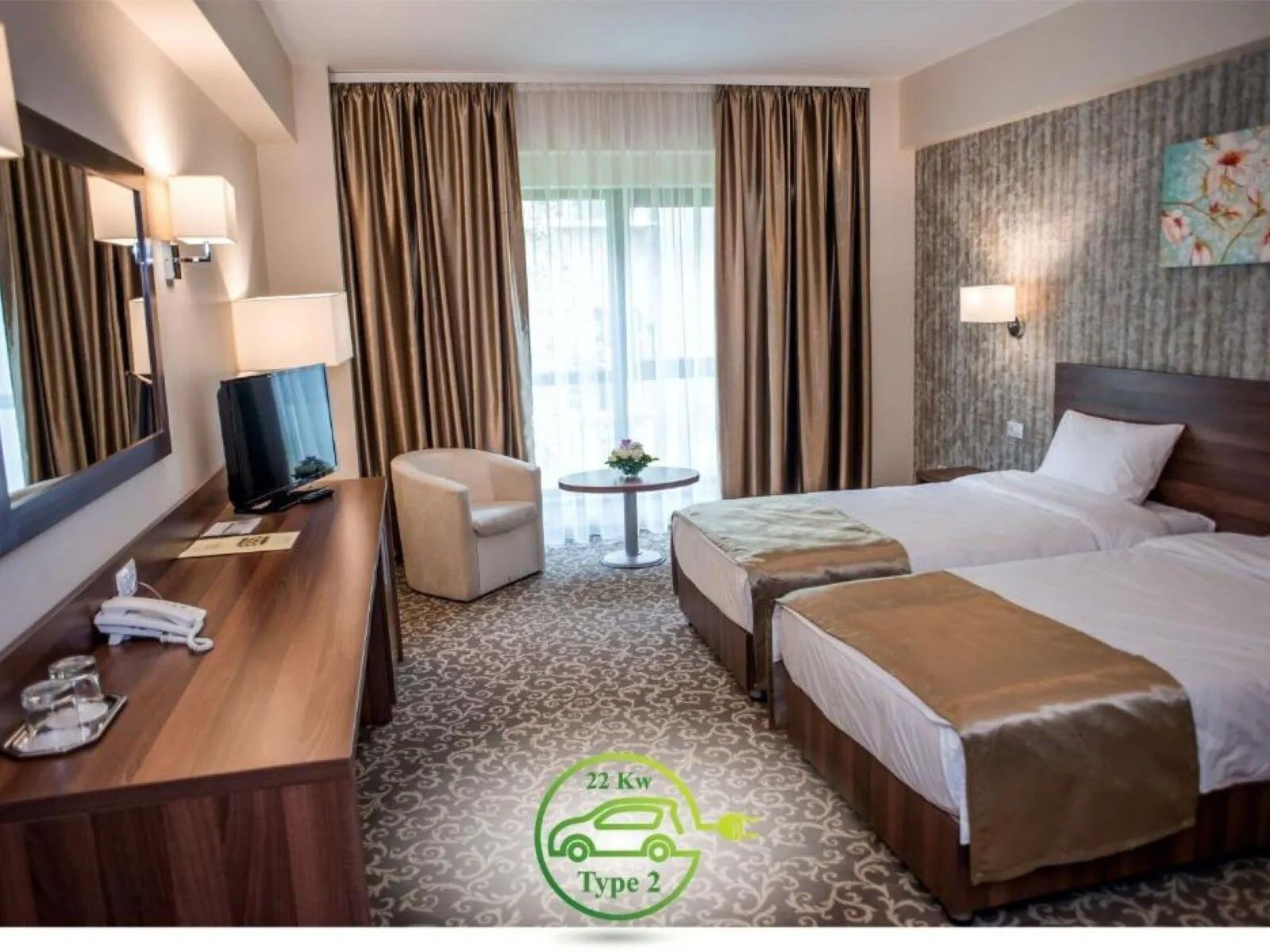
Pe Șoseaua Arcu din Iași se află Hotel Arnia Iași, o unitate de cazare clasificată cu trei stele care oferă condiții moderne și primitoare pentru sejurul dumneavoastră în oraș. Poziția pe această arteră asigură un acces facil către centrul istoric și către principalele puncte de interes. Camerele sunt dotate cu aer condiționat, Wi-Fi gratuit și seif pentru obiectele de valoare, iar accesul este facilitat pentru persoanele cu dizabilități prin lift. Hotelul pune la dispoziție parcare privată gratuită, stație de încărcare pentru vehicule electrice și parcare pentru biciclete. Pentru familiile cu copii sunt disponibile scaun înalt, pătuț pentru bebeluși și meniu special pentru copii, iar persoanele cu regim alimentar specific pot solicita meniuri pentru diete speciale. În apropiere puteți vizita Palatul Culturii, Mănăstirea Sfinții Trei Ierarhi, Complexul Muzeal Național Moldova, Curtea Domnească Iași și Teatrul Național Vasile Alecsandri, toate fiind la îndemână pentru o plimbare prin oraș. În incintă funcționează un restaurant și un bar unde puteți servi masa, iar oaspeții pot beneficia de room service și depozit pentru bagaje. Pentru menținerea formei fizice există sală de fitness, iar în camere este pus la dispoziție fier de călcat. Vă așteptăm la Hotel Arnia Iași.
FROM
290 lei per night
Apartment · 3 stars
Iași, Iași County · 0.8 km
Apartament Danielle Iași
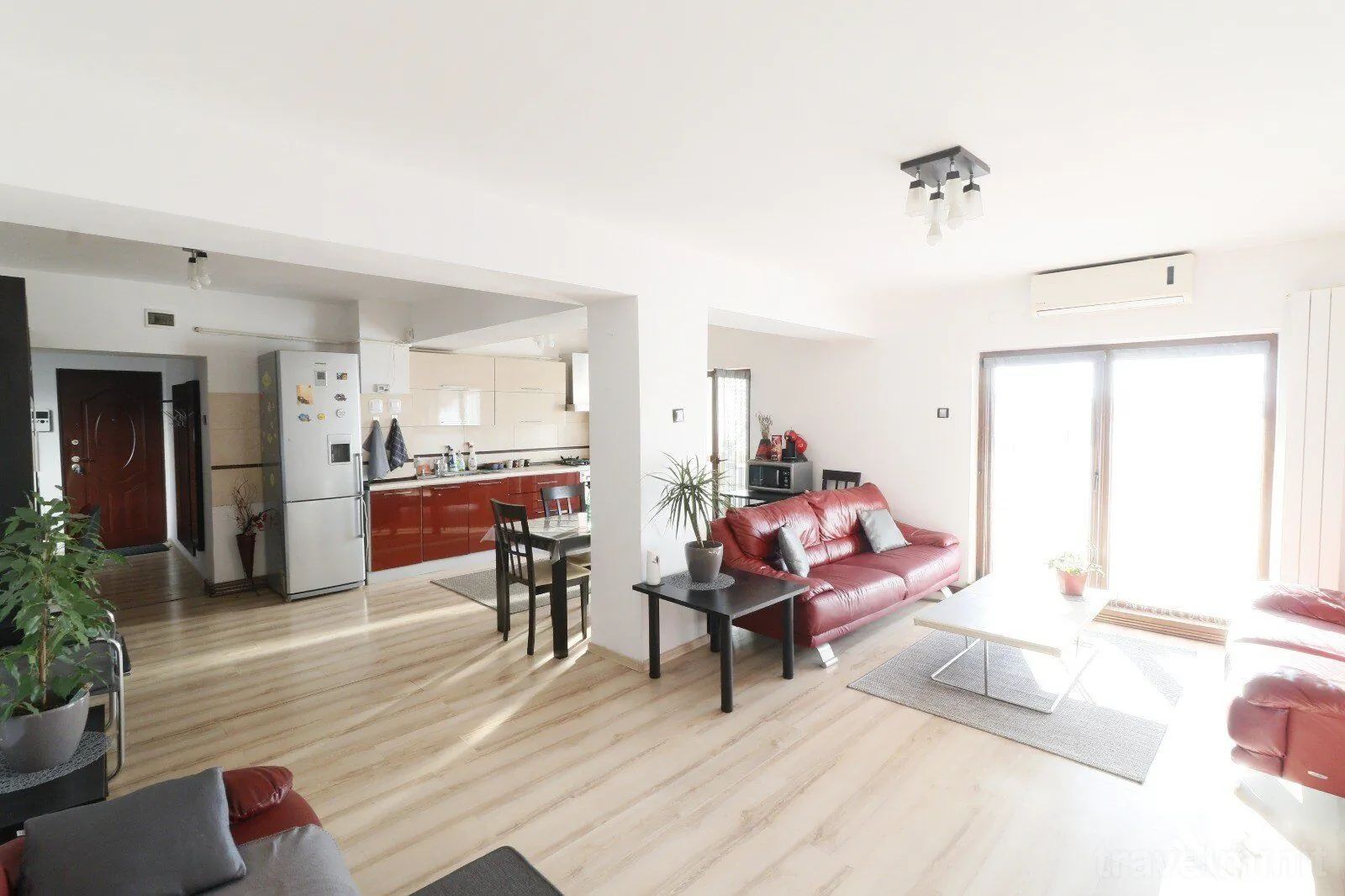
Comfort, relaxation and stunning views, all just steps away from the main attractions.
FROM
230 lei per night
Hotel · 4 stars
Iași, Iași County · 1.0 km
Hotel Majestic Iași
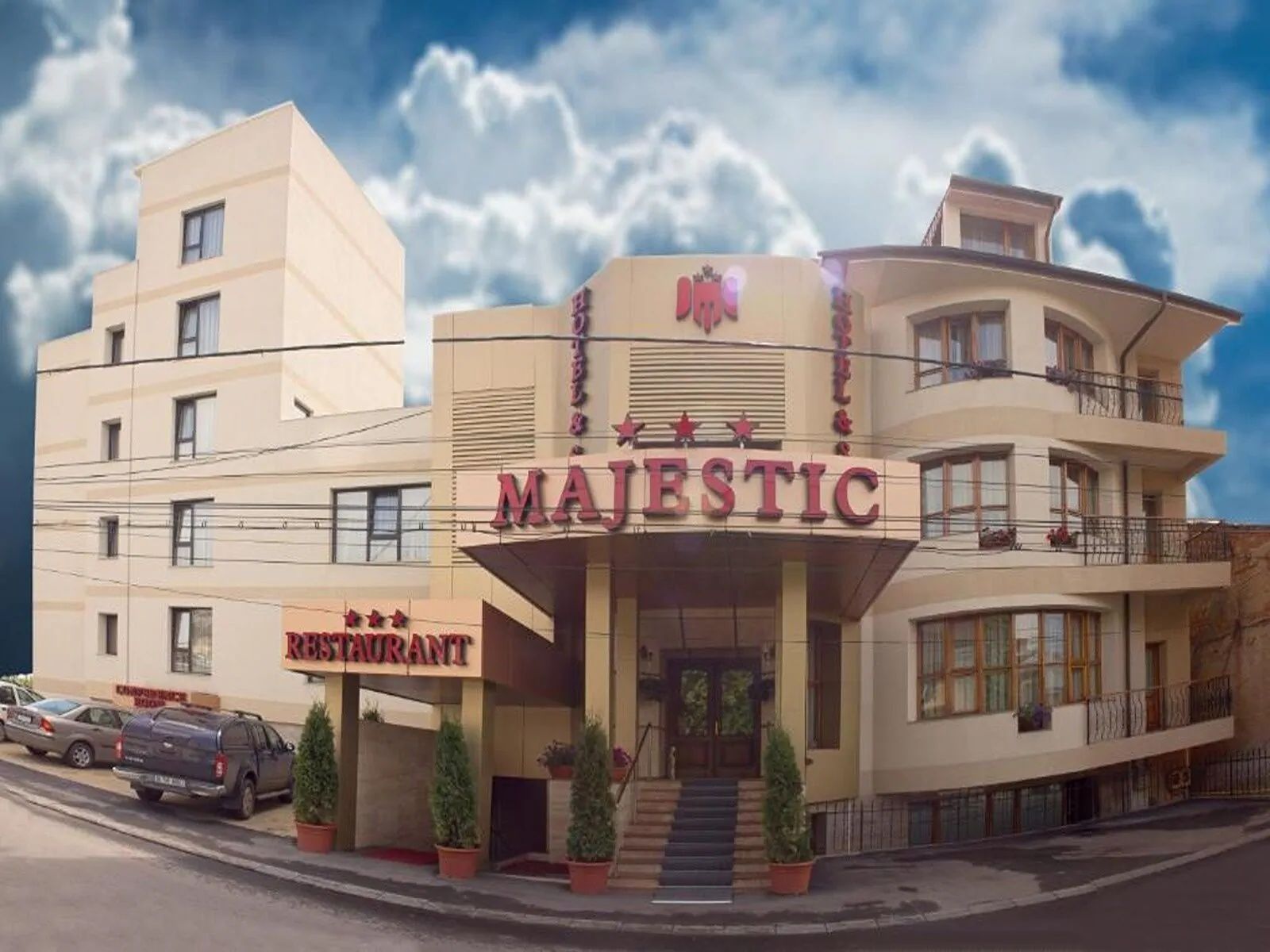
Familiile cu copii și cuplurile care caută un sejur confortabil în Iași vor găsi la Hotel Majestic un spațiu potrivit pentru relaxare și intimitate. Amplasat pe strada Petru Rareș, hotelul de patru stele oferă acces facil către principalele puncte de interes din oraș. Unitatea pune la dispoziția dumneavoastră Wi-Fi gratuit în întreaga incintă, ascensor pentru deplasare comodă între etaje, seif în cameră și un bar unde vă puteți bucura de băuturi. De asemenea, beneficiați de servicii de room service, depozit pentru bagaje și un restaurant care include și un meniu special pentru copii. Hotelul dispune de 43 de camere amenajate pe trei niveluri decorate în stiluri diferite, oferind variante de la single standard și deluxe până la double și suite senior sau junior. Fiecare cameră include televizor, telefon, minibar, conexiune Wi-Fi, aer condiționat și sistem propriu de încălzire, iar băile spațioase sunt dotate cu duș sau cadă. În apropiere puteți vizita Palatul Culturii, Mănăstirea Sfinții Trei Ierarhi, Complexul Muzeal Național Moldova, Curtea Domnească Iași și Teatrul Național Vasile Alecsandri. Vă așteptăm la Hotel Majestic Iași pentru un sejur plăcut.
FROM
420 lei per night
Hotel · 3 stars
Iași, Iași County · 1.0 km
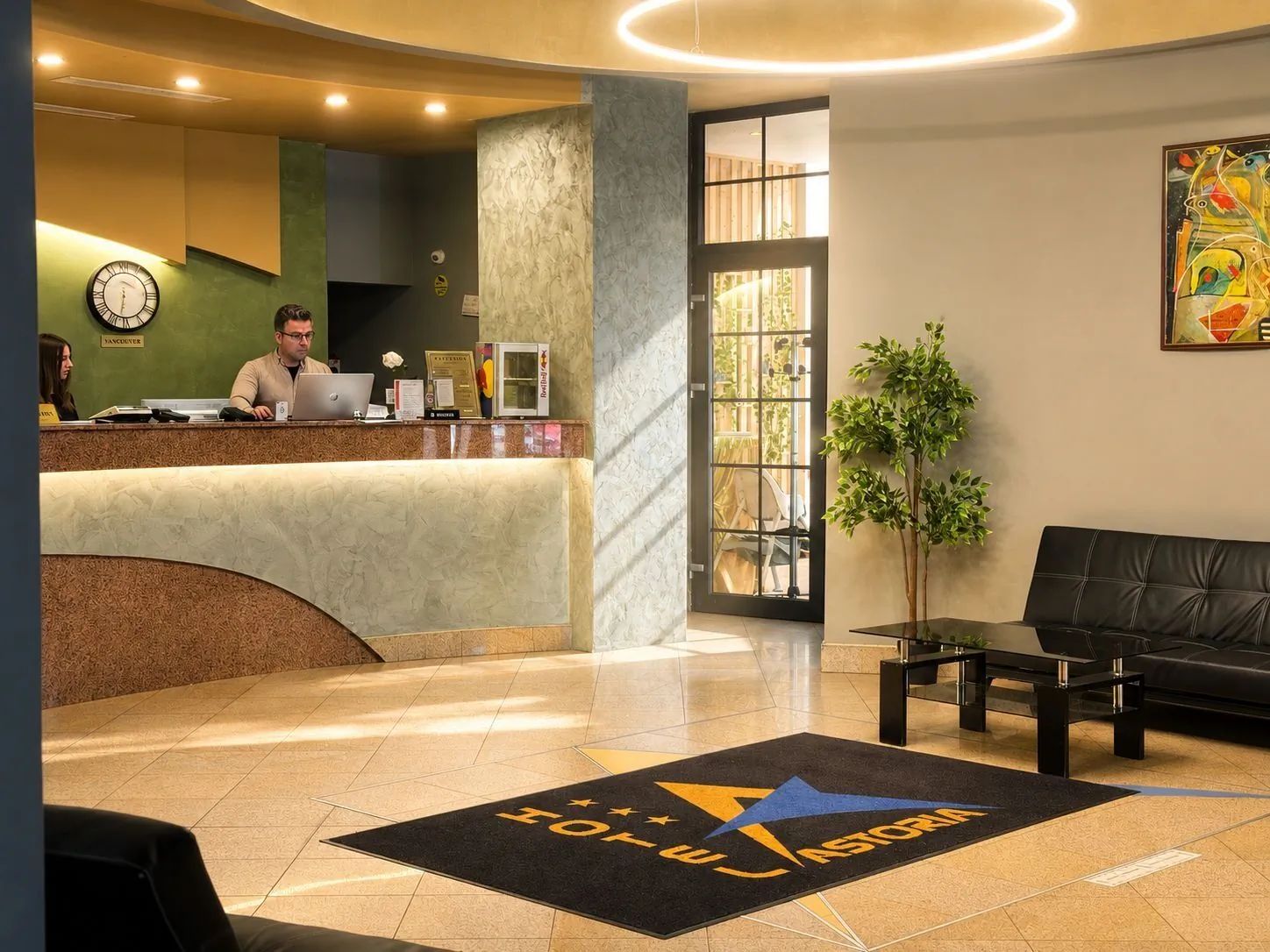
Hotel Astoria City Center Iași
Hotelul Astoria City Center, clasificat cu trei stele, se află în Iași, pe strada Lăpușneanu numărul 1. Vă așteaptă cu o atmosferă primitoare în centrul orașului, într-o locație accesibilă pentru toți oaspeții. Pentru confortul dumneavoastră, unitatea oferă acces persoanelor cu dizabilități, lift, aer condiționat în anumite camere și Wi-Fi gratuit în întreaga incintă. De asemenea, dispune de cafenea, seif în cameră, fier de călcat și depozit pentru bagaje, astfel încât fiecare detaliu să contribuie la o ședere plăcută. Hotelul pune la dispoziție 24 de camere amenajate confortabil și primitoare, iar animalele de companie sunt acceptate contra cost. La cerere, puteți beneficia de mic dejun înainte de a porni în explorare. Personalul vorbește română, engleză și italiană, iar plata se poate efectua cu numerar, card bancar, transfer bancar, card de vacanță sau voucher. Preluarea camerelor se face de la ora 14:00, iar eliberarea până la ora 12:00. În apropiere puteți descoperi Palatul Culturii, Mănăstirea Sfinții Trei Ierarhi, Complexul Muzeal Național Moldova, Curtea Domnească și Teatrul Național Vasile Alecsandri. Vă așteptăm să porniți de aici într-o explorare a Iașului, începând cu Palatul Culturii.
FROM
290 lei per night
BEFORE YOU HIT THE ROAD
Weather conditions in Iasi
Local forecast for Alexandru Ioan Cuza University, Iasi, Iași

Real-time updated weather data
Much more to explore in this area
Nearby tourist attractions


Iasi, Iași County
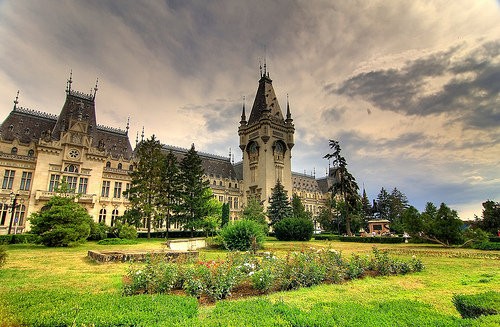
The Palace of Culture
Situat in Piata Stefan cel Mare si Sfant, nr. 1, judetul Iasi; inaugurat, in 1926, de catre regele Ferdinand al Romaniei; apartine stilului neogotic flamboyant...
2.2 km
Iasi, Iași County
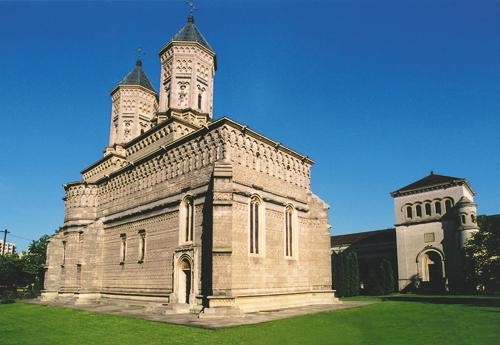
Three Hierarchs Monastery
Situata pe bulevardul Stefan cel Mare si Sfant nr. 28 din municipiul Iasi; construita intre anii 1637 - 1639; ctitorie a voievodului Vasile Lupu, a fost...
1.9 km
Iasi, Iași County
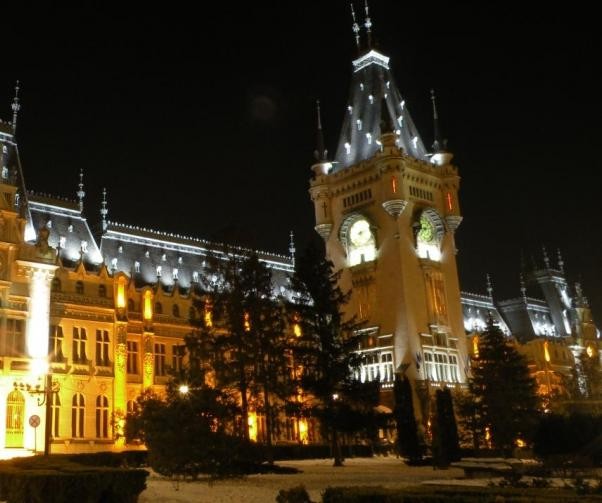
National Museum Complex of Moldavia
Situat in Piata Stefan cel Mare si Sfant nr. 1 din municipiul Iasi; functioneaza in Palatul Culturii, emblema a orasului, inaltat partial pe ruinele curtilor...
2.2 km

Iasi, Iași County
Princely Court of Iași
Situata intre Piata Podu Ros, strada Sfantu Lazar, strada Smardan, piata Bucsineanu, bulevardul Tudor Vladimirescu, bulevardul C. A. Rosetti, soseaua Albinet,...
2.3 km
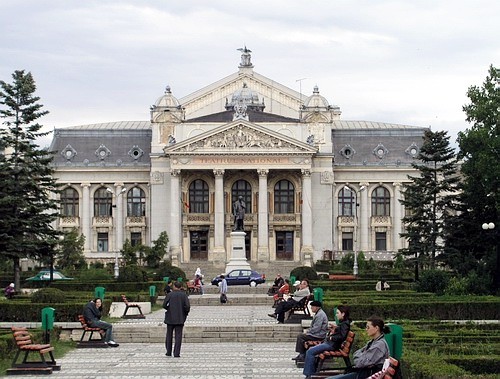
Iasi, Iași County
Vasile Alecsandri National Theatre
Situat pe strada Agatha Barsescu, nr. 18, municipiul Iasi, judetul Iasi; construit intre anii 1894 - 1896; considerat cea mai veche institutie de acest gen din...
1.6 km

Iasi, Iași County
Metropolitan Cathedral of Iași
Situata pe bulevardul Stefan cel Mare si Sfant nr. 16 din municipiul Iasi; actul de nastere al lacasului este decretul dat de Ioan Sandu Sturdza la 8 august...
1.6 km

1.8 km

Iasi, Iași County
Golia Monastery Church
Situata pe strada Cuza - Voda, nr. 51, zona Cucu, municipiul Iasi, judetul Iasi; ridicata in secolul al XVI - lea; actuala biserica a fost ridicata de Vasile...
1.7 km
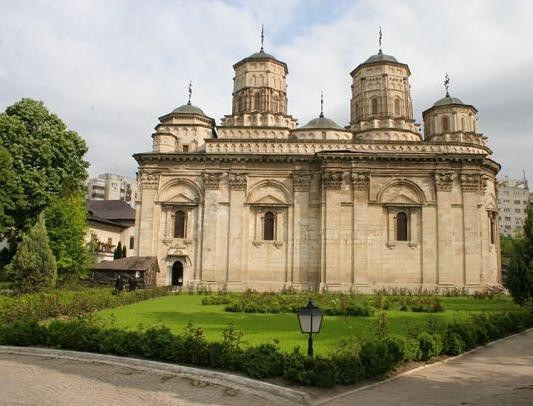
Iasi, Iași County
Golia Monastery
Situata pe strada Cuza Voda nr. 51 din municipiul Iasi; construita de catre Ioan Golia in secolul al XVI - lea, cu hramul "Inaltarea Domnului"; refacuta de...
1.7 km

Iasi, Iași County
Eminescu's Linden Tree
Situat in Parcul Copou, municipiul Iasi; se mai numeste si "Copacul indragostitilor"; este un tei argintiu, avand varsta de peste 250 de ani, cel mai vechi...
0.6 km
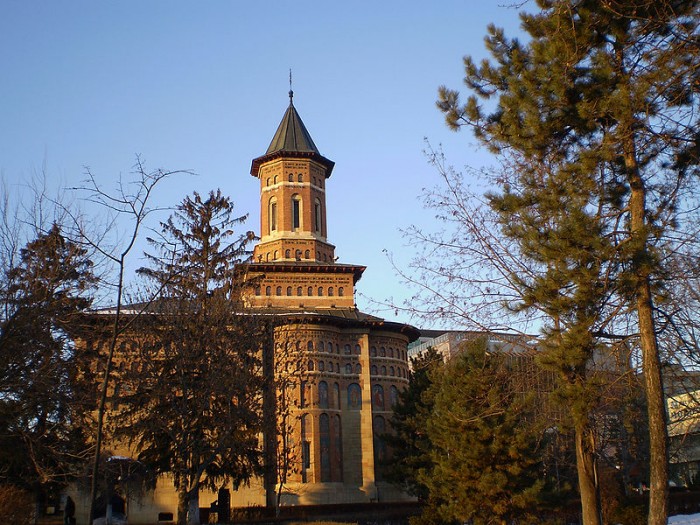
Iasi, Iași County
St. Nicholas Princely Church
Situata pe strada Anastasie Panu, nr. 28, municipiul Iasi, judetul Iasi; construita intre 1491 - 1492, sub ctitoria lui Stefan cel Mare; reconstruita in...
2.1 km

2.3 km
Cultural life and traditions
Events in the Alexandru Ioan Cuza University area
Medieval festivals, traditional fairs, concerts and local activities recommended in Moldavia.

History and Voivodeship Heritage

Iasi, County of Iași
The Medieval Festival of Neamț Fortress
Re-enactments of Ștefan’s battles, archery demonstrations with traditional bows, displays of courtly guards, and performances of old court music.
WHEN
July 3-5, 2026


Prehistoric Crafts and Art
Iasi, County of Iași
The National Pottery Fair “Cucuteni 5000”
The most skilled ceramic artists recreate the spectacular motifs of Europe’s oldest civilisation.
WHEN
June 26-28, 2026

Gastronomy and Wines
Iasi, County of Iași
The Traditional Festival of Moldovan Wine
A fair featuring wine tastings from the vineyards of Cotnari, Bucium and Panciu, “poale-n brau” pies, and roasted meats cooked on a spit.
WHEN
October 2-4, 2026
On foot, exploration gains depth
Discover the surroundings and local geography
Explore the trails, terrain, and natural landmarks around Alexandru Ioan Cuza University.

Guides and practical tips
Useful travel articles
Travel guides, practical recommendations and tourist itineraries for Moldavia.

Tourist guide
Top 5 Atracții Turistice și Trasee Montane în Zona Moieciu - Bran
Descoperă cele mai spectaculoase peisaje carstice, chei adânci și cetăți medievale din imediata apropiere a stațiunii Moieciu.

Tourist guide
Ghid de Drumeție: Traseul Moieciu de Sus spre Platoul Bucegi
Un itinerariu montan de o frumusețe rară ce urcă din Valea Băngăleasa spre Poiana Guțanu și crestele maiestuoase ale Bucegilor.

Tourist guide
Castelul Bran: Istorie, Legende și Secrete Medievale
Află adevărata poveste a fortăreței medievale din Pasul Bran, reședința de suflet a Reginei Maria a României.
THE JOURNEY STARTS WITH AN IDEA
The next story is on the way.
From the first stop to the last stay, make room for a new Romania.
