


CASTLE · MOLDAVIA
Princely Court of Iași

Iasi, Iași County
Add location to your trip planner.

Practical access information

VISITING HOURS
Monday: 12:00 PM – 5:00 PM · Tuesday–Sunday: 9:00 AM – 5:00 PM (in summer until 8:00 PM)

TICKET PRICE
Adults: 45 RON · Students: 11 RON · Seniors: 23 RON · Guided tour included

RECOMMENDED VISIT DURATION
2-3.5 hours
Visitor information and guide
 Navigate with Google Maps

ABOUT PRINCELY COURT OF IAȘI
The Historic Heart of Moldavia’s Capital and Its Ties to Europe’s Great Currents
In the vibrant center of Iași, within a perimeter bounded by Podu Roș Square, Sfântul Lazăr Street, Smârdan Street, Bucșineanu Square, Tudor Vladimirescu and C. A. Rosetti Boulevards, Albiniț and Sălărie Highways, and Poligon Street, lies the site of the Princely Court—the former voivodal residence that shaped Moldavia’s political destiny for centuries and represents the original nucleus of the medieval city. This archaeological ensemble is not merely a silent witness to dynastic transformations but a true heritage treasure where, for three centuries, the most diverse influences of Southeastern Europe intersected, from the Byzantine splendor of Constantinople and the military ambitions of the Kingdom of Hungary to the Italian Renaissance refinement and the Baroque luxury of the Habsburg courts. Here, in the heart of the former Principality of Moldavia, the foundations of a capital were laid that would become one of Eastern Europe’s most important political, diplomatic, and cultural centers—a place where modern ideas of the Romanian nation were born, where the country’s first university was established in 1860, and where the Union of the Principalities in 1859 was prepared, a pivotal moment in the continent’s history. The Princely Court thus represents not just an archaeological relic but the birthplace of Romanian national consciousness within a rapidly transforming European context, comparable to the cultural effervescence of Vienna, Paris, or Berlin during the same era.
Millennia of Layers and the First Written Attestation in a European Context
Decades of archaeological research have revealed an impressive sequence of human habitation, attesting to continuous settlement on this site from the early Neolithic period, through the Cucuteni civilization with its distinctive polychrome pottery, the La Tène era, and the migrations of the 14th century, up to the consolidation of a solid feudal settlement on the site of the future princely court. These archaeological layers, similar to those discovered beneath the Moscow Kremlin, Wawel Castle in Kraków, or the Hungarian Parliament Building in Budapest, reveal how Iași gradually emerged as a strategically important urban center at the border between the Latin and Byzantine worlds, at the crossroads of trade routes linking the Black Sea to the Baltic. The earliest documentary mention of this site dates to October 8, 1434, when Voivode Alexandru cel Bun explicitly referenced this property in his charters, though the existence of a fortification here is attested even earlier, in the context of efforts to defend against Ottoman expansion and the interests of the Kingdom of Poland in the region. The first major construction phase, carried out in the first half of the 15th century, raised massive walls with a base thickness of one meter and 0.90 meters at the parapet, with foundations sunk up to 1.50 meters below the old ground level, demonstrating the ambition to create an impregnable fortress at the eastern frontier of Christendom. This mirrored the defensive systems developed during the same period by Sigismund of Luxembourg in Hungary or by the Teutonic masters in Prussia, reflecting the principality’s integration into the network of alliances and rivalries of Central Europe.
The Era of Stephen the Great and the Fortress’s Metamorphosis in a European Military Context
The second significant phase of development took place during the reign of Stephen the Great, between 1457 and 1504, when the Princely Court was considerably expanded to adapt to the new demands of military art in Central and Eastern Europe, influenced by the experience of the late Crusades and confrontations with the Ottoman Empire. From this period, the second half of the 15th century, a square bastion with a defensive function has been preserved, a remarkable example of Moldavian military architecture at the confluence of Byzantine, Hungarian, and Polish influences. This reflects the dynastic alliances and rivalries of the era and resembles the bastions of Kraków or the Hungarian fortifications at Eger and Szigetvár. Beginning in the second half of the 16th century, under the reigns of Petru Rareș and his successors, the complex became the stable residence of Moldavia’s voivodes, transforming from a military fortress into an administrative, diplomatic, and cultural center of European stature, comparable to the courts of Prague, Warsaw, or Buda. Topographic works from the 17th century indicated the pentagonal shape of the enclosure, with its apex pointing toward the city—a strategic configuration specific to early modern fortifications in Central and Eastern Europe, inspired by the Italian trace italienne models developed in the Low Countries and northern Italy but adapted to the hilly terrain of the region and persistent Ottoman threats.
The Baroque Apogee Under Vasile Lupu and the Opening to the Western World
The period of the Princely Court’s greatest flourishing coincided with the reign of Vasile Lupu, between 1634 and 1653, when the ensemble underwent its most ambitious construction and development works, reflecting the vision of an erudite voivode educated in Constantinople and with extensive dynastic and cultural ties to Poland-Lithuania, Russia, and the Ottoman Empire. Under this prince’s patronage, who sought to transform Moldavia into a modern European state, the residence acquired Baroque and Renaissance architectural features inspired by Italian palaces and the splendor of the Habsburg court in Vienna, reflecting the principality’s openness to the art and diplomacy of 17th-century Europe. Through his marriage to Roxandra, the daughter of Radu Mihnea, and his alliances with the Polish royal family, Vasile Lupu brought Italian and Polish craftsmen to Iași, contributing to the transformation of the court into a cultural center where schools, libraries, and printing presses flourished, much like what was happening at the court of Frederick III in Brandenburg or that of Gustavus Adolphus in Sweden. Here, the first book in the Romanian language using Latin script was printed, and the court became a literary salon where scholars such as Grigore Ureche and Miron Costin gathered, laying the foundations of modern Romanian historiography. Meanwhile, the architecture incorporated elements such as Renaissance loggias and Baroque decorations inspired by Venetian and Viennese palaces.
Personalities, Dynastic Intrigues, and Historic Turning Points
The history of the Princely Court is inseparable from illustrious figures who shaped the destiny of Southeastern Europe. Here, Dimitrie Cantemir, the last great voivode of Moldavia before the establishment of the Phanariot regime, pursued his work as a philosopher, historian, and musician. He corresponded with the Royal Academy of Berlin and personalities such as Gottfried Wilhelm Leibniz, transforming the court into a premier European intellectual salon. Cantemir composed original musical works and wrote Descriptio Moldaviae, the first scientific description of the country presented in the West, demonstrating Moldavia’s place within European civilization. Dramatic moments also unfolded here, such as the Ottoman siege of 1595 led by Sinan Pasha during the reign of Aron Vodă, when the walls withstood desperate attacks, or the turbulent period of struggles between noble factions in the 17th century. Every stone in this site preserves the memory of Venetian, Polish, or Russian diplomats who stayed here, as well as Western travelers like Bishop Melchisédec or the Byzantine historian Laonic Chalcocondyles, who described the splendor and mystery of this eastern court at the crossroads of civilizations. The gradual decline of the Princely Court began with the relocation of the capital to Bucharest in 1862, following the Union of the Principalities, when Iași remained a premier cultural and spiritual center but lost its status as a princely residence. The old structures gradually fell into ruin, surviving only as foundations and the bastion, silent witnesses to an era of glory.
Archaeological Legacy and Integration into the Contemporary Urban Landscape
Today, the Princely Court stands as an exceptional archaeological site of European interest, where visitors can discover the impressive ruins of the 15th-century square bastion and the massive foundations of the voivodal constructions, harmoniously integrated into Iași’s contemporary urban landscape. This mirrors how Roman ruins coexist with modern life in cities like Trier or Arles, or how medieval stratifications endure in Prague and Tallinn. The proximity to the Palace of Culture, with its impressive Neo-Gothic and Art Nouveau architecture, the Metropolitan Cathedral, and the Trei Ierarhi Monastery—a foundation of Vasile Lupu and unique in the world for its exterior Byzantine-style paintings—provides the context of a capital that, for three centuries, was one of Southeastern Europe’s most important political and cultural centers, comparable to Prague, Kraków, or Vilnius during their golden ages. Visiting this site offers a profound journey through Romania’s historical layers, illustrating the fascinating evolution from a medieval fortress to a princely court with Western influences, in continuous dialogue with the continent’s great artistic and political currents, from late Gothic to mature Baroque and Enlightenment classicism.
Practical Visitor’s Guide and Cultural Experience in Iași’s Historic Heart
For the contemporary traveler seeking to immerse themselves in the atmosphere of a former princely capital, a visit to the Princely Court is an essential starting point. Located in the heart of Iași’s historic center, just a few minutes’ walk from the main tourist attractions and lively pedestrian zones, the archaeological site is best explored in the morning hours, when sunlight highlights the textures of the stone walls and massive foundations, offering an ideal setting for photographing the bastion’s ruins amid lush vegetation and the tranquility of an urban archaeological park. After exploring the site, the itinerary can continue with a visit to the nearby Palace of Culture, a masterpiece of Secessionist and Neo-Gothic architecture designed by I.D. Berindei between 1906 and 1925. The palace houses the Museum of Moldavian History, the Art Museum, and the Ethnographic Museum, followed by a stroll through Copou Park, Romania’s oldest public park, and a visit to the Trei Ierarhi Church. For a complete experience, travelers can enjoy a coffee or lunch at one of the historic terraces in the area, reflecting on the fact that these very stones were trodden by diplomats of Europe’s great powers, Renaissance scholars, and voivodes who changed the course of a nation’s history. Here, the princely past and European present meet in a fascinating dialogue. Iași remains a vibrant city where the memory of the Princely Court, with its millennia-old walls and deep foundations, coexists with the modern energy of a university and cultural hub, offering visitors an unforgettable cultural experience in the historic heart of Moldavia, at the crossroads of East and West.
Media gallery
Discover Princely Court of Iași in pictures

7 photos · Architecture, courtyards and captivating details


Image source: Wikimedia Commons · Public domain photos · Free license
STAY A FEW DAYS, DISCOVER THE MAGIC
Accommodation in the Princely Court of Iași area

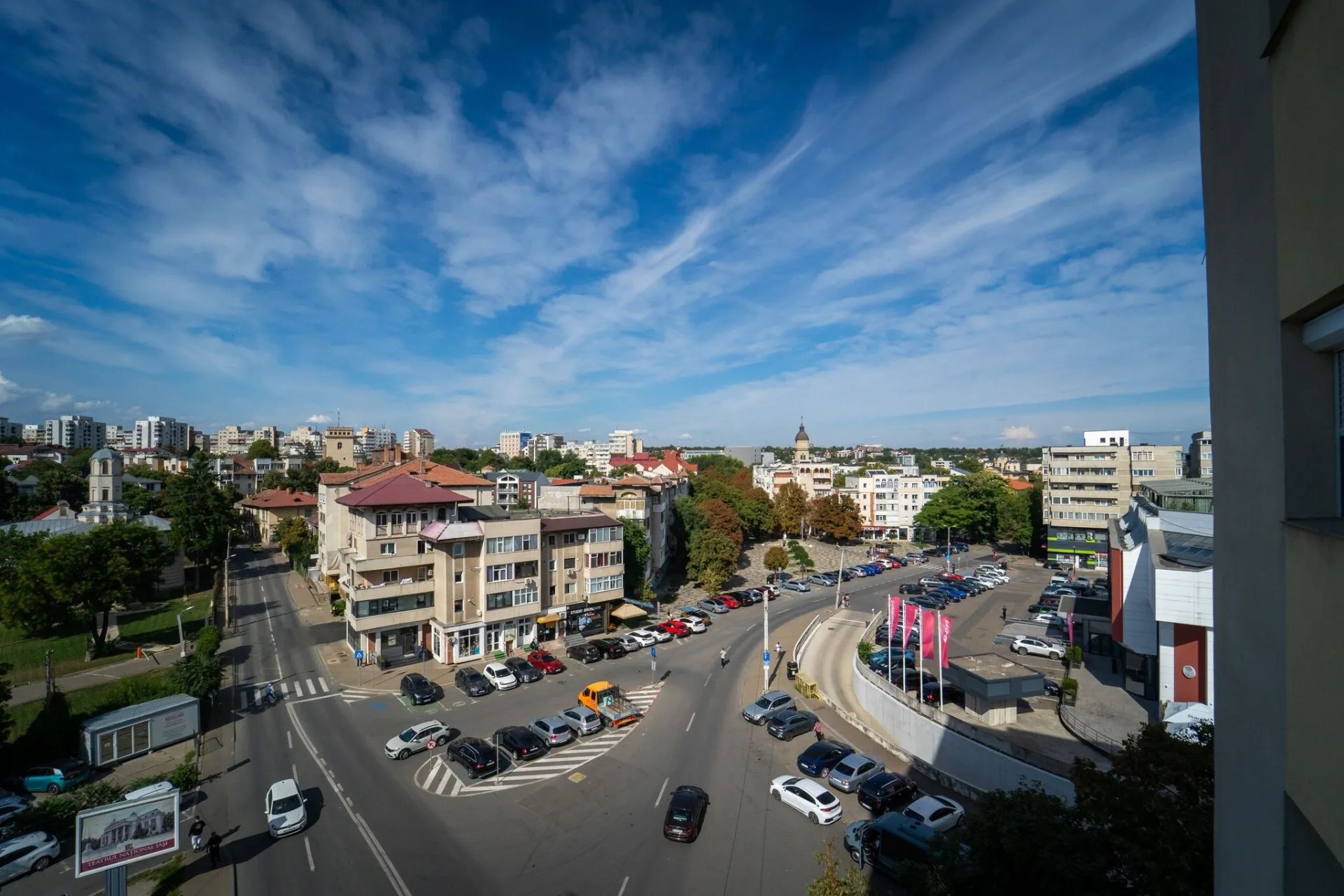
Apartment · 3 stars

Iași, Iași County · 0.4 km
Apartament HC Residence Iași
La Palatul Culturii puteți admira arhitectura impresionantă a uneia dintre cele mai importante clădiri istorice din România, iar de aici porniți cu ușurință spre celelalte monumente ale orașului. Apartamentul de închiriat HC Residence din Iași vă oferă un punct de plecare confortabil pentru a explora aceste locuri încărcate de istorie. Spațiul de cazare este organizat în două camere, o cameră de zi și un dormitor, potrivit pentru relaxare după o zi de vizitare. Bucătăria este dotată integral cu electrocasnice noi, inclusiv frigider, cuptor electric, plită electrică și mașină de spălat vase. De asemenea, aveți la dispoziție o baie complet utilată, mașină de spălat rufe și un balcon unde puteți savura cafeaua dimineața. Pentru confortul dumneavoastră, unitatea oferă Wi-Fi gratuit, fier de călcat și acces facilitat de lift. Intrarea se face independent, cu ajutorul unei cutii cu cifru, iar prezentarea actului de identitate este necesară la sosire. În vecinătate puteți vizita Mănăstirea Sfinții Trei Ierarhi, Complexul Muzeal Național Moldova, Curtea Domnească și Teatrul Național Vasile Alecsandri. Vă așteptăm cu drag să vă cazați la HC Residence Iași.
FROM
230 lei per night

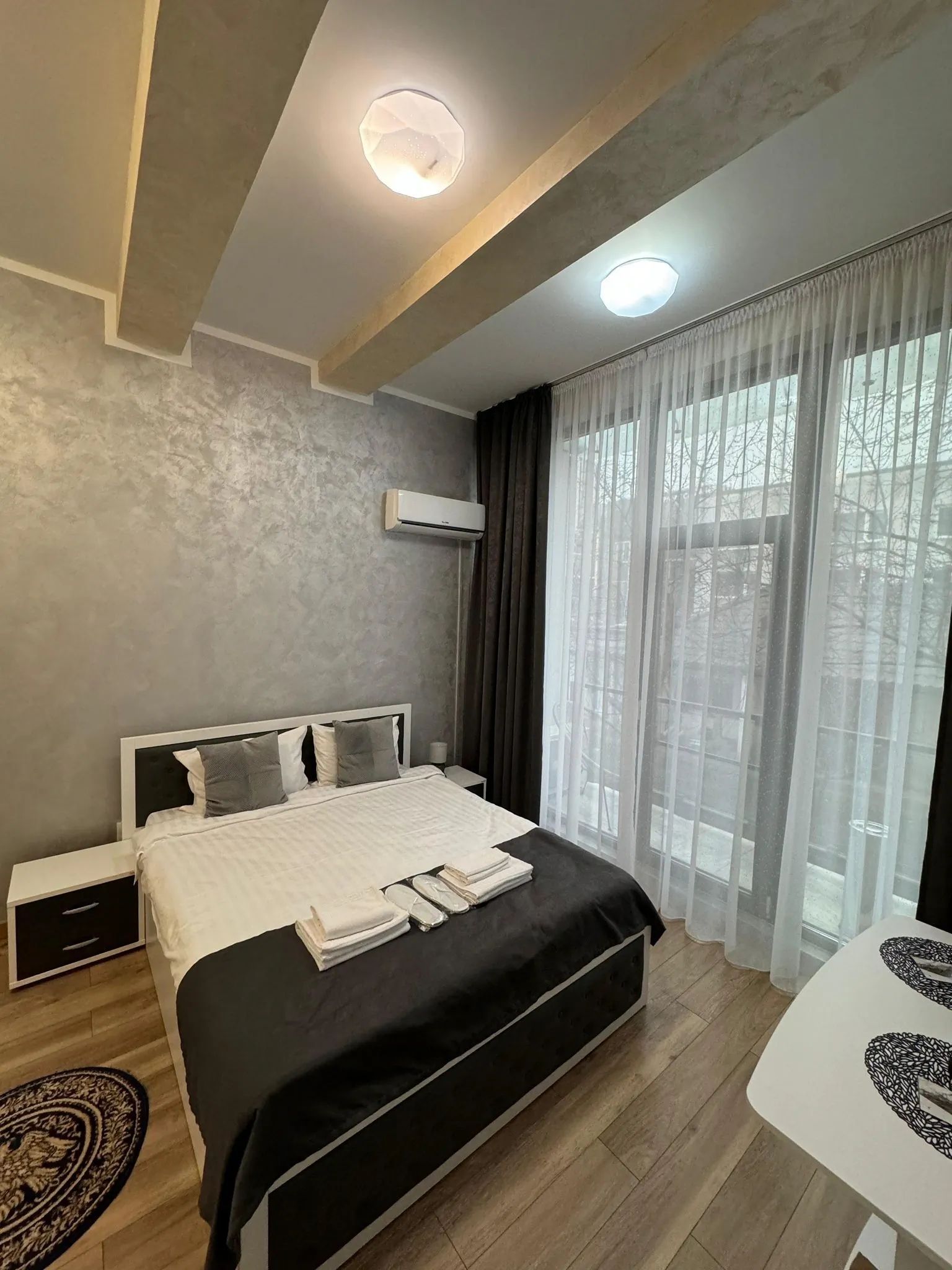
Hotel · 3 stars
Iași, Iași County · 0.5 km
Hotel Palas Grand View Iași
O zi petrecută la Hotel Palas Grand View din Iași poate începe cu un mic dejun savurat în restaurantul din incintă, după care vă puteți conecta la Wi-Fi gratuit pentru a verifica programul zilei și a comunica cu cei dragi. Unitatea oferă 14 camere dotate cu aer condiționat, astfel încât să vă bucurați de un sejur confortabil indiferent de anotimp. Pentru cei care călătoresc cu mașina, hotelul pune la dispoziție parcare privată gratuită, eliminând grija găsirii unui loc de parcare în oraș. În fiecare cameră aveți la dispoziție și fier de călcat, astfel încât să vă puteți aranja hainele înainte de ieșirile la plimbare sau la întâlniri. Personalul de la recepție vorbește atât română, cât și engleză, fiind pregătit să răspundă întrebărilor dumneavoastră și să vă ajute cu orice informație necesară pe durata șederii. În apropiere puteți vizita Palatul Culturii, Mănăstirea Sfinții Trei Ierarhi, Complexul Muzeal Național Moldova, Curtea Domnească Iași și Teatrul Național Vasile Alecsandri, toate aceste obiective fiind situate la îndemână din această locație. Seara, după ce vă întoarceți de la o reprezentație la teatru sau de la o plimbare prin oraș, vă puteți relaxa în camera dumneavoastră, știind că restaurantul din incintă rămâne disponibil pentru cină.
FROM
290 lei per night
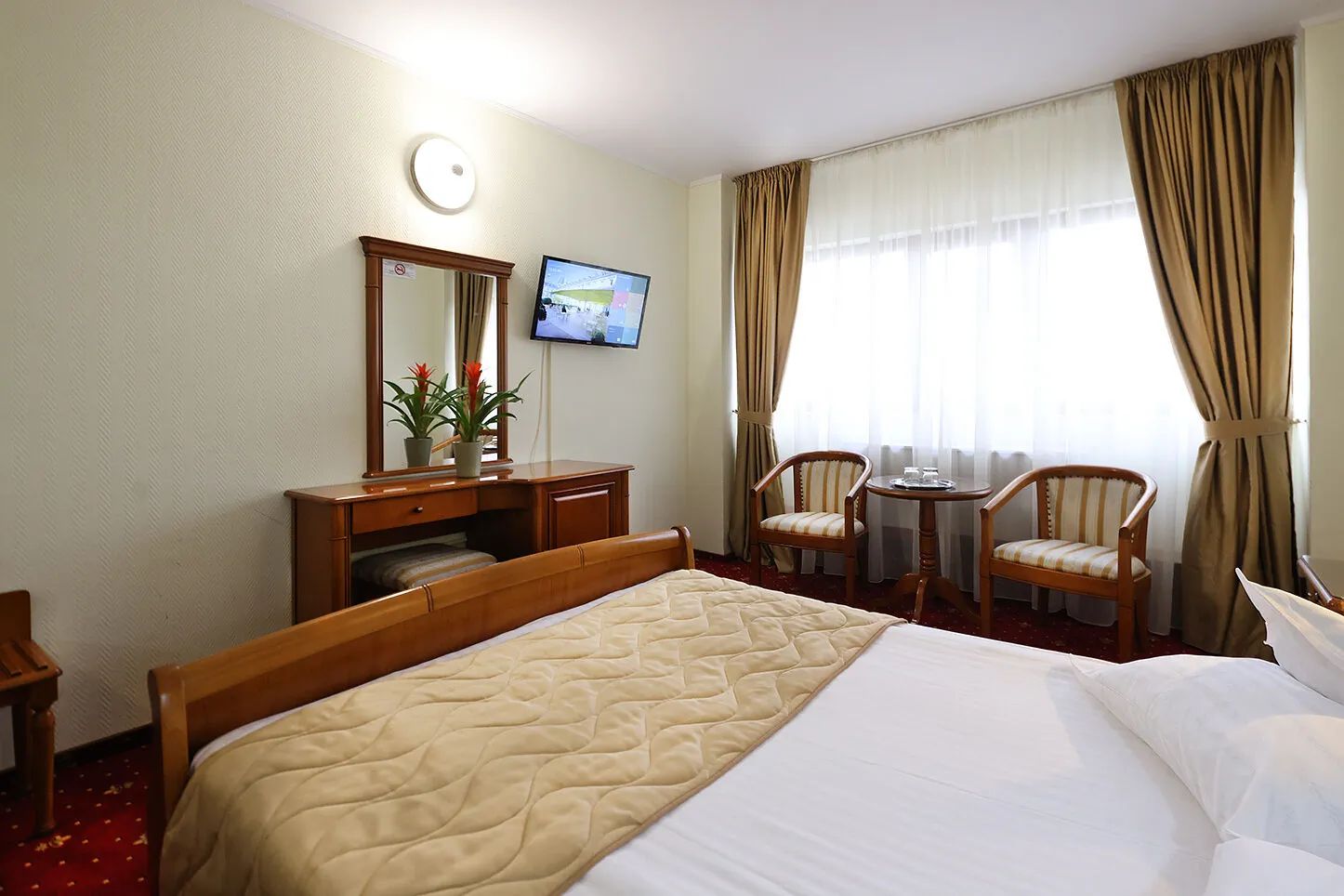
Hotel · 3 stars
Iași, Iași County · 0.6 km
Hotel Moldova Iași
Hotel Moldova Iași este un hotel de trei stele situat în centrul orașului Iași, pe strada Anastasie Panu. Camerele spațioase oferă confort modern prin sistem de climatizare individual, televizor cu cablu, minibar și telefon cu acces direct național și internațional. Oaspeții beneficiază de Wi-Fi gratuit în întreaga unitate, parcare privată gratuită, seif în cameră și acces facilitat pentru persoane cu dizabilități. Liftul asigură deplasarea comodă între etaje, iar depozitul pentru bagaje vă permite să vă bucurați de sejur fără griji. De asemenea, fierul de călcat este disponibil pentru dumneavoastră. Restaurantul din incintă prepară bucate tradiționale românești și preparate din bucătăria internațională, oferind și meniuri speciale pentru diete sau pentru copii. Pentru momentele de relaxare, aveți la dispoziție sauna și sala de fitness, iar pătuțul pentru bebeluș și scaunul înalt vin în sprijinul familiilor cu copii mici. În imediata apropiere se află Palatul Culturii, Complexul Muzeal Național Moldova, Mănăstirea Sfinții Trei Ierarhi, Curtea Domnească Iași și Teatrul Național Vasile Alecsandri, oferind multiple opțiuni de vizitare în oraș. Această unitate este potrivită atât pentru călătorii în interes de afaceri, cât și pentru turiștii care doresc să descopere patrimoniul cultural al Iașului.
FROM
290 lei per night
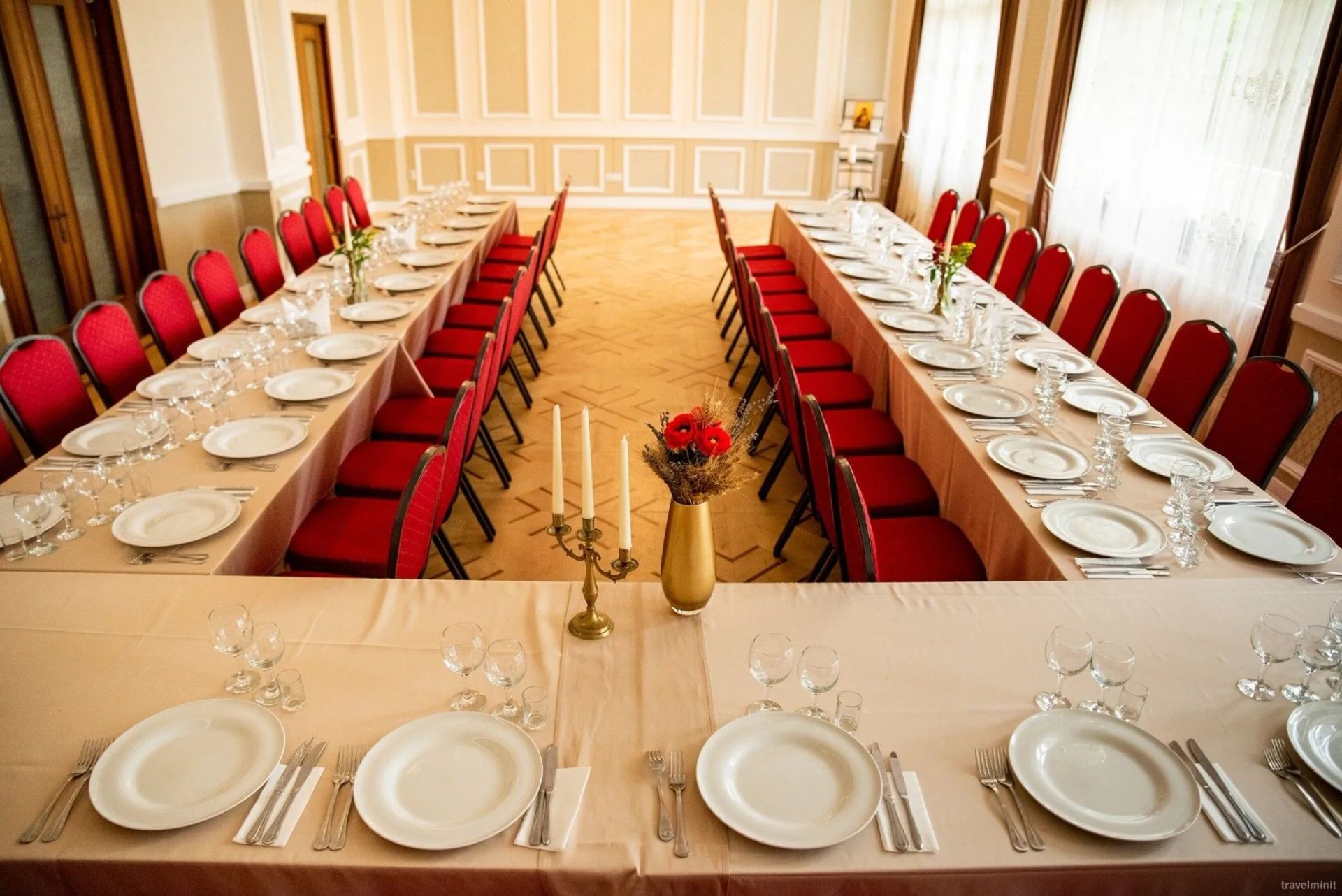
Hotel · 3 stars
Iași, Iași County · 0.6 km
Casa de Oaspeți Sfântul Nicolae Iași
Hotel de trei stele situat în Iași, Casa de Oaspeți Sfântul Nicolae oferă cazare pe strada Aghata Barsescu într-un mediu liniștit și primitor, potrivit atât pentru călătorii de afaceri, cât și pentru turiștii care doresc să descopere orașul. Unitatea pune la dispoziția dumneavoastră cinci camere dotate cu grijă, beneficiind de aer condiționat. Veți găsi aici Wi-Fi gratuit, parcare privată gratuită, room service, depozit pentru bagaje și fier de călcat. Restaurantul din incintă vă permite să serviți masa fără a părăsi proprietatea, iar curtea mare și grădina amenajată oferă un spațiu verde plăcut pentru momente de relaxare în aer liber după o zi de plimbări prin oraș. În apropiere se află Palatul Culturii, Mănăstirea Sfinții Trei Ierarhi, Complexul Muzeal Național Moldova, Curtea Domnească și Teatrul Național Vasile Alecsandri, astfel încât dumneavoastră puteți explora cu ușurință cele mai reprezentative puncte de interes cultural și istoric ale municipiului Iași. Vă așteptăm la Casa de Oaspeți Sfântul Nicolae Iași.
FROM
290 lei per night
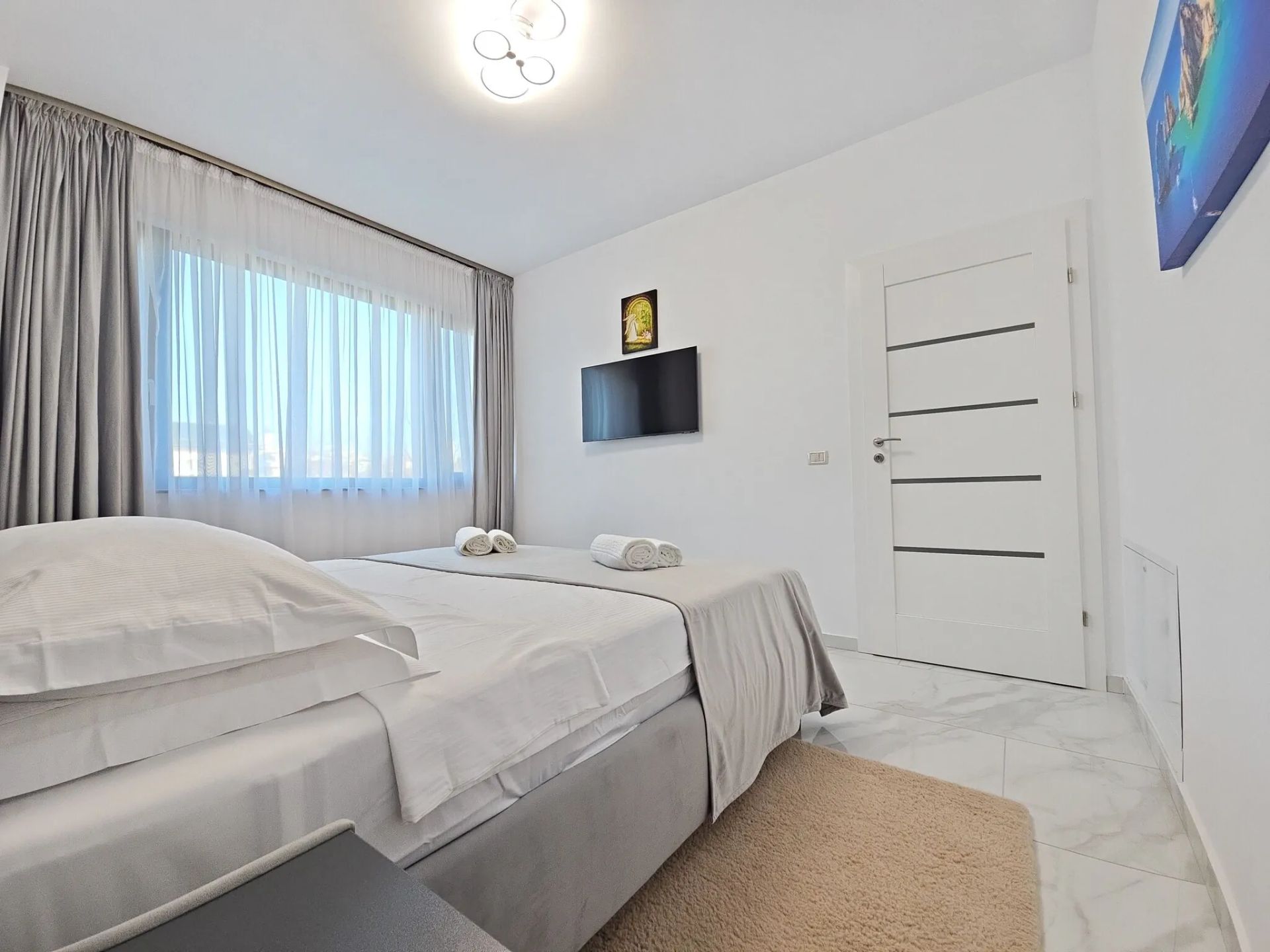
Apartment · 3 stars
Iași, Iași County · 0.7 km
Apartamente G&G Residence Iași
Comfort, relaxation and stunning views, all just steps away from the main attractions.
FROM
230 lei per night
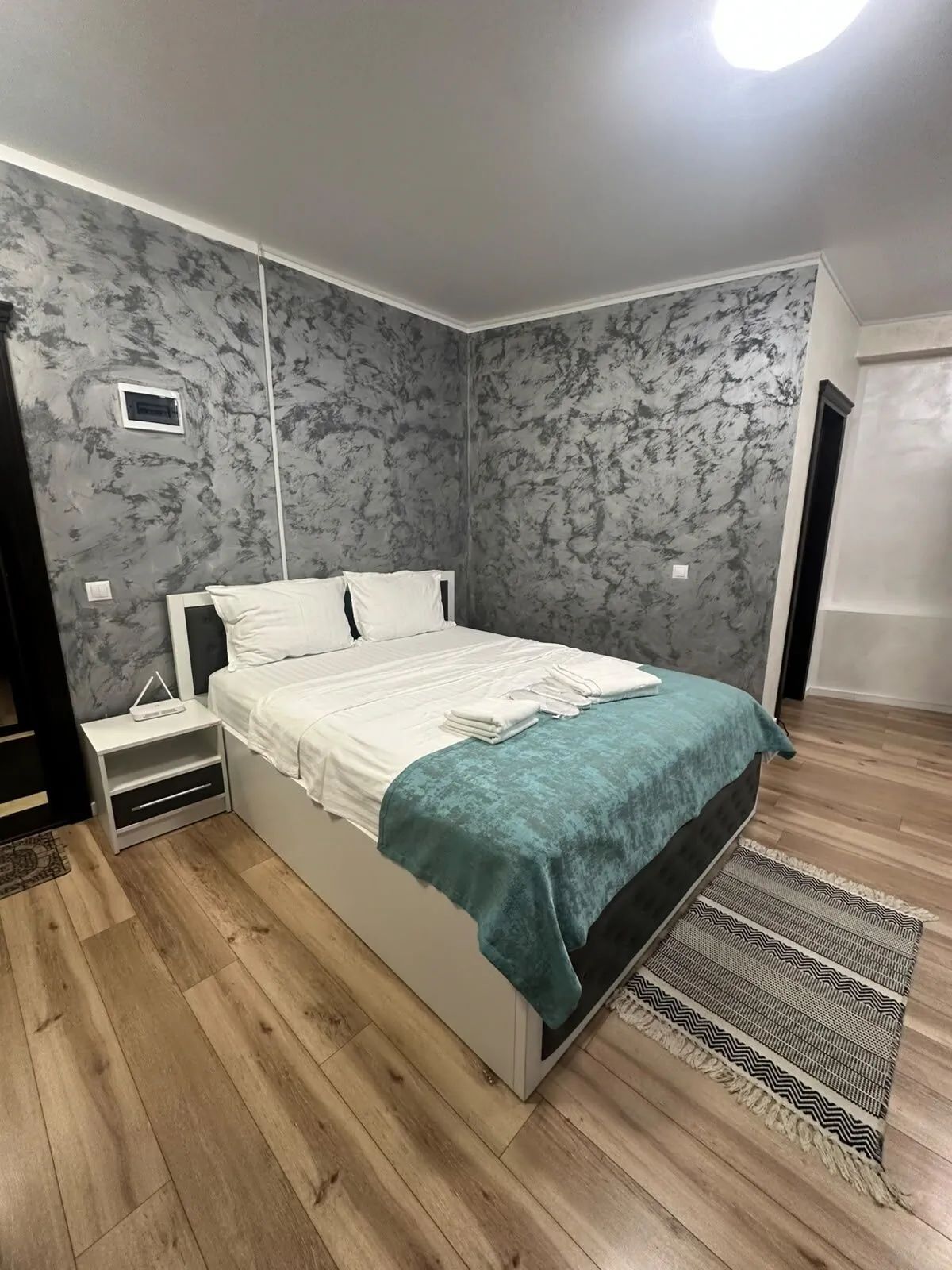
Holiday villa · 4 stars
Iași, Iași County · 0.7 km
Vilă Turistică Grey Palas Iaşi
La doar câțiva pași de Palatul Culturii, puteți porni într-o călătorie fascinantă prin istoria bogată a Iașului, iar Vilă Turistică Grey Palas, o vilă turistică de 4 stele situată chiar în acest oraș, reprezintă punctul dumneavoastră de plecare confortabil pentru explorarea zonei. Vila dispune de o curte mare și o grădină amenajată, spații ideale pentru momente de relaxare în aer liber, alături de o cafenea în incintă unde vă puteți bucura de cafea dimineața. Pentru cei care călătoresc cu mașina, parcare privată gratuită este pusă la dispoziție. În interior, aveți la dispoziție Wi-Fi gratuit pentru a rămâne conectați, seif pentru păstrarea obiectelor de valoare, fier de călcat pentru haine impecabile, depozit pentru bagaje și parcare pentru biciclete, astfel încât fiecare detaliu al șederii dumneavoastră să fie practic și confortabil. În vecinătate puteți vizita Complexul Muzeal Național Moldova, Mănăstirea Sfinții Trei Ierarhi, Curtea Domnească Iași și Teatrul Național Vasile Alecsandri, obiective care vă oferă numeroase oportunități de a descoperi cultura și tradițiile locale în fiecare zi petrecută aici. Vă așteptăm să plecați de la Vilă Turistică Grey Palas spre Teatrul Național Vasile Alecsandri și să vă bucurați de toate experiențele pe care acest oraș unic le oferă.
FROM
390 lei per night
BEFORE YOU HIT THE ROAD
Weather conditions in Iasi
Local forecast for Princely Court of Iași, Iasi, Iași

Real-time updated weather data
Much more to explore in this area
Nearby tourist attractions

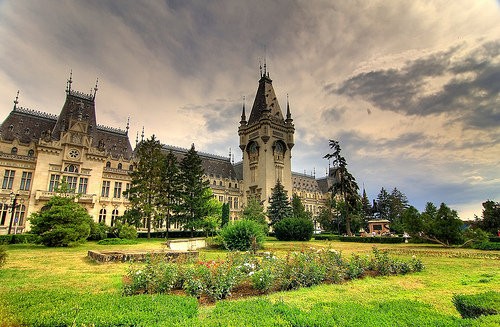

Iasi, Iași County
The Palace of Culture
Situat in Piata Stefan cel Mare si Sfant, nr. 1, judetul Iasi; inaugurat, in 1926, de catre regele Ferdinand al Romaniei; apartine stilului neogotic flamboyant...
0.1 km
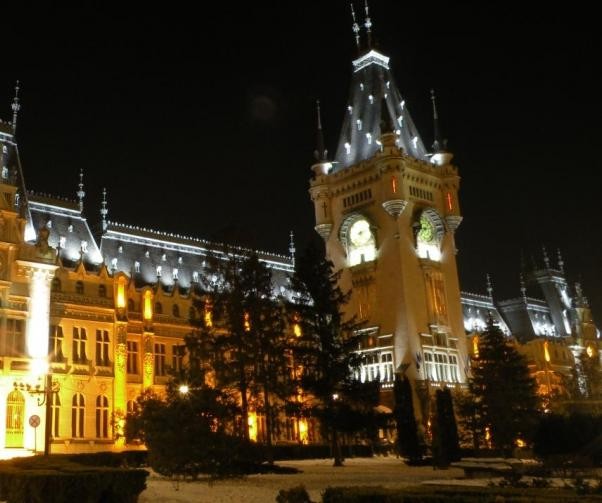
Iasi, Iași County
National Museum Complex of Moldavia
Situat in Piata Stefan cel Mare si Sfant nr. 1 din municipiul Iasi; functioneaza in Palatul Culturii, emblema a orasului, inaltat partial pe ruinele curtilor...
0.1 km
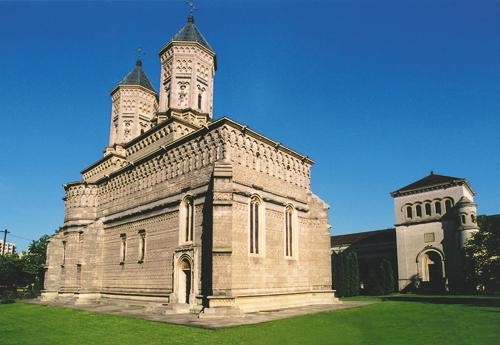
Iasi, Iași County
Three Hierarchs Monastery
Situata pe bulevardul Stefan cel Mare si Sfant nr. 28 din municipiul Iasi; construita intre anii 1637 - 1639; ctitorie a voievodului Vasile Lupu, a fost...
0.4 km
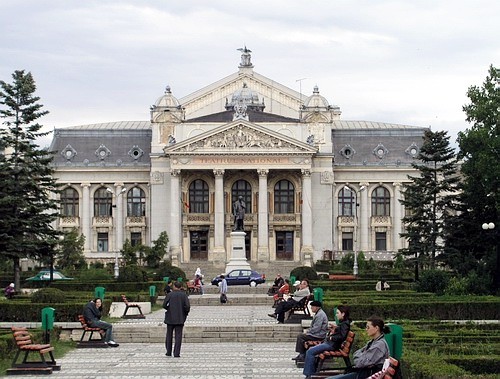
Iasi, Iași County
Vasile Alecsandri National Theatre
Situat pe strada Agatha Barsescu, nr. 18, municipiul Iasi, judetul Iasi; construit intre anii 1894 - 1896; considerat cea mai veche institutie de acest gen din...
0.7 km

0.5 km

Iasi, Iași County
Metropolitan Cathedral of Iași
Situata pe bulevardul Stefan cel Mare si Sfant nr. 16 din municipiul Iasi; actul de nastere al lacasului este decretul dat de Ioan Sandu Sturdza la 8 august...
0.7 km
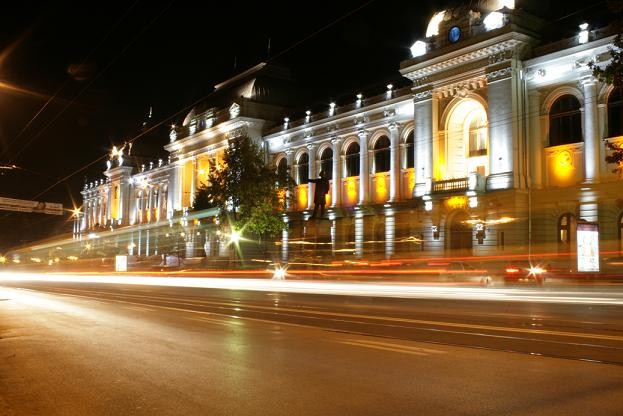
Iasi, Iași County
Alexandru Ioan Cuza University
Situata pe bulevardul Carol I, municipiul Iasi, judetul Iasi; construita intre anii 1893 - 1897; planurile au fost realizate de catre arhitectul Louis Blanc;...
2.3 km

Iasi, Iași County
Golia Monastery Church
Situata pe strada Cuza - Voda, nr. 51, zona Cucu, municipiul Iasi, judetul Iasi; ridicata in secolul al XVI - lea; actuala biserica a fost ridicata de Vasile...
0.8 km
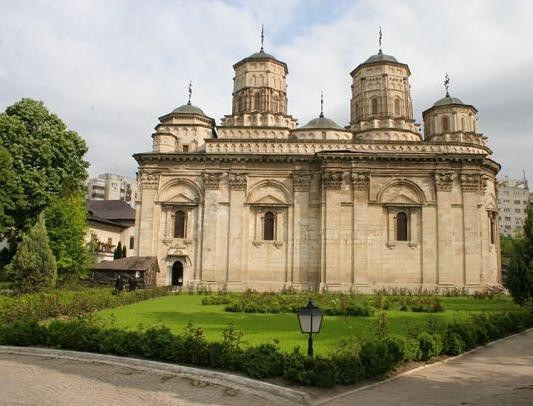
Iasi, Iași County
Golia Monastery
Situata pe strada Cuza Voda nr. 51 din municipiul Iasi; construita de catre Ioan Golia in secolul al XVI - lea, cu hramul "Inaltarea Domnului"; refacuta de...
0.8 km
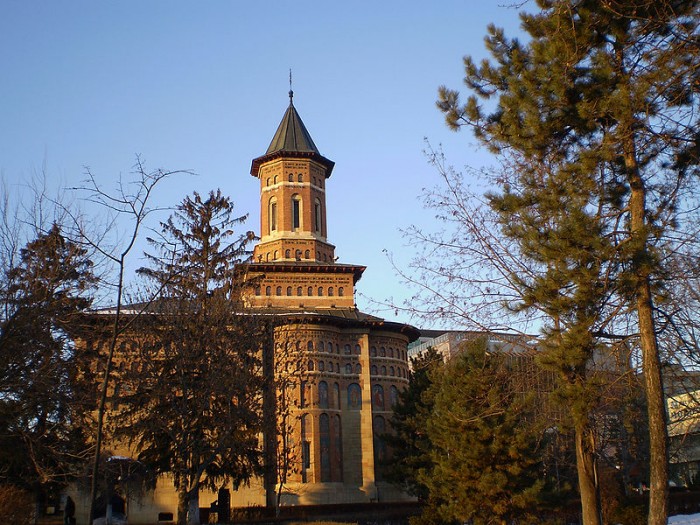
Iasi, Iași County
St. Nicholas Princely Church
Situata pe strada Anastasie Panu, nr. 28, municipiul Iasi, judetul Iasi; construita intre 1491 - 1492, sub ctitoria lui Stefan cel Mare; reconstruita in...
0.2 km

0.2 km

Iasi, Iași County
Eminescu's Linden Tree
Situat in Parcul Copou, municipiul Iasi; se mai numeste si "Copacul indragostitilor"; este un tei argintiu, avand varsta de peste 250 de ani, cel mai vechi...
2.8 km
Cultural life and traditions
Events in the Princely Court of Iași area
Medieval festivals, traditional fairs, concerts and local activities recommended in Moldavia.

History and Voivodeship Heritage

Iasi, County of Iași
The Medieval Festival of Neamț Fortress
Re-enactments of Ștefan’s battles, archery demonstrations with traditional bows, displays of courtly guards, and performances of old court music.
WHEN
July 3-5, 2026


Prehistoric Crafts and Art
Iasi, County of Iași
The National Pottery Fair “Cucuteni 5000”
The most skilled ceramic artists recreate the spectacular motifs of Europe’s oldest civilisation.
WHEN
June 26-28, 2026

Gastronomy and Wines
Iasi, County of Iași
The Traditional Festival of Moldovan Wine
A fair featuring wine tastings from the vineyards of Cotnari, Bucium and Panciu, “poale-n brau” pies, and roasted meats cooked on a spit.
WHEN
October 2-4, 2026
On foot, exploration gains depth
Discover the surroundings and local geography
Explore the trails, terrain, and natural landmarks around Princely Court of Iași.

Guides and practical tips
Useful travel articles
Travel guides, practical recommendations and tourist itineraries for Moldavia.

Tourist guide
Top 5 Atracții Turistice și Trasee Montane în Zona Moieciu - Bran
Descoperă cele mai spectaculoase peisaje carstice, chei adânci și cetăți medievale din imediata apropiere a stațiunii Moieciu.

Tourist guide
Ghid de Drumeție: Traseul Moieciu de Sus spre Platoul Bucegi
Un itinerariu montan de o frumusețe rară ce urcă din Valea Băngăleasa spre Poiana Guțanu și crestele maiestuoase ale Bucegilor.

Tourist guide
Castelul Bran: Istorie, Legende și Secrete Medievale
Află adevărata poveste a fortăreței medievale din Pasul Bran, reședința de suflet a Reginei Maria a României.
THE JOURNEY STARTS WITH AN IDEA
The next story is on the way.
From the first stop to the last stay, make room for a new Romania.
