


PLACE OF WORSHIP · MUNTENIA (WALLACHIA)
Curtea de Argeș Monastery

Albestii, Argeș County
Add location to your trip planner.
Practical access information

VISITING HOURS
Check the local visiting schedule

TICKET PRICE
Information available at the cashier's desk

RECOMMENDED VISIT DURATION
1-2 hours
Sources and external references
Wikipedia Encyclopedia (EN)
Visitor information and guide
 Navigate with Google Maps

ABOUT CURTEA DE ARGEȘ MONASTERY
A Captivating Introduction and Universal Cultural Significance
In the heart of the Southern Carpathians, where the Argeș River carves its path through the Muscel hills, stands one of the most remarkable achievements of European sacred architecture: the Curtea de Argeș Monastery, known worldwide as the Cathedral of Curtea de Argeș. Built between 1515 and 1517 by Prince Neagoe Basarab, this monument represents much more than a simple Orthodox place of worship. It is a living bridge between the civilizations of Europe, a place where Byzantine tradition meets Armenian, Persian, Georgian, and Arab influences, where Balkan folk mythology intertwines with the royal history of a young nation, and where the imperial past of Southeastern Europe is reflected in the skillfully sculpted white marble.
For today's European traveler, Curtea de Argeș offers a profound experience of reconnecting with the common roots of the continent. Here, the paths between the Byzantine and Ottoman Empires, between the Habsburg and Hohenzollern monarchies, between Orthodox sacred art and Western artistic sensibility converge. The cathedral is listed on Romania's List of Historical Monuments under code AG-II-a-A-13628, and since 1991 it has been included on UNESCO's Tentative List of World Heritage Sites under the name "Byzantine and Post-Byzantine Churches of Curtea de Argeș," recognized as one of the most representative examples of religious architecture in Southeastern Europe. Although currently classified in Tier 3 with a national prominence score of 75 out of 100, the monument possesses a cultural dimension that brings it closer to the most prestigious destinations in Tier 1 and Tier 2 of the continent, representing a true symbol of Romanian cultural identity, as well as a treasure of universal European heritage.
Historical Roots and Major European Connections
The Geopolitical Context of the 16th Century: Between Byzantium, the Sublime Porte, and Christian Powers
To fully understand the grandeur of the Curtea de Argeș Monastery, we must go back to the first half of the 16th century, a period of profound transformations for Europe. In 1512, when Neagoe Basarab ascended the throne of Wallachia, the European continent was at a historical crossroads. The Ottoman Empire, after conquering Constantinople in 1453, extended its dominion over the entire Balkan region, while the Kingdom of Hungary tried to maintain its influence north of the Danube, and the Habsburg Monarchy consolidated its position in Central Europe. In this complex geopolitical context, Wallachia, although a vassal of the Sublime Porte, retained an autonomy that allowed it to develop diplomatic relations with various European courts.
Neagoe Basarab (1512-1521) was perhaps the most cultured and cosmopolitan voivode in Romanian medieval history. Raised in the boyar environment of the Craiovești family, with close ties to the Byzantine world of Constantinople and Mount Athos, he received an education rarely found in Eastern Europe at that time. He studied in Constantinople, learning Greek, Slavonic, and Latin, theology, philosophy, and diplomacy. Among his mentors were the monk Macarius from Bistrița, the future metropolitan of Ungro-Wallachia, Patriarch Niphon of Constantinople, and the Serbian intellectual Maxim Branković, one of the great Orthodox thinkers of the era. This exceptional education led historians to consider Neagoe as a true Renaissance prince, a "Marcus Aurelius of Romanian Medieval times," capable of engaging in dialogue on equal terms with European rulers.
Neagoe Basarab's foreign policy was one of balance and diplomacy. Although a vassal of the Ottomans, he maintained relations with the
Architectural Masterpiece and Artistic Heritage
The Triconch Plan and Structure: Innovation in Byzantine Architecture
From an architectural perspective, the Cathedral at Curtea de Argeș represents a remarkable innovation within the Byzantine tradition, similar to the innovations introduced by the architect Sinan in Ottoman architecture or those of the School of Novgorod in Russian architecture. Built from hewn and profiled stone, the church has a triconch plan, inspired by the floor plan of the Vodița II church, a model that would later be repeated in other structures such as the metropolitan cathedral in Bucharest, the former Cotroceni Monastery church, or the Tismana Monastery.
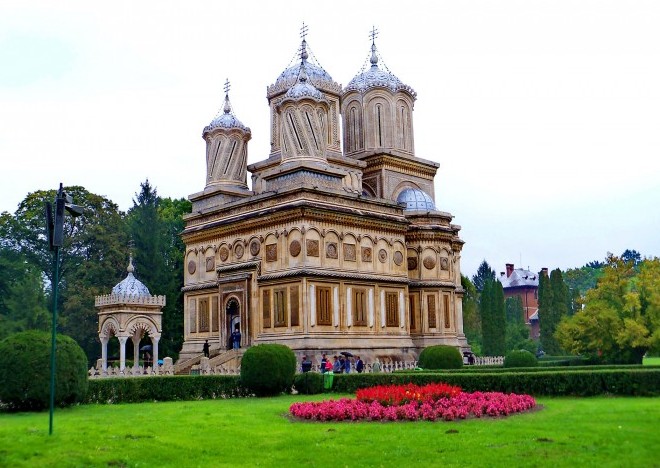
In its current form, the church consists of an enlarged pronaos, organically integrated with the main structure, whose 12 interior pillars support a central dome and two smaller turrets that crown the western corners of the pronaos. The pronaos is highlighted in this way because it also served as a necropolis, housing the tombs of the founders and, later, those of the royal family. These small turrets create an impression through their exterior ornamentation, characterized by the twisting of masonry sections, giving the appearance that they are about to collapse on each other and screw themselves into the heavens. The rest of the church and the altar, with apses that complete its cross shape, also support a high dome, whose integration with the rest of the complex is achieved through vaults, resulting in an architectural whole of unparalleled elegance, comparable to churches in Constantinople or those in Mount Athos.
The church is built on a strong foundation: a vast horizontal pavement of stone blocks, wider than the base area of the church, whose edges end with a kind of enclosure made of carved stone lilies (florons). The exterior walls are divided into two overlapping zones, demarcated by an interwoven belt, a decorative technique that recalls Byzantine art and that of Wallachia in the 14th century.
Exterior: Synthesis Between East and West
The facades of the cathedral are decorated in flat relief with Caucasian and Islamic motifs, a unique fusion in European religious architecture that recalls the artistic syncretism of Mudejar Spain or Arab-Norman Sicily. At the bottom is a suite of rectangular panels in which the windows are set, framed in frames with a variety of ornaments, reminiscent of the geometric interweaving at Dealu Monastery. In the upper register, there is a suite of semicircular panels at the top, in the center of which decorative plates and rosette discs are fixed, elements specific to Persian and Ottoman art.
A particularly fascinating element is represented by the pigeons carved in relief, placed at the intersection of the arches, each carrying a small bell in its beak that rings when the wind blows. These stone birds, which seem ready to take flight, are a decorative motif that recalls Islamic art and Ottoman influences, but also the Christian symbolism of the Holy Spirit, often represented in the form of a dove. Above, exceeding the short edges of the roof placed on several parallel rows of carvings, the structure of the church rises into a suite of volumes and surfaces, upon which the four turrets rise. Of rare ornamental richness, they gather around the windows, like lace in relief, the same patterns through which, harmonized specifically by local craftsmen, a number of elements of Arab and Georgian art are visible. The roof of the turrets is richly decorated, and the crosses are supported by chains, a detail that recalls Armenian and Georgian architecture.
The Baptistery and Exterior Funerary Elements
In front of the entrance is an open baptistery, a unique structure in Romanian religious architecture, whose dome with latticed arches rests on four columns made of various shades of marble and decorated with drawings, created between 1516 and 1517. Seen from the west, the baptistery with its lead covering and gilded cross projects onto the 12 steps that lead to the entrance of the sacred place and onto the frame that surrounds it, like an applied portal. This architectural element, specific to Ottoman mosques (where fountains for ablutions are essential), once again emphasizes the hybrid, intercultural character of the monument, being a rare example of the integration of Islamic ritual practices into a Christian Orthodox context, similar to the water fountains in the courtyards of the great mosques in Bosnia or Albania.
Interior: Painting, Sculpture and Mosaic
Inside, in addition to the oil paintings executed by the French painters F. Nicolle and Ch. Renouard and by the Romanian N. Constantinescu from Curtea de Argeș (replacing the original frescoes created by Dobromir in 1526), the group of 12 originally floral-ornamented columns attracts attention as an exceptional sculptural achievement, representing the 12 Holy Apostles. From their central frame, they serve to separate the entrance area from the sanctuary of the church, functioning as a partial iconostasis, a characteristic specific to early Byzantine architecture.
The altar screen, made of marble, gilded bronze and onyx, with icons worked in mosaic, is a masterpiece of Romanian religious art, similar to the iconostases of the great cathedrals in Constantinople or Moscow. The old altar screen from the 17th century, stylistically dated during the reign of Prince Șerban Cantacuzino (1678-1688), which is now in the collection of religious art objects at the monastery, is also of real ornamental and iconographic originality, representing a phase of maturity of Brâncovenesc art.
The Tombs and Necropolis
In the pronaos are the tombs of the main founders: Neagoe Basarab (died September 15, 1521), his wife, Lady Despina (d. 1554), and his daughter and wife of Ștefăniță Voivode of Moldavia, Lady Stana (d. 1531). Here is also buried Prince Radu of Afumați (d. 1529), the son-in-law and successor of Neagoe Basarab, husband of Lady Ruxandra. The most valuable stone slab from an artistic point of view is that of Radu of Afumați, which depicts the prince on horseback with a scepter in his hand, an iconographic representation specific to the Byzantine and post-Byzantine royal portrait.
Since 1914, the pronaos has also housed the tombs of the royal family: Carol I and Elisabeth, Ferdinand I and Maria, Carol II, Michael I and Anne. In the New Archiepiscopal and Royal Cathedral, built between 2009 and 2018 and consecrated on December 7, 2018, are located the more recent tombs of members of the royal family, as well as the shrine with the relics of Saint Philothea, the spiritual patron saint of Argeș and Wallachia. This new cathedral, with its vast frescoes and massive chandelier, represents a continuation of the architectural tradition, demonstrating that spirituality and sacred art in Curtea de Argeș remain alive, in a continuous dialogue between past and present.
Legends, Personalities, and Pivotal Moments
The Ballad of Master Manole: The Myth of Sacrifice in a European Context
No presentation of the Curtea de Argeș Monastery can be complete without the legendary story of Master Manole, a masterpiece of Romanian folklore that has inspired poets such as Vasile Alecsandri, George Coșbuc, and Nichita Stănescu, as well as composers, painters, and filmmakers from around the world. The ballad "Monastirea Argeșului" tells how Prince Negru Vodă (actually Neagoe Basarab) ordered ten master craftsmen, apprentices, and masons, led by Manole, to build a monastery "unlike any other in the world."
When everything built during the day was torn down at night, Manole received a revelation in a dream: for the walls to stand, the first woman who came with food the next day had to be sealed into the foundations. The craftsmen warned their wives, sisters, and mothers not to come, but Manole, unaware that his wife Ana knew the secret, saw her approaching. In an act of ultimate sacrifice, Manole began to wall up Ana in the wall. When the construction was finished, the prince, seeing its grandeur, asked if the craftsmen could build one even more beautiful. Answering in the affirmative, in order to prevent the construction of another, more beautiful building, the ruler ordered their scaffolding to be taken away, leaving the ten craftsmen stranded on the roof. They made wings out of shingles and jumped, hoping to fly, but they all fell and died. In the place where Manole collapsed, a spring appeared, the Fountain of Master Manole, "with little water, with salty water, watered with tears."
This legend is not just Romanian. The theme of sacrifice for the foundation of a building is present in the mythology of all European peoples, especially in the Balkan Peninsula (among Bulgarians, Greeks, Albanians, Serbs, and Croats), in the Scandinavian and Baltic countries (where the myth of ritual sacrifice for bridges and churches is common), in the Iberian Peninsula, and even in Celtic mythology. Scholars have hypothesized that the oldest version of the myth of sacrifice in Europe is the Neo-Greek one, from which it spread to Albanians, Macedo-Romanians, Bulgarians, and then north of the Danube. The legend of Master Manole is a variation of the myth of Icarus, but also a parallel with the story of the construction of St. Basil's Cathedral in Moscow, where Ivan the Terrible allegedly blinded the craftsmen so that they could not build anything more beautiful.
Mircea Eliade, the great mythologist and historian of religions, believed that the myth of sacrifice was a Getae-Thracian cultural heritage, present since prehistoric times. The legend at Curtea de Argeș illustrates the aesthetic myth in popular literature: lasting beauty seems possible only through sacrifice, a profoundly human idea that transcends cultural boundaries and is found in Norse mythology (where the god Odin sacrifices himself for knowledge) or in the Christian traditions of saintly founders.
The Fountain of Master Manole and the Sacred Spring
In the immediate vicinity of the monastery is the Fountain of Master Manole, a spring that, according to legend, appeared at the place where the master collapsed. Locals call it "the spring with salty water," recalling Ana's tears. This place is imbued with spirituality and is visited by pilgrims who come to pray and take holy water. From the fountain, one can see, to the west, the former monastery hospital, a historical monument about which a document from 1524 states that "it was located next to the church of Neagoe Basarab as early as 1524," representing one of the first monastic hospitals in Wallachia, similar to those in Mount Athos or medieval Serbia.
Historical Figures and European Visitors
Over the centuries, the Curtea de Argeș Monastery has been visited and admired by numerous European figures. In 1654, Paul of Aleppo, secretary to Patriarch Macarius of Antioch, considered the old settlement of Neagoe Basarab to be "one of the wonders of the world" during his journey through Romania, comparing it to the great monasteries in Greece and Syria. In 1794, the English doctor and traveler Robert Ainslie wrote words of high praise about the monastery, and the French painters Bouquet and Lancelot, whose travel notes and engravings helped spread the fame of the monument beyond the country's borders, contributed to its inclusion in Western European travel albums.
In the 19th century, historian and archaeologist Alexandru Odobescu was the one who promoted the monument at the Universal Exhibition in Paris in 1867 and suggested that Minister Titu Maiorescu enlist Viollet-le-Duc for restoration. King Carol I was the patron of the second phase of the monastery's flourishing, transforming it into a royal necropolis and building the railway connecting Curtea de Argeș to Bucharest (the royal station, designed by architect Elie Radu in 1898), thus integrating the monument into the network of modern European infrastructure.
Queen Maria of Romania, with her artistic sensibility and love for traditions, contributed to the promotion of popular culture and religious art, and she was buried next to her husband, Ferdinand, in the cathedral's pronaos. The death of King Michael I in 2017 and his burial at Curtea de Argeș brought renewed attention from all of monarchical Europe to the importance of this sacred place, highlighting its role as a meeting point for European dynasties.
A Practical Guide to Visiting and Experiencing Contemporary Tourism
Location and Accessibility
The Curtea de Argeș Monastery is located in the town of Curtea de Argeș, Argeș County, South-Muntenia region, at number 1 Basarabilor Boulevard. The town is approximately 150 kilometers northwest of Bucharest, 36 kilometers from Pitești, at the foot of the Făgăraș Mountains, in a charming valley traversed by the Argeș River. Access can be gained by private car, bus, or train (Curtea de Argeș Royal Station, the end of the Pitești-Curtea de Argeș line). The town is an excellent starting point for hikes on Transfăgărășan, one of the most spectacular mountain roads in the world. Similar alpine roads can be found in Switzerland or Austria, but it retains a distinct Eastern European character.
Schedule, Fees, and Restoration Status
The monastery is open to the public every day, with a schedule that varies depending on the season. In general, access to the grounds is permitted between 8:00 AM and 6:00 PM in summer, with a more limited schedule in winter. Access inside the church follows the religious service schedule, so it is recommended not to enter during services. The entrance fee is symbolic (around 2 lei for parking and a small visiting fee; information is available at the ticket office), and for organized groups and guided tours, it is recommended to contact the Argeș and Muscel Archiepiscopate in advance.
It is important to note that currently (as of April 2025), the monastery is undergoing extensive restoration funded by European funds through the Regio Sud-Muntenia 2021-2027 program. The work includes strengthening the building, restoring the interior murals, replacing the lead roofing, and other related interventions, similar to the major restoration projects at Notre-Dame in Paris or Cologne Cathedral. It is estimated that the restoration will be completed in May 2028, when the monument will be fully reopened to the public. Until then, the exterior is partially covered with scaffolding, and access inside may be restricted, although the courtyard and surrounding paths remain accessible.
Visitor Route and Points of Interest
Today's visitor can admire the exterior of the cathedral, with its four twisted towers and relief decorations featuring Caucasian and Islamic motifs, the outdoor baptistery with marble columns, and visit the Fountain of Master Manole, located nearby. The courtyard of the monastery also houses the New Archiepiscopal and Royal Cathedral, built between 2009 and 2018, an impressive building in a neo-Byzantine style with modern elements, which houses the royal crypt and the reliquary containing the relics of Saint Philothea. This new cathedral, with its extensive frescoes and massive chandelier, represents a continuation of the architectural tradition, demonstrating that spirituality and sacred art at Curtea de Argeș remain vibrant.
In the narthex of the old church, you can see the tombs of King Carol I and Queen Elizabeth, and on the other side, those of King Ferdinand and Queen Maria, marked by marble slabs and sculpted crosses. The atmosphere is one of profound contemplation, imbued with history and the presence of personalities who shaped European history in the 19th and 20th centuries.
Spiritual Atmosphere and Celebrations
On August 15th, during the Feast of the Dormition of the Mother of God, the monastery's patron saint day, thousands of pilgrims from across the country and the diaspora gather at Curtea de Argeș. This day represents a moment of national spiritual unity, when believers come to venerate the relics of Saint Philothea and participate in the feast-day service. For the European traveler, participating in this celebration offers an authentic experience of Eastern Orthodox spirituality, with its liturgical traditions, Byzantine music, and specific rituals, similar to pilgrimages to Mount Athos, Meteora, or Kyiv, but retaining a Romanian character.
Recommendations for a Complete Visit
For a complete visit, it is recommended to allocate at least 3-4 hours for the monastery, Manole's Fountain, the New Royal Cathedral, and the surrounding gardens. A full day can also be dedicated to visiting other attractions in Curtea de Argeș: the Domnească Sfântul Nicolae Church (one of the oldest churches in Wallachia, with intact Byzantine frescoes from 1364-1369, comparable to those at Studenița Monastery in Serbia), the ruins of the Royal Court, the Municipal Museum, and Negru Vodă Monastery. The area also offers access to Vidraru Dam, the reservoir, and Transfăgărășan, forming an exceptional tourist circuit in the heart of the Carpathians, similar to circuits in the Swiss Alps or the Dolomites.
Contact Information and Services
For updated information on schedules, fees, and restoration status, you can contact the Argeș and Muscel Archiepiscopate: 23 Basarabilor Boulevard, Curtea de Argeș, telephone 0348 401 956, email [email protected]. For appointments and information regarding visits to the Archiepiscopal Palace, call 0755 043 718.
Contemporary Significance and European Dimension
The Curtea de Argeș Monastery remains a vibrant place, constantly evolving and imbued with multiple meanings. It is simultaneously a World Heritage site awaiting recognition (UNESCO), a pilgrimage destination for Orthodox believers, a royal mausoleum that connects the history of Romania to the great European dynasties, a subject of study for art and architecture historians, and a symbol of the cultural resilience of a people who, throughout the centuries, have known how to preserve their identity despite the empires that have come and gone around them.
For the European traveler seeking authenticity, spiritual depth, and connections with the major threads of the continent's history, Curtea de Argeș offers an unforgettable experience. Here, beneath the sculpted stone vaults, before the tombs of kings and queens related to Victoria of England and the tsars of Russia, near the spring where legend says Master Manole fell, one can feel the pulse of a Europe united in its diversity, a Europe whose roots stretch from Byzantium to the heart of the Carpathians, from the 16th century to the present day, demonstrating that true cultural greatness knows no boundaries, but only common horizons.
Media gallery
Discover Curtea de Argeș Monastery in pictures

21 photos · Architecture, courtyards and captivating details


Image source: Wikimedia Commons · Public domain photos · Free license
STAY A FEW DAYS, DISCOVER THE MAGIC
Accommodation in the Curtea de Argeș Monastery area

Guesthouse · 3 stars

Curtea de Argeș, Argeș County · 0.2 km
Casa Sapte din Sapte Curtea de Argeș
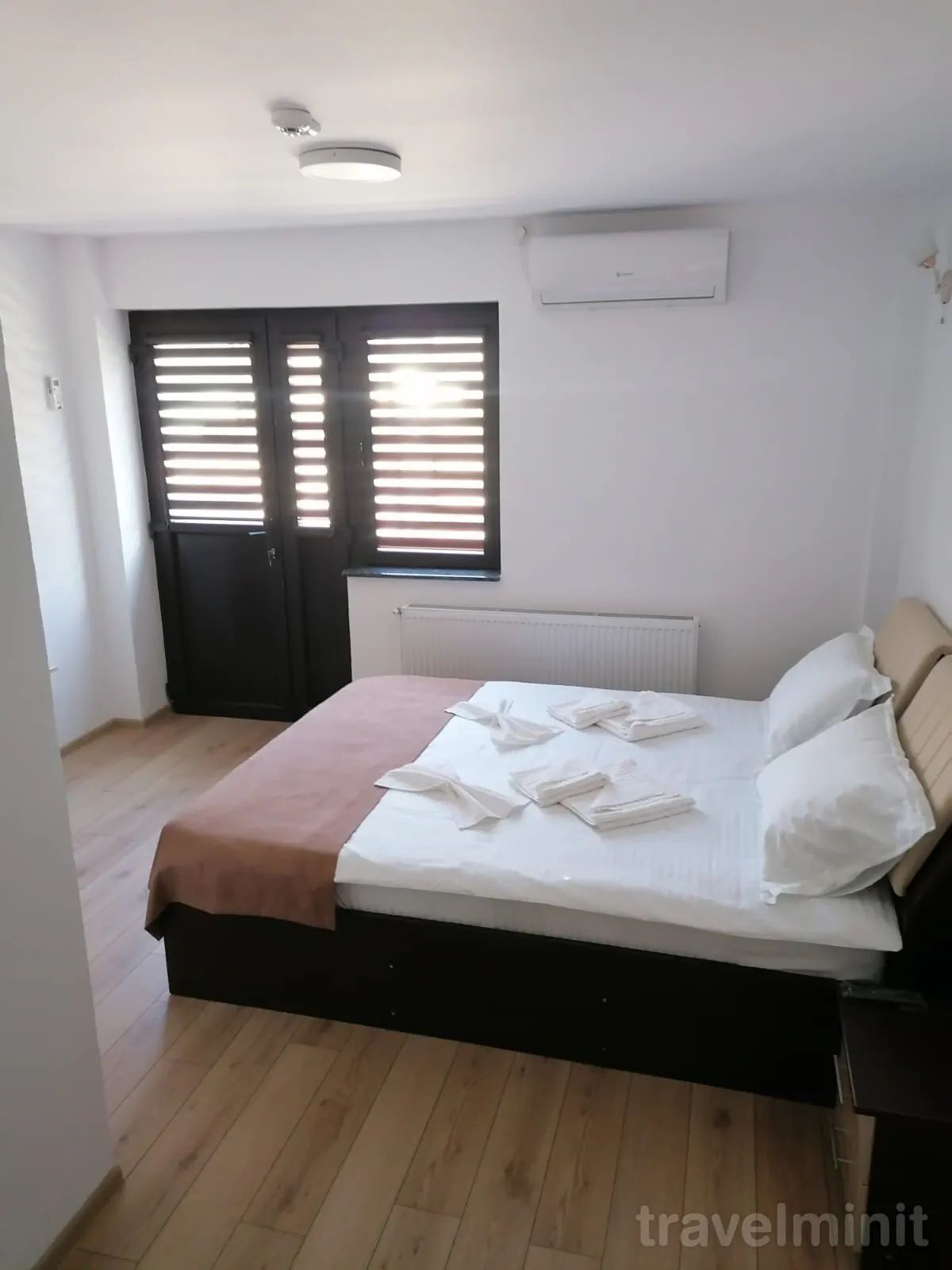
O zi începe în liniște în curtea mare și grădina amenajată, unde vă puteți bucura de aer liber și de soare, iar apoi vă puteți conecta la Wi-Fi gratuit pentru a vă organiza programul. Casa Sapte din Sapte din Curtea de Argeș vă oferă și parcare privată gratuită, astfel încât să vă simțiți confortabil încă de la sosire, fără grija găsirii unui loc de parcare. Facilitățile unității sunt gândite pentru confortul dumneavoastră pe toată durata șederii. Accesul este facilitat și pentru persoanele cu dizabilități, iar spațiile verzi din jur creează o atmosferă relaxantă, departe de aglomerația urbană. Fie că veniți pentru odihnă sau pentru explorare, veți găsi aici condiții adecvate pentru un sejur plăcut și liniștit. Poziția centrală a pensiunii vă permite să ajungeți rapid la cele mai importante obiective turistice din zonă. Puteți vizita Mănăstirea Curtea de Argeș, Catedrala Regală din Curtea de Argeș, Colecția Muzeală a Mănăstirii Ortodoxe Curtea de Argeș, Biserica domnească Sfântul Nicolae din Curtea de Argeș și Biserica Episcopală „Adormirea Maicii Domnului”, fiecare dintre acestea oferind o experiență culturală și spirituală deosebită. Această pensiune este potrivită pentru turiști care doresc să combine relaxarea într-un mediu natural și primitor cu vizitarea monumentelor istorice și religioase din Curtea de Argeș.
FROM
240 lei per night

Guesthouse · 3 stars
Curtea de Argeș, Argeș County · 0.4 km
Prestige House Delux Curtea de Argeș
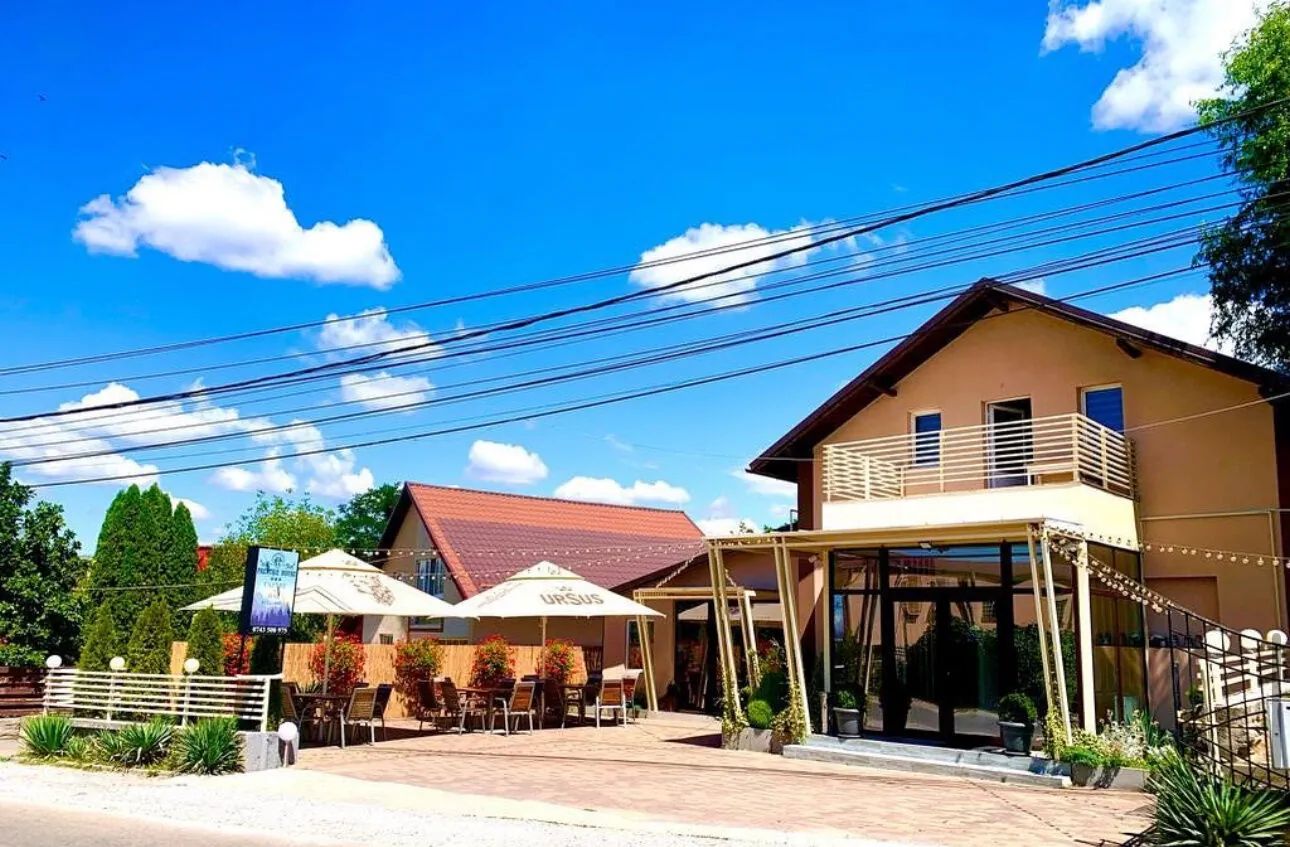
Comfort, relaxation and stunning views, all just steps away from the main attractions.
FROM
240 lei per night

Hotel · 4 stars
Curtea de Argeș, Argeș County · 0.6 km
Hotel Subcarpati Curtea de Argeș
O zi petrecută aici poate începe cu o plimbare pe biciclete închiriate prin împrejurimile orașului și se poate încheia într-o atmosferă de relaxare completă, fie într-o cadă cu hidromasaj din cameră, fie în grădina amenajată, la Hotel Subcarpati din Curtea de Argeș. Cele 19 de camere sunt dotate cu aer condiționat, iar conexiunea Wi-Fi gratuită vă permite să rămâneți conectați. Mic dejunul este inclus, iar parcare privată gratuită este disponibilă pentru dumneavoastră. Pătuțul pentru bebeluși și locul de joacă pentru copii la exterior fac șederea mai confortabilă pentru familii. Curtea mare și grădina amenajată oferă un spațiu generos pentru relaxare în aer liber. În apropiere puteți vizita Catedrala Regală din Curtea de Argeș, Mănăstirea Curtea de Argeș, Colecția Muzeală a Mănăstirii Ortodoxe Curtea de Argeș, Biserica domnească Sfântul Nicolae din Curtea de Argeș și Biserica Episcopală „Adormirea Maicii Domnului”. Unitatea este potrivită atât pentru familii cu copii, cât și pentru călători care doresc să exploreze obiectivele istorice și religioase din Curtea de Argeș.
FROM
420 lei per night
Hotel · 4 stars
Curtea de Argeș, Argeș County · 0.6 km
Hotel Posada Curtea de Argeș
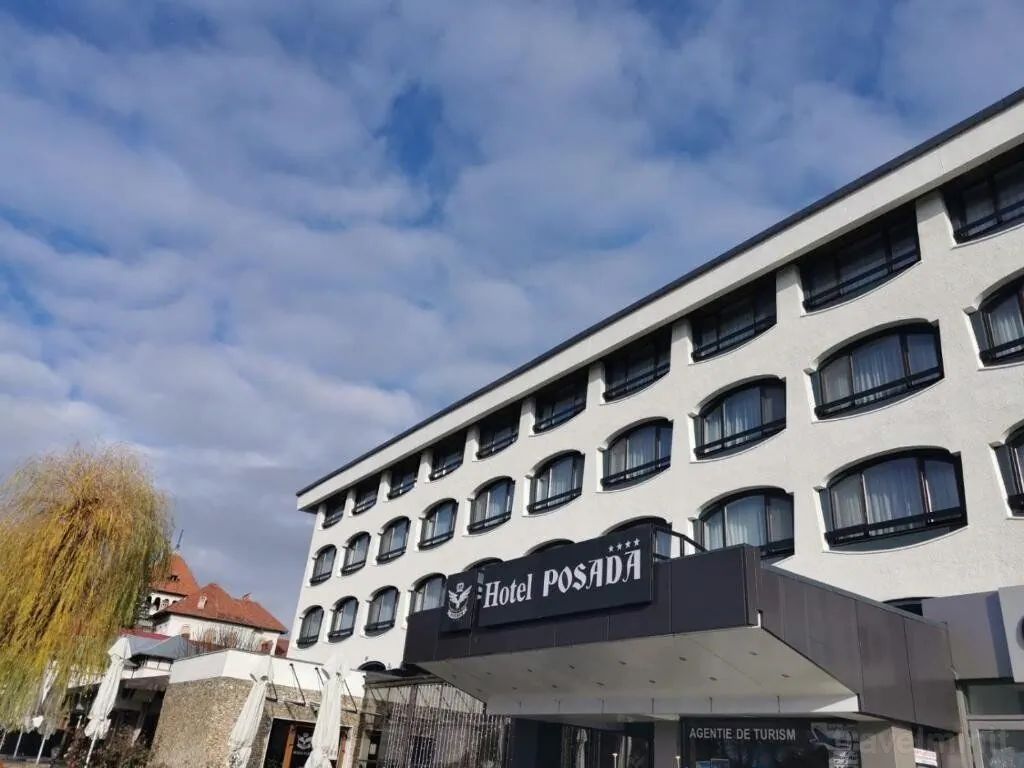
Comfort, relaxation and stunning views, all just steps away from the main attractions.
FROM
420 lei per night
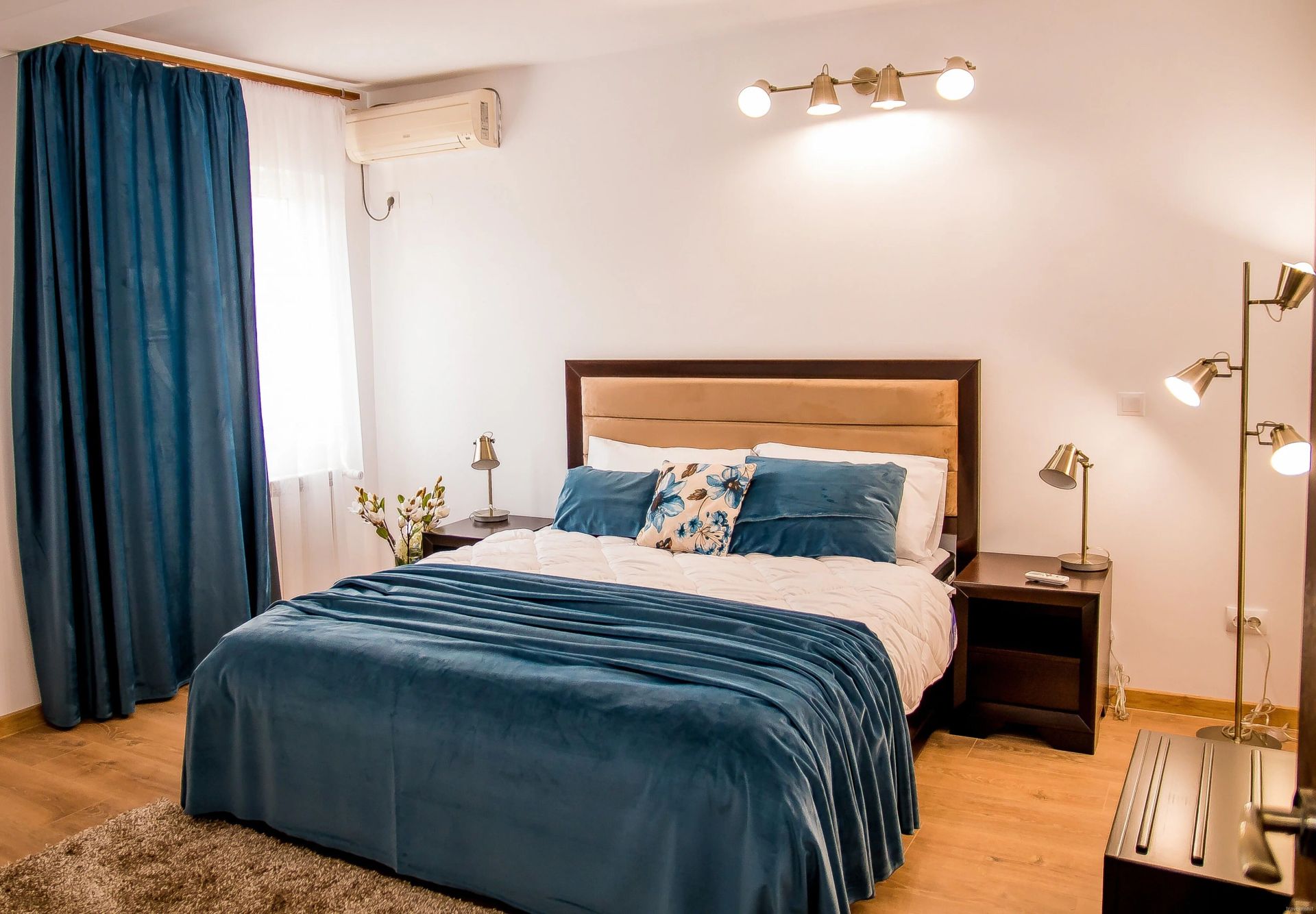
Hotel · 3 stars
Curtea de Argeș, Argeș County · 0.9 km
THR Center Hotel Curtea de Argeș
THR Center Hotel Curtea de Argeș este un hotel cu trei stele situat în localitatea Curtea de Argeș, județul Argeș, pe bulevardul Basarabilor numărul 125. Pentru confortul dumneavoastră, unitatea pune la dispoziție Wi-Fi gratuit, parcare privată gratuită și un restaurant în incintă, facilități care contribuie la o ședere plăcută și lipsită de griji. Toate camerele beneficiază de balcon propriu și baie privată modernă, prevăzută cu cabină de sticlă și baterie de duș tropical. Fiecare cameră este dotată cu televizor cu ecran plat și telefon, fiind mobilată într-un stil clasico-modern care satisface cerințele și celor mai pretențioși clienți. Hotelul oferă o vedere către centrul orașului Curtea de Argeș și se află în apropierea unor importante obiective istorice și religioase, printre care Catedrala Regală din Curtea de Argeș, Mănăstirea Curtea de Argeș, Colecția Muzeală a Mănăstirii Ortodoxe Curtea de Argeș, Biserica domnească Sfântul Nicolae din Curtea de Argeș și Biserica Episcopală „Adormirea Maicii Domnului”. Vă așteptăm la THR Center Hotel Curtea de Argeș.
FROM
290 lei per night
Guesthouse · 4 stars
Curtea de Argeș, Argeș County · 1.6 km
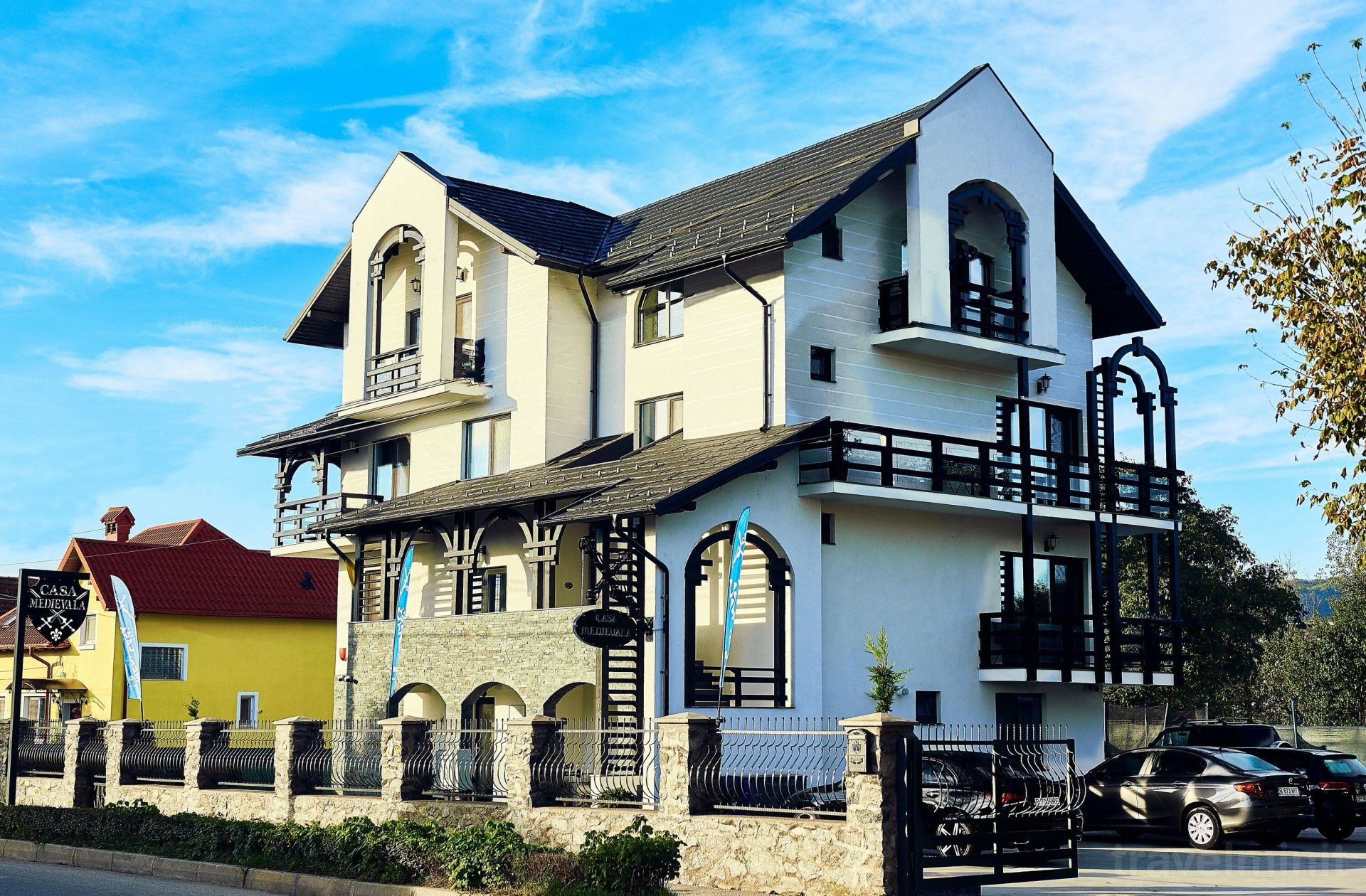
Casa Medievala Curtea de Argeș
O vizită la Mănăstirea Curtea de Argeș poate marca începutul unei descoperiri a orașului istoric. Pensiunea Casa Medievala din Curtea de Argeș, clasificată cu patru stele, vă pune la dispoziție un punct de plecare confortabil pentru a explora această zonă. Unitatea oferă Wi-Fi gratuit, parcare privată gratuită și depozit pentru bagaje. În curtea mare și grădina amenajată puteți petrece timp plăcut în aer liber, la foișor sau folosind grătarul. Pentru cei mici există un loc de joacă la exterior, iar pătuțul pentru bebeluș este disponibil la cerere. Puteți închiria biciclete pentru a descoperi împrejurimile sau puteți alege drumeții montane și trasee în natură. În apropiere se găsesc și Catedrala Regală din Curtea de Argeș, Colecția Muzeală a Mănăstirii Ortodoxe Curtea de Argeș, Biserica domnească Sfântul Nicolae din Curtea de Argeș și Biserica Episcopală „Adormirea Maicii Domnului”. Pentru confortul dumneavoastră sunt disponibile fier de călcat, cafenea în incintă, parcare pentru biciclete și acces pentru persoane cu dizabilități. Vă așteptăm la Casa Medievala din Curtea de Argeș.
FROM
310 lei per night
BEFORE YOU HIT THE ROAD
Weather conditions in Albestii
Local forecast for Curtea de Argeș Monastery, Albestii, Argeș

Real-time updated weather data
Much more to explore in this area
Nearby tourist attractions


Sibiu, Sibiu County
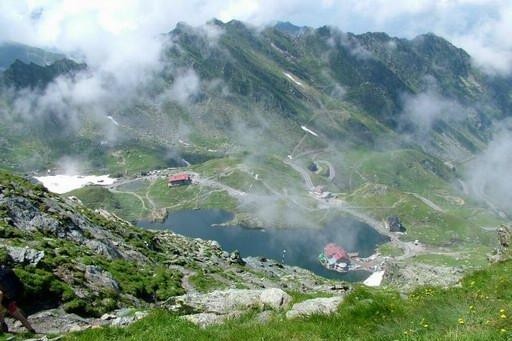
Bâlea Lake
Situat in Muntii Fagaras, la Obarsia Cartisoarei, care se afla la o altitudine de 2.034 metri, langa soseaua Transfagarasan din judetul Sibiu; in perioada...
49.9 km

Curtea de Argeș, Argeș County
The Royal Cathedral in Curtea de Argeș.
Catedrala din Curtea de Argeș, România
0.1 km

Albestii, Argeș County
Vidraru Lake and Dam
Situat intre Muntii Fruntii si Masivul Ghitu; lac de acumulare creat in anul 1965; construirea barajului Vidraru a durat cinci ani si jumatate; suprafata...
23.6 km
Albestii, Argeș County
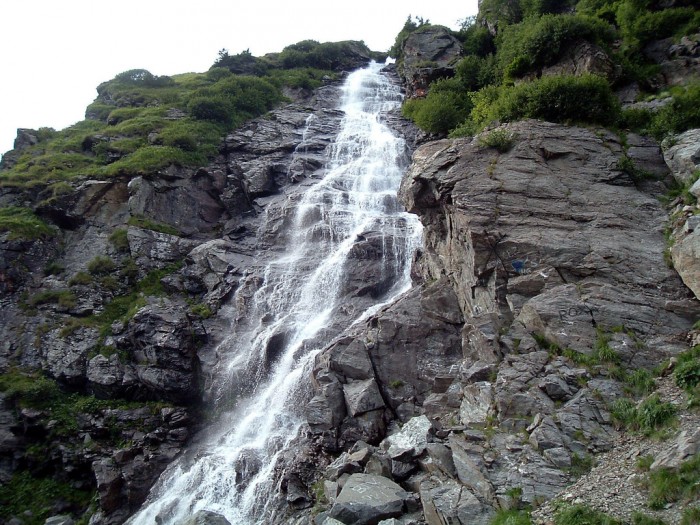
Goat Waterfall on the Transfăgărășan Highway
Situata in apropiere de cota 2.000, pe versantul sudic al Muntilor Fagaras, chiar langa soseaua Transfagarasan, intre cabana Capra si Lacul Balea, pe DN7C;cunos...
47.8 km
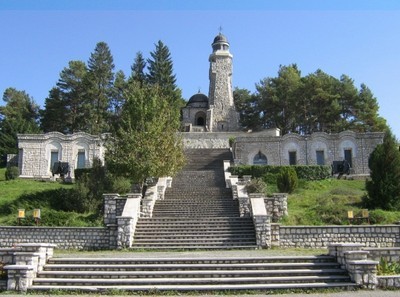
Mateias, Argeș County
Mateiaș Heroes' Mausoleum
Situat in comuna Mateias, judetul Arges;dedicat eroilor din Razboiul de Intregire Nationala dintre anii 1916-1918; ridicat intre anii 1928-1935, de catre...
39.3 km
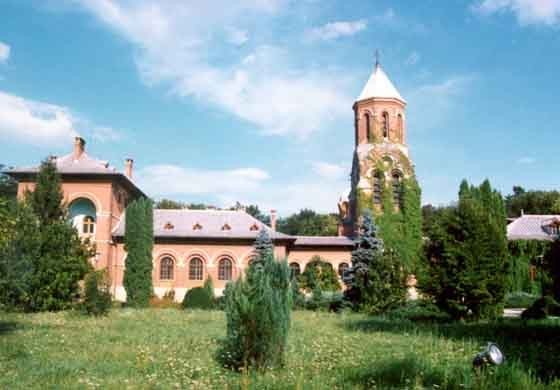
Albestii, Argeș County
Museum Collection of Curtea de Argeș Monastery
Situata pe bulevardul Basarabilor nr. 1, Curtea de Arges; pune in valoare cele trei biserici de lemn, cruci in lemn, fresca legendei Mesterului Manole in sala "...
0.8 km
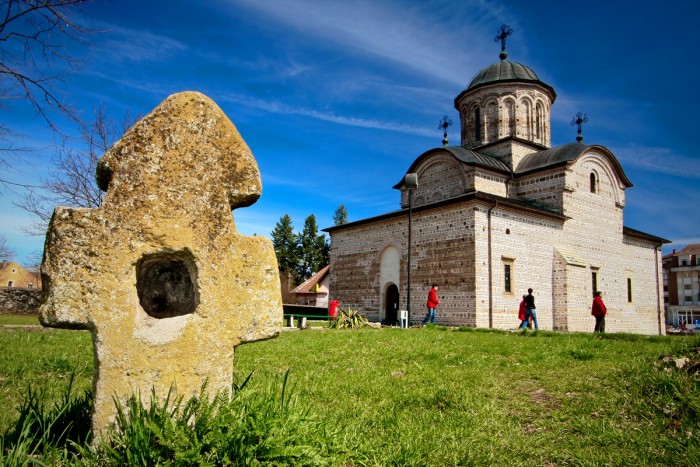
Albestii, Argeș County
Princely Church of Saint Nicholas in Curtea de Argeș
Situata pe strada Negru Voda nr. 2, Curtea de Arges;ctitorita in anul 1352, in timpul domnitorului Basarab I, se numara printre cele mai maiestuoase monumente...
1.6 km

Valcea, Vâlcea County
Govora Spa
Situata in nord-estul Olteniei, intr-o depresiune subcarpatica, la 21 de km de Ramnicu Valcea;este traversata de raul Hinta si inconjurata de dealuri acoperite...
39.8 km

25.4 km
România, Transylvania
Grupa montană Iezer-Păpușa-Făgăraș
Subgroup of the Southern Carpathian mountains in central Romania
47.5 km
47.5 km
49.3 km
Cultural life and traditions
Events in the Curtea de Argeș Monastery area
Medieval festivals, traditional fairs, concerts and local activities recommended in Muntenia (Wallachia).

History and Royal Architecture

Albestii, County of Argeș
Days of Royalty and Heritage in the Prahova Valley
Historical conferences open to the public, themed tours of royal architecture, documentary screenings and exhibitions of vintage photographs.
WHEN
May 10-12, 2026


Gastronomy and Oenology
Dealu Mare, County of Argeș
The Prahova Wine Festival on the Wine Route
Guided tastings of Fetească Neagră along the famous Wine Route, visits to historic wineries, and meetings with leading winemakers.
WHEN
Every weekend (September - October)
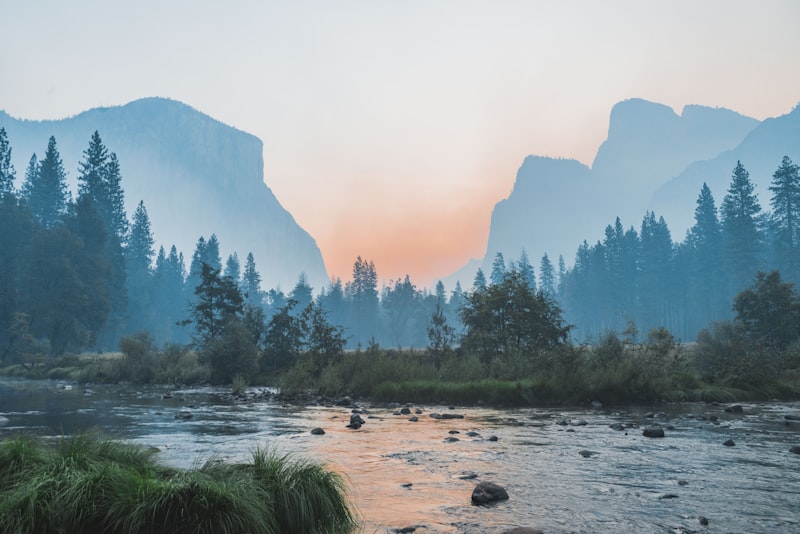
Hiking and Adventure
Bucegi Mountains, Argeș County
Guided Mountain Tour in the Bucegi Mountains
Guided mountain tours led by mountain rescue personnel to iconic panoramic viewpoints and spectacular alpine waterfalls.
WHEN
Daily during the season (June - October)
On foot, exploration gains depth
Discover the surroundings and local geography
Explore the trails, terrain, and natural landmarks around Curtea de Argeș Monastery.

Guides and practical tips
Useful travel articles
Travel guides, practical recommendations and tourist itineraries for Muntenia (Wallachia).

Tourist guide
Top 5 Atracții Turistice și Trasee Montane în Zona Moieciu - Bran
Descoperă cele mai spectaculoase peisaje carstice, chei adânci și cetăți medievale din imediata apropiere a stațiunii Moieciu.

Tourist guide
Ghid de Drumeție: Traseul Moieciu de Sus spre Platoul Bucegi
Un itinerariu montan de o frumusețe rară ce urcă din Valea Băngăleasa spre Poiana Guțanu și crestele maiestuoase ale Bucegilor.

Tourist guide
Castelul Bran: Istorie, Legende și Secrete Medievale
Află adevărata poveste a fortăreței medievale din Pasul Bran, reședința de suflet a Reginei Maria a României.
THE JOURNEY STARTS WITH AN IDEA
The next story is on the way.
From the first stop to the last stay, make room for a new Romania.
