


MUSEUM · OLTENIA (LESSER WALLACHIA)
The Heroes' Way Monumental Ensemble

Gorj, Gorj County
Add location to your trip planner.
Practical access information

VISITING HOURS
Monday: 12:00 PM – 5:00 PM · Tuesday–Sunday: 9:00 AM – 5:00 PM (in summer until 8:00 PM)

TICKET PRICE
Adults: 45 RON · Students: 11 RON · Seniors: 23 RON · Guided tour included

RECOMMENDED VISIT DURATION
2-3.5 hours
Visitor information and guide
 Navigate with Google Maps

ABOUT THE HEROES' WAY MONUMENTAL ENSEMBLE
Captivating Introduction and Heritage Significance
In the heart of the city of Târgu Jiu, capital of Gorj County in south-western Romania, stretches for 1,759 metres one of the most moving and profound sculptural ensembles of 20th-century Europe, a masterpiece by Constantin Brâncuși dedicated to the fallen of the First World War. The Heroes' Way represents the only outdoor art complex created entirely by the great Romanian sculptor, inscribed in 2024 on the UNESCO World Heritage List as an essential part of the sculptural series "The Endless Column", alongside "The Gate of the Kiss" and "The Table of Silence". This initiatory route transforms an urban boulevard into a sacred space of civic pilgrimage, where modern art dialogues deeply with collective memory, Orthodox spirituality and the archetypes of European civilization. In the context of European cultural heritage, the ensemble stands out for its unique ability to transcend mere military commemoration, offering instead an aesthetic and spiritual experience that places the visitor in direct dialogue with eternity, in a manner reminiscent of the great ceremonial axes of antiquity, such as the cardo and decumanus of Roman cities, but transfigured through the lens of modern artistic sensibility.
The heritage significance of the Heroes' Way far exceeds national borders, inscribing itself in the great story of modern memorials dedicated to the Great War of 1914-1918. While in Western Europe this wave of commemoration materialized through monuments such as Edwin Lutyens' Cenotaph in London, the Menin Gate in Ypres or the funerary complex at Verdun, Brâncuși offered a radically different vision, deeply rooted in Romanian spiritual specificity but with universal openness. UNESCO recognized this ensemble not only as a masterpiece of 20th-century sculpture, but as an exceptional example of fusion between contemporary art and sacred tradition, demonstrating that modernism can be profoundly anchored in local cultural roots, in permanent dialogue with Byzantine heritage and Oltenian folk craftsmanship.
Historical Roots and Major European Connections
The genesis of the Heroes' Way is deeply linked to the collective trauma of the First World War and the heroic resistance of the population of Oltenia in the autumn of 1916, when Austro-Hungarian and German armies penetrated Romania. The Battle of the Jiu Valley, particularly the sacrifice of General Ion Dragalina, fallen in October 1916 defending Târgu Jiu, profoundly marked local consciousness, generating the need for a monument that would eternalize not only names, but the spirit of sacrifice of a community. In this historical context, in 1935, the National League of Women of Gorj, led by the energetic Atina Pashcanu, made the courageous decision to commission a monument that would transcend the conventions of the era. Thus, Brâncuși, at the apogee of his Parisian career and influenced by European modernist currents such as Art Nouveau and the sculptural avant-garde, was invited to create something unprecedented in the history of art.
The project fits into a broader European current of the 1930s, when nations sought to heal their war wounds through architecture and sculpture. While in France and Belgium neoclassical or symbolist stone funerary monuments were being erected, and in Germany the aesthetics of heroic monuments with Nordic influences was developing, Brâncuși proposed a revolutionary approach, inspired by Byzantine spirituality and Romanian folk art. This vision brings him close to Henry Moore's thinking regarding the abstraction of forms, but fundamentally distances him through the sacred integration of space. Comparison with the great European commemorative ensembles reveals the uniqueness of the Brâncușian approach: while the London Cenotaph or the Verdun Monument focus on mass and cold stone, the Heroes' Way creates an initiatory path, a true modern "via sacra", reminiscent of Byzantine religious processions and the ceremonial axes of ancient temples, such as those at Delphi or Imperial Rome.
The Oltenia region, situated at the confluence of Balkan, Ottoman and Habsburg influences, offers a complex historical background that is reflected in the conception of the ensemble. Although Târgu Jiu was part of Wallachia, with strong Brâncovenesc traditions in religious architecture, the area was influenced by its proximity to the Austro-Hungarian Empire, bringing into the composition of the Gate of the Kiss decorative elements reminiscent of Baroque ornaments and Central European folk art. Brâncuși himself, trained in the Parisian school alongside Auguste Rodin and Constantin Medardo Rosso, succeeded in synthesizing these influences into a profoundly personal artistic language, which speaks of sacrifice and transcendence in a way that transcends national borders, placing itself in dialogue with the great works of European modernism such as those from the Romanian pavilion at the 1937 Paris International Exhibition.
Architectural Masterpiece, Style and Construction Details
The architectural composition of the Heroes' Way is based on a perfectly rectilinear axis that traverses the city from west to east, creating a spiritual backbone connecting Earth to Heaven. Created between 1936 and 1938 under the artist's direct supervision, the ensemble consists of four major components that function as stations of meditation in a secular ritual of memory. The Table of Silence, located in Central Park, represents the starting point of this spiritual pilgrimage. Made of local stone, the round table is surrounded by twelve stone chairs arranged symmetrically, evoking the Last Supper and the moment of the last pause before sacrifice. The number twelve, symbol of the apostles, and the circular form, suggesting eternity and unity, reflect both Orthodox Christian and universal archetypal influences, reminiscent of King Arthur's "round table", but transfigured in a context of mourning and profound contemplation.
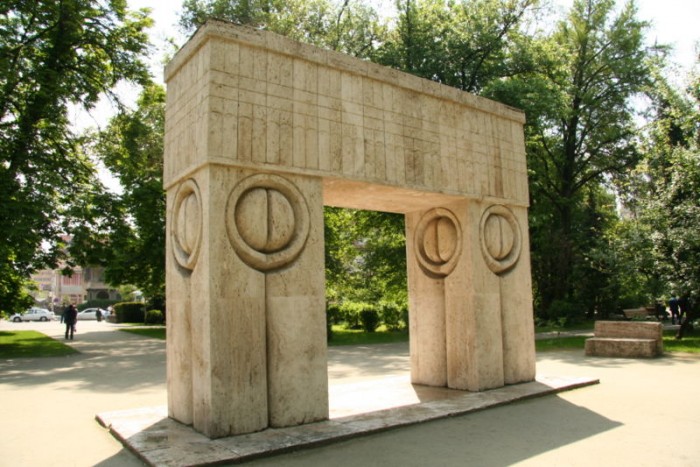
The next station, the Gate of the Kiss, marks the symbolic passage to the transcendent dimension. This monumental structure, made of stone and bronze, presents a lintel decorated with motifs inspired by Oltenian folk art and the Brâncovenesc ornaments of the 18th century, with eye-shaped openings suggesting divine watchfulness and protection. The Gate functions as a modern iconostasis, separating the profane world from the sacred, and its strategic placement allows a perfect visual alignment: the viewer seated at the Table of Silence looks through the Gate's opening and sees the cross of the Saints Peter and Paul Church, built in Baroque style in the 18th century, perfectly superimposed over the Endless Column. This symbolic trinity between earth, heaven and infinity reflects a sacred geometry reminiscent of Byzantine church plans and the sacred axes of European Gothic cathedrals, such as those at Chartres or Reims, but in an absolutely modernist key.
The Endless Column, 29.33 metres high, represents the culmination of the ensemble and the symbol of the soul's ascent to heaven. Made of sixteen rhomboid cast-iron modules, each module approximately 1.80 metres high, the column rises like a vertical prayer, like the columns of Solomon's Temple or Roman triumphal columns such as Trajan's Column, but transfigured in an abstract language suggesting continuity and infinity. The iron was cast at the Reșița works, and the assembly of the modules was carried out with remarkable technical precision for the era. Inside the column is a metal spiral staircase allowing access to the upper platform, although currently interior visits are restricted for conservation reasons. The Avenue of Chairs completes the route, offering twelve pairs of stone benches arranged along the boulevard, inviting visitors to rest and reflect in a carefully landscaped natural setting, reminiscent of Italian Renaissance gardens or Viennese Baroque promenades, but preserving a profoundly Romanian authenticity.
Stories, Legends, Personalities and Turning Points
The history of the Heroes' Way is strewn with moments of profound emotion and personalities who marked the destiny of this place. It all began in 1935, when Atina Pashcanu, president of the National League of Women of Gorj, met Brâncuși in Bucharest and proposed that he create a monument for the fallen soldiers. The artist, impressed by the sincerity and determination of the women of Gorj, accepted the challenge on condition that the work be authentic, free from political or conventional constraints. He refused the fee, asking instead that the monument be created according to his unaltered artistic vision, a gesture reflecting his professional ethics and attachment to the cause of the heroes.
The construction period, between 1936 and 1938, was marked by numerous technical challenges and Brâncuși's personal involvement, who supervised every stage, from stone carving to the casting of iron modules. There are accounts according to which the artist spent hours on end in the Târgu Jiu workshop, checking the alignment of each element and adjusting the position of the Gate to ensure that optical perfection of the visual axis with the church. A local legend says that Brâncuși calculated with mathematical precision the angle of view from the Table of Silence so that the church cross would appear placed exactly at the top of the Endless Column, creating an optical illusion suggesting that heaven descends to earth through the column. This alignment, discovered or intended, has over time become a point of attraction for believers and tourists alike, symbolizing the link between the earthly world of sacrifice and the heavenly world of resurrection.
The official inauguration took place on 27 October 1938, in a solemn ceremony attended by officials, war veterans and thousands of city residents. The atmosphere of that moment, described by witnesses as profoundly quiet and moving, was marked by poetry recitations, wreath-laying and the deep silence of the crowd before Brâncuși's works. After the Second World War and during the communist period, the ensemble went through periods of neglect, being considered by the authorities as a "bourgeois" creation incompatible with socialist realism, but its artistic importance prevented its destruction or substantial modification. Major restorations took place in the 1960s, 1990s and early 2000s, and in July 2024, UNESCO recognition represented a new chapter in the monument's history, definitively consecrating it as the heritage of humanity.
Among the prominent personalities associated with this place are also General Ion Dragalina, fallen in battle in October 1916 at Târgu Jiu, whose spirit of sacrifice inspired the entire concept of the monument, as well as numerous anonymous soldiers whose names are inscribed on the commemorative plaques nearby. Also, the local craftsmen who worked on stone carving and iron casting, many of them descendants of families of stonemasons and blacksmiths from Gorj, contributed with their skill to the realization of this artistic vision, leaving behind a material heritage that combines high art with traditional craftsmanship.
Practical Visitor Guide and Today's Tourist Experience
Located in the heart of the city of Târgu Jiu, near the historic centre and Central Park, the Heroes' Way Monumental Ensemble can be traversed in a peaceful walk of approximately twenty to thirty minutes, but for a complete and profound experience, it is recommended to allocate at least two hours. Access is free throughout the year, being open to the public 24 hours a day, as it is integrated into the urban fabric of the city. Visitors are invited to begin the route at the Table of Silence, located in Central Park, where they can experience the profound silence of this space of contemplation, sitting on one of the twelve stone chairs and contemplating the symbolism of the round table.
Continuing along the paved avenue, the visitor reaches the Gate of the Kiss, a moment when popular tradition suggests that passing through the gate brings blessing and unity to couples, which is why many young people meet here to kiss their partners under the decorated lintel. From this point, the gaze inevitably turns towards the Endless Column, located at the end of the boulevard, and under certain light conditions, especially at sunrise or sunset, one can observe the optical phenomenon of the cross of the Saints Peter and Paul Church aligning with the top of the column. The Endless Column, with its cast-iron modules shining in the sunlight, offers a special visual spectacle, especially when the sun sets and creates plays of shadow and light between the column's modules, suggesting movement and infinity.
For a complete experience, it is recommended to visit the ensemble in late autumn days, when fallen leaves contrast with the grey of stone and iron, or on winter days, when snow covers the chairs and table, creating an atmosphere of sacred silence. Also, participating in the cultural events organized periodically, such as "Brâncuși Days" or the commemorations of 27 October, offers the opportunity to attend concerts, exhibitions and ceremonies that celebrate the spirit of this unique place. In the immediate vicinity is the Gorj County Museum "Alexandru Ștefulescu", which houses an impressive collection of Brâncuși's works and documents related to the life and creation of the sculptor, as well as the "Constantin Brâncuși" Memorial House in the village of Hobița, located approximately twenty kilometres from Târgu Jiu, the artist's birthplace, thus offering the possibility of a complete journey into the Brâncușian universe.
Visitors are asked to respect the silence and solemnity of the place, to avoid climbing on the monuments or touching the sculptural surfaces to preserve their integrity, and to contemplate each element as a living work of art, part of a heritage that belongs not only to Romania, but to all humanity. Each step on this 1,759-metre path represents a dialogue with history, art and eternity, offering a tourist experience of high cultural standing, worthy of the most prestigious destinations in Europe.
Media gallery
Discover The Heroes' Way Monumental Ensemble in pictures

9 photos · Architecture, courtyards and captivating details
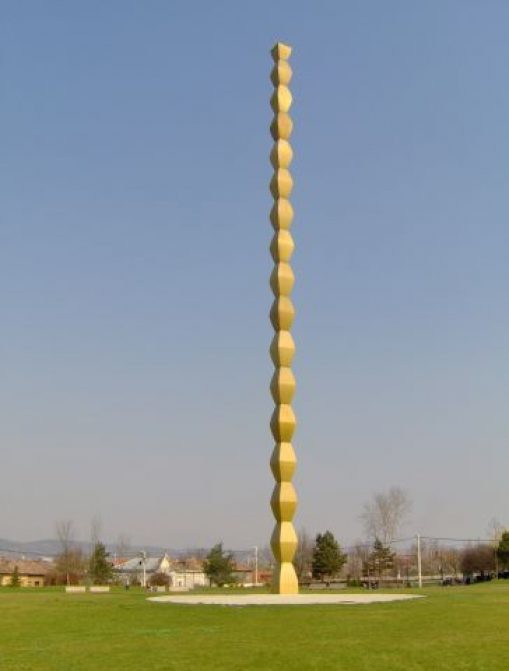
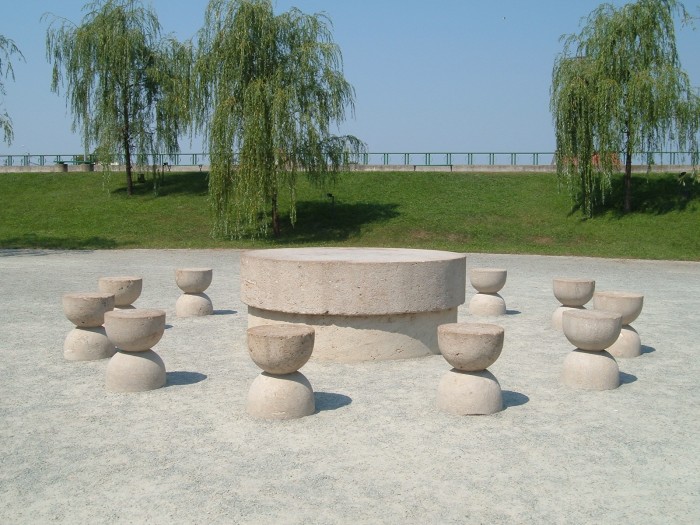
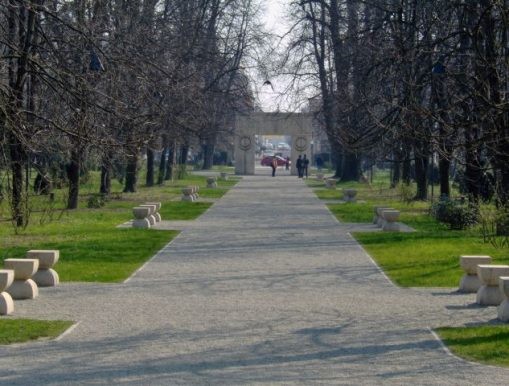
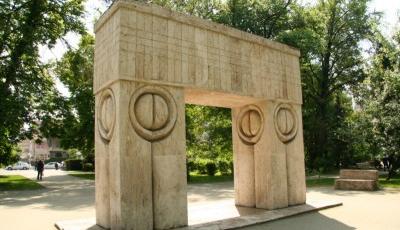


Image source: Wikimedia Commons · Public domain photos · Free license
STAY A FEW DAYS, DISCOVER THE MAGIC
Accommodation in the The Heroes' Way Monumental Ensemble area

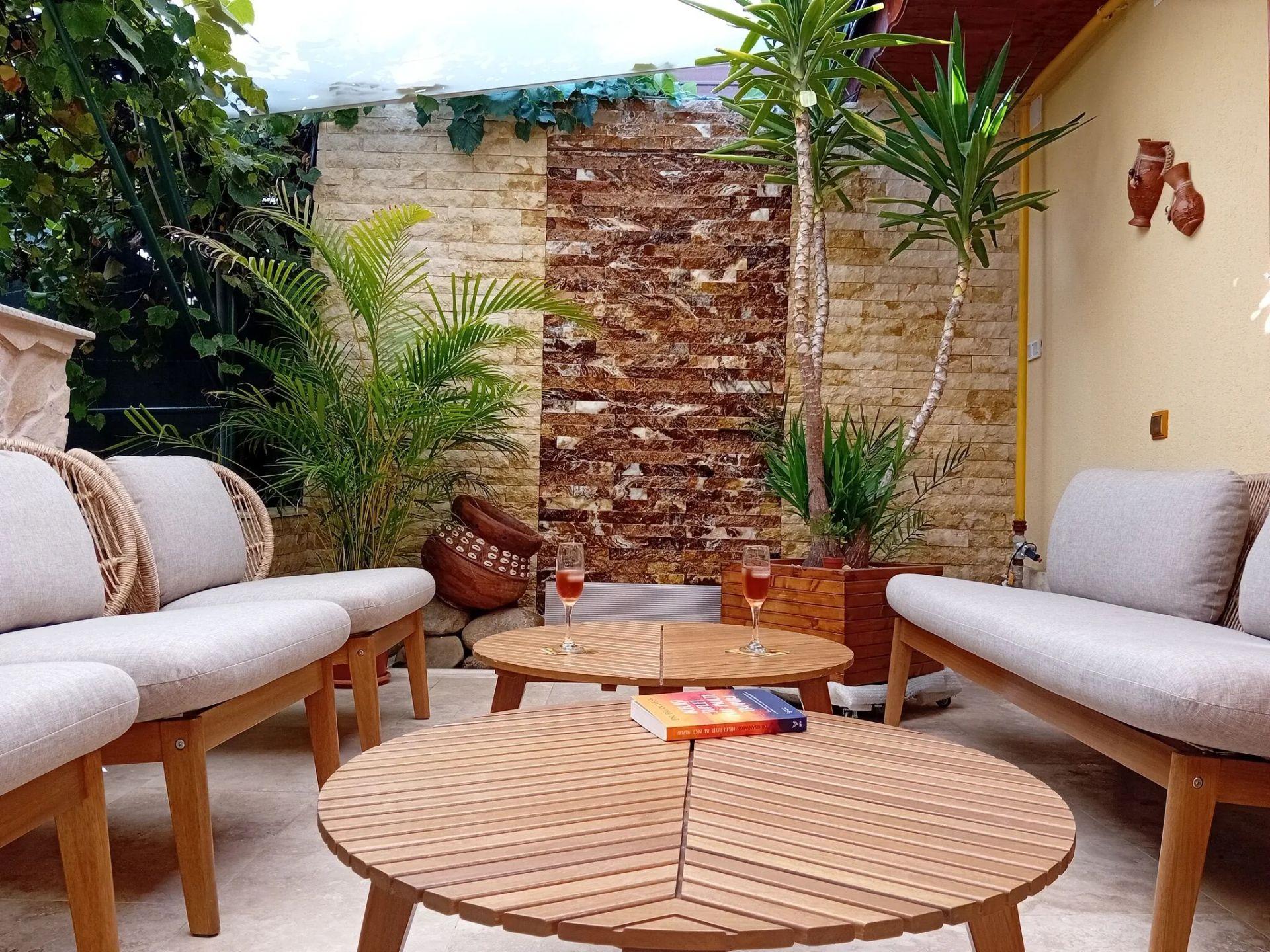
Holiday villa · 3 stars

Târgu Jiu, Gorj County · 0.5 km
Villa Bianca Târgu Jiu
Comfort, relaxation and stunning views, all just steps away from the main attractions.
FROM
280 lei per night

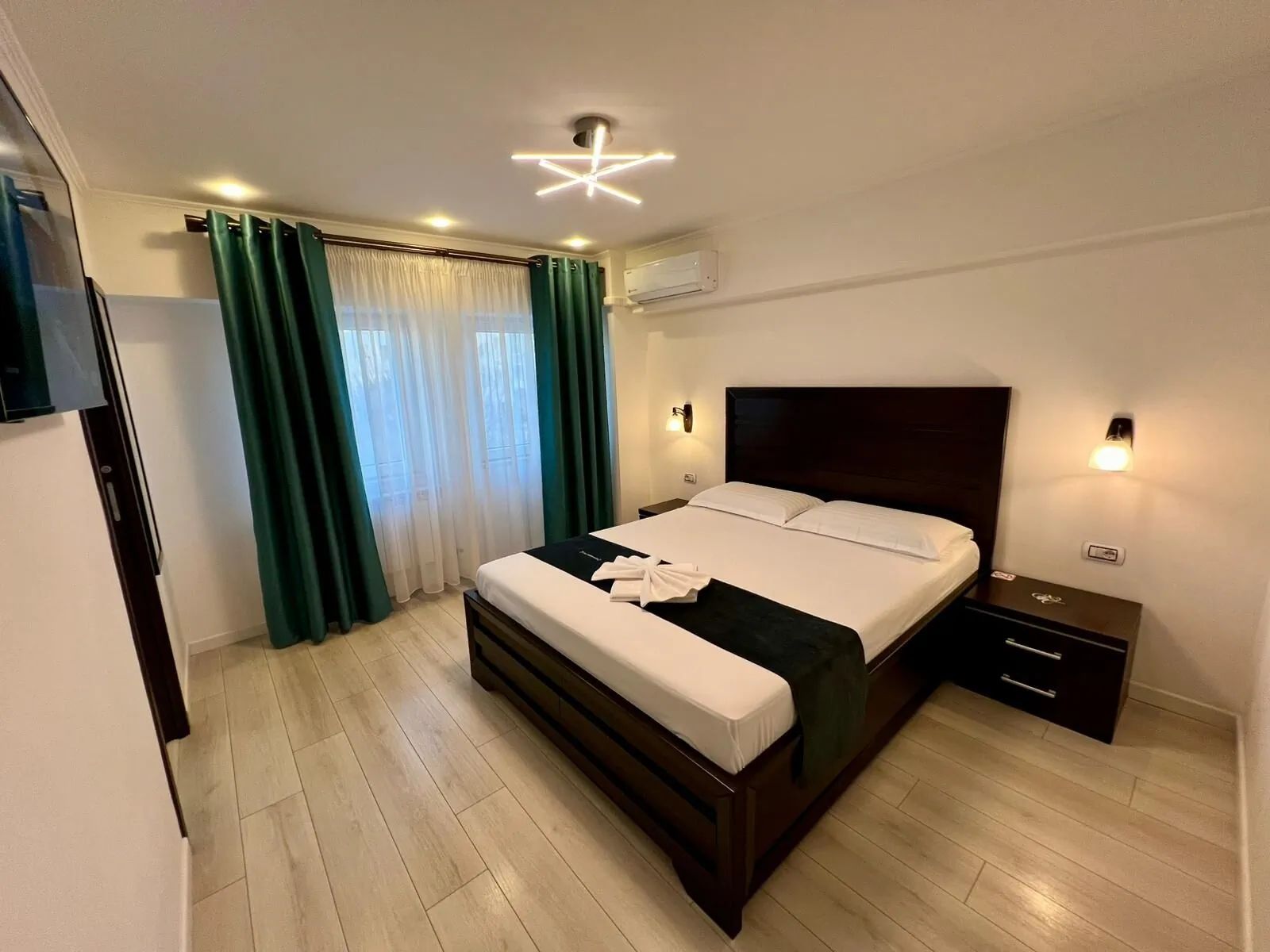
Apartment · 3 stars
Târgu Jiu, Gorj County · 1.1 km
Garsoniera Sara Târgu Jiu
Comfort, relaxation and stunning views, all just steps away from the main attractions.
FROM
230 lei per night
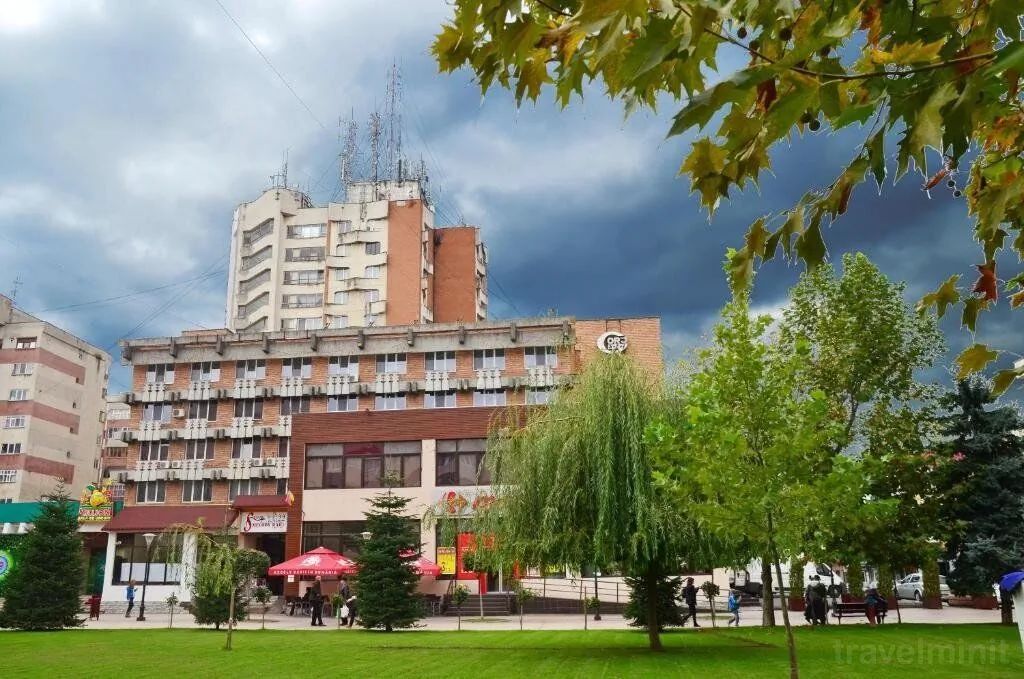
Hotel · 3 stars
Târgu Jiu, Gorj County · 1.2 km
Hotel Gorjul Târgu Jiu
Familiile cu copii, cuplurile și grupurile de prieteni care doresc să exploreze orașul se vor simți bine la Hotel Gorjul din Târgu Jiu. Unitărea de cazare pune la dispoziție 38 de camere amenajate cu grijă și confortabile, iar unele dintre acestea dispun de aer condiționat pentru zilele toride de vară. Printre facilitățile disponibile se numără accesul pentru persoane cu dizabilități, parcare privată gratuită și conexiune Wi-Fi gratuită în întreaga proprietate. Animalele de companie sunt acceptate fără costuri suplimentare, iar la recepție veți putea comunica atât în limba română, cât și în engleză. În apropiere se află cele mai reprezentative obiective turistice ale zonei, pe care le puteți descoperi cu ușurință: Coloana Infinitului, Ansamblul Monumental Calea Eroilor Târgu Jiu, Muzeul de Artă din Târgu Jiu, Muzeul Județean Gorj Alexandru Ștefulelescu și Catedrala Domnească din Târgu Jiu. Preluarea camerelor se face începând cu ora 12:00, iar eliberarea acestora până la ora 12:00. Plata se poate efectua prin numerar, card bancar, transfer bancar, card de vacanță sau voucher. Vă așteptăm la Hotel Gorjul din Târgu Jiu.
FROM
290 lei per night
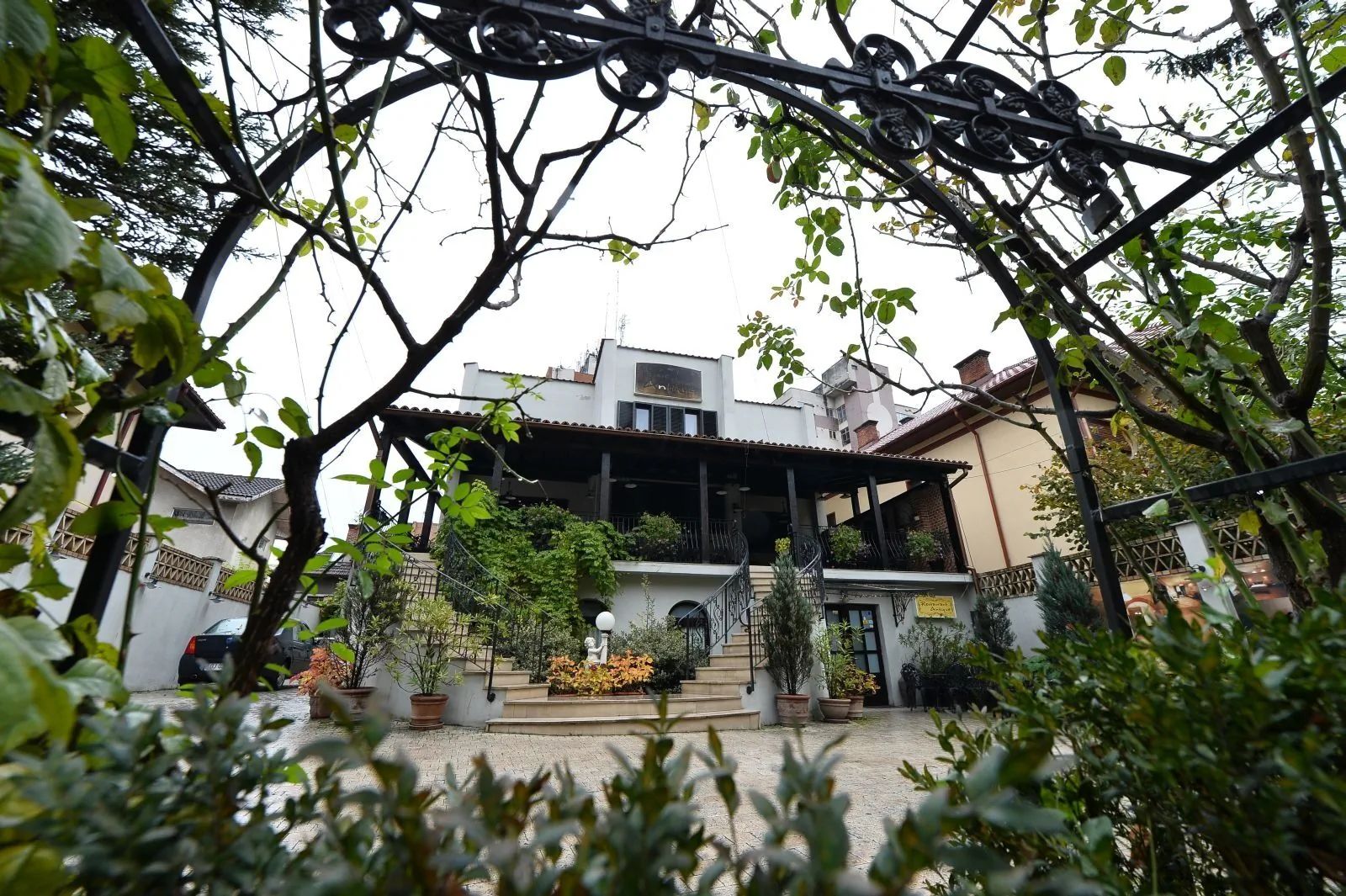
Guesthouse · 4 stars
Târgu Jiu, Gorj County · 1.3 km
Pensiunea Antique Târgu Jiu
Cele zece camere dotate cu bun gust ale Pensiunii Antique din Târgu Jiu, situată pe bulevardul Constantin Brancusi, vă așteaptă într-un ambient cald și primitor, potrivit atât pentru călătorii în interes de serviciu, cât și pentru turiștii care doresc să descopere orașul. Restaurantul din incintă servește preparate culinare tradiționale, iar room service-ul este disponibil pentru momentele în care preferați să luați masa în liniștea camerei dumneavoastră. Beneficiați de Wi-Fi gratuit și de parcare privată gratuită, iar pentru familiile cu copii mici sunt puse la dispoziție scaun înalt și pătuț pentru bebeluș. De asemenea, la cerere, puteți primi meniuri pentru diete speciale. În apropiere se află cele mai reprezentative obiective turistice ale orașului, pe care le puteți vizita pornind direct de la pensiune: Coloana Infinitului, Ansamblul Monumental Calea Eroilor Târgu Jiu, Muzeul de Artă din Târgu Jiu, Muzeul Județean Gorj Alexandru Ștefulelescu și Catedrala Domnească din Târgu Jiu. Seara, după o zi petrecută printre monumentele orașului, vă puteți retrage în camera dumneavoastră pentru a vă bucura de liniște și de serviciile oferite de room service.
FROM
310 lei per night
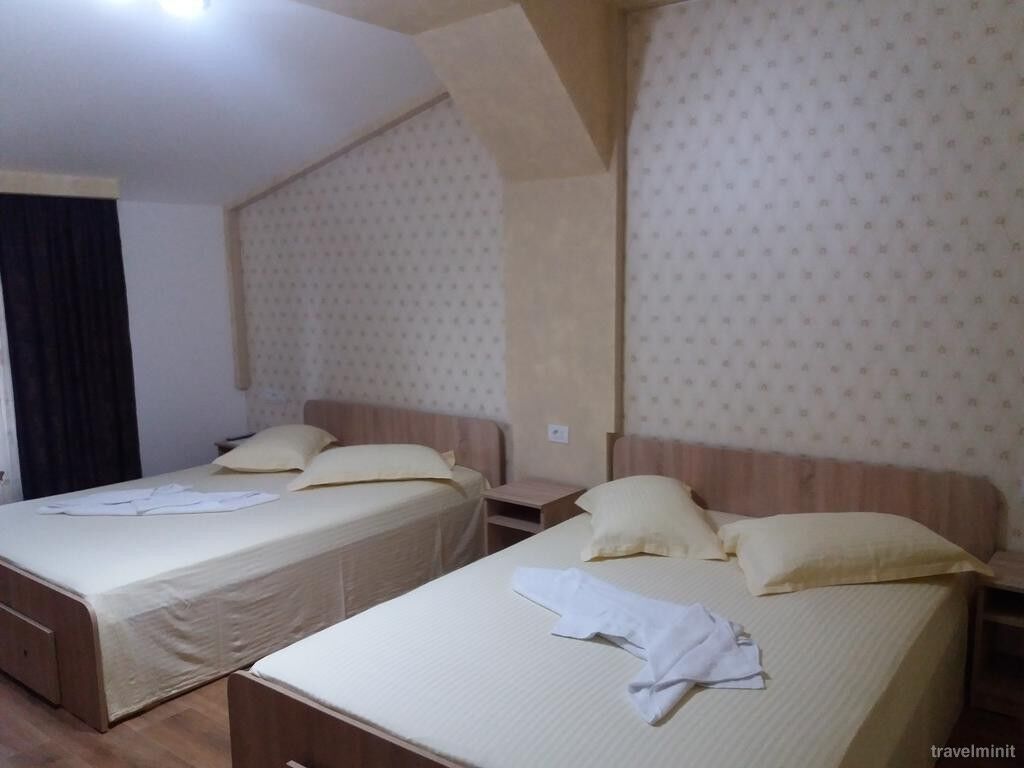
Guesthouse · 3 stars
Târgu Jiu, Gorj County · 2.0 km
Casa Lipianu Târgu Jiu
Casa Lipianu este o pensiune turistică de 3 stele situată în Târgu Jiu, județul Gorj, pe drumul Calea Severinului. Unitatea pune la dispoziție opt camere amenajate cu atenție, într-un mediu liniștit și primitor. Pentru un sejur confortabil, oaspeții beneficiază de Wi-Fi gratuit, parcare privată gratuită și acces facilitat pentru persoane cu dizabilități. Curtea mare și grădina amenajată oferă un spațiu plăcut pentru relaxare în aer liber. Anumite camere sunt echipate cu aer condiționat, iar animalele de companie sunt acceptate fără costuri suplimentare. Recepția vă stă la dispoziție pe tot parcursul șederii, iar personalul comunică fluent în română, engleză și germană. Ziua de cazare începe la ora 14:00 și se încheie la ora 11:30. Plata se realizează la recepție, exclusiv în numerar. În apropiere puteți vizita Coloana Infinitului, Ansamblul Monumental Calea Eroilor Târgu Jiu, Muzeul de Artă din Târgu Jiu, Muzeul Județean Gorj Alexandru Ștefulelescu și Catedrala Domnească din Târgu Jiu. Vă așteptăm la Casa Lipianu.
FROM
240 lei per night
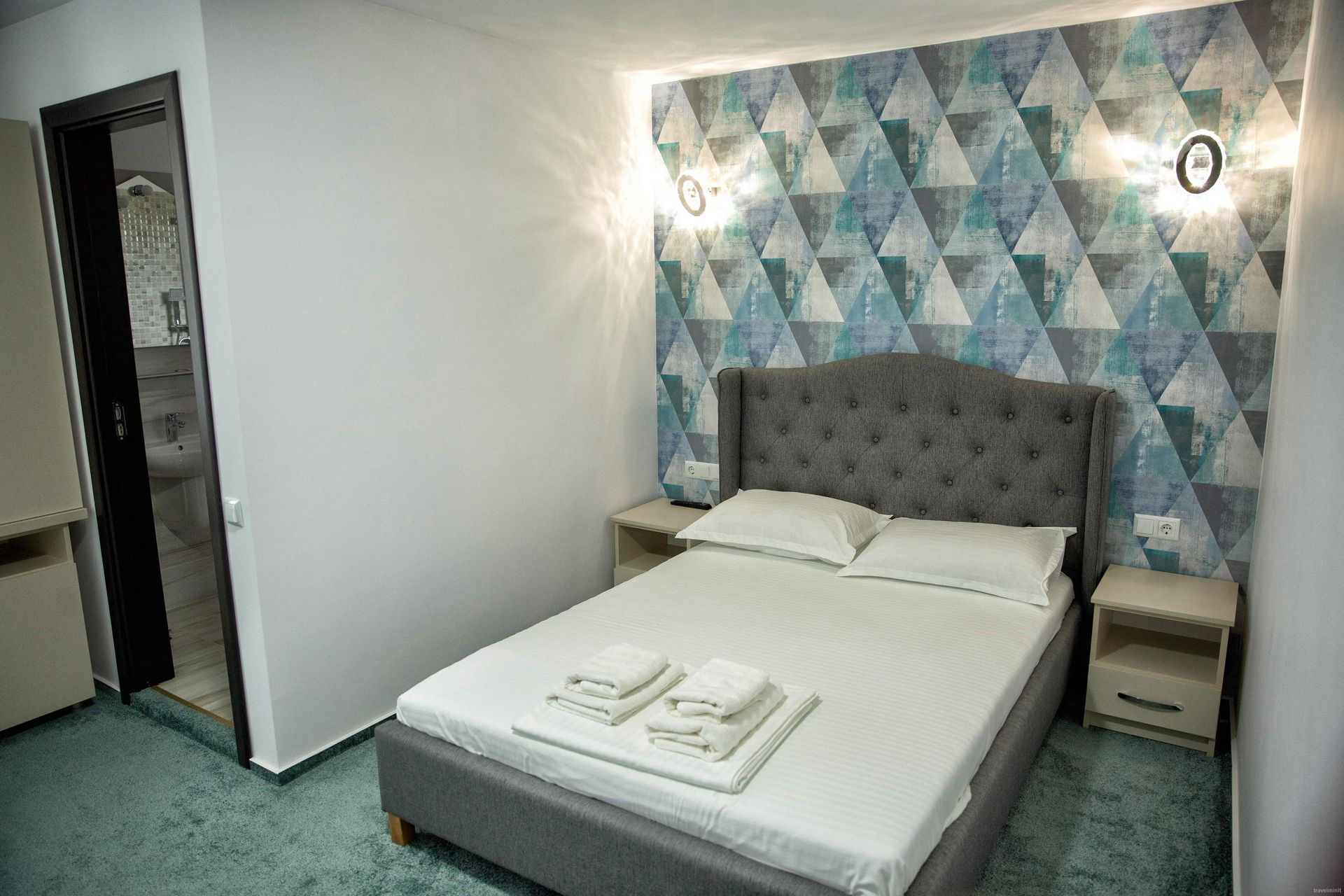
Guesthouse · 3 stars
Târgu Jiu, Gorj County · 2.0 km
Pensiunea Beny Târgu Jiu
Comfort, relaxation and stunning views, all just steps away from the main attractions.
FROM
240 lei per night
BEFORE YOU HIT THE ROAD
Weather conditions in Gorj
Local forecast for The Heroes' Way Monumental Ensemble, Gorj, Gorj

Real-time updated weather data
Much more to explore in this area
Nearby tourist attractions

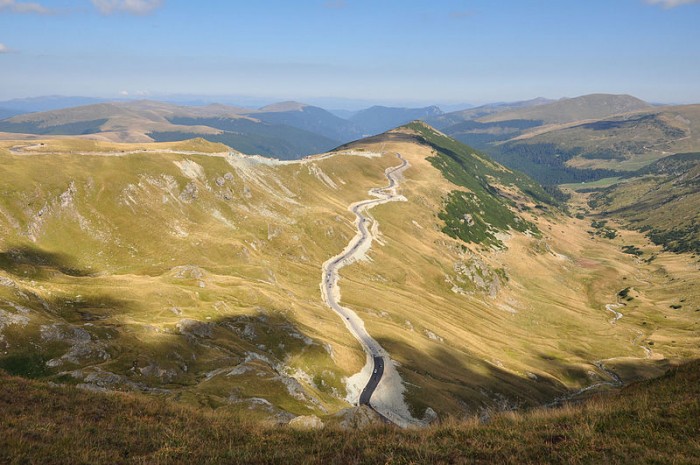

Alba, Alba County
Transalpina (Transalpina Highway / King's Road)
Este o sosea (DN 67C) din Muntii Parang, in Carpatii Meridionali, ce face legatura intre Oltenia si Transilvania (orasele Novaci din judetul Gorj si Sebes din...
42.4 km

Gorj, Gorj County
Endless Column (Coloana Infinitului)
Sculptură a artistului român Constantin Brâncuși, parte a trilogiei Ansamblului Monumental din Târgu Jiu, UNESCO
0.0 km
Hunedoara, Hunedoara County
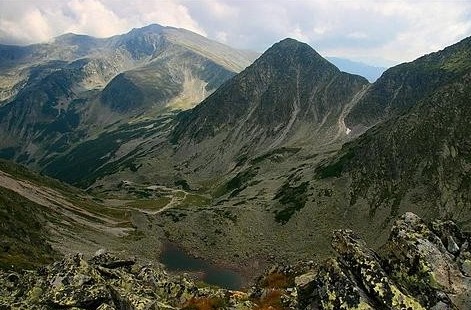
Retezat National Park
Situat in masivul Retezat - Godeanu, in partea de vest a Carpatilor Meridionali; ocupa o suprafata totala de 38.138 ha; altitudinea e cuprinsa intre 800 si 2.50...
49.0 km
Hunedoara, Hunedoara County
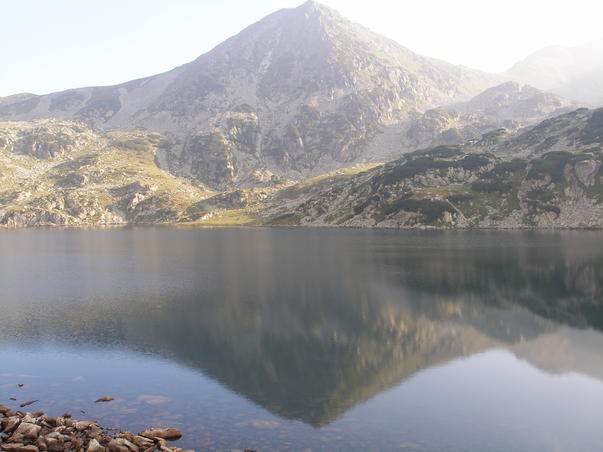
Lake Bucura
Situat in caldarea Bucura, sub Varful Peleaga si Saua Bucurei; orientat pe directia nord - sud; face parte din Parcul National Retezat si este situat la o...
48.0 km

28.6 km

18.1 km
Gorj, Gorj County
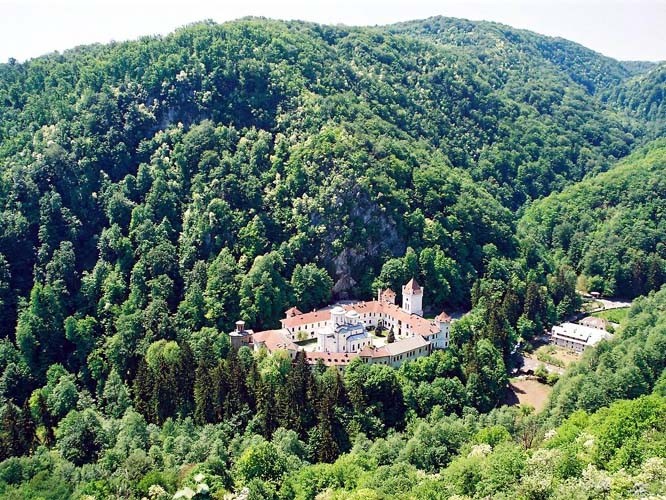
Tismana Monastery
Situata la 36 de km de orasul Targu Jiu; pornind din Targu Jiu pe DN67, la km 82 se face ramifica?ia spre Tismana si Baia de Arama; monument de arhitectura...
28.5 km
Gorj, Gorj County
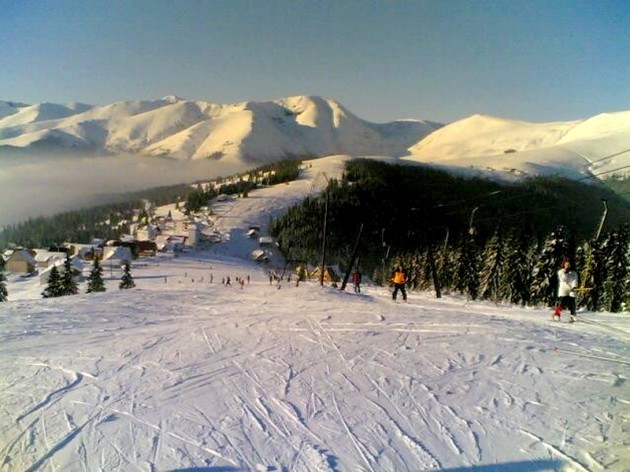
Rânca Ski Resort
Situate in zona Muntilor Parang, in statiunea Ranca; in fiecare an, aceasta statiune este din ce in ce mai cautata, oferind partii excelente pentru iubitorii...
42.5 km
38.0 km
39.1 km
Hunedoara, Hunedoara County
Munții Retezat
Lanț de munți din Carpații Meridionali, grupa muntoasă Retezat-Godeanu
49.2 km
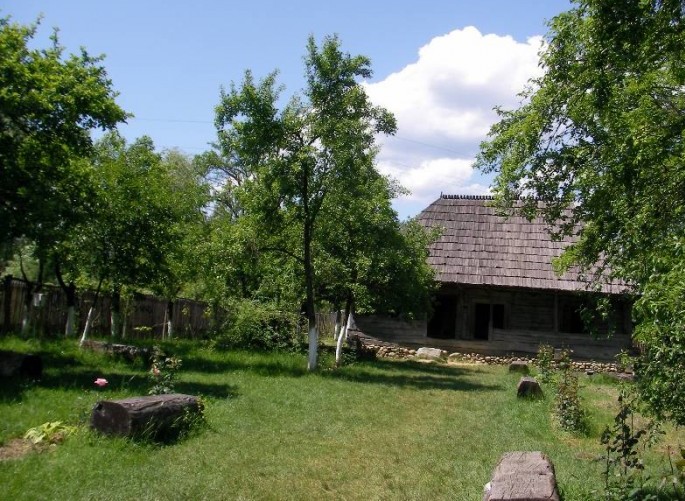
Hobita, Gorj County
Constantin Brâncuși Memorial House
Situata in satul Hobita, comuna Pestisani, in partea de nord-vest a judetului, pe drumul ce leaga orasul Targu Jiu de localitatea Tismana; este o reproducere a...
18.1 km
Cultural life and traditions
Events in the The Heroes' Way Monumental Ensemble area
Medieval festivals, traditional fairs, concerts and local activities recommended in Oltenia (Lesser Wallachia).

Traditions and Crafts

Gorj, County of Gorj
Days of Local Culture and Traditional Tourism
Open workshops featuring pottery, wood carving, and authentic folklore demonstrations by local artisans.
WHEN
May 15-17, 2026


Traditional Cuisine
Gorj, County of Gorj
The Fair of Traditional Products and Local Cuisine
Traditional products, aged cheeses, mountain honey and local delicacies prepared according to ancient recipes.
WHEN
Every weekend

Culture and Photography
Gorj, County of Gorj
Themed and Photographic Guided Tour of Cultural Heritage
A guided tour designed for history buffs, nature lovers, and photography enthusiasts, showcasing the most spectacular views in the area.
WHEN
Daily schedule available upon request
On foot, exploration gains depth
Discover the surroundings and local geography
Explore the trails, terrain, and natural landmarks around The Heroes' Way Monumental Ensemble.

Guides and practical tips
Useful travel articles
Travel guides, practical recommendations and tourist itineraries for Oltenia (Lesser Wallachia).

Tourist guide
Top 5 Atracții Turistice și Trasee Montane în Zona Moieciu - Bran
Descoperă cele mai spectaculoase peisaje carstice, chei adânci și cetăți medievale din imediata apropiere a stațiunii Moieciu.

Tourist guide
Ghid de Drumeție: Traseul Moieciu de Sus spre Platoul Bucegi
Un itinerariu montan de o frumusețe rară ce urcă din Valea Băngăleasa spre Poiana Guțanu și crestele maiestuoase ale Bucegilor.

Tourist guide
Castelul Bran: Istorie, Legende și Secrete Medievale
Află adevărata poveste a fortăreței medievale din Pasul Bran, reședința de suflet a Reginei Maria a României.
THE JOURNEY STARTS WITH AN IDEA
The next story is on the way.
From the first stop to the last stay, make room for a new Romania.
