


CASTLE · TRANSYLVANIA
Râșnov Citadel

Râșnov, Brașov County
Add location to your trip planner.
Practical access information

VISITING HOURS
Daily: 09:00 - 18:00 (the outer courtyard and gardens)

TICKET PRICE
Free access to the promenade area and outdoor courtyard; Inclined elevator from the city: 12 RON for a round trip

RECOMMENDED VISIT DURATION
1. 5 - 2 hours


Visitor information and guide
 Navigate with Google Maps

ABOUT RÂȘNOV CITADEL
A Fortress of Resistance in the Heart of the Carpathians
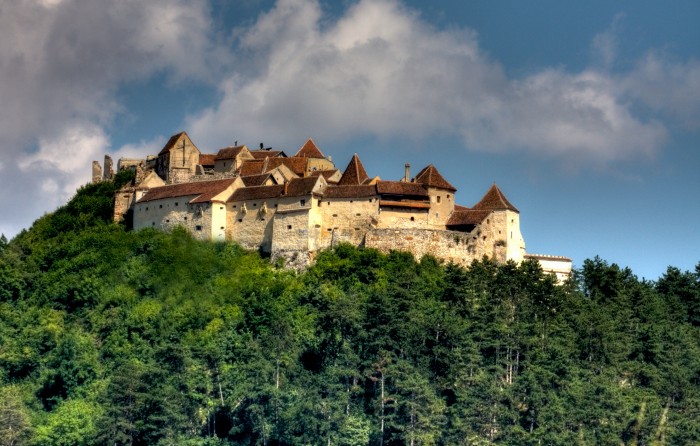
Raised on a limestone massif that majestically dominates the Țara Bârsei Depression, Râșnov Citadel presents itself to the traveler as a stone bastion frozen in time, a silent witness to the centuries of confrontations that shaped the destiny of Southeast Europe. Strategically located just fifteen kilometers southwest of Brașov, on the old commercial road that connected Câmpulung Muscel with the heart of Transylvania through the Bran Pass, this fortification represents one of the best-preserved medieval military ensembles in the entire Carpathian region, a Category A historical monument (LMI code BV-II-a-A-11755) whose silhouette rises above the beech forests like a stone sentinel. In the broader European context, Râșnov Citadel belongs to the same family of refuge fortifications that defended the borders of Latin Christendom from eastern invasions, resembling in function and spirit the refuge castles in the German lands of the Holy Roman Empire, the Saxon castles in Silesia, or the Hungarian fortifications on the border with the Ottoman Empire. Positioned on the old commercial route that partially followed the path of the former Via Traiana, the citadel controlled access from Wallachia toward Central Europe, being a veritable customs and military checkpoint in an era when the Carpathian roads represented vital arteries for trade between East and West.
Historical Roots and European Connections
The origins of Râșnov Citadel are lost in the mists of the 13th century, when the Teutonic Knights, members of the Teutonic Order, probably raised a wooden fortification on this site as part of the policy of colonization and defense of the southeastern borders of the Kingdom of Hungary. These warrior monks, coming from the ranks of the German nobility of the Holy Roman Empire and brought to Transylvania around 1211 by King Andrew II, left a lasting imprint on Țara Bârsei, building not only castles but entire defense systems against Cuman and Tatar raids. After the expulsion of the Teutonic Knights in 1225, under pressure from the Pope and the Hungarian nobility worried about their territorial ambitions, the citadel was entrusted to the Knights of the Holy Cross, thus opening a new stage in its evolution. Until the customs house was moved from Rucăr to Bran and the construction of Bran Castle at the end of the 14th century, the fortress at Râșnov remained the first and most important castle on the Bran road, an essential outpost in the defensive system of Transylvania.
A turning point in the history of the citadel was the visit of Emperor Sigismund of Luxembourg in 1427. Sigismund, who wore the crowns of the Holy Roman Empire, Hungary, and Bohemia, was at that moment one of the most powerful figures in Europe, engaged in a desperate crusade against Ottoman expansion after the defeat at Nicopolis in 1396. His presence at Râșnov was not accidental, but part of a systematic policy of consolidating the eastern borders of Christendom, granting the local community the rank of market town, a privilege that transformed Râșnov into a flourishing commercial center. This period marks the definitive integration of the citadel into the defense network of medieval Hungary, in an era when Transylvania functioned as an outpost of Latin civilization in the face of Ottoman pressure and migrations of peoples from the east.
Architectural Masterpiece: Adaptation to the Carpathian Relief
Râșnov Citadel extends over an area of approximately 3,500 square meters and represents a remarkable example of Gothic military architecture adapted to an extremely steep relief, the only access route being from the east, a strategic choice meant to hinder sieges. The construction, made of stone and brick, impresses with its eight square towers and one polygonal tower, with massive walls approximately five meters high that enclose two distinct courtyards. This organization into two enclosures reflects the principles of Central European military architecture from the 14th-15th centuries, similar to the concentric castles in Slovakia, the Czech lands, or the German lands of the Rhine, where the outer courtyard served as a defensive outpost and shelter for livestock, while the inner courtyard housed the dwellings of refugees, the school, and a chapel raised in 1650, when Baroque elements began to penetrate Transylvanian sacred architecture.
The most spectacular and at the same time mysterious element of the ensemble remains the 98-meter-deep well, dug directly into the limestone rock between 1623 and 1640 by Saxon craftsmen, in a period when the construction techniques of the Saxons in Transylvania rivaled those of the mining centers in the Harz or Erzgebirge in Germany. This engineering achievement, which required seventeen years of unceasing labor, represents a monument to human perseverance in the face of nature, comparable to the forced wells of the castles of Prague, Nuremberg, or the Crusader fortifications in the Middle East. Local legend attributes the digging to Turkish prisoners who were allegedly promised freedom in exchange for labor, a story that resonates with similar mythologies in the Balkans and the Iberian Peninsula regarding the construction of fortifications through forced labor, but historical and archaeological research attests that the work was carried out by specialized Saxon craftsmen, and the Arabic inscriptions visible on the walls of the well suggest the presence of Ottoman merchants or prisoners in the area, witnesses to the complexity of cultural contacts in that period.
Chronicle of Sieges, Legends, and Personalities
The first documentary mention of the citadel dates from 1335, when the fortification successfully resisted the Tatar invasion, saving the lives of the inhabitants at a moment when Mongol and Tatar hordes had devastated Central Europe, from Poland to Hungary, following the expansion of the Golden Horde. Over the following centuries, Râșnov Citadel successfully repelled a series of Ottoman sieges, in the years 1421, 1436, and 1441, thus entering history as a bastion of Christian resistance in the face of Ottoman expansion, alongside the castles of Belgrade, Nicopolis, or, later, Vienna. These confrontations place Râșnov in the broader context of Ottoman-European wars, in a period when Transylvania functioned as a protective shield for the heart of Europe.
The only time the citadel surrendered was in April 1612, in the face of the army of Prince Gabriel Bathory, a Transylvanian leader in an ambiguous position between vassalage to the Ottoman Empire and ambitions for independence from the Habsburg Monarchy. Bathory blocked the defenders' access to the secret spring, forcing the capitulation, but the people of Râșnov recaptured the citadel in June 1613, paying an impressive ransom of 3,000 florins, a sum that reflects the strategic and symbolic value of the fortification. The 18th century brought additional misfortunes: in 1718, a devastating plague epidemic claimed 1,161 victims, part of the great epidemic that swept all of Central and Southeastern Europe, from Vienna to Constantinople, followed by a fire that destroyed a large part of the town. The powerful earthquake of 1802, one of the most destructive in Romania's seismic history, felt as far as Moscow and Constantinople, damaged part of the towers, and during the European revolutions of 1848-1849, the citadel again served as a refuge for the civilian population caught in the conflict between Hungarian revolutionaries and Romanian aspirations in Transylvania, a turbulent period that foreshadowed the major political transformations to come in Eastern Europe.
The Hidden Treasure and Contemporary Cultural Heritage
In July 2001, archaeologists made a sensational discovery in the courtyard of the citadel: a treasure hidden for over four centuries, consisting of 416 silver coins minted between 1509 and 1610, three decorated pewter tankards, knives, buckles, arrowheads, and a gilded silver hairpin with a semiprecious stone. This hoard, hidden probably during the turbulent period of the Ottoman wars or the conflicts between Prince Gabriel Bathory and the Habsburg Empire, offers a unique window into the economy and fashion of the era, the coins covering the period of the reigns of Vladislaus II of Hungary, Louis II, and the transition to Habsburg rule, while the metal objects and jewelry reflect the Renaissance and Baroque influences in European art of the time.
Today, the citadel houses a museum of feudal art that shelters weapons, armor, period furniture, prints, and historical documents, alongside rare pieces such as a torture mask and a yoke for transporting prisoners, collections comparable to those of the Tower of London, the Hofburg in Vienna, or the Royal Armoury in Stockholm. Shops arranged in the houses of the former inhabitants offer traditional souvenirs, and a bar-terrace and an archery range complete the visitor's experience. The citadel has gained international fame as a filming location for productions such as \"The Immortals\" (1974), \"The Dacians\", \"Michael the Brave\", and \"The Column\", but especially for the American film \"Cold Mountain\" (2003) directed by Anthony Minghella, Oscar winner, starring Jude Law and Nicole Kidman. This production, filmed in the Romanian Carpathians to recreate the atmosphere of the American Civil War, contributed to placing Râșnov on the world cinematic map, while the Râșnov Historical Film Festival organizes annual outdoor screenings and concerts, integrating the citadel into the contemporary European cultural circuit.
Practical Guide: The Visitor's Experience Today
Visiting Râșnov Citadel offers a complex experience that combines history, nature, and modern comfort. Access to the promenade area and the outer courtyard is free, allowing exploration of the landscape and panorama without financial restrictions, while to ascend to the citadel visitors can choose between a picturesque walk through the beech forest surrounding the hill, a route that offers the opportunity to admire the flora and fauna specific to the area, or the inclined elevator from the town center, a modern engineering solution inspired by the funiculars of Salzburg, Lisbon, or Budapest, available at the price of 12 lei round trip. The visiting hours are daily between 09:00 and 18:00, offering flexibility for tourists.
Once at the top, visitors are rewarded with a 360-degree panorama over the Țara Bârsei Depression, the town of Râșnov with its traditional rooftops, and the Postăvaru Massif, a landscape that evokes the similar views offered by Hohenzollern Castle or other Transylvanian fortifications, connecting the historical past with the tourist present. The atmosphere of the place, blending medieval ruins with modern facilities such as the terrace and the archery range, creates a unique space for contemplation and relaxation. For additional information and reservations, visitors can consult the official website at https://cetatearasnov.ro.
Media gallery
Discover Râșnov Citadel in pictures

22 photos · Architecture, courtyards and captivating details


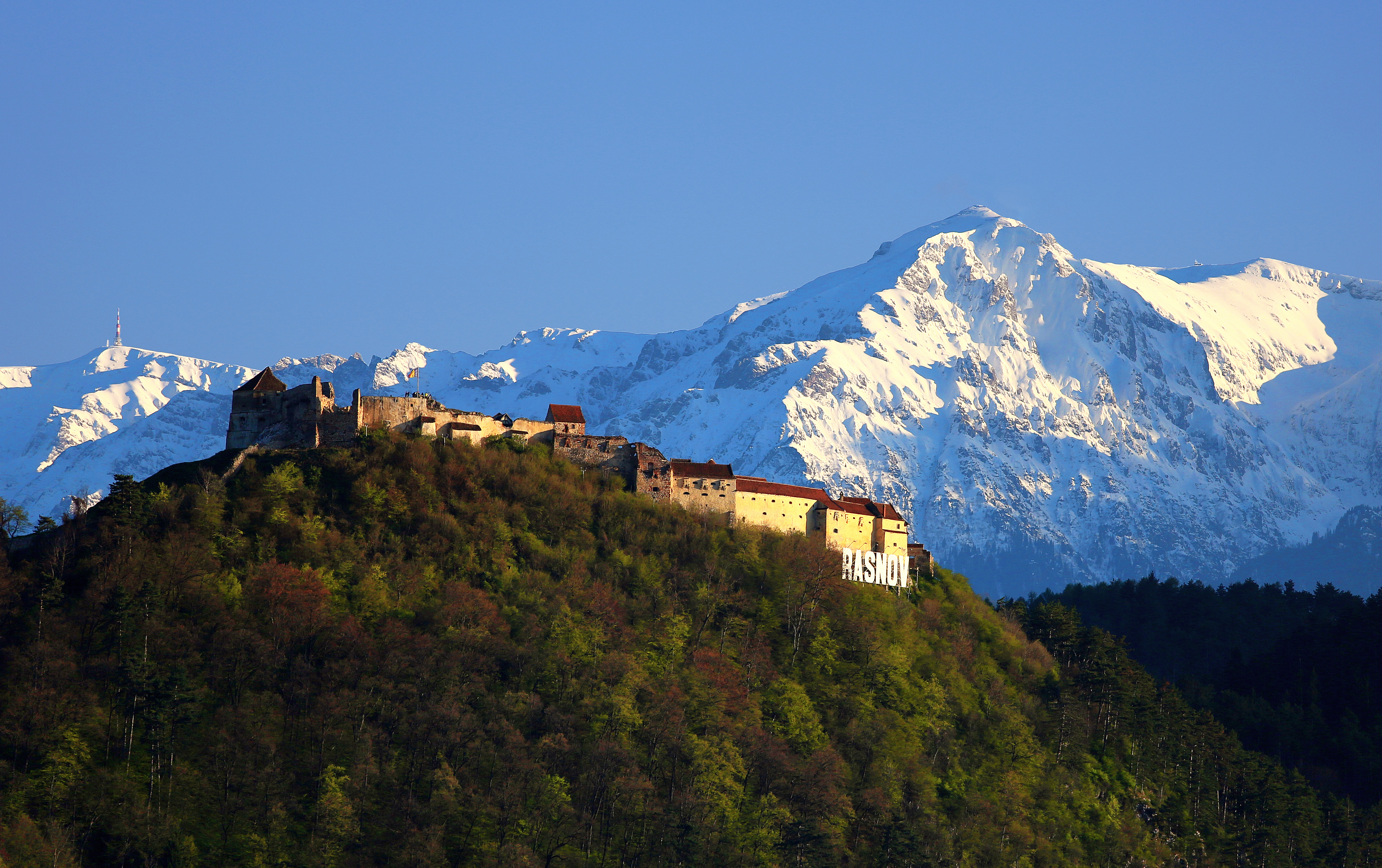


Image source: Wikimedia Commons · Public domain photos · Free license
STAY A FEW DAYS, DISCOVER THE MAGIC
Accommodation in the Râșnov Citadel area

Guesthouse · 4 stars

Râșnov, Brașov County · 0.4 km
Pensiunea Cristina Râșnov
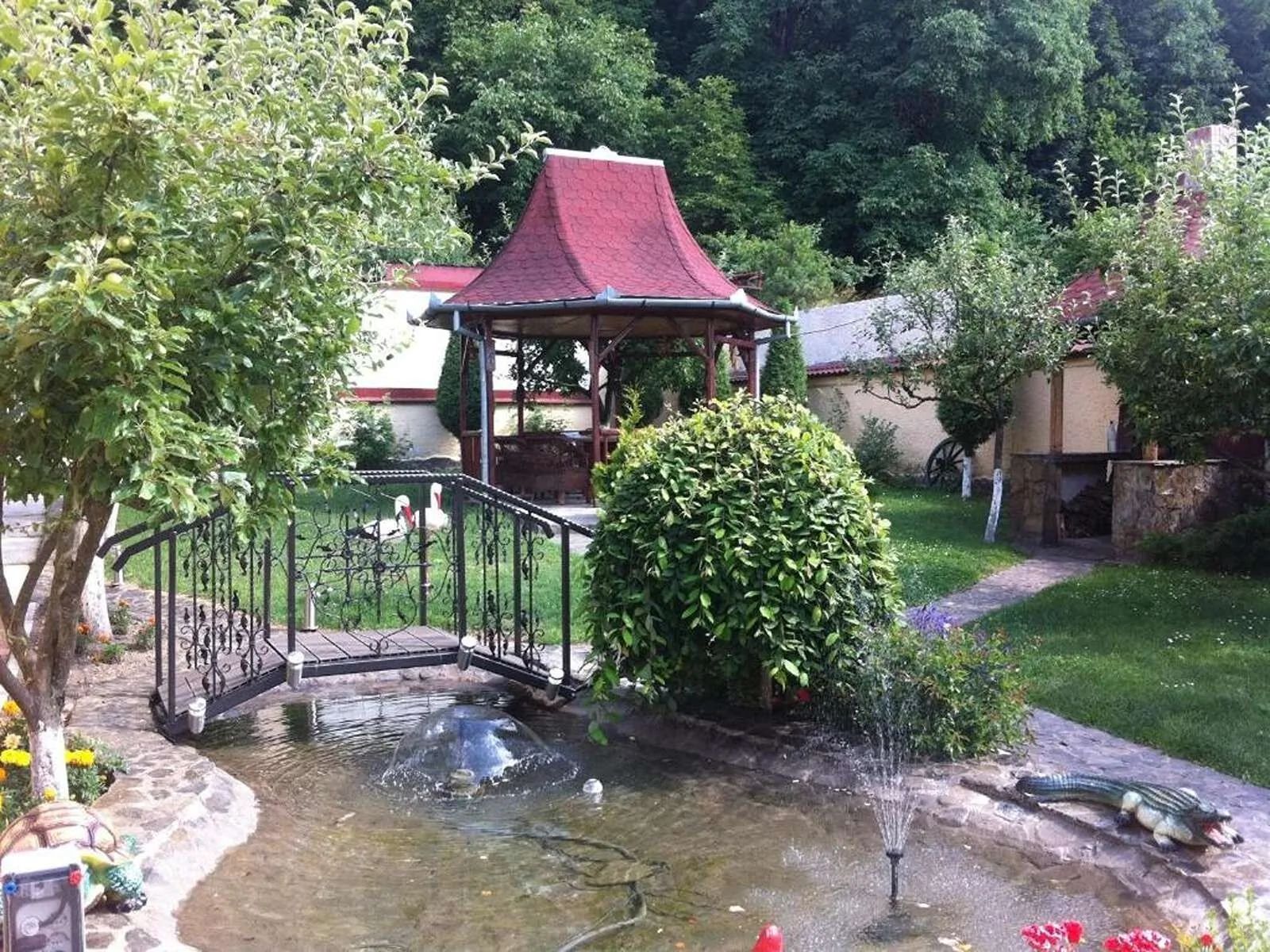
Pensiunea Cristina Râșnov este o pensiune turistică de patru stele situată în localitatea Râșnov din județul Brașov, într-o zonă cu peisaje montane. Pentru confortul dumneavoastră, unitatea pune la dispoziție sală de fitness, saună și jacuzzi sau cadă cu hidromasaj, alături de tenis de masă, masă de biliard și teren de tenis. Copiii se pot bucura de locul de joacă amenajat la exterior și de camera de joacă de la interior, iar pătuțul pentru bebeluș este disponibil la cerere. Toate aceste spații sunt gândite pentru relaxarea dumneavoastră. De asemenea, aveți acces la închiriere de biciclete, parcare pentru biciclete, curte mare și grădină amenajată cu foișor, grătar sau barbecue, ceaun pentru gătit în aer liber, room service, depozit pentru bagaje, seif în cameră, fier de călcat și Wi-Fi gratuit. Toate aceste facilități vă ajută să vă simțiți bine pe toată durata șederii. În apropiere puteți vizita Cetatea Râșnov, Castelul Bran, Biserica Neagră, Stațiunea Poiana Brașov și Parcul natural Munții Bucegi, fiecare oferind experiențe unice în această regiune. Vă așteptăm pe strada I.L. Caragiale 11, unde beneficiați de parcare privată gratuită.
FROM
310 lei per night

Holiday home · 3 stars
Râșnov, Brașov County · 0.5 km
Casa Dacică Râșnov
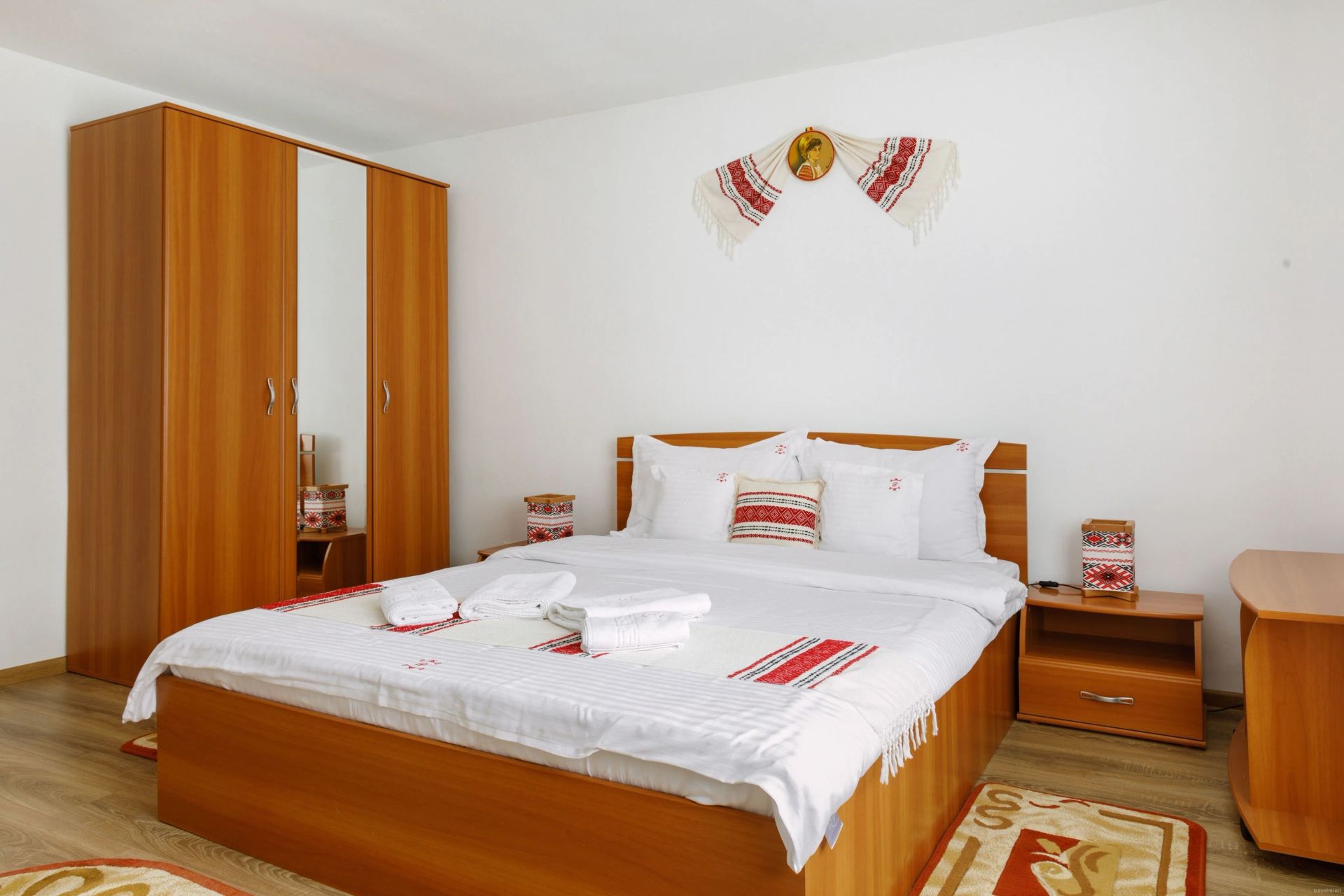
Casa Dacică Râșnov se află la poalele Cetății Râșnov, într-o vilă recent renovată care îmbină armonios modernul cu tradiționalul. Vă așteaptă cu 13 locuri de cazare distribuite în două camere duble, o cameră dublă cu balcon, o cameră triplă și o cameră de familie, completate de un living cu șemineu și o bucătărie complet utilată. Fiecare cameră are baie proprie cu cabină de duș, TV LED, uscător de păr și articole de baie. Beneficiați de internet WiFi gratuit și nelimitat, încălzire cu centrală proprie pe gaz și pe lemne, apă caldă și căldură non-stop. Pentru relaxarea dumneavoastră, aveți la dispoziție grătar și jocuri de societate precum rummy, table, cărți sau șah. În apropiere puteți explora Cetatea Râșnov, Castelul Bran, Biserica Neagră, Stațiunea Poiana Brașov și Masivul Postăvarul. Vă oferim informații turistice și sugestii pentru obiectivele din zonă, iar servicii precum păstrarea bagajelor sau comanda de taxi sunt disponibile la cerere. Beneficiați de parcare privată gratuită și supravegheată video. Check-in se efectuează după ora 15:00, iar check-out înainte de ora 11:00.
FROM
280 lei per night
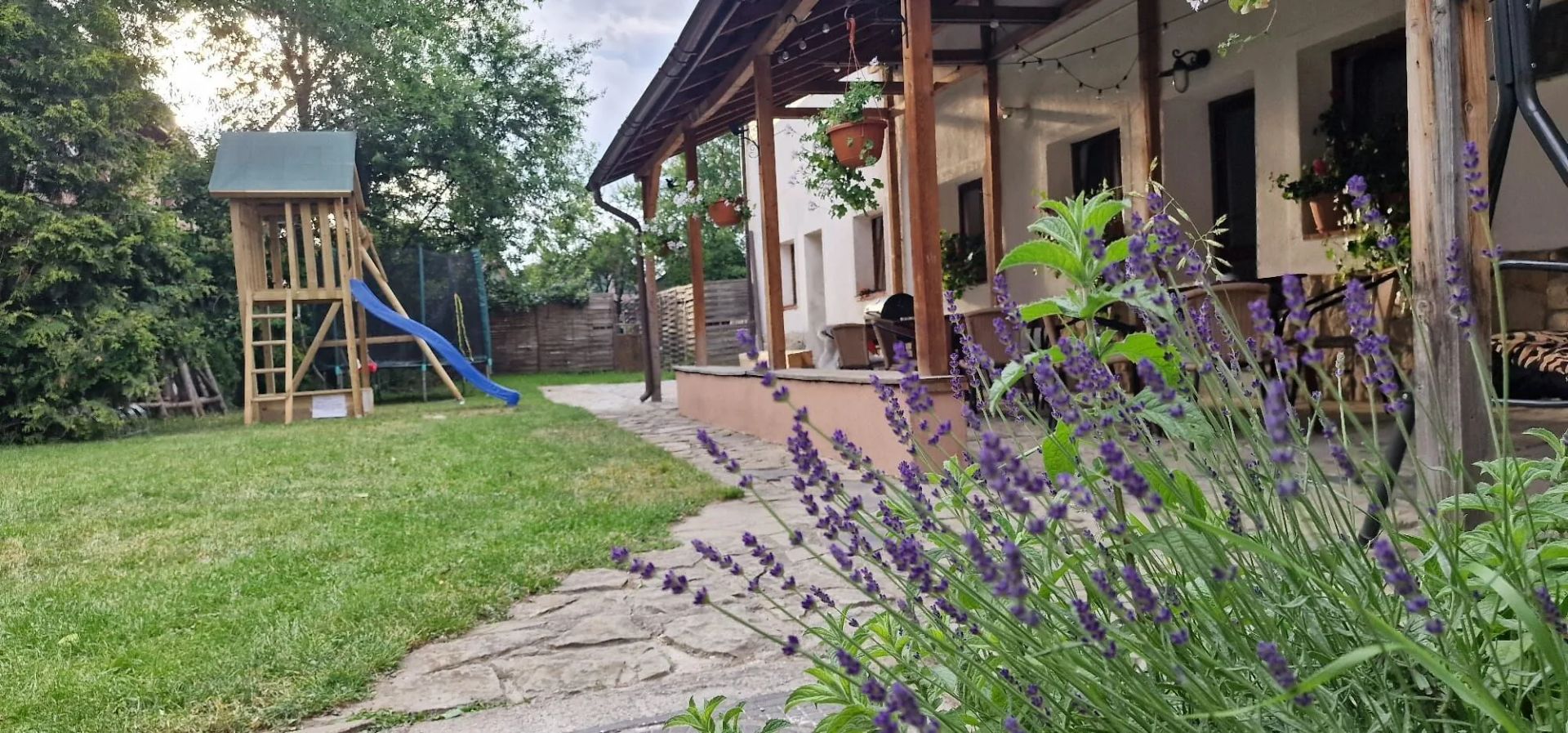
Guesthouse · 3 stars
Râșnov, Brașov County · 0.6 km
Studio Rasnov
Studio Rasnov este o pensiune turistică de 3 stele situată în localitatea Râșnov, județul Brașov. Unitatea se află pe strada Florilor numărul 29 și oferă cazare în șase camere amenajate, într-un mediu liniștit, potrivit pentru sejururi relaxante în zonă. Pensiunea dispune de o curte mare și o grădină amenajată, spații ideale pentru a vă bucura de aerul curat, de liniștea specifică zonei și de momente de relaxare departe de aglomerație. Pentru deplasările cu autoturismul, aveți la dispoziție parcare privată gratuită. De asemenea, un grătar sau barbeque este pus la dispoziție pentru a organiza mese plăcute în aer liber, iar copiii se pot distra în siguranță la locul de joacă amenajat în exterior. Pentru a rămâne conectați pe toată durata șederii dumneavoastră, accesul la internet Wi-Fi este gratuit în întreaga unitate, astfel încât puteți planifica ușor următoarele vizite. În apropiere puteți vizita Cetatea Râșnov, Castelul Bran, Biserica Neagră, Stațiunea Poiana Brașov și Parcul natural Munții Bucegi, obiective care oferă oportunități variate de explorare culturală, drumeții și relaxare în natură pentru toți vizitatorii. Vă așteptăm la Studio Rasnov.
FROM
240 lei per night
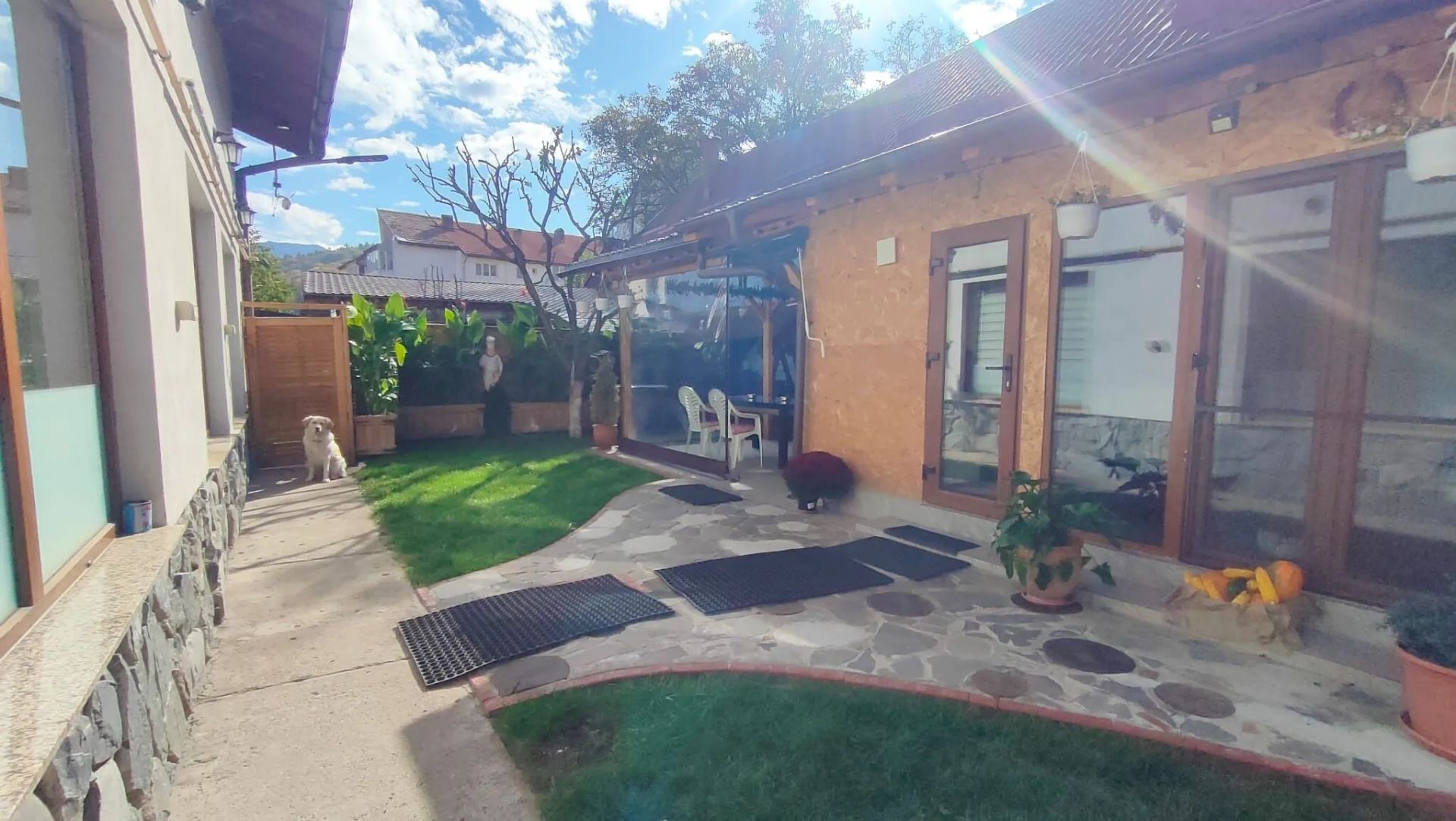
Holiday home · 3 stars
Râșnov, Brașov County · 0.6 km
Casa Selera Râșnov
La Casa Selera din Râșnov aveți posibilitatea să practicați călăria sau echitația în zonă, fiind o vilă integrală clasificată cu trei stele, situată pe strada Brazilor din localitatea Râșnov, județul Brașov. Proprietatea vă oferă o curte mare și o grădină amenajată, un foișor în curte, parcare pentru biciclete și un depozit pentru bagaje. Aveți la dispoziție Wi-Fi gratuit în întreaga unitate, fier de călcat, precum și o sală de fitness sau gimnastică pentru menținerea formei fizice. Pentru familiile cu copii sunt disponibile scaun înalt pentru copii și pătuț pentru bebeluș, astfel încât fiecare membru al familiei să se simtă confortabil pe toată durata șederii. În vecinătate se află Cetatea Râșnov, Castelul Bran, Biserica Neagră, Stațiunea Poiana Brașov și Parcul natural Munții Bucegi, obiective turistice pe care le puteți vizita cu ușurință pornind din Râșnov. De asemenea, zona oferă numeroase posibilități de drumeții montane și trasee în natură, perfecte pentru iubitorii de aer liber. Aceste atracții fac din Râșnov o destinație versatilă pentru orice tip de vacanță. Seara, după o zi de explorare a obiectivelor din zonă, vă puteți destinde în curtea grădinii amenajate sau la foișor.
FROM
280 lei per night
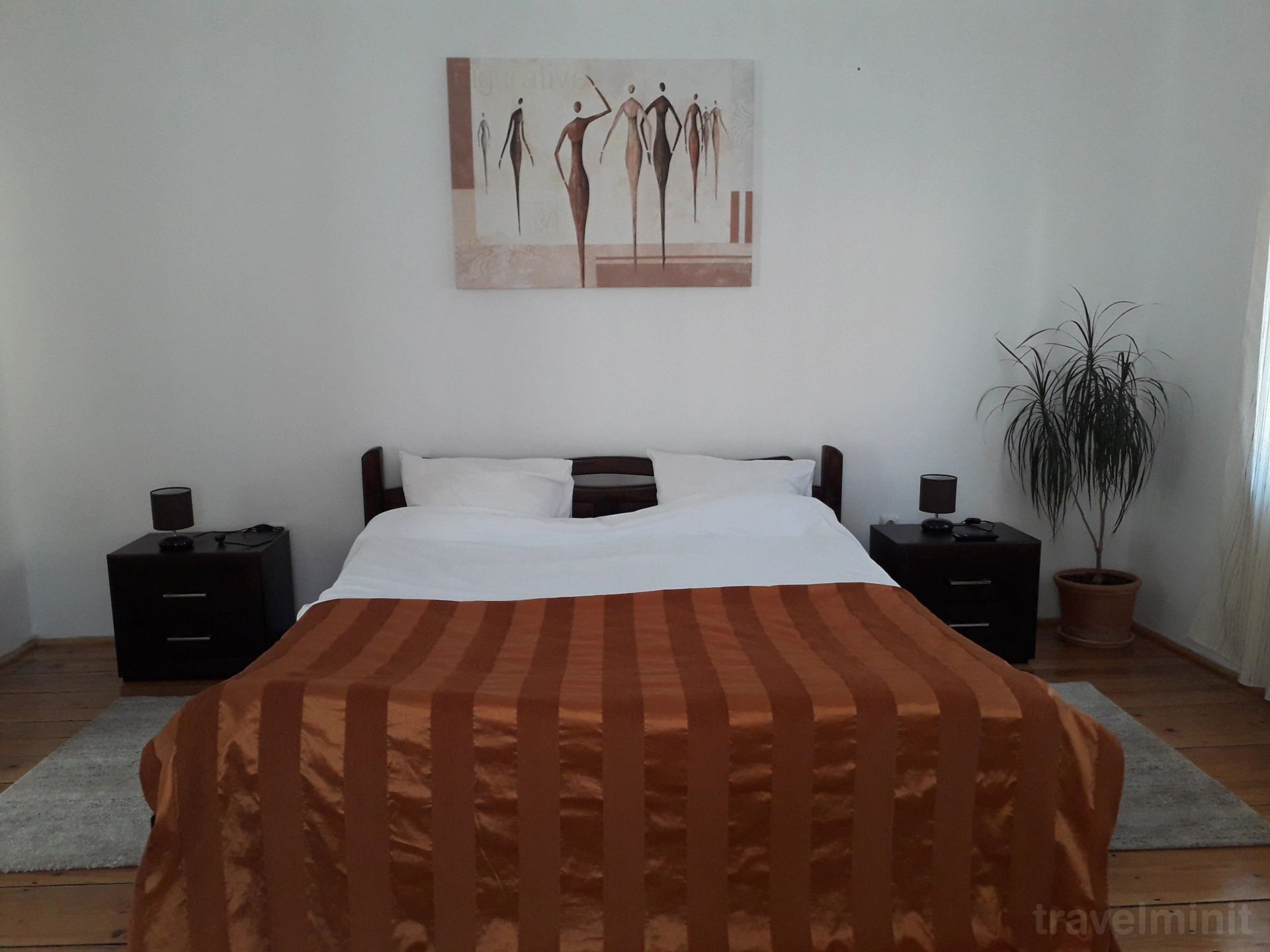
Holiday home · 3 stars
Râșnov, Brașov County · 0.7 km
Casa Vintage 27 Râșnov
Comfort, relaxation and stunning views, all just steps away from the main attractions.
FROM
280 lei per night
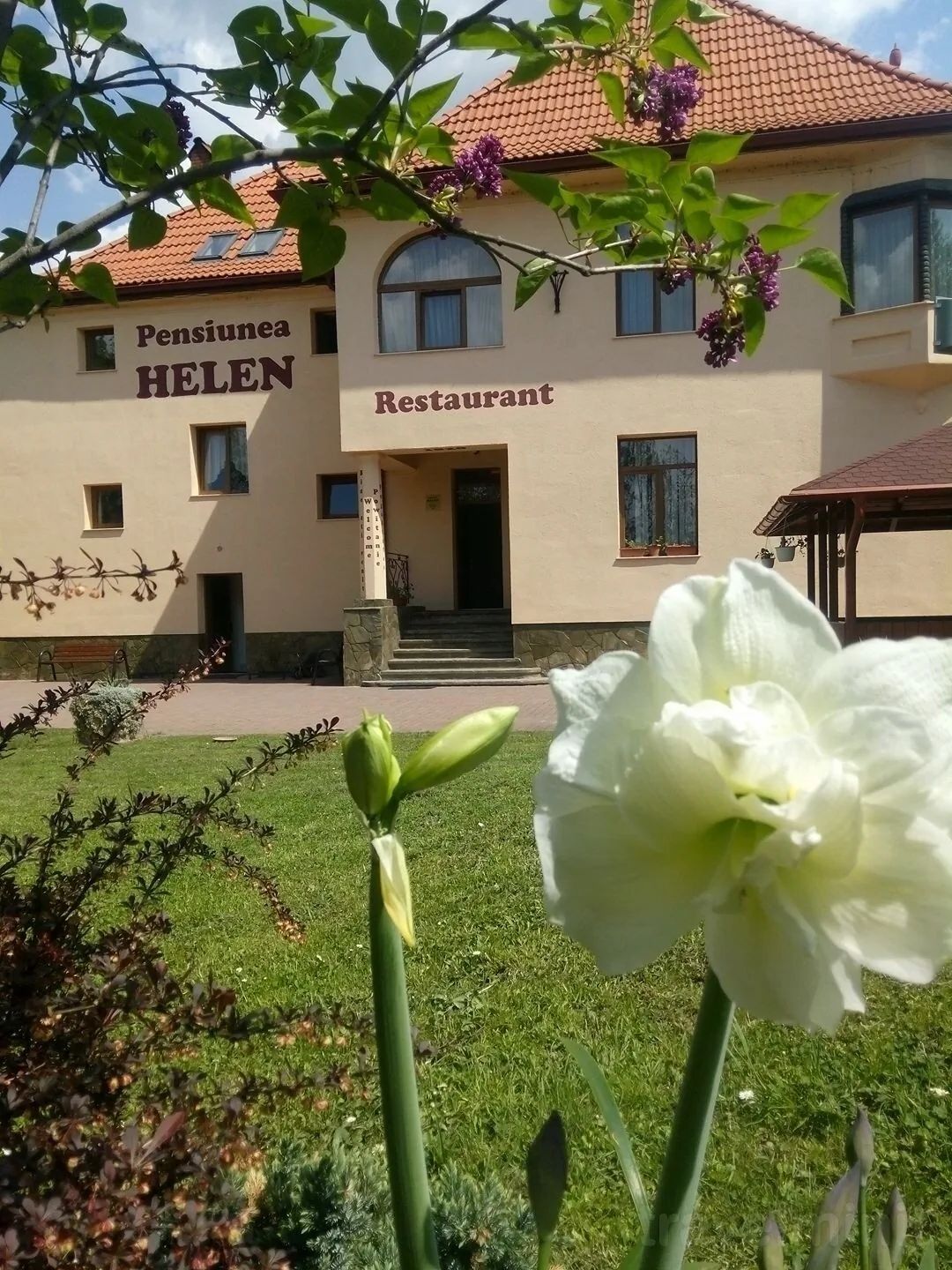
Guesthouse · 3 stars
Râșnov, Brașov County · 0.8 km
Pensiunea Helen Râșnov
Pensiunea Helen Râșnov este o pensiune turistică de trei stele situată în orașul Râșnov, județul Brașov, pe strada Câmpului numărul 1. Unitatea oferă numeroase facilități pentru confortul dumneavoastră. Vă puteți menține în formă la sala de fitness sau vă puteți relaxa în saună după o zi de explorare a zonei. Pentru timpul liber, aveți la dispoziție o masă de biliard și un grătar în curtea mare și grădina amenajată, un spațiu primitor pentru întreaga familie. Restaurantul din incintă pregătește meniuri pentru diete speciale, iar pentru cei mici sunt disponibile un pătuț pentru bebeluș și un scaun înalt. Beneficiați de Wi-Fi gratuit în toate spațiile comune. În vecinătate puteți descoperi Cetatea Râșnov, Castelul Bran, Biserica Neagră, Stațiunea Poiana Brașov și Parcul natural Munții Bucegi, obiective situate în apropierea orașului Râșnov. Pentru pregătirea bagajelor înainte de plecare, aveți la dispoziție un fier de călcat, iar accesul cu mașina este facil datorită parcării private gratuite chiar în incinta pensiunii.
FROM
240 lei per night
BEFORE YOU HIT THE ROAD
Weather conditions in Râșnov
Local forecast for Râșnov Citadel, Râșnov, Brașov

Real-time updated weather data
Much more to explore in this area
Nearby tourist attractions

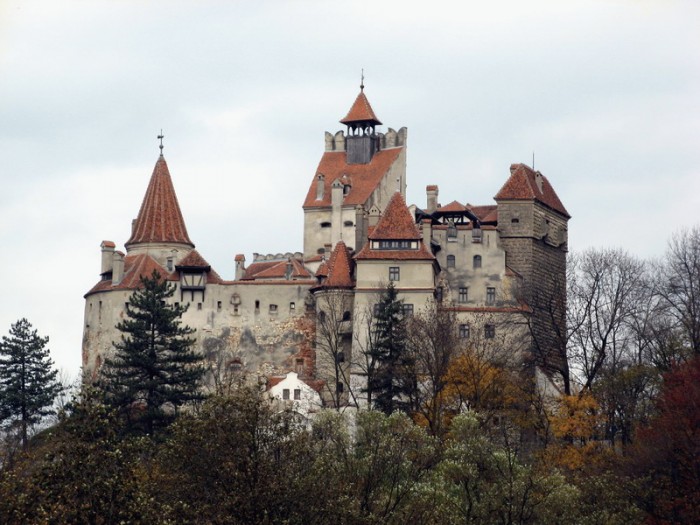

Bran, Brașov County
Bran Castle
Situat pe strada General Traian Mosoiu nr. 28 din localitatea Bran, la 30 km de municipiul Brasov; construit in anul 1377 in scop militar; in anul 1395, este...
11.6 km
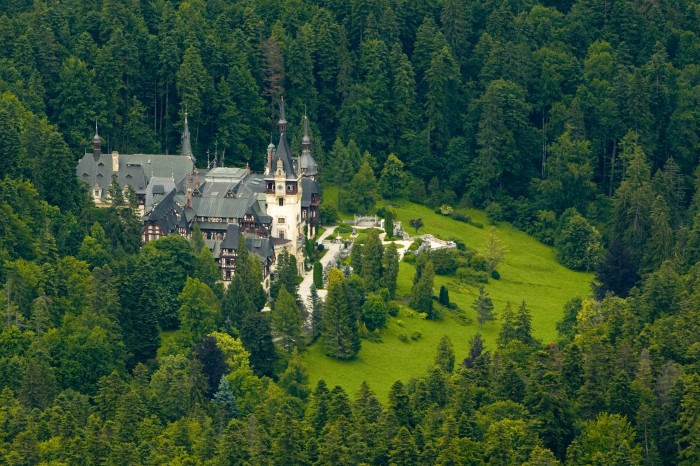
Sinaia, Prahova County
Peleș Castle
Situat pe strada Pelesului din Sinaia; piatra de temelie a castelului se pune in 1873, aici fiind ingropate si cateva zeci de monede de 20 de lei, din aur -...
26.3 km
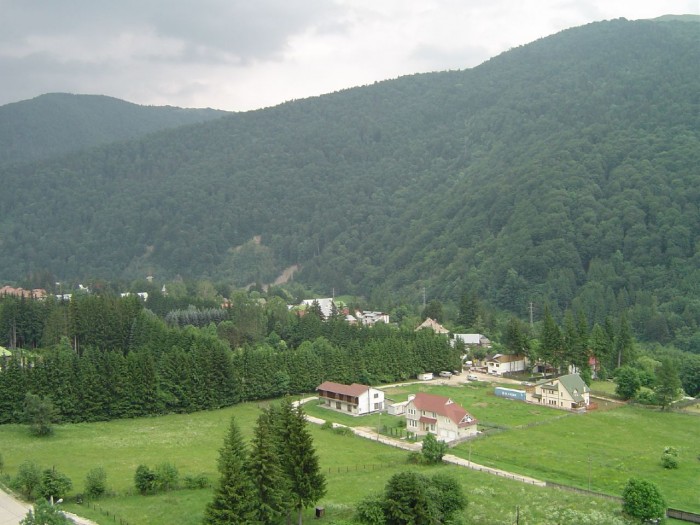
Prahova, Prahova County
Sinaia Resort
Situata pe valea superioara a Prahovei, la poalele Muntilor Bucegi (Carpatii Meridionali), la o altitudine ce variaza intre 798-971 m; este una din cele mai...
27.2 km
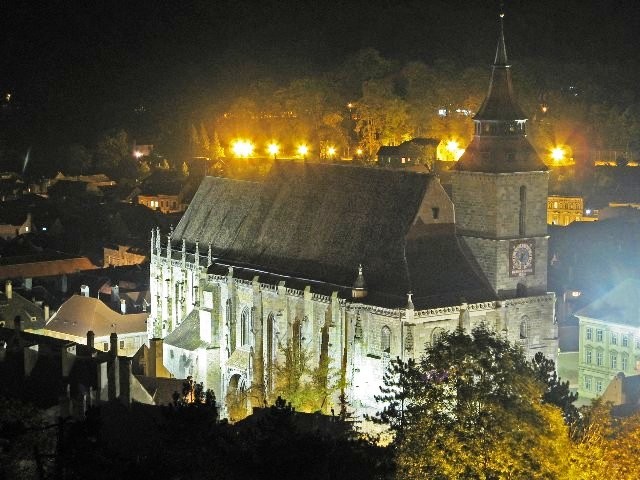
Brasov, Brașov County
Black Church
Situata in curtea Honterus nr. 2 din municipiul Brasov; construita intre secolele XIV - XV; o inscriptie din interior il atesta ca prim ctitor pe Thomas; din...
11.7 km
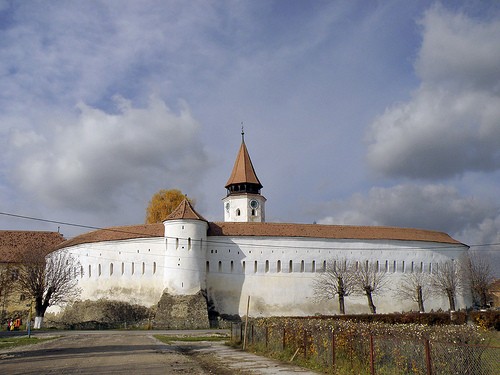
Brasov, Brașov County
Prejmer Fortified Church
Situata in localitatea Prejmer, la 15 km de municipiul Brasov; cea mai mare biserica fortificata din sud-estul Europei; construita in secolul al XIII-lea; are...
27.8 km
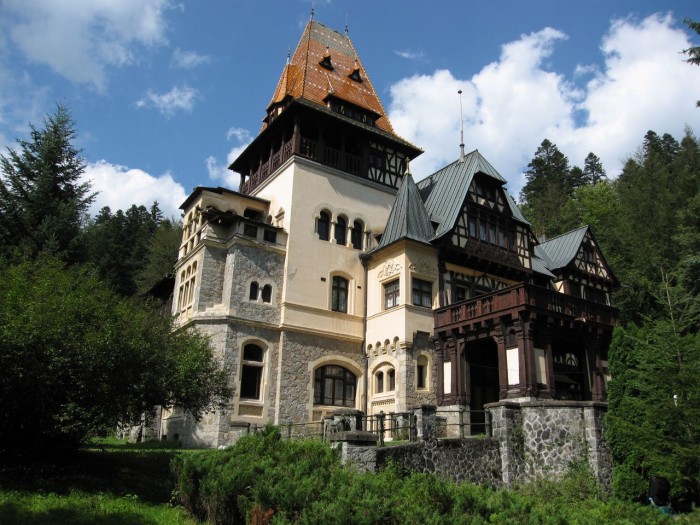
Prahova, Prahova County
Pelișor Castle
Situat in parcul Castelului Peles, pe Valea Prahovei; ridicat intre anii 1899 si 1902; in 1903 a devenit resedinta de vara a principilor mostenitori;...
26.2 km
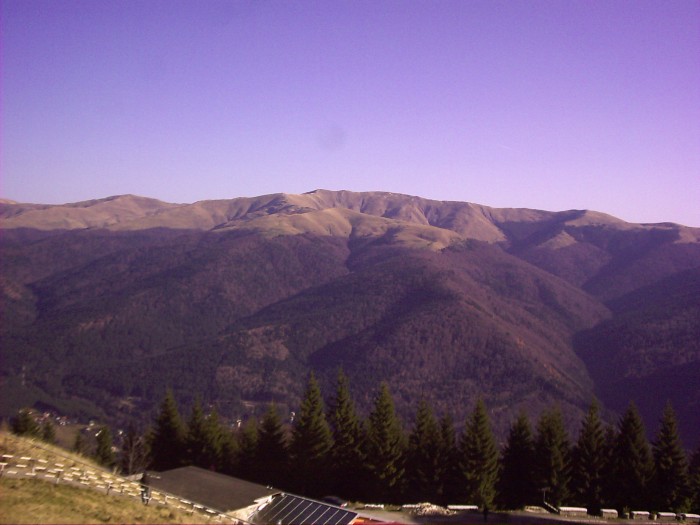
Brasov, Brașov County
Bucegi Natural Park
Situat in Muntii Bucegi, se intinde pe raza comunelor Rasnov, Bran, Moeciu; zona Muntilor Bucegi a fost propusa pentru protejare in anul 1936, dar initiativa s-...
14.3 km

Brasov, Brașov County
Poiana Brașov resort.
Situata la poalele muntelui Postavaru, la 12 km de municipiul Brasov; amplasata la altitudinea de 1.030 m, statiunea turistica Poiana Brasov a fost infiintata...
6.7 km
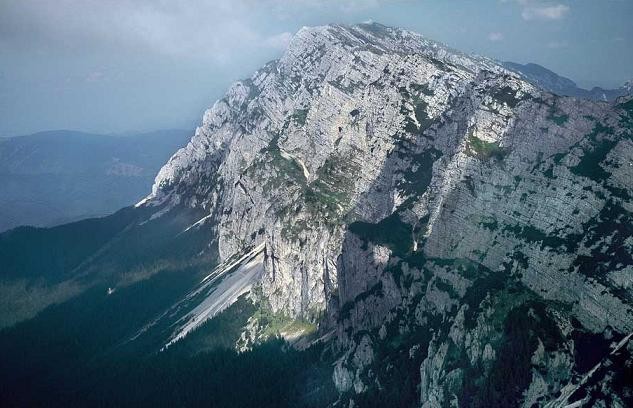
Brasov, Brașov County
Piatra Craiului National Park
Situat in Carpatii Meridionali;include Creasta Pietrei Craiului in totalitate si spatiile din culoarele intramontane limitrofe, Rucar - Bran si Rucar -...
19.0 km

Brasov, Brașov County
Predeal: Romania's Highest Town and the Carpathian Balcony
Situata pe Valea Prahovei, intre raurile Prahova si Timis, la 25 km de municipiul Brasov; amplasata la 1.100 m, este cea mai inalta asezare urbana din Romania;...
12.8 km
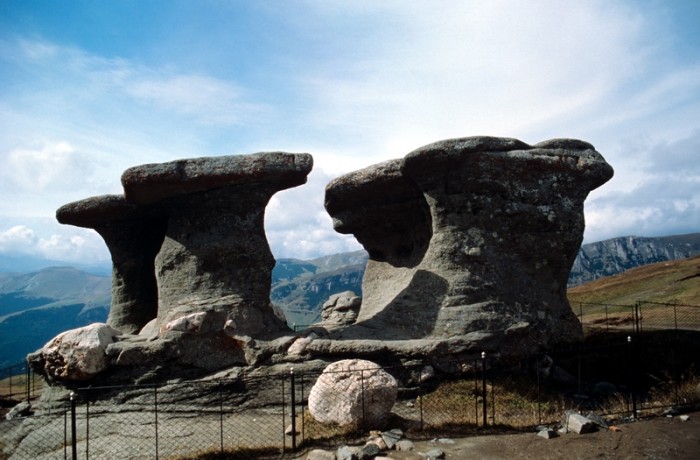
Prahova, Prahova County
Bucegi Natural Park
Situata intre 1.000 - 2.505 m altitudine, in Masivul Bucegi; in cadrul ei se pot intalni vai si rape spectaculoase, chei intre stanci, poduri interfluviale si...
20.3 km
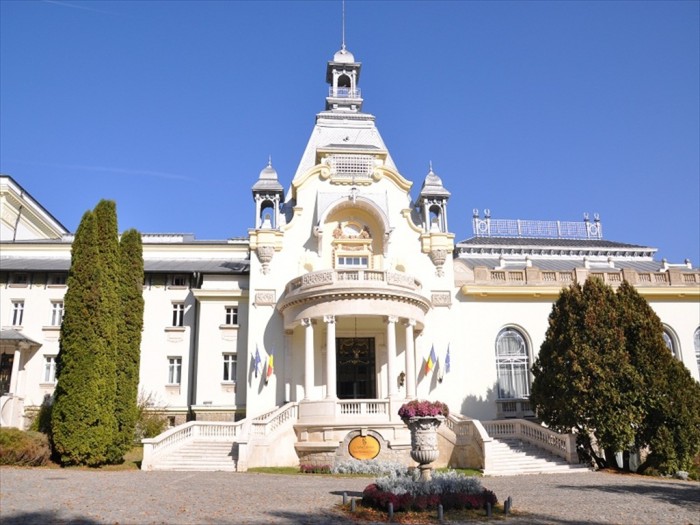
Prahova, Prahova County
Sinaia Casino
Situat in parcul "Dimitrie Ghica" din localitatea Sinaia; reprezinta si astazi unul dintre edificiile - simbol ale statiunii; construit in timp record, intre...
27.0 km
Cultural life and traditions
Events in the Râșnov Citadel area
Medieval festivals, traditional fairs, concerts and local activities recommended in Transylvania.

Heritage and History

Râșnov, County of Brașov
The Festival of Medieval Fortresses and the Open Doors Days
Guided night tours, traditional crafts workshops and historical re-enactments featuring knights and ladies.
WHEN
May 15-17, 2026


Traditions and Cuisine
Râșnov, County of Brașov
The Fair of Saxon Traditions and Local Cuisine
Discover local producers, traditional Saxon pastries baked in a wood-fired oven, artisanal syrups, and rhubarb jam.
WHEN
Every weekend (May - October)

Ecotourism and Nature
The hills of Transylvania, County of Brașov
Guided Hikes on the Transylvanian Hills Trail
Take excursions along unmarked trails through ancient meadows, centuries-old oak trees, and villages with fortified churches that are UNESCO World Heritage sites.
WHEN
Friday – Sunday (Season 2026)
On foot, exploration gains depth
Discover the surroundings and local geography
Explore the trails, terrain, and natural landmarks around Râșnov Citadel.

Guides and practical tips
Useful travel articles
Travel guides, practical recommendations and tourist itineraries for Transylvania.

Tourist guide
Top 5 Atracții Turistice și Trasee Montane în Zona Moieciu - Bran
Descoperă cele mai spectaculoase peisaje carstice, chei adânci și cetăți medievale din imediata apropiere a stațiunii Moieciu.

Tourist guide
Ghid de Drumeție: Traseul Moieciu de Sus spre Platoul Bucegi
Un itinerariu montan de o frumusețe rară ce urcă din Valea Băngăleasa spre Poiana Guțanu și crestele maiestuoase ale Bucegilor.

Tourist guide
Castelul Bran: Istorie, Legende și Secrete Medievale
Află adevărata poveste a fortăreței medievale din Pasul Bran, reședința de suflet a Reginei Maria a României.
THE JOURNEY STARTS WITH AN IDEA
The next story is on the way.
From the first stop to the last stay, make room for a new Romania.
