


MONUMENT · TRANSYLVANIA
Sighișoara Clock Tower

Danes, Mureș County
Add location to your trip planner.
Practical access information

VISITING HOURS
The fortress is open 24/7; the History Museum in the Clock Tower: Tuesday – Sunday, 9:00 AM – 5:30 PM

TICKET PRICE
Free access to the citadel; Clock Tower: 20 RON for adults, 5 RON for students; Church on the Hill: 10 RON

RECOMMENDED VISIT DURATION
3-5 hours (or a full day)


Visitor information and guide
 Navigate with Google Maps

ABOUT SIGHIȘOARA CLOCK TOWER
Captivating Introduction and Heritage Significance
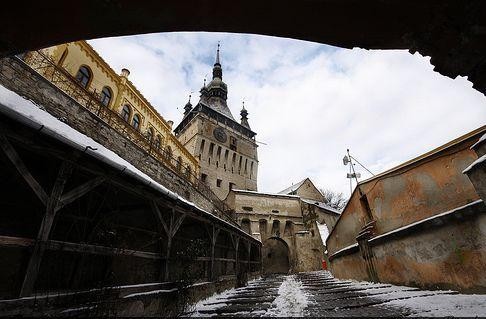
Rising 64 meters above the lower plateau of the Sighișoara Citadel, the Clock Tower represents the most imposing architectural presence of the medieval town inscribed in UNESCO World Heritage since 1999. This monument, which dominates the urban landscape of central Transylvania with its slender silhouette, is not merely a defensive or administrative landmark, but a true axis mundi of a community that, for eight centuries, has been witness and participant to the great conflicts and cultural syntheses of Europe. Viewed from afar, the tower stands as a vertical panorama where the Gothic tradition of Central Europe meets the Baroque influences of the Habsburg era and the commercial spirit of the Hanseatic cities, creating a unique feature in the European architectural landscape. Like the famous clock towers of Prague, Bern, or Munich, the Sighișoara Clock Tower functions as a living chronometer of history, measuring not only the hours but also the centuries of existence of a civilization that knew how to preserve and enrich its cultural heritage in an often tumultuous geopolitical context.
Historical Roots and Major European Connections
The tower's construction dates back to around the 14th century, in a period when Sighișoara – known at the time as Schäßburg – was a free royal city within the Kingdom of Hungary, benefiting from privileges granted by King Géza II and later confirmed through the Andrean Diploma issued by Andrew II in 1206. This Germanic foundation, consisting of Franconian colonists brought from the Rhine and Moselle regions, created an essential cultural bridge between Central and South-Eastern Europe, transforming Sighișoara into an outpost of Latin civilization in a region dominated by Byzantine and Ottoman influences. The tower guarded the city's main gate for over six centuries, at the same time housing the City Council and expressing the judicial autonomy of the Saxon community. The four turrets crowning the structure represent the famous jus gladii – the seniorial right to capital punishment recognized in the medieval European legal system, similar to the privileges held by free imperial cities of the Holy Roman Empire, such as Nuremberg, Lübeck, or Augsburg.
The tower's history is inseparable from the great intrigues of Eastern Europe. Between 1431 and 1435, Vlad II Dracul, the voivode of Wallachia and father of the famous Vlad the Impaler, was imprisoned here, taken hostage by King Sigismund of Luxembourg as a guarantee of loyalty to the Hungarian crown in a period of confrontations with the Ottoman Empire for control of the Balkans. This presence illustrates the strategic role of Sighișoara on the frontier between Western Christianity and Ottoman expansion, a role the city played intermittently until the 17th century. Later, in 1849, the Battle of Sighișoara from the Hungarian Revolution took place near the tower, in which the poet Sándor Petőfi fell, martyr of freedom and emblematic figure of national movements in Central Europe. This episode links the tower to the great history of the European revolutions of 1848, placing it in the context of struggles for autonomy and democracy that shook the empires of the time, from the Habsburg to the Tsarist.
Architectural Masterpiece, Style, and Construction Details
Architecturally, the tower represents a remarkable synthesis between medieval military functionality and the decorative elegance of the modern era. Initially erected as a defensive element with battlements, guard walkway, and shooting galleries, the structure consisted of a rectangular prism developed over five levels, to which a balcony and a tall 34-meter pyramidal roof were added. In the 17th century, the structure was equipped with a clock with wooden lime wood statues representing pagan deities personifying the days of the week – Diana, Mars, Mercury, Jupiter, Venus, Saturn, and the Sun – in a rustic Baroque style reflecting the Habsburg and Central European cultural influences of the era. These figures recall the sophisticated astronomical mechanisms of the clocks in Prague or Ulm, demonstrating the circulation of ideas and artistic techniques between the major urban centers of Central Europe.
After the devastating fire of April 30, 1676, which destroyed a large part of the city – an event comparable to the Great Fire of London in 1666 or other urban catastrophes that marked European history – the tower's roof was rebuilt in 1677 by the craftsmen Veit Gruber from Tyrol and Filip Bonge from Salzburg, alongside the local carpenter Valentin. This reconstruction represents a remarkable fusion of Alpine craft traditions illustrating the mobility of artisans in Central Europe in the Baroque era, when itinerant workshops crossed the borders of empires to share techniques and knowledge. The current form, however, dates from 1894, when the structure acquired the appearance we admire today under the dominance of the Austro-Hungarian Empire, reflecting the historicist spirit of the era, which sought to reinterpret medieval and Renaissance forms in an eclectic architectural language.
The complex roof is covered with multicolored glazed tiles, a ceramic technique specific to Central European tradition, similar to that found at the palaces of Dresden or Vienna. On the facade facing the lower town appear two heraldic emblems and a Latin inscription attesting to the history and privileges of the city. The roof spire ends in a gilded globe with a volume of ten gallons, above which is a rod for weather changes, at the top of which dominates a two-headed eagle – symbol of Habsburg power – with a rooster weather vane indicating the wind direction. At the extremities rise four turrets of 12.5 meters in height, which not only beautify the silhouette but also recall the city's right of supreme judgment. The current clock mechanism, installed on April 1, 1906, is a special order from Switzerland, made by the Fuchs company from Biel, and consists of two dials of 2.40 meters in diameter on each facade, accompanied by figurines in niches. This Swiss precision demonstrates the continuity of the tradition of watchmakers from Geneva or Zurich in the Carpathian region, bringing to Transylvania the technical know-how of the world's most prestigious school of horology.
Stories, Personalities, and Turning Points
Throughout its six centuries of existence, the Clock Tower has witnessed moments that marked the history not only of Transylvania but of all of Europe. The period when Vlad Dracul was imprisoned in the tower, between 1431 and 1435, coincides with the complex diplomatic games between the Kingdom of Hungary, the Principality of Wallachia, and the Ottoman Empire. Vlad, a member of the Order of the Dragon, was held hostage to ensure the payment of tribute and loyalty to Sigismund of Luxembourg, King of Hungary and Emperor of the Holy Roman Empire. This political prison in the tower illustrates the fragility of power balances in South-Eastern Europe on the eve of Ottoman expansion.
Another crucial moment occurred in the summer of 1849, when the revolutionary Hungarian armies led by General Bem confronted Austrian and Russian troops near the tower. In this battle, which marked the end of the Hungarian Revolution and the war of independence, the poet Sándor Petőfi, the greatest lyrical poet of Hungary and symbol of national freedom, met his death. His body was never found, and the place where he is believed to have fallen is near the tower, transforming the area into a pilgrimage site for Hungarians from around the world and connecting Sighișoara to the collective memory of Central Europe.
Also, the tower housed the city's mint, where coins were struck that circulated throughout the Kingdom of Hungary, demonstrating the economic importance of Sighișoara as a commercial center. In the 19th century, under Austro-Hungarian administration, the tower was renovated and adapted to house the History Museum, opened in 1899, in a period of cultural renaissance of the Saxon community. This transformation reflects efforts to preserve the cultural identity of the Saxons in the face of accelerated modernization and the assimilationist pressures of emerging nationalisms.
The History Museum and European Cultural Heritage
Starting in 1899, the tower houses the History Museum of the municipality of Sighișoara, offering visitors a deep incursion into the past of a community that shaped the cultural landscape of Transylvania for eight centuries. The collections present artifacts from the medieval and modern periods, illustrating the evolution of the city founded by German colonists in the 12th century. Visitors can admire exhibits from the Gothic and Renaissance periods, medieval weapons, luxury ceramics, Baroque furniture, and guild insignia, all telling about the daily life, commerce, and crafts of a sophisticated urban society.
The museum also houses documents relating to the Saxon University (Universitatea Săsească), the self-governance system of the German community in Transylvania, guaranteed by King Matthias Corvinus in the 15th century. This institutional autonomy, similar to that enjoyed by the free cities of the Hanseatic League or the Swiss Confederation, allowed the development of a distinct urban culture, with schools, libraries, and printing presses that contributed to the spread of Renaissance humanism in South-Eastern Europe. The tower thus remains a fundamental architectural landmark of this common European heritage, alongside the fortified churches in the neighboring Saxon villages – Biertan, Viscri, Saschiz, or Malancrav – which together form a unique cultural landscape, recognized by UNESCO and comparable to other medieval sites in Central Europe, such as those in Poland or the Czech Republic.
Practical Visitor Guide and the Contemporary Tourist Experience
Access to the Sighișoara Citadel is free, allowing free exploration of the streets paved with original medieval cobblestones, while entry to the Clock Tower costs 20 lei for adults and 5 lei for pupils and students. The History Museum inside the tower is open from Tuesday to Sunday, between 09:00 and 17:30, offering visitors the opportunity to climb the approximately 175 steps leading to the upper levels of the monument. We recommend wearing comfortable flat shoes, as the citadel streets and tower stairs are paved with medieval stone that requires attention when walking and offers an authentic tactile experience of the past.
Once at the top of the tower, the 360-degree panorama reveals the Târnava Mare river valley, the wooded peaks of the Carpathians, and the red roofs of the lower town, offering an impressive perspective on the entire fortified ensemble. From the tower, one can also see the Hill Church, located on the opposite hill, reachable via a covered staircase of 175 wooden steps, built in 1662, another essential attraction of the visit. Visiting the tower can be perfectly combined with exploring the entire citadel, which still preserves nine defense towers with suggestive names – the Blacksmiths' Tower, the Weavers' Tower, the Butchers' Tower – each preserving the memory of a specific guild.
For a complete experience, we suggest visiting in the morning hours, when sunlight hits directly on the tower's facade, highlighting the vivid colors of the glazed tiles, or at sunset, when the tower's silhouette is outlined against the starry sky of Transylvania. In July, the citadel hosts the Medieval Festival, an event that brings the atmosphere of the 14th-16th centuries back to life through parades, concerts, and craft workshops, providing historical context for the tower visit. For additional information and updated schedule, consult the official website https://sighisoara.org.ro. Visiting the Clock Tower represents not just an incursion into an exceptional architectural monument, but a journey through time into the heart of a medieval Europe that knew how to preserve and enrich its cultural identity over the centuries.
Media gallery
Discover Sighișoara Clock Tower in pictures

12 photos · Architecture, courtyards and captivating details


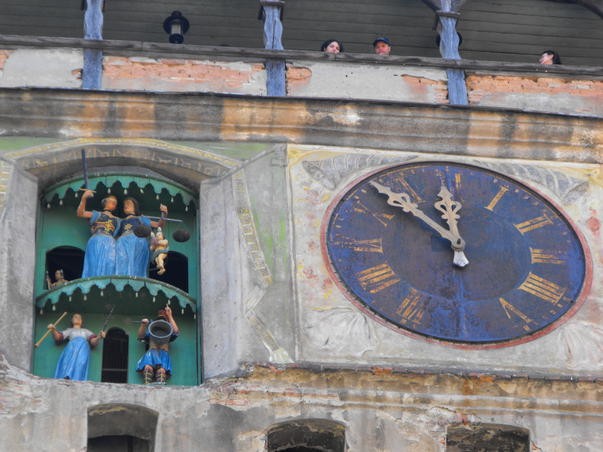


Image source: Wikimedia Commons · Public domain photos · Free license
STAY A FEW DAYS, DISCOVER THE MAGIC
Accommodation in the Sighișoara Clock Tower area

Guesthouse · 3 stars

Sighișoara, Mureș County · 0.0 km
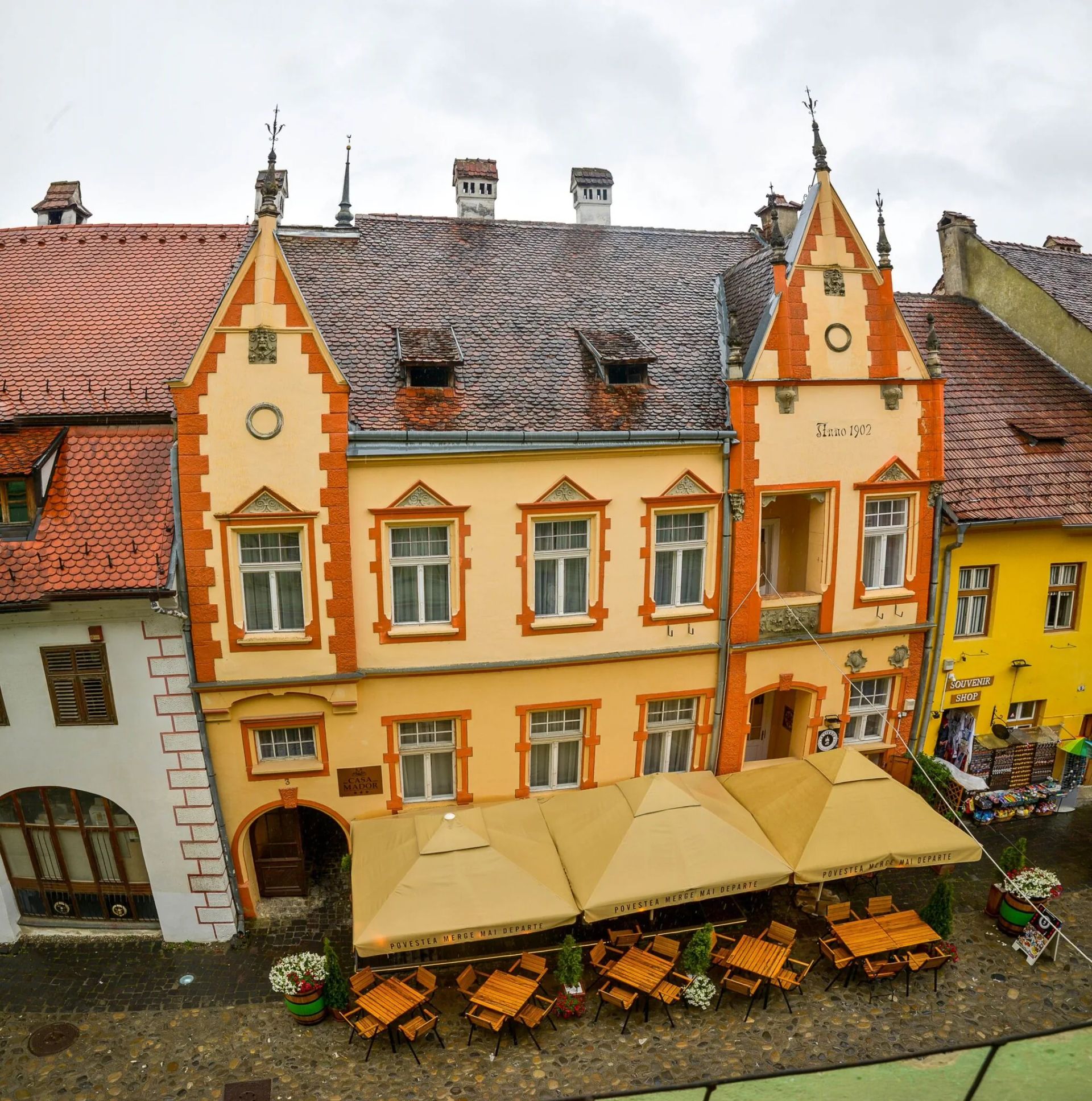
Pensiunea și Pivnița La Teo Sighișoara
Pensiunea și Pivnița La Teo este o pensiune turistică de 3 stele situată în Sighișoara, județul Mureș, pe strada Scolii numărul 14. Unitatea pune la dispoziția dumneavoastră șase camere amenajate cu grijă și dotate cu baie proprie. Unele dintre camere sunt echipate cu aer condiționat pentru un confort sporit pe perioada verii, iar pentru familiile care călătoresc cu cei mici este pus la dispoziție un pătuț pentru bebeluș. Întreaga pensiune beneficiază de acces Wi-Fi gratuit, astfel încât vă puteți conecta cu ușurință pe toată durata șederii. Personalul de la recepție comunică în limbile română, maghiară, engleză și germană, fiind pregătit să vă ofere toate informațiile necesare despre serviciile disponibile și despre obiectivele din zonă. Intrarea în cameră se face începând cu ora 14:00, iar ieșirea se efectuează până la ora 10:00. În apropiere puteți vizita Cetatea Medievală Sighișoara, Turnul cu ceas, Biserica Mănăstirii Dominicane, Biserica fortificată Saschiz și Cetatea Țărănească Saschiz, obiective care completează experiența culturală a unei vizite în această regiune istorică. Vă așteptăm să vă bucurați de un sejur plăcut la Pensiunea și Pivnița La Teo.
FROM
240 lei per night

Apartment · 3 stars
Sighișoara, Mureș County · 0.0 km
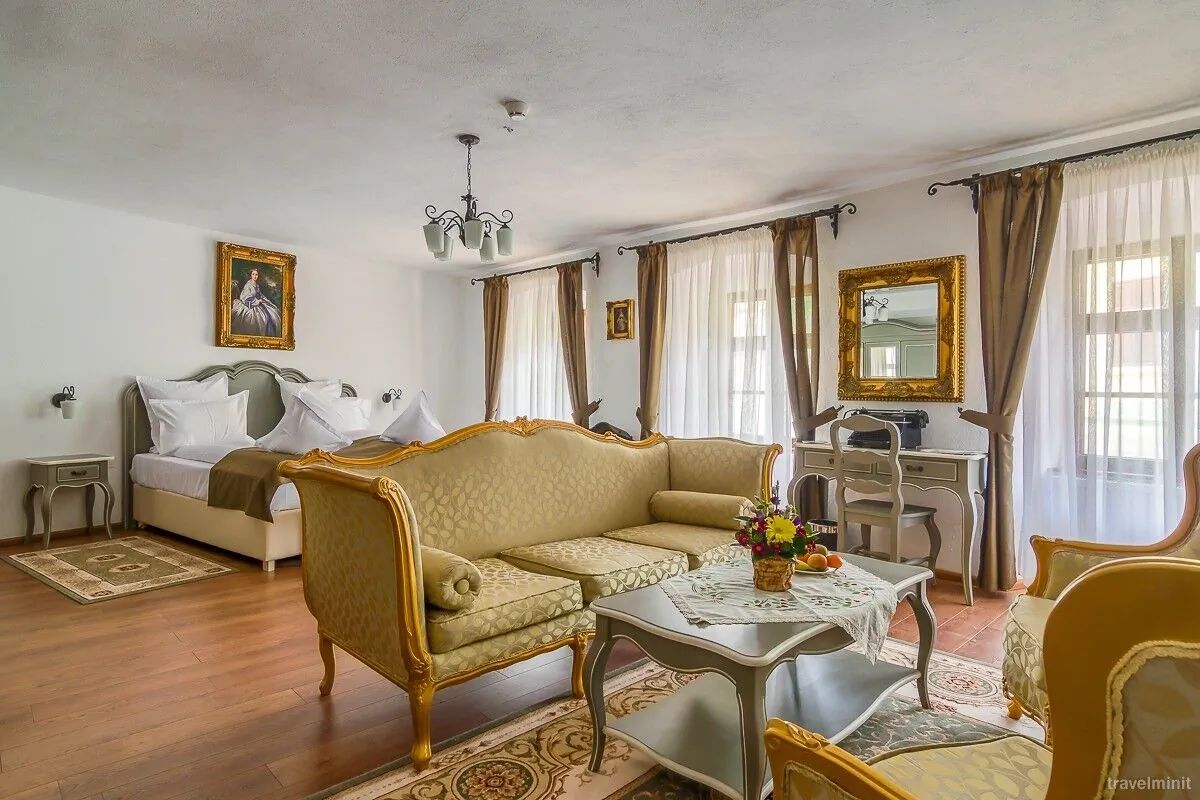
An Der Holztreppe Sighișoara
O zi petrecută aici începe cu o cafea savurată în cafeneaua din incintă și se încheie cu un grătar organizat în curtea mare și grădina amenajată. An Der Holztreppe Sighișoara vă primește într-un apartament de închiriat clasificat cu 3 stele, situat pe strada Scolii din localitatea Sighișoara, județul Mureș. Pentru confortul dumneavoastră, apartamentul oferă Wi-Fi gratuit, fier de călcat și un spațiu dedicat pentru depozitarea bagajelor. Dacă călătoriți împreună cu cei mici, veți găsi la dispoziție un scaun înalt pentru copii și un pătuț pentru bebeluș. Un bar în incintă completează oferta pentru serile liniștite petrecute în aer liber, alături de prieteni sau familie. Poziția centrală vă permite să ajungeți cu ușurință la principalele obiective turistice din zonă. Puteți explora Cetatea Medievală Sighișoara, Turnul cu ceas Sighișoara și Biserica Mănăstirii Dominicane Sighișoara. De asemenea, Biserica fortificată Saschiz și Cetatea Țărănească Saschiz reprezintă destinații interesante pentru excursii de o zi în împrejurimile orașului. Această unitate de cazare este potrivită pentru familii cu copii, grupuri de prieteni și toți călătorii care doresc să descopere istoria și atmosfera medievală a Sighișoarei și a satelor din apropiere.
FROM
230 lei per night
Holiday home · 3 stars
Sighișoara, Mureș County · 0.1 km
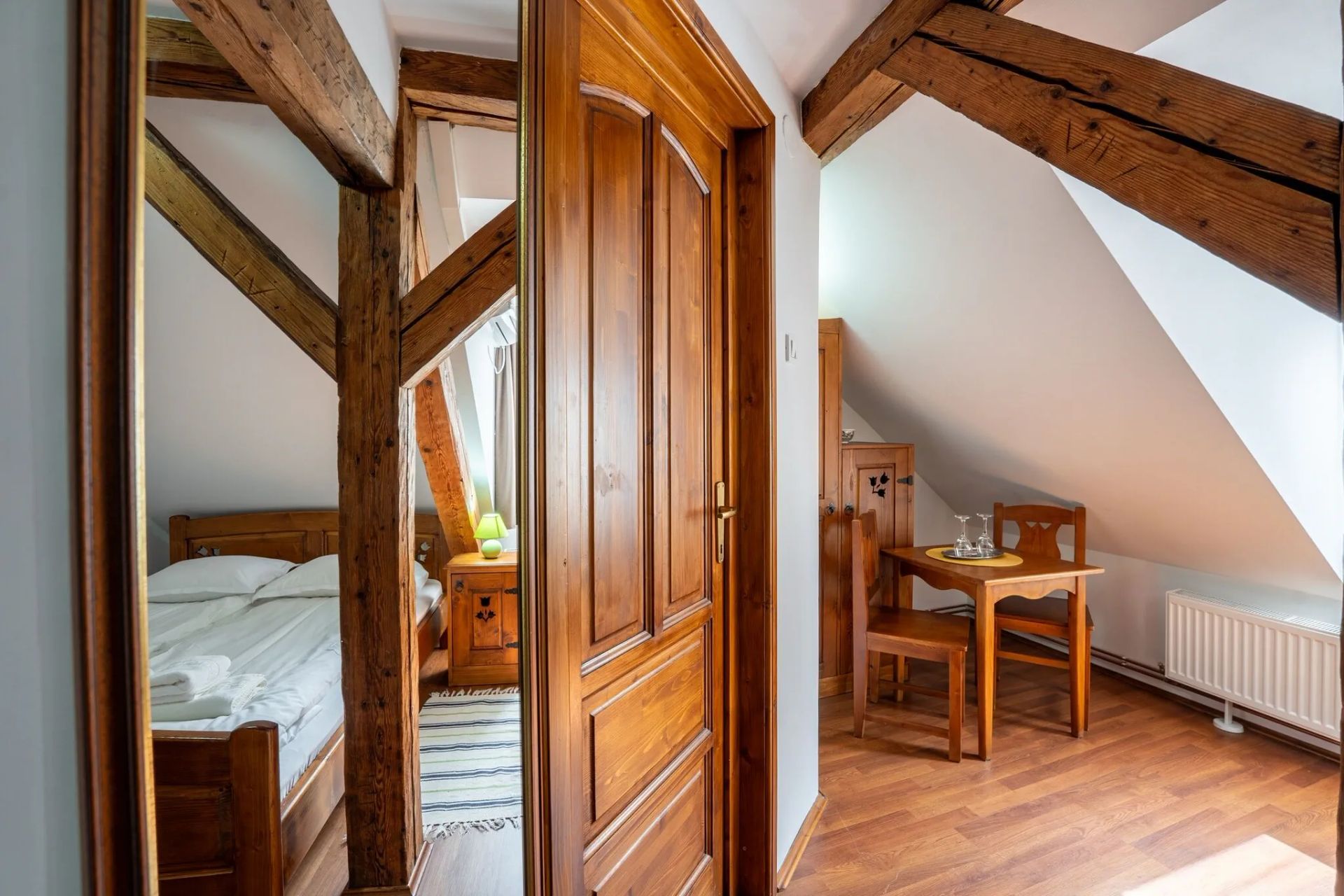
Taschler Haus Boutique Sighișoara
Explorați Cetatea Medievală Sighișoara, cu turnurile și zidurile sale bine păstrate, pornind direct din centrul orașului. Taschler Haus Boutique Sighișoara, o casă de închiriat integrală clasificată cu trei stele și situată în Sighișoara, județul Mureș, vă oferă un loc liniștit de unde puteți porni spre toate atracțiile din zonă. Vila pune la dispoziția dumneavoastră trei camere confortabile și bine amenajate. Aerul condiționat asigură temperatura plăcută în orice sezon, iar accesul la Wi-Fi gratuit și parcarea privată gratuită adaugă comoditate șederii. Curtea mare și grădina amenajată sunt ideale pentru momente de relaxare în aer liber, în timp ce pătuțul pentru bebeluș și camera de joacă pentru copii la interior transformă locația într-o alegere potrivită pentru familii cu copii mici. Pe lângă Cetatea Medievală, în apropiere se află Turnul cu ceas Sighișoara și Biserica Mănăstirii Dominicane Sighișoara, ambele ușor accesibile. De asemenea, puteți vizita Biserica fortificată Saschiz și Cetatea Țărănească Saschiz, obiective care îmbogățesc experiența culturală a zonei. Vă așteptăm cu drag la Taschler Haus Boutique Sighișoara.
FROM
280 lei per night
Guesthouse · 4 stars
Sighișoara, Mureș County · 0.1 km
Pensiunea Bastion - La Strada - Sighisoara
O zi petrecută pe terasa însorită și la masa de seară servită în restaurantul în incintă poate transforma șederea dumneavoastră într-o experiență cu adevărat relaxantă. Vă așteaptă Pensiunea Bastion - La Strada din Sighișoara, județul Mureș. Unitatea oferă opt camere confortabile și bine amenajate, fiecare dotată cu grup sanitar propriu, iar unele prevăzute cu aer condiționat. Beneficiați de Wi-Fi gratuit în întreaga locație, seif în cameră, room service și depozit pentru bagaje. Curtea mare și grădina amenajată reprezintă un spațiu plăcut pentru relaxare, iar cafeneaua și barul din incintă vă oferă ocazia să savurați băuturi într-o atmosferă liniștită. La restaurant puteți savura mâncăruri tradiționale, iar parcarea pentru biciclete facilitează explorarea zonei pe două roți. La recepție se vorbește atât română, cât și engleză, iar plata se poate efectua prin transfer bancar. În apropiere se află numeroase obiective de neratat: Cetatea Medievală Sighișoara, Turnul cu ceas Sighișoara, Biserica Mănăstirii Dominicane Sighișoara, Biserica fortificată Saschiz și Cetatea Țărănească Saschiz. Pensiunea se adresează turiștilor care doresc să exploreze patrimoniul cultural și istoric al Sighișoarei și al satelor din împrejurimi într-un cadru autentic și confortabil.
FROM
310 lei per night
Guesthouse · 3 stars
Sighișoara, Mureș County · 0.1 km
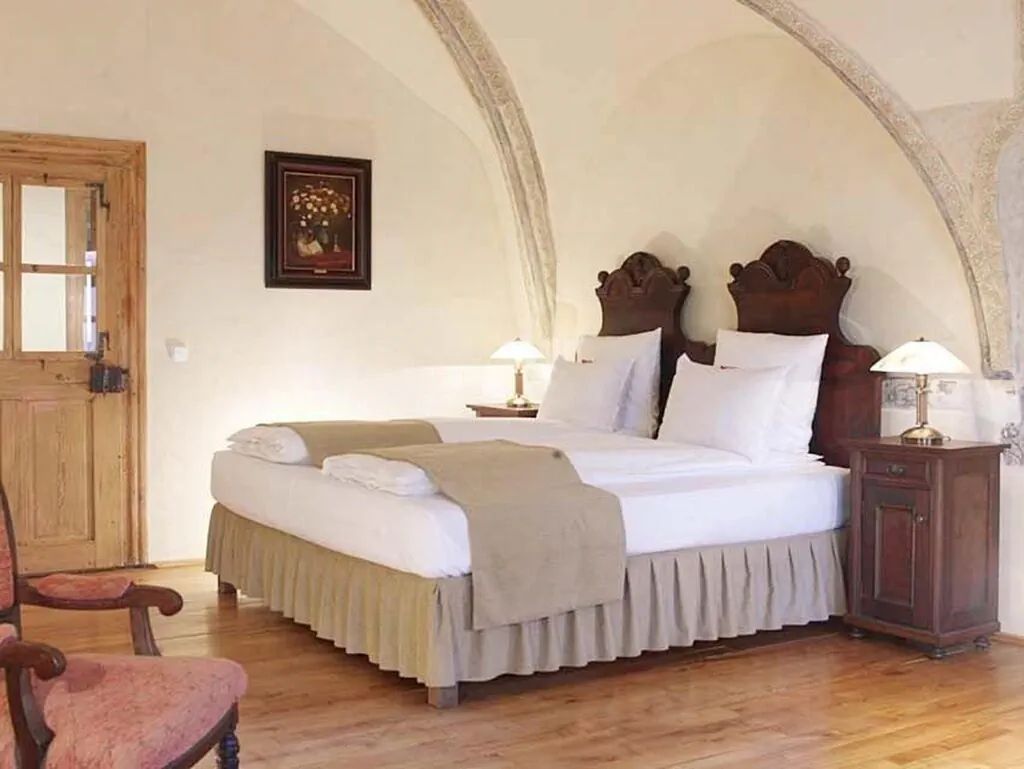
Fronius Residence Sighișoara
De la poalele dealului, cu Turnul cu Ceas în priveliște, Fronius Residence Sighișoara se ridică ca o casă nobiliară din secolul al XVII-lea. Ridicată în 1609 de o familie de sași, clădirea păstrează aerul unei epoci îndepărtate și oferă o oază de liniște în mijlocul cetății medievale. Cele 11 camere sunt fiecare unice, fiecare având propriul nume și fiind mobilată cu piese originale sasesti adunate din diferite zone ale Transilvaniei. Unele încăperi păstrează arce de piatră sculptată și fragmente de pictură murală restaurate după incendiul din 1676, în timp ce spațiile largi și luminoase invită la odihnă. Pentru confortul dumneavoastră, unitatea oferă aer condiționat, Wi-Fi gratuit și o curte mare cu grădină amenajată. De asemenea, aveți la dispoziție o sală de mic dejun și un bar situat sub bolți de cărămidă, într-un cadru care îmbină vechiul cu noul. În apropiere puteți vizita Cetatea Medievală Sighișoara, Turnul cu ceas Sighișoara, Biserica Mănăstirii Dominicane Sighișoara, Biserica fortificată Saschiz și Cetatea Țărănească Saschiz. Această pensiune de trei stele este potrivită pentru călătorii care doresc să exploreze patrimoniul istoric al zonei într-un ambient autentic și confortabil.
FROM
240 lei per night
Guesthouse · 3 stars
Sighișoara, Mureș County · 0.1 km
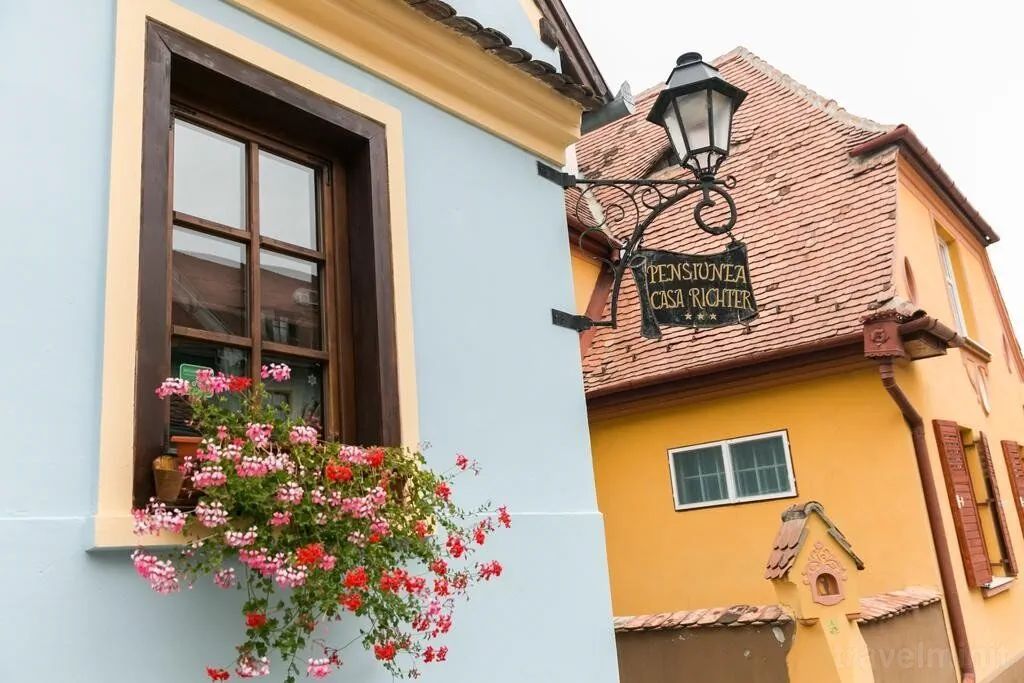
Pensiunea Casa Richter Sighișoara
Porniți într-o explorare a Cetății Medievale Sighișoara și lăsați-vă captivați de atmosfera unică a acestui sit istoric. Pensiunea Casa Richter Sighișoara, o pensiune turistică de 3 stele din Sighișoara, județul Mureș, reprezintă baza dumneavoastră confortabilă pentru a descoperi toate comorile orașului. Vă punem la dispoziție Wi-Fi gratuit în toată incinta, astfel încât să rămâneți conectați în timpul șederii. Curtea mare și grădina amenajată constituie un refugiu plăcut pentru momentele de relaxare, iar restaurantul din incintă vă servește cu preparate gustoase după o zi plină de vizite. La subsolul pensiunii veți găsi o bucătărie unde puteți savura un ceai sau o cafea oferite din partea casei și puteți lua un mic dejun rece. Vă rugăm să aveți în vedere că prepararea hranei nu este permisă în acest spațiu, regulă menită să asigure confortul tuturor oaspeților. Pensiunea beneficiază de parcare proprie, însă vă informăm că accesul cu autovehiculul în Cetatea Sighișoara este interzis prin hotărârea Consiliului Local. Puteți ajunge la cazare pe jos sau cu microbuzul care pleacă de la baza cetății. Vă așteptăm la Pensiunea Casa Richter Sighișoara.
FROM
240 lei per night
BEFORE YOU HIT THE ROAD
Weather conditions in Danes
Local forecast for Sighișoara Clock Tower, Danes, Mureș

Real-time updated weather data
Much more to explore in this area
Nearby tourist attractions


Sighișoara, Mureș County
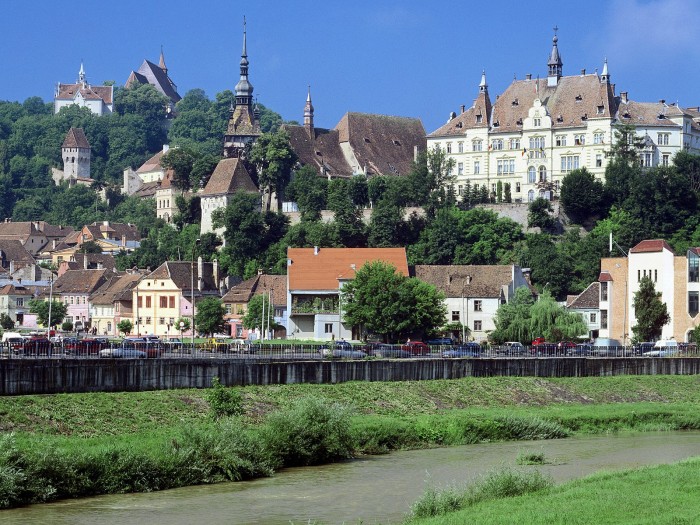
Sighișoara Medieval Citadel
Situata in centrul municipiul Sighisoara; inca din secolul al III-lea i.Hr. a existat pe acest teritoriu o cetate dacica, numita Sandava; romanii au ridicat...
0.0 km
Harghita, Harghita County
Praid Salt Mine
Situata in depresiunea Praid, pe valea raului Tarnava Mica, la 9 km de statiunea Sovata; amplasata la altitudinea de 580 m; prima mentiune referitoare la...
45.2 km
Harghita, Harghita County
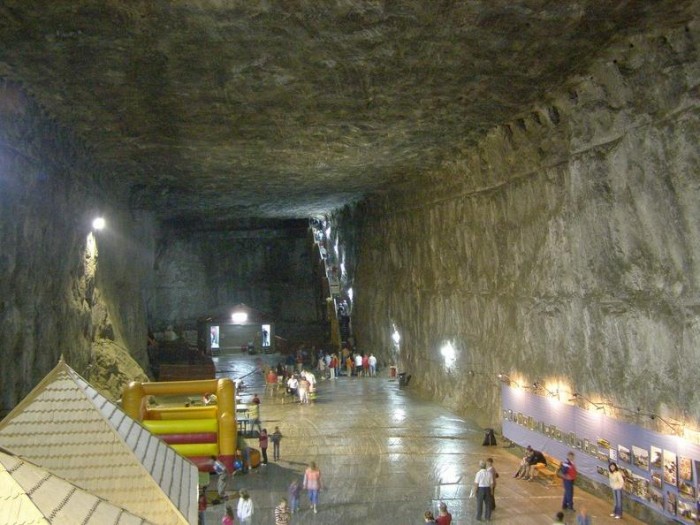
Praid Salt Mine
Situata la 10 km de statiunea balneoclimaterica Sovata; accesul in interiorul muntelui se face cu autobuzul, printr-un tunel de 1.500 m lungime, iar in salina...
45.3 km
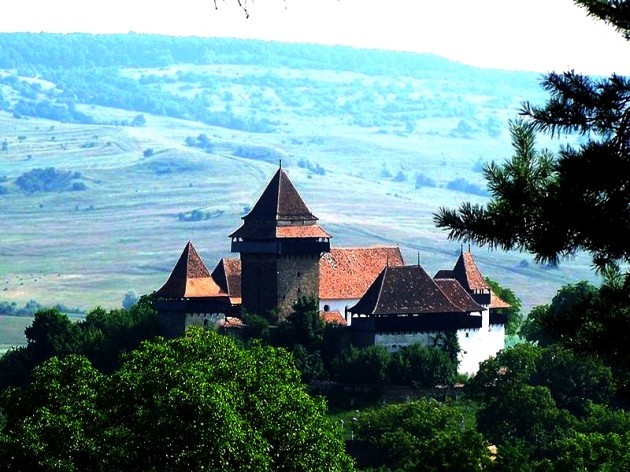
Brasov, Brașov County
Viscri Fortified Church
Situata in localitate Viscri; construita in secolul al XIII-lea; din punct de vedere arhitectural apartine stilului romanic; are un plan de tip sala romanica;...
29.3 km
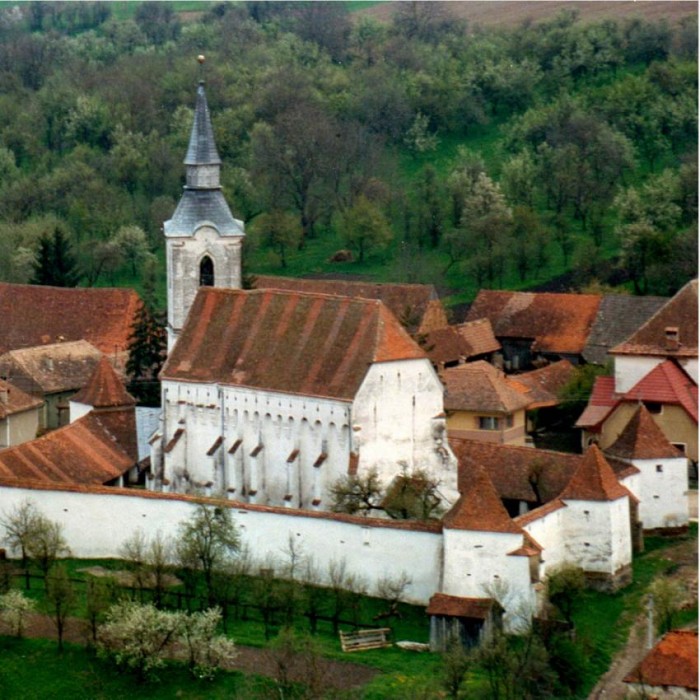
Harghita, Harghita County
Dârjiu Fortified Church
Situata in localitatea Darjiu; construita intre secolele XIV - XV; initial, a fost ridicata in stil romanic, iar apoi a fost transformata in stil gotic; a...
31.3 km

22.9 km

Brașov, Brașov County
Black Church of Brașov (Evangelical Fortified Church Ensemble)
Heritage site in Braşov County, Romania
26.6 km

33.7 km
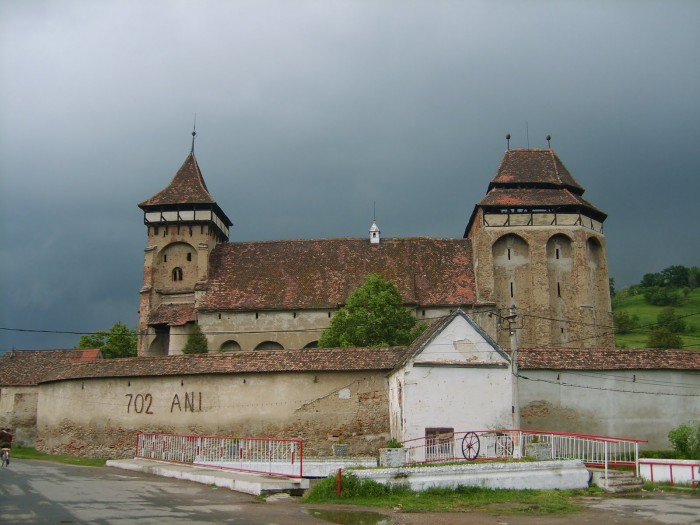
Sibiu, Sibiu County
Valea Viilor Fortified Church
Situata in localitatea Valea Viilor; a fost construita in secolul al XII-lea, urmand sa fie fortificata in secolul al XV-lea si al XVI-lea; inconjurata de o...
42.3 km
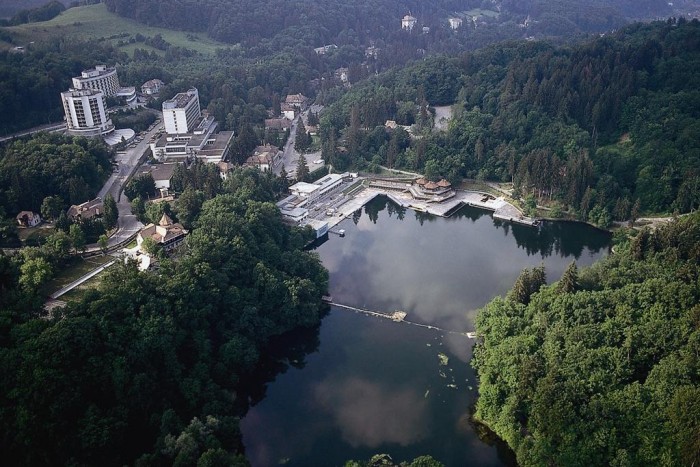
Danes, Mureș County
Sovata spa resort.
Situata la poalele dinspre sud - vest ale Muntilor Gurghiu din Carpatii Orientali, la 60 de km est de municipiul Targu Mures; amplasata la altitudinea de 475 -...
47.1 km
Danes, Mureș County
Saschiz Peasant Citadel
Situata pe aria localitatii Saschiz, la 2 km de vatra satului; lucrarile au inceput in 1347, fiind construita de comunitatea germana din zona; fortificatia a...
12.5 km

13.2 km
Cultural life and traditions
Events in the Sighișoara Clock Tower area
Medieval festivals, traditional fairs, concerts and local activities recommended in Transylvania.

Heritage and History

Danes, County of Mureș
The Festival of Medieval Fortresses and the Open Doors Days
Guided night tours, traditional crafts workshops and historical re-enactments featuring knights and ladies.
WHEN
May 15-17, 2026


Traditions and Cuisine
Danes, County of Mureș
The Fair of Saxon Traditions and Local Cuisine
Discover local producers, traditional Saxon pastries baked in a wood-fired oven, artisanal syrups, and rhubarb jam.
WHEN
Every weekend (May - October)

Ecotourism and Nature
The hills of Transylvania, County of Mureș
Guided Hikes on the Transylvanian Hills Trail
Take excursions along unmarked trails through ancient meadows, centuries-old oak trees, and villages with fortified churches that are UNESCO World Heritage sites.
WHEN
Friday – Sunday (Season 2026)
On foot, exploration gains depth
Discover the surroundings and local geography
Explore the trails, terrain, and natural landmarks around Sighișoara Clock Tower.

Guides and practical tips
Useful travel articles
Travel guides, practical recommendations and tourist itineraries for Transylvania.

Tourist guide
Top 5 Atracții Turistice și Trasee Montane în Zona Moieciu - Bran
Descoperă cele mai spectaculoase peisaje carstice, chei adânci și cetăți medievale din imediata apropiere a stațiunii Moieciu.

Tourist guide
Ghid de Drumeție: Traseul Moieciu de Sus spre Platoul Bucegi
Un itinerariu montan de o frumusețe rară ce urcă din Valea Băngăleasa spre Poiana Guțanu și crestele maiestuoase ale Bucegilor.

Tourist guide
Castelul Bran: Istorie, Legende și Secrete Medievale
Află adevărata poveste a fortăreței medievale din Pasul Bran, reședința de suflet a Reginei Maria a României.
THE JOURNEY STARTS WITH AN IDEA
The next story is on the way.
From the first stop to the last stay, make room for a new Romania.
