


MONUMENT · MUNTENIA (WALLACHIA)
Slănic Salt Mine and Spa Resort

Prahova, Prahova County
Add location to your trip planner.
Practical access information

VISITING HOURS
Monday: 12:00 PM – 5:00 PM · Tuesday–Sunday: 9:00 AM – 5:00 PM (in summer until 8:00 PM)

TICKET PRICE
Adults: 45 RON · Students: 11 RON · Seniors: 23 RON · Guided tour included

RECOMMENDED VISIT DURATION
30-60 minutes


Visitor information and guide
 Navigate with Google Maps

ABOUT SLĂNIC SALT MINE AND SPA RESORT
A Spa Destination at the Crossroads of History and Nature
Perched at an altitude of 400 meters, where the Prahova Depression meets the Subcarpathian region, just 44 kilometers north of Ploiești, Slănic Spa Resort stands as one of Romania’s oldest and most esteemed balneoclimatic complexes. Strategically positioned between the Prahova and Teleajen valleys, the resort benefits from a temperate microclimate, shaped by the proximity of the mountains and alpine air currents. This unique environment transforms Slănic into a year-round therapeutic refuge, sought after by both Romanian tourists and visitors from across Europe. Beyond its role as a retreat, Slănic Prahova is a living museum of salt civilization—a place where the Earth’s geological layers intersect with the therapeutic ambitions of the 19th century and the millennia-old traditions of "white gold" extraction, which once sustained entire empires.
The heritage significance of this site extends far beyond that of a mere tourist destination. Slănic bears witness to a history in which Romania’s mineral resources played a pivotal role in the European economy, while its mineral waters have attracted medical elites from the Old Kingdom since the early modern era. The resort distinguishes itself through a rare alchemy of subterranean industrial heritage, represented by the awe-inspiring salt mine galleries, and the therapeutic landscape above ground. It offers contemporary visitors a holistic experience that blends industrial archaeology, traditional medicine, and ecotourism within a framework of remarkable natural beauty, surrounded by beech and fir forests that descend into the heart of the town.
Historical Roots and Major European Connections
The history of salt extraction in Slănic stretches back into the mists of time, with roots reaching as far as the Dacian-Roman period, when the territory of present-day Romania was an integral part of the Roman Empire. Salt was one of the most prized commodities of exchange, essential for food preservation and the textile industry. The very name of the locality, of Slavonic origin, derives from the word "slan," meaning "salty," a silent testament to an economy built on the extraction of this precious mineral. During the Middle Ages, the salt mines of Wallachia not only met domestic needs but also fueled international trade, with salt transported along commercial routes linking Muntenia to urban centers of the Byzantine Empire, the Kingdom of Hungary, and later, the Ottoman Empire, which controlled the Romanian Principalities during the Phanariot period.
The official development of Slănic as a spa destination began in 1885, when its mineral springs, rich in calcium, chlorine, sodium, and sulfur compounds, caught the attention of physicians and the elite of the time. This moment coincided with the great expansion of European spa culture, a period when resorts such as Karlovy Vary in Bohemia, Vichy in France, Bath in England, and Bad Ischl in the Austro-Hungarian Empire became temples of health and aristocratic elegance. Slănic thus joined the grand tradition of "water cures" that spanned Central and Eastern Europe, benefiting from Austro-Hungarian medical influences and an influx of foreign tourists seeking refuge in the Carpathians. Its waters, renowned for their curative properties in treating respiratory, dermatological, and rheumatic conditions, placed the resort among therapeutic centers with a solid tradition, culturally akin to the saltwater spas of Poland or those in Switzerland, where mineral water therapy remains a cornerstone of European medical and wellness culture.
The communist era brought a new historical dimension, transforming Slănic into a mass destination for workers while modernizing its infrastructure. Meanwhile, the Old Salt Mine, later renamed Unirea Salt Mine, continued to symbolize industrial labor. This duality between the resort’s aristocratic spa past and its socialist industrial present reflects the complexity of Romanian history, mirroring developments in other former Eastern Bloc countries, where spa resorts were democratized yet preserved as national heritage.
An Architectural Masterpiece and Industrial Legacy
The historic and industrial heart of Slănic lies in its impressive salt mine complex, a monument of subterranean industrial architecture with few equals in Southeastern Europe. The New Salt Mine continues to extract salt, preserving the millennia-old tradition of mining this essential mineral for European civilization. Meanwhile, the Old Salt Mine, decommissioned industrially in the 20th century, has been transformed into a public space for leisure, culture, and sports. The subterranean galleries of Unirea Salt Mine are awe-inspiring in their monumental dimensions, with chambers carved into the salt mountain, reaching heights of over 50 meters and offering vast surfaces. This architectural spectacle is comparable to the salt mines of Wieliczka in Poland, with its sculpted salt cathedral, or those of Hallein and Bad Dürrnberg in Austria, where salt has been turned into art and public spaces.
The architecture of these underground spaces evokes the grandeur of European Gothic cathedrals, with natural arches formed by geological salt layers. Modern lighting transforms the grayish-white walls into a surreal landscape. The constant microclimate, with temperatures around 12-13°C and controlled humidity, has enabled the development of speleotherapy—a medical discipline born in Poland and Czechoslovakia during the interwar period and later adopted in Romania. This therapeutic practice places Slănic among Europe’s leading cave healing centers, alongside resorts in Poland (Wieliczka, Ciechocinek) and Ukraine (Solotvyno).
Above ground, the resort’s architecture preserves traces of its 19th- and early 20th-century spa heyday, with eclectic villas and chalets featuring carved wooden balconies and sloping roofs, reminiscent of alpine resorts in Switzerland or Bavaria. Many of these restored buildings now house hotels and treatment centers, retaining the bohemian atmosphere of an era when Europe’s aristocracy and bourgeoisie sought health in the foothills of the Carpathians.
Stories, Personalities, and Turning Points
Throughout its history, Slănic has been the stage for defining moments that shaped its identity. The year 1885 marked the official beginning of the modern spa era, when physicians from Bucharest’s elite recognized the therapeutic potential of its springs and began recommending "water cures" to patients with chronic conditions. These pioneers of Romanian medicine helped place Slănic on the European map of therapeutic resorts, attracting visitors from the Austro-Hungarian Empire, Tsarist Russia, and even Victorian England—seekers of health in an Orient still exotic to Western Europeans.
A remarkable curiosity is the annual World Aeromodelling Championships, held in one of Unirea Salt Mine’s chambers. The mine’s constant microclimate and purified salty air provide an ideal setting for this unexpected use of an industrial space, demonstrating the monument’s exceptional versatility and its capacity to host world-class events—a rarity in Eastern Europe. The vast, obstacle-free space allows competitions that would otherwise require specialized hangars, creating a surprising link between mining heritage and contemporary competitive sports.
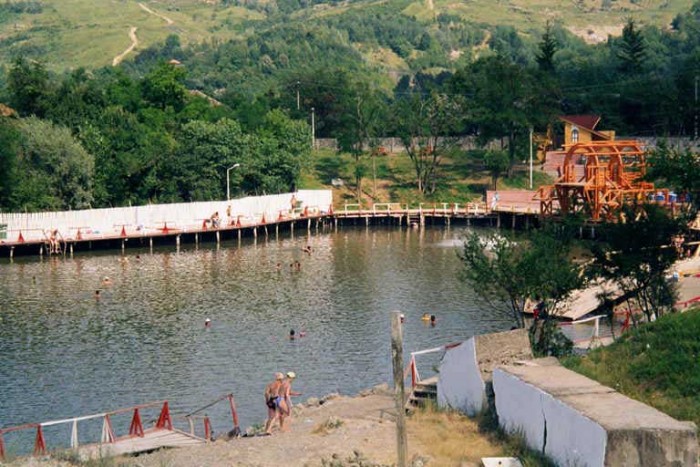
Local legends further enrich the region’s cultural heritage. The Bride’s Grotto (Grota Miresei), a spectacular karst formation on Salt Mountain, is surrounded by the tale of a bride who, lost in the fog, fell into the cave’s depths, giving rise to a tradition that ties natural beauty to human sacrifice. Additionally, the salt lakes—Baia Băciului, Baia Roșie, and Green Lake—formed by the dissolution of salt and the collapse of old mining galleries, carry the memory of miners’ hard labor and the industrial transformation of the landscape. Today, these lakes are sanctuaries of tranquility where tourists can benefit from therapeutic mud and saltwater, offering an experience akin to the Dead Sea or the mud spas of Techirghiol, but within a far more picturesque mountain setting.
Carpathian Landscapes and Natural Heritage
Surrounded by a remarkably picturesque landscape, the resort offers numerous points of interest for nature lovers and hikers, harmoniously integrating into Europe’s network of protected areas and mountain trails. Salt Mountain, with its famous Bride’s Grotto, is a rare geological phenomenon formed by the dissolution of salt by rainwater, creating a karst landscape unique in Romania, similar to those in Austria’s Salzkammergut region or northern Italy. Semn Hill, Cold Fountain, Green Rock, and Mânzului Dell complete the tourist offering with hiking trails of varying difficulty and scenic viewpoints.
Green Rock, an impressive block of greenish stone, and Cold Fountain, a spring with crystal-clear waters, are must-visit stops for hikers, offering breathtaking panoramic views of the surrounding valleys and distant mountain ranges. These natural sites are part of a diverse ecosystem, with deciduous and coniferous forests hosting remarkable biodiversity, characteristic of the Subcarpathian region. They provide an ideal setting for relaxation and reconnecting with nature, in the serene atmosphere typical of European mountain resorts like those in Tyrol or Bavaria.
The aforementioned salt lakes—Baia Băciului, Baia Roșie, and Green Lake—are not merely tourist attractions but unique ecosystems with high concentrations of salt and minerals, used for centuries to treat rheumatic, respiratory, and dermatological conditions. Therapy in these brackish waters follows traditions similar to those practiced at the Dead Sea in Israel or in saltwater spas across Central and Eastern Europe, such as those in Poland or Hungary. Visitors can experience natural healing within a picturesque mountain landscape.
Practical Visitor’s Guide and the Modern Tourist Experience
Slănic Prahova is more than just a spa resort; it is a unique place where the industrial history of salt extraction—essential to the development of European civilization—meets the therapeutic traditions of balneology and the natural beauty of the Carpathians. The resort’s accessibility is a major advantage: located just 44 kilometers from the urban bustle of Ploiești and about an hour’s drive from Bucharest, it is ideal for both a long weekend and an extended stay. Traveling by train to Ploiești, followed by a bus or taxi transfer, offers an eco-friendly alternative, while driving on DN1A reveals the spectacular landscapes of the Subcarpathian region.
For visitors, a complete experience includes descending into Unirea Salt Mine, where a guided tour through the historic galleries allows admiration of the subterranean architecture and participation in cultural or sporting events held in the main chamber. Treatment at the mineral springs and salt lakes remains a central attraction, with wellness centers offering procedures based on mineral waters, therapeutic mud, and saline aerosols, effective for chronic respiratory conditions, allergies, and rheumatic diseases. Nature enthusiasts can explore trails to Green Rock, the Bride’s Grotto, or Semn Hill, enjoying panoramic views, while the resort is open year-round, with each season offering a distinct atmosphere—from the lush greenery of summer to the quiet snowscapes of winter.
Whether visitors seek treatment for respiratory ailments, exploration of the awe-inspiring salt mines, or simply relaxation in a tranquil mountain setting, Slănic offers a complete and memorable experience. It serves as a gateway to understanding the profound relationship between humans, nature, and the mineral resources that have shaped European history. Slănic Prahova thus remains a remarkable example of living heritage, where industrial past and therapeutic present coexist in a harmony rarely found in Europe’s tourist landscape.
Media gallery
Discover Slănic Salt Mine and Spa Resort in pictures

3 photos · Architecture, courtyards and captivating details
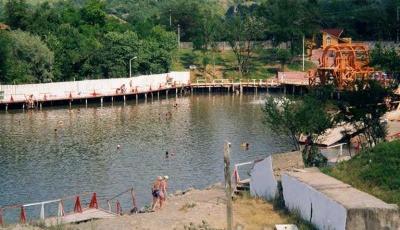


Image source: Wikimedia Commons · Public domain photos · Free license
STAY A FEW DAYS, DISCOVER THE MAGIC
Accommodation in the Slănic Salt Mine and Spa Resort area

Hotel · 3 stars

Slănic, Prahova County · 0.4 km
Hotel Roberto Slănic
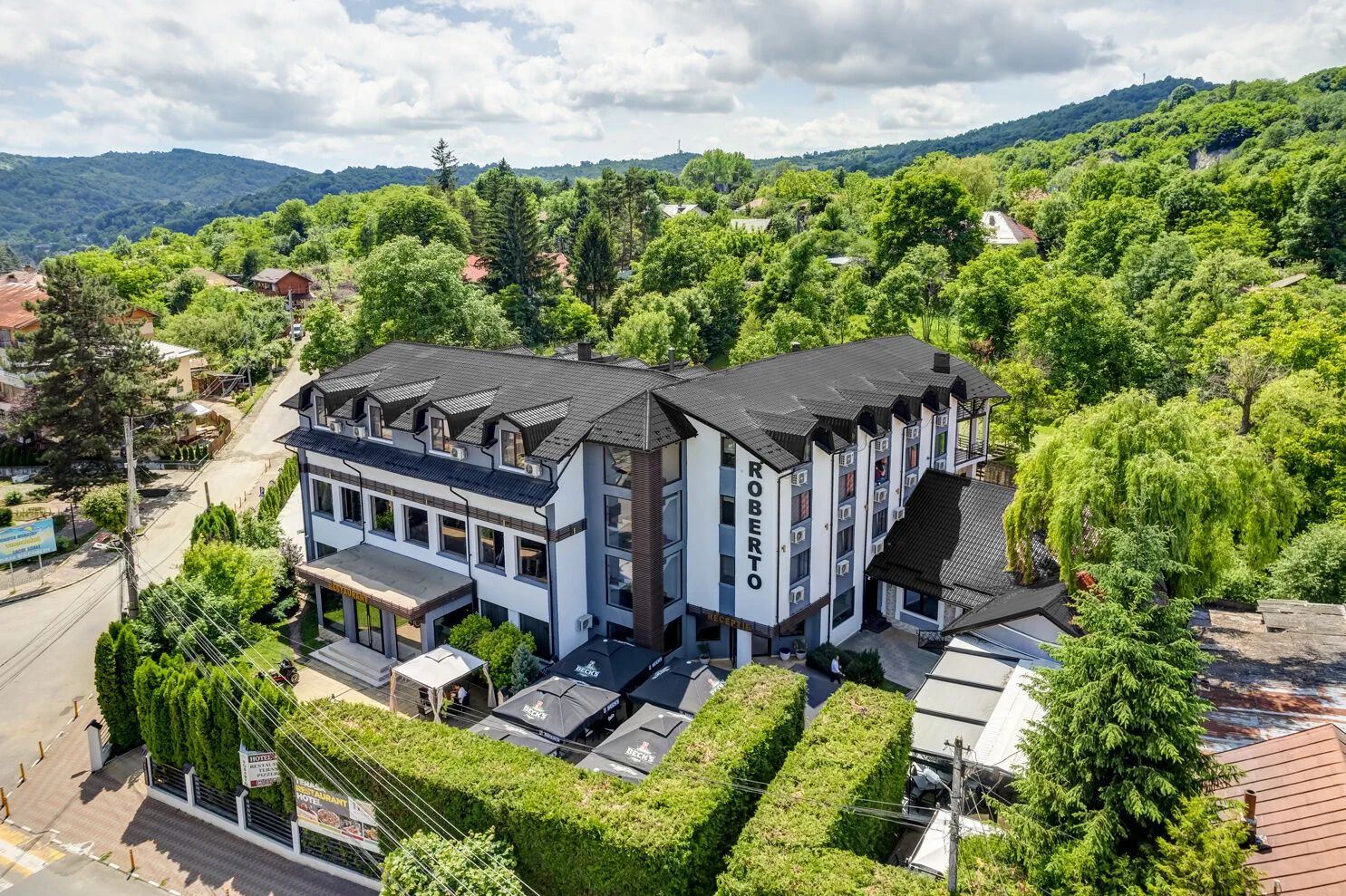
O zi petrecută aici începe cu cafea la cafeneaua din incintă și se încheie cu un antrenament în sala de fitness. Vă așteaptă Hotel Roberto Slănic, în localitatea Slănic din județul Prahova. Dumneavoastră aveți la dispoziție restaurant și bar în incintă, Wi-Fi gratuit și parcare privată gratuită. De asemenea, unitatea oferă seif, depozit pentru bagaje și parcare pentru biciclete. Curtea mare și grădina amenajată sunt spații plăcute pentru relaxare, iar accesul este facilitat de lift și este adaptat pentru persoane cu dizabilități. Pentru timp liber activ, puteți folosi terenul amenajat de sport pentru fotbal sau puteți practica echitație în zonă. De asemenea, împrejurimile oferă oportunități pentru drumeții montane și trasee în natură. În apropiere se află Salina Slănic Prahova, Stațiunea Slănic Prahova și localitatea Slănic. De asemenea, puteți vizita Casa memorială Nicolae Iorga (corpul A și B) și Castelul Peleș. Hotelul se află pe strada 23 August numărul 5, iar dumneavoastră aveți acces facil cu mașina datorită parcării private gratuite.
FROM
290 lei per night

Holiday resort · 3 stars
Slănic, Prahova County · 0.9 km
Pensiunea Portas Resort Slănic
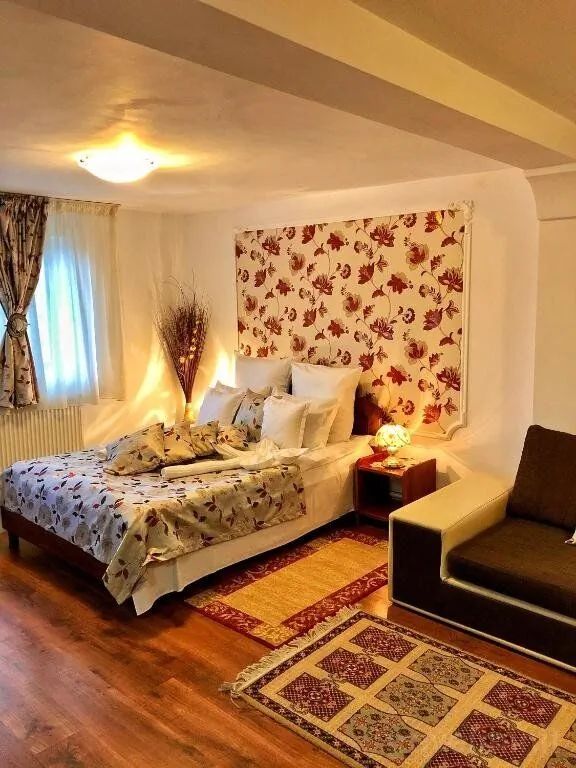
Ciubărul din lemn tradițional de la Pensiunea Portas Resort din Slănic vă așteaptă într-un cadru plăcut, alături de celelalte facilități ale complexului. Complexul turistic dispune de 22 de locuri de cazare, organizate în cinci camere duble, două apartamente cu două camere și două garsoniere. Vă puteți bucura de o curte mare și de o grădină amenajată, de o terasă la soare, dar și de parcare privată gratuită și Wi-Fi gratuit în întreaga unitate. Pentru momente de relaxare, aveți la dispoziție saună și servicii de masaj. În aer liber, puteți juca tenis de masă sau tenis pe terenul amenajat, puteți pregăti mese la grătar sau la ceaun, iar pentru familiile cu copii mici este disponibil un pătuț pentru bebeluș. De asemenea, puteți parcurge trasee în natură și drumeții montane. În apropiere puteți vizita Salina Slănic Prahova, Stațiunea Slănic Prahova, Slănic, Casa memorială Nicolae Iorga (corpul A și B) și Castelul Peleș. Unitatea se află pe strada Dorobanților numărul 13, iar accesul cu mașina este facilitat de parcarea privată gratuită din incintă.
FROM
360 lei per night
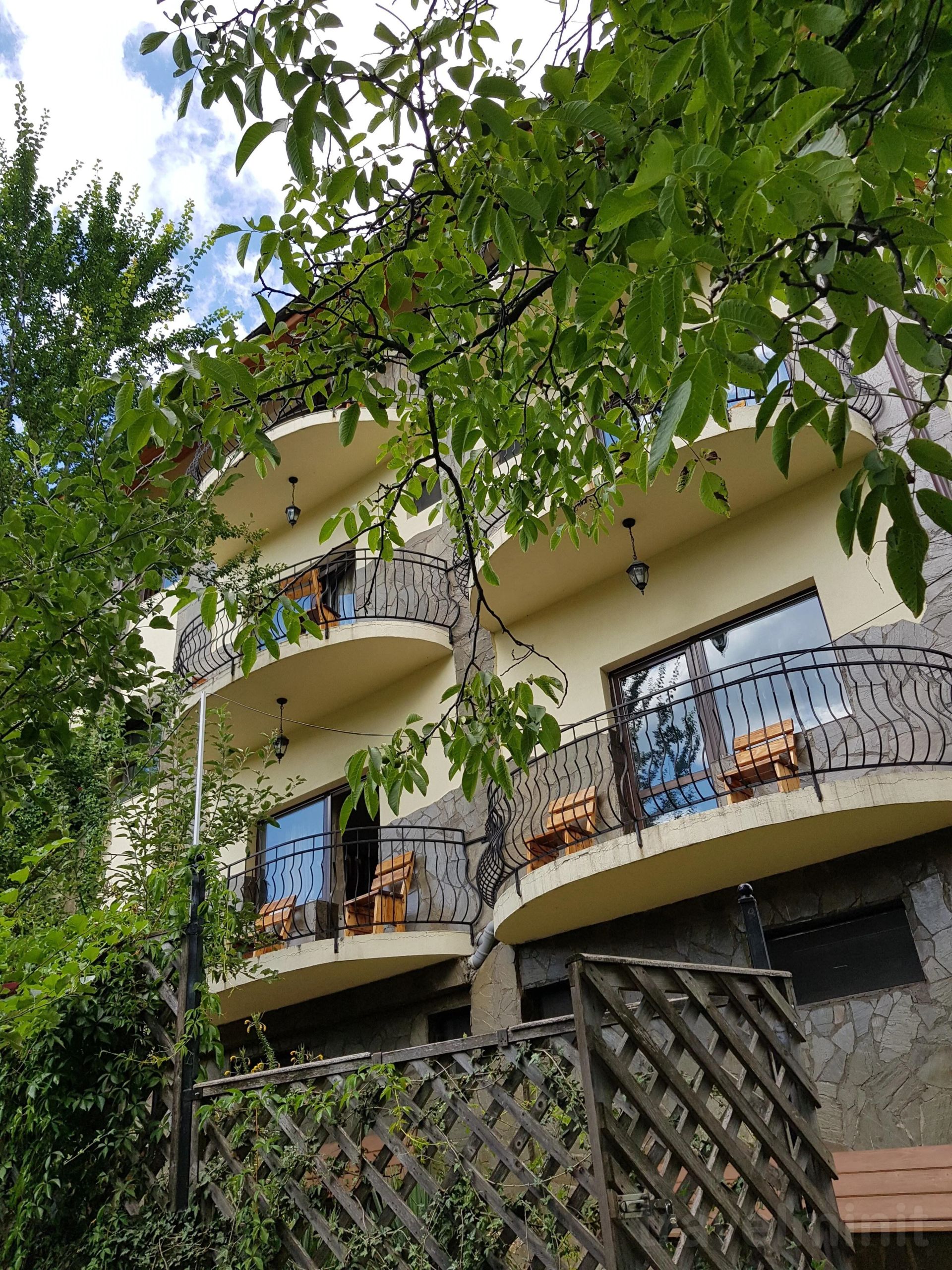
Guesthouse · 3 stars
Slănic, Prahova County · 0.9 km
Pensiunea Top Demac Slănic
Comfort, relaxation and stunning views, all just steps away from the main attractions.
FROM
240 lei per night
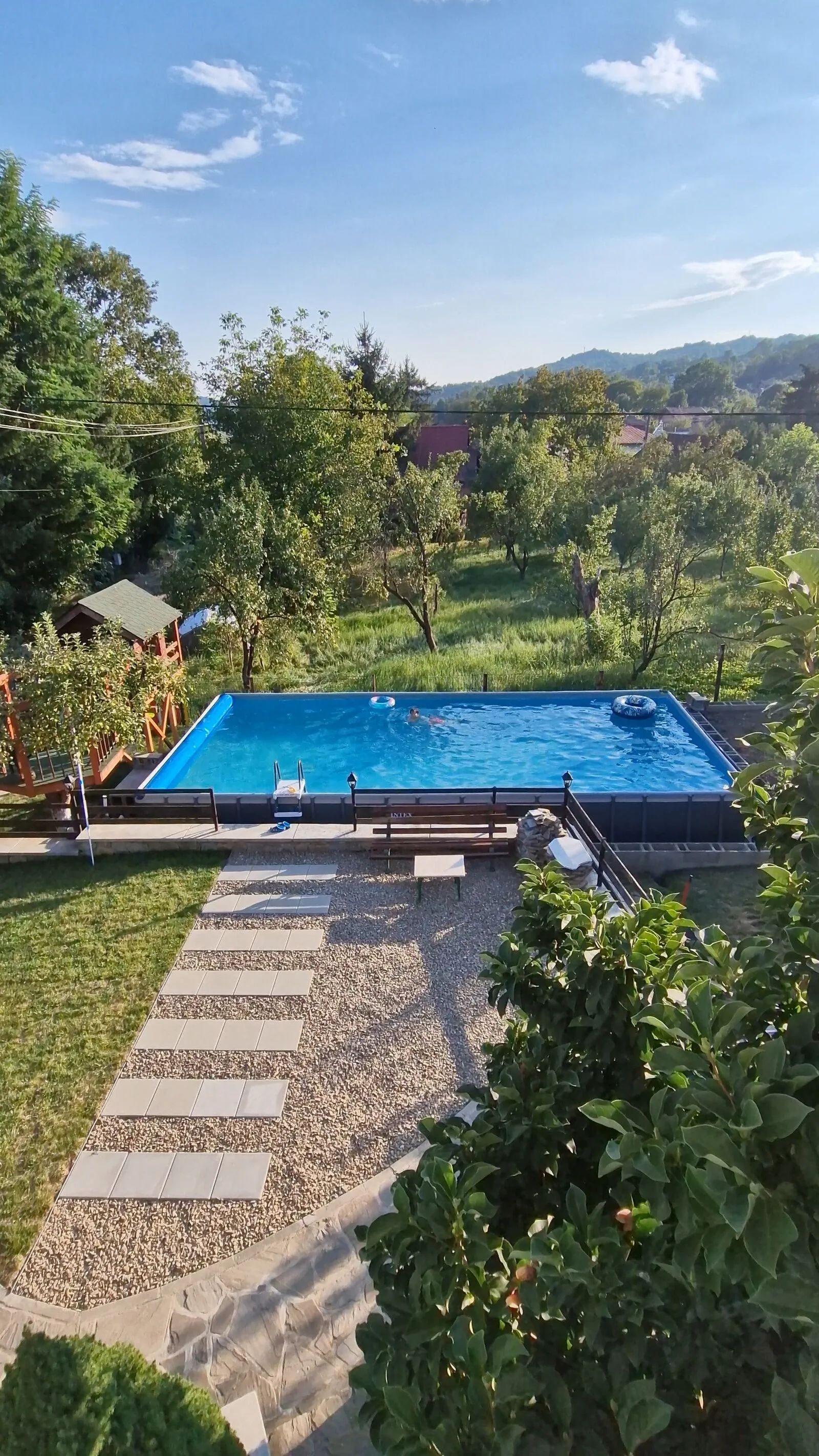
Guesthouse · 3 stars
Slănic, Prahova County · 1.1 km
Vila Slanic Slănic
Vila Slanic Slănic este o pensiune turistică de 3 stele situată în Slănic, județul Prahova, pe strada Crișan numărul 3. Unitatea oferă cazare confortabilă într-un cadru potrivit atât pentru familii cu copii, cât și pentru călători în căutare de liniște și aer curat de munte, într-o zonă cu peisaje pitorești. Pentru cei mici sunt disponibile un loc de joacă la exterior și o cameră de joacă la interior, alături de scaun înalt și pătuț pentru bebeluș, astfel încât fiecare membru al familiei să se simtă binevenit. Vă punem la dispoziție Wi-Fi gratuit, fier de călcat și un spațiu pentru depozitarea bagajelor, pentru un sejur fără griji. În curtea mare și grădina amenajată veți găsi un foișor confortabil, un grătar sau barbeque și un ceaun pentru gătit în aer liber, perfecte pentru seri petrecute în aer liber alături de cei dragi. Terenul amenajat de sport sau fotbal este ideal pentru activități în aer liber, iar în zonă aveți posibilitatea de a practica călărie sau echitație. În apropiere puteți vizita Salina Slănic Prahova, Stațiunea Slănic Prahova, orașul Slănic, Casa memorială Nicolae Iorga (corpul A și B) și Castelul Peleș, obiective care completează experiența dumneavoastră în această zonă. Vă așteptăm la Vila Slanic Slănic.
FROM
240 lei per night
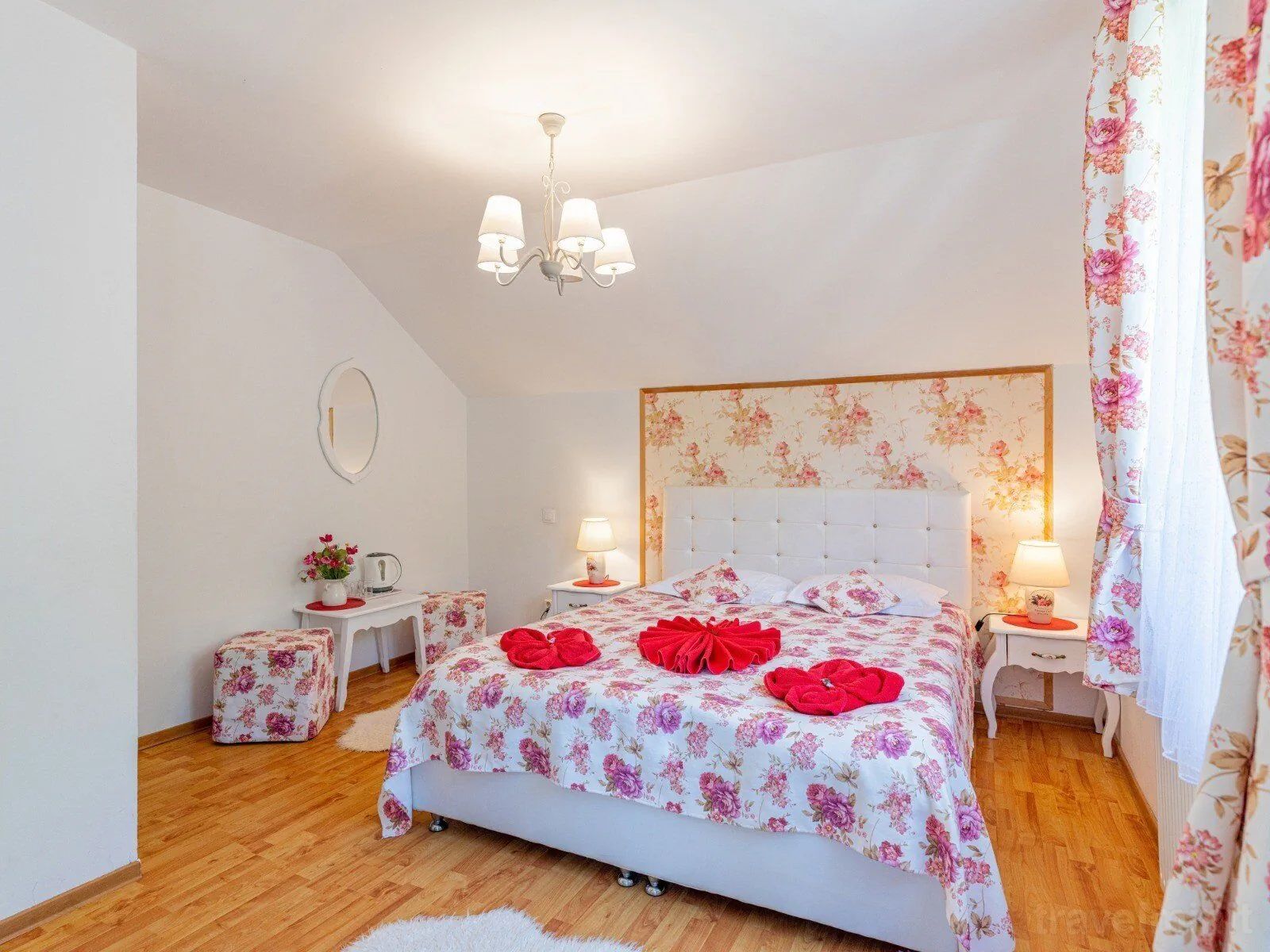
Holiday villa · 3 stars
Slănic, Prahova County · 1.5 km
Căsuța cu Trandafiri 1 Slănic
Căsuța cu Trandafiri 1 Slănic se află pe strada Victoriei din Slănic, județul Prahova, într-un cadru natural plăcut al stațiunii, oferind un sejur confortabil într-o zonă liniștită, aproape de centrul localității. Unitatea pune la dispoziția dumneavoastră parcare privată gratuită, Wi-Fi gratuit în întreaga locație și un depozit pentru bagaje. Pentru familiile cu copii mici sunt disponibile pătuț pentru bebeluș, scaun înalt pentru copii și un loc de joacă amenajat în curtea mare și grădina îngrijită, astfel încât cei mici să se poată distra în siguranță în aer liber, în timp ce dumneavoastră vă relaxați pe terasa la soare. În exterior vă puteți bucura de foișorul din curte și de un grătar sau barbeque pentru prepararea mesei. De asemenea, aveți la dispoziție un ceaun pentru gătit în aer liber, astfel încât să vă puteți savura preparatele într-un cadru relaxant, înconjurați de verdeață și liniște. În apropiere puteți vizita Salina Slănic Prahova, Stațiunea Slănic Prahova, Casa memorială Nicolae Iorga (corpul A și B) și Castelul Peleș, descoperind astfel frumusețile și istoria zonei. Vă așteptăm la Căsuța cu Trandafiri 1 Slănic.
FROM
280 lei per night
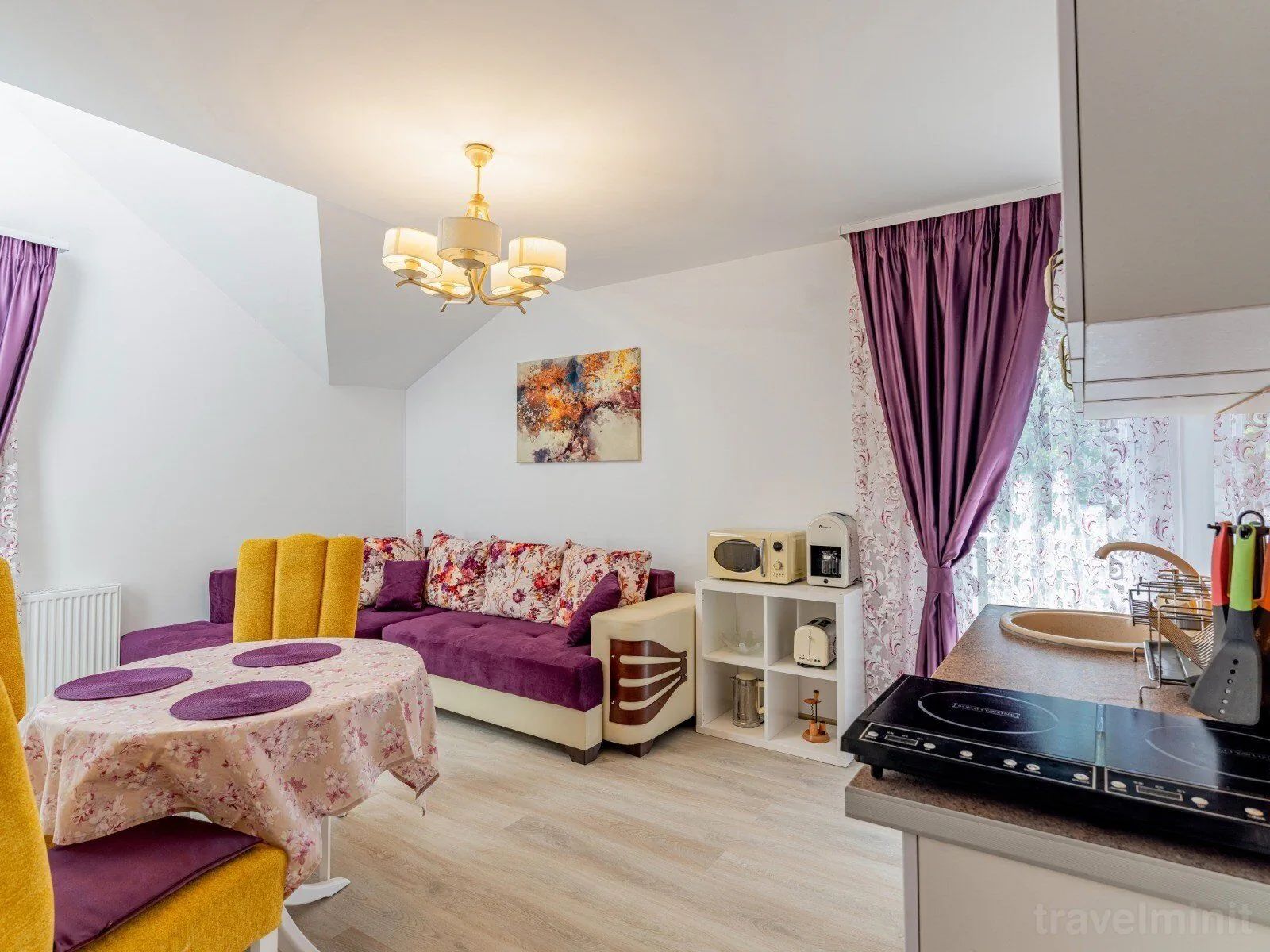
Holiday villa · 3 stars
Slănic, Prahova County · 2.4 km
Căsuța cu Trandafiri 2 Slănic
O zi petrecută la Căsuța cu Trandafiri 2 Slănic poate începe pe terasa la soare, savurând cafeaua de dimineață în aer liber, și se poate încheia relaxându-vă într-un ciubăr din lemn tradițional sub cerul deschis. Această vilă turistică de trei stele din Slănic, județul Prahova, situată pe strada Calea Ploiești, vă oferă un refugiu confortabil și primitor pentru întreaga dumneavoastră familie. În interior, beneficiați de Wi-Fi gratuit și depozit pentru bagaje, iar pentru cei mici punem la dispoziție pătuț pentru bebeluș și scaun înalt pentru copii. Baia poate include jacuzzi sau cadă cu hidromasaj, transformând fiecare seară într-un moment de răsfăț și relaxare totală. În exterior, curtea mare și grădina amenajată vă invită să vă bucurați de natură, iar copiii se pot juca în siguranță în locul de joacă special amenajat. Aveți la dispoziție grătar sau barbeque și ceaun pentru gătit în aer liber, iar parcarea privată gratuită vă asigură liniștea necesară pe toată durata șederii. În apropiere puteți descoperi Salina Slănic Prahova, Stațiunea Slănic Prahova, Casa memorială Nicolae Iorga și Muzeul Memorial Nicolae Iorga, obiective culturale și de relaxare care completează perfect experiența dumneavoastră în această zonă. Căsuța cu Trandafiri 2 Slănic este potrivită pentru familii cu copii, cupluri sau grupuri de prieteni care doresc să se bucure de aerul curat și de atracțiile turistice din Slănic.
FROM
280 lei per night
BEFORE YOU HIT THE ROAD
Weather conditions in Prahova
Local forecast for Slănic Salt Mine and Spa Resort, Prahova, Prahova

Real-time updated weather data
Much more to explore in this area
Nearby tourist attractions

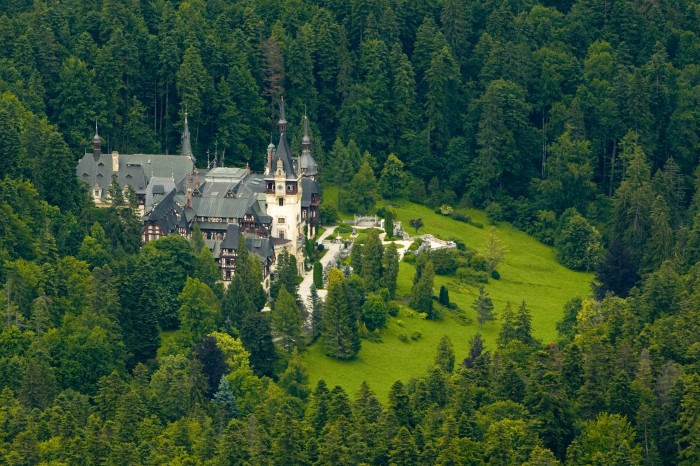

Sinaia, Prahova County
Peleș Castle
Situat pe strada Pelesului din Sinaia; piatra de temelie a castelului se pune in 1873, aici fiind ingropate si cateva zeci de monede de 20 de lei, din aur -...
34.0 km
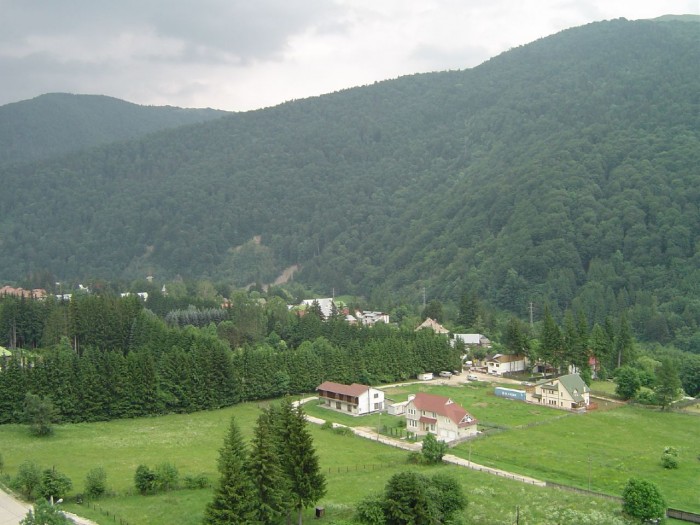
Prahova, Prahova County
Sinaia Resort
Situata pe valea superioara a Prahovei, la poalele Muntilor Bucegi (Carpatii Meridionali), la o altitudine ce variaza intre 798-971 m; este una din cele mai...
33.1 km
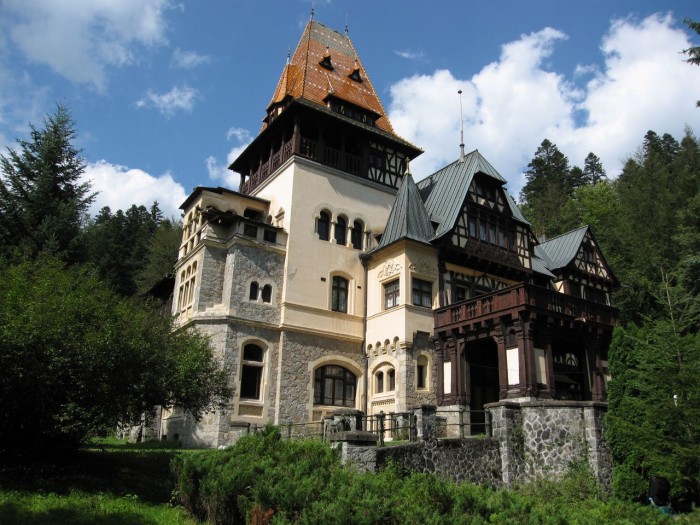
Prahova, Prahova County
Pelișor Castle
Situat in parcul Castelului Peles, pe Valea Prahovei; ridicat intre anii 1899 si 1902; in 1903 a devenit resedinta de vara a principilor mostenitori;...
34.2 km
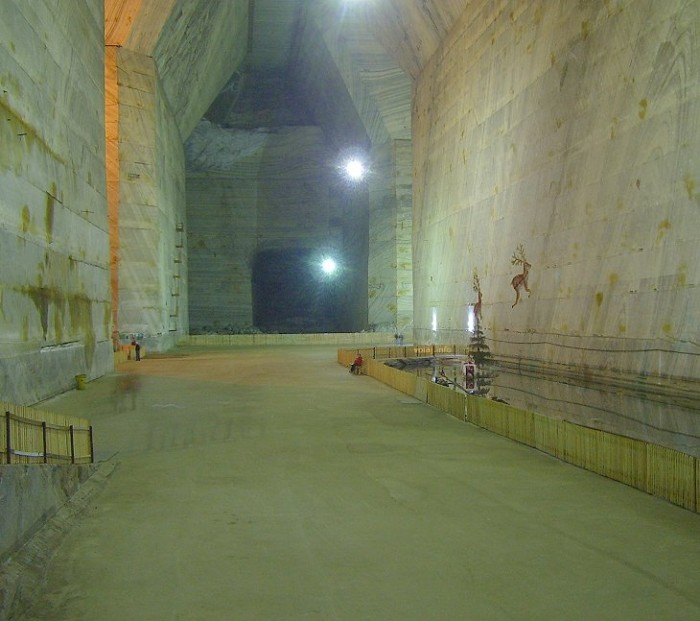
Prahova, Prahova County
Slănic Prahova Salt Mine
Situata in localitatea Slanic Prahova; lucrarile miniere de deschidere a minei "Unirea" au inceput in anul 1938, iar exploatarea sarii din aceasta mina s-a...
0.2 km
Brasov, Brașov County
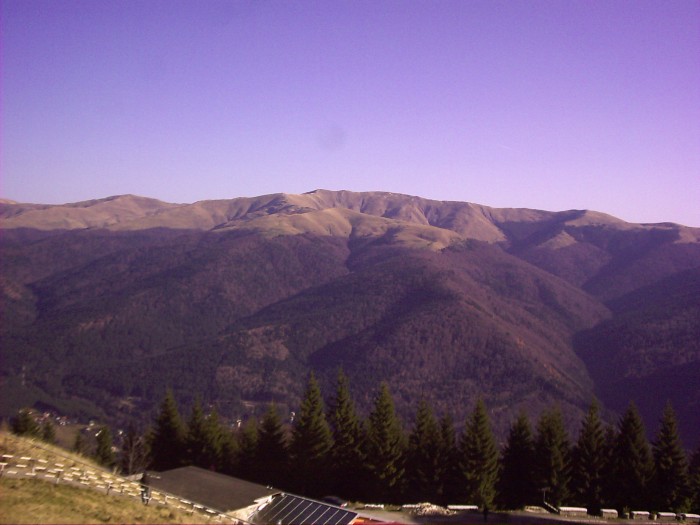
Bucegi Natural Park
Situat in Muntii Bucegi, se intinde pe raza comunelor Rasnov, Bran, Moeciu; zona Muntilor Bucegi a fost propusa pentru protejare in anul 1936, dar initiativa s-...
50.0 km

Brasov, Brașov County
Poiana Brașov resort.
Situata la poalele muntelui Postavaru, la 12 km de municipiul Brasov; amplasata la altitudinea de 1.030 m, statiunea turistica Poiana Brasov a fost infiintata...
50.0 km

Brasov, Brașov County
Predeal: Romania's Highest Town and the Carpathian Balcony
Situata pe Valea Prahovei, intre raurile Prahova si Timis, la 25 km de municipiul Brasov; amplasata la 1.100 m, este cea mai inalta asezare urbana din Romania;...
41.2 km
Prahova, Prahova County
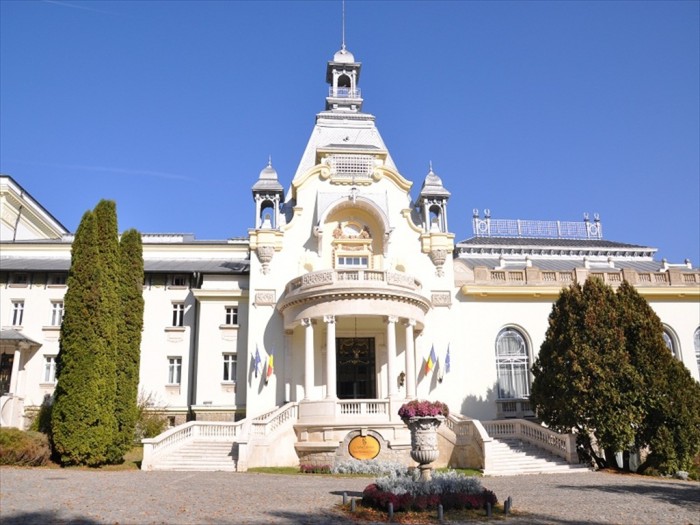
Sinaia Casino
Situat in parcul "Dimitrie Ghica" din localitatea Sinaia; reprezinta si astazi unul dintre edificiile - simbol ale statiunii; construit in timp record, intre...
33.0 km
Prahova, Prahova County
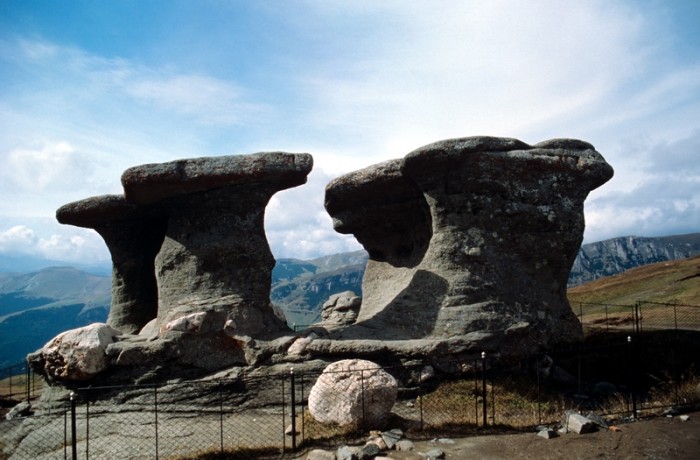
Bucegi Natural Park
Situata intre 1.000 - 2.505 m altitudine, in Masivul Bucegi; in cadrul ei se pot intalni vai si rape spectaculoase, chei intre stanci, poduri interfluviale si...
37.4 km
Viforata, Dâmbovița County
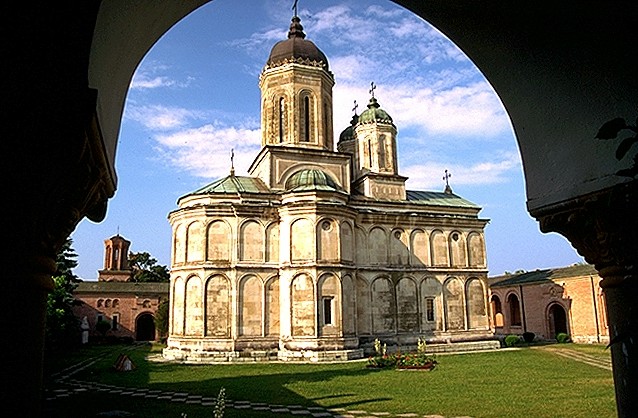
Dealu Monastery
Situata in satul Viforata, comuna Aninoasa, la 6 km de Targoviste, spre nord;ctitorita de Radu cel Mare, intre anii 1449-1501; prima atestare documentara...
46.3 km
Dambovita, Dâmbovița County
Ialomița Cave
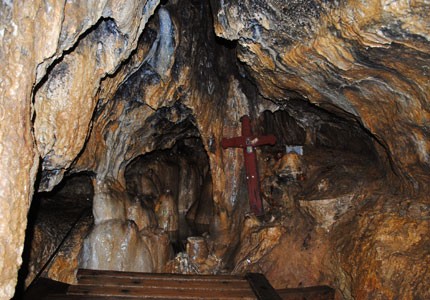
Situata la o altitudine de 1.530 m, in versantul de pe partea dreapta a raului Ialomita, Cheile Ialomitei;drumul de acces se recomanda masinilor de teren,...
43.9 km

29.2 km
Cultural life and traditions
Events in the Slănic Salt Mine and Spa Resort area
Medieval festivals, traditional fairs, concerts and local activities recommended in Muntenia (Wallachia).

History and Royal Architecture

Prahova, County of Prahova
Days of Royalty and Heritage in the Prahova Valley
Historical conferences open to the public, themed tours of royal architecture, documentary screenings and exhibitions of vintage photographs.
WHEN
May 10-12, 2026


Gastronomy and Oenology
Dealu Mare, County of Prahova
The Prahova Wine Festival on the Wine Route
Guided tastings of Fetească Neagră along the famous Wine Route, visits to historic wineries, and meetings with leading winemakers.
WHEN
Every weekend (September - October)
Hiking and Adventure
Bucegi Mountains, Prahova County
Guided Mountain Tour in the Bucegi Mountains
Guided mountain tours led by mountain rescue personnel to iconic panoramic viewpoints and spectacular alpine waterfalls.
WHEN
Daily during the season (June - October)
On foot, exploration gains depth
Discover the surroundings and local geography
Explore the trails, terrain, and natural landmarks around Slănic Salt Mine and Spa Resort.

Guides and practical tips
Useful travel articles
Travel guides, practical recommendations and tourist itineraries for Muntenia (Wallachia).

Tourist guide
Top 5 Atracții Turistice și Trasee Montane în Zona Moieciu - Bran
Descoperă cele mai spectaculoase peisaje carstice, chei adânci și cetăți medievale din imediata apropiere a stațiunii Moieciu.

Tourist guide
Ghid de Drumeție: Traseul Moieciu de Sus spre Platoul Bucegi
Un itinerariu montan de o frumusețe rară ce urcă din Valea Băngăleasa spre Poiana Guțanu și crestele maiestuoase ale Bucegilor.

Tourist guide
Castelul Bran: Istorie, Legende și Secrete Medievale
Află adevărata poveste a fortăreței medievale din Pasul Bran, reședința de suflet a Reginei Maria a României.
THE JOURNEY STARTS WITH AN IDEA
The next story is on the way.
From the first stop to the last stay, make room for a new Romania.
