


PLACE OF WORSHIP · MUNTENIA (WALLACHIA)
Dealu Monastery

Viforata, Dâmbovița County
Add location to your trip planner.
Practical access information

VISITING HOURS
Monday: 12:00 PM – 5:00 PM · Tuesday–Sunday: 9:00 AM – 5:00 PM (in summer until 8:00 PM)

TICKET PRICE
Adults: 45 RON · Students: 11 RON · Seniors: 23 RON · Guided tour included

RECOMMENDED VISIT DURATION
2-3.5 hours
Visitor information and guide
 Navigate with Google Maps

ABOUT DEALU MONASTERY
A Sanctuary of Spiritual Continuity at the Gates of Renaissance Europe
Amid the gently rolling landscape of the Subcarpathian hills, just six kilometers north of the former princely capital of Târgoviște, Dealu Monastery rises as a pillar of national memory and a silent witness to the earliest cultural awakenings of Southeastern Europe. Surrounded by beech forests and the tranquility of Viforata village in Aninoasa commune, Dâmbovița County, this monastic ensemble is not merely a place of worship but a temple of the printed word—a site where Romania’s history took physical form through letters and where a nation’s destiny first found written expression. Strategically positioned at the edge of the old political center of Wallachia, the monastery represents a crucial node in the spiritual and cultural network linking Byzantium to the Renaissance courts of Central Europe. It stands simultaneously as an altar of Eastern Orthodoxy and an outpost of European humanism on the frontier of the Ottoman Empire.
Historical Roots and the European Context of a Princely Foundation
The history of Dealu Monastery spans over five centuries, beginning with the tradition attributed to Prince Mircea the Elder, who, according to chroniclers, erected a modest wooden church in these lands around 1400. The first definitive documentary mention, however, dates to 1431, when Prince Dan II or Alexandru Aldea recorded the existence of a religious settlement in Viforata during a turbulent period marked by struggles for the throne between the Dănești and Drăculești dynasties, amid growing pressures from the Kingdom of Hungary and the Ottoman Empire on Wallachia. This geographical position was no coincidence: located just a few kilometers from Târgoviște, the former princely capital, the monastery benefited from the protection of the royal court and its proximity to major trade routes connecting the Danube to the Carpathians and, further, to the commercial centers of Transylvania and the Habsburg Empire.
The true stone foundation, however, belongs to Radu the Great, who between 1499 and 1501 built the current church in the authentic Wallachian style, enriched with subtle Moldavian and Byzantine architectural nuances. Radu the Great, son of Vlad the Monk and brother of Vlad the Impaler, was a prince educated at the court of King Vladislaus II Jagiello of Hungary, fluent in Hungarian and well-versed in the complex European politics between the Kingdom of Hungary, the Ottoman Empire, and the emerging alliances with Western Christian powers. During his reign, Wallachia experienced a period of stability and cultural flourishing, and the construction of Dealu Monastery reflected the ambition to anchor Romanian spirituality in the Byzantine tradition at a time when Constantinople had fallen under Ottoman rule (1453), and Eastern Orthodoxy sought new centers of resistance and continuity in the Balkans and the Carpathian region.
The Temple of the First Printed Words: Dealu in the Circuit of European Humanism
What grants Dealu Monastery a unique European dimension and a distinguished place in the continent’s cultural history is the fact that it was here that the printed written culture in the Romanian lands was born, at a time when Europe was in the throes of the Renaissance. In 1508, just sixty years after Johannes Gutenberg’s invention of movable-type printing in Mainz (c. 1450) and only fourteen years after the first book was printed in Hungary (in Buda, 1473, by Andreas Hess), the erudite monk Macarie, supported by Prince Radu the Great and assisted by a team of master printers brought from the Slavic world—likely from Macedonia or Serbia, where printing had already developed in centers such as Cetinje (1494)—installed the first printing press in the Romanian Principalities. This initiative placed Dealu among the European humanist centers that, during the era of the Reformation and Counter-Reformation, contributed to the spiritual emancipation of peoples through the printed word and affirmed the cultural identity of emerging nations within the diversity of multiethnic empires.
From this press, a product of the cultural ambition of a court open to both the West and the Byzantine tradition, emerged foundational works that marked the entry of these lands into the Renaissance circuit of knowledge dissemination: the Liturgy Book (1508), the first volume printed in the Romanian space, followed by the Octoechos (1510) and the Tetraevangelion (1512). Though these incunabula were printed in Church Slavonic, they represented the first assertion of Romanian cultural identity through typographic technology, an act of linguistic emancipation comparable to the emergence of works in vernacular languages in Italy (Dante, Petrarch), France (Villon, Rabelais), or England (Chaucer). Carefully preserved in the monastery’s museum, these books place Dealu alongside other European centers such as Venice (with Aldo Manuzio’s printing house), Paris, or Kraków, demonstrating that the Romanian space was an integral part of the great narrative of European humanism and actively contributed to the preservation and transmission of the classical and Christian heritage.
An Architectural Masterpiece: The Fusion of Styles and Byzantine Spirituality
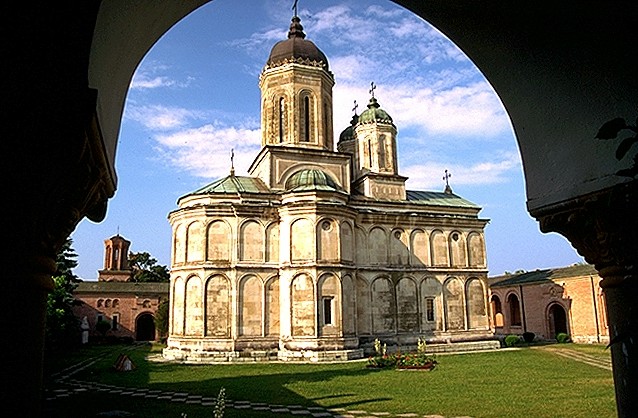
The main church of Dealu Monastery, standing twenty meters tall, impresses with its monumental proportions and the harmonious fusion of local architectural tradition with Byzantine influences that permeate the entire Southeastern European space. The Wallachian style, characterized by its open porch, the imposing tower resting on an octagonal drum, and its elegant vertical proportions, intertwines with Moldavian elements—likely in the decoration of the portals and certain structural details—creating a fascinating architectural dialogue between the two historical Romanian provinces, then under the influence of distinct princely courts but united by the same Orthodox and Latin consciousness. This architectural synthesis recalls the Serbian Moravian school (such as the monasteries of Ravanica or Manasija) and the post-Byzantine tradition, reflecting Wallachia’s position as a bridge between the Slavic world, the Byzantine world, and Western influences.
The interior of the church, dedicated to Saint Nicholas, preserves the solemn atmosphere of a princely cathedral, with its carved and painted iconostasis separating the nave from the altar, in accordance with Eastern Orthodox tradition, and frescoes that, though degraded over the centuries, retain traces of the Byzantine painting school and Serbian influences from the 14th–15th centuries. Alongside the main church, the chapel dedicated to the Protection of the Mother of God offers the faithful an intimate space for reflection, dedicated to a feast of profound Byzantine resonance (October 1), underscoring the deep spiritual connection with the Eastern Marian tradition, comparable to the devotion to Notre-Dame in the medieval Western world. The monastic ensemble, with its cells arranged around the inner courtyard and its well-tended garden, evokes the atmosphere of fortified monasteries in the Balkans, such as those on Mount Athos or in Serbia, offering a complete image of monastic life as a spiritual refuge and cultural center.
Stories, Legends, and Personalities: The Necropolis of Unity and National Memory
Beneath the high vaults of the church rest the earthly remains of emblematic figures in Romanian history, transforming the monastery into a princely necropolis of European significance, comparable to Westminster Abbey in London, the Basilica of Saint-Denis in Paris, or the Escorial in Spain. Here lie five princes of Wallachia: Vladislav II, Radu the Great, Vlad the Younger, Vlad the Impaler, and Pătrașcu the Good. Each of these rulers represents a distinct stage in the political and cultural evolution of the principality, from struggles for the throne with the Kingdom of Hungary and the Ottoman Empire to periods of autonomy and assertion.
Yet the deepest historical emotion is evoked by the presence of the reliquary containing the skull of Michael the Brave, the prince who, in 1600, achieved the first political union of the Romanian Principalities—Wallachia, Moldavia, and Transylvania—under a single crown. Michael the Brave, an ally of Emperor Rudolf II of the Holy Roman Empire and a member of the Holy League against the Ottomans, symbolizes Christian resistance in Eastern Europe and the ambition of a nation to assert its place among the powers of Europe. Assassinated in 1601 at Câmpia Turzii by the Italian general Giorgio Basta, on the orders of Rudolf II who feared the prince’s growing power, Michael was brought to Dealu, where his head, preserved as a sacred relic, became an altar of national unity. This relic, similar to those preserved in European cathedrals—such as the skull of Charlemagne in Aachen or the holy relics in Cologne—transforms the monastery into a pilgrimage site of memory, reminding visitors that here lie not merely tombstones but symbols of an identity that survived centuries of foreign domination and preserved self-awareness within the multiethnic empires of Eastern Europe.
Over the centuries, the monastery has benefited from meticulous restorations under the auspices of major historical figures. In the 18th century, the martyr Constantin Brâncoveanu, the last independent prince of Wallachia before the establishment of the Phanariot regime, contributed to the restoration of the ensemble, leaving behind a spiritual legacy that connects Dealu to the tragedy and sanctity of his reign (martyred in Constantinople in 1714). In the 19th century, the philanthropist and boyar Gheorghe Bibescu, a representative of the enlightened Romanian aristocracy and an admirer of the national heritage, undertook extensive restoration work that restored the initial splendor of the walls and paintings, reinforcing the monastery’s role as a center of culture and spirituality.
The Tradition of Female Monasticism and Contemporary Spiritual Dimension
Today, Dealu Monastery functions as a convent, preserving the living tradition of Eastern Orthodox female monasticism in a setting that has withstood the passage of time. This transformation reflects the historical evolution of Romanian monastic settlements, which have alternated between male and female communities depending on the political context and the spiritual needs of the community. Monastic life at Dealu follows the traditional rule of Eastern Orthodoxy, with daily prayers, liturgical services, and manual labor, offering visitors an authentic experience of Christian feminine spirituality, comparable to monastic traditions in Greece (Mount Athos, Meteora), Russia, or Serbia, while retaining the Romanian specificity of worship and hospitality.
The atmosphere of humility and tranquility that reigns within the monastery contrasts sharply with the hustle and bustle of the modern world, providing a spiritual refuge where time seems to have stood still. The nuns continue the tradition of caring for the artistic and historical heritage, preserving with reverence the incunabula and princely relics, thus ensuring the continuity between the glorious past of Radu the Great’s foundation and the living present of Orthodox faith.
Practical Guide for the European Traveler: An Elite Visitor’s Experience
For the cultivated European traveler seeking to discover the deep roots of Romanian civilization and its place in European history, Dealu Monastery represents an essential stop, set in a natural landscape of exceptional beauty at the foothills of the Subcarpathian hills. Access is easy, located just six kilometers north of Târgoviște, on the road connecting the former princely capital to the towns of Câmpulung and Curtea de Argeș, approximately 80 kilometers northwest of Bucharest, Romania’s capital.
Visiting the monastic ensemble offers a complete immersion in the history, art, and faith of a nation. Begin with the main church, admiring the monumental proportions of the structure and the architectural details that blend the Wallachian style with Byzantine and Moldavian influences, then enter the chapel of the Protection of the Mother of God for an intimate moment of reflection. Do not miss the monastery’s museum, where the precious incunabula printed by Macarie in 1508, 1510, and 1512 are displayed—silent witnesses to the moment when the printed word entered Romanian culture. Descend into the church’s crypt to pay your respects at the tombs of the princes and the reliquary containing Michael the Brave’s skull, a moment of profound historical and spiritual emotion.
Respect the dress code specific to Orthodox places of worship: women should wear long skirts and cover their heads, while men should avoid shorts. Visiting hours are typically in the morning and afternoon, with a midday break, and photography inside the church is often restricted or permitted without flash. The best time to visit is in spring or autumn, when the soft light and colors of the Subcarpathian nature enhance the monastery’s architecture, though religious holidays—especially Saint Nicholas (December 6) and the Protection of the Mother of God (October 1)—offer a unique atmosphere filled with pilgrims and living tradition.
In combination with a visit to Dealu, the itinerary can be enriched with other major heritage sites in the region: the Princely Court and Chindia Tower in Târgoviște, the Cathedral and Monastery of Curtea de Argeș (the royal necropolis of Romania), Cozia Monastery (founded by Mircea the Elder), or Peleș Castle in Sinaia, forming a cultural circuit that reveals the deep layers of Romanian history in its European context. For accommodation, you can choose hotels in Târgoviște or Bucharest, or opt for the unique experience of spending a night in the monastery’s guest cells, if available, to fully immerse yourself in the tranquility and spirituality of this sacred place.
European Heritage Significance and Conclusion
A historical monument of national and European value, Dealu Monastery has preserved its authentic appearance, offering travelers a complex experience where history, art, and faith intertwine in a landscape of exceptional beauty. In the European context, Dealu represents a symbol of the cultural resilience of a nation situated at the crossroads of empires, a place where the Byzantine tradition met the Western technological innovation of printing, giving rise to a distinct cultural identity within the diversity of Southeastern Europe. From the first printing press to the necropolis of unifying princes, from the architecture that blends styles to the uninterrupted tradition of female monasticism, Dealu Monastery remains an altar of Romanian spiritual continuity and an essential reference point for understanding Romania’s place in the great cultural narrative of Europe, from the Renaissance to the present day.
Media gallery
Discover Dealu Monastery in pictures

5 photos · Architecture, courtyards and captivating details
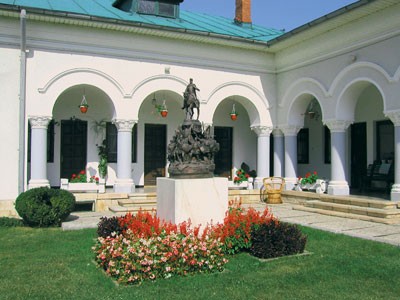


Image source: Wikimedia Commons · Public domain photos · Free license
STAY A FEW DAYS, DISCOVER THE MAGIC
Accommodation in the Dealu Monastery area

Hotel · 3 stars

Târgoviște, Dâmbovița County · 5.3 km
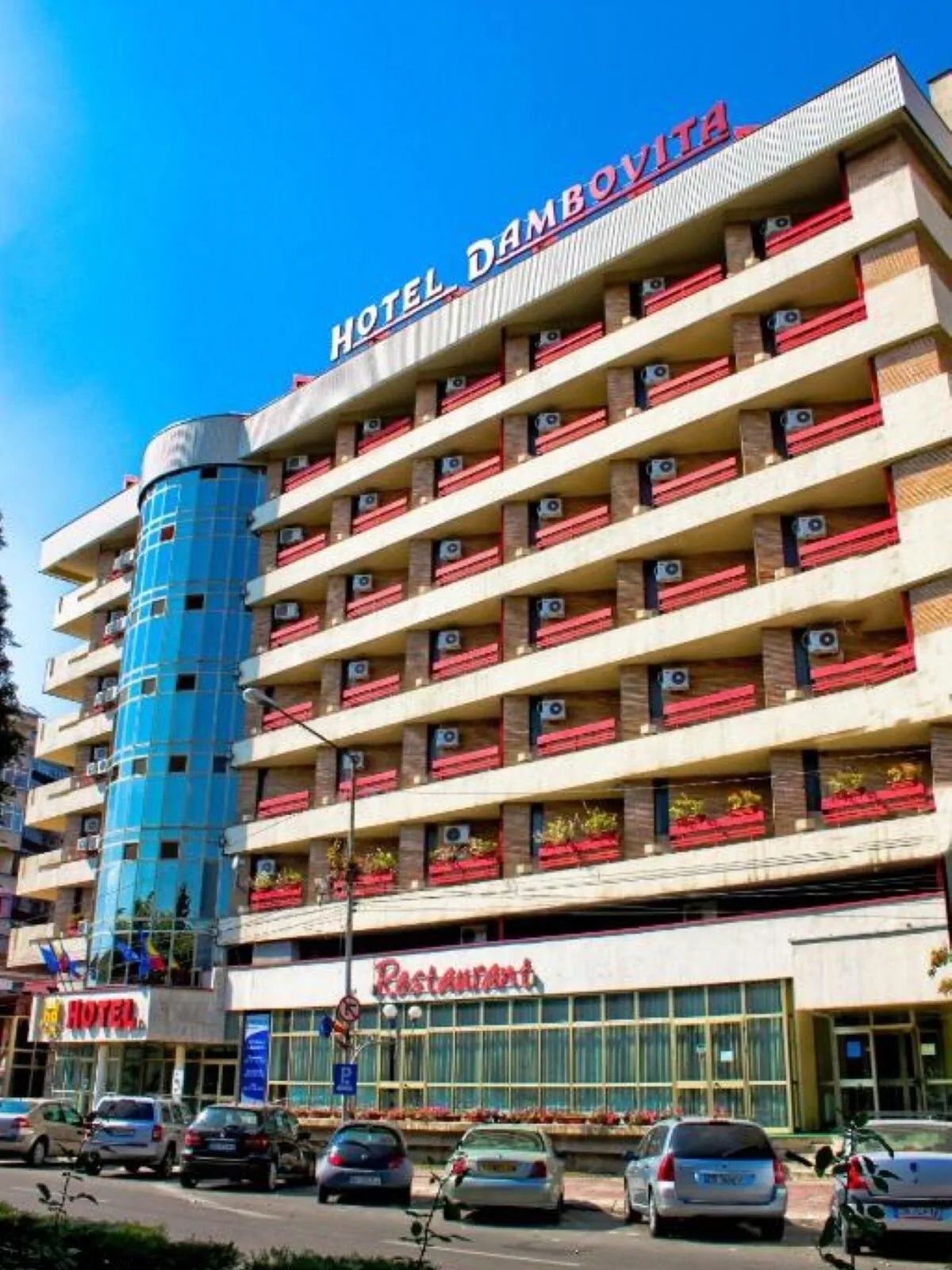
Hotel Dâmbovița Târgoviște
Hotel Dâmbovița din Târgoviște pune accent pe accesibilitate, oferind acces facilitat persoanelor cu dizabilități într-un mediu primitor. Această unitate de cazare de trei stele se află în localitatea Târgoviște, județul Dâmbovița, pe strada Libertății numărul 1. Pentru confortul dumneavoastră, hotelul oferă parcare privată gratuită, Wi-Fi gratuit, aer condiționat în camere și pătuț pentru bebeluși la cerere. Fiecare dintre aceste facilități contribuie la un sejur relaxant, indiferent de sezon sau de compoziția grupului dumneavoastră. Din punct de vedere turistic, în apropiere se află Turnul Chindiei, Complexul Muzeal Curtea Domnească din Târgoviște, Mănăstirea Dealu, Muzeul de Istorie Târgoviște și Catedrala Arhiepiscopală Târgoviște. Aceste monumente și instituții culturale vă invită să descoperiți istoria bogată a zonei. Poziția centrală a hotelului în Târgoviște vă permite să ajungeți ușor la obiectivele menționate, fiind aproape de parcuri și de centrul vechi cu terase și magazine. Astfel, aveți la îndemână atât liniștea, cât și agitația urbană. Vă așteptăm la Hotel Dâmbovița, unde parcare privată gratuită și accesul facilitat pentru persoanele cu dizabilități fac diferența pentru un sejur bine organizat.
FROM
290 lei per night

Hotel · 3 stars
Târgoviște, Dâmbovița County · 5.5 km
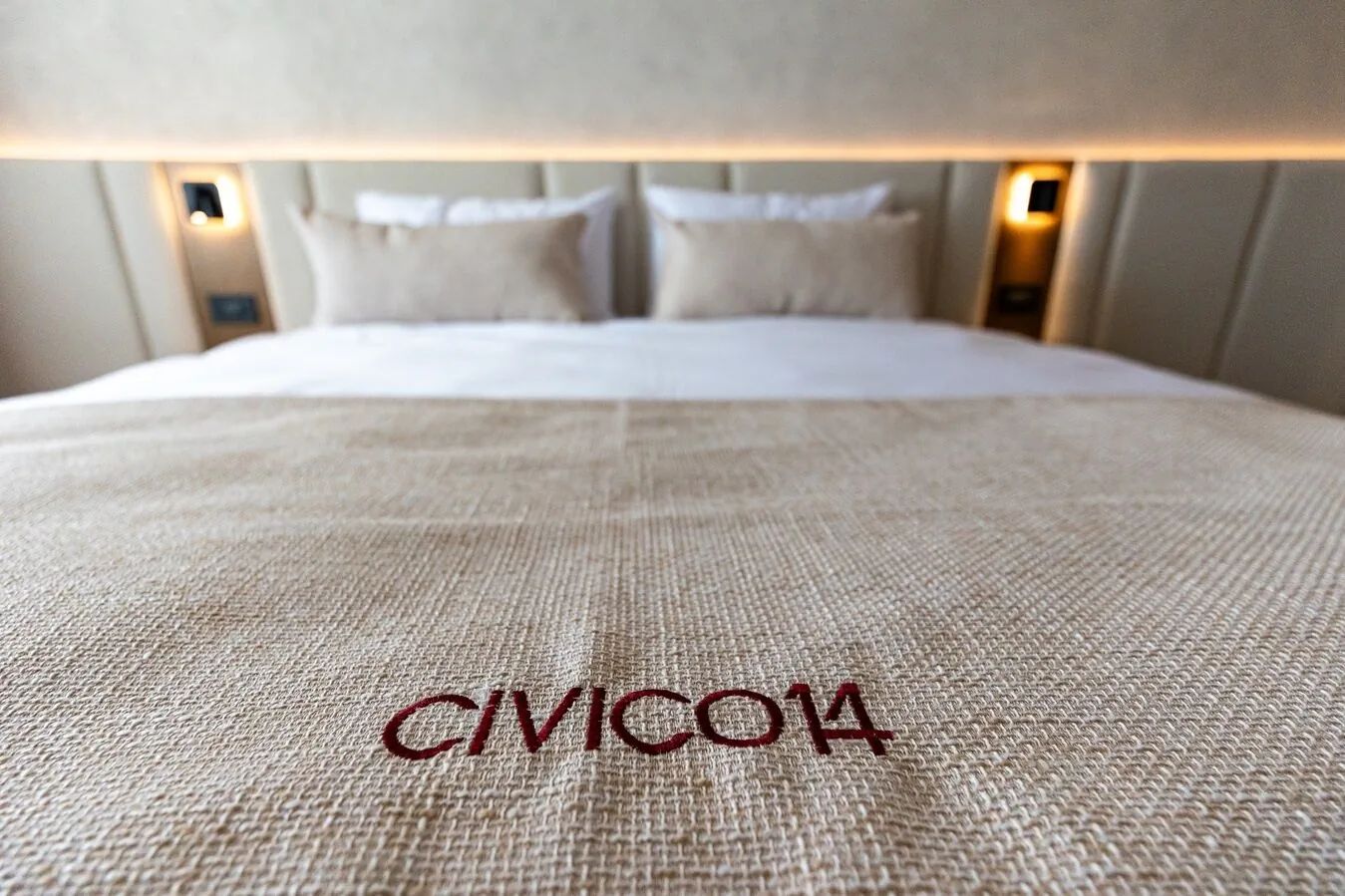
Hotel Civico 14 Târgoviște
Clădirea cu linii arhitecturale moderne de pe aleea Arsenalului se încadrează armonios în peisajul central al municipiului Târgoviște. Hotelul Civico 14 Târgoviște primește oaspeții într-un spațiu contemporan, conceput pentru călătorii care apreciază confortul și funcționalitatea într-un mediu urban bine conectat. Fiecare cameră este dotată cu seif pentru păstrarea în siguranță a obiectelor personale, iar accesul la etaje se realizează comod cu ajutorul liftului instalat în clădire. Hotelul pune la dispoziția dumneavoastră Wi-Fi gratuit în toate spațiile, parcare privată gratuită pentru autoturisme și un restaurant în incintă, unde puteți servi masa fără să părăsiți hotelul. În apropiere se găsesc Turnul Chindiei, Complexul Muzeal Curtea Domnească din Târgoviște, Mănăstirea Dealu, Muzeul de Istorie Târgoviște și Catedrala Arhiepiscopală Târgoviște, oferind acces rapid către principalele puncte de interes cultural și istoric ale zonei. Camerele sunt amenajate modern, oferind un mediu relaxant pentru întreaga durată a șederii, potrivit atât pentru călătorii de afaceri, cât și pentru cei care doresc să se bucure de liniștea orașului. Seara, după o zi petrecută printre monumentele din apropiere, vă puteți retrage în camera dumneavoastră, unde seiful și facilitățile moderne vă asigură liniștea necesară pentru odihnă.
FROM
290 lei per night
Holiday home · 3 stars
Pucioasa, Dâmbovița County · 11.5 km
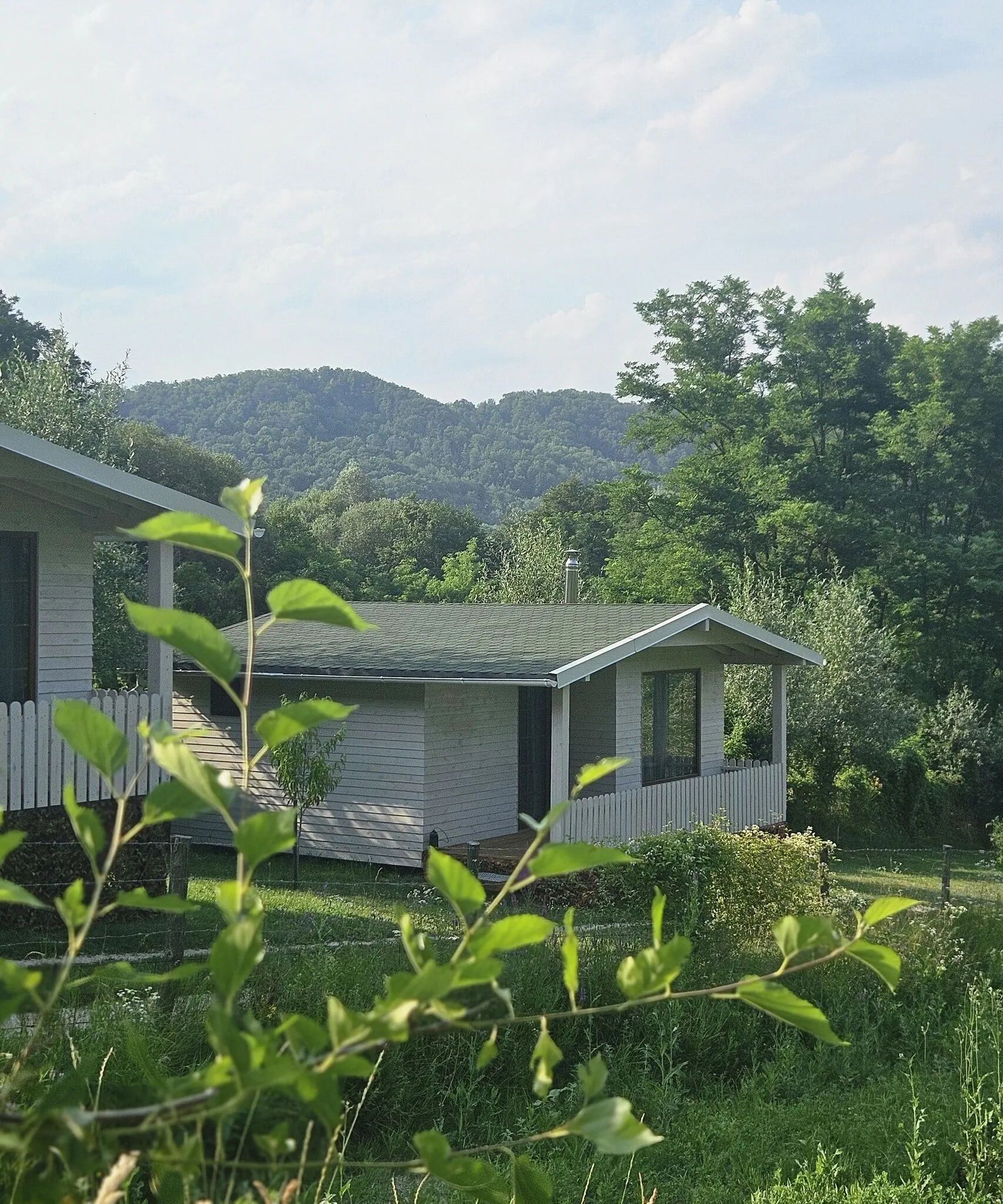
Căsuțele Bucuriei Pucioasa
Priveliștea dealurilor verzi din Dâmbovița se întinde în fața ferestrelor, iar cerul nopții se umple de stele deasupra curții largi. Căsuțele Bucuriei din Pucioasa vă oferă acest tablou într-un cadru de 3 stele, situate pe drumul principal din cartierul Malurile, într-o casă de închiriat integral. În curtea mare și grădina amenajată vă așteaptă un foișor, un grătar sau barbeque, o vatră de foc în aer liber și un ceaun pentru gătit. Pentru copii există un loc de joacă la exterior, iar pătuțul pentru bebeluș asigură confortul întregii familii. Tenisul de masă, cafeneaua și barul din incintă completează momentele de relaxare, iar Wi-Fi gratuit și parcarea privată gratuită vă sunt puse la dispoziție. De aici pornesc drumețiile montane și traseele în natură, iar în apropiere puteți vizita Mănăstirea Dealu, Turnul Chindiei, Complexul Muzeal Curtea Domnească din Târgoviște, Castelul Peleș și Muzeul de Istorie Târgoviște. Dimineața, după cafeaua servită în cafeneaua din incintă, vă puteți bucura de liniștea dealurilor înainte de a porni spre obiectivele din zonă.
FROM
280 lei per night
Hotel · 3 stars
Pucioasa, Dâmbovița County · 12.1 km
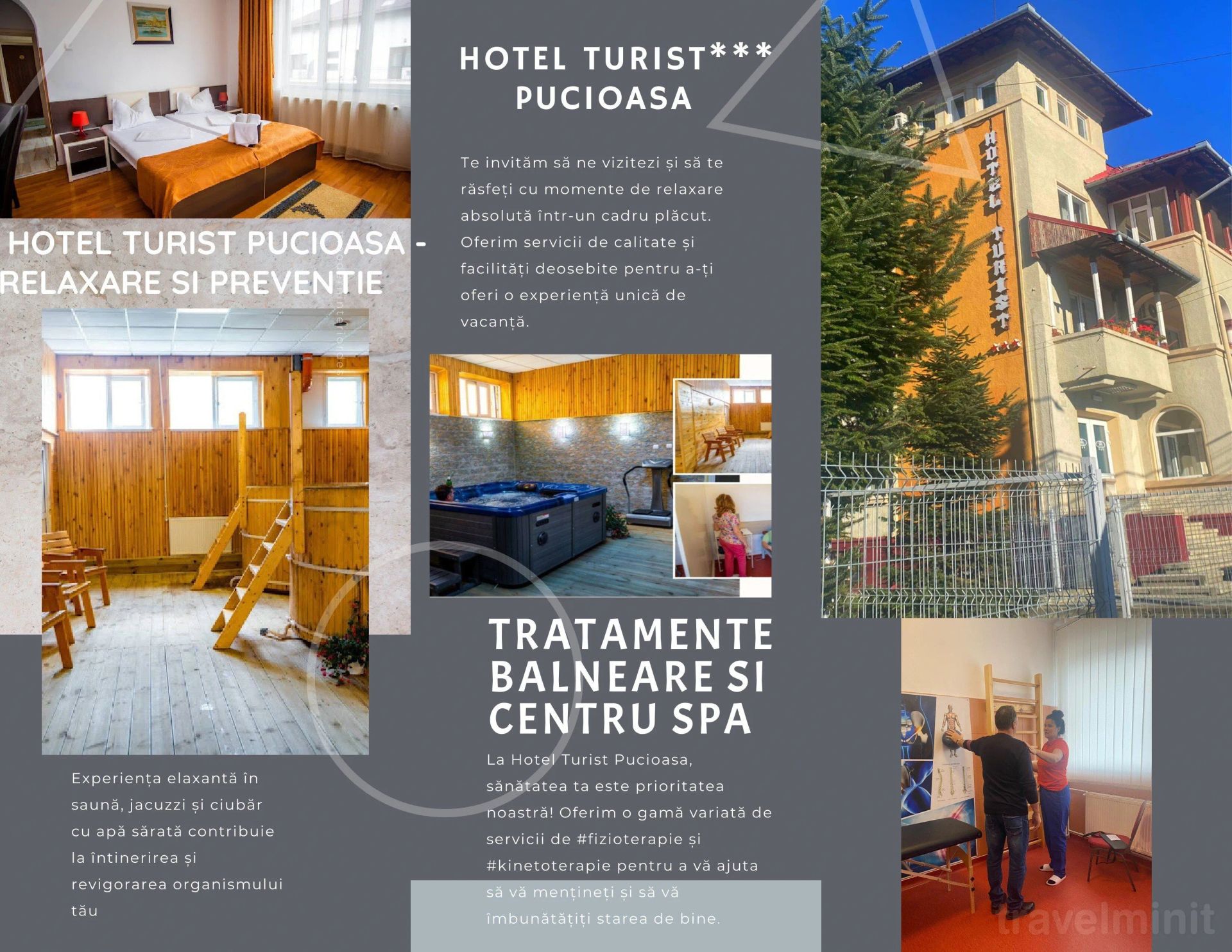
Hotel Turist Pucioasa
O dimineață liniștită poate începe cu relaxare în saună, urmată de o baie în ciubărul din lemn tradițional. Hotel Turist Pucioasa din Pucioasa vă așteaptă cu șase camere amenajate într-un stil plăcut și confortabil, unde aveți acces la Wi-Fi gratuit pentru a rămâne conectați. Pentru momente de liniște în aer liber, unitatea oferă o curte mare și o grădină amenajată, ideale pentru plimbări sau pentru a savura aerul curat. De asemenea, dispuneți de parcare privată gratuită, astfel încât mașina dumneavoastră rămâne în siguranță pe toată perioada cazării. Pentru un plus de confort și relaxare, puteți beneficia de jacuzzi sau de cadă cu hidromasaj. Localitatea Pucioasa reprezintă un punct de plecare excelent pentru a descoperi obiective culturale și istorice deosebite din regiune. În apropiere puteți vizita Mănăstirea Dealu, Turnul Chindiei, Castelul Peleș, Complexul Muzeal Curtea Domnească din Târgoviște și Muzeul de Istorie Târgoviște. Check-in se efectuează începând cu ora 14:00, iar check-out până la ora 12:00. La recepție se vorbesc limbile română, engleză și spaniolă.
FROM
290 lei per night
Cabin · 3 stars
Vârfuri, Dâmbovița County · 14.9 km
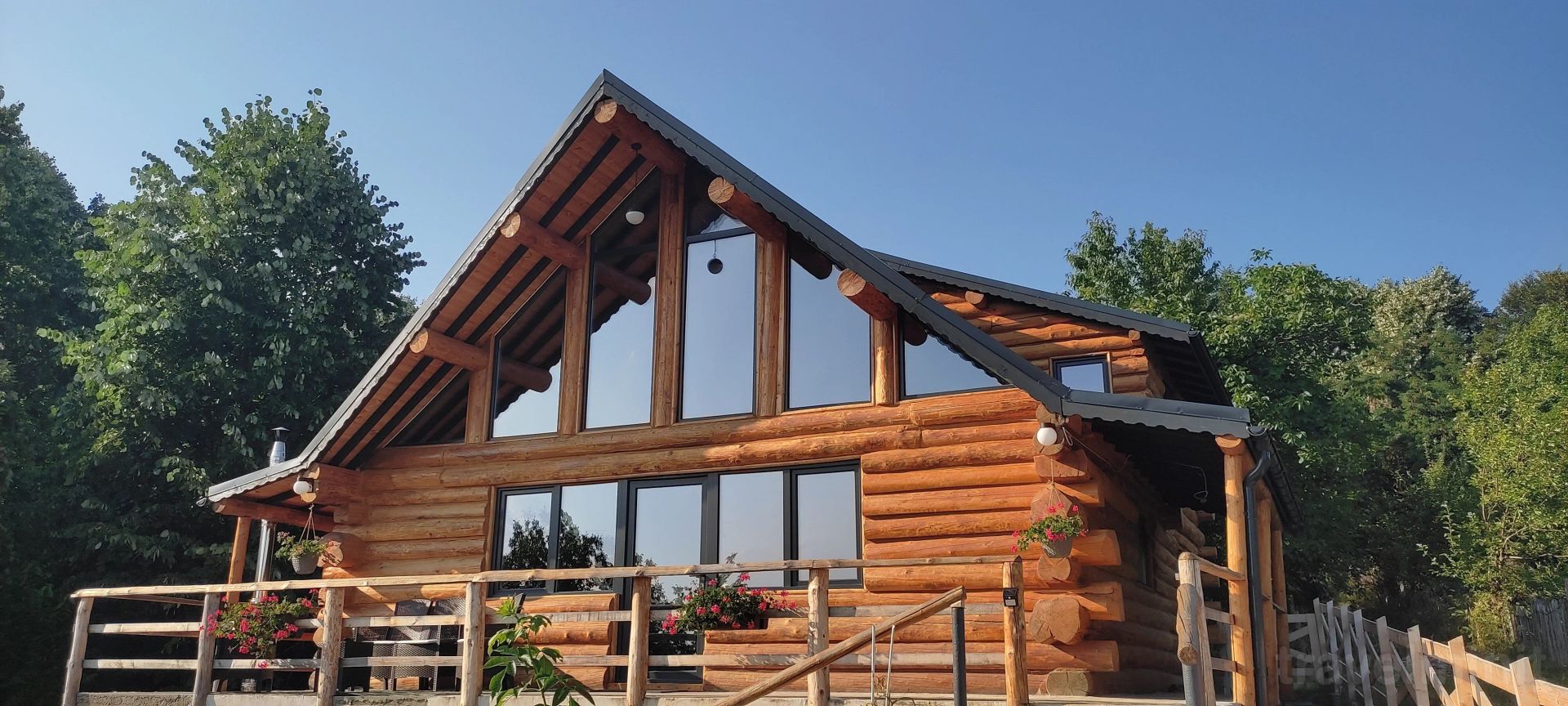
Chalet Ursa Mare Vârfuri
Comfort, relaxation and stunning views, all just steps away from the main attractions.
FROM
270 lei per night
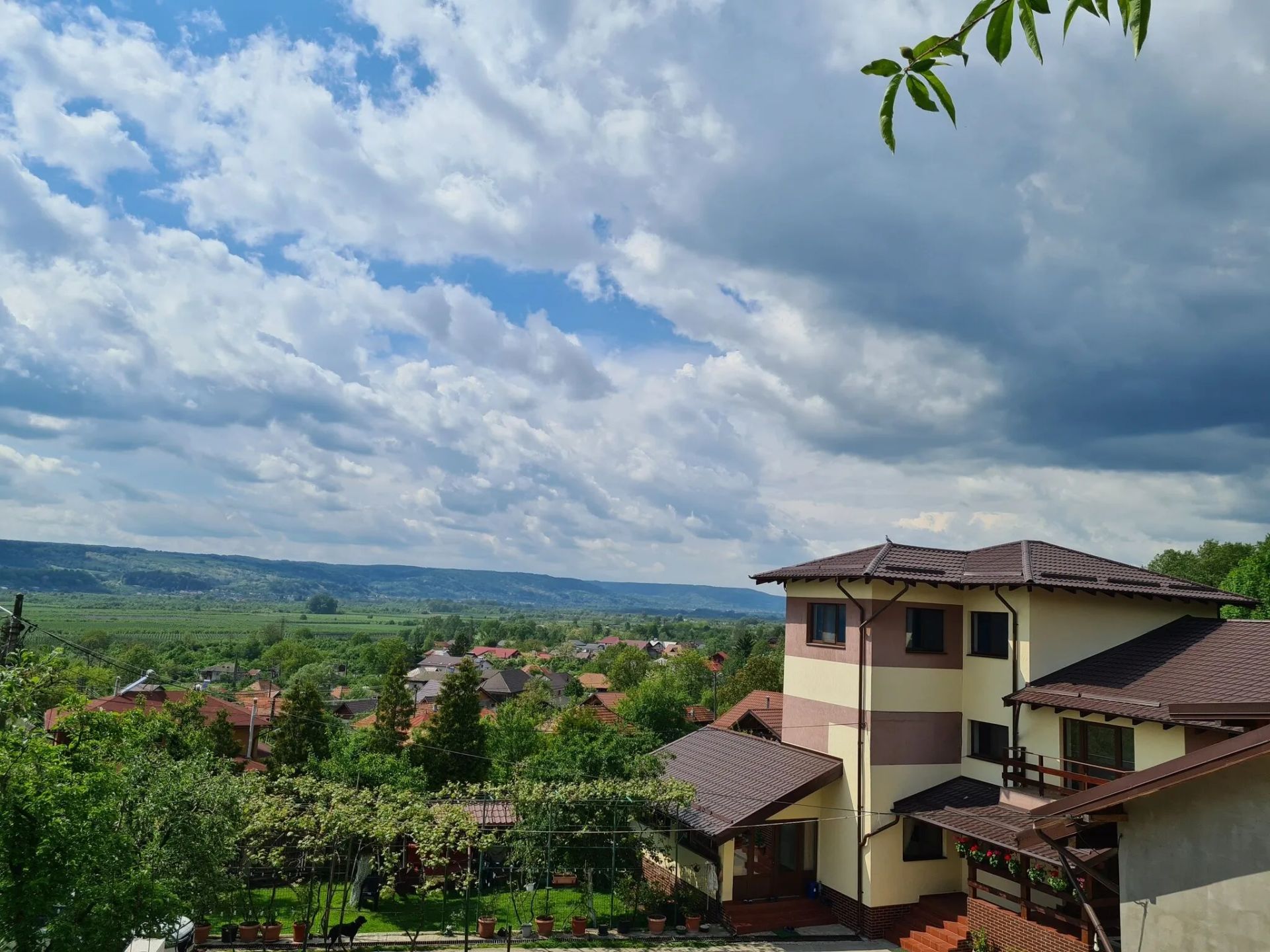
Guesthouse · 3 stars
Voineşti, Dâmbovița County · 16.9 km
Pensiune În Vârful Dealului Voineşti
Comfort, relaxation and stunning views, all just steps away from the main attractions.
FROM
240 lei per night
BEFORE YOU HIT THE ROAD
Weather conditions in Viforata
Local forecast for Dealu Monastery, Viforata, Dâmbovița

Real-time updated weather data
Much more to explore in this area
Nearby tourist attractions

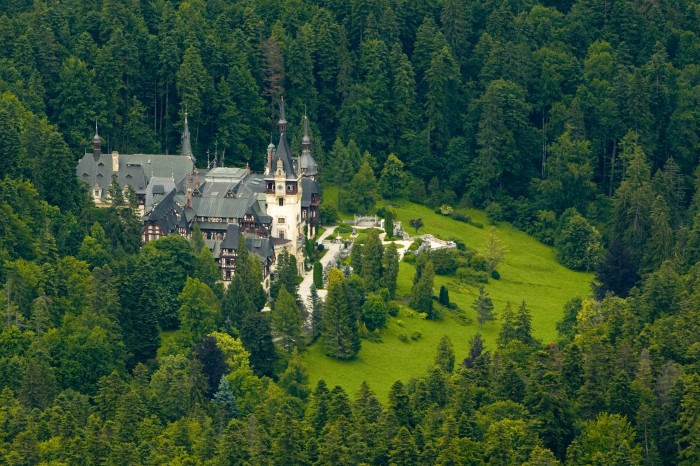

Sinaia, Prahova County
Peleș Castle
Situat pe strada Pelesului din Sinaia; piatra de temelie a castelului se pune in 1873, aici fiind ingropate si cateva zeci de monede de 20 de lei, din aur -...
43.5 km
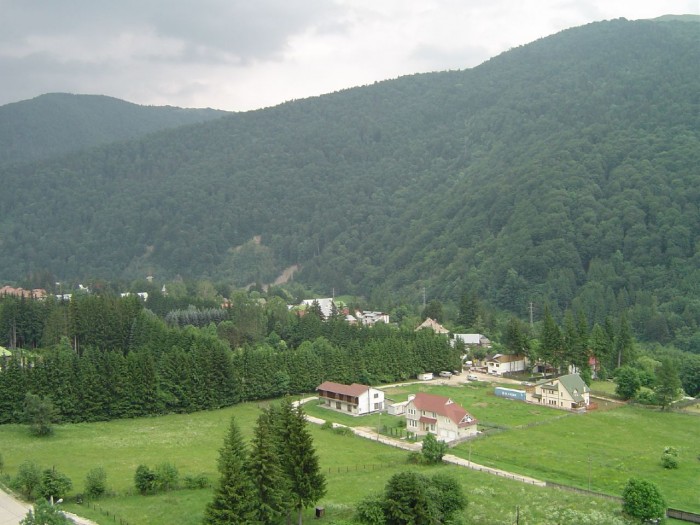
Prahova, Prahova County
Sinaia Resort
Situata pe valea superioara a Prahovei, la poalele Muntilor Bucegi (Carpatii Meridionali), la o altitudine ce variaza intre 798-971 m; este una din cele mai...
42.7 km
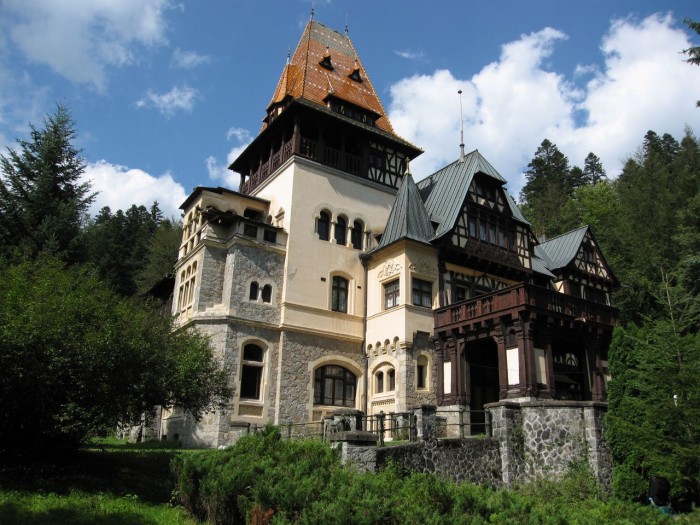
Prahova, Prahova County
Pelișor Castle
Situat in parcul Castelului Peles, pe Valea Prahovei; ridicat intre anii 1899 si 1902; in 1903 a devenit resedinta de vara a principilor mostenitori;...
43.6 km
Prahova, Prahova County
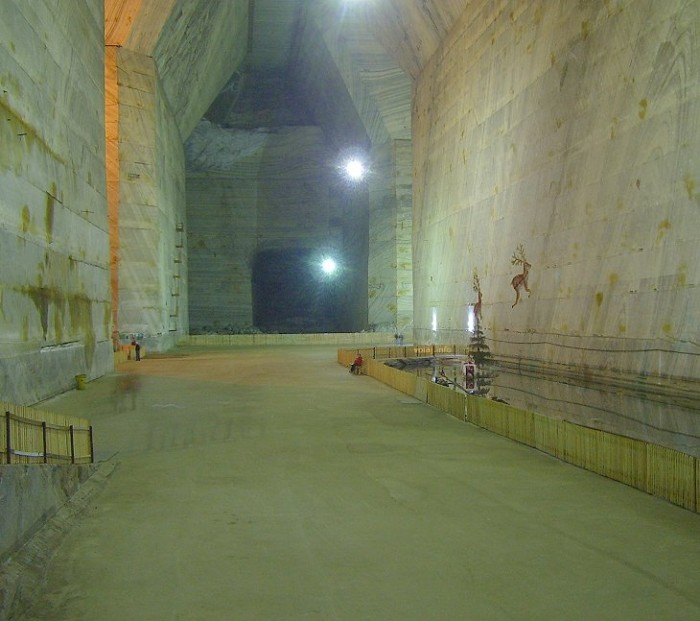
Slănic Prahova Salt Mine
Situata in localitatea Slanic Prahova; lucrarile miniere de deschidere a minei "Unirea" au inceput in anul 1938, iar exploatarea sarii din aceasta mina s-a...
46.5 km
Prahova, Prahova County
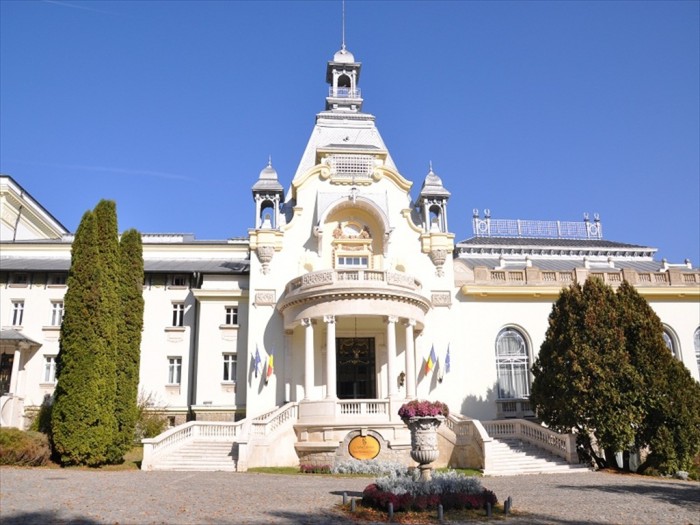
Sinaia Casino
Situat in parcul "Dimitrie Ghica" din localitatea Sinaia; reprezinta si astazi unul dintre edificiile - simbol ale statiunii; construit in timp record, intre...
43.1 km
Prahova, Prahova County
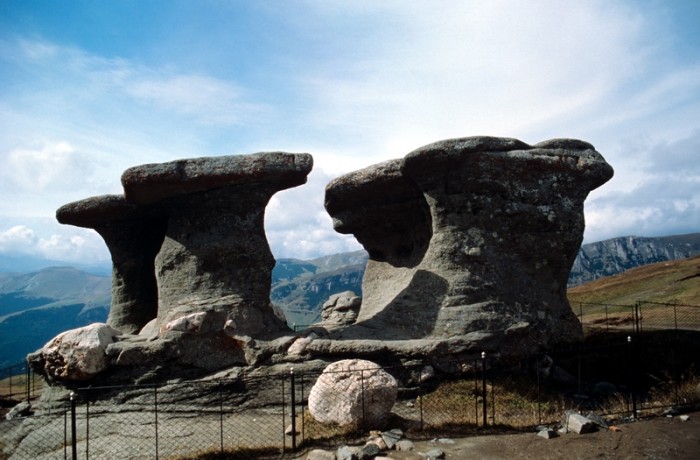
Bucegi Natural Park
Situata intre 1.000 - 2.505 m altitudine, in Masivul Bucegi; in cadrul ei se pot intalni vai si rape spectaculoase, chei intre stanci, poduri interfluviale si...
49.4 km
Dambovita, Dâmbovița County
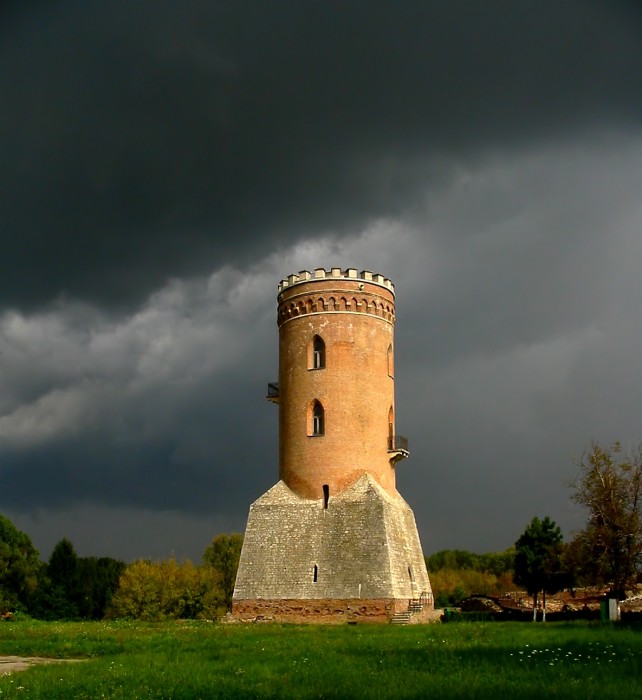
Chindia Tower
Situat nord-vestul Ansamblului Curtii domnesti din Targoviste, pe Calea Domneasca nr. 181; construit in secolul XV, de catre domnitorul Vlad Tepes; a...
4.7 km
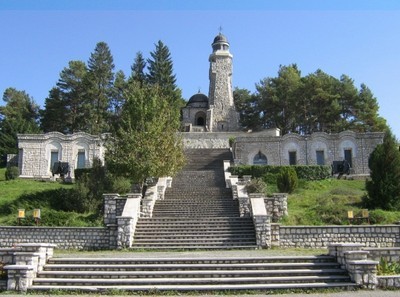
Mateias, Argeș County
Mateiaș Heroes' Mausoleum
Situat in comuna Mateias, judetul Arges;dedicat eroilor din Razboiul de Intregire Nationala dintre anii 1916-1918; ridicat intre anii 1928-1935, de catre...
44.8 km
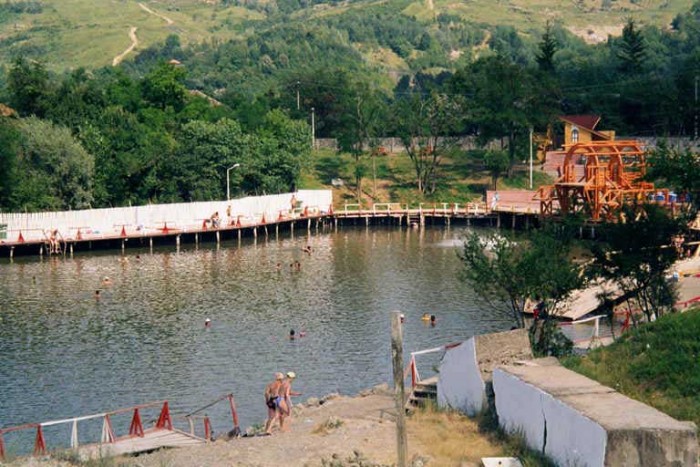
Prahova, Prahova County
Slănic Salt Mine and Spa Resort
Situata la limita de contact cu zona alpina, intre vaile Prahovei si Teleajenului, la 44 km de Ploiesti spre nord, la 400 m altitudine; este o statiune...
46.3 km
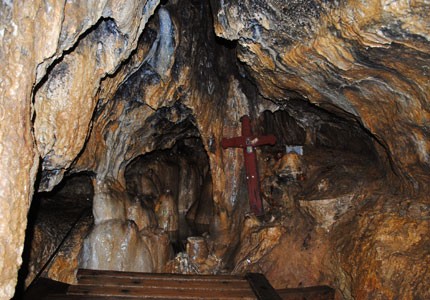
Dambovita, Dâmbovița County
Ialomița Cave
Situata la o altitudine de 1.530 m, in versantul de pe partea dreapta a raului Ialomita, Cheile Ialomitei;drumul de acces se recomanda masinilor de teren,...
49.8 km

41.2 km
45.2 km
Cultural life and traditions
Events in the Dealu Monastery area
Medieval festivals, traditional fairs, concerts and local activities recommended in Muntenia (Wallachia).

History and Royal Architecture

Viforata, County of Dâmbovița
Days of Royalty and Heritage in the Prahova Valley
Historical conferences open to the public, themed tours of royal architecture, documentary screenings and exhibitions of vintage photographs.
WHEN
May 10-12, 2026


Gastronomy and Oenology
Dealu Mare, County of Dâmbovița
The Prahova Wine Festival on the Wine Route
Guided tastings of Fetească Neagră along the famous Wine Route, visits to historic wineries, and meetings with leading winemakers.
WHEN
Every weekend (September - October)
Hiking and Adventure
Bucegi Mountains, Dâmbovița County
Guided Mountain Tour in the Bucegi Mountains
Guided mountain tours led by mountain rescue personnel to iconic panoramic viewpoints and spectacular alpine waterfalls.
WHEN
Daily during the season (June - October)
On foot, exploration gains depth
Discover the surroundings and local geography
Explore the trails, terrain, and natural landmarks around Dealu Monastery.

Guides and practical tips
Useful travel articles
Travel guides, practical recommendations and tourist itineraries for Muntenia (Wallachia).

Tourist guide
Top 5 Atracții Turistice și Trasee Montane în Zona Moieciu - Bran
Descoperă cele mai spectaculoase peisaje carstice, chei adânci și cetăți medievale din imediata apropiere a stațiunii Moieciu.

Tourist guide
Ghid de Drumeție: Traseul Moieciu de Sus spre Platoul Bucegi
Un itinerariu montan de o frumusețe rară ce urcă din Valea Băngăleasa spre Poiana Guțanu și crestele maiestuoase ale Bucegilor.

Tourist guide
Castelul Bran: Istorie, Legende și Secrete Medievale
Află adevărata poveste a fortăreței medievale din Pasul Bran, reședința de suflet a Reginei Maria a României.
THE JOURNEY STARTS WITH AN IDEA
The next story is on the way.
From the first stop to the last stay, make room for a new Romania.
