


PLACE OF WORSHIP · TRANSYLVANIA
Șumuleu Ciuc Franciscan Monastery

Harghita, Harghita County
Add location to your trip planner.

Practical access information

VISITING HOURS
Monday: 12:00 PM – 5:00 PM · Tuesday–Sunday: 9:00 AM – 5:00 PM (in summer until 8:00 PM)

TICKET PRICE
Adults: 45 RON · Students: 11 RON · Seniors: 23 RON · Guided tour included

RECOMMENDED VISIT DURATION
2-3.5 hours
Visitor information and guide
 Navigate with Google Maps

ABOUT ȘUMULEU CIUC FRANCISCAN MONASTERY
Captivating Introduction and Heritage Significance
In the forested heart of the Eastern Carpathians, where the Olt Valley widens into a fertile depression historically known as the Ciuc Land, rises above the narrow streets of Miercurea Ciuc a monument of spirituality that transcends national and confessional boundaries. The Șumuleu Ciuc Franciscan Monastery is not merely a monastic complex, but a veritable bastion of Hungarian cultural identity in Transylvania, a place where European history of the 13th-20th centuries meets in an impressive symbiosis. Located on Szek Street, in the vicinity of the pilgrimage church of the same name, this monastery represents the culmination of a Franciscan tradition that flourished in the Carpathian Basin from the medieval period, offering the modern visitor a profound spiritual experience, comparable to the great Catholic sanctuaries of Western Europe.
The heritage significance of this place far exceeds its strictly religious dimension, constituting an essential landmark for understanding the evolution of Baroque architecture in Central Europe and the resilience of Catholic communities in the eastern part of the continent in the face of historical challenges. As a spiritual center of continental importance, Șumuleu Ciuc attracts tens of thousands of pilgrims annually, firmly placing itself on the map of Europe's great sacred destinations, alongside Fatima, Lourdes or the sanctuary of Częstochowa. In this context, the monastery becomes an open window to the soul of a civilization that knew how to preserve and transform, over the centuries, the spiritual heritage of Saint Francis of Assisi into a living treasure of faith. For the cultivated European traveler, this place offers the opportunity to discover how a Hungarian-speaking community, located at the historical border between the Ottoman and Habsburg Empires, managed to preserve its distinct identity through architecture, liturgy and traditions, creating a unique feature in today's Romanian cultural landscape.
Historical Roots and Major European Connections
The presence of Franciscans in the Ciuc Land dates back to the late medieval period, when, following the Great Mongol Invasion of 1241-1242, the Kingdom of Hungary initiated a policy of colonization and fortification of its eastern borders, including the Székely-populated region. The first Franciscan monks to arrive in this region were called to spiritually support the expanding Catholic communities, benefiting from the support of the Hungarian crown which, under the Angevin and later the Habsburg dynasties, intensely promoted the Franciscan order as an instrument of the Counter-Reformation and the consolidation of central authority. This medieval period left behind a solid spiritual foundation, although the original physical construction was destroyed in the devastating fire of 1661, an event that reflects the frequent urban tragedies in 17th-century Central Europe, when wooden and stone cities were vulnerable to military conflicts between the Ottoman Empire and the Habsburg Monarchy, as well as frequent domestic accidents of that era.
The radical reconstruction undertaken between 1758 and 1777 under the leadership of master builder György Fogarassy marks the monastery's entry into a new era, that of late Habsburg Baroque, a period when all of Central Europe experienced an unprecedented architectural and spiritual renaissance. This transformation reflects the imperial policy of the Habsburg Monarchy, which, after the Peace of Karlowitz in 1699 and the consolidation of power in Transylvania, massively invested in the reconstruction and modernization of Catholic monasteries as symbols of imperial authority and confessional unity in the face of the province's religious diversity. The style adopted, with visible influences from Bavarian and Austrian Baroque architecture, places Șumuleu Ciuc in a broader European cultural circuit, similar to that of Franciscan monasteries in Kraków, Budapest or Vienna, all being expressions of the same ambition to create sacred spaces worthy of God's glory and the prestige of the House of Habsburg. Master Fogarassy, probably trained in the tradition of Transylvanian construction schools under the direct influence of Austrian and German architects brought by the imperial administration, succeeded in creating an ensemble that combines monastic functionality with artistic elegance, reflecting the Baroque ideal of harmony between form and function in a border region.
Architectural Masterpiece, Style and Construction Details
The monastic ensemble of Șumuleu Ciuc represents a remarkable achievement of Baroque architecture in the Carpathian Basin, faithfully illustrating the classic type of Franciscan monastery with an enclosed inner courtyard, a model spread throughout Central Europe from Prague to Zagreb and from Bratislava to Lviv. The rectangular structure, enclosed by four symmetrical wings built of local stone and brick, creates an intimate cloister reminiscent of the tradition of medieval Benedictine and Cistercian monasteries in France, but adapted to the requirements and taste of the Baroque era. Master György Fogarassy managed to preserve only one wing from the previous construction, harmoniously integrating it into the new project through sophisticated construction techniques, which demonstrates a remarkable historical continuity within a radical transformation. This approach reflects the European practice of the period, when many medieval monasteries were renovated or rebuilt while preserving valuable structural elements, whether for economic reasons or out of respect for the holiness of the place and the memory of previous founders.
The main facade, oriented towards Szek Street, presents an impressive classical sobriety, characteristic of Baroque monastic architecture in Central Europe, divided into levels by a discreet median belt that gives the building subtle verticality and a clear visual hierarchy. The rectangular windows, rigorously regular and rhythmic at equal intervals, with simple but elegant frames, reflect the influence of Italian and Spanish models from the late Renaissance and early Baroque periods, filtered through the prism of Austrian and Bavarian tradition. A remarkable innovation of the Baroque reconstruction is the removal of the central corridor from the old medieval structure, which allowed the creation of more generous and luminous interior spaces, with impressive heights, adapted to the needs of an expanding monastic community and the liturgical requirements of the era, when choral music and sermons required superior acoustics. The inner courtyard, with its stone-paved alleys and well-maintained vegetation, offers an architectural experience comparable to the cloisters of monasteries in Tuscany or Provence, but transposed into the specific atmosphere of the Eastern Carpathians, where the mountain light, more intense and purer, creates unique plays of shadow and brilliance on the stone and plaster facades.
Stories, Legends, Personalities and Turning Points
Within the walls of this monastic complex is preserved the memory of a venerable statue, Our Lady of Șumuleu, a sculptural representation of the Virgin Mary considered miraculous, which became the spiritual center of the entire region and a symbol of hope for the Hungarian Catholic community in Transylvania. Legend attributes to this icon, kept in the neighboring pilgrimage church, the miraculous survival of numerous fires and historical vicissitudes, including the devastating one of 1661, thus becoming an object of worship with healing powers recognized throughout Central Europe, similar to the famous icons of Our Lady of Częstochowa or Einsiedeln. Personalities such as the bishops of Alba Iulia, Franciscan priests with studies at European universities such as Vienna or Rome, and the local monks who served here over the centuries contributed to transforming this place into a center of culture and education, preserving libraries with valuable manuscripts, incunabula and archives that document the history of the Hungarian community in Transylvania, from the medieval period to the present.
The culminating moment of the spiritual year remains the Pentecost pilgrimage, when hundreds of thousands of Hungarian believers from all over the world - from Hungary, Transylvania, Vojvodina, Slovakia and the Western diaspora - converge on Șumuleu Ciuc in a manifestation of faith of European scale. This event, which has roots in the medieval traditions of Pentecost pilgrimages, was amplified during the communist period as a subtle but powerful expression of Székely cultural identity, continuing today to be one of the largest religious gatherings in Eastern Europe, comparable to the pilgrimage to Jasna Góra in Poland or that of Mariazell in Austria. The atmosphere created on these days, with impressive processions through the city streets, with Székely flags and traditional costumes, with choral singing in the Baroque church and prayers spoken in the Hungarian language, offers visitors a unique experience, a true incursion into Central European spirituality and a demonstration of how the Catholic tradition resisted and regenerated itself in the face of the political challenges of the 20th century.
Practical Visiting Guide and Today's Tourist Experience
The Șumuleu Ciuc Franciscan Monastery is located in the center of Miercurea Ciuc municipality, on Szek Street, being easily accessible both by car and on foot from the historic center of the city. The complex can be visited at any time of the year, although May or early June offers the unique opportunity to participate in the great Pentecost pilgrimage, when the entire area pulses with spiritual energy and centuries-old traditions. For those who wish to savor the contemplative tranquility of the place, the early morning or late afternoon hours offer the most suitable conditions to admire the Baroque architecture and feel the sacred atmosphere of the cloister. Visitors can explore the rectangular inner courtyard, admire the symmetry of the monastic wings and participate in the liturgies celebrated in the pilgrimage church, where the venerated statue of Our Lady is located.
Visitors are invited to respect the sacred character of the ensemble, to participate humbly in the religious services held in the pilgrimage church and to discover the richness of the spiritual heritage housed within its walls. A complete visit should include not only the monastery itself, with its inner courtyard and monastic areas, but also the neighboring pilgrimage church, as well as exploring the surroundings of Miercurea Ciuc, the cultural center of the Székely Land. Surrounded by the mountainous landscape of Harghita and integrated into the urban fabric of a city with strong Székely roots, the Șumuleu Ciuc Monastery offers the European tourist a profound cultural experience, a bridge between the glorious past of Central Europe and the multicultural present of Romania, demonstrating that spirituality and Baroque art can constitute a universal language, understood and appreciated beyond any national or confessional border, at a time when Europe seeks to rediscover its common Christian roots.
Media gallery
Discover Șumuleu Ciuc Franciscan Monastery in pictures

2 photos · Architecture, courtyards and captivating details


Image source: Wikimedia Commons · Public domain photos · Free license
STAY A FEW DAYS, DISCOVER THE MAGIC
Accommodation in the Șumuleu Ciuc Franciscan Monastery area

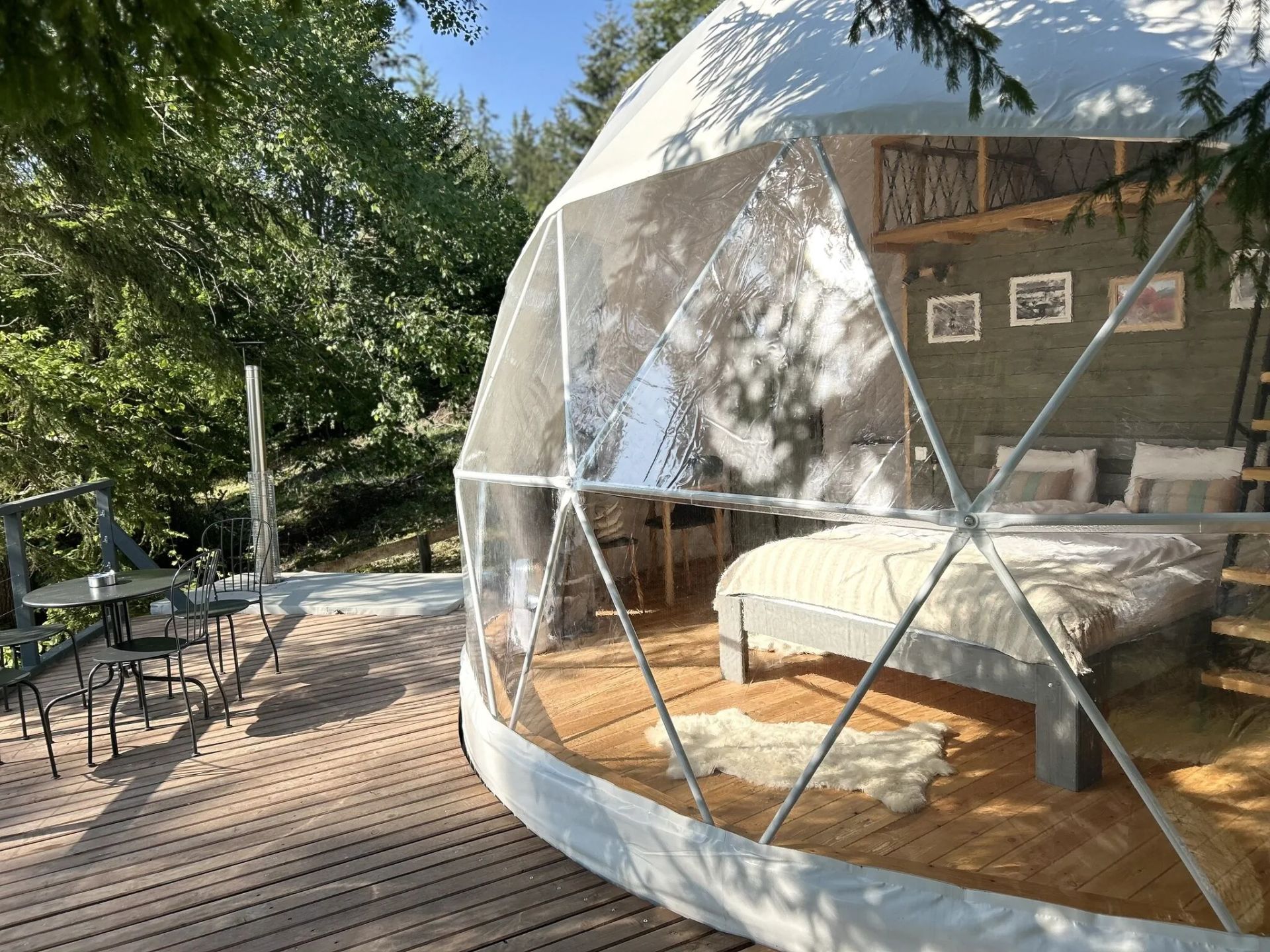
Glamping · 3 stars

Ciceu, Harghita County · 0.2 km
White Fox Dome Ciceu
Comfort, relaxation and stunning views, all just steps away from the main attractions.
FROM
450 lei per night

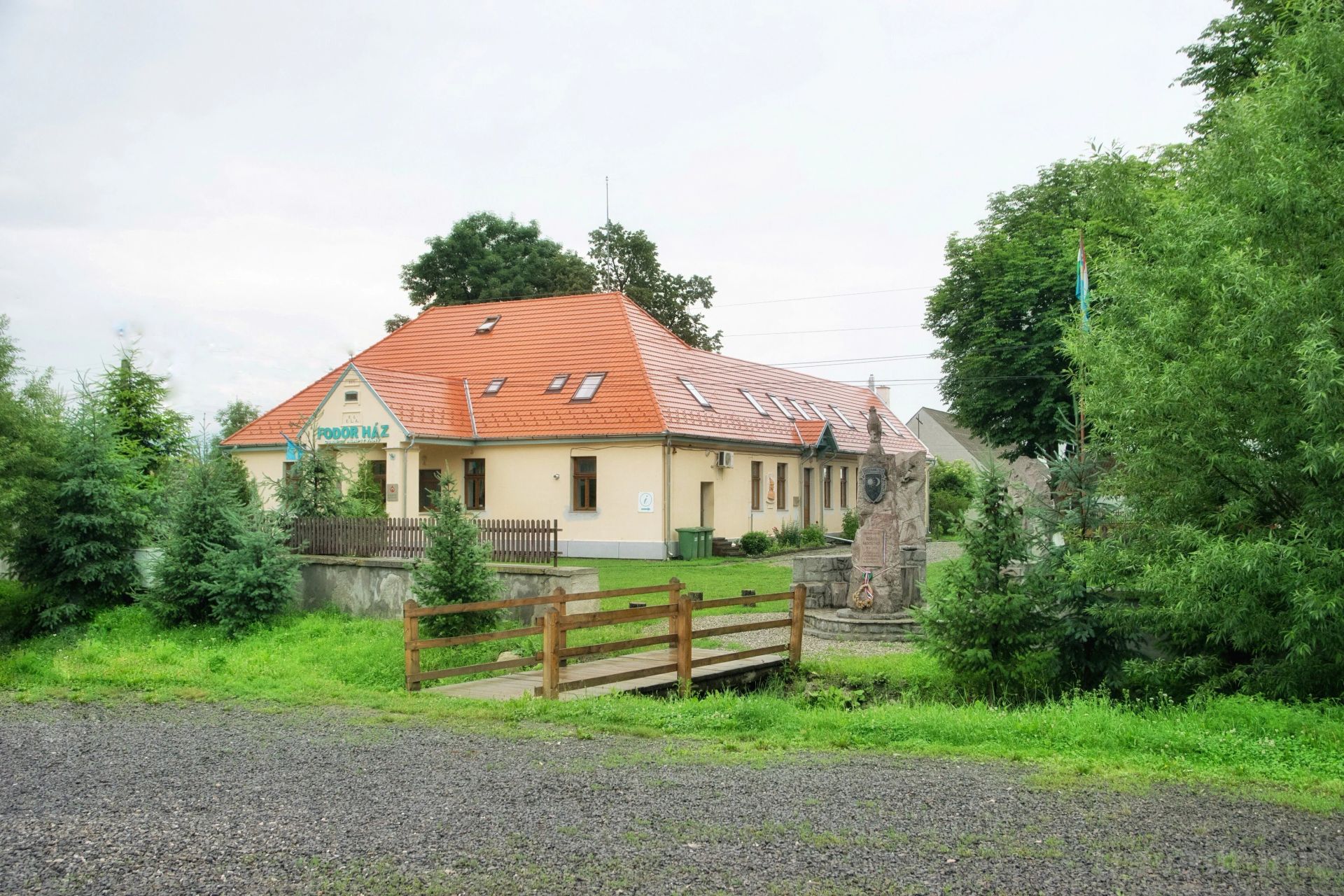
Hostel · 3 stars
Miercurea Ciuc, Harghita County · 0.2 km
Casa Fodor Miercurea Ciuc
În curtea largă și grădina amenajată a Casei Fodor din Miercurea Ciuc, copiii se pot juca în siguranță pe locul de joacă special amenajat la exterior, în timp ce adulții se relaxează în aer liber. Hostelul de trei stele oferă trei camere confortabile și plăcut amenajate pentru oaspeții care vizitează județul Harghita, într-un cadru primitor și liniștit. Vă punem la dispoziție Wi-Fi gratuit în întreaga unitate și parcare privată gratuită pentru autoturismul dumneavoastră. Pentru momentele de relaxare în aer liber, aveți la dispoziție un grătar sau barbeque în curtea mare, iar vă așteptăm să profitați de atmosfera plăcută a acestui spațiu verde. În apropiere puteți vizita Mănăstirea Franciscană Șumuleu Ciuc, Biserica complexului baroc Șumuleu Ciuc, Catedrala Episcopală din Miercurea Ciuc, Muzeul Secuiesc al Ciucului și Cetatea Mikó din Miercurea Ciuc. Aceste obiective turistice îmbogățesc experiența șederii dumneavoastră și vă oferă ocazia de a descoperi istoria și cultura zonei. Casa Fodor Miercurea Ciuc este potrivită pentru călătorii care caută o cazare liniștită, cu facilități pentru familie și acces rapid la principalele puncte de interes din oraș.
FROM
170 lei per night
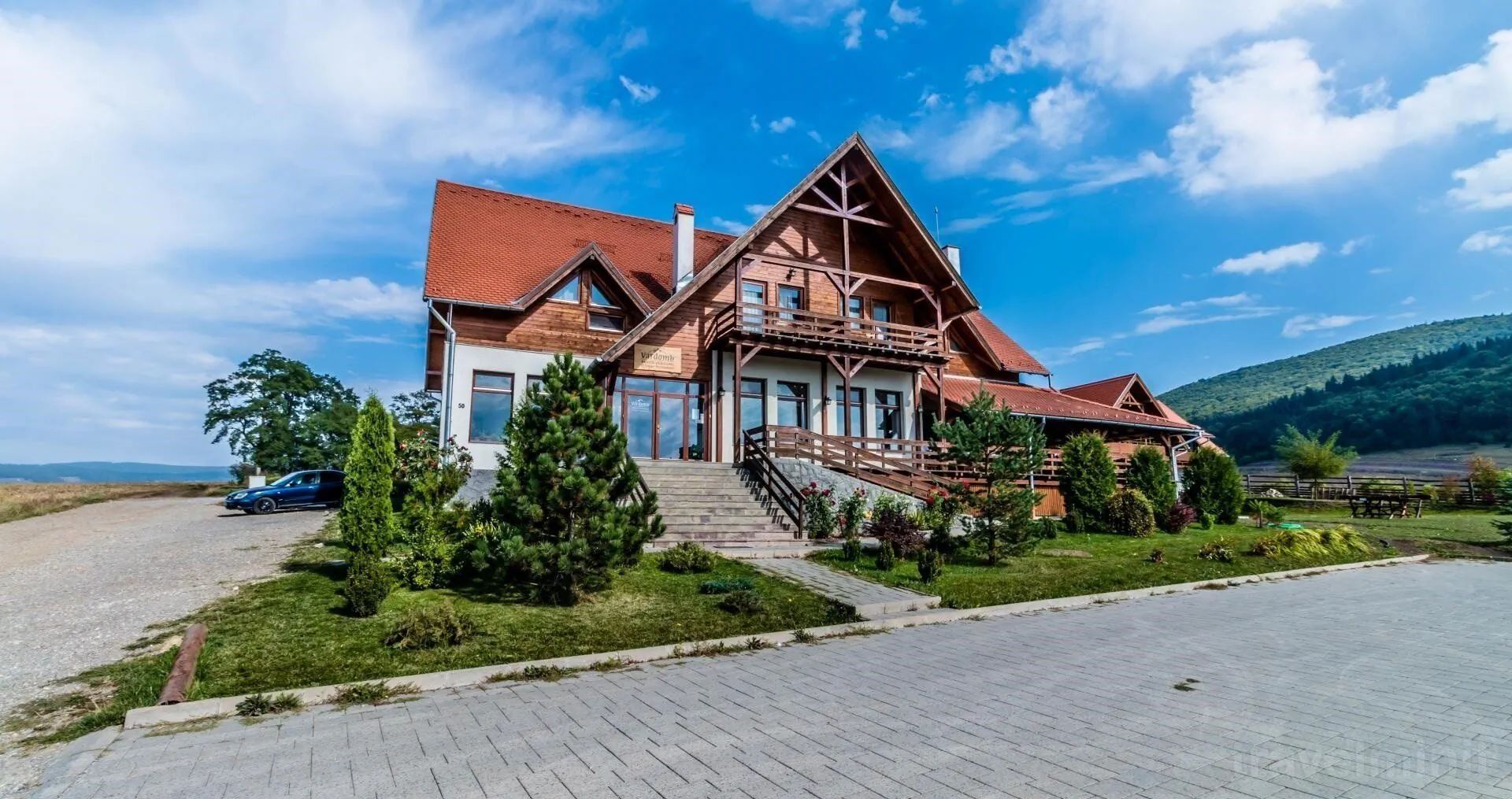
Guesthouse · 3 stars
Miercurea Ciuc, Harghita County · 0.5 km
Pensiunea Várdomb Miercurea Ciuc
La doar câțiva pași de Mănăstirea Franciscană Șumuleu Ciuc, puteți descoperi unul dintre cele mai importante repere spirituale ale zonei, un loc încărcat de istorie și tradiție seculară. Pensiunea Várdomb, o pensiune turistică de 3 stele situată în Miercurea Ciuc, reprezintă un punct de plecare potrivit pentru a explora și celelalte obiective culturale din apropiere. Printre acestea se numără Biserica complexului baroc Șumuleu Ciuc, Catedrala Episcopală din Miercurea Ciuc, Muzeul Secuiesc al Ciucului și Cetatea Mikó din Miercurea Ciuc. Fiecare dintre aceste locuri oferă ocazia de a cunoaște mai bine patrimoniul religios și istoric al municipiului, fiind ușor accesibile pentru vizitare în timpul șederii dumneavoastră. Pentru confortul dumneavoastră pe toată durata sejurului, pensiunea pune la dispoziție un teren de tenis, un restaurant în incintă, parcare privată gratuită și Wi-Fi gratuit. În exterior se află un loc de joacă amenajat special pentru copii, iar curtea mare și grădina îngrijită oferă un cadru plăcut pentru momente de liniște și relaxare în aer liber. Vă așteptăm la Pensiunea Várdomb Miercurea Ciuc.
FROM
240 lei per night
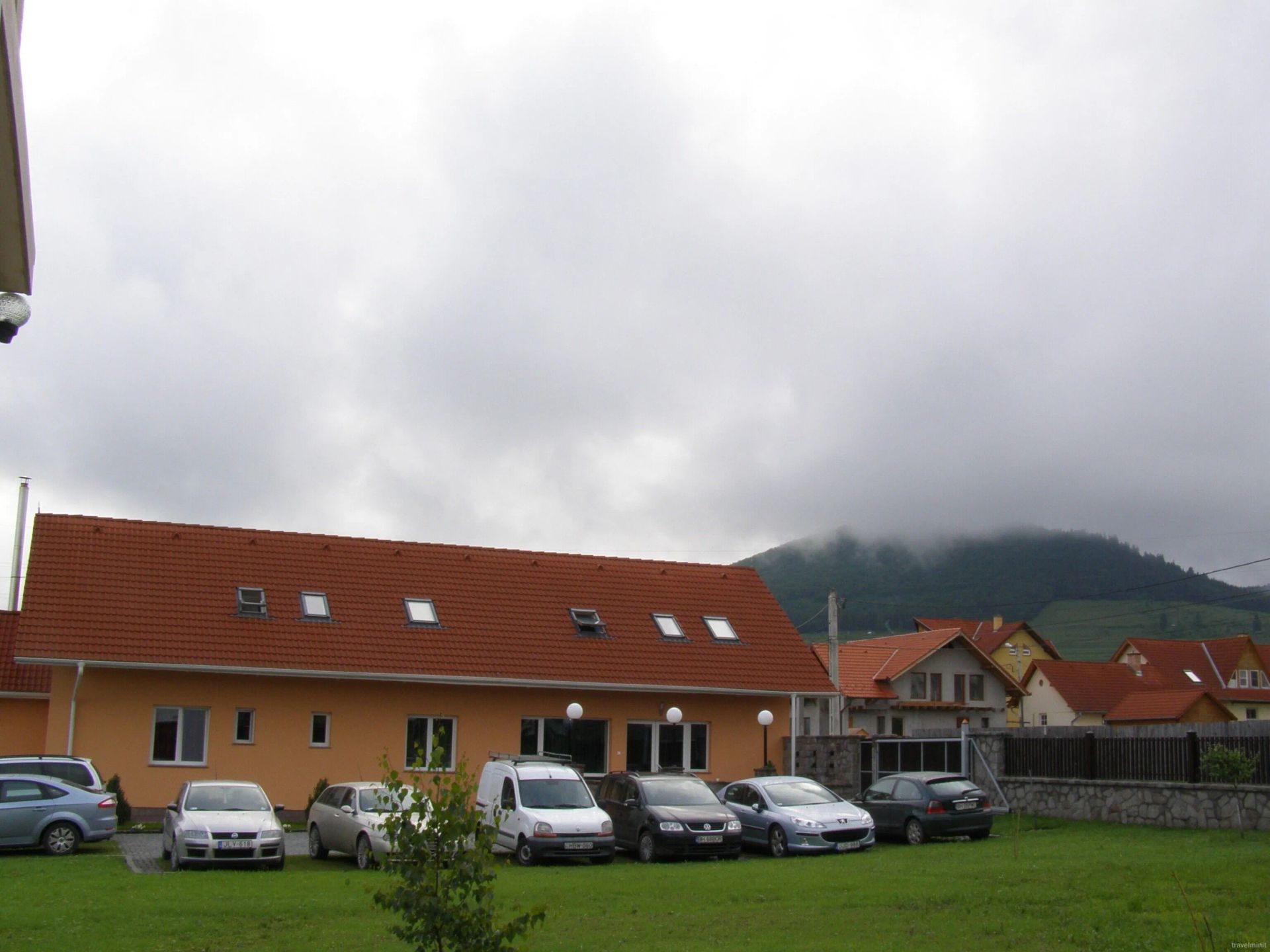
Guesthouse · 3 stars
Miercurea Ciuc, Harghita County · 1.3 km
Pensiunea Harmónia Miercurea Ciuc
În curtea largă și grădina amenajată a Pensiunii Harmónia din Miercurea Ciuc, aerul proaspăt al județului Harghita vă întâmpină cu liniște și ospitalitate. Situată pe strada Apor Peter 17, această pensiune clasificată cu trei stele vă așteaptă să vă bucurați de un sejur plăcut alături de familie și prieteni, într-un cadru natural primitor. Vă punem la dispoziție parcare privată gratuită și Wi-Fi gratuit, astfel încât dumneavoastră să aveți parte de tot confortul necesar. În aer liber, grădina oferă un spațiu generos pentru relaxare, iar grătarul și ceaunul vă permit să pregătiți preparate gustoase direct în curte, sub cerul deschis. În apropiere puteți descoperi Mănăstirea Franciscană Șumuleu Ciuc, Biserica complexului baroc Șumuleu Ciuc, Catedrala Episcopală din Miercurea Ciuc, Muzeul Secuiesc al Ciucului și Cetatea Mikó din Miercurea Ciuc. Aceste obiective culturale și spirituale vă oferă ocazia de a explora în detaliu istoria și tradițiile specifice zonei. Seara, după o zi plină de vizite, vă puteți retrage în grădina amenajată pentru a savura liniștea serii.
FROM
240 lei per night
Guesthouse · 3 stars
Păuleni-Ciuc, Harghita County · 1.6 km
Pensiunea Rose Păuleni-Ciuc
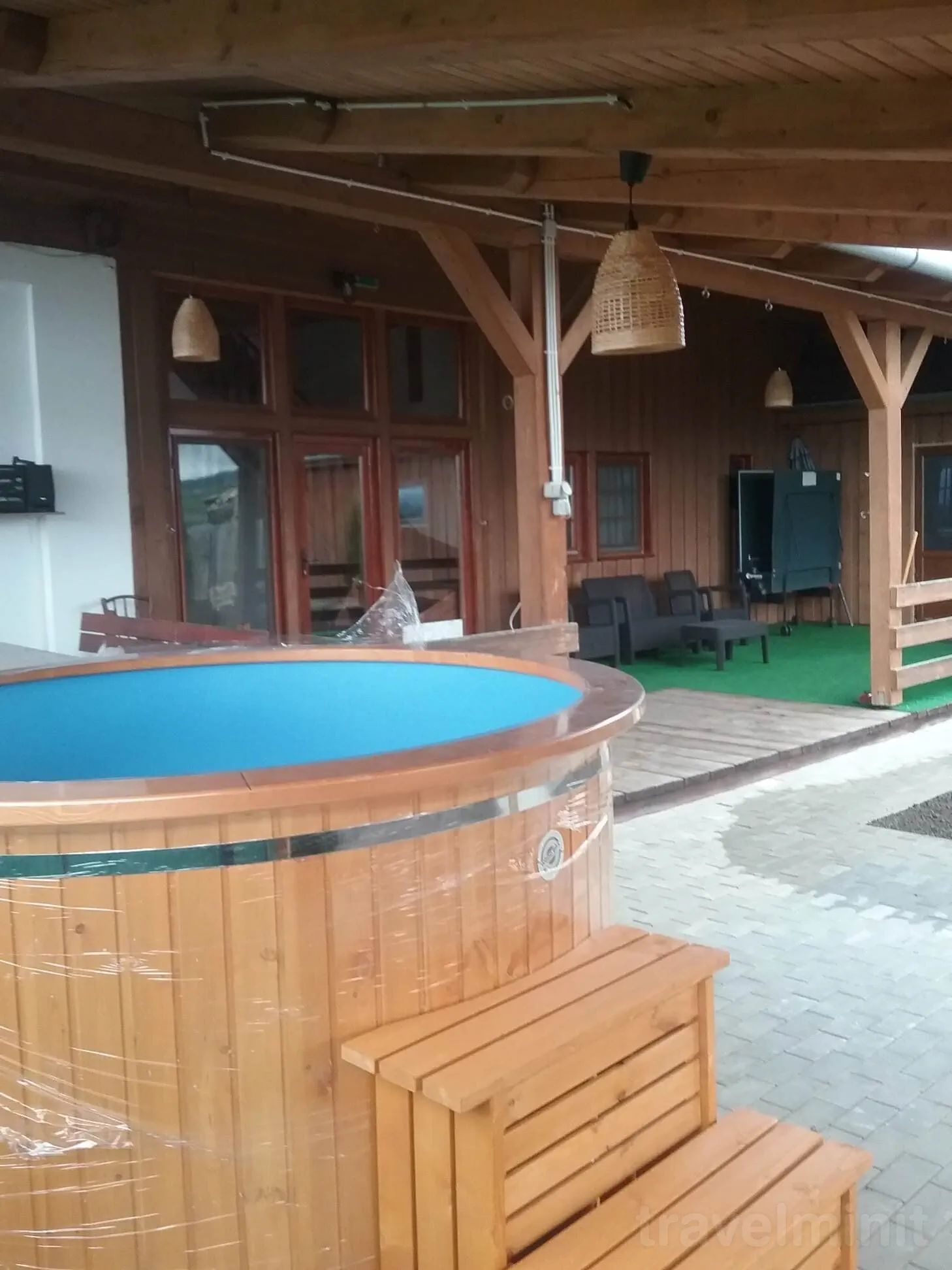
Pensiunea Rose Păuleni-Ciuc este o pensiune turistică de 3 stele situată în localitatea Păuleni-Ciuc din județul Harghita. Unitatea pune la dispoziția dumneavoastră facilități complete pentru un sejur plăcut: o terasă la soare, un ciubăr din lemn tradițional și o curte mare cu grădină amenajată, spații ideale pentru momente de relaxare în aer liber. Pentru preparate gustoase în aer liber aveți acces la un grătar și la un ceaun pentru gătit, iar copiii se pot juca în siguranță în locul de joacă amenajat în exterior. Parcare privată gratuită și Wi-Fi gratuit sunt disponibile pentru confortul dumneavoastră, iar accesul este facilitat și pentru persoanele cu dizabilități. În apropiere puteți vizita Mănăstirea Franciscană Șumuleu Ciuc, Biserica complexului baroc Șumuleu Ciuc, Catedrala Episcopală din Miercurea Ciuc, Muzeul Secuiesc al Ciucului și Cetatea Mikó din Miercurea Ciuc, obiective care reflectă bogata istorie, spiritualitate și tradiții ale zonei. Seara, după o zi petrecută la obiectivele turistice din apropiere, vă puteți relaxa în ciubărul din lemn tradițional.
FROM
240 lei per night
Guesthouse · 3 stars
Păuleni-Ciuc, Harghita County · 1.7 km
Pensiunea Nimfa Păuleni-Ciuc
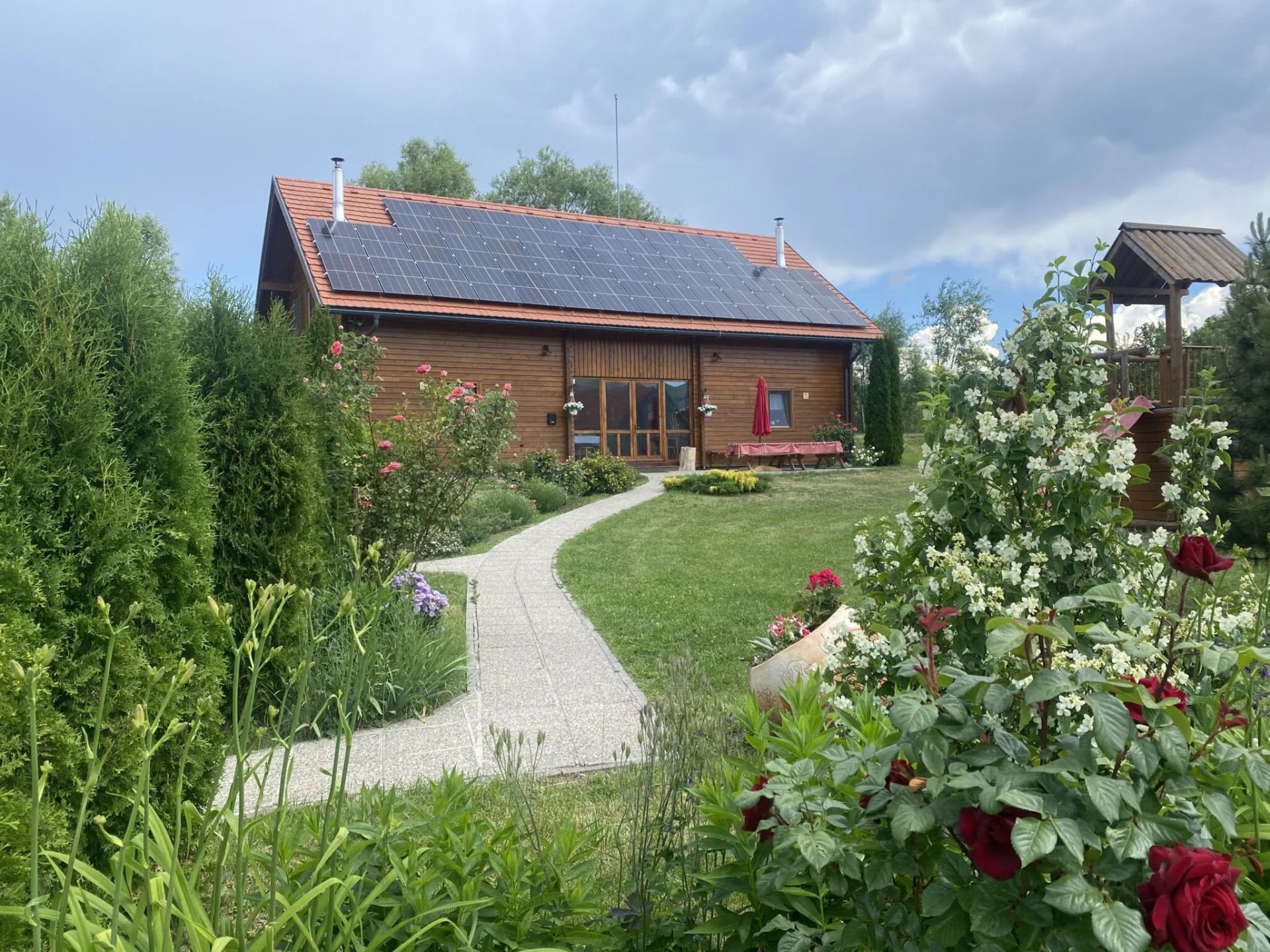
O casă de lemn modernă se ridică într-un colț liniștit din Păuleni-Ciuc, înconjurată de o curte mare și o grădină îngrijită. Pensiunea Nimfa Păuleni-Ciuc vă așteaptă cu două apartamente complet dotate, fiecare cu bucătărie echipată, grupuri sanitare și spații de dormit confortabile, ideale pentru familii sau grupuri mai mari. În exterior, curtea oferă dumneavoastră un loc de joacă pentru copii, un foișor și vatră de foc în aer liber, iar în serile răcoroase puteți organiza mese la grătar sau la ceaun. Aveți la dispoziție Wi-Fi gratuit, parcare privată gratuită, parcare pentru biciclete și acces pentru persoane cu dizabilități. Pentru cei mici sunt disponibile pătuț pentru bebeluș și scaun înalt, iar pentru momente de relaxare puteți folosi karaoke sau puteți închiria biciclete pentru a explora împrejurimile. În apropiere puteți vizita Mănăstirea Franciscană Șumuleu Ciuc, Biserica complexului baroc Șumuleu Ciuc, Catedrala Episcopală din Miercurea Ciuc, Muzeul Secuiesc al Ciucului și Cetatea Mikó din Miercurea Ciuc. De asemenea, pârtia de schi din zonă este la îndemână pentru iubitorii sporturilor de iarnă. Dimineața, după ce vă bucurați de liniștea grădinii, puteți porni cu energia necesară spre pârtie sau spre obiectivele turistice din zonă.
FROM
240 lei per night
BEFORE YOU HIT THE ROAD
Weather conditions in Harghita
Local forecast for Șumuleu Ciuc Franciscan Monastery, Harghita, Harghita

Real-time updated weather data
Much more to explore in this area
Nearby tourist attractions


45.7 km


Harghita, Harghita County
Saint Anne Lake (Lacul Sfânta Ana)
Situat pe teritoriul administrativ al comunei Cozmeni, la 28 km de Baile Tusnad, in zona centrala a masivului vulcanic Ciomatu; rezervatie complexa - naturala,...
28.4 km
Harghita, Harghita County
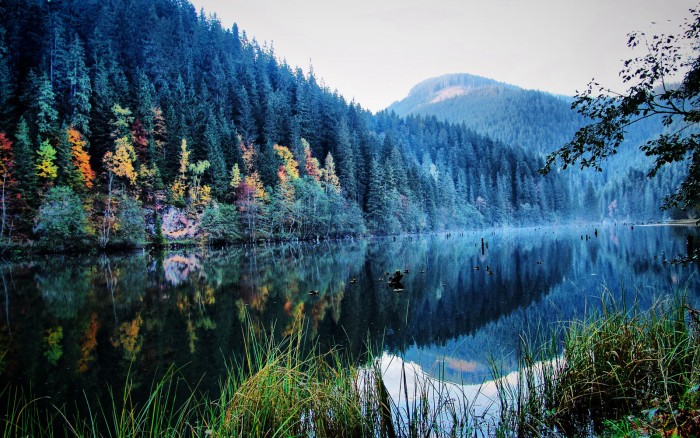
Red Lake Nature Reserve
Situat in apropierea statiunii Lacul Rosu si a orasului Gheorgheni, langa Cheile Bicazului, la poalele Hasmasului Mare; amplasat la altitudinea de 983 m; s-a...
45.7 km
Harghita, Harghita County
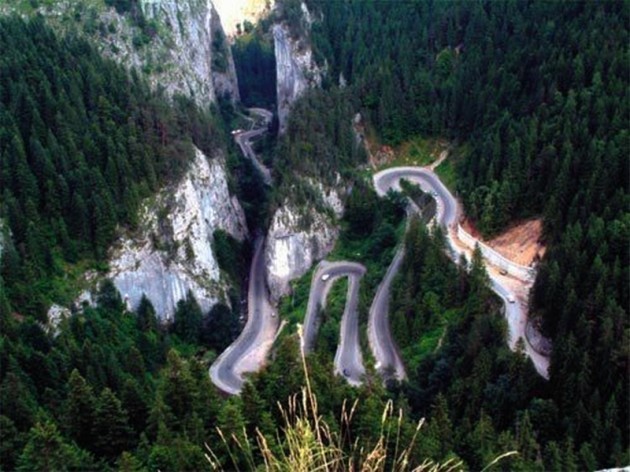
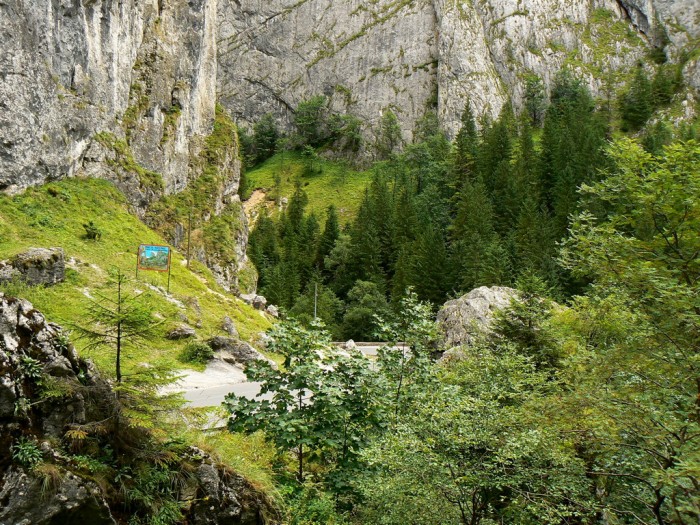
Bicaz Gorge
Cheile Bicazului sunt situate la 27 km sud-vest de orasul Bicaz, in Muntii Hasmas/Haghimas (grupa centrala a Carpatilor Orientali), in zona central-nord-estica...
48.2 km
Harghita, Harghita County
Bicaz Gorge National Park - Hășmaș Mountains
Situat la 27 km sud-vest de orasul Bicaz, in Muntii Hasmas/Haghimas (grupa centrala a Carpatilor Orientali), in zona central-nord-estica a Romaniei, pe raza...
48.2 km

Harghita, Harghita County
The church within the Baroque complex of Şumuleu Ciuc.
Situata in nord - estul municipiului Miercurea Ciuc, la poalele dealului Sumuleul Mic; construita intre anii 1804 - 1834, este cel mai imprtant loc de...
0.0 km
Harghita, Harghita County
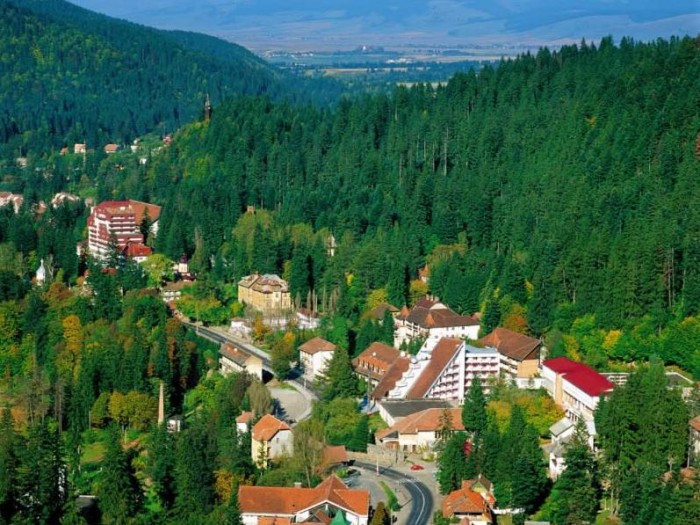
Tușnad Baths (Băile Tușnad)
Situata in partea sudica a Depresiunii Ciucului, intre muntii Harghita si Bodoc; amplasata la altitudinea de 650 m; este cea mai mica statiune...
25.9 km
Harghita, Harghita County
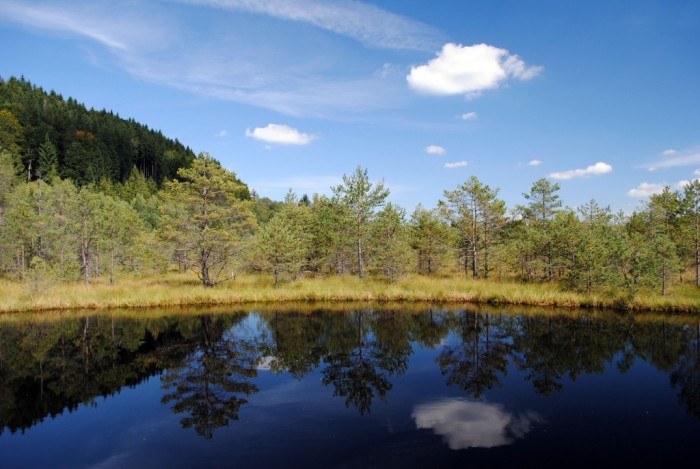
Mohoș Peat Bog Natural Reserve
Situata in craterul vechi al masivului Ciomatul Mare, in apropierea lacului Sfanta Ana; amplasata la altitudinea de 1.050 m; rezervatie naturala de tip...
27.5 km

16.6 km
19.0 km
Covasna, Covasna County
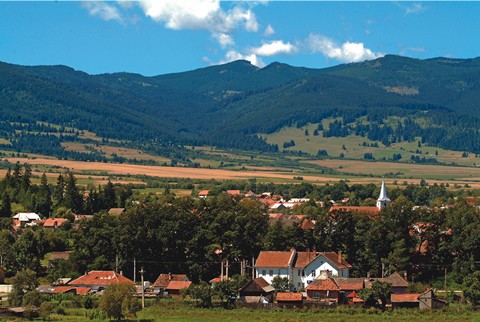
Băile Bălvănești (Bălvănești Spa)
Situata la o altitudine de 840-950m in masivul Puciosu, la 67 km de Sfantul Gheorghe si 31 km fata de Targu Secuiesc; Baile Blavanyos s-au format prin...
31.4 km
41.7 km
Cultural life and traditions
Events in the Șumuleu Ciuc Franciscan Monastery area
Medieval festivals, traditional fairs, concerts and local activities recommended in Transylvania.

Heritage and History

Harghita, County of Harghita
The Festival of Medieval Fortresses and the Open Doors Days
Guided night tours, traditional crafts workshops and historical re-enactments featuring knights and ladies.
WHEN
May 15-17, 2026


Traditions and Cuisine
Harghita, County of Harghita
The Fair of Saxon Traditions and Local Cuisine
Discover local producers, traditional Saxon pastries baked in a wood-fired oven, artisanal syrups, and rhubarb jam.
WHEN
Every weekend (May - October)

Ecotourism and Nature
The hills of Transylvania, County of Harghita
Guided Hikes on the Transylvanian Hills Trail
Take excursions along unmarked trails through ancient meadows, centuries-old oak trees, and villages with fortified churches that are UNESCO World Heritage sites.
WHEN
Friday – Sunday (Season 2026)
On foot, exploration gains depth
Discover the surroundings and local geography
Explore the trails, terrain, and natural landmarks around Șumuleu Ciuc Franciscan Monastery.

Guides and practical tips
Useful travel articles
Travel guides, practical recommendations and tourist itineraries for Transylvania.

Tourist guide
Top 5 Atracții Turistice și Trasee Montane în Zona Moieciu - Bran
Descoperă cele mai spectaculoase peisaje carstice, chei adânci și cetăți medievale din imediata apropiere a stațiunii Moieciu.

Tourist guide
Ghid de Drumeție: Traseul Moieciu de Sus spre Platoul Bucegi
Un itinerariu montan de o frumusețe rară ce urcă din Valea Băngăleasa spre Poiana Guțanu și crestele maiestuoase ale Bucegilor.

Tourist guide
Castelul Bran: Istorie, Legende și Secrete Medievale
Află adevărata poveste a fortăreței medievale din Pasul Bran, reședința de suflet a Reginei Maria a României.
THE JOURNEY STARTS WITH AN IDEA
The next story is on the way.
From the first stop to the last stay, make room for a new Romania.
