


NATURE AND WILDLIFE · TRANSYLVANIA
Mohoș Peat Bog Natural Reserve

Harghita, Harghita County
Add location to your trip planner.
Practical access information

VISITING HOURS
Monday: 12:00 PM – 5:00 PM · Tuesday–Sunday: 9:00 AM – 5:00 PM (in summer until 8:00 PM)

TICKET PRICE
Adults: 45 RON · Students: 11 RON · Seniors: 23 RON · Guided tour included

RECOMMENDED VISIT DURATION
2-3.5 hours
Visitor information and guide
 Navigate with Google Maps

ABOUT MOHOȘ PEAT BOG NATURAL RESERVE
A Glacial Sanctuary at the Crossroads of Fire and Ice
Hidden in the heart of the Harghita Mountains, at an altitude of 1,050 meters, Mohoș Peat Bog unfolds as a natural treasure within one of Central Europe’s most fascinating volcanic landscapes. Situated in the ancient crater of the Ciomatu Mare massif, the reserve lies in close proximity to Lake Sfânta Ana, Romania’s only volcanic lake, in a setting that blends the tranquility of its waters with the geological mystery of the Carpathians’ last active volcano. Designated a natural reserve of national interest and included in the European ecological network Natura 2000, this 240-hectare protected area represents one of the most valuable peatland ecosystems in the Carpathian Arc, a silent witness to the glacial era that shaped the European continent tens of millennia ago. For the cultivated European traveler, this place offers a window into the continent’s climatic past, a boreal enclave situated at southern latitudes, where time seems to have stood still for twenty millennia, providing a unique immersion in a landscape reminiscent of the Siberian taiga or the bogs of Scotland and Ireland—all bearing the imprint of the same glacial era that sculpted Northern Europe.
The Imprint of Empires and Geological Eras
The formation of Mohoș Peat Bog is inseparably linked to the tumultuous history of the region, located at the border between the former Kingdom of Hungary and the Principality of Moldavia, in the heart of the Székely Land—a territory that for centuries was part of the Habsburg Monarchy and the Austro-Hungarian Empire. The crater of Ciomatu Mare, in which the reserve formed, represents the last major volcanic episode in the Carpathian Arc, active approximately 30,000 years ago, a period when Europe was still under the influence of the last Würm glacial maximum. This geological context places Mohoș Peat Bog in a unique category alongside other European volcanic complexes such as those in Auvergne (France), Eifel (Germany), or the volcanic region of Central Italy, all of which mark the continent’s landscapes through the interaction between subterranean fire and glacial forces. After the retreat of the glaciers, the crater filled with water, forming a glacial lake that, over millennia, was gradually colonized by vegetation, transforming into a peat bog. This process, similar to that which formed the bogs of the Baltic States, Poland (such as the Biebrza Marshes), or Finland, created a unique ecosystem, now recognized at the European level through its Natura 2000 status. In the 19th century, when Transylvania was part of the Austro-Hungarian Empire, scholars such as geologists and botanists from the academies of Vienna and Budapest began systematically documenting these natural phenomena, contributing to the understanding of Europe’s geological heritage and including the area in the scientific networks of the time, akin to explorations in the Swiss Alps or the Pyrenees.
An Ecological Masterpiece: The Anatomy of a Boreal Peat Bog
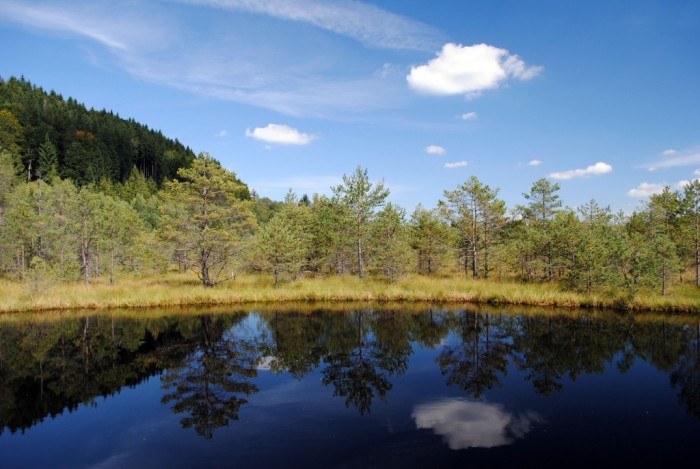
At the center of the reserve lies the so-called "Moss Lake," an 80-hectare expanse covered by a living blanket of peat moss (Sphagnum) floating above a peat column that reaches, in its deepest points, an impressive thickness of 20 meters. This formation represents a boreal habitat rarely found at such southern latitudes, offering refuge to floral species that have survived since the last Würm glacial maximum, approximately 20,000 years ago. Forests of Scots pine (Pinus sylvestris), dwarf birch (Betula nana), and downy birch (Betula pubescens) frame the peat bog in a landscape reminiscent of Northern Europe’s taiga, creating a distinctive ecological enclave in the Romanian mountain scenery, unique in its combination of acidic bog vegetation and the volcanic context of the Călimani-Harghita Mountains. The vegetation of Mohoș Peat Bog constitutes a true open-air botanical museum, preserving relics of the prehistoric flora that populated Europe during the glacial periods. Among the rare species is the round-leaved sundew (Drosera rotundifolia), a delicate carnivorous plant that supplements its diet by capturing small insects, an essential adaptation in the nutrient-poor soils of acidic peat bogs—a phenomenon studied with interest by Charles Darwin in 19th-century England. Alongside it, one finds marsh Labrador tea (Ledum palustre), with narcotic properties known since the folk traditions of the Northern peoples of Lapland and Siberia, as well as bilberry and lingonberry bushes, cotton grass with its cotton-like flowers (Eriophorum), and various species of sedge and willow. This biodiversity reflects the complexity of Europe’s peatland ecosystems, similar to those found in the bogs of Scandinavia, the Baltic States, or the Scottish Highlands, but adapted to the specific conditions of the Eastern Carpathians, representing a natural capital of community interest recognized at the European level through the Habitats Directive.
Legends, Scholars, and the Mysteries of the Székely Land
Beyond its undeniable scientific value, Mohoș Peat Bog is shrouded in the aura of mysteries and local legends of the Székely Land, a region with a distinct cultural identity, influenced by centuries of coexistence between Hungarian, Romanian, and Saxon communities, situated at the crossroads between the Western tradition of the Austro-Hungarian Empire and the Eastern tradition of the Romanian Principalities. The name "Mohoș" likely derives from the Hungarian word "mohos," meaning "mossy" or "marshy," reflecting the ancestral perception of the place as a sacred, inaccessible territory full of secrets. The legend of Lake Sfânta Ana, located just a few kilometers away, tells of two brothers who, wishing to marry beautiful girls, used a carriage pulled by six horses to win a young woman’s heart, but a storm destroyed their plans, leaving behind only the lake’s waters and, nearby, the mysterious tranquility of the peat bog. In the 19th century, when the area was part of the Ciuc County of the Kingdom of Hungary within the Habsburg Empire, the first scientific explorers, including ethnographers and botanists such as Orbán Balázs, documented the area’s unique flora, contributing to the formation of an incipient ecological consciousness in Central Europe. The communist period brought formal protection, but it was only after 1990 and Romania’s integration into the European Union that the reserve was included in the Natura 2000 network, recognizing its status as a shared European heritage, alongside similar sites in Ireland, Estonia, or Poland, transforming it into a model of sustainable conservation in a region that still preserves millennia-old traditions of pastoralism and subsistence agriculture.
The Path to Europe’s Green Heart: A Guide to Responsible Exploration
To preserve this fragile ecosystem, access to Mohoș Peat Bog is exclusively permitted in organized groups and only in the company of a specialized guide, a representative of the reserve’s custodians. This protective measure, similar to those applied in national parks in Finland or nature reserves in Scotland, ensures both the safety of visitors on the floating wooden walkways that traverse the peat bog and the integrity of the unique habitat, preventing degradation of the living moss layer. The designated trails, akin to those in Poland’s Biebrza National Park or Estonia’s bogs, allow exploration of the landscape without disturbing the ecological balance, while also offering the opportunity to admire the rare flora in an authentic natural setting, free from excessive human pressure. A visit to Mohoș Peat Bog harmoniously complements a trip to Lake Sfânta Ana, forming a remarkable cultural and natural circuit in the Székely Land, at the intersection of volcanic geological heritage, European biodiversity of community interest, and the local traditions of the communities in Harghita County. The optimal period for visiting is summer, between June and September, when the sundew blooms and the northern afternoon light bathes the moss blanket in golden hues, but also autumn, when the birch and pine forests take on spectacular colors. The European traveler will find here not only a Natura 2000 site of community importance but a profound experience of reconnecting with the continent’s climatic history, in a place where boreal Europe meets the Carpathians, and the planet’s glacial past comes to life before our eyes, in a slow dance of geological time.
Media gallery
Discover Mohoș Peat Bog Natural Reserve in pictures

7 photos · Architecture, courtyards and captivating details
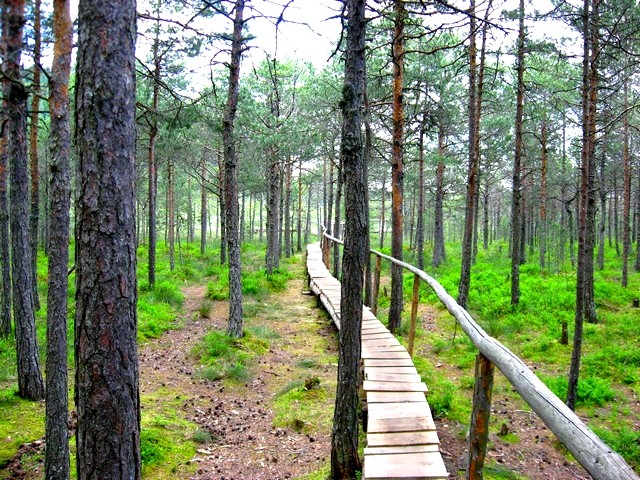
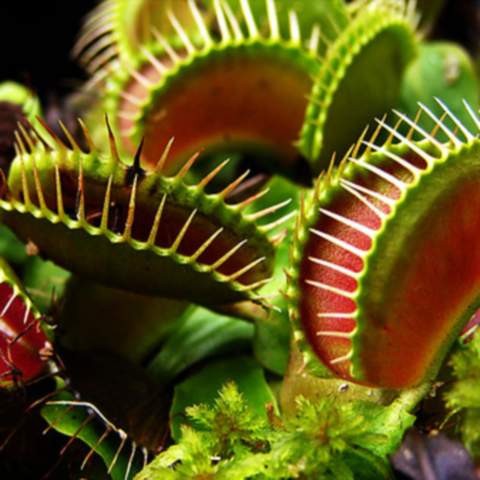


Image source: Wikimedia Commons · Public domain photos · Free license
STAY A FEW DAYS, DISCOVER THE MAGIC
Accommodation in the Mohoș Peat Bog Natural Reserve area

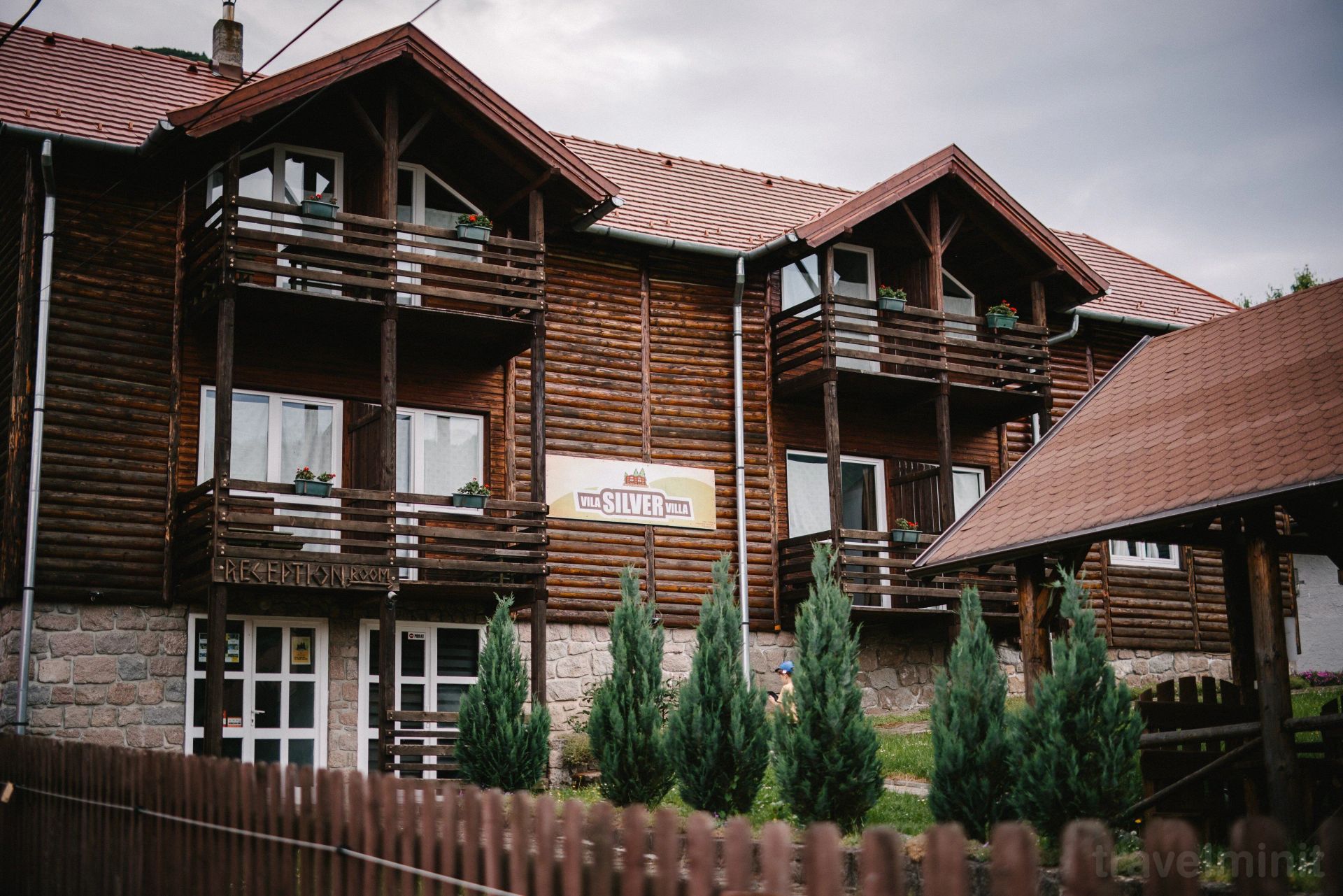
Guesthouse · 3 stars

Băile Tușnad, Harghita County · 3.1 km
Vila Silver Băile Tușnad
Pe aleea Kovács Miklós din Băile Tușnad, într-un cadru liniștit și bine îngrijit, se află Vila Silver Băile Tușnad, o pensiune turistică clasificată cu trei stele. Unitatea oferă un mediu plăcut și accesibil pentru toți oaspeții care doresc să se bucure de atmosfera specifică zonei. Vila Silver Băile Tușnad pune la dispoziția dumneavoastră zece camere confortabile și atent amenajate, toate dotate cu acces la internet Wi-Fi gratuit. Pentru deplasările dumneavoastră cu mașina, beneficiați de parcare privată gratuită în incintă, iar persoanele cu dizabilități au asigurat acces facilitat în întreaga proprietate. Spațiul exterior este generos, cu o curte mare și o grădină amenajată unde puteți petrece timp în aer liber. Pentru momente de relaxare și socializare, aveți la dispoziție facilități de grătar sau barbeque, precum și un ceaun pentru prepararea mesei în aer liber. Animalele de companie sunt acceptate gratuit, astfel încât întreaga familie se poate bucura de sejur. În vecinătate puteți explora numeroase obiective turistice: Lacul Sfânta Ana, Stațiunea Băile Tușnad, Rezervația Tinovul Mohoș, Stațiunea balneoclimaterică Bălvaneos și Munții Harghita. Aceste destinații oferă oportunități variate pentru drumeții, relaxare în natură și descoperirea peisajelor din zonă. Vă așteptăm la Vila Silver Băile Tușnad.
FROM
240 lei per night

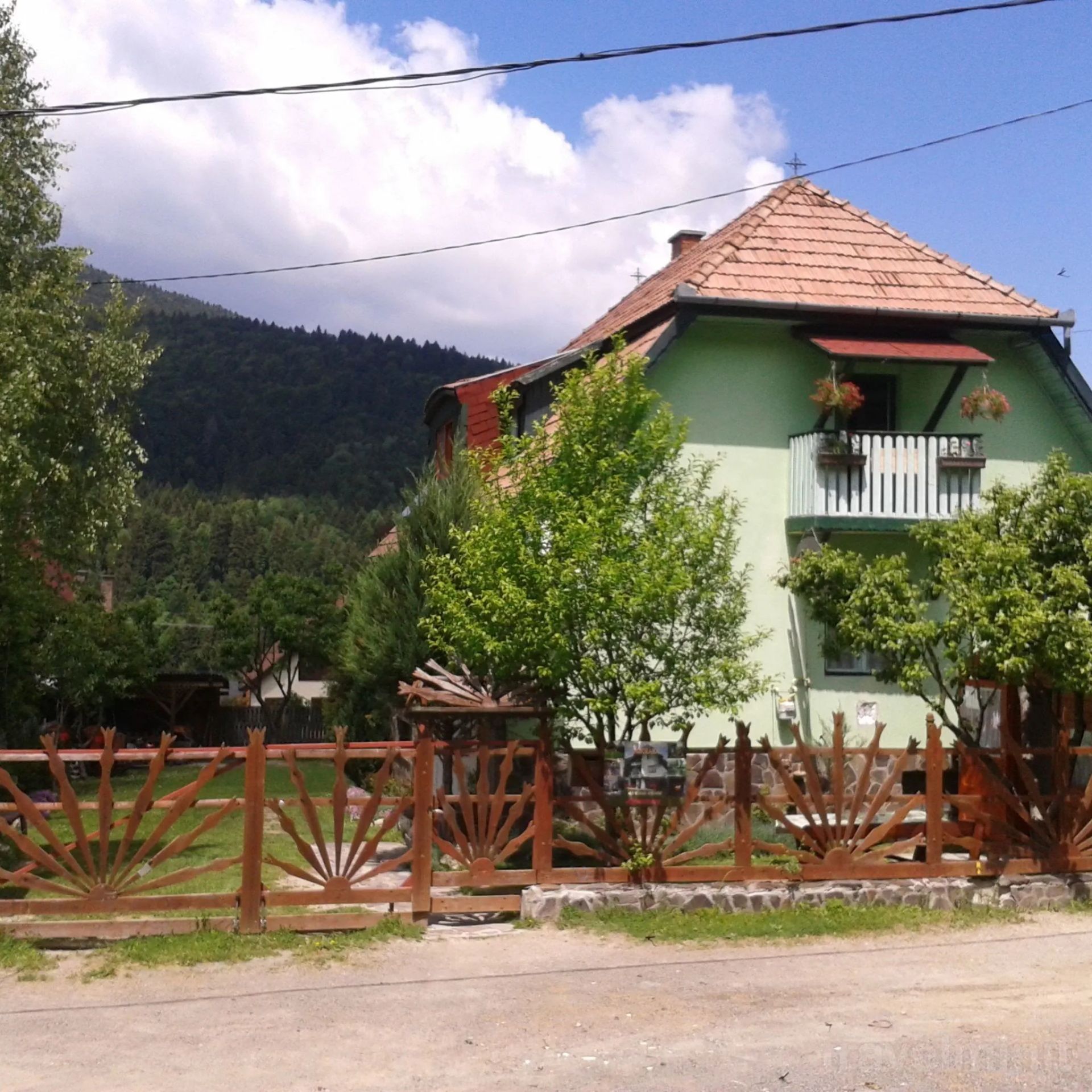
Guesthouse · 3 stars
Băile Tușnad, Harghita County · 3.2 km
Pensiunea Panoráma Băile Tușnad
Pensiunea Panoráma Băile Tușnad este o pensiune turistică de trei stele situată în stațiunea Băile Tușnad din județul Harghita. Vă așteptăm într-un cadru liniștit și primitor, cu o priveliște plăcută spre împrejurimile naturale ale stațiunii. Pentru confortul dumneavoastră beneficiați de Wi-Fi gratuit și parcare privată gratuită. Curtea mare și grădina amenajată oferă un spațiu generos pentru relaxare în aer liber, departe de aglomerația urbană. Pentru momente de destindere aveți la dispoziție un loc de joacă pentru copii la exterior, grătar sau barbeque și un ceaun pentru gătit în aer liber. Aceste facilități fac șederea plăcută atât pentru familiile cu copii, cât și pentru grupurile de prieteni care doresc să se bucure de aer curat și de momente petrecute împreună în natură. În apropiere puteți vizita Lacul Sfânta Ana, Stațiunea Băile Tușnad, Rezervația Tinovul Mohoș, Stațiunea balneoclimaterică Bălvaneos și Munții Harghita, oferind numeroase posibilități de explorare a zonei și de descoperire a peisajelor montane. Este potrivită pentru familiile cu copii, pentru iubitorii de natură și pentru turiștii care caută liniște și aer curat într-o destinație montană.
FROM
240 lei per night
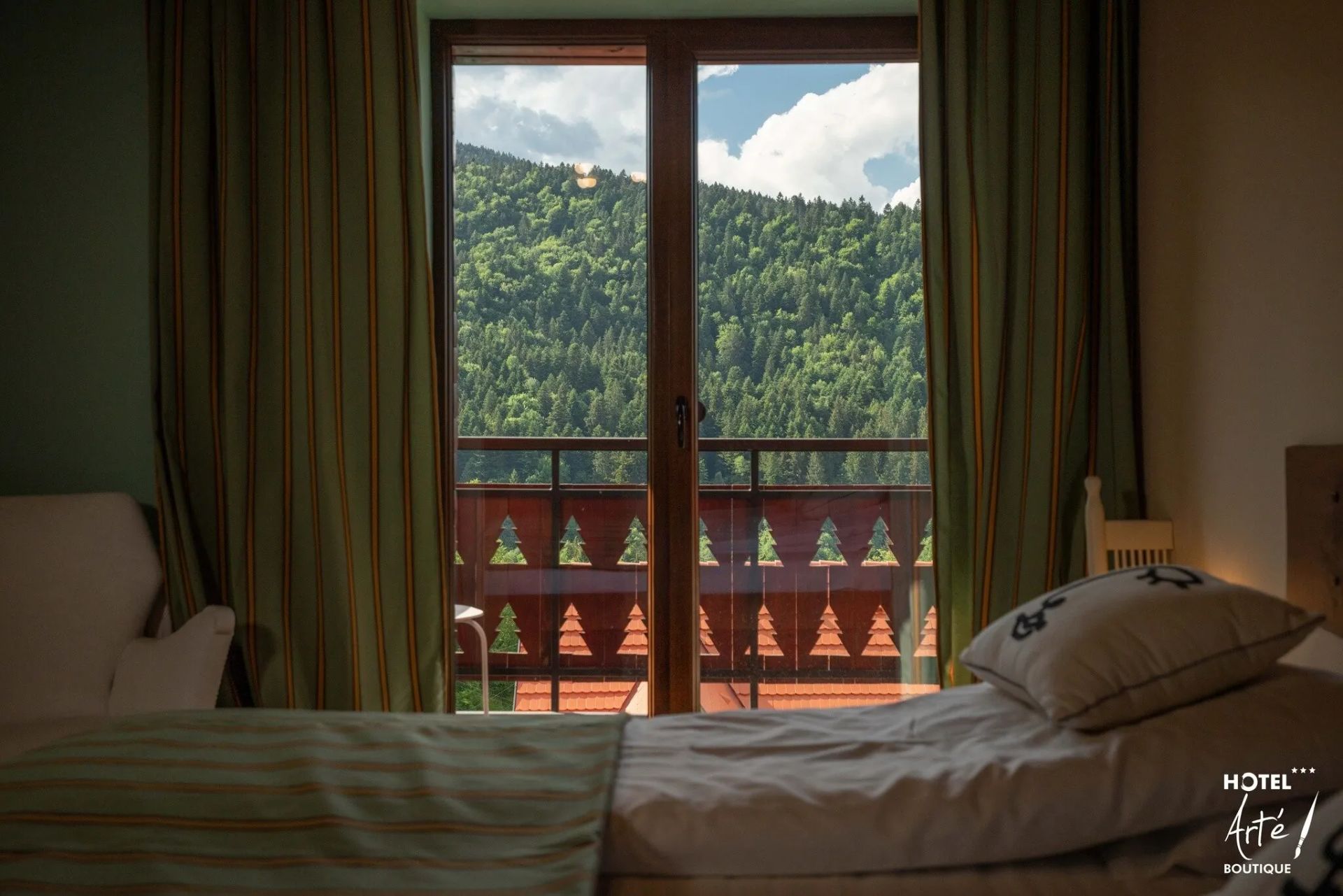
Boutique hotel · 3 stars
Băile Tușnad, Harghita County · 3.2 km
Art'e Boutique Hotel Băile Tușnad
În curtea mare și grădina amenajată a proprietății, vă așteptăm la Art'e Boutique Hotel din Băile Tușnad, județul Harghita. Clădirea găzduiește patru camere modern mobilate, într-un cadru liniștit de stațiune montană, potrivit pentru o ședere relaxantă. Beneficiați de Wi-Fi gratuit în întreaga unitate și de parcare privată gratuită, astfel încât mașina dumneavoastră rămâne în siguranță pe toată durata șederii. Spațiul verde din jur, cu curtea mare și grădina amenajată, oferă un loc plăcut pentru relaxare după o zi de explorare în zonă. În apropiere puteți vizita Lacul Sfânta Ana, Stațiunea Băile Tușnad, Rezervația Tinovul Mohoș, Stațiunea balneoclimaterică Bălvaneos și Munții Harghita, fiecare dintre acestea oferind experiențe diferite într-un peisaj natural deosebit, de la ape vulcanice la trasee montane. Animalele de companie sunt acceptate contra unei taxe suplimentare, iar personalul vorbește română, maghiară, engleză și rusă, facilitând comunicarea cu oaspeții din diverse zone și țări. Check-in-ul se efectuează începând cu ora 16:00, iar check-out-ul până la ora 11:00, iar plata se poate face în numerar, cu card bancar sau prin transfer bancar.
FROM
290 lei per night
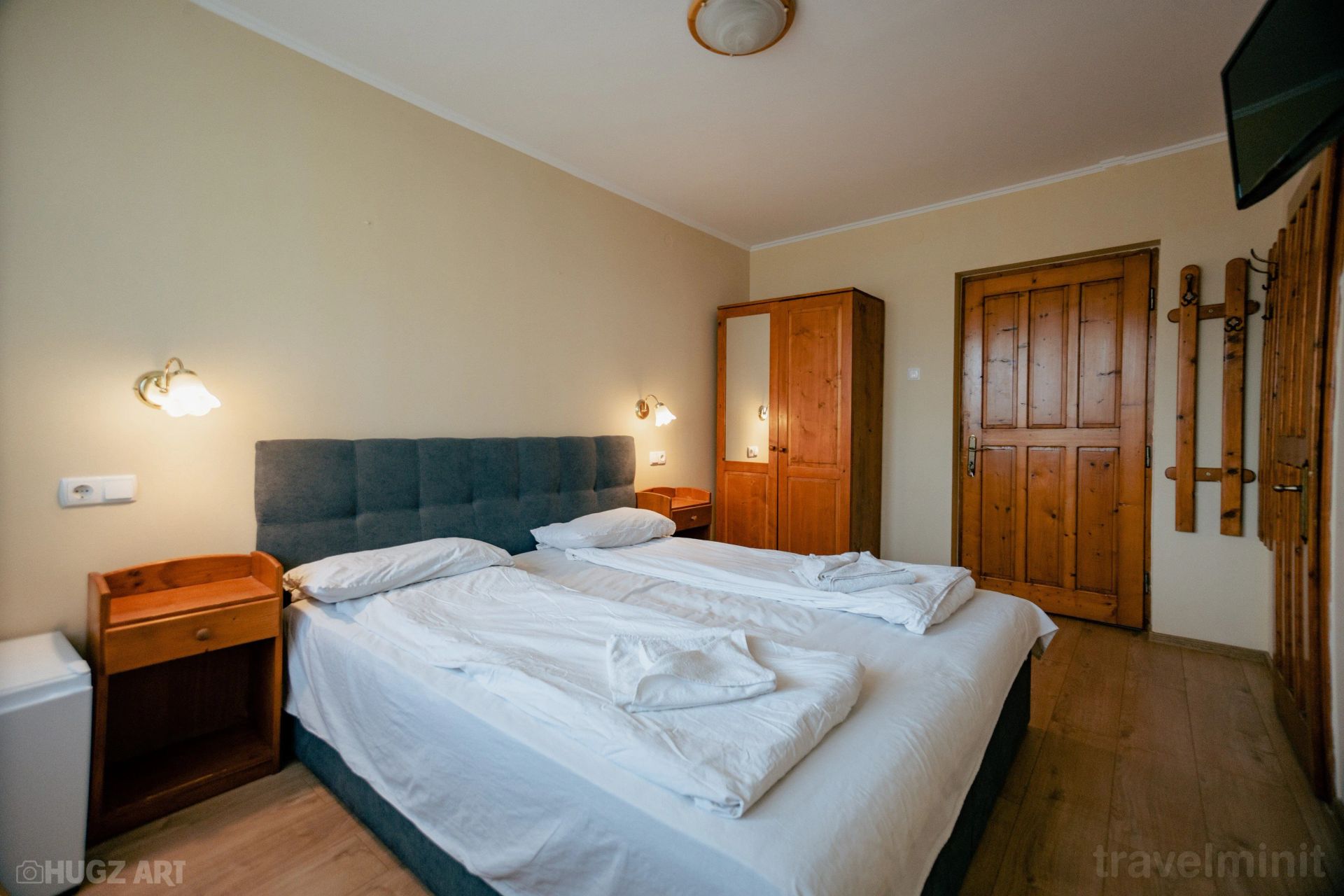
Guesthouse · 2 stars
Băile Tușnad, Harghita County · 3.3 km
Pensiunea Viktoria Băile Tușnad
În apropierea Lacului Sfânta Ana, aveți ocazia să descoperiți unul dintre cele mai spectaculoase lacuri vulcanice din țară și să vă bucurați de liniștea și frumusețea naturii înconjurătoare. Pensiunea Viktoria, o pensiune turistică situată în stațiunea Băile Tușnad, reprezintă punctul de plecare potrivit pentru a explora această zonă pitorească din județul Harghita și pentru a descoperi atracțiile din împrejurimi. Pentru un sejur confortabil și relaxant, unitatea vă pune la dispoziție saună, saună umedă sau baie de aburi, jacuzzi sau cadă cu hidromasaj, precum și servicii de masaj profesionale. De asemenea, beneficiați de Wi-Fi gratuit în întreaga incintă, astfel încât să rămâneți conectați pe durata șederii. Restaurantul din incintă vă așteaptă să serviți masa într-un ambient plăcut. Pentru familiile cu copii mici sunt disponibile pătuț pentru bebeluș și scaun înalt, iar iubitorii de mișcare în aer liber pot parcurge drumeții montane și trasee în natură chiar din apropierea pensiunii. În zonă puteți vizita Rezervația Tinovul Mohoș, Stațiunea Băile Tușnad, Stațiunea balneoclimaterică Bălvaneos sau vă puteți plimba de-a lungul Râului Murgul Mare, descoperind peisaje variate și aer curat de munte. Vă așteptăm la Pensiunea Viktoria.
FROM
190 lei per night
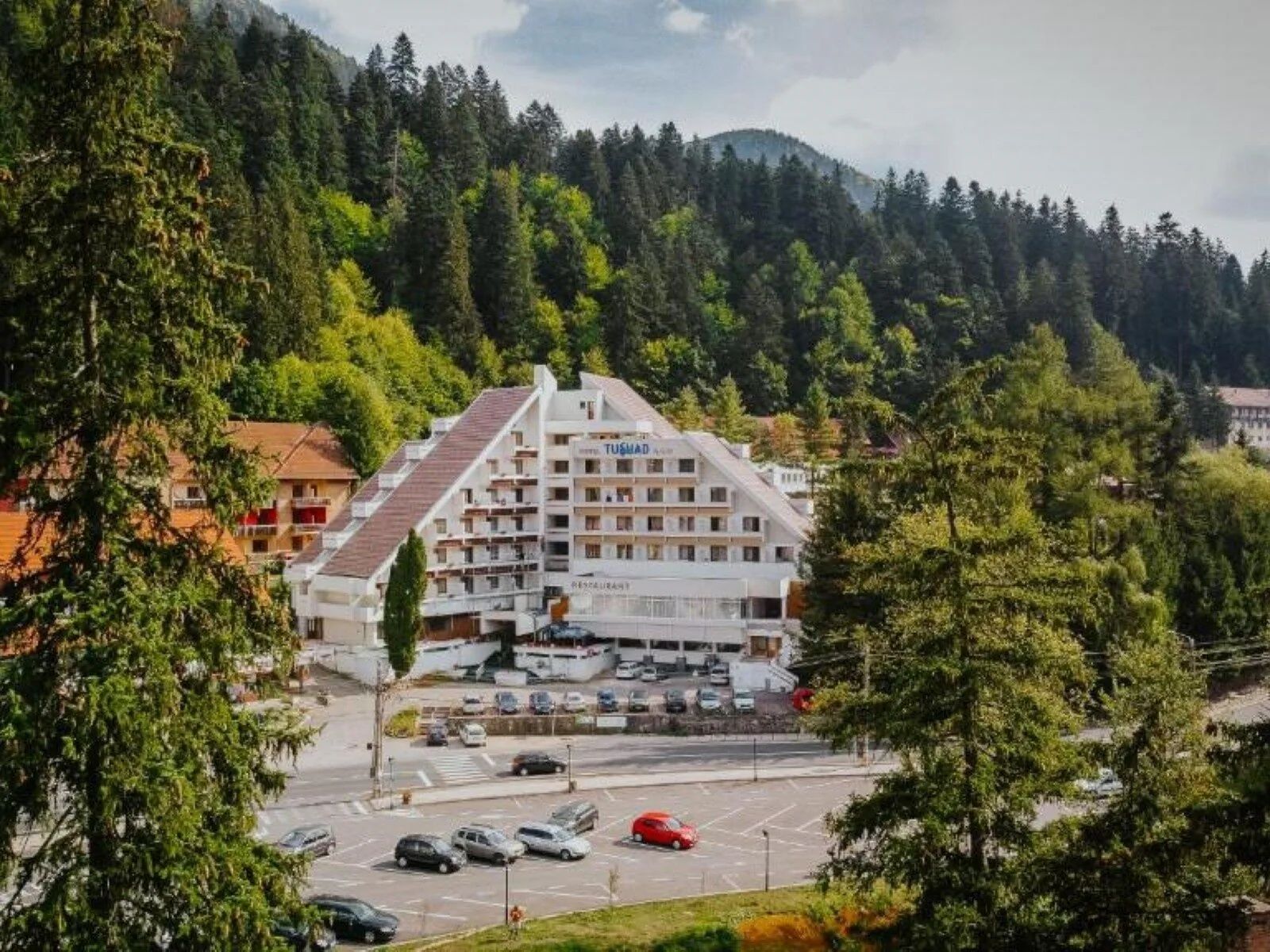
Hotel · 2 stars
Băile Tușnad, Harghita County · 3.3 km
Hotel Tusnad Băile Tușnad
Hotel Tusnad Băile Tușnad este un hotel de două stele situat în stațiunea Băile Tușnad din județul Harghita. Unitatea dispune de 20 de camere modern mobilate și acceptă animale de companie contra unei taxe suplimentare. Pentru confortul dumneavoastră, aveți la dispoziție parcare privată gratuită, conexiune Wi-Fi gratuită în toate spațiile și acces facilitat pentru persoane cu dizabilități. De asemenea, puteți beneficia de servicii wellness, saună și masaj pentru o relaxare completă după o zi petrecută în aer liber. În vecinătate puteți descoperi Lacul Sfânta Ana, Stațiunea Băile Tușnad, Rezervația Tinovul Mohoș, Stațiunea balneoclimaterică Bălvaneos și Râul Murgul Mare. Mic dejunul este inclus în tariful camerei, iar la cerere puteți solicita demipensiune sau pensiune completă pentru întreaga ședere. Personalul hotelului vorbește limba maghiară, engleză și română, fiind disponibil să vă sprijine pe toată durata cazării. Vă așteptăm cu drag, cu parcare privată gratuită asigurată și program de sosire de la ora 14:00, respectiv plecare până la ora 12:00.
FROM
210 lei per night
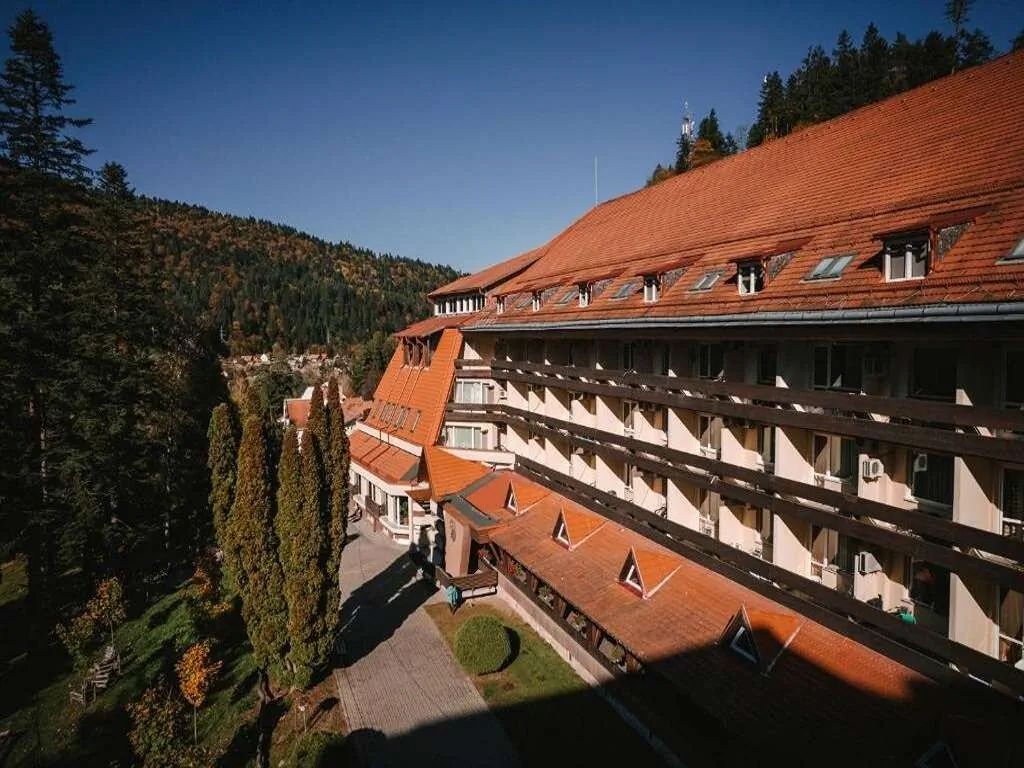
Hotel · 3 stars
Băile Tușnad, Harghita County · 3.3 km
Hotel Ciucaș Băile Tușnad
Hotel Ciucaș din Băile Tușnad vă pune la dispoziție o cadă cu hidromasaj și o saună, facilități de relaxare într-un cadru natural specific stațiunii balneare din județul Harghita, într-un mediu liniștit și primitor pentru toți oaspeții care doresc să se deconecteze. Pe lângă aceste opțiuni de wellness, unitatea dispune de un bar în incintă, parcare privată gratuită pentru autoturisme, Wi-Fi gratuit în toate zonele și acces facilitat pentru persoanele cu dizabilități. O curte mare și o grădină amenajată completează spațiile exterioare, oferind un mediu plăcut pentru plimbări, odihnă și momente de liniște departe de aglomerația urbană. În imediata vecinătate se află Lacul Sfânta Ana, Rezervația Tinovul Mohoș, Stațiunea balneoclimaterică Bălvaneos și Stațiunea Băile Tușnad, iar Râul Murgul Mare adaugă un element natural deosebit peisajului montan al zonei, fiind ideal pentru iubitorii de natură. Această unitate de cazare este potrivită pentru turiști care caută un sejur relaxant, cu facilități de wellness și acces rapid la principalele atracții naturale din zonă, într-o destinație cu aer curat de munte.
FROM
290 lei per night
BEFORE YOU HIT THE ROAD
Weather conditions in Harghita
Local forecast for Mohoș Peat Bog Natural Reserve, Harghita, Harghita

Real-time updated weather data
Much more to explore in this area
Nearby tourist attractions


Brasov, Brașov County
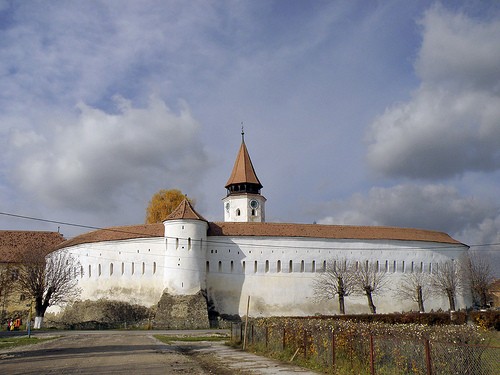
Prejmer Fortified Church
Situata in localitatea Prejmer, la 15 km de municipiul Brasov; cea mai mare biserica fortificata din sud-estul Europei; construita in secolul al XIII-lea; are...
47.2 km

Harghita, Harghita County
Saint Anne Lake (Lacul Sfânta Ana)
Situat pe teritoriul administrativ al comunei Cozmeni, la 28 km de Baile Tusnad, in zona centrala a masivului vulcanic Ciomatu; rezervatie complexa - naturala,...
1.6 km

Harghita, Harghita County
Șumuleu Ciuc Franciscan Monastery
Situata pe strada Szek, municipiul Miercurea Ciuc; construita in cea de a doua jumatate a secolului al XVIII - lea; la inceout avea o singura aripa, cu coridor...
27.5 km

Harghita, Harghita County
The church within the Baroque complex of Şumuleu Ciuc.
Situata in nord - estul municipiului Miercurea Ciuc, la poalele dealului Sumuleul Mic; construita intre anii 1804 - 1834, este cel mai imprtant loc de...
27.5 km
Brasov, Brașov County
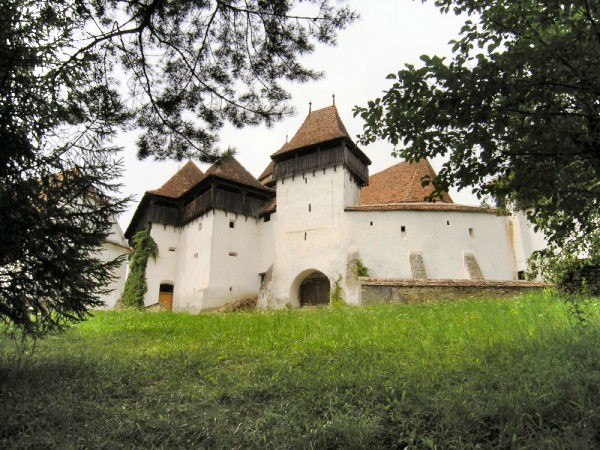
Fortified Church of Homorod
Situata in localitatea Homorod, judetul Brasov; ridicata in secolul al XIII - lea; este printre rarele biserici ce au planul in forma de sala romanica; sala...
49.0 km
Harghita, Harghita County
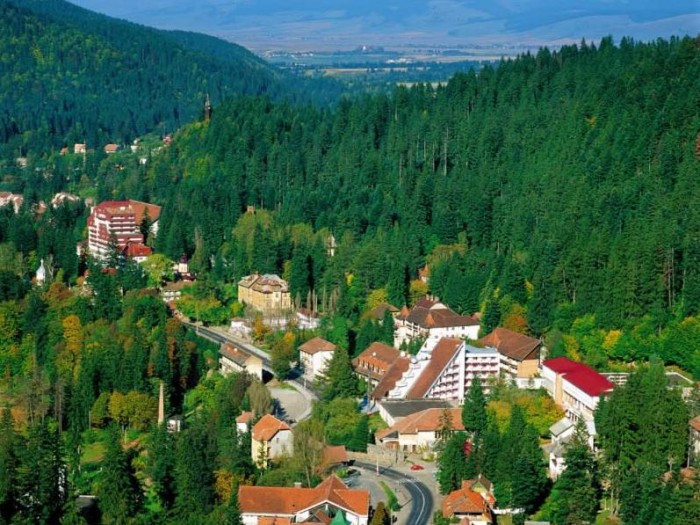
Tușnad Baths (Băile Tușnad)
Situata in partea sudica a Depresiunii Ciucului, intre muntii Harghita si Bodoc; amplasata la altitudinea de 650 m; este cea mai mica statiune...
3.4 km
Brasov, Brașov County
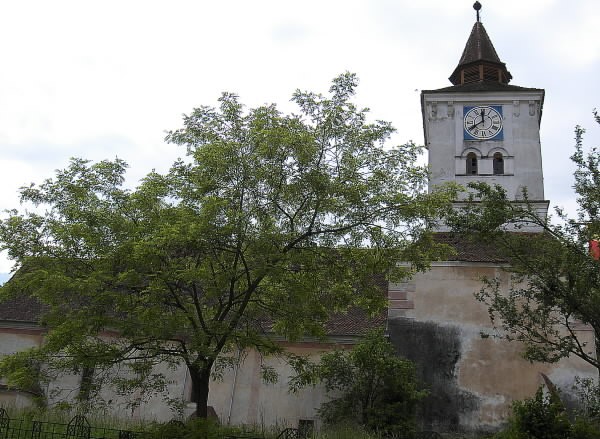
Fortified Church of Maieruș
Situata pe strada Morii, localitatea Maierus, judetul Brasov; construita intre secolele XIV - XV; a fost modificata si marita in secolele XVII - XVIII; din...
38.7 km
Brasov, Brașov County
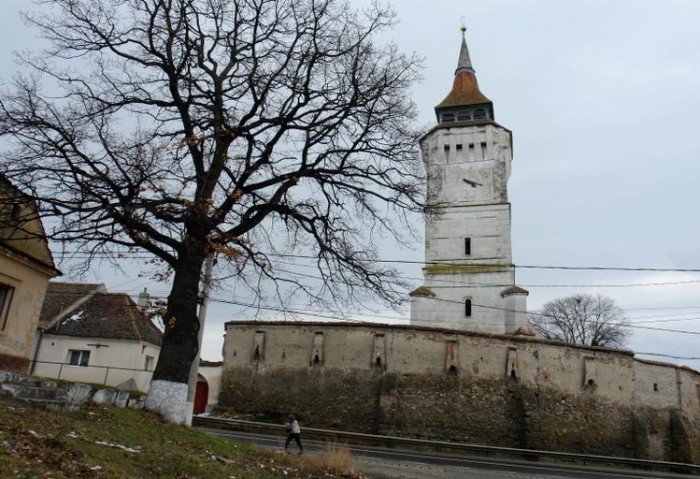
Rotbav Fortified Church
Situata in localitatea Rotbav, la 20 km de municipiul Brasov, judetul Brasov; construita incepand cu anul 1250; la inceput a avut forma de basilica romanica,...
42.7 km

49.8 km
Covasna, Covasna County
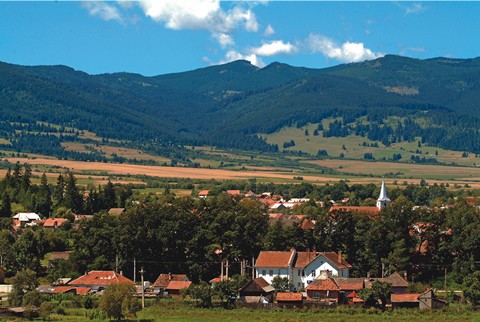
Băile Bălvănești (Bălvănești Spa)
Situata la o altitudine de 840-950m in masivul Puciosu, la 67 km de Sfantul Gheorghe si 31 km fata de Targu Secuiesc; Baile Blavanyos s-au format prin...
5.3 km

19.0 km
19.2 km
Cultural life and traditions
Events in the Mohoș Peat Bog Natural Reserve area
Medieval festivals, traditional fairs, concerts and local activities recommended in Transylvania.

Heritage and History

Harghita, County of Harghita
The Festival of Medieval Fortresses and the Open Doors Days
Guided night tours, traditional crafts workshops and historical re-enactments featuring knights and ladies.
WHEN
May 15-17, 2026


Traditions and Cuisine
Harghita, County of Harghita
The Fair of Saxon Traditions and Local Cuisine
Discover local producers, traditional Saxon pastries baked in a wood-fired oven, artisanal syrups, and rhubarb jam.
WHEN
Every weekend (May - October)

Ecotourism and Nature
The hills of Transylvania, County of Harghita
Guided Hikes on the Transylvanian Hills Trail
Take excursions along unmarked trails through ancient meadows, centuries-old oak trees, and villages with fortified churches that are UNESCO World Heritage sites.
WHEN
Friday – Sunday (Season 2026)
On foot, exploration gains depth
Discover the surroundings and local geography
Explore the trails, terrain, and natural landmarks around Mohoș Peat Bog Natural Reserve.

Guides and practical tips
Useful travel articles
Travel guides, practical recommendations and tourist itineraries for Transylvania.

Tourist guide
Top 5 Atracții Turistice și Trasee Montane în Zona Moieciu - Bran
Descoperă cele mai spectaculoase peisaje carstice, chei adânci și cetăți medievale din imediata apropiere a stațiunii Moieciu.

Tourist guide
Ghid de Drumeție: Traseul Moieciu de Sus spre Platoul Bucegi
Un itinerariu montan de o frumusețe rară ce urcă din Valea Băngăleasa spre Poiana Guțanu și crestele maiestuoase ale Bucegilor.

Tourist guide
Castelul Bran: Istorie, Legende și Secrete Medievale
Află adevărata poveste a fortăreței medievale din Pasul Bran, reședința de suflet a Reginei Maria a României.
THE JOURNEY STARTS WITH AN IDEA
The next story is on the way.
From the first stop to the last stay, make room for a new Romania.
