


PLACE OF WORSHIP · OLTENIA (LESSER WALLACHIA)
Tismana Monastery

Gorj, Gorj County
Add location to your trip planner.
Practical access information

VISITING HOURS
Monday: 12:00 PM – 5:00 PM · Tuesday–Sunday: 9:00 AM – 5:00 PM (in summer until 8:00 PM)

TICKET PRICE
Adults: 45 RON · Students: 11 RON · Seniors: 23 RON · Guided tour included

RECOMMENDED VISIT DURATION
2-3.5 hours
Visitor information and guide
 Navigate with Google Maps

ABOUT TISMANA MONASTERY
A fortress of faith on the Stârmina Rock
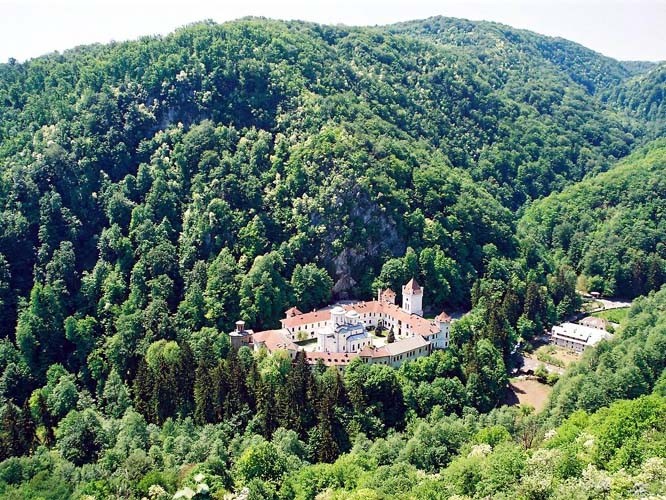
Hidden in the wild heart of the Stârmina Mountains, 36 kilometers northwest of Târgu Jiu, Tismana Monastery rises like a medieval fortress between massive stone walls and ancient yew forests—a sacred tree from which it derives its name. The oldest monastic settlement still in operation in Wallachia, Tismana impresses with its strategic position on a rocky spur, surrounded by forested ridges and the thunderous murmur of a waterfall cascading just beneath its walls, forming a natural amphitheater of stone and water. The church, dedicated to the "Dormition of the Mother of God" celebrated on August 15, was consecrated in 1378 and still preserves the princely charter of Dan I from 1385 as indisputable documentary evidence of its founding. In this valley guarded by mountains, where the road winds between cliffs and deciduous forests, lies one of the oldest and best-preserved spiritual centers in Southeastern Europe—a place where history meets nature in perfect symbiosis, akin to the fortified monasteries of the Balkans like Meteora or Hilandar, or those in the Alps such as those in Switzerland or Austria, yet bearing the distinct imprint of Eastern Orthodoxy and Romanian cultural resilience in a borderland between civilizations.
Athonite roots and major European connections
The monastery owes its existence and flourishing to Saint Nicodim of Tismana (1310–1406), a monk of Greco-Serbian origin born in Prilep, in present-day Macedonia, a region that in the 14th century was part of the Serbian Empire of Stefan Dušan. Spiritually formed at Hilandar Monastery on Mount Athos—one of the twenty monasteries of the Monastic Republic of Athos, alongside Vatopedi, Iviron, and the Great Lavra—Nicodim brought the Hesychast tradition and cenobitic monastic organization to the Romanian lands, transforming Tismana into a true "Great Lavra," the first archimandry in the country, a distinction granted by Patriarch Philotheus of Constantinople, one of the most influential Byzantine patriarchs of the era, a disciple of Gregory Palamas, and a defender of Hesychasm. The founder built the church between 1377 and 1378 with the support of the Basarab princes Radu I, Dan I, and Mircea the Elder, while his diplomatic ties—including a mission to Constantinople in 1375 alongside the monk Isaiah in support of Serbia—placed the monastery at the center of a Balkan cultural network stretching from Mount Athos to the royal courts of Serbia and Hungary. Related to Prince Lazar of Serbia, canonized as Saint Lazar after his fall at Kosovo in 1389, and spiritual advisor to Sigismund of Luxembourg—King of Hungary, Bohemia, Germany, and future Holy Roman Emperor, involved in the Crusade of Nicopolis in 1396 against the Ottomans and the Council of Constance—Tismana became a bastion of Orthodoxy in a Europe threatened by Catholic and Ottoman expansions. This strategic position recalls the role of fortified monasteries in Poland, such as Jasna Góra in Częstochowa, or those in Habsburg Transylvania, as well as those in the Balkans, built on stone pillars for defense against invasions during an era when the borders between the Byzantine Empire, the Kingdom of Hungary, and the Ottoman principality were fluid and dangerous. The monastery’s school, renowned for its scriptorium, trained scholars, calligraphers, and future metropolitans who spread Romanian and Church Slavonic culture beyond borders, contributing to the circulation of ideas between the Byzantine, Slavic, and Latin worlds of medieval Europe, at a time when monks were true diplomats of faith and manuscripts circulated between chancelleries in Constantinople, Belgrade, Buda, and Târgoviște.
A Byzantine architectural masterpiece and artistic treasure
The church impresses with its 14th-century Byzantine style, representing an expression of the so-called Palaeologan Renaissance in Byzantine art, featuring a triconch plan, massive stone walls, and three domes arranged in a row above the nave, narthex, and exonarthex, similar to churches in Macedonia and Mount Athos—such as those in Ohrid or on the Holy Mountain—but bearing the distinct Romanian imprint and the defensive necessities of the Carpathians. Unlike Byzantine churches in Constantinople, built mostly of brick, or Gothic churches in Central Europe with their soaring arches and stained glass, Tismana features walls over a meter thick, narrow windows, and a robust silhouette resembling a fortress, adapted to the mountainous terrain and the threats of the time, akin to fortified monasteries in medieval Serbia or Montenegro. The triconch plan, with three semicircular apses—the central altar, prothesis, and diakonikon—reflects the Byzantine tradition of the 14th century, when sacred architecture sought a balance between liturgical functionality and spiritual expression, similar to the Church of the Holy Virgin Peribleptos in Ohrid or those in Thessaloniki. In the narthex, the oldest Byzantine painting in Wallachia is preserved, created in 1564 by the master Dobromir of Târgoviște, executed in vegetable pigments according to all the canons of ecclesiastical art, representing a continuity of the Palaeologan iconographic tradition and the painting school of Curtea de Argeș. A remarkable restoration in 1955 uncovered the fresco from 1766 applied over Dobromir’s painting—a unique case in Europe, comparable to the discovery of frescoes beneath later layers in the Sistine Chapel at the Vatican or in the churches of Ravenna—preserving it in the monastery museum. The exonarthex, reconstructed in 1983 according to the founder’s plan and painted in 1994 by Grigore Popescu, hosts for the first time representations of all the Daco-Roman saints discovered and canonized, an iconographic program reflecting the ambition to anchor local spirituality in the universality of Orthodoxy. The monastery museum houses a precious collection of old wooden icons, liturgical objects, manuscripts, vestments, the original church doors from 1782, and fragments of mural painting, alongside the Tetraevangelion calligraphed by Saint Nicodim himself in 1405—the oldest dated book in Wallachia, a manuscript that can be compared to the oldest printed books in Europe, such as the Gutenberg Bible of 1455 or Venetian incunabula, demonstrating the high level of culture and literacy in the princely chancelleries of Wallachia, comparable to that of Renaissance Florence or medieval Paris.
Holy relics, the memory of the Second World War, and the Cioclovina sketes
At the spiritual heart of the complex, a silver reliquary crafted by the master Gheorghe Stoica in 1980 houses fragments of the relics of Saint Nicodim—the index finger of his right hand and the lead cross he wore around his neck—alongside those of Saint Ignatius the God-Bearer, the Patriarch of Constantinople killed by the Ottomans in 1453, and Saint John Chrysostom, the Archbishop of Constantinople exiled and died in 407. These relics, preserved and venerated in the Orthodox tradition, have made Tismana an important pilgrimage center, similar to Santiago de Compostela in Spain, Aachen in Germany, where the relics of Charlemagne are kept, or the monasteries preserving holy relics in Italy and France, attracting believers from the entire Orthodox world. The founder’s tomb, carved into the rock by Saint Nicodim himself, lies in the exonarthex, watched over by an eternal flame, while the Saint’s Cave, embedded in the mountain a few meters above, remains inaccessible to the general public, a place of hermitage reminiscent of the caves of the desert fathers in the Egyptian Thebaid or the Palestinian deserts, such as those at Qumran. A striking page in the monastery’s recent history is the hiding of the National Bank of Romania’s Treasure in the monastery cave in 1944, toward the end of the Second World War, to save it from the Soviet counteroffensive. This episode, which places Tismana in the context of major treasure evacuations in Europe during the Second World War—such as the hiding of the National Bank of Poland’s treasure, the royal crown of the Netherlands, or artworks from Italian and French museums in Alpine caves and bunkers—temporarily transformed the monastery into a sanctuary of the national financial heritage. Today, the Treasure Museum, arranged by the National Bank of Romania and inaugurated in 2016, can be visited in the rock, presenting the history of this secret operation and the importance of protecting currency reserves in times of conflict—a unique museum in Romania that links spirituality with European economic history and the trauma of world wars.
The monastic complex is completed by two sketes located on Cioclovina Mountain, northwest of the enclosure: the Lower Cioclovina Skete, approximately 5 kilometers away, documented since 1660 and rebuilt in 1715 with the dedication to the "Holy Archangels Michael and Gabriel," and the Upper Cioclovina Skete, about 8 kilometers away, built in 1714 on the mountain peak with the dedication to the "Transfiguration." These sketes, smaller and more isolated, represent the eremitic and hesychastic tradition specific to Orthodoxy, complementing the cenobitic life of the great monastery, similar to the system of sketes attached to the great lavras of Athos or the Balkans, such as those at Meteora. They offer an experience of profound tranquility, far from urban crowds, in a mountainous landscape evoking the spirituality of the desert hermits of Syria or the medieval British Isles, such as Iona in Scotland, serving as places of retreat and prayer for the nuns who live there.
Centuries of transformation and a practical guide for the European traveler
The current monastic community, transformed into a convent in 1949 during a period when the communist regime in Romania, similar to those in the Soviet Union, Poland, or Czechoslovakia, dissolved or repressed numerous monastic settlements, opens its gates daily between 8:00 AM and 8:00 PM in summer and 9:00 AM to 5:00 PM in winter, requesting visitors to dress modestly in accordance with Orthodox tradition. This transformation reflects the spiritual resilience of the place, which has survived Ottoman invasions, world wars, and communist repression, remaining a guiding beacon for believers and travelers alike—a testament to continuity reminiscent of monasteries that withstood Soviet Russia or the countries behind the Iron Curtain. Access is via Târgu Jiu on DN67 to Apa Neagră, then on DN67D toward Tismana, traversing the Vâlcan and Parâng Mountains and offering spectacular views akin to those in the Swiss Alps, the Slovak Carpathians, or the Italian Dolomites. Just 10 kilometers away lies Hobița, the birthplace of Constantin Brâncuși, the sculptor who revolutionized 20th-century art, and in Târgu Jiu, visitors can admire the "Endless Column," "The Gate of the Kiss," and "The Table of Silence," works that influenced modern European and American art, thus offering a complete journey through history, spirituality, and modern art in one of Romania’s most authentic regions, Oltenia. The region, known for its folk traditions, distinctive rural architecture with tall houses and wide verandas, and resistance to Ottoman domination under the leadership of outlaws and local boyars, provides a rich cultural context comparable to other European borderlands such as Tyrol, the Balkans, or the Caucasus, where national identity has been preserved through tradition and faith. For the European traveler, a visit to Tismana is not merely an incursion into a sacred place but an immersion in the history of a civilization that has known how to preserve and transmit spiritual values in a constantly changing world—a testament to cultural continuity that transcends national borders and belongs to the common heritage of humanity, alongside Europe’s great monasteries such as Mont-Saint-Michel in France, Montecassino in Italy, or Melk in Austria.
Media gallery
Discover Tismana Monastery in pictures

7 photos · Architecture, courtyards and captivating details
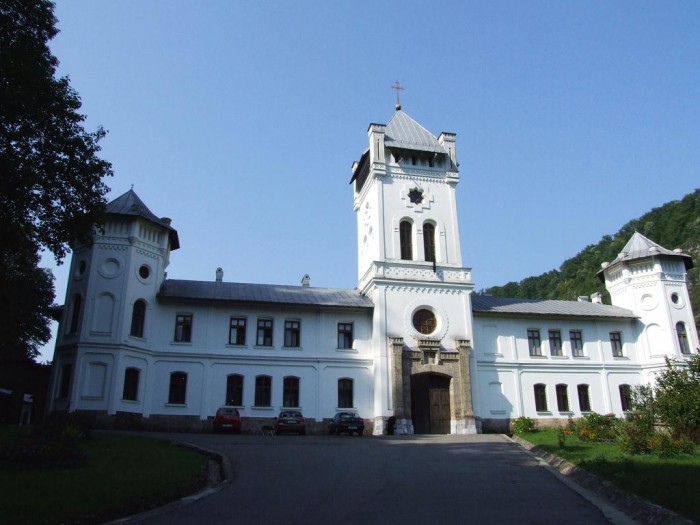
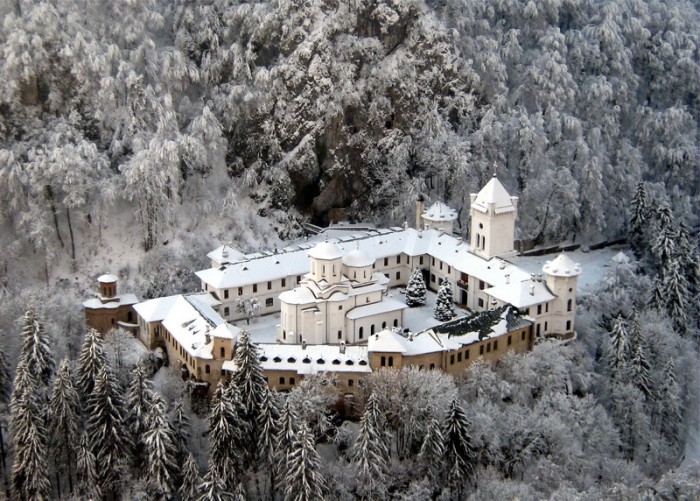


Image source: Wikimedia Commons · Public domain photos · Free license
STAY A FEW DAYS, DISCOVER THE MAGIC
Accommodation in the Tismana Monastery area

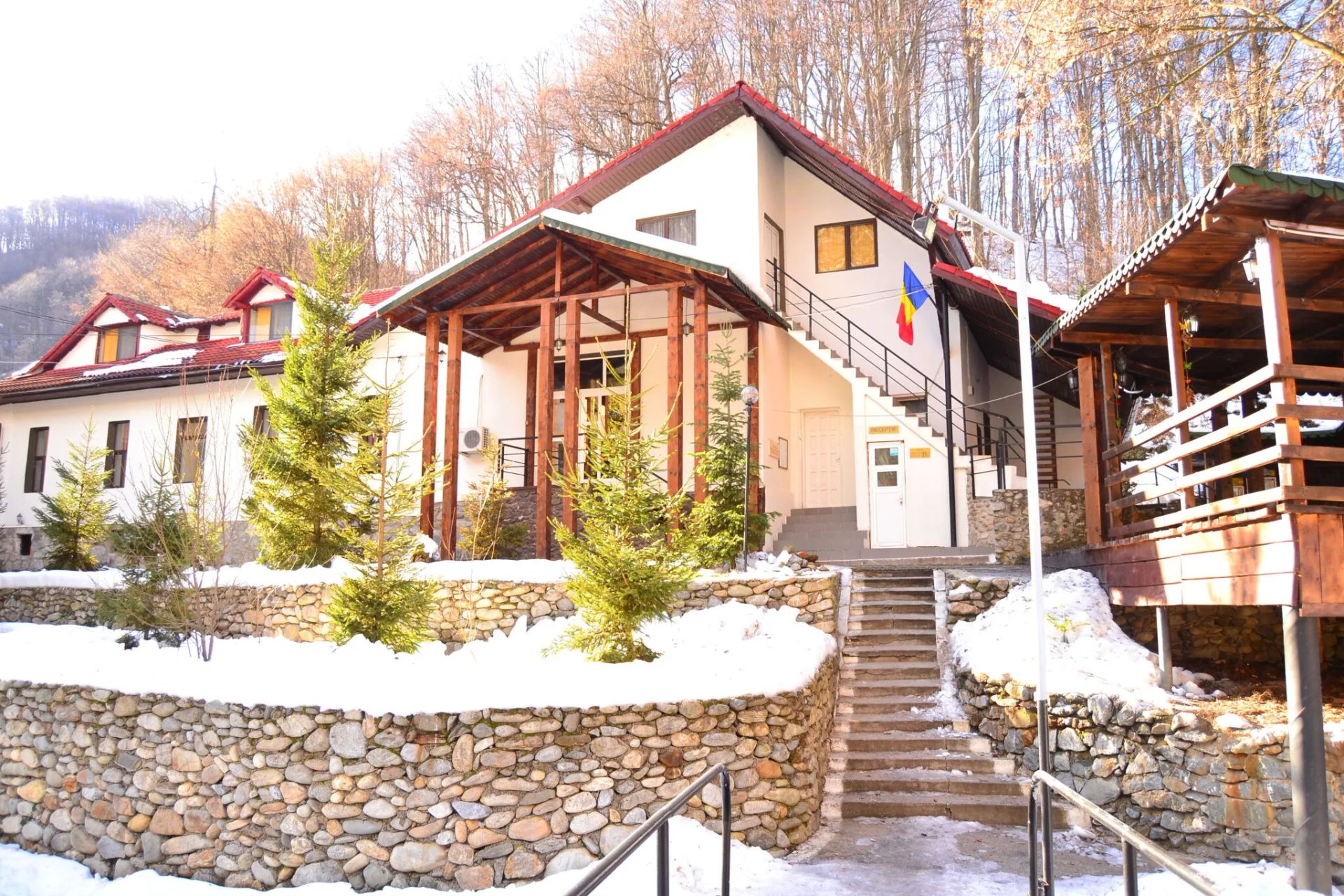
Holiday villa · 2 stars

Tismana, Gorj County · 0.7 km
Vila Ursu Tismana
Pe strada Mănăstirii din Tismana, Vila Ursu Tismana vă oferă cazare într-un cadru natural aparte, într-o zonă liniștită înconjurată de vegetație. Unitatea se integrează armonios în peisajul local, oferind priveliști spre relieful înconjurător și un aer de liniște. Vila pune la dispoziție camere dotate cu televizor, telefon, încălzire centrală și baie proprie. Pentru momentele de relaxare, aveți la dispoziție o curte mare și o grădină amenajată, un foișor confortabil, precum și un bar și o cafenea în incintă. Restaurantul vă așteaptă cu preparate tradiționale într-un spațiu primitor cu terasă. Pentru activități în aer liber, puteți beneficia de acces direct la lac sau ponton, de posibilitatea de a pescui, de un grătar sau barbeque și de un ceaun pentru gătit în curte. De asemenea, aveți la dispoziție parcare pentru biciclete, Wi-Fi gratuit și trasee pentru drumeții montane și trasee în natură. În apropiere puteți vizita Mănăstirea Tismana, Sfânta Mănăstire Tismana, Casa-Muzeu „Constantin Brâncuși”, Casa memorială Constantin Brâncuși, iar Munții Vâlcan vă așteaptă pentru explorare. Vă așteptăm să vă bucurați de șederea dumneavoastră la Vila Ursu Tismana.
FROM
280 lei per night

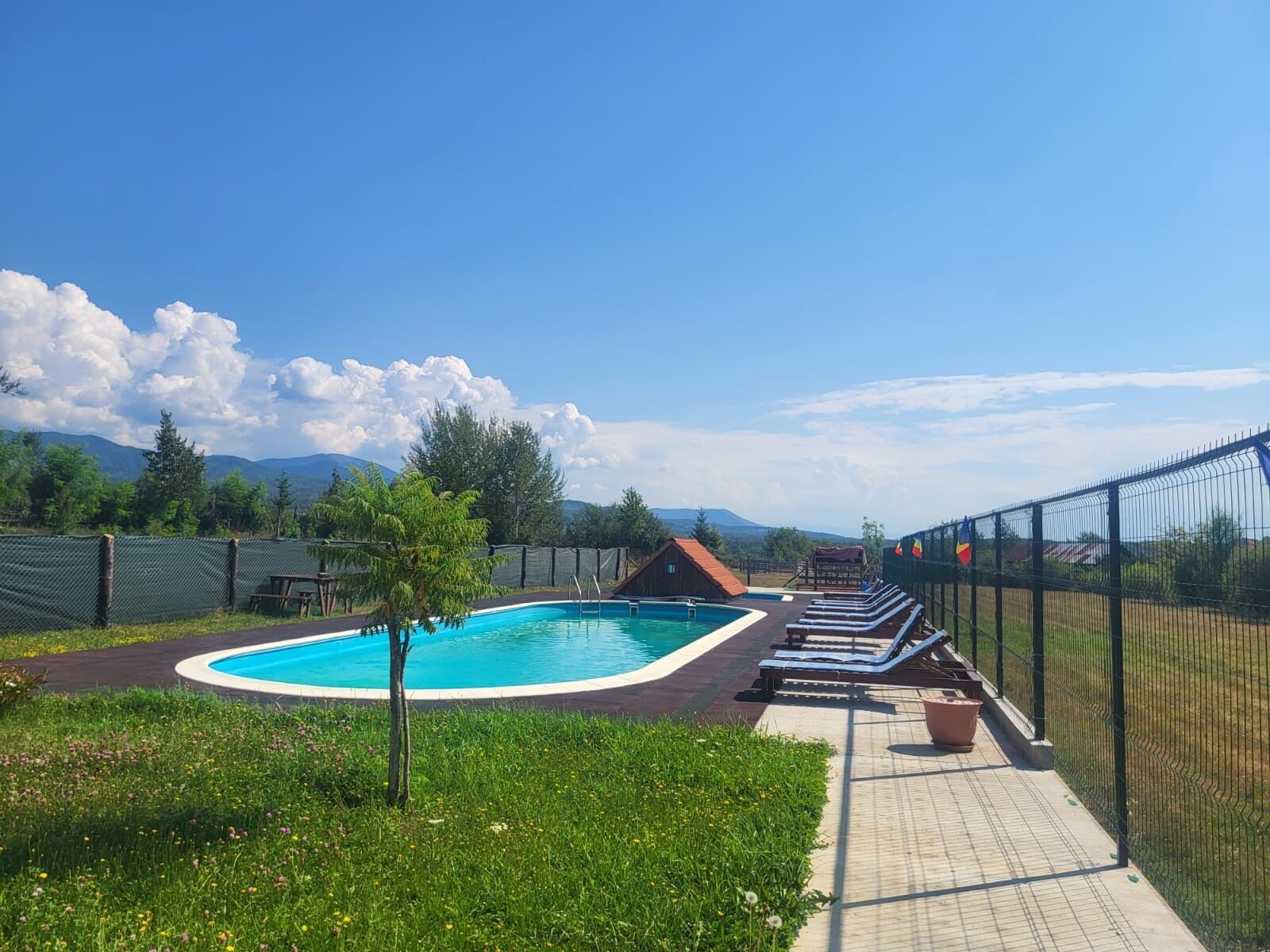
Guesthouse · 3 stars
Tismana, Gorj County · 3.2 km
AgroPensiunea Plaiul Castanilor Tismana
Pe strada Gornovita din Tismana, într-un cadru liniștit și natural, se află AgroPensiunea Plaiul Castanilor Tismana. Această pensiune turistică de trei stele vă pune la dispoziție șapte camere mobilate cu gust, într-un ambient primitor care vă asigură un sejur confortabil în zona Gorj. Check-in-ul se face de la ora 15:00, iar check-out-ul până la ora 12:00. Unitatea beneficiază de aer condiționat, Wi-Fi gratuit și parcare privată gratuită. În exterior, o curte mare și o grădină amenajată creează un spațiu plăcut pentru relaxare, iar cei mici se pot distra la locul de joacă amenajat în aer liber. Pentru seri petrecute împreună, aveți la dispoziție grătar, barbeque și ceaun pentru gătit în aer liber. Accesul persoanelor cu dizabilități este asigurat, iar la recepție se vorbesc engleză, rusă, franceză și română. În apropiere puteți descoperi Mănăstirea Tismana, Sfânta Mănăstire Tismana, Casa-Muzeu „Constantin Brâncuși”, Casa memorială Constantin Brâncuși și Coloana Infinitului, obiective care completează perfect șederea dumneavoastră în această zonă. Vă așteptăm la AgroPensiunea Plaiul Castanilor Tismana.
FROM
240 lei per night
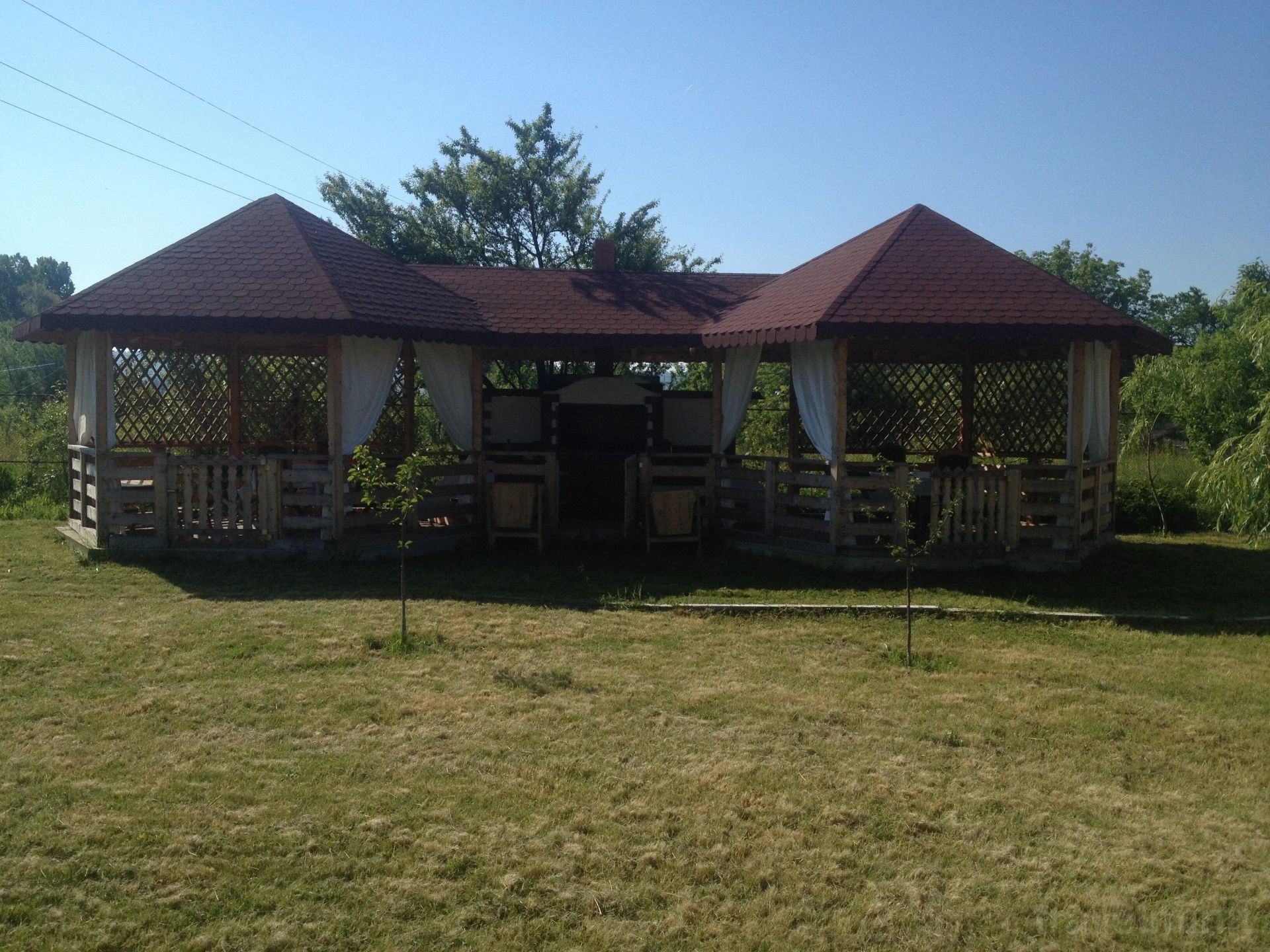
Guesthouse · 3 stars
Tismana, Gorj County · 4.4 km
Pensiunea Magnolia Tismana
Pe strada Tismana, la numărul 46, în orașul Tismana din județul Gorj, se află Pensiunea Magnolia Tismana, o unitate de cazare clasificată cu trei stele care vă așteaptă într-un cadru liniștit și bine îngrijit, potrivit pentru un sejur relaxant în mijlocul naturii. Proprietatea dispune de o curte mare și o grădină amenajată, un foișor în curte, precum și un loc de joacă pentru copii la exterior. Pentru activități în aer liber alături de cei dragi, aveți la dispoziție un grătar, un ceaun pentru gătit în aer liber și un teren amenajat de sport. În incintă funcționează o cafenea și un bar, iar pentru deplasări beneficiați de parcare privată gratuită și parcare pentru biciclete. Accesul persoanelor cu dizabilități este asigurat în întreaga proprietate, iar conexiunea Wi-Fi este gratuită. În unitățile de cazare aveți la dispoziție și fier de călcat, astfel încât să vă simțiți confortabil pe toată durata șederii dumneavoastră. De la Pensiunea Magnolia Tismana, puteți porni să vizitați Coloana Infinitului, monument emblematic al zonei.
FROM
240 lei per night
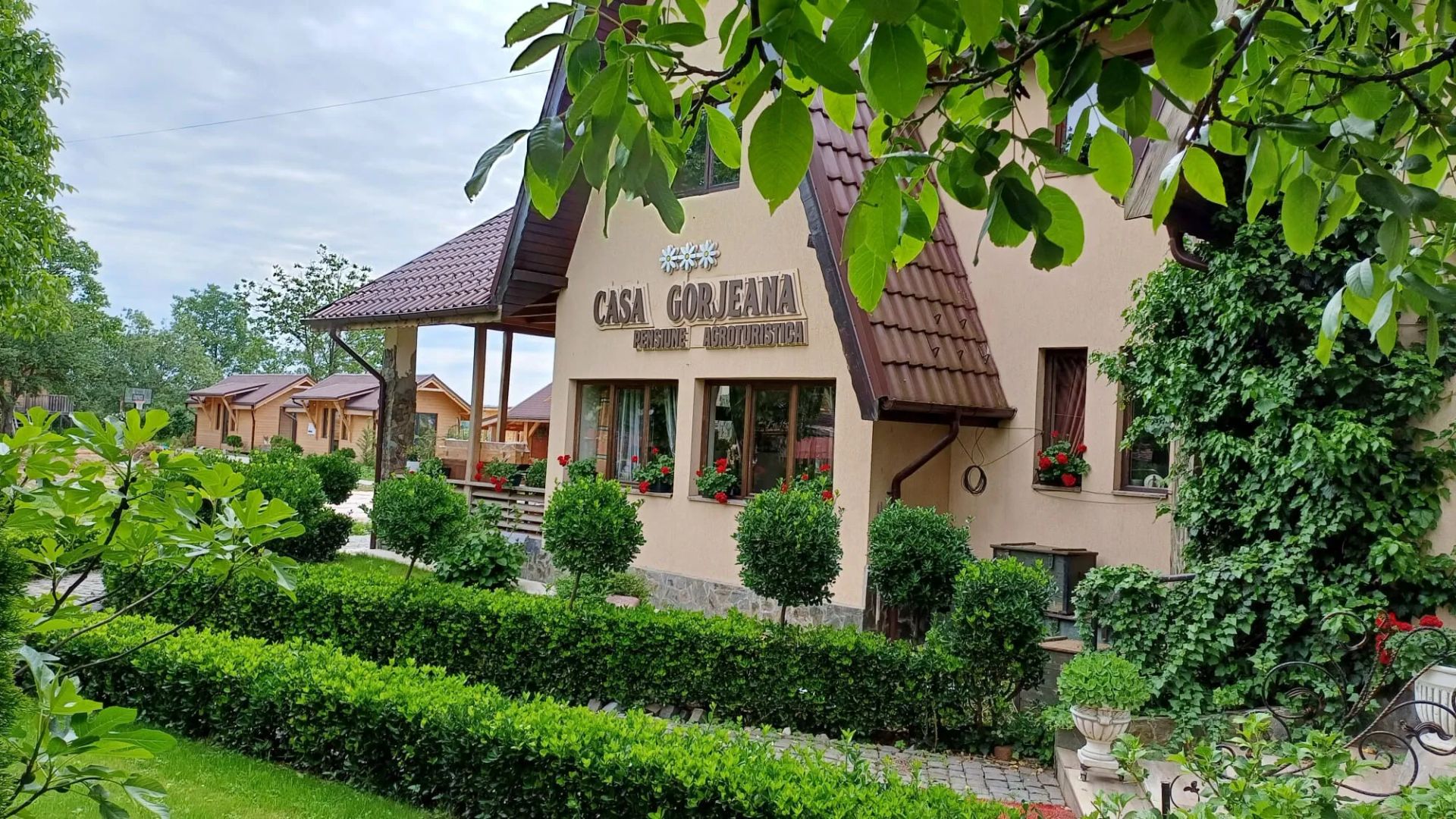
Guesthouse · 4 stars
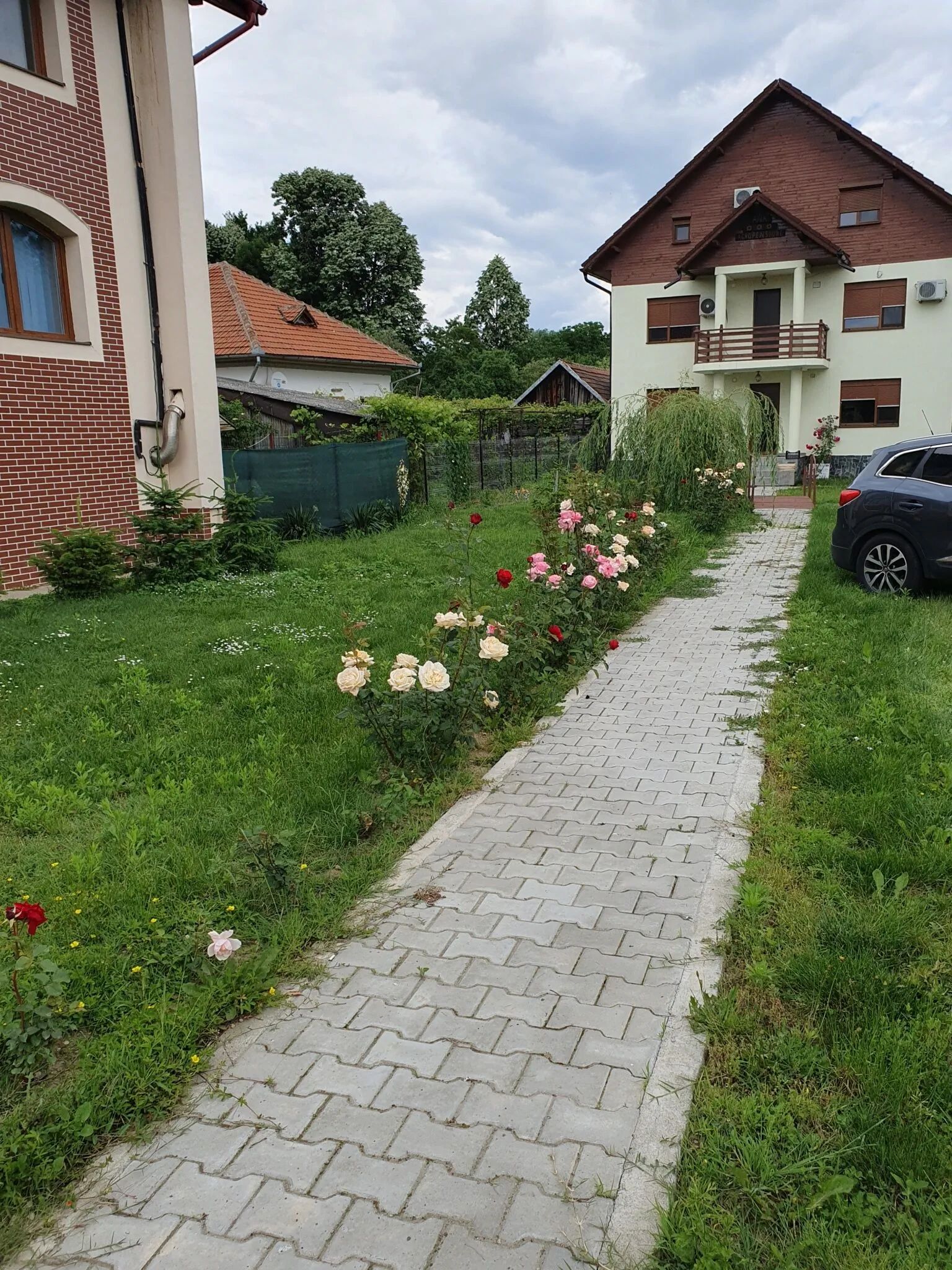
Peştişani, Gorj County · 8.5 km
Pensiunea Casa Gorjeana Pestisani
Comfort, relaxation and stunning views, all just steps away from the main attractions.
FROM
310 lei per night
Guesthouse · 3 stars
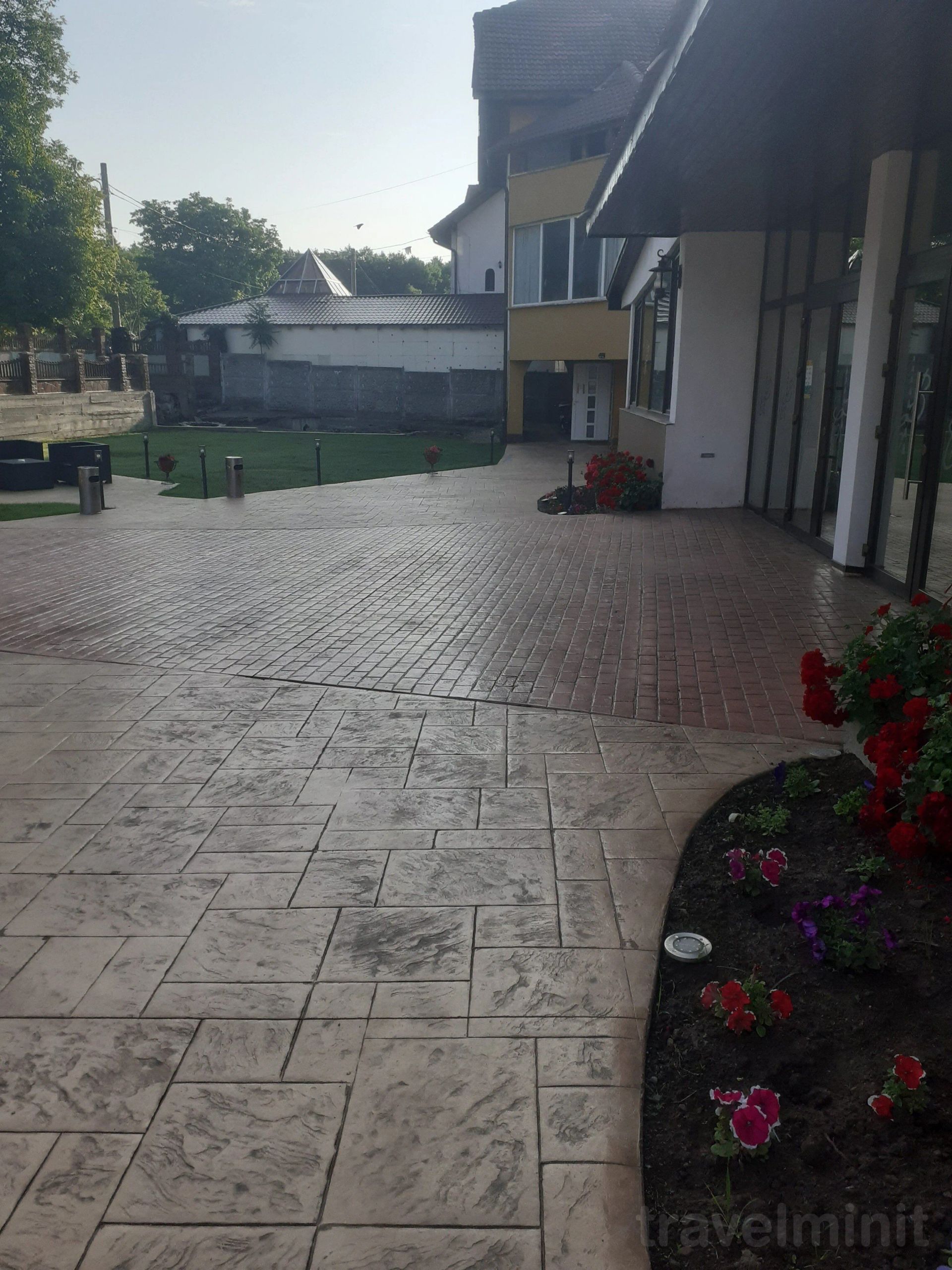
Peştişani, Gorj County · 9.3 km
Pensiunea Ana Peştişani
Comfort, relaxation and stunning views, all just steps away from the main attractions.
FROM
240 lei per night
Guesthouse · 3 stars
Peştişani, Gorj County · 10.0 km
Pensiunea Casa Brâncuși Peștișani
Pensiunea Casa Brâncuși Peștișani este o pensiune turistică de 3 stele situată în localitatea Peștișani din județul Gorj. Unitatea pune la dispoziția dumneavoastră Wi-Fi gratuit și parcare privată gratuită, astfel încât sosirea să fie lipsită de griji. În interior aveți la dispoziție un living spațios pentru relaxare după excursiile din zonă. În exterior, curtea mare și grădina amenajată oferă un cadru plăcut pentru momente de liniște, iar lângă lacul din curte puteți organiza un grătar sau puteți încerca să prindeți pește. De asemenea, aveți la dispoziție un barbeque și un ceaun pentru gătit în aer liber, iar în foișoarele din curte puteți lua masa pregătită de dumneavoastră. În apropiere se află obiective culturale și spirituale importante: Casa-Muzeu „Constantin Brâncuși”, Casa memorială Constantin Brâncuși, Coloana Infinitului, Mănăstirea Tismana și Sfânta Mănăstire Tismana. Aceste puncte de interes vă permit să descoperiți patrimoniul zonei fără deplasări lungi. Vă așteptăm la Pensiunea Casa Brâncuși Peștișani, situată pe principala 140 din Peștișani, cu acces facil și parcare asigurată.
FROM
240 lei per night
BEFORE YOU HIT THE ROAD
Weather conditions in Gorj
Local forecast for Tismana Monastery, Gorj, Gorj

Real-time updated weather data
Much more to explore in this area
Nearby tourist attractions


Gorj, Gorj County
Endless Column (Coloana Infinitului)
Sculptură a artistului român Constantin Brâncuși, parte a trilogiei Ansamblului Monumental din Târgu Jiu, UNESCO
28.6 km
Hunedoara, Hunedoara County
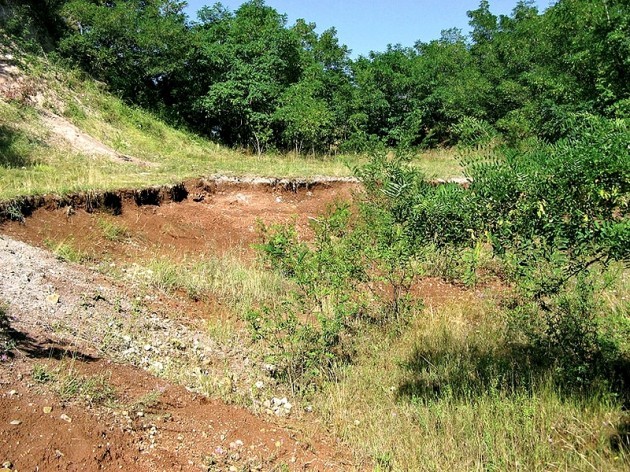
Hațeg Country Dinosaur Geopark
Situat in Tara Hategului, din depresiunea Hategului, invecinandu-se cu Parcul National Retezat la sud si cu Parcul natural Cioclovina Gradistea Muncelului la...
44.5 km
Hunedoara, Hunedoara County
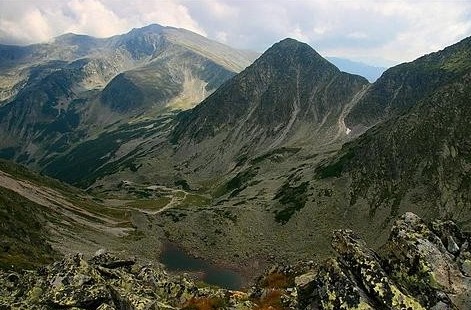
Retezat National Park
Situat in masivul Retezat - Godeanu, in partea de vest a Carpatilor Meridionali; ocupa o suprafata totala de 38.138 ha; altitudinea e cuprinsa intre 800 si 2.50...
29.3 km

49.8 km
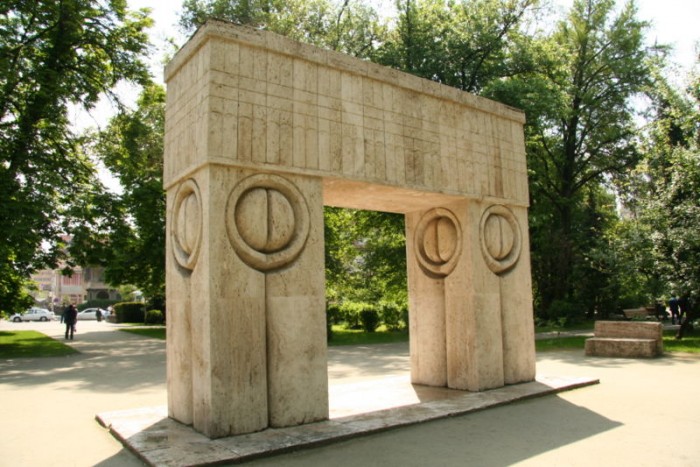
Gorj, Gorj County
The Heroes' Way Monumental Ensemble
Situat in centrul orasului Targu Jiu;realizat de Constantin Brancusi, este un complex sculptural cuprins in patrimoniul UNESCO; ansamblul este alcatuit dintr-o...
28.5 km
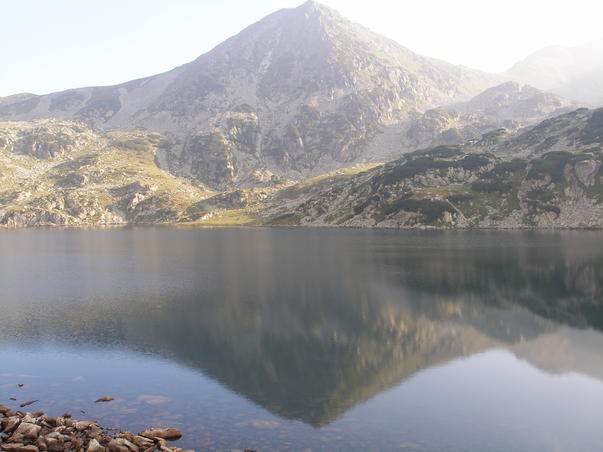
Hunedoara, Hunedoara County
Lake Bucura
Situat in caldarea Bucura, sub Varful Peleaga si Saua Bucurei; orientat pe directia nord - sud; face parte din Parcul National Retezat si este situat la o...
31.1 km
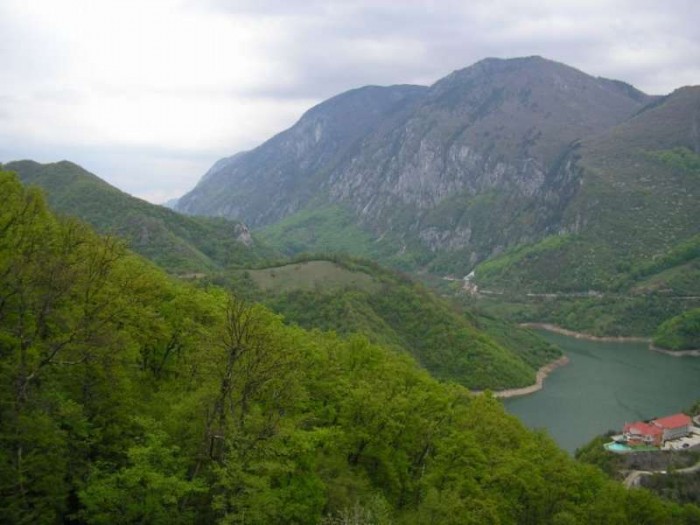
Caras Severin, Caraș-Severin County
Domogled-Valea Cernei National Park
Se intinde pe suprafata a 3 judete - Caras-Severin, Mehedinti si Gorj, peste bazinul raului Cerna, de la obarsie pana la confluenta cu raul Belareca, peste...
34.5 km
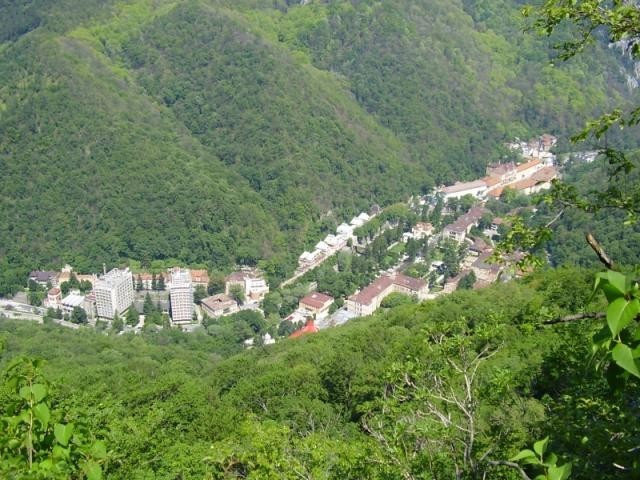
Caras Severin, Caraș-Severin County
Herculane Baths
Situata pe Valea Cernei, la 5 km de principala artera rutiera ce leaga vestul tarii de Bucuresti si calea ferata internationala Bucuresti - Timisoara -...
46.2 km

0.0 km

10.6 km
17.5 km
28.5 km
Cultural life and traditions
Events in the Tismana Monastery area
Medieval festivals, traditional fairs, concerts and local activities recommended in Oltenia (Lesser Wallachia).

Traditions and Crafts

Gorj, County of Gorj
Days of Local Culture and Traditional Tourism
Open workshops featuring pottery, wood carving, and authentic folklore demonstrations by local artisans.
WHEN
May 15-17, 2026


Traditional Cuisine
Gorj, County of Gorj
The Fair of Traditional Products and Local Cuisine
Traditional products, aged cheeses, mountain honey and local delicacies prepared according to ancient recipes.
WHEN
Every weekend

Culture and Photography
Gorj, County of Gorj
Themed and Photographic Guided Tour of Cultural Heritage
A guided tour designed for history buffs, nature lovers, and photography enthusiasts, showcasing the most spectacular views in the area.
WHEN
Daily schedule available upon request
On foot, exploration gains depth
Discover the surroundings and local geography
Explore the trails, terrain, and natural landmarks around Tismana Monastery.

Guides and practical tips
Useful travel articles
Travel guides, practical recommendations and tourist itineraries for Oltenia (Lesser Wallachia).

Tourist guide
Top 5 Atracții Turistice și Trasee Montane în Zona Moieciu - Bran
Descoperă cele mai spectaculoase peisaje carstice, chei adânci și cetăți medievale din imediata apropiere a stațiunii Moieciu.

Tourist guide
Ghid de Drumeție: Traseul Moieciu de Sus spre Platoul Bucegi
Un itinerariu montan de o frumusețe rară ce urcă din Valea Băngăleasa spre Poiana Guțanu și crestele maiestuoase ale Bucegilor.

Tourist guide
Castelul Bran: Istorie, Legende și Secrete Medievale
Află adevărata poveste a fortăreței medievale din Pasul Bran, reședința de suflet a Reginei Maria a României.
THE JOURNEY STARTS WITH AN IDEA
The next story is on the way.
From the first stop to the last stay, make room for a new Romania.
