


MONUMENT · MUNTENIA (WALLACHIA)
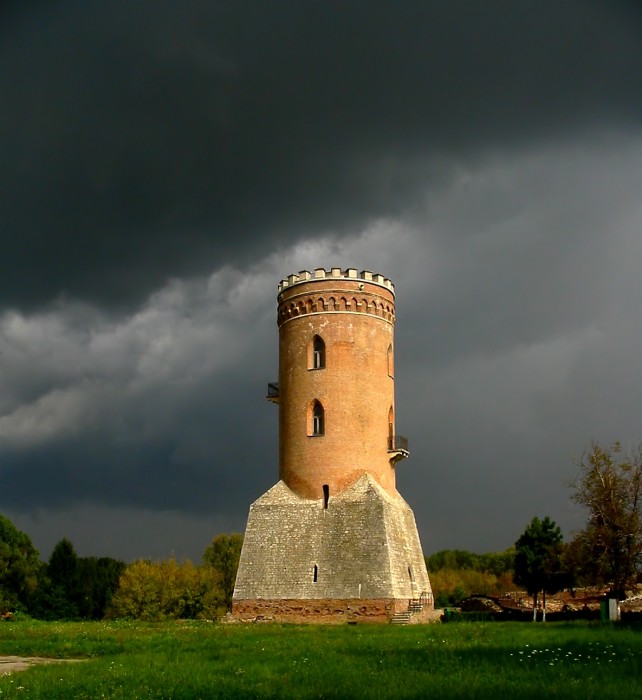
Chindia Tower

Dambovita, Dâmbovița County
Add location to your trip planner.
Practical access information

VISITING HOURS
Monday: 12:00 PM – 5:00 PM · Tuesday–Sunday: 9:00 AM – 5:00 PM (in summer until 8:00 PM)

TICKET PRICE
Adults: 45 RON · Students: 11 RON · Seniors: 23 RON · Guided tour included

RECOMMENDED VISIT DURATION
2-3.5 hours
Visitor information and guide
 Navigate with Google Maps

ABOUT CHINDIA TOWER
A stone sentinel in the heart of the former princely capital
Erected in the heart of the former capital of Wallachia, Chindia Tower dominates the urban landscape of Târgoviște as a silent yet eloquent witness to the passage of centuries and the profound European transformations of the late medieval era. Built in the second half of the 15th century during the second reign of Vlad III, known as Vlad the Impaler, this cylindrical edifice is not merely an exceptional military monument but also a powerful symbol of princely authority in the Carpathian-Danubian region—a convergence point between Byzantine defensive traditions, Western military architectural innovations, and the ambitions of an emerging power situated at the frontier between the Christian world and the expanding Ottoman Empire. Strategically positioned in the northwest of the Princely Court Complex, at 181 Domnească Road, the tower once overlooked the routes connecting the capital to the Carpathian passes, ensuring a vital link between the inner citadel and the outside world during a period when Târgoviște served as a princely residence rivaling other regional capitals such as Suceava, Alba Iulia, or later Bucharest.
The cultural significance of this monument far exceeds its local dimension, transforming it into a symbol of national identity and Christian resistance against Ottoman pressure. In a Europe torn by dynastic conflicts, the fall of Constantinople in 1453, and the relentless advance of Mehmed II’s armies, Târgoviște and its emblematic tower represented a bastion of Orthodoxy and political autonomy in an increasingly threatened region. Today, the structure stands as an invitation to explore an era when the borders of Southeastern Europe were fluid, and the fate of a nation unfolded in the shadow of such towers—witnesses to decisions that would influence the balance of power across the entire continent.
Historical roots and connections to major European currents
The historical context in which Chindia Tower was built is inseparably linked to the profound crisis of the 15th century, a period of radical transformation when Europe’s old feudal structures gave way to new forms of state and military organization. Wallachia, founded in the 14th century by Basarab I, found itself in an extremely delicate geopolitical position, caught between the expansionist ambitions of the Kingdom of Hungary, led by the powerful King Matthias Corvinus, and the increasing pressure of the Ottoman Empire, which had just conquered Constantinople and turned its gaze toward the heart of Central Europe. In this context, the reign of Vlad the Impaler, spanning 1456 to 1462 with a brief interruption, marked a turning point in which the principle of central authority was consolidated through brutal yet effective methods, partially inspired by Byzantine governance models and partially by Western military techniques.
The tower was constructed during a period when European military architecture underwent a fundamental transformation, shifting from the wooden and earthen fortifications characteristic of the early Middle Ages to stone structures capable of withstanding expanding artillery. Byzantine influences are reflected in the tower’s design as a vertical defensive element, similar to the defensive towers of the Theodosian Walls of Constantinople or the fortresses of Trebizond, while the construction technique and certain decorative details evoke late Gothic innovations and the early manifestations of the Renaissance in military architecture. Additionally, the structure shares affinities with the towers of Hungarian citadels in Transylvania and those of Italian cities such as Siena or Bologna, where civic towers symbolized communal power and territorial surveillance. This architectural synthesis reflects Wallachia’s unique position as a cultural bridge between East and West, between the Byzantine legacy and Western technical innovations.
The tower’s European connections extend to the figure who commissioned it. Vlad the Impaler was not merely a local prince but a figure of continental resonance, whose deeds were recounted in pamphlets printed in Nuremberg, Augsburg, and Leipzig during his lifetime, spreading rapidly through the newly invented printing press across Europe. Italian chroniclers, such as Antonio Bonfini at the court of Matthias Corvinus, and Venetian diplomats left accounts of the brutality of his methods of governance, while Russian and Byzantine sources portrayed him as a fearless defender of Christianity against the Ottoman "infidels." This duality of perception—between the bloodthirsty tyrant of Saxon accounts and the national hero of Orthodox tradition—turned Vlad the Impaler into a mythical figure of the European imagination, later influencing Gothic literature and vampire mythology.
A masterpiece of transitional military architecture
The structure stands out for its impressive cylindrical form, with three distinct levels and a height of 27 meters, and a diameter of 9 meters, dimensions that place it among the tallest preserved medieval towers in Southeastern Europe. The base, shaped like a truncated pyramid and constructed from durable local stone quarried nearby, elegantly and robustly supports the cylindrical body built from fired brick—a combination that reflects the Byzantine and Western Gothic influences characteristic of the transition to the early modern era. This construction technique, which blends the robustness of the base with the suppleness of the upper body, can be compared to the solutions adopted in the towers of Croatian fortresses along the Adriatic coast or those of royal Hungarian citadels such as Visegrád, where resistance to siege and structural stability were absolute priorities.
The tower’s architecture features remarkable details that reveal the aesthetic and functional intentions of its builders. The narrow windows, strategically placed at different levels, not only provided interior lighting and ventilation but also functioned as arrow slits for defenders, allowing archers or arquebusiers to fire upon potential aggressors. The upper platform, accessible via an interior spiral staircase, offered a panoramic view of the entire city and access routes, serving as a form of visual telegraphy in an era without modern communication. Compared to the square towers of crusader fortresses or those of Venetian palaces, the cylindrical shape of Chindia Tower provides superior resistance to wind and artillery projectiles, representing a significant technical advancement in the evolution of medieval fortifications.
Over time, the structure fulfilled multiple essential roles in the life of the citadel, demonstrating remarkable functional versatility. It served as a strategic observation post for monitoring the surrounding territory, enabling early detection of Ottoman columns or highway robbers threatening trade routes to Brașov and Sibiu. It functioned as a military guard post, housing the garrison responsible for defending the city gates, and as a fire-signaling lookout, using watch fires—a crucial alarm system in a city predominantly built of wood. Equally, the lower levels served as temporary prisons for important detainees, including nobles captured in conflicts with the Kingdom of Hungary or rebellious boyars, while the ceremonial entrance marked the passage to the palatial complex of the Princely Court. This versatility illustrates the ingenuity of medieval military architecture in this region, perfectly adapted to the dynamic needs of a capital situated at the tense frontier between Western Christian civilization and the expanding Ottoman Empire.
The echo of a legendary figure in the European consciousness
The tower is inseparably linked to the personality of Vlad the Impaler, a ruler whose brutal methods of governance reverberated throughout medieval and Renaissance Europe, from the courts of German princes in the Holy Roman Empire to Italian printing workshops and the papal chancelleries of Rome. While Saxon chroniclers and pamphlets printed in Nuremberg in the 1460s, shortly after the prince’s death, portrayed him as a bloodthirsty tyrant deserving of condemnation, describing his atrocities in detail and associating him with the image of a demon in human form, other European sources—particularly Russian and Byzantine—viewed him as a steadfast and fearless defender of Christianity against Ottoman expansion. This fascinating duality transformed the prince into a complex European myth, a figure who embodied both fear and admiration in an era confronted with the Islamic threat and the crisis of feudal values.
The European influence of Vlad the Impaler’s legend far exceeded the boundaries of the medieval era, permeating Western popular culture through 19th-century Gothic literature. Bram Stoker’s 1897 novel Dracula definitively established the prince as the archetype of the vampire, although Stoker knew few authentic historical details about Vlad’s real life, relying instead on fantastical accounts and Transylvanian folklore. Thus, Chindia Tower, as a site associated with this prince’s reign, becomes a starting point for understanding how the real history of Southeastern Europe transformed into a universal myth, influencing cinema, horror literature, and global popular culture. This cultural metamorphosis illustrates the symbolic power of historical monuments to transcend their original context and become landmarks of the collective European memory.
Turning points, legends, and architectural mysteries
The etymology of the tower’s name remains a subject of fascinating historical debate, offering two hypotheses that reflect different aspects of social and military life in Târgoviște. Some researchers argue that the name derives from the lavish feasts called "chindii," held in the immediate vicinity of the tower within the princely court, where boyars and foreign guests were received with the luxury typical of both Eastern and Western courts of the era. Others associate it with the archaic term "chindie," meaning sunset, the solemn moment when soldiers were obliged to signal the closing of the city’s five fortified gates with trumpets, marking the end of the day and the beginning of nighttime vigilance against surprise attacks. This dual etymology suggests that the tower witnessed both moments of splendor and diplomacy as well as periods of intense military vigilance, reflecting the duality of a capital that had to be both a welcoming host and an impregnable fortress.
Over the centuries, the tower has undergone numerous transformations and restorations that have marked its existence. After the capital was moved to Bucharest in 1660 under the reign of Constantin Șerban Basarab, Târgoviște experienced a period of relative decline, and the Princely Court Complex fell into obscurity, with many buildings abandoned or repurposed. Chindia Tower, however, survived due to its structural robustness, becoming a symbol of the city’s glorious past in the 18th and 19th centuries. During the interwar period and especially after 1960, the monument underwent extensive restoration and conservation work, being integrated into the museum circuit of the National Museum Complex "Princely Court" in Târgoviște, an institution that preserves and showcases the exceptional heritage of the former princely residence.
A civic symbol and living heritage of a nation
Having become the unofficial emblem and most recognizable symbol of Târgoviște, Chindia Tower is stylized on the municipality’s coat of arms, underscoring the profound continuity between the princely past and the contemporary identity of the local community. This heraldic presence demonstrates how a medieval monument can become the foundation of a modern urban identity, connecting current generations with the historical legacy of a civilization that has withstood the centuries through culture and continuity. In the European context, the tower represents a precious example of well-preserved medieval military heritage, offering researchers and visitors an authentic window into the way of life and defense of an era when Europe’s borders were drawn with sword and stone.
Practical guide for the contemporary explorer
Today, this Class A historical monument is under the care of the National Museum Complex "Princely Court" in Târgoviște and can be visited as part of a cultural circuit that includes the entire complex of the former princely residence, offering travelers an authentic and moving journey into the atmosphere of a medieval capital in Southeastern Europe. Located at 181 Domnească Road, just steps from the historic center of the city, the tower is easily accessible to tourists coming from Bucharest, only 80 kilometers away, as well as those exploring the historical routes of Muntenia. Visitors have the opportunity to climb the three levels of the structure, admire the panoramic view of the city and the distant Carpathian Mountains, and explore the high-quality permanent exhibition dedicated to the historical period of Vlad the Impaler.
The exhibition hosted inside the tower presents rare archival documents, period weapons, princely seals, and personal objects that offer an authentic and nuanced perspective on a turbulent era in the history of the Balkans and their complex relations with Western powers. For the cultivated European traveler, a visit to Chindia Tower represents a unique opportunity to understand the mechanisms of power in a frontier region of Europe, to compare local military architecture with the most famous similar monuments on the continent, and to discover the historical roots of cultural myths that have influenced the entire Western world. The atmosphere of the place, steeped in history and mystery, invites reflection on how the past continues to shape the present in a part of Europe where history remains alive and palpable at every step.
Media gallery
Discover Chindia Tower in pictures

2 photos · Architecture, courtyards and captivating details


Image source: Wikimedia Commons · Public domain photos · Free license
STAY A FEW DAYS, DISCOVER THE MAGIC
Accommodation in the Chindia Tower area

Hotel · 3 stars

Târgoviște, Dâmbovița County · 0.7 km
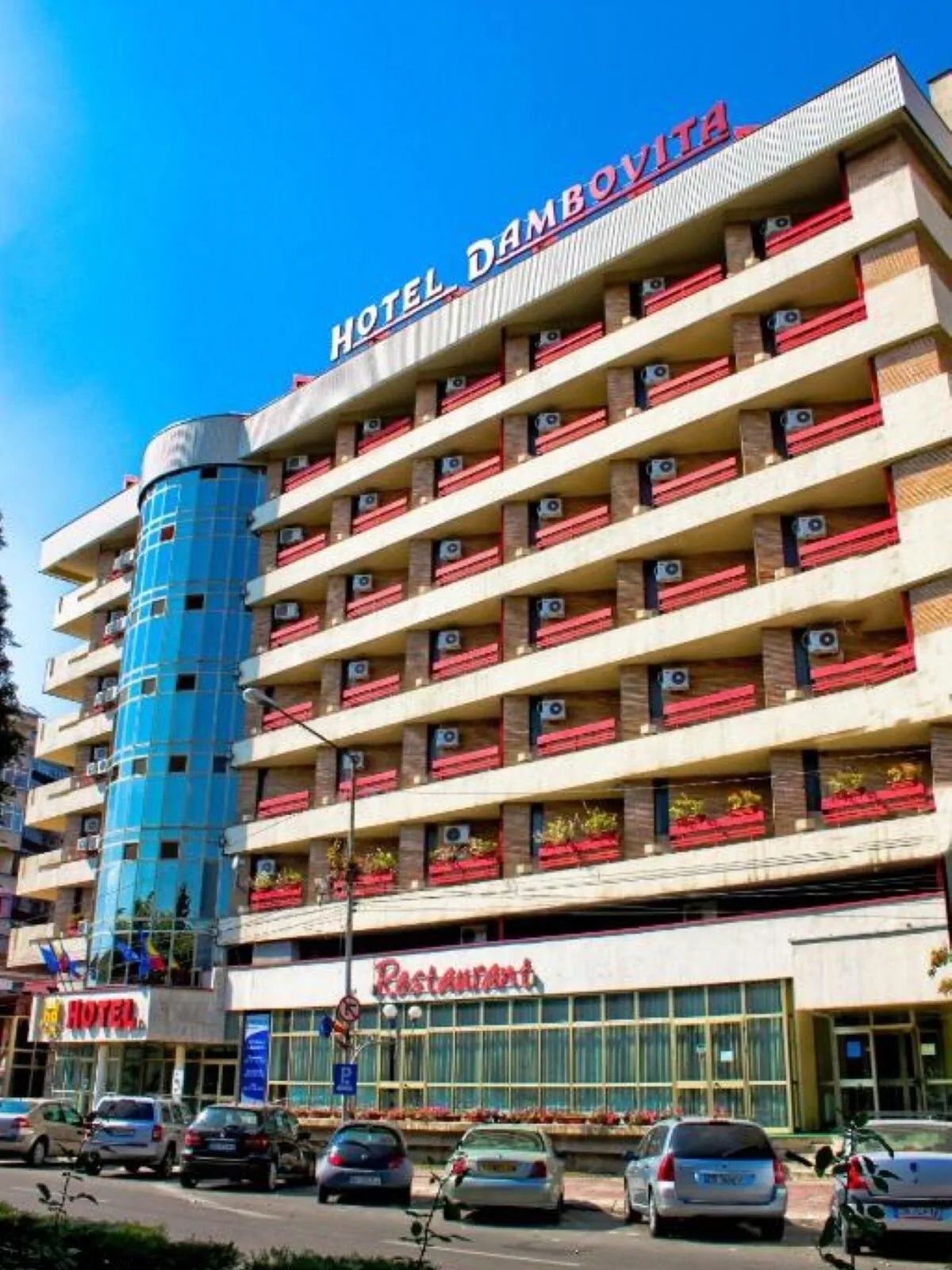
Hotel Dâmbovița Târgoviște
Hotel Dâmbovița din Târgoviște pune accent pe accesibilitate, oferind acces facilitat persoanelor cu dizabilități într-un mediu primitor. Această unitate de cazare de trei stele se află în localitatea Târgoviște, județul Dâmbovița, pe strada Libertății numărul 1. Pentru confortul dumneavoastră, hotelul oferă parcare privată gratuită, Wi-Fi gratuit, aer condiționat în camere și pătuț pentru bebeluși la cerere. Fiecare dintre aceste facilități contribuie la un sejur relaxant, indiferent de sezon sau de compoziția grupului dumneavoastră. Din punct de vedere turistic, în apropiere se află Turnul Chindiei, Complexul Muzeal Curtea Domnească din Târgoviște, Mănăstirea Dealu, Muzeul de Istorie Târgoviște și Catedrala Arhiepiscopală Târgoviște. Aceste monumente și instituții culturale vă invită să descoperiți istoria bogată a zonei. Poziția centrală a hotelului în Târgoviște vă permite să ajungeți ușor la obiectivele menționate, fiind aproape de parcuri și de centrul vechi cu terase și magazine. Astfel, aveți la îndemână atât liniștea, cât și agitația urbană. Vă așteptăm la Hotel Dâmbovița, unde parcare privată gratuită și accesul facilitat pentru persoanele cu dizabilități fac diferența pentru un sejur bine organizat.
FROM
290 lei per night

Hotel · 3 stars
Târgoviște, Dâmbovița County · 0.9 km
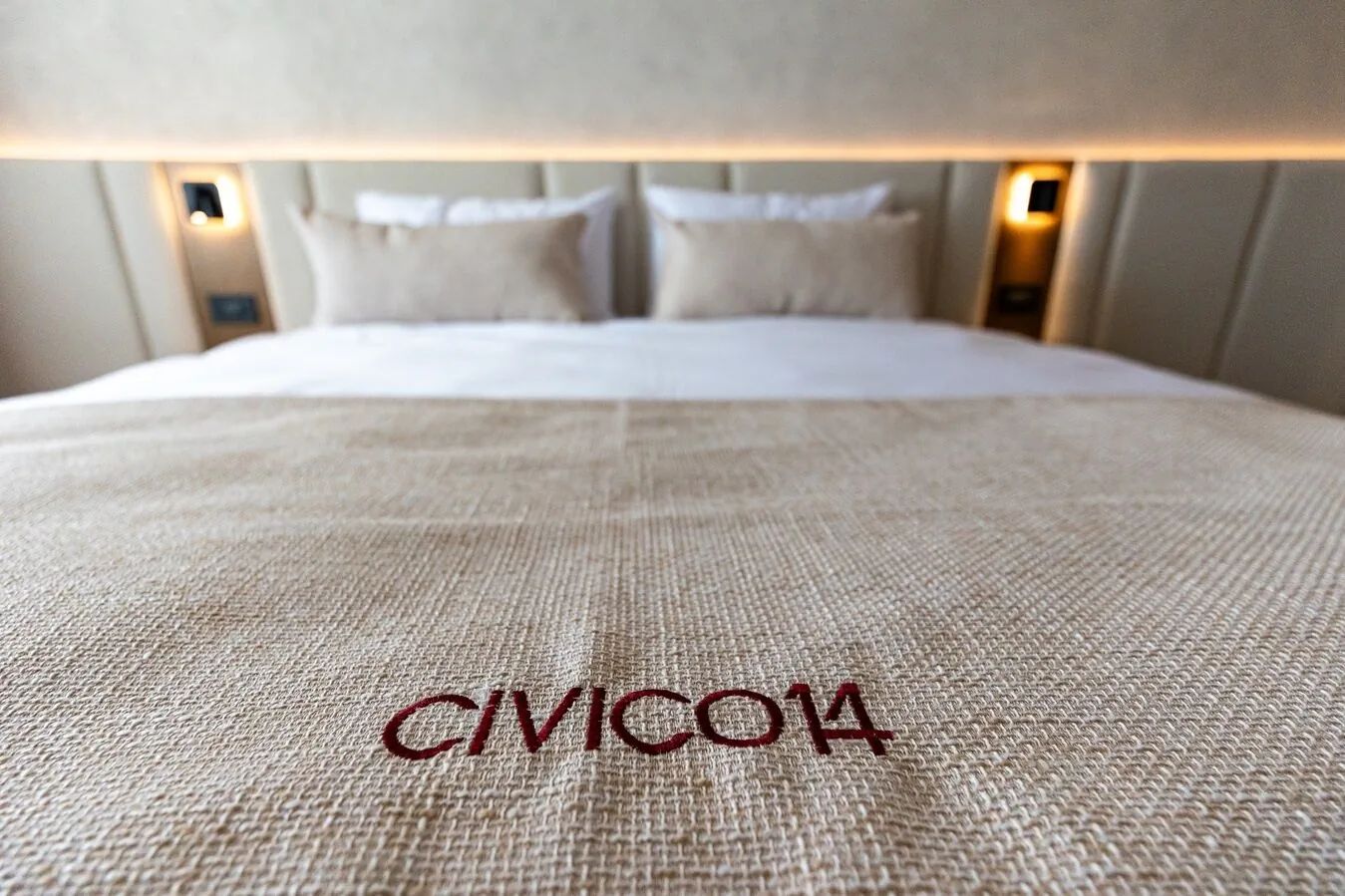
Hotel Civico 14 Târgoviște
Clădirea cu linii arhitecturale moderne de pe aleea Arsenalului se încadrează armonios în peisajul central al municipiului Târgoviște. Hotelul Civico 14 Târgoviște primește oaspeții într-un spațiu contemporan, conceput pentru călătorii care apreciază confortul și funcționalitatea într-un mediu urban bine conectat. Fiecare cameră este dotată cu seif pentru păstrarea în siguranță a obiectelor personale, iar accesul la etaje se realizează comod cu ajutorul liftului instalat în clădire. Hotelul pune la dispoziția dumneavoastră Wi-Fi gratuit în toate spațiile, parcare privată gratuită pentru autoturisme și un restaurant în incintă, unde puteți servi masa fără să părăsiți hotelul. În apropiere se găsesc Turnul Chindiei, Complexul Muzeal Curtea Domnească din Târgoviște, Mănăstirea Dealu, Muzeul de Istorie Târgoviște și Catedrala Arhiepiscopală Târgoviște, oferind acces rapid către principalele puncte de interes cultural și istoric ale zonei. Camerele sunt amenajate modern, oferind un mediu relaxant pentru întreaga durată a șederii, potrivit atât pentru călătorii de afaceri, cât și pentru cei care doresc să se bucure de liniștea orașului. Seara, după o zi petrecută printre monumentele din apropiere, vă puteți retrage în camera dumneavoastră, unde seiful și facilitățile moderne vă asigură liniștea necesară pentru odihnă.
FROM
290 lei per night
Holiday home · 3 stars
Pucioasa, Dâmbovița County · 15.1 km
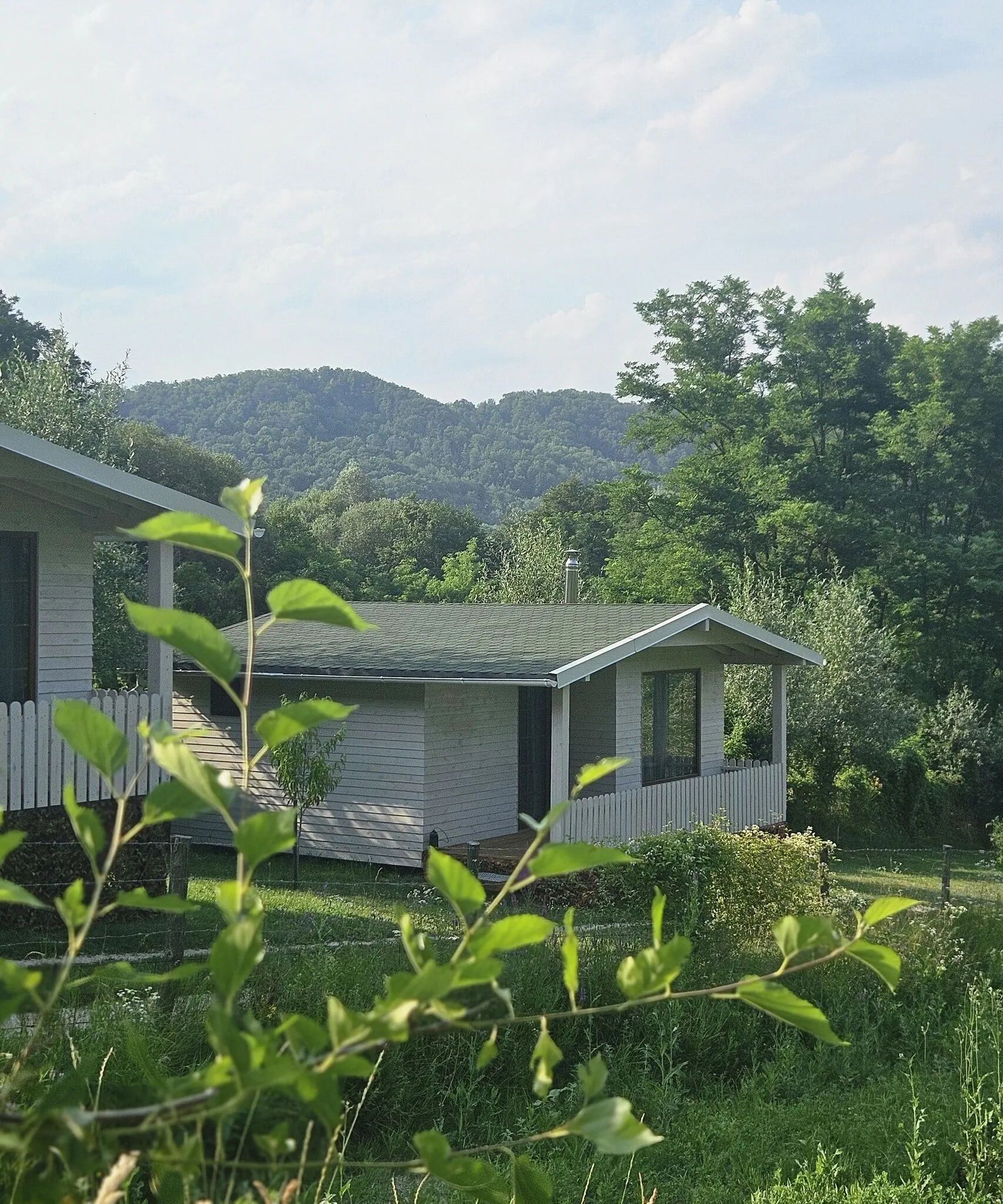
Căsuțele Bucuriei Pucioasa
Priveliștea dealurilor verzi din Dâmbovița se întinde în fața ferestrelor, iar cerul nopții se umple de stele deasupra curții largi. Căsuțele Bucuriei din Pucioasa vă oferă acest tablou într-un cadru de 3 stele, situate pe drumul principal din cartierul Malurile, într-o casă de închiriat integral. În curtea mare și grădina amenajată vă așteaptă un foișor, un grătar sau barbeque, o vatră de foc în aer liber și un ceaun pentru gătit. Pentru copii există un loc de joacă la exterior, iar pătuțul pentru bebeluș asigură confortul întregii familii. Tenisul de masă, cafeneaua și barul din incintă completează momentele de relaxare, iar Wi-Fi gratuit și parcarea privată gratuită vă sunt puse la dispoziție. De aici pornesc drumețiile montane și traseele în natură, iar în apropiere puteți vizita Mănăstirea Dealu, Turnul Chindiei, Complexul Muzeal Curtea Domnească din Târgoviște, Castelul Peleș și Muzeul de Istorie Târgoviște. Dimineața, după cafeaua servită în cafeneaua din incintă, vă puteți bucura de liniștea dealurilor înainte de a porni spre obiectivele din zonă.
FROM
280 lei per night
Hotel · 3 stars
Pucioasa, Dâmbovița County · 15.8 km
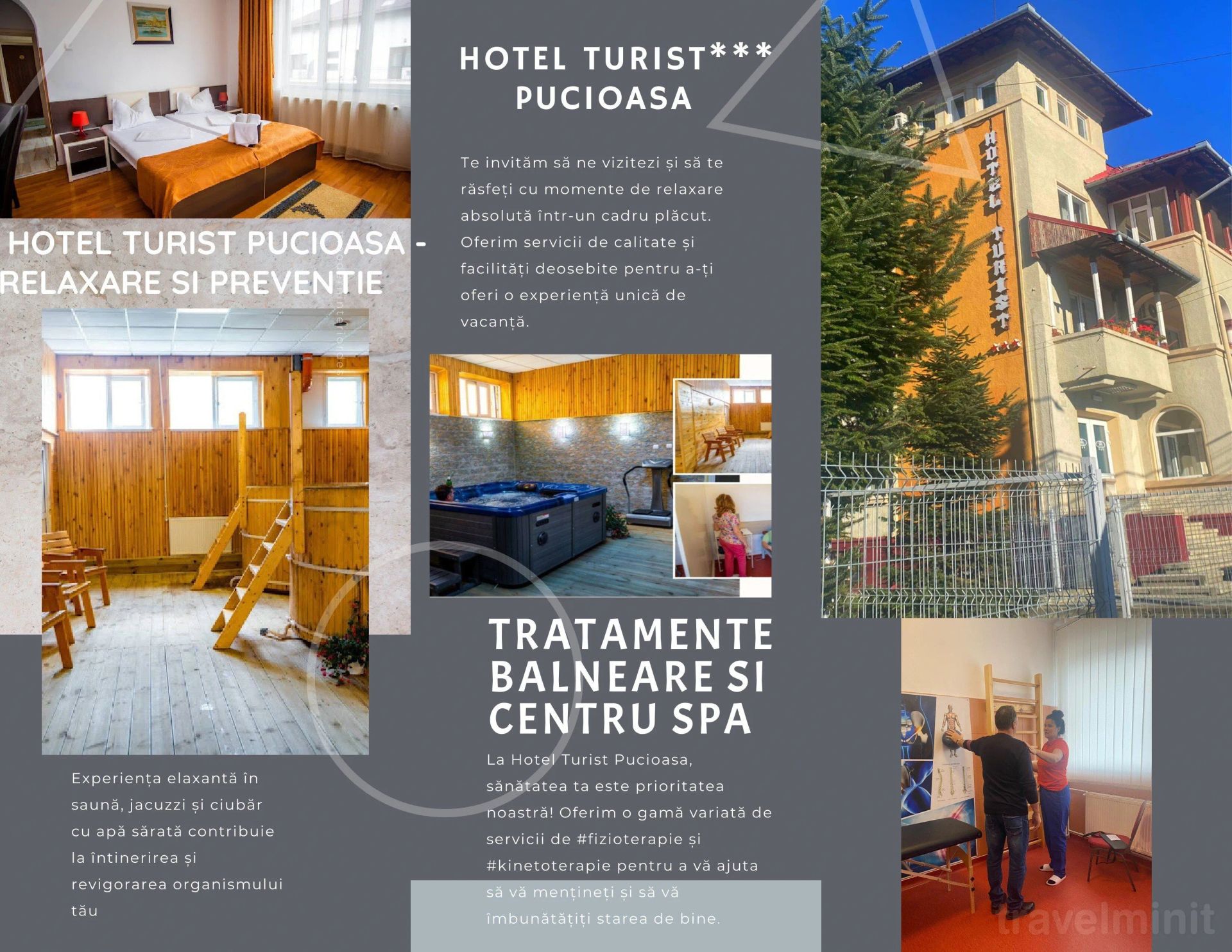
Hotel Turist Pucioasa
O dimineață liniștită poate începe cu relaxare în saună, urmată de o baie în ciubărul din lemn tradițional. Hotel Turist Pucioasa din Pucioasa vă așteaptă cu șase camere amenajate într-un stil plăcut și confortabil, unde aveți acces la Wi-Fi gratuit pentru a rămâne conectați. Pentru momente de liniște în aer liber, unitatea oferă o curte mare și o grădină amenajată, ideale pentru plimbări sau pentru a savura aerul curat. De asemenea, dispuneți de parcare privată gratuită, astfel încât mașina dumneavoastră rămâne în siguranță pe toată perioada cazării. Pentru un plus de confort și relaxare, puteți beneficia de jacuzzi sau de cadă cu hidromasaj. Localitatea Pucioasa reprezintă un punct de plecare excelent pentru a descoperi obiective culturale și istorice deosebite din regiune. În apropiere puteți vizita Mănăstirea Dealu, Turnul Chindiei, Castelul Peleș, Complexul Muzeal Curtea Domnească din Târgoviște și Muzeul de Istorie Târgoviște. Check-in se efectuează începând cu ora 14:00, iar check-out până la ora 12:00. La recepție se vorbesc limbile română, engleză și spaniolă.
FROM
290 lei per night
Guesthouse · 3 stars
Voineşti, Dâmbovița County · 17.5 km
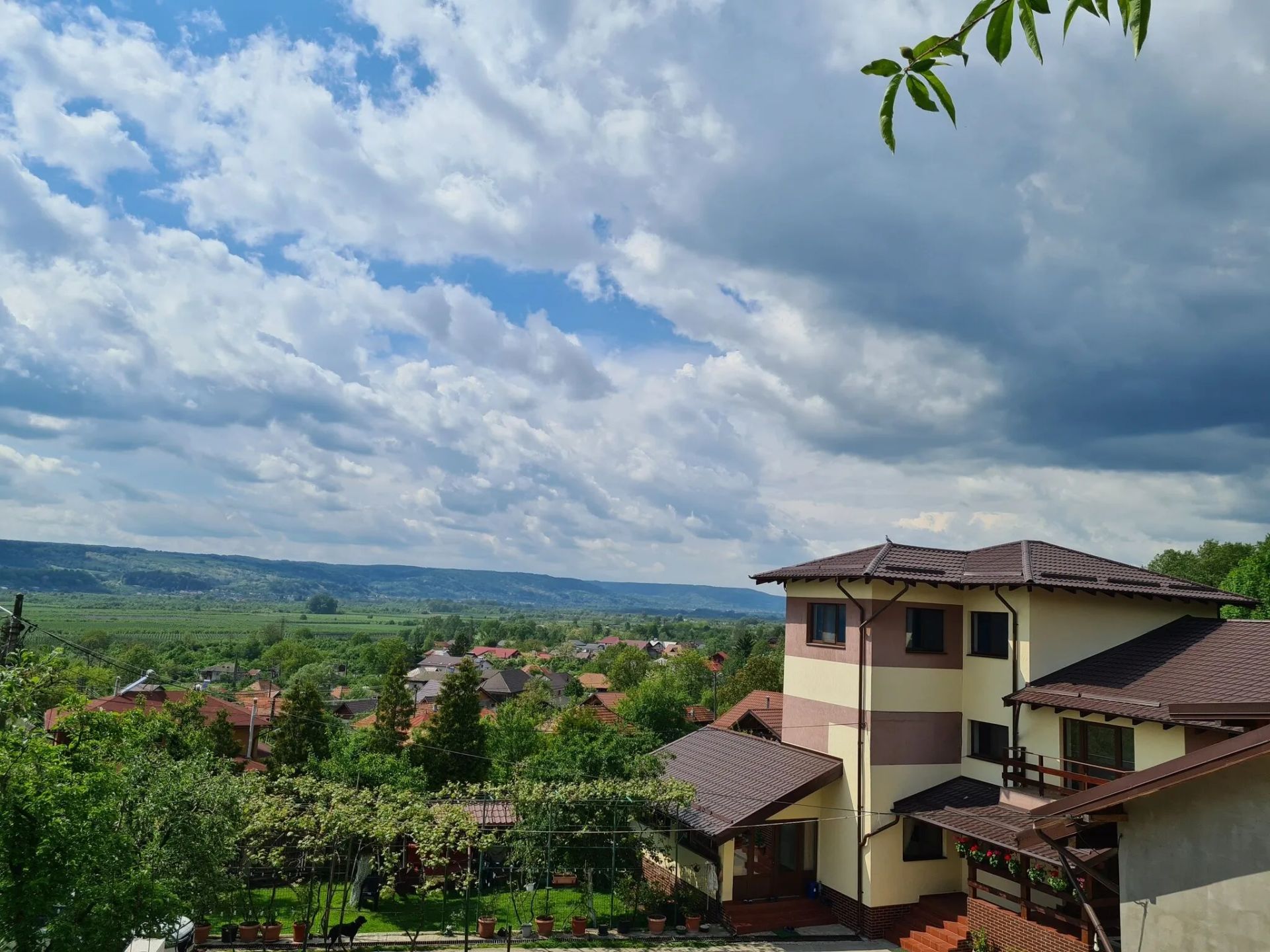
Pensiune În Vârful Dealului Voineşti
Comfort, relaxation and stunning views, all just steps away from the main attractions.
FROM
240 lei per night
Cabin · 3 stars
Vârfuri, Dâmbovița County · 19.4 km
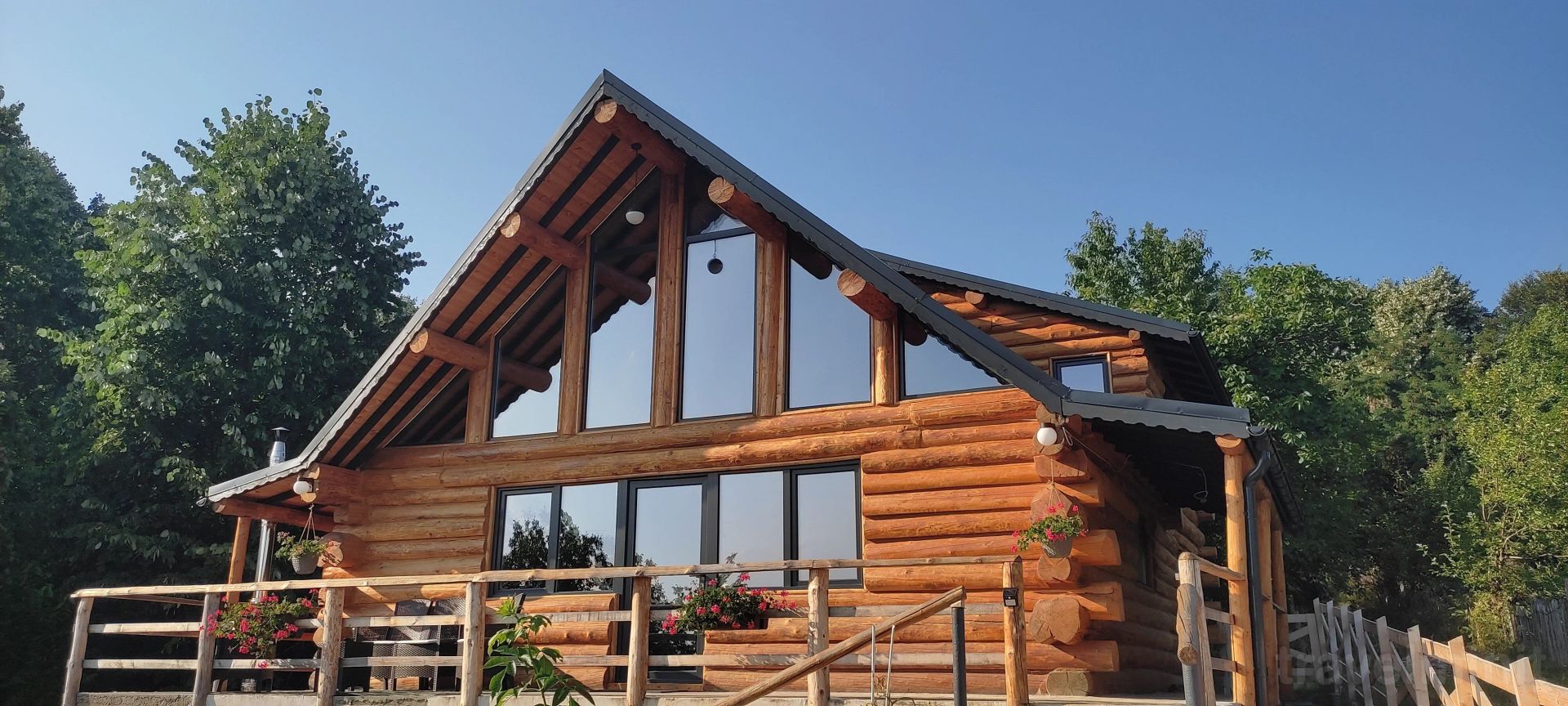
Chalet Ursa Mare Vârfuri
Comfort, relaxation and stunning views, all just steps away from the main attractions.
FROM
270 lei per night
BEFORE YOU HIT THE ROAD
Weather conditions in Dambovita
Local forecast for Chindia Tower, Dambovita, Dâmbovița

Real-time updated weather data
Much more to explore in this area
Nearby tourist attractions


Sinaia, Prahova County
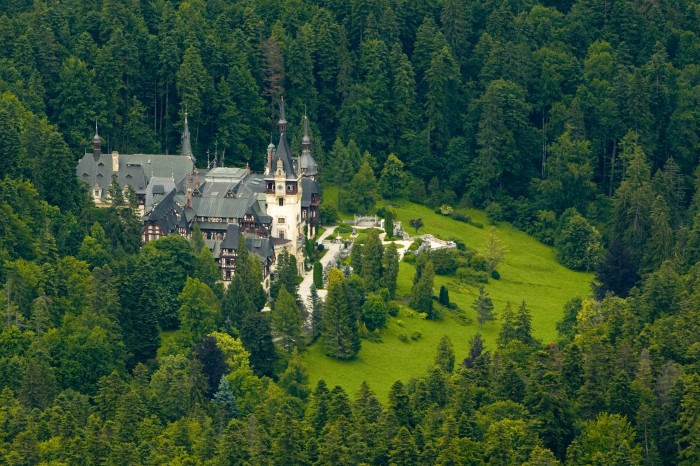
Peleș Castle
Situat pe strada Pelesului din Sinaia; piatra de temelie a castelului se pune in 1873, aici fiind ingropate si cateva zeci de monede de 20 de lei, din aur -...
48.0 km
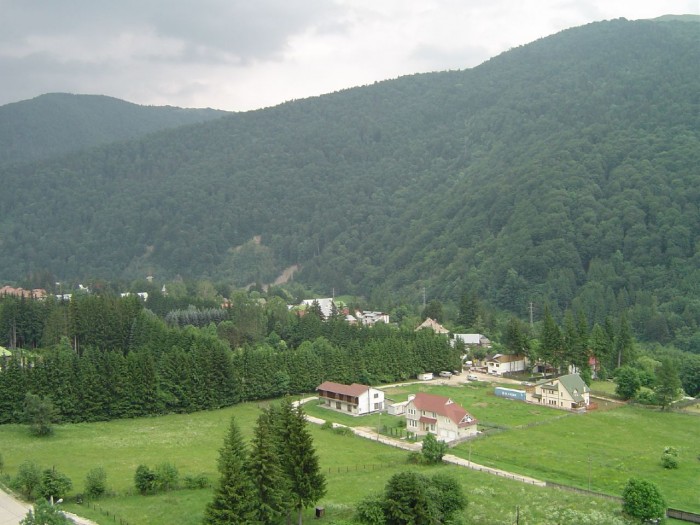
Prahova, Prahova County
Sinaia Resort
Situata pe valea superioara a Prahovei, la poalele Muntilor Bucegi (Carpatii Meridionali), la o altitudine ce variaza intre 798-971 m; este una din cele mai...
47.2 km
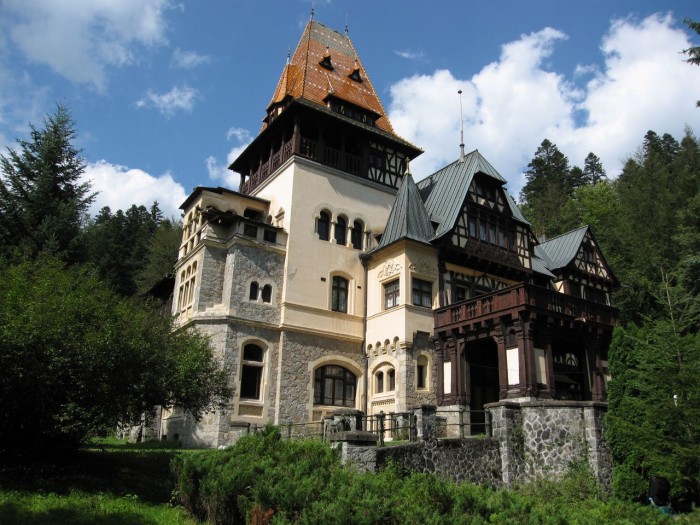
Prahova, Prahova County
Pelișor Castle
Situat in parcul Castelului Peles, pe Valea Prahovei; ridicat intre anii 1899 si 1902; in 1903 a devenit resedinta de vara a principilor mostenitori;...
48.0 km
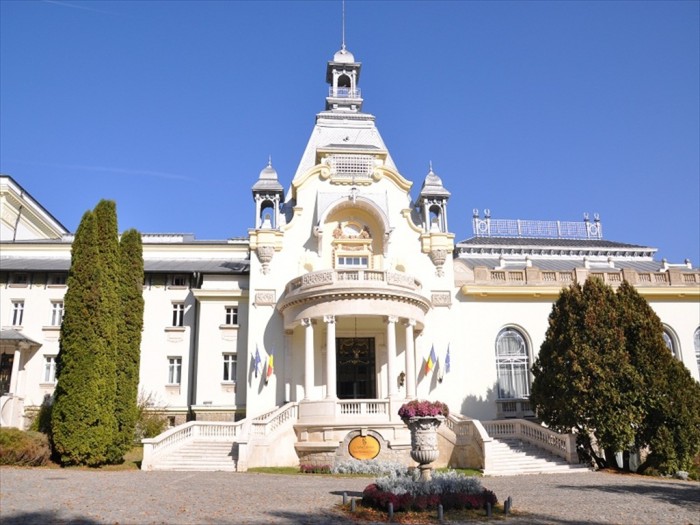
Prahova, Prahova County
Sinaia Casino
Situat in parcul "Dimitrie Ghica" din localitatea Sinaia; reprezinta si astazi unul dintre edificiile - simbol ale statiunii; construit in timp record, intre...
47.6 km
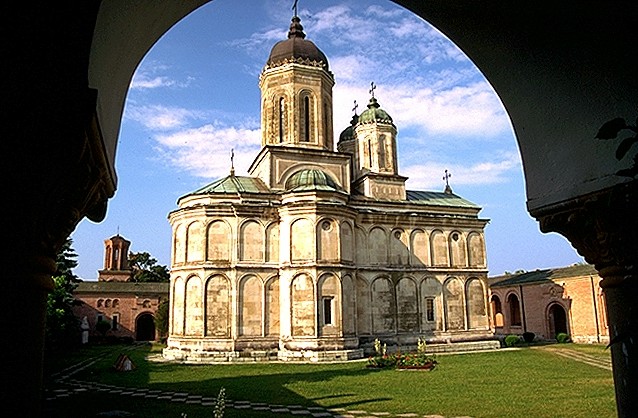
Viforata, Dâmbovița County
Dealu Monastery
Situata in satul Viforata, comuna Aninoasa, la 6 km de Targoviste, spre nord;ctitorita de Radu cel Mare, intre anii 1449-1501; prima atestare documentara...
4.7 km
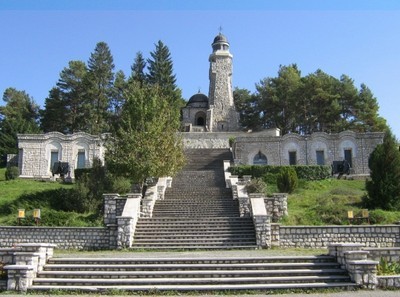
Mateias, Argeș County
Mateiaș Heroes' Mausoleum
Situat in comuna Mateias, judetul Arges;dedicat eroilor din Razboiul de Intregire Nationala dintre anii 1916-1918; ridicat intre anii 1928-1935, de catre...
47.2 km

44.6 km
49.9 km
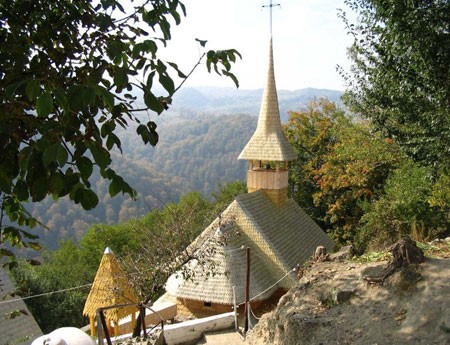
Albestii, Argeș County
Negru Vodă Cave Monastery
Asezata pe piscul unui munte de pe Valea Dambovitei, intre satele Cetateni si Cotenesti, la 22 km sud-est de Campulung; cunoscuta cu denumirea de "Schitul...
37.1 km
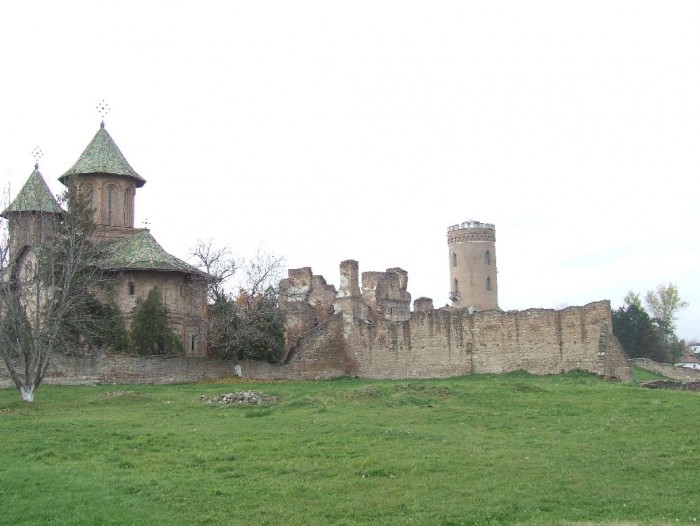
Dambovita, Dâmbovița County
Princely Court of Târgoviște
Situat pe Calea Domneasca nr. 181, in centrul orasului Targoviste; reprezinta cel mai bine pastrat ansamblu aulic medieval de pe teritoriul Romaniei si a...
0.1 km
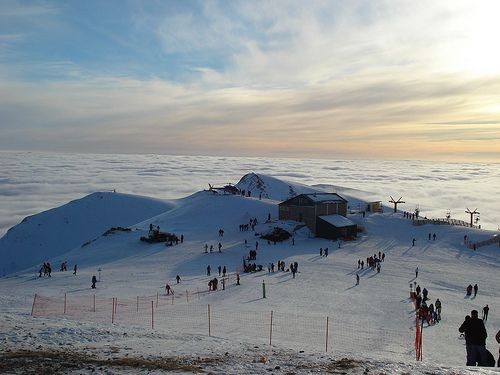
Sinaia, Prahova County
Sinaia Ski Slopes
Situate in statiunea Sinaia, la poalele muntilor Bucegi, la 49 km de municipiul Brasov; denumita si "Perla Carpatilor", statiunea ofera posibilitati de cazare...
47.5 km
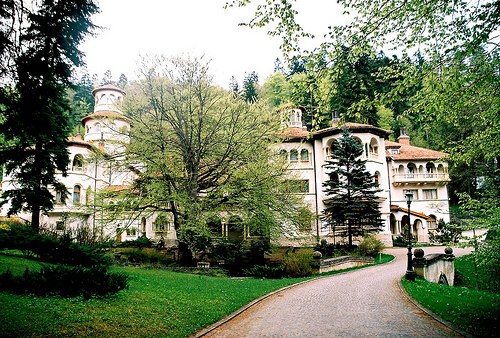
Prahova, Prahova County
Foisor Castle
Situat in apropiere de Castelul Pelisor, localitatea Sinaia, judetul Prahova; cladirea cu 42 de incaperi a fost initial cabana de vanatoare a regelui Carol I,...
47.9 km
Cultural life and traditions
Events in the Chindia Tower area
Medieval festivals, traditional fairs, concerts and local activities recommended in Muntenia (Wallachia).

History and Royal Architecture

Dambovita, County of Dâmbovița
Days of Royalty and Heritage in the Prahova Valley
Historical conferences open to the public, themed tours of royal architecture, documentary screenings and exhibitions of vintage photographs.
WHEN
May 10-12, 2026


Gastronomy and Oenology
Dealu Mare, County of Dâmbovița
The Prahova Wine Festival on the Wine Route
Guided tastings of Fetească Neagră along the famous Wine Route, visits to historic wineries, and meetings with leading winemakers.
WHEN
Every weekend (September - October)

Hiking and Adventure
Bucegi Mountains, Dâmbovița County
Guided Mountain Tour in the Bucegi Mountains
Guided mountain tours led by mountain rescue personnel to iconic panoramic viewpoints and spectacular alpine waterfalls.
WHEN
Daily during the season (June - October)
On foot, exploration gains depth
Discover the surroundings and local geography
Explore the trails, terrain, and natural landmarks around Chindia Tower.

Guides and practical tips
Useful travel articles
Travel guides, practical recommendations and tourist itineraries for Muntenia (Wallachia).

Tourist guide
Top 5 Atracții Turistice și Trasee Montane în Zona Moieciu - Bran
Descoperă cele mai spectaculoase peisaje carstice, chei adânci și cetăți medievale din imediata apropiere a stațiunii Moieciu.

Tourist guide
Ghid de Drumeție: Traseul Moieciu de Sus spre Platoul Bucegi
Un itinerariu montan de o frumusețe rară ce urcă din Valea Băngăleasa spre Poiana Guțanu și crestele maiestuoase ale Bucegilor.

Tourist guide
Castelul Bran: Istorie, Legende și Secrete Medievale
Află adevărata poveste a fortăreței medievale din Pasul Bran, reședința de suflet a Reginei Maria a României.
THE JOURNEY STARTS WITH AN IDEA
The next story is on the way.
From the first stop to the last stay, make room for a new Romania.
