


MONUMENT · TRANSYLVANIA
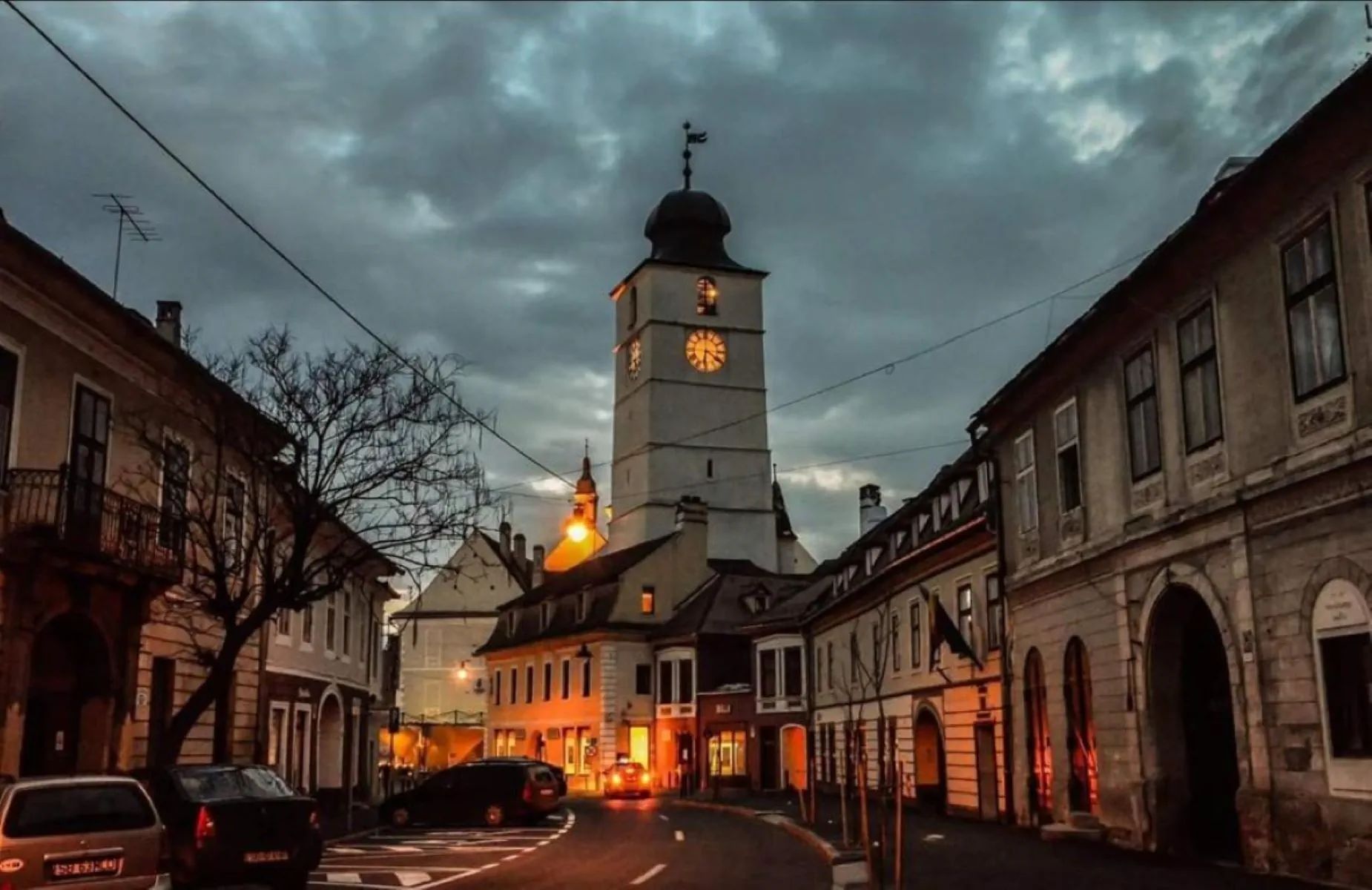
The Council Tower

Sibiu, Sibiu County
Add location to your trip planner.
Practical access information

VISITING HOURS
Monday: 12:00 PM – 5:00 PM · Tuesday–Sunday: 9:00 AM – 5:00 PM (in summer until 8:00 PM)

TICKET PRICE
Adults: 45 RON · Students: 11 RON · Seniors: 23 RON · Guided tour included

RECOMMENDED VISIT DURATION
2-3.5 hours
Visitor information and guide
 Navigate with Google Maps

ABOUT THE COUNCIL TOWER
The Council Tower of Sibiu: The Stone Sentinel of Central Europe at the Gates of the Carpathians
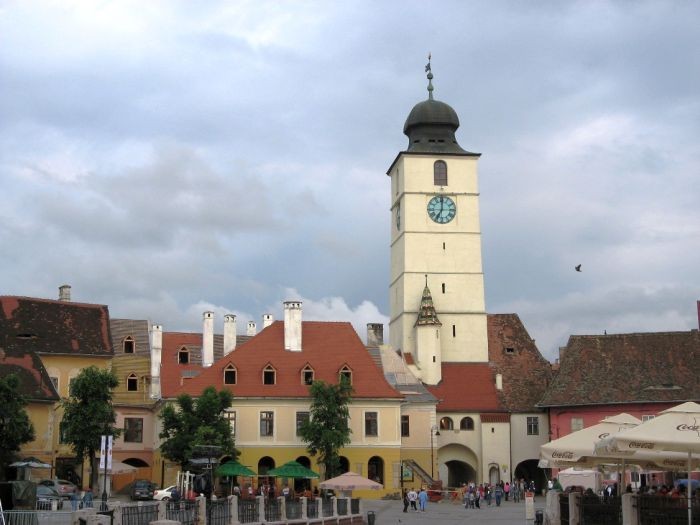
In the historic heart of Sibiu, where the Great Square, the largest medieval square in southeastern Europe, meets the charming Little Square with its cafes and craft galleries, stands a monument that has become, over eight centuries, the very visual image of the city: the Council Tower. With its slender silhouette, its bulbous roof gleaming in the sun like a copper dome, and its four clock faces watching over the red roofs of the Saxon houses, this tower represents much more than just a simple viewpoint or a former defensive bastion. It is a true backbone of European memory, a silent witness to the great upheavals that have shaken the continent from the Mongol invasion of the 13th century to the Revolution of 1989, passing through the glorious eras of the Kingdom of Hungary, through Ottoman terror, through the baroque splendor of the Habsburg court in Vienna, and through the cultural renaissance of a Europe without borders.
For the European traveler seeking to fully understand the specific nature and universal value of this place, the Council Tower offers an essential key to interpretation. It is not just an isolated monument, but a node in a complex network of interconnected histories: it is the son of a Europe expanding eastward, born from the ambition of King Géza II of Hungary to colonize and defend the borders of his kingdom; it is the survivor of a continental catastrophe that shook all of Central Europe in 1241; it is the bastion of a German community that kept alive, for six centuries, the spirit of the Rhine and Moselle in the heart of the Carpathians; it is the witness to the confrontation between Christian crusaders and the Ottoman crescent; it is the expression of the Enlightenment ambition of Baron Samuel von Brukenthal and Habsburg Vienna; and finally, it is the symbol of a new Europe, that of cultural capitals, capable of transforming heritage into a bridge between nations. Rising approximately forty-five meters above the medieval pedestrian area, with its seven floors receding in steps and its 141 steps of its spiral staircase, the Council Tower invites the visitor on a vertical journey through time, from the level of the medieval streets to the breathtaking panorama of the Făgăraș Mountains, revealing at each stop the successive layers of a truly European history, comparable to the great civic towers of the continent, from those in Prague or Nuremberg to the campanile towers of Tuscany.
Historical Roots and Major European Connections
The story of the Council Tower begins in the shadow of an older tale, that of the city of Sibiu itself, known in antiquity as Cedonia or Cibinium, a Roman settlement founded on the banks of the Cibin River, a tributary of the Olt, in a strategic landscape that controlled the southern passes of the Carpathian Mountains. Archaeological remains indicate the presence of a prosperous community dating back to the Roman Empire, when Roman roads connected this area to Lower Dacia and the Danubian provinces, placing the settlement within a commercial network stretching from the Adriatic Sea to the Black Sea. The first documentary attestation of the locality dates back to 1191, when Pope Celestine III confirmed the existence of a free prebend of Saxons in Transylvania; however, the true birth of the city as a European urban entity took place in the 12th century, when King Géza II of Hungary (1141-1162), aware of the vulnerability of his kingdom's southern border to threats from the east, invited German colonists from the Rhine, Moselle, Luxembourg, and Alsace regions to settle in Transylvania. These colonists, later known as Transylvanian Saxons, brought with them advanced construction techniques, urban organization, and community autonomy, rapidly transforming the settlement into a prosperous commercial and craft center, similar to other medieval settlements in Central and Eastern Europe, such as those in Poland or the Baltic countries. The name Hermannstadt, documented in 1366 but present in the form Villa Hermanni as early as 1223, speaks of the legendary founding attributed to a knight named Hermann, possibly referring to Archbishop Hermann II of Cologne, a symbol of the connection between this remote community and the Holy Roman Germanic Empire.
The Council Tower was built between 1224 and 1241, simultaneously with the construction of the city's second fortified enclosure, in a European context marked by profound anxiety over invasions. This period coincided with the rapid expansion of the Mongol Empire under Genghis Khan and his successors, a force that shook the entire known world, from China to the heart of Europe. In 1241, the hordes of Batu Khan, Genghis Khan's nephew, crossed the Carpathian Mountains and invaded Transylvania, destroying the settlement of Sibiu almost entirely. The tower, built just a few years before this catastrophe, partially survived, remaining a witness to the destruction that was part of a continental disaster: in the same year, the Hungarian army was crushed at the Battle of Mohi (April 11, 1241), Poland was devastated at Legnica, and the Kingdom of Hungary collapsed. Archaeologists discovered in the defensive moat of the second enclosure a coin from the reign of King Andrew II of Hungary (1205-1235), a silent testimony to the monetary circulation and economic ties of Sibiu with the Hungarian power center at Esztergom or Buda. After the Mongol withdrawal in 1242, determined by the death of Great Khan Ogedai, the city was rebuilt, and the Council Tower became an integral part of the new defensive system, a symbol of the resilience of a community that refused to disappear in the face of historical turmoil, much like other European communities survived invasions, such as those in Italy against the barbarians or on the Iberian Peninsula against the Arabs.
In the following centuries, Sibiu, under the name Hermannstadt, became the most important of the seven Saxon cities that gave Transylvania its German name, Siebenbürgen, and the Council Tower became the administrative and symbolic center of this world. In 1324, the city's first town hall (Rathaus) was documented, located in close proximity to the tower, from which it derives its name. In 1376, the city had no fewer than nineteen craft guilds, an organization that placed Sibiu among the major urban centers of Central Europe, alongside Breslau, Nuremberg, or Prague, forming part of the Hanseatic commercial network and the cultural circuit of major imperial cities. In 1486, King Matthias Corvinus confirmed the Andrean Diploma, granting the Saxons extended rights and establishing the Universitas Saxorum, a political-legal union based in Sibiu that functioned as a state within a state, recognized by the Hungarian crown and having direct diplomatic ties
Architectural masterpiece: style and construction details
The Council Tower is a remarkable architectural creation, an eloquent example of the evolution of construction techniques and European architectural styles over eight centuries, representing a synthesis between the medieval Romanesque and Gothic military tradition and later Baroque influences from the Habsburg world. The current building is the result of several phases of construction, having been extended and even incorporated into a group of buildings over time. Of the original 13th-century structure, only the core up to the first two floors has survived; the rest has been rebuilt several times throughout history, reflecting layers of history similar to those found in the towers of Italian cities such as San Gimignano or Siena, or those in Prague and Nuremberg.
Today, the tower features seven successively receding floors, an architectural configuration typical of medieval defensive and administrative towers in Central Europe, similar to those in Hanseatic cities or in the imperial fortresses of the Holy Roman Empire, such as those in Nuremberg, Regensburg, or Rothenburg ob der Tauber. This progressive recession creates a visual effect of an open pyramid, a graceful silhouette that contrasts with the initial massiveness of the military structure. The facades of the tower are marked by narrow openings, shaped like loopholes or firing windows, elements characteristic of medieval military architecture, originally designed for defense but later adapted for interior lighting and ventilation, similar to the high windows in the keep of Windsor Castle or in the towers of the Loire Valley. The building is supported by high buttresses, massive structural supports that recede in steps on the sides facing the Great Square and the Small Square, providing stability and a dynamic silhouette, constantly changing visually. These buttresses, together with the receding floors, create a play of volumes and shadows that gives the tower an imposing presence in the urban landscape, an unavoidable landmark for anyone entering the historic center of Sibiu.
On the ground floor of the tower is a large vaulted passage, a stone corridor that organically connects the Great Square and the Small Square, transforming the tower into a true urban portal, a mandatory crossing point between the two hearts of the medieval city, similar to the gateways in Bruges or Amsterdam. This passage, still functional today, was completed in 1930 with a new vaulted opening under the tower, on the right side, by demolishing part of the adjacent building, to facilitate the flow of visitors. Above the passageway from the Small Square towards the Great Square, a stone plaque with an inscription in Latin is embedded in the wall, the language of diplomacy and European scholarship in the Middle Ages and the Early Modern period: HAEC TVRRIS TOTALITER PRAEPARATA EST A.D. 1588 DIES 3 AVGVS, which translates approximately to: This tower is completely prepared on the 3rd day of August in the Year of Our Lord 1588. This inscription marks the completion of the reconstruction work after the collapse in 1585 and represents a testimony to the continuity of the Latin tradition and Sibiu's belonging to Western European civilization, the use of Latin being a common practice in civic inscriptions throughout Europe until the 18th century.
The interior of the tower is revealed by a narrow spiral staircase, whose 141 stone steps lead visitors upwards. This staircase, characteristic of medieval European towers, from those in the French castles of the Loire to the Italian towers of Tuscany or those in Edinburgh, creates a unique sensory experience: as you ascend, the light changes, perspectives open up, and the air becomes fresher, carrying with it the echo of centuries. The thick masonry walls, built of stone and brick, retain the coolness of summer and the warmth of winter, providing a pleasant microclimate in any season, similar to the massive walls of medieval fortresses in Provence or Tyrol.
On the sixth floor is the clock mechanism, a technical treasure put into operation on December 19, 1906, and made by the prestigious firm J.J. Fuchs și Sons from Bernberg, Saxony. This mechanism, with its dials on all four sides of the tower, represents proof of German craftsmanship and the technical links between Sibiu in the 20th century and the industrial world of Central Europe, comparable to the mechanisms of the astronomical clock in Prague or those in Big Ben in London. The clock, illuminated at night, has become a symbol of the modern city, marking the passage of time for generations of Sibi residents and offering visitors an authentic experience of precision engineering. The rhythmic sounds of the mechanism, its constant ticking, create a unique atmosphere, a dialogue between the medieval past of the tower and the technological present.
The last floor, the seventh, houses an exceptional belvedere, an open terrace that offers one of the most spectacular panoramas in Romania. From here, the view extends over the red roofs of the Saxon houses, with their famous "Eyes of Sibiu," those eye-shaped dormer windows that give the city its nickname as the City with Eyes and which represent a unique architectural element in Europe, inspired by the Austrian Baroque tradition and adapted to local conditions, similar to the dormers in Bruges or Amsterdam, but with a specific expression, more expressive and more personalized. To the south lies the Great Square, with the Brukenthal National Museum and the impressive tower of the Evangelical Cathedral, the tallest building in Sibiu, with its 73.34 meters. To the east and west rise the towers and gables of historic churches, and to the north stretches the Small Square with its intimate atmosphere. On clear days, the panorama extends to the snow-capped peaks of the Fagaras Mountains, part of the Southern Carpathian chain, offering a view that harmoniously combines the medieval urban landscape with the natural grandeur of the European continent.
Over time, the interior of the tower has housed various cultural and museum functions. Between 1962 and 1998, it housed a section of medieval exhibits belonging to the Brukenthal National Museum, and in the period 1961-1962, the exhibition Aspects from the History of Sibiu was organized. Currently, the tower hosts temporary exhibitions of art and history, continuing its tradition as a vibrant cultural space. During recent renovation work, a time capsule, a metal cylinder containing documents over a hundred years old, was discovered in the roof of the tower, an emotional testimony to European commemorative practices and the community's desire to preserve memory for future generations, similar to capsules found in other European monuments such as Notre-Dame Cathedral in Paris or the Duomo in Milan.
Stories, Legends, Personalities, and Pivotal Moments
The history of the Council Tower is filled with dramatic episodes, legends, and encounters with personalities who shaped the destinies of Europe, transforming this monument into a true chronicle in stone of the continent. The most tragic moment in its history remains the collapse on February 17, 1585, when, following a devastating earthquake, the upper floors of the tower collapsed, burying the painter Johann David under the rubble while he was working on painting the vault of the tower. This tragedy, which cut short the life of an anonymous artist whose work was to beautify a European monument, remained in the collective memory of the city and led to extensive reconstruction work between 1586 and 1588, culminating in the Latin inscription that can still be read today above the passageway. Johann David's story is one of many human stories hidden within the thick walls of the tower, a reminder that each stone has a story, each floor a destiny.
Another dramatic moment occurred on July 5, 1608, when lightning struck the tower, causing a major fire that consumed significant parts of the structure, similar to incidents that affected the Prague Tower or the cathedral in Strasbourg. This episode illustrates the vulnerability of medieval structures to the forces of nature, but also the community's ability to rise again from the ashes. At the beginning of the 17th century, the tower became known as the Trumpet Tower (Tower of the Trumpeters), after the watchman who, stationed at the top, blew a trumpet every hour, marking the time of day in an era when personal clocks were a luxury inaccessible to most of the population, similar to the towers with trumpeters in Venice (Torre dell'Orologio) or other Italian cities. In 1720, the tower watchmen received orders from the magistrate to repeat the clock chime on a drum every half hour, a form of urban communication that is reminiscent of the alarm and warning systems in other European cities, from the bells of Florence to the clock towers of Prague or Vienna.
The first mention of the prison located in the Council House dates back to 1521, and the tower also served as a temporary detention place over time, housing prisoners while they awaited their trial or punishment. This function, far from being honorable, reminds us of the harsh reality of medieval and early modern justice, when city towers served not only for defense and administration but also for repression and social control, similar to the Tower of London, the Bastille in Paris, or the prisons in Venice. At the same time, the tower was also a place of knowledge: in the mid-19th century, it housed a museum of natural sciences, reflecting the Enlightenment's aspiration to spread knowledge and democratize access to science, a movement that had swept across Europe, from the Royal Society in London to the scientific academies in Vienna and Berlin.
After losing its defensive role in the 15th century, with the construction of the third ring of fortifications, the tower was used as a grain depot, an essential economic function for an urban community that needed to secure its food reserves during sieges or famines, similar to the large granaries in Hanseatic cities or Italian cities. This practical reuse of medieval military structures is a common phenomenon throughout Europe, from the city gate towers in Italian cities transformed into warehouses or dwellings, to the French bastions adapted for civilian use. The tower also served as an observation point for fires, a fire watchtower, an essential function in a city with so many wooden and straw buildings, where a fire could engulf the entire city in a few hours, as happened with the Great Fire of 1689, similar to the warning systems in Paris or London.
The personalities who have passed through the history of the tower are as illustrious as the events themselves. Here gathered the city councilors, judges, and mayors who led the destinies of a community at the crossroads of worlds. Here was located the administration of the Universitas Saxorum, the parliament of the Transylvanian Saxons, which for centuries represented the interests of a nation without its own state within the Kingdom of Hungary and then the Habsburg Empire, similar to the Swedish Diet or the parliaments of free cities in the Holy Roman Empire. Here, at various times, were the messengers of the emperor from Vienna, the Ottoman diplomats who came to negotiate tribute, and the representatives of the Pope from Rome, seeking alliances against the Ottoman threat. In 1783, Emperor Joseph II of the Holy Roman Empire visited Sibiu during his tour of Transylvania, and the nearby Hotel Imperial owes its name to this visit, reminding us of the close ties between the Council Tower and the Viennese imperial court, similar to the visits of emperors to Prague or Budapest.
A Practical Guide to Visiting and Experiencing Today's Tourist Attractions
For the European traveler wishing to experience this page of European history firsthand, visiting the Council Tower is an essential experience, a rite of initiation into the spirit of Sibiu. The monument is located at number 1 Piața Mică (Small Square), in the heart of the historic center, just a few steps from the Bridge of Lies, the Brukenthal Museum, and the Evangelical Cathedral, together forming a heritage complex of exceptional value, recognized by the inclusion of Sibiu's historic center on the UNESCO World Heritage List in 2004 and by the title of European Capital of Culture awarded in 2007 together with Luxembourg, a title that placed the city among the great cultural capitals of Europe such as Liverpool, Linz, or Istanbul.
Access to the tower is through a small door located on the facade facing Piața Mică, a humble entrance that contrasts with the vertical grandeur of the structure. From here, the visitor enters the world of the spiral staircase, climbing the 141 steps of a narrow stone staircase that winds in a clockwise direction. Each step is an invitation to contemplation, to feel the weight of history beneath your feet. As you ascend, the narrow windows open onto various perspectives: towards Piața Mică with its lively cafes, towards Piața Mare (Great Square) with the Brukenthal Museum and the Evangelical Cathedral, towards the rooftops with the "Eyes of Sibiu" that seem to look at you curiously. At each level, temporary exhibitions present aspects of the city's history, providing context and depth to the visual experience.
Upon reaching the sixth floor, the traveler encounters the clock mechanism, a remarkable piece of mechanical engineering created in 1906 by the firm J.J. Fuchs și Sons from Bernberg, Saxony. Here you can observe how this century-old mechanism works, hear its rhythmic ticking, and smell the oil and metal that evokes the workshops of German craftsmen from past centuries. The illuminated dials at night, visible from all four sides of the tower, transform this level into a magical space, a place where time seems to have stopped to contemplate its own ephemerality.
The last stop, on the seventh floor, is the belvedere, an open platform that offers a complete panorama of Sibiu and its surroundings. From here, the view encompasses the entire historic center, with its cobbled streets, church towers, and red roofs arranged in a vibrant mosaic. On clear days, the panorama extends to the ridges of the Făgăraș Mountains, with their snow-capped peaks even in midsummer, offering a view reminiscent of other great European viewpoints, from those in Prague or Salzburg to those in Innsbruck or Grenoble. It is a moment of peace and admiration, a moment when history, nature, and architecture come together in an unforgettable visual symphony.
Practical information for visiting should be checked beforehand, as the tower has undergone extensive renovation and conservation work, funded by European and national funds, which aimed to restore the structure, roof, and interior installations. During this work, public access to the interior was restricted, but the monument remained visible from the outside, offering numerous photo opportunities, especially at sunset, when the warm light of the sun bathes the stone and copper roof in a bronze glow. The price of the entrance ticket, during periods when the tower is open, is symbolic, less than five lei, reflecting the community's desire to democratize access to cultural heritage, in line with European values of education and culture for all, similar to the policies of many museums and monuments in Western Europe.
For a complete experience, visiting the tower is recommended as part of a larger tour of Sibiu's historic center: after climbing the tower, you can descend towards Piața Mică, cross the Bridge of Lies towards Piața Huet, visit the Evangelical Cathedral with its 73-meter tower, admire the Brukenthal Museum on Piața Mare, one of the oldest and most valuable art museums in Europe, founded in 1817 by Baron Samuel von Brukenthal, the Habsburg governor of Transylvania, and enjoy the atmosphere of the cafes and restaurants in the pedestrian area. In the evening, when the clock in the tower is illuminated and when the "Eyes of Sibiu" light up in the windows of the houses, the panorama becomes magical, offering an experience that combines European romanticism with the authenticity of a place that is still alive, still present in the collective memory of the continent.
The Council Tower remains, therefore, much more than just a monument: it is an invitation to the European traveler to discover, through its physical and symbolic ascent, the layers of history, culture, and spirituality that define the profound identity of Central Europe. It is a place where the past is not dead but breathes in every stone, in every step, in every tick of the clock, reminding us that we are part of a larger story, a European story written in stone, light, and time.
Media gallery
Discover The Council Tower in pictures

5 photos · Architecture, courtyards and captivating details
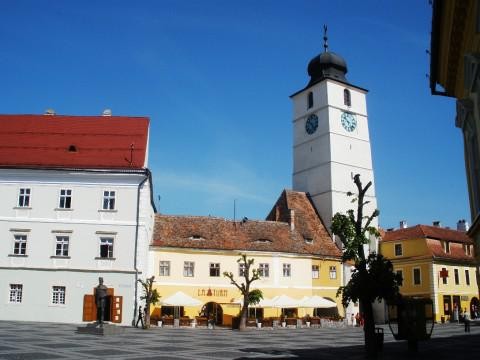


Image source: Wikimedia Commons · Public domain photos · Free license
STAY A FEW DAYS, DISCOVER THE MAGIC
Accommodation in the The Council Tower area

Apartment · 3 stars

Sibiu, Sibiu County · 0.1 km
Brukenthal Studio Sibiu
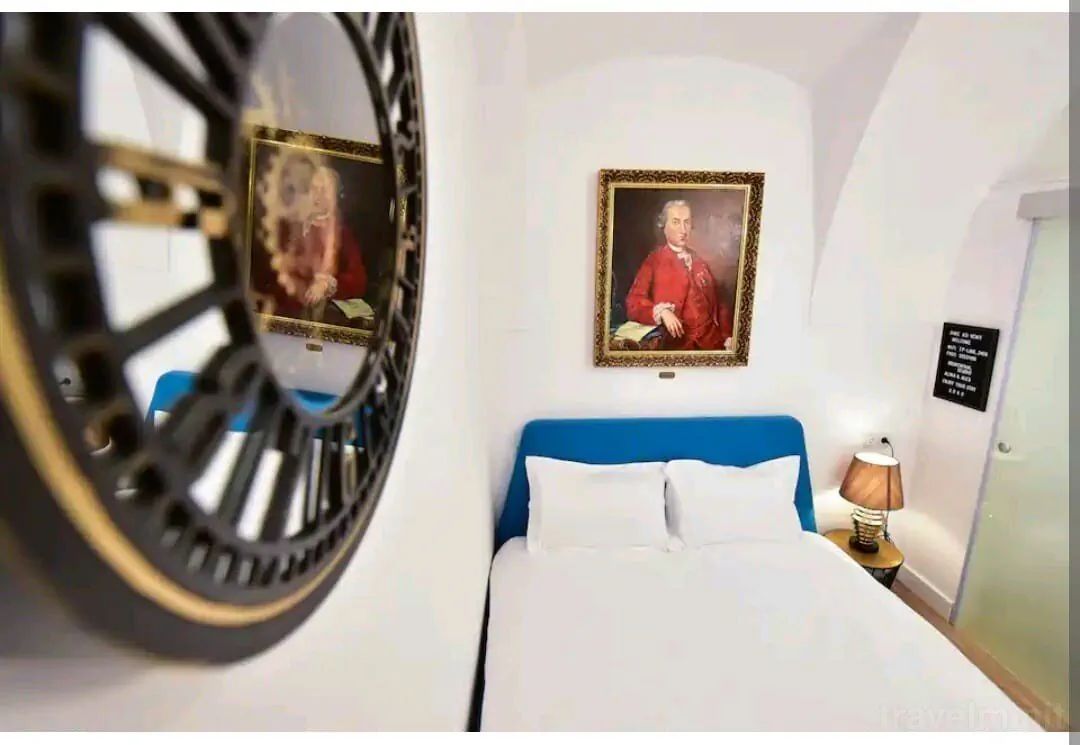
O zi petrecută aici începe cu o cafea savurată în curtea mare și grădina amenajată, iar seara se încheie perfect cu o ședință de relaxare în saună, toate la Brukenthal Studio Sibiu, apartamentul de închiriat din Sibiu care vă așteaptă să vă bucurați de fiecare moment al șederii dumneavoastră. Unitatea pune la dispoziție Wi-Fi gratuit pentru a vă menține conectați oriunde ați fi, fier de călcat pentru ținute impecabile în orice ocazie și un spațiu practic de depozitare pentru bagaje, astfel încât să călătoriți liniștiți și fără griji. Fiecare detaliu este gândit pentru confortul dumneavoastră într-un apartament clasificat cu trei stele. Înconjurat de istorie, studioul se află în apropierea unor obiective esențiale pentru orice vizitator: Muzeul Civilizației Populare Tradiționale ASTRA, Biserica Parohială Evanghelică Sfânta Maria din Sibiu, Muzeul Brukenthal, Turnul Sfatului și Podul Minciunilor. Aceste locuri emblematice vă permit să descoperiți cultura și tradițiile autentice ale orașului la fiecare pas pe care îl faceți. Fie că sunteți în călătorie de relaxare sau doriți să explorați în profunzime patrimoniul sibian, Brukenthal Studio Sibiu reprezintă baza potrivită pentru o experiență completă și confortabilă în acest oraș fascinant.
FROM
230 lei per night

Hotel · 3 stars
Sibiu, Sibiu County · 0.1 km
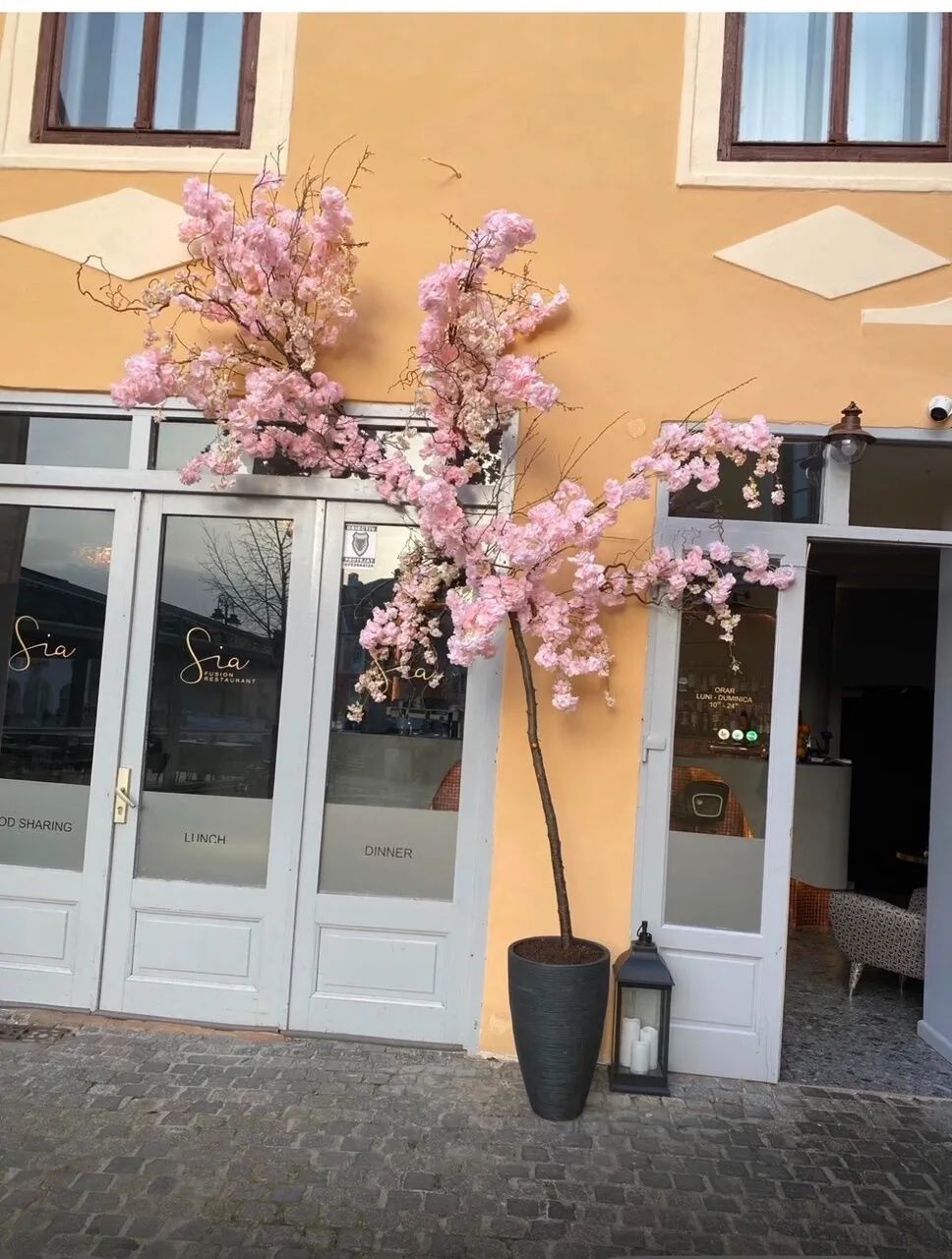
Aparhotel Sia Boutique Sibiu
În apropierea unei pârtii de schi se află Aparhotel Sia Boutique din Sibiu, un hotel de trei stele situat în Piața Mică, într-o zonă centrală a orașului. Această unitate oferă cazare confortabilă într-un cadru urban cu facilități moderne pentru turiști. Oaspeții dumneavoastră beneficiază de Wi-Fi gratuit, room service și un restaurant în incintă, alături de bar și cafenea. Pentru deplasări există parcare pentru biciclete și serviciu de închiriere biciclete, iar pentru siguranță și confort sunt disponibile seif, depozit pentru bagaje și fier de călcat. Familiile cu copii găsesc aici pătuț pentru bebeluș, scaun înalt pentru mese și meniuri pentru diete speciale. În zonă se pot practica pescuitul și drumețiile montane pe trasee în natură, iar în curte se află un foișor pentru momente de relaxare în aer liber. În apropiere se pot vizita Muzeul Civilizației Populare Tradiționale ASTRA, Biserica Parohială Evanghelică Sfânta Maria din Sibiu, Muzeul Brukenthal, Turnul Sfatului și Podul Minciunilor, obiective care completează experiența culturală a vizitatorilor. Aparhotel Sia Boutique Sibiu este potrivit pentru turiști activi, familii cu copii și iubitori ai naturii care doresc să exploreze centrul istoric al orașului și să profite de diverse activități în aer liber.
FROM
290 lei per night
Holiday villa · 3 stars
Sibiu, Sibiu County · 0.1 km
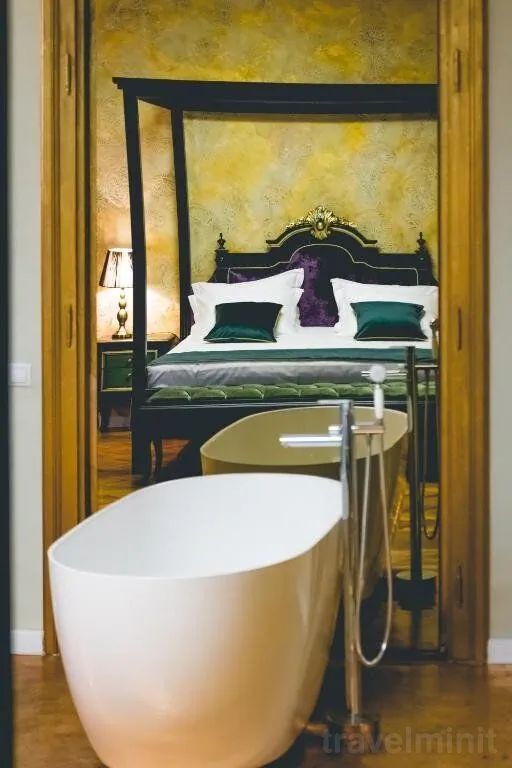
MAGISTER seven Sibiu
La sosirea dumneavoastră, cele opt locuri de parcare private vă așteaptă pentru a vă asigura un început fără griji al șederii. MAGISTER seven Sibiu este o vilă turistică de trei stele situată pe strada Avram Iancu numărul 7, în orașul Sibiu, într-o zonă liniștită dar aproape de centrul istoric. Unitatea pune la dispoziția dumneavoastră Wi-Fi gratuit în toate spațiile, aer condiționat în camere și un pătuț pentru bebeluș, astfel încât fiecare membru al familiei să se simtă confortabil pe toată durata sejurului. De asemenea, parcare privată gratuită este disponibilă pentru cei care călătoresc cu autoturismul și doresc să lase mașina în siguranță pe perioada șederii. În apropiere puteți vizita Muzeul Civilizației Populare Tradiționale ASTRA, Biserica Parohială Evanghelică Sfânta Maria din Sibiu, Muzeul Brukenthal, Turnul Sfatului și Podul Minciunilor, toate aceste obiective culturale fiind situate la îndemâna dumneavoastră în centrul istoric al orașului, ideale pentru plimbări de o zi sau după-amiezi liniștite. Seara, după ce ați explorat obiectivele din apropiere, vă puteți retrage într-o cameră răcoroasă, beneficiind de aer condiționat pentru un somn odihnitor înainte de o nouă zi de descoperiri.
FROM
280 lei per night
Hotel · 3 stars
Sibiu, Sibiu County · 0.1 km
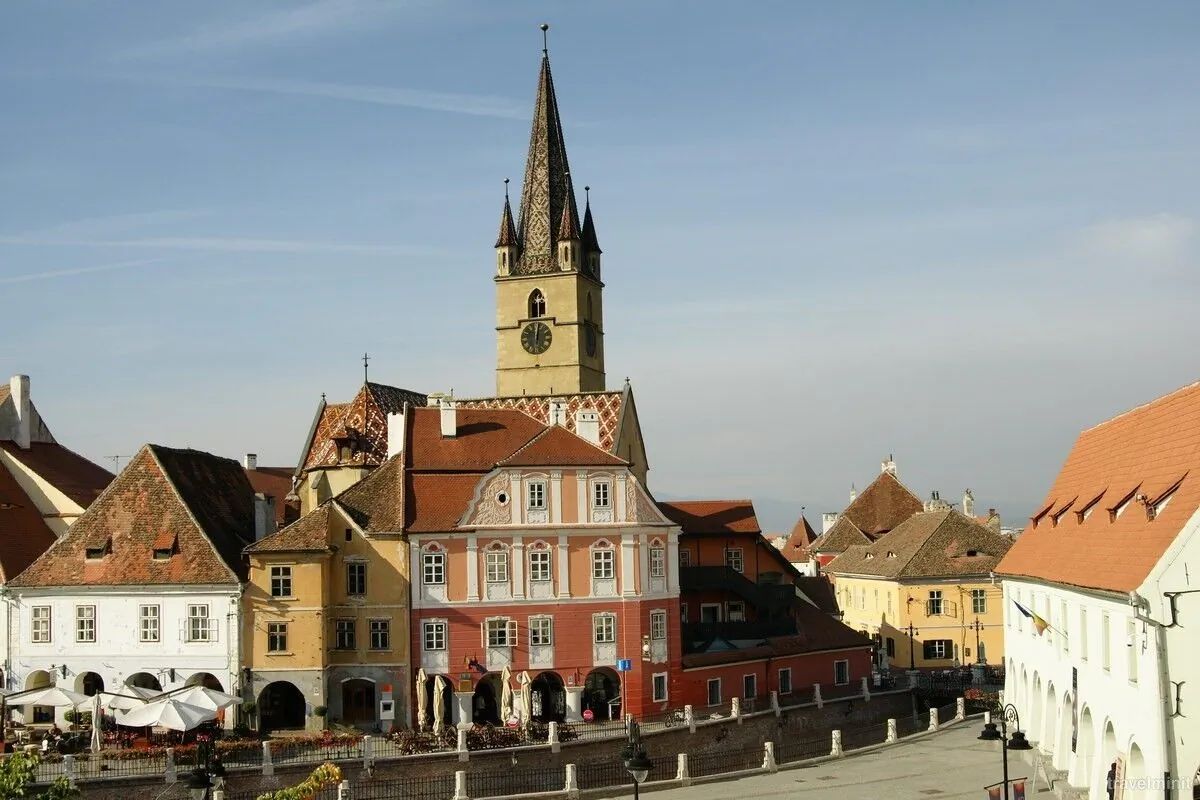
Hotel Casa Luxemburg Sibiu
Clădirea cu elemente arhitecturale unice din secolul XIII, ridicată pe prima incintă de fortificații a orașului medieval, păstrează și astăzi atmosfera autentică a vechiului Sibiu. Hotel Casa Luxemburg Sibiu se află chiar în Piața Mică, la numărul 16, într-un cadru istoric deosebit. Fiecare cameră este decorată într-un stil propriu și oferă priveliști deosebite spre monumente emblematice ale orașului. De la fereastră puteți admira direct Podul Minciunilor, Biserica Evanghelică sau Turnul Sfatului, cele mai reprezentative repere din imediata apropiere. Pentru un sejur confortabil, hotelul vă pune la dispoziție Wi-Fi gratuit în toate spațiile și pătuț pentru bebeluș la cerere. Recepția este disponibilă permanent, 24 de ore din 24, pentru a răspunde oricărei solicitări. În vecinătate se află numeroase obiective turistice pe care le puteți explora cu ușurință pe jos: Muzeul Civilizației Populare Tradiționale ASTRA, Biserica Parohială Evanghelică Sfânta Maria din Sibiu, Muzeul Brukenthal, Turnul Sfatului și Podul Minciunilor. Vă așteptăm la Hotel Casa Luxemburg Sibiu, pe Piața Mică 16, într-o locație cu acces direct către centrul istoric al orașului.
FROM
290 lei per night
Apartment · 3 stars
Sibiu, Sibiu County · 0.1 km
Apartment Queen Bridge Sibiu
Apartment Queen Bridge din Sibiu vă pune la dispoziție un restaurant chiar în incintă, alături de Wi-Fi gratuit și fier de călcat, facilități care contribuie semnificativ la confortul dumneavoastră. Această unitate de cazare de 3 stele, situată pe strada Ocnei 1, reprezintă o opțiune potrivită pentru șederea dumneavoastră în acest oraș plin de istorie. Fiind un apartament de închiriat, aveți la dispoziție spațiu și independență pentru a vă organiza timpul după propriile preferințe. Conexiunea la internet fără cost vă permite să rămâneți informați și să comunicați cu ușurință, iar fierul de călcat asigură că hainele dumneavoastră arată impecabil în orice moment al zilei. În apropierea unității puteți vizita Muzeul Civilizației Populare Tradiționale ASTRA, Biserica Parohială Evanghelică Sfânta Maria din Sibiu, Muzeul Brukenthal, Turnul Sfatului și Podul Minciunilor. Aceste obiective turistice oferă o perspectivă variată asupra tradițiilor, artei și arhitecturii locale. Seara, restaurantul din incintă constituie un loc potrivit pentru a savura cina după o zi petrecută explorând atracțiile orașului.
FROM
230 lei per night
Apartment · 3 stars
Sibiu, Sibiu County · 0.1 km
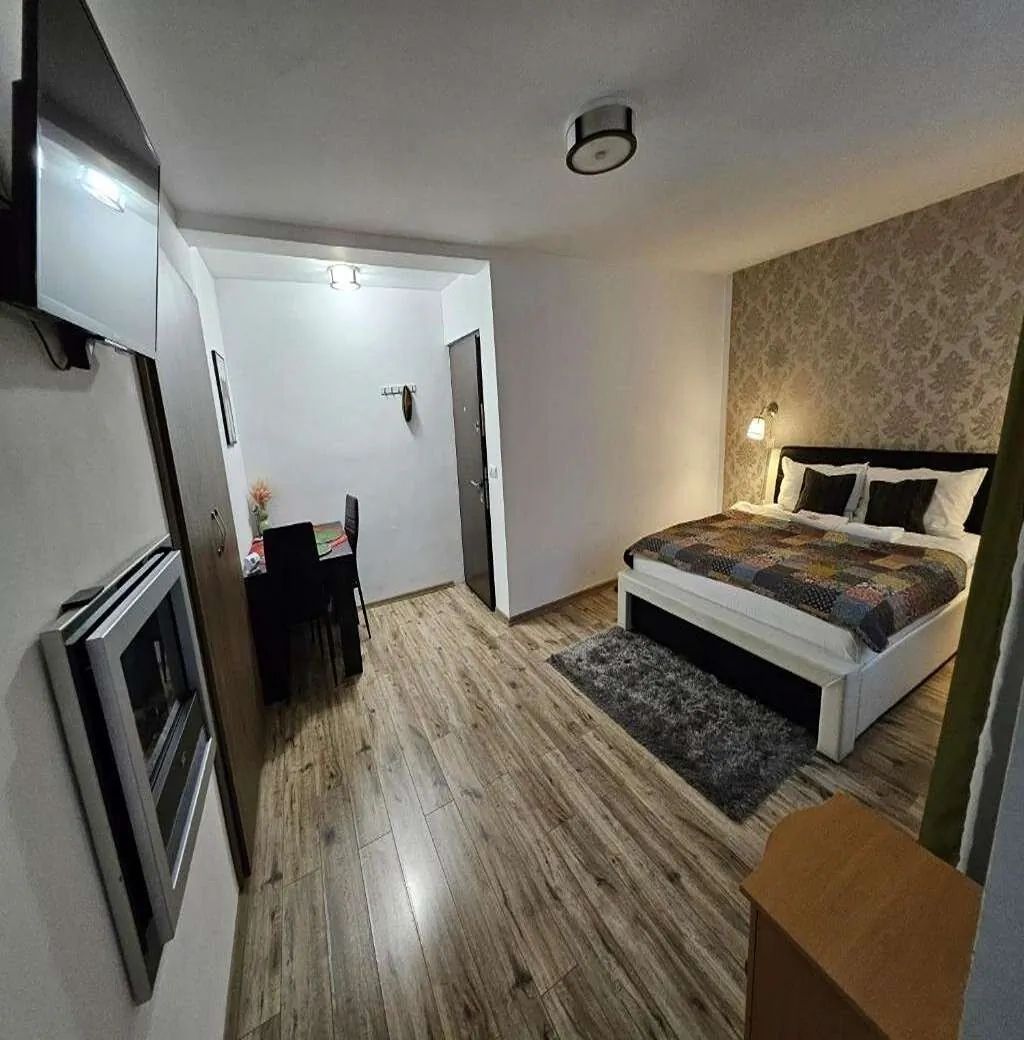
Weidner Apartments Sibiu
Weidner Apartments Sibiu este un apartament de închiriat clasificat cu 3 stele, situat în orașul Sibiu, pe strada Avram Iancu. Spațiul este dotat într-un stil contemporan, cu o atmosferă primitoare, fiind o alegere bună atât pentru cupluri, cât și pentru călători în interes de serviciu. Designul funcțional asigură un sejur confortabil. Pentru confortul dumneavoastră, unitatea oferă Wi-Fi gratuit și fier de călcat. Veți găsi aici o cameră spațioasă cu pat confortabil, spațiu pentru servit masa, televizor, frigider și dulapuri pentru depozitare. Accesul se face prin posibilitatea de check-in flexibil, iar în zonă există parcare publică. Poziția avantajoasă, într-o zonă liniștită în apropierea centrului, vă permite să explorați cu ușurință principalele atracții din oraș. Printre obiectivele din vecinătate se numără Muzeul Civilizației Populare Tradiționale ASTRA, Biserica Parohială Evanghelică Sfânta Maria din Sibiu, Muzeul Brukenthal, Turnul Sfatului și Podul Minciunilor. Vă așteptăm să vă bucurați de șederea în Sibiu și să porniți la descoperirea Turnului Sfatului.
FROM
230 lei per night
BEFORE YOU HIT THE ROAD
Weather conditions in Sibiu
Local forecast for The Council Tower, Sibiu, Sibiu

Real-time updated weather data
Much more to explore in this area
Nearby tourist attractions

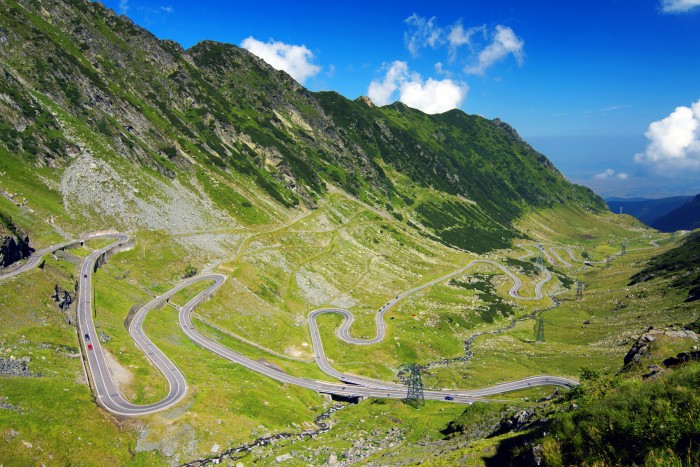

Cârțișoara, Sibiu County
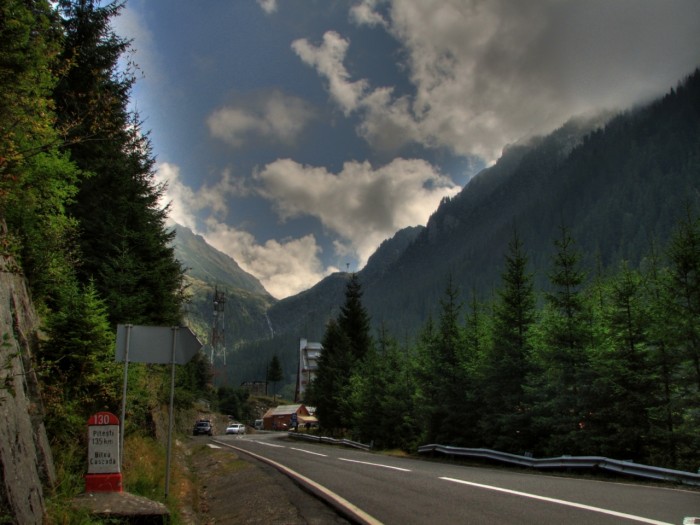
Transfăgărășan Highway and Bâlea Lake
Incepe in comuna Bascov din judetul Arges de langa orasul Pitesti, in directia orasului Curtea de Arges si se termina la intersectia cu drumul DN1 intre Sibiu...
33.6 km
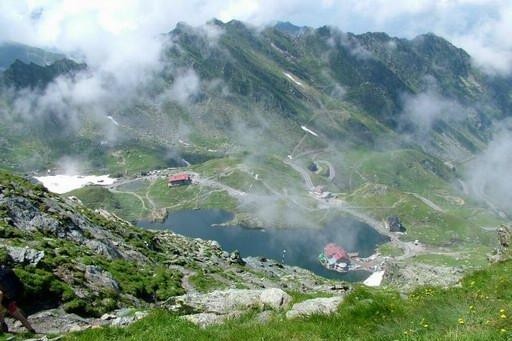
Sibiu, Sibiu County
Bâlea Lake
Situat in Muntii Fagaras, la Obarsia Cartisoarei, care se afla la o altitudine de 2.034 metri, langa soseaua Transfagarasan din judetul Sibiu; in perioada...
42.1 km

40.6 km
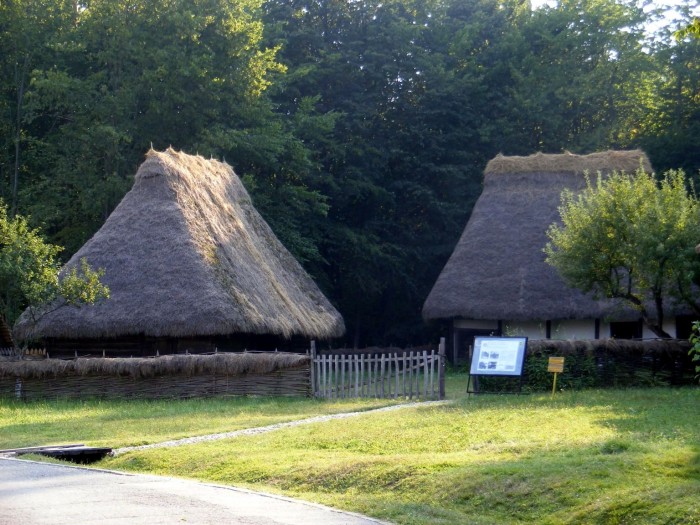
Sibiu, Sibiu County
ASTRA Museum of Traditional Folk Civilization
Situat pe Calea Rasinari din localitatea Sibiu; este un muzeu in aer liber; a fost organizat cu incepere din anul 1963, sub denumirea de Muzeul Tehnicii...
5.6 km
Sibiu, Sibiu County
Bâlea Lake Resort
Situata in aria comunei Cartisoara din masivul Fagaras; se intinde pana la altitudinea de 2.500 m; include relieful alpin, lacul, flora si fauna din circul...
33.7 km

47.1 km
Sibiu, Sibiu County
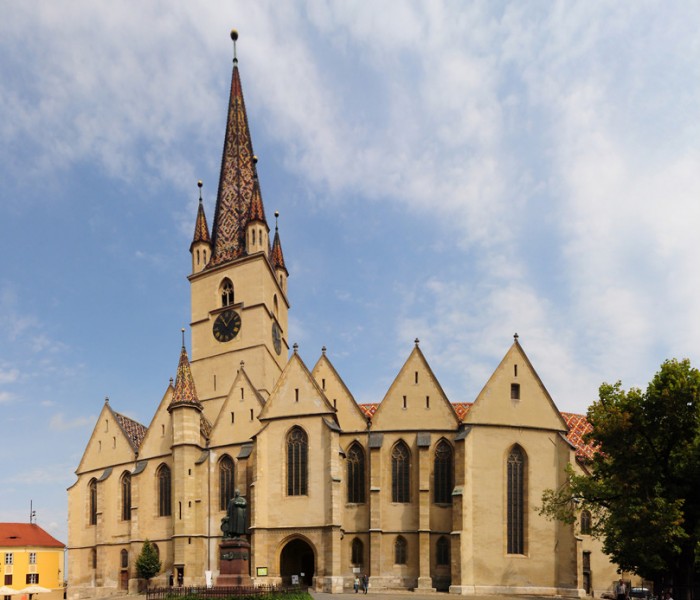
St. Mary's Evangelical Church
Situata in Piata Huet, localitatea Sibiu; a fost ridicata in secolul al-XIV-lea, pe locul unde exista o veche biserica inca din secolul al-XII-lea; cladirea...
0.2 km

Sibiu, Sibiu County
Brukenthal National Museum
Situat in Piata Mare nr.4-5; colectiile baronului von Brukenthal au luat nastere in principal intre anii 1759-1774, perioada pe care acesta a petrecut-o la...
0.2 km
Sibiu, Sibiu County
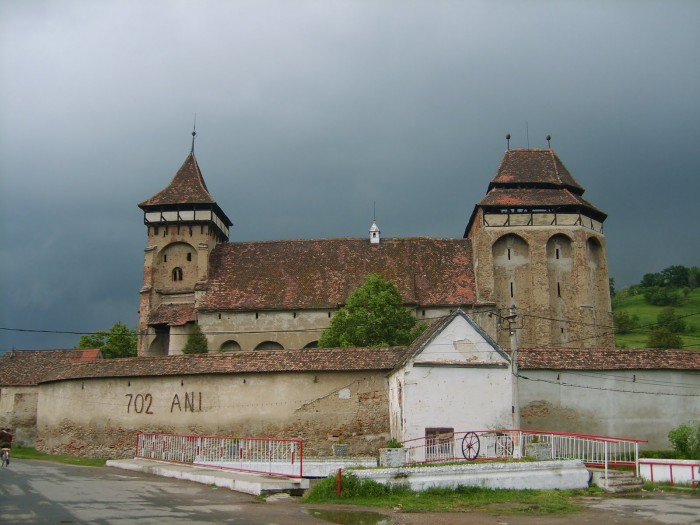
Valea Viilor Fortified Church
Situata in localitatea Valea Viilor; a fost construita in secolul al XII-lea, urmand sa fie fortificata in secolul al XV-lea si al XVI-lea; inconjurata de o...
33.3 km

37.7 km
Sibiu, Sibiu County
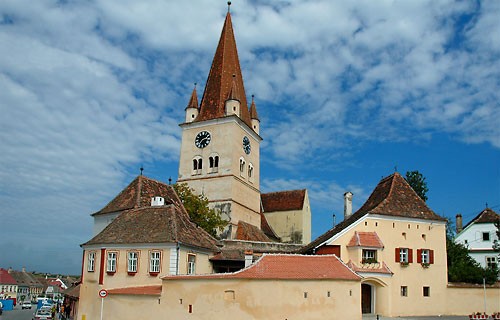
The Fortified Evangelical Church of Cisnădie.
Situata pe strada Cetatii nr.1-3, localitatea Cisnadie; construita in secolul al XIII-lea; fortificata dupa atacul turcesc din 1493: turnul central a fost...
9.5 km
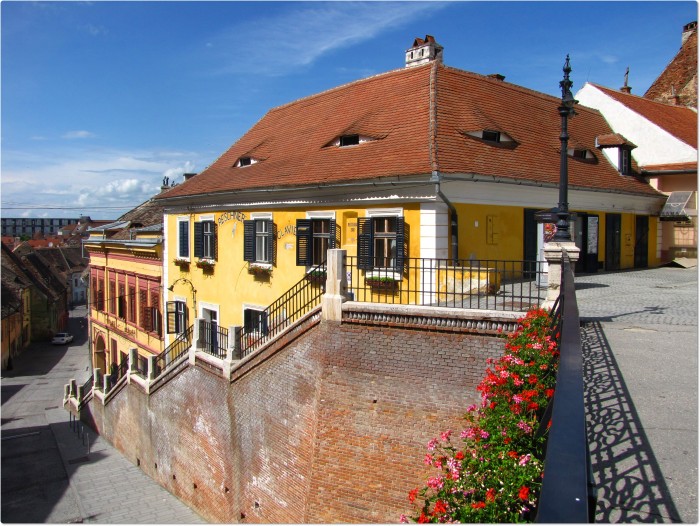
Sibiu, Sibiu County
The Bridge of Lies
Face legatura dintre Piata Mica si Piata Huet din Sibiu; a fost turnat in Laubach si montat in Sibiu in anul 1859; este primul pod din fonta din Romania;...
0.1 km
Cultural life and traditions
Events in the The Council Tower area
Medieval festivals, traditional fairs, concerts and local activities recommended in Transylvania.

Heritage and History

Sibiu, County of Sibiu
The Festival of Medieval Fortresses and the Open Doors Days
Guided night tours, traditional crafts workshops and historical re-enactments featuring knights and ladies.
WHEN
May 15-17, 2026


Traditions and Cuisine
Sibiu, County of Sibiu
The Fair of Saxon Traditions and Local Cuisine
Discover local producers, traditional Saxon pastries baked in a wood-fired oven, artisanal syrups, and rhubarb jam.
WHEN
Every weekend (May - October)

Ecotourism and Nature
The hills of Transylvania, County of Sibiu
Guided Hikes on the Transylvanian Hills Trail
Take excursions along unmarked trails through ancient meadows, centuries-old oak trees, and villages with fortified churches that are UNESCO World Heritage sites.
WHEN
Friday – Sunday (Season 2026)
On foot, exploration gains depth
Discover the surroundings and local geography
Explore the trails, terrain, and natural landmarks around The Council Tower.

Guides and practical tips
Useful travel articles
Travel guides, practical recommendations and tourist itineraries for Transylvania.

Tourist guide
Top 5 Atracții Turistice și Trasee Montane în Zona Moieciu - Bran
Descoperă cele mai spectaculoase peisaje carstice, chei adânci și cetăți medievale din imediata apropiere a stațiunii Moieciu.

Tourist guide
Ghid de Drumeție: Traseul Moieciu de Sus spre Platoul Bucegi
Un itinerariu montan de o frumusețe rară ce urcă din Valea Băngăleasa spre Poiana Guțanu și crestele maiestuoase ale Bucegilor.

Tourist guide
Castelul Bran: Istorie, Legende și Secrete Medievale
Află adevărata poveste a fortăreței medievale din Pasul Bran, reședința de suflet a Reginei Maria a României.
THE JOURNEY STARTS WITH AN IDEA
The next story is on the way.
From the first stop to the last stay, make room for a new Romania.
