


CASTLE · TRANSYLVANIA
Călnic Citadel

Alba, Alba County
Add location to your trip planner.
Practical access information

VISITING HOURS
Monday: 12:00 PM – 5:00 PM · Tuesday–Sunday: 9:00 AM – 5:00 PM (in summer until 8:00 PM)

TICKET PRICE
Adults: 45 RON · Students: 11 RON · Seniors: 23 RON · Guided tour included

RECOMMENDED VISIT DURATION
2-3.5 hours
Visitor information and guide
 Navigate with Google Maps

ABOUT CĂLNIC CITADEL
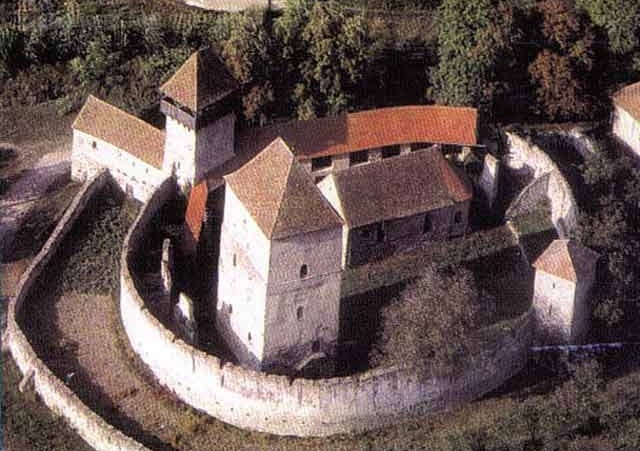
A fortress at Europe’s frontier: discovering the medieval world at Călnic
In the heart of Transylvania, where the gentle hills of the Secaș Plateau stretch toward the horizon like petrified waves, Călnic Citadel rises proudly—a monument that breathes history and resilience in a landscape seemingly untouched by centuries. Built in the mid-13th century during the expansion of Saxon communities in the Carpathian Basin, this fortress represents one of the most expressive and well-preserved examples of Gothic military architecture in Central Europe. A silent witness to the centuries when Europe’s Christian frontiers were defended by stone walls against the storms of history, the citadel overlooks the Secaș Valley from its strategic position along the old trade route between Sibiu and Sebeș. For over seven centuries, it has offered visitors an authentic experience of an era when fortifications were not merely defensive structures but also symbols of communal identity and survival in a region at the crossroads of the Latin and Byzantine worlds.
Historical roots and connections to Europe’s great empires
The history of Călnic Citadel begins around 1250, when Count Chyl de Kelling, a member of an influential noble dynasty with deep roots in the Holy Roman Empire, laid the foundations of a noble residence and a massive rectangular donjon. This period coincided with the colonization and territorial organization efforts of the Kingdom of Hungary, which, under the authority of the Hungarian crown, brought German settlers—later known as Saxons—to Transylvania to strengthen the eastern frontier of Christian Europe. Călnic occupied a vital strategic position in the Secaș Valley, controlling one of the most important trade routes linking Sibiu to Sebeș and, beyond, to the great commercial centers of Central Europe. It was part of an extensive defensive system designed to protect not only Transylvania but the entire eastern frontier of the Latin world against Ottoman expansion and regional political instability.
The initial construction reflects the defensive strategies of the German knights brought to the Carpathians, conceived as a noble fortress typical of the Hohenstaufen era and the early Teutonic knight dynasties in Central Europe. Its architecture mirrors the influences of late Gothic military style, a movement that spread from northern France and Germany toward Eastern Europe in the 13th century, introducing innovations such as massive towers, curtain walls, and complex defensive systems. Within this broader European context, Călnic Citadel is part of a network of similar fortifications found in the Rhine Valley, the Low Countries, and northern Italy—all expressions of an era when the feudal nobility consolidated power through military architecture, and empire boundaries were drawn in stone and mortar.
The communal transformation and the historic year of 1430
The year 1430 marks a pivotal and unique moment in the monument’s history, when the citadel was sold to the village’s inhabitants, transitioning from noble ownership to communal property. This rare occurrence in the history of European medieval fortifications triggered an extensive fortification campaign that radically transformed the original structure. The villagers, likely driven by a sense of communal autonomy characteristic of Saxon settlements in Transylvania, constructed a new ring of walls around the original donjon, erected an impressive gate tower and a robust corner defense tower, and built a chapel and storage rooms along the walls to sustain the entire population during sieges and hardship.
This model of a communal citadel, where the entire rural settlement developed organically around the fortress, reflects the specific organization of Saxon villages in Transylvania, adapted to the realities of Ottoman threats and political instability in the following centuries. The phenomenon parallels the history of Italian city-states in the 12th and 13th centuries, when city-republics built their own fortifications to secure independence from feudal nobility, or the organization of the Hanseatic League in Northern Europe. Thus, the citadel became the physical and spiritual nucleus of the locality, and around it crystallized the entire rural settlement of Călnic, preserving the medieval village structure with its narrow streets and houses clustered around the sacred precinct to this day.
An architectural masterpiece: between Gothic military style and Saxon vernacular tradition
The architectural ensemble at Călnic impresses with its exceptional authenticity and remarkable state of preservation, qualities that led to its inclusion on the UNESCO World Heritage List in 1999 as part of the series "Villages with Fortified Churches in Transylvania." Its architecture harmoniously blends elements of late Gothic military style with Saxon vernacular traditions, offering a precious window into the construction techniques and defensive strategies specific to medieval Central Europe. The rectangular donjon, with its massive stone walls and narrow windows typical of the period, rises imposingly at the center of the precinct, dominating the landscape and providing a strategic vantage point over the entire valley.
The fortification system comprises two concentric rings of walls, equipped with defense towers and an impressive gate tower featuring closing mechanisms and battlements for defenders. The chapel within the precinct, with its Gothic architectural elements and an altar that hosted the community’s prayers for centuries, underscores the spiritual dimension of this space, transforming it from a mere military fortress into a true communal sanctuary. Constructive details, such as the storage rooms built along the walls, Gothic arches, and the mixed masonry technique of stone and brick, illustrate the ingenuity of local craftsmen who adapted the principles of European military architecture to the resources and needs of an isolated rural community at the frontier between the Ottoman Empire and the Western world.
Stories, personalities, and turning points in the citadel’s history
The story of Călnic Citadel is inseparable from the figure of Count Chyl de Kelling, the German nobleman who laid the foundations of this site in the 13th century, bringing with him the chivalric traditions and military architecture of the Holy Roman Empire. However, the true transformation occurred in 1430, when the Saxon community succeeded in purchasing the fortress—an act reflecting both the village’s economic prosperity and its desire for autonomy from feudal nobility. This historic moment marked the beginning of a new era for Călnic, as the inhabitants became masters of their own destiny, transforming the noble citadel into a bastion of communal freedom.
Over the centuries, the citadel’s walls witnessed numerous dramatic events: Ottoman raids in the 15th and 16th centuries, when the entire village population took refuge within the fortified precinct; the wars between the Habsburgs and Transylvanian princes; and the turbulent period of World War II. Each stone in these walls preserves the memory of generations of villagers who found shelter and safety within their thick battlements. The citadel withstood invasions, fires, and the passage of time, remaining a symbol of the resilience of a community that knew how to adapt and survive in a region always on the frontline of conflicts between Europe’s great empires.
European cultural significance and universal heritage value
Călnic Citadel stands as a unique testament to the coexistence of feudal nobility and autonomous rural communities, illustrating how defensive architecture evolved from a simple noble residence to a communal fortified complex—a phenomenon characteristic of Central European civilization in that era. Its inclusion on the UNESCO World Heritage List in 1999, alongside six other fortified churches in Transylvania (Biertan, Viscri, Saschiz, Prejmer, Valea Viilor, and Dârjiu), recognized the monument as an integral part of a universal cultural heritage, representing the specific contribution of Saxon communities to European defensive architecture.
Situated within a broader European cultural circuit, Călnic Citadel connects with the continent’s major architectural currents, from the Gothic cathedrals of France to the vernacular traditions of the Bavarian Alps. It offers a unique perspective on how architectural ideas and techniques traveled along medieval trade routes, from the Rhine to the Carpathians, creating a unique synthesis between Western influences and local realities. For art and architecture historians, the citadel represents an essential case study for understanding the diffusion of Gothic military style in Eastern Europe and its adaptation to the specific context of the frontier between Christianity and Islam.
Practical visitor’s guide and the contemporary traveler’s experience
Located on the road between Sibiu and Sebeș, amidst the gentle hills characteristic of the Transylvanian Plateau, Călnic Citadel is easily accessible to travelers seeking to explore rural Romania’s authenticity. Visitors can explore the massive rectangular donjon, walk through the inner courtyard with its annex buildings, and admire the exceptional panorama of the Secaș Land and the Carpathian Mountains looming on the horizon. The atmosphere is one of profound tranquility and contemplation, far from the bustle of major tourist centers, offering an authentic experience of an era when fortifications were the guarantee of survival.
For a complete visit, it is recommended to allocate half a day, ideally in the early morning or at sunset, when the sunlight bathes the stone walls in a warm glow. Nearby, travelers can visit the historic cities of Sibiu and Sebeș, both monuments of European significance, or explore other fortified churches in the area, such as those in Valea Viilor or Dârjiu. Călnic Citadel remains an essential reference point for understanding Saxon history in Romania and the contribution of these communities to Europe’s cultural heritage, offering a journey through time that reveals the deep layers of a civilization at the crossroads of East and West, between tradition and innovation, and between a glorious past and a present still steeped in mystery.
Media gallery
Discover Călnic Citadel in pictures

2 photos · Architecture, courtyards and captivating details

Image source: Wikimedia Commons · Public domain photos · Free license
STAY A FEW DAYS, DISCOVER THE MAGIC
Accommodation in the Călnic Citadel area

Holiday home · 1 star

Gârbova, Alba County · 5.7 km
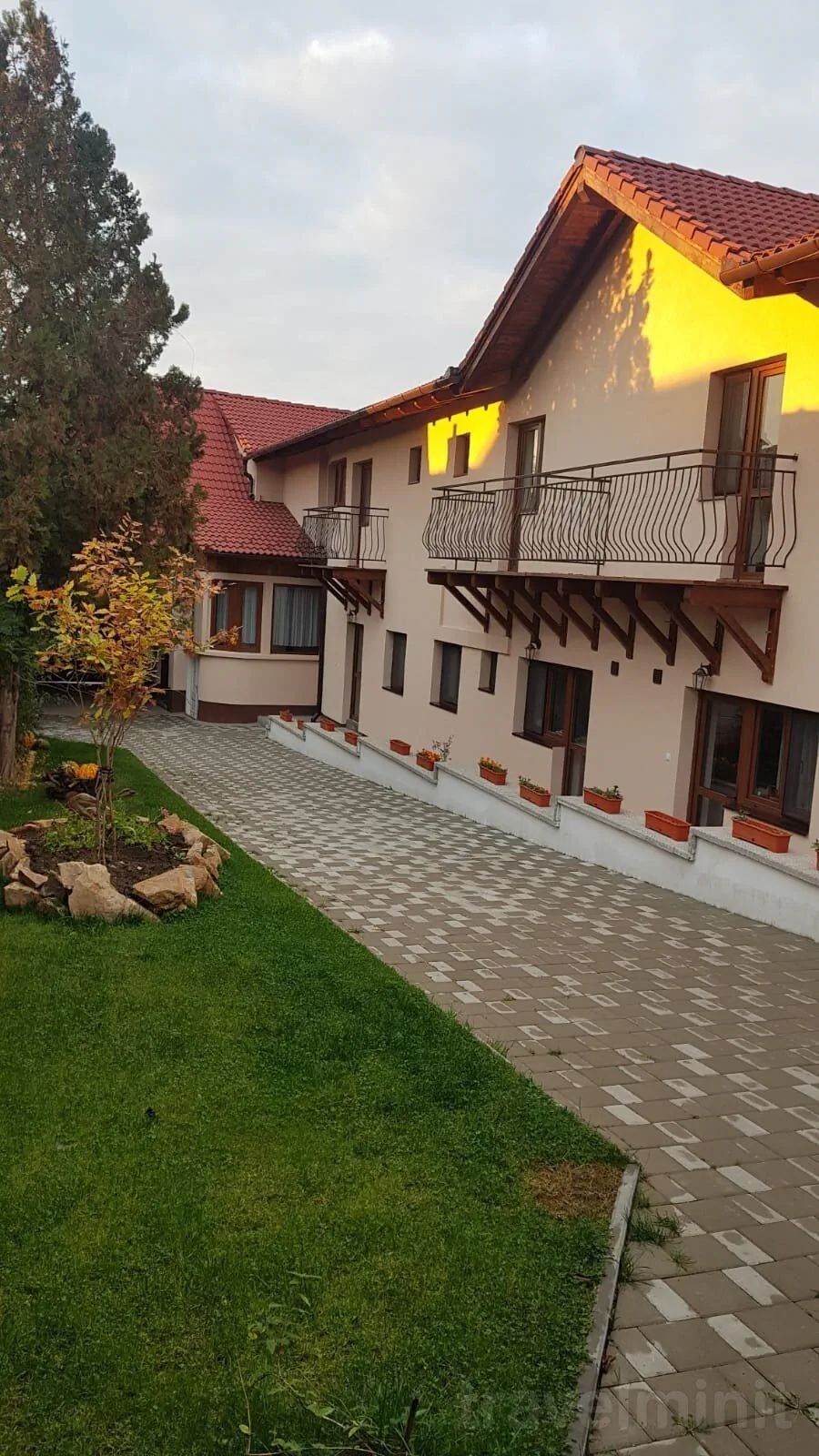
Casa Bunicilor Gârbova
Comfort, relaxation and stunning views, all just steps away from the main attractions.
FROM
280 lei per night

Apartment · 3 stars
Sebeş, Alba County · 9.4 km
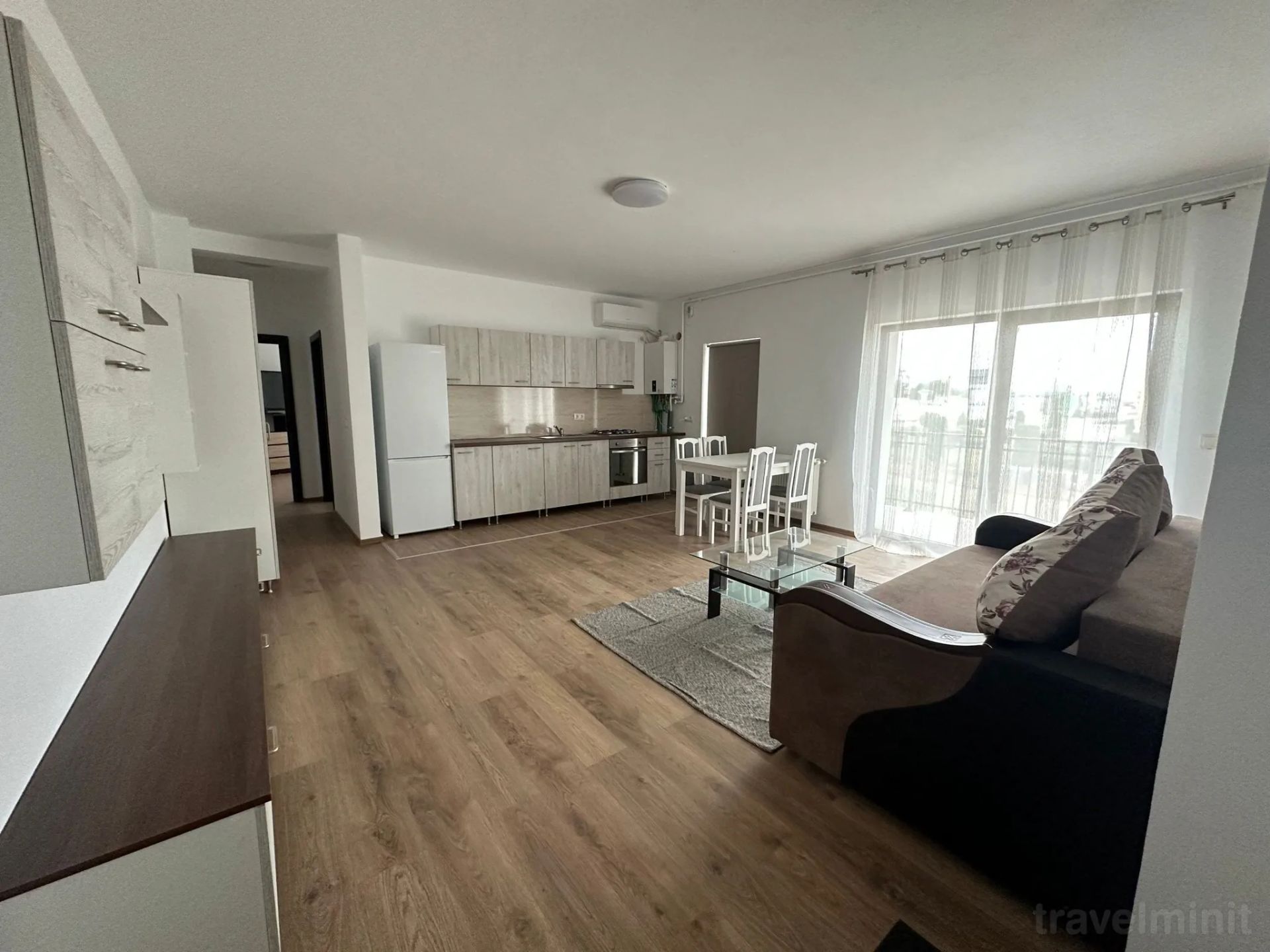
Dacia Apartments Sebeș
Dacia Apartments Sebeș este un apartament de închiriat clasificat cu trei stele, situat în orașul Sebeș din județul Alba. Proprietatea pune la dispoziția dumneavoastră cinci camere frumos amenajate, într-un cadru potrivit atât pentru relaxare, cât și pentru explorarea zonei. Pentru confortul dumneavoastră, unitatea oferă Wi-Fi gratuit în toate spațiile, parcare privată gratuită și acces facilitat pentru persoane cu dizabilități. Aceste servicii vă asigură libertatea de mișcare și conectivitatea necesare pe toată durata șederii. În vecinătate se află numeroase obiective de interes: Cetatea Călnic, Cetatea Sebeșului, Cetatea Alba Carolina, Catedrala Romano-Catolică Sfântul Mihail din Alba-Iulia și Casa memorială Lucian Blaga. Fiecare dintre aceste monumente istorice și culturale poate fi explorat confortabil într-o excursie de o zi pornind din Sebeș. Programul de primire este flexibil, cu check-in disponibil începând cu ora 14:00 și check-out până la ora 12:00. La recepție veți găsi personal care vorbește limba română și vă poate oferi informații utile despre cele mai bune atracții din zonă. Seara, după o zi plină de vizite, vă puteți retrage în apartamentul dumneavoastră, unde conexiunea Wi-Fi gratuită vă permite să vă relaxați și să planificați următoarele destinații.
FROM
230 lei per night
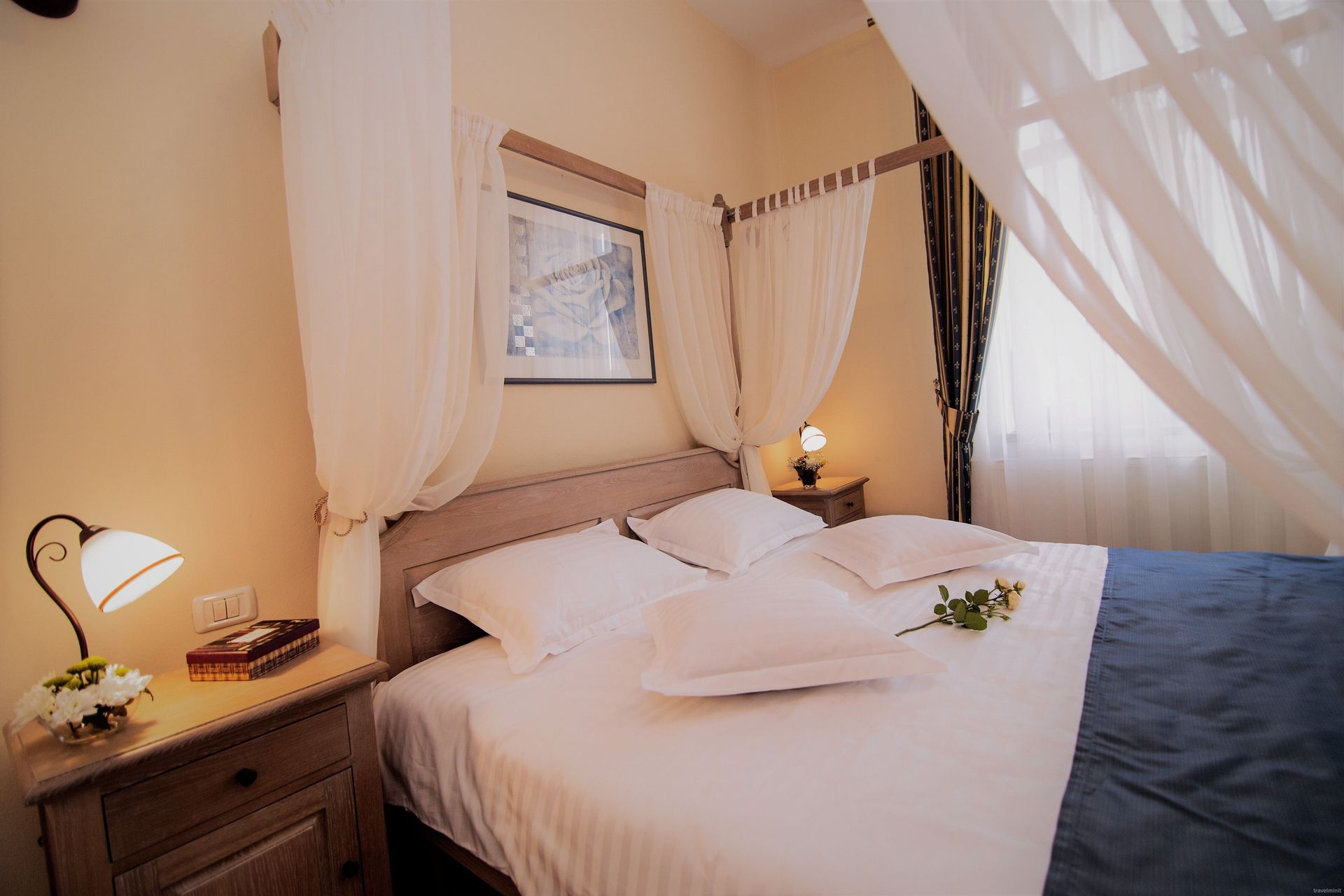
Holiday villa · 4 stars
Sebeş, Alba County · 10.1 km
Vila Karlhof Sebeș
Vila Karlhof Sebeș din Sebeș pune la dispoziția dumneavoastră o saună pentru momente de relaxare după o zi de explorări. Această vilă turistică de patru stele găzduiește 17 camere modern mobilate, unele dintre ele fiind dotate cu aer condiționat pentru un somn odihnitor și confortabil în orice sezon. Pentru confortul dumneavoastră, unitatea oferă Wi-Fi gratuit în toate spațiile, parcare privată gratuită și acces facilitat pentru persoanele cu dizabilități. Familiile cu copii beneficiază de un loc de joacă la exterior și de un pătuț pentru bebeluș, iar fierul de călcat este disponibil în fiecare cameră. Cazarea include micul dejun, iar la recepție se vorbesc limbile română, engleză, germană și spaniolă pentru a vă simți bineveniți încă de la sosire și pentru a primi toate informațiile necesare. În exterior, curtea mare și grădina amenajată creează un cadru plăcut pentru a vă bucura de aer liber, departe de aglomerația urbană, într-un spațiu verde bine întreținut unde copiii se pot juca în siguranță. În apropiere puteți descoperi Cetatea Călnic, Cetatea Sebeșului, Cetatea Alba Carolina, Casa memorială Lucian Blaga și Catedrala Romano-Catolică Sfântul Mihail din Alba-Iulia, obiective istorice și culturale care completează perfect șederea dumneavoastră în zonă. Seara, după o zi petrecută la obiectivele din zonă, vă puteți relaxa în saună și savura liniștea grădinii amenajate.
FROM
390 lei per night
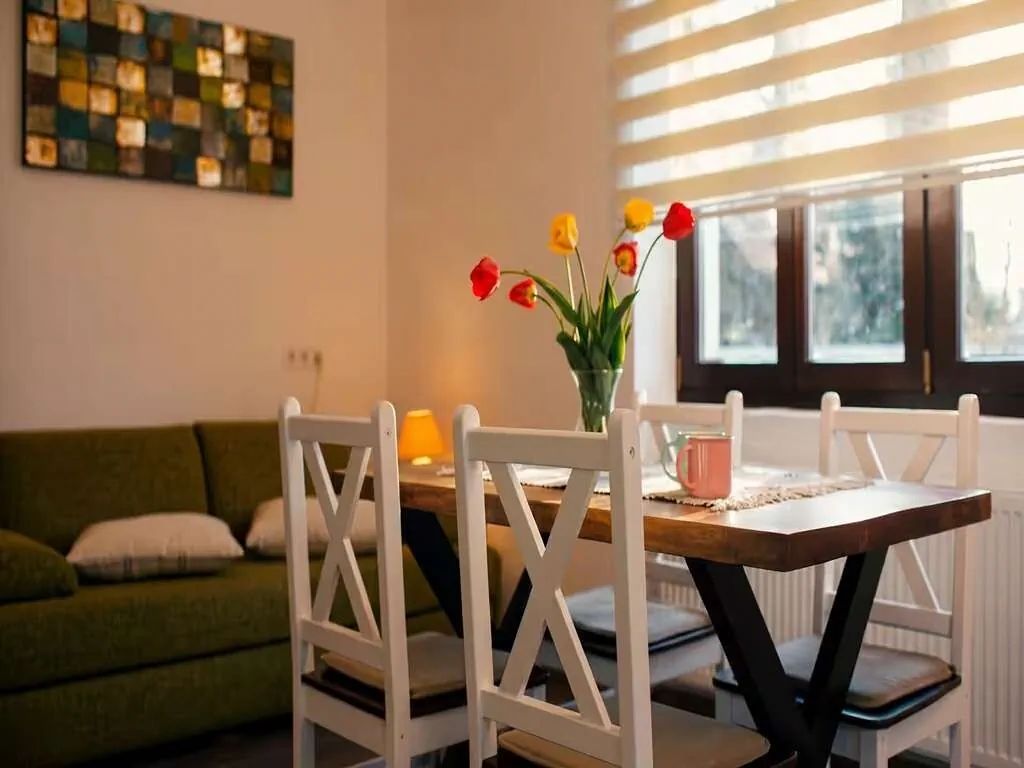
Apartment · 3 stars
Sebeş, Alba County · 10.2 km
Apartament Tivoli Sebeş
Comfort, relaxation and stunning views, all just steps away from the main attractions.
FROM
230 lei per night
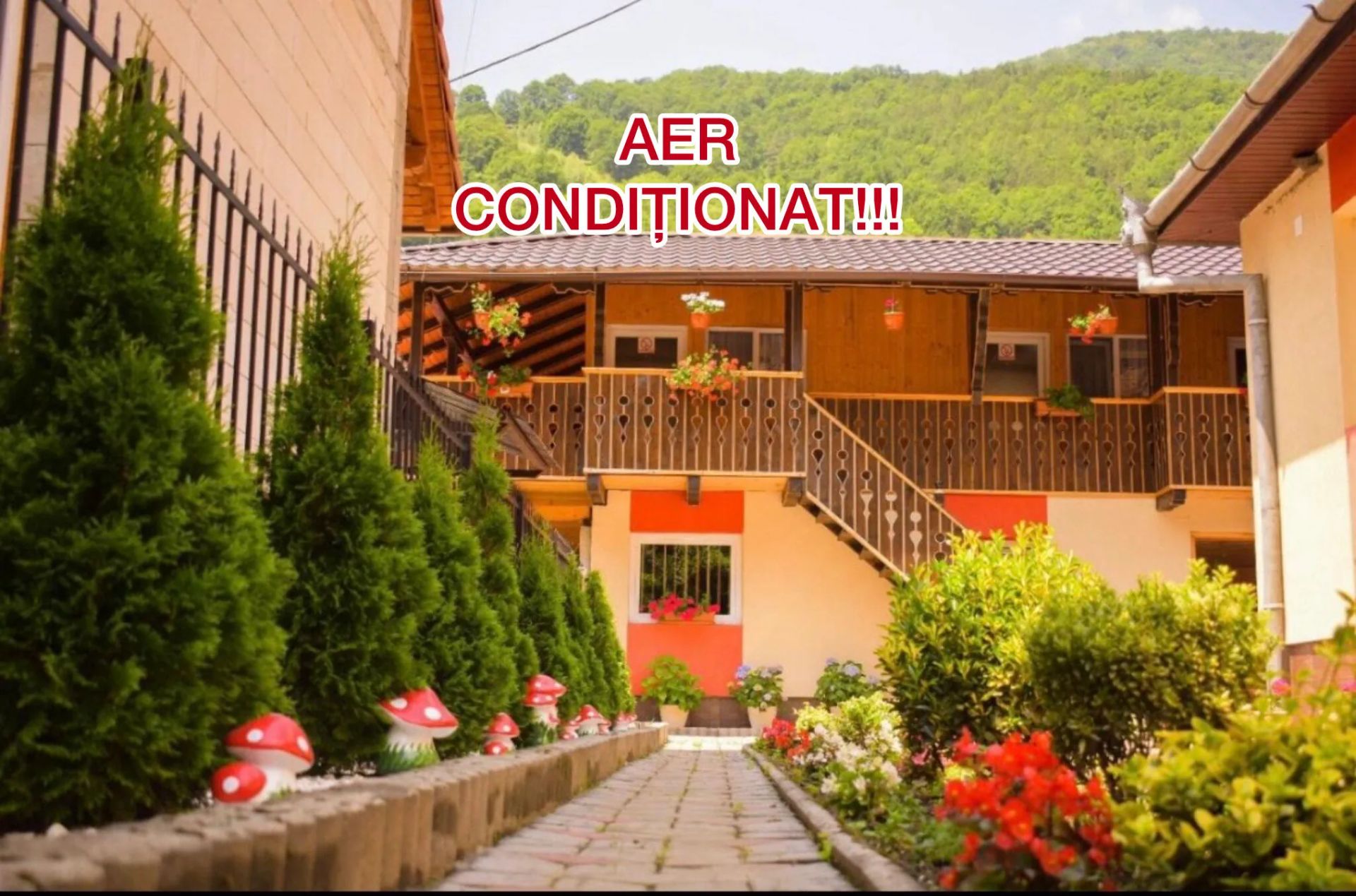
Holiday home · 3 stars
Mărtinie, Alba County · 10.7 km
Casa Ioana Mărtinie
În localitatea Mărtinie din județul Alba, pe strada Luncii, Casa Ioana Mărtinie vă oferă cazare într-o vilă integrală clasificată cu trei stele, într-un cadru liniștit și primitor, potrivit pentru sejururi în familie sau alături de prieteni. Cele cinci camere sunt amenajate cu atenție la detalii, iar unele dintre acestea sunt dotate cu aer condiționat pentru un confort sporit în zilele călduroase. Conexiunea Wi-Fi este disponibilă gratuit în întreaga unitate, iar parcarea privată gratuită vă asigură un loc sigur pentru mașină pe întreaga durată a șederii. În exterior, curtea mare și grădina amenajată oferă un spațiu generos pentru relaxare în aer liber. Puteți beneficia de un foișor confortabil, de grătar sau barbeque și de un ceaun pentru preparate gătite în aer liber. Pentru momente de destindere activă aveți la dispoziție tenis de masă, iar copiii se pot juca în siguranță pe locul de joacă din exterior. Pentru explorarea zonei, în apropiere se află Cetatea Călnic, Casa memorială Cloșca, Cetatea Sarmizegetusa Regia, Cetatea Greavilor din Gârbova și Situl arheologic Sarmizegetusa. Vă așteptăm la Casa Ioana Mărtinie.
FROM
280 lei per night
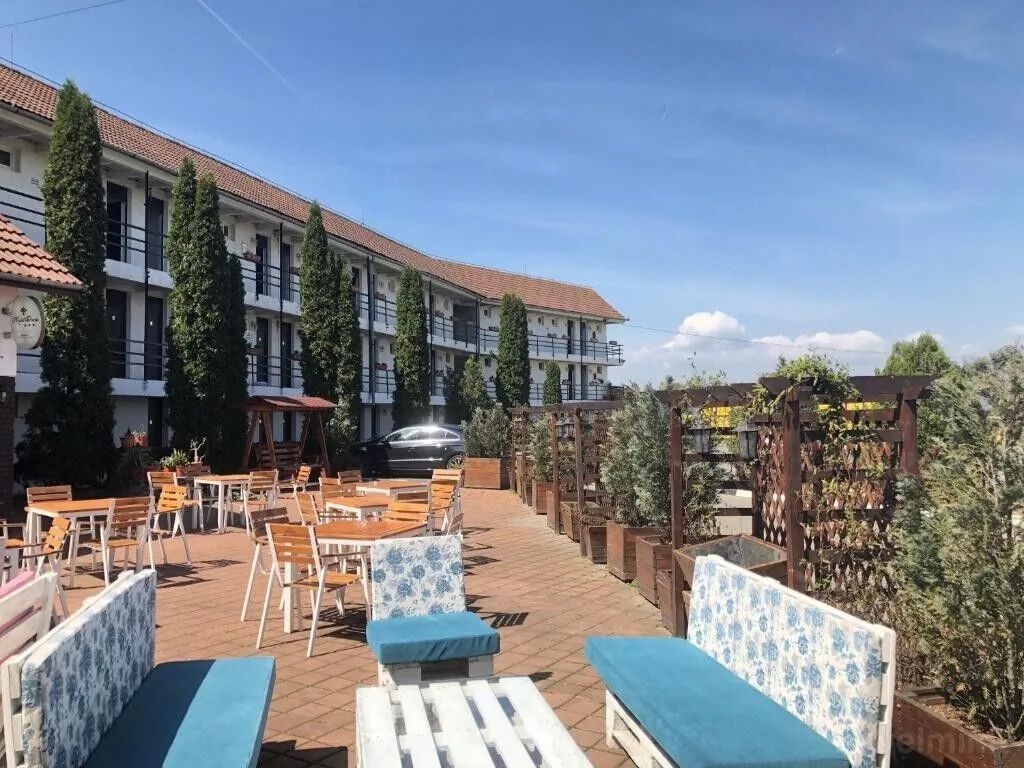
Motel · 3 stars
Sebeş, Alba County · 10.8 km
Motel Dacia Sebeș
Familiile cu copii și iubitorii de animale de companie se vor simți bineveniți la Motel Dacia Sebeș din Sebeș, județul Alba. Unitatea pune la dispoziția dumneavoastră 35 de camere confortabile și amenajate cu atenție, într-un cadru plăcut și liniștit, potrivit pentru un sejur relaxant. Motelul oferă parcare privată gratuită și acces Wi-Fi gratuit în întreaga proprietate. Pentru cei mici există o cameră de joacă la interior, în timp ce curtea mare și grădina amenajată creează un spațiu generos pentru relaxare în aer liber. Accesul este facilitat și pentru persoanele cu dizabilități, iar instalațiile de aer condiționat asigură confortul necesar în zilele călduroase de vară. De asemenea, animalele de companie sunt acceptate gratuit, fără costuri suplimentare. Check-in-ul se efectuează începând cu ora 14:00, iar check-out-ul până la ora 12:00. Personalul vorbește atât limba română, cât și limba engleză, fiind pregătit să vă ajute cu informații. În vecinătate puteți descoperi Cetatea Sebeșului, Cetatea Alba Carolina, Cetatea Călnic, Casa memorială Lucian Blaga și Catedrala Romano-Catolică Sfântul Mihail din Alba-Iulia. Vă așteptăm să porniți de aici într-o vizită la Cetatea Alba Carolina.
FROM
170 lei per night
BEFORE YOU HIT THE ROAD
Weather conditions in Alba
Local forecast for Călnic Citadel, Alba, Alba

Real-time updated weather data
Much more to explore in this area
Nearby tourist attractions

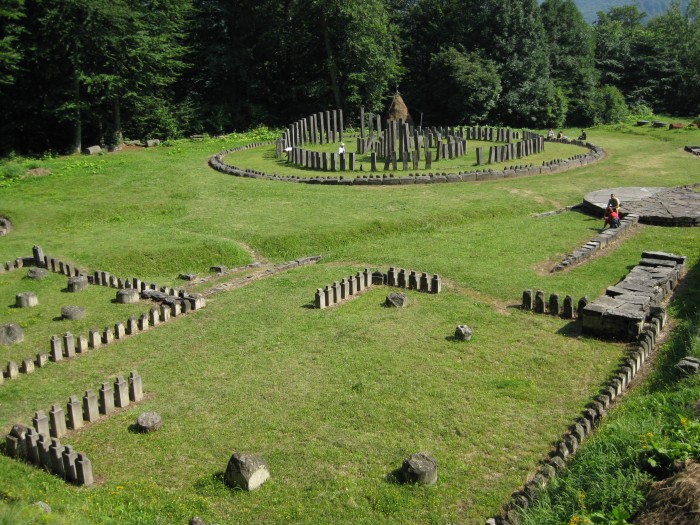

Hunedoara, Hunedoara County
Sarmizegetusa Regia Fortress
Situata pe raza localitatii Gradistea Muncelului; amplasata la altitudinea de 1.200 m; inclusa pe lista patrimoniului cultural mondial UNESCO; a fost capitala...
40.0 km
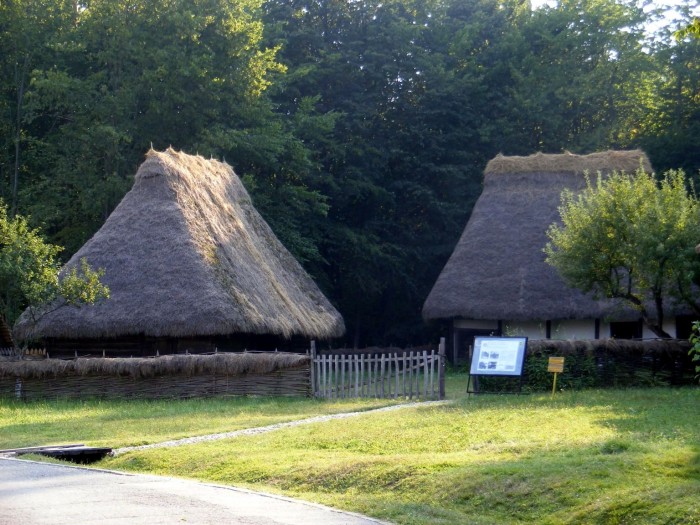
Sibiu, Sibiu County
ASTRA Museum of Traditional Folk Civilization
Situat pe Calea Rasinari din localitatea Sibiu; este un muzeu in aer liber; a fost organizat cu incepere din anul 1963, sub denumirea de Muzeul Tehnicii...
38.2 km

Hunedoara, Hunedoara County
Sarmizegetusa Regia Fortress
Situat pe teritoriul administrativ al satului Gradistea de Munte, comuna Orastioara de Sus; punctul sitului se numeste "Dealul Gradistii"; se intinde pe o...
40.1 km
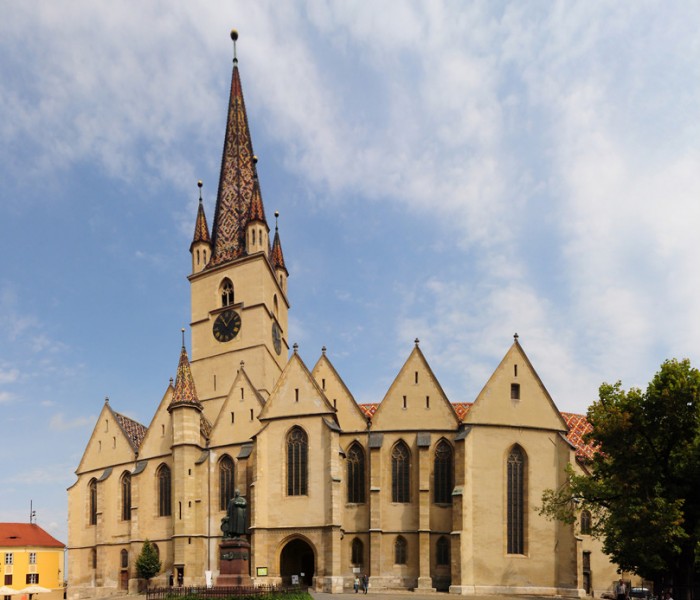
Sibiu, Sibiu County
St. Mary's Evangelical Church
Situata in Piata Huet, localitatea Sibiu; a fost ridicata in secolul al-XIV-lea, pe locul unde exista o veche biserica inca din secolul al-XII-lea; cladirea...
39.2 km

Sibiu, Sibiu County
Brukenthal National Museum
Situat in Piata Mare nr.4-5; colectiile baronului von Brukenthal au luat nastere in principal intre anii 1759-1774, perioada pe care acesta a petrecut-o la...
39.3 km
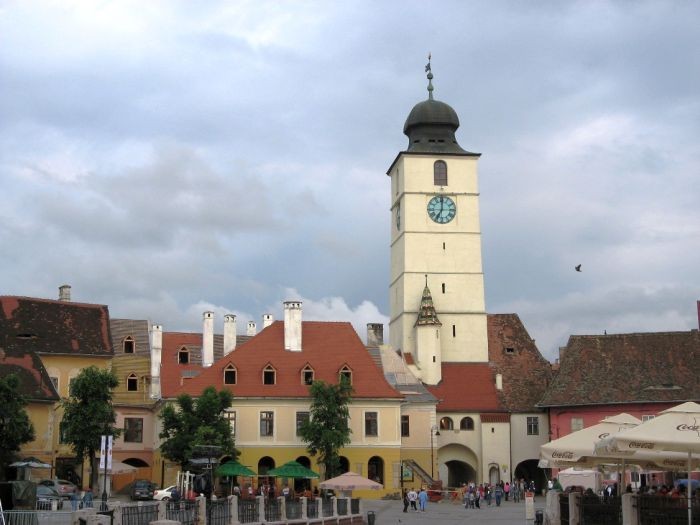
Sibiu, Sibiu County
The Council Tower
Situat in Piata Mica nr.1, localitatea Sibiu; construit deodata cu cea de-a doua incinta fortificata, intre anii 1224 si 1241; este considerat simbol al...
39.4 km
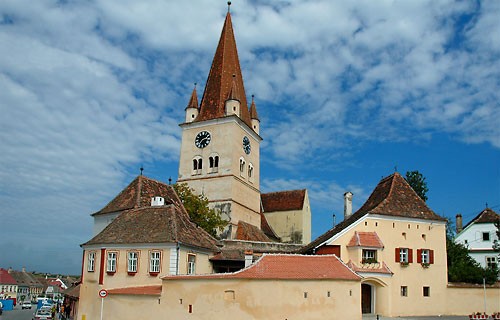
Sibiu, Sibiu County
The Fortified Evangelical Church of Cisnădie.
Situata pe strada Cetatii nr.1-3, localitatea Cisnadie; construita in secolul al XIII-lea; fortificata dupa atacul turcesc din 1493: turnul central a fost...
42.7 km
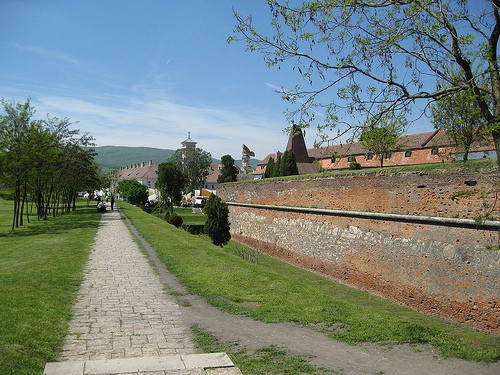
Alba, Alba County
Alba Carolina Citadel
Aflata in partea de sud-vest a cetatii Alba Iulia; se numara printre cele sapte minuni ale Romaniei;considerata cea mai reprezentativa fortificatie bastionara...
21.2 km
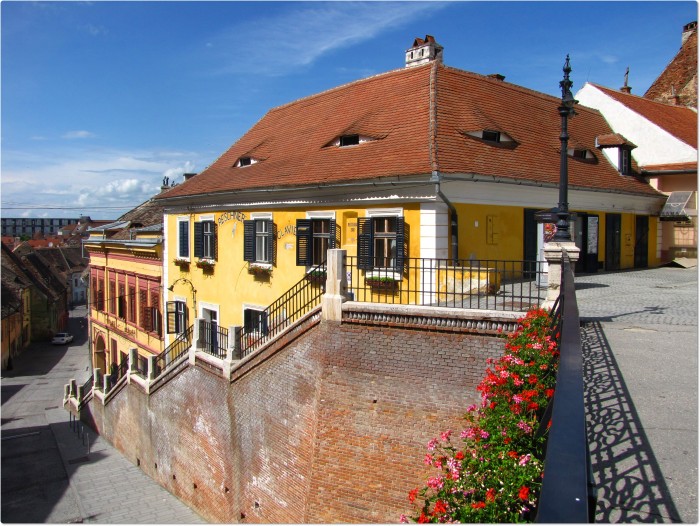
Sibiu, Sibiu County
The Bridge of Lies
Face legatura dintre Piata Mica si Piata Huet din Sibiu; a fost turnat in Laubach si montat in Sibiu in anul 1859; este primul pod din fonta din Romania;...
39.3 km
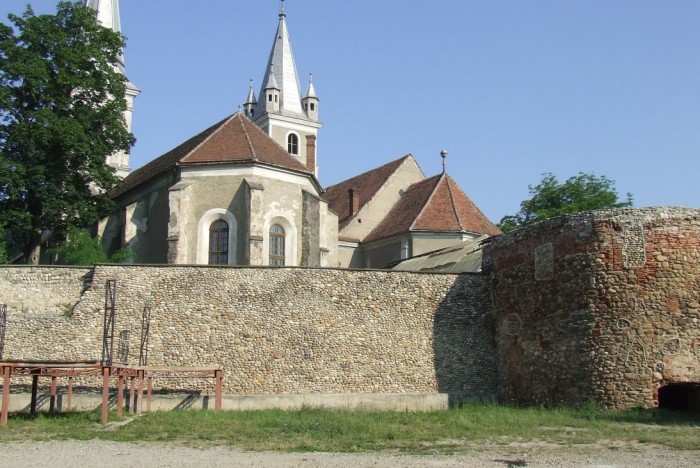
Hunedoara, Hunedoara County
Orăștie Citadel
Situata pe strada N. Balcescu, municipiul Orastie, judetul Hunedoara; construita in preajma anului 1300; atestata documentar in 1544 de catre Sebastian Munster,...
36.4 km
Sibiu, Sibiu County
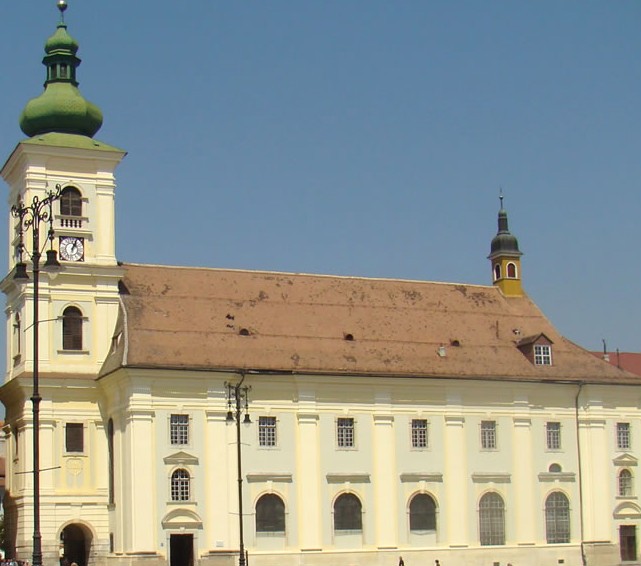
Holy Trinity Roman Catholic Parish Church in Sibiu
Situata in Piata Mare nr.1, localitatea Sibiu; a fost construita de iezuti intre anii 1726-1733 in spiritul barocului timpuriu vienez pe locul cladirii in care...
39.4 km
Sibiu, Sibiu County
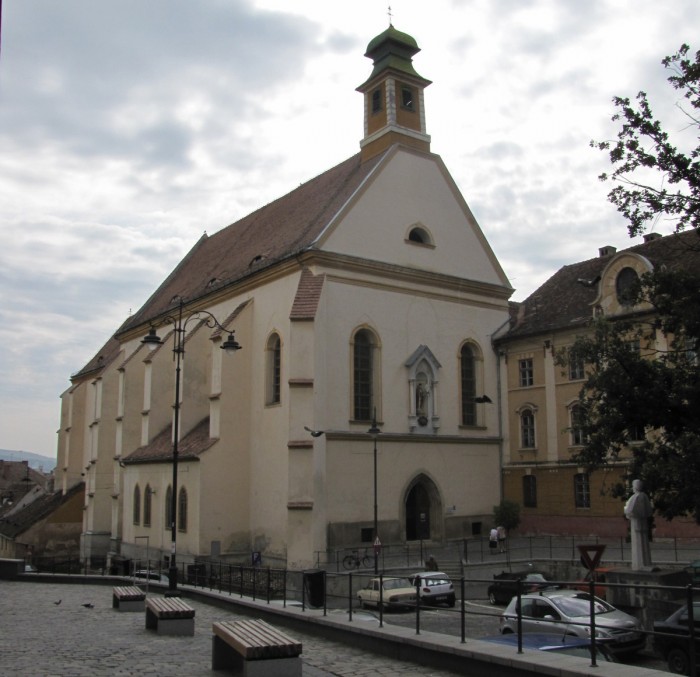
Ursuline Church
Situata pe strada General Magheru nr.38, localitatea Sibiu; cu multi ani in urma, in acest loc, intre 1474-1543 a functionat o manastire dominicana care odata...
39.7 km
Cultural life and traditions
Events in the Călnic Citadel area
Medieval festivals, traditional fairs, concerts and local activities recommended in Transylvania.

Heritage and History

Alba, County of Alba
The Festival of Medieval Fortresses and the Open Doors Days
Guided night tours, traditional crafts workshops and historical re-enactments featuring knights and ladies.
WHEN
May 15-17, 2026


Traditions and Cuisine
Alba, County of Alba
The Fair of Saxon Traditions and Local Cuisine
Discover local producers, traditional Saxon pastries baked in a wood-fired oven, artisanal syrups, and rhubarb jam.
WHEN
Every weekend (May - October)

Ecotourism and Nature
The hills of Transylvania, County of Alba
Guided Hikes on the Transylvanian Hills Trail
Take excursions along unmarked trails through ancient meadows, centuries-old oak trees, and villages with fortified churches that are UNESCO World Heritage sites.
WHEN
Friday – Sunday (Season 2026)
On foot, exploration gains depth
Discover the surroundings and local geography
Explore the trails, terrain, and natural landmarks around Călnic Citadel.

Guides and practical tips
Useful travel articles
Travel guides, practical recommendations and tourist itineraries for Transylvania.

Tourist guide
Top 5 Atracții Turistice și Trasee Montane în Zona Moieciu - Bran
Descoperă cele mai spectaculoase peisaje carstice, chei adânci și cetăți medievale din imediata apropiere a stațiunii Moieciu.

Tourist guide
Ghid de Drumeție: Traseul Moieciu de Sus spre Platoul Bucegi
Un itinerariu montan de o frumusețe rară ce urcă din Valea Băngăleasa spre Poiana Guțanu și crestele maiestuoase ale Bucegilor.

Tourist guide
Castelul Bran: Istorie, Legende și Secrete Medievale
Află adevărata poveste a fortăreței medievale din Pasul Bran, reședința de suflet a Reginei Maria a României.
THE JOURNEY STARTS WITH AN IDEA
The next story is on the way.
From the first stop to the last stay, make room for a new Romania.
