


PLACE OF WORSHIP · TRANSYLVANIA
The Fortified Evangelical Church of Cisnădie.

Sibiu, Sibiu County
Add location to your trip planner.
Practical access information

VISITING HOURS
Monday: 12:00 PM – 5:00 PM · Tuesday–Sunday: 9:00 AM – 5:00 PM (in summer until 8:00 PM)

TICKET PRICE
Adults: 45 RON · Students: 11 RON · Seniors: 23 RON · Guided tour included

RECOMMENDED VISIT DURATION
2-3.5 hours
Visitor information and guide
 Navigate with Google Maps

ABOUT THE FORTIFIED EVANGELICAL CHURCH OF CISNĂDIE.
The Fortified Evangelical Church of Cisnădie: the spiritual fortress of Saxon Transylvania
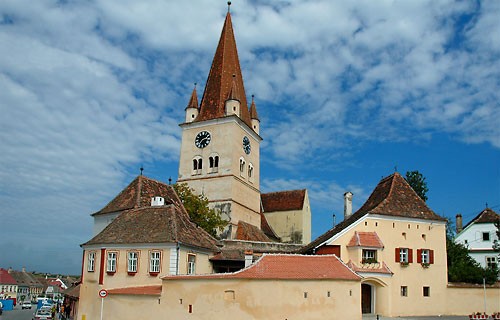
Located in the heart of the town of Cisnădie, on Cetății Street numbers 1-3, at the edge of the Transylvanian plateau, the Fortified Evangelical Church represents one of the most impressive medieval sacred complexes in Romania and a lasting symbol of the resilience of the Saxon community in the face of external threats. Founded in the 13th century by Saxon colonists brought to Transylvania during the reign of King Géza II of Hungary, this Romano-Gothic church has become, over the centuries, a bastion of German cultural identity in the heart of the Carpathians, witnessing a millennial history that connects the Rhine with the foothills of the Cindrel Mountains. Listed as a UNESCO World Heritage site along with the other six fortified churches in Transylvania, the complex at Cisnădie transcends national borders, offering a window into medieval Central European civilization and how European urban communities adapted sacred architecture to the military realities of a turbulent era.
Historical roots and major European connections
The history of the church begins in 1241, when King Béla IV of Hungary, who had taken refuge in Transylvania after the devastating Mongol invasion of 1241-1242, invited German colonists from the Rhine and Moselle valleys to populate and defend the eastern border of the Hungarian kingdom. This colonization, known as the "Ostsiedlung," represents an essential chapter in the German expansion eastward during the Middle Ages, parallel to similar processes in Poland, Bohemia, and the Baltic countries. The colonists, brought under the auspices of King Géza II and continued by his successors, founded the settlement of Heltau, building a church in the late Romanesque style with early Gothic influences, which reflects the community's commercial and spiritual ties with the Germanic Empire and the major monastic centers in Central Europe.
Initially conceived as a Romano-Gothic place of worship, the building underwent a radical transformation after the Ottoman raid of 1493, when the armies of Sultan Bayezid II devastated southern Transylvania. Fearing the Ottoman invasions that threatened to turn Transylvania into a vassal province of the Porte, the local community transformed the church into a veritable fortress, drawing inspiration from Renaissance Italian fortification techniques but adapting them to the specific frontier context of Latin Christianity. The central tower was heightened and equipped with battlements, while the enclosure was reinforced with two bastions and three concentric rings of walls, provided with defensive corridors, towers, and moats filled with water. This complex defensive system reflects medieval European military strategies, comparable to those of fortresses in northern France, Polish Silesia, or the Low Countries, but adapted to the specific context of the border between the Latin and Orthodox worlds, between Central Europe and the Ottoman Empire, which was in full expansion after the fall of Constantinople in 1453.
Architectural Masterpiece and Technical Innovations
Towering over the urban landscape with its 32.5 meters, the seven-story bell tower constitutes the dominant visual element of the complex and a remarkable example of medieval vertical architecture. The structure exhibits characteristics of the late Romanesque style, with semicircular arched windows and massive stone walls, overlaid with early Gothic influences in the pointed arches of some openings and in the decorative details. The tower has been struck by lightning several times throughout its history, and in 1797, the first lightning rod in Transylvania was installed here, made of copper, representing a remarkable technical innovation for the time. This innovation places the community of Cisnădie among the pioneers of European scientific progress, reflecting the Enlightenment spirit that permeated Western Europe and the continued ties of the Transylvanian Saxons with German universities and cultural centers, such as those in Leipzig or Wittenberg.
Today, five of the original towers remain: the Watchman's Tower, the Town Hall Tower, the Butcher's Tower, the Scythe Makers' Tower, and the School Tower, each bearing the imprint of a specific craft or civic function. This organization reflects the corporate structure of medieval Central European towns, comparable to that of Hanseatic cities or those of the Holy Roman Empire, where each guild had its representation in the common defensive system. The perimeter walls, with thicknesses of up to three meters in certain areas, and the three concentric defense belts create a defensive labyrinth that resembles the Crusader castles of the Middle East or the urban fortifications of northern Italy, demonstrating how European military architecture was transferred and adapted to the specific context of the Carpathian border.
The Hidden Treasure and Artistic Heritage
Within the thick walls once lay hidden the Treasure of Cisnădie, the church's wealth kept in a hiding place known only to two people – a tradition of preserving shared values in medieval communities threatened by invasions. In 1793, when this secret cache was opened, objects of exceptional value were discovered, bearing witness to the wealth accumulated by the Saxon community through trade and agriculture. Some of these financed the restoration of the church, while the rest of the collection has been at the Brukenthal Museum in Sibiu since 1915. This transfer to the museum founded by Baron Samuel von Brukenthal, a Habsburg governor of Transylvania, illustrates the integration of Saxon heritage into the cultural structures of the Habsburg Monarchy and the Austro-Hungarian Empire, representing a benchmark for Transylvanian precious metal art and the luxury crafts practiced in workshops in Nuremberg or Vienna.
The church still preserves testimonies to the spirituality of the first colonists: a bell dating from 1664, probably cast in a workshop in Sibiu or Brașov; a medieval baptismal font carved in stone; the gates of the old altar; and a cross of the first colonists from the 12th century – elements that illustrate the liturgical continuity and artistic craftsmanship of the community. The interior houses Baroque furniture acquired in the 17th and 18th centuries, when Transylvania experienced a period of prosperity under Habsburg administration, reflecting the tastes of the era and Austrian influences on religious art in the region. These elements form a coherent artistic ensemble that places the church within the tradition of Central European sacred art, between late Gothic and Austrian Baroque.
Stories, Personalities, and Pivotal Moments
The history of the church is marked by decisive moments that reflect the major turning points in European history. The Protestant Reformation in the 16th century transformed the church into a Lutheran place of worship, part of the wave of religious reform that swept through Germany, Switzerland, and the Netherlands, breaking ties with Rome and anchoring the community in the northern Protestant tradition. During the period when Transylvania was part of the autonomous principality under Ottoman suzerainty, the fortified church served as a refuge for the community during conflicts between the Habsburgs and Ottomans, as well as during peasant uprisings.
A crucial moment in recent history was the massive emigration of Transylvanian Saxons to Germany in the second half of the 20th century, especially after 1989, when German communities in Romania were decimated. This diaspora, part of the broader phenomenon of emigration from Eastern Europe to the Federal Republic of Germany, left the church in a state of preservation that requires ongoing efforts. However, the monument has survived, having been restored with international support and maintained as a testament to a vanished civilization, similar to the fortified churches in Silesia or in the former German territories in Poland.
European Cultural Connections: Between the Rhine and the Carpathians
The ensemble at Cisnădie is part of the vast network of fortified churches in Transylvania, which are included in the UNESCO World Heritage list, as well as being part of the tradition of fortified sacred architecture in Central Europe, from those in Silesia to those in the Netherlands. The late Romanesque style, with early Gothic influences, reflects the commercial and cultural links between the Transylvanian Saxons and the Germanic world, as well as with the central European kingdoms of the Middle Ages. The fortifications impress with their complexity, being comparable to those of castles in France or Germany, but adapted to the specific border region of Transylvania, which was at the intersection of Byzantine, Ottoman, and Western influences.
The Saxon community in Cisnădie maintained close ties with the cities of the Hanseatic League and with German university centers throughout the centuries, participating in the exchange of ideas, goods, and techniques in Central Europe. The fortified church thus represents not only a religious monument but also a symbol of the resistance of a community to expanding empires, whether it be the Mongol Empire, the Ottoman Empire, or later, Soviet influences. In the context of contemporary Europe, the monument becomes part of a broader cultural circuit that links German heritage in Central and Eastern Europe, contributing to an understanding of the continent's cultural diversity.
A Practical Guide to Visiting and the Modern Tourist Experience
Located in the historic center of Cisnădie, just 10 kilometers from Sibiu, the church can be visited daily and is open to the public. Access is via Cetății Street, within an urban setting that preserves the atmosphere of a medieval Transylvanian town, with colorful houses and paved streets leading to the impressive fortified complex. The tower offers an exceptional panoramic view of the Cindrel Mountains and the city, allowing visitors to understand the strategic location of the settlement at the foot of the Carpathian Mountains.
The interior features Baroque and Romanesque furniture that complements the cultural experience, providing a complete picture of the artistic evolution of the community over seven centuries. It is recommended to visit in conjunction with the historic center of Sibiu, which was the European Capital of Culture in 2007, and other fortified churches in the Sibiu area, such as those in Cisnădioara, Șeica Mare, or Biertan, to gain a complete understanding of the Saxon heritage. For those interested in European history, Cisnădie offers the opportunity to see how a German community built, preserved, and fortified a place of worship within a complex geopolitical context, demonstrating cultural resilience in the face of major historical empires.
Media gallery
Discover The Fortified Evangelical Church of Cisnădie. in pictures

2 photos · Architecture, courtyards and captivating details

Image source: Wikimedia Commons · Public domain photos · Free license
STAY A FEW DAYS, DISCOVER THE MAGIC
Accommodation in the The Fortified Evangelical Church of Cisnădie. area

Hotel · 4 stars

Cisnădie, Sibiu County · 0.6 km
Hotel Epic Centrum Cisnădie
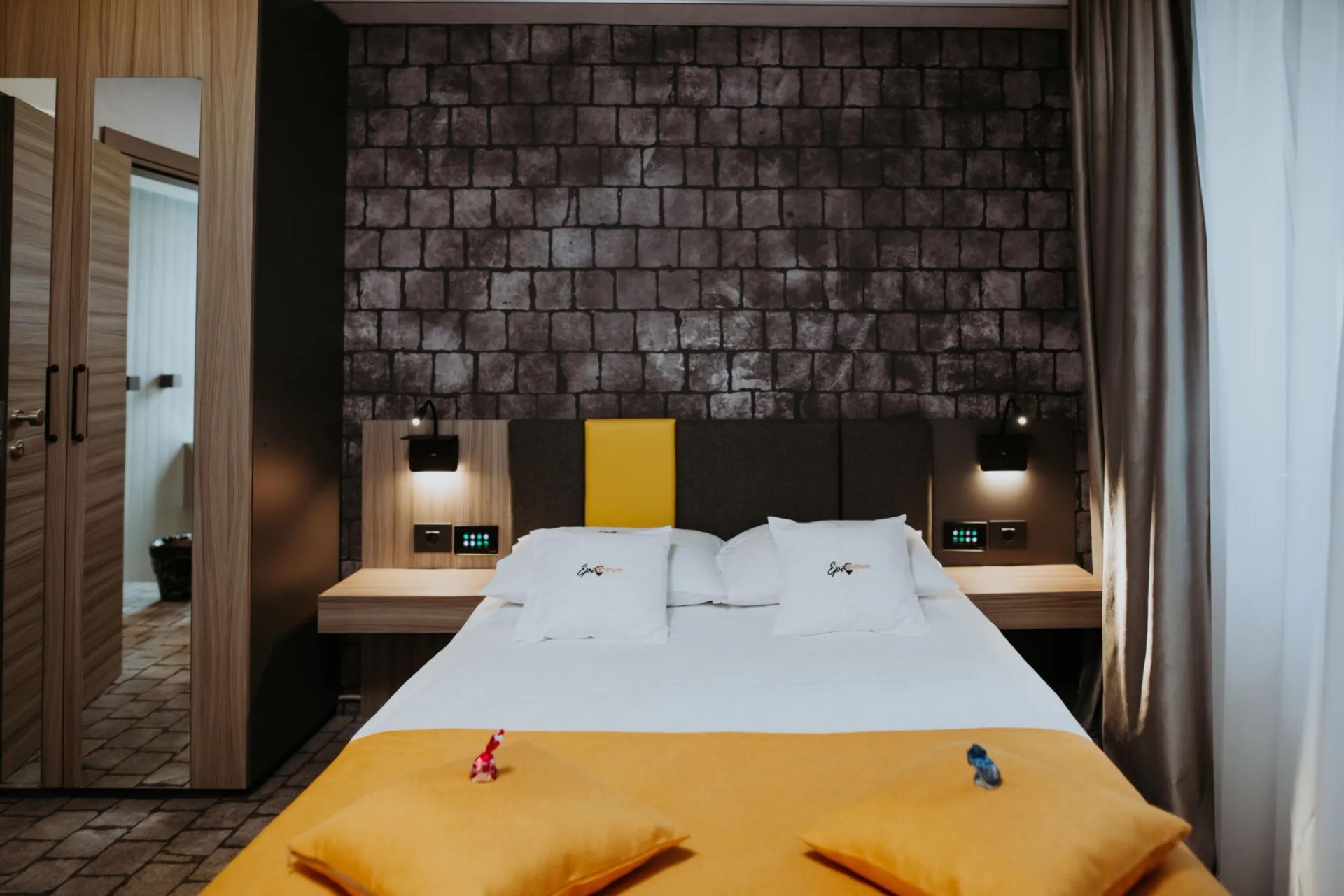
O zi la Hotel Epic Centrum Cisnădie începe cu un mic dejun servit în restaurantul din incintă și continuă cu o plimbare pe bicicletă, păstrată în siguranță la parcarea pentru biciclete. Vă așteptăm într-un loc unde confortul de patru stele se îmbină cu facilități moderne gândite pentru întreaga familie. Camerele oferă Wi-Fi gratuit, iar pentru cei mici punem la dispoziție scaune înalte și pătuțuri pentru bebeluși. Dacă aveți nevoie de haine impecabile, fierul de călcat și seiful din cameră vă stau la îndemână. Restaurantul pregătește zilnic meniuri pentru diete speciale și un meniu dedicat copiilor, astfel încât fiecare oaspete să găsească preparate pe gustul său. Dacă veniți cu mașina electrică, stația de încărcare vă permite să plecați cu bateria plină, iar parcarea privată gratuită elimină grija căutării unui loc. Depozitatul bagajelor este disponibil dacă doriți să explorați împrejurimile fără să cărați totul cu dumneavoastră. În apropiere puteți vizita Muzeul Civilizației Populare Tradiționale ASTRA, Biserica Evanghelică Fortificată din Cisnădie, Biserica Parohială Evanghelică Sfânta Maria din Sibiu, Muzeul Brukenthal și Turnul Sfatului, obiective care completează perfect șederea dumneavoastră. Hotelul se află pe drumul principal Transilvaniei 1, oferind acces facil către toate aceste obiective și parcare gratuită pentru dumneavoastră.
FROM
420 lei per night

Guesthouse · 3 stars
Cisnădioara, Sibiu County · 2.1 km
Pensiunea Casa cu Flori Cisnădioara
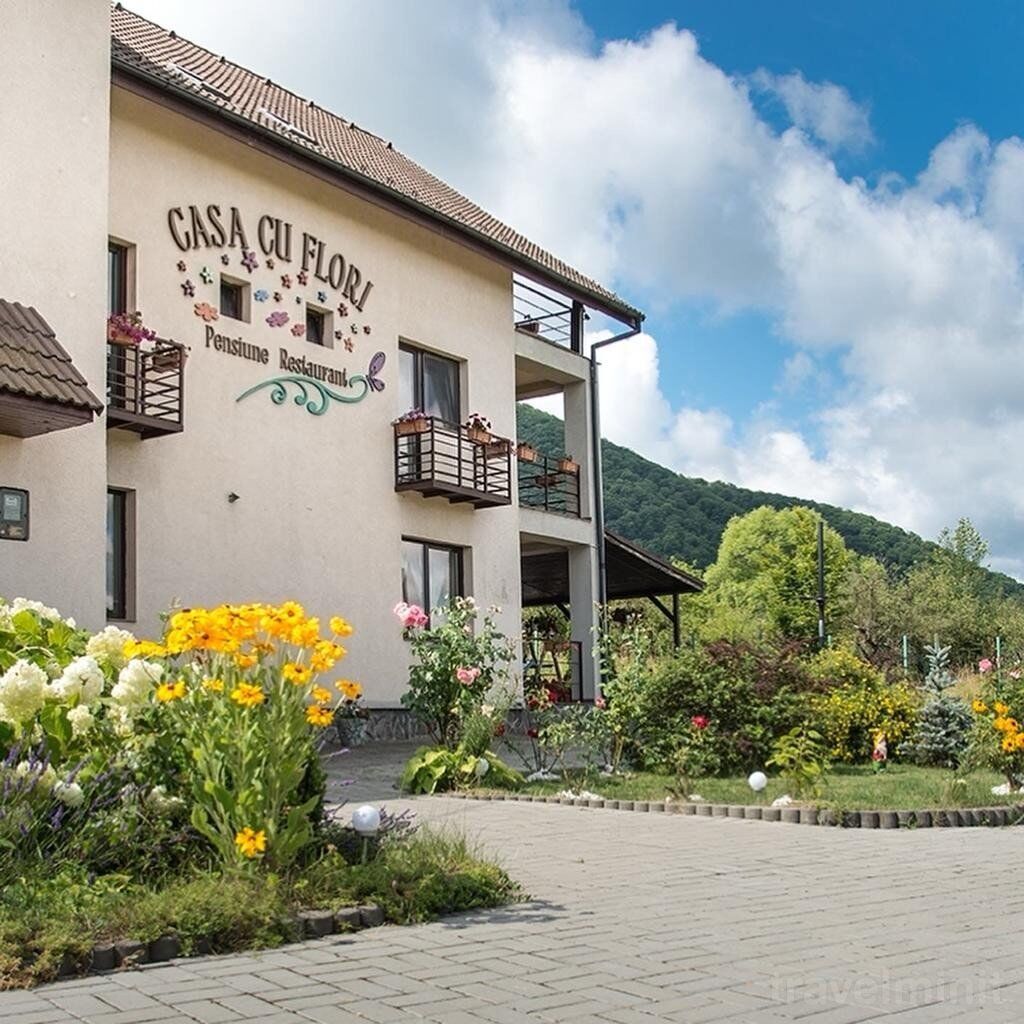
În apropiere puteți vizita Muzeul Civilizației Populare Tradiționale ASTRA, iar pensiunea turistică Casa cu Flori din Cisnădioara, județul Sibiu, reprezintă un punct de plecare potrivit pentru explorarea zonei și a împrejurimilor sale. Unitatea de 3 stele pune la dispoziția dumneavoastră zece camere confortabile și plăcut amenajate, într-un cadru liniștit. Beneficiați de parcare privată gratuită și de conexiune Wi-Fi gratuită în întreaga unitate. În exterior există un loc de joacă pentru copii, iar curtea mare și grădina amenajată oferă un spațiu generos pentru relaxare în aer liber. În zonă se mai pot vizita Biserica Evanghelică Fortificată din Cisnădie, Biserica fortificată din Cisnădioara, Biserica Parohială Evanghelică Sfânta Maria din Sibiu și Muzeul Brukenthal, oferind numeroase posibilități de descoperire culturală și istorică. La momentul rezervării puteți solicita mic dejun, demipensiune sau puteți alege varianta fără servicii de masă. Primirea camerei se face începând cu ora 14:00, iar eliberarea până la ora 12:00. Personalul vorbește limba română și limba germană. Vă așteptăm la Pensiunea Casa cu Flori din Cisnădioara.
FROM
240 lei per night
Holiday home · 2 stars
Cisnădioara, Sibiu County · 3.2 km
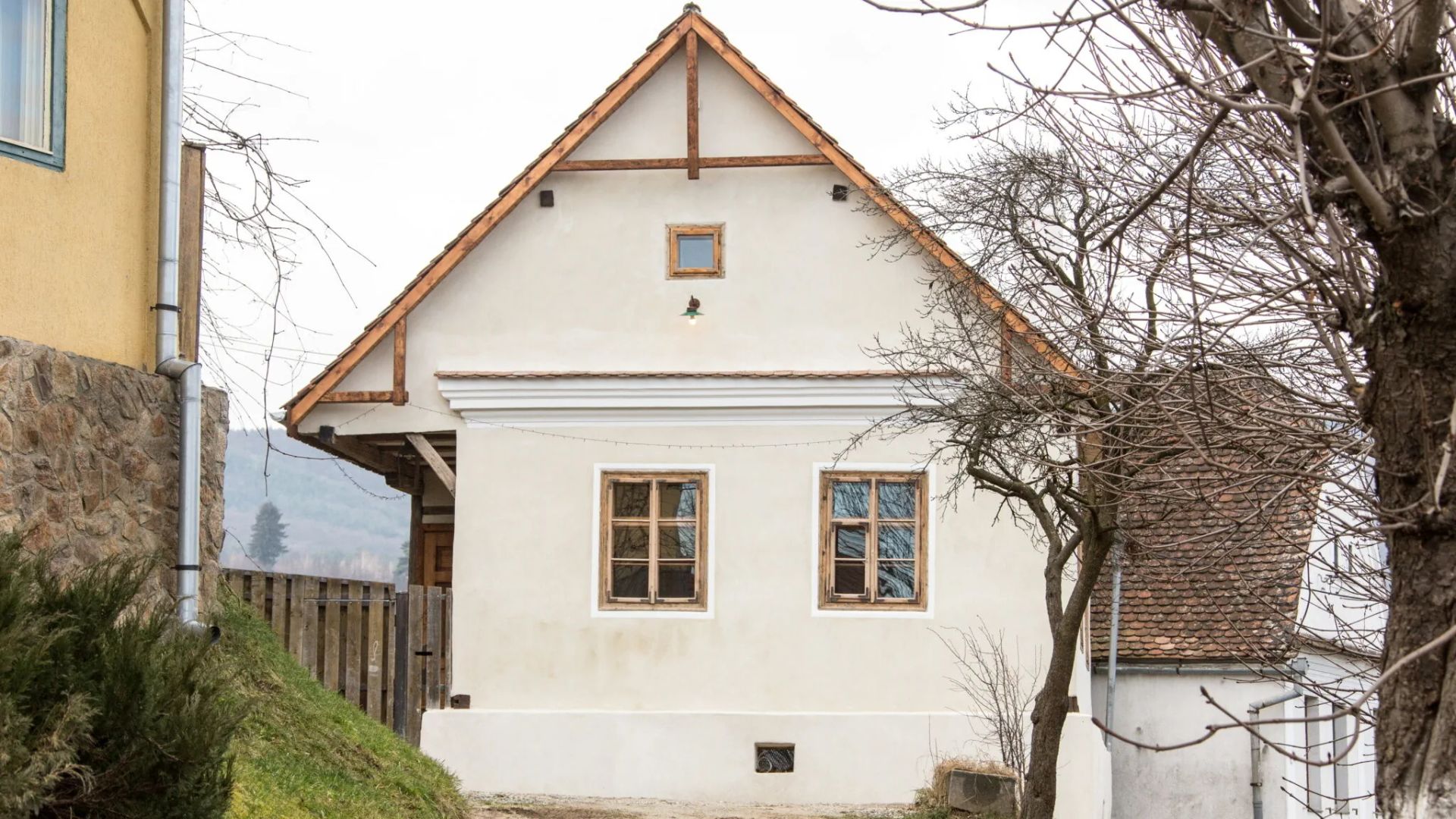
Michelsberger Haus Cisnădioara
Familiile și grupurile de prieteni se vor simți bine la Michelsberger Haus din Cisnădioara, o casă tradițională situată în piața Gozelinus, într-un sat pitoresc din județul Sibiu. Spațiile generoase și atmosfera autentică fac din această vilă integrală un loc potrivit pentru vacanțe petrecute împreună, departe de aglomerația urbană. Unitatea vă oferă Wi-Fi gratuit și fier de călcat, facilități care contribuie la un sejur confortabil pentru toți oaspeții. Curtea mare și grădina amenajată reprezintă un refugiu plăcut pentru relaxare în aer liber, iar traseele de drumeții montane și cele din natură pornesc chiar din apropiere, fiind ideale pentru explorarea peisajelor înconjurătoare în fiecare anotimp. În apropiere puteți vizita Muzeul Civilizației Populare Tradiționale ASTRA, Biserica Evanghelică Fortificată din Cisnădie, Biserica fortificată din Cisnădioara, Biserica Parohială Evanghelică Sfânta Maria din Sibiu și Muzeul Brukenthal, descoperind astfel bogăția culturală și istorică a zonei, cu monumente care păstrează tradiții vechi de secole. Vă așteptăm la Michelsberger Haus Cisnădioara.
FROM
280 lei per night
Holiday home · 2 stars
Cisnădioara, Sibiu County · 3.4 km
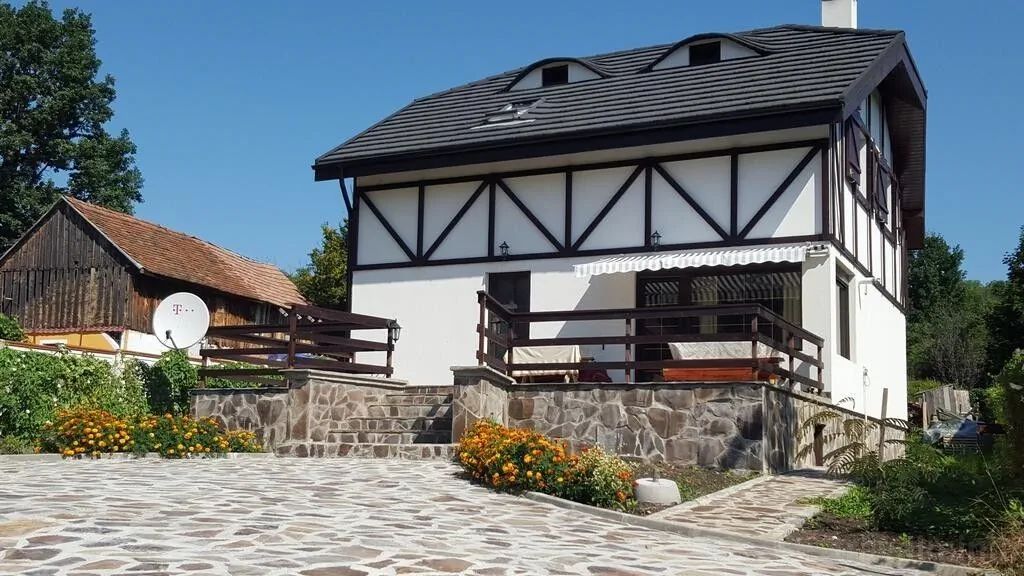
Casa de vacanta La Bunica Cisnădioara
Comfort, relaxation and stunning views, all just steps away from the main attractions.
FROM
280 lei per night
Holiday home · 3 stars
Sadu, Sibiu County · 3.8 km
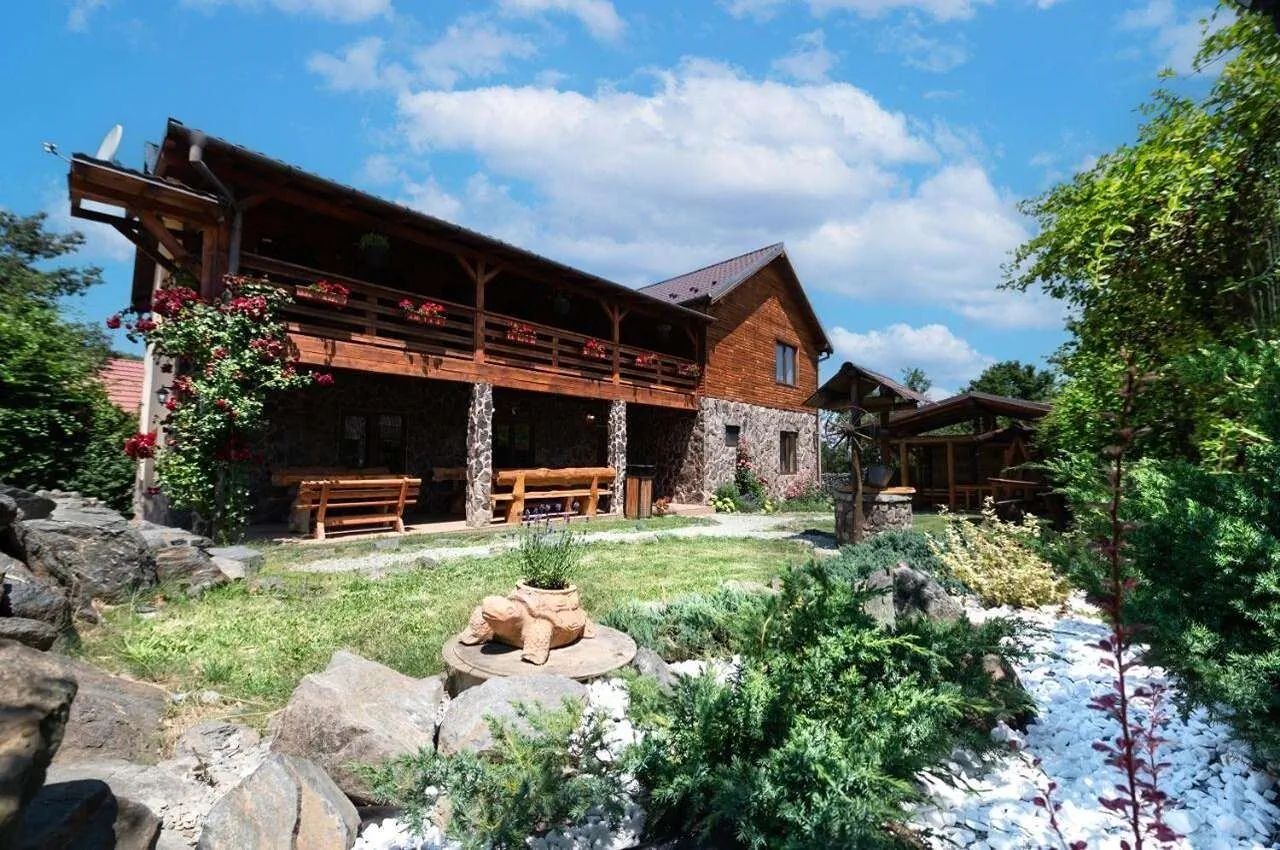
Casa de Vacanță Sadu Sadu
Comfort, relaxation and stunning views, all just steps away from the main attractions.
FROM
280 lei per night
Holiday home · 3 stars
Sadu, Sibiu County · 3.9 km
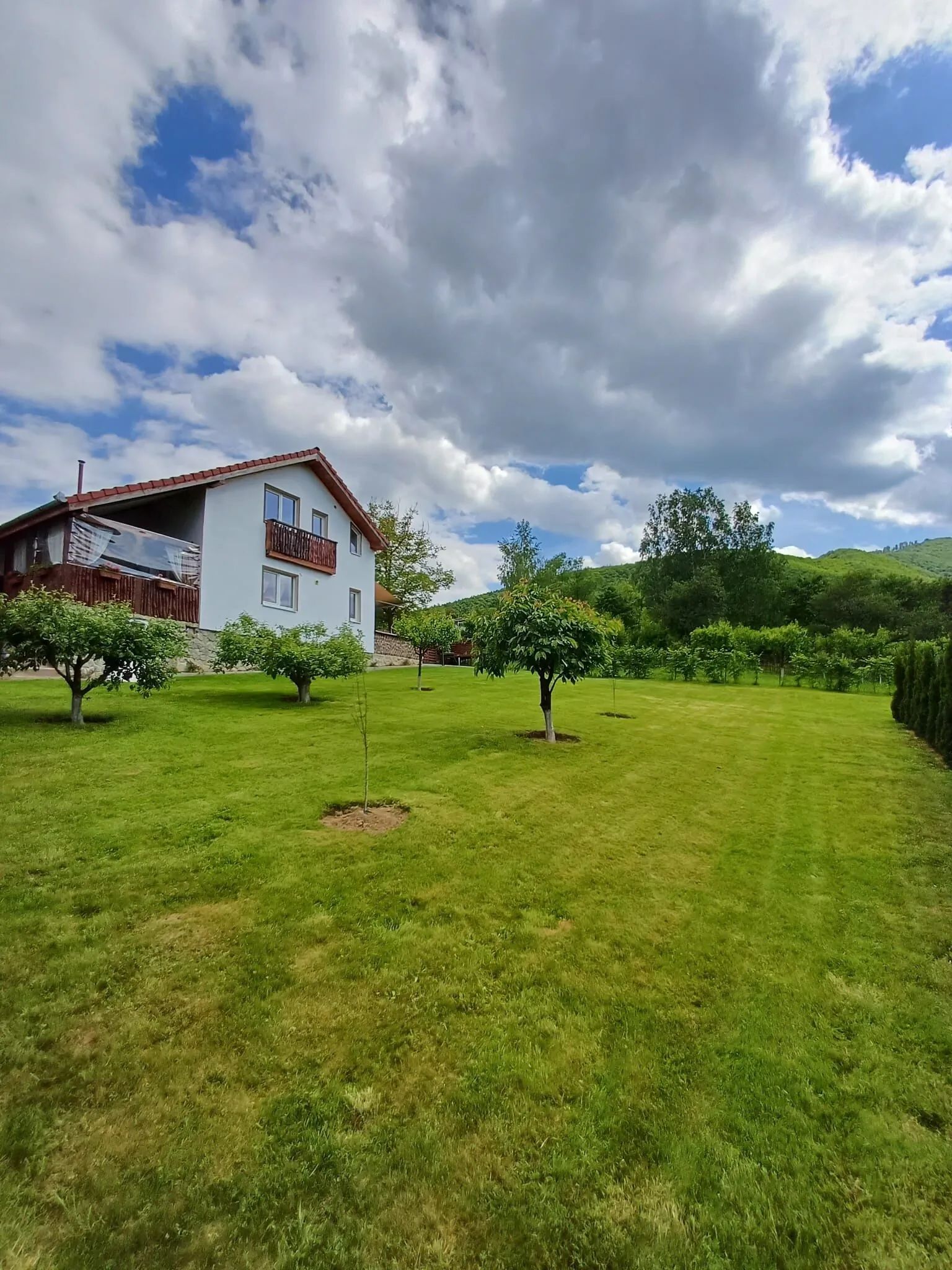
Casa Marandy Sadu
Casa Marandy Sadu este o casă de închiriat integrală, clasificată cu 3 stele, situată în localitatea Sadu din județul Sibiu. Proprietatea oferă cazare într-un cadru natural montan, potrivit pentru cei care doresc să se deconecteze de aglomerația urbană. Facilitățile includ jacuzzi sau cadă cu hidromasaj pentru momente de relaxare, restaurant în incintă pentru servirea mesei, parcare privată gratuită și acces Wi-Fi gratuit. Curtea mare și grădina amenajată oferă spațiu generos pentru activități în aer liber, putând folosi grătarul sau barbeque-ul, precum și ceaunul pentru prepararea mâncărurilor. Pentru familii există un loc de joacă pentru copii amenajat în aer liber, iar fierul de călcat este pus la dispoziție pentru confortul dumneavoastră. Pentru cei care doresc să exploreze împrejurimile, unitatea oferă posibilitatea de închiriere biciclete și acces direct la drumeții montane și trasee în natură, ideale pentru admirarea peisajelor din zonă. În vecinătate puteți vizita Muzeul Civilizației Populare Tradiționale ASTRA, Biserica Evanghelică Fortificată din Cisnădie, Biserica Parohială Evanghelică Sfânta Maria din Sibiu, Biserica fortificată din Cisnadioara și Muzeul Brukenthal. Vă așteptăm la Casa Marandy Sadu.
FROM
280 lei per night
BEFORE YOU HIT THE ROAD
Weather conditions in Sibiu
Local forecast for The Fortified Evangelical Church of Cisnădie., Sibiu, Sibiu

Real-time updated weather data
Much more to explore in this area
Nearby tourist attractions

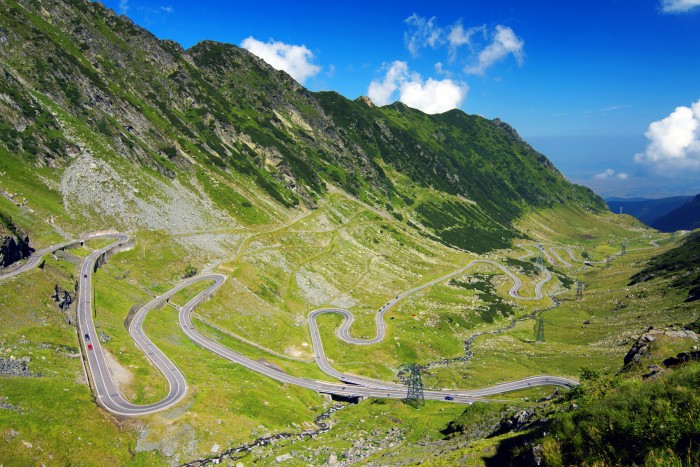

Cârțișoara, Sibiu County
Transfăgărășan Highway and Bâlea Lake
Incepe in comuna Bascov din judetul Arges de langa orasul Pitesti, in directia orasului Curtea de Arges si se termina la intersectia cu drumul DN1 intre Sibiu...
32.8 km
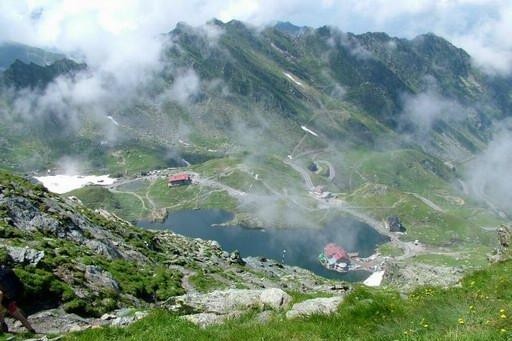
Sibiu, Sibiu County
Bâlea Lake
Situat in Muntii Fagaras, la Obarsia Cartisoarei, care se afla la o altitudine de 2.034 metri, langa soseaua Transfagarasan din judetul Sibiu; in perioada...
38.2 km

37.2 km
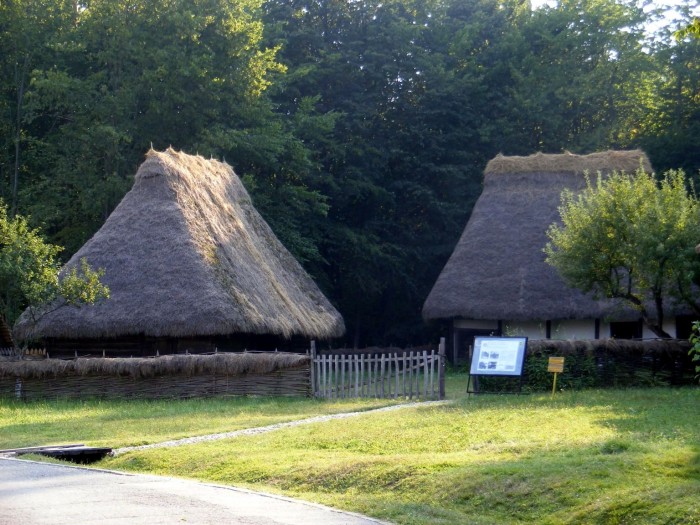
Sibiu, Sibiu County
ASTRA Museum of Traditional Folk Civilization
Situat pe Calea Rasinari din localitatea Sibiu; este un muzeu in aer liber; a fost organizat cu incepere din anul 1963, sub denumirea de Muzeul Tehnicii...
5.4 km
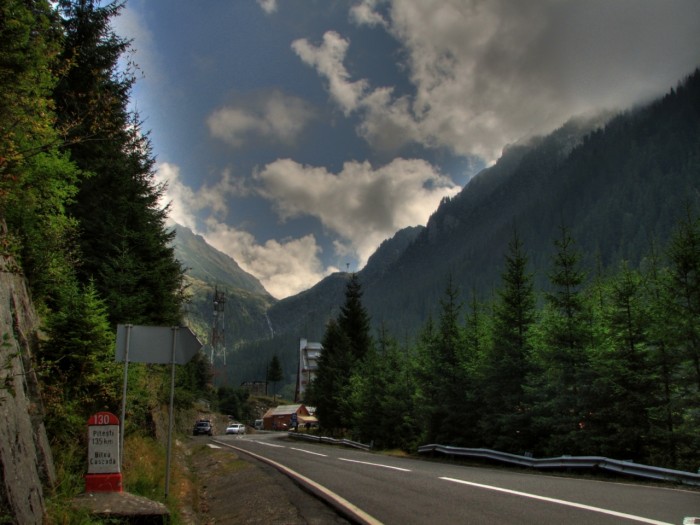
Sibiu, Sibiu County
Bâlea Lake Resort
Situata in aria comunei Cartisoara din masivul Fagaras; se intinde pana la altitudinea de 2.500 m; include relieful alpin, lacul, flora si fauna din circul...
33.0 km
Sibiu, Sibiu County
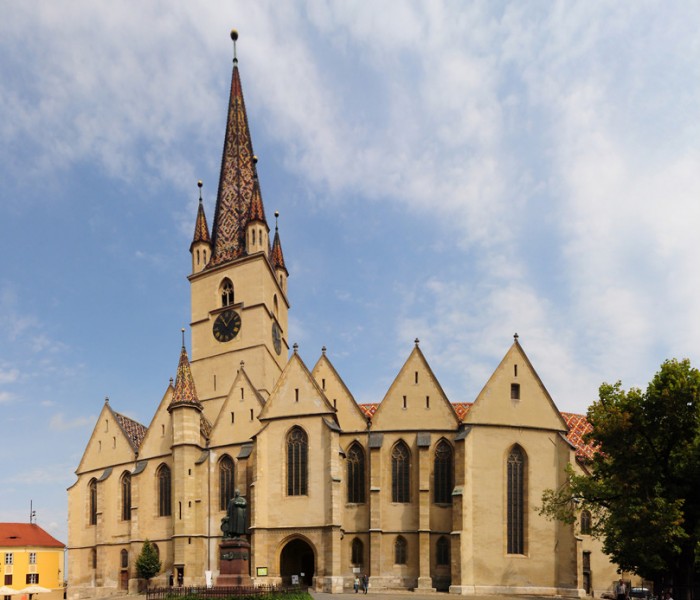
St. Mary's Evangelical Church
Situata in Piata Huet, localitatea Sibiu; a fost ridicata in secolul al-XIV-lea, pe locul unde exista o veche biserica inca din secolul al-XII-lea; cladirea...
9.4 km

Sibiu, Sibiu County
Brukenthal National Museum
Situat in Piata Mare nr.4-5; colectiile baronului von Brukenthal au luat nastere in principal intre anii 1759-1774, perioada pe care acesta a petrecut-o la...
9.3 km
Sibiu, Sibiu County
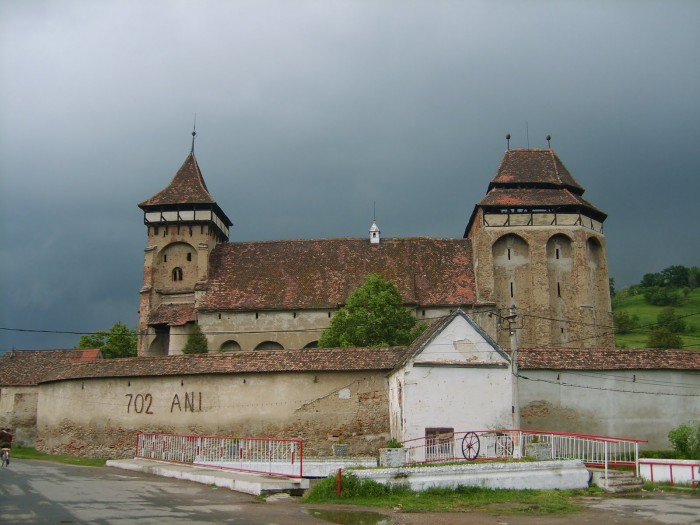
Valea Viilor Fortified Church
Situata in localitatea Valea Viilor; a fost construita in secolul al XII-lea, urmand sa fie fortificata in secolul al XV-lea si al XVI-lea; inconjurata de o...
42.5 km

46.1 km
Sibiu, Sibiu County
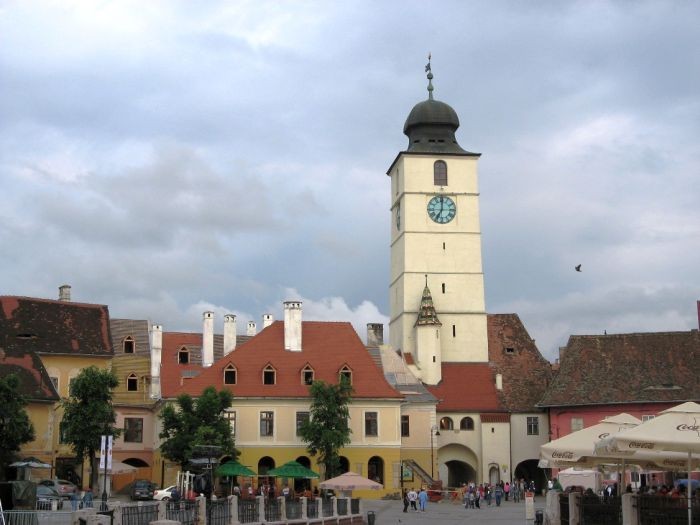
The Council Tower
Situat in Piata Mica nr.1, localitatea Sibiu; construit deodata cu cea de-a doua incinta fortificata, intre anii 1224 si 1241; este considerat simbol al...
9.5 km
Sibiu, Sibiu County
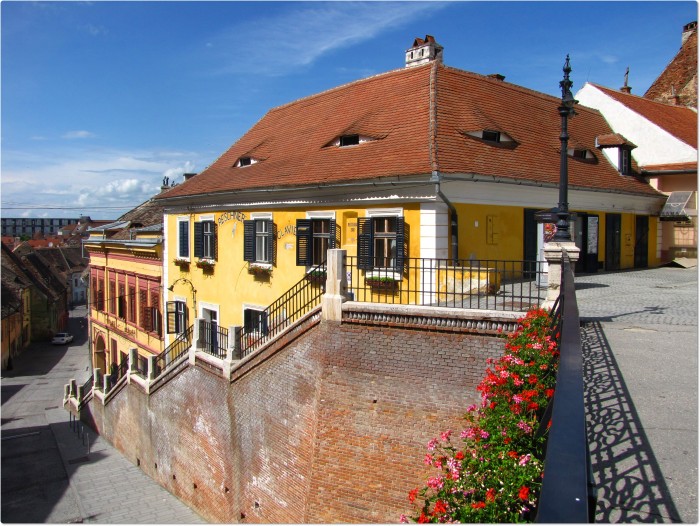
The Bridge of Lies
Face legatura dintre Piata Mica si Piata Huet din Sibiu; a fost turnat in Laubach si montat in Sibiu in anul 1859; este primul pod din fonta din Romania;...
9.5 km
Sibiu, Sibiu County
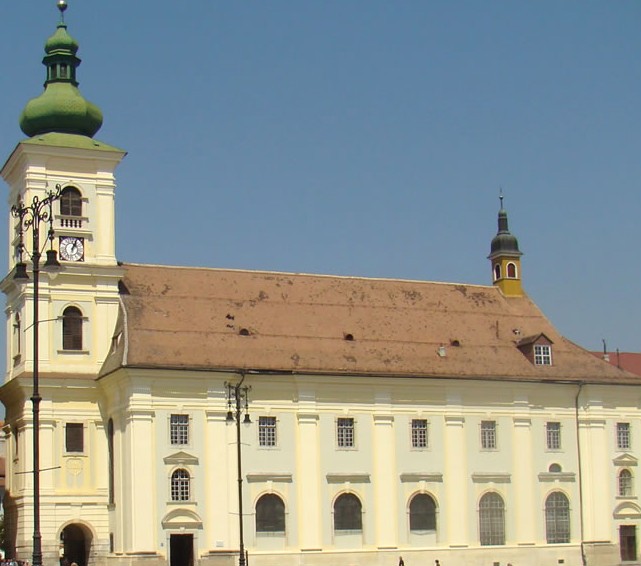
Holy Trinity Roman Catholic Parish Church in Sibiu
Situata in Piata Mare nr.1, localitatea Sibiu; a fost construita de iezuti intre anii 1726-1733 in spiritul barocului timpuriu vienez pe locul cladirii in care...
9.3 km
Cultural life and traditions
Events in the The Fortified Evangelical Church of Cisnădie. area
Medieval festivals, traditional fairs, concerts and local activities recommended in Transylvania.

Heritage and History

Sibiu, County of Sibiu
The Festival of Medieval Fortresses and the Open Doors Days
Guided night tours, traditional crafts workshops and historical re-enactments featuring knights and ladies.
WHEN
May 15-17, 2026


Traditions and Cuisine
Sibiu, County of Sibiu
The Fair of Saxon Traditions and Local Cuisine
Discover local producers, traditional Saxon pastries baked in a wood-fired oven, artisanal syrups, and rhubarb jam.
WHEN
Every weekend (May - October)

Ecotourism and Nature
The hills of Transylvania, County of Sibiu
Guided Hikes on the Transylvanian Hills Trail
Take excursions along unmarked trails through ancient meadows, centuries-old oak trees, and villages with fortified churches that are UNESCO World Heritage sites.
WHEN
Friday – Sunday (Season 2026)
On foot, exploration gains depth
Discover the surroundings and local geography
Explore the trails, terrain, and natural landmarks around The Fortified Evangelical Church of Cisnădie..

Guides and practical tips
Useful travel articles
Travel guides, practical recommendations and tourist itineraries for Transylvania.

Tourist guide
Top 5 Atracții Turistice și Trasee Montane în Zona Moieciu - Bran
Descoperă cele mai spectaculoase peisaje carstice, chei adânci și cetăți medievale din imediata apropiere a stațiunii Moieciu.

Tourist guide
Ghid de Drumeție: Traseul Moieciu de Sus spre Platoul Bucegi
Un itinerariu montan de o frumusețe rară ce urcă din Valea Băngăleasa spre Poiana Guțanu și crestele maiestuoase ale Bucegilor.

Tourist guide
Castelul Bran: Istorie, Legende și Secrete Medievale
Află adevărata poveste a fortăreței medievale din Pasul Bran, reședința de suflet a Reginei Maria a României.
THE JOURNEY STARTS WITH AN IDEA
The next story is on the way.
From the first stop to the last stay, make room for a new Romania.
