


MONUMENT · TRANSYLVANIA
The Bridge of Lies

Sibiu, Sibiu County
Add location to your trip planner.
Practical access information

VISITING HOURS
Monday: 12:00 PM – 5:00 PM · Tuesday–Sunday: 9:00 AM – 5:00 PM (in summer until 8:00 PM)

TICKET PRICE
Adults: 45 RON · Students: 11 RON · Seniors: 23 RON · Guided tour included

RECOMMENDED VISIT DURATION
2-3.5 hours
Visitor information and guide
 Navigate with Google Maps

ABOUT THE BRIDGE OF LIES
A Cast-Iron Jewel in the Heart of Medieval Sibiu
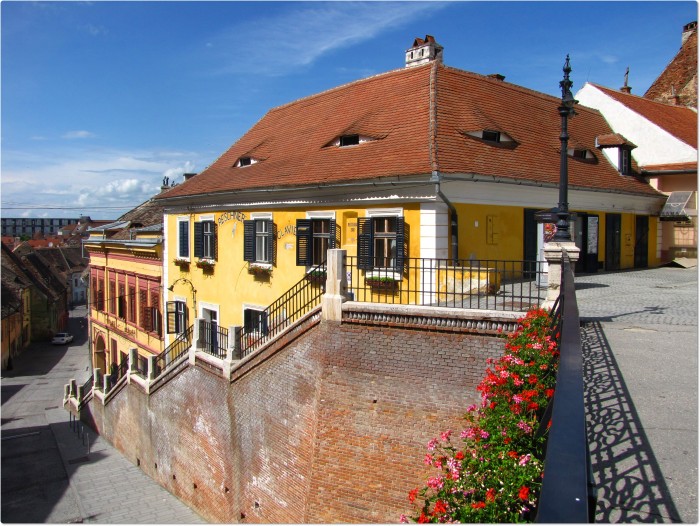
In the historic center of Sibiu, where cobblestone streets echo with the footsteps of medieval merchants and Saxon craftsmen, stands a structure that gracefully marries the industrial revolution of the 19th century with the medieval atmosphere of one of Eastern Europe’s best-preserved citadels. The Bridge of Lies, also known as Lügenbrücke in German, is the first cast-iron bridge ever constructed on the territory of present-day Romania. This exceptional monument spans Ocna Street, linking Small Square with Huet Square, forming an essential cultural axis of the city, which has been inscribed on the UNESCO World Heritage List since 2007. Measuring just ten meters in length, this small bridge is a veritable capsule of European history, bearing witness to the moment when modern technology began transforming the urban landscapes of continental empires, as cast iron gradually replaced wood and stone in the public infrastructure of major metropolises.
Located in the immediate vicinity of the Evangelical Church of Huet—the most imposing Lutheran church in Sibiu and one of the tallest fortified towers in Romania—the Bridge of Lies offers a unique perspective on how historical eras overlap and complement one another. From this bridge, the traveler’s gaze encompasses the Gothic silhouettes of medieval towers, the Renaissance and Baroque facades of bourgeois houses, all framed by the industrial elegance of the black metal structure. This juxtaposition is no coincidence; it reflects how Sibiu, situated at the crossroads of trade routes between the Ottoman Empire and Central Europe, absorbed and reinterpreted Western influences within a specific Transylvanian cultural context. The city thus became a true urban laboratory where Saxon tradition met the technical innovations of the Victorian era.
Industrial Roots in a Europe in Transformation
The year 1859, when the Bridge of Lies was inaugurated in Sibiu, marked a period of profound technological and economic transformation across Europe. While the Industrial Revolution, which had begun in Britain decades earlier, had already reshaped the urban landscapes of major metropolises like London, Paris, and Vienna, cities in Central and Eastern Europe were just beginning to benefit from advancements in metallurgy and construction. The bridge in Sibiu was cast in Laubach, in the German state of Hesse, by the prestigious ironworks company Harkort, one of the pioneers of the cast-iron industry in Central Europe. This choice is hardly surprising, given the close ties between the Saxon community in Transylvania and the German-speaking world, as well as the fact that Sibiu was, at the time, part of the vast territory of the Habsburg Monarchy—specifically, the Grand Principality of Transylvania, which had been united with the Austrian crown after 1711.
The construction of this bridge can be compared to other similar engineering achievements of the era, such as the famous Iron Bridge in Coalbrookdale, England, inaugurated in 1779 and considered the world’s first cast-iron bridge, or the numerous metal bridges that began appearing over the Rhine, Elbe, and Danube rivers in the great cities of the Austro-Hungarian Empire. That Sibiu, a medium-sized city by European standards, already boasted such a technological innovation in 1859 demonstrates the openness of the local urban elite to modernization and their desire to integrate the city into the network of major European economic centers. The Harkort company, based in Wetter an der Ruhr, was already renowned across Europe for the quality of its cast iron and for the infrastructure projects it undertook, including bridges, industrial halls, and decorative elements for public buildings in numerous cities of the German Confederation and beyond.
The installation of the bridge in Sibiu in the same year it was cast in Germany reflects the efficiency of the commercial and industrial networks of the time, when prefabricated parts could travel by rail and modernized roads from Central Europe to the heart of Transylvania. This mobility of technology and capital illustrates how the Industrial Revolution knew no borders, transforming cities like Sibiu into nodes of an increasingly integrated European economic network. In the broader context of 19th-century urban development, the Bridge of Lies represents a compelling example of how cities in Eastern Europe—often perceived as peripheral in relation to the great Western capitals—managed to adopt and adapt technological innovations to their own architectural and cultural specificities.
The Dialogue Between Victorian Iron and Gothic Stone
The architecture of the Bridge of Lies reflects the Victorian industrial aesthetic, characterized by the use of ornamental cast iron and an emphasis on decorative details applied to metal structures. The bridge’s railings feature stylized vegetal motifs and geometric elements reminiscent of the wrought-iron decorations of the era, lending an elegant touch to a functional construction. The black color of the iron, achieved through specific anti-corrosion treatments, creates a striking visual contrast with the light-colored limestone of the surrounding buildings and the Gothic towers of the Huet Church, which rise majestically in the background.
This juxtaposition of traditional and modern materials is not merely aesthetic but symbolic. The bridge represents, both physically and metaphorically, the transition from the medieval world—embodied by Huet Square and the ensemble of the Evangelical Church, with its 73-meter tower built between the 14th and 16th centuries—to the modern world of Small Square, a more open and dynamic commercial space. Ocna Street, over which the bridge spans, still bears in its name the memory of the medieval salt mines that once operated in the area, underscoring the functional continuity of this urban space over the centuries. The bridge’s modest dimensions—approximately ten meters in length and a few meters in width—do not diminish its visual impact but rather highlight the grace with which an industrial structure can be integrated into a dense historic urban fabric.
From a technical standpoint, the bridge is a remarkable example of 19th-century civil engineering, designed to withstand heavy pedestrian traffic and the region’s specific climatic conditions, with freezing winters and scorching summers. The cast iron used in its construction offers superior resistance to atmospheric factors compared to wood or stone, allowing the structure to remain intact for over a century and a half with minimal maintenance. This durability explains why the Bridge of Lies has survived not only the urban transformations of the communist era—when many historic monuments were neglected or destroyed—but also the passage of time in remarkably good condition, preserving its original ornamental details.
The Legend of Truth and the City’s Collective Memory
The evocative name of the bridge, the Bridge of Lies, originates from a popular legend that has given rise to a romantic tradition deeply rooted in Sibiu’s urban folklore. According to this legend, if a person standing on the bridge tells a lie, the iron structure will begin to creak, vibrate, or even collapse, thus revealing the untruth. Though clearly a poetic metaphor, this story has transformed the bridge into a symbol of truth and trust. Many lovers come here to test their sincerity toward one another, or simply to partake in the photographic ritual that has become a tradition.
This mythological dimension of the bridge fits into a broader urban mythology of Sibiu, alongside the famous "eyes that never sleep"—the trapezoidal or eye-shaped windows of the attics that seem to watch passersby. Together, these elements have contributed to the construction of a distinct tourist identity for the city, turning historic monuments into living characters in the local narrative. The Bridge of Lies has silently witnessed numerous turning points in Sibiu’s history: from the 1848 revolutions, when the city experienced intense political upheavals, to the two World Wars and the communist era, during which the structure continued to serve as an essential element of pedestrian circulation in the historic center.
Over time, the bridge has hosted notable figures from Romanian and European culture and politics who visited Sibiu, from members of European royal families to intellectuals and artists drawn by the city’s cultural aura. When Sibiu was the European Capital of Culture in 2007, the bridge was included in official tourist routes and benefited from special lighting that highlighted its ornamental details at night. This revalorization of the monument in a contemporary European context has reinforced its status as a bridge between past and present, between local tradition and openness to the wider world.
Visitor’s Guide: Discovering a Hidden Gem
For the contemporary traveler wishing to explore the Bridge of Lies in all its splendor, there are a few privileged moments and perspectives worth considering. The best light for photography and contemplation is at sunset, when the sun’s rays, descending over the towers of the Huet Church, bathe the cast-iron structure directly, creating spectacular plays of shadows and reflections on the cobblestones of Small Square and the bridge’s ornamental railings. At these moments, the black iron takes on warm, almost golden hues, offering a fascinating contrast with the open sky to the west and the Gothic silhouettes that stand out against the twilight.
Visiting the bridge fits naturally into a broader cultural itinerary that includes the main attractions of the historic center. From the bridge, the traveler can step directly into Huet Square, dominated by the imposing Evangelical Church, whose construction began in the 14th century and continued for two centuries, representing one of the most valuable examples of Gothic architecture in Romania. Just a few steps away lies the Brukenthal National Museum, housed in the former palace of Transylvania’s governor, Samuel von Brukenthal, which contains art collections comparable to those of major Western European museums. In the opposite direction, toward Small Square, visitors will find historic cafés and artisan shops, while further on, the Council Tower offers a 360-degree panorama of the old city and the Făgăraș Mountains, providing a complete view of the geographical context in which this unique monument is situated.
The atmosphere on the bridge varies significantly depending on the time of day. Early in the morning, when Small Square begins to come alive with the first merchants and tourists, the bridge offers a contemplative tranquility, the air still cool and fresh with morning dew. In the evening, when streetlights come on and the surrounding terraces fill with visitors, the bridge becomes a meeting place and social hub, all while retaining the mysterious air conferred by its legend. For those wishing to experience the ritual of the legend, a quiet stroll across the bridge is recommended, stopping in the middle to admire the view of both squares and to feel the subtle vibration of the metal structure beneath their feet—a silent witness to so many centuries of European history.
The Bridge of Lies thus remains not merely a passage over a street but a symbol of continuity and transformation, of how technical innovation can coexist harmoniously with historic heritage, creating an urban space where past and present constantly engage in dialogue. In a Europe forever seeking a balance between modernization and preservation, this small cast-iron bridge in Transylvanian Sibiu offers a valuable lesson on the beauty that can arise from the meeting of industrial iron and medieval stone, of popular legend and documented history, of local specificity and the universality of human experience.
Media gallery
Discover The Bridge of Lies in pictures

7 photos · Architecture, courtyards and captivating details
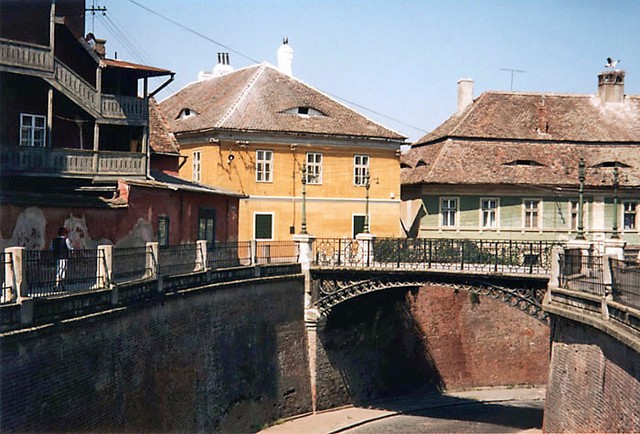
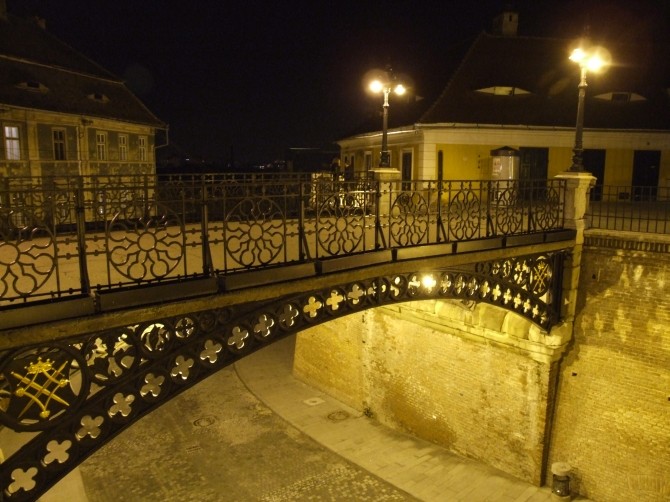


Image source: Wikimedia Commons · Public domain photos · Free license
STAY A FEW DAYS, DISCOVER THE MAGIC
Accommodation in the The Bridge of Lies area

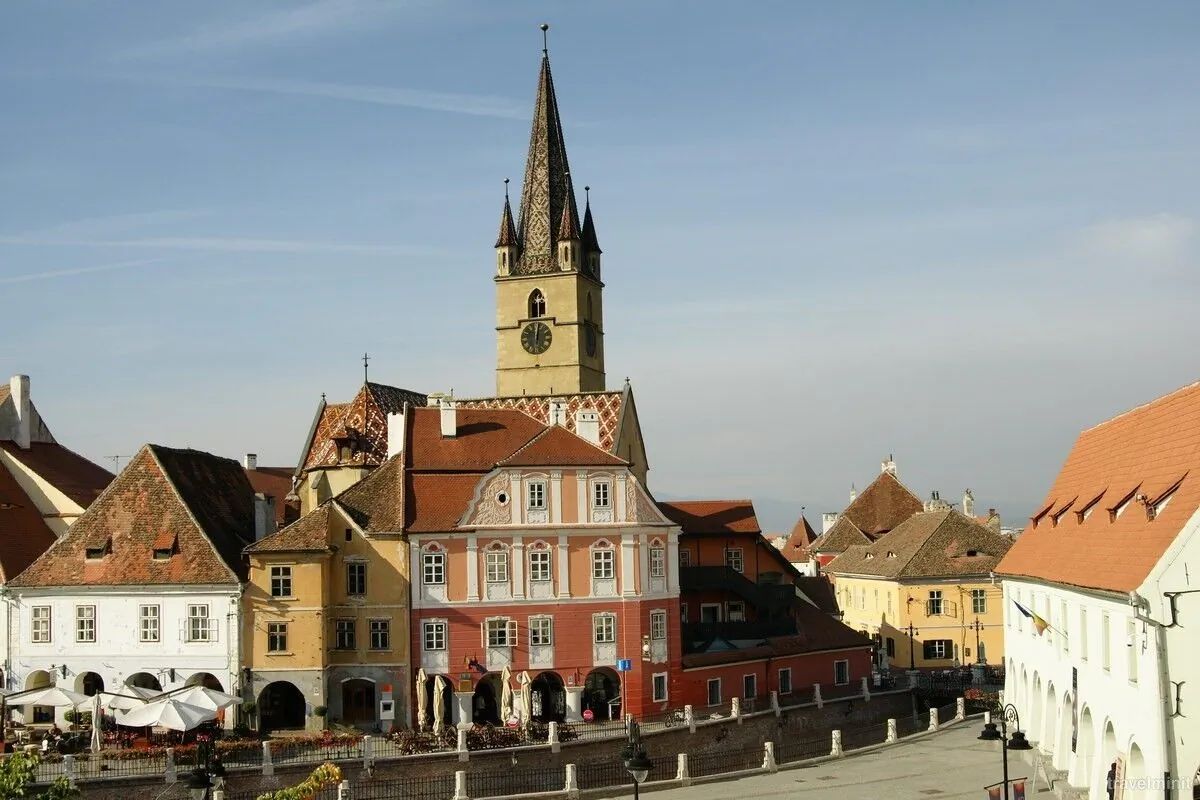
Hotel · 3 stars

Sibiu, Sibiu County · 0.0 km
Hotel Casa Luxemburg Sibiu
Clădirea cu elemente arhitecturale unice din secolul XIII, ridicată pe prima incintă de fortificații a orașului medieval, păstrează și astăzi atmosfera autentică a vechiului Sibiu. Hotel Casa Luxemburg Sibiu se află chiar în Piața Mică, la numărul 16, într-un cadru istoric deosebit. Fiecare cameră este decorată într-un stil propriu și oferă priveliști deosebite spre monumente emblematice ale orașului. De la fereastră puteți admira direct Podul Minciunilor, Biserica Evanghelică sau Turnul Sfatului, cele mai reprezentative repere din imediata apropiere. Pentru un sejur confortabil, hotelul vă pune la dispoziție Wi-Fi gratuit în toate spațiile și pătuț pentru bebeluș la cerere. Recepția este disponibilă permanent, 24 de ore din 24, pentru a răspunde oricărei solicitări. În vecinătate se află numeroase obiective turistice pe care le puteți explora cu ușurință pe jos: Muzeul Civilizației Populare Tradiționale ASTRA, Biserica Parohială Evanghelică Sfânta Maria din Sibiu, Muzeul Brukenthal, Turnul Sfatului și Podul Minciunilor. Vă așteptăm la Hotel Casa Luxemburg Sibiu, pe Piața Mică 16, într-o locație cu acces direct către centrul istoric al orașului.
FROM
290 lei per night

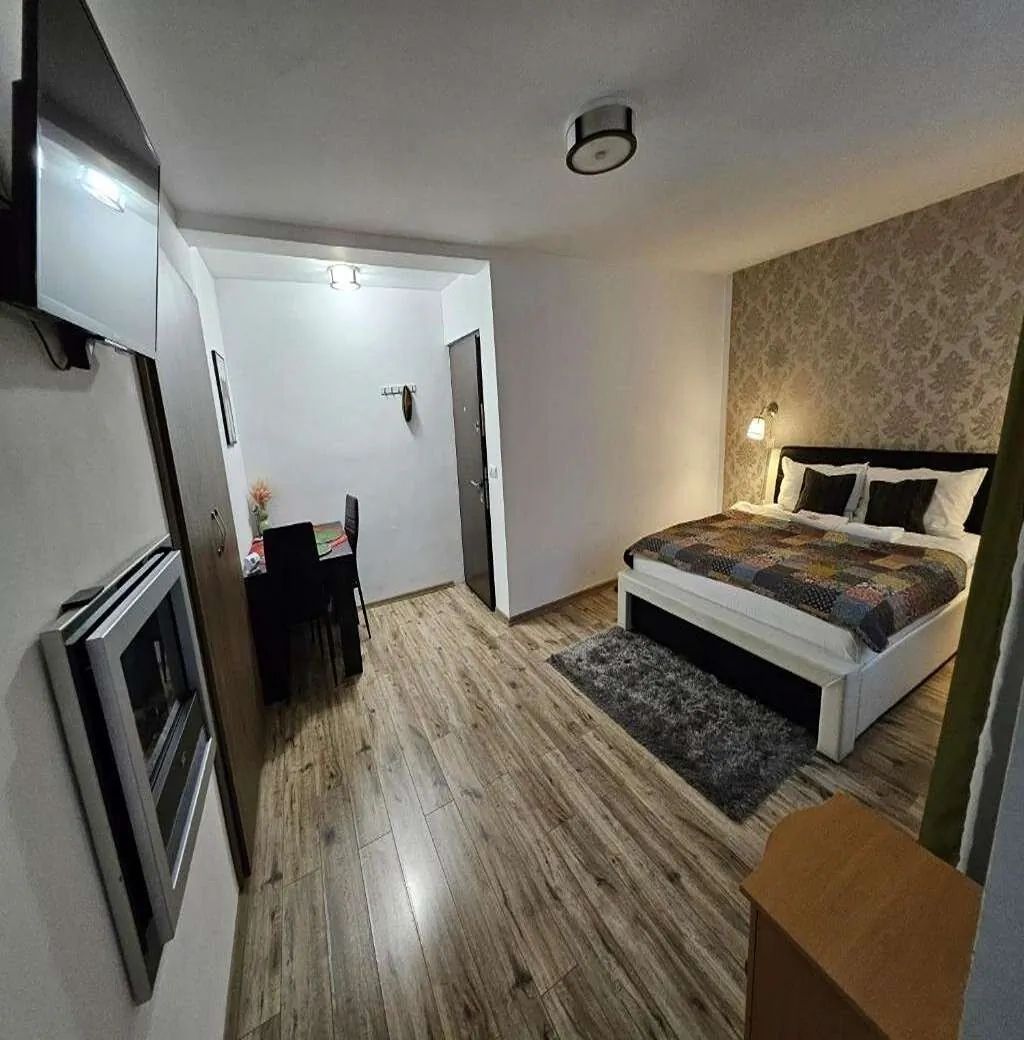
Apartment · 3 stars
Sibiu, Sibiu County · 0.0 km
Apartment Queen Bridge Sibiu
Apartment Queen Bridge din Sibiu vă pune la dispoziție un restaurant chiar în incintă, alături de Wi-Fi gratuit și fier de călcat, facilități care contribuie semnificativ la confortul dumneavoastră. Această unitate de cazare de 3 stele, situată pe strada Ocnei 1, reprezintă o opțiune potrivită pentru șederea dumneavoastră în acest oraș plin de istorie. Fiind un apartament de închiriat, aveți la dispoziție spațiu și independență pentru a vă organiza timpul după propriile preferințe. Conexiunea la internet fără cost vă permite să rămâneți informați și să comunicați cu ușurință, iar fierul de călcat asigură că hainele dumneavoastră arată impecabil în orice moment al zilei. În apropierea unității puteți vizita Muzeul Civilizației Populare Tradiționale ASTRA, Biserica Parohială Evanghelică Sfânta Maria din Sibiu, Muzeul Brukenthal, Turnul Sfatului și Podul Minciunilor. Aceste obiective turistice oferă o perspectivă variată asupra tradițiilor, artei și arhitecturii locale. Seara, restaurantul din incintă constituie un loc potrivit pentru a savura cina după o zi petrecută explorând atracțiile orașului.
FROM
230 lei per night
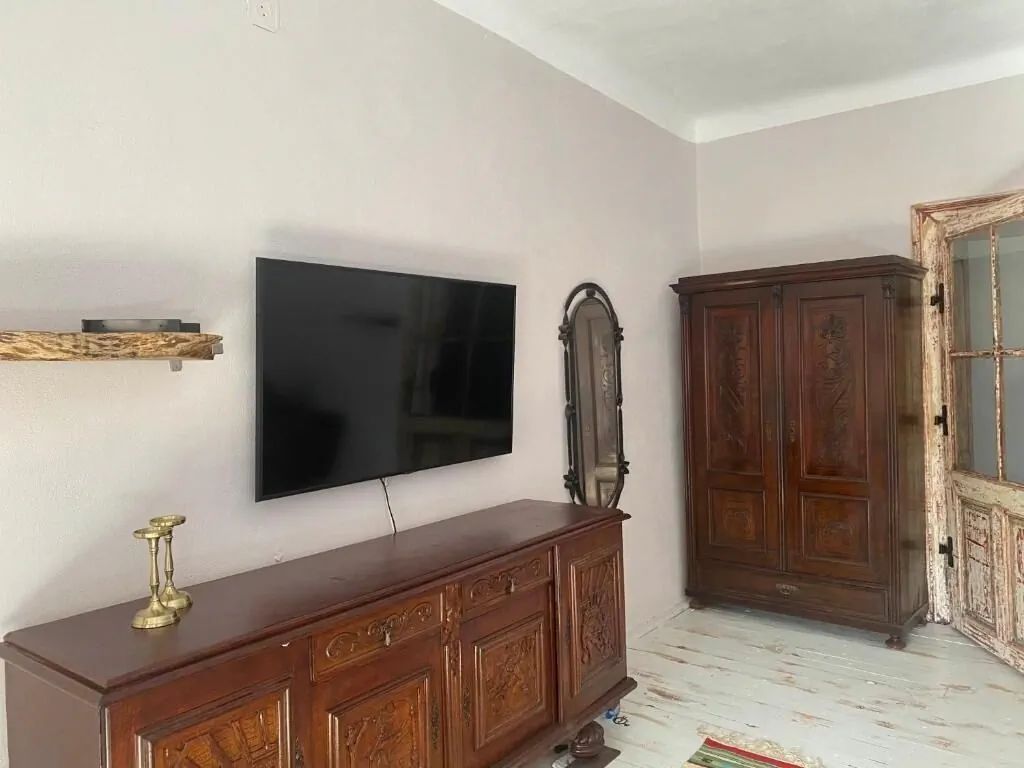
Apartment · 4 stars
Sibiu, Sibiu County · 0.0 km
Casa Poetului Sibiu
Comfort, relaxation and stunning views, all just steps away from the main attractions.
FROM
320 lei per night
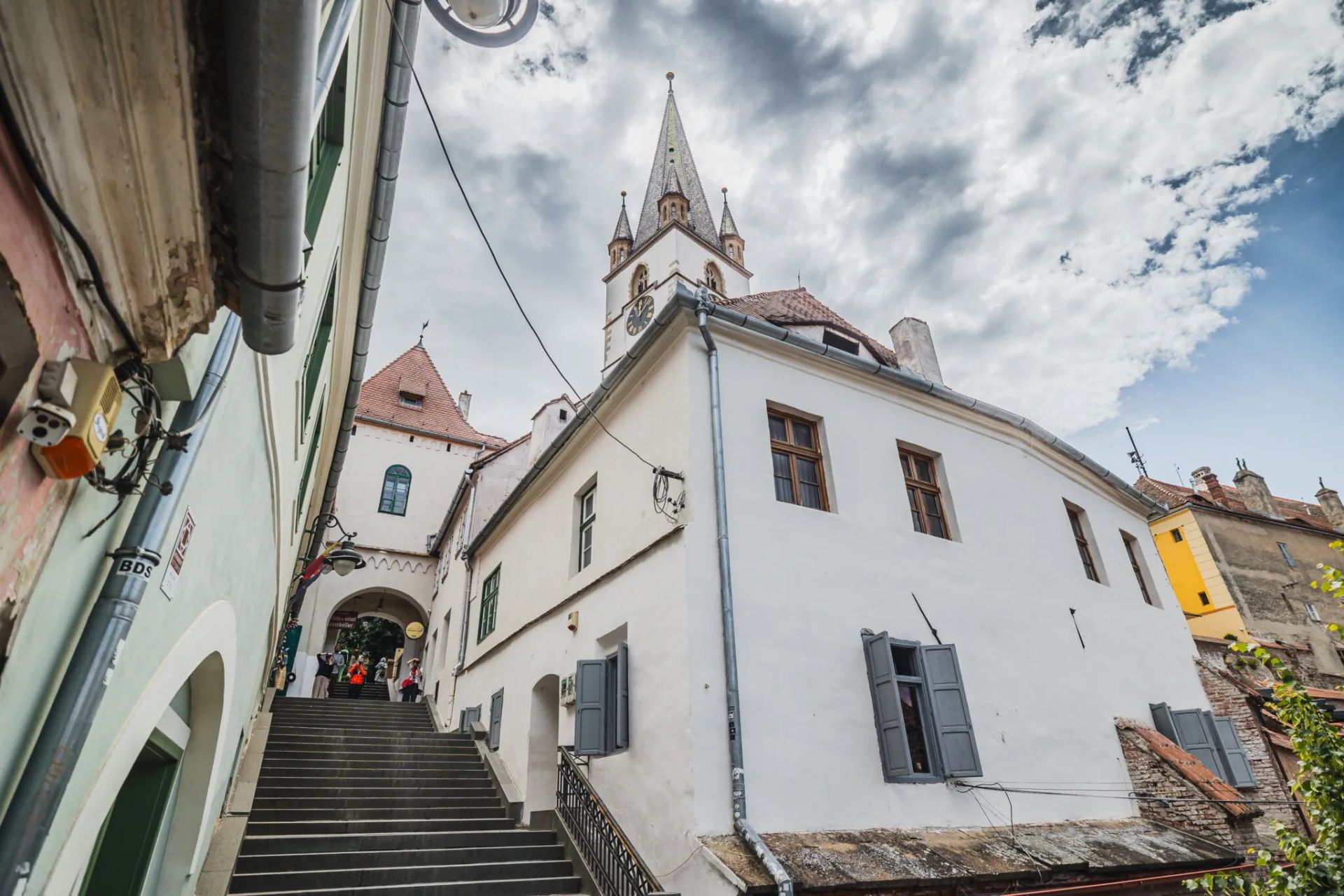
Hotel · 3 stars
Sibiu, Sibiu County · 0.1 km
Hotel Kleines Sibiu
Începând cu Podul Minciunilor, aflat la doar câțiva pași distanță, Hotel Kleines Sibiu reprezintă punctul dumneavoastră de plecare pentru a explora un hotel de 3 stele situat în Sibiu, chiar în Piața Albert Huet, într-o zonă centrală pietonală. De aici porniți ușor spre Muzeul Brukenthal, Turnul Sfatului, Biserica Parohială Evanghelică Sfânta Maria din Sibiu și Muzeul Civilizației Populare Tradiționale ASTRA, obiective care îmbogățesc fiecare plimbare prin oraș. Amplasat într-o clădire istorică renovată, hotelul oferă camere cu podea și mobilier din lemn masiv, dotate cu televizor cu ecran plat, Wi-Fi gratuit, seif și depozit pentru bagaje. Familiile cu bebeluși au la dispoziție pătuț special, iar fiecare cameră include baie privată modernă cu duș. În zona înconjurătoare găsiți restaurante și magazine la doar câteva minute de mers pe jos, iar accesul la internet este disponibil gratuit în întreaga proprietate pentru confortul dumneavoastră. Vă așteptăm să vă bucurați de șederea dumneavoastră în Sibiu.
FROM
290 lei per night
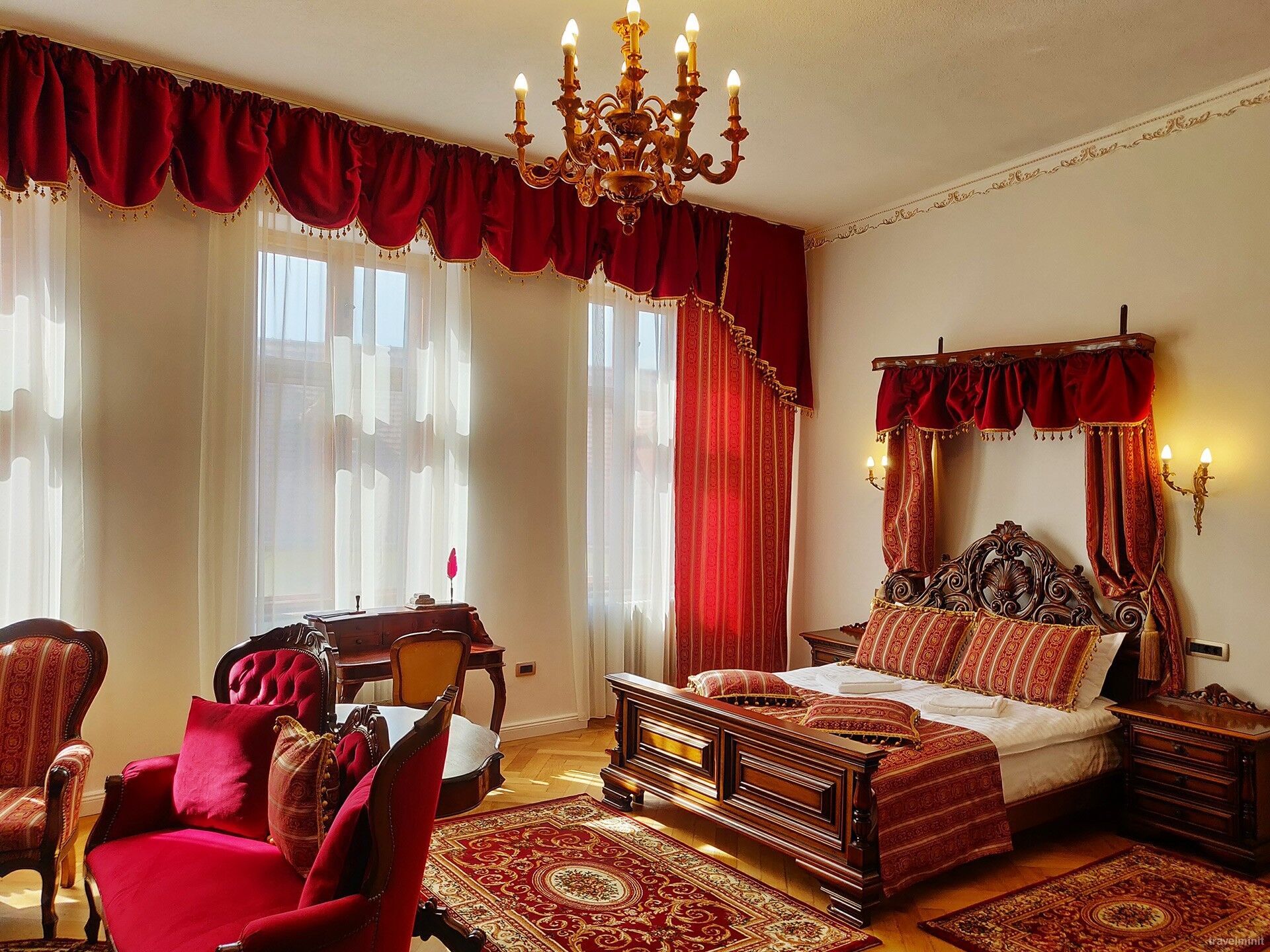
Apartment · 3 stars
Sibiu, Sibiu County · 0.1 km
Zur Krone Sibiu
La Zur Krone Sibiu, un apartament de închiriat cu 3 stele situat în localitatea Sibiu, vă puteți bucura de o cafenea chiar în incintă, un detaliu aparte pentru oaspeții care doresc să servească o cafea fără să părăsească proprietatea. Unitatea se află pe strada Ocnei 4. Camerele sunt dotate cu aer condiționat și oferă acces Wi-Fi gratuit, astfel încât șederea dumneavoastră să fie confortabilă în orice sezon. În exterior, o curte mare și o grădină amenajată oferă un spațiu plăcut pentru relaxare în aer liber, iar în interior aveți la dispoziție un fier de călcat și un depozit pentru bagaje. Din această locație puteți explora cu ușurință cele mai importante obiective turistice din zonă. Puteți vizita Muzeul Civilizației Populare Tradiționale ASTRA, Biserica Parohială Evanghelică Sfânta Maria din Sibiu, Muzeul Brukenthal, Turnul Sfatului și Podul Minciunilor. Fiecare cameră este decorată în stil imperial, creând o atmosferă elegantă care amintește de vremurile de odinioară și evocă istoria orașului, oferind o experiență de cazare autentică și captivantă în Sibiu. Vă așteptăm pe strada Ocnei 4, 550188 Sibiu, România.
FROM
230 lei per night
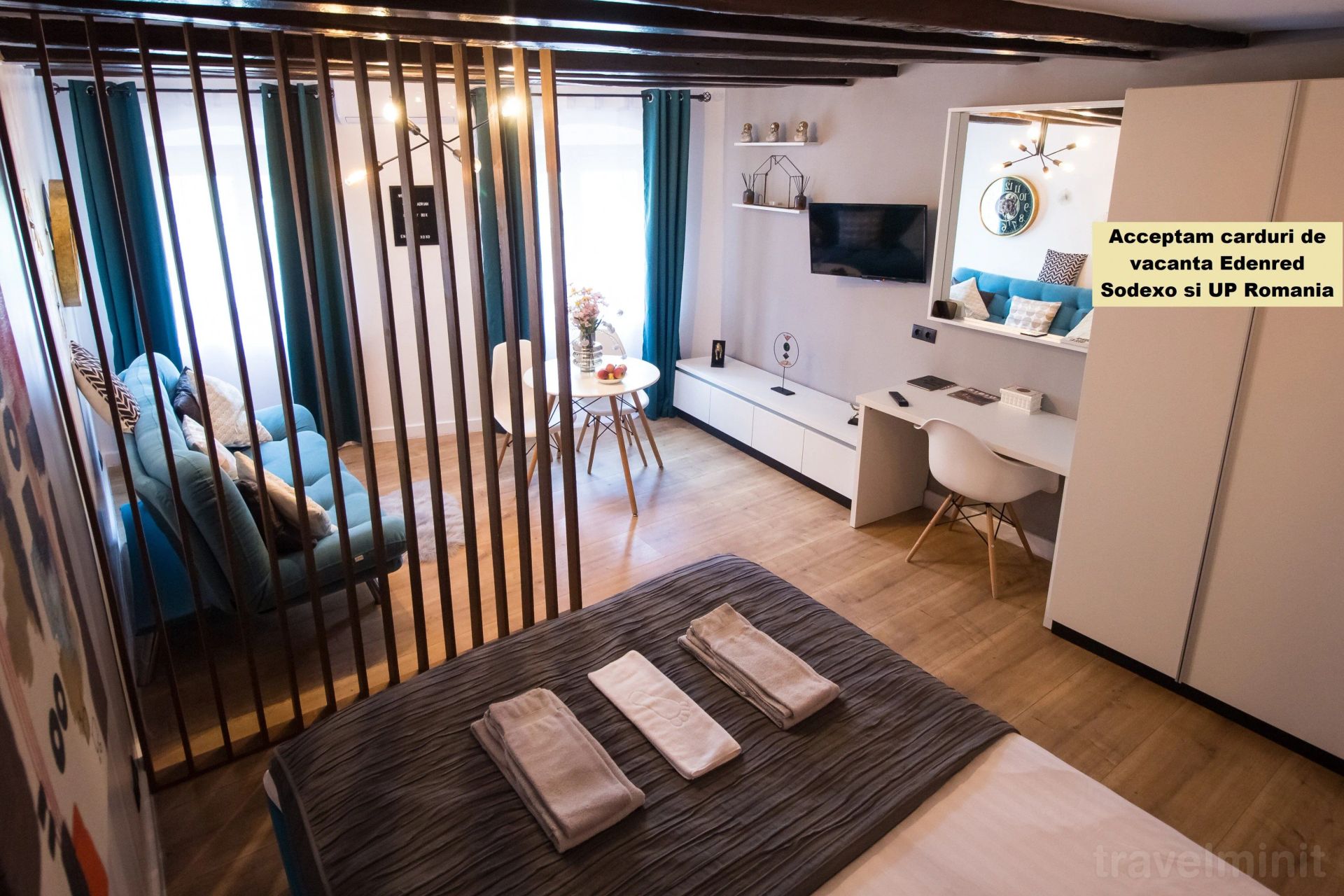
Apartment · 3 stars
Sibiu, Sibiu County · 0.1 km
Apartament Mistery Box Sibiu
Un apartament spațios situat la parterul unei clădiri rezidențiale din strada Victor Tordosan vă așteaptă în Sibiu. Apartamentul Mistery Box oferă un interior generos și bine organizat, potrivit pentru șederi confortabile în apropierea centrului istoric al orașului, într-un mediu liniștit și primitor. Unitatea beneficiază de aer condiționat pentru zilele călduroase de vară, Wi-Fi gratuit în întreg spațiul și depozit securizat pentru bagaje. Accesul este facilitat și pentru persoanele cu dizabilități, iar în exterior curtea mare și grădina amenajată oferă un colț de liniște pentru relaxare după o zi de plimbare prin oraș. Fierul de călcat este pus la dispoziție pentru a vă menține hainele impecabile pe toată durata șederii dumneavoastră. În apropiere puteți descoperi Muzeul Civilizației Populare Tradiționale ASTRA, Biserica Parohială Evanghelică Sfânta Maria din Sibiu, Muzeul Brukenthal, Turnul Sfatului și Podul Minciunilor, explorând astfel cele mai reprezentative obiective culturale și istorice ale municipiului Sibiu. Apartamentul se află la adresa strada Victor Tordosan 4, etaj parter, apartament corp B, într-o zonă accesibilă și ușor de localizat pentru toți oaspeții care aleg să viziteze acest oraș.
FROM
230 lei per night
BEFORE YOU HIT THE ROAD
Weather conditions in Sibiu
Local forecast for The Bridge of Lies, Sibiu, Sibiu

Real-time updated weather data
Much more to explore in this area
Nearby tourist attractions

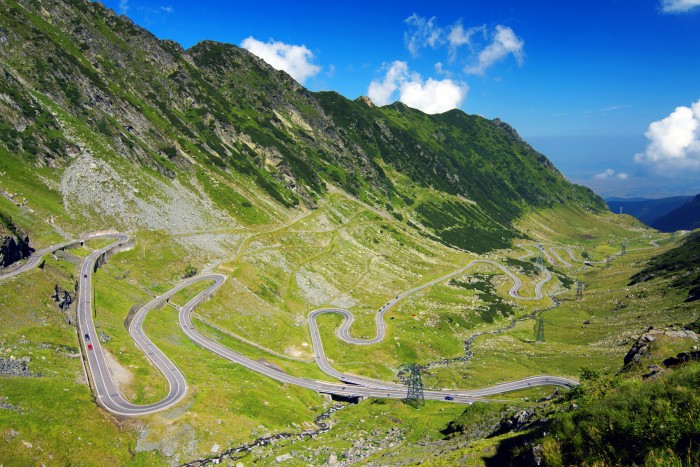

Cârțișoara, Sibiu County
Transfăgărășan Highway and Bâlea Lake
Incepe in comuna Bascov din judetul Arges de langa orasul Pitesti, in directia orasului Curtea de Arges si se termina la intersectia cu drumul DN1 intre Sibiu...
33.7 km
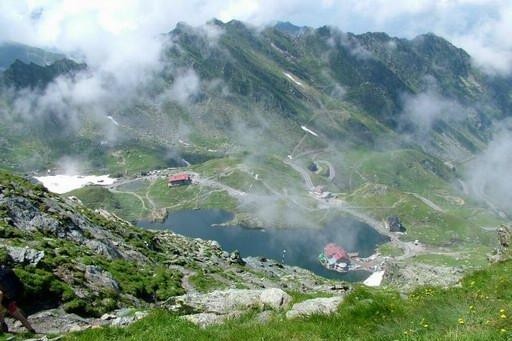
Sibiu, Sibiu County
Bâlea Lake
Situat in Muntii Fagaras, la Obarsia Cartisoarei, care se afla la o altitudine de 2.034 metri, langa soseaua Transfagarasan din judetul Sibiu; in perioada...
42.2 km

40.7 km
Sibiu, Sibiu County
ASTRA Museum of Traditional Folk Civilization
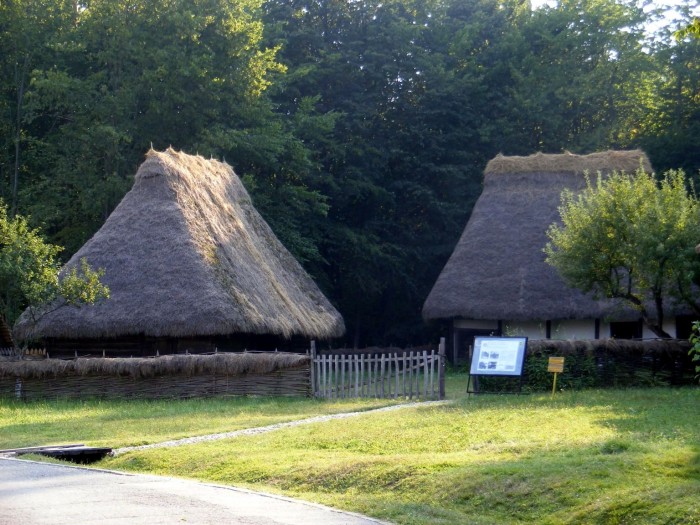
Situat pe Calea Rasinari din localitatea Sibiu; este un muzeu in aer liber; a fost organizat cu incepere din anul 1963, sub denumirea de Muzeul Tehnicii...
5.5 km
Sibiu, Sibiu County
Bâlea Lake Resort
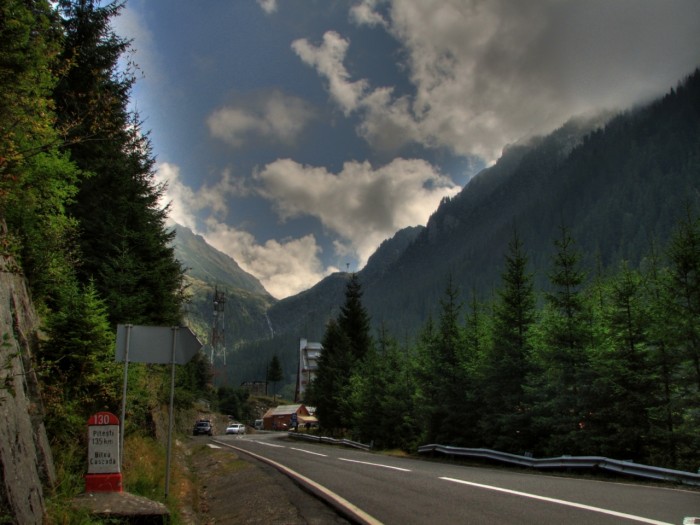
Situata in aria comunei Cartisoara din masivul Fagaras; se intinde pana la altitudinea de 2.500 m; include relieful alpin, lacul, flora si fauna din circul...
33.9 km

47.2 km
Sibiu, Sibiu County
St. Mary's Evangelical Church
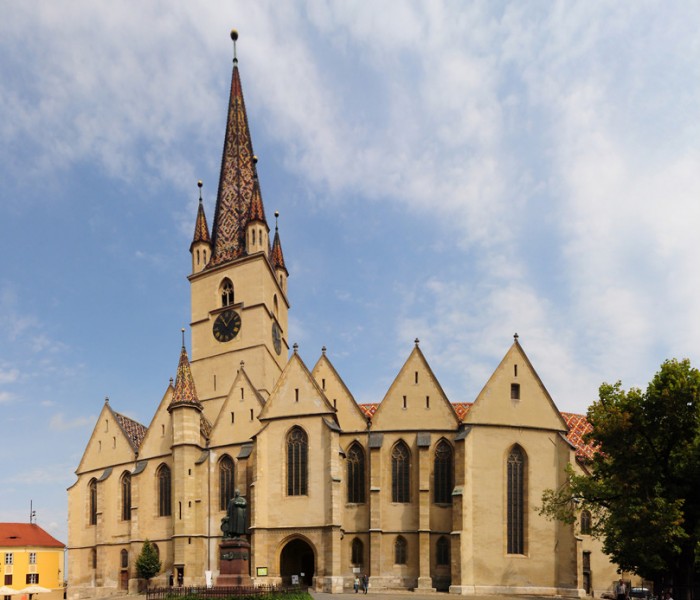
Situata in Piata Huet, localitatea Sibiu; a fost ridicata in secolul al-XIV-lea, pe locul unde exista o veche biserica inca din secolul al-XII-lea; cladirea...
0.1 km

Sibiu, Sibiu County
Brukenthal National Museum
Situat in Piata Mare nr.4-5; colectiile baronului von Brukenthal au luat nastere in principal intre anii 1759-1774, perioada pe care acesta a petrecut-o la...
0.2 km
Sibiu, Sibiu County
Valea Viilor Fortified Church
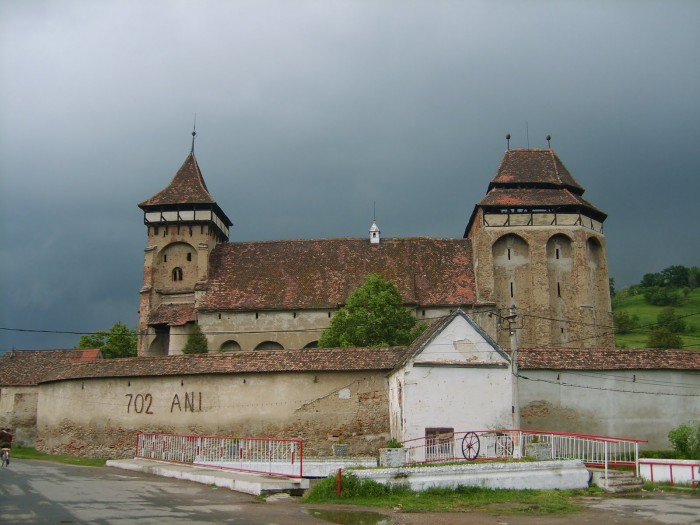
Situata in localitatea Valea Viilor; a fost construita in secolul al XII-lea, urmand sa fie fortificata in secolul al XV-lea si al XVI-lea; inconjurata de o...
33.4 km

37.8 km
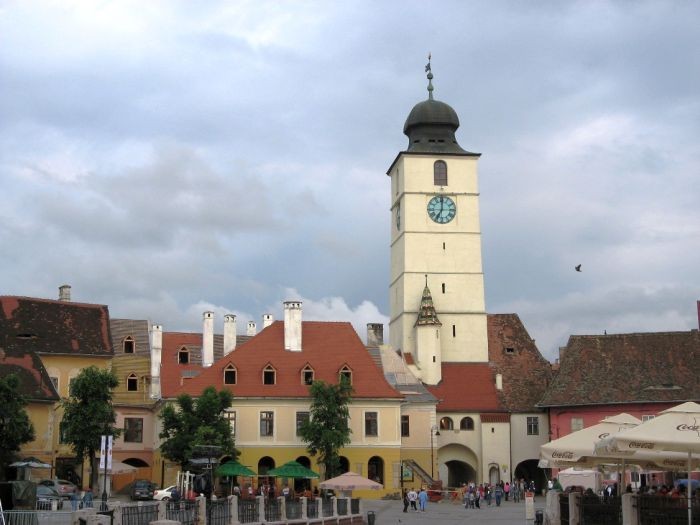
Sibiu, Sibiu County
The Council Tower
Situat in Piata Mica nr.1, localitatea Sibiu; construit deodata cu cea de-a doua incinta fortificata, intre anii 1224 si 1241; este considerat simbol al...
0.1 km
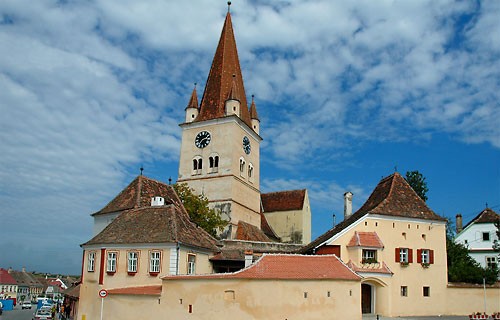
Sibiu, Sibiu County
The Fortified Evangelical Church of Cisnădie.
Situata pe strada Cetatii nr.1-3, localitatea Cisnadie; construita in secolul al XIII-lea; fortificata dupa atacul turcesc din 1493: turnul central a fost...
9.5 km
Cultural life and traditions
Events in the The Bridge of Lies area
Medieval festivals, traditional fairs, concerts and local activities recommended in Transylvania.

Heritage and History

Sibiu, County of Sibiu
The Festival of Medieval Fortresses and the Open Doors Days
Guided night tours, traditional crafts workshops and historical re-enactments featuring knights and ladies.
WHEN
May 15-17, 2026


Traditions and Cuisine
Sibiu, County of Sibiu
The Fair of Saxon Traditions and Local Cuisine
Discover local producers, traditional Saxon pastries baked in a wood-fired oven, artisanal syrups, and rhubarb jam.
WHEN
Every weekend (May - October)

Ecotourism and Nature
The hills of Transylvania, County of Sibiu
Guided Hikes on the Transylvanian Hills Trail
Take excursions along unmarked trails through ancient meadows, centuries-old oak trees, and villages with fortified churches that are UNESCO World Heritage sites.
WHEN
Friday – Sunday (Season 2026)
On foot, exploration gains depth
Discover the surroundings and local geography
Explore the trails, terrain, and natural landmarks around The Bridge of Lies.

Guides and practical tips
Useful travel articles
Travel guides, practical recommendations and tourist itineraries for Transylvania.

Tourist guide
Top 5 Atracții Turistice și Trasee Montane în Zona Moieciu - Bran
Descoperă cele mai spectaculoase peisaje carstice, chei adânci și cetăți medievale din imediata apropiere a stațiunii Moieciu.

Tourist guide
Ghid de Drumeție: Traseul Moieciu de Sus spre Platoul Bucegi
Un itinerariu montan de o frumusețe rară ce urcă din Valea Băngăleasa spre Poiana Guțanu și crestele maiestuoase ale Bucegilor.

Tourist guide
Castelul Bran: Istorie, Legende și Secrete Medievale
Află adevărata poveste a fortăreței medievale din Pasul Bran, reședința de suflet a Reginei Maria a României.
THE JOURNEY STARTS WITH AN IDEA
The next story is on the way.
From the first stop to the last stay, make room for a new Romania.
