


NATURE AND WILDLIFE · BANAT
Domogled-Valea Cernei National Park

Caras Severin, Caraș-Severin County
Add location to your trip planner.
Practical access information

VISITING HOURS
Monday: 12:00 PM – 5:00 PM · Tuesday–Sunday: 9:00 AM – 5:00 PM (in summer until 8:00 PM)

TICKET PRICE
Adults: 45 RON · Students: 11 RON · Seniors: 23 RON · Guided tour included

RECOMMENDED VISIT DURATION
2-3.5 hours
Visitor information and guide
 Navigate with Google Maps

ABOUT DOMOGLED-VALEA CERNEI NATIONAL PARK
Captivating Introduction and European Heritage Significance
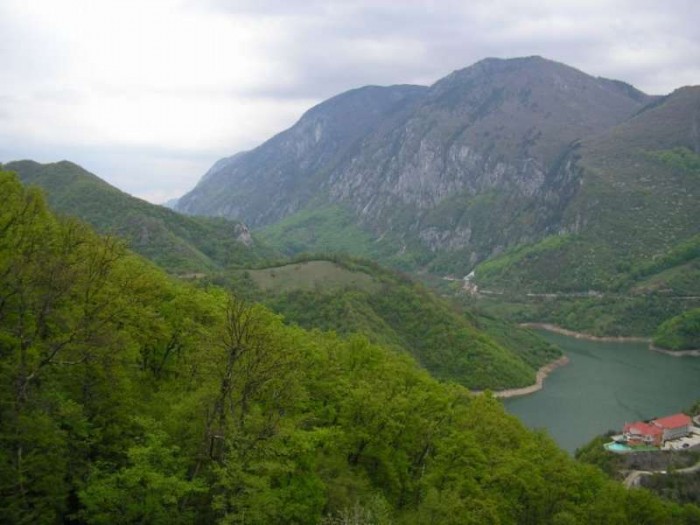
Deep in the heart of the Southern Carpathians, where the historic borders of Banat, Oltenia, and Transylvania converge in a millennia-old geographical dance, the Domogled-Valea Cernei National Park unfolds across 61,211 hectares as a natural sanctuary of rare wilderness in contemporary Europe. This territory, cradled by the imposing Godeanu and Cernei massifs on the valley’s right bank and the Vâlcan and Mehedinți Mountains on the left, represents far more than a protected area; it is a living theater of continental history, where remnants of the Ice Age coexist with vestiges of ancient civilizations, and primeval forests have remained untouched in an era when Europe has lost nearly all its primary woodlands. Designated as an integral part of the UNESCO World Heritage serial site "Ancient and Primeval Beech Forests of the Carpathians and Other Regions of Europe," the park is part of a transnational network of natural heritage linking Romania to countries such as Germany, Italy, Slovakia, and Ukraine, forming a vital ecological corridor for European biodiversity. The Cerna Valley, carved between 300 and 500 meters into vertical limestone walls, acts as a vital artery traversing this landscape, offering a unique window into a world where nature has preserved its autonomy for millennia, providing contemporary visitors with an experience nearly lost elsewhere on the continent.
Millennia-Old Historical Roots and Connections to Great Empires
The history of these lands is deeply intertwined with the great epochs of Europe, beginning with the Roman presence that transformed the area into a strategic point on the Danube frontier. Just a few kilometers from the park’s boundaries stand the ruins of the Drobeta fortress, while ancient Roman roads, constructed during Emperor Trajan’s reign following the conquest of Dacia, traversed these narrow valleys, connecting Danube fortifications with the interior of the Carpathians. The spa town of Băile Herculane, known in antiquity as Ad Aquas or Aquae Herculis, is the most eloquent testament to this imperial legacy, established as a treatment center for Roman legions and imperial elites seeking healing in the sulfur-rich thermal waters. This millennia-old balneological tradition places the park in direct descent from Roman civilization, in a therapeutic continuity that survived the fall of the Empire.
During the Middle Ages, the region became a contested frontier territory between the Kingdom of Hungary and the Ottoman Empire, later forming part of the historical Banat under the Hungarian crown and, subsequently, under Habsburg administration as part of the Military Frontier. This borderland status gave rise to the legend of the haiducs—outlaws and freedom fighters who took refuge in the caves and vast forests of Domogled to resist both Ottoman and Habsburg authority, leaving behind oral traditions and sites sanctified by collective memory, such as the Haiducs’ Cave. The 18th century ushered in a new era under Habsburg rule, when Băile Herculane was transformed into a luxurious imperial spa, attracting the Viennese and Budapest aristocracy. Empress Elisabeth of Austria, known as Sisi, visited the resort repeatedly, seeking solace in the wild mountain landscapes, while the architecture of the villas and hotels in Băile Herculane reflects the neoclassical and Secessionist influences of the Austro-Hungarian Empire, creating a fascinating contrast between the spa’s European opulence and the untouched wilderness of the national park in its immediate vicinity. Geologically, the karst systems of Domogled share remarkable affinities with those of the Dinaric Alps in Slovenia and Croatia, forming an ecological and geological chain that links the Carpathians to the Balkan Peninsula, a continuity that has facilitated species migration and cultural exchanges over the centuries.
Geological Architecture and Natural Masterpieces
The park’s landscape is a geological composition of rare complexity, where karst phenomena have sculpted a dramatic relief of deep gorges, unique thermal caves in Romania, and mineral springs with therapeutic properties recognized since antiquity. The towering vertical limestone cliffs, reaching impressive heights, harbor bizarre rock formations such as Piatra Cloșanilor and Ciucevele Cernei, natural reserves that preserve glacial-era ecosystems, offering a vivid glimpse into the continent’s geological past. The ancient beech forests, part of the UNESCO World Heritage, represent one of Europe’s last intact woodlands, according to mapping by Greenpeace, preserving a biodiversity and ecological structure reminiscent of Europe’s pre-industrial forests. These beech groves, with trees over 400 years old, form a complex ecosystem where rare species such as the Banat Black Pine—a relict endemic found only in extreme habitats of this region—coexist. Similar to the Mediterranean pine but adapted to a continental climate, this species underscores the park’s unique ecological niche.
The park’s biological diversity reaches European-level significance, reflecting its unique geographical position at the intersection of Central European, Balkan, and Mediterranean climatic influences. Here, chamois, lynx, brown bears, and wolves roam freely, forming stable populations in a habitat reminiscent of the untamed wilderness of the Alps or the Balkan Mountains before intensive human intervention. Over 1,500 butterfly species populate these lands, accounting for 45% of Romania’s lepidopteran fauna and placing the area among Europe’s richest regions in this domain—a true paradise for entomologists, comparable to the valleys of the French Alps or protected zones of the Iberian Peninsula. Sub-Mediterranean vegetation on the limestone peaks, with rare orchids and endemic plants, coexists with subalpine meadows of dwarf pine and lapies, creating a mosaic of habitats that shelter species such as the huchen in the cold, oxygen-rich waters of the Cerna River, a salmonid also found in the rivers of the Dinaric Alps. The thermal caves, such as Peștera Martel, are unique phenomena in the country, with warm waters and speleological formations developed in an active geothermal environment, providing habitat conditions for organisms specialized in high temperatures.
Legends, Personalities, and Turning Points
The human history of this territory is dotted with legends and personalities who have shaped its destiny. The Haiducs’ Cave owes its name to the period when these freedom fighters used the grottos as refuges against Ottoman and later Habsburg authorities, leaving behind traces of a popular resistance that enriched Romanian folklore. The legend of Iovan Iorgovan, the celebrated outlaw immortalized in folk ballads, has its roots in these mountains, where oral tradition preserves the memory of historical figures who fought for justice against oppressive empires. In antiquity, Emperor Trajan is associated with the discovery and use of the healing waters of Herculane, a tradition that transformed the spa into a sacred site for European travelers for two millennia.
The 19th century brought a new generation of explorers and scientists who contributed to the knowledge of this territory. Austro-Hungarian naturalists and botanists, drawn by the spa’s reputation, began exploring the park’s forests and caves, discovering and describing botanical endemics such as the Banat Black Pine for the first time. Emil Racoviță, the founder of biospeleology, studied the karst systems of this region, advancing the understanding of subterranean ecosystems. Empress Elisabeth of Austria, seeking health and escape from the Viennese court’s protocol, visited Băile Herculane repeatedly, leaving behind springs and alleys bearing her name and transforming the spa into a center for Europe’s elite. In the contemporary era, the park has become a symbol of the struggle for nature conservation, as Greenpeace activists organized international campaigns to protect the ancient forests, drawing Europe’s attention to the value of this natural heritage.
Practical Visitor’s Guide and the Contemporary Traveler’s Experience
Exploring Domogled-Valea Cernei National Park can be approached through four main access points, each offering a distinct perspective on this territory. Băile Herculane serves as the most sophisticated entry, where visitors can experience the blend of traditional balneotherapy and mountain hiking, starting from the historic spa architecture toward trails ascending the Domogled massif. Izverna provides access to thermal caves and traditional villages in the Mehedinți area, while Cloșani opens the way to the Piatra Cloșanilor nature reserve and the high ridges of the Cernei Mountains. Motru offers a gateway to the park’s deepest wilderness, providing access to less-traveled areas and unspoiled landscapes.
A network of 29 marked hiking trails facilitates the exploration of diverse ecosystems, from easy walks through ancient beech forests to challenging alpine ascents toward the peaks of Godeanu or the Vâlcan Mountains. To the south, the park connects with the Mehedinți Plateau Natural Park, renowned for its caves and karst landscapes similar to those in Slovenia, and to the east with Retezat National Park, forming a vast protected area covering the entire southwestern Carpathians and offering opportunities for multi-day treks. For speleology enthusiasts, the Soroșniște Cave, with a depth of 90 meters, is a premier adventure destination attracting practitioners from across Europe, while the Haiducs’, Ungurului, and Șerban caves provide access to remarkable speleological formations and traces of ancient civilizations.
The optimal visiting period spans from May to October, when alpine meadows burst into a vibrant display of colors, and June and July offer the best conditions for observing the park’s 1,500 butterfly species. Autumn brings spectacular hues to the beech forests, while winter transforms the park into a realm of absolute tranquility, accessible only to ski tourers and experienced mountaineers. Accommodation ranges from historic hotels in Băile Herculane, preserving the Belle Époque atmosphere of the 19th century, to mountain huts and guesthouses in villages like Izverna, Cloșani, or Motru, offering an authentic experience of traditional Carpathian life. Local cuisine reflects the influences of Banat and Oltenia, featuring traditional dishes such as sarmale (cabbage rolls), mămăligă (polenta) with cheese and smoked meats, accompanied by wines from the Banat Hills region, completing the visitor’s cultural experience in a landscape that has remained nearly unchanged for millennia.
Media gallery
Discover Domogled-Valea Cernei National Park in pictures

2 photos · Architecture, courtyards and captivating details

Image source: Wikimedia Commons · Public domain photos · Free license
STAY A FEW DAYS, DISCOVER THE MAGIC
Accommodation in the Domogled-Valea Cernei National Park area

Guesthouse · 3 stars

Băile Herculane, Caraș-Severin County · 3.8 km
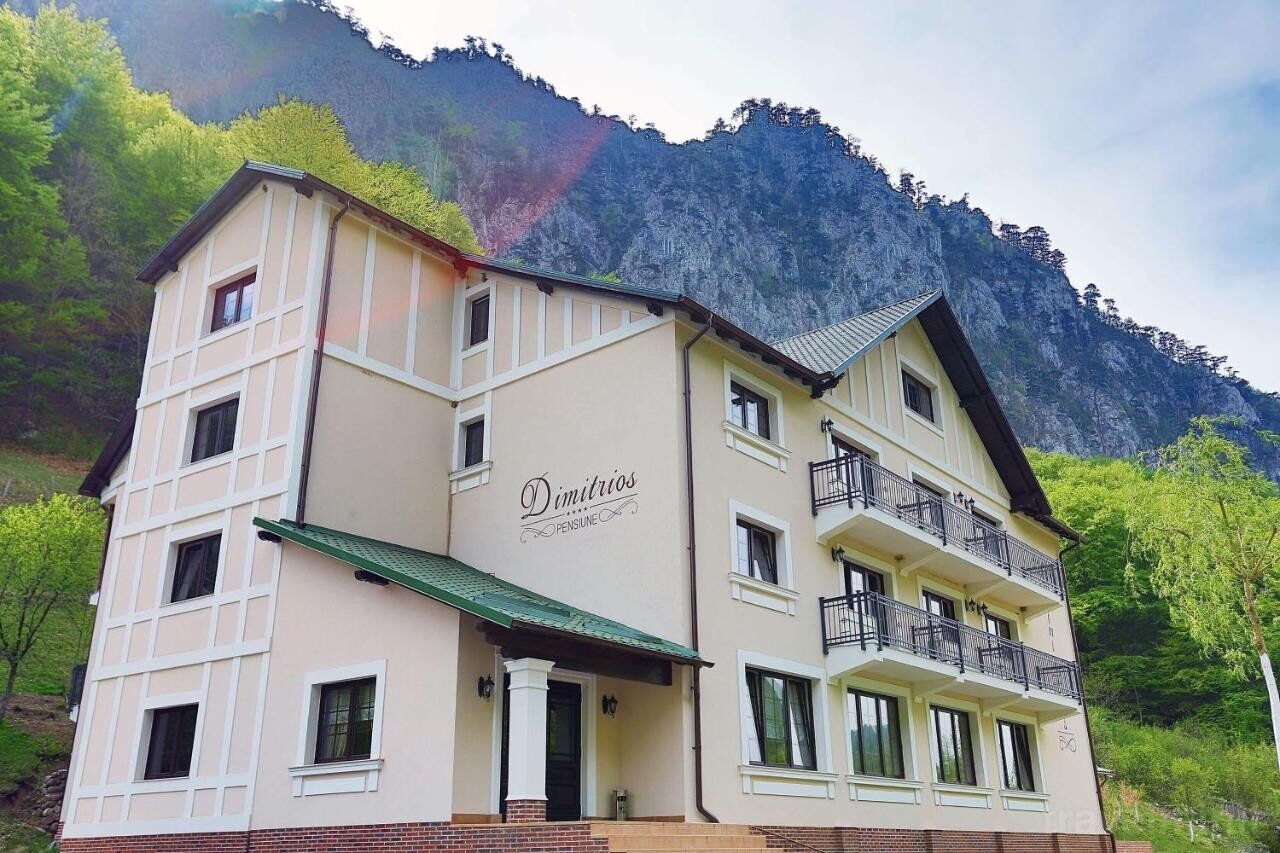
Pensiunea Dimitrios Băile Herculane
Pensiunea Dimitrios este o pensiune turistică de 3 stele situată în Băile Herculane, județul Caraș-Severin, pe strada Valea Cernei. Vă pune la dispoziție condiții moderne într-un cadru natural deosebit. Unitatea oferă atât un loc de joacă pentru copii în aer liber, cât și o cameră de joacă la interior, alături de o grădină amenajată și o curte mare, fiind o alegere potrivită pentru familiile cu copii. Pentru relaxare, aveți acces la servicii de masaj și la o cadă cu hidromasaj. Puteți închiria biciclete pentru a explora împrejurimile sau vă puteți bucura de un grătar în aer liber, folosind și ceaunul pus la dispoziție pentru gătit. Parcare privată gratuită și Wi-Fi gratuit sunt disponibile pentru confortul dumneavoastră. În apropiere puteți vizita Parcul Național Domogled Valea Cernei, Munții Mehedinți, Stațiunea Băile Herculane, Peștera Izverna și Ruinele Podului lui Traian. De asemenea, zona oferă numeroase trasee pentru drumeții montane și pentru explorări în natură, ideale pentru iubitorii de activități în aer liber. Vă așteptăm la Pensiunea Dimitrios.
FROM
240 lei per night

Holiday villa · 3 stars
Băile Herculane, Caraș-Severin County · 7.6 km
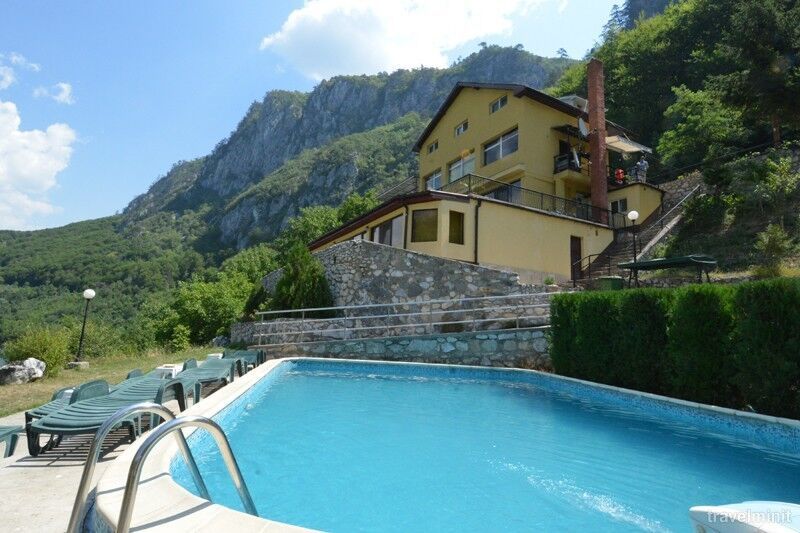
Vila Matei Adults Only Băile Herculane
În Parcul Național Domogled Valea Cernei puteți explora peșteri impresionante și trasee montane care traversează peisaje sălbatice. Vila Matei Adults Only din Băile Herculane reprezintă punctul dumneavoastră de plecare pentru aceste descoperiri, fiind o vilă turistică de 3 stele situată în stațiunea cu același nume din județul Caraș-Severin. Cazarea se realizează în cinci camere confortabile și bine amenajate, iar parcare privată gratuită este disponibilă pentru oaspeți. Pentru relaxare, unitatea oferă sesiuni de yoga și aerobic, servicii de masaj și acces la o terasă la soare unde vă puteți bucura de liniște. Conexiunea Wi-Fi gratuită este disponibilă în întreaga vilă, iar recepția deservește în limbile română și engleză. Activitățile în aer liber sunt la îndemână: puteți practica pescuitul, închiria o barcă pentru plimbări pe apă sau juca tenis pe terenul amenajat. Curtea mare și grădina amenajată oferă spațiu generos pentru relaxare, iar grătarul sau ceaunul permit prepararea meselor în aer liber, într-o atmosferă plăcută, în timp ce vă bucurați de aerul curat al zonei. Când sunteți gata să porniți într-o nouă explorare, vă așteaptă Cazanele Dunării și Chipul lui Decebal.
FROM
280 lei per night
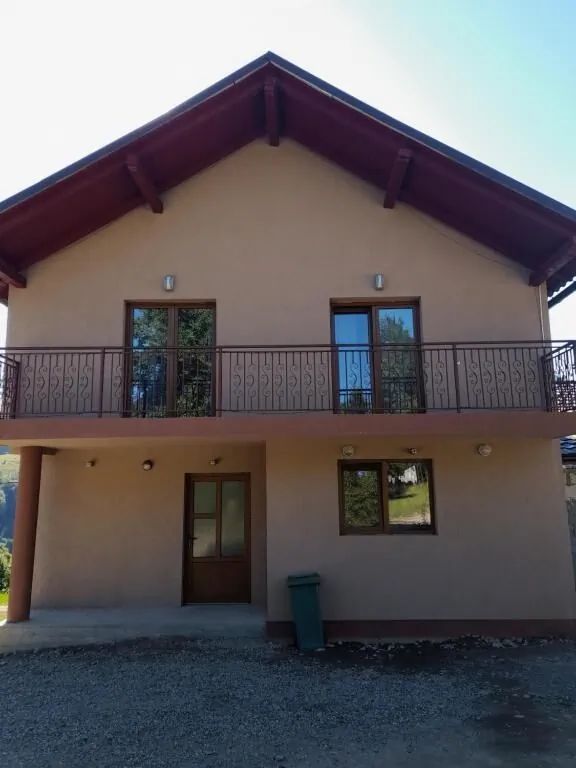
Guesthouse · 2 stars
Cornereva, Cornereva · 9.5 km
Pensiunea Cozioara Cornereva
Comfort, relaxation and stunning views, all just steps away from the main attractions.
FROM
190 lei per night
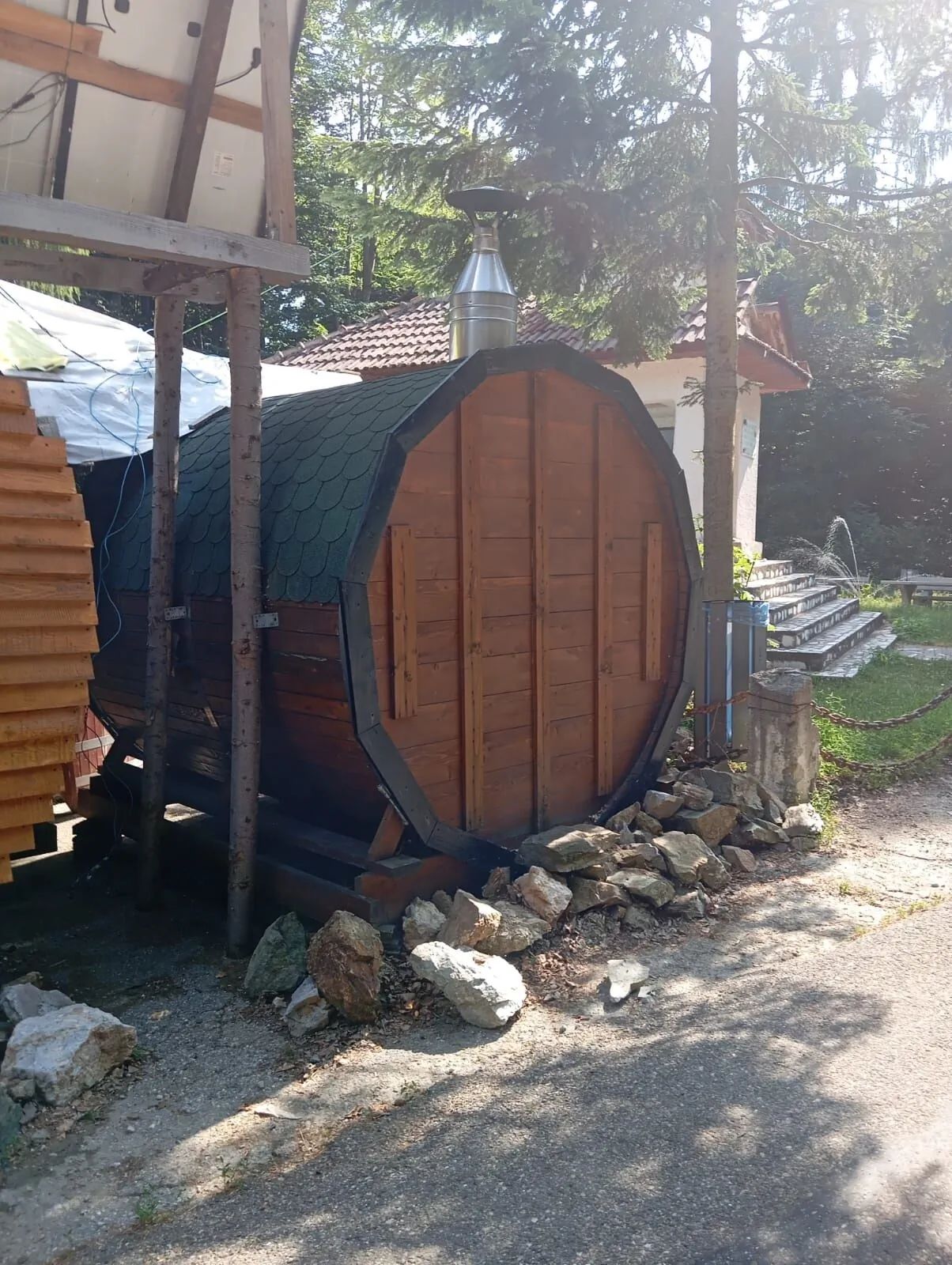
Holiday home · 3 stars
Godeanu, Mehedinți County · 10.3 km
Casa La Matei Godeanu
Comfort, relaxation and stunning views, all just steps away from the main attractions.
FROM
280 lei per night
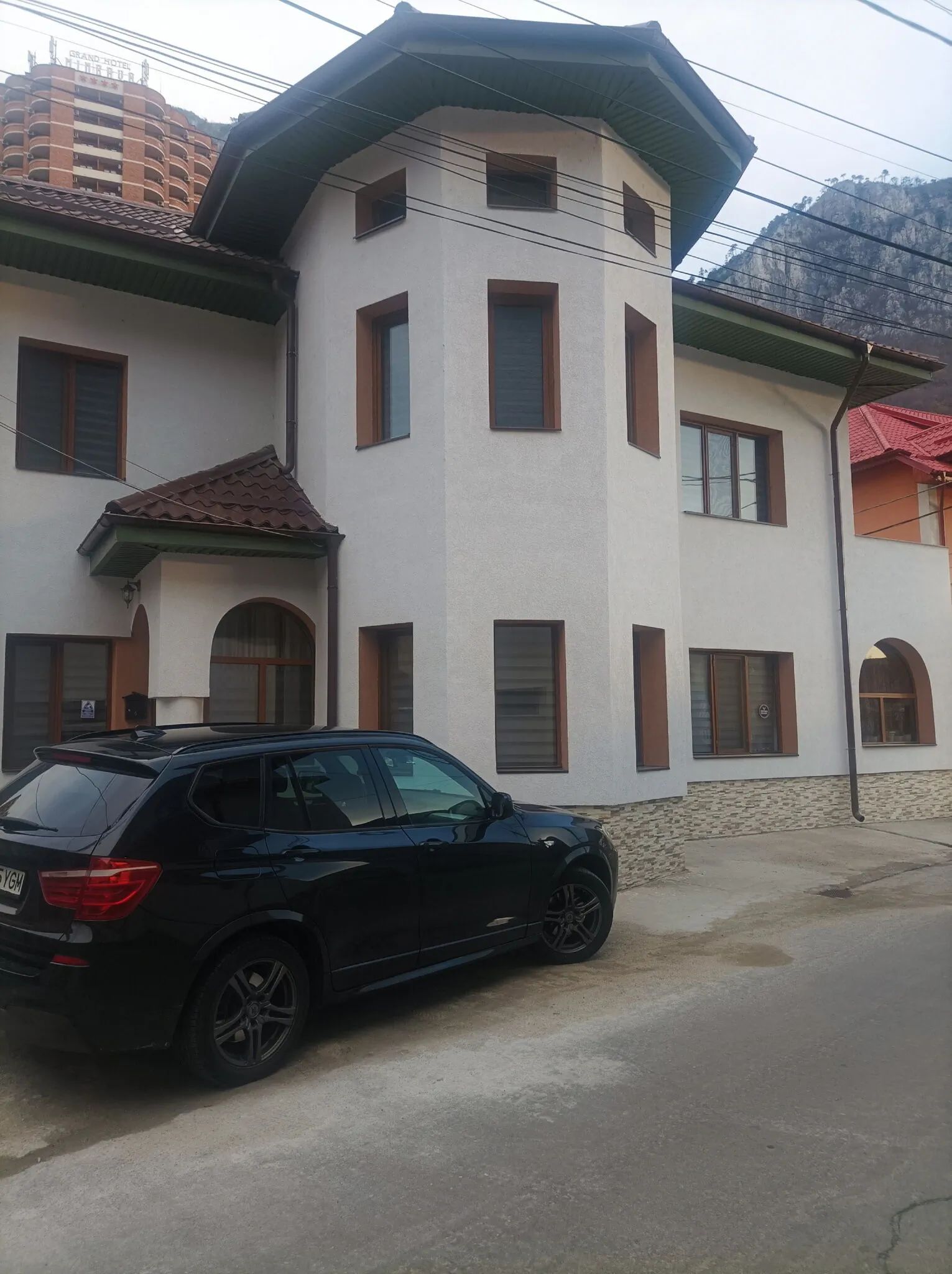
Holiday home · 3 stars
Băile Herculane, Caraș-Severin County · 14.0 km
Casa Mihart Băile Herculane
Comfort, relaxation and stunning views, all just steps away from the main attractions.
FROM
280 lei per night
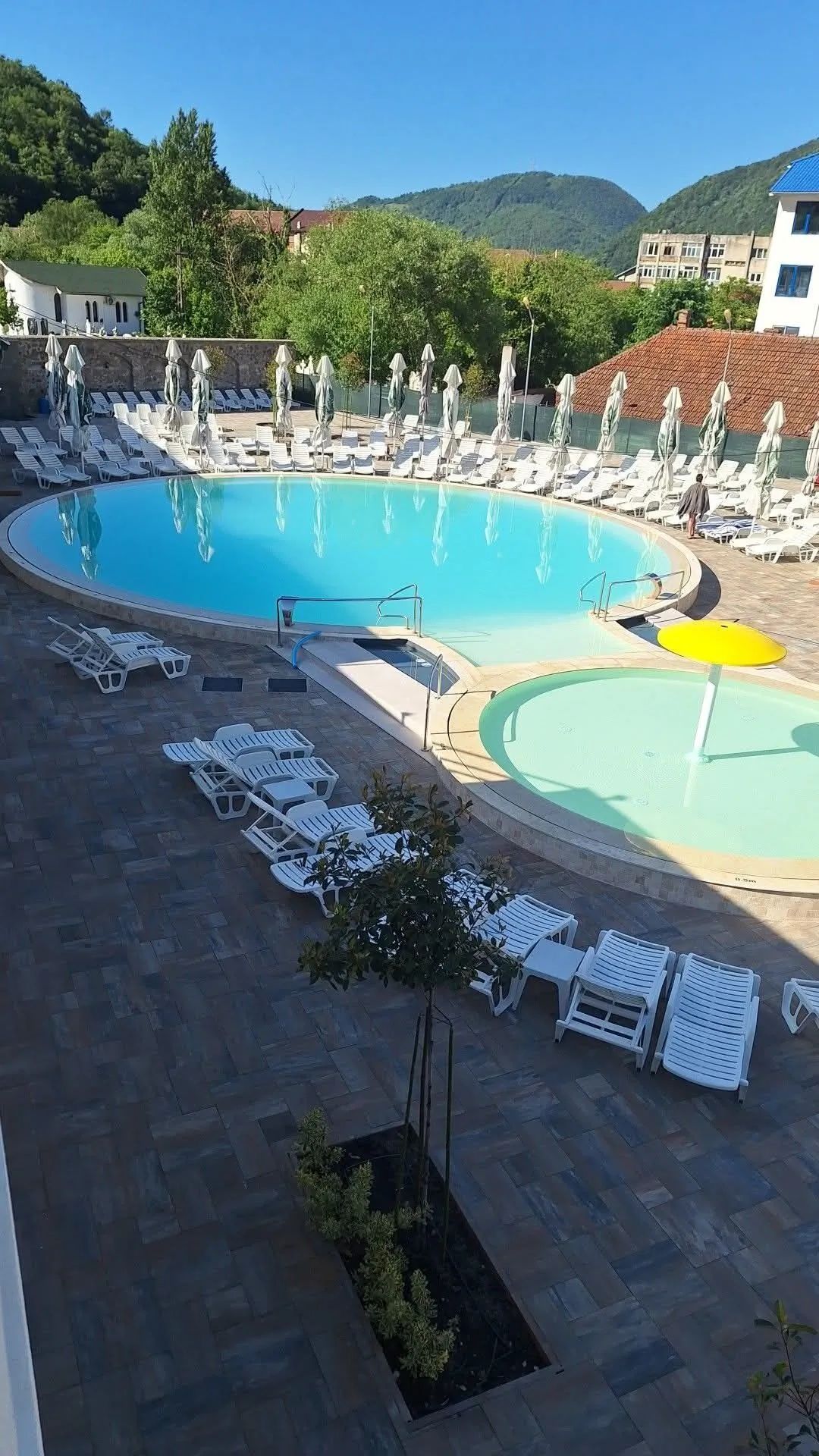
Hotel · 3 stars
Băile Herculane, Caraș-Severin County · 14.8 km
Hotel Artemis Băile Herculane
Familiile cu copii și iubitorii de natură se vor simți bineveniți la Hotel Artemis din Băile Herculane. Această unitate de cazare cu trei stele se află într-o stațiune renumită pentru peisajele montane spectaculoase și aerul curat de munte. În curtea mare și grădina amenajată puteți petrece momente de liniște departe de aglomerație, iar terasa la soare oferă un cadru plăcut pentru relaxare. Barul din incintă este ideal pentru seri liniștite, iar serviciile de masaj contribuie la starea dumneavoastră de bine după o zi plină. Pentru familiile cu bebeluși este disponibil pătuț pentru copil, iar ciubărul din lemn tradițional aduce un plus de autenticitate. Toate aceste facilități fac șederea plăcută atât pentru părinți, cât și pentru cei mici. Parcarea privată gratuită și Wi-Fi-ul gratuit asigură confortul necesar pe toată durata sejurului, iar fierul de călcat vă ajută să vă pregătiți hainele pentru ieșirile în stațiune sau la munte. În vecinătate puteți vizita stațiunea Băile Herculane, Parcul Național Domogled Valea Cernei, Ruinele Podului lui Traian, Cazanele Dunării și Chipul lui Decebal, precum și Munții Mehedinți. Vă așteptăm să porniți în explorarea Cazanelor Dunării.
FROM
290 lei per night
BEFORE YOU HIT THE ROAD
Weather conditions in Caras Severin
Local forecast for Domogled-Valea Cernei National Park, Caras Severin, Caraș-Severin

Real-time updated weather data
Much more to explore in this area
Nearby tourist attractions

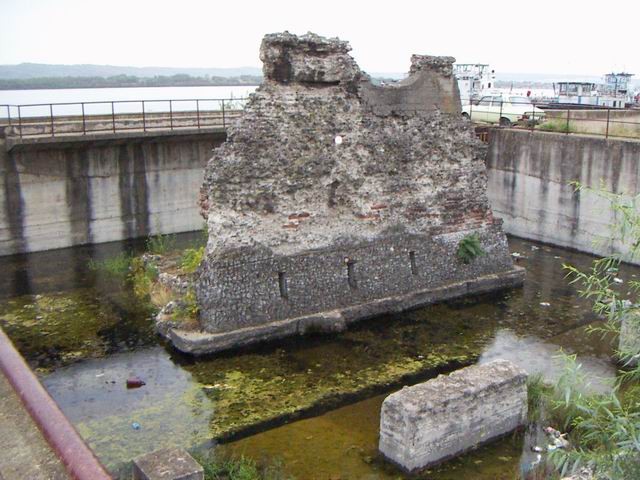

Mehedinti, Mehedinți County
Trajan's Bridge Ruins
Se afla in apropierea orasului Drobeta Turnu Severin, pe Dunarea de jos, la est de Portile de Fier;constructia, capodopera a tehnicii si arhitecturii, a fost...
36.0 km

Caras Severin, Caraș-Severin County
Bigăr Waterfall
Situat pe Valea Minisului, in Muntii Aninei; izvor puternic alimentat de un curs de apa subteran care strabate pestera cu acelasi nume; la aproximativ 200 m...
42.6 km
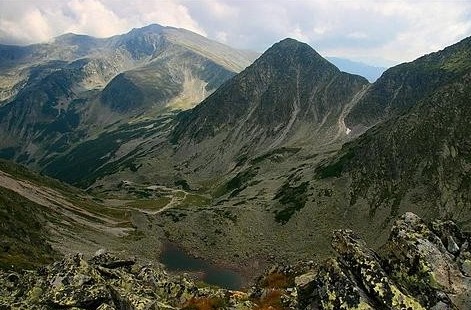
Hunedoara, Hunedoara County
Retezat National Park
Situat in masivul Retezat - Godeanu, in partea de vest a Carpatilor Meridionali; ocupa o suprafata totala de 38.138 ha; altitudinea e cuprinsa intre 800 si 2.50...
44.6 km
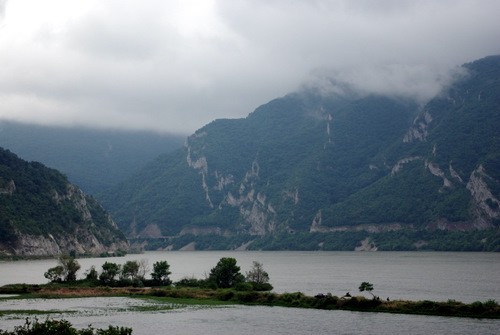
Dubova, Mehedinți County
The Iron Gates Gorges and the Face of Decebalus
Se afla intre Valea Ogradena si Paraul Ogasul Turcului, in perimetrul localitatii Dubova, intre versantii abrupti pe care ii desparte Dunarea, formand niste...
46.1 km
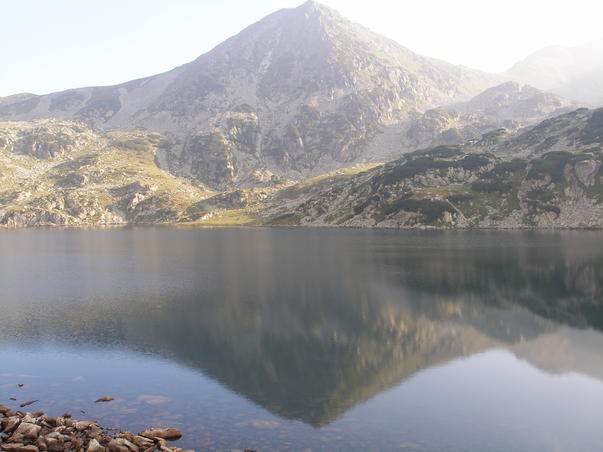
Hunedoara, Hunedoara County
Lake Bucura
Situat in caldarea Bucura, sub Varful Peleaga si Saua Bucurei; orientat pe directia nord - sud; face parte din Parcul National Retezat si este situat la o...
49.3 km
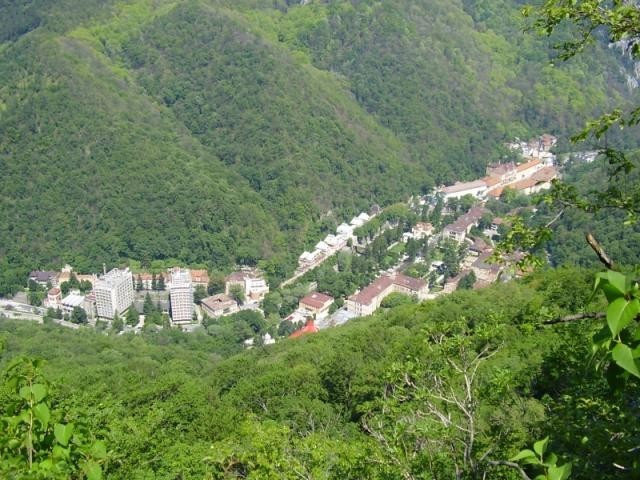
Caras Severin, Caraș-Severin County
Herculane Baths
Situata pe Valea Cernei, la 5 km de principala artera rutiera ce leaga vestul tarii de Bucuresti si calea ferata internationala Bucuresti - Timisoara -...
15.3 km

Mehedinti, Mehedinți County
Iron Gates Natural Park
Se afla pe malul stang al Dunarii, intre localitatile Buzias si Gura Vaii, judetul Mehedinti, intinzandu-se si pe teritoriul judetului Caras-Severin;din...
36.5 km

34.4 km
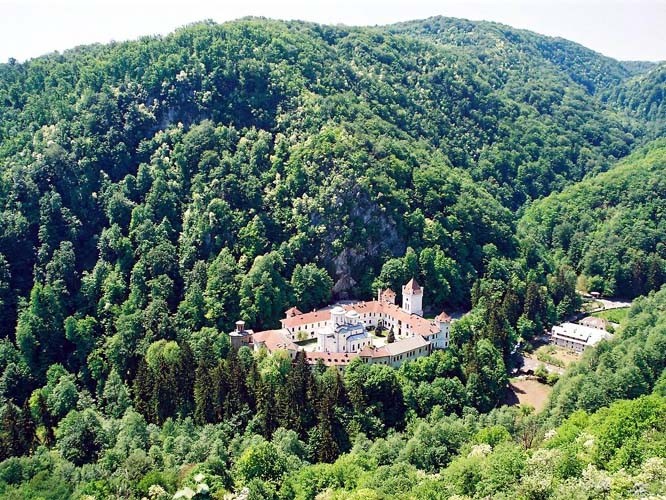
Gorj, Gorj County
Tismana Monastery
Situata la 36 de km de orasul Targu Jiu; pornind din Targu Jiu pe DN67, la km 82 se face ramifica?ia spre Tismana si Baia de Arama; monument de arhitectura...
34.5 km
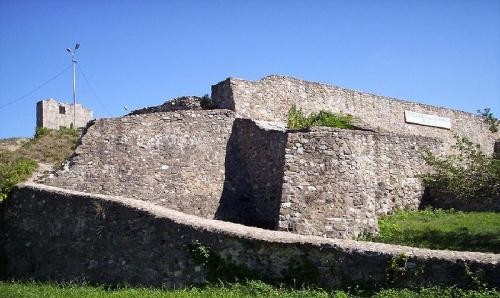
Mehedinti, Mehedinți County
Severin Medieval Fortress
Situata in Parcul Dragalina, Bulevardul Carol I, orasul Drobeta Turnu-Severin;in anul 1233 s-a inceput constructia noii Cetatii a Severinului, peste ruinele...
43.7 km

43.8 km
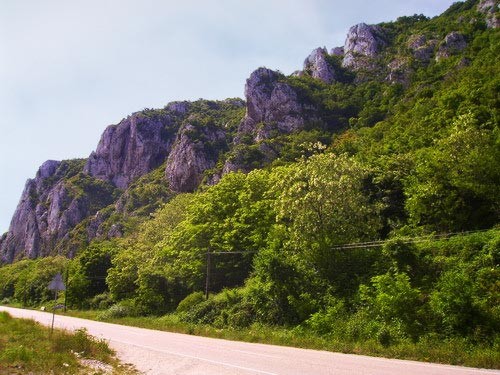
Caras Severin, Caraș-Severin County
Rudăria Gorge and Water Mills
Situate in zona muntoasa a judetului Caras Severin, pe raza localitatii Eftimie Murgu (fosta Rudaria);accesul se face de pe drumul E70 Caransebes - Oravita, pe...
34.0 km
Cultural life and traditions
Events in the Domogled-Valea Cernei National Park area
Medieval festivals, traditional fairs, concerts and local activities recommended in Banat.

Traditions and Crafts

Caras Severin, County of Caraș-Severin
Days of Local Culture and Traditional Tourism
Open workshops featuring pottery, wood carving, and authentic folklore demonstrations by local artisans.
WHEN
May 15-17, 2026


Traditional Cuisine
Caras Severin, County of Caraș-Severin
The Fair of Traditional Products and Local Cuisine
Traditional products, aged cheeses, mountain honey and local delicacies prepared according to ancient recipes.
WHEN
Every weekend

Culture and Photography
Caras Severin, County of Caraș-Severin
Themed and Photographic Guided Tour of Cultural Heritage
A guided tour designed for history buffs, nature lovers, and photography enthusiasts, showcasing the most spectacular views in the area.
WHEN
Daily schedule available upon request
On foot, exploration gains depth
Discover the surroundings and local geography
Explore the trails, terrain, and natural landmarks around Domogled-Valea Cernei National Park.

Guides and practical tips
Useful travel articles
Travel guides, practical recommendations and tourist itineraries for Banat.

Tourist guide
Castelul Bran: Istorie, Legende și Secrete Medievale
Află adevărata poveste a fortăreței medievale din Pasul Bran, reședința de suflet a Reginei Maria a României.

Tourist guide
Top 5 Atracții Turistice și Trasee Montane în Zona Moieciu - Bran
Descoperă cele mai spectaculoase peisaje carstice, chei adânci și cetăți medievale din imediata apropiere a stațiunii Moieciu.

Tourist guide
Ghid de Drumeție: Traseul Moieciu de Sus spre Platoul Bucegi
Un itinerariu montan de o frumusețe rară ce urcă din Valea Băngăleasa spre Poiana Guțanu și crestele maiestuoase ale Bucegilor.
THE JOURNEY STARTS WITH AN IDEA
The next story is on the way.
From the first stop to the last stay, make room for a new Romania.
