


CASTLE · DOBRUJA
Histria Fortress

Constanta, Constanța County
Add location to your trip planner.

Practical access information

VISITING HOURS
Check the local visiting schedule

TICKET PRICE
Information available at the cashier's desk

RECOMMENDED VISIT DURATION
1-2 hours
Sources and external references
Wikipedia Encyclopedia (EN)
Visitor information and guide
 Navigate with Google Maps

ABOUT HISTRIA FORTRESS
The hill where the urban civilization of Southeastern Europe was born
On the tranquil shore of Lake Sinoe, where the waters of the Black Sea meet the breezes of the Dobruja steppes, stands the silent and imposing ruin of a city that shaped the destiny of the entire Carpathian-Danubian-Pontic region. The city of Histria, located on the territory of the commune of Istria in Constanța County, is not just a simple archaeological site, but the true cradle of urban civilization in southeastern Europe, the first material evidence of Hellenistic presence in the region between the Carpathians and the Black Sea. Founded in 657 BC by colonists from Miletus, the Ionian metropolis of Asia Minor, Histria represents a turning point in the history of the continent, the moment when the light of Mediterranean culture first penetrated the territories north of the Danube, paving the way for urban, commercial, and cultural development that would profoundly influence the identity of Dobruja for over two millennia.
As a major religious center in the ancient world, the city housed on its Acropolis an imposing temple dedicated to Zeus Polieus, the patron god of the city, surrounded by a constellation of altars dedicated to Athena, Hermes, Aphrodite, and Dionysus. This sacred configuration reflects the religious syncretism characteristic of the Hellenistic world on the periphery of the Mediterranean empires, where local traditions intertwined with those of the great cultural centers of Greece. Today, Histria is the largest archaeological reserve in Romania, a site of universal heritage value awaiting inclusion on the UNESCO World Heritage List, declared a historical monument of national interest and preserving an architectural and spiritual memory that connects Romania to the major currents of European civilization.
Millennial Roots: From Milet to the Shores of the Pontus Euxinus
The story of Histria's founding is inextricably linked to the commercial and cultural expansion of the Greek world in the 7th century BC, a period when city-states from Ionia, such as Milet, Ephesus, or Samos, sent colonists to the distant shores of the Black Sea, seeking new markets for their goods and new territories for the survival of their overpopulated poleis. The Milesian colonists, guided by tradition towards the northeast, chose a strategic promontory on the western shore of the Sinoe Gulf, a place protected by water and fertile land, which offered ideal conditions for the development of an urban center. The date of 657 BC, although based on ancient historical tradition, places the founding of Histria in an era when Athens was still under tyranny, Rome was just a village on the Tiber, and Etruscan civilizations flourished in central Italy, making this colony the first outpost of Hellenism throughout the Pontic basin.
The European context of this foundation is essential for understanding its importance: while in Western Europe Celtic tribes were only beginning to organize, and in the Iberian Peninsula the Phoenicians were establishing commercial colonies such as Gadir, in the eastern Mediterranean the Neo-Assyrian Empire was exercising its dominance, and in Egypt the pharaohs of the 26th Dynasty, such as Psametik I, were restoring trade relations with the Greek world. Histria thus developed in a complex geopolitical environment, at the intersection of Hellenistic influence, the pressure of eastern empires, and the presence of indigenous Getic tribes. This frontier cultural position made the city a unique laboratory where the Ionian traditions of the founders met those of the Thracian populations from the hinterland, creating a distinct cultural synthesis that defined the Dobrujan identity.
Histria's trade relations extended throughout the Black Sea, from colonies in Crimea such as Olbia and Panticapaeum, to commercial centers in Ptolemaic Egypt and Asia Minor. Amphorae discovered at the site attest to imports of wine and olive oil from the Aegean islands, especially from Rhodes and Thasos, as well as from cities such as Mende and Peparethos, while local pottery was exported northwards, to Scythian territories. These trade links place Histria in a vast Mediterranean economic network, comparable to the one that linked Athens to Syracuse or Carthage to Marseille, demonstrating that this colony was not just an isolated point, but an essential node in the ancient economy of the Black Sea.
The Hellenistic Zenith: A City of Wisdom and the Arts
The period of greatest flourishing for the city coincided with the expansion of Hellenistic culture in the Black Sea basin, with Histria developing into a true educational and cultural center of the ancient world. During this era, the city experienced remarkable urban development, organized according to the principles of Hippodamian planning, with straight streets intersecting at right angles, dividing the city into regular blocks. This urban organization, inspired by the theories of Hippodamus of Miletus, places Histria among the great planned cities of the Hellenistic world, alongside Priene, Miletus, or Rhodes, demonstrating the direct influence of architectural and urban trends from the cultural capital of Ionia.
The city's cultural infrastructure was impressive for the standards of the time: a theater with the capacity to accommodate thousands of spectators, sports arenas for athletic competitions, gymnasiums where young people learned literature, music, and rhetoric, as well as training grounds for physical exercise and military training. These institutions reflected the Hellenistic ideal of complete education, paideia, which shaped citizens capable of actively participating in the democratic life of the polis and contributing to the defense of the community. In this context, Histria presents itself as a center for the formation of elites, comparable to those in Athens, Pergamon, or Alexandria, where intellectuals, artists, and political leaders were trained who would influence the entire Pontic region.
The city's religious life reflected the cultural diversity of the Hellenistic world, where traditional Greek cults coexisted with local ones and Eastern influences. The Temple of Zeus Polieus, located on the Acropolis, dominated the city both physically and spiritually, flanked by sanctuaries dedicated to Aphrodite, the goddess of love and fertility, Hermes, the messenger of the gods and protector of commerce, and Dionysus, the god of wine and ecstasy. This sacred configuration was completed by the altar of Athena, the goddess of wisdom, suggesting the importance given to education and culture in the life of the city. The religious syncretism specific to Histria illustrates how the Hellenistic world integrated local traditions into its pantheon, creating new forms of spirituality adapted to the Pontic context.
Roman and Byzantine Transformations: From Province to Bastion
The gradual transformation of the Sinoe lagoon into an enclosed lake, a process that began in the 2nd century BC as a result of alluvial accumulation and rising sea levels, marked the beginning of a period of urban decline for Histria. However, the city continued to play an important strategic role in the region, being subject to the influence of the Dacian kingdom led by King Burebista, who unified the Getic tribes and created a powerful state in the Carpathian-Danubian area. After the assassination of Burebista in 44 BC and the fragmentation of his kingdom, the city came under Roman occupation as early as 41 BC, becoming part of the province of Moesia Inferior, one of the most important provinces of the Roman Empire on its eastern frontier.
Roman architecture radically transformed the urban landscape of Histria, bringing technical and stylistic innovations that aligned it with the major urban centers of the empire. Impressive public baths were built, supplied by aqueducts that transported water from distant springs, administrative buildings with forums and basilicas, as well as temples dedicated to the imperial cult. The city was fortified with massive stone and brick walls, equipped with defensive towers that controlled access to the city. These constructions reflect the Roman strategy of securing the empire's borders, similar to that applied on the Danubian limes or in the cities of Britannia and Germania, transforming Histria into a solid military and administrative outpost.
The Byzantine period, which followed after the 4th century AD, brought new transformations to the urban structure of the city. Christianity, which had already spread in the region as early as the 1st century AD with the mission of Saint Andrew the Apostle, led to the construction of Christian basilicas on the ruins of former pagan temples, marking a new stage in the spiritual history of the place. The Romano-Byzantine enclosure wall, with its ten towers and two gates on the western side, represents a later stage of fortification, probably from the 5th-6th centuries AD, when the Byzantine Empire was trying to defend the Danubian frontiers from the migratory invasions of the Huns, Gepids, and Slavs. This defensive structure, with its massive bastions and protected gates, is reminiscent of the Byzantine fortifications at Tomis or those on the Thracian limes, illustrating the strategic continuity of the area over the centuries.
Vasile Pârvan and the Birth of Romanian Archaeology
The scientific rediscovery of Histria is inextricably linked to the figure of the great Romanian historian and archaeologist, Vasile Pârvan, who in 1914 initiated the first systematic excavations at the site. Trained in the tradition of the German archaeological school in Berlin and influenced by the critical methods developed in Paris and Vienna, Pârvan approached the study of Histria with a methodological rigour that laid the foundations for modern Romanian archaeology. His work was comparable to that carried out during the same period by archaeologists such as Heinrich Schliemann at Troy or Arthur Evans at Knossos, bringing Dobruja into the circuit of major European archaeological discoveries.
Under Pârvan's direction, the excavations revealed the successive layers of the city's history, from the early Hellenistic period to the Byzantine era, providing a complete picture of urban development over more than a millennium. The discoveries were published in international specialist journals, placing Histria on the map of European cultural heritage and attracting the attention of the international scientific community to the exceptional value of this site. As a result of these investigations, the Histria Museum Complex was established, which today houses exceptional collections of Greek, Roman and Byzantine archaeology, representing a point of reference for the study of ancient civilization in southeastern Europe.
The continuation of research by subsequent generations of Romanian and foreign archaeologists has constantly enriched knowledge about Histria, revealing new aspects of daily life, art and spirituality in this colony on the edge of the known world. Modern carbon-14 dating methods, ceramic analyses and epigraphic studies have made it possible to establish a precise chronology of the city's constructions and commercial relations, integrating Histria into a European research network that includes sites such as Aquincum in Hungary, Sirmium in Serbia or Troesmis in northern Dobruja.
Architectural Masterpiece: Layers of a Civilization
Today, the visitor who sets foot on the land of Histria is confronted with an archaeological landscape of astonishing complexity, where historical layers overlap like the pages of a book written in stone. The sacred area, unique in the world because the layers of Romano-Byzantine culture were systematically removed to reveal the Hellenistic temples and altars, offers a rare insight into the continuity of sacrality over more than a millennium. Here stand the massive foundations of the Temple of Zeus Polieus, whose Doric columns, although now collapsed, evoke the grandeur of Greek sacred architecture from the 5th century BC, comparable to that of the Parthenon on the Athenian Acropolis, albeit on a smaller scale, adapted to the colonial context.
The residential district in the eastern area of the city reveals the residences of the local aristocracy, houses with interior courtyards, private bathrooms, and decorations in Hellenistic or Roman style, which illustrate the standard of living of the urban elites. These dwellings, with their polychrome mosaics and mural frescoes, are reminiscent of the Roman villas at Pompeii or Herculaneum, demonstrating the spread of Mediterranean culture throughout the Romanized world. In contrast, the western and northern areas housed the commercial and artisan districts, with pottery workshops, metalworking facilities, bakeries, and shops that formed the economic heart of the city. These productive spaces, with their ovens and work basins, offer a vivid picture of daily economic activity, from the production of amphorae for the export of wine and oil to the processing of metals for tools and weapons.
The city's defense system represents a masterpiece of ancient and medieval military engineering. The Romano-Byzantine enclosure wall, with its ten semicircular towers and two monumental gates on the western side, dominates the landscape like a stone belt that embraces the city. The main gate, protected by two massive bastions, was equipped with a complex locking system, with drawbridges and wooden gates reinforced with iron, similar to those found at the gates of Roman cities on the Rhine or Danube. The defensive towers, with their narrow windows for archers, were strategically positioned to ensure flanking of the walls and control access to the city, reflecting the military strategies developed by Roman and Byzantine engineers to defend the imperial frontiers.
Museum Collections: A Journey Through Time
The Histria Museum Complex, established following the discoveries initiated by Vasile Pârvan and continuously developed since then, houses exceptional collections that illustrate the material and spiritual richness of this ancient colony. The museum's halls present an impressive panorama of Greek, Roman, and Byzantine archaeology: amphorae of various types and origins, from those with pointed bottoms for transporting wine to those with ornate handles for olive oil, epigraphic inscriptions on marble and bronze plaques attesting to the administrative organization and religious life of the city, luxurious ceramic vessels with painted decorations in the style of red-figure and black-figure pottery, colored glass and ceramic opalescent objects illustrating the refinement of daily life.
The artifacts from excavations at Histria and its surroundings offer a complete picture of life in a Greco-Roman colony on the periphery of empires, from female ornaments made of gold and silver to agricultural tools and defensive weapons. The Hellenistic bas-reliefs discovered at the site, depicting mythological scenes or divine figures, attest to the city's close artistic ties with the major cultural centers of the Mediterranean world, such as Athens, Pergamon, or Rhodes. The epigraphic collection, one of the most important in Romania, contains inscriptions in Greek that document decrees of the popular assembly, honors awarded to meritorious citizens, and commercial contracts, providing valuable information about the political and social organization of the city.
The museum also houses collections of ancient coins, from Greek staters minted in Histria itself to Byzantine solidi and Roman imperial coins, which illustrate the economic and monetary evolution of the region over the centuries. These collections place Histria in the broader context of the ancient economy, demonstrating the integration of this colony into Mediterranean and Danubian trade systems, from Athenian and Macedonian coinage to the Roman and Byzantine monetary system.
The Traveler's Guide: How to Discover Histria Today
Located in the commune of Istria, approximately 50 kilometers north of Constanța, the city of Histria can be visited according to the schedule displayed at the entrance to the museum grounds, and admission fees are available at the complex's ticket office. The journey to the site, which traverses landscapes characteristic of Dobruja, with undulating steppes and salt lakes, already offers an introduction to the unique atmosphere of this historical region. Upon arrival, visitors are greeted by the impressive sight of the ruins that stretch across a vast area, dominating the landscape of Lake Sinoe with their massive walls and remaining columns.
Exploring the archaeological site is like taking a journey through time, where each stone and each foundation tells a story about life in antiquity. Visitors can walk along the paved streets of the Hellenistic city, admire the foundations of early Christian basilicas that replaced pagan temples, explore the ruins of Roman baths with their ingenious heating systems, and visit the houses and shops of the era, preserving traces of commercial and craft activities. The atmosphere of the place, with the wind constantly blowing from the sea and the special light of Dobruja, creates a profound emotional experience, connecting the contemporary visitor with the millennia of history that have unfolded in these lands.
A trip to Histria is a journey into the heart of European history, where Hellenistic civilization met the Roman world and local traditions, leaving behind a heritage of immeasurable value for understanding the formation of Dobruja's cultural identity. For a complete experience, it is recommended to combine the visit to Histria with exploring the surrounding area, including Lake Sinoe, part of the Danube Delta Biosphere Reserve, and other nearby archaeological sites, such as the fortress of Enisala or the ruins at Adamclisi, offering a broad perspective on the historical richness of this unique region in Europe.
Media gallery
Discover Histria Fortress in pictures

5 photos · Architecture, courtyards and captivating details


Image source: Wikimedia Commons · Public domain photos · Free license
STAY A FEW DAYS, DISCOVER THE MAGIC
Accommodation in the Histria Fortress area

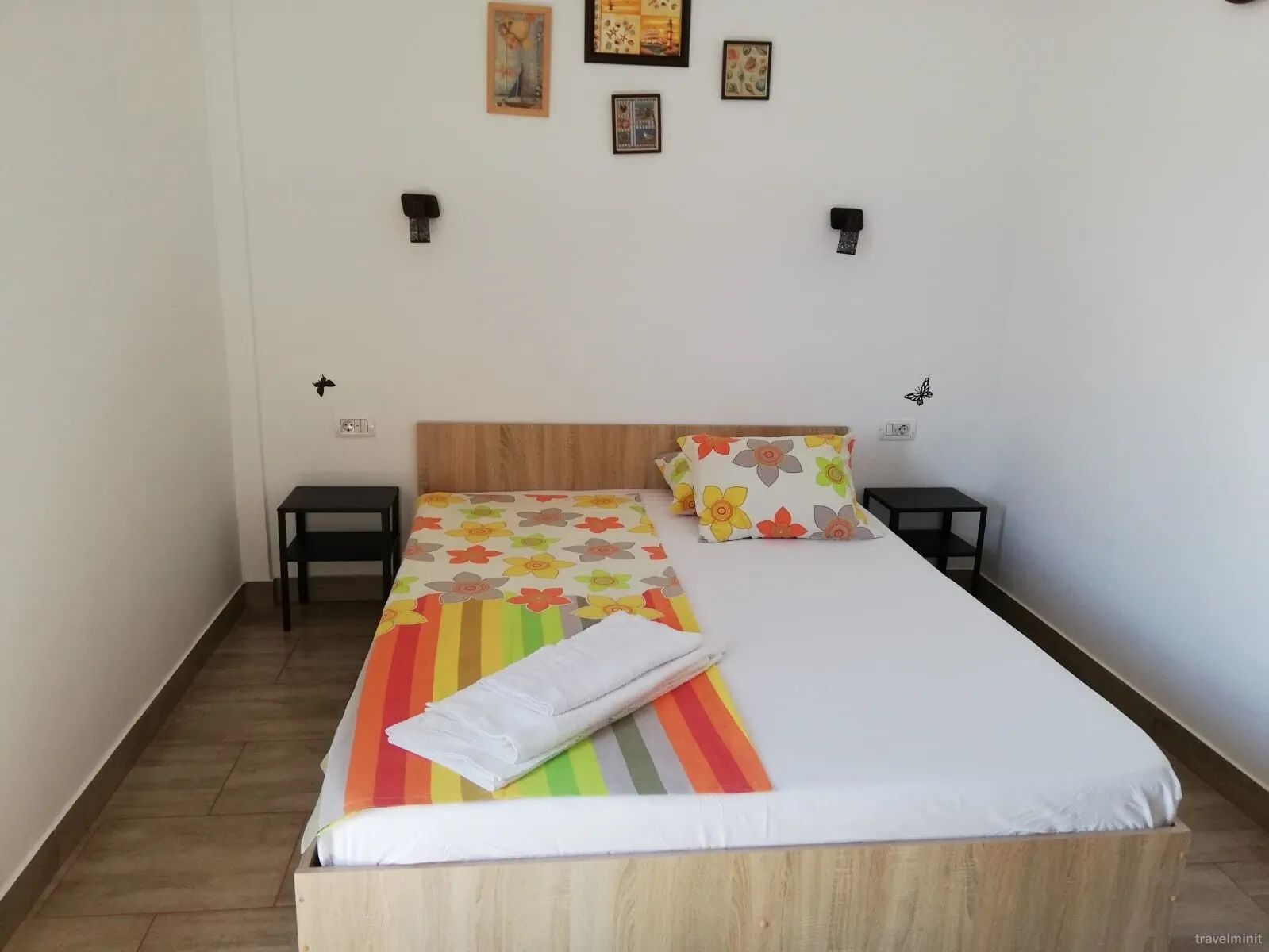
Holiday villa · 3 stars

Vadu, Constanța County · 11.5 km
Vila Casa LLB Vadu
Comfort, relaxation and stunning views, all just steps away from the main attractions.
FROM
280 lei per night

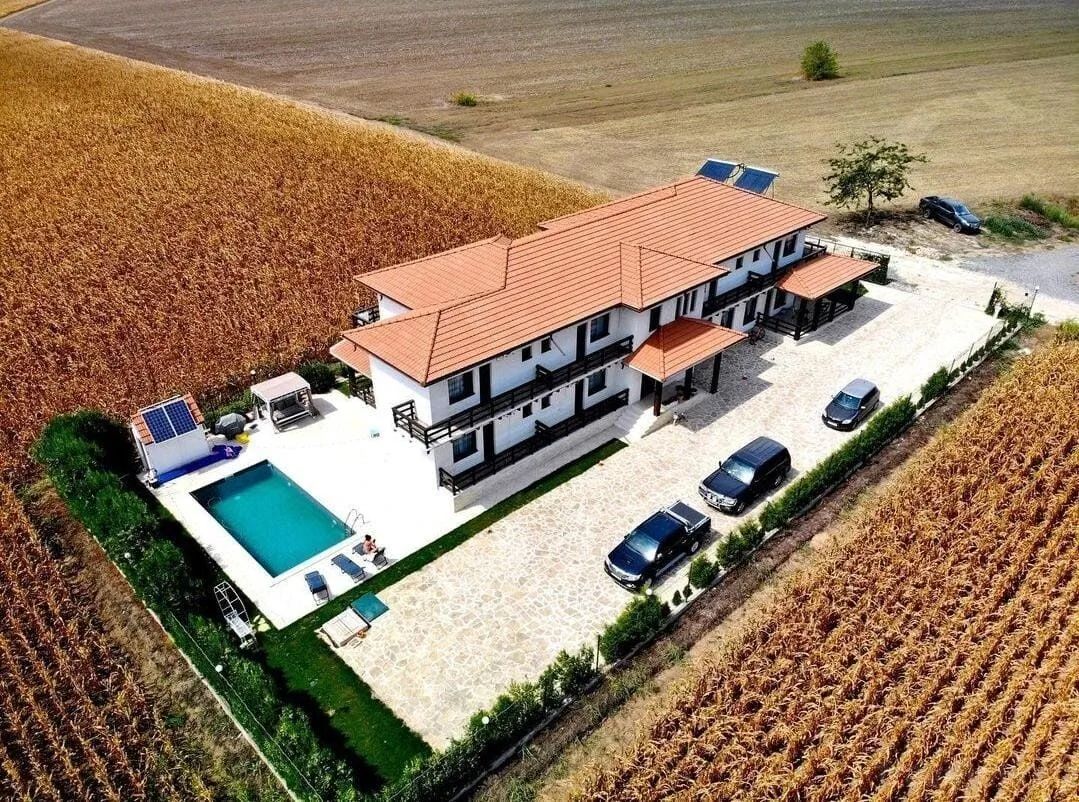
Guesthouse · 3 stars
Vadu, Constanța County · 12.0 km
Reședința Prințeselor Vadu
Familiile cu copii, grupurile de prieteni și iubitorii de natură se vor simți bineveniți la Reședința Prințeselor Vadu din localitatea Vadu, județul Constanța. Această pensiune turistică de trei stele oferă opt camere confortabile și plăcut amenajate, într-un cadru liniștit potrivit pentru relaxare și odihnă departe de aglomerație. Unitatea pune la dispoziția dumneavoastră Wi-Fi gratuit, parcare privată gratuită și parcare pentru biciclete. Aveți acces la un bar și la o cafenea în incintă, iar pentru bagaje există un depozit special. Persoanele cu dizabilități beneficiază de acces facilitat, iar fierul de călcat este disponibil pentru confortul dumneavoastră. Unele camere sunt dotate cu aer condiționat. Pentru momente petrecute în aer liber, puteți folosi grătarul sau barbeque-ul și ceaunul pentru gătit în aer liber, ideale pentru cine cu prietenii. Copiii se pot distra în camera de joacă amenajată la interior, iar serviciile de wellness contribuie la starea dumneavoastră de bine pe toată durata șederii. În apropiere puteți vizita Cetatea Histria, Complexul Muzeal Histria, Lacul Tașaul, Lacul Sinoe și stațiunea Mamaia, oferind oportunități variate de explorare a patrimoniului istoric și a naturii din zonă. Vă așteptăm la Reședința Prințeselor Vadu.
FROM
240 lei per night
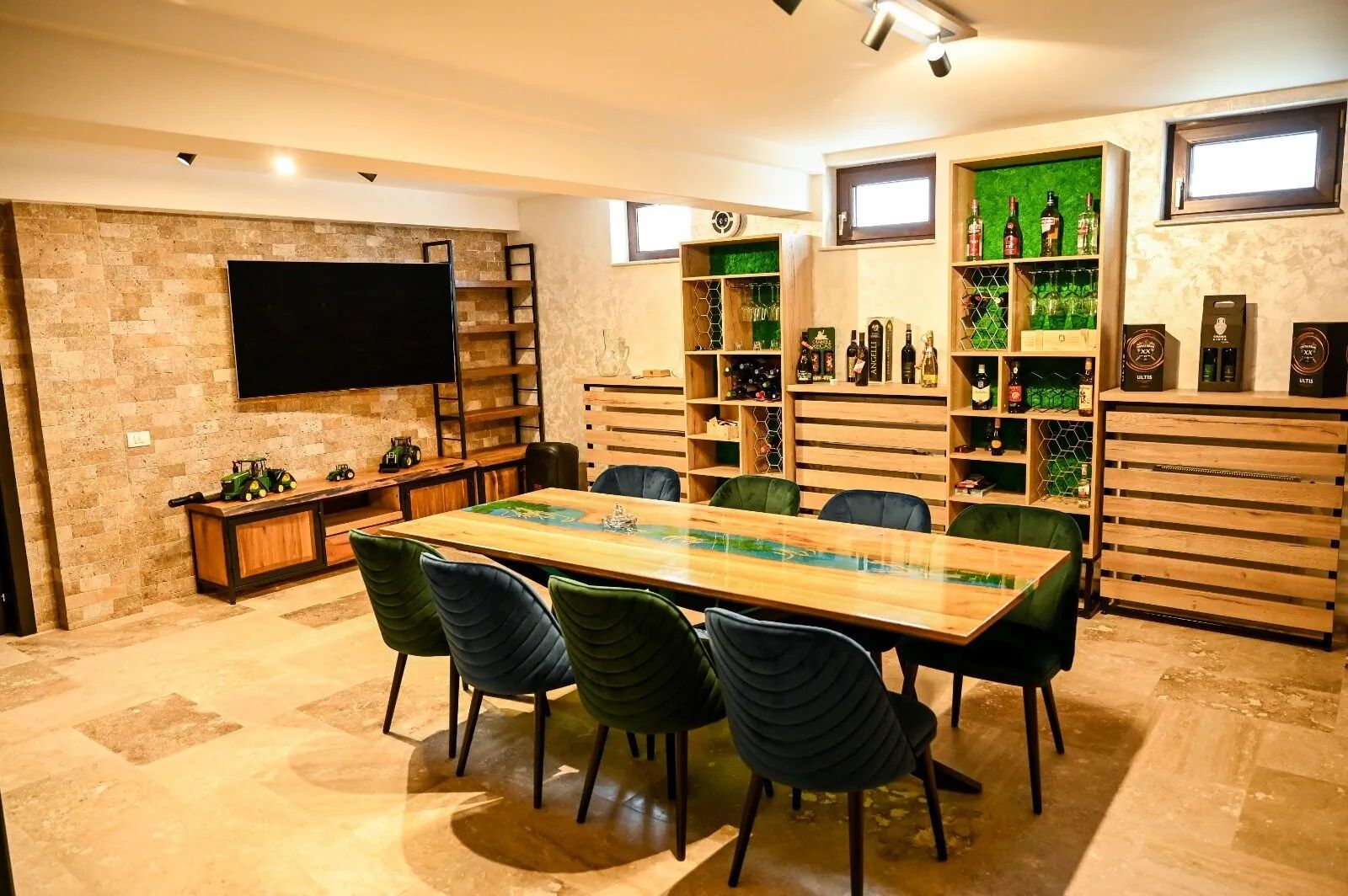
Guesthouse · 2 stars
Cogealac, Constanța County · 16.6 km
Pensiunea Funda Cogealac
Comfort, relaxation and stunning views, all just steps away from the main attractions.
FROM
190 lei per night
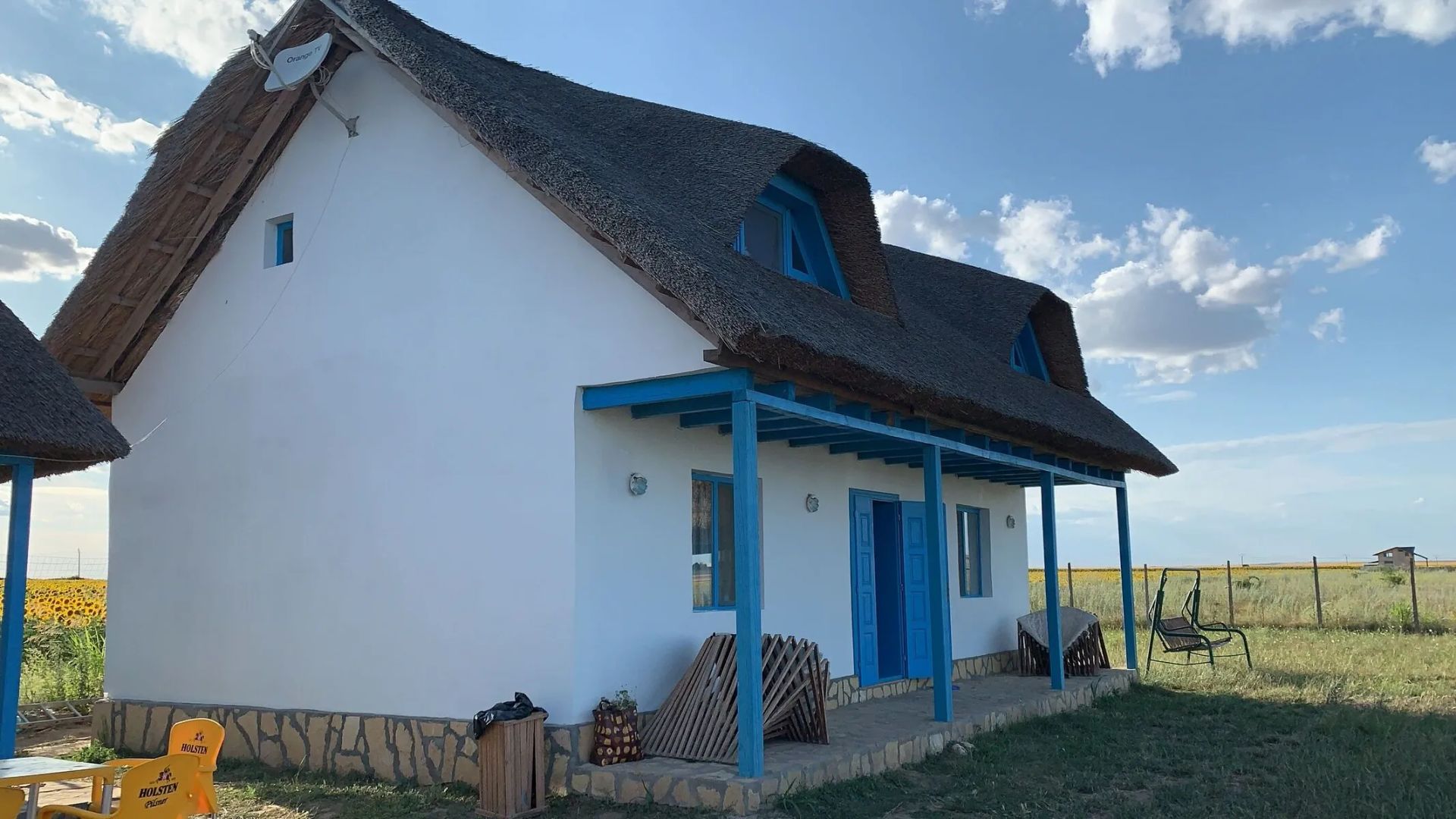
Guesthouse · 3 stars
Corbu, Constanța County · 17.9 km
Pensiunea Corbu Accommodation Corbu
Comfort, relaxation and stunning views, all just steps away from the main attractions.
FROM
240 lei per night
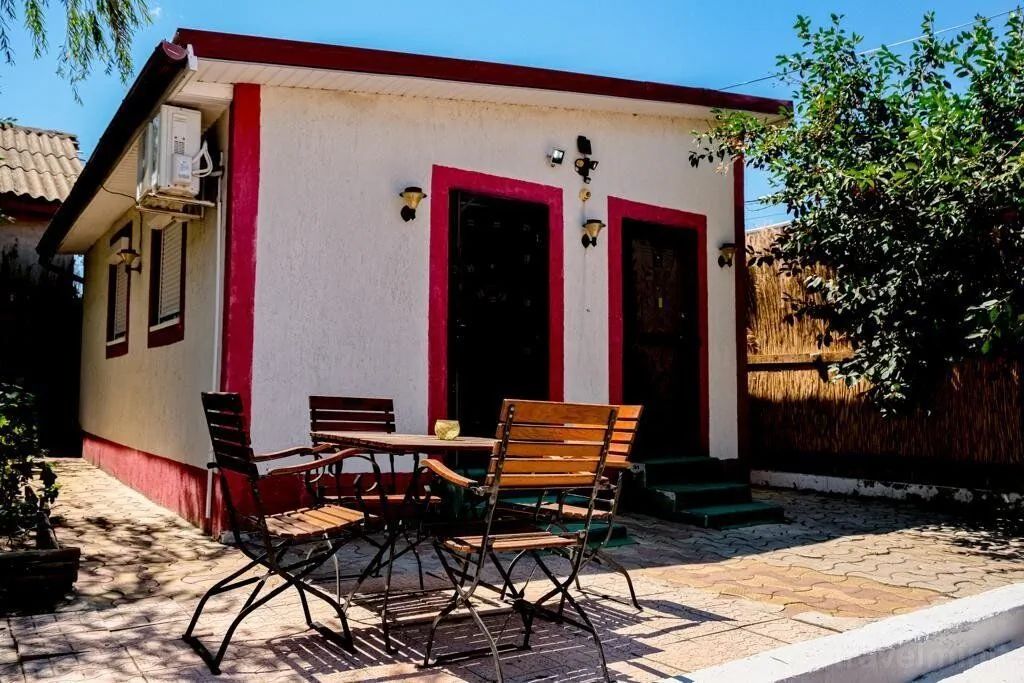
Apartment · 2 stars
Corbu, Constanța County · 18.1 km
Studio Bucuria Corbu
O dimineață în care copiii se joacă în siguranță în aer liber și o seară în care savurați preparatele gătite la ceaun vă arată cum arată relaxarea adevărată. Studio Bucuria Corbu din Corbu, județul Constanța, vă așteptăm să vă bucurați de aceste momente împreună cu cei dragi. Studio Bucuria Corbu oferă un spațiu primitor, dotat cu aer condiționat, televizor și o bucătărie complet echipată cu expresor, microunde și cuptor. Baia proprie dispune de mașină de spălat, iar în exterior aveți la dispoziție grătar, curte mare și grădină amenajată. Conexiunea Wi-Fi gratuită și parcarea privată gratuită completează confortul șederii dumneavoastră. În apropiere puteți vizita Lacul Tașaul, Cetatea Histria, Mamaia, Stațiunea Mamaia și Complexul muzeal de științe ale naturii din Constanța. Aceste obiective turistice vă permit să descoperiți atât frumusețea naturală a zonei, cât și bogata istorie a Dobrogei. Vecinătatea este liniștită, într-o zonă cu case noi, iar locul de joacă pentru copii la exterior face șederea plăcută pentru întreaga familie. Fiecare detaliu este gândit pentru ca dumneavoastră să vă simțiți bineveniți. Seara, după o zi plină de activități, grădina amenajată vă oferă liniștea necesară pentru a vă relaxa.
FROM
230 lei per night
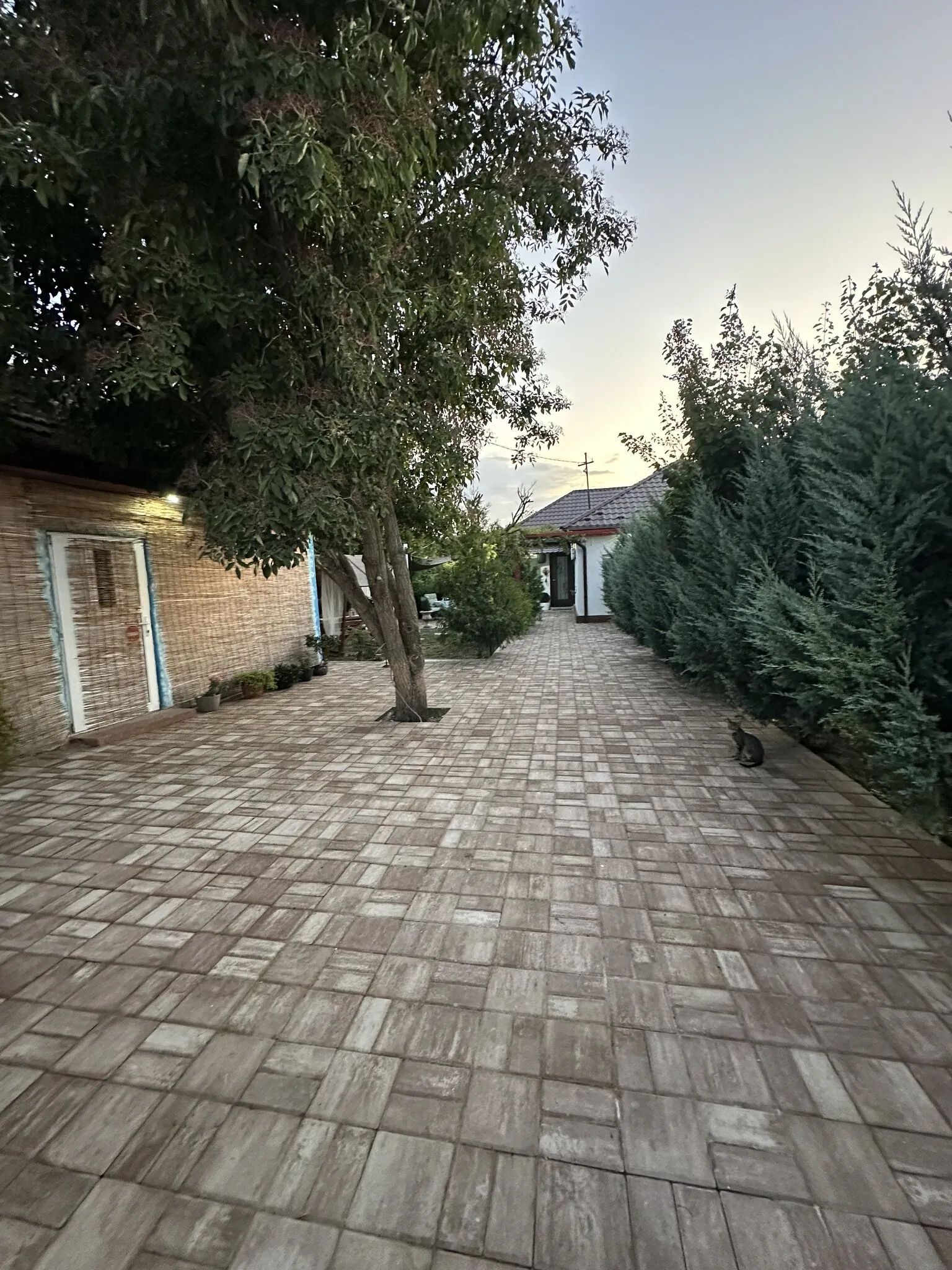
Holiday home · 3 stars
Corbu, Constanța County · 18.6 km
Casa de vacanță La Moșie Corbu
Casa de vacanță La Moșie Corbu din Corbu vă pune la dispoziție o cameră de joacă pentru copii la interior, într-o proprietate clasificată cu trei stele. Situată pe strada Principală numărul 53, această vilă integrală oferă condiții potrivite pentru un sejur relaxant în județul Constanța, punând accent pe confortul oaspeților dumneavoastră și pe siguranța întregii familii. Unitatea beneficiază de parcare privată gratuită și internet Wi-Fi gratuit disponibil în întreaga locație. Cele trei camere sunt amenajate cu atenție și sunt dotate cu aer condiționat pentru a asigura o temperatură plăcută pe tot parcursul zilei. În exterior, proprietatea include o curte mare și o grădină amenajată, iar accesul este facilitat și pentru persoanele cu dizabilități. La recepție se vorbește limba română. În apropiere se află Lacul Tașaul, Mamaia, Cetatea Histria, Stațiunea Mamaia și Complexul muzeal de științe ale naturii din Constanța, oferind numeroase posibilități de explorare a zonei și de petrecere a timpului liber în aer liber. Această casă de vacanță este potrivită pentru familiile cu copii care doresc să descopere frumusețile Dobrogei într-un mediu liniștit, cu facilități adaptate nevoilor lor și cu acces rapid la principalele atracții turistice din zonă.
FROM
280 lei per night
BEFORE YOU HIT THE ROAD
Weather conditions in Constanta
Local forecast for Histria Fortress, Constanta, Constanța

Real-time updated weather data
Much more to explore in this area
Nearby tourist attractions


Constanta, Constanța County
Mamaia resort.
Situata la nord de municipiul Constanta, intre Marea Neagra si Lacul Siutghiol; cartier al municipiului Constanta, are foarte putini locuitori, dar este...
38.8 km
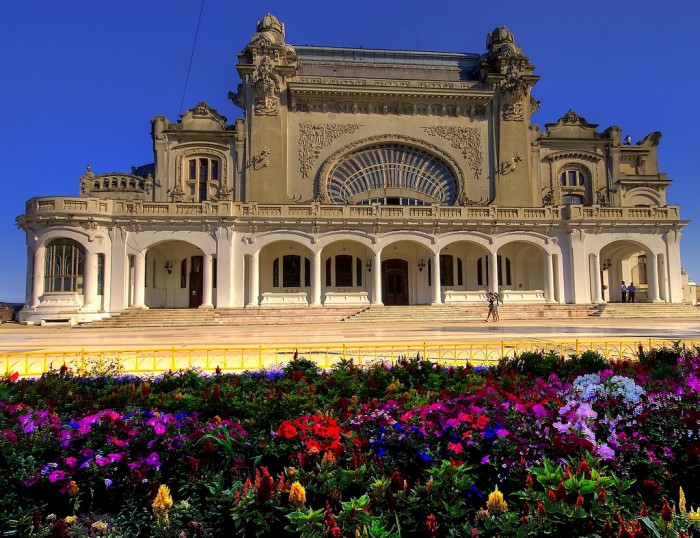
Constanta, Constanța County
The casino in Constanta.
Situat pe bulevardul Elisabeta, nr. 2, municipiul Constanta; in trecut, in aceasi locatie era amplasata o "cazina" (1880 - 1902) - constructie din lemn unde se...
42.9 km

Constanța, Constanța County
Mamaia
Localitate componentă a municipiului Constanța, județul Constanța, România
35.6 km
Constanta, Constanța County
Natural Sciences Museum Complex in Constanța
Situat pe bulevardul Mamaia, nr.255, municipiul Constanta; la inceputul existentei a fost format din sectii individuale, unite sub denumirea "Complexul muzeal...
39.3 km
Constanta, Constanța County
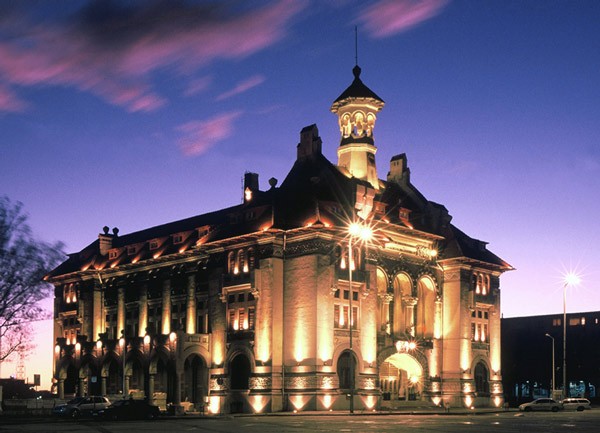
National Museum of History and Archaeology in Constanța
Situat in Piata Ovidiu, nr. 12, municipiul Constanta; infiintat in anul 1878, cu ajutorul lui Remus Opreanu; la inceput a functionat in cladirea prefecturii si...
42.6 km
Constanta, Constanța County
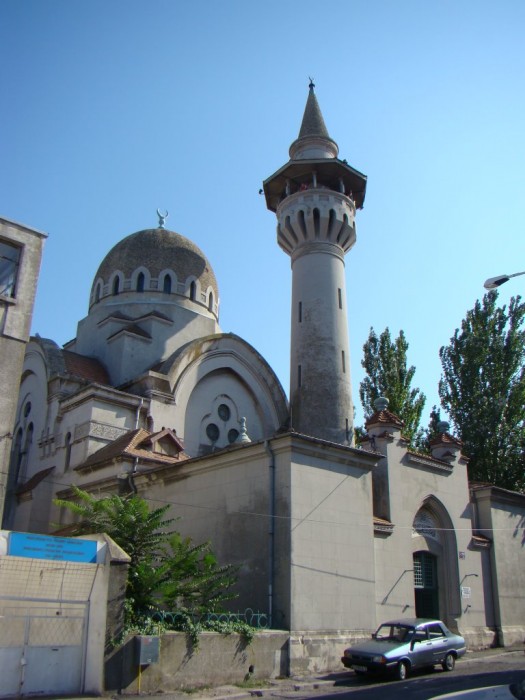
Great Mosque of Constanța (Carol I Mosque)
Situata pe strada Arhieoiscopiei nr. 5 din municipiul Constanta; construita intre anii 1910 - 1912, mai poarta denumirea de "Moscheea Carol I"; planurile au...
42.7 km

Constanta, Constanța County
Constanța Dolphinarium
Situat pe bulevardul Mamaia, nr. 255, municipiul Constanta; infiintat la 1 iulie 1972, este primul delfinariu public din tara noastra; primul exemplar...
39.5 km
Constanta, Constanța County
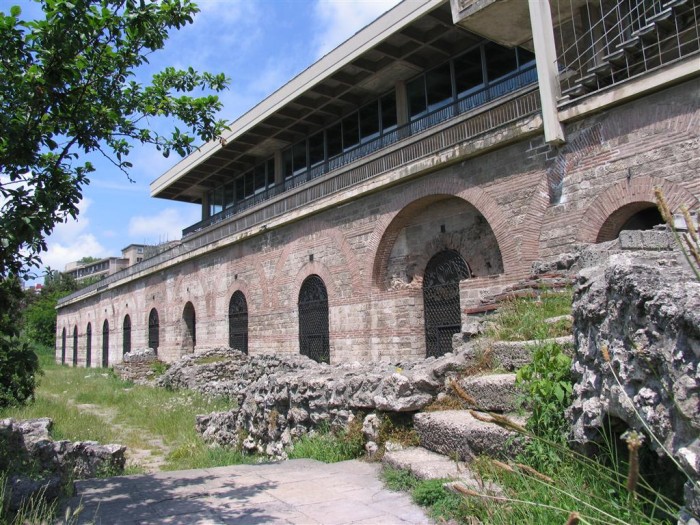
Roman Mosaic Edifice Museum
Situat in Piata Ovidiu nr. 12 din municipiul Constanta; cladirea in care isi desfasoara activitatea este unica in Europa de est - are 2.000 mp si este...
42.7 km

6.3 km
25.3 km
35.3 km
36.2 km
Cultural life and traditions
Events in the Histria Fortress area
Medieval festivals, traditional fairs, concerts and local activities recommended in Dobruja.

Traditions and Crafts

Constanta, County of Constanța
Days of Local Culture and Traditional Tourism
Open workshops featuring pottery, wood carving, and authentic folklore demonstrations by local artisans.
WHEN
May 15-17, 2026


Traditional Cuisine
Constanta, County of Constanța
The Fair of Traditional Products and Local Cuisine
Traditional products, aged cheeses, mountain honey and local delicacies prepared according to ancient recipes.
WHEN
Every weekend

Culture and Photography
Constanta, County of Constanța
Themed and Photographic Guided Tour of Cultural Heritage
A guided tour designed for history buffs, nature lovers, and photography enthusiasts, showcasing the most spectacular views in the area.
WHEN
Daily schedule available upon request
On foot, exploration gains depth
Discover the surroundings and local geography
Explore the trails, terrain, and natural landmarks around Histria Fortress.

Guides and practical tips
Useful travel articles
Travel guides, practical recommendations and tourist itineraries for Dobruja.

Tourist guide
Top 5 Atracții Turistice și Trasee Montane în Zona Moieciu - Bran
Descoperă cele mai spectaculoase peisaje carstice, chei adânci și cetăți medievale din imediata apropiere a stațiunii Moieciu.

Tourist guide
Ghid de Drumeție: Traseul Moieciu de Sus spre Platoul Bucegi
Un itinerariu montan de o frumusețe rară ce urcă din Valea Băngăleasa spre Poiana Guțanu și crestele maiestuoase ale Bucegilor.

Tourist guide
Castelul Bran: Istorie, Legende și Secrete Medievale
Află adevărata poveste a fortăreței medievale din Pasul Bran, reședința de suflet a Reginei Maria a României.
THE JOURNEY STARTS WITH AN IDEA
The next story is on the way.
From the first stop to the last stay, make room for a new Romania.
