


PLACE OF WORSHIP · DOBRUJA
Great Mosque of Constanța (Carol I Mosque)

Constanta, Constanța County
Add location to your trip planner.
Practical access information

VISITING HOURS
Monday: 12:00 PM – 5:00 PM · Tuesday–Sunday: 9:00 AM – 5:00 PM (in summer until 8:00 PM)

TICKET PRICE
Adults: 45 RON · Students: 11 RON · Seniors: 23 RON · Guided tour included

RECOMMENDED VISIT DURATION
2-3.5 hours
Visitor information and guide
 Navigate with Google Maps

ABOUT GREAT MOSQUE OF CONSTANȚA (CAROL I MOSQUE)
An Oasis of Spirituality on the Shores of the Black Sea: The Great Mosque of Constanța
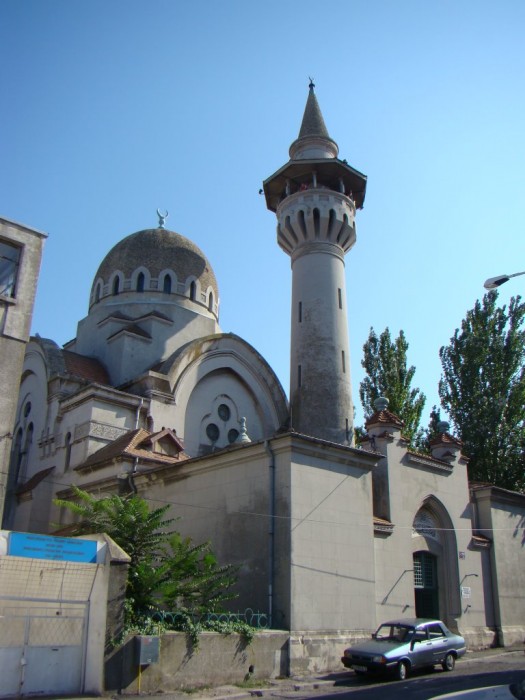
Rising with unexpected elegance above the historic center of Constanța, the minaret of the Great Mosque, also known as the Carol I Mosque, stands as one of Romania’s most fascinating and least-known heritage monuments. In an urban landscape dominated by interwar architecture and the modernist echoes of this Balkan seaside resort, its slender silhouette, towering 47 meters high, emerges as a silent witness to an era when the boundaries between civilizations were crossed not by weapons, but by ideas and mutual respect. Built between 1910 and 1912, this royal foundation represents far more than a simple place of worship; it is a monument to tolerance, a bridge between East and West, and a symbol of the multicultural integration of Dobruja into the modern Romanian state. For the European traveler accustomed to the great Gothic cathedrals of Central Europe or the Baroque splendor of Vienna and Prague, discovering this mosque is a profound cultural revelation—an encounter with another Europe, one of religious diversity and peaceful coexistence during a historical period marked by exacerbated nationalisms and devastating sectarian conflicts.
Historical Roots: From Ancient Tomis to Multicultural Dobruja
To fully grasp the significance of the Great Mosque of Constanța, we must journey back over two millennia to the ancient city of Tomis, founded by Greek colonists from Miletus and made famous as the place of exile for the Latin poet Ovid. For centuries, Dobruja was a frontier territory, shaped by Byzantine, Bulgarian, and later Ottoman influences. From the 15th century until 1878, the region was part of the Ottoman Empire, and the city of Constanța, known as Köstence, became an important administrative and commercial center of the province. During this period, Muslim communities—predominantly Turks and Tatars—settled in the area, contributing to the economic and cultural development of the Black Sea port.
The year 1878 marked a turning point in the region’s history: through the Treaty of Berlin, Dobruja was united with Romania, and King Carol I, a Protestant sovereign of the Hohenzollern-Sigmaringen dynasty in a predominantly Orthodox country, had to manage the integration of a population diverse in ethnicity and religion. Unlike other European states of the time that promoted forced assimilation policies, the Romanian monarchy chose to officially recognize minority rights. In this early 20th-century European context, when the League of Nations had only just begun to address minority rights and multiethnic empires like Austria-Hungary or the Ottoman Empire were faltering under the pressure of nationalism, King Carol I’s decision to approve the construction of a monumental mosque in the heart of Constanța took on profound European significance. It represented an act of cultural diplomacy and enlightened policy, comparable to King Carol I’s efforts to protect Jewish communities or the religious tolerance promoted by Emperor Franz Joseph I in the Hungarian parts of his empire. Thus, this mosque is not merely an Islamic monument but also a document of an era when Europe was still seeking models of peaceful coexistence among faiths, anticipating the values of contemporary multiculturalism.
An Architectural Masterpiece: The Fusion of Ottoman Tradition and Western Innovation
Architecturally, the Great Mosque of Constanța belongs to the Moorish Revival style, an aesthetic movement that experienced an extraordinary renaissance in Europe from the mid-19th century to the early decades of the 20th century. This trend, known as Moorish Revival or Neo-Moorish, was particularly cultivated in Britain, France, and Germany, associated with romantic exoticism and the rediscovery of Spain’s Islamic heritage—think of the Mezquita in Córdoba or the Alhambra in Granada. The architects of the Constanța mosque chose the Mosque of Konya in Anatolia as their model, a sacred city of the Sufi tradition and former capital of the Sultanate of Rum, reflecting the Ottoman influences that had traversed centuries in Balkan and Mediterranean architecture.
However, the true revolution of this monument lies in its chosen construction technique. The plans were drawn up by architect Victor Ștefănescu under the careful guidance of engineer Gogu Constantinescu, a pioneer of reinforced concrete in Romania and one of the most innovative figures in European engineering at the turn of the 20th century. Constantinescu, who contributed to the development of reinforced concrete in the country and designed numerous bridges and industrial structures, proposed that the mosque be built entirely from reinforced concrete—a revolutionary technical innovation for the time, placing the monument at the forefront of global architecture. While the Eiffel Tower was rising in Paris (1889) and the first steel skyscrapers were being built in Chicago, Constanța saw the completion of Romania’s first mosque constructed exclusively from reinforced concrete, demonstrating the technical capacity of the new Romanian state to embrace the most modern European technologies.
The central tower, with its impressive height of 47 meters, rises majestically above the city, dominating the urban landscape with its elegance. The interior staircase, composed of 140 steps, ascends to the muezzin’s chamber, from where the call to prayer was once announced, connecting a millennia-old Islamic tradition with modern Western technology. This fusion of Eastern spirituality and European technical innovation makes the mosque a unique example in the religious landscape of Southeastern Europe, offering an interesting parallel with other architectural experiments of the time, such as the modern synagogues of Budapest or Vienna, or the Neo-Byzantine churches built in the Balkans during the same period.
The Interior Treasure and the Epic of the Ada Kaleh Carpet
The interior of the Great Mosque impresses with its distinctive mural paintings, which envelop the walls in a solemn and contemplative atmosphere, and houses an artistic treasure of inestimable value in a European context: an exceptional Oriental carpet, donated by the Republic of Turkey as a symbol of friendship between the two nations. This carpet originates from the island of Ada Kaleh on the Danube River, a former Ottoman fortress located between Romania and Serbia, dating back two centuries and once belonging to Sultan Abdul Hamid II, the last great Ottoman sovereign to rule with absolute power.
With an area of 144 square meters and a weight of 490 kilograms, this monumental piece is one of the largest historical carpets in the world, a true textile monument that far surpasses the dimensions of royal carpets from European palaces such as Versailles, Schönbrunn, or the Hofburg. The story of this carpet is inseparably linked to the tragic history of Ada Kaleh, a multicultural microcosm where Turks, Romanians, Serbs, and Jews lived together until the 1970s, when the island was submerged beneath the waters of the Iron Gates hydroelectric dam, a gigantic project that erased an entire world from the map. Thus, the carpet in Constanța became one of the few physical witnesses to this vanished civilization, a fragment of the Ottoman Empire preserved in a place of worship in a country that was once part of the same empire.
Today, Muslim worshippers refer to the place of worship as "Kral camisi" or "The King’s Mosque," honoring the memory of its founder. The dominant color of the interior, with its warm hues and light filtered through tall windows, creates an atmosphere of profound tranquility, while the carpet, spread across the floor like a map of a lost world, invites reflection on the ephemerality of empires and the permanence of art. This object, together with the mural paintings, transforms the mosque into a living museum, where the history of Southeastern Europe, the Ottoman Empire, and Romanian-Turkish relations converge in a sacred space.
Key Figures, Patrons, and Turning Points
The construction of the Great Mosque is inextricably linked to the personality of King Carol I, the first king of modern Romania, a sovereign who understood that the stability of a newly formed state depended on its ability to integrate diversity. Carol I, a member of the Hohenzollern-Sigmaringen dynasty and a Protestant in a predominantly Orthodox country, demonstrated through this gesture a political vision advanced for his time, aligned with the European Enlightenment ideals of religious freedom. His decision to approve the construction of the mosque was a tribute to the loyalty and economic contributions of the Muslim community—predominantly Tatar and Turkish—to the development of the port of Constanța, one of the most important in Southeastern Europe at the beginning of the 20th century.
Alongside the king, the key figures of this project were architect Victor Ștefănescu and engineer Gogu Constantinescu. Constantinescu, considered the father of reinforced concrete in Romania, made an essential technical contribution, demonstrating that Romanian engineering innovation could rival that of the great European powers. The mosque’s inauguration in 1912 coincided with the Balkan Wars, an irony of history at a time when Europe was preparing for the Great War, and the monument remained a symbol of peace in a world that would soon be devastated by conflict.
After the establishment of the communist regime, the mosque endured difficult periods, being closed to worship for a time and repurposed for various administrative functions, like many other religious sites in Romania. It was only after the 1989 Revolution that the monument was reopened to the Muslim community and began a process of restoration and recognition of its heritage value. Its designation as a national historic monument represented official acknowledgment of the Muslim community’s contribution to Romania’s and Europe’s cultural heritage, at a time when Europe sought to rebuild bridges between civilizations after decades of ideological division.
Practical Visitor’s Guide and Contemporary Experience
The Great Mosque of Constanța is located at 5 Arhiepiscopiei Street, in the historic center of the municipality, just steps away from Ovid Square, the vibrant heart of the old city. This positioning places it in a fascinating urban context, surrounded by historic buildings that evoke the era when Constanța was the "Pearl of the Black Sea," a cosmopolitan hub of commerce and culture. For European visitors, access is facilitated by its proximity to the central train station and the port area, making it possible to walk from the Constanța Casino or the city beach to this monument.
The visiting schedule respects the times of the five daily prayers, during which the mosque is open exclusively to Muslim worshippers. Outside these hours, visitors are welcome to admire the architecture and interior, provided they adhere to a modest dress code—covering shoulders and knees—and remove their shoes before stepping onto the carpet, in accordance with Islamic tradition. The solemn atmosphere of the interior, dominated by the monumental Ada Kaleh carpet and the mural paintings, offers a profound cultural experience, a moment of tranquility in a bustling city, and a unique opportunity to understand the multicultural dimension of Southeastern Europe.
In the context of contemporary European tourism, the Great Mosque of Constanța is an essential destination for travelers interested in the Islamic heritage of the continent, offering a fascinating parallel with the great mosques of Spain, Bosnia and Herzegovina, or those in Hungary (such as the Gazi Kasim Pasha Mosque in Budapest, built during the Ottoman period). It is a remarkable example of intercultural coexistence, anticipating the values of modern European multiculturalism and demonstrating that religious diversity can be not only tolerated but celebrated as an integral part of national and European identity. For the discerning visitor, a stop at the Great Mosque of Constanța is not merely a tourist attraction but a living history lesson, a dialogue with the past, and an invitation to reflect on how Europe can build a future based on mutual respect and the shared recognition of its diverse cultural heritage.
Media gallery
Discover Great Mosque of Constanța (Carol I Mosque) in pictures

5 photos · Architecture, courtyards and captivating details
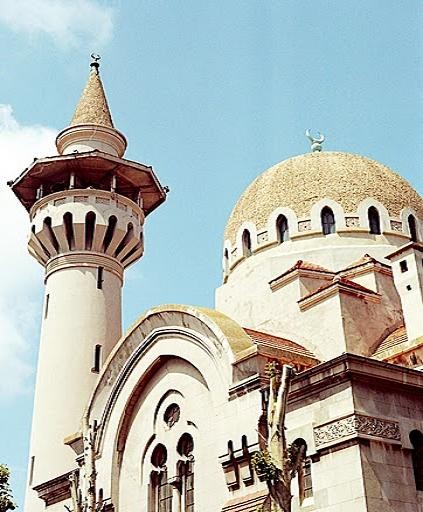


Image source: Wikimedia Commons · Public domain photos · Free license
STAY A FEW DAYS, DISCOVER THE MAGIC
Accommodation in the Great Mosque of Constanța (Carol I Mosque) area

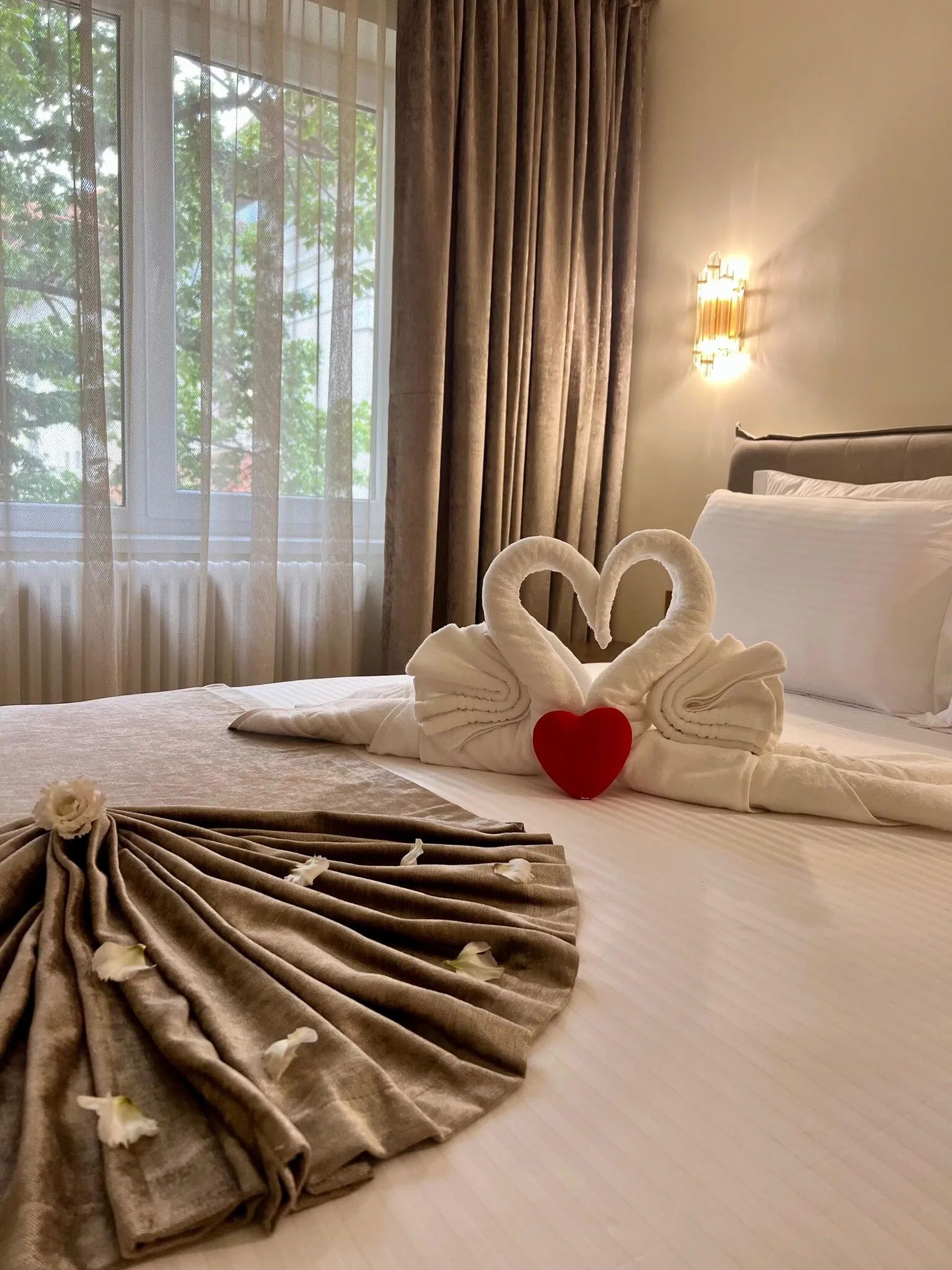
Apartment · 3 stars

Constanța, Constanța County · 0.2 km
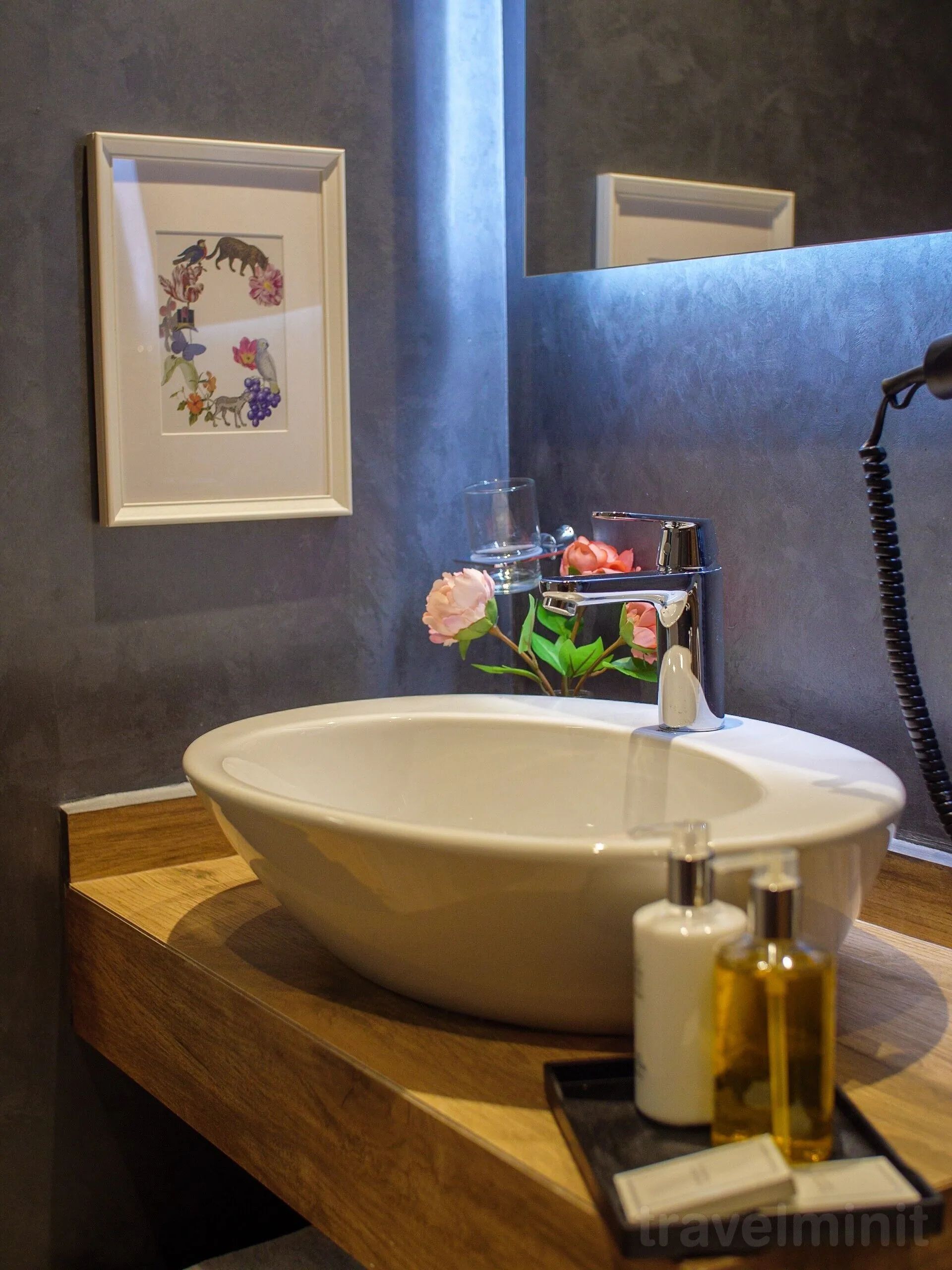
VLH Apartments Constanța
Comfort, relaxation and stunning views, all just steps away from the main attractions.
FROM
230 lei per night

Hotel · 3 stars
Constanța, Constanța County · 0.2 km
Casa Hrisicos Constanța
Pereții unei clădiri emblematice din Piața Ovidiu, rezistenți de peste o sută de ani, păstrează încă secretele unor vremuri în care deciziile politice se luau între aceste ziduri solide. Casa Hrisicos Constanța vă primește în centrul orașului Constanța, pe strada Traian numărul 1, într-un loc care a revenit în atenția turiștilor după o lungă perioadă de transformări. Ca hotel clasificat cu trei stele, unitatea vă oferă cazare confortabilă într-un cadru cu adevărat istoric. Beneficiați de Wi-Fi gratuit în întreaga proprietate, aer condiționat în toate camerele, depozit pentru bagaje pe toată perioada șederii dumneavoastră și parcare privată gratuită pentru vehiculul personal. Poziția centrală vă permite să descoperiți cu ușurință cele mai importante obiective turistice din apropiere. Puteți vizita Cazinoul din Constanța, Muzeul de Istorie Națională și Arheologie din Constanța, Marea Moschee, Muzeul Edificiul Roman cu mozaic sau puteți ajunge rapid în Stațiunea Mamaia pentru o zi la plajă. Parcare privată gratuită este disponibilă direct în incinta unității, astfel încât sosirea și plecarea dumneavoastră se vor desfășura fără nicio grijă legată de locul unde vă lăsați mașina.
FROM
290 lei per night
Holiday villa · 4 stars
Constanța, Constanța County · 0.2 km
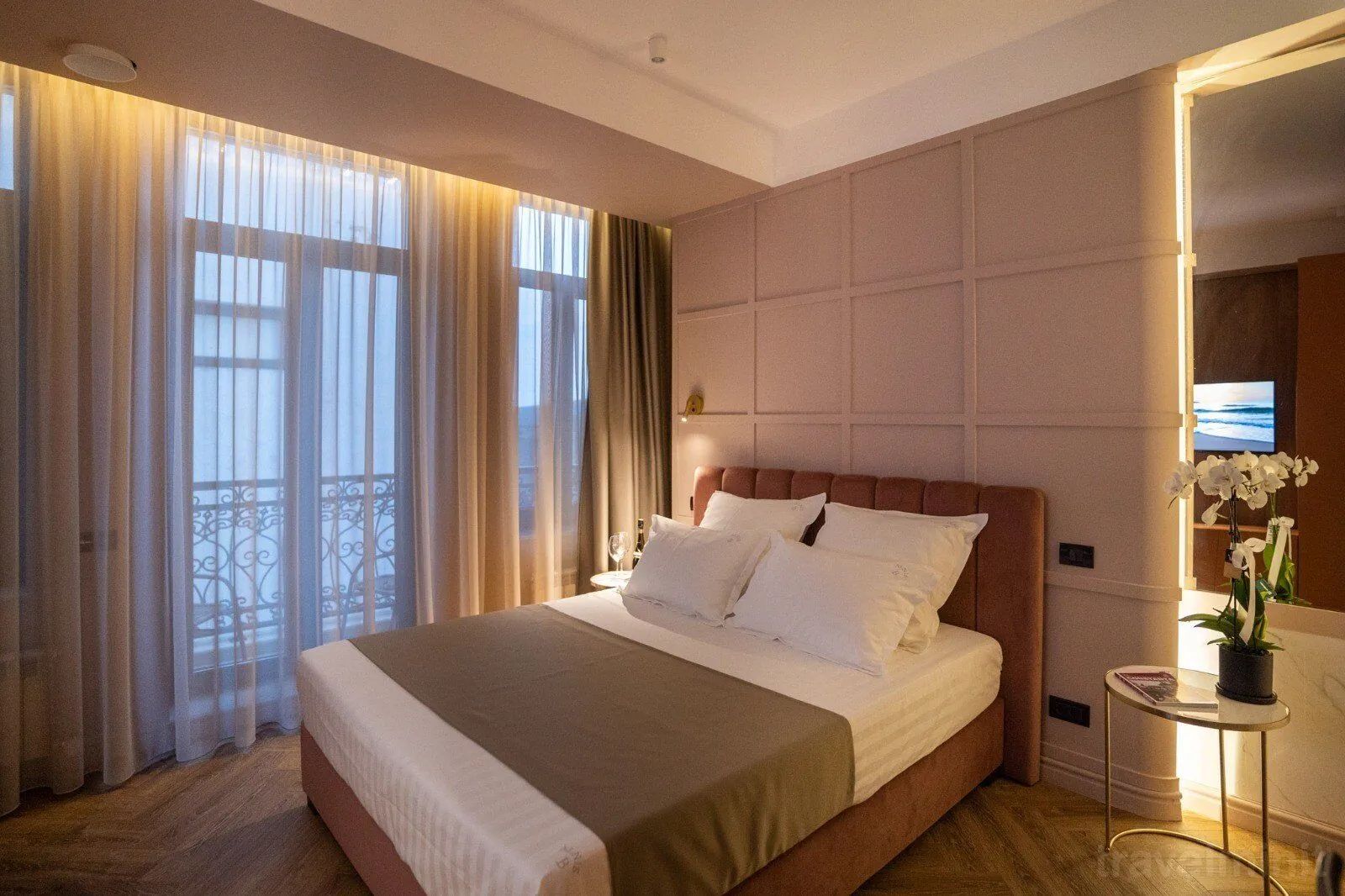
Alnis Boutique Villa Constanța
Alnis Boutique Villa din Constanța vă pune la dispoziție parcare privată gratuită, astfel încât călătoria dumneavoastră să înceapă fără griji încă de la sosire. Această vilă turistică de 4 stele, situată pe strada Orient numărul 12, oferă un cadru elegant și confortabil pentru întreaga ședere, într-un apartament situat la etajele 1 și 2. Pe lângă parcare, beneficiați de Wi-Fi gratuit disponibil în întreaga vilă, iar camerele sunt prevăzute cu aer condiționat pentru a vă asigura un sejur plăcut indiferent de anotimp. Plățile se pot efectua prin mai multe modalități, inclusiv numerar, card bancar, transfer bancar sau voucher, iar personalul vorbește atât română, cât și engleză pentru a vă ajuta cu orice solicitare. În imediata apropiere puteți descoperi Cazinoul din Constanța, Muzeul de Istorie Națională și Arheologie din Constanța, Marea Moschee, Stațiunea Mamaia și Muzeul Edificiul Roman cu mozaic, oferindu-vă ocazia de a explora cele mai importante puncte de interes ale orașului. Check-in-ul se realizează începând cu ora 00:00, iar check-out-ul până la ora 11:30, astfel încât să aveți flexibilitate deplină în organizarea sosirii și plecării.
FROM
390 lei per night
Holiday villa · 3 stars
Constanța, Constanța County · 0.3 km
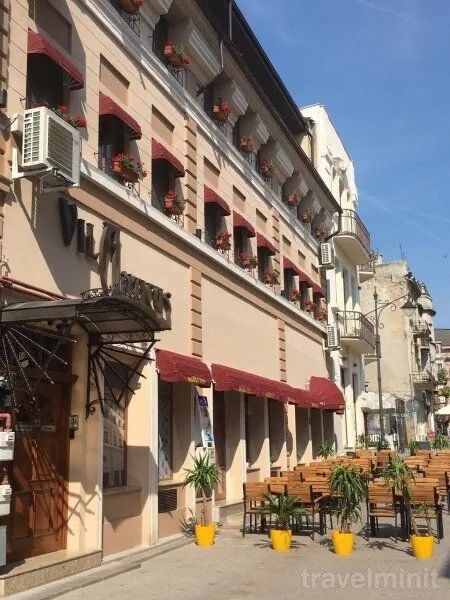
Vila Anticus Constanța
De la Vila Anticus Constanța puteți porni într-o plimbare spre Cazinoul din Constanța, un reper arhitectural emblematic situat în apropiere. Vila turistică de trei stele din Constanța reprezintă un punct de plecare potrivit pentru a descoperi atracțiile orașului și ale împrejurimilor sale, oferind un cadru liniștit pentru odihnă. Unitatea pune la dispoziție șapte camere amenajate cu grijă, dintre care unele sunt dotate cu aer condiționat pentru un confort sporit în zilele călduroase de vară. Fiecare cameră este pregătită pentru a vă oferi o ședere plăcută în orașul de la malul mării, într-un ambient primitor. Pentru nevoile dumneavoastră zilnice, vila oferă acces la Wi-Fi gratuit în întreaga proprietate, fier de călcat și un spațiu special pentru depozitarea bagajelor. Astfel, vă puteți organiza călătoria fără griji suplimentare și vă puteți bucura de fiecare moment petrecut în Constanța. Programul de primire începe la ora 15:00, iar eliberarea camerelor se realizează până la ora 12:00. La recepție puteți comunica în limba română sau în limba engleză, astfel încât șederea dumneavoastră să fie cât mai plăcută. Vă așteptăm să vă bucurați de șederea dumneavoastră la Vila Anticus și să porniți apoi într-o vizită la Muzeul de Istorie Națională și Arheologie din Constanța, pentru a descoperi istoria fascinantă a acestei regiuni.
FROM
280 lei per night
Boutique hotel · 4 stars
Constanța, Constanța County · 0.4 km
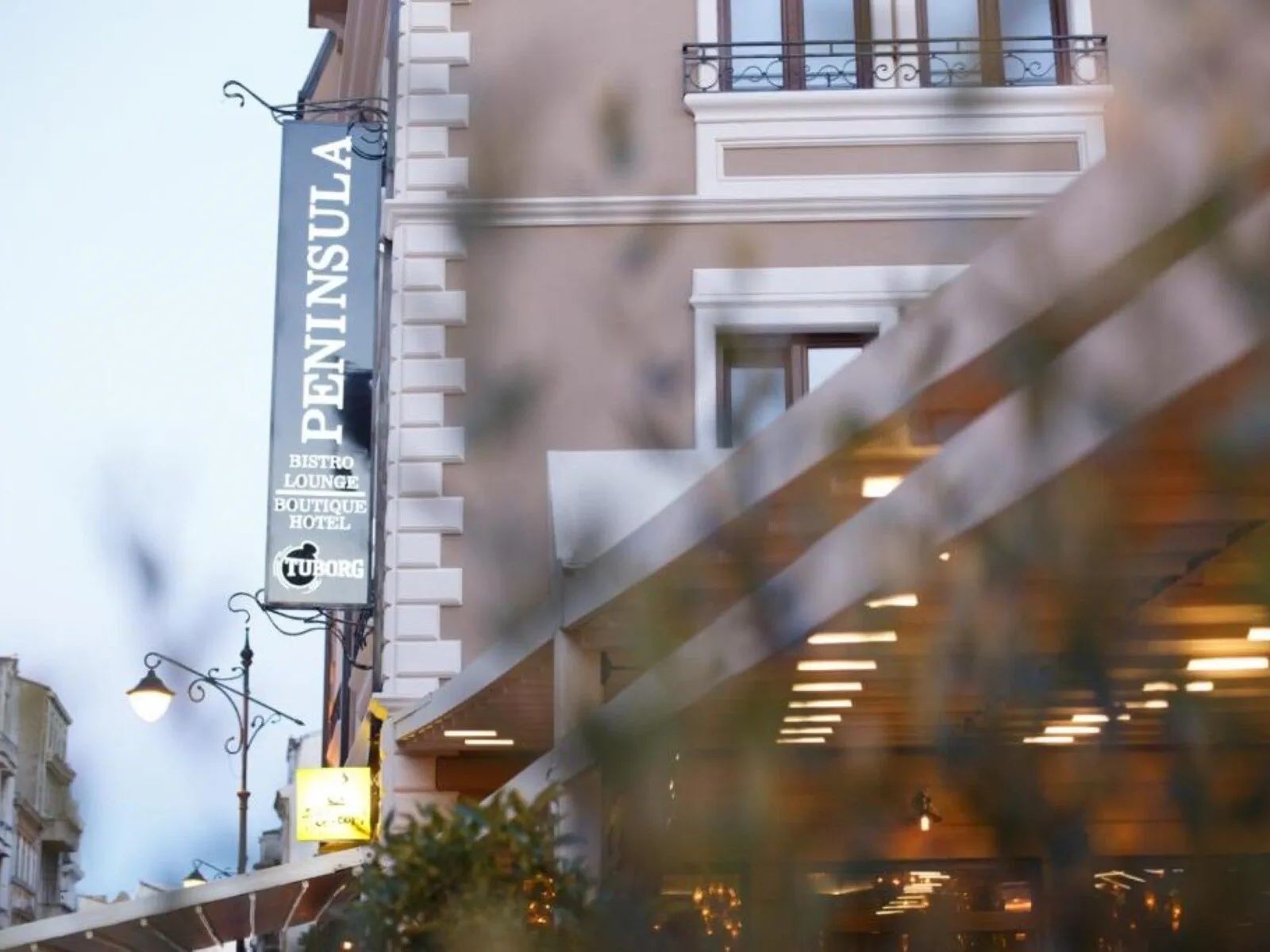
Peninsula Boutique Hotel Constanța
Cafeneaua din incinta Peninsula Boutique Hotel din Constanța reprezintă un punct de pornire pentru explorarea orașului. Situat pe bulevardul Tomis 41, în centrul Pietei Ovidiu, acest boutique hotel de patru stele vă oferă un spațiu rafinat în zona istorică a Constanței, unde calmul și eleganța se împletesc armonios cu atmosfera specifică portului. Unitatea pune la dispoziție facilități moderne precum Wi-Fi gratuit în întreaga incintă, ascensor, seif în fiecare cameră și fier de călcat, alături de barul din incintă unde puteți savura băuturi într-o atmosferă relaxată. În apropiere puteți descoperi Cazinoul din Constanța, Muzeul de Istorie Națională și Arheologie, Marea Moschee, Muzeul Edificiul Roman cu mozaic și Stațiunea Mamaia, obiective care povestesc istoria bogată a zonei. Cele 22 de camere sunt echipate cu aer condiționat centralizat, Smart TV, mini bar, baie privată și masă, iar cele trei tipuri de încăperi sunt decorate de un designer pentru a vă asigura confortul necesar unei șederi plăcute în centrul orașului. Seara, barul din incintă oferă un cadru liniștit pentru a savura un pahar de vin după o zi petrecută printre atracțiile din apropiere.
FROM
420 lei per night
Guesthouse · 3 stars
Constanța, Constanța County · 0.4 km
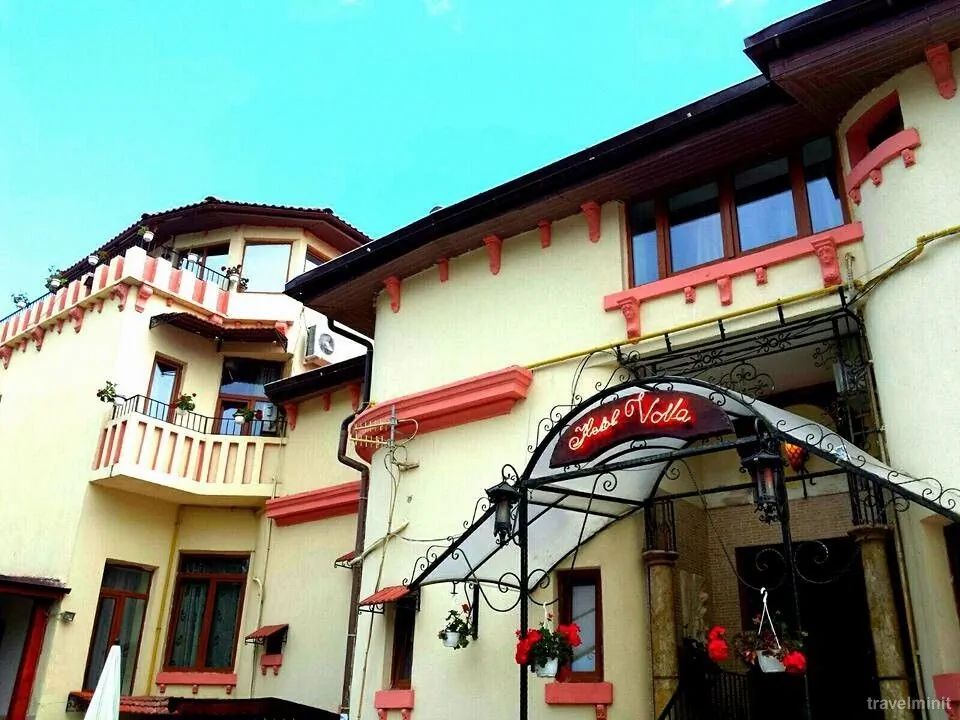
Camere de închiriat Voila Constanța
O zi petrecută în curtea mare și grădina amenajată, cu aer condiționat în cameră, reprezintă modul perfect de a începe o ședere plăcută și relaxantă la Camere de închiriat Voila din Constanța. Aceste facilități vă permit să vă bucurați pe deplin de confortul dorit după o zi petrecută în explorarea orașului și a împrejurimilor sale. Pensiunea turistică de trei stele vă pune la dispoziție parcare privată gratuită, Wi-Fi gratuit și acces facil pentru persoanele cu dizabilități, astfel încât sosirea dumneavoastră să fie cât mai comodă și lipsită de orice griji. Spațiile exterioare oferă un cadru plăcut pentru relaxare, iar toate serviciile disponibile contribuie la un sejur bine organizat și confortabil. În apropiere puteți descoperi Cazinoul din Constanța, Muzeul de Istorie Națională și Arheologie din Constanța, Marea Moschee din Constanța, Stațiunea Mamaia și Muzeul Edificiul Roman cu mozaic. Aceste obiective turistice vă oferă numeroase opțiuni de explorare culturală și momente de relaxare în zona centrală a orașului. Vă așteptăm la adresa din strada Callatis 22, unde parcare privată gratuită și accesul pentru persoane cu dizabilități fac șederea dumneavoastră cât mai practică și confortabilă.
FROM
240 lei per night
BEFORE YOU HIT THE ROAD
Weather conditions in Constanta
Local forecast for Great Mosque of Constanța (Carol I Mosque), Constanta, Constanța

Real-time updated weather data
Much more to explore in this area
Nearby tourist attractions


Constanta, Constanța County
Mamaia resort.
Situata la nord de municipiul Constanta, intre Marea Neagra si Lacul Siutghiol; cartier al municipiului Constanta, are foarte putini locuitori, dar este...
4.5 km

Constanta, Constanța County
Histria Fortress
Situata pe teritoriul satului Istria, malul lacului Sinoe, teritoriul administrativ al comunei Istria; construita in anul 657 i.Hr., este cea mai veche dintre...
42.7 km
Constanta, Constanța County
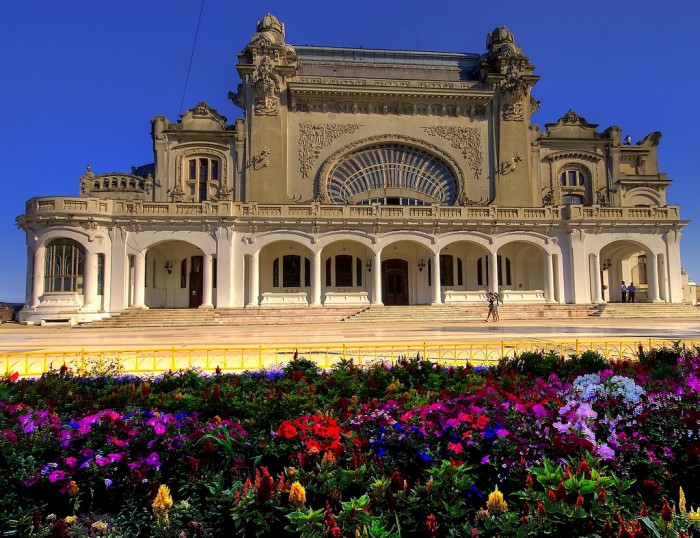
The casino in Constanta.
Situat pe bulevardul Elisabeta, nr. 2, municipiul Constanta; in trecut, in aceasi locatie era amplasata o "cazina" (1880 - 1902) - constructie din lemn unde se...
0.4 km
Constanta, Constanța County
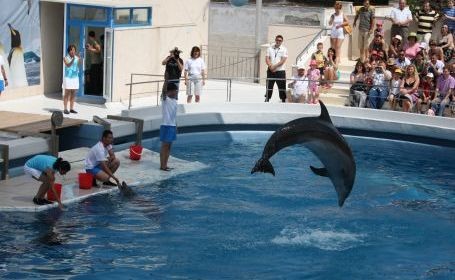
Natural Sciences Museum Complex in Constanța
Situat pe bulevardul Mamaia, nr.255, municipiul Constanta; la inceputul existentei a fost format din sectii individuale, unite sub denumirea "Complexul muzeal...
4.0 km

Constanța, Constanța County
Mamaia
Localitate componentă a municipiului Constanța, județul Constanța, România
8.6 km
Constanta, Constanța County
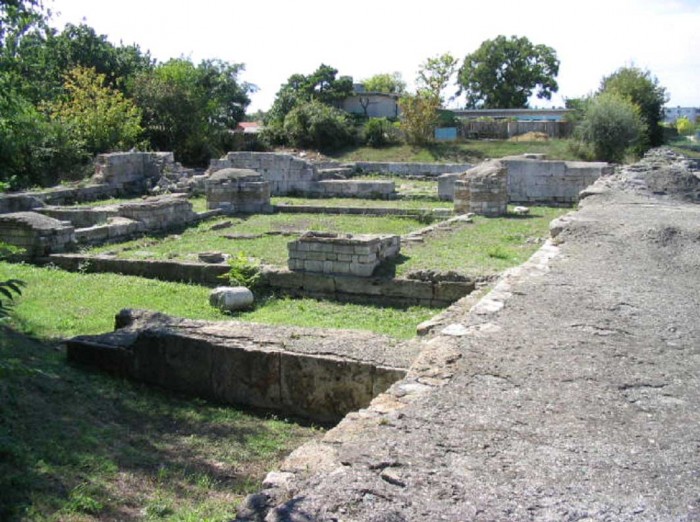
Callatis Fortress in Mangalia
Situata pe teritoriul municipiului Mangalia, intre Sanatoriul balnear, Casa de Cultura, strada Constantei, Geamie si intrarea in portul comercial; intemeiata...
40.8 km

Constanta, Constanța County
Costinești Resort
Este situata in prelungirea satului Costinesti, la 31 km sud de municipiul Constanta, invecinandu-se la nord cu comuna Tuzla si la sud cu Statiunea Olimp;...
24.9 km
Constanta, Constanța County
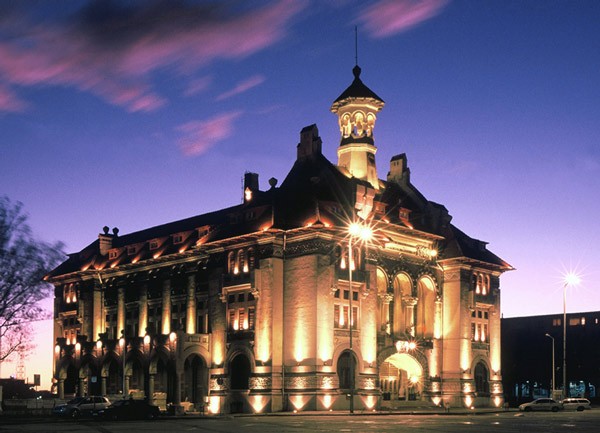
National Museum of History and Archaeology in Constanța
Situat in Piata Ovidiu, nr. 12, municipiul Constanta; infiintat in anul 1878, cu ajutorul lui Remus Opreanu; la inceput a functionat in cladirea prefecturii si...
0.1 km

Mangalia, Transylvania
Olimp Resort
Localitate componentă a municipiului Mangalia, județul Constanța, România
32.5 km

Mangalia, Transylvania
Neptun Resort
Localitate componentă a municipiului Mangalia, județul Constanța, România
34.4 km

47.4 km

Eforie, Constanța County
Eforie Nord
Situata in orasul Eforie, la 14 km de municipiul Constanta; amplasata la altitudinea de 6 - 20 m peste nivelul marii; statiune cu caracter permanent, are...
12.3 km
Cultural life and traditions
Events in the Great Mosque of Constanța (Carol I Mosque) area
Medieval festivals, traditional fairs, concerts and local activities recommended in Dobruja.

Traditions and Crafts

Constanta, County of Constanța
Days of Local Culture and Traditional Tourism
Open workshops featuring pottery, wood carving, and authentic folklore demonstrations by local artisans.
WHEN
May 15-17, 2026


Traditional Cuisine
Constanta, County of Constanța
The Fair of Traditional Products and Local Cuisine
Traditional products, aged cheeses, mountain honey and local delicacies prepared according to ancient recipes.
WHEN
Every weekend

Culture and Photography
Constanta, County of Constanța
Themed and Photographic Guided Tour of Cultural Heritage
A guided tour designed for history buffs, nature lovers, and photography enthusiasts, showcasing the most spectacular views in the area.
WHEN
Daily schedule available upon request
On foot, exploration gains depth
Discover the surroundings and local geography
Explore the trails, terrain, and natural landmarks around Great Mosque of Constanța (Carol I Mosque).

Guides and practical tips
Useful travel articles
Travel guides, practical recommendations and tourist itineraries for Dobruja.

Tourist guide
Top 5 Atracții Turistice și Trasee Montane în Zona Moieciu - Bran
Descoperă cele mai spectaculoase peisaje carstice, chei adânci și cetăți medievale din imediata apropiere a stațiunii Moieciu.

Tourist guide
Ghid de Drumeție: Traseul Moieciu de Sus spre Platoul Bucegi
Un itinerariu montan de o frumusețe rară ce urcă din Valea Băngăleasa spre Poiana Guțanu și crestele maiestuoase ale Bucegilor.

Tourist guide
Castelul Bran: Istorie, Legende și Secrete Medievale
Află adevărata poveste a fortăreței medievale din Pasul Bran, reședința de suflet a Reginei Maria a României.
THE JOURNEY STARTS WITH AN IDEA
The next story is on the way.
From the first stop to the last stay, make room for a new Romania.
