


MUSEUM · DOBRUJA
Roman Mosaic Edifice Museum

Constanta, Constanța County
Add location to your trip planner.
Practical access information

VISITING HOURS
Monday: 12:00 PM – 5:00 PM · Tuesday–Sunday: 9:00 AM – 5:00 PM (in summer until 8:00 PM)

TICKET PRICE
Adults: 45 RON · Students: 11 RON · Seniors: 23 RON · Guided tour included

RECOMMENDED VISIT DURATION
2-3.5 hours
Visitor information and guide
 Navigate with Google Maps

ABOUT ROMAN MOSAIC EDIFICE MUSEUM
A Treasure of Antiquity in the Heart of Dobrogea
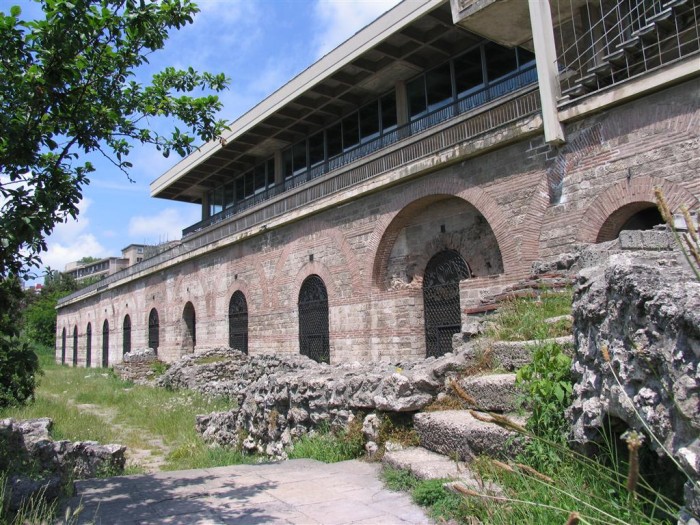
In Ovid Square, at the heart of Constanta’s historic center, stands a unique monument in Eastern Europe: the Roman Mosaic Edifice Museum. Discovered in 1959 during urban development work, this impressive archaeological complex, spanning 2,000 square meters, represents the best-preserved commercial structure from the Roman-Byzantine period (3rd–4th centuries AD) in the entire Eastern European region. Considered by experts a true marvel of ancient civilization, the building offers a window into the vibrant economic life of the city of Tomis, as Constanta was known in antiquity, when it was part of the province of Moesia Inferior, later Scythia Minor, on the eastern frontier of the Roman Empire. This site is not merely an archaeological relic but a genuine treasure of Europe’s shared heritage, a silent witness to the continuity of civilization on the shores of the Black Sea, where the Pontus Euxinus meets the Dobrogean land, in an urban landscape that bears the successive imprints of Greek colonies, Roman administration, and early Byzantine spirituality.
Historical Roots and Major European Connections
To fully grasp the importance of this edifice, we must travel back two millennia, to the time when Tomis was a prosperous Greek colony founded by merchants from Miletus, a member of the Ionian League and an integral part of the Hellenistic world that stretched from the Aegean Sea to the northern shores of the Black Sea. With the expansion of the Roman Empire, the city was incorporated into the province of Moesia, later becoming, following the administrative reforms of Emperor Diocletian in the 3rd century, the capital of the province of Scythia Minor—a vital administrative entity for defending the empire’s Danubian and Pontic frontiers. The mosaic edifice dates precisely from this period of late antiquity’s flourishing, when Tomis experienced unprecedented urban development, benefiting from its status as a strategic port and commercial hub on the route linking Rome to the colonies of Crimea and the Caucasus.
The historical context of this emporium is part of the grand narrative of Mediterranean and Danubian trade, contemporary with major commercial centers of the Roman world such as Ostia Antica near Rome, the port cities of North Africa like Carthage, or those in Syria like Antioch. Like these, Tomis was an essential node in the empire’s economic network, and the edifice discovered in Ovid Square reflects the Roman architectural ambition to organize urban space around commercial and administrative functions. The construction period, situated at the transition between the 3rd and 4th centuries, captures the moment when early Byzantine influences began to penetrate Dobrogea, bringing new artistic and religious concepts, while the classical Roman tradition continued to dominate civil architecture. This cultural fusion places the Constanta monument in a fascinating dialogue with other centers of the late antique world, from Salona in Dalmatia to Ephesus in Asia Minor, all sharing the same desire to mark public space through luxury and functionality.
Moreover, the city of Tomis is indelibly linked to the figure of the Latin poet Ovid, exiled here between 8 and 17 AD by Emperor Augustus, whose presence left deep traces in the cultural memory of the place. Although the mosaic edifice was built several centuries later, when Ovid was already a legend, the atmosphere of the Roman city where the poet lived and wrote Tristia and Epistulae ex Ponto remained alive in the architecture and urban structure of Tomis. Thus, the visitor who walks in the footsteps of this emporium finds themselves in a space steeped in history, where Hellenistic heritage, the glory of Rome, and early Christian spirituality converge in a unique European landmark.
Architectural Masterpiece, Style, and Constructive Details
The architecture of the Roman Mosaic Edifice reflects the engineering genius of the ancient world and its adaptation to the specifics of a port city. The structure impresses with its functional complexity, combining representative spaces with underground warehouses designed for storing goods from across the Mediterranean basin. The edifice functioned as an emporium, a multifunctional commercial center where merchants, transporters, and city officials met, and its architecture reflects the early Byzantine influences that permeated Dobrogea during the transition between the Roman Empire and the Byzantine era. The building’s plan reveals a sophisticated organization, with reception rooms, administrative offices, and vast storage spaces, all arranged around a central courtyard—a principle borrowed from Roman domestic architecture and adapted to commercial functions.
The centerpiece of the museum is the polychrome mosaic floor, preserved in a remarkable state of conservation and considered one of the most valuable achievements of pavement art from the late antique period in Southeastern Europe. This mosaic, created using the opus tessellatum technique, employs tesserae of colored marble, glass, and ceramic to produce complex geometric compositions and figurative motifs that evoke the artistic wealth and spirituality of the era. Similar to mosaics discovered in major commercial centers of the empire, such as those in Ostia Antica, Roman cities in North Africa (like Carthage or Leptis Magna), or the eastern provinces like Syria and Palestine, the Constanta example stands out for its authenticity and the unique archaeological context in which it was discovered in situ. Geometric motifs—diamonds and concentric circles—intertwine with figurative representations suggesting abundance and commercial prosperity, reflecting the late antique aesthetic, when art began to turn toward symbolism and spirituality, paving the way for Byzantine art.
The partially preserved hypocaust heating system demonstrates the technological advancement of Roman constructions, allowing the use of commercial spaces even in the cold season—a rare luxury in other regions of the empire. The walls, built of brick and stone masonry, were likely decorated with frescoes and marble slabs, fragments of which are now part of the museum’s collections. All these architectural elements place the monument in a special category, alongside other prestigious commercial complexes such as those in Aquincum (modern Budapest) or Augusta Treverorum (Trier), demonstrating that Tomis was part of the empire’s urban elite, benefiting from the most modern construction techniques and the most refined decorative art forms of the era.
Stories, Legends, Personalities, and Turning Points
The discovery of this archaeological treasure in 1959 is itself a captivating story of the encounter between modernity and antiquity. During urban development work in Ovid Square, workers stumbled upon the massive walls of an unknown edifice, triggering a large-scale archaeological campaign that unearthed one of the most spectacular discoveries in Romanian archaeological history. The excavations led by archaeologists revealed not only the impressive structure of the emporium but also an extraordinary collection of artifacts that told the story of the daily life of merchants and craftsmen in Tomis. Among these were massive ship anchors, metal ingots, weighing scales, amphorae containing paints and resins, religious statuettes, collections of ancient oil lamps, decorative marble plaques, and pilaster capitals, all now housed in the former warehouses of the edifice.
These artifacts speak of the intensity of maritime trade in the port of Tomis, a vital commercial hub linking the Roman Empire to the Greek colonies of the Pontus Euxinus and the markets of the Middle East. The amphorae discovered originate from Hispania, Italy, Egypt, and Syria, testimony to an economy that was globalized even in antiquity, similar to the trade networks that later connected Venice or Genoa with the East in the medieval period. Meanwhile, the museum’s spaces also house epigraphic monuments discovered in various centers of Dobrogea, inscriptions in Latin and Greek that provide valuable information about the administration, religion, and social organization of the Roman province, connecting the visitor to Europe’s shared cultural heritage. The inscriptions mention aediles, priests, and merchants, painting a vivid picture of late antique society—a world where paganism and Christianity coexisted, reflected in the mosaic art where classical symbols intertwine with incipient Christian elements.
The story of this place is also one of survival. Over the centuries, the edifice was buried beneath ground level, protected by the earth that shielded it from invasions and destruction, until the urban revolution of the 1950s brought it back to light. This "abduction" by time, this pause of nearly fifteen hundred years during which the mosaic remained untouched beneath the feet of successive generations of Constanta’s inhabitants, represents a miracle of preservation, offering researchers and visitors today the unique chance to contemplate an ancient work of art in almost perfect condition, unaltered by later interventions or aggressive restorations.
Practical Visitor Guide and Today’s Tourist Experience
The Roman Mosaic Edifice Museum is located at Ovid Square No. 12, Constanta, and is part of the National Museum of History and Archaeology Constanta network. The visiting hours are daily from 08:00 to 20:00 during the summer season and from 09:00 to 17:00 in winter, offering tourists the opportunity to explore this site under various lighting conditions, each bringing a distinct atmosphere to the ancient ruins. Visits are conducted on specially designed walkways above the ruins, allowing visitors to admire the artistic details of the mosaic and the architectural structure without compromising the site’s integrity, providing an immersive and respectful experience of the heritage.
The visitor’s experience begins upon entering Ovid Square, a historic urban space where the statue of the poet Ovid stands, marking the connection between the present and the ancient past of the city. Descending underground to the level of the ruins represents a symbolic transition between the modern world and antiquity, a journey through time that unfolds over just a few steps. Once at the mosaic level, the eye is captivated by the play of colors in the tesserae, the perfect geometry of the compositions, and the mysterious atmosphere created by the discreet lighting that highlights every detail of the ancient pavement. Visitors can spend time contemplating the scenes depicted, reading the information provided by explanatory panels, and imagining the bustling life that once animated these rooms, with merchants negotiating the price of olive oil or oriental spices, imperial officials overseeing transactions, and craftsmen displaying their goods.
This site is an essential destination for understanding Europe’s cultural heritage, offering a unique perspective on Roman civilization at the empire’s eastern frontier and the Byzantine legacy that followed, in a fascinating dialogue between classical tradition and the innovations of the late antique era. For both foreign and Romanian tourists, the Roman Mosaic Edifice Museum represents a rare opportunity to step directly into the ancient world, to touch with sight and imagination an era when the Black Sea was the center of a prosperous civilization connected to the great empires of the world. Combined with visits to the Constanta Casino, the Genoese Lighthouse, or the Carol I Mosque, this museum completes the portrait of a city that has always stood at the crossroads of civilizations, a place where Europe meets Asia, and antiquity meets the present in remarkable cultural harmony.
Media gallery
Discover Roman Mosaic Edifice Museum in pictures

2 photos · Architecture, courtyards and captivating details

Image source: Wikimedia Commons · Public domain photos · Free license
STAY A FEW DAYS, DISCOVER THE MAGIC
Accommodation in the Roman Mosaic Edifice Museum area

Apartment · 3 stars

Constanța, Constanța County · 0.1 km
VLH Apartments Constanța
Comfort, relaxation and stunning views, all just steps away from the main attractions.
FROM
230 lei per night

Hotel · 3 stars
Constanța, Constanța County · 0.1 km
Casa Hrisicos Constanța
Pereții unei clădiri emblematice din Piața Ovidiu, rezistenți de peste o sută de ani, păstrează încă secretele unor vremuri în care deciziile politice se luau între aceste ziduri solide. Casa Hrisicos Constanța vă primește în centrul orașului Constanța, pe strada Traian numărul 1, într-un loc care a revenit în atenția turiștilor după o lungă perioadă de transformări. Ca hotel clasificat cu trei stele, unitatea vă oferă cazare confortabilă într-un cadru cu adevărat istoric. Beneficiați de Wi-Fi gratuit în întreaga proprietate, aer condiționat în toate camerele, depozit pentru bagaje pe toată perioada șederii dumneavoastră și parcare privată gratuită pentru vehiculul personal. Poziția centrală vă permite să descoperiți cu ușurință cele mai importante obiective turistice din apropiere. Puteți vizita Cazinoul din Constanța, Muzeul de Istorie Națională și Arheologie din Constanța, Marea Moschee, Muzeul Edificiul Roman cu mozaic sau puteți ajunge rapid în Stațiunea Mamaia pentru o zi la plajă. Parcare privată gratuită este disponibilă direct în incinta unității, astfel încât sosirea și plecarea dumneavoastră se vor desfășura fără nicio grijă legată de locul unde vă lăsați mașina.
FROM
290 lei per night
Holiday villa · 4 stars
Constanța, Constanța County · 0.2 km
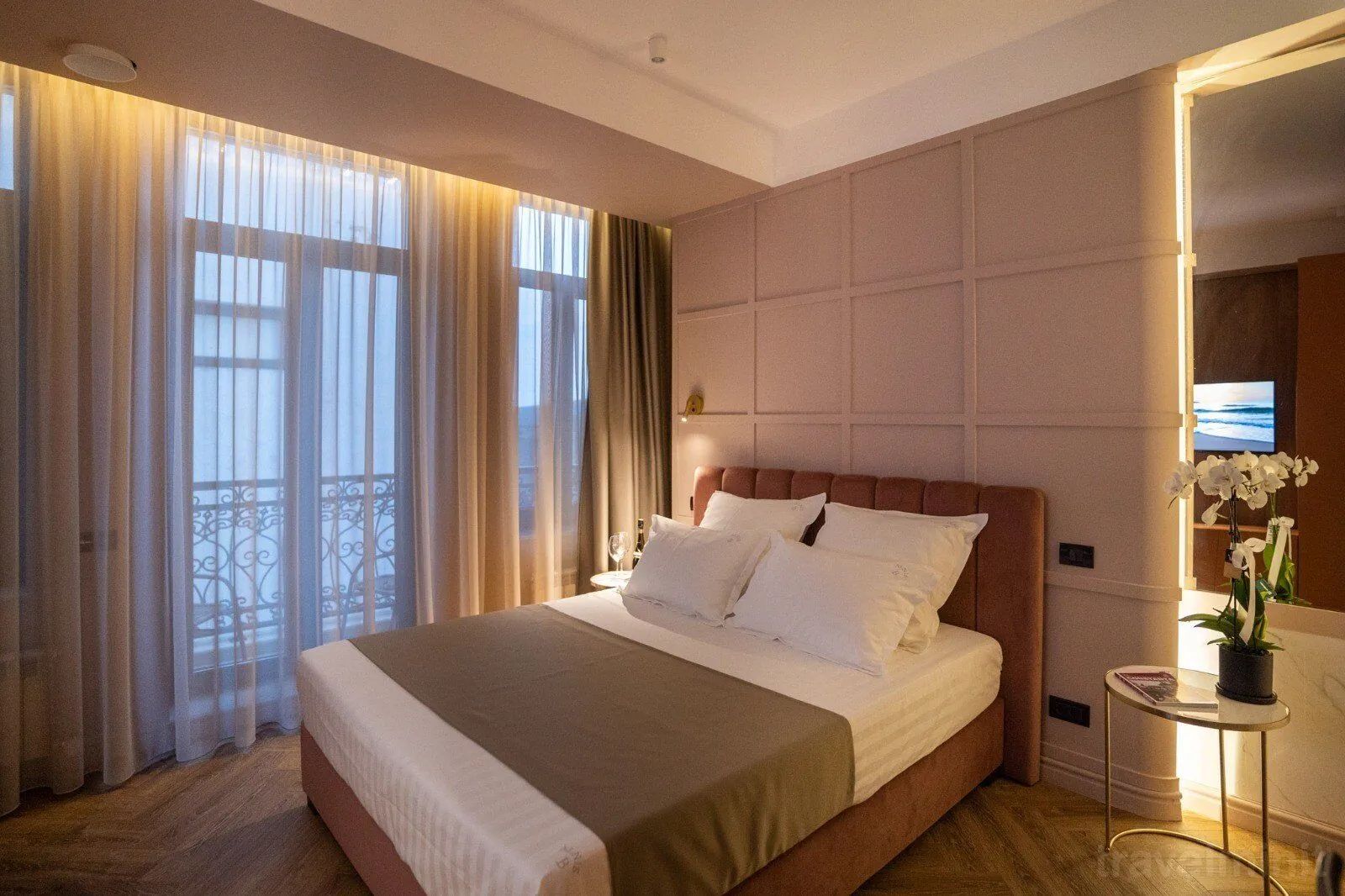
Alnis Boutique Villa Constanța
Alnis Boutique Villa din Constanța vă pune la dispoziție parcare privată gratuită, astfel încât călătoria dumneavoastră să înceapă fără griji încă de la sosire. Această vilă turistică de 4 stele, situată pe strada Orient numărul 12, oferă un cadru elegant și confortabil pentru întreaga ședere, într-un apartament situat la etajele 1 și 2. Pe lângă parcare, beneficiați de Wi-Fi gratuit disponibil în întreaga vilă, iar camerele sunt prevăzute cu aer condiționat pentru a vă asigura un sejur plăcut indiferent de anotimp. Plățile se pot efectua prin mai multe modalități, inclusiv numerar, card bancar, transfer bancar sau voucher, iar personalul vorbește atât română, cât și engleză pentru a vă ajuta cu orice solicitare. În imediata apropiere puteți descoperi Cazinoul din Constanța, Muzeul de Istorie Națională și Arheologie din Constanța, Marea Moschee, Stațiunea Mamaia și Muzeul Edificiul Roman cu mozaic, oferindu-vă ocazia de a explora cele mai importante puncte de interes ale orașului. Check-in-ul se realizează începând cu ora 00:00, iar check-out-ul până la ora 11:30, astfel încât să aveți flexibilitate deplină în organizarea sosirii și plecării.
FROM
390 lei per night
Holiday villa · 3 stars
Constanța, Constanța County · 0.3 km
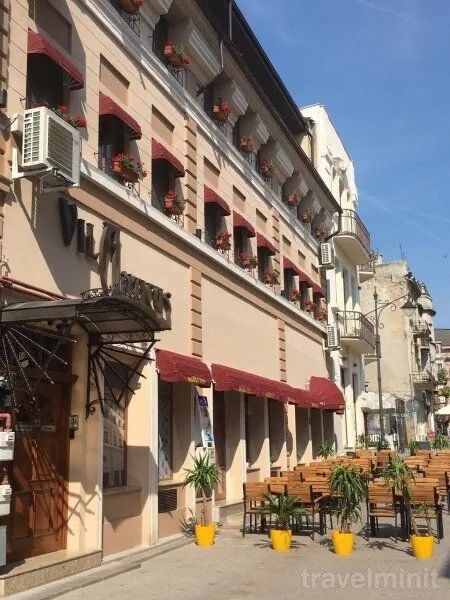
Vila Anticus Constanța
De la Vila Anticus Constanța puteți porni într-o plimbare spre Cazinoul din Constanța, un reper arhitectural emblematic situat în apropiere. Vila turistică de trei stele din Constanța reprezintă un punct de plecare potrivit pentru a descoperi atracțiile orașului și ale împrejurimilor sale, oferind un cadru liniștit pentru odihnă. Unitatea pune la dispoziție șapte camere amenajate cu grijă, dintre care unele sunt dotate cu aer condiționat pentru un confort sporit în zilele călduroase de vară. Fiecare cameră este pregătită pentru a vă oferi o ședere plăcută în orașul de la malul mării, într-un ambient primitor. Pentru nevoile dumneavoastră zilnice, vila oferă acces la Wi-Fi gratuit în întreaga proprietate, fier de călcat și un spațiu special pentru depozitarea bagajelor. Astfel, vă puteți organiza călătoria fără griji suplimentare și vă puteți bucura de fiecare moment petrecut în Constanța. Programul de primire începe la ora 15:00, iar eliberarea camerelor se realizează până la ora 12:00. La recepție puteți comunica în limba română sau în limba engleză, astfel încât șederea dumneavoastră să fie cât mai plăcută. Vă așteptăm să vă bucurați de șederea dumneavoastră la Vila Anticus și să porniți apoi într-o vizită la Muzeul de Istorie Națională și Arheologie din Constanța, pentru a descoperi istoria fascinantă a acestei regiuni.
FROM
280 lei per night
Boutique hotel · 4 stars
Constanța, Constanța County · 0.4 km
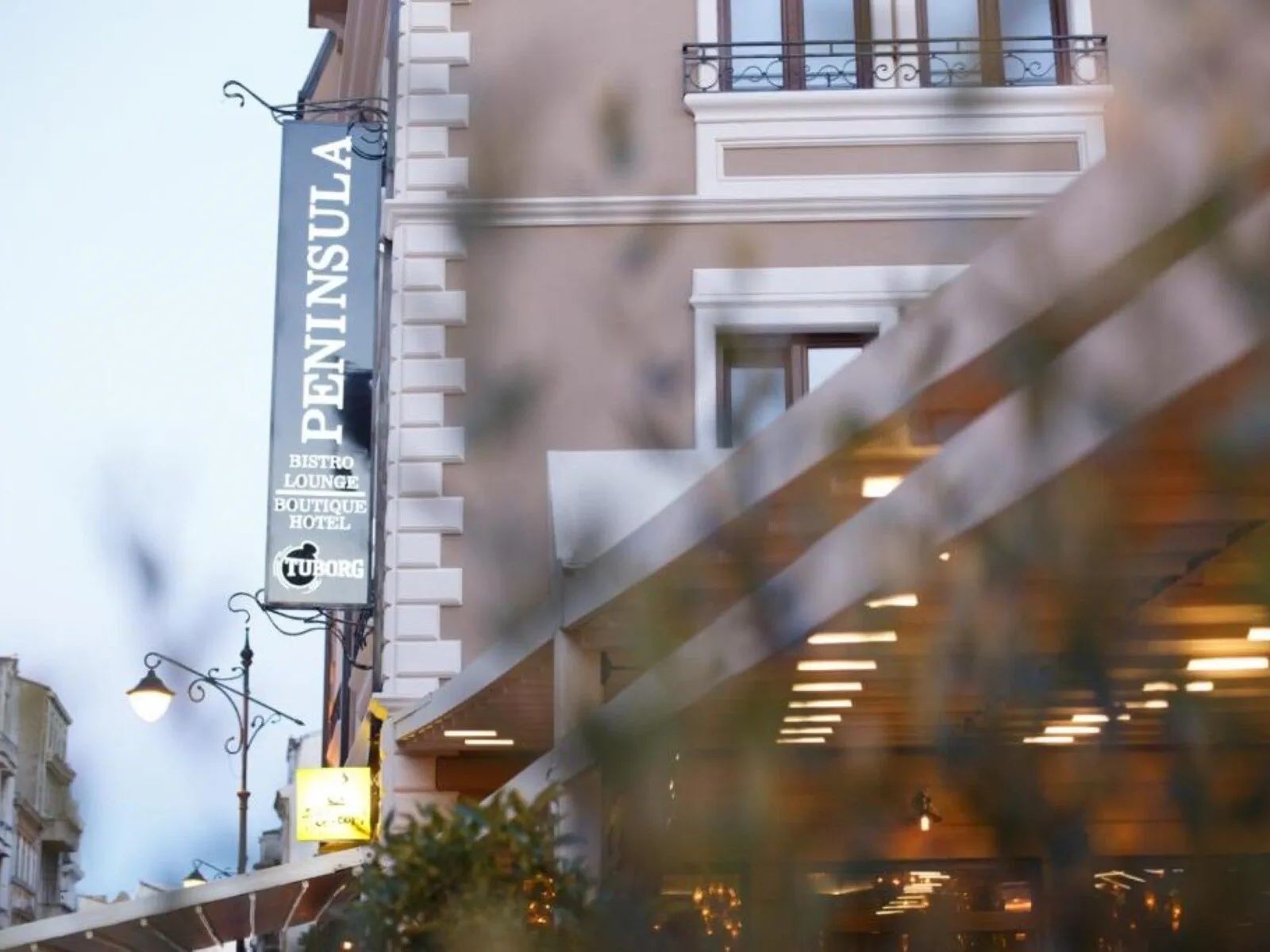
Peninsula Boutique Hotel Constanța
Cafeneaua din incinta Peninsula Boutique Hotel din Constanța reprezintă un punct de pornire pentru explorarea orașului. Situat pe bulevardul Tomis 41, în centrul Pietei Ovidiu, acest boutique hotel de patru stele vă oferă un spațiu rafinat în zona istorică a Constanței, unde calmul și eleganța se împletesc armonios cu atmosfera specifică portului. Unitatea pune la dispoziție facilități moderne precum Wi-Fi gratuit în întreaga incintă, ascensor, seif în fiecare cameră și fier de călcat, alături de barul din incintă unde puteți savura băuturi într-o atmosferă relaxată. În apropiere puteți descoperi Cazinoul din Constanța, Muzeul de Istorie Națională și Arheologie, Marea Moschee, Muzeul Edificiul Roman cu mozaic și Stațiunea Mamaia, obiective care povestesc istoria bogată a zonei. Cele 22 de camere sunt echipate cu aer condiționat centralizat, Smart TV, mini bar, baie privată și masă, iar cele trei tipuri de încăperi sunt decorate de un designer pentru a vă asigura confortul necesar unei șederi plăcute în centrul orașului. Seara, barul din incintă oferă un cadru liniștit pentru a savura un pahar de vin după o zi petrecută printre atracțiile din apropiere.
FROM
420 lei per night
Guesthouse · 3 stars
Constanța, Constanța County · 0.4 km
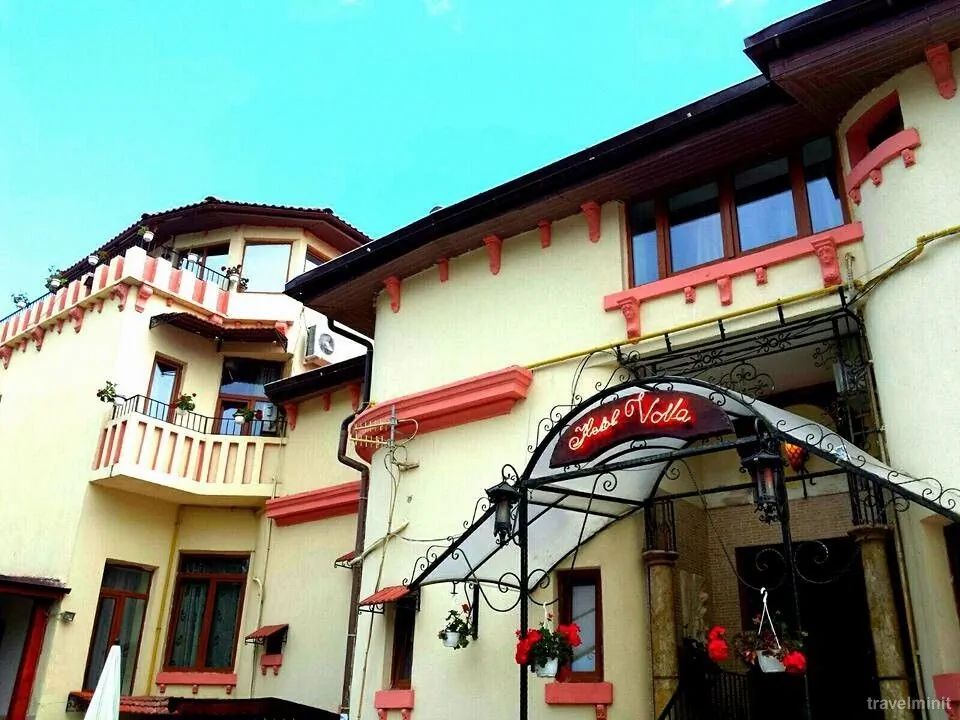
Camere de închiriat Voila Constanța
O zi petrecută în curtea mare și grădina amenajată, cu aer condiționat în cameră, reprezintă modul perfect de a începe o ședere plăcută și relaxantă la Camere de închiriat Voila din Constanța. Aceste facilități vă permit să vă bucurați pe deplin de confortul dorit după o zi petrecută în explorarea orașului și a împrejurimilor sale. Pensiunea turistică de trei stele vă pune la dispoziție parcare privată gratuită, Wi-Fi gratuit și acces facil pentru persoanele cu dizabilități, astfel încât sosirea dumneavoastră să fie cât mai comodă și lipsită de orice griji. Spațiile exterioare oferă un cadru plăcut pentru relaxare, iar toate serviciile disponibile contribuie la un sejur bine organizat și confortabil. În apropiere puteți descoperi Cazinoul din Constanța, Muzeul de Istorie Națională și Arheologie din Constanța, Marea Moschee din Constanța, Stațiunea Mamaia și Muzeul Edificiul Roman cu mozaic. Aceste obiective turistice vă oferă numeroase opțiuni de explorare culturală și momente de relaxare în zona centrală a orașului. Vă așteptăm la adresa din strada Callatis 22, unde parcare privată gratuită și accesul pentru persoane cu dizabilități fac șederea dumneavoastră cât mai practică și confortabilă.
FROM
240 lei per night
BEFORE YOU HIT THE ROAD
Weather conditions in Constanta
Local forecast for Roman Mosaic Edifice Museum, Constanta, Constanța

Real-time updated weather data
Much more to explore in this area
Nearby tourist attractions


Constanta, Constanța County
Mamaia resort.
Situata la nord de municipiul Constanta, intre Marea Neagra si Lacul Siutghiol; cartier al municipiului Constanta, are foarte putini locuitori, dar este...
4.4 km

Constanta, Constanța County
Histria Fortress
Situata pe teritoriul satului Istria, malul lacului Sinoe, teritoriul administrativ al comunei Istria; construita in anul 657 i.Hr., este cea mai veche dintre...
42.7 km
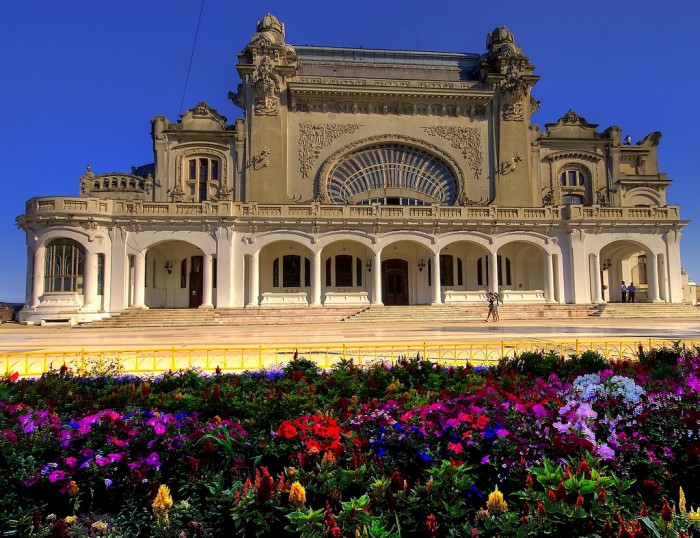
Constanta, Constanța County
The casino in Constanta.
Situat pe bulevardul Elisabeta, nr. 2, municipiul Constanta; in trecut, in aceasi locatie era amplasata o "cazina" (1880 - 1902) - constructie din lemn unde se...
0.5 km
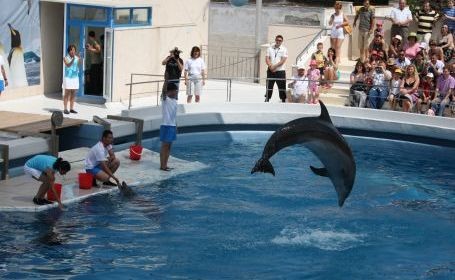
Constanta, Constanța County
Natural Sciences Museum Complex in Constanța
Situat pe bulevardul Mamaia, nr.255, municipiul Constanta; la inceputul existentei a fost format din sectii individuale, unite sub denumirea "Complexul muzeal...
3.9 km

Constanța, Constanța County
Mamaia
Localitate componentă a municipiului Constanța, județul Constanța, România
8.6 km
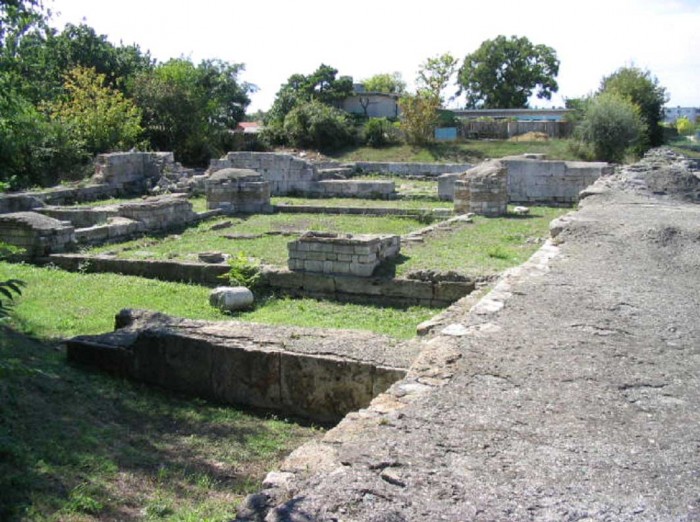
Constanta, Constanța County
Callatis Fortress in Mangalia
Situata pe teritoriul municipiului Mangalia, intre Sanatoriul balnear, Casa de Cultura, strada Constantei, Geamie si intrarea in portul comercial; intemeiata...
40.8 km
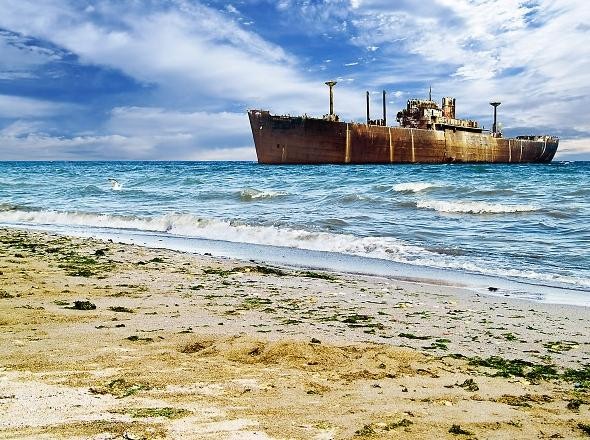
Constanta, Constanța County
Costinești Resort
Este situata in prelungirea satului Costinesti, la 31 km sud de municipiul Constanta, invecinandu-se la nord cu comuna Tuzla si la sud cu Statiunea Olimp;...
24.9 km
Constanta, Constanța County
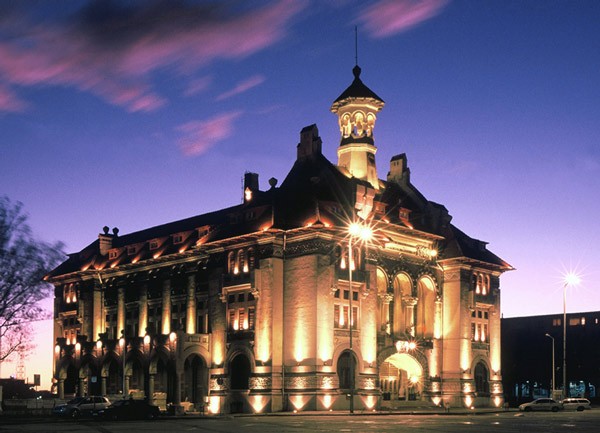
National Museum of History and Archaeology in Constanța
Situat in Piata Ovidiu, nr. 12, municipiul Constanta; infiintat in anul 1878, cu ajutorul lui Remus Opreanu; la inceput a functionat in cladirea prefecturii si...
0.1 km
Constanta, Constanța County
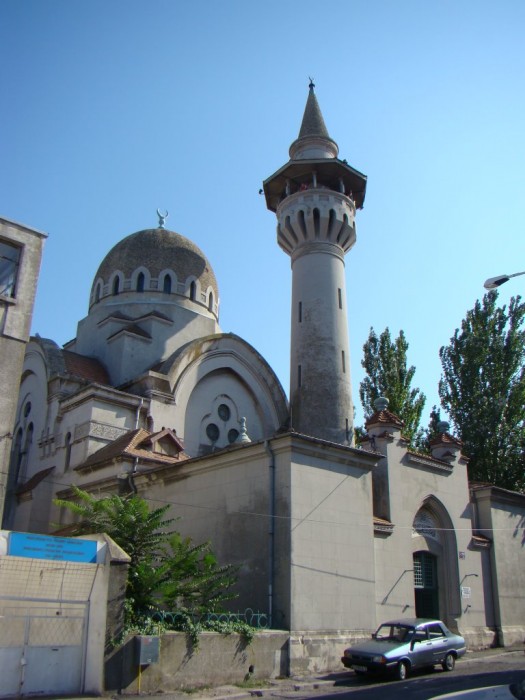
Great Mosque of Constanța (Carol I Mosque)
Situata pe strada Arhieoiscopiei nr. 5 din municipiul Constanta; construita intre anii 1910 - 1912, mai poarta denumirea de "Moscheea Carol I"; planurile au...
0.1 km

Mangalia, Transylvania
Olimp Resort
Localitate componentă a municipiului Mangalia, județul Constanța, România
32.4 km

Mangalia, Transylvania
Neptun Resort
Localitate componentă a municipiului Mangalia, județul Constanța, România
34.4 km

47.3 km
Cultural life and traditions
Events in the Roman Mosaic Edifice Museum area
Medieval festivals, traditional fairs, concerts and local activities recommended in Dobruja.

Traditions and Crafts

Constanta, County of Constanța
Days of Local Culture and Traditional Tourism
Open workshops featuring pottery, wood carving, and authentic folklore demonstrations by local artisans.
WHEN
May 15-17, 2026


Traditional Cuisine
Constanta, County of Constanța
The Fair of Traditional Products and Local Cuisine
Traditional products, aged cheeses, mountain honey and local delicacies prepared according to ancient recipes.
WHEN
Every weekend

Culture and Photography
Constanta, County of Constanța
Themed and Photographic Guided Tour of Cultural Heritage
A guided tour designed for history buffs, nature lovers, and photography enthusiasts, showcasing the most spectacular views in the area.
WHEN
Daily schedule available upon request
On foot, exploration gains depth
Discover the surroundings and local geography
Explore the trails, terrain, and natural landmarks around Roman Mosaic Edifice Museum.

Guides and practical tips
Useful travel articles
Travel guides, practical recommendations and tourist itineraries for Dobruja.

Tourist guide
Top 5 Atracții Turistice și Trasee Montane în Zona Moieciu - Bran
Descoperă cele mai spectaculoase peisaje carstice, chei adânci și cetăți medievale din imediata apropiere a stațiunii Moieciu.

Tourist guide
Ghid de Drumeție: Traseul Moieciu de Sus spre Platoul Bucegi
Un itinerariu montan de o frumusețe rară ce urcă din Valea Băngăleasa spre Poiana Guțanu și crestele maiestuoase ale Bucegilor.

Tourist guide
Castelul Bran: Istorie, Legende și Secrete Medievale
Află adevărata poveste a fortăreței medievale din Pasul Bran, reședința de suflet a Reginei Maria a României.
THE JOURNEY STARTS WITH AN IDEA
The next story is on the way.
From the first stop to the last stay, make room for a new Romania.
