


MONUMENT · DOBRUJA
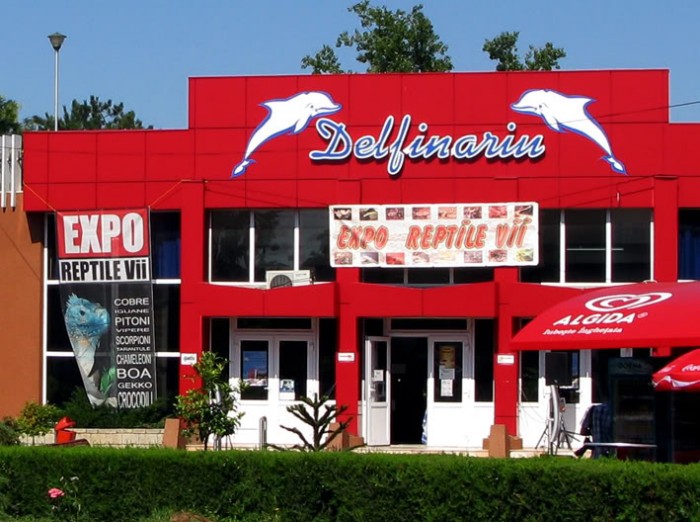
Constanța Dolphinarium

Constanta, Constanța County
Add location to your trip planner.
Practical access information

VISITING HOURS
Monday: 12:00 PM – 5:00 PM · Tuesday–Sunday: 9:00 AM – 5:00 PM (in summer until 8:00 PM)

TICKET PRICE
Adults: 45 RON · Students: 11 RON · Seniors: 23 RON · Guided tour included

RECOMMENDED VISIT DURATION
2-3.5 hours
Visitor information and guide
 Navigate with Google Maps

ABOUT CONSTANȚA DOLPHINARIUM
A Gateway to Europe’s Marine Civilization
On Mamaia Boulevard, at number 255, in the heart of Romania’s oldest seaside resort on the Black Sea coast, the Constanța Dolphinarium stands as a modern temple of marine knowledge, where the breeze of the Pontus Euxinus—known to the ancient Greeks as the "Hospitable Sea"—meets the innovative spirit of the 20th century. Surrounded by the Belle Époque elegance of the Mamaia Casino and the legendary beaches of the Romanian Riviera, this unique complex represents far more than a simple tourist attraction; it is a convergence point between the millennia-old heritage of the city of Tomis—founded in the 6th century BCE by Milesian colonists—and the modern European aspirations of a nation seeking to affirm its place in the continent’s cultural landscape. Located in the immediate vicinity of the historic port and the old town center, the dolphinarium is part of the Natural Sciences Museum complex, offering visitors a captivating journey into the fascinating ecosystem of the Pontic Basin, an area that developed a tradition of luxury tourism as early as the interwar period, when Constanța was dubbed the "Pearl of the Black Sea" and attracted European aristocracy eager for relaxation by its warm waters.
Historical Roots: From Ancient Tomis to the European Riviera
To fully grasp the significance of the Constanța Dolphinarium, one must travel back in time to the eras when the Black Sea was already a vital commercial corridor between Mediterranean civilizations and the northern Pontic steppes. The city of Tomis, founded by Greeks from Miletus around 600 BCE, was one of the most prosperous commercial centers of the Pontic Basin, part of a network of Hellenistic colonies stretching from Olbia and Tyras to Apollonia and Histria, forming an arc of Greek civilization that profoundly influenced the local Thracian culture. Under Roman rule, Dobruja became the province of Pontus, and Constanța continued to serve as a strategic hub of the Empire, linking trade routes between Byzantium and the northern regions. During the Byzantine period, the city was fortified and acted as a Christian outpost against Slavic and, later, Ottoman expansion.
What makes the Dolphinarium unique in Romania’s cultural landscape is its role as a bridge between this ancient heritage and modern European identity. While Western Europe’s major cities developed public aquariums as early as the 19th century—such as the famous London Aquarium opened in 1853 or the Berlin Aquarium in 1869—and the French and Italian Rivieras built their reputations on marine luxury, Romania, behind the Iron Curtain, had limited access to such institutions. The 1960s and 1970s marked a period of relative openness, when the Romanian communist regime began investing in tourism infrastructure to attract hard currency from the West. In this geopolitical context, the Constanța Dolphinarium, inaugurated on July 1, 1972, became Romania’s first public dolphinarium and one of the very few in the entire Soviet bloc, signaling an era when such attractions were extremely rare in Eastern Europe.
The historic moment of its opening was marked by the presence of Hurley, a rare specimen of the Phocoena phocoena relicta species, known as the Black Sea harbor porpoise, trained in the central basin and presented to the public for the first time. This visionary initiative placed Romania on the European map of marine parks, alongside established institutions such as Marineland in Antibes—opened in 1970 by Count Roland de la Poype on the French Riviera—or the aquariums of Prince Rainier III in Monte Carlo, at a time when scientific tourism was gaining significant momentum on the continent. Unlike Western monarchies that used their marine resources to impress the European elite, socialist Romania employed the dolphinarium as a tool for cultural diplomacy and national prestige, demonstrating that the country could compete with the West in marine biology and ecological education.
Architecture and Cultural Landscape: Functionalist Modernism Meets the Black Sea
The architecture of the Constanța Dolphinarium reflects the functionalist modernist aesthetic of the 1970s, a period when Europe—from the Centre Pompidou in Paris, inaugurated in 1977, to cultural complexes in Scandinavia—emphasized clean lines, generous volumes, and harmonious integration with the surrounding environment. The building features reinforced concrete structures, large glass surfaces that allow natural light to penetrate the indoor basins, and a covered grandstand with a capacity of 300 spectators, designed to provide optimal acoustic and visual conditions for educational performances. The architectural style resonates with the spirit of the era, when both Eastern and Western Europe were constructing democratic cultural centers accessible to the general public, symbolizing scientific progress and openness to the world.
In 2005, in preparation for Romania’s accession to the European Union, the complex underwent extensive renovation and modernization to meet European standards, a process that aligned the institution with the continent’s most stringent norms for animal welfare and visitor safety. This upgrade preserved the pioneering spirit of the 1970s while incorporating contemporary technologies for water filtration, temperature control systems, and facilities for visitors with disabilities. The resulting architecture is a fascinating dialogue between the functionalist brutalism of the socialist era and the requirements of modern European sustainability, offering a framework that respects both the minimalist aesthetic of its construction period and the comfort standards of the 21st century. Nearby, the Mamaia Casino—a masterpiece of Art Nouveau (Secession) architecture dating from 1910, built when King Carol I transformed Constanța into a luxury destination comparable to Biarritz or Sanremo—completes the cultural landscape, creating an architectural ensemble that transitions from Belle Époque elegance to contemporary scientific innovation.
Science, Conservation, and European Environmental Diplomacy
Today, the Constanța Dolphinarium is home to various species of dolphins, alongside Humboldt penguins and California sea lions, making it an important center for ecological education and marine biology research that aligns with Europe’s collective efforts to conserve biodiversity. The institution’s program focuses on protecting the unique ecosystem of the Black Sea, a semi-enclosed basin with distinct oceanographic characteristics—anoxic deep waters, reduced salinity due to massive river inflow, and an endemic biodiversity threatened by pollution and intensive fishing.
The species housed, such as the common dolphin (Delphinus delphis ponticus) and the bottlenose dolphin (Tursiops truncatus ponticus), are endemic subspecies of the Pontic Basin, adapted to the specific conditions of Romanian waters. These populations are the subject of research programs that comply with European directives on habitat protection—Habitats Directive 92/43/EEC—and the Bucharest Convention on the Protection of the Black Sea Against Pollution. The Dolphinarium actively participates in ACCOBAMS (Agreement on the Conservation of Cetaceans in the Black Sea, Mediterranean Sea, and Contiguous Atlantic Area), an international treaty that unites coastal states in a common effort to save these intelligent mammals from extinction. Through its interactive educational programs, the institution connects Romania’s scientific tradition—rooted in the research of Grigore Antipa and the Romanian school of marine biology at the Agigea Zoological Station, founded in 1926—with modern European strategies for aquatic fauna protection and the promotion of sustainable tourism, offering the public in-depth knowledge about the behavior, intelligence, and communication of cetaceans.
Turning Points and Personalities
The history of the Dolphinarium is marked by moments that transformed public perception of marine life. On July 1, 1972, when its gates first opened, the presence of Hurley—that Black Sea harbor porpoise brought from the depths of the Pontus Euxinus—represented an absolute premiere for Romanian and Eastern European audiences. This specimen, trained by teams of specialists partially educated in the Soviet Union and partially in Western institutions, quickly became the institution’s mascot and a symbol of hope in a world where borders seemed impassable. The 1980s and 1990s brought major challenges, as the post-communist transition period threatened the existence of many cultural institutions, yet the dolphinarium endured as a bastion of scientific education.
The year 2005 marked a new chapter with a complete renovation that introduced modern facilities while preserving the memory of its early years. Over the decades, the Dolphinarium has hosted prominent figures from the international scientific community, from British and French researchers specializing in cetology to representatives of European ecological organizations. Each generation of dolphins—Mark, Lily, or the most recent inhabitants of the basins—has carried forward the story of continuity between the ancient tradition of contemplating the sea and modern conservation science. Foreign visitors, particularly tourists from Germany, the United Kingdom, or the Nordic countries who frequent the Romanian coast during the summer season, have discovered here an institution that speaks the universal language of scientific curiosity, transcending linguistic and cultural barriers.
Visitor Experience: A Complete Guide for the European Traveler
For the contemporary European traveler visiting Constanța, the Dolphinarium is an essential experience that integrates seamlessly into a broader cultural itinerary. Marine mammal shows take place daily at 11:00 AM, 3:00 PM, and 7:00 PM, offering moments of joy and discovery for both foreign tourists admiring the Art Nouveau architecture of the Casino or enjoying the beaches of Mamaia and families from across the country. Each performance, lasting approximately 45 minutes, harmoniously blends entertainment with rigorous scientific information about the ecology of the Black Sea, the social behavior of dolphins, and international conservation efforts, transforming the visit into a complete cultural experience that rivals Europe’s most renowned oceanariums.
Access is via Mamaia Boulevard, just steps from the metro or bus station, and tickets can be purchased both at the box office and online. Visitors are advised to combine the dolphinarium experience with a stroll through the Archaeological Park in Constanța’s old town, where the ruins of the ancient city of Tomis—including a unique Roman mosaic—provide the millennia-old historical context of the site, or with a visit to the National Museum of History and Archaeology, which houses the Pietroasele Treasure. In the evening, after the last show at 7:00 PM, tourists can enjoy the sunset from the Casino promenade, watching the light reflect on the waters of the Black Sea in a landscape reminiscent of the French Riviera or the historic resorts of Croatia. The Constanța Dolphinarium thus remains an essential landmark on the tourist map of Southeastern Europe, a place where the ancient history of Tomis, the Belle Époque tradition of the Romanian coast, modern marine conservation science, and the ancestral magic of the Black Sea converge in an accessible, modern, and profoundly captivating setting, offering a unique perspective on how a nation can transform its natural heritage into a bridge for European cultural dialogue.
Media gallery
Discover Constanța Dolphinarium in pictures

7 photos · Architecture, courtyards and captivating details
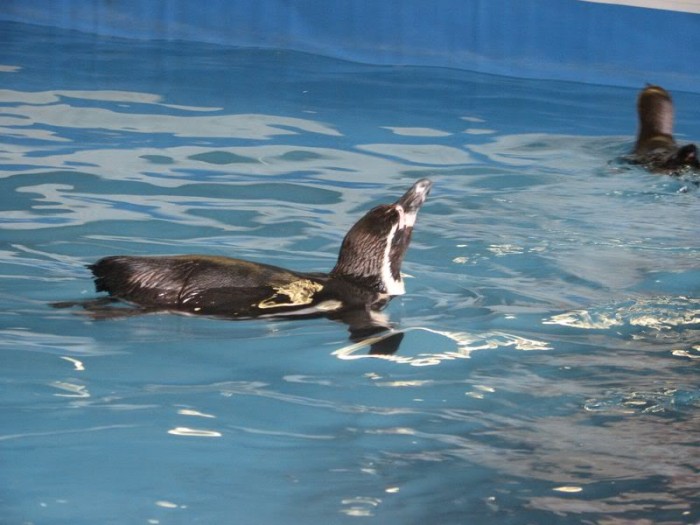
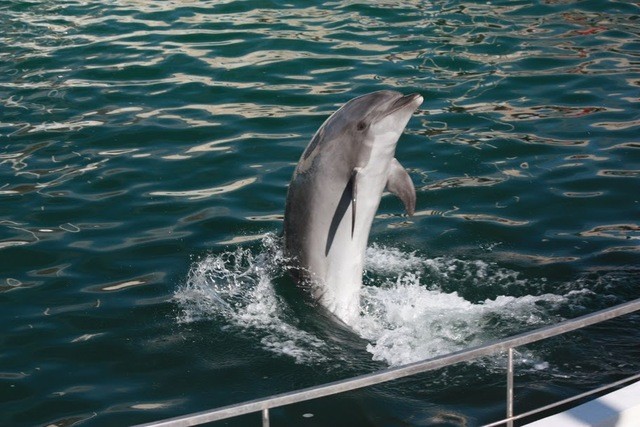


Image source: Wikimedia Commons · Public domain photos · Free license
STAY A FEW DAYS, DISCOVER THE MAGIC
Accommodation in the Constanța Dolphinarium area

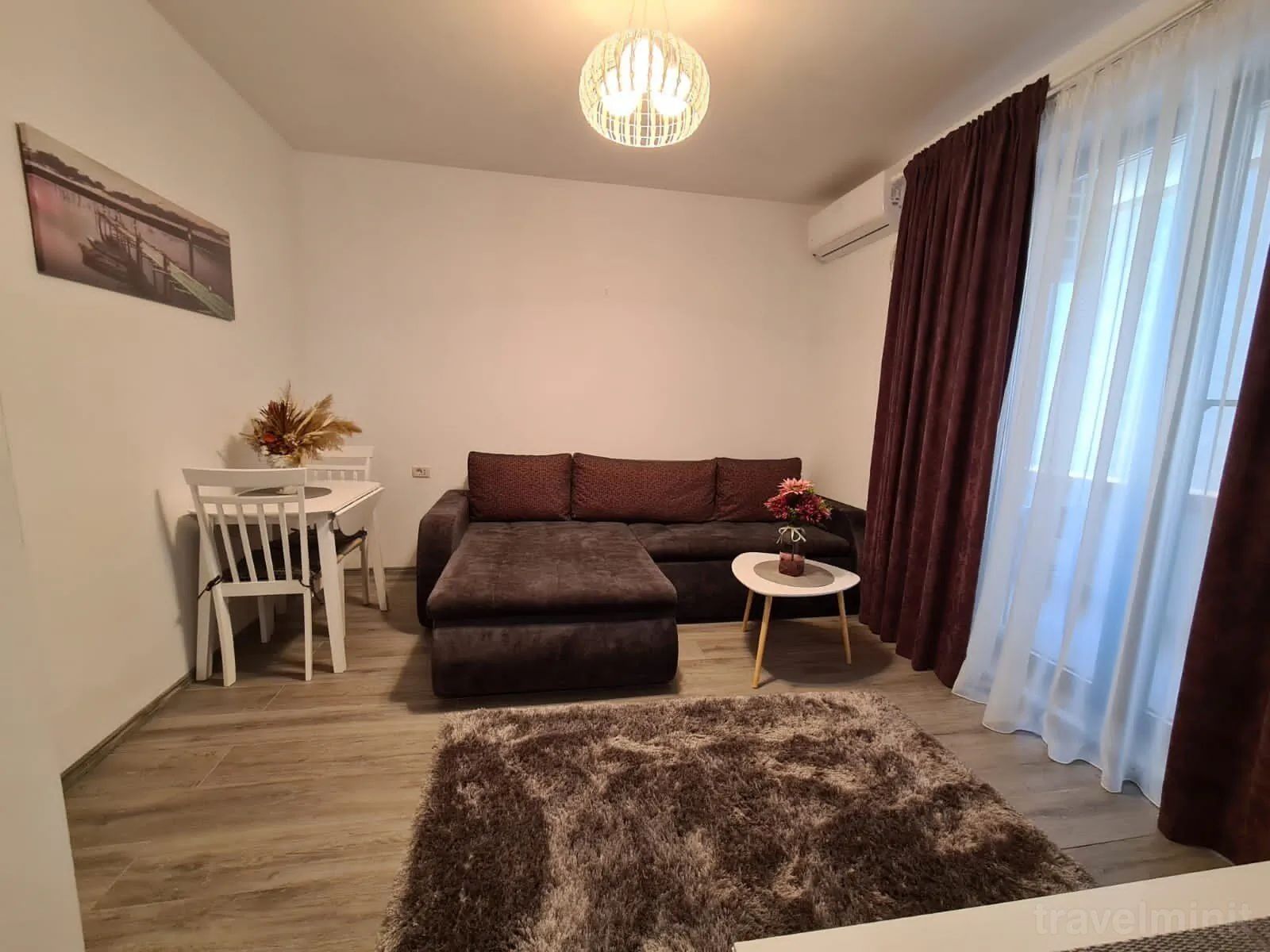
Apartment · 3 stars

Mamaia, Constanța County · 0.0 km
Apartament LMN 33 Mamaia
Comfort, relaxation and stunning views, all just steps away from the main attractions.
FROM
230 lei per night

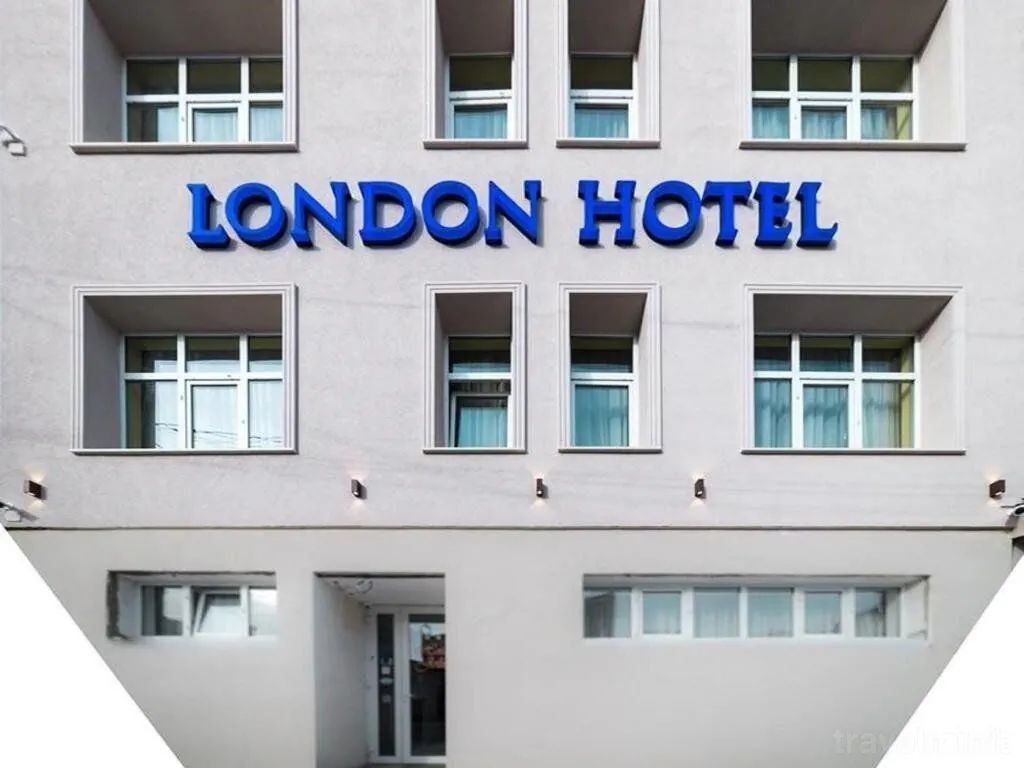
Hotel · 3 stars
Constanța, Constanța County · 0.5 km
Hotel London Constanța
Cazinoul din Constanța reprezintă un punct de plecare excelent pentru explorarea orașului, iar Hotel London vă oferă cazare confortabilă chiar în apropiere. Ca hotel de trei stele situat în Constanța, unitatea pune la dispoziția dumneavoastră 16 camere amenajate cu grijă și confort, dintre care unele sunt dotate cu aer condiționat pentru zilele călduroase de vară. În exterior, o curte mare și o grădină amenajată vă invită să vă relaxați după o zi plină de explorare. Accesul la internet Wi-Fi este disponibil gratuit în întreaga unitate, astfel încât să rămâneți conectați pe toată durata sejurului dumneavoastră. La recepție, personalul vorbește atât română, cât și engleză, fiind pregătit să vă ofere informații utile despre zonă. Check-in-ul se face începând cu ora 16:00, iar check-out-ul până la ora 12:00. Dacă doriți să începeți ziua cu energie, puteți comanda micul dejun contra cost la momentul efectuării rezervării. Plata se poate realiza prin numerar, card bancar, transfer bancar sau cu card de vacanță. În apropiere puteți vizita Stațiunea Mamaia, Complexul muzeal de științe ale naturii din Constanța, Delfinariul sau Muzeul de Istorie Națională și Arheologie din Constanța, toate fiind la îndemână pentru o zi plină de descoperiri culturale și relaxare. Vă așteptăm la Hotel London Constanța pentru a porni împreună spre Delfinariul din Constanța și celelalte minunății ale zonei.
FROM
290 lei per night
Hotel · 4 stars
Constanța, Constanța County · 0.7 km
Hotel Bulevard Constanța
O zi petrecută aici începe cu cafeaua de dimineață savurată pe terasă, în timp ce răsfoiți știrile pe Wi-Fi gratuit, la Hotel Bulevard Constanța din Constanța. Restaurantul din incintă prepară bucate care satisfac diverse preferințe culinare, iar depozitul pentru bagaje vă permite să vă deplasați fără griji prin oraș și împrejurimi. De asemenea, hotelul oferă acces persoanelor cu dizabilități, asigurând astfel confort pentru toți oaspeții. În apropiere se află Stațiunea Mamaia, Complexul muzeal de științe ale naturii din Constanța, Delfinariul din Constanța și Cazinoul din Constanța, obiective interesante pe care le puteți vizita cu ușurință pornind direct de la hotel. Fie că alegeți să vă relaxați pe terasă sau să luați masa în restaurantul din incintă, fiecare moment petrecut în această unitate contribuie la o experiență plăcută și relaxantă. Vă așteptăm să vă bucurați de șederea dumneavoastră în Constanța. Pentru comoditatea dumneavoastră, aveți la dispoziție depozit pentru bagaje și acces facilitat pentru persoane cu dizabilități pe întreaga perioadă a cazării.
FROM
420 lei per night
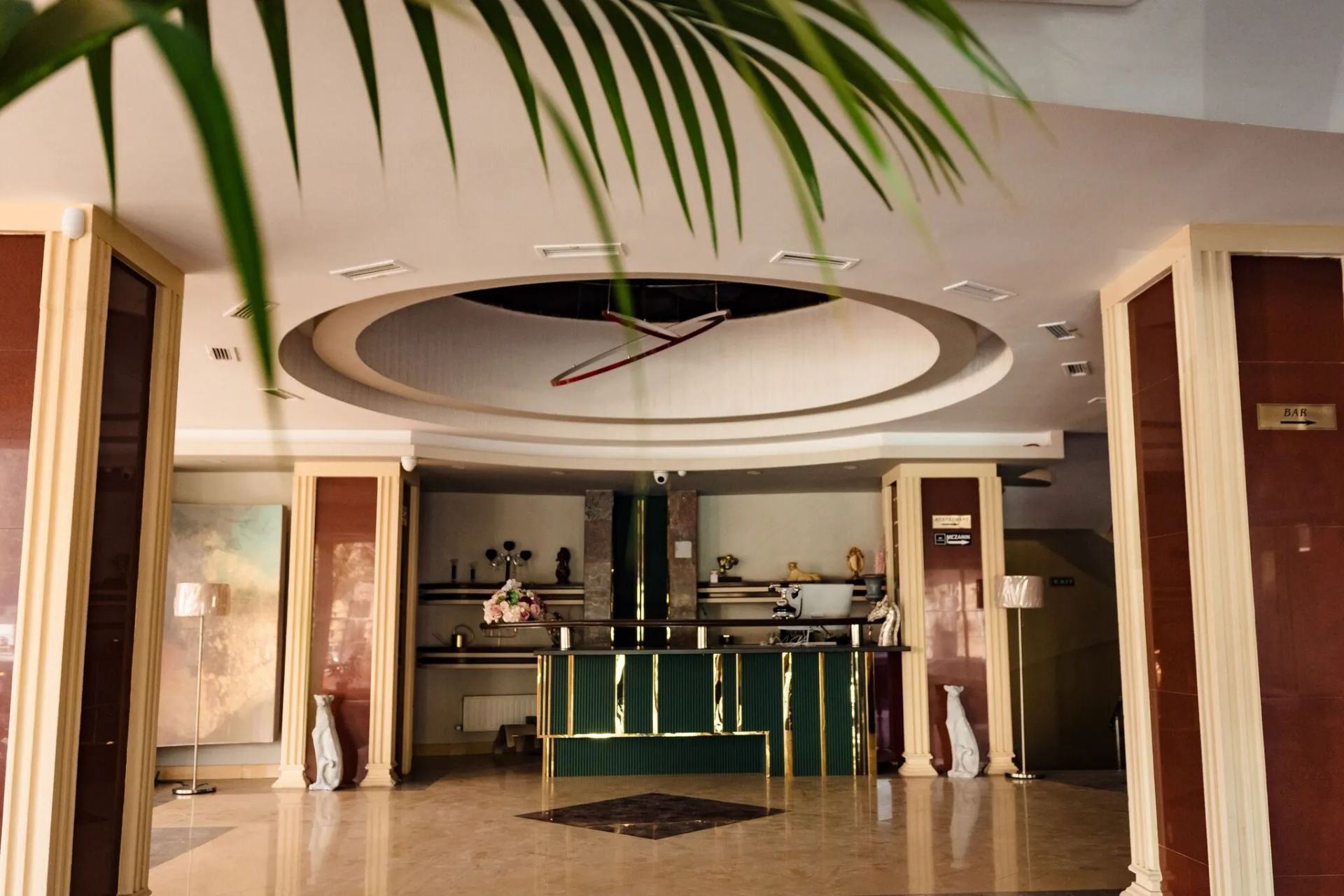
Hotel · 3 stars
Constanța, Constanța County · 0.8 km
Hotel Royal by Euxin Constanta
La Cazinoul din Constanța puteți descoperi una dintre cele mai reprezentative clădiri ale orașului, iar Hotel Royal by Euxin Constanța, un hotel de 3 stele din Constanța, vă oferă un punct de plecare comod pentru a explora toate atracțiile din zonă. Hotelul vă pune la dispoziție Wi-Fi gratuit, ascensor, seif în fiecare cameră și un bar în incintă, facilități care contribuie la un sejur relaxant și fără griji. Camerele sunt moderne și bine amenajate, oferind aer condiționat, televizor cu ecran plat și minibar pentru confortul dumneavoastră. În apropiere puteți vizita Stațiunea Mamaia, Complexul muzeal de științe ale naturii din Constanța, Delfinariul din Constanța și Muzeul de Istorie Națională și Arheologie din Constanța. De asemenea, aveți la dispoziție transportul public și puteți beneficia de serviciile unei săli de conferințe și a unui business corner pentru întâlniri de afaceri. Dimineața puteți servi micul dejun într-o atmosferă plăcută, iar personalul de la recepție vă stă la dispoziție cu informații despre oraș și organizarea de excursii. Zona de lounge este potrivită pentru relaxare după o zi activă, iar începând cu 1 iunie 2025 aveți acces gratuit la plaja privată de la Marea Neagră, unde vă așteaptă șezlonguri. Vă așteptăm la Hotel Royal by Euxin Constanța.
FROM
290 lei per night
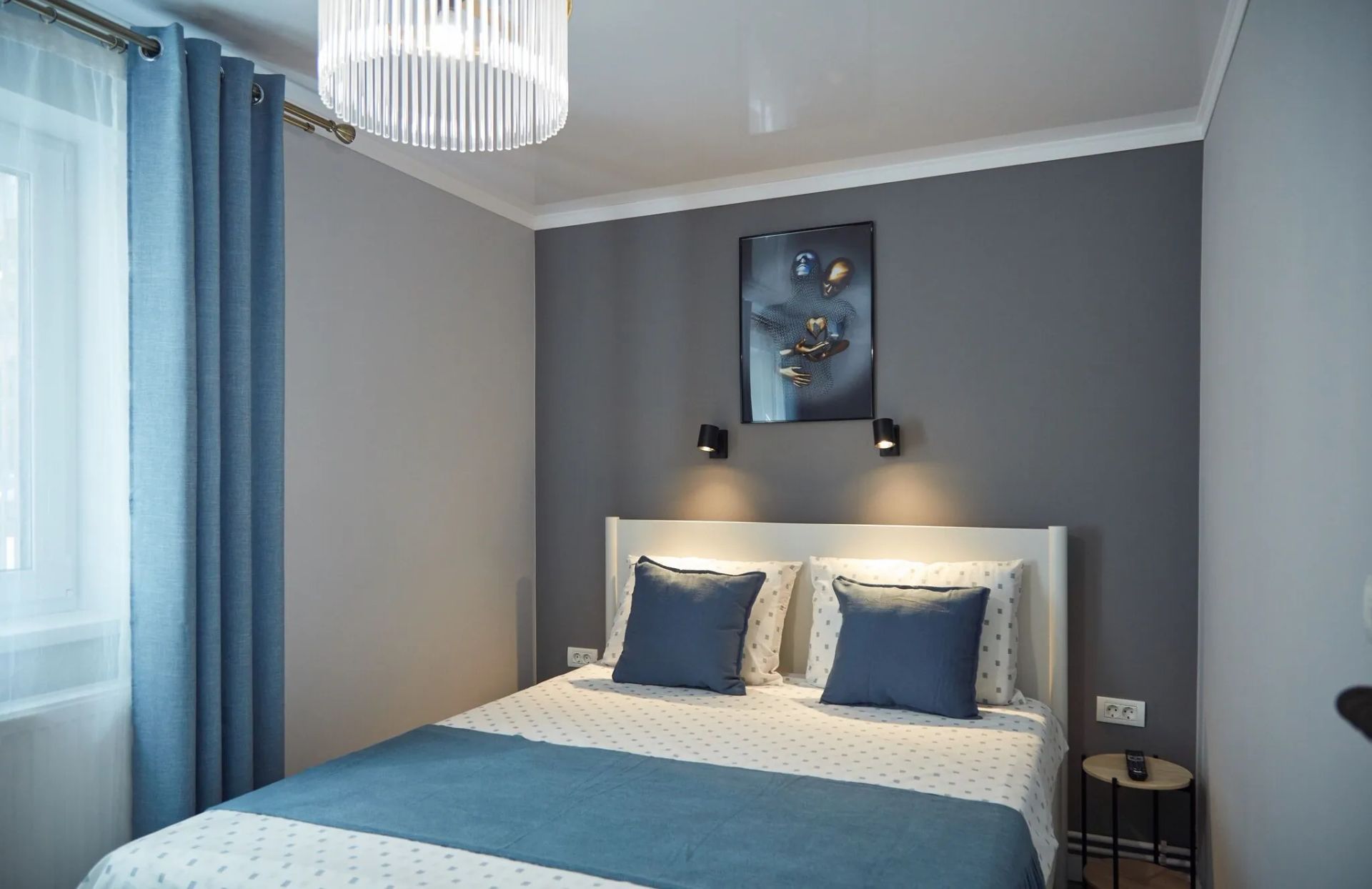
Apartment · 3 stars
Constanța, Constanța County · 0.8 km
Antonia Apartament City Park Mall Constanța
Comfort, relaxation and stunning views, all just steps away from the main attractions.
FROM
230 lei per night
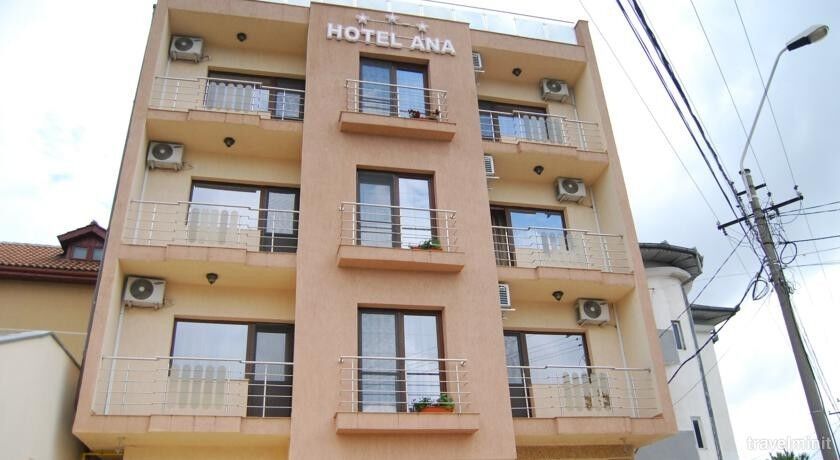
Hotel · 3 stars
Constanța, Constanța County · 0.9 km
Hotel Ana Constanța
De la Cazinoul din Constanța puteți porni explorarea orașului, iar Hotel Ana Constanța, un hotel de 3 stele situat în Constanța, reprezintă punctul dumneavoastră de plecare pentru a descoperi toate aceste atracții. Amplasat pe strada Limanului, hotelul vă oferă un loc confortabil și bine poziționat de unde să începeți fiecare zi plină de activități și descoperiri noi. Hotelul vă oferă condiții plăcute de ședere, cu aer condiționat în camere pentru zilele călduroase de vară, parcare privată gratuită pentru vehiculul dumneavoastră și Wi-Fi gratuit în întreaga incintă, astfel încât să rămâneți conectați cu ușurință pe toată durata vizitei dumneavoastră în oraș și să împărtășiți impresiile cu cei dragi. În apropiere puteți vizita Stațiunea Mamaia, Complexul muzeal de științe ale naturii din Constanța, Delfinariul din Constanța și Muzeul de Istorie Națională și Arheologie din Constanța. Fiecare dintre aceste obiective oferă o experiență diferită, de la relaxare pe plajă și întâlniri cu delfinii până la descoperiri culturale și istorice profunde care îmbogățesc fiecare sejur. Vă așteptăm la Hotel Ana Constanța pentru un sejur plăcut în Constanța.
FROM
290 lei per night
BEFORE YOU HIT THE ROAD
Weather conditions in Constanta
Local forecast for Constanța Dolphinarium, Constanta, Constanța

Real-time updated weather data
Much more to explore in this area
Nearby tourist attractions


Constanta, Constanța County
Mamaia resort.
Situata la nord de municipiul Constanta, intre Marea Neagra si Lacul Siutghiol; cartier al municipiului Constanta, are foarte putini locuitori, dar este...
0.7 km

Constanta, Constanța County
Histria Fortress
Situata pe teritoriul satului Istria, malul lacului Sinoe, teritoriul administrativ al comunei Istria; construita in anul 657 i.Hr., este cea mai veche dintre...
39.5 km
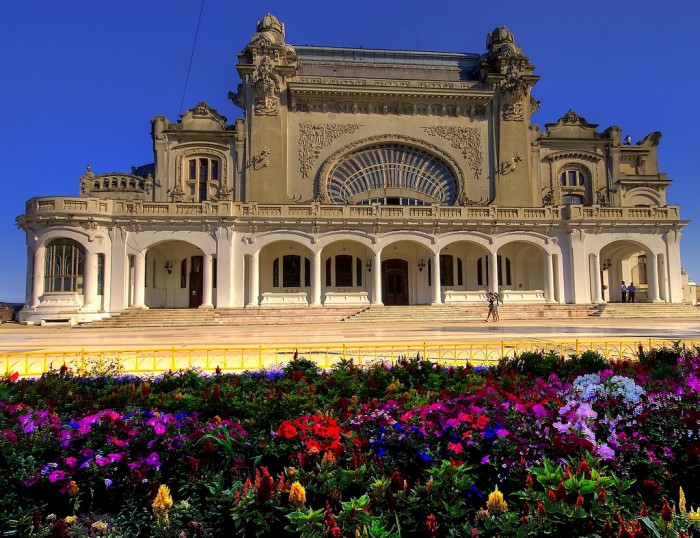
Constanta, Constanța County
The casino in Constanta.
Situat pe bulevardul Elisabeta, nr. 2, municipiul Constanta; in trecut, in aceasi locatie era amplasata o "cazina" (1880 - 1902) - constructie din lemn unde se...
4.2 km
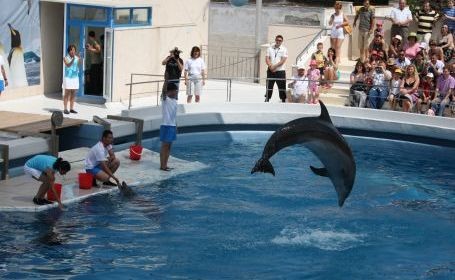
Constanta, Constanța County
Natural Sciences Museum Complex in Constanța
Situat pe bulevardul Mamaia, nr.255, municipiul Constanta; la inceputul existentei a fost format din sectii individuale, unite sub denumirea "Complexul muzeal...
0.1 km

Constanța, Constanța County
Mamaia
Localitate componentă a municipiului Constanța, județul Constanța, România
4.8 km
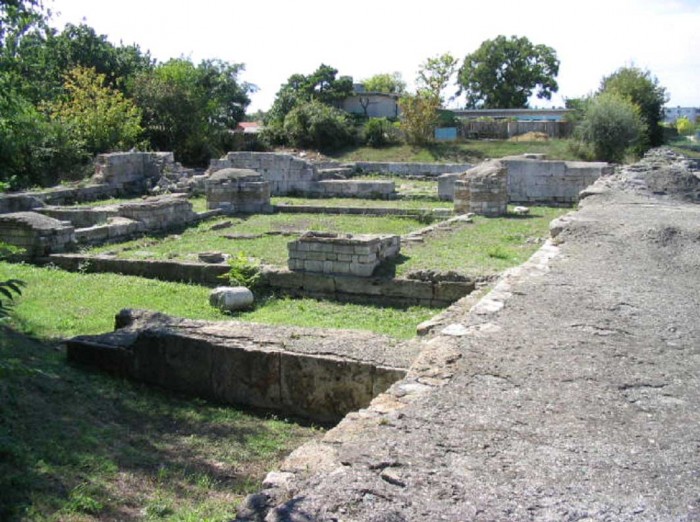
Constanta, Constanța County
Callatis Fortress in Mangalia
Situata pe teritoriul municipiului Mangalia, intre Sanatoriul balnear, Casa de Cultura, strada Constantei, Geamie si intrarea in portul comercial; intemeiata...
44.2 km
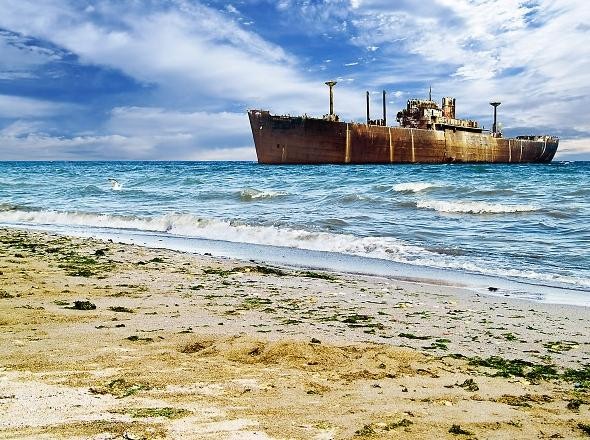
Constanta, Constanța County
Costinești Resort
Este situata in prelungirea satului Costinesti, la 31 km sud de municipiul Constanta, invecinandu-se la nord cu comuna Tuzla si la sud cu Statiunea Olimp;...
28.4 km
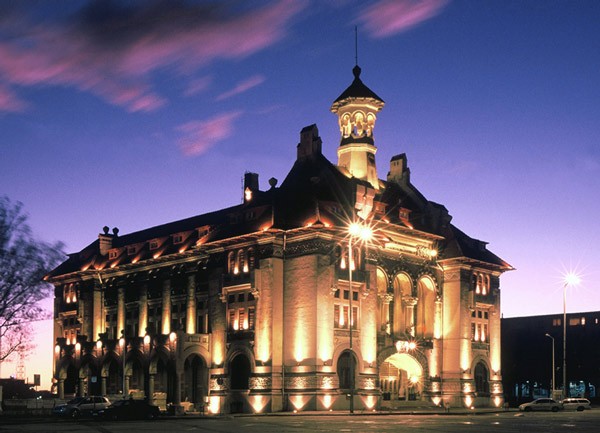
Constanta, Constanța County
National Museum of History and Archaeology in Constanța
Situat in Piata Ovidiu, nr. 12, municipiul Constanta; infiintat in anul 1878, cu ajutorul lui Remus Opreanu; la inceput a functionat in cladirea prefecturii si...
3.8 km
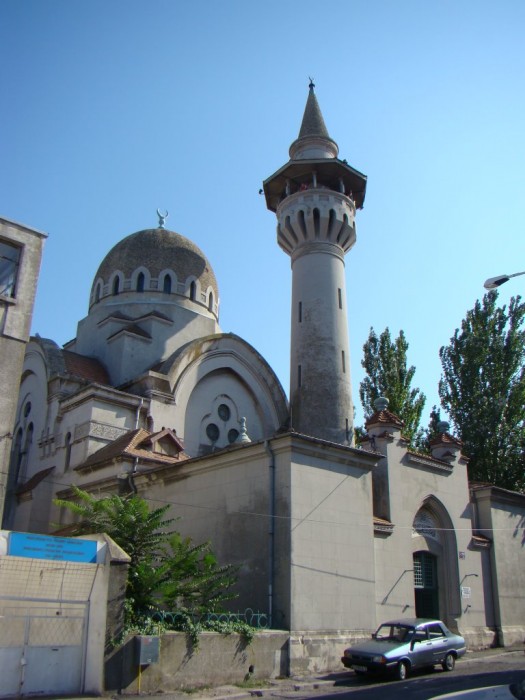
Constanta, Constanța County
Great Mosque of Constanța (Carol I Mosque)
Situata pe strada Arhieoiscopiei nr. 5 din municipiul Constanta; construita intre anii 1910 - 1912, mai poarta denumirea de "Moscheea Carol I"; planurile au...
3.8 km

Mangalia, Transylvania
Olimp Resort
Localitate componentă a municipiului Mangalia, județul Constanța, România
35.9 km

Mangalia, Transylvania
Neptun Resort
Localitate componentă a municipiului Mangalia, județul Constanța, România
37.9 km

Eforie, Constanța County
Eforie Nord
Situata in orasul Eforie, la 14 km de municipiul Constanta; amplasata la altitudinea de 6 - 20 m peste nivelul marii; statiune cu caracter permanent, are...
15.7 km
Cultural life and traditions
Events in the Constanța Dolphinarium area
Medieval festivals, traditional fairs, concerts and local activities recommended in Dobruja.

Traditions and Crafts

Constanta, County of Constanța
Days of Local Culture and Traditional Tourism
Open workshops featuring pottery, wood carving, and authentic folklore demonstrations by local artisans.
WHEN
May 15-17, 2026


Traditional Cuisine
Constanta, County of Constanța
The Fair of Traditional Products and Local Cuisine
Traditional products, aged cheeses, mountain honey and local delicacies prepared according to ancient recipes.
WHEN
Every weekend

Culture and Photography
Constanta, County of Constanța
Themed and Photographic Guided Tour of Cultural Heritage
A guided tour designed for history buffs, nature lovers, and photography enthusiasts, showcasing the most spectacular views in the area.
WHEN
Daily schedule available upon request
On foot, exploration gains depth
Discover the surroundings and local geography
Explore the trails, terrain, and natural landmarks around Constanța Dolphinarium.

Guides and practical tips
Useful travel articles
Travel guides, practical recommendations and tourist itineraries for Dobruja.

Tourist guide
Top 5 Atracții Turistice și Trasee Montane în Zona Moieciu - Bran
Descoperă cele mai spectaculoase peisaje carstice, chei adânci și cetăți medievale din imediata apropiere a stațiunii Moieciu.

Tourist guide
Ghid de Drumeție: Traseul Moieciu de Sus spre Platoul Bucegi
Un itinerariu montan de o frumusețe rară ce urcă din Valea Băngăleasa spre Poiana Guțanu și crestele maiestuoase ale Bucegilor.

Tourist guide
Castelul Bran: Istorie, Legende și Secrete Medievale
Află adevărata poveste a fortăreței medievale din Pasul Bran, reședința de suflet a Reginei Maria a României.
THE JOURNEY STARTS WITH AN IDEA
The next story is on the way.
From the first stop to the last stay, make room for a new Romania.
