


TOURIST RESORT · DOBRUJA
Mamaia

Constanța, Constanța County
Add location to your trip planner.

Practical access information

VISITING HOURS
Monday: 12:00 PM – 5:00 PM · Tuesday–Sunday: 9:00 AM – 5:00 PM (in summer until 8:00 PM)

TICKET PRICE
Adults: 45 RON · Students: 11 RON · Seniors: 23 RON · Guided tour included

RECOMMENDED VISIT DURATION
30-60 minutes
Sources and external references
Wikipedia Encyclopedia (EN)
Visitor information and guide
 Navigate with Google Maps

ABOUT MAMAIA
A jewel of the Dobrogea coastline: Mamaia between interwar luxury and European modernity
Mamaia stretches like a ribbon of gold and fine sand along eight kilometers of coastline, where the waters of the Black Sea meet the silvery mirror of Lake Siutghiol. As part of the municipality of Constanța, this resort is not only Romania’s most renowned seaside destination but also a symbol of the historical metamorphosis experienced by the entire Dobrogea coastline. From a stretch of wild shore sporadically populated by fishermen and a few aristocratic villas during the interwar period, Mamaia has become, over the course of a century, an urban laboratory that faithfully reflected the political and social transitions of Eastern Europe: from the elegance of the European Belle Époque, through the functionalist austerity of socialism, to the contemporary refinement of luxury tourism.
The cultural significance of this destination extends far beyond national borders, embedding itself in the grand narrative of European seaside resorts that defined the concept of the modern vacation. Here, under the generous sun of Dobrogea, tempered by the marine microclimate and the thermal buffer effect of Lake Siutghiol, the idea of a "civilized coastline" was born for an entire nation. Today, Mamaia has returned to its European vocation, hosting international festivals, world-class thalassotherapy centers, and infrastructure that rivals the most sophisticated destinations on the Mediterranean or Baltic coasts.
From Tomis to the Black Sea: Historical roots and imperial connections
The history of the area where Mamaia is located is inseparable from that of the port city of Constanța, the ancient Tomis, founded in the 6th century BCE by Greek colonists from Miletus. This place, situated at the border between the Roman Empire and the barbarian world of the Pontic steppes, witnessed the exile of the poet Ovid, whose verses immortalized the "Euxine Pontus"—the Black Sea—as a land of exile and melancholy. Over the centuries, Dobrogea was traversed by Roman legions, Byzantine fleets, Genoese and Venetian merchants who controlled the grain and fish trade, as well as Ottoman armies that, beginning in the 15th century, transformed the region into a pashalik province. These imperial layers—Roman, Byzantine, Genoese, Ottoman—left deep traces in the architecture, toponymy, and collective memory of the place, endowing it with a cultural complexity rarely found elsewhere in Europe.
In the 19th century, after the inclusion of Dobrogea within Romania’s borders in 1878, the area between the sea and the lake began to attract the attention of Bucharest’s elites. The interwar period (1918–1940) marked the birth of Mamaia as an exclusive destination, in the wake of the great European resorts that defined the "Golden Age" of seaside tourism: Biarritz and Deauville on the French coast, San Sebastián in the Basque Country, Ostend on the Belgian coastline, or the resorts of the Italian Riviera, such as Sanremo and Rapallo. King Carol II and Queen Elena built vacation villas here, bringing with them Bucharest’s aristocracy, ministers, diplomats, and cultural figures seeking refuge from the capital’s heat. This era of the "Pearl of the Sea," as Mamaia was nicknamed, was characterized by refined architecture, elegant promenades, and a cosmopolitan atmosphere that reflected the spirit of the "Côte d’Azur" or the English resorts of Brighton, placing Romania within the exclusive circuit of European luxury tourism.
After World War II, with the establishment of the communist regime, Mamaia underwent a radical transformation, becoming a symbol of "socialist mass tourism." In the 1960s and 1970s, the state invested heavily in constructing large hotel complexes designed to accommodate hundreds of thousands of workers and intellectuals brought in through the "vacation voucher" system. This evolution was not isolated but part of a broader European phenomenon: the development of seaside resorts in Eastern Bloc countries. Yugoslavia built Opatija and complexes on the Dalmatian coast, Bulgaria developed Sunny Beach and Albena, while the Soviet Union transformed Sochi and Yalta into destinations for the nomenclature and the proletarian masses. The socialist architecture of Mamaia, with its imposing hotels and the "Vacation Village" designed as a miniature city, mirrored these pan-European trends, adapting the idea of organized tourism to the ideological specifics of the era.
Architecture of summer dreams: From bohemian villas to socialist ensembles
The urban landscape of Mamaia is an architectural palimpsest that tells the story of the 20th century’s historical transitions. During the interwar period, the resort was characterized by human-scale villas built in Art Deco, Neo-Romanian, or Mediterranean styles, featuring wide verandas facing the sea, meticulously maintained gardens, and sophisticated decorative details. These constructions, belonging to aristocratic families or wealthy intellectuals, reflected the influences of French and Italian architecture, comparable to the villas on the promenade in Nice or San Sebastián. Many of these have disappeared or been transformed into hotels, but their elegant atmosphere persists in certain residential areas and in the city’s memory.
The communist era brought a revolution to the built landscape. Beginning in the 1960s, emblematic hotels such as Hotel Perla, Hotel Riviera, Hotel Delta, Hotel Flora, Hotel Panoramic, and the Neptun-Olimp complex were erected in the spirit of functionalist modernist architecture. These buildings are characterized by accentuated horizontal lines, concrete and glass facades, generous balconies facing the sea, and an organization into thematic ensembles. The "Vacation Village," conceived as a self-sufficient microcosm with shops, restaurants, cinemas, and performance halls, reflected the influences of Soviet socialist urbanism but also Western modernist trends in mass tourism. These constructions can be compared to the brutalist hotels in Yugoslav resorts or the tourist blocks in Czechoslovakia and Poland, representing an Eastern European adaptation of post-war architectural currents.
In the last two decades, Mamaia has experienced a spectacular architectural renaissance. Boutique hotels have emerged in restored historic buildings, wellness centers with contemporary architecture have been established, and the Aqua Park complex, one of the largest water parks in Southeastern Europe, has been built, comparable to similar facilities in Hungary or Austria. A remarkable technical feature is the cable car that crosses Lake Siutghiol, opened in 2004, one of the longest in Europe (approximately 1.5 kilometers), offering tourists an impressive aerial panorama of the entire resort, from the hotel plateau to the central beach, in an experience reminiscent of Alpine cable cars but within a unique marine setting.
Chronicles of a resort: Personalities, myths, and turning points
The history of Mamaia is populated by illustrious figures and moments that have shaped the destiny of this place. King Carol II, a monarch passionate about the sea and high society, chose Mamaia as his summer retreat, building a villa that attracted the entire Bucharest aristocracy. The presence of the royal court transformed the resort into a center of high-level social life, where politicians, diplomats, artists, and businesspeople gathered, creating an atmosphere of "high life" comparable to that of Monte Carlo or Baden-Baden. Queen Elena, the king’s mother, contributed to the spiritual development of the area through charitable foundations, and during this period, Mamaia definitively earned its nickname, the "Pearl of the Sea."
After 1948, the resort entered a new era, that of the "democratization" of tourism. Hundreds of thousands of Romanians from all corners of the country—workers from the factories of Reșița or Petroșani, teachers from Cluj, or doctors from Iași—populated Mamaia’s beaches through the "union vacation" system. Nicolae Ceaușescu himself visited the resort, and during this period, light music festivals and nautical competitions were organized, imitating Western models but within a controlled ideological framework. Personalities such as poets, actors, and renowned musicians spent summers here, leaving behind memories and works inspired by the special light of Dobrogea.
The year 1989 marked a dramatic turning point. After the fall of communism, the resort experienced a period of decline, with many hotels falling into disrepair in the 1990s when mass tourism collapsed. However, the beginning of the 21st century brought a spectacular revival, transforming Mamaia once again into an exclusive destination, now open to all of Europe. Today, the resort hosts international electronic music festivals and concerts by world-renowned artists, beach clubs with established DJs, and high-society events that connect it to the summer tourist circuits of the continent, from Ibiza to Mykonos.
The European traveler’s guide: Experiences, therapies, and discoveries in Mamaia
Access to Mamaia is easily achieved via the European route E87, the resort being located just eight kilometers north of the historic center of Constanța. Travelers arriving by air land at Mihail Kogălniceanu International Airport in Constanța, while those preferring rail can reach Constanța Train Station, from where bus or tram lines connect to the resort. The modern infrastructure also includes the cable car, which offers a quick and picturesque link between the hotel area on the plateau and the central beach.
Mamaia’s beach stretches for eight kilometers, with a width of up to 250 meters in certain areas, featuring fine, quartz-rich golden sand that gently slopes into the waters of the Black Sea. The waters have a moderate salinity, lower than that of the Mediterranean, making them gentler on the skin and ideal for swimming. A remarkable therapeutic asset is the sapropelic mud from Lake Siutghiol, rich in minerals and organic substances, used in thalassotherapy centers to treat rheumatic, dermatological, and respiratory conditions. These facilities place Mamaia among the resorts with a European balneological tradition, alongside Techirghiol in Romania, Hévíz in Hungary, or the mud resorts of the Dead Sea, offering visitors the opportunity to combine beach relaxation with authentic therapeutic treatments.
The tourist season predominantly runs from May to September, with July and August being the most vibrant months, featuring water temperatures between 22 and 26 degrees Celsius, while September offers a quieter atmosphere with the Dobrogea "Indian summer." Travelers can choose from a wide range of accommodation options, from historic hotels renovated with Belle Époque charm, such as Perla or Riviera, to modern five-star resorts with spa centers and infinity pools. Restaurants offer cuisine specific to the region, based on fresh fish from the Black Sea and the lake—fish soups, brine-cured fish, grilled fish, polenta with fish—alongside Ottoman influences (baklava, Turkish coffee, rose jam) and Greek touches, reflecting the multicultural heritage of Dobrogea.
Mamaia serves as an ideal starting point for exploring an exceptional cultural heritage. Just a few kilometers away lies the city of Constanța, with its emblematic Casino, a masterpiece of Art Nouveau architecture built in 1910 based on the designs of architect Victor Ștefănescu, inspired by the casinos of the French Riviera, the Carol I Mosque and the Great Mosque, with minarets towering 50 meters high that evoke Ottoman influence, the Genoese Lighthouse from the 13th century, and the Tomis archaeological site, where the ruins of the Tomis Fortress and the Roman Mosaic Building from the 3rd–6th centuries CE can be admired. For day trips, tourists can visit the Danube Delta Biosphere Reserve, a UNESCO World Heritage site, the ancient city of Histria—the first Greek colony on Romanian territory, founded in the 7th century BCE—or the medieval fortress of Enisala, built in the 14th century by Dobrogea’s rulers. Thus, Mamaia presents itself not only as a beach destination but as a portal to the millennia-old civilization of the Euxine Pontus, offering the European traveler a complete experience where relaxation by the sea harmoniously intertwines with the discovery of history, architecture, and the culture of a unique corner of Europe.
Media gallery
Discover Mamaia in pictures

1 photos · Architecture, courtyards and captivating details

Image source: Wikimedia Commons · Public domain photos · Free license
STAY A FEW DAYS, DISCOVER THE MAGIC
Accommodation in the Mamaia area

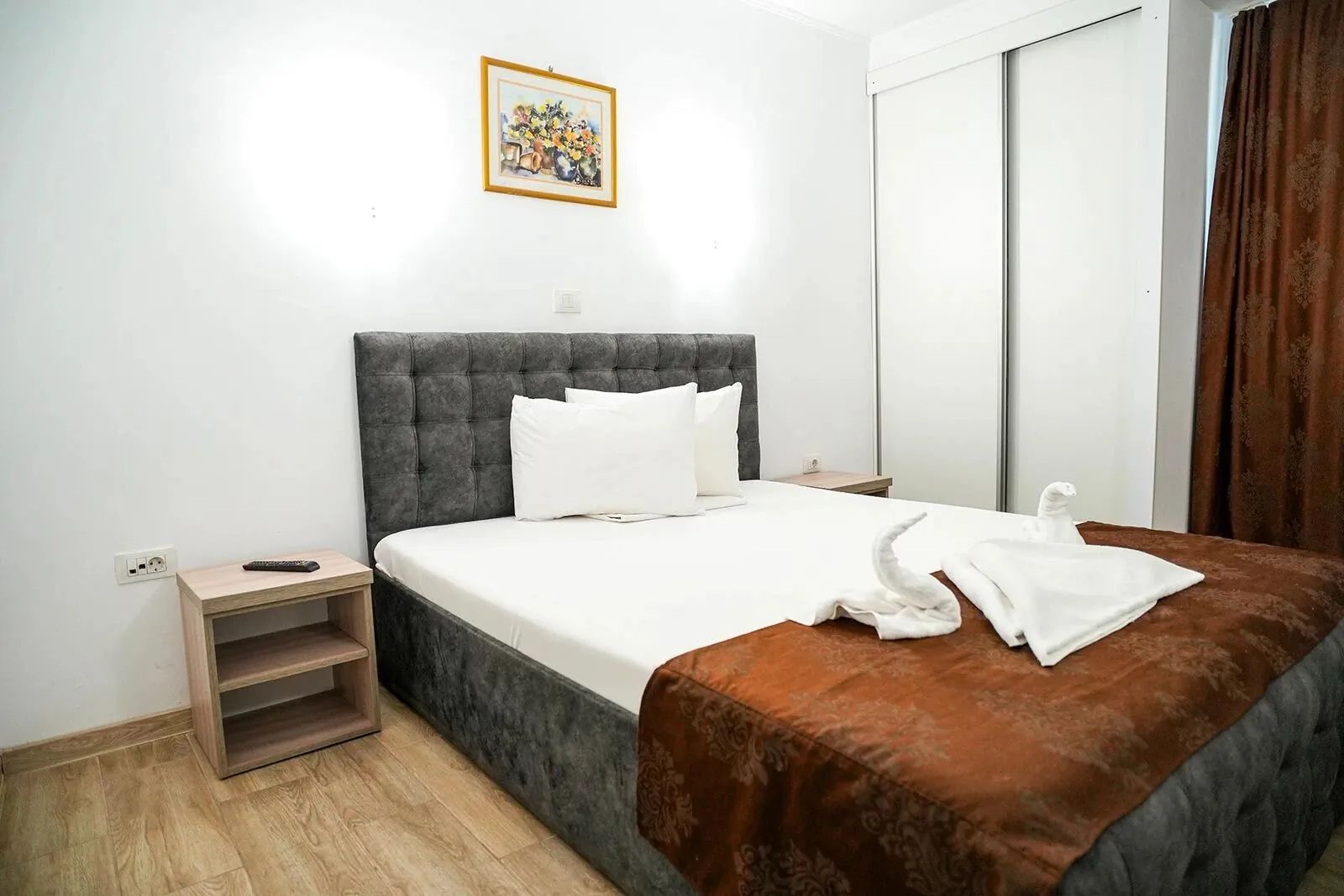
Hotel · 3 stars

Mamaia, Constanța County · 0.2 km
Hotel Astoria Mamaia - Litoral
Clădirea se ridică pe Bulevardul Mamaia, în centrul stațiunii, alături de Hotel Riviera și Hotel Iaki, la câteva minute de mers pe jos de zona Cazino. Hotel Astoria Mamaia - Litoral vă primește în Mamaia, județul Constanța, oferind condiții de cazare conforme cu clasificarea de trei stele. Unitatea pune la dispoziția dumneavoastră 197 de camere duble și apartamente, renovate în 2022 și dotate cu mobilier nou. Internetul wireless este disponibil atât în spațiile publice, cât și în interiorul camerelor, pentru a vă asigura confortul pe toată durata șederii. În incintă funcționează un restaurant, o braserie și un bar, unde puteți servi masa sau savura o băutură. Parcarea hotelului este gratuită, iar pentru fiecare cameră este garantat câte un loc de parcare. În apropiere puteți explora Mamaia, Stațiunea Mamaia, Complexul muzeal de științe ale naturii din Constanța, Lacul Siutghiol și Delfinariul din Constanța, toate situate la îndemână. Vă așteptăm într-o unitate cu parcare gratuită și loc garantat pentru fiecare cameră, într-o poziție centrală în stațiune.
FROM
290 lei per night

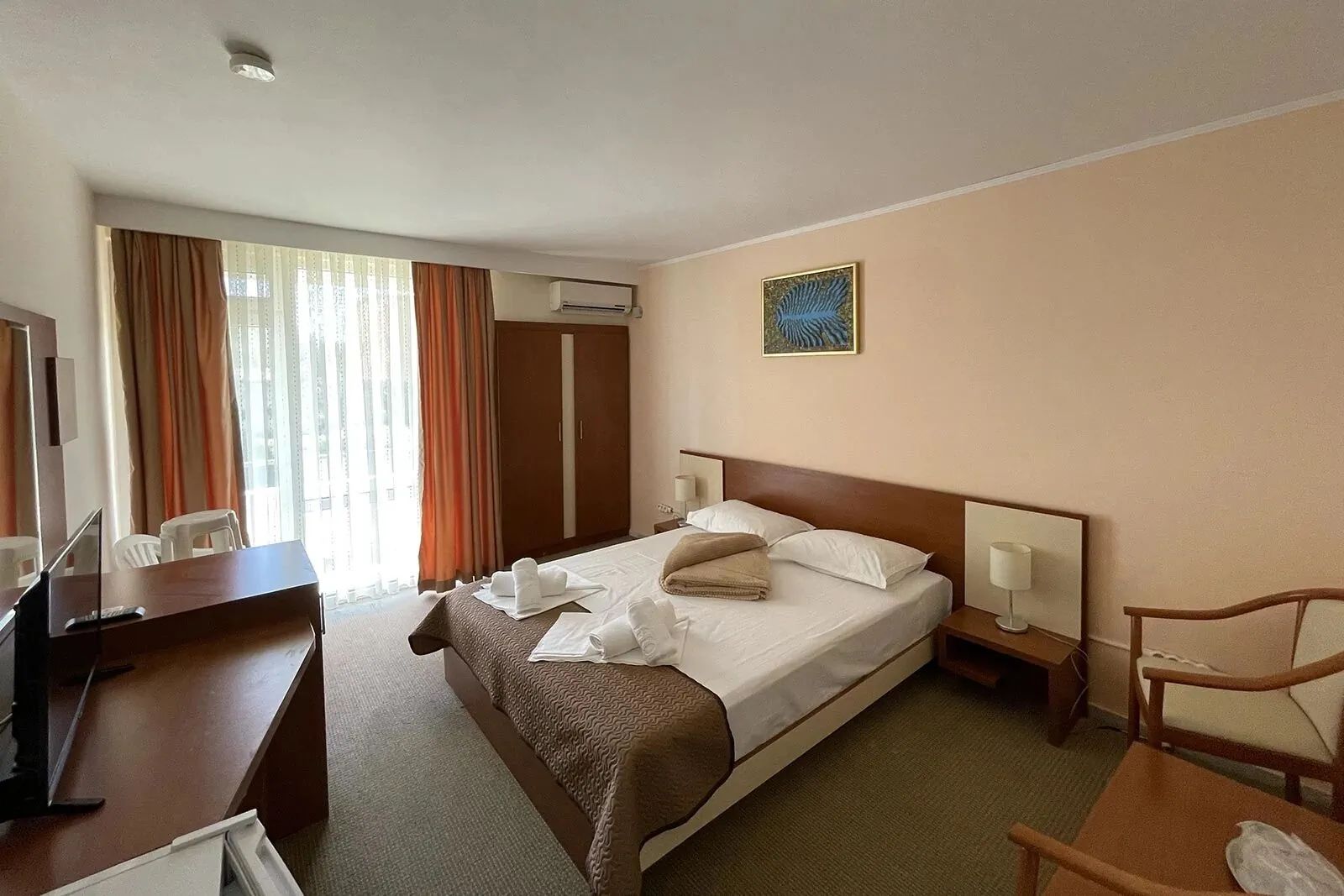
Hotel · 2 stars
Mamaia, Constanța County · 0.2 km
Hotel Metropol Mamaia - Litoral
Familiile și grupurile de prieteni care doresc să își petreacă vacanța în Mamaia cu un buget mai redus se vor simți bine la Hotel Metropol Mamaia. Unitatea se află pe Bulevardul Mamaia, în stațiunea cu același nume din județul Constanța, într-o zonă animată a litoralului românesc. Hotelul pune la dispoziția dumneavoastră un bar în incintă, un restaurant cu linie de autoservire și opțiuni à la carte cu specific românesc, alături de o terasă în aer liber. Internetul wireless este oferit gratuit, iar parcarea autovehiculelor este disponibilă fără plată în limita locurilor existente. Construit inițial în 1962 și parțial modernizat de atunci, hotelul are trei nivele și este amplasat paralel cu țărmul mării, oferind cazare practică și accesibilă turiștilor care aleg să viziteze această stațiune cunoscută de pe litoralul Mării Negre. Printre obiectivele din apropiere se numără Mamaia, Stațiunea Mamaia, Complexul muzeal de științe ale naturii din Constanța, Lacul Siutghiol și Delfinariul din Constanța, pentru a completa experiența dumneavoastră pe litoral. Vă așteptăm cu drag la Hotel Metropol Mamaia.
FROM
210 lei per night
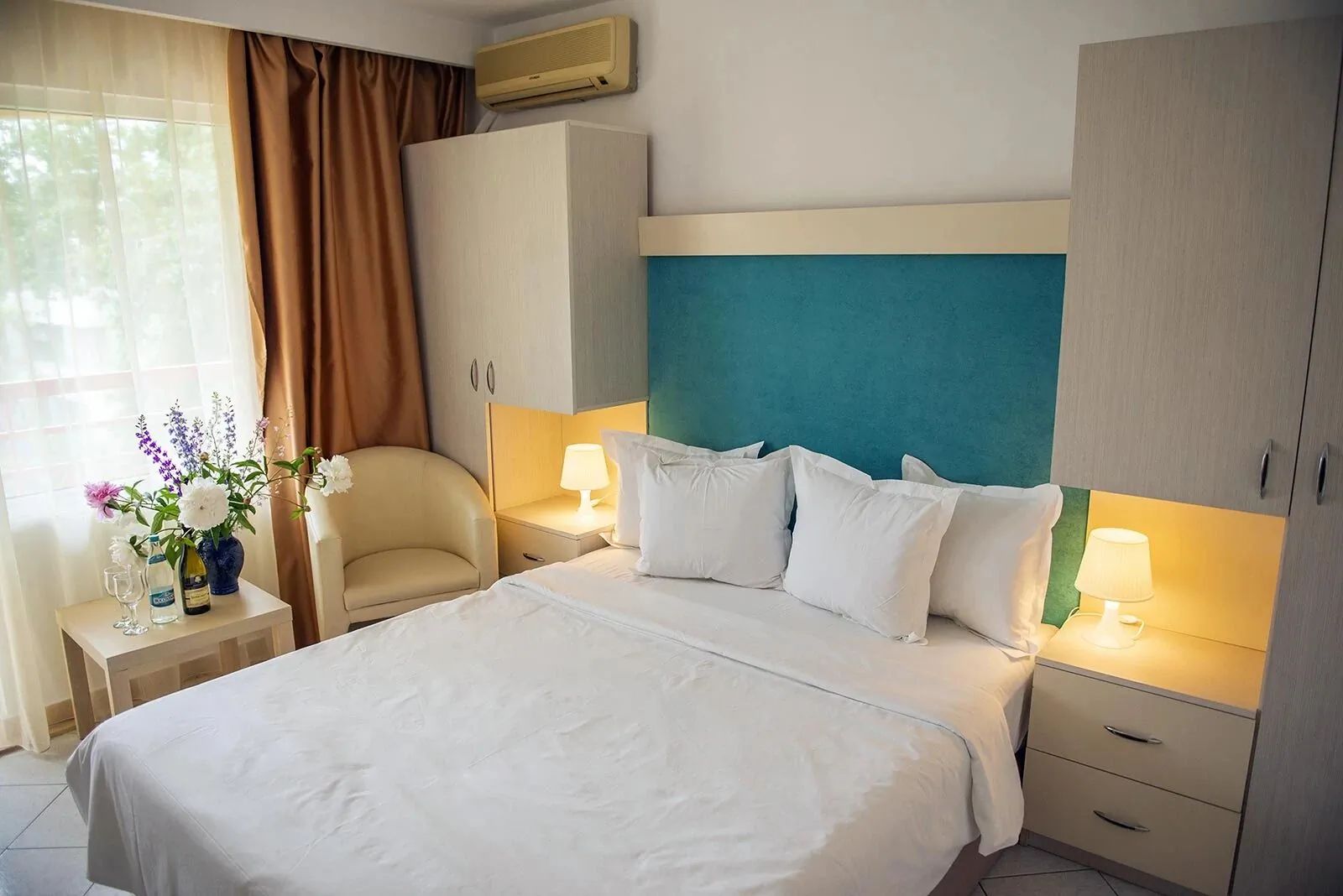
Hotel · 3 stars
Mamaia, Constanța County · 0.2 km
Hotel Majestic Mamaia - Litoral
O zi petrecută aici poate începe cu un masaj de relaxare și se poate încheia într-o cadă cu hidromasaj, într-un ambient accesibil și confortabil. Vă așteaptă Hotel Majestic Mamaia în stațiunea Mamaia. Unitatea pune la dispoziția dumneavoastră 241 de camere duble, 13 apartamente și 8 camere family, fiecare dotată cu televizor LCD, minibar, aer condiționat, wi-fi, uscător de păr și baie modernă cu cabină de duș sau cadă. Accesul în camere se face pe bază de cartelă magnetică, iar pardoseala din gresie contribuie la un mediu ușor de întreținut. Pe lângă cazare, aveți la dispoziție restaurant cu terasă în grădina bogată în vegetație, două piscine exterioare încălzite pentru adulți și copii, jacuzzi, saună și servicii de masaj. Pentru cei mici există loc de joacă cu trambuline și tobogane, iar în fiecare seară pe terasă au loc programe artistice. Puteți opta și pentru pachete all inclusive. În apropiere puteți vizita Mamaia, Stațiunea Mamaia, Complexul muzeal de științe ale naturii din Constanța, Lacul Siutghiol și Delfinariul din Constanța. Hotelul dispune de parcare proprie gratuită în limita locurilor disponibile și asigură acces facilitat pentru persoanele cu dizabilități prin lift.
FROM
290 lei per night
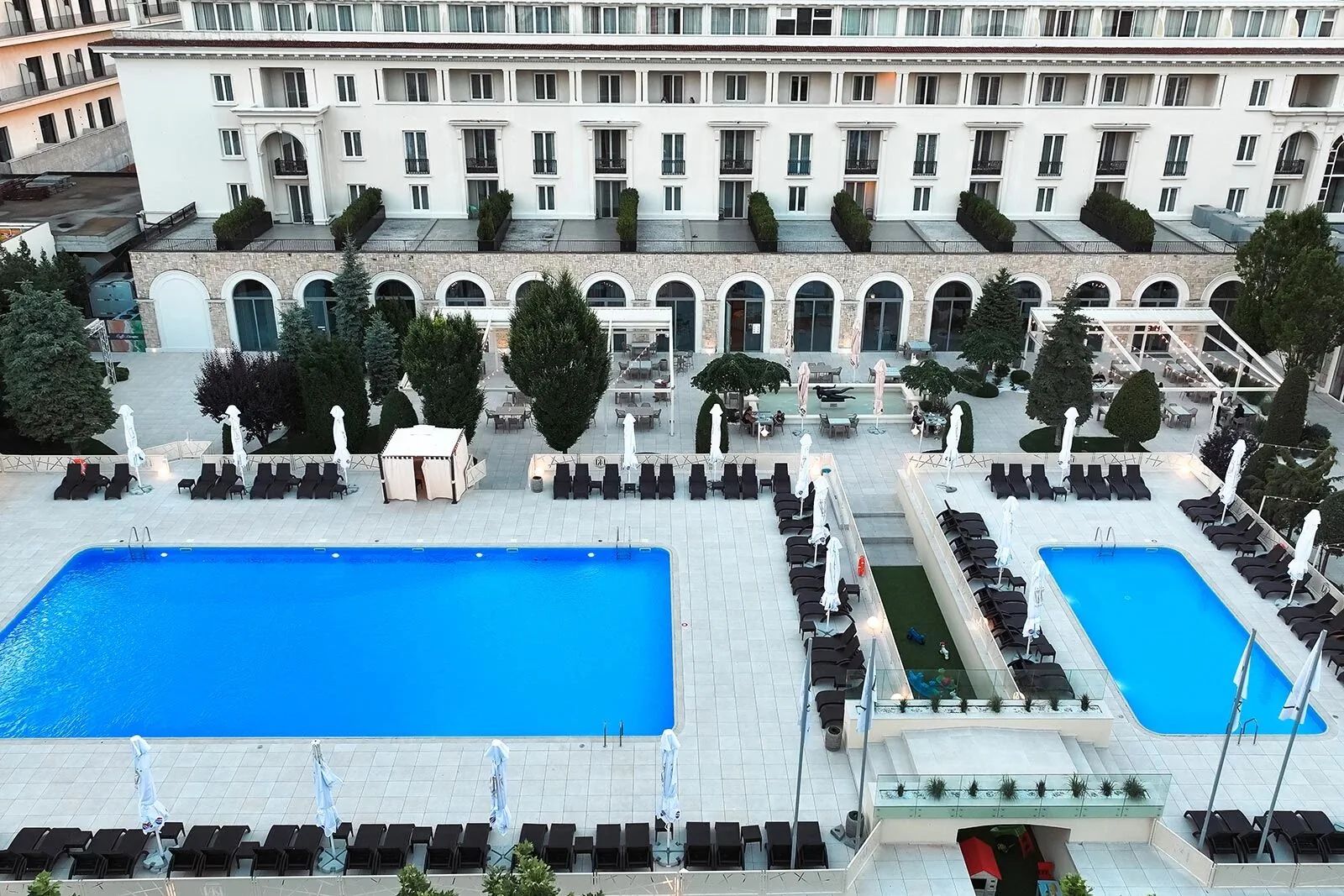
Hotel · 4 stars
Mamaia, Constanța County · 0.3 km
Hotel Iaki Mamaia - Litoral
Hotel Iaki Mamaia din localitatea Mamaia vă oferă posibilitatea de a vă bucura de o cadă cu hidromasaj, un spațiu dedicat relaxării după orele petrecute în aer liber sau la plajă. Alături de această facilitate, serviciile de masaj disponibile în incintă contribuie în mod direct la starea de bine și la confortul dumneavoastră pe întreaga durată a șederii. Unitatea pune la dispoziție și un bar în incintă, potrivit pentru momente de socializare sau pentru a savura o băutură într-un cadru plăcut și liniștit, iar liftul asigură deplasarea comodă și rapidă între etaje. Aceste facilități completează experiența unei cazări confortabile în mijlocul stațiunii. În vecinătate se află Mamaia și Stațiunea Mamaia, iar pentru cei interesați de cultură și de natură sunt accesibile Complexul muzeal de științe ale naturii din Constanța, Lacul Siutghiol și Delfinariul din Constanța. Aceste obiective turistice pot fi explorate cu ușurință pornind direct de la hotel. Dimineața, serviciile de masaj pot reprezenta un mod plăcut de a începe ziua cu energie, relaxare și o stare de bine care persistă pe tot parcursul dimineții.
FROM
420 lei per night
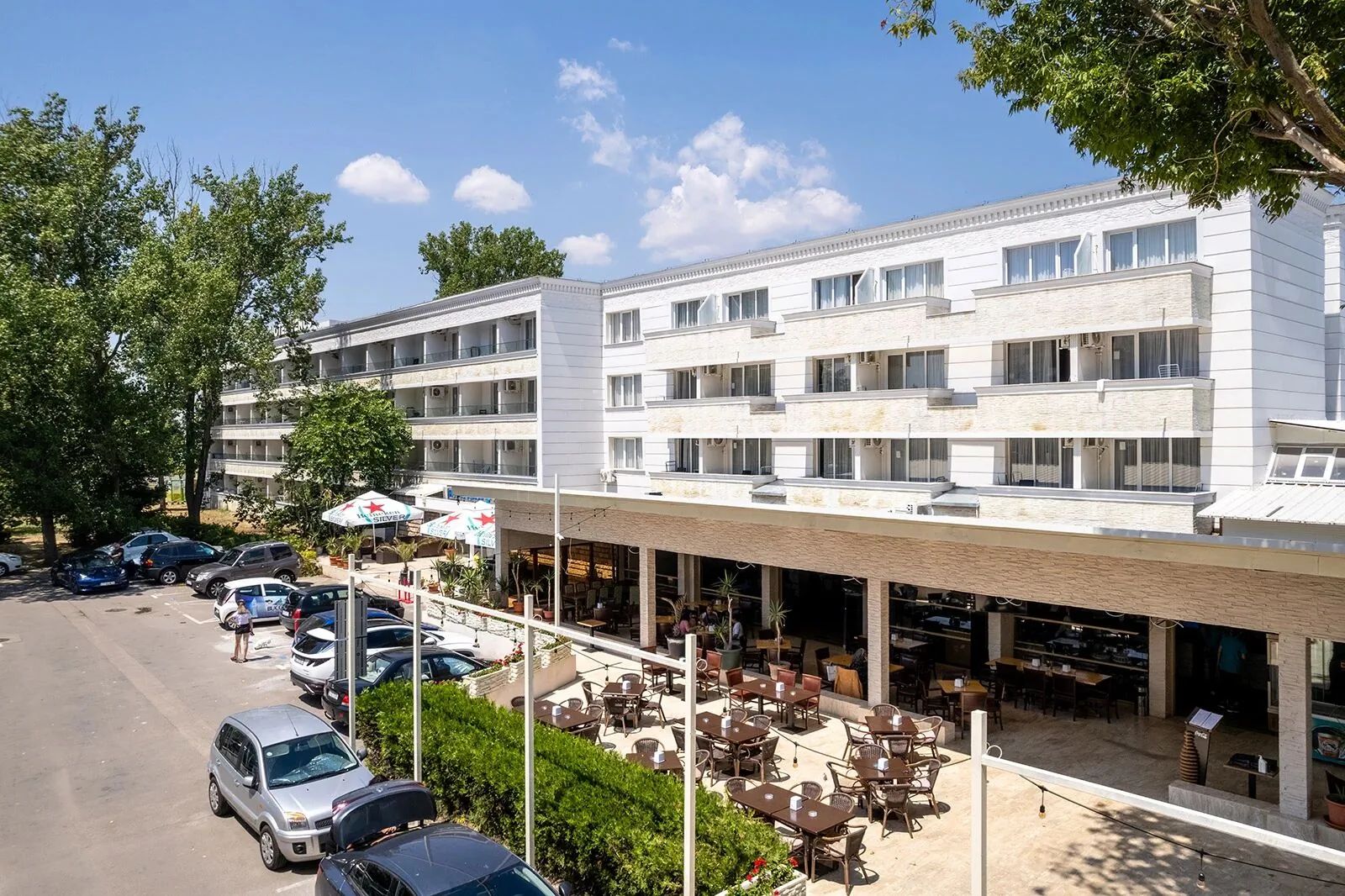
Hotel · 3 stars
Mamaia, Constanța County · 0.3 km
Hotel Venus Mamaia - Litoral
O zi petrecută aici începe cu micul dejun servit la restaurantul cu terasă în aer liber și se încheie cu o băutură la barul din incintă. Hotel Venus Mamaia oferă cazare confortabilă în Stațiunea Mamaia. Camerele au fost renovate complet între anii 2019 și 2023 și dispun acum de mobilier nou, televizor, minibar și aer condiționat pentru confortul dumneavoastră. Hotelul deține plaja proprie Plaja Mojito, unde beneficiați de acces gratuit cu două șezlonguri asigurate pentru fiecare cameră ocupată. La Mojito Lounge vă puteți relaxa la umbră cu o băutură delicioasă. Pentru servirea meselor, restaurantul tip autoservire are o capacitate de trei sute de locuri și o terasă în aer liber. Meniul propune preparate din bucătăria tradițională românească, alături de alte specialități deosebite. În zonele publice precum restaurantul și recepția aveți acces la rețea wireless gratuită. Parcarea este disponibilă contra cost în limita disponibilității. În apropiere puteți explora Mamaia, Stațiunea Mamaia, Complexul muzeal de științe ale naturii din Constanța, Lacul Siutghiol și Delfinariul din Constanța. Dimineața, terasa restaurantului oferă un cadru plăcut pentru cafeaua de început de zi.
FROM
290 lei per night
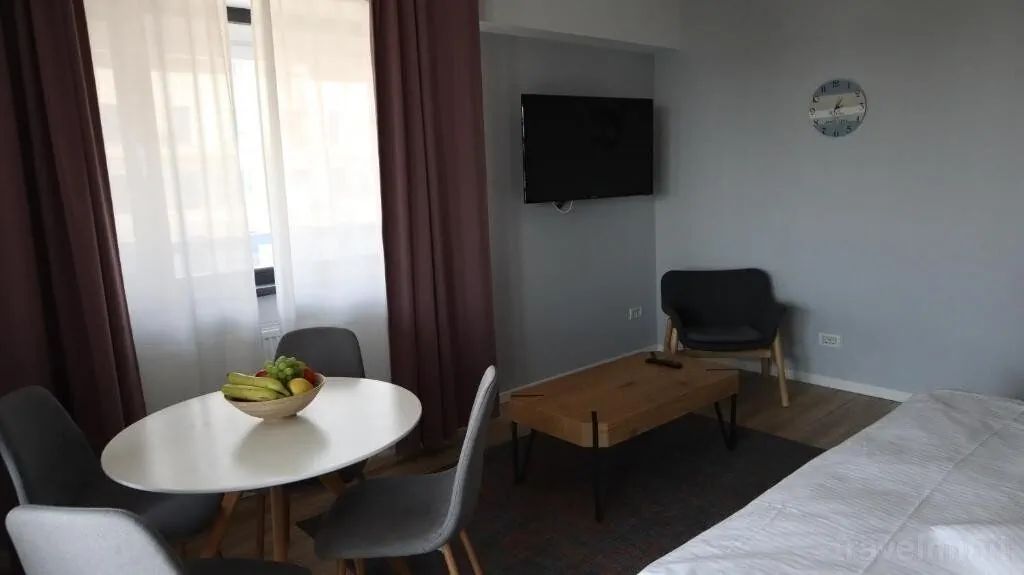
Apartment · 3 stars
Mamaia, Constanța County · 0.4 km
Beach Vibe Mamaia by the Sea
Comfort, relaxation and stunning views, all just steps away from the main attractions.
FROM
230 lei per night
BEFORE YOU HIT THE ROAD
Weather conditions in Constanța
Local forecast for Mamaia, Constanța, Constanța

Real-time updated weather data
Much more to explore in this area
Nearby tourist attractions


Constanta, Constanța County
Mamaia resort.
Situata la nord de municipiul Constanta, intre Marea Neagra si Lacul Siutghiol; cartier al municipiului Constanta, are foarte putini locuitori, dar este...
4.2 km

Constanta, Constanța County
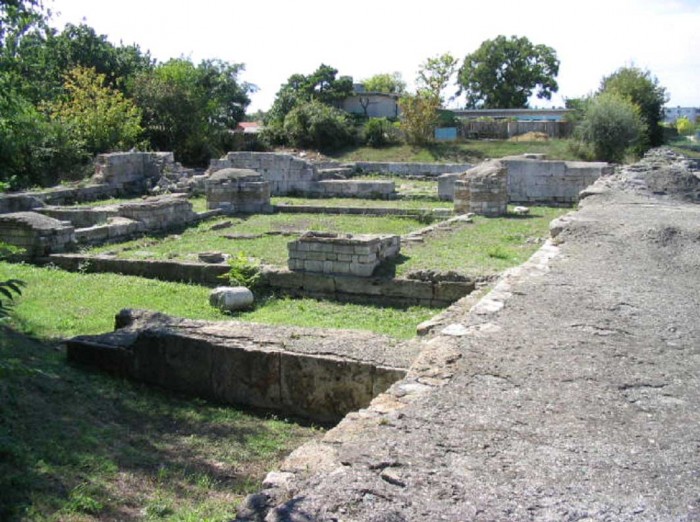
Histria Fortress
Situata pe teritoriul satului Istria, malul lacului Sinoe, teritoriul administrativ al comunei Istria; construita in anul 657 i.Hr., este cea mai veche dintre...
35.6 km
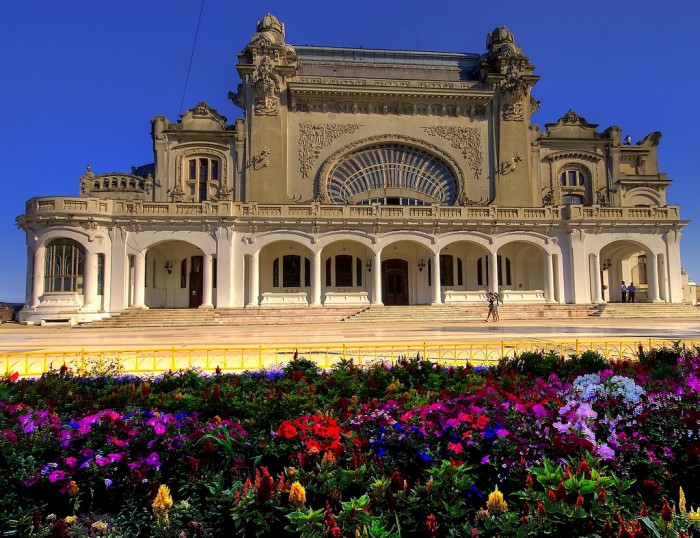
Constanta, Constanța County
The casino in Constanta.
Situat pe bulevardul Elisabeta, nr. 2, municipiul Constanta; in trecut, in aceasi locatie era amplasata o "cazina" (1880 - 1902) - constructie din lemn unde se...
9.0 km
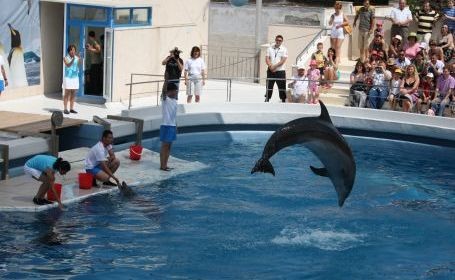
Constanta, Constanța County
Natural Sciences Museum Complex in Constanța
Situat pe bulevardul Mamaia, nr.255, municipiul Constanta; la inceputul existentei a fost format din sectii individuale, unite sub denumirea "Complexul muzeal...
4.7 km
Constanta, Constanța County
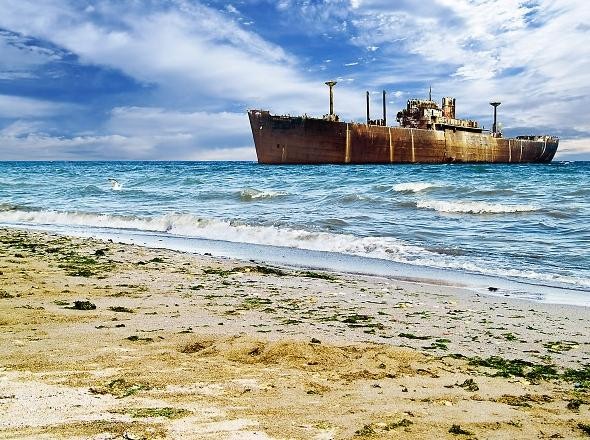
Callatis Fortress in Mangalia
Situata pe teritoriul municipiului Mangalia, intre Sanatoriul balnear, Casa de Cultura, strada Constantei, Geamie si intrarea in portul comercial; intemeiata...
48.6 km
Constanta, Constanța County
Costinești Resort
Este situata in prelungirea satului Costinesti, la 31 km sud de municipiul Constanta, invecinandu-se la nord cu comuna Tuzla si la sud cu Statiunea Olimp;...
33.0 km
Constanta, Constanța County
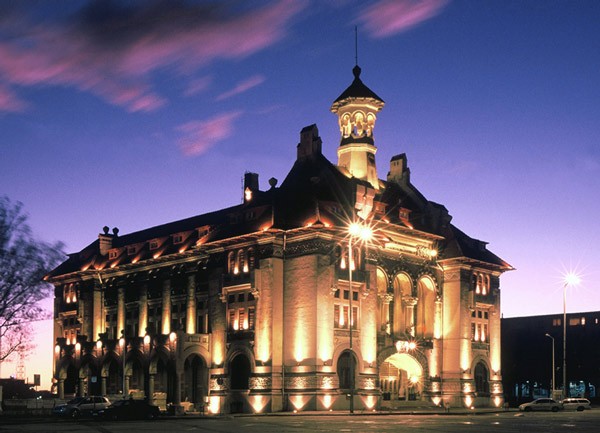
National Museum of History and Archaeology in Constanța
Situat in Piata Ovidiu, nr. 12, municipiul Constanta; infiintat in anul 1878, cu ajutorul lui Remus Opreanu; la inceput a functionat in cladirea prefecturii si...
8.6 km
Constanta, Constanța County
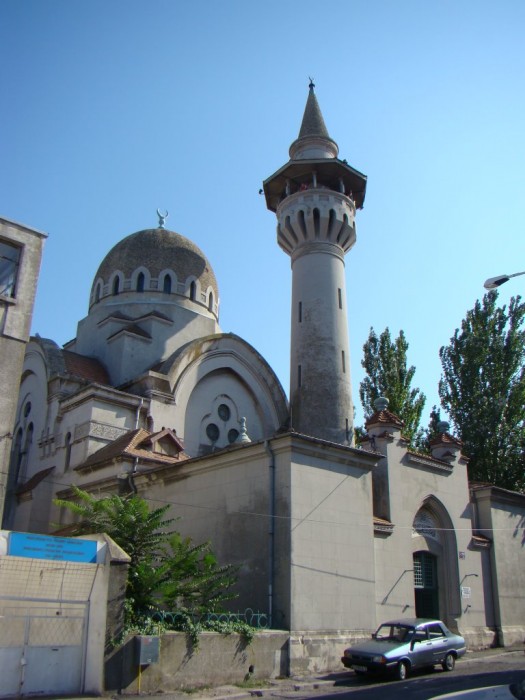
Great Mosque of Constanța (Carol I Mosque)
Situata pe strada Arhieoiscopiei nr. 5 din municipiul Constanta; construita intre anii 1910 - 1912, mai poarta denumirea de "Moscheea Carol I"; planurile au...
8.6 km

Mangalia, Transylvania
Olimp Resort
Localitate componentă a municipiului Mangalia, județul Constanța, România
40.3 km

Mangalia, Transylvania
Neptun Resort
Localitate componentă a municipiului Mangalia, județul Constanța, România
42.3 km

Eforie, Constanța County
Eforie Nord
Situata in orasul Eforie, la 14 km de municipiul Constanta; amplasata la altitudinea de 6 - 20 m peste nivelul marii; statiune cu caracter permanent, are...
20.3 km
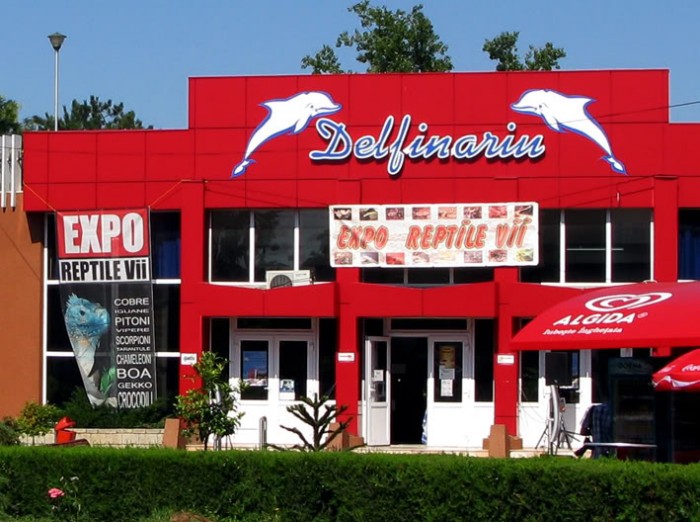
Constanta, Constanța County
Constanța Dolphinarium
Situat pe bulevardul Mamaia, nr. 255, municipiul Constanta; infiintat la 1 iulie 1972, este primul delfinariu public din tara noastra; primul exemplar...
4.8 km
Cultural life and traditions
Events in the Mamaia area
Medieval festivals, traditional fairs, concerts and local activities recommended in Dobruja.

Traditions and Crafts

Constanța, County of Constanța
Days of Local Culture and Traditional Tourism
Open workshops featuring pottery, wood carving, and authentic folklore demonstrations by local artisans.
WHEN
May 15-17, 2026


Traditional Cuisine
Constanța, County of Constanța
The Fair of Traditional Products and Local Cuisine
Traditional products, aged cheeses, mountain honey and local delicacies prepared according to ancient recipes.
WHEN
Every weekend

Culture and Photography
Constanța, County of Constanța
Themed and Photographic Guided Tour of Cultural Heritage
A guided tour designed for history buffs, nature lovers, and photography enthusiasts, showcasing the most spectacular views in the area.
WHEN
Daily schedule available upon request
On foot, exploration gains depth
Discover the surroundings and local geography
Explore the trails, terrain, and natural landmarks around Mamaia.

Guides and practical tips
Useful travel articles
Travel guides, practical recommendations and tourist itineraries for Dobruja.

Tourist guide
Top 5 Atracții Turistice și Trasee Montane în Zona Moieciu - Bran
Descoperă cele mai spectaculoase peisaje carstice, chei adânci și cetăți medievale din imediata apropiere a stațiunii Moieciu.

Tourist guide
Ghid de Drumeție: Traseul Moieciu de Sus spre Platoul Bucegi
Un itinerariu montan de o frumusețe rară ce urcă din Valea Băngăleasa spre Poiana Guțanu și crestele maiestuoase ale Bucegilor.

Tourist guide
Castelul Bran: Istorie, Legende și Secrete Medievale
Află adevărata poveste a fortăreței medievale din Pasul Bran, reședința de suflet a Reginei Maria a României.
THE JOURNEY STARTS WITH AN IDEA
The next story is on the way.
From the first stop to the last stay, make room for a new Romania.
