


PLACE OF WORSHIP · MOLDAVIA
Three Hierarchs Monastery

Iasi, Iași County
Add location to your trip planner.
Practical access information

VISITING HOURS
Check the local visiting schedule

TICKET PRICE
Information available at the cashier's desk

RECOMMENDED VISIT DURATION
1-2 hours
Sources and external references
Wikipedia Encyclopedia (EN)
Visitor information and guide
 Navigate with Google Maps

ABOUT THREE HIERARCHS MONASTERY
An architectural jewel in the heart of Moldavia
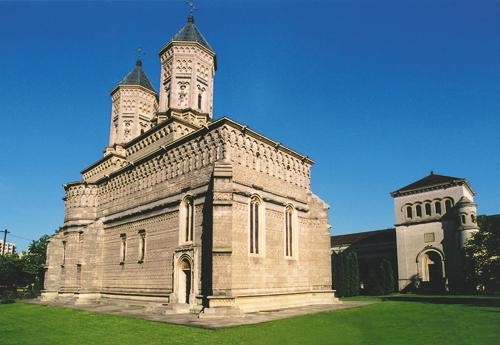
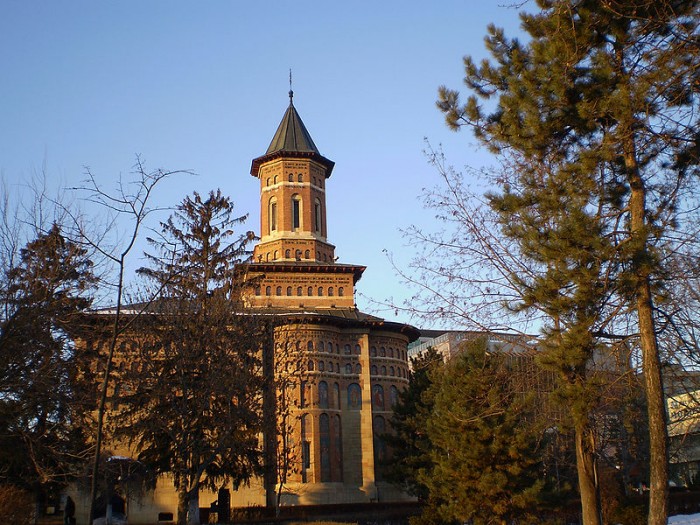
Built between 1637 and 1639 by Prince Vasile Lupu, the Three Hierarchs Monastery rises along Ștefan cel Mare și Sfânt Boulevard in Iași as a living testament to a ruler’s dream of reviving the grandeur of Byzantium. Founded as a princely necropolis, the Church of the Three Hierarchs represents one of the most original achievements of Romanian architecture, listed in the national heritage under code LMI IS-II-a-A-04076. The votive inscription on the southern façade records the consecration of the monastery on May 6, 1639, by Metropolitan Varlaam, under the patronage of the Three Holy Hierarchs: Basil the Great, Gregory the Theologian, and John Chrysostom. Today, viewed from the bustling urban landscape of the historic center, the building impresses with its compact yet magnificent silhouette, dominated by a massive central tower and façades adorned with an intricate stone lacework that defies the centuries. While Western Europe was torn by the Thirty Years’ War and the Habsburg and Ottoman empires clashed for supremacy in the heart of the continent, Moldavia, under Vasile Lupu’s rule, experienced an unprecedented cultural and artistic flourishing, with this monastery standing as a testament to the aspirations of an elite that looked both to the East, toward the old Constantinople, and to the great artistic currents of Europe.
The vision of a prince and Byzantine ambition
The historical context of this monument’s construction must be understood in light of the political and spiritual ambitions of the era. Vasile Lupu, who ascended the throne of Moldavia in 1637 after a tumultuous period marked by power struggles and the growing pressure of the Ottoman Empire, sought to transform Iași into a capital worthy of the ancient Byzantine emperors. Married to Princess Ecaterina, the daughter of an influential boyar, and with close ties to the court of Warsaw within the Polish-Lithuanian Commonwealth, Vasile Lupu understood that political prestige was also earned through religious patronage. The Three Hierarchs Monastery was conceived not merely as a place of worship but as a family mausoleum and a center of spiritual power that would rival the great monasteries of the Balkan Peninsula or Muscovite Russia. This Byzantine vision is reflected in the choice of its patron saints—the Three Hierarchs, giants of Eastern theology—and in the intention to bring the relics of Saint Parascheva, the patron saint of Moldavia, here. These relics were later sent by the Patriarchate of Constantinople as a token of gratitude for the prince’s generous donations to the Holy Sepulchre. Thus, the monastery became a node in a diplomatic and spiritual network linking Moldavia to the Orthodox world, from Kiev and Moscow to Jerusalem and Constantinople, at a time when Europe’s cultural boundaries were still fluid and permeable.
A unique synthesis of European civilizations
The architecture of the monument delights with an unprecedented fusion of influences from diverse geographical and cultural spaces, reflecting Moldavia’s role as a bridge between East and West. The triconch plan, inspired by the Moldo-Wallachian tradition of the 16th century and influenced by the Galata Church in Constantinople, blends with Transylvanian Gothic elements visible in the buttresses and window frames, evoking the style of cathedrals in Transylvania, then under Habsburg influence. These combine with Byzantine and Caucasian motifs, as well as Baroque and Renaissance accents that betray contact with Italian art and Western artistic currents. The façades, unique in the Romanian ecclesiastical landscape and comparable only to those of Armenian monasteries in Ani or Venetian churches in the Balkans, are clad in a hand-carved stone lacework featuring over thirty distinct decorative registers that never repeat. The master stonemasons, likely brought from various corners of Europe—Italian, Armenian, Georgian, and Russian craftsmen—worked together to create this visual marvel. Russian-style columns, Persian vases from which flowering branches rise, Georgian and Armenian geometric motifs, and a twisted rope-like belt framed by marble bands compose a visual tableau of remarkable complexity, reminiscent of Byzantine mosaics and the Baroque decorations of Italian palaces. The lapis lazuli color, highlighted by gilding, gives the edifice a brilliance that made it famous from its inauguration, attracting the admiration of foreign travelers such as Archdeacon Paul of Aleppo, the son of Patriarch Macarius of Antioch, who visited Moldavia in the 17th century and described this "stone wonder" in his journals as unique in the Christian world.
A center of Orthodoxy and European culture
Beyond its architectural splendor, the monastery hosted decisive moments for the spiritual history of Eastern Christendom and for Romania’s entry into the European cultural circuit. In 1641, the relics of Saint Parascheva were brought here, sent by the Patriarchate of Constantinople in gratitude for Vasile Lupu’s generous donations, consolidating Iași’s spiritual prestige as the "new Jerusalem" of the Orthodox East. The following year, 1642, marked the convening of the Inter-Orthodox Synod of Iași in the monastery’s former refectory, now known as the Gothic Hall, where representatives of Greek, Slavic, and Romanian Orthodoxy adopted the famous Orthodox Confession of Faith, drafted by Patriarch Dositheos of Jerusalem. This synod was the Orthodox world’s response to the Council of Trent and the spread of Protestantism in Europe, a crucial moment in defining the confessional identity of the Eastern Church, as significant for European religious history as the ecumenical councils of antiquity. Here, in 1643, the first book printed in the Romanian language, Cartea românească de învățătură (The Romanian Book of Learning), was published, thanks to the printing press brought from Kiev by Metropolitan Petru Movilă, the prince’s brother and one of the era’s greatest scholars. This initiative marked not only the beginning of the printing press in Moldavia but also the country’s entry into the great family of European written culture, alongside nations with established typographic traditions, such as Gutenberg’s Germany or Renaissance Italy. The book, intended for Sunday instruction, contained religious and moral texts, paving the way for literacy and the formation of an intellectual elite capable of engaging with the major currents of thought in Baroque Europe.
Dynasties, scholars, and poets in the shadow of the monastery
The monastery’s necropolis houses the earthly remains of personalities fundamental to the history of the Romanians and Europe, transforming its precincts into a true pantheon of national culture. Here lies Dimitrie Cantemir, the last great prince of Moldavia before the onset of Phanariot rule, and one of the greatest European scholars of the 18th century. A philosopher, historian, musician, and diplomat, Cantemir was a friend of Peter the Great of Russia and Leibniz, a member of the Berlin Academy, and the author of the first critical history of the Romanians, Hronicul vechimii romano-moldo-vlahilor (The Chronicle of the Antiquity of the Romano-Moldo-Wallachians), as well as a treatise on music that influenced European musical theory. His presence in this necropolis underscores the monastery’s connection to the great intellectual currents of the European Enlightenment. Beside him rests Alexandru Ioan Cuza, the first ruler of the United Principalities of Romania, the architect of the Great Union of 1859, whose presence symbolizes the birth of the modern Romanian national state and its integration into Western Europe. Closer to our time, since 1997, a bust of the poet Mihai Eminescu commemorates the period when he lived within the monastery’s walls in 1867–1868, working as a librarian at the Mihăileană Academy. Eminescu, the greatest poet of Romanian literature and a central figure of European Romanticism, found here the tranquility necessary for his creative work, and his spiritual presence continues to inspire visitors who come to admire not only the architecture but also the cultural aura of the place. These figures, along with the founders and the great metropolitans who served here, make the monastery a space where national history intertwines with universal history.
Restored heritage and the visitor experience
The Three Hierarchs Monastery is located in the historic center of Iași, at 28 Ștefan cel Mare și Sfânt Boulevard, near other emblematic monuments such as Golia Monastery, Barnovschi Church, Saint Nicholas Monastery, and the Palace of Culture, forming one of the most impressive architectural ensembles in Eastern Europe. After a tumultuous history marked by fires, devastating earthquakes, and a controversial restoration between 1882 and 1887 led by the French architect André Lecomte du Nouÿ—a restoration that followed the European fashion of the time, similar to Viollet-le-Duc’s interventions on French cathedrals but which partially erased the original authenticity of the exterior decorations—the monastery was reconsecrated in 1904 and reestablished as a monastery in 1991, after the fall of the communist regime. The inner courtyard preserves the Gothic Hall, the former Schola Basiliana and monastic refectory, a testament to the flourishing cultural life of the 17th century. This space, with its Gothic vaults, now hosts sacred music concerts and cultural events, offering visitors a multisensory experience. The visit itself provides the opportunity to study each decorative register of the façades up close, from stylized vegetal motifs to biblical representations and heraldic symbols, with every stone telling a different story. The spiritual atmosphere is complemented by the tranquility of the inner garden and the view of the historic city. For visiting hours and admission fees, it is recommended to consult the information available at the monastery’s ticket office. Those wishing to deepen their experience can attend religious services or guided tours that reveal the hidden secrets of the stone carvings. A visit to the Three Hierarchs Monastery is an immersion into the heart of a civilization that knew how to assimilate the most diverse influences—Byzantine, Slavic, Western, and Eastern—to create a unique heritage, a witness to a Europe without rigid cultural boundaries.
Media gallery
Discover Three Hierarchs Monastery in pictures

23 photos · Architecture, courtyards and captivating details


Image source: Wikimedia Commons · Public domain photos · Free license
STAY A FEW DAYS, DISCOVER THE MAGIC
Accommodation in the Three Hierarchs Monastery area

Hotel · 3 stars

Iași, Iași County · 0.3 km
Hotel Palas Grand View Iași
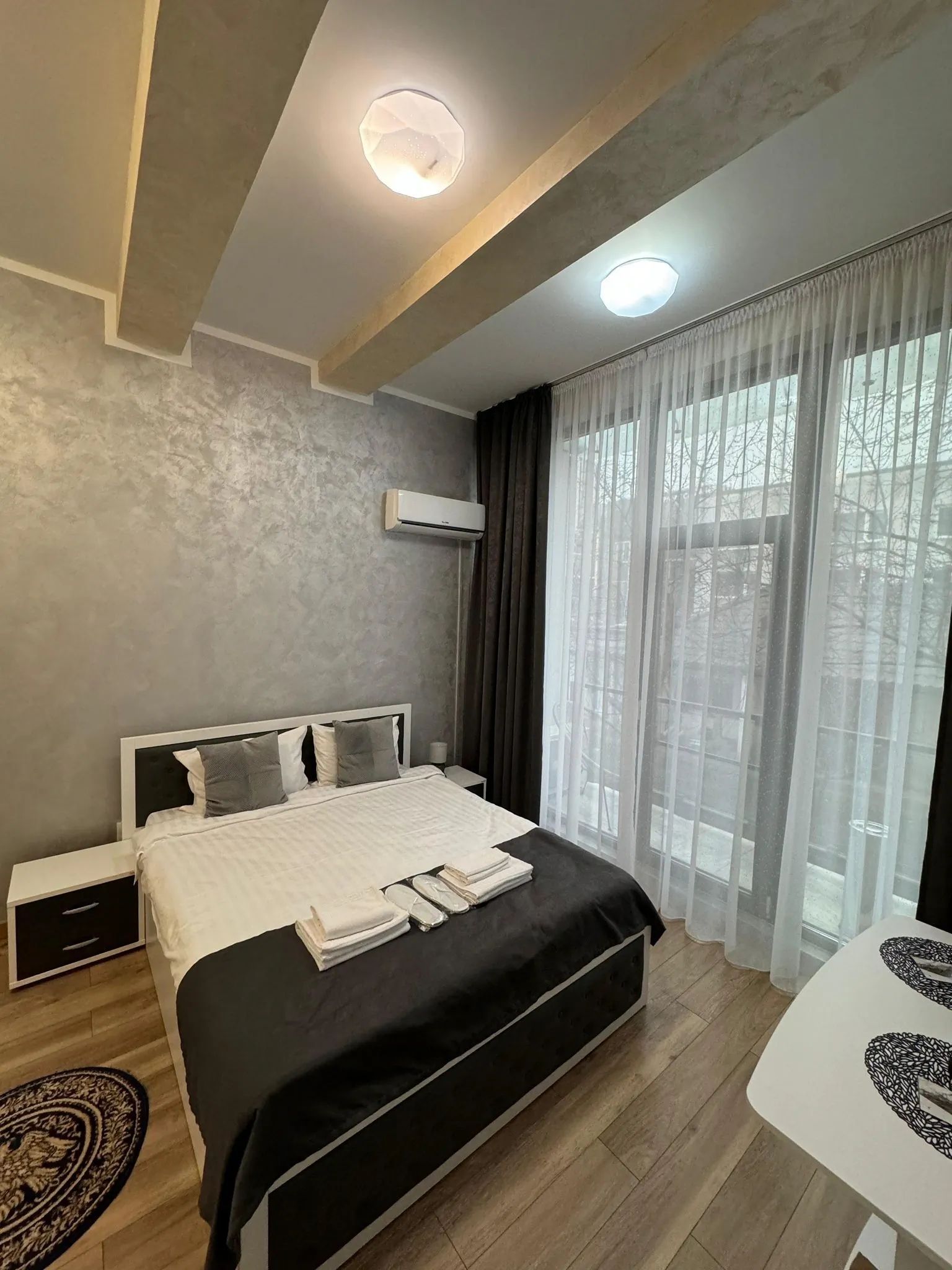
O zi petrecută la Hotel Palas Grand View din Iași poate începe cu un mic dejun savurat în restaurantul din incintă, după care vă puteți conecta la Wi-Fi gratuit pentru a verifica programul zilei și a comunica cu cei dragi. Unitatea oferă 14 camere dotate cu aer condiționat, astfel încât să vă bucurați de un sejur confortabil indiferent de anotimp. Pentru cei care călătoresc cu mașina, hotelul pune la dispoziție parcare privată gratuită, eliminând grija găsirii unui loc de parcare în oraș. În fiecare cameră aveți la dispoziție și fier de călcat, astfel încât să vă puteți aranja hainele înainte de ieșirile la plimbare sau la întâlniri. Personalul de la recepție vorbește atât română, cât și engleză, fiind pregătit să răspundă întrebărilor dumneavoastră și să vă ajute cu orice informație necesară pe durata șederii. În apropiere puteți vizita Palatul Culturii, Mănăstirea Sfinții Trei Ierarhi, Complexul Muzeal Național Moldova, Curtea Domnească Iași și Teatrul Național Vasile Alecsandri, toate aceste obiective fiind situate la îndemână din această locație. Seara, după ce vă întoarceți de la o reprezentație la teatru sau de la o plimbare prin oraș, vă puteți relaxa în camera dumneavoastră, știind că restaurantul din incintă rămâne disponibil pentru cină.
FROM
290 lei per night

Apartment · 3 stars
Iași, Iași County · 0.3 km
Apartament HC Residence Iași
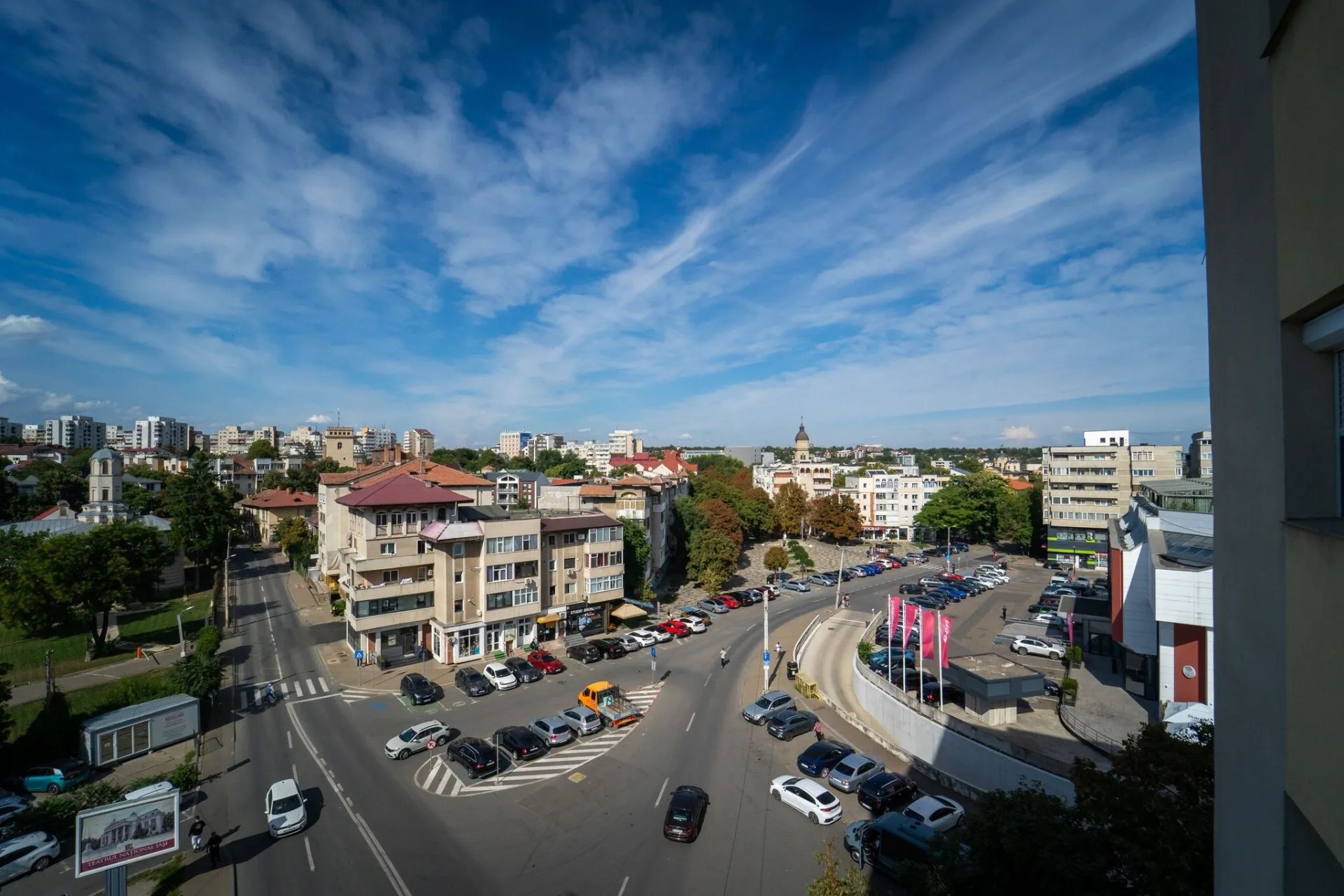
La Palatul Culturii puteți admira arhitectura impresionantă a uneia dintre cele mai importante clădiri istorice din România, iar de aici porniți cu ușurință spre celelalte monumente ale orașului. Apartamentul de închiriat HC Residence din Iași vă oferă un punct de plecare confortabil pentru a explora aceste locuri încărcate de istorie. Spațiul de cazare este organizat în două camere, o cameră de zi și un dormitor, potrivit pentru relaxare după o zi de vizitare. Bucătăria este dotată integral cu electrocasnice noi, inclusiv frigider, cuptor electric, plită electrică și mașină de spălat vase. De asemenea, aveți la dispoziție o baie complet utilată, mașină de spălat rufe și un balcon unde puteți savura cafeaua dimineața. Pentru confortul dumneavoastră, unitatea oferă Wi-Fi gratuit, fier de călcat și acces facilitat de lift. Intrarea se face independent, cu ajutorul unei cutii cu cifru, iar prezentarea actului de identitate este necesară la sosire. În vecinătate puteți vizita Mănăstirea Sfinții Trei Ierarhi, Complexul Muzeal Național Moldova, Curtea Domnească și Teatrul Național Vasile Alecsandri. Vă așteptăm cu drag să vă cazați la HC Residence Iași.
FROM
230 lei per night
Hotel · 3 stars
Iași, Iași County · 0.3 km
Casa de Oaspeți Sfântul Nicolae Iași
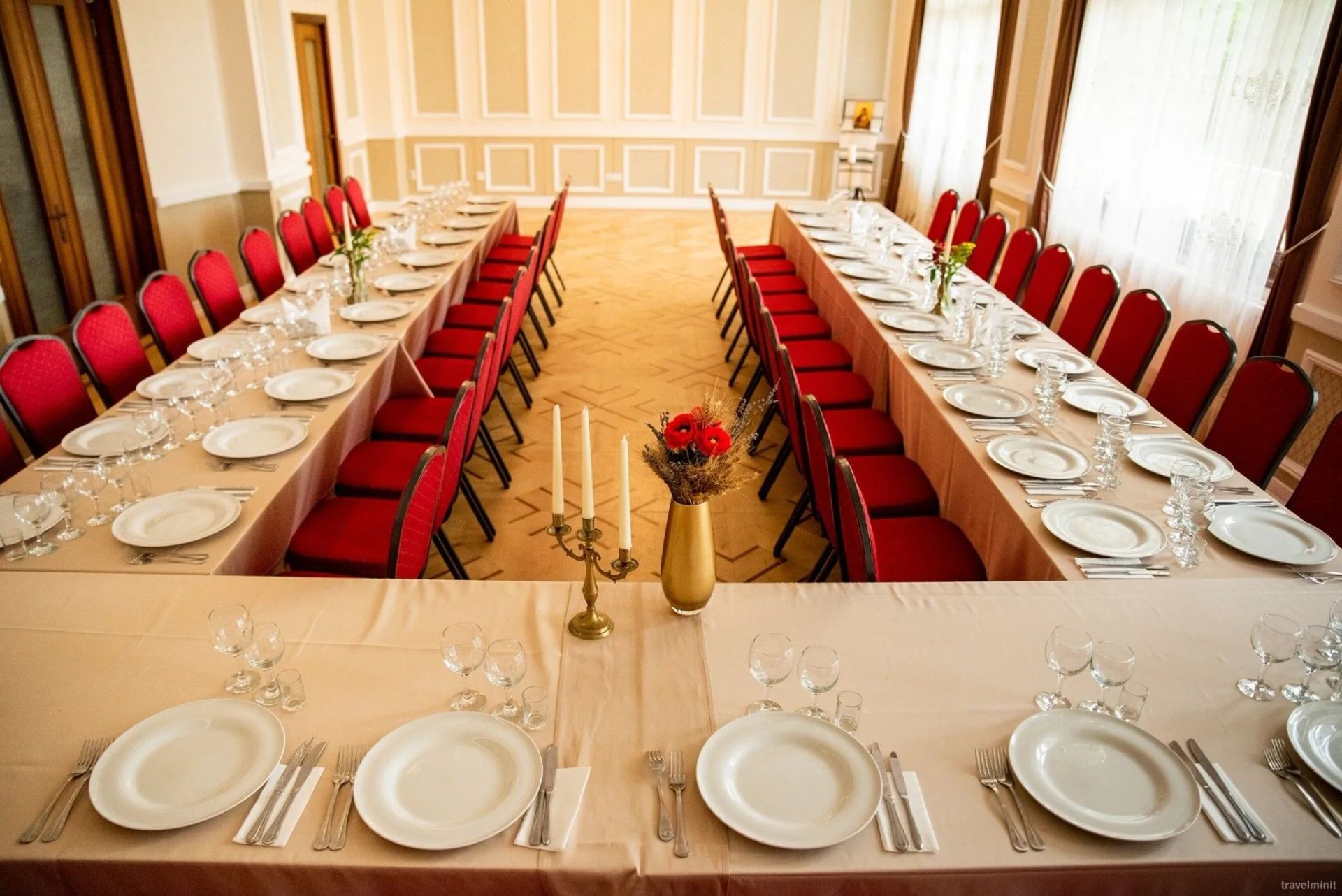
Hotel de trei stele situat în Iași, Casa de Oaspeți Sfântul Nicolae oferă cazare pe strada Aghata Barsescu într-un mediu liniștit și primitor, potrivit atât pentru călătorii de afaceri, cât și pentru turiștii care doresc să descopere orașul. Unitatea pune la dispoziția dumneavoastră cinci camere dotate cu grijă, beneficiind de aer condiționat. Veți găsi aici Wi-Fi gratuit, parcare privată gratuită, room service, depozit pentru bagaje și fier de călcat. Restaurantul din incintă vă permite să serviți masa fără a părăsi proprietatea, iar curtea mare și grădina amenajată oferă un spațiu verde plăcut pentru momente de relaxare în aer liber după o zi de plimbări prin oraș. În apropiere se află Palatul Culturii, Mănăstirea Sfinții Trei Ierarhi, Complexul Muzeal Național Moldova, Curtea Domnească și Teatrul Național Vasile Alecsandri, astfel încât dumneavoastră puteți explora cu ușurință cele mai reprezentative puncte de interes cultural și istoric ale municipiului Iași. Vă așteptăm la Casa de Oaspeți Sfântul Nicolae Iași.
FROM
290 lei per night
Apartment · 3 stars
Iași, Iași County · 0.4 km
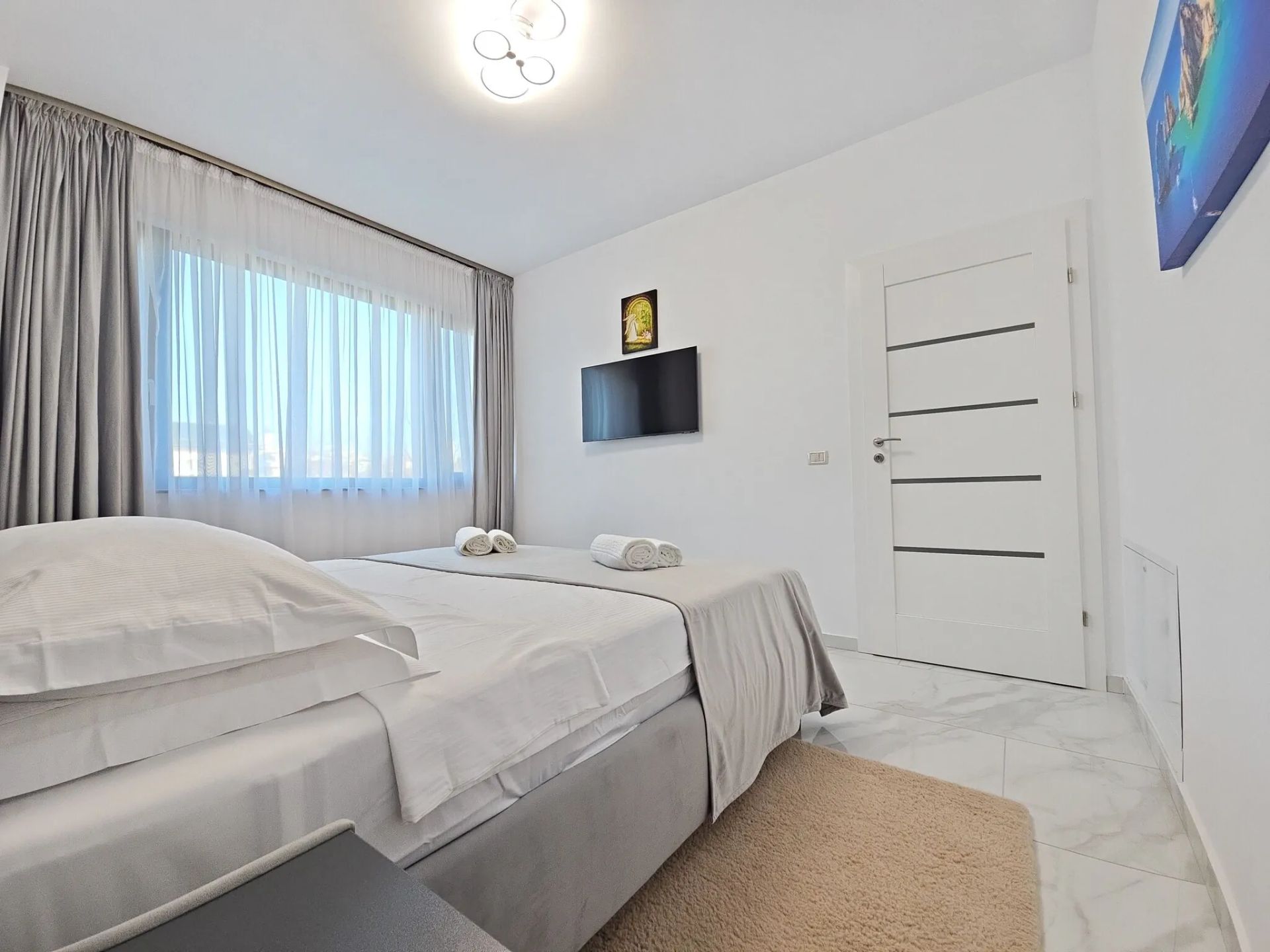
Apartamente G&G Residence Iași
Comfort, relaxation and stunning views, all just steps away from the main attractions.
FROM
230 lei per night
Hotel · 2 stars
Iași, Iași County · 0.6 km
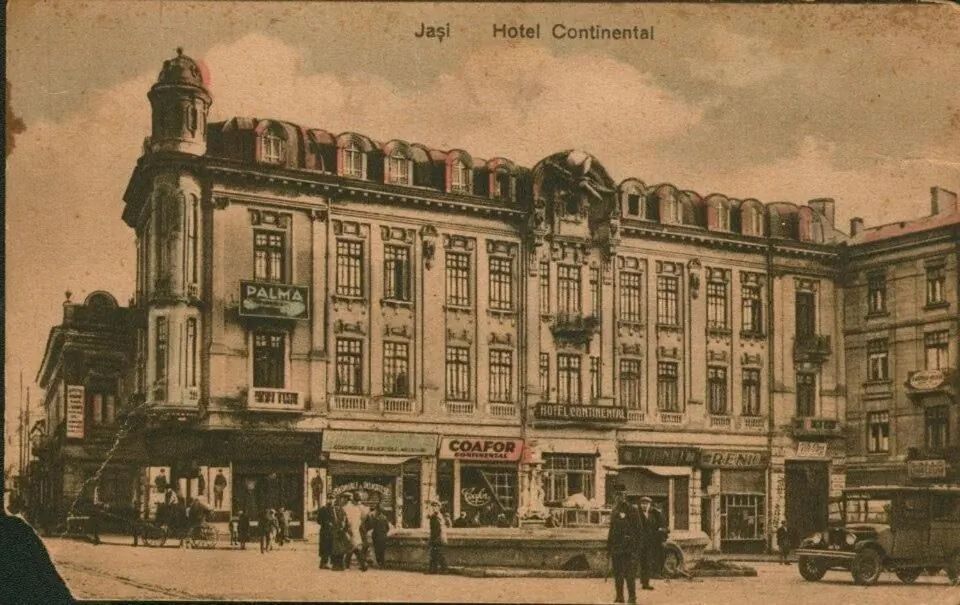
Hotel Continental Iași
Hotelul Continental din Iași pune la dispoziția dumneavoastră acces pentru persoane cu dizabilități, într-o unitate de două stele situată pe strada Cuza Vodă numărul 4. Clădirea găzduiește douăzeci de camere amenajate cu grijă, oferind un punct de plecare comod pentru explorarea orașului și a împrejurimilor sale culturale. În incintă veți găsi restaurant, bar și cafenea, alături de o sală de fitness pentru menținerea tonusului fizic. Beneficiați de Wi-Fi gratuit în întreaga proprietate, parcare privată gratuită și parcare pentru biciclete. Liftul și accesul adaptat facilitează deplasarea, iar seiful și fierul de călcat adaugă confort suplimentar șederii dumneavoastră. Recepția vă întâmpină în limba română, iar depozitul pentru bagaje vă permite să lăsați lucrurile în siguranță pe durata vizitelor. Camera poate fi ocupată de la ora 13:00, iar predarea se face până la ora 11:00. În apropiere se află Palatul Culturii, Mănăstirea Sfinții Trei Ierarhi, Complexul Muzeal Național Moldova, Curtea Domnească Iași și Teatrul Național Vasile Alecsandri, oferind numeroase opțiuni de vizitare la doar câțiva pași de hotel. Această unitate se adresează călătorilor care caută cazare accesibilă și bine echipată în centrul Iașului, aproape de principalele monumente istorice și instituții culturale.
FROM
210 lei per night
Hotel · 3 stars
Iași, Iași County · 0.7 km
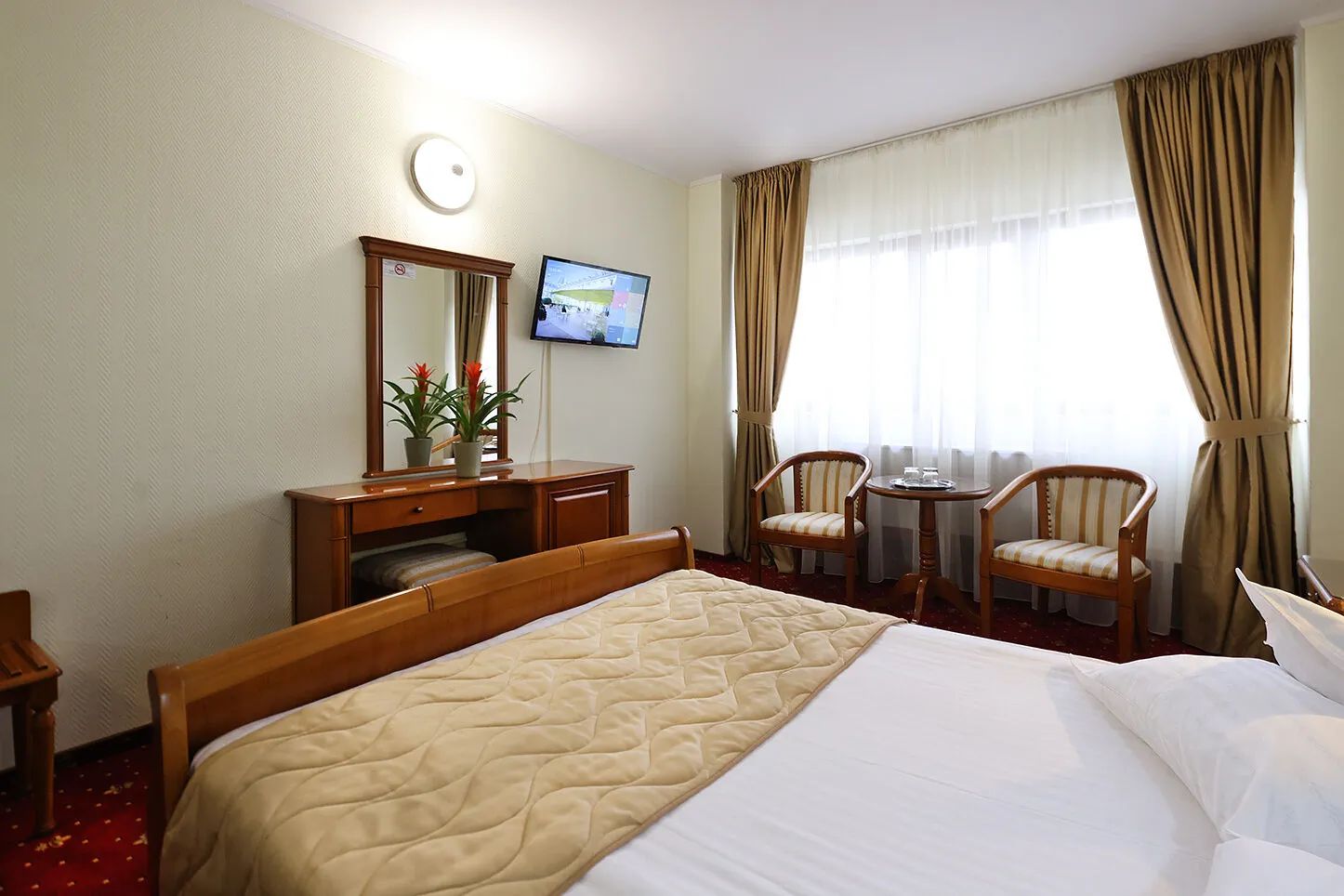
Hotel Moldova Iași
Hotel Moldova Iași este un hotel de trei stele situat în centrul orașului Iași, pe strada Anastasie Panu. Camerele spațioase oferă confort modern prin sistem de climatizare individual, televizor cu cablu, minibar și telefon cu acces direct național și internațional. Oaspeții beneficiază de Wi-Fi gratuit în întreaga unitate, parcare privată gratuită, seif în cameră și acces facilitat pentru persoane cu dizabilități. Liftul asigură deplasarea comodă între etaje, iar depozitul pentru bagaje vă permite să vă bucurați de sejur fără griji. De asemenea, fierul de călcat este disponibil pentru dumneavoastră. Restaurantul din incintă prepară bucate tradiționale românești și preparate din bucătăria internațională, oferind și meniuri speciale pentru diete sau pentru copii. Pentru momentele de relaxare, aveți la dispoziție sauna și sala de fitness, iar pătuțul pentru bebeluș și scaunul înalt vin în sprijinul familiilor cu copii mici. În imediata apropiere se află Palatul Culturii, Complexul Muzeal Național Moldova, Mănăstirea Sfinții Trei Ierarhi, Curtea Domnească Iași și Teatrul Național Vasile Alecsandri, oferind multiple opțiuni de vizitare în oraș. Această unitate este potrivită atât pentru călătorii în interes de afaceri, cât și pentru turiștii care doresc să descopere patrimoniul cultural al Iașului.
FROM
290 lei per night
BEFORE YOU HIT THE ROAD
Weather conditions in Iasi
Local forecast for Three Hierarchs Monastery, Iasi, Iași

Real-time updated weather data
Much more to explore in this area
Nearby tourist attractions


Iasi, Iași County
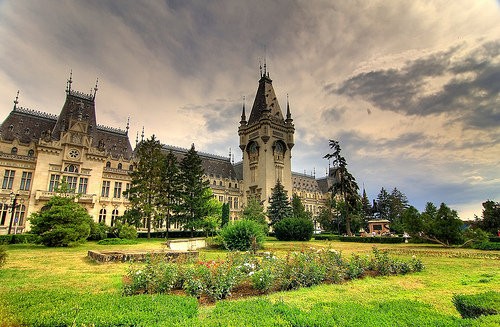
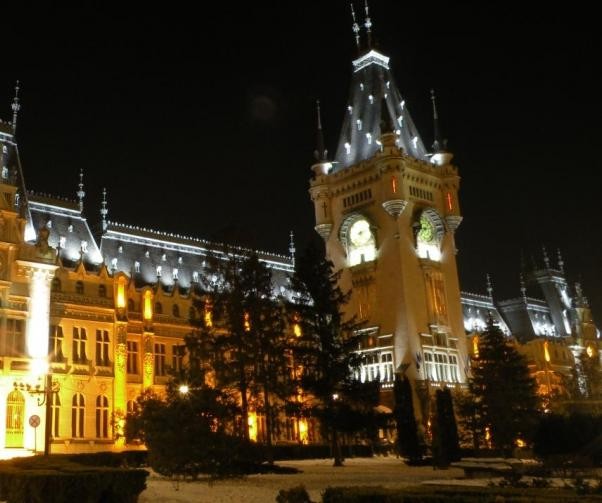
The Palace of Culture
Situat in Piata Stefan cel Mare si Sfant, nr. 1, judetul Iasi; inaugurat, in 1926, de catre regele Ferdinand al Romaniei; apartine stilului neogotic flamboyant...
0.3 km
Iasi, Iași County
National Museum Complex of Moldavia
Situat in Piata Stefan cel Mare si Sfant nr. 1 din municipiul Iasi; functioneaza in Palatul Culturii, emblema a orasului, inaltat partial pe ruinele curtilor...
0.3 km

Iasi, Iași County
Princely Court of Iași
Situata intre Piata Podu Ros, strada Sfantu Lazar, strada Smardan, piata Bucsineanu, bulevardul Tudor Vladimirescu, bulevardul C. A. Rosetti, soseaua Albinet,...
0.4 km
Iasi, Iași County
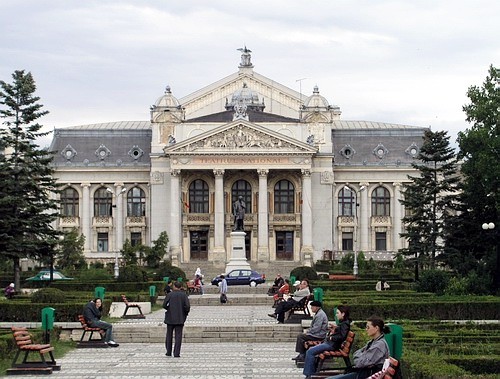
Vasile Alecsandri National Theatre
Situat pe strada Agatha Barsescu, nr. 18, municipiul Iasi, judetul Iasi; construit intre anii 1894 - 1896; considerat cea mai veche institutie de acest gen din...
0.4 km

0.1 km

Iasi, Iași County
Metropolitan Cathedral of Iași
Situata pe bulevardul Stefan cel Mare si Sfant nr. 16 din municipiul Iasi; actul de nastere al lacasului este decretul dat de Ioan Sandu Sturdza la 8 august...
0.3 km
Iasi, Iași County
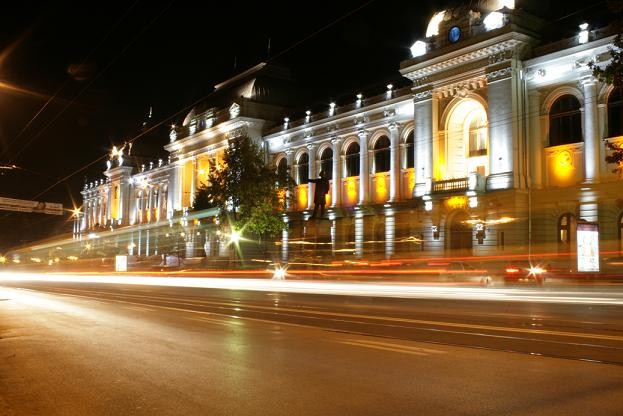
Alexandru Ioan Cuza University
Situata pe bulevardul Carol I, municipiul Iasi, judetul Iasi; construita intre anii 1893 - 1897; planurile au fost realizate de catre arhitectul Louis Blanc;...
1.9 km

Iasi, Iași County
Golia Monastery Church
Situata pe strada Cuza - Voda, nr. 51, zona Cucu, municipiul Iasi, judetul Iasi; ridicata in secolul al XVI - lea; actuala biserica a fost ridicata de Vasile...
0.7 km
Iasi, Iași County
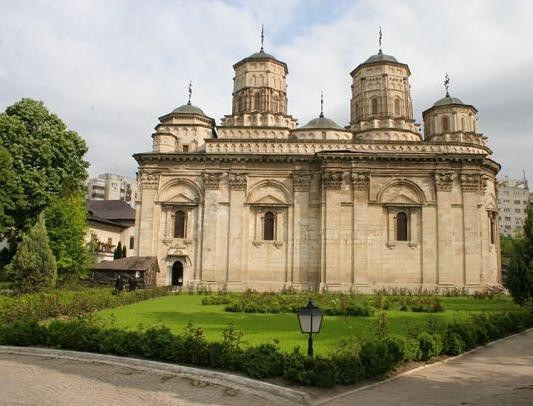
Golia Monastery
Situata pe strada Cuza Voda nr. 51 din municipiul Iasi; construita de catre Ioan Golia in secolul al XVI - lea, cu hramul "Inaltarea Domnului"; refacuta de...
0.7 km
Iasi, Iași County
St. Nicholas Princely Church
Situata pe strada Anastasie Panu, nr. 28, municipiul Iasi, judetul Iasi; construita intre 1491 - 1492, sub ctitoria lui Stefan cel Mare; reconstruita in...
0.2 km

0.3 km

Iasi, Iași County
Eminescu's Linden Tree
Situat in Parcul Copou, municipiul Iasi; se mai numeste si "Copacul indragostitilor"; este un tei argintiu, avand varsta de peste 250 de ani, cel mai vechi...
2.5 km
Cultural life and traditions
Events in the Three Hierarchs Monastery area
Medieval festivals, traditional fairs, concerts and local activities recommended in Moldavia.

History and Voivodeship Heritage

Iasi, County of Iași
The Medieval Festival of Neamț Fortress
Re-enactments of Ștefan’s battles, archery demonstrations with traditional bows, displays of courtly guards, and performances of old court music.
WHEN
July 3-5, 2026


Prehistoric Crafts and Art
Iasi, County of Iași
The National Pottery Fair “Cucuteni 5000”
The most skilled ceramic artists recreate the spectacular motifs of Europe’s oldest civilisation.
WHEN
June 26-28, 2026

Gastronomy and Wines
Iasi, County of Iași
The Traditional Festival of Moldovan Wine
A fair featuring wine tastings from the vineyards of Cotnari, Bucium and Panciu, “poale-n brau” pies, and roasted meats cooked on a spit.
WHEN
October 2-4, 2026
On foot, exploration gains depth
Discover the surroundings and local geography
Explore the trails, terrain, and natural landmarks around Three Hierarchs Monastery.

Guides and practical tips
Useful travel articles
Travel guides, practical recommendations and tourist itineraries for Moldavia.

Tourist guide
Top 5 Atracții Turistice și Trasee Montane în Zona Moieciu - Bran
Descoperă cele mai spectaculoase peisaje carstice, chei adânci și cetăți medievale din imediata apropiere a stațiunii Moieciu.

Tourist guide
Ghid de Drumeție: Traseul Moieciu de Sus spre Platoul Bucegi
Un itinerariu montan de o frumusețe rară ce urcă din Valea Băngăleasa spre Poiana Guțanu și crestele maiestuoase ale Bucegilor.

Tourist guide
Castelul Bran: Istorie, Legende și Secrete Medievale
Află adevărata poveste a fortăreței medievale din Pasul Bran, reședința de suflet a Reginei Maria a României.
THE JOURNEY STARTS WITH AN IDEA
The next story is on the way.
From the first stop to the last stay, make room for a new Romania.
