


NATURE AND WILDLIFE · TRANSYLVANIA
Turda Gorge Nature Reserve

Apahida, Cluj County
Add location to your trip planner.

Practical access information

VISITING HOURS
Check the local visiting schedule

TICKET PRICE
Information available at the cashier's desk

RECOMMENDED VISIT DURATION
1-2 hours
Visitor information and guide
 Navigate with Google Maps

ABOUT TURDA GORGE NATURE RESERVE
A Wilderness Oasis in the Heart of Transylvania: A European Natural Monument
In the cultural landscape of Central Europe, where mountains meet plains and history intertwines with geology, the Turda Gorge Nature Reserve stands as a sanctuary of untamed nature, a silent witness to the centuries that have shaped not only the rock but also the destiny of the peoples in this part of the continent. Located in the heart of Transylvania, between the city of Turda and the picturesque village of Cheia, this reserve unfolds along the Hășdate Valley as a spectacular limestone corridor, a true geological treasure sculpted by the waters of the Hășdate River over millions of years. Established in 1938, during an era when Europe was beginning to recognize the value of its natural heritage, and later declared an integral part of the European Natura 2000 network, Turda Gorge is today one of the most impressive karst landscapes in Romania and the entire Carpathian region. The towering cliffs, rising to dizzying heights of up to 300 meters, form a natural amphitheater of rare drama, offering vistas that rival those of the great canyons of the Alps or the Pyrenees. Meanwhile, its exceptional biodiversity reflects the health of an ecosystem that has survived millennia and connects with the network of protected areas across Europe.
Historical Roots and Connections to Europe’s Great Empires
The historical roots of this place stretch back into prehistory, when Dacian tribes used these gorges as a strategic passage between the Transylvanian Plateau and the Apuseni Mountains, a vital route for the trade of salt and precious metals that linked the Carpathian Basin to the great urban centers of Central Europe. During the Roman period, when Dacia was a province of the Roman Empire, paved stone roads crossing the Carpathians required secure crossing points, and Turda Gorge, with its natural defensive walls, offered protection against invasions and control over commercial traffic. In the Middle Ages, under the dominion of the Kingdom of Hungary over Transylvania, this area became the border between the Western Catholic world and the Eastern Orthodox world, a symbolic divide between two European civilizations vying for influence over the Carpathian Basin. Later, during the Ottoman era, as the Ottomans advanced toward the heart of Europe, these gorges witnessed confrontations between the Ottoman Empire and the Christian powers, including the Habsburg Monarchy, which would later administer Transylvania as part of the Austro-Hungarian Empire. In the 19th century, with the rise of the Romantic movement in Europe and the development of Alpine exploration tourism, Turda Gorge attracted the attention of European naturalists and geologists, who considered it a natural laboratory comparable to the karst regions of Slovenia or southern France. The proximity to the Turda Salt Mine, a site tied to the salt trade during the Roman era and the Middle Ages, adds an additional cultural dimension, illustrating the region’s economic continuity.
A Geological Masterpiece: The Architecture of Jurassic Limestone
From a geological perspective, Turda Gorge is a masterpiece of natural architecture, sculpted in Jurassic limestone approximately 150 million years old, when this region lay beneath the warm waters of a tropical sea. The relentless process of fluvial erosion, acting over geological eras, created an impressive canyon stretching approximately 2.9 kilometers, whose karst formations include caves, grottos, and cliffs shaped by the combined forces of wind and water. Like other major karst regions in Europe, such as the Dinaric Alps in Croatia and Slovenia or the limestone massifs of the Pyrenees, Turda Gorge offers a unique natural laboratory for studying geological processes, providing a window into the continent’s deep natural history. The vertical walls, rising to dizzying heights, display a variety of shapes and hues, from the ashen gray of freshly rain-washed stone to ochre and brown in areas with vegetation, creating a visual contrast reminiscent of the dramatic landscapes of France’s Verdon Gorge or Italy’s Dolomites. The specific microclimate, characterized by high humidity and moderate temperatures, has fostered the development of unique ecological niches, while the rocky cavities shelter underground hydrological systems that remain largely unexplored, similar to those found in the Mediterranean karst and the Balkans.
Legends, Stories, and Turning Points in the Reserve’s History
Layered over this millennia-old geological reality are stories and legends that have enveloped Turda Gorge in an aura of myth. In local folklore, these gorges are said to be the work of giants or supernatural forces that split the rock to allow the waters to pass, a tale reflecting humanity’s attempts to explain nature’s grandeur before the development of modern geology. In reality, the modern history of the reserve began in the 19th century, when European explorers and scientists, influenced by the Romanticism of the era and the fashion for Alpine exploration, began systematically studying the flora and fauna of this corner of the world, bringing with them scientific methodologies developed in universities in Vienna, Berlin, and Paris. The turning point came in 1938, when Romanian authorities decided to protect the area, one of the first nature conservation initiatives in Eastern Europe, predating the Natura 2000 network by decades. This historic decision placed Turda Gorge on the map of Europe’s natural heritage, alongside national parks established during the same period in Switzerland, Austria, and Poland, marking the recognition of this landscape’s universal value. In the following decades, the reserve became a refuge for species that had disappeared from other parts of the continent due to industrialization and intensive human activity, preserving an authentic fragment of pre-industrial Europe and serving as a model for other protected areas in the region.
Biodiversity and Transboundary Natural Heritage
The biodiversity of Turda Gorge forms a living mosaic of biogeographical influences that reflect Transylvania’s position at the crossroads of Pannonian, Balkan, and Central European influences. The vegetation is dominated by relict and endemic species, including wild garlic, iris, and various fern species that clothe the rocky walls in an emerald-green carpet. Among the protected plants, the yew tree stands out—a conifer sacred in ancient European mythologies, from the Celtic Druids to the Nordic peoples—as well as the rare Allium obliquum and species like Doronicum carpaticum, all forming an ecosystem reminiscent of Europe’s primeval forests before large-scale human intervention. The fauna of the area is equally impressive and connects the reserve with the continent’s great mountain ranges, providing habitat for the rock butterfly, a montane species found in the Alps and Carpathians, the golden eagle, a symbol of continental wilderness revered in European heraldry from the Habsburgs to the Nordic countries, as well as foxes, wildcats, and polecats. The specific microclimate favors the development of rich flora, while the caves and rocky cavities shelter colonies of bats, species protected at the European level by Natura 2000 directives, reflecting the health of an ecosystem that functions as a refuge for Carpathian and Pannonian biodiversity, thus linking Romania to Europe’s ecological network.
Exploration Guide and the Contemporary Visitor Experience
For today’s visitor, arriving from any corner of Europe, Turda Gorge offers an exploration experience that meets international standards of ecotourism and natural heritage conservation. The reserve can be explored along marked trails that follow the course of the Hășdate River, offering varied perspectives on the limestone walls and specific vegetation, similar to thematic trails in Alpine national parks or those in Scotland. Visiting is recommended in spring and autumn, when sunlight filters through the tree canopy and creates shadow plays on the rocky walls, or in summer, when the coolness of the valley provides a refuge from the heat of the plateau, much like the experience offered by the valleys of the Pyrenees or the Swiss Alps. The proximity to the Turda Salt Mine, a historic industrial site of European importance tied to the medieval salt trade and now transformed into an exceptional underground museum, adds an additional cultural dimension to the visit, illustrating the harmony between Transylvania’s natural and anthropogenic heritage. It offers a complete circuit that blends geology with industrial archaeology. Entry fees are available at the ticket office at the reserve’s entrance, and visiting hours can be checked on-site according to the season. Visitors are kindly asked to respect environmental protection rules, stay on marked trails, and maintain silence to allow wildlife to go about their activities undisturbed and to preserve this natural treasure intact for future generations, as is the case in Europe’s best-managed protected areas, thus contributing to the preservation of a shared natural heritage that transcends national borders.
Media gallery
Discover Turda Gorge Nature Reserve in pictures

17 photos · Architecture, courtyards and captivating details


Image source: Wikimedia Commons · Public domain photos · Free license
STAY A FEW DAYS, DISCOVER THE MAGIC
Accommodation in the Turda Gorge Nature Reserve area

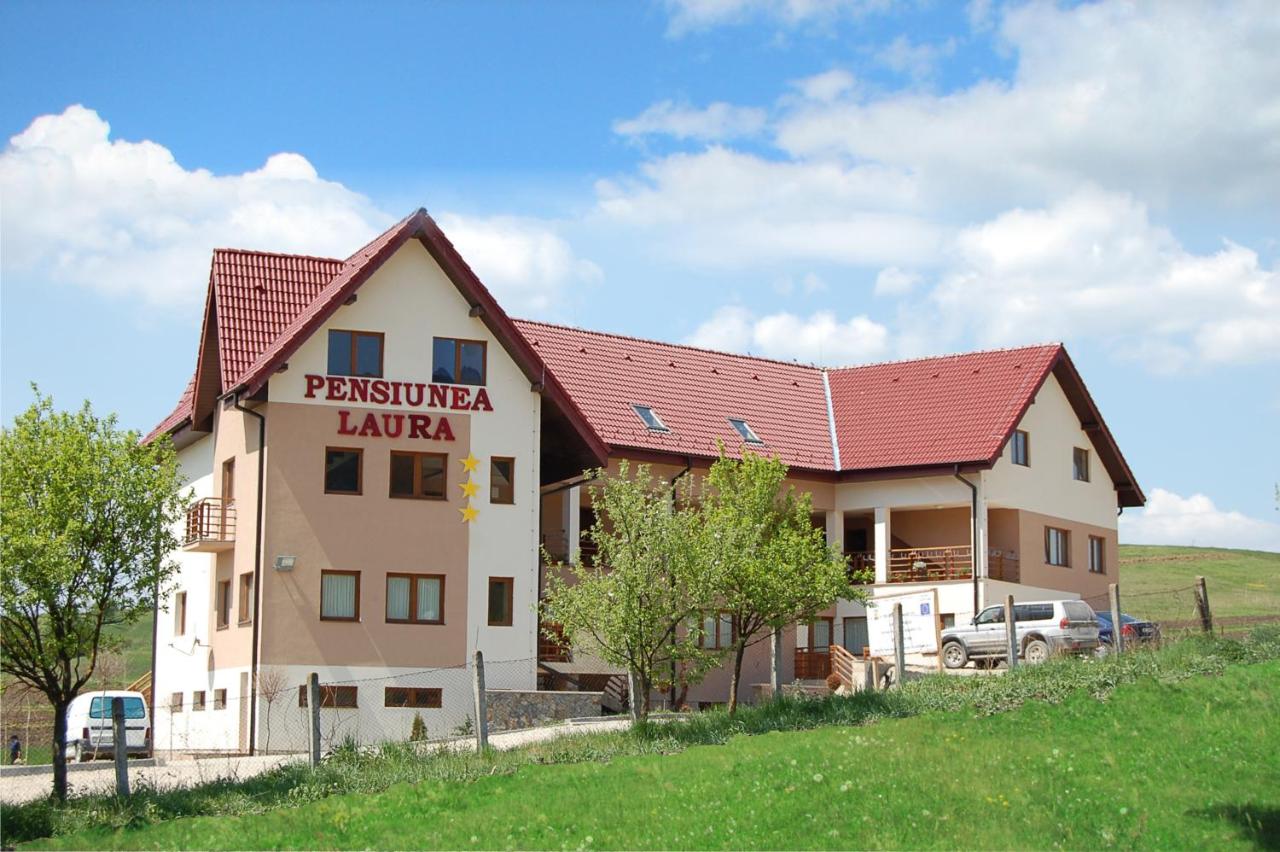
Guesthouse · 3 stars

Petreștii de Jos, Cluj County · 2.5 km
Pensiunea Laura
Pensiunea Laura se află în Petreștii de Jos, în inima zonei Cheile Turzii, la 16 km de Salina Turda și la 14 km de Castrul Roman Potaissa. Clasificată la trei margarete, pensiunea are terase cu priveliște spre dealuri și spre chei, restaurant cu preparate tradiționale românești. Pensiunea are 9 camere cu două paturi și un apartament (pat matrimonial și canapea extensibilă). Camerele au birou, televizor cu ecran plat, baie proprie cu duș și uscător de păr, lenjerie de pat, prosoape și dulap. Pentru relaxare există sală de fitness și tenis de masă, un lounge comun, iar în curte un foișor și un loc de joacă pentru copii. La cerere, gratuit pat pliant suplimentar în cameră. Parcarea privată și WiFi-ul sunt gratuite. Aeroportul Internațional Cluj se află la 38 km.
FROM
240 lei per night

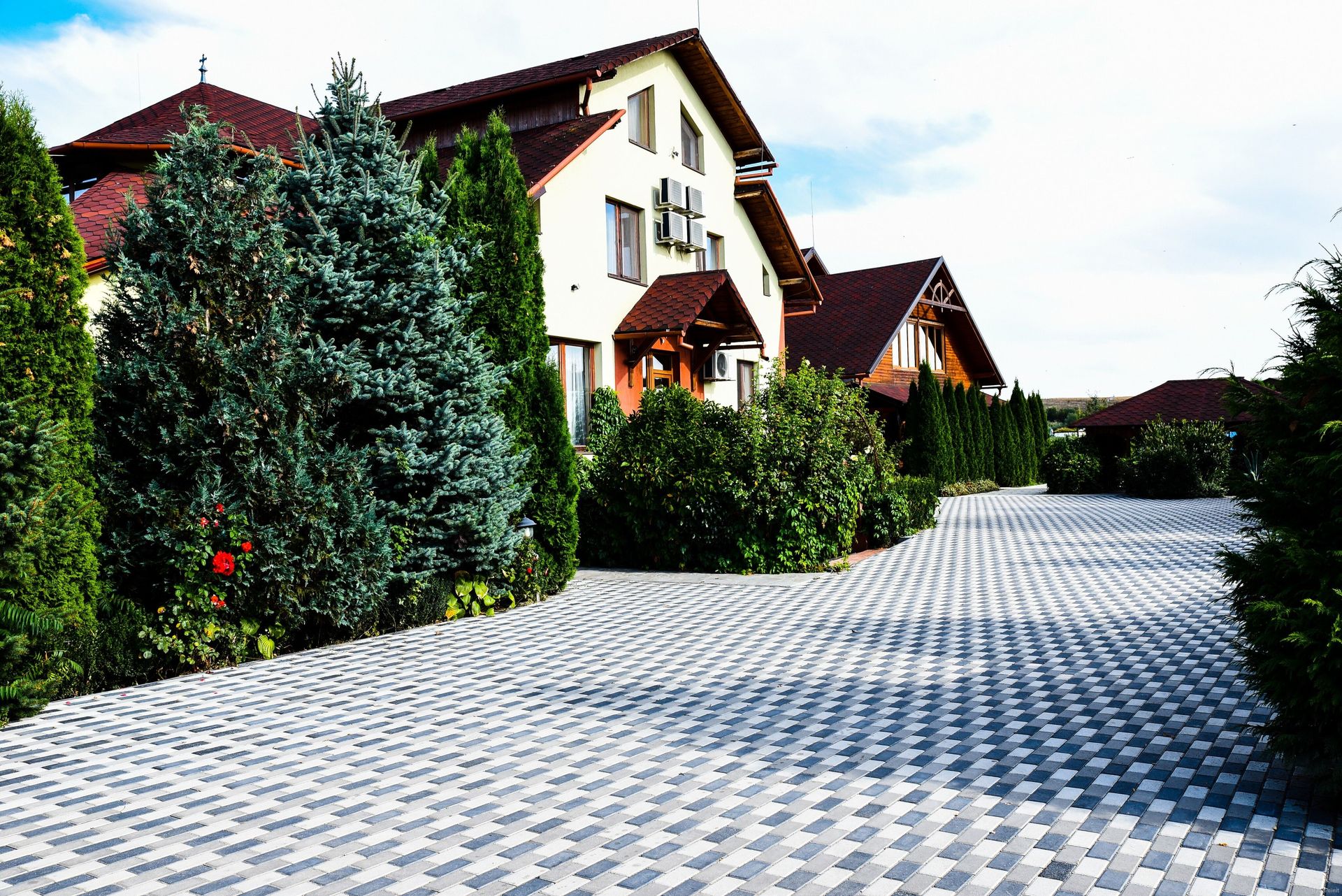
Guesthouse · 3 stars
Cornești, Cluj County · 4.9 km
Pensiunea Casa Moțească Cornești
Pe strada Principală din localitatea Cornești, județul Cluj, se află Pensiunea Casa Moțească Cornești, o unitate de cazare clasificată cu trei stele, deschisă turiștilor pe toată durata anului și pregătită să vă primească în orice sezon într-un cadru liniștit, într-o zonă rurală autentică. Pentru confortul dumneavoastră, unitatea oferă Wi-Fi gratuit în întreaga incintă și parcare privată gratuită. Terasa la soare reprezintă un spațiu plăcut pentru a vă bucura de aerul curat și de priveliștile din zonă, în timp ce copiii se pot distra în siguranță în locul de joacă amenajat la exterior. Curtea mare și grădina îngrijită oferă spațiu generos pentru relaxare și plimbări în aer liber. În apropiere puteți explora Salina Turda, Cheile Turzii, Cetatea Moldovenească, Băile Sărate din Turda și Rezervația geobotanică Scărița Belioara, obiective turistice care vă permit să descoperiți atât peisaje naturale spectaculoase, cât și vestigii istorice din această parte a Transilvaniei, într-o zonă bogată în atracții. Vă așteptăm la Pensiunea Casa Moțească Cornești.
FROM
240 lei per night
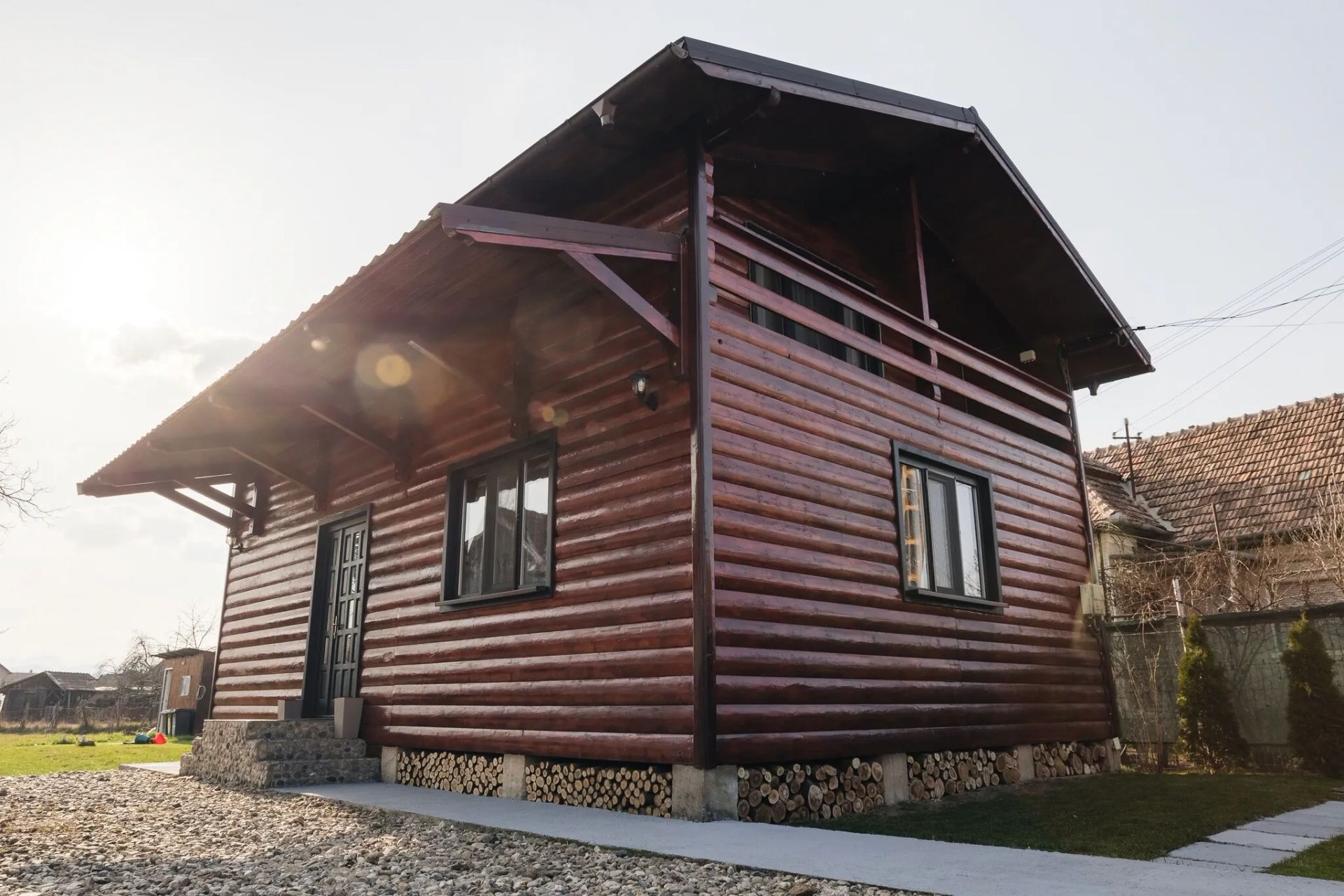
Holiday home · 3 stars
Mihaiu Viteazul, Cluj County · 5.3 km
Zen Home Mihaiu Viteazul
Comfort, relaxation and stunning views, all just steps away from the main attractions.
FROM
280 lei per night
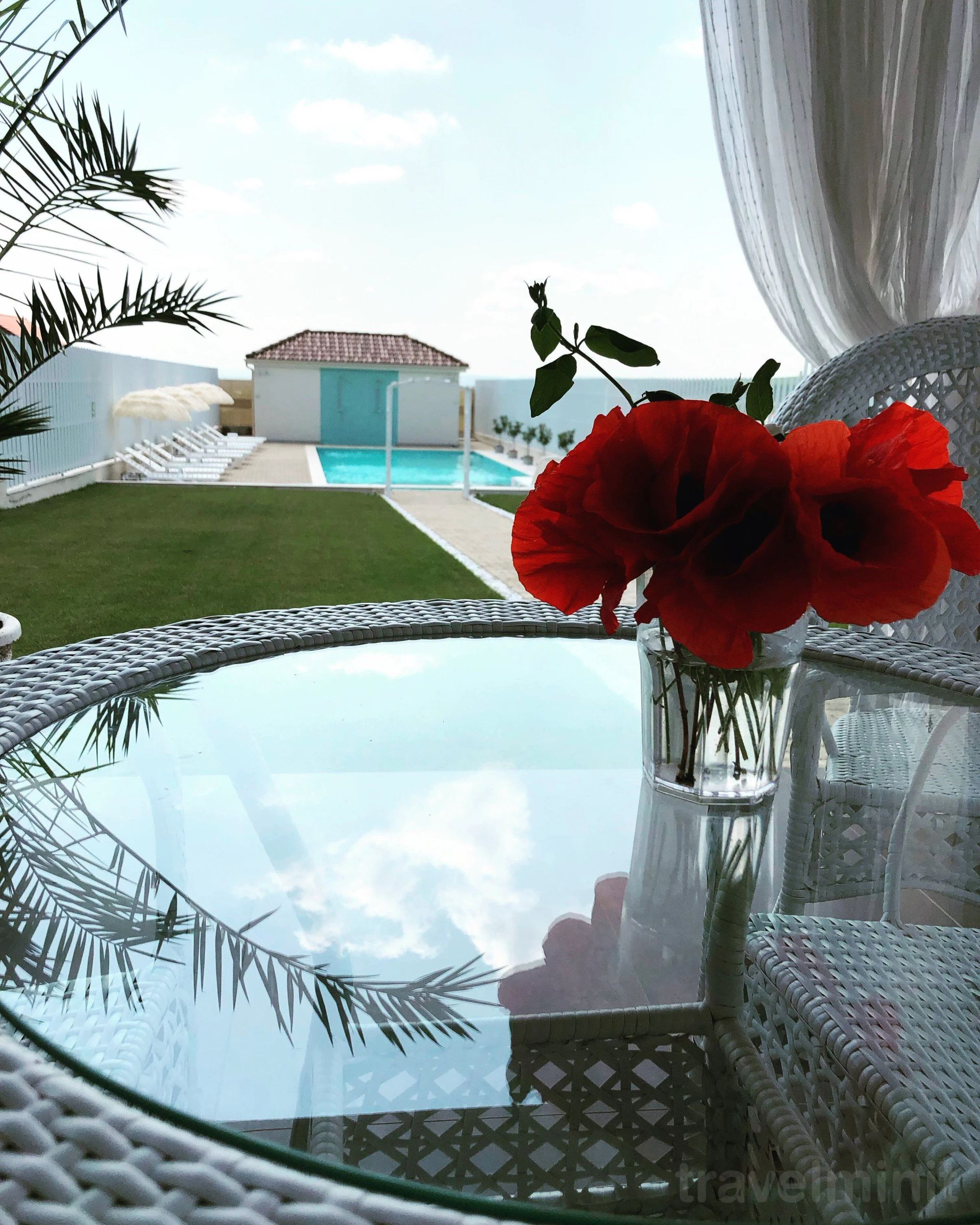
Guesthouse · 3 stars
Turda, Cluj County · 5.8 km
Alma Rezidence Turda
O cadă cu hidromasaj sau un jacuzzi vă așteaptă la Alma Rezidence Turda din Turda, o pensiune turistică de 3 stele, într-un cadru liniștit și primitor. Proprietatea oferă Wi-Fi gratuit și parcare privată gratuită, astfel încât șederea dumneavoastră să fie cât mai comodă și fără griji. Vă așteptăm să vă relaxați pe terasa la soare, să vă plimbați prin curtea mare cu grădină amenajată sau să savurați o băutură la barul din incintă. Unitatea dispune de șase camere frumos amenajate, unele dintre acestea fiind echipate cu aer condiționat pentru confortul dumneavoastră pe întreaga perioadă a sejurului. Serviciile wellness disponibile la pensiune completează experiența de cazare. La recepție se vorbesc limba română, engleză și italiană. În apropiere puteți vizita Salina Turda, Cheile Turzii, Băile Sărate din Turda, Biserica Sfântul Mihail din Cluj și Cheile Turului sau Cheile Turenilor. Check-in-ul se face începând cu ora 13:30, iar eliberarea camerei până la ora 11:00, plata putându-se efectua cu numerar, card bancar sau transfer bancar.
FROM
240 lei per night
Holiday resort · 3 stars
Turda, Cluj County · 6.0 km
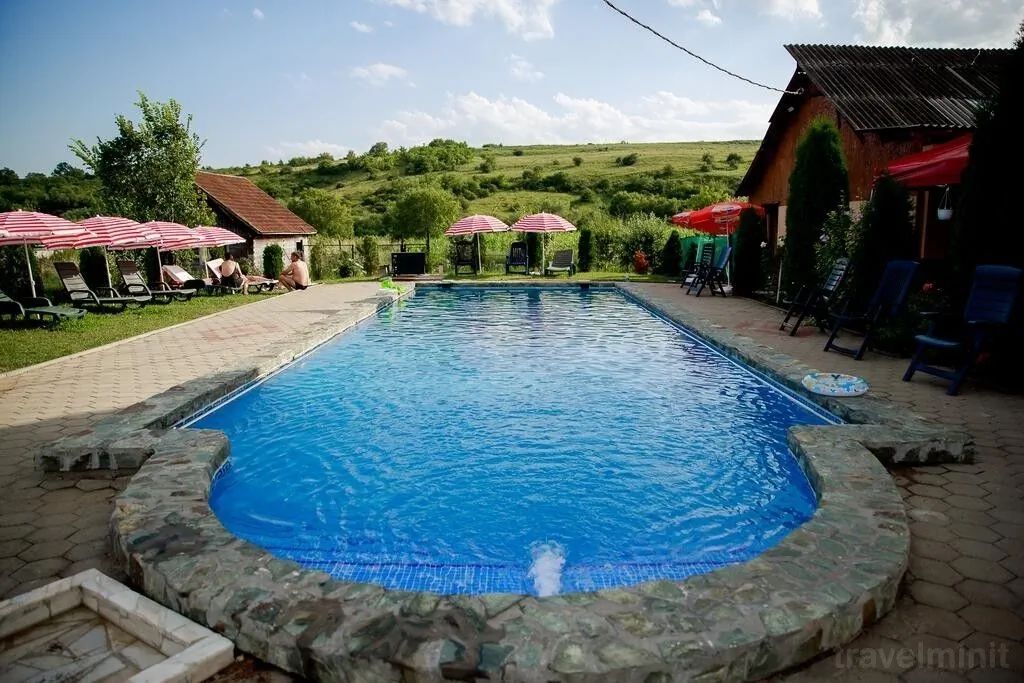
Giandra Resort Turda
O zi petrecută aici începe pe terasa la soare, savurând liniștea dimineții, și continuă cu o partidă de tenis de masă în curtea mare și amenajată. Vă așteptăm la Giandra Resort Turda din Turda, unde vă punem la dispoziție 13 camere confortabile și plăcut amenajate. Resortul oferă multiple opțiuni pentru relaxare și activități în aer liber. Vă puteți bucura de un ciubăr din lemn tradițional după o plimbare prin grădină, de un teren de tenis sau de un loc de joacă pentru copii la exterior. Pentru momentele petrecute în aer liber aveți la dispoziție un ceaun pentru gătit, grătar sau barbeque, într-o curte mare și amenajată. Parcare privată gratuită și Wi-Fi gratuit sunt disponibile pentru confortul dumneavoastră. În zona Turda și împrejurimi puteți vizita Salina Turda, Cheile Turzii, Băile Sărate din Turda, Biserica Sfântul Mihail din Cluj și Cetatea Moldovenești. Aceste obiective turistice se află în apropiere și completează experiența oferită de resort, permițându-vă să descoperiți atracțiile locale. Seara, după o zi plină de activități în aer liber, vă puteți relaxa pe terasa la soare sau în curtea grădinii, profitând de atmosfera liniștită.
FROM
360 lei per night
Hotel · 3 stars
Turda, Cluj County · 6.3 km
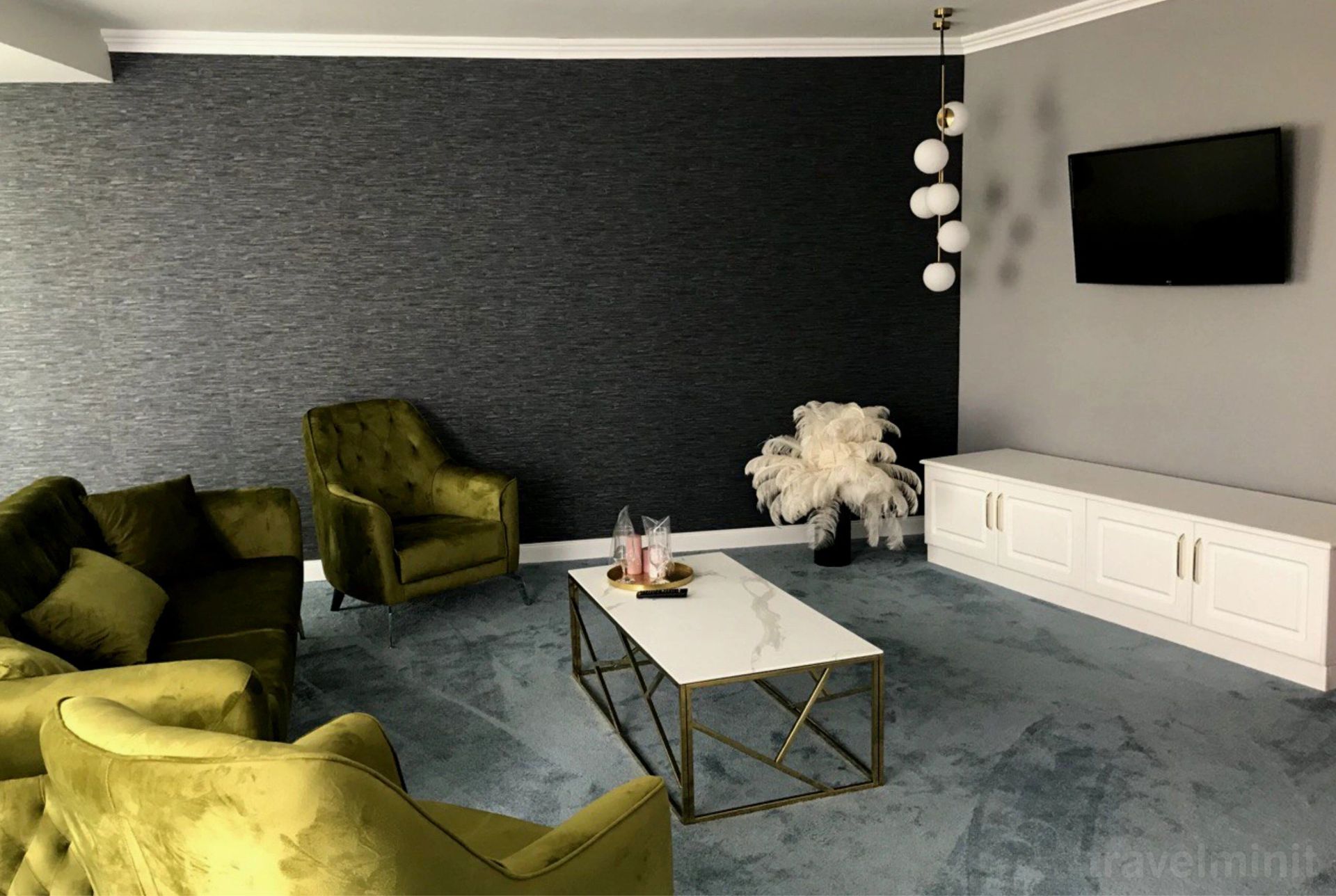
Hotel Sungarden Salin Turda
Hotel cu trei stele situat în localitatea Turda, județul Cluj, Sungarden Salin vă oferă cazare confortabilă la strada Clujului numărul 71, într-un mediu primitor și bine întreținut, potrivit atât pentru călătorii de afaceri, cât și pentru turiști. Unitatea dispune de un restaurant în incintă, unde puteți lua masa, alături de facilități moderne precum Wi-Fi gratuit în toate spațiile, aer condiționat în fiecare cameră, seif pentru păstrarea în siguranță a obiectelor personale, scaun înalt pentru copii și un spațiu special amenajat pentru depozitarea bagajelor. În exterior, proprietatea beneficiază de o curte mare și de o grădină îngrijită, spații plăcute pentru relaxare în aer liber, iar pentru oaspeții care sosesc cu mașina este pusă la dispoziție o parcare privată gratuită. În apropiere se află principalele atracții turistice ale zonei: Salina Turda, Cheile Turzii, Băile Sărate din Turda, Biserica Sfântul Mihail din Cluj și Mănăstirea Mihai Vodă, toate putând fi vizitate cu ușurință în timpul șederii dumneavoastră. Vă așteptăm cu drag la Sungarden Salin Turda.
FROM
290 lei per night
BEFORE YOU HIT THE ROAD
Weather conditions in Apahida
Local forecast for Turda Gorge Nature Reserve, Apahida, Cluj

Real-time updated weather data
Much more to explore in this area
Nearby tourist attractions


Turda, Cluj County
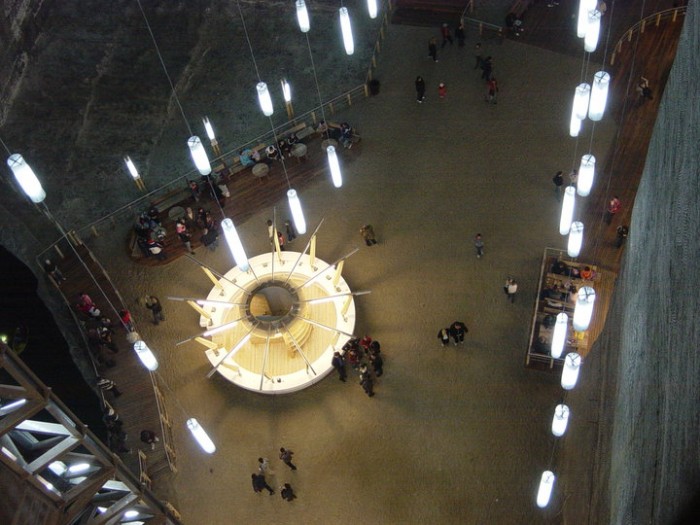
Turda Salt Mine
Se gaseste in zona Durgau-Valea Sarata din Turda; prima atestare documentara a extragerii sarii in Turda dateaza din anul 1271; cele patru mine din adancurile...
7.6 km
Apahida, Cluj County
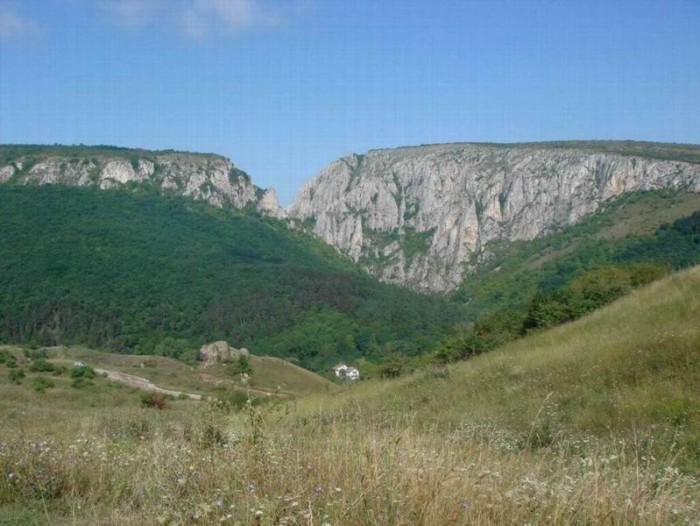
Turda Gorge
Situate la o distanta de 6 km vest de Turda, de-a lungul Vaii Hasdate; ocupa o suprafata de 324 ha si s-au format prin erodarea rocii de calcar jurasic;...
0.6 km

Apahida, Cluj County
St. Michael's Church, Cluj-Napoca
Situata in Piata Unirii, Cluj-Napoca; istoria bisericii Sfantul Mihail coincide cu inceputurile Clujului ca si oras; biserica a fost inaltata pe un teren care...
23.7 km
Apahida, Cluj County
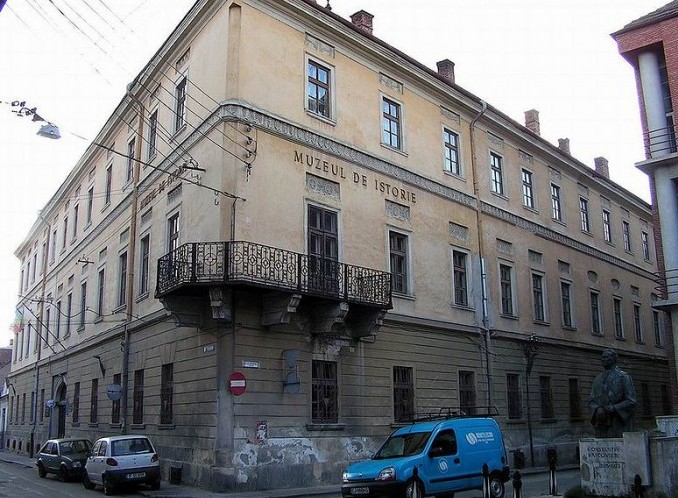
National Museum of History of Cluj-Napoca
Situat pe strada Constantin Daicoviciu 2, Cluj-Napoca; cunoscuta si drept Casa Petrechevich-Horvath drept, este continuatorul primei asociatii muzeale din...
23.8 km

Apahida, Cluj County
Art Museum of Cluj-Napoca (Bánffy Palace)
Situat in Piata Unirii 30, Cluj Napoca; infiintat ca institutie in anul 1951, muzeul functioneaza din anul 1956 in Palatul Banffy, o cladire baroca construita...
24.5 km
Apahida, Cluj County
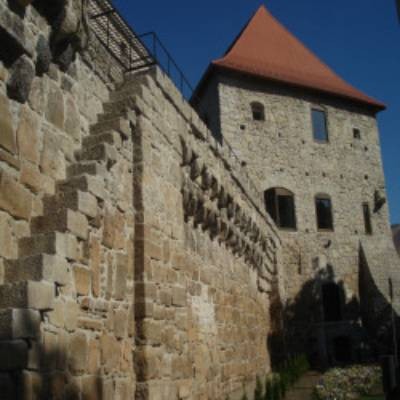
Cluj Citadel
Pentru a construi cetatea romanii au folosit ca si hotare ale cetatii in primul rand Canalul Morilor si Paraul Tiganilor, care trece prin Gradina Botanica si...
23.2 km
Nicula, Cluj County
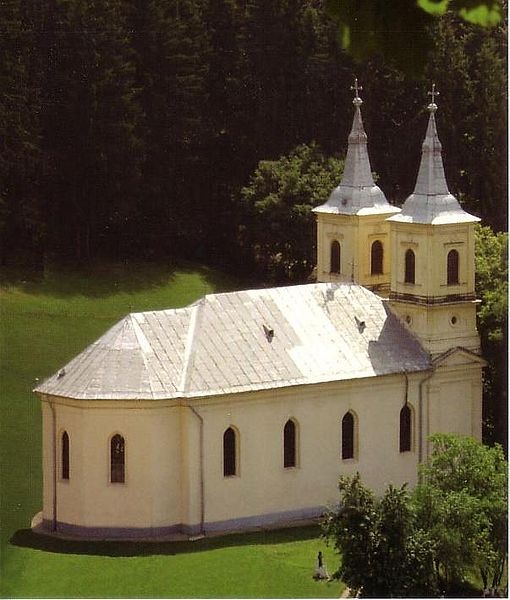
Nicula Monastery
Situata in localitatea Nicula, orasul Gherla; manastire de calugari; poarta urmatoarele hramuri: Adormirea Maicii Domnului, Sfantul Nicolae, Buna Vestire;...
24.4 km
Apahida, Cluj County
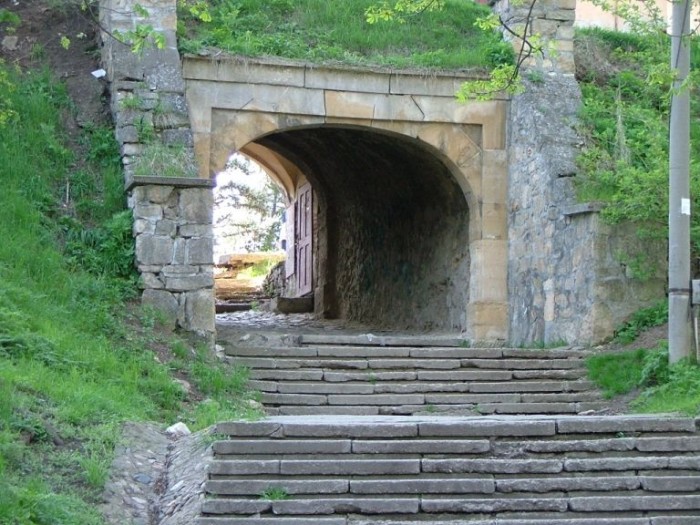
Cluj Citadel (Cetățuia)
La fel ca si Cetatea din Alba Iulia, Cetatuia a fost proiectata de arhitectul militar italian Giovanni Morandi Visconti, in timpul guvernarii militare a...
24.4 km

23.6 km

Apahida, Cluj County
Transylvania Ethnographic Museum
Situat pe strada Memorandului nr. 21 din Cluj-Napoca; infiintat in 1922, detine colectii cu piese extrem de valoroase, achizitionate pe baza unor cercetari de...
23.7 km

23.8 km

29.5 km
Cultural life and traditions
Events in the Turda Gorge Nature Reserve area
Medieval festivals, traditional fairs, concerts and local activities recommended in Transylvania.

Heritage and History

Apahida, County of Cluj
The Festival of Medieval Fortresses and the Open Doors Days
Guided night tours, traditional crafts workshops and historical re-enactments featuring knights and ladies.
WHEN
May 15-17, 2026


Traditions and Cuisine
Apahida, County of Cluj
The Fair of Saxon Traditions and Local Cuisine
Discover local producers, traditional Saxon pastries baked in a wood-fired oven, artisanal syrups, and rhubarb jam.
WHEN
Every weekend (May - October)

Ecotourism and Nature
The hills of Transylvania, County of Cluj
Guided Hikes on the Transylvanian Hills Trail
Take excursions along unmarked trails through ancient meadows, centuries-old oak trees, and villages with fortified churches that are UNESCO World Heritage sites.
WHEN
Friday – Sunday (Season 2026)
On foot, exploration gains depth
Discover the surroundings and local geography
Explore the trails, terrain, and natural landmarks around Turda Gorge Nature Reserve.

Guides and practical tips
Useful travel articles
Travel guides, practical recommendations and tourist itineraries for Transylvania.

Tourist guide
Top 5 Atracții Turistice și Trasee Montane în Zona Moieciu - Bran
Descoperă cele mai spectaculoase peisaje carstice, chei adânci și cetăți medievale din imediata apropiere a stațiunii Moieciu.

Tourist guide
Ghid de Drumeție: Traseul Moieciu de Sus spre Platoul Bucegi
Un itinerariu montan de o frumusețe rară ce urcă din Valea Băngăleasa spre Poiana Guțanu și crestele maiestuoase ale Bucegilor.

Tourist guide
Castelul Bran: Istorie, Legende și Secrete Medievale
Află adevărata poveste a fortăreței medievale din Pasul Bran, reședința de suflet a Reginei Maria a României.
THE JOURNEY STARTS WITH AN IDEA
The next story is on the way.
From the first stop to the last stay, make room for a new Romania.
