


MONUMENT · TRANSYLVANIA
Cluj Citadel (Cetățuia)

Apahida, Cluj County
Add location to your trip planner.
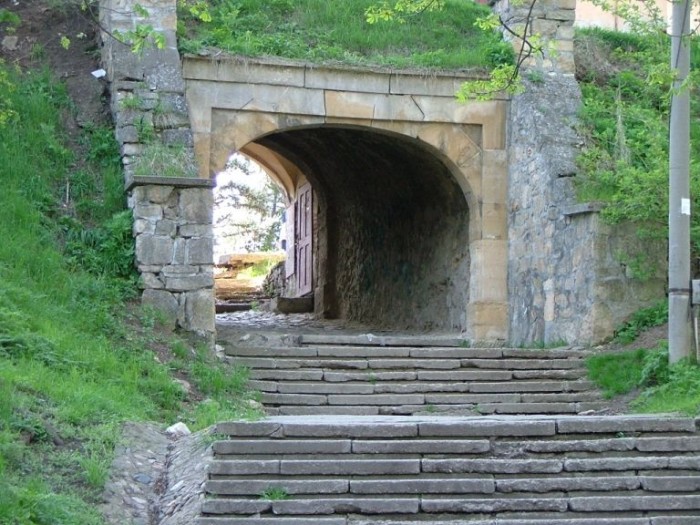
Practical access information

VISITING HOURS
Monday: 12:00 PM – 5:00 PM · Tuesday–Sunday: 9:00 AM – 5:00 PM (in summer until 8:00 PM)

TICKET PRICE
Adults: 45 RON · Students: 11 RON · Seniors: 23 RON · Guided tour included

RECOMMENDED VISIT DURATION
2-3.5 hours
Visitor information and guide
 Navigate with Google Maps

ABOUT CLUJ CITADEL (CETĂȚUIA)
A Fortress on Europe’s Summit: Cluj Citadel Between History and Panorama
Rising majestically at an altitude of 405 meters on Apahida Hill, on the northeastern edge of Cluj-Napoca, the Cluj Citadel (Cetățuia) is far more than a mere relic of military history. It is a convergence point of European history, where 18th-century imperial strategies, Italian Baroque fortification art, and the painful memories of the 1848 revolutions intersect. From a distance, its forested silhouette appears to watch over the city below, a reminder that Transylvania was for centuries part of the continent’s vast defensive systems, alongside the citadels of Vienna, Prague, and Budapest. Today, Cluj Citadel is not just an architectural monument but a sanctuary of collective memory, a space where Habsburg military history intertwines with the wild nature of the hill and the breathtaking panorama of a city rooted in Roman, medieval, and Renaissance heritage.
Habsburg Roots and the Imperial Fortification System
The construction of Cluj Citadel, carried out between 1715 and 1735, took place during a pivotal moment in Central European history. The Habsburg Empire, under Emperor Charles VI and military governor Stephan von Steinville, sought to consolidate its control over Transylvania, recently conquered from the Ottoman Empire. This period marked the beginning of an unprecedented era of military modernization in the region, as old medieval Transylvanian fortresses were transformed or replaced with modern fortifications capable of withstanding siege artillery. Cluj Citadel was part of a vast strategic network of Habsburg fortresses stretching from the Italian borders to the heart of Eastern Europe, including the impressive Alba Iulia Citadel, the fortifications of Timișoara, and those of Sibiu. Designed to serve as a bastion against any Ottoman incursions from the east while ensuring military dominance over a region with strong autonomous traditions, the fortress reflects Vienna’s centralization policies and the desire to integrate Transylvania into the administrative and military system of the Holy Roman Empire.
Visconti the Master and Baroque Military Architecture
The Italian military architect Giovanni Morandi Visconti, the same mastermind behind the imposing Alba Iulia Citadel, was responsible for designing Cluj Citadel. He brought with him the expertise of the Italian school of fortifications, renowned across Europe for its technical innovations. The construction follows the principles of trace italienne, the star-shaped fortification style developed in the 16th century and perfected during the Baroque era. Characterized by polygonal bastions, earthen ramparts, and a complex layered defense system, this approach was inspired by the treatises of Francesco de Marchi and adapted to the Carpathian terrain. Cluj Citadel thus enters into direct dialogue with the great achievements of European military engineering, such as the fortifications of Sébastien Le Prestre de Vauban in Louis XIV’s France or the citadels of northern Italy, like those in Mantua or Palmanova. The fortress’s bastions, with their massive stone and brick walls, enclosed administrative buildings, barracks for the garrison, and a vast armory, forming a self-sufficient complex capable of sustaining a prolonged siege. Its strategic location, dominating the city and the access routes from the east, reflects the principles of Habsburg military strategy, which prioritized control of high ground and key communication routes in conquered territories.
Two Centuries of Military History and Political Reclusion
For over two hundred years, Cluj Citadel served essential functions for the imperial military administration. It acted as a command center for Austrian troops stationed in Transylvania, a barracks for soldiers, and, during turbulent periods of history, a prison for political detainees. In the 19th century, as the Habsburg army modernized and shifted its military focus to other regions of the empire, the citadel gradually lost its strategic importance, entering a period of military decline that coincided with its transformation into a space of reclusion. This evolution mirrors the transition from strict military functions to civilian uses, a common trajectory for many European fortresses decommissioned after the 19th century, when technological advances in artillery rendered high walls vulnerable and empires preferred more flexible and cost-effective defense systems. During this period, Cluj Citadel housed political prisoners, intellectuals, and freedom fighters, becoming a symbol of imperial repression in a Europe where national and liberal ideas were gaining ground.
The Martyrdom of 1848–1849: When the Citadel Became a European Symbol
The profound cultural significance of Apahida Hill was forever marked by the bloody events of 1848–1849, when Cluj Citadel became a battleground between Hungarian revolutionaries led by Lajos Kossuth and Austrian imperial forces. This conflict was part of the broader wave of revolutions that shook the European continent, from Paris and Vienna to Budapest and Prague. In those turbulent years, as the ideals of liberty, equality, and fraternity were proclaimed in the squares of major capitals, the citadel was transformed into a place of detention and execution for many Hungarian and Romanian fighters who aspired to national emancipation. Here, individuals whose names entered Transylvanian history were imprisoned and killed, turning the hill into a veritable Golgotha of resistance against Habsburg domination. In 1995, on the 150th anniversary of these tragic events, an impressive monumental cross was erected on the citadel’s grounds in memory of the victims. This commemorative gesture aligns Cluj Citadel with other European sites of martyrdom, such as the Père Lachaise Cemetery in Paris, the revolutionary monuments in Vienna, and the commemorative sites of the Hungarian Revolution in Budapest, creating a circuit of European democratic memory.
A Changing Urban Landscape and the Memory of the Place
Major urban transformations in the 1960s brought significant changes to the surrounding landscape, when the Belvedere Hotel was built in the immediate vicinity of the citadel. This development integrated the monument into a modernist architectural context that starkly contrasts with its historic character. This evolution reflects the tension between preserving heritage and the pressures of urban development, a dilemma common to many European cities in the post-war period, when rapid modernization often threatened to overshadow the remnants of the past. Nevertheless, Cluj Citadel has retained its aura of mystery and solemnity, becoming a space for reconnecting with nature and history for the residents and visitors of Cluj. Today, the hill is covered in lush vegetation that frames the remnants of the bastions and the foundations of former military buildings, creating a unique landscape where romantic ruins meet the contemporary urban panorama. The monument of the cross, visible from afar, dominates the scene as both a warning and a call to remembrance, reminding us that freedom and democracy were won through sacrifice at a time when Europe was still seeking a balance between empires and nations.
Visitor’s Guide: Discovering Cluj Citadel Today
Visiting Cluj Citadel today offers a multifaceted experience, combining a nature walk with the discovery of an essential chapter in the military and political history of Southeastern Europe. Access is via forested paths that ascend to the summit, offering increasingly expansive views of Cluj-Napoca, from the Gothic silhouette of St. Michael’s Church to the modern buildings of the university center and Union Square. Along the way, visitors can explore the remnants of the bastions, the foundations of former military buildings, and absorb the atmosphere of the site through commemorative plaques and the monumental cross that watches over the city. The panoramic view from the top reveals the historical layers of a city with Roman, medieval, and Baroque roots, providing a unique perspective on its urban evolution over the centuries. Located in Apahida, just a few kilometers from central Cluj, the citadel is accessible by car, on foot, or by bicycle, making it an ideal destination for a half-day excursion. For photography enthusiasts, sunset offers spectacular lighting on the stone walls and cityscape, while history lovers will find traces of the imperial past and revolutionary sacrifice in every corner of the citadel. A complete visit should also include a walk through Cluj’s historic surroundings to fully understand the context in which this fortress was built and has endured for three centuries.
Media gallery
Discover Cluj Citadel (Cetățuia) in pictures

2 photos · Architecture, courtyards and captivating details

Image source: Wikimedia Commons · Public domain photos · Free license
STAY A FEW DAYS, DISCOVER THE MAGIC
Accommodation in the Cluj Citadel (Cetățuia) area

Guesthouse · 3 stars

Cluj-Napoca, Cluj County · 0.2 km
Citadel Rooms Cluj-Napoca
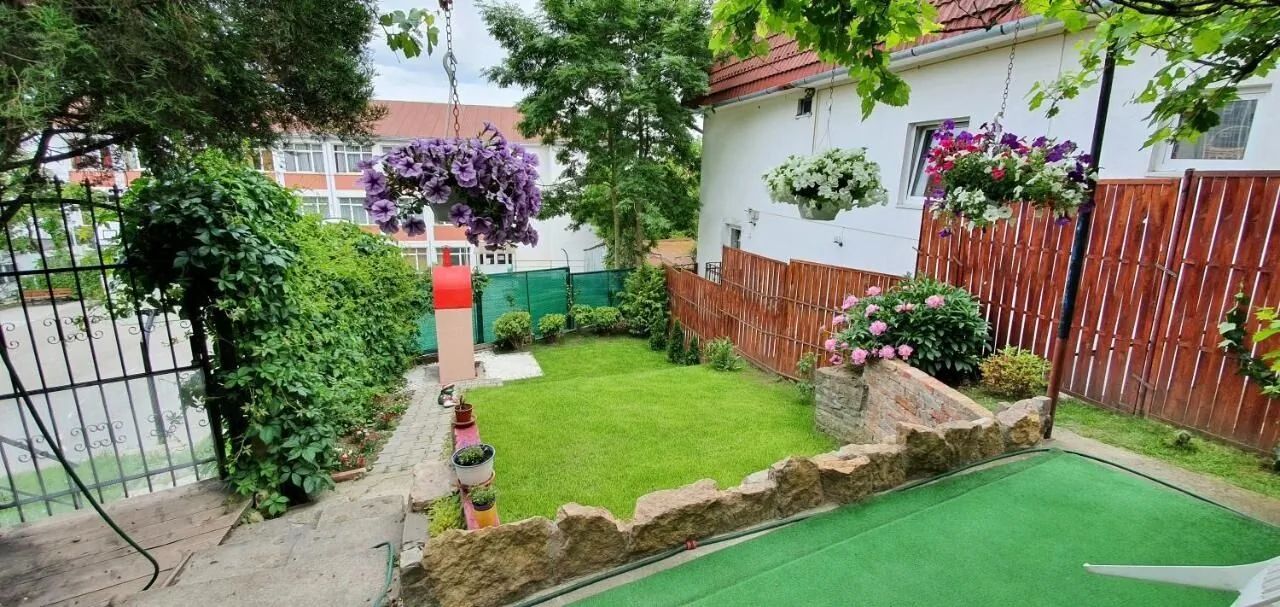
La doar câțiva pași de Biserica Sfântul Mihail din Cluj, Citadel Rooms Cluj-Napoca reprezintă punctul de plecare pentru explorarea orașului. Această pensiune turistică de 3 stele din Cluj-Napoca pune la dispoziția dumneavoastră două camere amenajate cu atenție, fiecare dotată cu baie proprie și acces la internet, oferind un cadru plăcut și liniștit pentru odihnă după o zi plină de descoperiri. Unitatea oferă Wi-Fi gratuit în toate spațiile și un depozit pentru bagaje, astfel încât să vă puteți deplasa liber prin oraș fără să vă faceți griji pentru echipament. La recepție veți fi întâmpinați în limba română, engleză sau maghiară, iar la cerere puteți comanda și micul dejun. Programul de primire începe la ora 14:00, cu posibilitatea de plecare până la ora 11:00. În apropiere puteți descoperi Muzeul Național de Istorie Cluj-Napoca, Muzeul de Artă Cluj Napoca, Cetățuia din Cluj și Mănăstirea Nicula, fiecare dintre aceste obiective oferind o perspectivă unică asupra patrimoniului cultural și istoric al zonei. Vă așteptăm la Citadel Rooms Cluj-Napoca.
FROM
240 lei per night

Apartment · 4 stars
Cluj-Napoca, Cluj County · 0.2 km
BelleView Apartaments Cluj
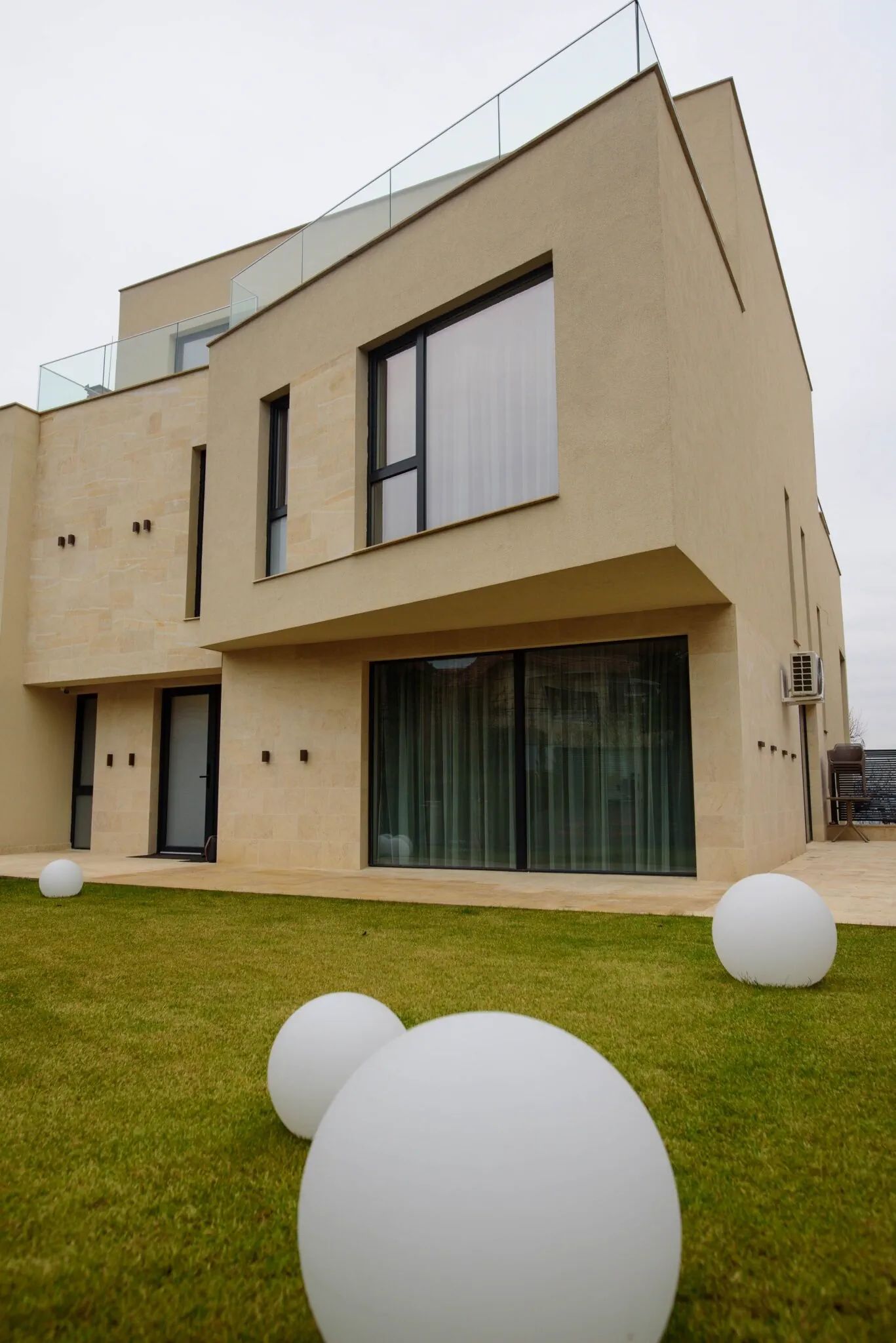
BelleView Apartaments Cluj este un apartament de închiriat clasificat cu 4 stele, situat în Cluj-Napoca, pe strada Cetății 11. Această unitate reprezintă o opțiune de cazare potrivită pentru cei care doresc să exploreze orașul într-un cadru confortabil și bine amplasat. Facilitățile disponibile includ Wi-Fi gratuit, parcare privată gratuită și acces cu lift pentru un plus de comoditate în fiecare zi. Pentru siguranța bunurilor dumneavoastră, fiecare unitate dispune de seif, iar pentru momentele de relaxare puteți folosi terasa, terasa la soare sau barul din incintă. De asemenea, aveți la dispoziție fier de călcat și depozit pentru bagaje, astfel încât șederea să fie cât mai confortabilă. Spațiile exterioare oferă o curte mare și o grădină amenajată, perfecte pentru a vă bucura de aer liber și de liniște. Puteți organiza mese în aer liber folosind grătarul sau barbeque-ul pus la dispoziție. În vecinătate se găsesc obiective turistice semnificative: Biserica Sfântul Mihail, Muzeul Național de Istorie, Muzeul de Artă, Cetățuia și Mănăstirea Nicula, toate interesante pentru vizitare. Vă așteptăm cu drag la BelleView Apartaments Cluj.
FROM
320 lei per night
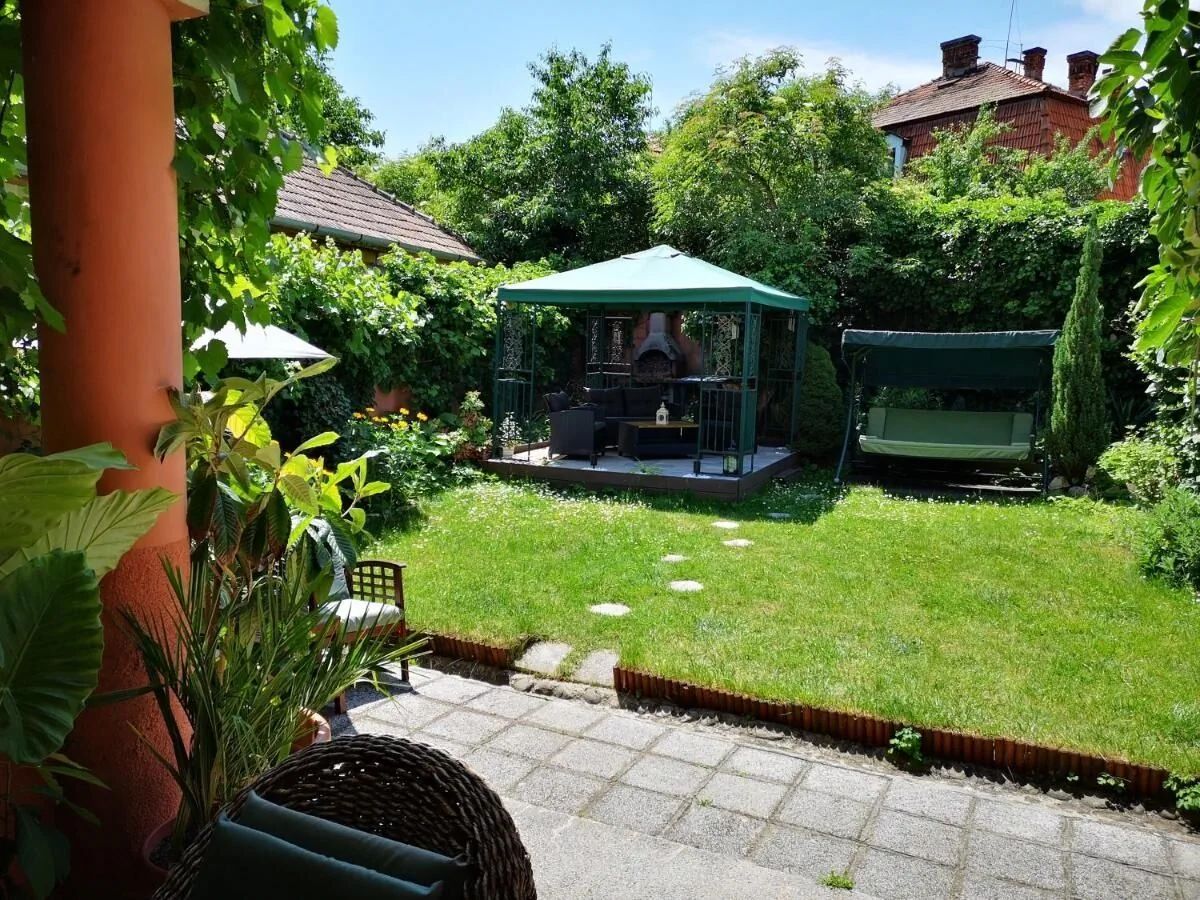
Hotel · 4 stars
Cluj-Napoca, Cluj County · 0.3 km
Villa-Hotel Escala Cluj-Napoca
Comfort, relaxation and stunning views, all just steps away from the main attractions.
FROM
420 lei per night
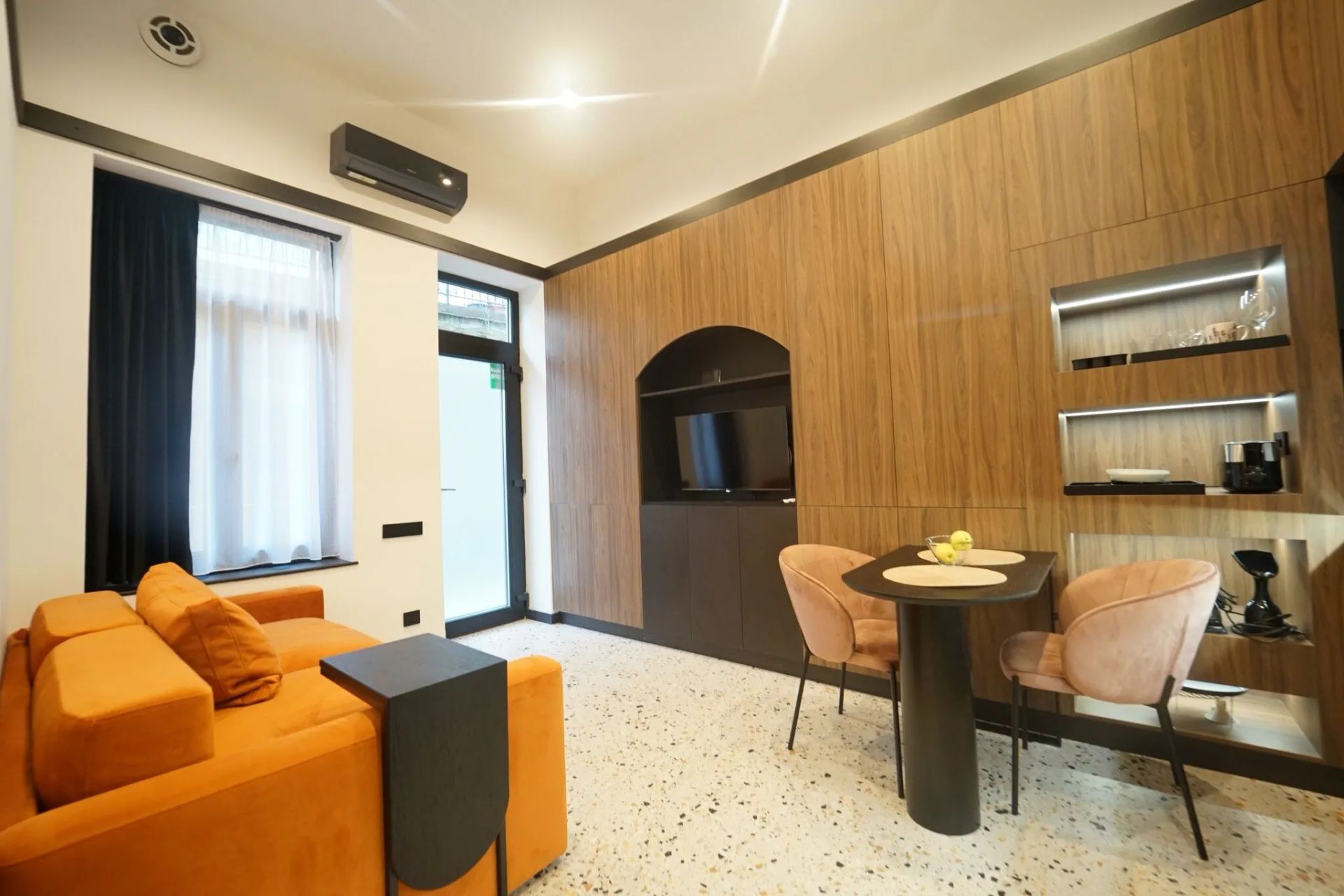
Apartment · 3 stars
Cluj-Napoca, Cluj County · 0.6 km
Apartament Jais Home Moon Cluj-Napoca
În curtea largă și grădina amenajată a apartamentului Jais Home Moon din Cluj-Napoca, aerul proaspăt și liniștea vă înconjoară departe de aglomerația străzilor centrale. Unitatea se află chiar în Piața Muzeului, oferind un punct de plecare excelent pentru explorarea centrului istoric al orașului. Restaurantul și cafeneaua din incintă vă pun la dispoziție preparate gustoase și băuturi aromate, iar conexiunea Wi-Fi gratuită asigură acces la internet pe toată durata șederii dumneavoastră. Pentru confortul maxim, aveți la dispoziție fier de călcat și puteți solicita meniuri adaptate pentru diete speciale la cerere. În immediate apropiere se află Biserica Sfântul Mihail din Cluj, Muzeul Național de Istorie Cluj-Napoca, Muzeul de Artă Cluj Napoca, Cetățuia din Cluj și Mănăstirea Nicula, oferind oportunități variate pentru vizite culturale și momente de relaxare în aer liber. Pentru cei care călătoresc cu vehicul electric, unitatea pune la dispoziție o stație de încărcare în incintă, facilitând astfel deplasările prin oraș și împrejurimile sale pitorești fără griji. Seara, după ce ați vizitat obiectivele din apropiere, vă puteți retrage în grădina amenajată pentru a savura o cafea în aer liber.
FROM
230 lei per night
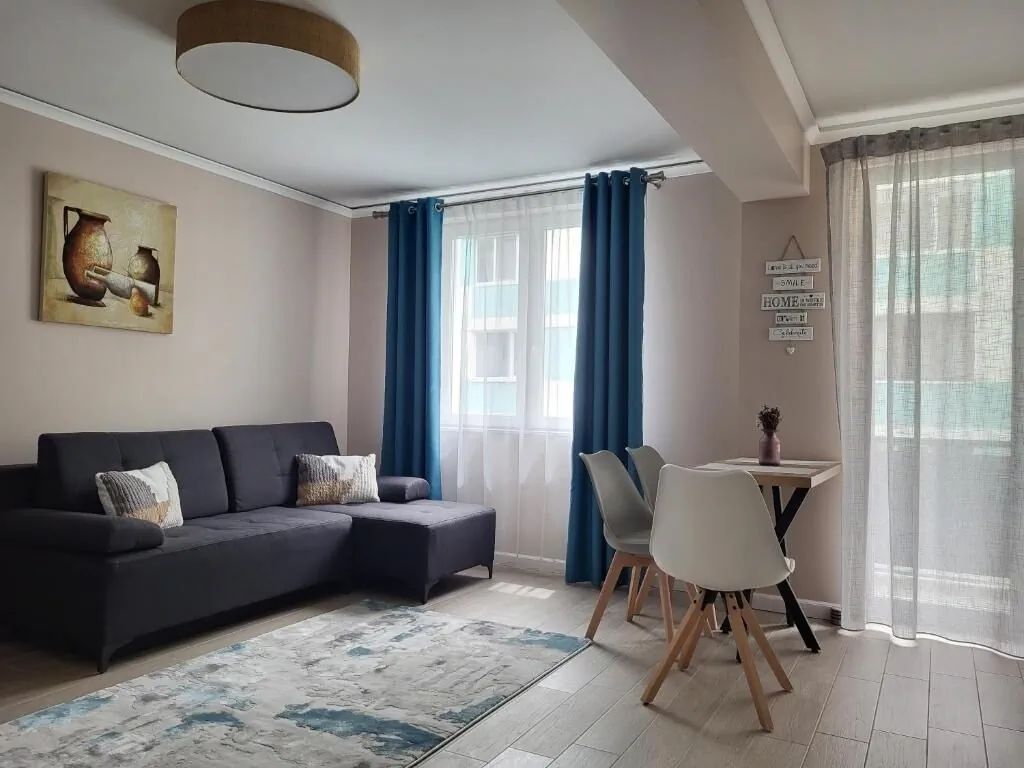
Apartment · 3 stars
Cluj-Napoca, Cluj County · 0.6 km
Apartament Pandora Central Cluj-Napoca
Comfort, relaxation and stunning views, all just steps away from the main attractions.
FROM
230 lei per night
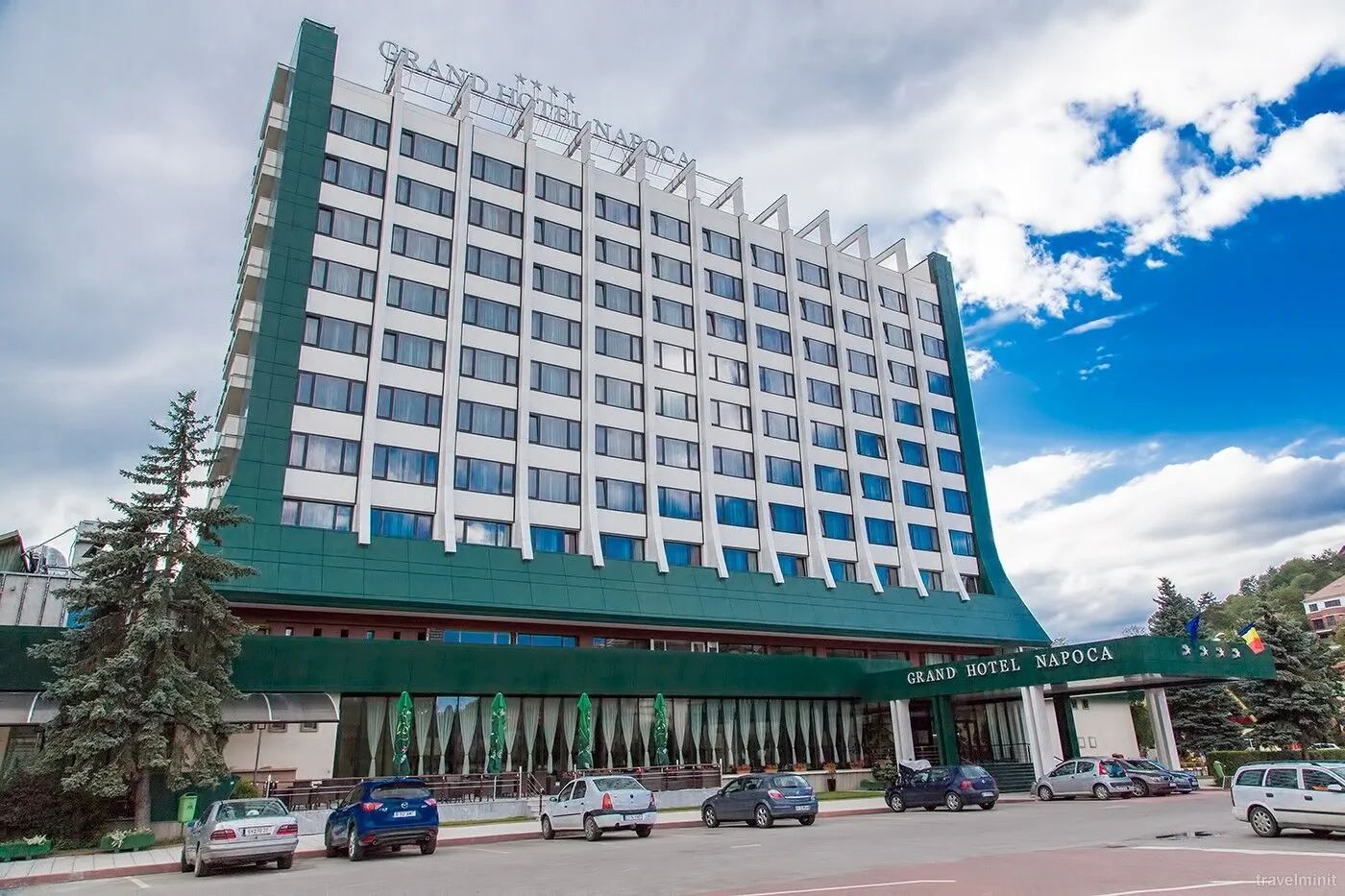
Hotel · 4 stars
Cluj-Napoca, Cluj County · 0.7 km
Grand Hotel Napoca Cluj-Napoca
În Cluj-Napoca, pe strada Octavian Goga numărul 1, se află Grand Hotel Napoca, un hotel clasificat la patru stele care oferă o experiență de cazare modernă și confortabilă într-unul dintre cele mai dinamice orașe din România. Poziționarea pe această arteră centrală vă permite să vă bucurați de atmosfera orașului și de serviciile oferite. Camerele beneficiază de aer condiționat, iar dumneavoastră aveți acces la Wi-Fi gratuit în întregul hotel. Pentru confortul dumneavoastră, hotelul oferă room service, parcare privată gratuită, depozit pentru bagaje și fier de călcat. De asemenea, sunt disponibile facilități precum sala de fitness, barul din incintă, liftul, accesul pentru persoane cu dizabilități, stația de încărcare pentru vehicule electrice și pătuț pentru bebeluș. În apropiere se pot vizita Biserica Sfântul Mihail din Cluj, Muzeul Național de Istorie Cluj-Napoca, Mănăstirea Nicula, Cetățuia din Cluj și Muzeul de Artă Cluj Napoca, obiective care îmbogățesc șederea dumneavoastră. Aceste locuri oferă ocazia de a descoperi patrimoniul cultural și istoric al zonei. Vă așteptăm la Grand Hotel Napoca.
FROM
420 lei per night
BEFORE YOU HIT THE ROAD
Weather conditions in Apahida
Local forecast for Cluj Citadel (Cetățuia), Apahida, Cluj

Real-time updated weather data
Much more to explore in this area
Nearby tourist attractions


Turda, Cluj County
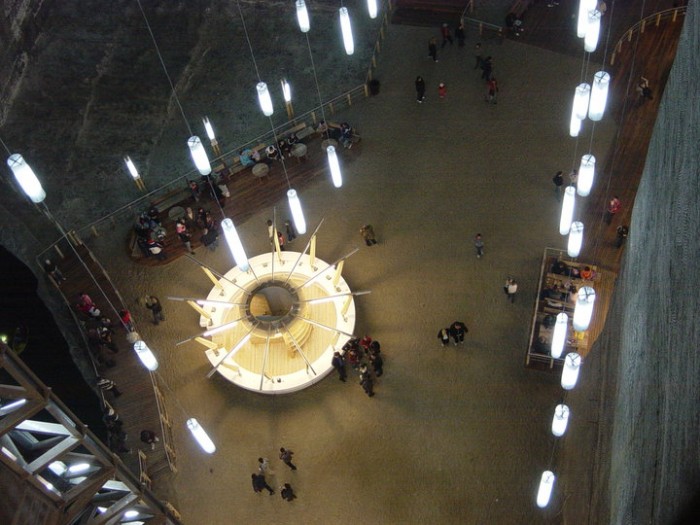
Turda Salt Mine
Se gaseste in zona Durgau-Valea Sarata din Turda; prima atestare documentara a extragerii sarii in Turda dateaza din anul 1271; cele patru mine din adancurile...
26.1 km
Apahida, Cluj County
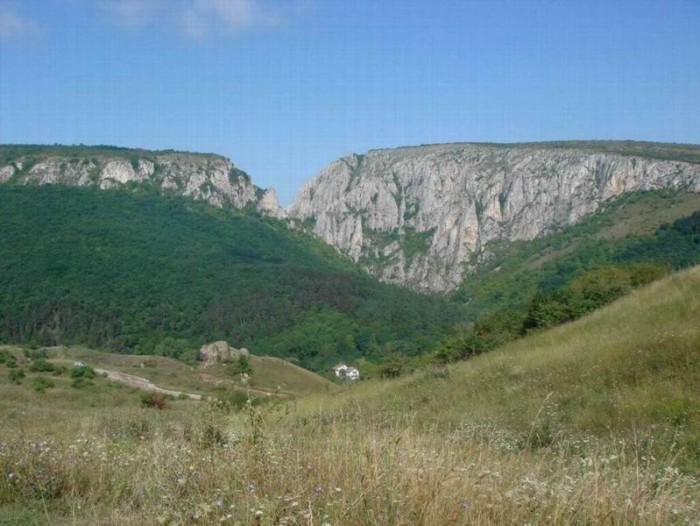
Turda Gorge
Situate la o distanta de 6 km vest de Turda, de-a lungul Vaii Hasdate; ocupa o suprafata de 324 ha si s-au format prin erodarea rocii de calcar jurasic;...
24.6 km

Apahida, Cluj County
St. Michael's Church, Cluj-Napoca
Situata in Piata Unirii, Cluj-Napoca; istoria bisericii Sfantul Mihail coincide cu inceputurile Clujului ca si oras; biserica a fost inaltata pe un teren care...
0.8 km
Apahida, Cluj County
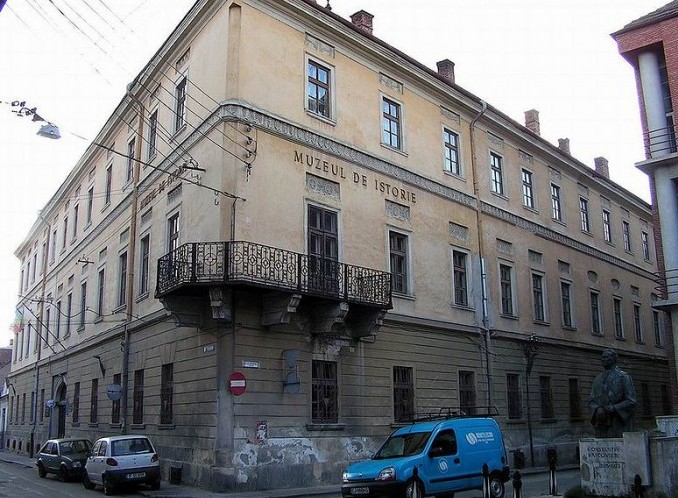
National Museum of History of Cluj-Napoca
Situat pe strada Constantin Daicoviciu 2, Cluj-Napoca; cunoscuta si drept Casa Petrechevich-Horvath drept, este continuatorul primei asociatii muzeale din...
0.6 km

Apahida, Cluj County
Art Museum of Cluj-Napoca (Bánffy Palace)
Situat in Piata Unirii 30, Cluj Napoca; infiintat ca institutie in anul 1951, muzeul functioneaza din anul 1956 in Palatul Banffy, o cladire baroca construita...
0.8 km
Nicula, Cluj County
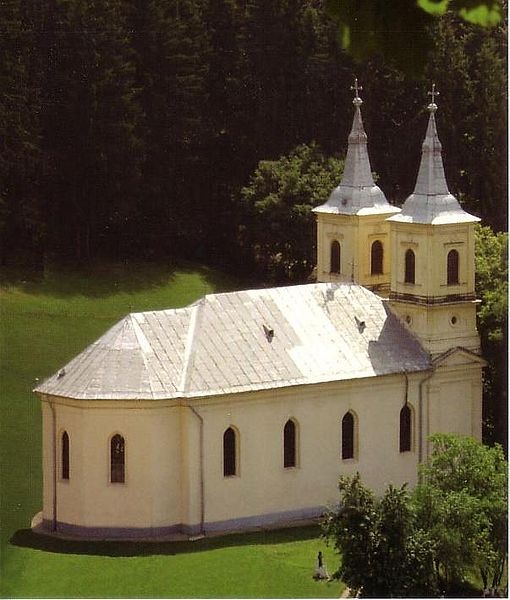
Nicula Monastery
Situata in localitatea Nicula, orasul Gherla; manastire de calugari; poarta urmatoarele hramuri: Adormirea Maicii Domnului, Sfantul Nicolae, Buna Vestire;...
0.4 km
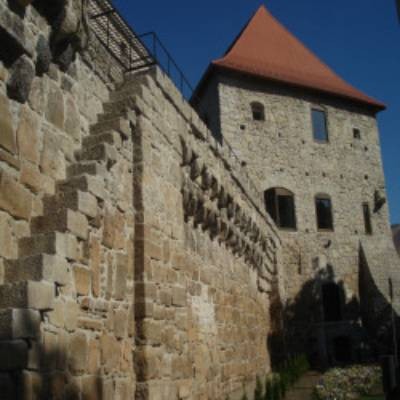
Apahida, Cluj County
Cluj Citadel
Pentru a construi cetatea romanii au folosit ca si hotare ale cetatii in primul rand Canalul Morilor si Paraul Tiganilor, care trece prin Gradina Botanica si...
1.6 km

Apahida, Cluj County
Transylvania Ethnographic Museum
Situat pe strada Memorandului nr. 21 din Cluj-Napoca; infiintat in 1922, detine colectii cu piese extrem de valoroase, achizitionate pe baza unor cercetari de...
0.7 km

1.2 km

Apahida, Cluj County
Turda Gorge Nature Reserve
Situate de-a lungul Vaii Hasdate; reprezinta una dintre cele mai cunoscute atractii turistice din Romania -privelistea, peretii inalti de stanca, vegetatia si...
24.4 km

38.0 km
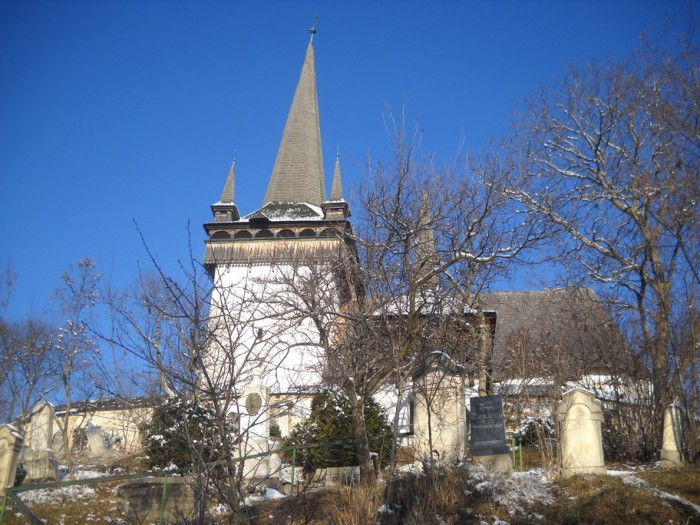
Valeni, Cluj County
Fortified Church of Văleni
Situata in satul Valeni, judetul Cluj; a fost ridicata in secolul al XIII-lea de calugarii franciscani; este una dintre cele mai frumoase biserici din judetul...
41.7 km
Cultural life and traditions
Events in the Cluj Citadel (Cetățuia) area
Medieval festivals, traditional fairs, concerts and local activities recommended in Transylvania.

Heritage and History

Apahida, County of Cluj
The Festival of Medieval Fortresses and the Open Doors Days
Guided night tours, traditional crafts workshops and historical re-enactments featuring knights and ladies.
WHEN
May 15-17, 2026


Traditions and Cuisine
Apahida, County of Cluj
The Fair of Saxon Traditions and Local Cuisine
Discover local producers, traditional Saxon pastries baked in a wood-fired oven, artisanal syrups, and rhubarb jam.
WHEN
Every weekend (May - October)

Ecotourism and Nature
The hills of Transylvania, County of Cluj
Guided Hikes on the Transylvanian Hills Trail
Take excursions along unmarked trails through ancient meadows, centuries-old oak trees, and villages with fortified churches that are UNESCO World Heritage sites.
WHEN
Friday – Sunday (Season 2026)
On foot, exploration gains depth
Discover the surroundings and local geography
Explore the trails, terrain, and natural landmarks around Cluj Citadel (Cetățuia).

Guides and practical tips
Useful travel articles
Travel guides, practical recommendations and tourist itineraries for Transylvania.

Tourist guide
Top 5 Atracții Turistice și Trasee Montane în Zona Moieciu - Bran
Descoperă cele mai spectaculoase peisaje carstice, chei adânci și cetăți medievale din imediata apropiere a stațiunii Moieciu.

Tourist guide
Ghid de Drumeție: Traseul Moieciu de Sus spre Platoul Bucegi
Un itinerariu montan de o frumusețe rară ce urcă din Valea Băngăleasa spre Poiana Guțanu și crestele maiestuoase ale Bucegilor.

Tourist guide
Castelul Bran: Istorie, Legende și Secrete Medievale
Află adevărata poveste a fortăreței medievale din Pasul Bran, reședința de suflet a Reginei Maria a României.
THE JOURNEY STARTS WITH AN IDEA
The next story is on the way.
From the first stop to the last stay, make room for a new Romania.
