


PLACE OF WORSHIP · TRANSYLVANIA
St. Michael's Church, Cluj-Napoca

Apahida, Cluj County
Add location to your trip planner.

Practical access information

VISITING HOURS
Monday: 12:00 PM – 5:00 PM · Tuesday–Sunday: 9:00 AM – 5:00 PM (in summer until 8:00 PM)

TICKET PRICE
Adults: 45 RON · Students: 11 RON · Seniors: 23 RON · Guided tour included

RECOMMENDED VISIT DURATION
2-3.5 hours
Visitor information and guide
 Navigate with Google Maps

ABOUT ST. MICHAEL'S CHURCH, CLUJ-NAPOCA
A cornerstone of Christian Europe: introduction and universal value
In the heart of Union Square in Cluj-Napoca, where two millennia ago stretched the forum of the Roman city of Napoca—capital of the province of Dacia Porolissensis—stands today the Roman Catholic Church of "St. Michael," known in Hungarian as Szent Mihály-templom and in German as Michaelskirche. With its 70 meters of length and its 80-meter clock tower, the building is the second-largest Gothic church in Romania, after the Black Church in Brașov, and, together with the Matthias Rex Statue Ensemble in front of it, forms the supreme symbolic pair of an entire city. Listed among the historical monuments of national value (code LMI CJ-II-m-A-07469), the church is not merely a place of worship: it is a living document of European history, a place where dynasties, empires, and hopes were born, baptized, crowned, and lost.
The universal value of this monument resides precisely in its historical density. Here was baptized one of the greatest kings of the European Renaissance, Matthias Corvinus; here, in 1551, a queen surrendered the royal insignia to the envoy of a Habsburg emperor, in a gesture that sealed the partition of the Kingdom of Hungary between Vienna and Constantinople; here were invested the princes of Transylvania, and here were held diets that decided the fate of an entire province situated at the crossroads of the Latin, Ottoman, and Orthodox worlds. Few churches in Central Europe can tell so many chapters of the continent's great history—from the late Roman Empire, through the medieval Kingdom of Hungary, the Reformation and Counter-Reformation, to the Habsburg Empire and today's European Union, which financed the restoration of the building and rewarded it, in 2024, with the prestigious Europa Nostra Prize.
Historical roots: from Roman Napoca to the free royal city of Hungary
A church born from the privileges of an Angevin king
The history of St. Michael's Church essentially coincides with the beginnings of Cluj as a city. On August 19, 1316, King Charles Robert of Anjou—the same Neapolitan king of the Angevin dynasty who consolidated the Kingdom of Hungary after the succession crisis and founded chivalric orders such as that of St. George—granted Cluj a series of privileges and liberties, including the right to freely elect its priest and parish priest. This status as a free royal city (Királyi szabad város), similar to that enjoyed by the great free cities of Central Europe—Kassa (Košice), Buda, or the Hanseatic cities—opened the way for urban development. In written sources, the parish priest of the church is mentioned for the first time also in 1316; the priest Benedict, a prominent figure of the city, obtained new municipal privileges from the same king three years later, in 1319.
The church was erected on land that had served as a cemetery and where an older chapel had existed, dedicated to St. James—a sacred continuity specific to many medieval European cities, where new parish churches often rose above old sacred foundations or necropolises. From the old Romanesque building that preceded the Gothic construction, a few architectural elements are still preserved, silent witnesses of an earlier phase. The main document attesting to the construction effort is an indulgence letter issued by the papal court at Avignon in January 1349—proof that the Cluj construction site was part of the broad network of European ecclesiastical patronage, in an era when the pope was at Avignon, in captivity, and the pontifical court attracted artists and builders from the entire Latin world.
Construction unfolded in several phases, spread over nearly two centuries: a first stage between 1316 and 1390, when the altar was also completed, followed by a second phase between 1410 and 1487, with interventions that continued, in at least six stages, until the beginning of the 16th century, without the building ever being fully "finished"—a trait common to the great Gothic construction sites of Europe, from Cologne Cathedral to the Prague dome. Royal support did not cease: Kings Sigismund of Luxembourg, Ladislaus V of Habsburg, King Matthias, and Vladislaus II of Poland each supported, in his own way, the raising and endowment of the church.
Sigismund of Luxembourg and the three crowns above the portal
One of the most eloquent symbols of this monument's belonging to European history is located right above the main entrance. The west portal, erected in the 1440s, is crowned by the relief of St. Michael defeating the dragon—placed there, according to an inscription in Gothic characters dated 1444—and by the three coats of arms of Sigismund of Luxembourg: the arms of Roman-German emperor in the center, those of King of Hungary on the left, and the unified arms of King of Hungary, Bohemia, and Germany, respectively Archduke of Austria, on the right. Their existence is not accidental: Sigismund (1387–1437), under whose reign the building was apparently completed, was the last Roman-German emperor crowned in Rome (in 1433), holding at the same time the crowns of Hungary and Bohemia—a triple title that illustrates the universal ambition of the Luxembourg dynasty and the central place of Transylvania in the imperial politics of the time. The lateral portals of the church, with their embrasures and rich decoration, are related to those of St. Elisabeth Cathedral in Košice (today in Slovakia), the largest Gothic building in the neighboring country—proof of the circulation of architectural models in a Central Europe united by the Gothic.
Architectural masterpiece: Gothic in the heart of Transylvania
A hall church of cathedral size
The building is a Gothic hall church—that type of construction in which the central nave and the side aisles have similar heights, flooding the interior with light, as happens in the great parish churches of the free cities of Germany, the Low Countries, or Poland. The choir, delimited by four bays, is covered with cross vaults on ogives, while the three naves are surmounted by star vaults, supported on articulated pillars through well-profiled toruses; the capitals of the pillars in the choir are remarkable for their historical and artistic value. This vaulting structure, together with the stained glass and sculptures, evokes the grandeur specific to Western Gothic cathedrals—from Notre-Dame in Paris to St. Elisabeth in Košice—and places the Cluj monument in the broad family of Latin sacred architecture of the 14th–15th centuries.
Over time, the interior also experienced other styles. After the return to Roman Catholicism, under the influence of the Baroque, the church was restored by the artists Johannes Nachtigall (1717–1761) and Anton Schuchbauer, under the guidance of parish priest János Bíró. The main altar with "The Adoration of the Magi"—sculpted by Nachtigall and painted between 1748 and 1750 by Franz Anton Maulbertsch, the most renowned representative of late Viennese Baroque painting, active throughout the Habsburg monarchy, from Vienna to Moravia—brings to Transylvania the echo of the great Viennese schools. The only piece of Gothic furniture preserved to this day is the polygonal pulpit in the shape of a chalice, hidden beneath the Baroque pulpit made between 1740 and 1750. With the return of Catholicism, the interior was rearranged in the spirit of the Counter-Reformation, and in 1874 new stained glass windows were installed intended to create a unified Gothic appearance, in accordance with the European Neo-Gothic fashion of the time.
The Schleunig Chapel, the sacristy portal, and the rediscovered frescoes
Of particular artistic importance is the Schleunig Chapel, located in the southwest corner of the building, to the right of the main entrance, dedicated to the Archangel Michael. Its ogive ceiling was completed around 1481, and inside it are preserved the most significant frescoes of the church—testimonies to Transylvanian mural painting of the 14th–15th centuries, partially rediscovered following the restoration of 1957–1960. The chapel bears the name of Gregorius Schleunig, parish priest of the city between 1450 and 1481, a figure that illustrates the role of urban elites in the artistic patronage of the era. Next to it, the door frame of the sacristy—a Renaissance stone sculpture dated 1528, commissioned by parish priest Johannes Klein and made by a German master—speaks of Cluj's continuous connections with the artistic world of the German lands, just like the presence of the Saxon colonists, whose Gothic imprint is found throughout the architecture of the city.
From the medieval tower to the Neo-Gothic one, the tallest in the country for centuries
Initially, the main facade was to receive two symmetrical towers, but only the northwestern one was raised, between 1511 and 1543. In 1697, a fire destroyed the tower, which was rebuilt in Baroque style in 1744; however, after an earthquake severely damaged it in 1763, putting it in danger of collapse, it had to be demolished. In 1837, the raising of the current clock tower began, in Neo-Gothic style, on the north facade, completed in 1860. With a height of 80 meters, the tower was for centuries the tallest church tower in the country and remains today one of the two tallest in Romania. Its raising in the full 19th century is part of the great European movement of Neo-Gothicism—the same movement that led to the completion of Cologne Cathedral (1880), the construction of the Votivkirche in Vienna, or the Parliament in Budapest. Of the five bells it once had, only one is preserved, dating from 1657 and weighing 280 kilograms—a metallic voice that has survived fires, earthquakes, and wars.
In 1747, in memory of the end of the plague epidemic that had affected the city between 1738 and 1744, a monumental Baroque gate was built in front of the west portal, probably the work of the Bavarian sculptor Johannes König, composed of seven statues with the Archangel Michael in the center. This evokes the great votive columns against the plague in Central Europe—from the famous Pestsäule in Vienna to those in Prague or Salzburg. In 1890, with the systematization of the Central Square, under pressure from public opinion, the constructions and shops that surrounded the church—rented by the parish since the 18th century, providing it with a handsome income—were demolished so as no longer to hide the monument; the Baroque gate was moved in front of St. Peter's Church in Cluj, where it still stands today, and the parish was compensated with land in the central area, on which it built the two "mirror" buildings on Iuliu Maniu Street. The opening of the square around the church in 1890 is part of the same movement of urban modernization that was transforming European capitals—from Haussmann's Paris to Vienna's Ringstraße—affirming the monument as a focal point of public space.
Turning points: the baptism of a king, the surrender of a crown, the investiture of princes
Matthias Corvinus—the Renaissance king baptized here
The most moving page in the history of the church is linked to the greatest king this land has ever given: Matthias Corvinus. Born in Cluj, in his father's house, the voivode John of Hunedoara, on February 23, 1443, the future King of Hungary and Croatia (1458–1490) was baptized in St. Michael's Church, in the Schleunig Chapel, today largely dismantled. Matthias was a Renaissance monarch in the true European sense: his court at Buda hosted Italian humanists, and the Corvinian Library—with thousands of codices, the second library in Europe after that of the Vatican—made Buda a center of humanist culture comparable to Lorenzo de' Medici's Florence. The name "Corvinus" itself, adopted by the king, refers to the legend of descent from the Roman gens Valeria—a learned claim to Roman origins, which his chronicler Antonio Bonfini transformed into a dynastic myth. The fact that the baptism of this king, who conquered Vienna in 1485 and confronted the Ottoman Empire, took place under the vaults of this Transylvanian church definitively links the monument to the story of the European Renaissance. In front of the church stands, since 1902, the imposing Matthias Rex Statue Ensemble, the work of sculptor György Zala—the visual pair that makes Union Square the true salon of the city, just as the cathedral and the statue of the prince define the identity of so many European squares.
1551: Queen Isabella, Emperor Ferdinand, and the drama of the partition of Hungary
If Matthias's baptism links the church to the Renaissance, another moment links it to the geopolitical tragedy of Southeastern Europe. On July 26, 1551, inside this place of worship, Queen Isabella—Isabella Jagiellon, widow of John Zápolya and mother of the child-king John Sigismund—surrendered the royal insignia, including the Holy Crown of Hungary, to the envoy of Emperor Ferdinand I of Habsburg, General Giovanni Battista Castaldo. The gesture sealed the partition of the Kingdom of Hungary: the western and northern parts came under Habsburg domination, the center of the country was occupied by the Ottomans after the Battle of Mohács (1526), and Transylvania became an autonomous principality under Ottoman suzerainty. Thus, the church in Cluj was the physical witness of a moment when the map of Europe was rewritten between two empires—the Roman-German of the Habsburgs and the Ottoman—in a drama whose echoes are still felt today.
Over the centuries, the building also hosted numerous diets of pre-modern Transylvania and was the place of investiture of several princes of the principality: Gabriel Bethlen—the Protestant ally of the German princes against the Habsburgs, the one who brought Transylvania to its apogee of power—Sigismund Rákóczi, Sigismund Báthory, and Gabriel Báthory. Each of these passed under the Gothic portal of the church, linking the fate of a province situated at the crossroads of Rome, Vienna, Constantinople, and Warsaw to the very stone of this monument.
The Protestant Reformation and the 150 years of estrangement
Like many other churches of Central Europe, St. Michael's also experienced the vicissitudes of the Protestant Reformation. Between 1545 and 1558 it served the Lutheran community, between 1558 and 1566 the Calvinist one, and from 1566 it became a Unitarian church—thus remaining, for a century and a half, in the hands of a confession that, unlike other European states, was to definitively prevail in Transylvania, making this province a unique case on the continent, alongside the anti-Trinitarian communities of Poland and Italy. In accordance with the canons of the Protestant confessions, the old altars were decommissioned, the interior furnishings were removed, and the medieval mural paintings were covered over—artistic losses that subsequent restorations could only partially recover. Only in 1716, with the establishment of Habsburg domination over Transylvania and within the process of the Counter-Reformation, was the church forcibly attributed to the Roman Catholic community, resuming, after a century and a half, its original function—a path parallel to that of many churches in Prague, Vienna, or Salzburg, returned to Catholicism by the Habsburg monarchy.
Legends, mysteries, and personalities
Around the church, over the centuries, numerous legends and historical hypotheses have been woven. It is believed that in the basement of the building there might be a medieval crypt, which would shelter tombs of the personalities of the time and objects of special heritage—a hypothesis that continues to fascinate historians and visitors alike. The restoration works of the period 2016–2022 brought to light, below the current walking level, an old altar of approximately 700 years, unknown medieval frescoes, reused Roman stones, and funerary stones from different epochs—material evidence of the fact that this place was sacred long before the raising of the Gothic building, even from Roman times. Historians have been occupied for centuries with the "history of the construction" of the church, which remains partially unexplained: the stylistic discrepancies between different parts of the building—the narrow windows of the choir, the reliefs of the capitals—suggest that, in a first phase, only the choir, the lateral apses, and the western part were built, the rest being added gradually, in a construction site that lasted almost two hundred years.
A particular curiosity is represented by the stained glass with the Archangel Michael and the inscription "Quis ut Deus?"—"Who is like God?"—the traditional motto of the holy warrior. The same motto was adopted by the Order of St. Michael, founded in 1469 by King Louis XI of France—a symbolic link with the Western chivalric world, which gives the church's patron saint an additional European resonance. And in the tower, the bell from 1657, silent survivor of the fire, the earthquake, and the centuries of history, continues to ring, linking the present to the memory of an era when the sound of churches marked the rhythm of the life of the entire community.
The restoration of the third millennium and the Europa Nostra Prize 2024
Between 2016 and 2022, St. Michael's Church underwent the most extensive restoration process in its modern history, financed from European and national funds—the European Union contributing approximately 18 million lei out of total costs of 22 million. The works included structural consolidation, stone cleaning, restoration of decorative elements, and restoration of the stained glass, while inside, the Baroque altars removed in 1951 were reinstated, offering an impressive visual spectacle in a Gothic building. European recognition did not delay: in 2024, the European Commission and Europa Nostra distinguished the restoration of the church with the prestigious Europa Nostra Prize—the European Prize for Cultural Heritage, awarded on October 7, 2024, within the framework of the European Cultural Heritage Summit hosted by the Romanian Athenaeum in Bucharest. This distinction places the Cluj monument in the elite of Europe's restored heritage, alongside projects such as those in Venice, Lisbon, or the industrial heritage of Great Britain, and confirms what cultivated travelers have always intuited: that St. Michael's in Cluj is a common good of the entire continent.
Practical visiting guide and the tourist experience of today
Visiting St. Michael's Church is an experience that unfolds on several levels. The Gothic interior, with its star vaults, the Schleunig Chapel and its medieval frescoes, the Baroque altar painted by Maulbertsch, the Renaissance portal of the sacristy, and the colored stained glass offer an incursion into seven centuries of European art, and guided tours are available on request, being popular among tourists, pupils, and students. The culminating moment of the visit is, however, the ascent of the clock tower—one of the tallest church towers in the country. Access to the platform, situated at approximately 80 meters in height, is possible in certain periods: regularly, the tower can be visited on Wednesdays and Saturdays between 10:00 and 17:00, and on Sundays between 12:30 and 17:00, entry being free and simultaneously admitting a restricted group of visitors. Also, the tower gates open daily during the period of the Hungarian Cultural Days in mid-August, when thousands of people climb to admire the panorama of the historic center, the roofs of the old city, and the surroundings of Cluj—a view that, at sunset, becomes one of the most photographed frames in Transylvania. Visiting the tower is not recommended for those who suffer from vertigo.
The church is located in Union Square, in the very heart of the historic center of Cluj-Napoca, a few steps from the Franciscan Church, the Bánffy Palace (Art Museum), and the statue of Matthias Corvinus, in a perimeter that can be covered entirely on foot. It functions as the Roman Catholic parish church of the Archdiocese of Alba Iulia and continues to host services, sacred music concerts, and cultural events, remaining, after more than seven centuries since its founding, the spiritual and symbolic heart of a city that has always known that it belongs, in equal measure, to Transylvania and to Europe. For the European traveler in search of the essence of the continent—where the Gothic meets the Renaissance, where the crowns of kings were surrendered to emperors, where reforms and counter-reforms succeeded one another under the same vaults, and where now a European prize confirms the restored splendor of a unique monument—St. Michael's Church in Cluj-Napoca is, without doubt, one of the essential stops of the great European cultural tour.
Media gallery
Discover St. Michael's Church, Cluj-Napoca in pictures

2 photos · Architecture, courtyards and captivating details


Image source: Wikimedia Commons · Public domain photos · Free license
STAY A FEW DAYS, DISCOVER THE MAGIC
Accommodation in the St. Michael's Church, Cluj-Napoca area

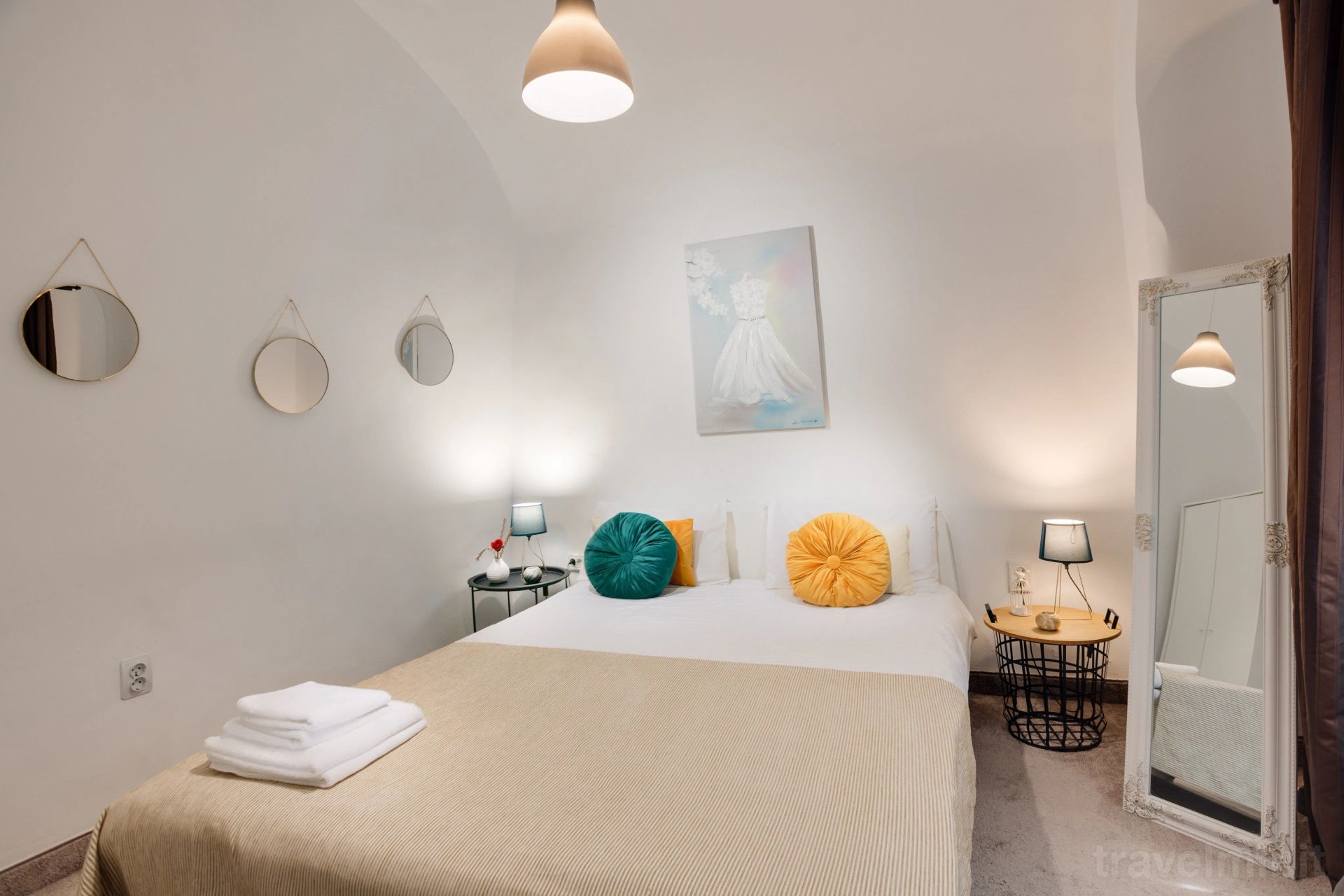
Holiday home · 1 star

Cluj-Napoca, Cluj County · 0.0 km
Perfect Stay Accomodation Cluj-Napoca
Perfect Stay Accomodation Cluj-Napoca este o casă de închiriat situată pe bulevardul Regele Ferdinand din Cluj-Napoca, la parterul unei clădiri, adresată familiilor sau grupurilor de prieteni care caută un spațiu intim și funcțional pentru șederea lor în oraș. Unitatea pune la dispoziție o cameră modern mobilată, echipată cu grup sanitar propriu și conexiune Wi-Fi gratuită, oferind condiții practice pentru relaxare după o zi petrecută în explorarea orașului. Locația avantajoasă vă permite să descoperiți cu ușurință principalele puncte de interes din zonă. În apropiere se află Biserica Sfântul Mihail din Cluj, Muzeul Național de Istorie Cluj-Napoca, Muzeul de Artă Cluj Napoca, Cetățuia din Cluj și Cetatea Clujului, fiecare dintre acestea reprezentând o oportunitate autentică de a cunoaște istoria, arhitectura și cultura bogată a municipiului. Toate aceste locuri se află la îndemână, oferindu-vă posibilitatea de a organiza itinerarii variate pe parcursul șederii dumneavoastră. Programul de primire începe la ora 15:00, iar predarea cheilor se face până la ora 11:00. Personalul comunică în limbile română, engleză, germană și spaniolă, asigurând un dialog facil indiferent de originea dumneavoastră. Plata se poate realiza prin numerar, card bancar sau transfer bancar, oferind flexibilitate în modalitatea de achitare. Vă așteptăm la Perfect Stay Accomodation Cluj-Napoca.
FROM
280 lei per night

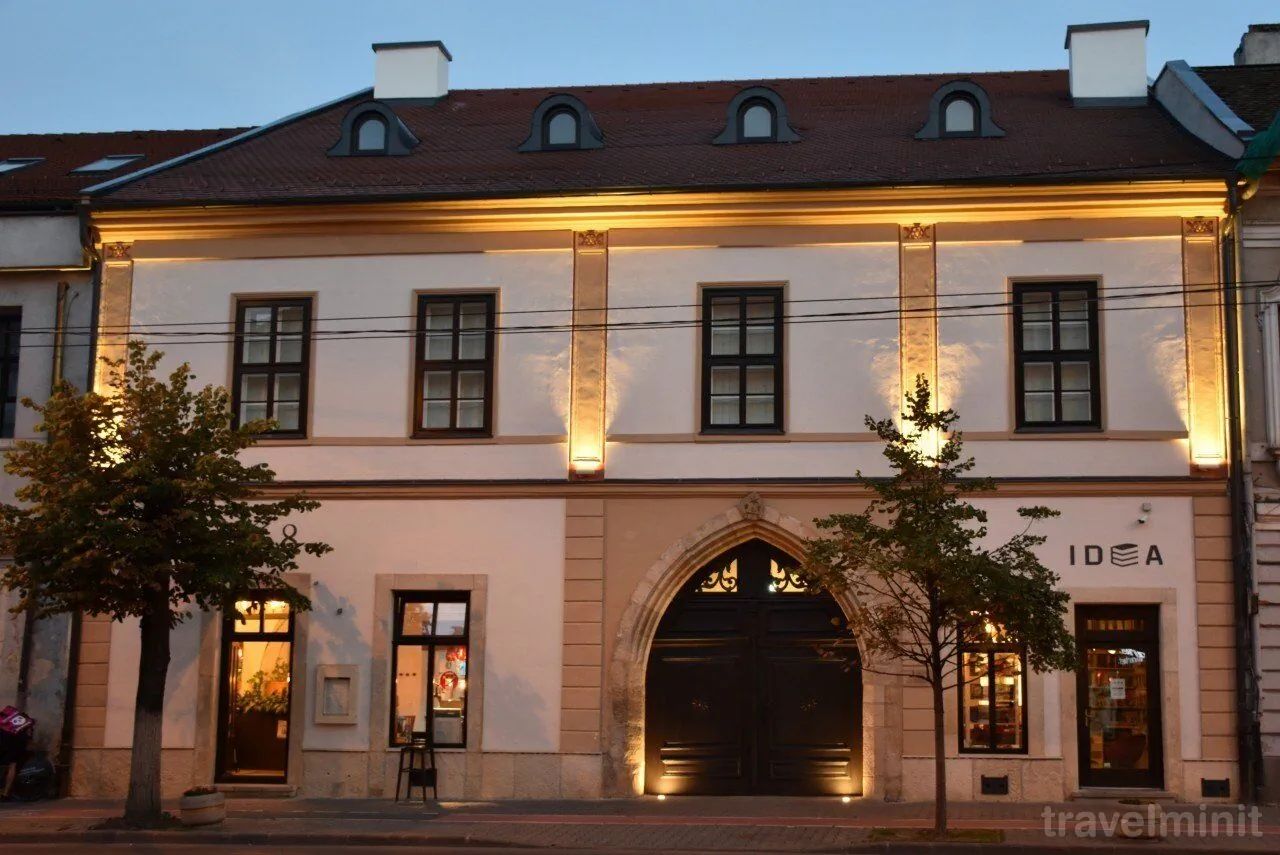
Holiday home · 3 stars
Cluj-Napoca, Cluj County · 0.1 km
Guest House 1568 Cluj-Napoca
O zi petrecută aici începe cu navigarea pe internet prin Wi-Fi gratuit și se încheie cu liniștea bebelușului adormit în pătuțul pus la dispoziție. Guest House 1568 Cluj-Napoca se află în Cluj-Napoca, pe bulevardul 21 Decembrie 1989. Clasificată cu trei stele, unitatea de tip casă de oaspeți pune la dispoziție nouă camere confortabile și plăcut amenajate, iar câteva dintre acestea sunt dotate cu aer condiționat. Fiind o vilă integrală de închiriat, beneficiați de intimitate completă și de întregul spațiu pentru dumneavoastră și familia dumneavoastră. În apropiere puteți vizita Biserica Sfântul Mihail, Muzeul Național de Istorie, Muzeul de Artă, Cetatea Clujului și Cetățuia din Cluj. Aceste obiective turistice, situate în centrul orașului, vă permit să descoperiți istoria, arta și atmosfera specifică Clujului-Napoca. Check-in se realizează începând cu ora 15:00, iar check-out până la ora 11:00. Personalul unității vorbește limba română, engleză și maghiară, fiind pregătit să răspundă nevoilor dumneavoastră pe toată durata șederii. Este o alegere potrivită pentru familiile cu bebeluși care doresc să exploreze monumentele și muzee din centrul Clujului-Napoca într-un cadru liniștit.
FROM
280 lei per night
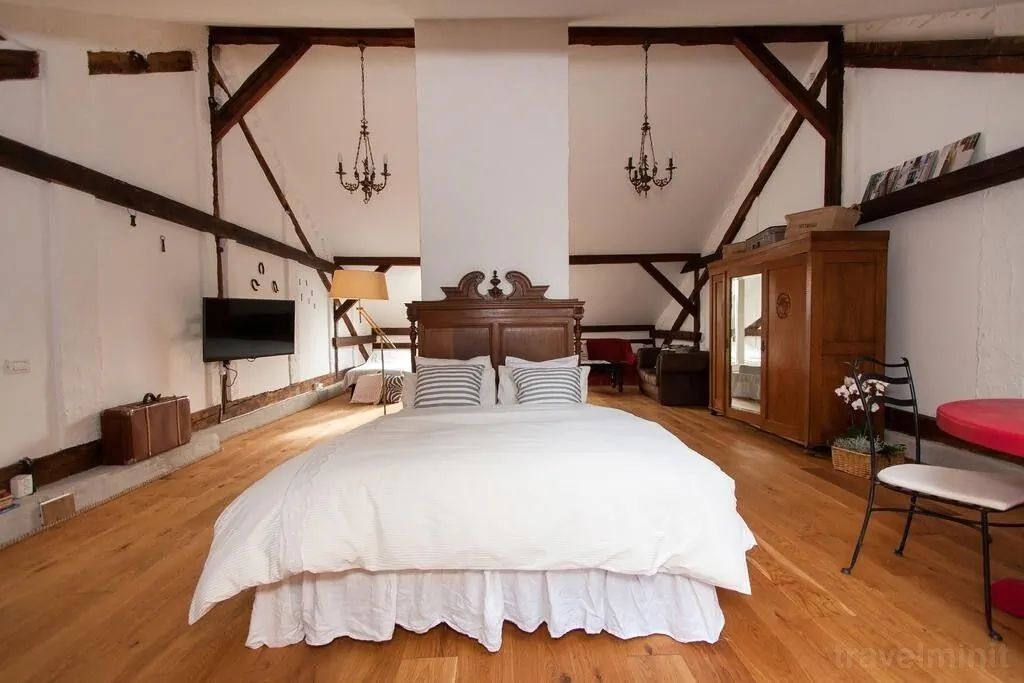
Apartment · 3 stars
Cluj-Napoca, Cluj County · 0.2 km
Apartament Camino Home Cluj-Napoca
Camino Home este un apartament de închiriat cu 3 stele situat în Cluj-Napoca, pe strada Iuliu Maniu 19. Spațiul oferă șase camere modern mobilate, fiecare prevăzută cu baie proprie, într-un cadru plăcut și bine întreținut. Pentru un sejur confortabil, aveți la dispoziție Wi-Fi gratuit în toate încăperile și un pătuț special pentru bebeluș. De asemenea, sunteți bineveniți împreună cu animalele de companie. Personalul de la recepție comunică în mai multe limbi străine, printre care engleză, germană, franceză, italiană și maghiară, alături de română. În apropiere puteți vizita Biserica Sfântul Mihail din Cluj, Muzeul Național de Istorie Cluj-Napoca, Muzeul de Artă Cluj Napoca, Cetatea Clujului și Cetățuia din Cluj. Aceste obiective culturale și istorice importante ale orașului se află la îndemână și pot fi explorate cu ușurință în timpul șederii dumneavoastră. Programul de primire a oaspeților începe la ora 14:00, iar eliberarea camerelor se face până la ora 11:00. Plățile pot fi efectuate prin transfer bancar, card bancar, card de vacanță sau voucher. Vă așteptăm să vă bucurați de o ședere plăcută în Cluj-Napoca.
FROM
230 lei per night
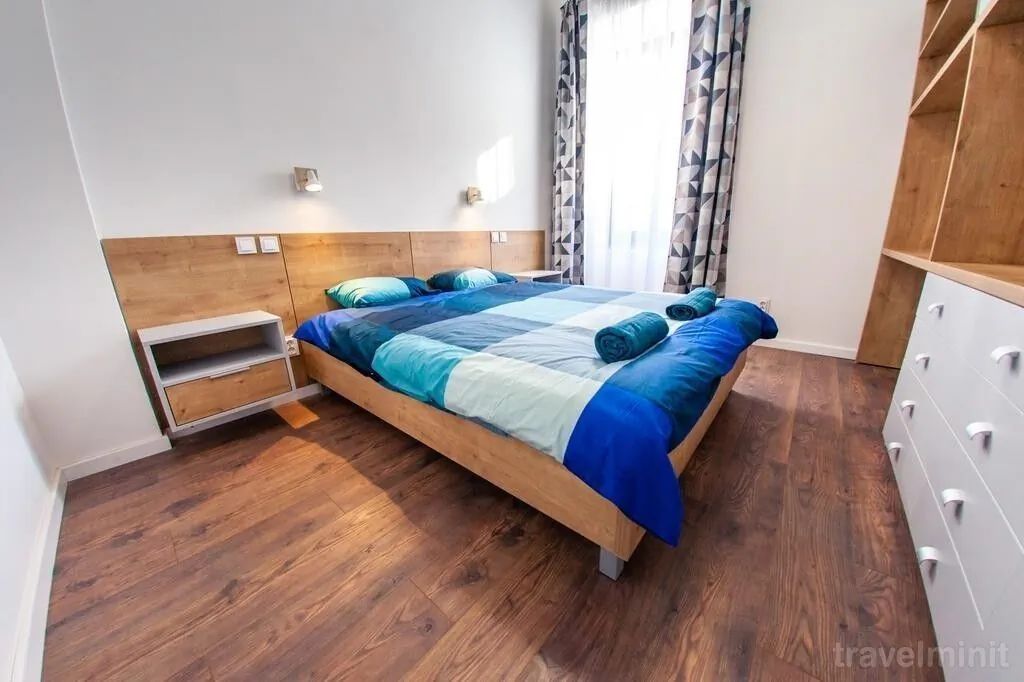
Apartment · 3 stars
Cluj-Napoca, Cluj County · 0.2 km
Apartament Central Luxury Cluj-Napoca
Aerul condiționat vă asigură o temperatură plăcută și constantă în Apartament Central Luxury Cluj-Napoca, situat în Cluj-Napoca pe strada Bolyai János 6, la etajul 1, apartamentul 2a. Acest apartament de închiriat, clasificat cu 3 stele, reprezintă o opțiune confortabilă pentru cei care doresc să exploreze orașul de la bază. Pe lângă climatizare, beneficiați de Wi-Fi gratuit în întregul spațiu, astfel încât să aveți acces la internet fără restricții pe toată durata șederii dumneavoastră. Aceste facilități moderne contribuie la un sejur relaxant, potrivit atât pentru călătorii de afaceri, cât și pentru turiști. În imediata apropiere se află numeroase obiective culturale și istorice care merită explorate pe jos. Puteți vizita Biserica Sfântul Mihail din Cluj, Muzeul Național de Istorie Cluj-Napoca și Muzeul de Artă Cluj Napoca pentru a descoperi în detaliu patrimoniul bogat al orașului. De asemenea, Cetatea Clujului și Cetățuia din Cluj oferă perspective panoramice impresionante și atmosfera unei epoci trecute, fiind destinații excelente pentru plimbări liniștite în timpul liber. Seara, după o zi plină de activități, puteți beneficia de conexiunea Wi-Fi gratuită pentru a vă bucura de conținutul preferat într-un ambient confortabil.
FROM
230 lei per night
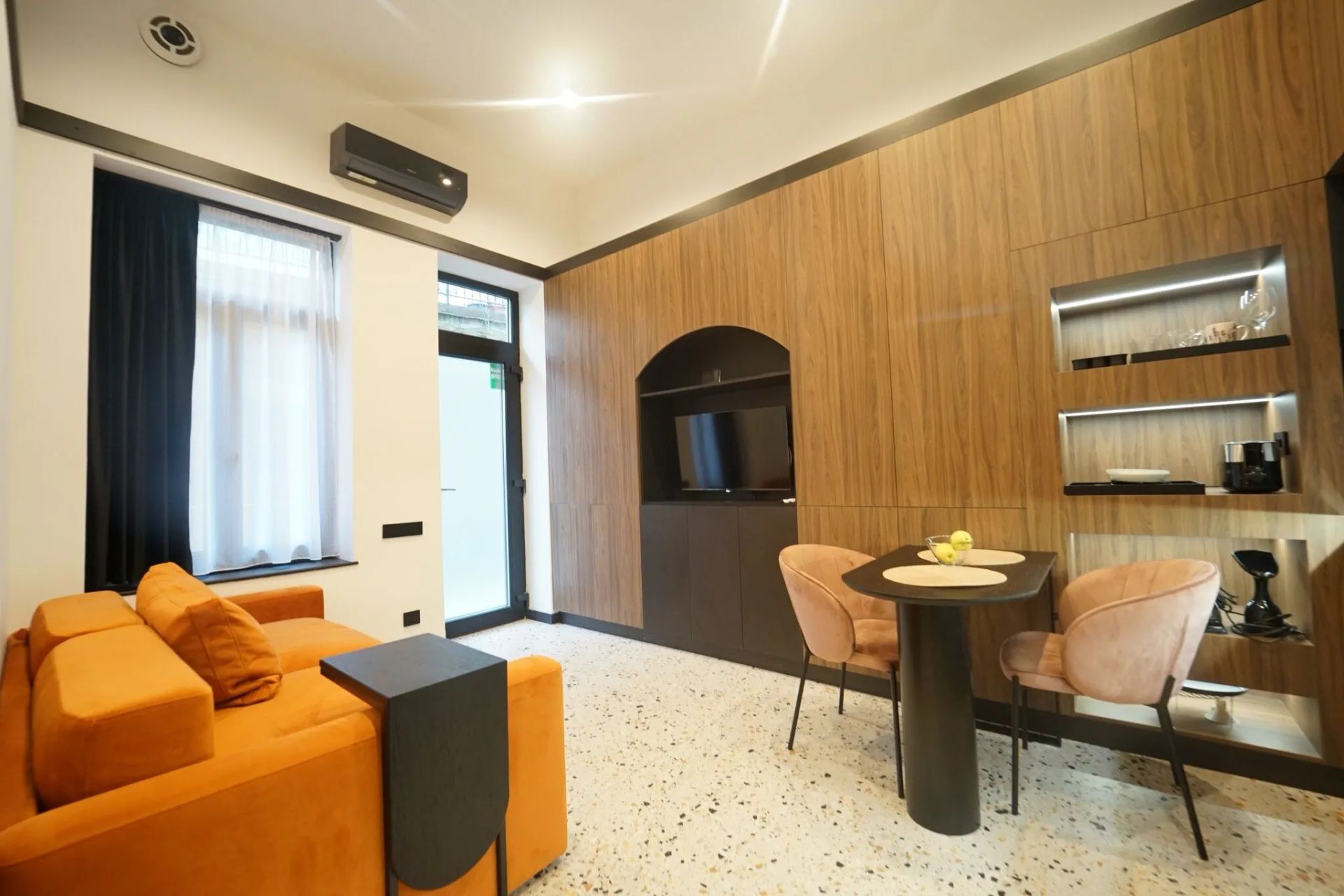
Apartment · 3 stars
Cluj-Napoca, Cluj County · 0.2 km
Apartament Jais Home Moon Cluj-Napoca
În curtea largă și grădina amenajată a apartamentului Jais Home Moon din Cluj-Napoca, aerul proaspăt și liniștea vă înconjoară departe de aglomerația străzilor centrale. Unitatea se află chiar în Piața Muzeului, oferind un punct de plecare excelent pentru explorarea centrului istoric al orașului. Restaurantul și cafeneaua din incintă vă pun la dispoziție preparate gustoase și băuturi aromate, iar conexiunea Wi-Fi gratuită asigură acces la internet pe toată durata șederii dumneavoastră. Pentru confortul maxim, aveți la dispoziție fier de călcat și puteți solicita meniuri adaptate pentru diete speciale la cerere. În immediate apropiere se află Biserica Sfântul Mihail din Cluj, Muzeul Național de Istorie Cluj-Napoca, Muzeul de Artă Cluj Napoca, Cetățuia din Cluj și Mănăstirea Nicula, oferind oportunități variate pentru vizite culturale și momente de relaxare în aer liber. Pentru cei care călătoresc cu vehicul electric, unitatea pune la dispoziție o stație de încărcare în incintă, facilitând astfel deplasările prin oraș și împrejurimile sale pitorești fără griji. Seara, după ce ați vizitat obiectivele din apropiere, vă puteți retrage în grădina amenajată pentru a savura o cafea în aer liber.
FROM
230 lei per night
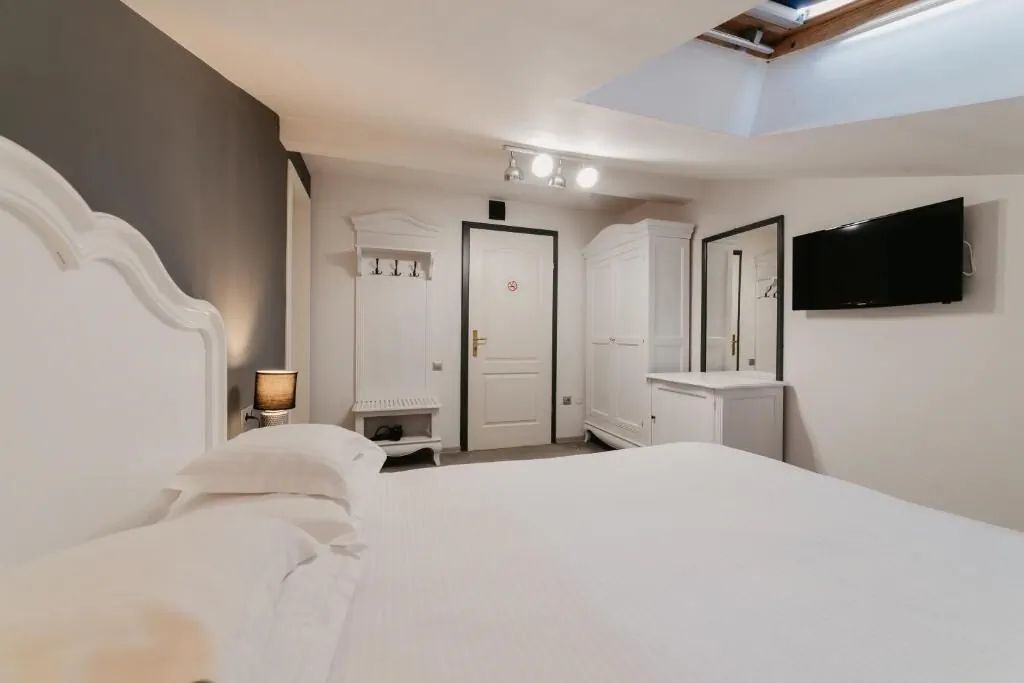
Hotel · 3 stars
Cluj-Napoca, Cluj County · 0.3 km
Hotel Meteor Central Cluj-Napoca
Pe bulevardul Eroilor din Cluj-Napoca se află Hotel Meteor Central Cluj-Napoca, o unitate de cazare cu trei stele care pune la dispoziție 26 de camere amenajate cu grijă pentru confortul oaspeților. Poziționarea pe această arteră centrală vă oferă acces facil către punctele de interes ale orașului. Fiecare cameră beneficiază de baie proprie și de conexiune la internet prin Wi-Fi gratuit, astfel încât să vă puteți bucura de șederea dumneavoastră fără griji. Hotelul vă pune la dispoziție și un fier de călcat, o terasă în aer liber și un spațiu de depozit pentru bagaje, pentru ca fiecare detaliu al sejurului să fie cât mai comod. În imediata apropiere puteți descoperi Biserica Sfântul Mihail, Muzeul Național de Istorie, Muzeul de Artă, Cetatea Clujului și Cetățuia, obiective culturale și istorice care îmbogățesc experiența vizitelor dumneavoastră în Cluj-Napoca. Mic dejunul este inclus în tariful camerei, iar plata se poate efectua în numerar, cu cardul bancar sau prin transfer bancar. La recepție se vorbesc limba română și limba engleză, iar personalul vă stă la dispoziție pentru orice informație. Ziua hotelieră începe la ora 14:00 și se încheie la ora 11:00. Vă așteptăm la Hotel Meteor Central Cluj-Napoca.
FROM
290 lei per night
BEFORE YOU HIT THE ROAD
Weather conditions in Apahida
Local forecast for St. Michael's Church, Cluj-Napoca, Apahida, Cluj

Real-time updated weather data
Much more to explore in this area
Nearby tourist attractions

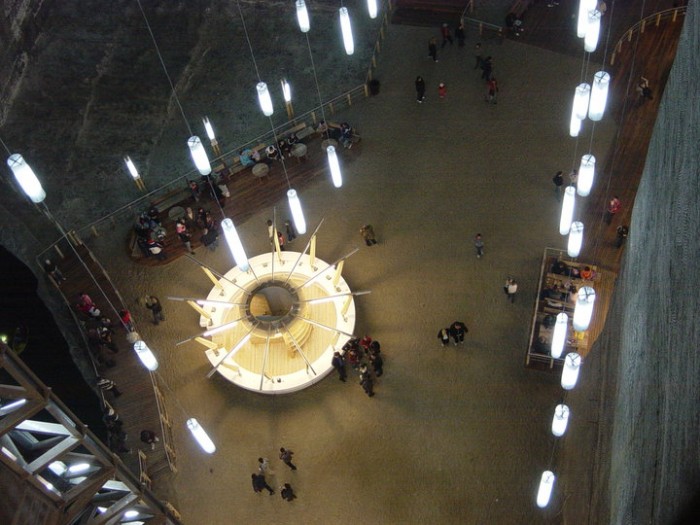

Turda, Cluj County
Turda Salt Mine
Se gaseste in zona Durgau-Valea Sarata din Turda; prima atestare documentara a extragerii sarii in Turda dateaza din anul 1271; cele patru mine din adancurile...
25.3 km
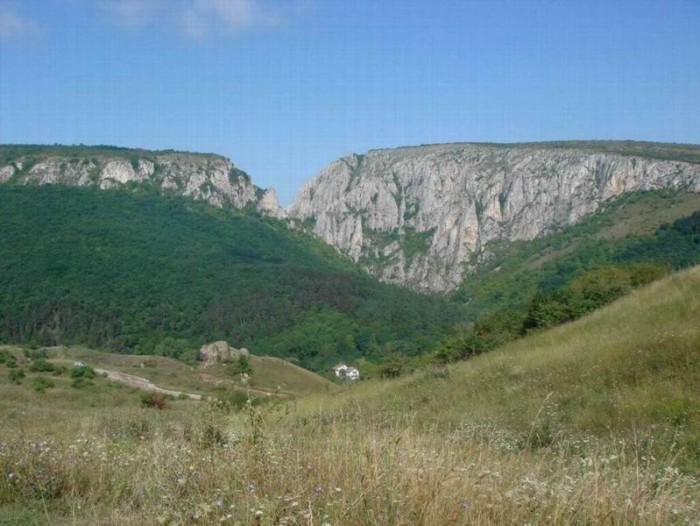
Apahida, Cluj County
Turda Gorge
Situate la o distanta de 6 km vest de Turda, de-a lungul Vaii Hasdate; ocupa o suprafata de 324 ha si s-au format prin erodarea rocii de calcar jurasic;...
23.9 km
Apahida, Cluj County
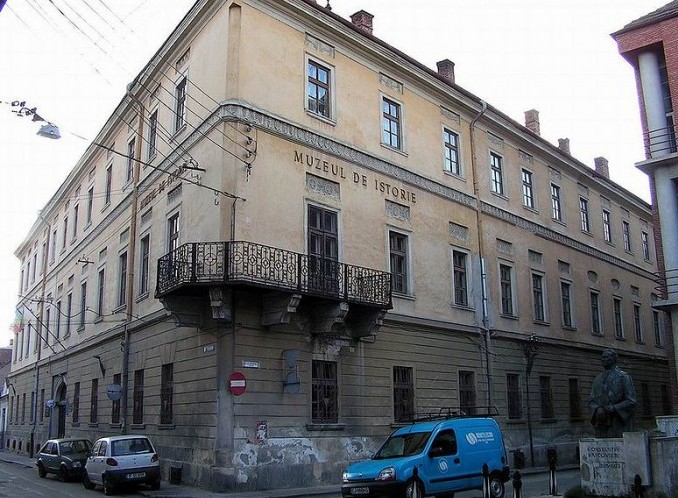
National Museum of History of Cluj-Napoca
Situat pe strada Constantin Daicoviciu 2, Cluj-Napoca; cunoscuta si drept Casa Petrechevich-Horvath drept, este continuatorul primei asociatii muzeale din...
0.3 km

Apahida, Cluj County
Art Museum of Cluj-Napoca (Bánffy Palace)
Situat in Piata Unirii 30, Cluj Napoca; infiintat ca institutie in anul 1951, muzeul functioneaza din anul 1956 in Palatul Banffy, o cladire baroca construita...
0.9 km
Apahida, Cluj County
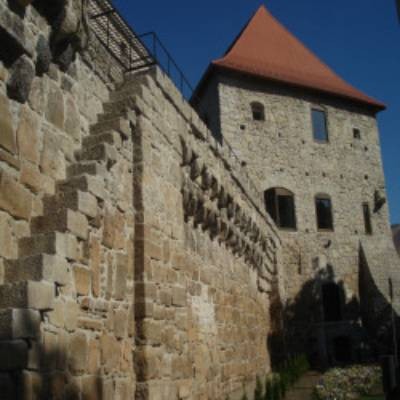
Cluj Citadel
Pentru a construi cetatea romanii au folosit ca si hotare ale cetatii in primul rand Canalul Morilor si Paraul Tiganilor, care trece prin Gradina Botanica si...
0.8 km
Apahida, Cluj County
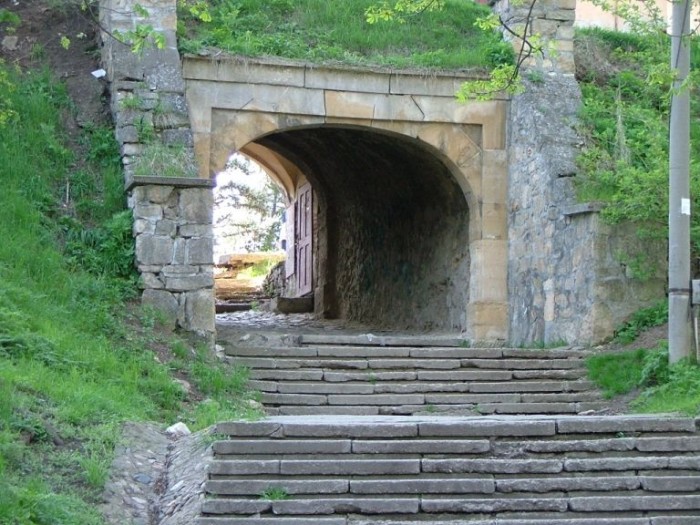
Cluj Citadel (Cetățuia)
La fel ca si Cetatea din Alba Iulia, Cetatuia a fost proiectata de arhitectul militar italian Giovanni Morandi Visconti, in timpul guvernarii militare a...
0.8 km
Nicula, Cluj County
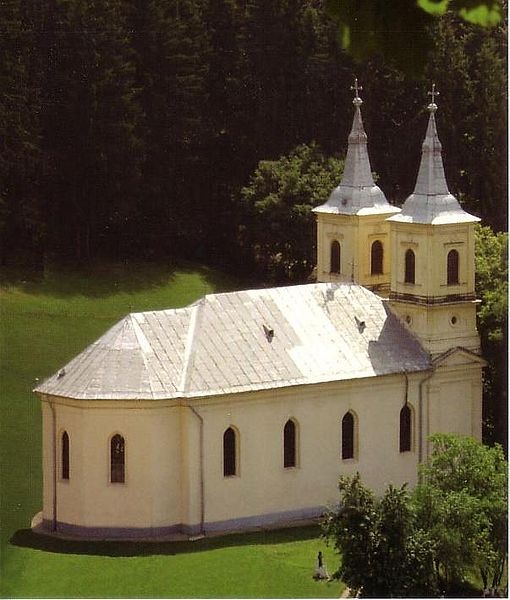
Nicula Monastery
Situata in localitatea Nicula, orasul Gherla; manastire de calugari; poarta urmatoarele hramuri: Adormirea Maicii Domnului, Sfantul Nicolae, Buna Vestire;...
1.0 km

Apahida, Cluj County
Transylvania Ethnographic Museum
Situat pe strada Memorandului nr. 21 din Cluj-Napoca; infiintat in 1922, detine colectii cu piese extrem de valoroase, achizitionate pe baza unor cercetari de...
0.2 km

0.5 km

Apahida, Cluj County
Turda Gorge Nature Reserve
Situate de-a lungul Vaii Hasdate; reprezinta una dintre cele mai cunoscute atractii turistice din Romania -privelistea, peretii inalti de stanca, vegetatia si...
23.7 km

37.9 km
Valeni, Cluj County
Fortified Church of Văleni
Situata in satul Valeni, judetul Cluj; a fost ridicata in secolul al XIII-lea de calugarii franciscani; este una dintre cele mai frumoase biserici din judetul...
42.2 km
Cultural life and traditions
Events in the St. Michael's Church, Cluj-Napoca area
Medieval festivals, traditional fairs, concerts and local activities recommended in Transylvania.

Heritage and History

Apahida, County of Cluj
The Festival of Medieval Fortresses and the Open Doors Days
Guided night tours, traditional crafts workshops and historical re-enactments featuring knights and ladies.
WHEN
May 15-17, 2026


Traditions and Cuisine
Apahida, County of Cluj
The Fair of Saxon Traditions and Local Cuisine
Discover local producers, traditional Saxon pastries baked in a wood-fired oven, artisanal syrups, and rhubarb jam.
WHEN
Every weekend (May - October)

Ecotourism and Nature
The hills of Transylvania, County of Cluj
Guided Hikes on the Transylvanian Hills Trail
Take excursions along unmarked trails through ancient meadows, centuries-old oak trees, and villages with fortified churches that are UNESCO World Heritage sites.
WHEN
Friday – Sunday (Season 2026)
On foot, exploration gains depth
Discover the surroundings and local geography
Explore the trails, terrain, and natural landmarks around St. Michael's Church, Cluj-Napoca.

Guides and practical tips
Useful travel articles
Travel guides, practical recommendations and tourist itineraries for Transylvania.

Tourist guide
Top 5 Atracții Turistice și Trasee Montane în Zona Moieciu - Bran
Descoperă cele mai spectaculoase peisaje carstice, chei adânci și cetăți medievale din imediata apropiere a stațiunii Moieciu.

Tourist guide
Ghid de Drumeție: Traseul Moieciu de Sus spre Platoul Bucegi
Un itinerariu montan de o frumusețe rară ce urcă din Valea Băngăleasa spre Poiana Guțanu și crestele maiestuoase ale Bucegilor.

Tourist guide
Castelul Bran: Istorie, Legende și Secrete Medievale
Află adevărata poveste a fortăreței medievale din Pasul Bran, reședința de suflet a Reginei Maria a României.
THE JOURNEY STARTS WITH AN IDEA
The next story is on the way.
From the first stop to the last stay, make room for a new Romania.
