


PLACE OF WORSHIP · TRANSYLVANIA
Orthodox Cathedral of Vad, Feleac and Cluj

Cluj, Cluj County
Add location to your trip planner.

Practical access information

VISITING HOURS
Monday: 12:00 PM – 5:00 PM · Tuesday–Sunday: 9:00 AM – 5:00 PM (in summer until 8:00 PM)

TICKET PRICE
Adults: 45 RON · Students: 11 RON · Seniors: 23 RON · Guided tour included

RECOMMENDED VISIT DURATION
30-60 minutes


Visitor information and guide
 Navigate with Google Maps

ABOUT ORTHODOX CATHEDRAL OF VAD, FELEAC AND CLUJ
The Cathedral Watching Over Cluj
Rising in the heart of Cluj-Napoca, in Avram Iancu Square, the Orthodox Cathedral of Vad, Feleac and Cluj stands as a monument to national unity and the spiritual renaissance of the Romanian people in Transylvania. Its towering silhouette dominates the urban landscape of a former historical capital of Transylvania. Built between 1923 and 1933 according to the designs of architect George Cristinel, this imposing church was the tallest Orthodox ecclesiastical structure in Romania at the time of its inauguration. It serves as a symbol of Romanian presence in a city that, for centuries, had been the political and cultural center of a Hungarian and Saxon elite under the crown of the Kingdom of Hungary and, later, under Habsburg rule. Strategically positioned opposite the National Theatre and the historic University building, the cathedral engages in a fascinating architectural dialogue with the secular structures around it, offering a profound spiritual contrast to the Secessionist and Neo-Gothic architecture that defines Cluj’s historic center. Its 64-meter towers reach toward the sky like stone pillars of faith, visible from the surrounding hills of Feleac, reminding us that in an interwar Europe torn by ideological and nationalist conflicts, this construction represented a peaceful affirmation of the cultural and spiritual identity of a community reclaiming its rightful place at the heart of the urban stage after centuries of marginalization.
Historical Roots and Major European Connections
The history of the cathedral is inseparable from the destiny of Cluj, known as Kolozsvár during the Austro-Hungarian dualist period. For centuries, this urban center had been a bastion of Hungarian aristocracy and Saxon bourgeoisie in Transylvania. In this complex historical context, the Romanian Orthodox community, though present since medieval times, faced the status of a "tolerated nation" under Habsburg legislation, deprived of equal political rights and visible representation in the public urban space. The Great Union of December 1, 1918, when Transylvania united with the Kingdom of Romania, marked a fundamental turning point not only politically but also spiritually. The need to construct a monumental Orthodox place of worship in the heart of the city became an expression of the new national reality. The foundation stone was laid in 1923, at a time when Europe was experiencing a wave of national church constructions, whether in the new states emerging after World War I or through major renovations in great Orthodox capitals. The solemn consecration took place in October 1933 in the presence of King Carol II and Patriarch Miron Cristea, figures who embodied the new political and religious order of a unified Romania. Miron Cristea, who had previously been Metropolitan of Transylvania and would become the first Patriarch of the Romanian Orthodox Church after the ecclesiastical reunification of 1925, gave this moment a European dimension, placing the Cluj cathedral within a network of ecclesiastical institutions seeking to reinterpret the Byzantine tradition in a modern context. Thus, the construction is part of a broader trend in European religious architecture of the interwar period, when numerous nations asserted their identity through sacred monuments that blended tradition with modernity, similar to trends observed in Greece, Serbia, or Russia, where the Byzantine revival played a crucial role in the construction of national identity.
An Architectural Masterpiece: Neo-Byzantine Style with Romanian Specificity
The architectural style of the cathedral belongs to the Romanian Neo-Byzantine movement, an artistic trend of the interwar period that sought to reinterpret the Byzantine heritage through the prism of local specificity, creating an architectural language capable of engaging with the great sacred traditions of Eastern Europe and the Balkans. The cruciform plan of the building, with its four symmetrically arranged 64-meter towers, evokes the silhouettes of Moldavian monasteries from the era of Stephen the Great, particularly the monastic complexes of Putna, Sucevița, and Voroneț, adapting traditional decorative motifs to an impressive urban scale. This fusion of Eastern Byzantine tradition, rooted in the Byzantine Empire and early Paleochristian architecture, with Romanian specificity places the cathedral in a broader European dialogue, comparable to the Byzantine revival trends observed in the religious architecture of the 20th century in the Balkans, Russia, and even certain areas of Central Europe. The façades, made of Deva stone—a fine and durable limestone specific to the Transylvania region—and red brick, feature a sophisticated interplay of round arches, decorative niches, and ornamental elements inspired by Byzantine art and Romanian folk tradition. The monumental portal, with its massive doors and sculptural framing, invites the faithful into a sacred space of rare verticality, while the tall windows with semicircular arches allow light to enter in a manner reminiscent of the Byzantine basilicas of Ravenna or Constantinople. The 64-meter towers are not merely decorative elements but also symbols of the four Evangelists, representing the aspiration of the Romanian Orthodox community to assert its presence in a historic city dominated by the Gothic architecture of St. Michael’s Reformed Church and the Baroque style of Habsburg civil buildings. This architectural synthesis reflects the ambition of an era that sought to reconcile the Eastern heritage of Orthodoxy with the demands of European modernity, creating a monument that is both profoundly Romanian and universally European.
The Interior: A Gallery of Sacred Art and Spirituality
Stepping inside the cathedral, visitors are enveloped in an atmosphere of profound contemplation, revealing an impressive collection of mural paintings created by masters of the Romanian school of religious art, including Catul Bogdan and other notable artists of the interwar and post-war periods. Icons and frescoes cover vast expanses of the walls and vaults, creating a complex visual universe that blends Byzantine iconographic tradition with influences from the Italian Renaissance and Baroque, in a synthesis characteristic of 20th-century Romanian sacred art. The monumental iconostasis, carved from linden wood—a noble and durable material—separates the nave from the altar according to strict Orthodox tradition, featuring remarkable sculptural decoration reminiscent of the iconostases of the great monasteries of Moldavia and Wallachia, yet adapted to the grand dimensions of an urban cathedral. The stained-glass windows, likely crafted in specialized workshops in Central Europe, filter sunlight, projecting chromatic patterns onto the marble floor that change throughout the day, transforming the interior into a space of continuous metamorphosis. The remarkable acoustics of the space, due to its architectural proportions and materials, allow Byzantine liturgies to resonate deeply, while the central dome, supported by pendentives, creates a sense of infinity that enriches the spiritual experience. This interior represents a true gallery of sacred art, where every element, from the bronze chandeliers to the carved stalls, contributes to an atmosphere of veneration that transcends the boundaries between religious and secular art, placing the cathedral among the great cultural monuments of Southeastern Europe.
Spiritual Center of Transylvania and Turning Points
Since 1956, the cathedral has housed the seat of the Metropolis of Cluj, Alba, Crișana, and Maramureș, becoming the administrative and spiritual center of Orthodoxy in northwestern Romania and one of the most important ecclesiastical centers in the country. This elevation to the rank of metropolis marked the beginning of a new era for the Transylvanian Church, transforming the cathedral into a symbol of spiritual resilience in the face of historical challenges. Throughout the decades of communist rule, when the Romanian Orthodox Church had to navigate between survival and compromise, the cathedral remained a bastion of faith and a meeting place for Cluj’s intellectuals, hosting prominent cultural and religious figures who shaped the spiritual destiny of the region. During the Revolution of December 1989, when Cluj was one of the hotspots of political change in Romania, the cathedral witnessed moments of profound spiritual emotion, with thanksgiving services and prayers for peace attended by immense crowds of the faithful. Today, the metropolitan institution continues to organize the most important religious ceremonies, Byzantine music concerts, and cultural events here, linking the traditions of the past with the European present of Cluj, a city designated as the European Capital of Culture in 2021. This status has brought new generations of tourists to the cathedral, eager to explore the spiritual heritage of Eastern Europe. The metropolitans who have succeeded one another in leading this eparchy have contributed to consolidating the cathedral’s role as a center of cultural and spiritual influence, transforming it into a meeting point between Orthodox tradition and European ecumenical dialogue.
Practical Visitor’s Guide and the European Experience
The cathedral is open daily to the faithful and tourists, offering the opportunity to admire its exterior architecture and participate in religious services or visit the interior outside of liturgical hours, with free admission. Its central location in Avram Iancu Square makes it easily accessible from all parts of the city, surrounded by other essential monuments of Cluj’s heritage: nearby are St. Michael’s Reformed Church, a masterpiece of late Gothic architecture in Transylvania; the equestrian statue of Matthias Corvinus, King of Hungary; and the historic building of Babeș-Bolyai University, a remarkable example of Neo-Renaissance architecture. It is recommended to visit in the morning, when the autumn sunlight gently illuminates the stone façades, or at sunset, when the tall towers stand out against the sky in shades of orange and violet, highlighting the imposing silhouette of this spiritual landmark. For tourists interested in the liturgical experience, attending a Sunday service offers the chance to hear Byzantine music performed by the cathedral choir, a deeply moving sonic experience that reflects the continuity of a millennia-old musical tradition. Nearby, the cafés and bookshops of the historic center provide opportunities to continue cultural exploration, while the central park and pedestrian alleys invite contemplative walks. For foreign visitors, the cathedral represents an open window into the spirituality of Eastern Orthodoxy, a place to better understand the historical and cultural complexity of Transylvania, a region where Romanian, Hungarian, Saxon, and Jewish influences have intertwined over the centuries to create a unique mosaic. Whether admired from afar, from the city’s hills, or explored in detail, step by step, the cathedral remains a living monument of faith and art, an essential landmark for understanding the soul of Cluj and the entire northwestern region of Romania.
Media gallery
Discover Orthodox Cathedral of Vad, Feleac and Cluj in pictures

1 photos · Architecture, courtyards and captivating details

Image source: Wikimedia Commons · Public domain photos · Free license
STAY A FEW DAYS, DISCOVER THE MAGIC
Accommodation in the Orthodox Cathedral of Vad, Feleac and Cluj area

Apartment · 3 stars

Cluj-Napoca, Cluj County · 0.2 km
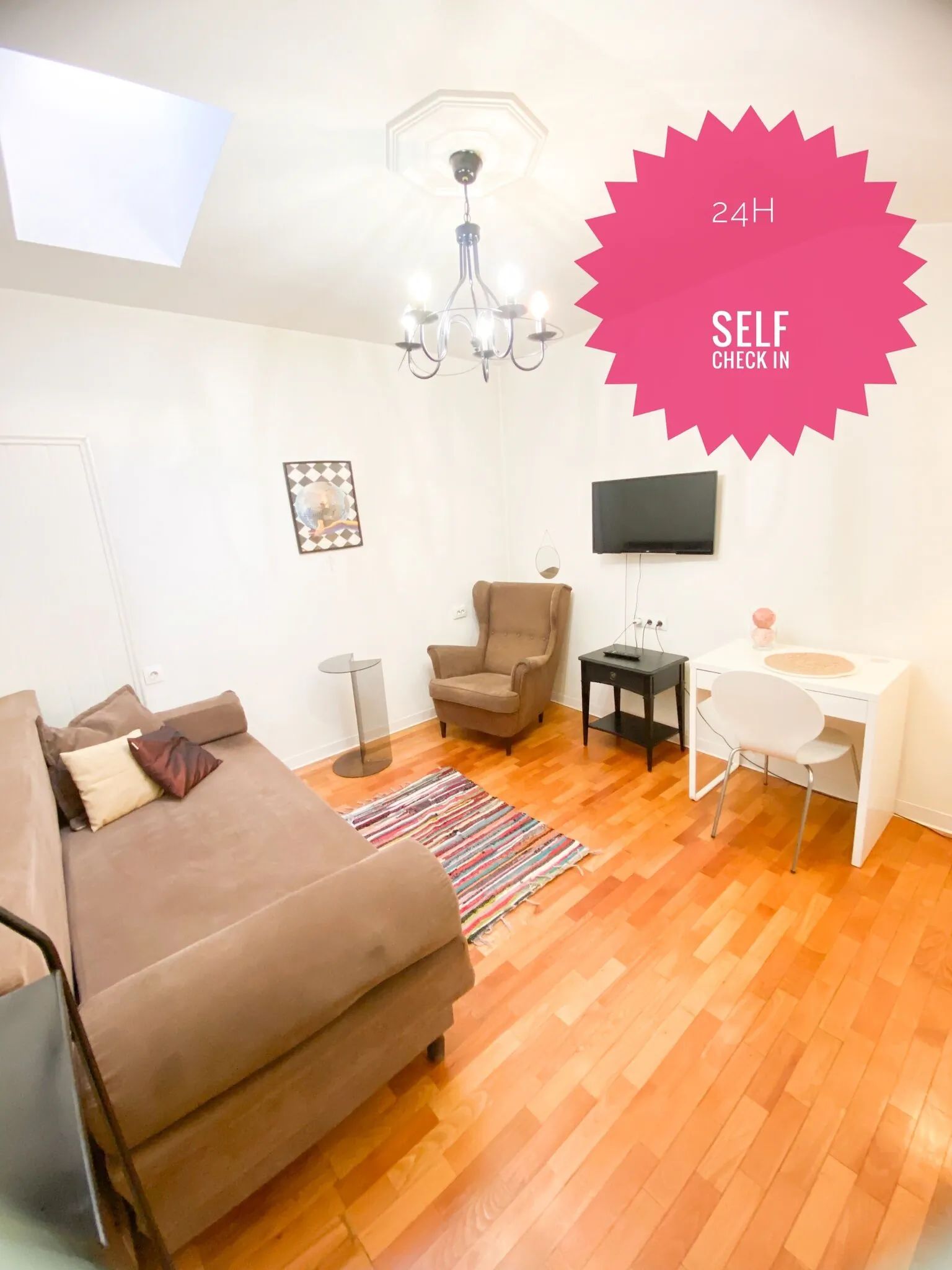
Apartament Perfect Stay 6 Cluj-Napoca
Apartament Perfect Stay 6 din Cluj-Napoca este alegerea potrivită pentru cupluri sau familii mici care doresc să exploreze orașul într-un ambient confortabil și practic. Situat pe Bulevardul Eroilor, apartamentul oferă un spațiu bine organizat la mansardă, cu dormitor separat, living și bucătărie complet echipată pentru șederi mai lungi. Unitatea pune la dispoziție Wi-Fi gratuit și fier de călcat, fiind un spațiu de nefumători. Bucătăria include plită electrică, cuptor cu microunde, frigider și toate ustensilele necesare pentru gătit, alături de o zonă de luat masa. Dormitorul este dotat cu pat queen size, șifonier, comodă și noptieră, în timp ce zona de living cuprinde canapea extensibilă, fotoliu, birou cu scaun și televizor cu ecran plat. Baia beneficiază de duș walk-in, iar pe holul de acces se află mașina de spălat. Intrarea privată asigură intimitate, iar prosoapele și lenjeria de pat sunt furnizate. În apropiere puteți vizita Biserica Sfântul Mihail din Cluj, Muzeul Național de Istorie Cluj-Napoca, Cetatea Clujului, Muzeul de Artă Cluj Napoca și Cetățuia din Cluj. Vă așteptăm la Apartament Perfect Stay 6 Cluj-Napoca.
FROM
230 lei per night

Hotel · 3 stars
Cluj-Napoca, Cluj County · 0.2 km
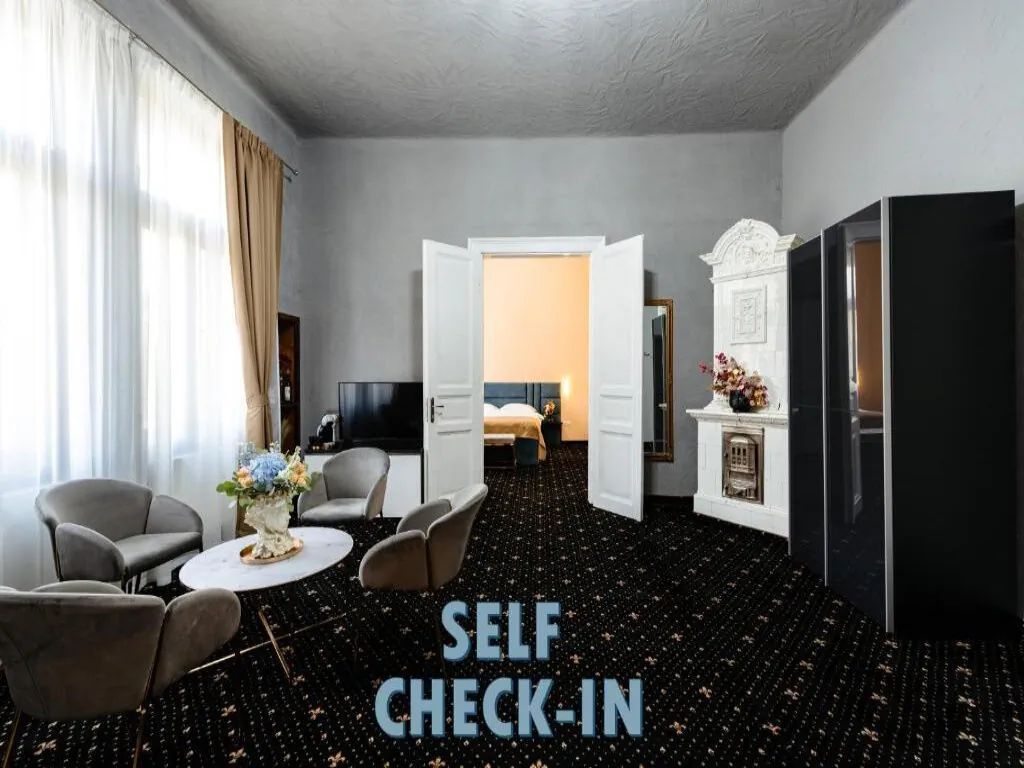
Palace Bulevard Cluj-Napoca
Familiile cu copii mici, dar și călătorii care apreciază liniștea și confortul se vor simți bine la Palace Bulevard din Cluj-Napoca. Hotelul de trei stele, situat pe strada Baba Novac, vă întâmpină cu camere amenajate cu grijă și plăcut, unele dintre ele fiind dotate cu aer condiționat pentru zilele călduroase de vară. Unitatea pune la dispoziția dumneavoastră Wi-Fi gratuit în toate spațiile, un depozit securizat pentru bagaje și, la cerere, un pătuț pentru bebeluș. Astfel, fiecare detaliu este gândit pentru ca șederea dumneavoastră să fie cât mai plăcută și relaxantă. Personalul de la recepție vorbește fluent româna, engleza și maghiara și vă stă la dispoziție cu informații utile despre facilitățile oferite. În imediata apropiere se află Biserica Sfântul Mihail, Muzeul Național de Istorie, Cetatea Clujului, Muzeul de Artă și Cetățuia din Cluj. Aceste obiective turistice vă oferă ocazia să explorați istoria, arhitectura și cultura orașului fără să fiți nevoiți să parcurgeți distanțe mari. Cazarea include micul dejun, iar plata se poate realiza prin numerar, card bancar, transfer bancar sau alte modalități disponibile. Camera poate fi ocupată începând cu ora 15:00, iar predarea acesteia se face până la ora 11:30. Vă așteptăm la Palace Bulevard Cluj-Napoca.
FROM
290 lei per night
Apartment · 3 stars
Cluj-Napoca, Cluj County · 0.2 km
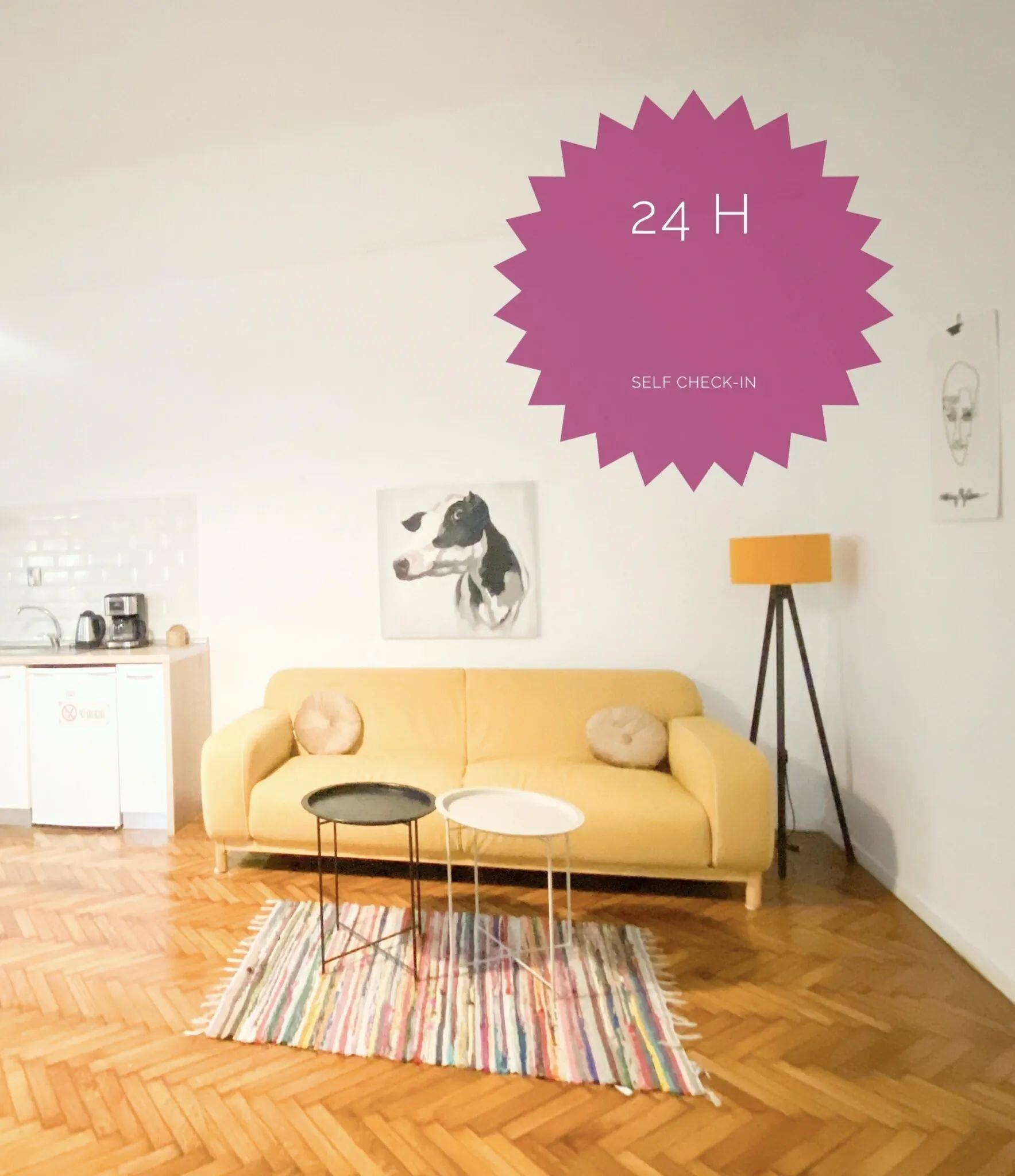
The Vintage Apartment Cluj-Napoca
Cuplurile, familiile sau grupurile mici de prieteni se vor simți bine în The Vintage Apartment Cluj-Napoca, un apartament de închiriat clasificat cu trei stele situat în Cluj-Napoca, pe strada Eroilor numărul 38, la parter, apartamentul 2. Unitatea pune la dispoziție o cameră modernă și plăcut amenajată, dotată cu grup sanitar propriu și conexiune Wi-Fi gratuită pentru confortul dumneavoastră. Toate camerele beneficiază de internet, iar dacă aveți animale de companie, acestea sunt binevenite contra unei taxe suplimentare. În apropiere puteți descoperi Biserica Sfântul Mihail, Muzeul Național de Istorie Cluj-Napoca, Cetatea Clujului, Muzeul de Artă Cluj Napoca și Cetățuia din Cluj, obiective emblematice care îmbogățesc șederea dumneavoastră și vă oferă ocazia de a explora istoria și cultura bogată a orașului. Check-in-ul se realizează începând cu ora 16:00, iar check-out-ul până la ora 11:00. La recepție se vorbesc româna, engleza, germana și spaniola, iar plata se poate efectua cu numerar, card bancar sau prin transfer bancar, oferindu-vă flexibilitate. Vă așteptăm la The Vintage Apartment Cluj-Napoca.
FROM
230 lei per night
Hotel · 3 stars
Cluj-Napoca, Cluj County · 0.2 km
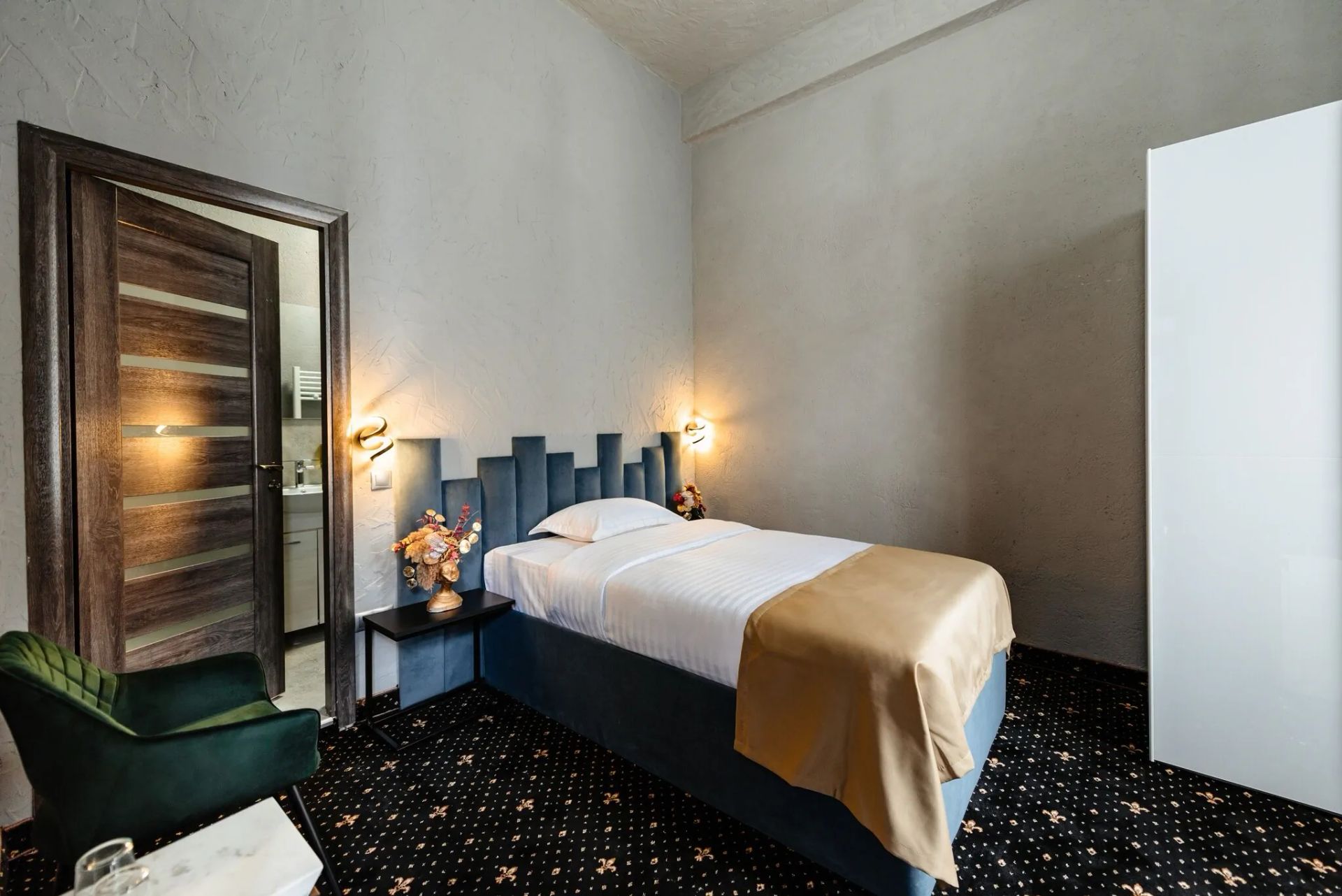
Palazzo Bellariva Dimora Cluj-Napoca
Hotel de 3 stele situat în Cluj-Napoca, Palazzo Bellariva Dimora oferă cazare într-un cadru urban cu atmosferă aristocratică, inspirat de tradiția italiană a reședințelor nobiliare. Unitatea nu este un hotel clasic, ci o locație boutique dedicată celor care caută eleganță discretă și ospitalitate autentică, într-un spațiu unde confortul vine din armonie. Oaspeții beneficiază de Wi-Fi gratuit în întreaga unitate, astfel încât să poată rămâne conectați pe toată durata șederii fără restricții. Fiecare detaliu este gândit pentru a vă oferi o experiență plăcută, punând accent pe liniște și rafinament atemporal. Poziția centrală din piața Stefan cel Mare permite accesul facil către principalele obiective culturale ale orașului. În apropiere se află Biserica Sfântul Mihail din Cluj, Muzeul Național de Istorie Cluj-Napoca, Cetatea Clujului, Muzeul de Artă Cluj Napoca și Cetățuia din Cluj, oferind numeroase posibilități de explorare și descoperire a patrimoniului local. Fie că sunteți în vizită pentru afaceri sau relaxare, această dimora urbană vă pune la dispoziție un mediu primitor unde puteți să vă bucurați de momente de liniște într-un cadru cu personalitate distinctă, departe de aglomerația cotidiană. Vă așteptăm la Palazzo Bellariva Dimora Cluj-Napoca.
FROM
290 lei per night
Apartment · 3 stars
Cluj-Napoca, Cluj County · 0.2 km
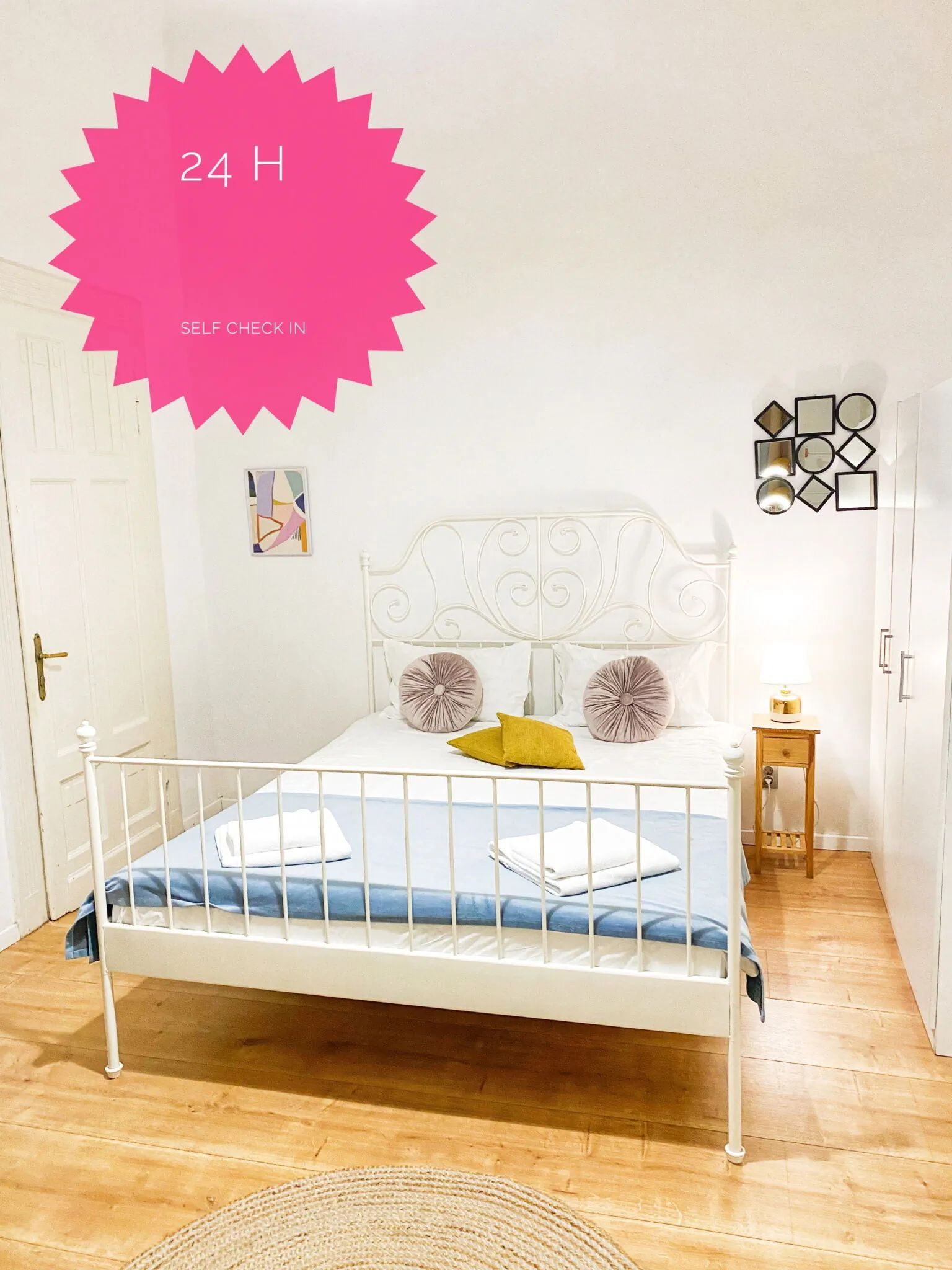
Apartament White Studio Cluj-Napoca
La câțiva pași de Biserica Sfântul Mihail din Cluj, Apartamentul White Studio din Cluj-Napoca reprezintă un punct de plecare potrivit pentru a descoperi atracțiile orașului. Acest apartament de închiriat, clasificat cu trei stele, se află pe bulevardul Eroilor, la parter, într-o zonă ușor accesibilă. Studio-ul oferă un spațiu cu o cameră, dotat cu pat matrimonial pentru două persoane și baie separată. Bucătăria este complet echipată cu plită electrică, cuptor, frigider-congelator, mașină de spălat, cuptor cu microunde și ustensile de gătit noi, alături de o masă de servire. În living găsiți un pat confortabil, un dulap tip garderobă, un birou cu scaun și un televizor flat screen, într-un ambient cu mobilier personalizat. Pentru confortul dumneavoastră, aveți la dispoziție Wi-Fi gratuit, echipamente electronice moderne și cablu TV cu până la o sută de programe. În apropiere puteți vizita Muzeul Național de Istorie Cluj-Napoca, Cetatea Clujului, Muzeul de Artă Cluj Napoca sau Cetățuia din Cluj. Vă așteptăm să vă bucurați de șederea dumneavoastră în acest apartament.
FROM
230 lei per night
Hotel · 3 stars
Cluj-Napoca, Cluj County · 0.3 km
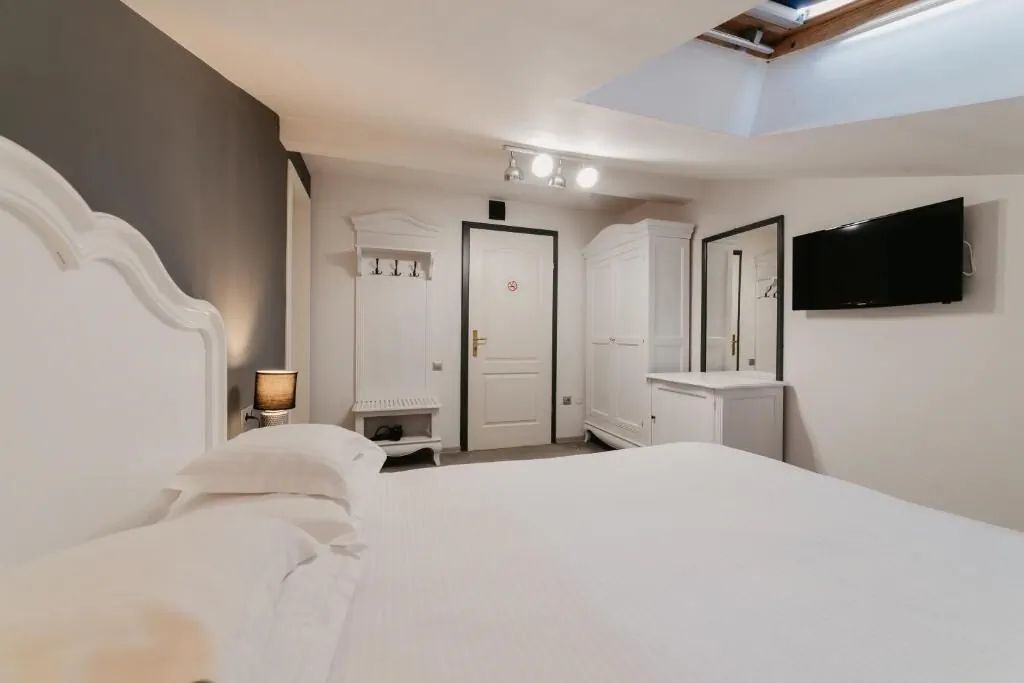
Hotel Meteor Central Cluj-Napoca
Pe bulevardul Eroilor din Cluj-Napoca se află Hotel Meteor Central Cluj-Napoca, o unitate de cazare cu trei stele care pune la dispoziție 26 de camere amenajate cu grijă pentru confortul oaspeților. Poziționarea pe această arteră centrală vă oferă acces facil către punctele de interes ale orașului. Fiecare cameră beneficiază de baie proprie și de conexiune la internet prin Wi-Fi gratuit, astfel încât să vă puteți bucura de șederea dumneavoastră fără griji. Hotelul vă pune la dispoziție și un fier de călcat, o terasă în aer liber și un spațiu de depozit pentru bagaje, pentru ca fiecare detaliu al sejurului să fie cât mai comod. În imediata apropiere puteți descoperi Biserica Sfântul Mihail, Muzeul Național de Istorie, Muzeul de Artă, Cetatea Clujului și Cetățuia, obiective culturale și istorice care îmbogățesc experiența vizitelor dumneavoastră în Cluj-Napoca. Mic dejunul este inclus în tariful camerei, iar plata se poate efectua în numerar, cu cardul bancar sau prin transfer bancar. La recepție se vorbesc limba română și limba engleză, iar personalul vă stă la dispoziție pentru orice informație. Ziua hotelieră începe la ora 14:00 și se încheie la ora 11:00. Vă așteptăm la Hotel Meteor Central Cluj-Napoca.
FROM
290 lei per night
BEFORE YOU HIT THE ROAD
Weather conditions in Cluj
Local forecast for Orthodox Cathedral of Vad, Feleac and Cluj, Cluj, Cluj

Real-time updated weather data
Much more to explore in this area
Nearby tourist attractions


Turda, Cluj County
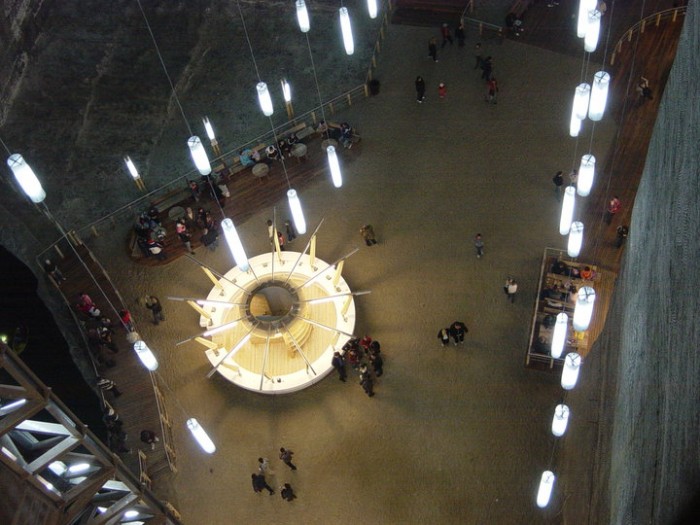
Turda Salt Mine
Se gaseste in zona Durgau-Valea Sarata din Turda; prima atestare documentara a extragerii sarii in Turda dateaza din anul 1271; cele patru mine din adancurile...
25.1 km
Apahida, Cluj County
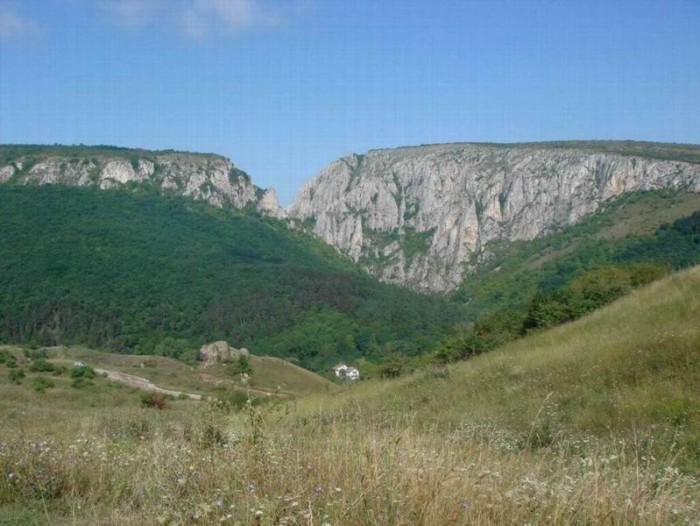
Turda Gorge
Situate la o distanta de 6 km vest de Turda, de-a lungul Vaii Hasdate; ocupa o suprafata de 324 ha si s-au format prin erodarea rocii de calcar jurasic;...
23.9 km

Apahida, Cluj County
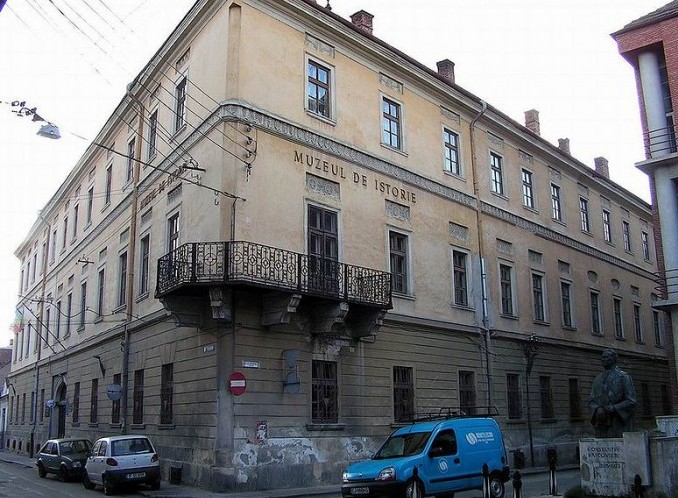
St. Michael's Church, Cluj-Napoca
Situata in Piata Unirii, Cluj-Napoca; istoria bisericii Sfantul Mihail coincide cu inceputurile Clujului ca si oras; biserica a fost inaltata pe un teren care...
0.5 km
Apahida, Cluj County
National Museum of History of Cluj-Napoca
Situat pe strada Constantin Daicoviciu 2, Cluj-Napoca; cunoscuta si drept Casa Petrechevich-Horvath drept, este continuatorul primei asociatii muzeale din...
0.8 km

Apahida, Cluj County
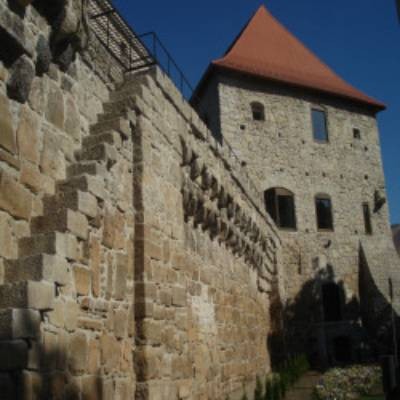
Art Museum of Cluj-Napoca (Bánffy Palace)
Situat in Piata Unirii 30, Cluj Napoca; infiintat ca institutie in anul 1951, muzeul functioneaza din anul 1956 in Palatul Banffy, o cladire baroca construita...
0.9 km
Apahida, Cluj County
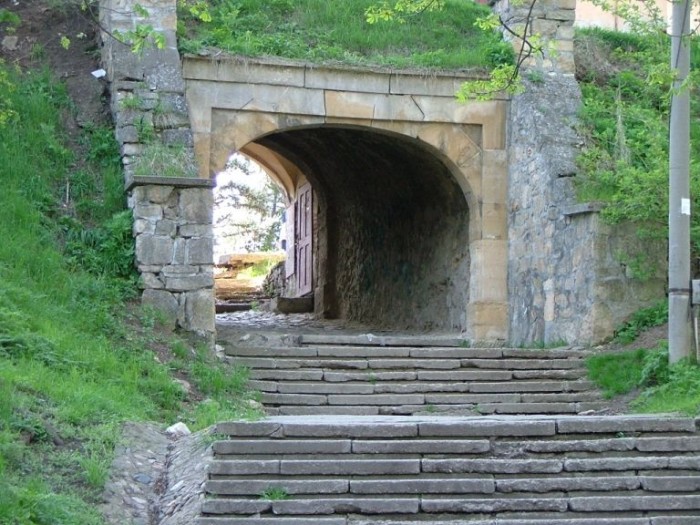
Cluj Citadel
Pentru a construi cetatea romanii au folosit ca si hotare ale cetatii in primul rand Canalul Morilor si Paraul Tiganilor, care trece prin Gradina Botanica si...
0.5 km
Apahida, Cluj County
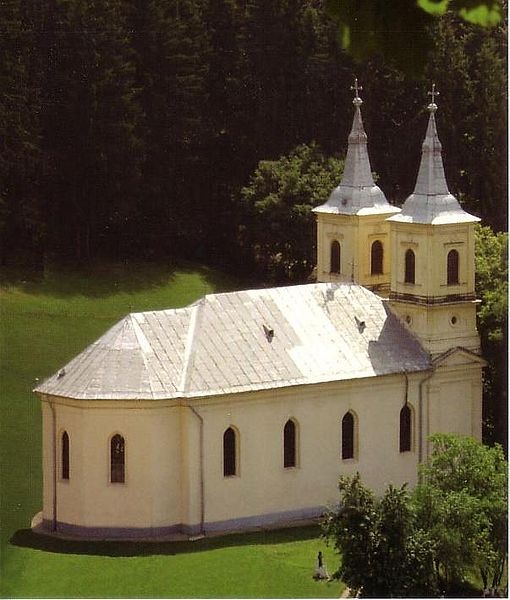
Cluj Citadel (Cetățuia)
La fel ca si Cetatea din Alba Iulia, Cetatuia a fost proiectata de arhitectul militar italian Giovanni Morandi Visconti, in timpul guvernarii militare a...
1.2 km
Nicula, Cluj County
Nicula Monastery
Situata in localitatea Nicula, orasul Gherla; manastire de calugari; poarta urmatoarele hramuri: Adormirea Maicii Domnului, Sfantul Nicolae, Buna Vestire;...
1.4 km

Apahida, Cluj County
Transylvania Ethnographic Museum
Situat pe strada Memorandului nr. 21 din Cluj-Napoca; infiintat in 1922, detine colectii cu piese extrem de valoroase, achizitionate pe baza unor cercetari de...
0.7 km

Apahida, Cluj County
Turda Gorge Nature Reserve
Situate de-a lungul Vaii Hasdate; reprezinta una dintre cele mai cunoscute atractii turistice din Romania -privelistea, peretii inalti de stanca, vegetatia si...
23.6 km

37.5 km
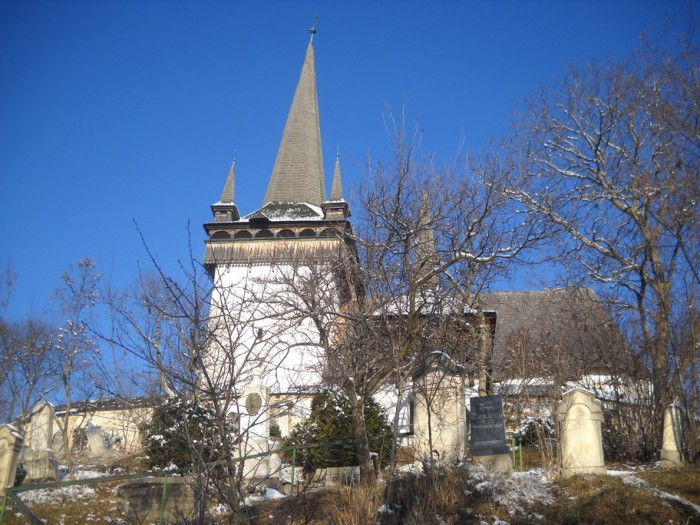
Valeni, Cluj County
Fortified Church of Văleni
Situata in satul Valeni, judetul Cluj; a fost ridicata in secolul al XIII-lea de calugarii franciscani; este una dintre cele mai frumoase biserici din judetul...
42.7 km
Cultural life and traditions
Events in the Orthodox Cathedral of Vad, Feleac and Cluj area
Medieval festivals, traditional fairs, concerts and local activities recommended in Transylvania.

Heritage and History

Cluj, County of Cluj
The Festival of Medieval Fortresses and the Open Doors Days
Guided night tours, traditional crafts workshops and historical re-enactments featuring knights and ladies.
WHEN
May 15-17, 2026


Traditions and Cuisine
Cluj, County of Cluj
The Fair of Saxon Traditions and Local Cuisine
Discover local producers, traditional Saxon pastries baked in a wood-fired oven, artisanal syrups, and rhubarb jam.
WHEN
Every weekend (May - October)

Ecotourism and Nature
The hills of Transylvania, County of Cluj
Guided Hikes on the Transylvanian Hills Trail
Take excursions along unmarked trails through ancient meadows, centuries-old oak trees, and villages with fortified churches that are UNESCO World Heritage sites.
WHEN
Friday – Sunday (Season 2026)
On foot, exploration gains depth
Discover the surroundings and local geography
Explore the trails, terrain, and natural landmarks around Orthodox Cathedral of Vad, Feleac and Cluj.

Guides and practical tips
Useful travel articles
Travel guides, practical recommendations and tourist itineraries for Transylvania.

Tourist guide
Top 5 Atracții Turistice și Trasee Montane în Zona Moieciu - Bran
Descoperă cele mai spectaculoase peisaje carstice, chei adânci și cetăți medievale din imediata apropiere a stațiunii Moieciu.

Tourist guide
Ghid de Drumeție: Traseul Moieciu de Sus spre Platoul Bucegi
Un itinerariu montan de o frumusețe rară ce urcă din Valea Băngăleasa spre Poiana Guțanu și crestele maiestuoase ale Bucegilor.

Tourist guide
Castelul Bran: Istorie, Legende și Secrete Medievale
Află adevărata poveste a fortăreței medievale din Pasul Bran, reședința de suflet a Reginei Maria a României.
THE JOURNEY STARTS WITH AN IDEA
The next story is on the way.
From the first stop to the last stay, make room for a new Romania.
