


MUSEUM · TRANSYLVANIA
National Museum of History of Cluj-Napoca

Apahida, Cluj County
Add location to your trip planner.
Practical access information

VISITING HOURS
Monday: 12:00 PM – 5:00 PM · Tuesday–Sunday: 9:00 AM – 5:00 PM (in summer until 8:00 PM)

TICKET PRICE
Adults: 45 RON · Students: 11 RON · Seniors: 23 RON · Guided tour included

RECOMMENDED VISIT DURATION
2-3.5 hours
Visitor information and guide
 Navigate with Google Maps

ABOUT NATIONAL MUSEUM OF HISTORY OF CLUJ-NAPOCA
Captivating Introduction and Heritage Significance
In the historic heart of Transylvania beats a palace that has witnessed the passage of two millennia of European history. The National Museum of History of Cluj-Napoca, officially known as the National Museum of Transylvanian History, rises as a temple of collective memory in a city that was, over the centuries, the capital of an autonomous principality, a Hungarian royal residence, a university center of the Habsburg Empire, and, ultimately, a bastion of Romanian culture in the northwest of the country. Founded at a moment of European cultural effervescence, when nations were building their identity through monumental museum institutions, this museum represents much more than a simple collection of artifacts; it is a bridge between the civilizations that succeeded one another on the banks of the Someșul Mic, from the Roman colonists of Napoca to the contemporary multicultural society.
Its heritage significance transcends regional boundaries, placing it among the great cultural institutions of Central Europe. Here, the visitor enters a universe where the past reveals itself in successive layers, each exhibit being a page from the history book of a territory situated at the intersection of great empires: the Roman Empire, which left here the traces of a prosperous urban civilization, the Byzantine Empire, whose commercial and artistic influences penetrated along the trans-Carpathian routes, the Kingdom of Hungary, which transformed Cluj into a free royal city, and, last but not least, the Habsburg Monarchy and the Austro-Hungarian Empire, under whose administration the city experienced a period of Baroque and Neoclassical flourishing. The museum houses over 400,000 pieces, of which the 24,000 archaeological and numismatic objects constitute only the tip of the iceberg of a collection that documents the continuity of habitation in the Carpathian basin from the Paleolithic to the contemporary era, offering a unique perspective on how the great empires shaped the identity of this region.
Historical Roots and Major European Connections
The genesis of the institution is lost in the mists of the 19th century, in a period when all of Europe was experiencing a true renaissance of national consciousness, and museums were becoming temples of the identity of peoples. On November 23, 1859, in a turbulent political context marked by the recent defeat of the 1848 Revolution and the increasingly pronounced domination of the House of Habsburg over Transylvania, Romanian intellectuals led by the historian, journalist, and politician George Barițiu laid the foundations of the Transylvanian Museum Society. Their initiative was not an isolated one, but was part of a broader European current that saw the establishment of national museums as an act of cultural and political emancipation, similar to what was happening in Prague, Zagreb, Warsaw, or Athens, where similar institutions were being founded to preserve and promote national heritage in the face of imperial assimilation.
George Barițiu, an emblematic figure of Transylvanian Romanian Enlightenment and one of the founding fathers of modern history in Romania, intuited that only through knowledge of the past can the future of a nation under the pressure of foreign domination be built. The Transylvanian Museum Society initially functioned as a private association, gathering donations from Romanian intellectuals, priests, and merchants, in an effort to counter the official Hungarian and German historiography that marginalized the Romanian contribution to the civilization of the area. The incipient collections, gathered in a modest space, included old manuscripts, ancient coins, and ethnographic objects, being displayed in various provisional locations in the city, from halls of the Academic High School to rooms of the Theological Seminary.
The institutional evolution followed the turbulent course of Transylvanian history. After the Austro-Hungarian Compromise of 1867, when Transylvania was definitively integrated into the Kingdom of Hungary as part of the dual monarchy, the museum experienced a period of reorganization and enrichment under the aegis of the Hungarian authorities, who saw in it an instrument for promoting the multicultural heritage of the province. However, the founding Romanian spirit did not disappear, and after the Union of Transylvania with Romania in 1918, the institution entered a new phase of development, being nationalized and transformed into the National Museum of Transylvania. The communist period brought both challenges, through the excessive ideologization of exhibitions, and opportunities, through massive funding for systematic archaeological research and acquisitions of valuable collections. Today, the museum represents a model of European integration, collaborating with similar institutions in Vienna, Budapest, Prague, and Bratislava, in a permanent dialogue about the common heritage of the Danube basin and about the role of culture in building a Europe united in diversity.
The Petrechevich-Horvath Palace: Architectural Masterpiece and Construction Details
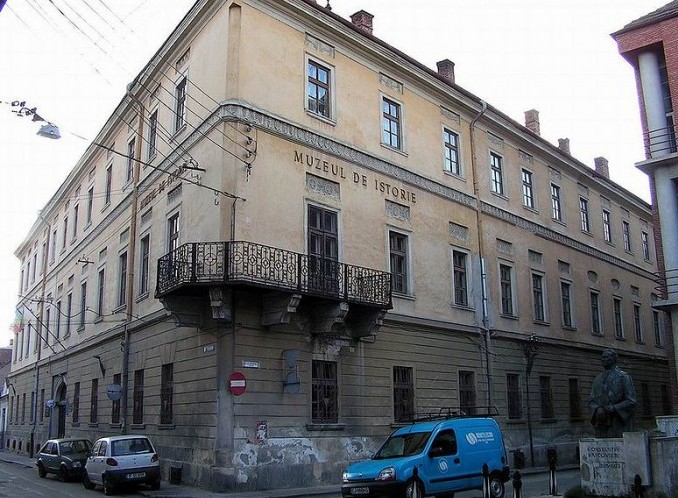
The main headquarters of the museum is located in the heart of the historic center of Cluj, at 2 Constantin Daicoviciu Street, in a building that is itself an exceptional architectural monument: the Petrechevich-Horvath Palace, also known as the Petrechevich-Horvath House. Built in the 18th and 19th centuries, this edifice represents a remarkable synthesis between late Baroque style and incipient Neoclassical elements, reflecting the aesthetic transition specific to Central Europe at the end of the early modern era. The imposing facade, with tall windows framed by sculpted surrounds and a decorated central portal, evokes the noble palaces of Vienna, Prague, or Budapest, bearing witness to the prosperity of a family of Hungarian aristocrats who played an important role in the administration of the city and in the cultural life of Transylvania.
The interior architecture preserves the sumptuous atmosphere of a boyar residence, with high rooms, solid oak wooden floors, elaborate Rococo stuccoes, and crystal chandeliers that clothe the exhibition halls in a warm, diffused light. These spaces, initially designed to host reception salons, private libraries, and the family's art collections, today offer the ideal setting for displaying the collections, creating a subtle continuity between the aristocratic luxury of the past and the democratic cultural mission of the present. The building was adapted to the museum function starting from the interwar period, when interior arrangements were made that respected the historical structure, preserving the original decorations, diamond-shaped windows, and massive carved wooden doors, integrating them harmoniously into the exhibition discourse.
The construction details reveal traditional building techniques specific to the area, with thick walls of fired brick, cylindrical vaults in the basement, and a complex roof system with a four-sided hipped roof, all of which have been consolidated and restored in multiple rigorous conservation campaigns. The palace is distinguished by its inner courtyard with arcades, a characteristic element of Transylvanian urban architecture from the Baroque period, which allows for the organization of concerts, outdoor exhibitions, and cultural events, offering visitors a moment of respite in the midst of the museum bustle. The strategic positioning of the building, in the immediate vicinity of Union Square, the former civic center of the city where the three historical communities met, places the museum in direct dialogue with other major historical monuments, such as St. Michael's Church, one of the most impressive examples of late Gothic architecture in Romania, built between the 14th and 15th centuries, and the equestrian statue of King Matthias Corvinus, symbol of the golden age of the Kingdom of Hungary.
The Treasures of the Collections: From Ancient Civilizations to Modern Enigmas
The museum's collections constitute a treasure of astonishing diversity, documenting over 10,000 years of human history in the Carpathian-Danubian basin. The archaeology section houses pieces of inestimable value, starting with artifacts from the Paleolithic and Neolithic periods, passing through the metal ages, the Dacian and Roman periods, up to the Middle Ages and the modern era. Among the most spectacular exhibits are the discoveries from Apahida, an archaeological site of European importance located near Cluj, where a 6th-century Lombard necropolis was identified. The gold and silver jewelry, damascened swords, and ornamental fibulae discovered here illustrate the migration of peoples and the establishment of barbarian kingdoms in the Pannonian basin after the collapse of the Western Roman Empire, offering fascinating parallels with similar discoveries from Italy, Germany, or Hungary, and demonstrating that Transylvania was part of the cultural and commercial circuit of post-Roman Europe.
The numismatic collection, systematically developed starting in 1929, represents one of the most complete coin collections in Southeast Europe, comprising over 100,000 pieces. From the Greek staters of the Pontic cities, through Roman denarii and Byzantine aurei, to Habsburg thalers and Transylvanian medieval coins, this collection offers a monetary map of trade and economy in the region over two millennia, reflecting economic ties with Venice, Nuremberg, or Constantinople. The natural history collection includes exceptional mineralogical specimens from the gold and silver mines of the Apuseni Mountains, areas exploited since antiquity by Dacians and Romans, as well as botanical and zoological collections that illustrate the unique biodiversity of the Carpathians, including endemic species and rare fossils.
Special mention deserves the art gallery, which houses representative works of Transylvanian art from the Renaissance to the 20th century, including works by masters influenced by the Italian, Austrian, and Hungarian schools, reflecting the status of Cluj as a cosmopolitan center. The ethnographic collection, with traditional costumes, textiles, and household objects, documents the cultural diversity of the Romanian, Hungarian, Saxon, and Jewish communities that coexisted in this region, offering a vivid image of the multiculturalism specific to Transylvania and of how different ethnicities contributed to the common heritage.
At the center of public attention and international scientific debates is the so-called Aiud object, a metal artifact discovered in 1973 near the locality of Aiud, approximately 70 kilometers from Cluj. The piece, which strikingly resembles a landing gear leg of a modern aircraft, was dated by oxide layer analysis methods to an age of 300-400 years, while the chemical composition, which includes elements such as zirconium, cobalt, and special alloys, suggests metallurgical technologies unknown in the presumed period of manufacture. This out-of-place object, known in international specialist literature as OOPArt, has generated heated controversies in the scientific community, being compared with other enigmatic discoveries from Europe, such as the Antikythera mechanism or the Baghdad batteries, and attracting annually thousands of curious visitors eager to see with their own eyes this enigma of archaeology that calls into question our hypotheses about the technological progress of ancient civilizations.
The Hintz House: Four Centuries of European Pharmacy History
In complement to the main cultural offering, the National Museum of History houses the Pharmacy History Collection, located in a special building in the historic center of the city: the Hintz House, also known as St. George's Pharmacy or La Sfântul Gheorghe. This pharmaceutical institution, documented as early as 1573, represents the oldest operating pharmacy in Cluj-Napoca and one of the oldest and best-preserved pharmaceutical dispensaries in Central and Eastern Europe, offering a unique perspective on the evolution of medical sciences from the beginning of the early modern era to the present.
The building, constructed in late Renaissance style with Baroque elements, preserves intact the atmosphere of pharmaceutical laboratories from the 16th and 17th centuries. The interior impresses through its original carved oak furniture, drawers for storing medicinal plants, ceramic and glass vessels for preparing medicines, as well as the surgical and pharmaceutical instruments used over time. The collection comprises over 2,000 pieces, including containers for medicines, precision scales, mortars and pestles, containers for oils and tinctures, as well as a rich library of old medical treatises, including rare editions of the works of Paracelsus or Dioscorides.
The history of the pharmacy is closely linked to the development of the city of Cluj as a commercial and university center. In the period when Transylvania was part of the autonomous Principality and then of the Habsburg Empire, pharmacies played an essential role in the social and sanitary structure of cities, being places where science met art, and craftsmanship met commerce. St. George's Pharmacy operated uninterrupted for over four centuries, passing through the hands of families of dedicated pharmacists, among whom the Hintz family gave the house its name. The architecture and interior ambiance offer fascinating parallels with other historic pharmacies in Europe, such as the Pharmacy at the Golden Queen in Venice, the Monastery Pharmacy in Dubrovnik, the oldest pharmacy in the world still in operation, or the Baroque dispensaries in Prague and Vienna, illustrating the common role of these institutions in preserving and transmitting medical knowledge.
Visiting this collection offers a multisensory experience, where the scent of dried medicinal plants intertwines with the light penetrating through the tall windows, evoking the world of our ancestors and the way they understood healing and health. It is a space that speaks of continuity, of care for others, and of the transmission of knowledge from one generation to another, being an essential complement to the main historical exhibition and a window into European medical practice from the early modern era.
Stories, Personalities, and Turning Points
The history of the museum is marked by illustrious figures who gave it direction and prestige. George Barițiu remains the tutelary personality of the institution, his Enlightenment vision about the role of culture in national emancipation being the cornerstone on which the entire enterprise was built. Alongside him, names such as Ioan Axente Sever, Greek Catholic bishop and cultural animator, or historians such as Ioan Micu, contributed to the enrichment of the collections through personal donations and field research that brought to light forgotten archaeological treasures. Each director who succeeded at the helm of the institution left an imprint on the way the heritage is presented and interpreted.
A turning point in the history of the institution was the interwar period, when, under the leadership of directors such as Coriolan Petranovits, the museum experienced a rigorous scientific reorganization, a modern method of classification and display being introduced, inspired by Western models of museums in Paris, London, or Berlin. This period also saw the construction of dedicated exhibition halls, such as those for the medieval and modern art collection, as well as the acquisition of the Petrechevich-Horvath Palace as the definitive headquarters. After 1948, the museum came under the direct supervision of the communist state, being renamed and reorganized to serve national propaganda, but in parallel, the institution's archaeologists made major discoveries, such as those from Apahida or those related to the Dacian civilization of Sarmizegetusa Regia, which considerably enriched the scientific heritage and laid the foundations for reference exhibitions.
Another fascinating story is that of the monetary treasure, discovered in various archaeological campaigns and through donations, which made the museum a reference center for numismatics. The stories of collectors, such as that of Eduard Orosz, an enthusiast who gathered thousands of ancient coins, or of other anonymous donors who enriched the heritage with exceptional pieces, illustrate the community's attachment to this institution. Each exhibit has its own story, whether it is a Dacian sword discovered in a princely tomb, a portrait of a cultural personality, or the mysterious Aiud piece that continues to fascinate and challenge researchers from around the world.
Practical Visitor Guide and the Contemporary Tourist Experience
The National Museum of History of Cluj-Napoca is located in a privileged position in the historic center of the city, at 2 Constantin Daicoviciu Street, just a few minutes' walk from Union Square, the historic heart of Cluj. This central location makes visiting the museum easy to integrate into a cultural itinerary that also includes other major objectives of the city, such as St. Michael's Church, the Art Museum, the Botanical Garden, or the historic cafes in the Museum Square area and the pedestrian streets of the center.
The visiting schedule is flexible, the museum being open to the public from Tuesday to Sunday, except on Monday, when the halls are closed for exhibition preparation and conservation of exhibits. For foreign visitors and history enthusiasts, it is recommended to allocate half a day for the complete exploration of the permanent exhibitions, paying special attention to the archaeology, numismatics, and natural history sections, where treasures from Apahida and other Transylvanian sites can be admired. Visiting the Pharmacy History Collection in the Hintz House, located nearby on I.C. Brătianu Street, can be done separately, offering a complementary experience of approximately one hour, which perfectly completes the overall picture of daily life in the past.
The visitor experience is enriched by educational programs and workshops organized periodically, as well as by temporary exhibitions that bring to attention new archaeological discoveries or unprecedented historical themes, from Dacian civilization to Cluj Art Nouveau. For international tourists, the museum offers guided tours in English, German, French, and Hungarian, facilitating access to detailed information about the presented exhibits, while modern multimedia applications and interactive panels complement the traditional experience. The atmosphere created in the exhibition halls, with appropriate lighting that highlights each piece and bilingual explanatory panels, transforms the visit into a captivating journey through time, from Roman antiquity to the unresolved mysteries of the present.
For those who wish to delve deeper, the museum makes available a specialized library and documentary archives, being a research center open to historians and archaeologists from around the world, collaborating with universities and institutions from London, Paris, Vienna, and Budapest. The relaxation spaces in the palace's inner courtyard or the museum cafe offer moments of respite, allowing visitors to digest the information and reflect on the richness of the discovered heritage. Every corner of this historic palace breathes history, offering not only a lesson from the past, but also an invitation to dialogue with the civilizations that shaped Europe over the centuries, in a city that remains a true living laboratory of European multiculturalism.
Media gallery
Discover National Museum of History of Cluj-Napoca in pictures

2 photos · Architecture, courtyards and captivating details

Image source: Wikimedia Commons · Public domain photos · Free license
STAY A FEW DAYS, DISCOVER THE MAGIC
Accommodation in the National Museum of History of Cluj-Napoca area

Apartment · 3 stars

Cluj-Napoca, Cluj County · 0.1 km
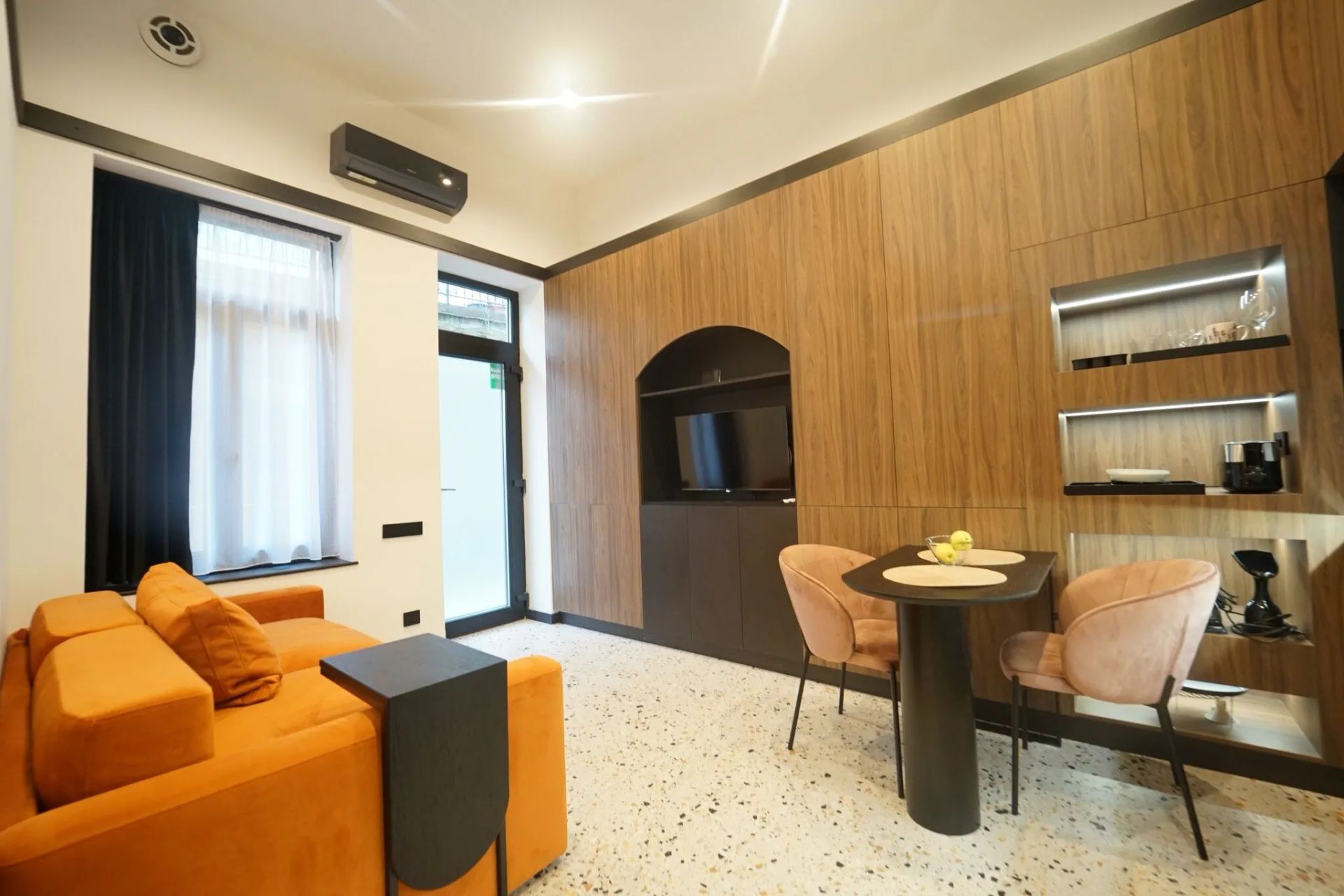
Apartament Jais Home Moon Cluj-Napoca
În curtea largă și grădina amenajată a apartamentului Jais Home Moon din Cluj-Napoca, aerul proaspăt și liniștea vă înconjoară departe de aglomerația străzilor centrale. Unitatea se află chiar în Piața Muzeului, oferind un punct de plecare excelent pentru explorarea centrului istoric al orașului. Restaurantul și cafeneaua din incintă vă pun la dispoziție preparate gustoase și băuturi aromate, iar conexiunea Wi-Fi gratuită asigură acces la internet pe toată durata șederii dumneavoastră. Pentru confortul maxim, aveți la dispoziție fier de călcat și puteți solicita meniuri adaptate pentru diete speciale la cerere. În immediate apropiere se află Biserica Sfântul Mihail din Cluj, Muzeul Național de Istorie Cluj-Napoca, Muzeul de Artă Cluj Napoca, Cetățuia din Cluj și Mănăstirea Nicula, oferind oportunități variate pentru vizite culturale și momente de relaxare în aer liber. Pentru cei care călătoresc cu vehicul electric, unitatea pune la dispoziție o stație de încărcare în incintă, facilitând astfel deplasările prin oraș și împrejurimile sale pitorești fără griji. Seara, după ce ați vizitat obiectivele din apropiere, vă puteți retrage în grădina amenajată pentru a savura o cafea în aer liber.
FROM
230 lei per night

Apartment · 3 stars
Cluj-Napoca, Cluj County · 0.3 km
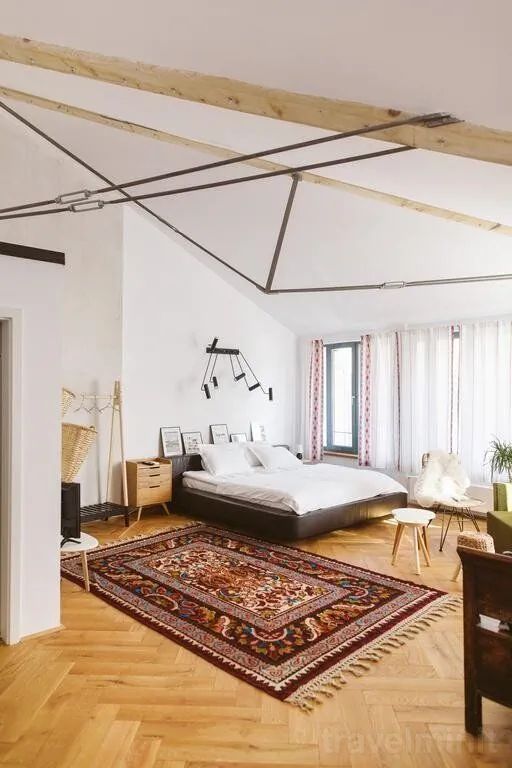
Apartament Camino Home 2 Cluj-Napoca
Pe strada Samuil Micu din Cluj-Napoca se află Apartament Camino Home 2 Cluj-Napoca, un apartament de închiriat clasificat cu trei stele. Unitatea dispune de opt camere amenajate cu grijă, oferind un spațiu primitor și funcțional pentru familii sau grupuri de călători care doresc să se simtă confortabil în acest oraș. Pentru șederea dumneavoastră, beneficiați de acces la Wi-Fi gratuit disponibil în întregul apartament, aer condiționat și un pătuț pentru bebeluș. Unele camere sunt dotate individual cu aer condiționat, astfel încât vă puteți regla temperatura după propriile preferințe. De asemenea, accesul cu animale de companie este permis contra cost. Check-in-ul se realizează de la ora 14:00, iar check-out-ul până la ora 11:00. Personalul vorbește limbile maghiară, engleză, germană, română și italiană. În vecinătate se găsesc obiective turistice deosebite pe care le puteți vizita cu ușurință: Biserica Sfântul Mihail din Cluj, Muzeul Național de Istorie Cluj-Napoca, Muzeul de Artă Cluj Napoca, Cetățuia din Cluj și Mănăstirea Nicula. Fiecare dintre acestea vă oferă ocazia de a descoperi istoria, arta și tradițiile spirituale ale zonei. Vă așteptăm cu drag să vă bucurați de șederea dumneavoastră și să porniți apoi la explorarea Muzeului Național de Istorie Cluj-Napoca.
FROM
230 lei per night
Holiday home · 4 stars
Cluj-Napoca, Cluj County · 0.3 km
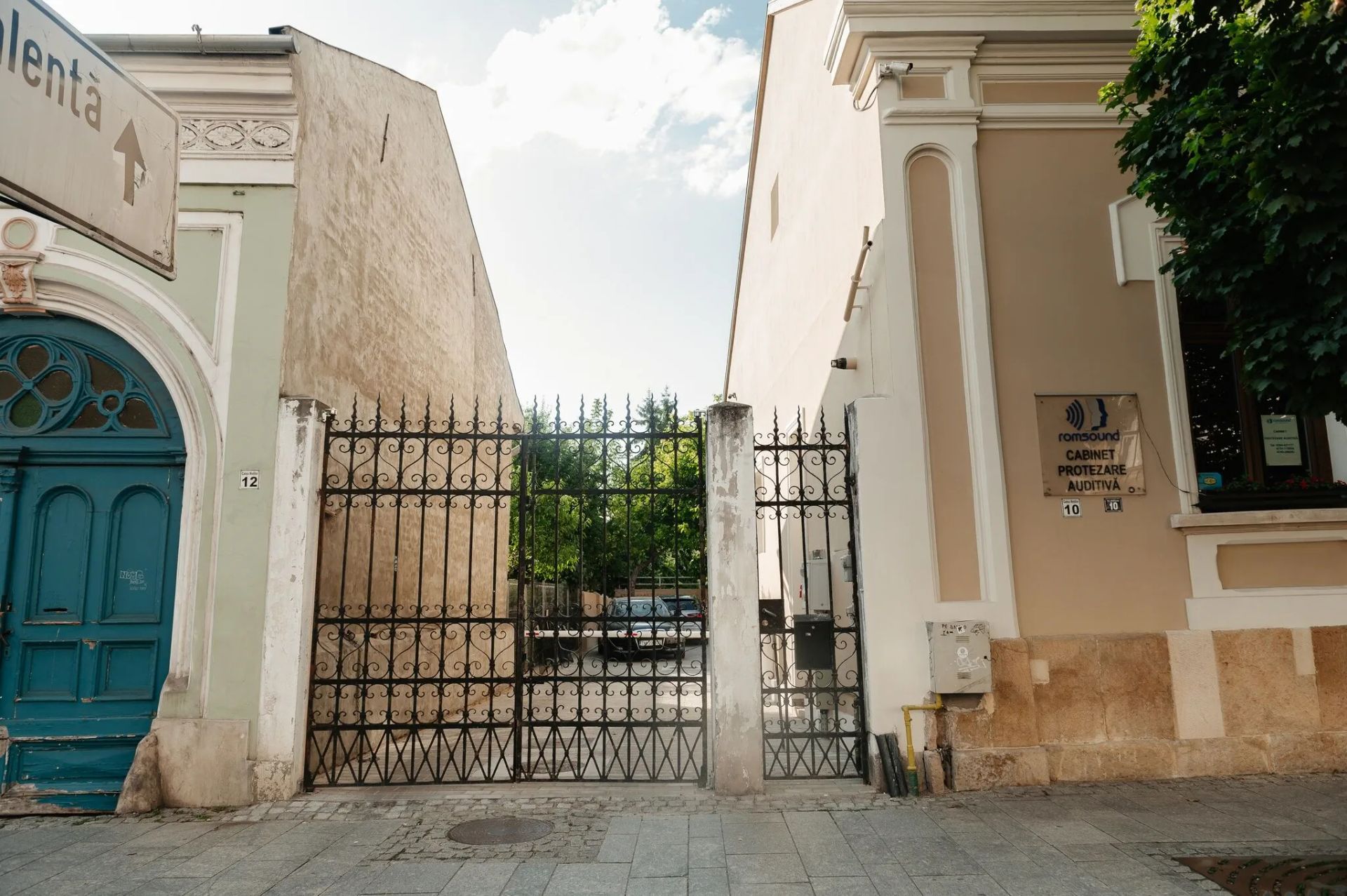
Casa Botar Cluj-Napoca
O zi petrecută aici începe cu acces la internet prin Wi-Fi gratuit și cu mașina parcată în siguranță la parcare privată gratuită, chiar la unitate, la Casa Botar Cluj-Napoca din Cluj-Napoca. Această casă de închiriat integral, clasificată cu 4 stele și situată la strada Motilor 10, pune la dispoziția dumneavoastră șase camere moderne și primitoare, pregătite cu grijă pentru un sejur confortabil. Spațiul este amenajat pentru a oferi liniște și intimitate atât turiștilor, cât și celor care călătoresc în interes de afaceri. În imediata apropiere puteți vizita Biserica Sfântul Mihail din Cluj, Muzeul Național de Istorie Cluj-Napoca, Muzeul de Artă Cluj Napoca, Mănăstirea Nicula și Cetățuia din Cluj. Aceste obiective culturale și istorice completează perfect un sejur în oraș, fiind ușor de accesat din poziția centrală de pe strada Motilor. Vă așteptăm să vă bucurați de toate aceste facilități într-un cadru liniștit, dar bine conectat, unde fiecare detaliu este gândit pentru confortul dumneavoastră. Beneficiați de parcare privată gratuită direct la strada Motilor 10, asigurând un acces facil cu mașina în centrul Cluj-Napoca.
FROM
390 lei per night
Holiday home · 1 star
Cluj-Napoca, Cluj County · 0.3 km
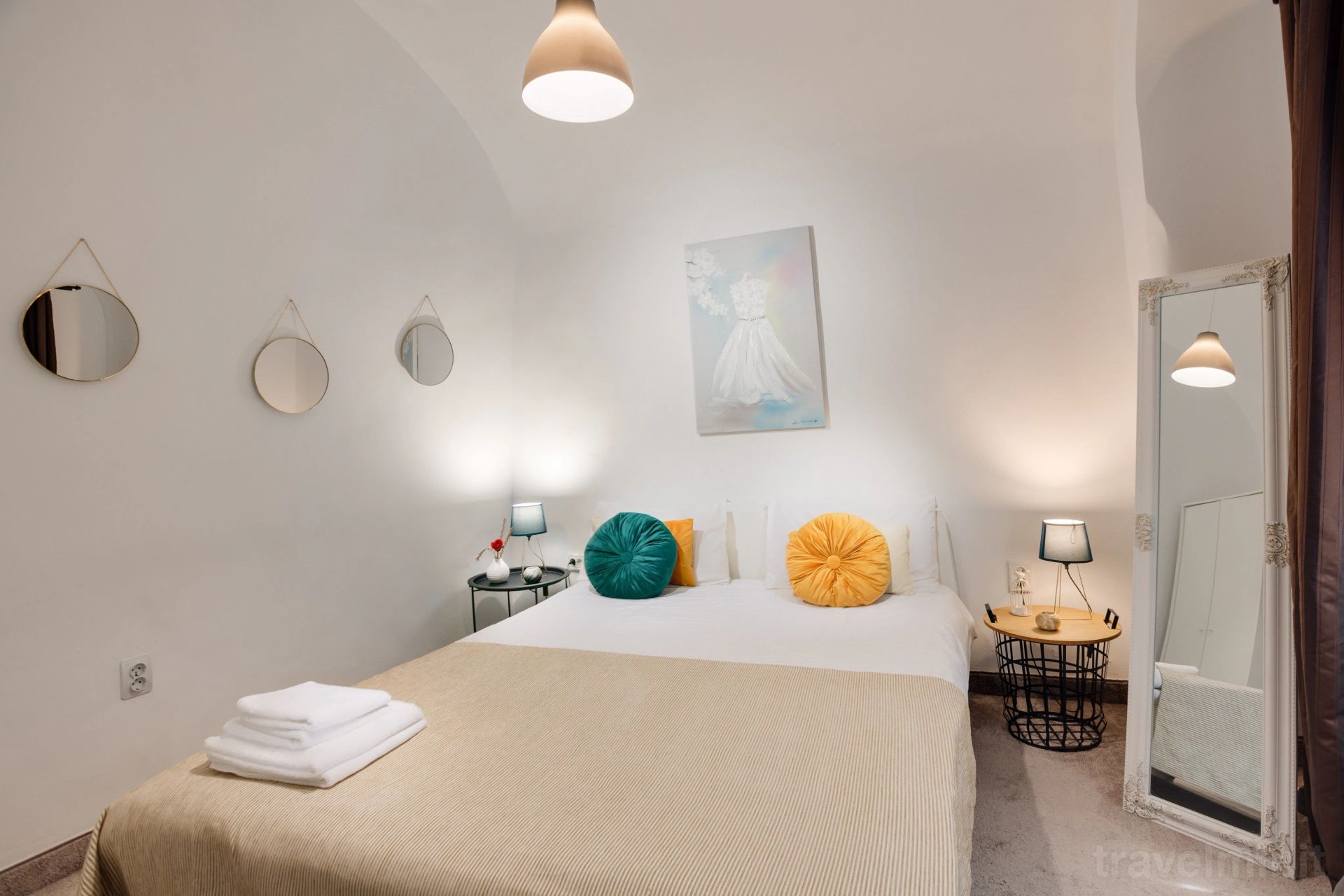
Perfect Stay Accomodation Cluj-Napoca
Perfect Stay Accomodation Cluj-Napoca este o casă de închiriat situată pe bulevardul Regele Ferdinand din Cluj-Napoca, la parterul unei clădiri, adresată familiilor sau grupurilor de prieteni care caută un spațiu intim și funcțional pentru șederea lor în oraș. Unitatea pune la dispoziție o cameră modern mobilată, echipată cu grup sanitar propriu și conexiune Wi-Fi gratuită, oferind condiții practice pentru relaxare după o zi petrecută în explorarea orașului. Locația avantajoasă vă permite să descoperiți cu ușurință principalele puncte de interes din zonă. În apropiere se află Biserica Sfântul Mihail din Cluj, Muzeul Național de Istorie Cluj-Napoca, Muzeul de Artă Cluj Napoca, Cetățuia din Cluj și Cetatea Clujului, fiecare dintre acestea reprezentând o oportunitate autentică de a cunoaște istoria, arhitectura și cultura bogată a municipiului. Toate aceste locuri se află la îndemână, oferindu-vă posibilitatea de a organiza itinerarii variate pe parcursul șederii dumneavoastră. Programul de primire începe la ora 15:00, iar predarea cheilor se face până la ora 11:00. Personalul comunică în limbile română, engleză, germană și spaniolă, asigurând un dialog facil indiferent de originea dumneavoastră. Plata se poate realiza prin numerar, card bancar sau transfer bancar, oferind flexibilitate în modalitatea de achitare. Vă așteptăm la Perfect Stay Accomodation Cluj-Napoca.
FROM
280 lei per night
Apartment · 3 stars
Cluj-Napoca, Cluj County · 0.4 km
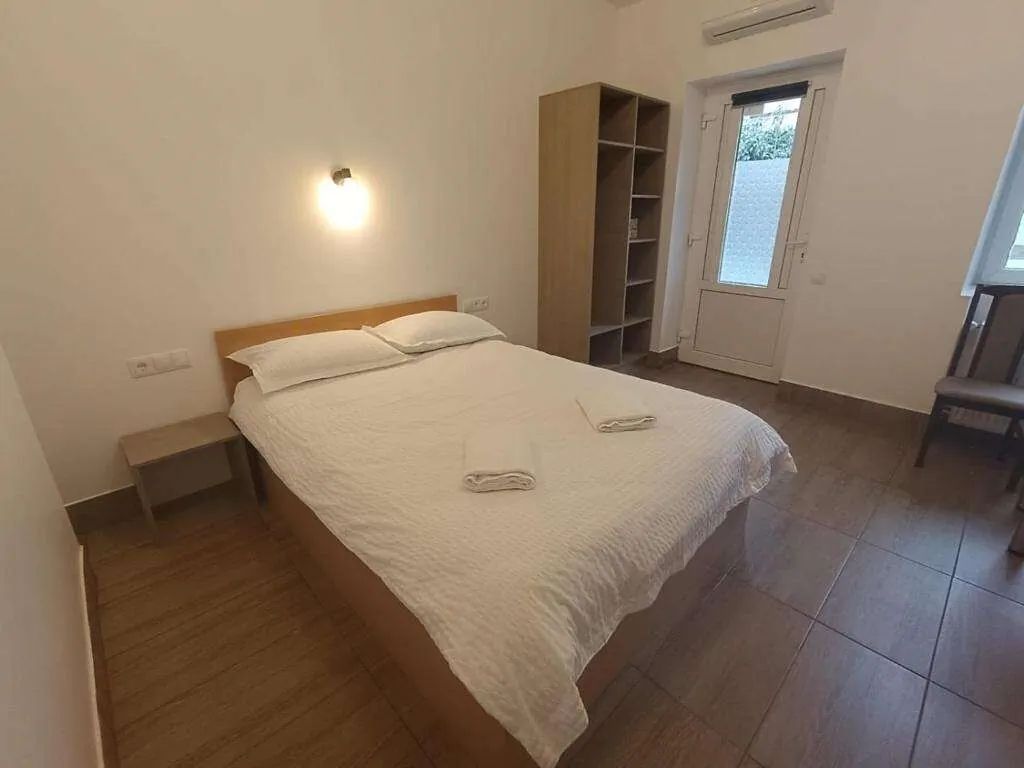
M20 Studios Cluj-Napoca
M20 Studios Cluj-Napoca este un apartament de închiriat cu trei stele situat în Cluj-Napoca, pe Calea Moților 20-22. Unitatea pune la dispoziție cinci camere amenajate cu grijă, oferind un spațiu confortabil, bine organizat și primitor pentru șederea dumneavoastră în acest oraș vibrant. Cazarea funcționează în regim fără mese incluse, astfel încât aveți libertatea de a vă organiza propriile mese după preferințe și program. Check-in-ul se efectuează începând cu ora 15:00, iar check-out-ul este până la ora 11:00. La recepție se vorbește limba română, facilitând comunicarea pe toată durata șederii dumneavoastră. Printre facilitățile disponibile se numără fierul de călcat, pus la dispoziție pentru a vă ajuta să vă pregătiți ținutele înainte de ieșiri sau întâlniri. Plata se poate realiza prin transfer bancar, card de vacanță, avans travelminit sau voucher travelminit, iar rezervarea devine fermă după achitarea unui avans. În apropiere puteți vizita Biserica Sfântul Mihail din Cluj, Muzeul Național de Istorie Cluj-Napoca, Muzeul de Artă Cluj Napoca, Mănăstirea Nicula și Cetățuia din Cluj, obiective care îmbogățesc experiența culturală a vizitei dumneavoastră și vă oferă perspective diverse asupra istoriei și artei zonei. Seara, după o zi plină de explorări în oraș, fierul de călcat vă stă la dispoziție pentru a vă pregăti hainele impecabile pentru a doua zi.
FROM
230 lei per night
Apartment · 3 stars
Cluj-Napoca, Cluj County · 0.4 km
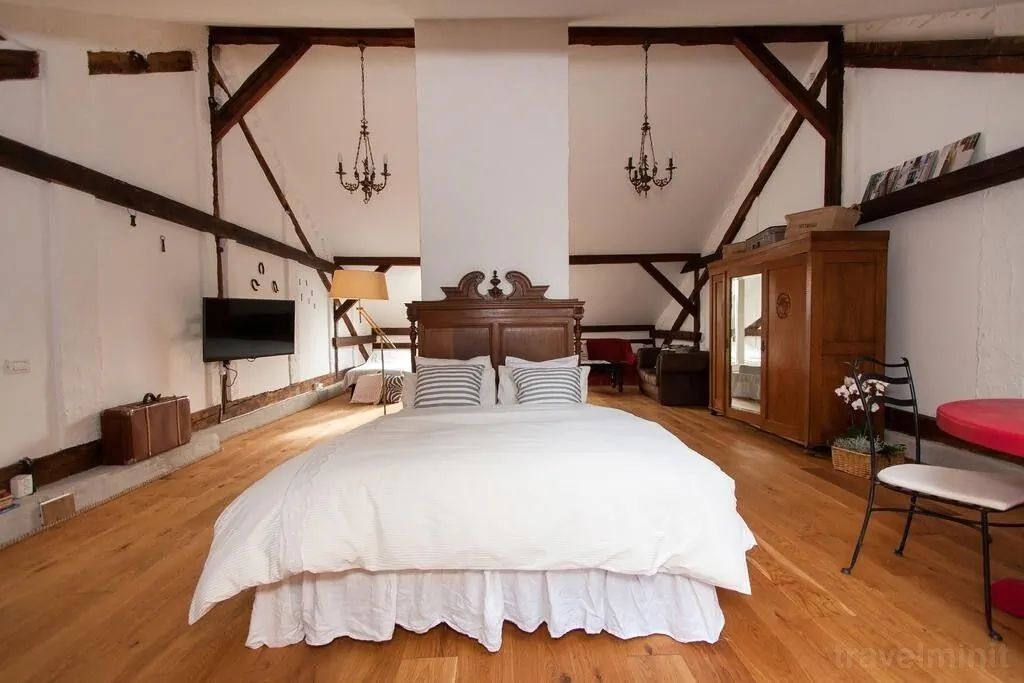
Apartament Camino Home Cluj-Napoca
Camino Home este un apartament de închiriat cu 3 stele situat în Cluj-Napoca, pe strada Iuliu Maniu 19. Spațiul oferă șase camere modern mobilate, fiecare prevăzută cu baie proprie, într-un cadru plăcut și bine întreținut. Pentru un sejur confortabil, aveți la dispoziție Wi-Fi gratuit în toate încăperile și un pătuț special pentru bebeluș. De asemenea, sunteți bineveniți împreună cu animalele de companie. Personalul de la recepție comunică în mai multe limbi străine, printre care engleză, germană, franceză, italiană și maghiară, alături de română. În apropiere puteți vizita Biserica Sfântul Mihail din Cluj, Muzeul Național de Istorie Cluj-Napoca, Muzeul de Artă Cluj Napoca, Cetatea Clujului și Cetățuia din Cluj. Aceste obiective culturale și istorice importante ale orașului se află la îndemână și pot fi explorate cu ușurință în timpul șederii dumneavoastră. Programul de primire a oaspeților începe la ora 14:00, iar eliberarea camerelor se face până la ora 11:00. Plățile pot fi efectuate prin transfer bancar, card bancar, card de vacanță sau voucher. Vă așteptăm să vă bucurați de o ședere plăcută în Cluj-Napoca.
FROM
230 lei per night
BEFORE YOU HIT THE ROAD
Weather conditions in Apahida
Local forecast for National Museum of History of Cluj-Napoca, Apahida, Cluj

Real-time updated weather data
Much more to explore in this area
Nearby tourist attractions

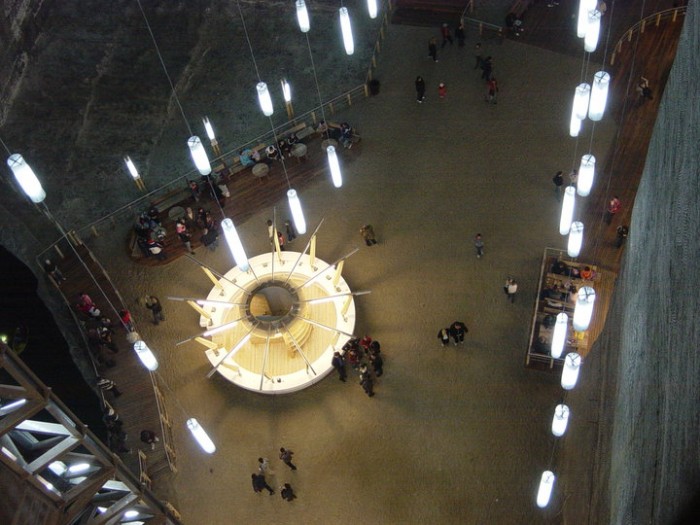

Turda, Cluj County
Turda Salt Mine
Se gaseste in zona Durgau-Valea Sarata din Turda; prima atestare documentara a extragerii sarii in Turda dateaza din anul 1271; cele patru mine din adancurile...
25.5 km
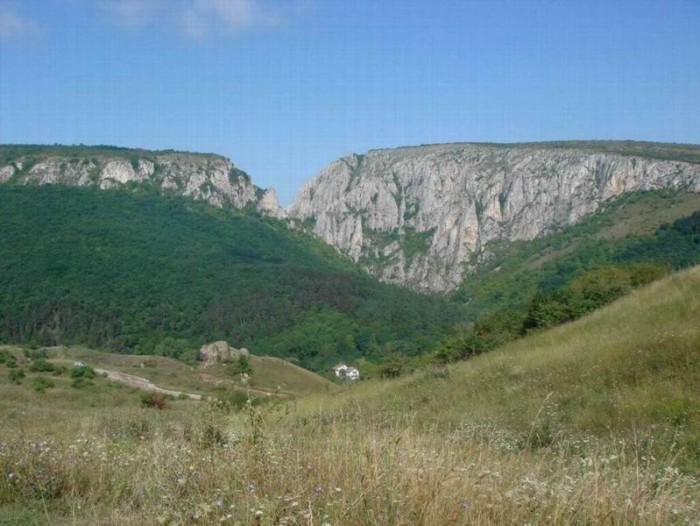
Apahida, Cluj County
Turda Gorge
Situate la o distanta de 6 km vest de Turda, de-a lungul Vaii Hasdate; ocupa o suprafata de 324 ha si s-au format prin erodarea rocii de calcar jurasic;...
24.0 km

Apahida, Cluj County
St. Michael's Church, Cluj-Napoca
Situata in Piata Unirii, Cluj-Napoca; istoria bisericii Sfantul Mihail coincide cu inceputurile Clujului ca si oras; biserica a fost inaltata pe un teren care...
0.3 km

Apahida, Cluj County
Art Museum of Cluj-Napoca (Bánffy Palace)
Situat in Piata Unirii 30, Cluj Napoca; infiintat ca institutie in anul 1951, muzeul functioneaza din anul 1956 in Palatul Banffy, o cladire baroca construita...
1.0 km
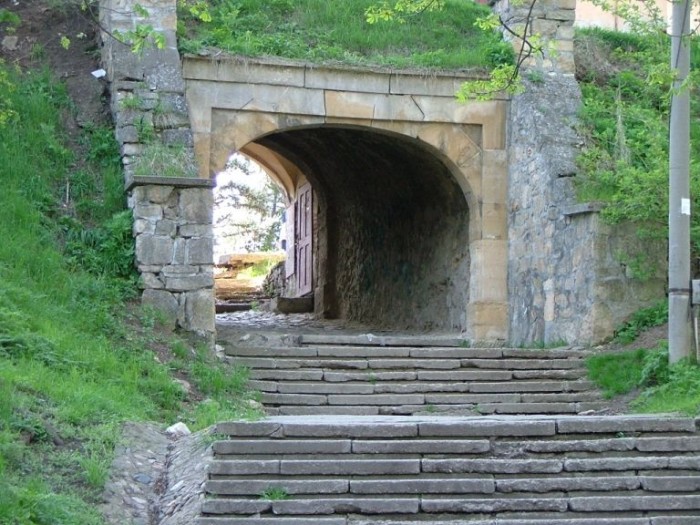
Apahida, Cluj County
Cluj Citadel (Cetățuia)
La fel ca si Cetatea din Alba Iulia, Cetatuia a fost proiectata de arhitectul militar italian Giovanni Morandi Visconti, in timpul guvernarii militare a...
0.6 km
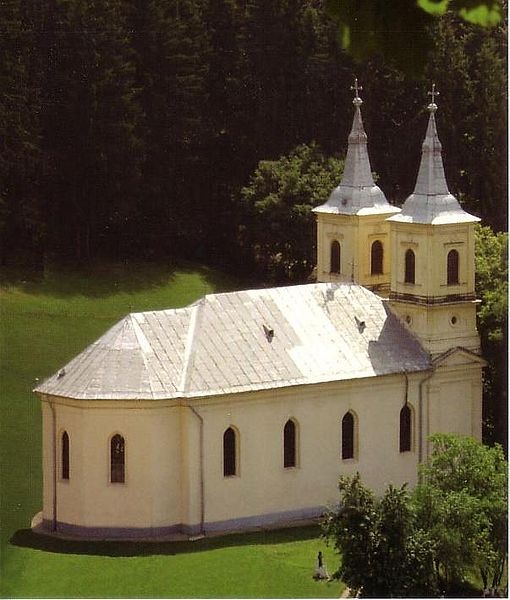
Nicula, Cluj County
Nicula Monastery
Situata in localitatea Nicula, orasul Gherla; manastire de calugari; poarta urmatoarele hramuri: Adormirea Maicii Domnului, Sfantul Nicolae, Buna Vestire;...
0.7 km
Apahida, Cluj County
Cluj Citadel
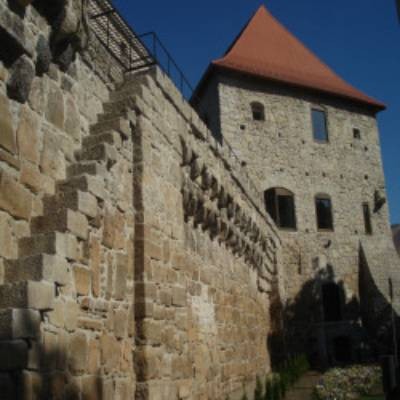
Pentru a construi cetatea romanii au folosit ca si hotare ale cetatii in primul rand Canalul Morilor si Paraul Tiganilor, care trece prin Gradina Botanica si...
1.1 km

Apahida, Cluj County
Transylvania Ethnographic Museum
Situat pe strada Memorandului nr. 21 din Cluj-Napoca; infiintat in 1922, detine colectii cu piese extrem de valoroase, achizitionate pe baza unor cercetari de...
0.1 km

0.8 km

Apahida, Cluj County
Turda Gorge Nature Reserve
Situate de-a lungul Vaii Hasdate; reprezinta una dintre cele mai cunoscute atractii turistice din Romania -privelistea, peretii inalti de stanca, vegetatia si...
23.8 km

38.1 km
Valeni, Cluj County
Fortified Church of Văleni
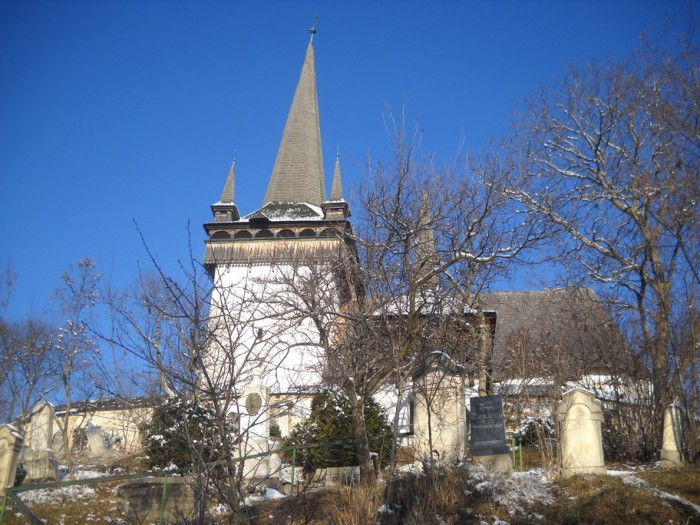
Situata in satul Valeni, judetul Cluj; a fost ridicata in secolul al XIII-lea de calugarii franciscani; este una dintre cele mai frumoase biserici din judetul...
42.0 km
Cultural life and traditions
Events in the National Museum of History of Cluj-Napoca area
Medieval festivals, traditional fairs, concerts and local activities recommended in Transylvania.

Heritage and History

Apahida, County of Cluj
The Festival of Medieval Fortresses and the Open Doors Days
Guided night tours, traditional crafts workshops and historical re-enactments featuring knights and ladies.
WHEN
May 15-17, 2026


Traditions and Cuisine
Apahida, County of Cluj
The Fair of Saxon Traditions and Local Cuisine
Discover local producers, traditional Saxon pastries baked in a wood-fired oven, artisanal syrups, and rhubarb jam.
WHEN
Every weekend (May - October)

Ecotourism and Nature
The hills of Transylvania, County of Cluj
Guided Hikes on the Transylvanian Hills Trail
Take excursions along unmarked trails through ancient meadows, centuries-old oak trees, and villages with fortified churches that are UNESCO World Heritage sites.
WHEN
Friday – Sunday (Season 2026)
On foot, exploration gains depth
Discover the surroundings and local geography
Explore the trails, terrain, and natural landmarks around National Museum of History of Cluj-Napoca.

Guides and practical tips
Useful travel articles
Travel guides, practical recommendations and tourist itineraries for Transylvania.

Tourist guide
Top 5 Atracții Turistice și Trasee Montane în Zona Moieciu - Bran
Descoperă cele mai spectaculoase peisaje carstice, chei adânci și cetăți medievale din imediata apropiere a stațiunii Moieciu.

Tourist guide
Ghid de Drumeție: Traseul Moieciu de Sus spre Platoul Bucegi
Un itinerariu montan de o frumusețe rară ce urcă din Valea Băngăleasa spre Poiana Guțanu și crestele maiestuoase ale Bucegilor.

Tourist guide
Castelul Bran: Istorie, Legende și Secrete Medievale
Află adevărata poveste a fortăreței medievale din Pasul Bran, reședința de suflet a Reginei Maria a României.
THE JOURNEY STARTS WITH AN IDEA
The next story is on the way.
From the first stop to the last stay, make room for a new Romania.
