


CASTLE · TRANSYLVANIA
Cluj Citadel

Apahida, Cluj County
Add location to your trip planner.
Practical access information

VISITING HOURS
Monday: 12:00 PM – 5:00 PM · Tuesday–Sunday: 9:00 AM – 5:00 PM (in summer until 8:00 PM)

TICKET PRICE
Adults: 45 RON · Students: 11 RON · Seniors: 23 RON · Guided tour included

RECOMMENDED VISIT DURATION
2-3.5 hours
Visitor information and guide
 Navigate with Google Maps

ABOUT CLUJ CITADEL
Introduction: A Bastion of Memory in the Heart of Transylvania
In the architectural landscape of Cluj, at the subtle intersection between ancient Roman Napoca and the medieval city that would become Transylvania’s cultural capital, stand the imposing remnants of Cluj Citadel. This fortified complex, strategically located in the northeastern part of Cluj-Napoca municipality, near the commune of Apahida, represents one of the best-preserved and most fascinating examples of Renaissance and Baroque military architecture in Central and Eastern Europe. With over two millennia of continuous history embedded in its stone, the citadel is a silent witness to the political, confessional, and cultural transformations that shaped the destiny of the Principality of Transylvania—a borderland perpetually caught between Europe’s great empires.
The cultural significance of this monument extends far beyond the geographical confines of a mere fortification. Cluj Citadel embodies the spirit of resilience of an urban community that managed to preserve its civic autonomy in the face of external pressures, whether Ottoman, Habsburg, or those of the Kingdom of Hungary. The three towers that have survived the centuries—Tailors’ Bastion, Locksmiths’ Tower, and Shoemakers’ Bastion—now form a unique ensemble, a memory itinerary connecting the present to the Roman, medieval, and modern eras. They stand as testament to how cities in Central Europe developed sophisticated systems of defense and civic identity at a time when citadel walls were not only military means but also expressions of urban prestige and communal solidarity.
Ancient Roots and Roman Foundations
The origins of Cluj Citadel stretch back to late antiquity, when the Roman legions of the Empire established fortifications in this area to protect the strategic route linking the Transylvanian Basin to the Pannonian Plain. The site was chosen with military wisdom, utilizing the natural courses of the Mill Canal and the Țiganilor Stream—which today runs through the city’s Botanical Garden—as natural boundaries of an early fortified enclosure. These waters, combined with the hilly terrain of the area, provided a natural defensive system that ancient and medieval builders masterfully exploited, in a manner similar to how the Romans fortified the limes along the Rhine or Danube, or how Byzantine citadels were constructed in the Balkans.
The Roman presence at Napoca, the ancient name of the site, left deep traces in the subsequent urban structure. Archaeologists have identified foundations of military and civilian constructions that attest to the continuity of habitation from the Roman period into the early Middle Ages. This continuity is remarkable when compared to other European regions where the fall of the Roman Empire led to the complete abandonment of urban centers. In contrast, Transylvania’s cities retained a form of organization inspired by Roman models, later adapted to medieval realities. The Roman fortifications served as the foundation for medieval enclosures, creating a historical stratification rarely seen in Europe, where archaeological layers overlap in an unbroken succession spanning two millennia.
The Middle Ages and the Guild System: A European Model of Urban Autonomy
During the medieval period, the city of Cluj-Napoca—then known as Claudiopolis or Kolozsvár—developed around a double defensive enclosure, a sophisticated system reflecting the social and economic organization specific to the free cities of Central Europe. Each bastion was built and financed by a distinct craft guild, a model of communal organization reminiscent of the tower-houses of Renaissance Florence, the medieval towers of Bologna, or the guild systems of Bruges and Ghent, members of the Hanseatic League. Tailors, shoemakers, locksmiths, carpenters, soap makers, wheelwrights, potters, masons, and saddlers each contributed to the construction of a watchtower, symbolizing urban autonomy and civic solidarity in an era when the defense of the city was the responsibility of the entire community.
This guild-based fortification system represents a remarkable particularity of Central European urbanism, reflecting the influence of Italian and Flemish models on Transylvanian military architecture. While in Western Europe cities developed under the protection of feudal lords, in Transylvania—as part of the Kingdom of Hungary and later the autonomous Principality—urban communities built their own defensive systems, demonstrating a high degree of autonomy. Each guild financed, maintained, and defended its own tower, creating a network of solidarity that transcended professional boundaries. This civic organization was essential for the city’s survival in the face of Mongol invasions in the 13th century and, later, Ottoman pressures in the 15th–17th centuries.
The Renaissance Era and Baroque Transformations Under Gabriel Bethlen
The 16th and 17th centuries brought profound changes to the military architecture of Cluj Citadel, a period when Transylvania experienced a cultural flourishing under the rule of Renaissance princes. Notably, the reign of Prince Gabriel Bethlen (1613–1629) marked a decisive stage in the evolution of the fortifications, when the Tailors’ Bastion was reconstructed in an architectural style blending Italian Renaissance elements with Hungarian military traditions and Ottoman influences. This stylistic fusion reflects Transylvania’s unique position as a bridge between the Western and Eastern worlds, between Christian and Islamic civilizations.
The reconstruction of the bastion under Gabriel Bethlen fits into the broader context of the modernization of European fortifications during that period. Renaissance military architecture—initially developed in Italy by masters such as Francesco di Giorgio Martini and later spread to France, the Netherlands, and Central Europe—gradually replaced medieval vertical structures with low, rounded bastions capable of withstanding modern artillery. Transylvania, situated at the border between the Ottoman Empire and the Habsburg Monarchy, was compelled to rapidly adopt these military innovations, constructing fortifications that could withstand both Ottoman and Habsburg cannons. The style of the bastion—with thick walls, narrow windows for arquebuses, and Renaissance decorative elements—illustrates this synthesis between military functionality and the aesthetics of the era.
The Drama of Baba Novac and Turning Points in the Citadel’s History
Among the most dramatic episodes associated with Cluj Citadel is the tragic fate of Baba Novac, the captain of Michael the Brave’s armies, a turning point in Romanian history that left deep marks on the collective memory of the place. After the Battle of Mirăslău in September 1600, where Michael the Brave’s forces were defeated by the armies of Transylvanian Prince Sigismund Báthory and the Hungarian nobility, General Baba Novac, along with the priest Saski, were taken prisoner to Cluj. There, they were tortured and executed by the Transylvanian authorities in an act of political repression intended to intimidate the Romanian population and consolidate the power of the Hungarian nobility.
In 1601, after Michael the Brave regained power and occupied the Transylvanian throne, Baba Novac’s body—which had been impaled and displayed near the Tailors’ Bastion as a public warning—was brought and buried with military honors. This episode, similar to other political executions in European history—such as the death of Thomas More in Henry VIII’s England or the tragic fate of Giordano Bruno in Rome—marks the Tailors’ Bastion as a site of martyrial memory. The stones of this tower witnessed the confrontations between the unification aspirations of the Romanians and the dynastic interests of the Transylvanian nobility, within a European context marked by the Religious Wars and the struggles for hegemony between empires.
Architecture, Art, and Constructive Details of the Three Towers
The three surviving remnants—Tailors’ Bastion, Locksmiths’ Tower, and Shoemakers’ Bastion—offer a fascinating perspective on the evolution of military architecture over the centuries. Tailors’ Bastion, initially financed by the Cluj tailors’ guild in the medieval period and reconstructed in its current form in the 17th century, represents a remarkable example of a Renaissance bastion adapted to the hilly terrain of the area. Its construction uses local stone and brick, with walls over two meters thick capable of withstanding artillery bombardments, and features decorative elements specific to Transylvanian Renaissance, such as triangular pediments and windows with sculpted frames.
Locksmiths’ Tower, built in 1574 as part of the second medieval defensive enclosure, illustrates the transition from Gothic to Renaissance military architecture. Originally belonging to the locksmiths’ guild, the tower was later raised and modified, serving until the early 20th century as a fire observation point, hence its common name, Firefighters’ Tower. This transformation reflects the widespread European practice of adaptive reuse of medieval structures—a phenomenon also observed in the towers of Prague, Vienna, or Kraków, where old fortifications were converted into administrative, museum, or residential spaces. Its impressive height offers visitors a unique panoramic view of the city, the Apuseni Mountains, and the Transylvanian Plain.
Shoemakers’ Bastion, the third survivor of the defensive system, completes this ensemble and preserves the imprint of the shoemakers’ guild in its solid structure. Together, these three monuments form a historical itinerary that allows an understanding of the architectural complexity of a fortification that withstood Ottoman invasions, confessional conflicts between Catholics, Protestants, and Orthodox, and the slow passage of time. The constructive details—from the deep foundations dug into rock to the pitched roofs covered with shingles or tiles—reveal traditional construction techniques specific to Central Europe, adapted to the materials and climate of the region.
Contemporary Revival: From Military Fortification to Urban Cultural Center
Between 2007 and 2009, Tailors’ Bastion underwent extensive restoration and adaptive reuse, entering a new era of its existence. The restoration project, carried out with respect for the principles of European heritage conservation—similar to those applied in the restoration of fortifications in Luxembourg, Malta, or historic cities in the Netherlands—transformed this military monument into an Urban Culture Center. The basement now houses an intimate literary café, while the upper floors serve as versatile spaces for conferences, art exhibitions, and performances, turning a defensive bastion into a vibrant cultural hub.
This transformation aligns with a broader European trend of adaptive reuse of fortified heritage, observed in cities such as Valletta, Dubrovnik, or Nancy, where old walls and towers have become spaces for contemporary creativity. In dialogue with European traditions of converting military monuments into cultural centers—such as the Arsenal in Venice or Scottish castles transformed into artistic spaces—Tailors’ Bastion demonstrates how historical heritage can be preserved while being brought into the present, offering the community and visitors a space for encounter between past and future. The atmosphere inside, with its thick stone walls, restored medieval vaults, and light filtering through narrow windows, creates a unique ambiance, far from the urban bustle, a cultural refuge in the heart of the city.
Practical Visitor’s Guide and the Traveler’s Experience Today
For travelers wishing to discover Cluj Citadel, the experience begins upon approaching the site, located in the northeastern part of Cluj-Napoca municipality, near the commune of Apahida. Access can be made by public transport—bus lines connecting the city center to the metropolitan area—or by bicycle, along the paths laid out along the Someșul Mic River. Upon arrival, visitors are greeted by the imposing silhouettes of the towers, rising above the lush vegetation of the Botanical Garden and neighboring parks, creating a fascinating contrast between nature and stone.
The visitor itinerary includes the three main monuments. Starting with Tailors’ Bastion, travelers can explore the interior of the cultural center, enjoy a coffee in the atmospheric basement, and participate in cultural events organized in the upper halls. Climbing the narrow stairs leads to the upper terrace, where the panorama of the city and the Apuseni Mountains is spectacular, especially at sunset when the golden light bathes the ancient stones. Locksmiths’ Tower offers a different, more contemplative experience, accessible via an external route and providing insight into the urban evolution of Cluj. Shoemakers’ Bastion, though less visited, completes the overall picture and offers a perspective on how guilds contributed to communal defense.
A visit to Cluj Citadel can be complemented by exploring the nearby "Alexandru Borza" Botanical Garden, one of the oldest and most prestigious institutions of its kind in Eastern Europe, founded in 1872. Additionally, the historic center of Cluj-Napoca, with Union Square, St. Michael’s Church, and the Bánffy Palace, is just a few kilometers away, allowing for a comprehensive exploration of the city’s cultural heritage. For history enthusiasts, a walk in the footsteps of Baba Novac, from the execution site to St. Michael’s Church where he was initially buried, adds a profound emotional dimension to the experience.
The atmosphere of the site varies with the seasons: in spring, when magnolias bloom in the Botanical Garden and the towers are reflected in the nearby ponds; in summer, when the terraces of the cultural center are full of life; in autumn, when golden foliage creates an impressive carpet around the walls; or in winter, when mist settles over the ancient stones, lending them a mysterious aura. Each visit to Cluj Citadel is a journey through time, an encounter with two millennia of European history, and an opportunity to understand how a border city managed to preserve its identity and transform the remnants of its military past into a living space of contemporary culture.
Media gallery
Discover Cluj Citadel in pictures

5 photos · Architecture, courtyards and captivating details
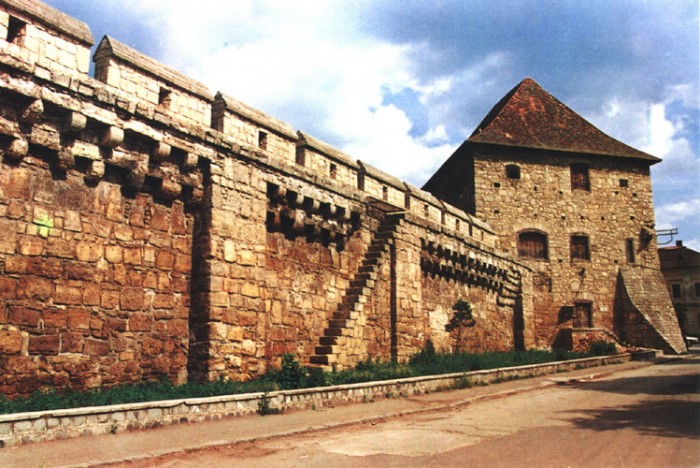


Image source: Wikimedia Commons · Public domain photos · Free license
STAY A FEW DAYS, DISCOVER THE MAGIC
Accommodation in the Cluj Citadel area

Hotel · 3 stars

Cluj-Napoca, Cluj County · 0.3 km
Palace Bulevard Cluj-Napoca
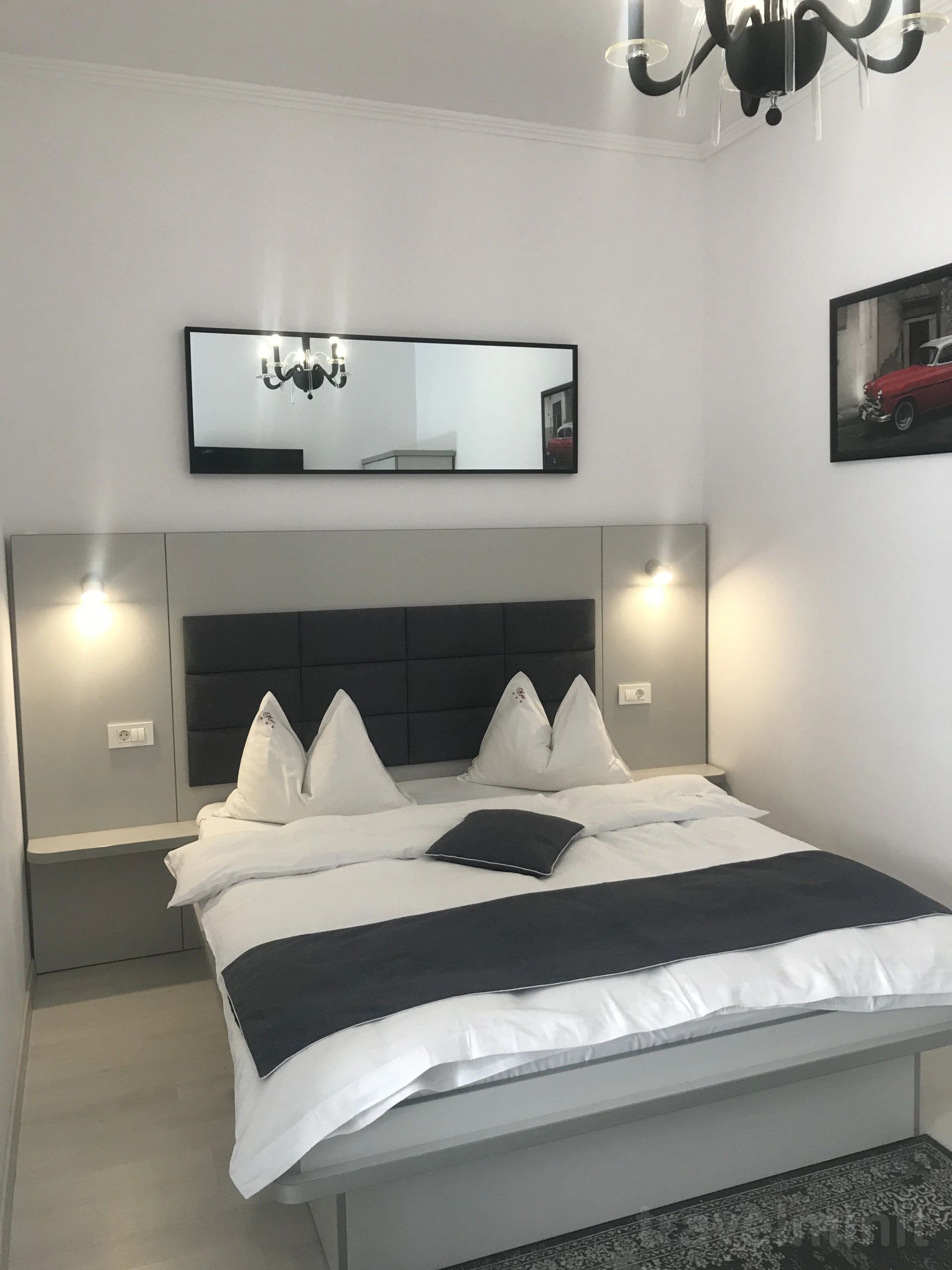
Familiile cu copii mici, dar și călătorii care apreciază liniștea și confortul se vor simți bine la Palace Bulevard din Cluj-Napoca. Hotelul de trei stele, situat pe strada Baba Novac, vă întâmpină cu camere amenajate cu grijă și plăcut, unele dintre ele fiind dotate cu aer condiționat pentru zilele călduroase de vară. Unitatea pune la dispoziția dumneavoastră Wi-Fi gratuit în toate spațiile, un depozit securizat pentru bagaje și, la cerere, un pătuț pentru bebeluș. Astfel, fiecare detaliu este gândit pentru ca șederea dumneavoastră să fie cât mai plăcută și relaxantă. Personalul de la recepție vorbește fluent româna, engleza și maghiara și vă stă la dispoziție cu informații utile despre facilitățile oferite. În imediata apropiere se află Biserica Sfântul Mihail, Muzeul Național de Istorie, Cetatea Clujului, Muzeul de Artă și Cetățuia din Cluj. Aceste obiective turistice vă oferă ocazia să explorați istoria, arhitectura și cultura orașului fără să fiți nevoiți să parcurgeți distanțe mari. Cazarea include micul dejun, iar plata se poate realiza prin numerar, card bancar, transfer bancar sau alte modalități disponibile. Camera poate fi ocupată începând cu ora 15:00, iar predarea acesteia se face până la ora 11:30. Vă așteptăm la Palace Bulevard Cluj-Napoca.
FROM
290 lei per night

Guesthouse · 3 stars
Cluj-Napoca, Cluj County · 0.3 km
Pensiunea Max Cluj-Napoca
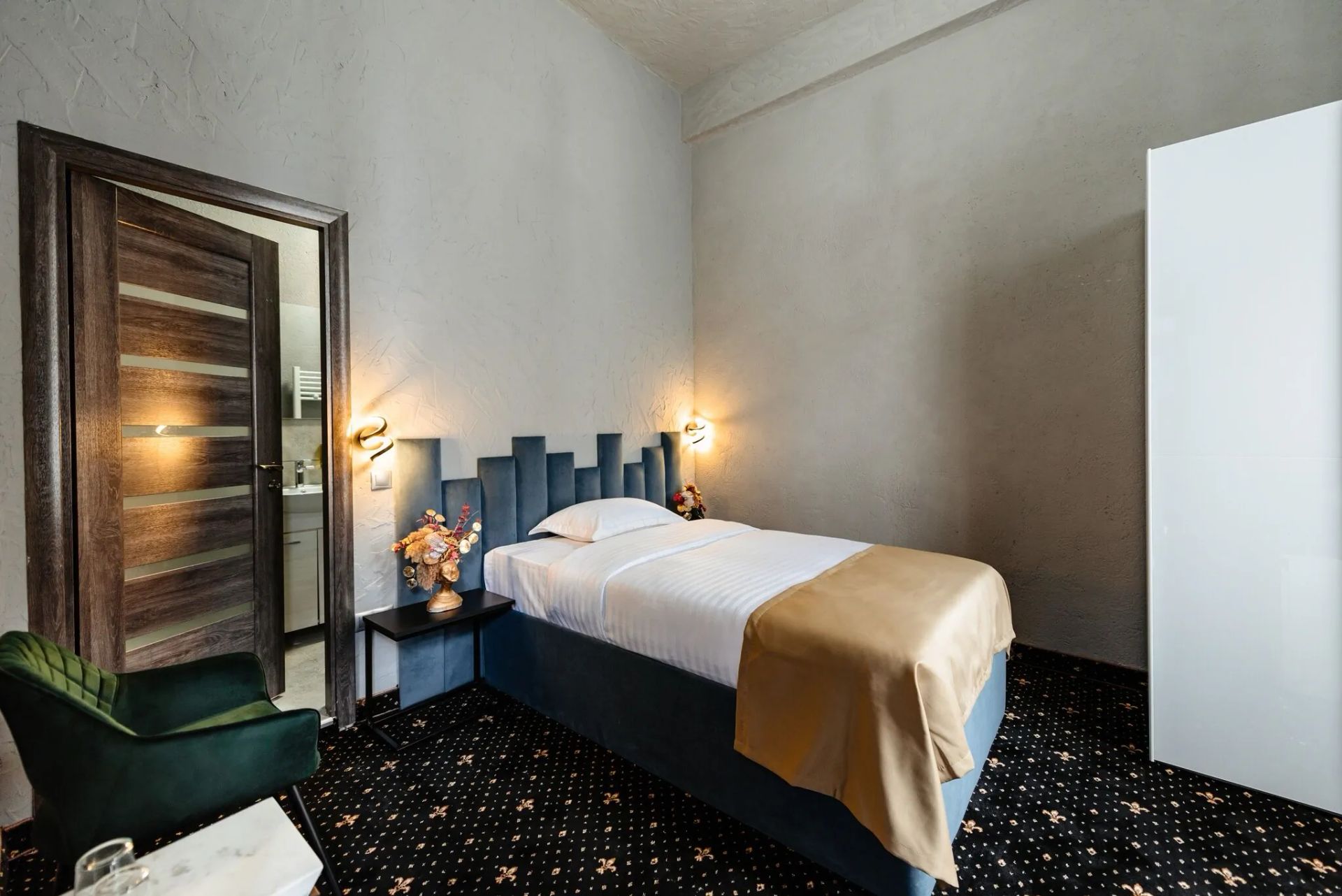
În apropiere puteți vizita Biserica Sfântul Mihail din Cluj. Pensiunea Max, o pensiune turistică de 3 stele situată în Cluj-Napoca, reprezintă punctul dumneavoastră de plecare pentru a descoperi numeroasele atracții ale acestui oraș. Pentru confortul dumneavoastră, unitatea oferă acces pentru persoane cu dizabilități, aer condiționat, o curte mare și o grădină amenajată, parcare privată gratuită și Wi-Fi gratuit. De asemenea, aveți la dispoziție o sală pentru servirea micului dejun. Vă așteaptă două apartamente cu trei locuri, două camere cu câte două paturi simple și șase camere cu pat matrimonial. Toate camerele dispun de baie proprie, încălzire centrală, televizor cu cablu, frigider și acces la internet wireless, iar șase dintre ele oferă și acces la balcon. Spațiile sunt dotate cu mobilier de calitate, la standarde europene. În zona înconjurătoare puteți descoperi Muzeul Național de Istorie Cluj-Napoca, Muzeul de Artă Cluj Napoca și Catedrala Ortodoxă a Vadului, Feleacului și Clujului. De la Pensiunea Max puteți porni să explorați Cetatea Clujului.
FROM
240 lei per night
Hotel · 3 stars
Cluj-Napoca, Cluj County · 0.3 km
Palazzo Bellariva Dimora Cluj-Napoca
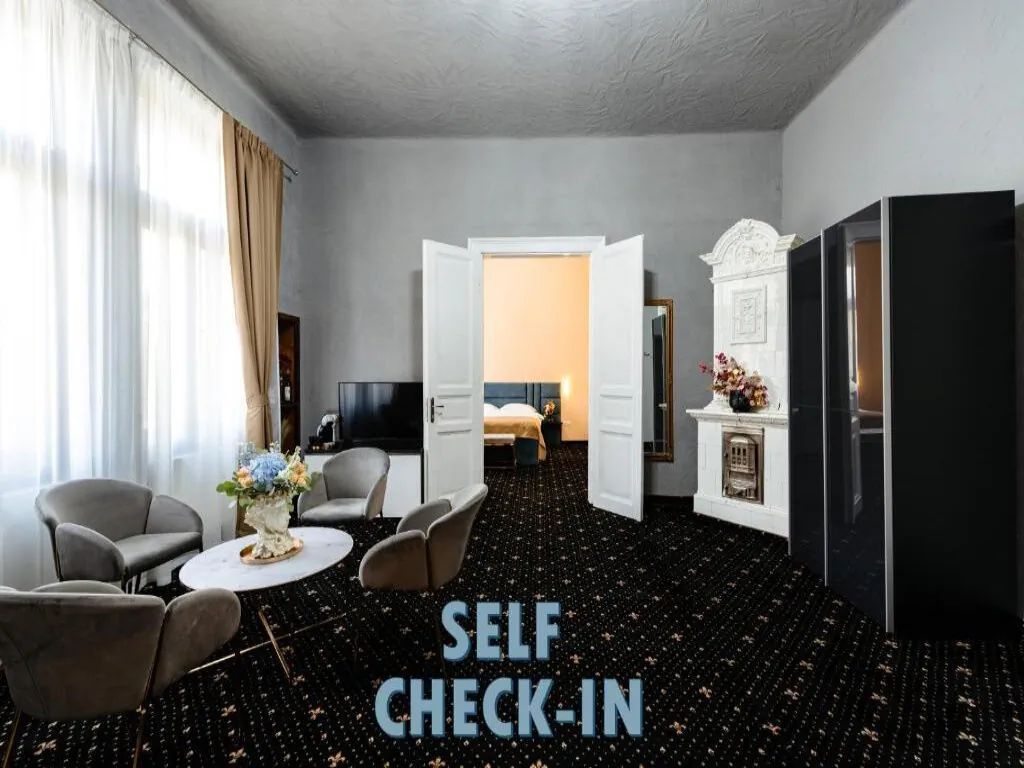
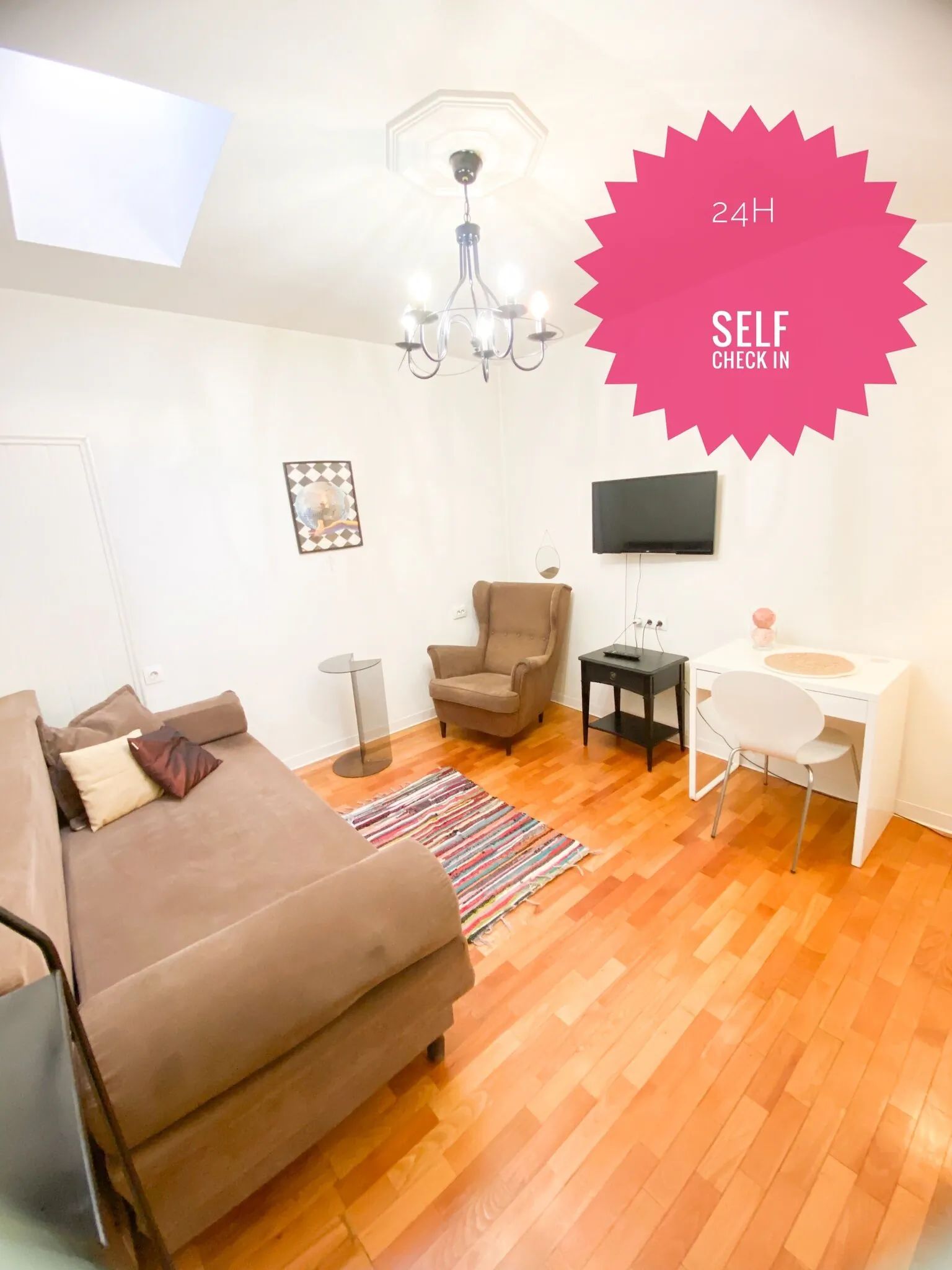
Hotel de 3 stele situat în Cluj-Napoca, Palazzo Bellariva Dimora oferă cazare într-un cadru urban cu atmosferă aristocratică, inspirat de tradiția italiană a reședințelor nobiliare. Unitatea nu este un hotel clasic, ci o locație boutique dedicată celor care caută eleganță discretă și ospitalitate autentică, într-un spațiu unde confortul vine din armonie. Oaspeții beneficiază de Wi-Fi gratuit în întreaga unitate, astfel încât să poată rămâne conectați pe toată durata șederii fără restricții. Fiecare detaliu este gândit pentru a vă oferi o experiență plăcută, punând accent pe liniște și rafinament atemporal. Poziția centrală din piața Stefan cel Mare permite accesul facil către principalele obiective culturale ale orașului. În apropiere se află Biserica Sfântul Mihail din Cluj, Muzeul Național de Istorie Cluj-Napoca, Cetatea Clujului, Muzeul de Artă Cluj Napoca și Cetățuia din Cluj, oferind numeroase posibilități de explorare și descoperire a patrimoniului local. Fie că sunteți în vizită pentru afaceri sau relaxare, această dimora urbană vă pune la dispoziție un mediu primitor unde puteți să vă bucurați de momente de liniște într-un cadru cu personalitate distinctă, departe de aglomerația cotidiană. Vă așteptăm la Palazzo Bellariva Dimora Cluj-Napoca.
FROM
290 lei per night
Apartment · 3 stars
Cluj-Napoca, Cluj County · 0.4 km
Apartament Perfect Stay 6 Cluj-Napoca
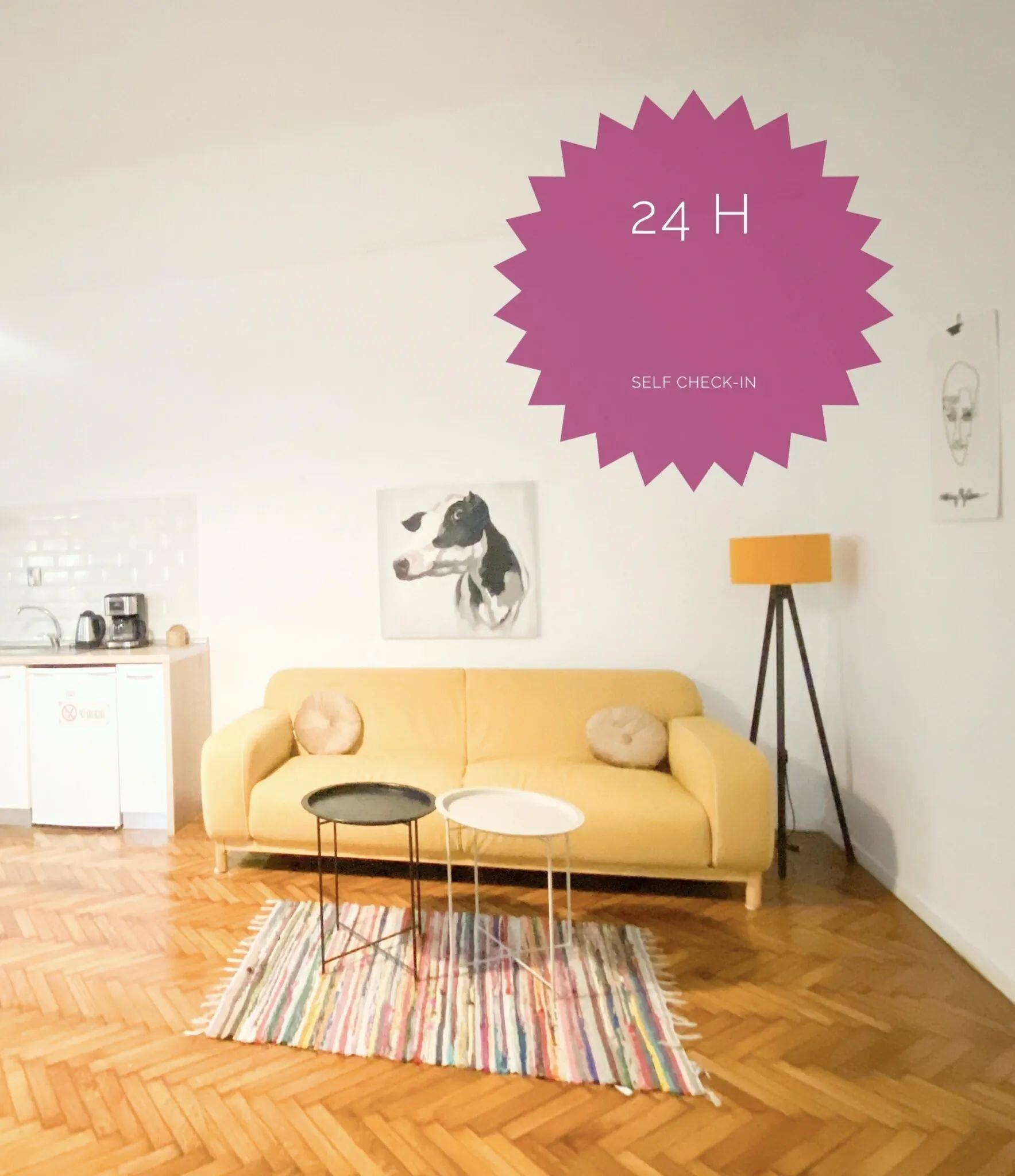
Apartament Perfect Stay 6 din Cluj-Napoca este alegerea potrivită pentru cupluri sau familii mici care doresc să exploreze orașul într-un ambient confortabil și practic. Situat pe Bulevardul Eroilor, apartamentul oferă un spațiu bine organizat la mansardă, cu dormitor separat, living și bucătărie complet echipată pentru șederi mai lungi. Unitatea pune la dispoziție Wi-Fi gratuit și fier de călcat, fiind un spațiu de nefumători. Bucătăria include plită electrică, cuptor cu microunde, frigider și toate ustensilele necesare pentru gătit, alături de o zonă de luat masa. Dormitorul este dotat cu pat queen size, șifonier, comodă și noptieră, în timp ce zona de living cuprinde canapea extensibilă, fotoliu, birou cu scaun și televizor cu ecran plat. Baia beneficiază de duș walk-in, iar pe holul de acces se află mașina de spălat. Intrarea privată asigură intimitate, iar prosoapele și lenjeria de pat sunt furnizate. În apropiere puteți vizita Biserica Sfântul Mihail din Cluj, Muzeul Național de Istorie Cluj-Napoca, Cetatea Clujului, Muzeul de Artă Cluj Napoca și Cetățuia din Cluj. Vă așteptăm la Apartament Perfect Stay 6 Cluj-Napoca.
FROM
230 lei per night
Apartment · 3 stars
Cluj-Napoca, Cluj County · 0.4 km
The Vintage Apartment Cluj-Napoca
Cuplurile, familiile sau grupurile mici de prieteni se vor simți bine în The Vintage Apartment Cluj-Napoca, un apartament de închiriat clasificat cu trei stele situat în Cluj-Napoca, pe strada Eroilor numărul 38, la parter, apartamentul 2. Unitatea pune la dispoziție o cameră modernă și plăcut amenajată, dotată cu grup sanitar propriu și conexiune Wi-Fi gratuită pentru confortul dumneavoastră. Toate camerele beneficiază de internet, iar dacă aveți animale de companie, acestea sunt binevenite contra unei taxe suplimentare. În apropiere puteți descoperi Biserica Sfântul Mihail, Muzeul Național de Istorie Cluj-Napoca, Cetatea Clujului, Muzeul de Artă Cluj Napoca și Cetățuia din Cluj, obiective emblematice care îmbogățesc șederea dumneavoastră și vă oferă ocazia de a explora istoria și cultura bogată a orașului. Check-in-ul se realizează începând cu ora 16:00, iar check-out-ul până la ora 11:00. La recepție se vorbesc româna, engleza, germana și spaniola, iar plata se poate efectua cu numerar, card bancar sau prin transfer bancar, oferindu-vă flexibilitate. Vă așteptăm la The Vintage Apartment Cluj-Napoca.
FROM
230 lei per night
Apartment · 3 stars
Cluj-Napoca, Cluj County · 0.4 km
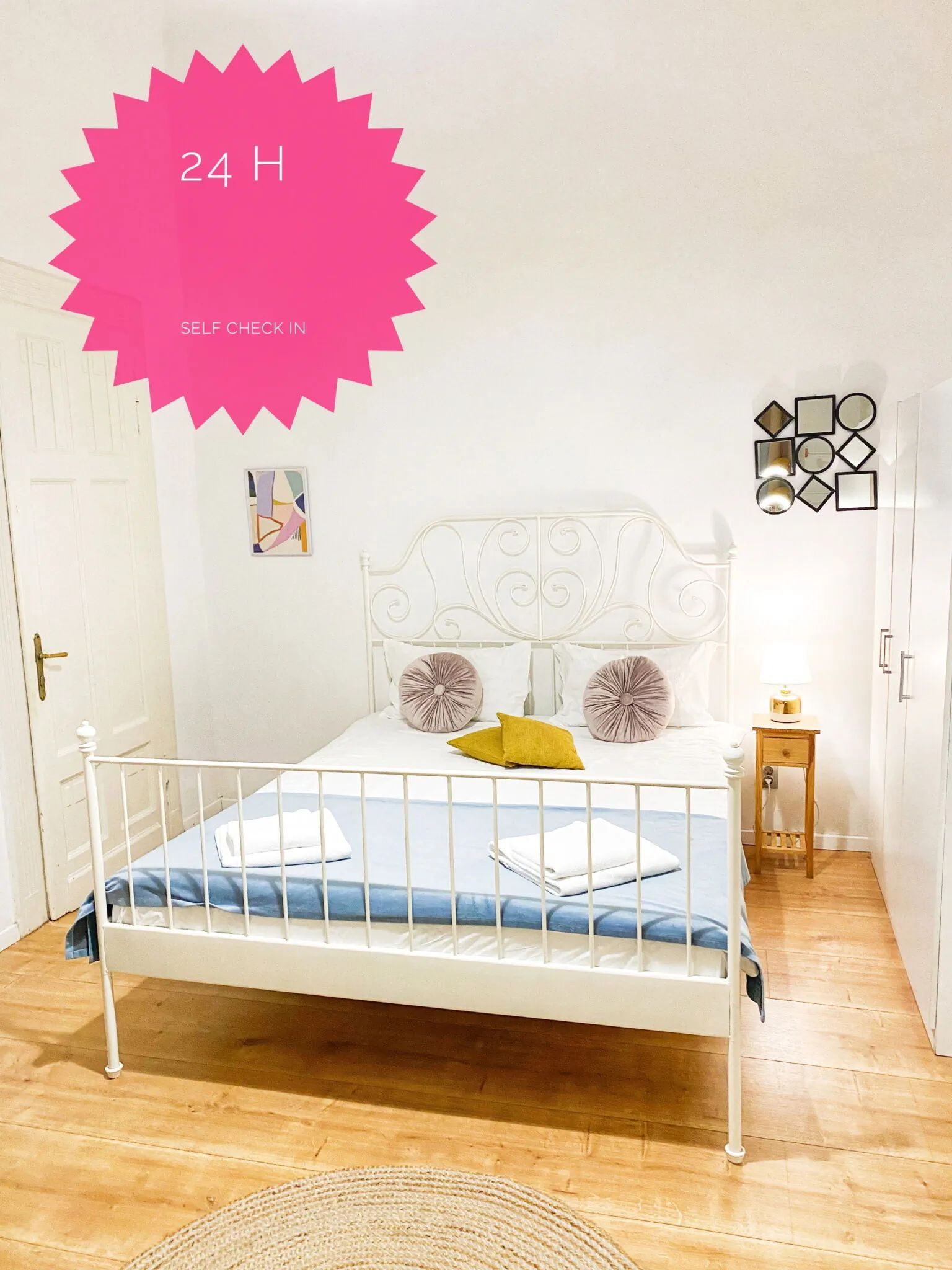
Apartament White Studio Cluj-Napoca
La câțiva pași de Biserica Sfântul Mihail din Cluj, Apartamentul White Studio din Cluj-Napoca reprezintă un punct de plecare potrivit pentru a descoperi atracțiile orașului. Acest apartament de închiriat, clasificat cu trei stele, se află pe bulevardul Eroilor, la parter, într-o zonă ușor accesibilă. Studio-ul oferă un spațiu cu o cameră, dotat cu pat matrimonial pentru două persoane și baie separată. Bucătăria este complet echipată cu plită electrică, cuptor, frigider-congelator, mașină de spălat, cuptor cu microunde și ustensile de gătit noi, alături de o masă de servire. În living găsiți un pat confortabil, un dulap tip garderobă, un birou cu scaun și un televizor flat screen, într-un ambient cu mobilier personalizat. Pentru confortul dumneavoastră, aveți la dispoziție Wi-Fi gratuit, echipamente electronice moderne și cablu TV cu până la o sută de programe. În apropiere puteți vizita Muzeul Național de Istorie Cluj-Napoca, Cetatea Clujului, Muzeul de Artă Cluj Napoca sau Cetățuia din Cluj. Vă așteptăm să vă bucurați de șederea dumneavoastră în acest apartament.
FROM
230 lei per night
BEFORE YOU HIT THE ROAD
Weather conditions in Apahida
Local forecast for Cluj Citadel, Apahida, Cluj

Real-time updated weather data
Much more to explore in this area
Nearby tourist attractions


Turda, Cluj County
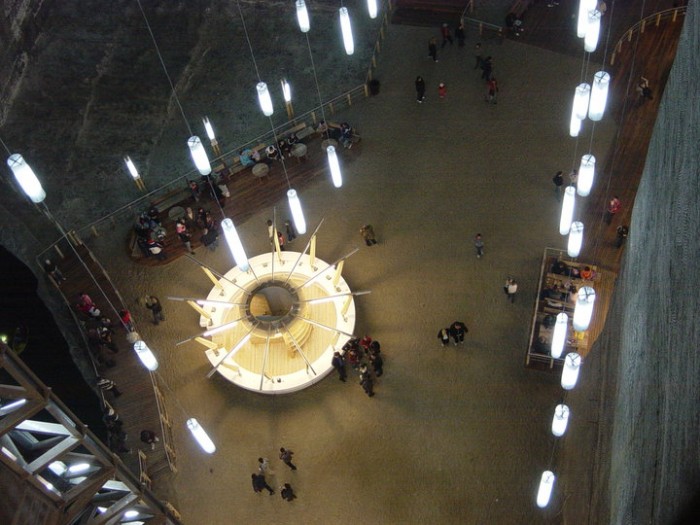
Turda Salt Mine
Se gaseste in zona Durgau-Valea Sarata din Turda; prima atestare documentara a extragerii sarii in Turda dateaza din anul 1271; cele patru mine din adancurile...
24.6 km
Apahida, Cluj County
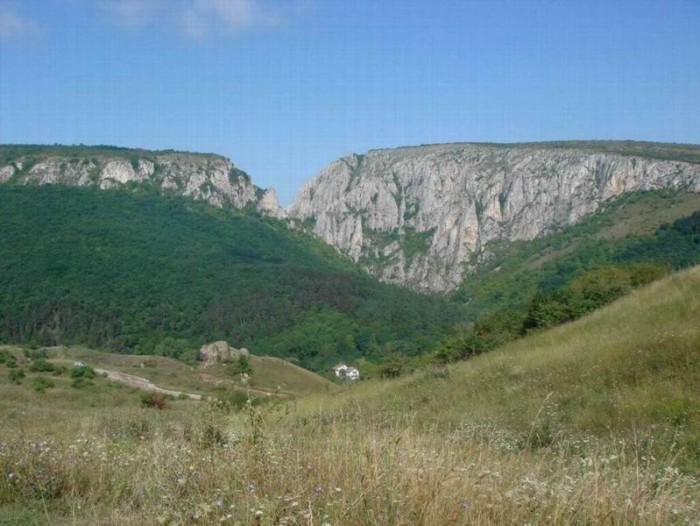
Turda Gorge
Situate la o distanta de 6 km vest de Turda, de-a lungul Vaii Hasdate; ocupa o suprafata de 324 ha si s-au format prin erodarea rocii de calcar jurasic;...
23.5 km

Apahida, Cluj County
St. Michael's Church, Cluj-Napoca
Situata in Piata Unirii, Cluj-Napoca; istoria bisericii Sfantul Mihail coincide cu inceputurile Clujului ca si oras; biserica a fost inaltata pe un teren care...
0.8 km
Apahida, Cluj County
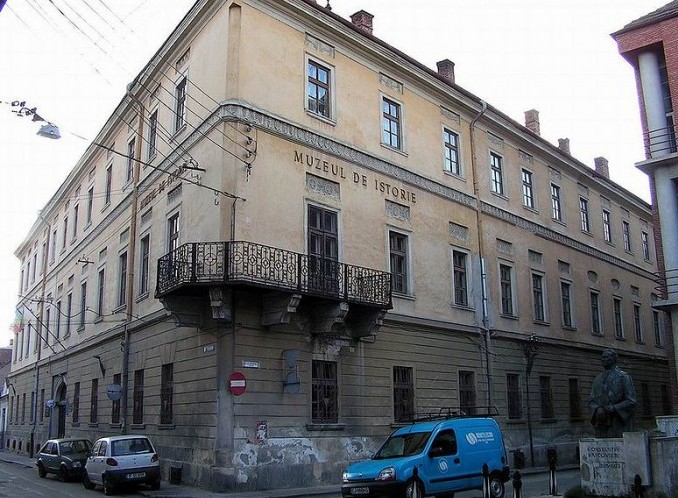
National Museum of History of Cluj-Napoca
Situat pe strada Constantin Daicoviciu 2, Cluj-Napoca; cunoscuta si drept Casa Petrechevich-Horvath drept, este continuatorul primei asociatii muzeale din...
1.1 km

Apahida, Cluj County
Art Museum of Cluj-Napoca (Bánffy Palace)
Situat in Piata Unirii 30, Cluj Napoca; infiintat ca institutie in anul 1951, muzeul functioneaza din anul 1956 in Palatul Banffy, o cladire baroca construita...
1.3 km
Apahida, Cluj County
Cluj Citadel (Cetățuia)
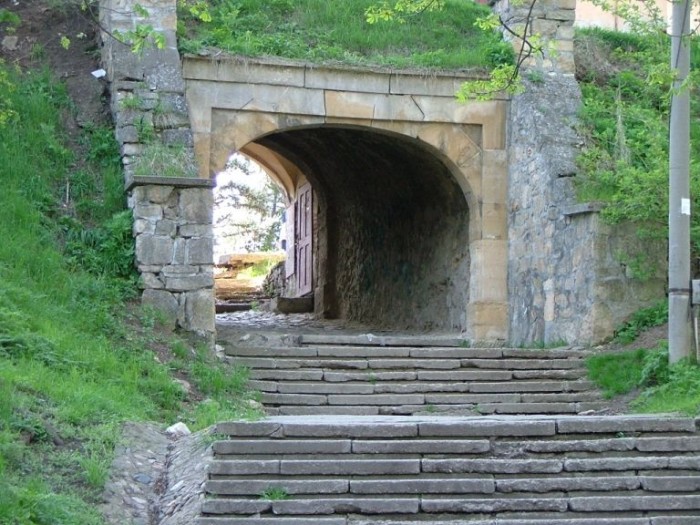
La fel ca si Cetatea din Alba Iulia, Cetatuia a fost proiectata de arhitectul militar italian Giovanni Morandi Visconti, in timpul guvernarii militare a...
1.6 km
Nicula, Cluj County
Nicula Monastery
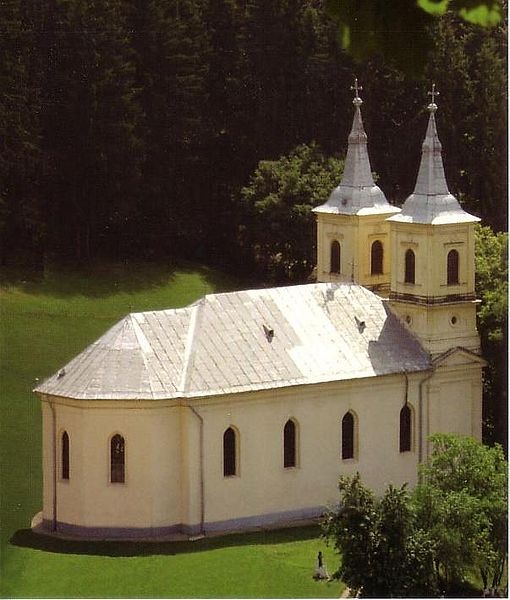
Situata in localitatea Nicula, orasul Gherla; manastire de calugari; poarta urmatoarele hramuri: Adormirea Maicii Domnului, Sfantul Nicolae, Buna Vestire;...
1.8 km

0.5 km

Apahida, Cluj County
Transylvania Ethnographic Museum
Situat pe strada Memorandului nr. 21 din Cluj-Napoca; infiintat in 1922, detine colectii cu piese extrem de valoroase, achizitionate pe baza unor cercetari de...
1.0 km

Apahida, Cluj County
Turda Gorge Nature Reserve
Situate de-a lungul Vaii Hasdate; reprezinta una dintre cele mai cunoscute atractii turistice din Romania -privelistea, peretii inalti de stanca, vegetatia si...
23.2 km

37.5 km
Valeni, Cluj County
Fortified Church of Văleni
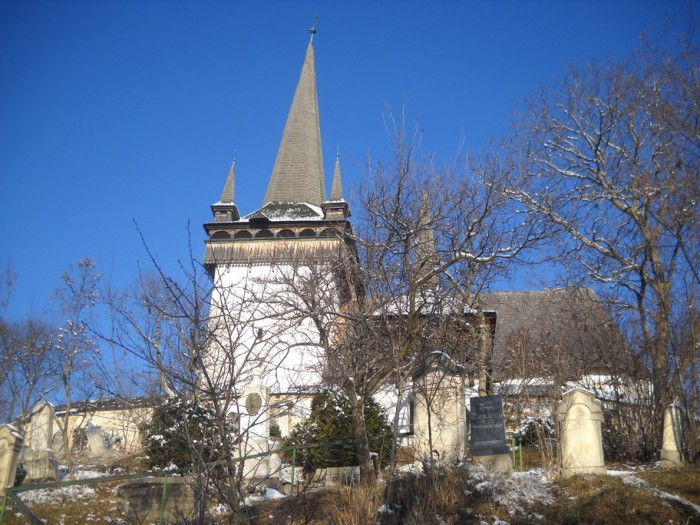
Situata in satul Valeni, judetul Cluj; a fost ridicata in secolul al XIII-lea de calugarii franciscani; este una dintre cele mai frumoase biserici din judetul...
43.0 km
Cultural life and traditions
Events in the Cluj Citadel area
Medieval festivals, traditional fairs, concerts and local activities recommended in Transylvania.

Heritage and History

Apahida, County of Cluj
The Festival of Medieval Fortresses and the Open Doors Days
Guided night tours, traditional crafts workshops and historical re-enactments featuring knights and ladies.
WHEN
May 15-17, 2026


Traditions and Cuisine
Apahida, County of Cluj
The Fair of Saxon Traditions and Local Cuisine
Discover local producers, traditional Saxon pastries baked in a wood-fired oven, artisanal syrups, and rhubarb jam.
WHEN
Every weekend (May - October)

Ecotourism and Nature
The hills of Transylvania, County of Cluj
Guided Hikes on the Transylvanian Hills Trail
Take excursions along unmarked trails through ancient meadows, centuries-old oak trees, and villages with fortified churches that are UNESCO World Heritage sites.
WHEN
Friday – Sunday (Season 2026)
On foot, exploration gains depth
Discover the surroundings and local geography
Explore the trails, terrain, and natural landmarks around Cluj Citadel.

Guides and practical tips
Useful travel articles
Travel guides, practical recommendations and tourist itineraries for Transylvania.

Tourist guide
Top 5 Atracții Turistice și Trasee Montane în Zona Moieciu - Bran
Descoperă cele mai spectaculoase peisaje carstice, chei adânci și cetăți medievale din imediata apropiere a stațiunii Moieciu.

Tourist guide
Ghid de Drumeție: Traseul Moieciu de Sus spre Platoul Bucegi
Un itinerariu montan de o frumusețe rară ce urcă din Valea Băngăleasa spre Poiana Guțanu și crestele maiestuoase ale Bucegilor.

Tourist guide
Castelul Bran: Istorie, Legende și Secrete Medievale
Află adevărata poveste a fortăreței medievale din Pasul Bran, reședința de suflet a Reginei Maria a României.
THE JOURNEY STARTS WITH AN IDEA
The next story is on the way.
From the first stop to the last stay, make room for a new Romania.
