


CASTLE · TRANSYLVANIA
Apafi Castle in Dumbrăveni

Sibiu, Sibiu County
Add location to your trip planner.

Practical access information

VISITING HOURS
Monday: 12:00 PM – 5:00 PM · Tuesday–Sunday: 9:00 AM – 5:00 PM (in summer until 8:00 PM)

TICKET PRICE
Adults: 45 RON · Students: 11 RON · Seniors: 23 RON · Guided tour included

RECOMMENDED VISIT DURATION
2-3.5 hours
Visitor information and guide
 Navigate with Google Maps

ABOUT APAFI CASTLE IN DUMBRĂVENI
Introduction: A Renaissance Palace at the Crossroads of Empires
In the heart of the Făgăraș Land, just fourteen kilometers from the medieval town of Mediaș, stands Apafi Castle in Dumbrăveni, an architectural gem that masterfully illustrates the encounter between the ambition of the Hungarian dynasty and the artistic spirit of the European Renaissance. Built in the 16th century by the noble Apafi de Bethlen family, this edifice represents one of the most refined examples of Renaissance civil architecture in the entire Transylvania region, placing the locality of Dumbrăveni on the cultural map of Central Europe during a period when the great courts of Vienna, Prague, and Kraków were redefining their identities through the prism of new artistic currents from Italy.
The castle is not merely a noble residence but a silent witness to tumultuous epochs, strategically located at the intersection of Western influences from the Habsburg Monarchy, Ottoman suzerainty over the Principality of Transylvania, and the local Romanian tradition. When the Apafi family ascended to the throne of the Principality of Transylvania in the 17th century, the castle was transformed from a medieval fortification into a sophisticated princely palace, reflecting the aspirations of a dynasty at the center of complex diplomacy between the most powerful empires of the time. Today, after centuries of historical vicissitudes, the castle houses a unique cultural treasure: the Museum Collection of the Transylvanian Armenians, adding a new layer of universal significance to this monument.
Historical Roots: From Medieval Fortress to Princely Residence
The history of Apafi Castle is closely tied to the remarkable ascent of the Apafi de Bethlen family, a Hungarian noble house that, through matrimonial alliances and skillful diplomacy, rose to lead the Principality of Transylvania. In the 16th century, as the Renaissance spread into Central Europe, family members decided to transform an old medieval fortification into a modern noble residence, inspired by Italian models they had studied during their travels to imperial courts. This architectural decision placed the castle among the great aristocratic residences of the era, alongside the palaces of Florence, Rome, or the Renaissance castles of Poland and Hungary.
The turning point came in 1661, when Michael I Apafi was proclaimed Prince of Transylvania, a title that conferred upon the castle the status of an official seat of power. Under his reign, which lasted until 1690, the castle experienced an unprecedented period of flourishing, becoming the political and cultural center of a state situated in an extremely sensitive geopolitical position. Transylvania was then under the suzerainty of the Ottoman Empire, paying tribute to the Sublime Porte while maintaining internal autonomy and close ties with the court in Vienna. Michael I Apafi was a diplomatic prince, capable of balancing between Habsburg and Ottoman interests, and his castle hosted numerous councils and official receptions that marked the history of Central European diplomacy.
During this period, the court at Dumbrăveni attracted Italian artists, craftsmen, and architects brought by the prince to transform the castle into a cultural center of European stature. This openness to the Western world aligned with the trends of the time, when princes such as Gabriel Bethlen or Stephen Báthory modeled their residences after examples from the courts of Ferrara, Mantua, or Vienna. The Apafi family, through their matrimonial alliances with influential families in Central Europe, contributed to the spread of Renaissance art in this part of the continent, turning Dumbrăveni into an outpost of Western civilization in the heart of the Carpathians.
Architecture: Renaissance Elegance and Baroque Metamorphoses
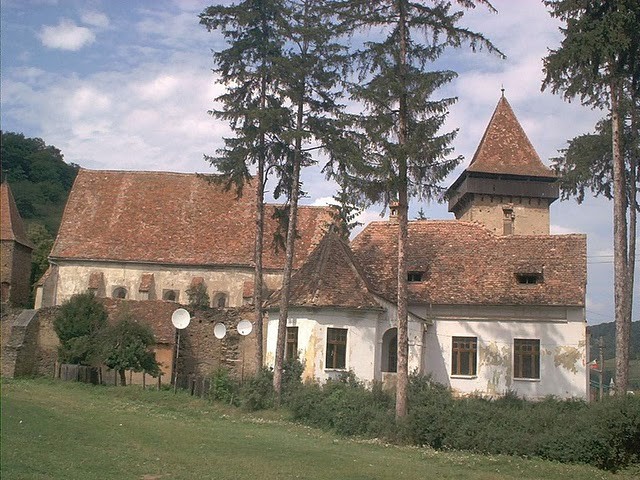
The architecture of Apafi Castle masterfully illustrates the transition from the defensive medieval spirit to the Renaissance elegance of the 16th century. The building’s plan features a symmetrical composition characteristic of Italian palaces, with a central body dominated by refined decorative elements and lateral wings that create an enclosed inner courtyard, typical of noble residences in Central Europe. Windows with stone-carved frames, triangular pediments, and ornamental relief decorations attest to the direct influence of Italian masters brought by the Apafi family, who introduced techniques and artistic forms previously unknown in Transylvania.
Over the centuries, the castle underwent numerous transformations that reflect the evolution of artistic tastes and the functional needs of different eras. During the Baroque period, in the 17th and early 18th centuries, decorative elements specific to this style—more lavish and theatrical—were added, complementing the original Renaissance structure. Subsequently, in the 19th and 20th centuries, the castle passed through periods of neglect and utilitarian modifications, being used for various administrative or agricultural purposes, which led to the loss of some original decorative elements.
Nevertheless, the castle’s basic structure and numerous architectural details have survived, offering today’s visitors a coherent image of its former splendor. A crucial moment in the monument’s recent history was 2010, when four rooms and an access hall, totaling approximately 700 square meters, underwent extensive rehabilitation and restoration. These interventions allowed for the partial opening of the castle to the public and the enhancement of remarkable interior spaces, including rooms with mural decorations and historic furniture. The castle’s architecture thus reflects its status as a princely residence in an era when Transylvania maintained relative autonomy, serving as a witness to the synthesis of local tradition, Western influences, and the Oriental heritage specific to this borderland between Christianity and Islam.
The Story of the Transylvanian Armenians: A Cultural Treasure in the Heart of the Castle
Since 2007, Apafi Castle has gained a new cultural dimension by hosting the Museum Collection of the Transylvanian Armenians, a unique treasure in Central and Eastern Europe that presents the history, religion, and daily life of this ancient community. The presence of Armenians in Transylvania dates back to the 17th century, when princes such as Gabriel Bethlen and, later, Michael I Apafi invited Armenian merchants and craftsmen to settle in the region, offering them special privileges to stimulate the principality’s economic development. In 1672, Michael I Apafi issued a historic decree granting Armenians extensive rights of communal autonomy, religious freedom, and commercial privileges, recognizing their essential contribution to Transylvania’s economic prosperity.
The museum in the castle houses impressive testimonies of this presence, illustrating the Armenians’ contribution to the cultural and economic development of the region in a continuous dialogue between Eastern and Western Christian traditions. Visitors can admire a rich collection of religious objects, illuminated manuscripts, Oriental carpets, historical photographs, and documents attesting to the existence of a flourishing community in towns such as Dumbrăveni (Elisabethstadt), Gherla, and Dej. The Armenians built impressive Baroque churches in Transylvania, established schools and printing presses, and significantly contributed to trade with the Orient, bringing precious goods from Persia and Anatolia to the markets of Central Europe.
This museum collection represents the only physical evidence of a diaspora that managed to preserve its cultural and religious identity over the centuries, despite geographical dispersion and historical vicissitudes. Through its exhibits, the visitor discovers how the Armenians became an integral part of Transylvania’s multicultural fabric, contributing to the ethnic and religious diversity that characterizes this region. The museum thus offers a European perspective on the phenomenon of migration and cultural integration, placing local history within the broader context of Eastern Europe’s commercial and religious history.
Turning Points: Diplomacy, War, and Renaissance
The history of the castle is marked by numerous turning points that reflect the turbulence of Transylvanian history. The reign of Michael I Apafi represents the political apogee of the dynasty, when the castle was the center of decisions that influenced the fate of the entire region. The prince had to navigate between the growing pressures of the Habsburg Empire, which sought to annex Transylvania, and obligations to the Ottoman Empire, under whose suzerainty the principality lay. During this tense period, the castle hosted numerous diplomatic councils and foreign embassies, becoming a meeting point for Viennese, Ottoman, and Transylvanian diplomats.
After the death of Michael I Apafi in 1690, Transylvania gradually came under direct Habsburg rule, and the castle lost its status as a princely residence. In the following centuries, the building experienced a period of decline, being used for various administrative, military, or agricultural purposes, which led to the progressive deterioration of its structures and interior decorations. The communist period brought new challenges, as the castle was nationalized and used for purposes unrelated to its cultural heritage, resulting in irreversible losses of decorative elements.
The castle’s renaissance began in the 21st century, with the recognition of its exceptional heritage value. The year 2007 marked the inauguration of the Museum of the Transylvanian Armenians, giving the castle a new cultural function and opening it to the public. Then, in 2010, extensive restoration work began, allowing for the preservation and enhancement of remarkable interior spaces. These efforts continue today, with the castle still undergoing complete rehabilitation, each stage bringing new discoveries and perspectives on its glorious past.
Practical Guide: Exploring the Făgăraș Land and the Visitor Experience
Located in the heart of the Făgăraș Land, just fourteen kilometers from the town of Mediaș, Apafi Castle in Dumbrăveni is an essential destination for travelers seeking to explore the true essence of Transylvania, far from the crowds of major tourist cities. A visit to the castle fits perfectly into a broader cultural itinerary that includes the historic Saxon center of Mediaș, with its leaning tower and fortified church dominating the urban landscape. For history and architecture enthusiasts, the area offers other major attractions such as Făgăraș Fortress, one of Romania’s most impressive fortified complexes, or the fortified churches in the surrounding villages, included in the UNESCO World Heritage list.
Visitors to the castle will be greeted by the tranquil and contemplative atmosphere of a noble residence that has survived the centuries, offering an authentic and profound experience. Although only part of the complex has been rehabilitated so far, the four restored rooms and access hall allow for the admiration of Renaissance architecture in all its splendor, while the museum exhibition dedicated to the Transylvanian Armenians provides a unique perspective on the region’s cultural diversity. It is recommended to allocate at least an hour and a half for the visit, to fully appreciate both the architectural details and the richness of the museum collection.
A trip to Apafi Castle can be complemented by exploring the rural landscape of the Făgăraș Land, a region that preserves authentic agricultural and craft traditions. The optimal season for visiting is spring and summer, when the gardens around the castle are in bloom and the atmosphere is more vibrant, though the castle offers a special experience in autumn as well, when the colors of the surrounding forests are reflected in the stone of the ancient walls. For those wishing to delve deeper into the region’s history, visits to the towns of Sighișoara, Biertan, or Sibiu are recommended, all located nearby and representing top-tier cultural destinations in Europe.
Apafi Castle in Dumbrăveni thus remains a living monument, a witness to European history that continues to inspire and educate, offering the cultured traveler the opportunity to discover two essential layers of Transylvania’s cultural identity: the Hungarian princely heritage of Renaissance inspiration and the remarkable contribution of the Armenian community to the cultural diversity of this borderland between East and West.
Media gallery
Discover Apafi Castle in Dumbrăveni in pictures

2 photos · Architecture, courtyards and captivating details


Image source: Wikimedia Commons · Public domain photos · Free license
STAY A FEW DAYS, DISCOVER THE MAGIC
Accommodation in the Apafi Castle in Dumbrăveni area

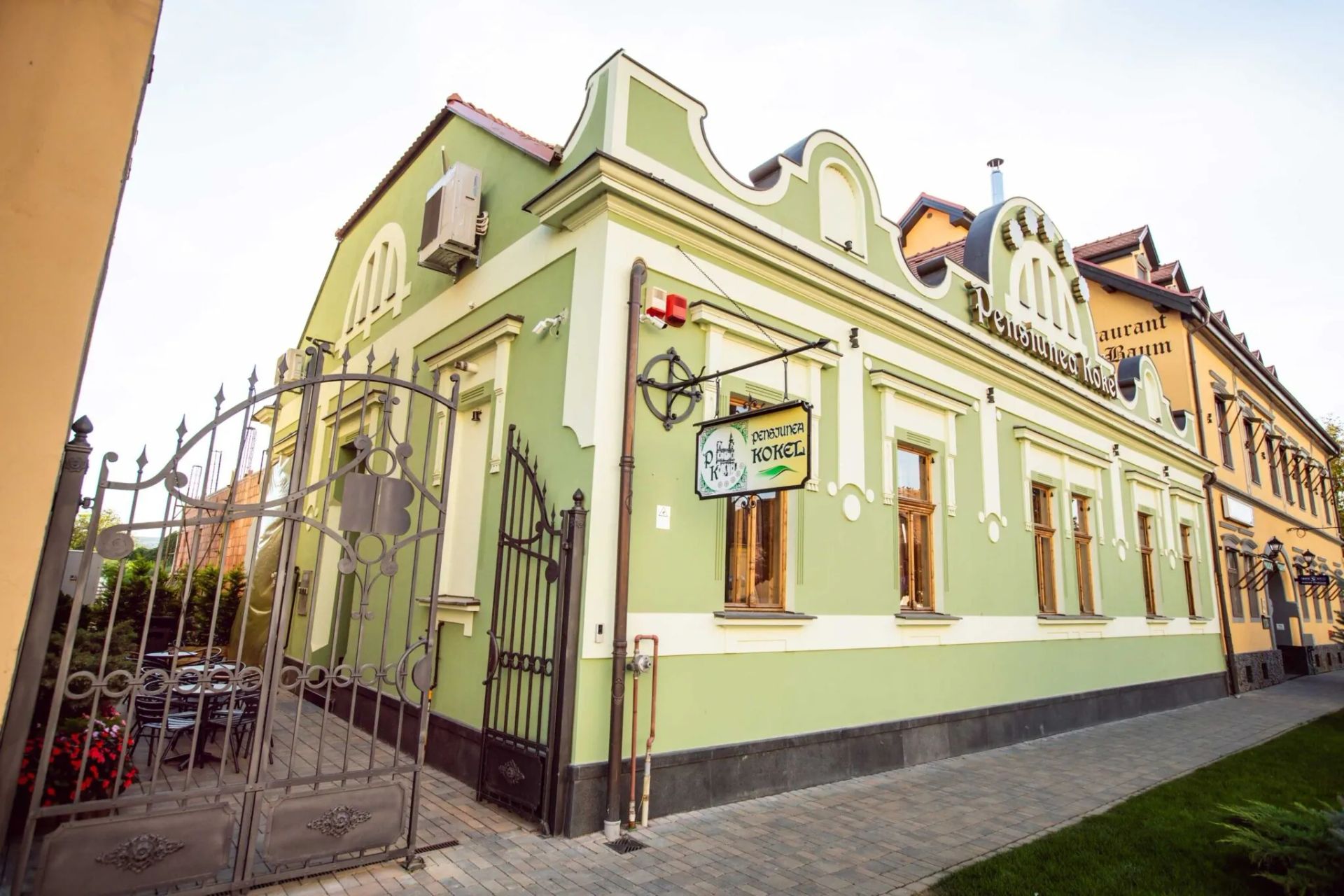
Guesthouse · 4 stars

Dumbrăveni, Sibiu County · 0.9 km
Pensiunea Kokel Dumbrăveni
În curtea largă și amenajată a Pensiunii Kokel din Dumbrăveni, foișorul și zona de grătar oferă un spațiu plăcut pentru relaxare în aer liber. Unitatea, clasificată cu patru stele, se află pe strada Tudor Vladimirescu și pune la dispoziția dumneavoastră camere confortabile dotate cu televizor cu ecran plat, frigider, minibar și seif. Pentru un sejur comod, aveți la dispoziție Wi-Fi gratuit în întreaga proprietate, parcare privată gratuită și parcare pentru biciclete. Accesul persoanelor cu dizabilități este asigurat prin lift, iar fierul de călcat vă ajută să vă pregătiți bagajele cu ușurință. Restaurantul și barul din incintă servesc preparate pentru toate gusturile, inclusiv meniuri pentru diete speciale și pentru copii. Zona de wellness include saună și cadă cu hidromasaj, iar cei mici se pot juca în siguranță în locul de joacă amenajat în aer liber. De aici puteți vizita Biserica fortificată de la Biertan, Castelul Apafi din Dumbrăveni, Cetatea Medievală Sighișoara, Biserica Fortificată Evanghelică Vâlchid și Turnul cu ceas Sighișoara. Această pensiune este potrivită pentru familii cu copii, grupuri de prieteni și turiști care doresc să descopere patrimoniul cultural al zonei Transilvaniei într-un cadru liniștit și primitor.
FROM
310 lei per night

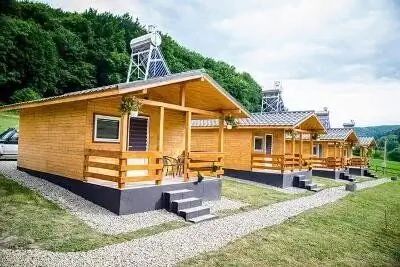
Cabin · 3 stars
Prod, Sibiu County · 6.2 km
Dara's Camping Prod
O zi petrecută la Dara's Camping Prod începe cu preparate gătite la ceaun în aer liber și se încheie cu o cină savurată la grătar, în localitatea Prod din județul Sibiu. Atmosfera naturală, liniștea dealului Gheorghe Marinescu și aerul curat completează experiența unei șederi relaxante. Dara's Camping Prod este o cabană clasificată cu trei stele care pune la dispoziția dumneavoastră patru camere modern mobilate, unele dintre acestea fiind dotate cu aer condiționat pentru un confort sporit în zilele călduroase de vară. Animalele de companie sunt binevenite gratuit, iar restaurantul din incintă servește specialități gastronomice delicioase. La recepție se vorbește atât în română, cât și în engleză. Primirea camerei se face începând cu ora 15:00, iar eliberarea până la ora 11:00. În apropiere puteți vizita Cetatea Medievală Sighișoara, Turnul cu ceas Sighișoara, Castelul Apafi din Dumbrăveni, Biserica fortificată de la Biertan și Biserica Fortificată Evanghelică Vâlchid, fiecare dintre aceste obiective oferind o perspectivă unică asupra istoriei și arhitecturii specifice zonei. Este alegerea potrivită pentru călătorii care caută o cazare confortabilă și liniștită, cu facilități pentru prepararea mesei în aer liber și acces rapid la importante monumente istorice din centrul Transilvaniei.
FROM
270 lei per night
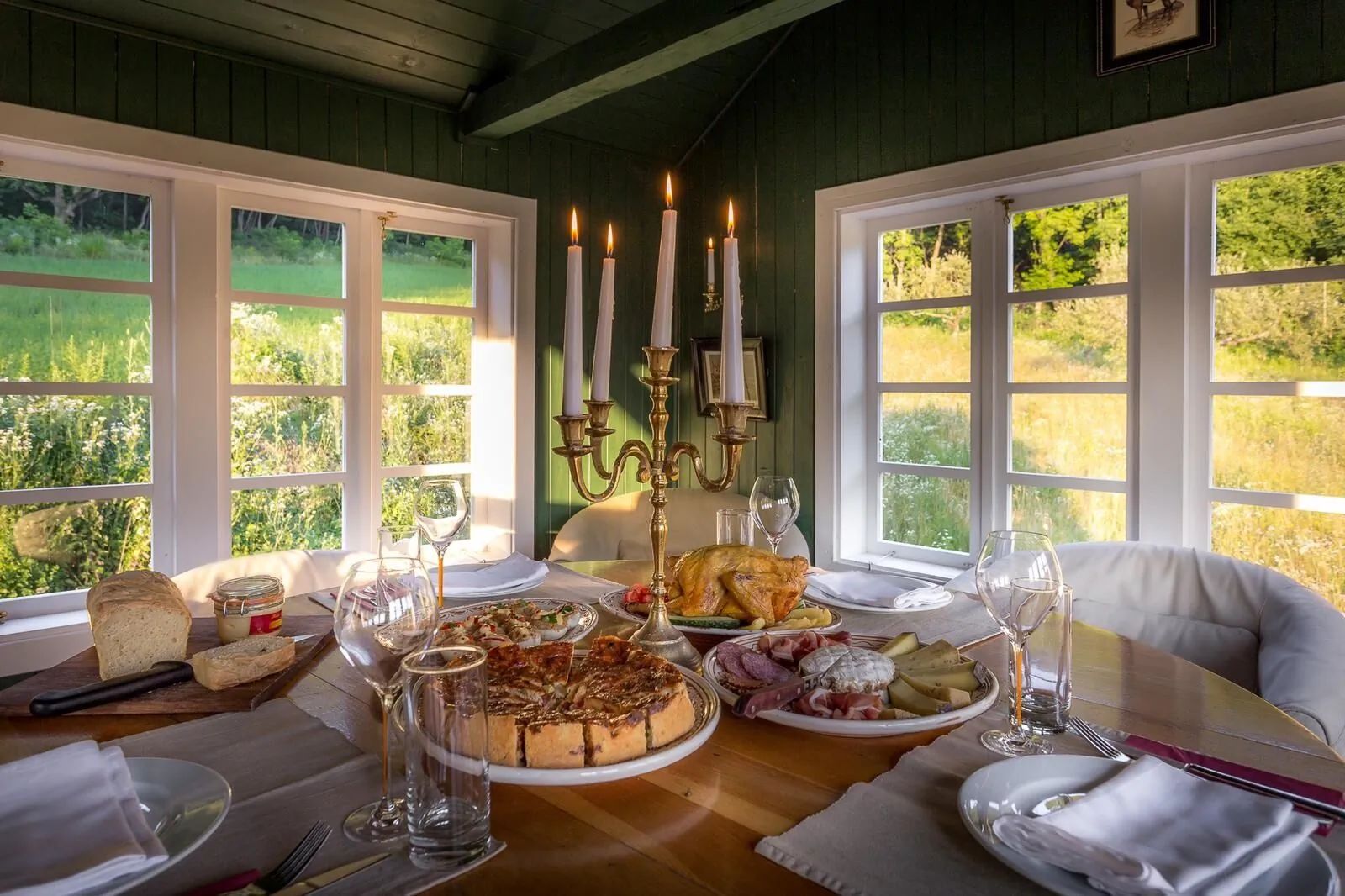
Hotel · 3 stars
Cund, Mureș County · 6.8 km
Valea Verde Retreat Cund
Hotelul cu trei stele Valea Verde Retreat Cund se află în localitatea Cund din județul Mureș, pe strada Principală. Oferă cazare într-un mediu rural autentic, cu facilități gândite pentru confortul dumneavoastră și al familiei. Unitatea dispune de Wi-Fi gratuit, servicii de masaj și fier de călcat, iar în incintă găsiți restaurant, bar și cafenea. Pentru momente de relaxare aveți la dispoziție ciubăr din lemn tradițional, grătar sau barbeque și ceaun pentru gătit în aer liber. Copiii se pot juca în aer liber sau în camera de joacă interioară, iar pătuțul pentru bebeluș este disponibil la cerere. Puteți închiria biciclete pentru plimbări și beneficiați de meniuri pentru copii și diete speciale. Curtea mare și grădina amenajată creează un spațiu plăcut pentru relaxare, iar în zonă puteți parcurge drumeții montane și trasee în natură. În apropiere se află Biserica fortificată de la Biertan, Castelul Apafi din Dumbrăveni, Cetatea Medievală Sighișoara, Biserica Fortificată Evanghelică Vâlchid și Turnul cu ceas Sighișoara, oferind oportunități variate de vizitare. Vă așteptăm la Valea Verde Retreat Cund.
FROM
290 lei per night
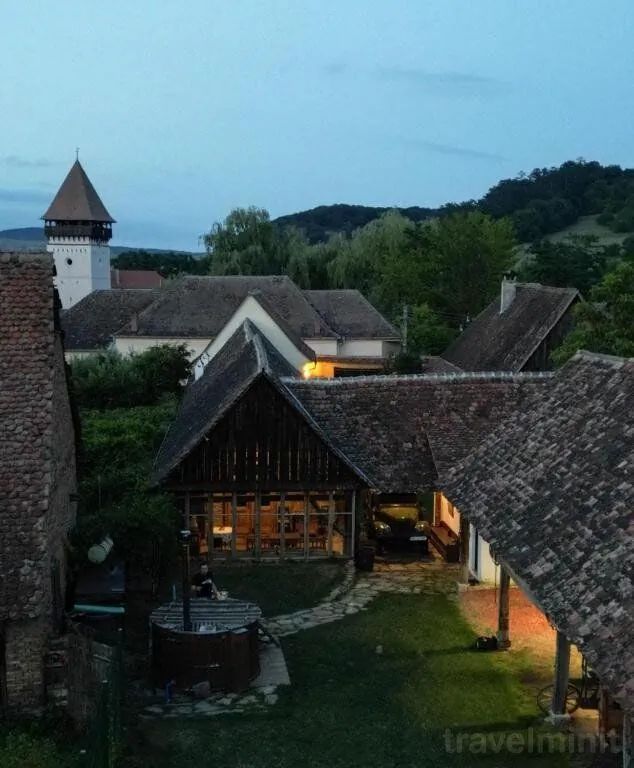
Guesthouse · 3 stars
Sighișoara, Mureș County · 8.8 km
Șura din Seleuș Daneș
Într-o curte largă și îngrijită din centrul satului Seleuș, Șura din Seleuș Daneș din Sighișoara vă primește cu liniștea specifică zonei rurale transilvănene, într-o construcție tradițională care păstrează atmosfera autentică a locului. Pensiunea de trei stele pune la dispoziția dumneavoastră cinci camere mobilate confortabil și plăcut, unele dintre ele fiind dotate cu aer condiționat pentru zilele călduroase de vară. Vă puteți bucura de acces gratuit la internet wireless în întreaga unitate și de o parcare privată gratuită, astfel încât șederea dumneavoastră să fie cât mai comodă. Grădina amenajată vă oferă un spațiu verde în care să vă relaxați, iar ciubărul din lemn tradițional reprezintă un punct de atracție pentru momente de destindere după o zi plină de activități. Poziția unității vă permite să explorați cu ușurință cele mai importante obiective din zonă: Cetatea Medievală Sighișoara, Turnul cu ceas Sighișoara, Biserica fortificată de la Biertan, Castelul Apafi din Dumbrăveni și Biserica Fortificată Evanghelică Vâlchid. Vă așteptăm să vă bucurați de ospitalitate într-un loc liniștit, cu acces facilitat de parcarea gratuită disponibilă în incintă.
FROM
240 lei per night
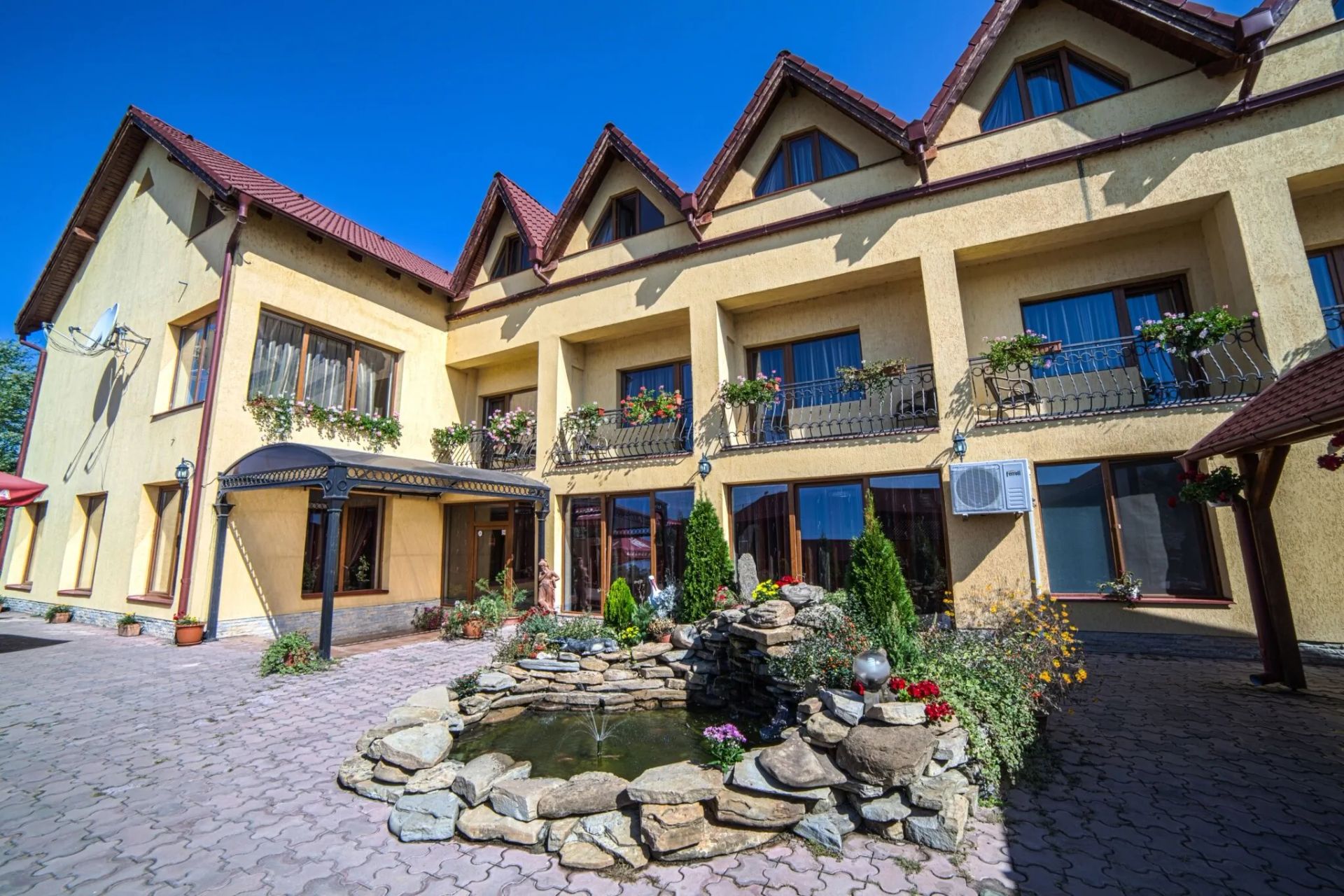
Motel · 3 stars
Sighișoara, Mureș County · 13.8 km
Motel Restaurant Corsa Sighișoara
O zi petrecută între grădina amenajată și locul de joacă pentru copii la exterior se transformă într-o experiență relaxantă și plină de activități la Motel Restaurant Corsa din Sighișoara. Restaurantul din incintă vă oferă preparate pentru diete speciale și un meniu dedicat copiilor. Puteți servi cafea la cafeneaua din incintă, băuturi la bar sau puteți lua masa în aer liber, în curtea mare amenajată. Pentru confortul dumneavoastră, unitatea pune la dispoziție Wi-Fi gratuit, parcare privată gratuită și parcare pentru biciclete. De asemenea, beneficiați de acces pentru persoane cu dizabilități, depozit pentru bagaje, pătuț pentru bebeluș și scaun înalt pentru copii, iar cei mici se pot juca în siguranță la locul de joacă de la exterior. Motelul reprezintă un punct de plecare convenabil pentru a descoperi patrimoniul cultural și istoric al zonei. În apropiere puteți vizita Cetatea Medievală Sighișoara, Turnul cu ceas Sighișoara, Biserica Mănăstirii Dominicane Sighișoara, Biserica fortificată de la Biertan și Biserica fortificată Saschiz. Seara, puteți savura o băutură relaxantă în foișorul din curtea mare.
FROM
170 lei per night
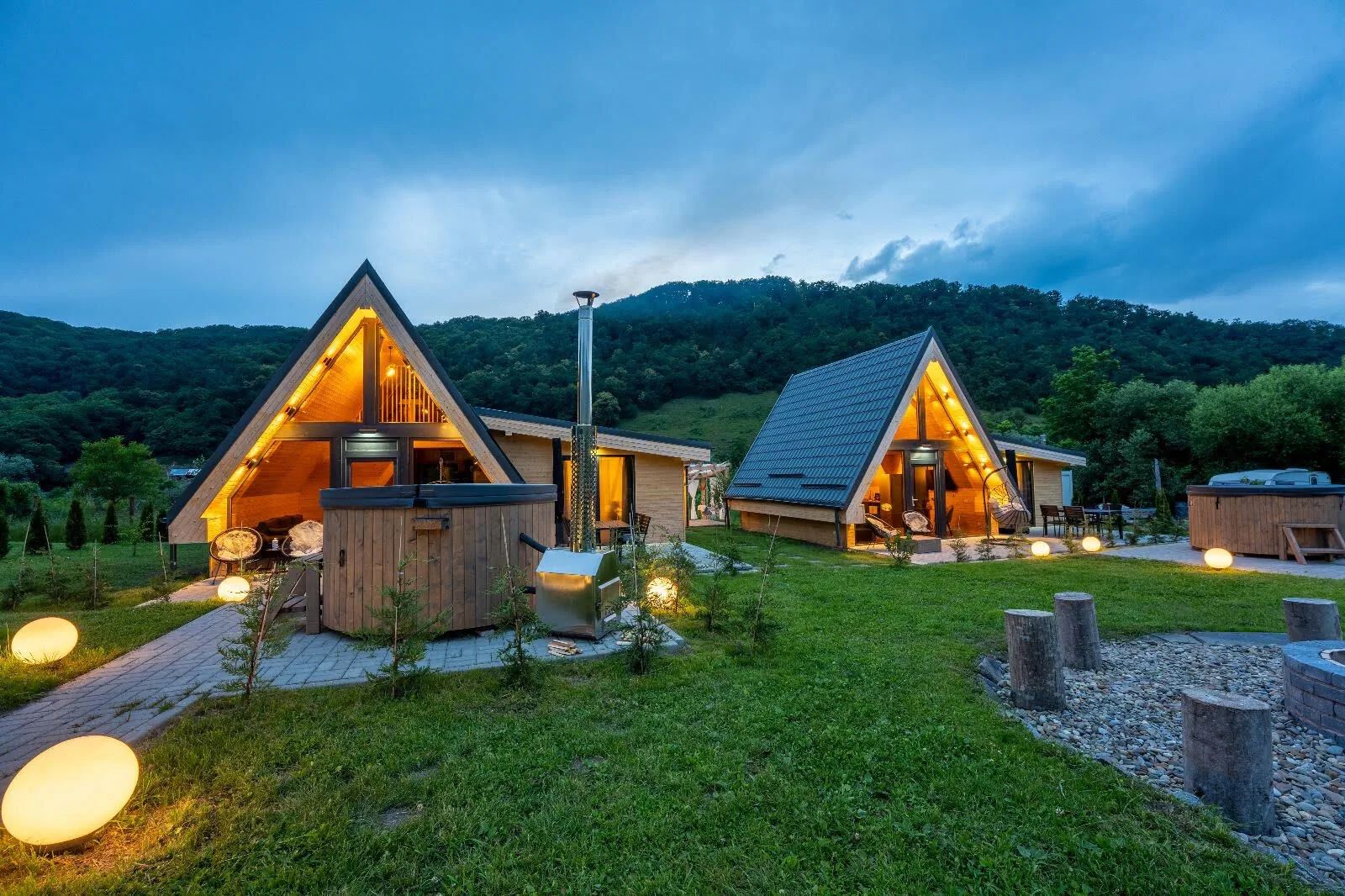
A-frame cabin · 3 stars
Sighișoara, Mureș County · 15.3 km
Ungefug A Frame Sighișoara
Pe strada Română din Sighișoara, la numărul 109, se află Ungefug A Frame Sighișoara, o cabană tip A Frame care îmbină arhitectura specifică cu liniștea unei zone rezidențiale situate în apropierea centrului istoric al orașului, într-un cadru natural plăcut și aerisit. Proprietatea oferă o curte mare și o grădină amenajată, unde puteți beneficia de un foișor, grătar, vatră de foc în aer liber și ceaun pentru preparate gătite direct în natură. Terasa la soare și ciubărul din lemn tradițional completează atmosfera de relaxare, iar pătuțul pentru bebeluș vine în sprijinul familiilor cu copii mici. Unitatea pune la dispoziție Wi-Fi gratuit, parcare privată gratuită și parcare pentru biciclete, fiind accesibilă și persoanelor cu dizabilități. Toate aceste facilități asigură un sejur confortabil și practic pentru toți oaspeții. Vă așteptăm să vă bucurați de șederea dumneavoastră aici și să porniți apoi în explorarea Cetății Medievale Sighișoara, a Turnului cu ceas sau a Bisericii fortificate de la Biertan.
FROM
450 lei per night
BEFORE YOU HIT THE ROAD
Weather conditions in Sibiu
Local forecast for Apafi Castle in Dumbrăveni, Sibiu, Sibiu

Real-time updated weather data
Much more to explore in this area
Nearby tourist attractions

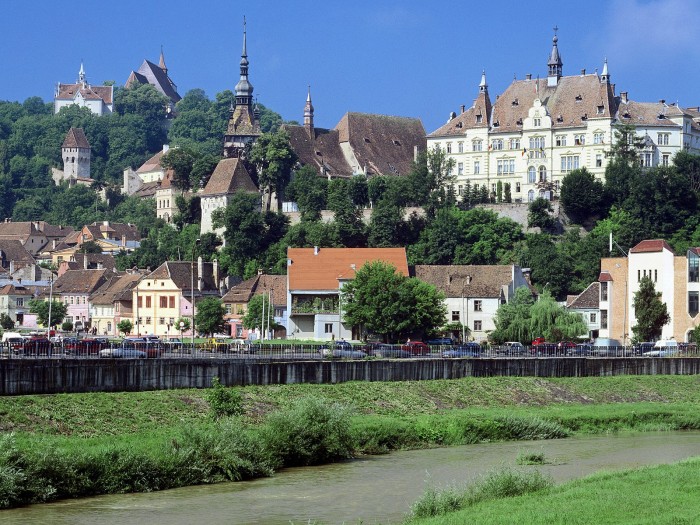

Sighișoara, Mureș County
Sighișoara Medieval Citadel
Situata in centrul municipiul Sighisoara; inca din secolul al III-lea i.Hr. a existat pe acest teritoriu o cetate dacica, numita Sandava; romanii au ridicat...
16.5 km
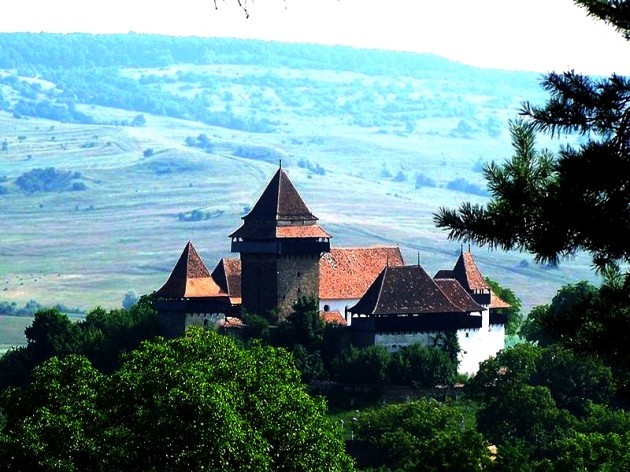
Brasov, Brașov County
Viscri Fortified Church
Situata in localitate Viscri; construita in secolul al XIII-lea; din punct de vedere arhitectural apartine stilului romanic; are un plan de tip sala romanica;...
43.9 km
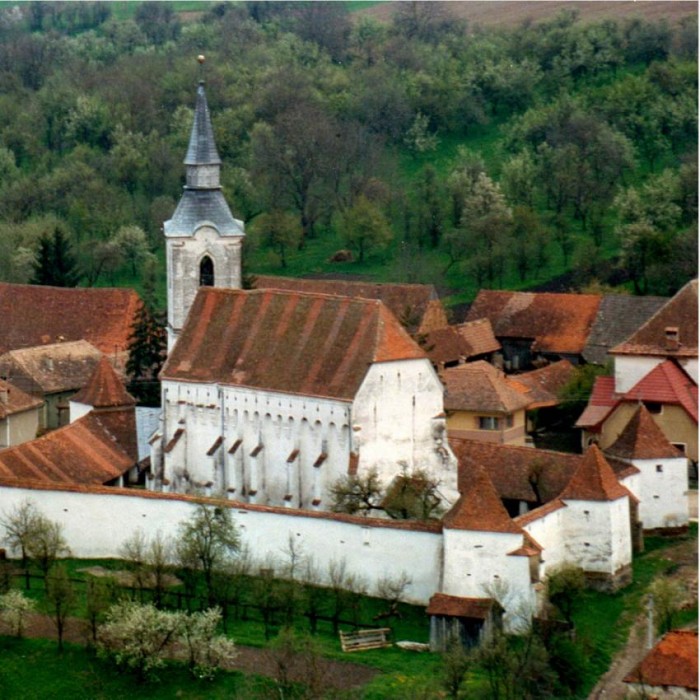
Harghita, Harghita County
Dârjiu Fortified Church
Situata in localitatea Darjiu; construita intre secolele XIV - XV; initial, a fost ridicata in stil romanic, iar apoi a fost transformata in stil gotic; a...
47.8 km

11.5 km

Brașov, Brașov County
Black Church of Brașov (Evangelical Fortified Church Ensemble)
Heritage site in Braşov County, Romania
37.0 km
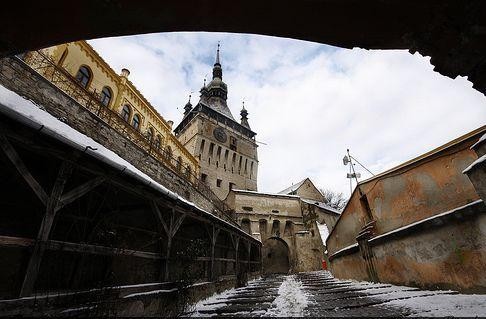
Danes, Mureș County
Sighișoara Clock Tower
Situat in partea de est a platoului inferior al Cetatii Sighisoara; construit in preajma secolului al XIV-lea, pentru a proteja poarta principala a orasului si...
16.5 km

20.9 km
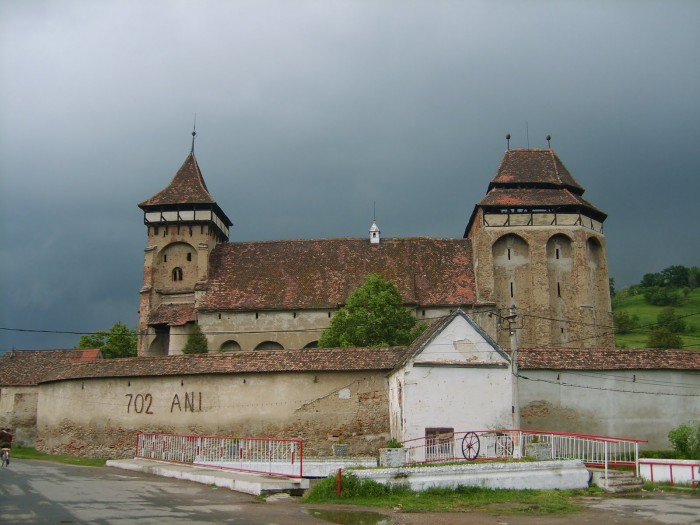
Sibiu, Sibiu County
Valea Viilor Fortified Church
Situata in localitatea Valea Viilor; a fost construita in secolul al XII-lea, urmand sa fie fortificata in secolul al XV-lea si al XVI-lea; inconjurata de o...
28.2 km
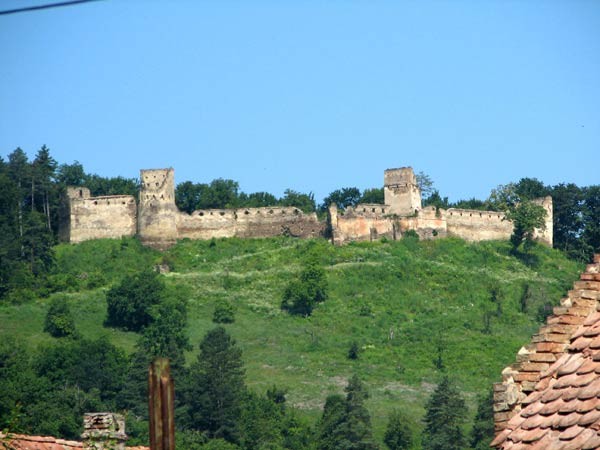
Danes, Mureș County
Saschiz Peasant Citadel
Situata pe aria localitatii Saschiz, la 2 km de vatra satului; lucrarile au inceput in 1347, fiind construita de comunitatea germana din zona; fortificatia a...
29.0 km

29.6 km
Sibiu, Sibiu County
Vâlchid Fortified Evangelical Church
Situata in localitatea Valchid; se presupune ca a fost ridicata in anul 1390; este construita in stil gotic si nu are turn; anul 1507, inscriptionat pe...
6.5 km

31.6 km
Cultural life and traditions
Events in the Apafi Castle in Dumbrăveni area
Medieval festivals, traditional fairs, concerts and local activities recommended in Transylvania.

Heritage and History

Sibiu, County of Sibiu
The Festival of Medieval Fortresses and the Open Doors Days
Guided night tours, traditional crafts workshops and historical re-enactments featuring knights and ladies.
WHEN
May 15-17, 2026


Traditions and Cuisine
Sibiu, County of Sibiu
The Fair of Saxon Traditions and Local Cuisine
Discover local producers, traditional Saxon pastries baked in a wood-fired oven, artisanal syrups, and rhubarb jam.
WHEN
Every weekend (May - October)

Ecotourism and Nature
The hills of Transylvania, County of Sibiu
Guided Hikes on the Transylvanian Hills Trail
Take excursions along unmarked trails through ancient meadows, centuries-old oak trees, and villages with fortified churches that are UNESCO World Heritage sites.
WHEN
Friday – Sunday (Season 2026)
On foot, exploration gains depth
Discover the surroundings and local geography
Explore the trails, terrain, and natural landmarks around Apafi Castle in Dumbrăveni.

Guides and practical tips
Useful travel articles
Travel guides, practical recommendations and tourist itineraries for Transylvania.

Tourist guide
Top 5 Atracții Turistice și Trasee Montane în Zona Moieciu - Bran
Descoperă cele mai spectaculoase peisaje carstice, chei adânci și cetăți medievale din imediata apropiere a stațiunii Moieciu.

Tourist guide
Ghid de Drumeție: Traseul Moieciu de Sus spre Platoul Bucegi
Un itinerariu montan de o frumusețe rară ce urcă din Valea Băngăleasa spre Poiana Guțanu și crestele maiestuoase ale Bucegilor.

Tourist guide
Castelul Bran: Istorie, Legende și Secrete Medievale
Află adevărata poveste a fortăreței medievale din Pasul Bran, reședința de suflet a Reginei Maria a României.
THE JOURNEY STARTS WITH AN IDEA
The next story is on the way.
From the first stop to the last stay, make room for a new Romania.
